



Kanda
Kaiseki, Japanese · Minato, Tokyo
Restaurant in Tokyo, Japan
 Book with Pearl
The Read
Minimal-Preparation Kaiseki
Price
$100–150per person
Chef
Hiroyuki Kanda
Dress
Smart Casual
Why go
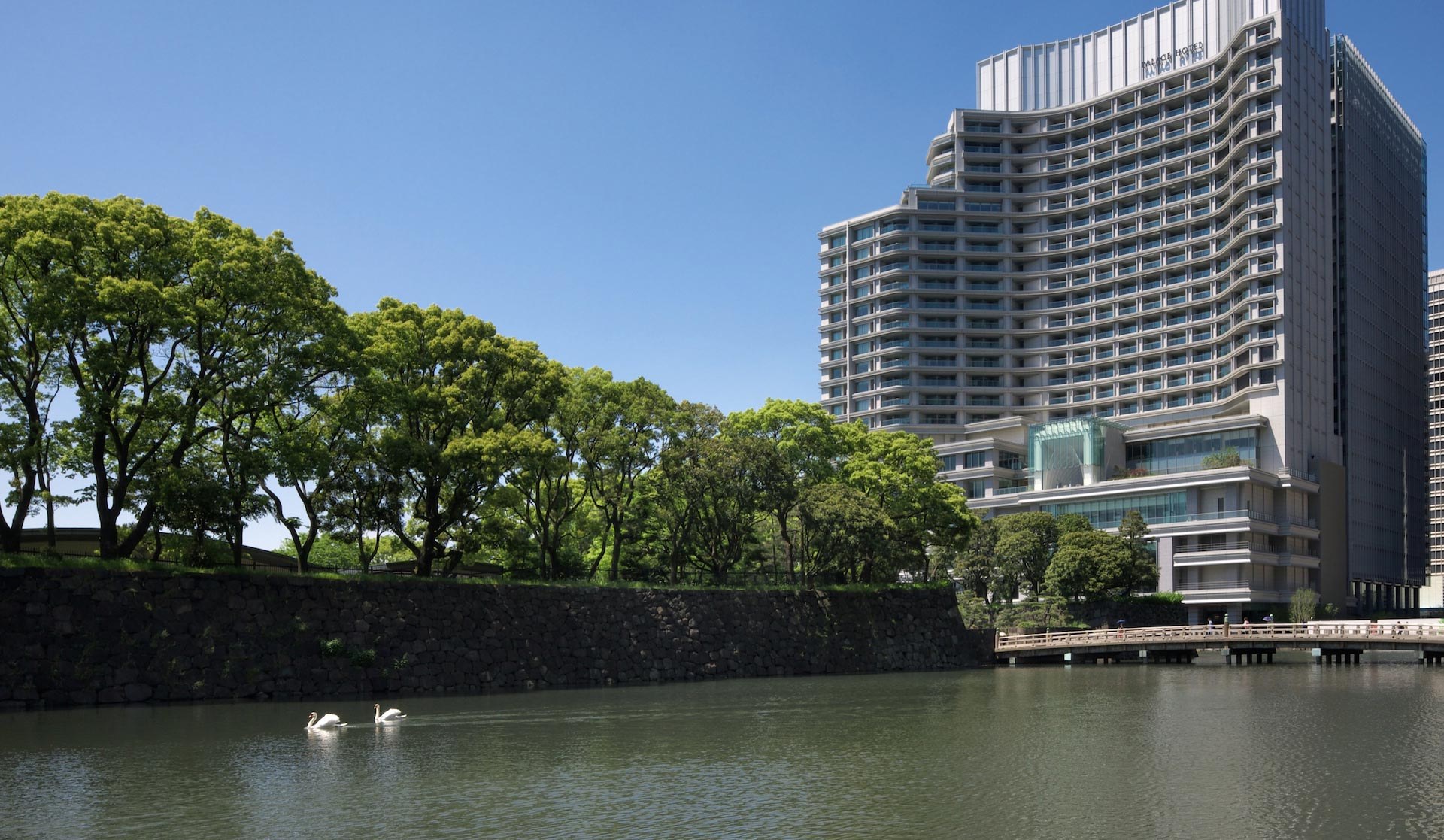
Kanda is a restaurant at Toranomon Hills Residential Tower in Tokyo.
About Kanda
Kanda is a Tokyo restaurant serving kaiseki and Japanese cuisine from chef-owner Hiroyuki Kanda. It sits in the ¥¥¥¥ price tier and is best approached as a premium dinner reservation rather than a casual stop-in. Dinner service is from 5–9 pm Tuesday through Saturday, with Monday and Sunday closed. The dress code is smart casual.
Kaiseki and Japanese Cuisine in Tokyo
Kanda is grounded in kaiseki and Japanese cooking, with Hiroyuki Kanda identified as chef-owner. Diners choosing Kanda should expect a high-end Japanese meal in Tokyo and should confirm any current menu, seating, or special requests directly when reserving.
Beverage Details to Confirm
Guests who care about beverage pairings, bottle availability, corkage, or non-alcoholic options should ask the restaurant directly before booking. Kanda is a ¥¥¥¥ kaiseki and Japanese restaurant in Tokyo; it is not defined by any particular drinks program.
How It Sits Among Tokyo's Premium Dining
Within Tokyo's premium Japanese dining landscape, Kanda can be considered alongside other high-end venues such as Mutsukari, RyuGin, Ginza Kojyu, GINZA OKUDA, and Ren Mishina. Kanda is distinguished by its cuisine, chef-owner, Tokyo location, ¥¥¥¥ price level, dinner hours, and smart-casual dress code. Comparisons involving seats, rankings, wine depth, tasting-menu format, access, or service style should be confirmed.
Kanda appears in an Opinionated About Dining import with a venue match for 2026. For planning, rely on the schedule: Tuesday through Saturday, 5–9 pm; closed Monday and Sunday.
For a broader view of Tokyo's dining landscape, consult our full Tokyo restaurants guide. Lodging options appear in our full Tokyo hotels guide, bar picks in our full Tokyo bars guide, and winery visits in our full Tokyo wineries guide. If you prefer experiences beyond dining, see our full Tokyo experiences guide. Other kaiseki and Japanese dining options in Tokyo can be considered generically alongside Kanda, but specific venues and claims should be checked before planning around them.
Planning details
- Hours
- Monday: Closed · Tuesday: 5–9 pm
- Location
- 1F, Toranomon Hills Residential Tower, 1 Chome-1-1 Atago, Minato City, Tokyo 105-0002, Japan
- Reservations
- Book on Omakase
- Website
- nihonryori-kanda.com/restaurant
- Phone
- +81 3-6459-0176
The take
The Take
The Vibe
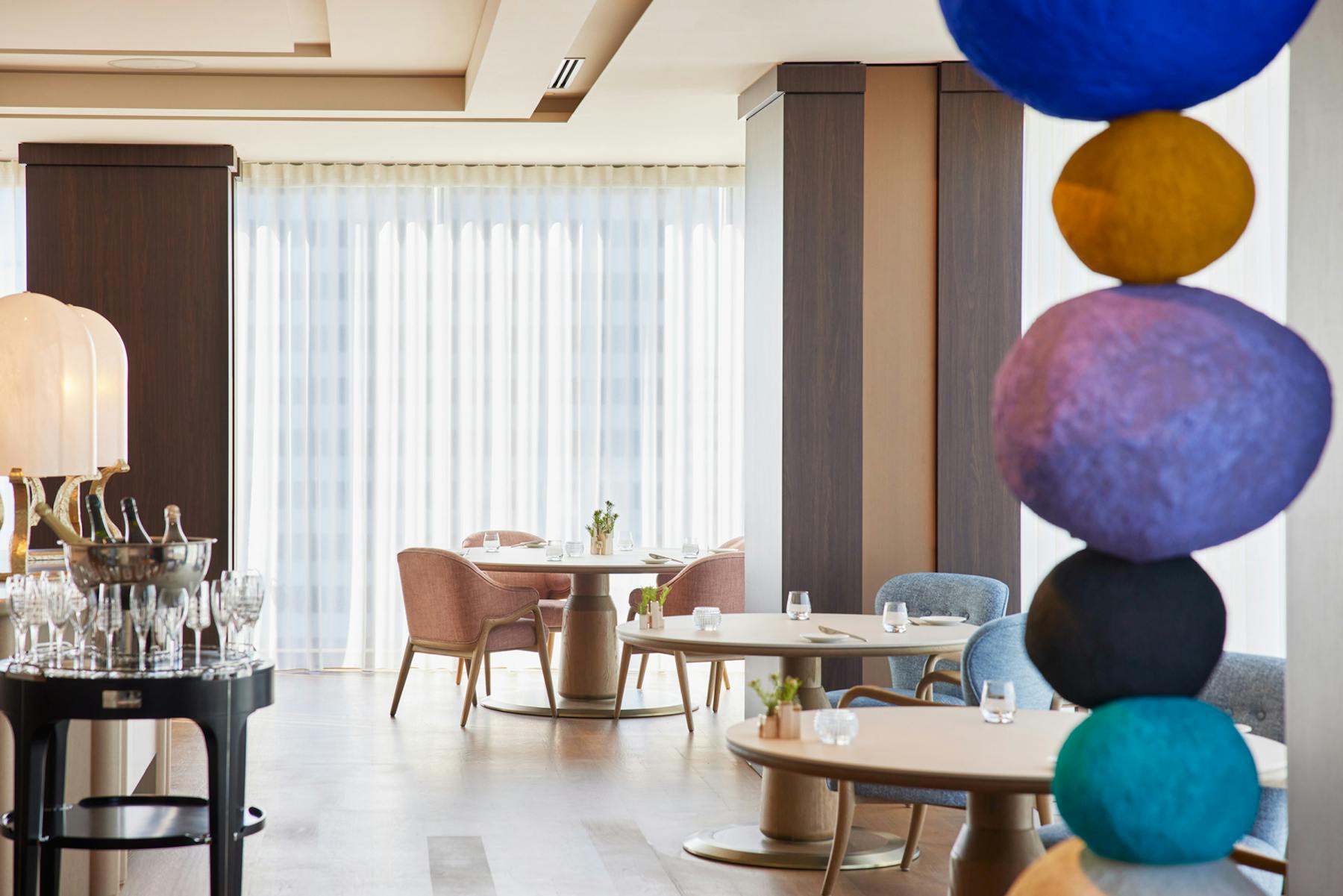
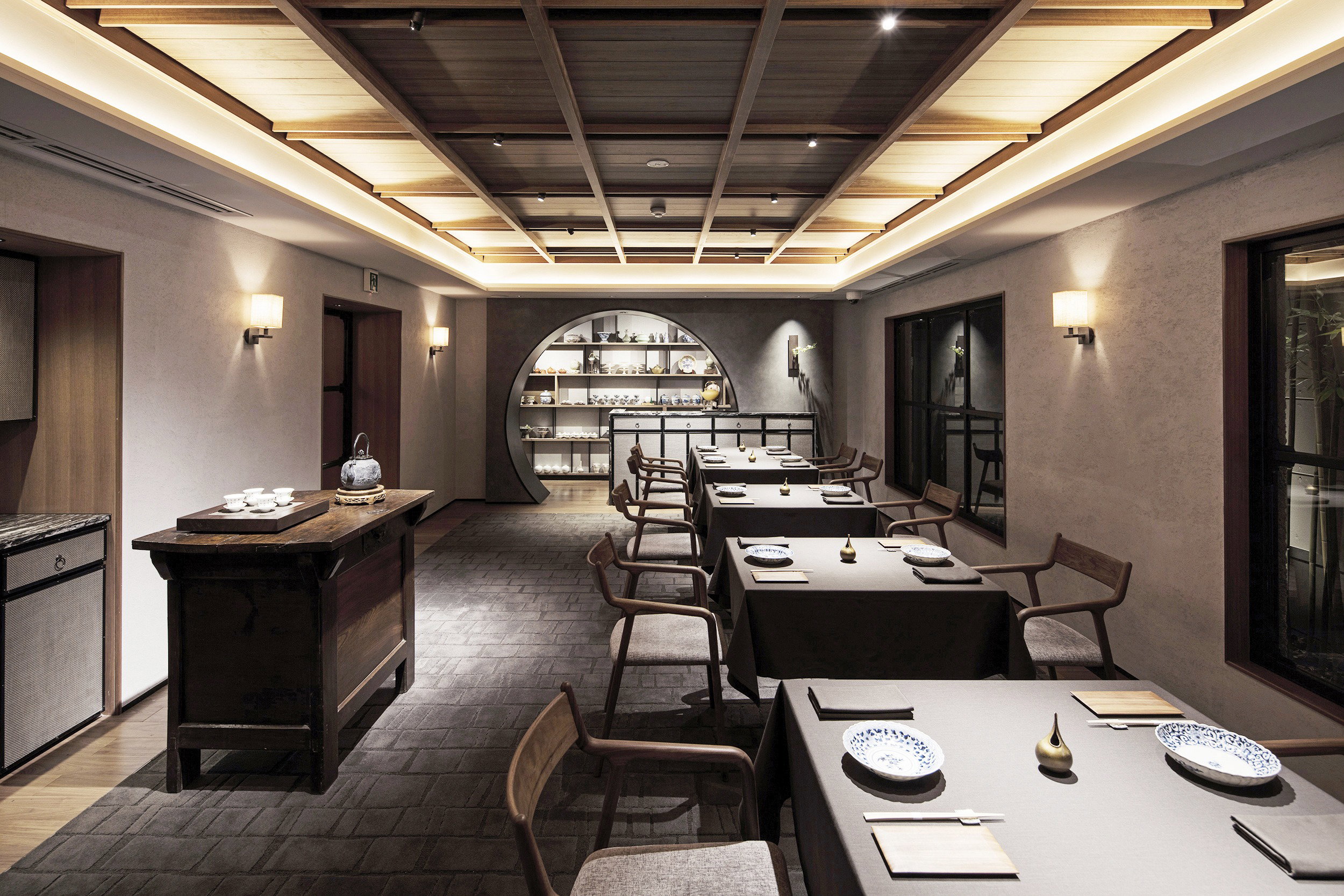
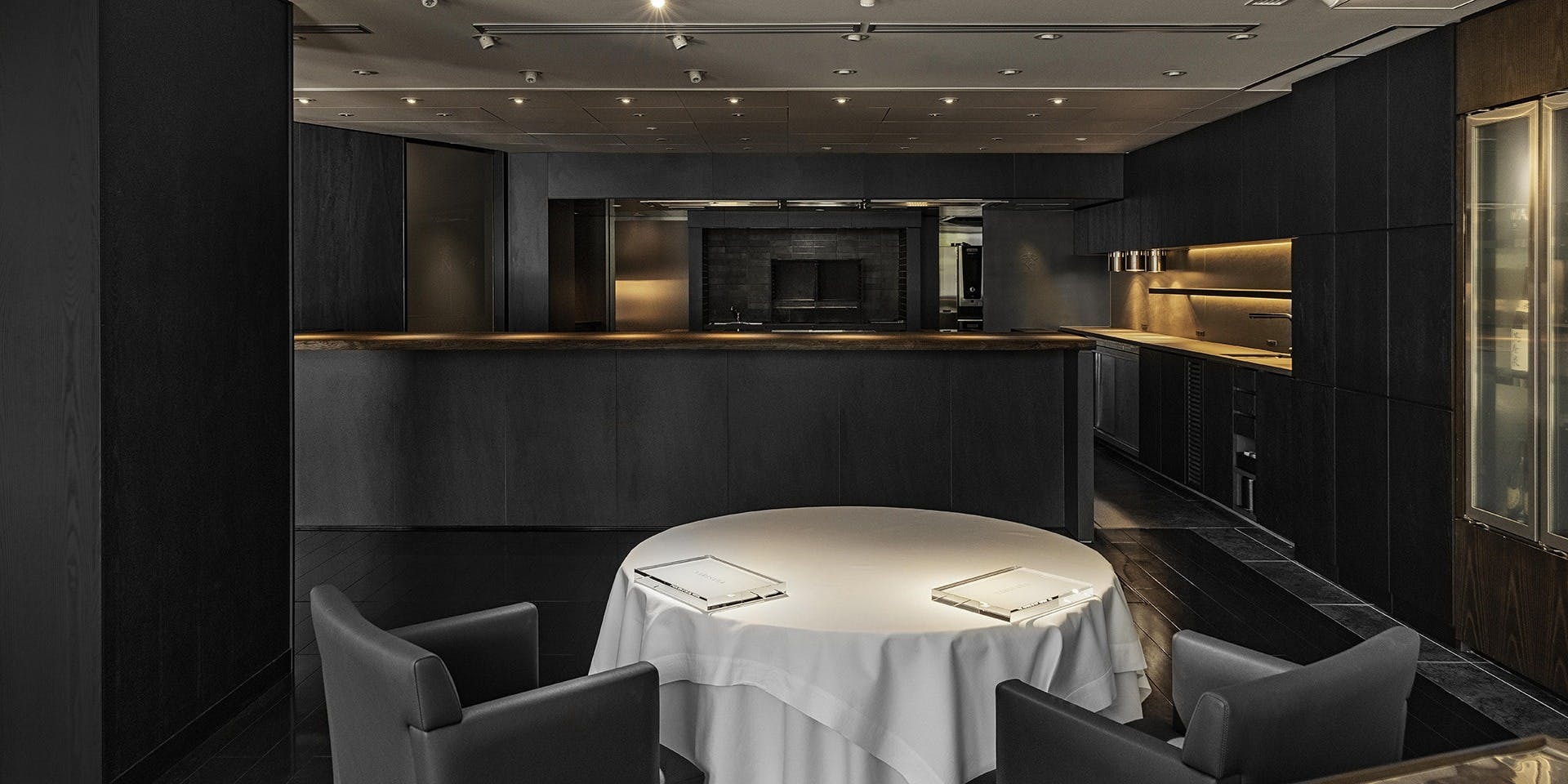
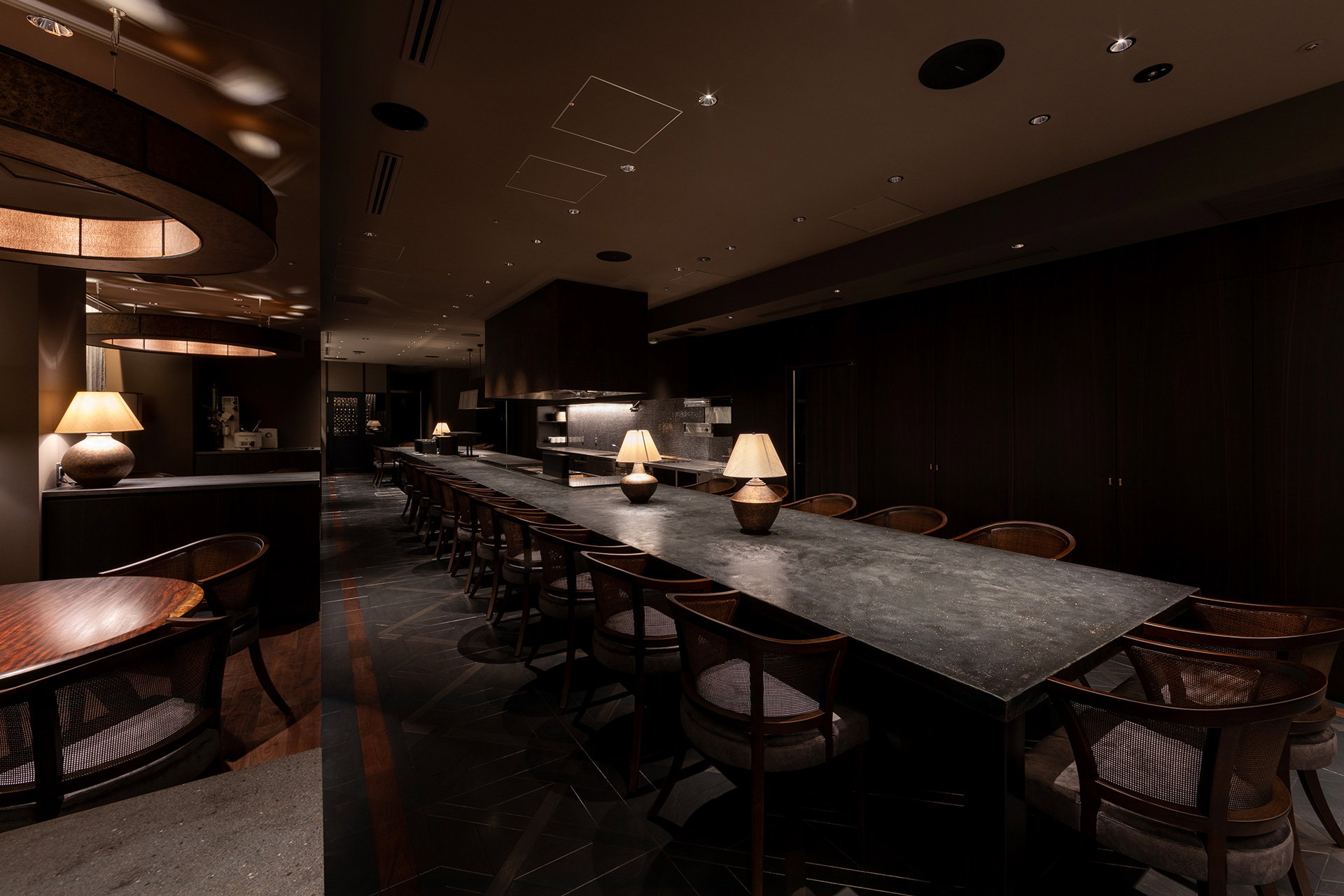
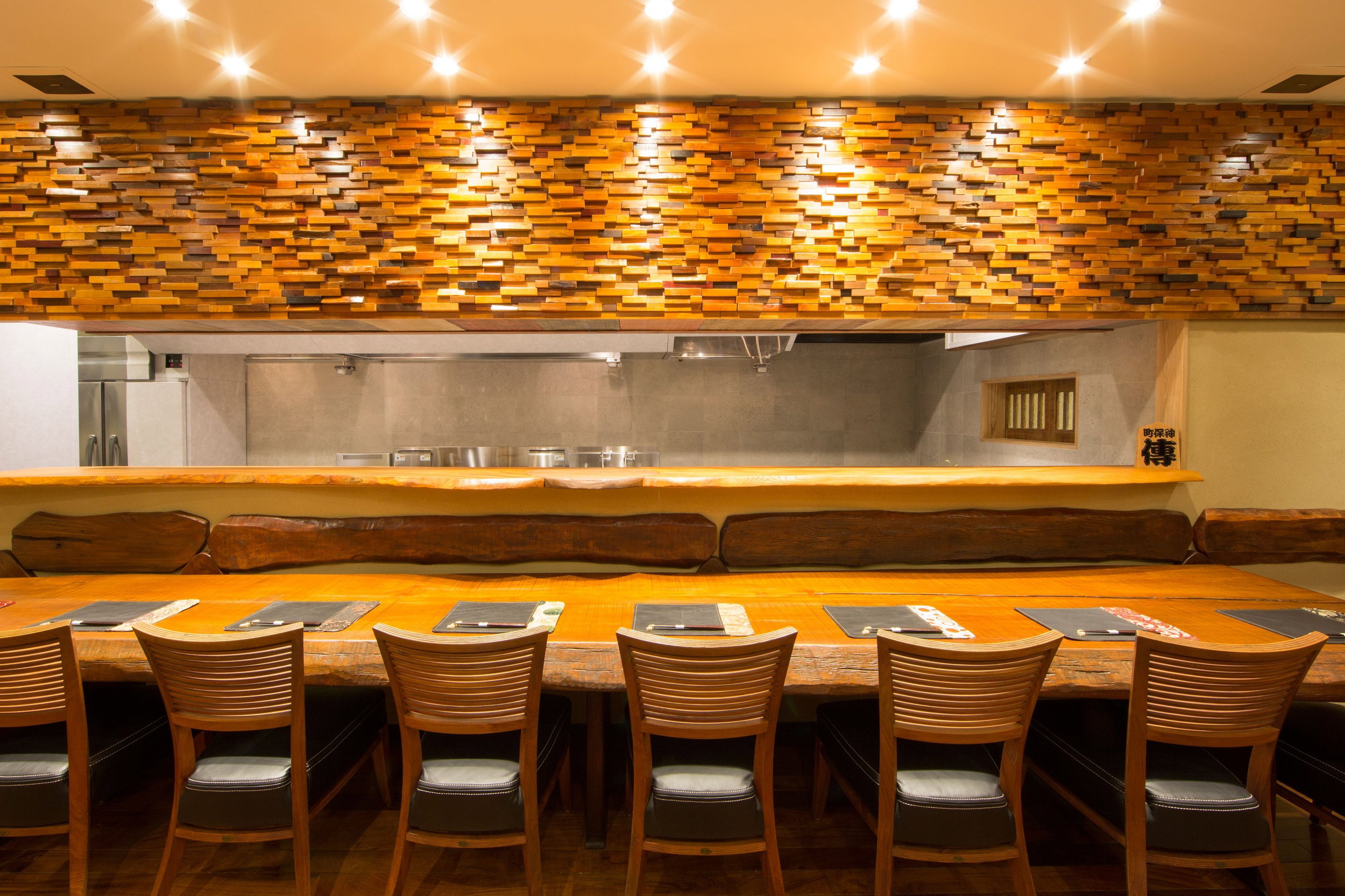
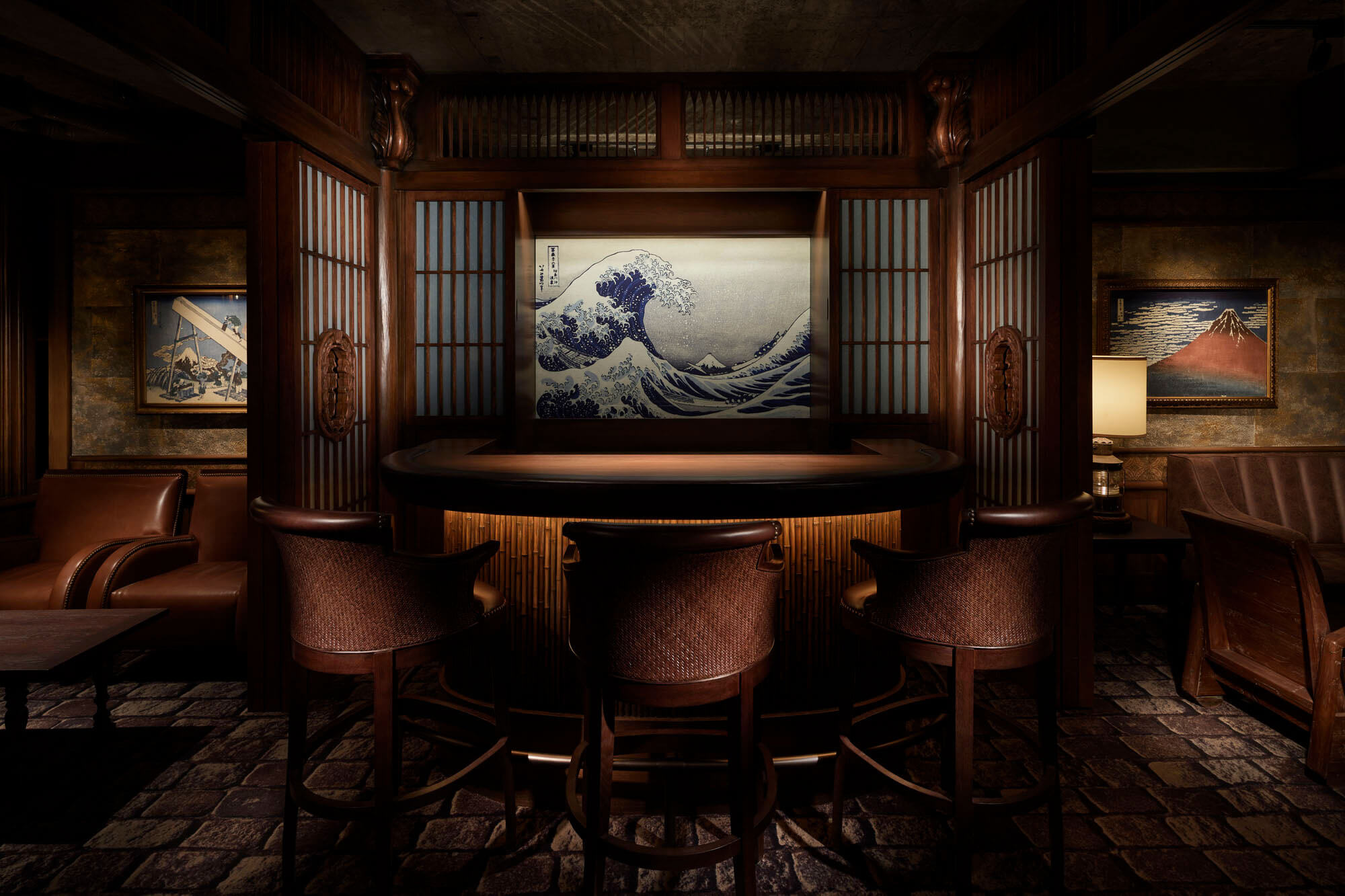
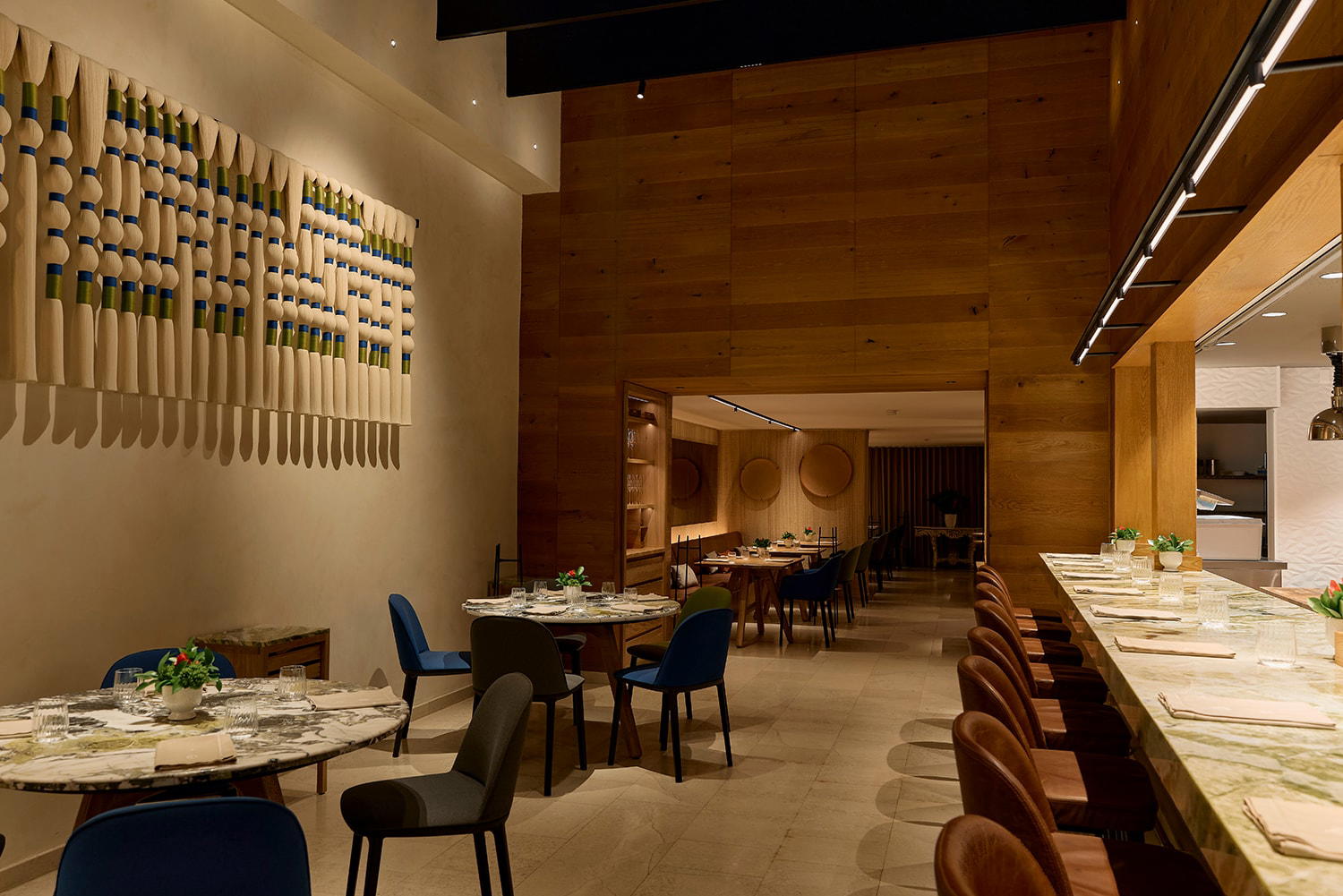
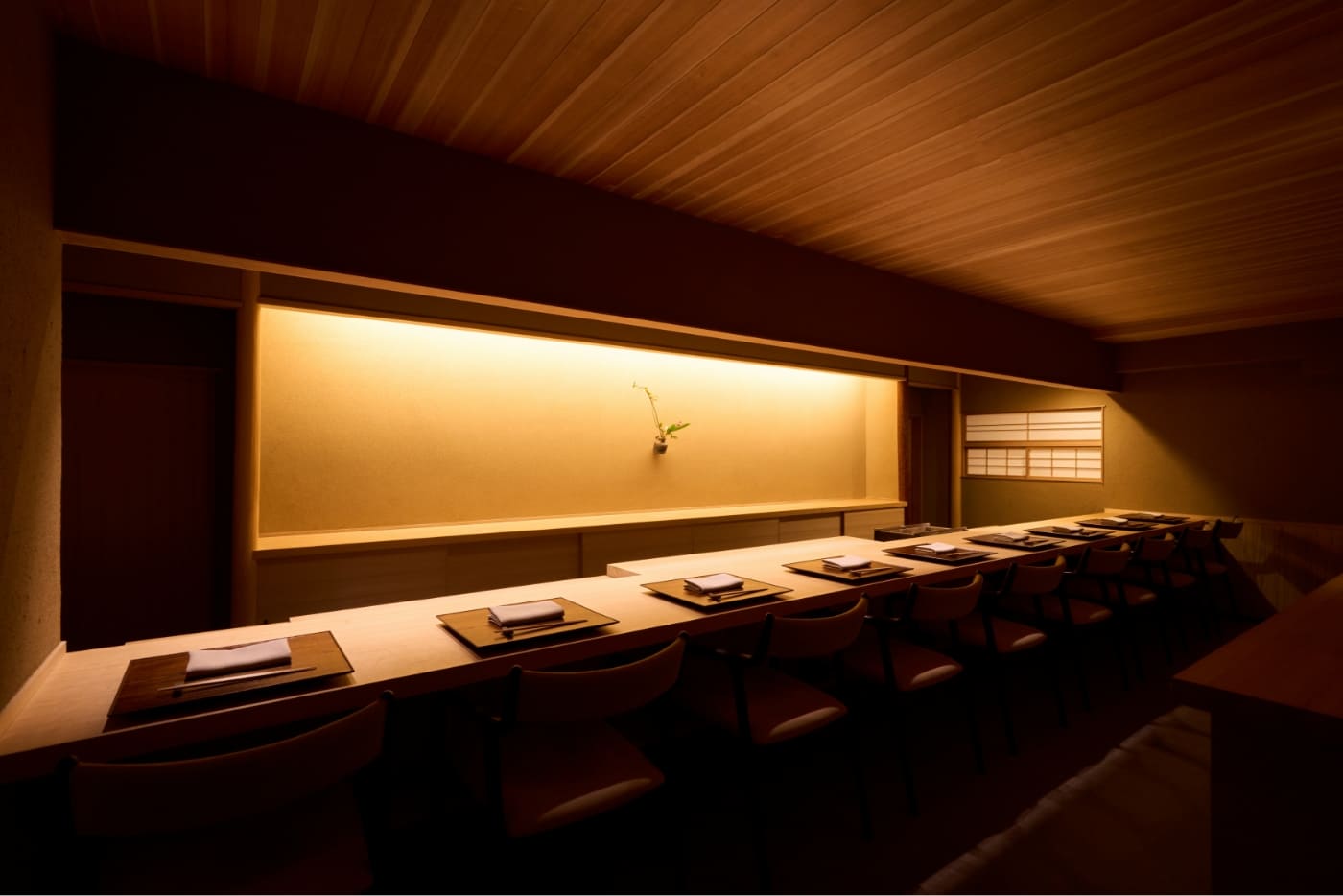
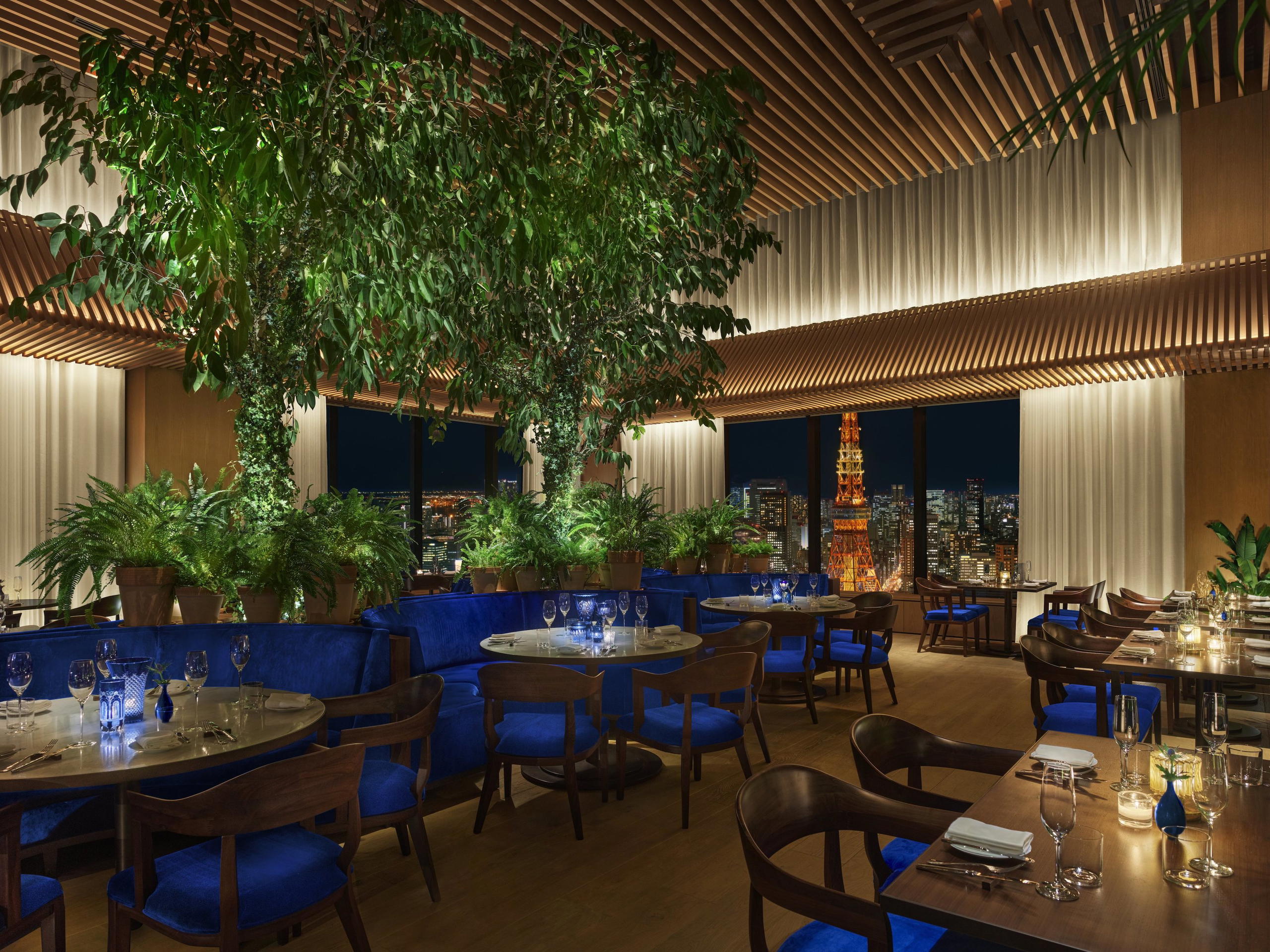
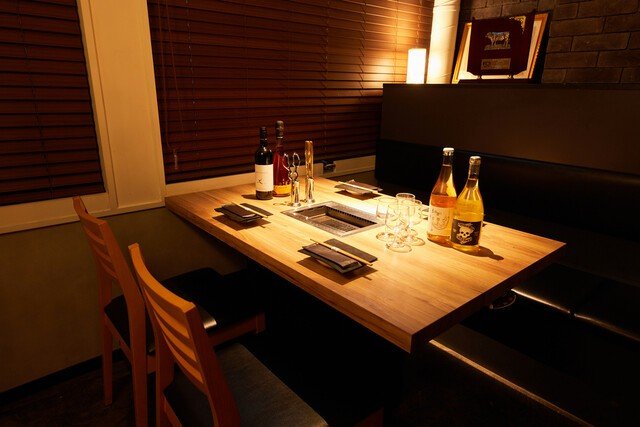
Kanda presents as a refined, quietly intimate kaiseki room that privileges precision over spectacle. The dining space totals just 16 seats, anchored by a 10-seat counter that sits flush with the kitchen, while a few small private rooms offer enclosed options. Its three-Michelin-star standing and recognition across La Liste and Tabelog reinforce an elegant, sophisticated tone. The environment reads restrained and minimalist — a compact, highly curated place where the focus is on seasonal ingredients and exacting preparation rather than elaborate decor or lively crowds.
Best For
Kanda is best for milestone dinners and formal evenings where the meal itself is the occasion. The layout and service lend themselves to anniversaries, date nights and business dinners: counter seats put you close to the chefs’ craft, while private rooms provide the separation many corporate or celebratory parties prefer. As a three-Michelin-star kaiseki address in Toranomon Hills, it suits guests seeking a deliberate, upscale tasting experience rather than casual meals. Access is convenient — about two minutes from Toranomon Hills Station’s A1 exit — so arrival and departure are straightforward for special occasions.
Ordering Tips
Decide early whether you want the counter or a private room: counter diners sit close to the preparation and the flow of service, while private rooms offer enclosure for conversation but typically incur a separate room fee. Reserve well in advance for milestone dates — Kanda’s small capacity fills quickly. Note the venue’s location inside the Toranomon Hills complex (roughly two minutes from the A1 exit) and that there is underground parking connecting to the Hills campus. When booking or arriving, mention any priorities—seating preference, dietary notes, or celebrations—so the restaurant can tailor the experience; signature items to inquire about include seasonal sashimi and prized preparations like toro with white truffle.
Venue details
Ambiance
Minimalist counter seating for eight with simple wooden interior, precise open kitchen, and relaxed elegant atmosphere focused on the cuisine.
Tags
Vibe
Best For
Experience
At the Table
- Dress Code
- Smart Casual
- Noise Level
- Quiet
- Service Style
- Formal
- Meal Pacing
- Leisurely
- Capacity
- Intimate
- Kitchen
- Modern
- Menu Format
- Tasting menu
- Wine Program
- Curated
- Drinks Focus
- Sake program, Wine program
- Private Dining
- Available
Signature Dishes
- kawahagi sashimi with liver
- Kyushu beef cheek
- toro sushi with white truffle
Know before you go
Know Before You Go
- Getting there
- 1F, Toranomon Hills Residential Tower, 1 Chome-1-1 Atago, Minato City, Tokyo 105-0002, Japan
Planning details
Hours
- Monday
- Closed
- Tuesday
- 5–9 pm
- Wednesday
- 5–9 pm
- Thursday
- 5–9 pm
- Friday
- 5–9 pm
- Saturday
- 5–9 pm
- Sunday
- Closed
Location
1F, Toranomon Hills Residential Tower, 1 Chome-1-1 Atago, Minato City, Tokyo 105-0002, Japan · Directions
Recognition and awards


Also consider
Also Consider
- Ren Mishina, Kaiseki, Japanese, ¥¥¥¥
- Mutsukari, Kaiseki, Japanese, ¥¥¥
- RyuGin, Kaiseki, Japanese, ¥¥¥¥
- GINZA OKUDA, Kaiseki, Japanese, ¥¥¥¥
- Ginza Kojyu, Kaiseki, Japanese, ¥¥¥¥
Restaurant context
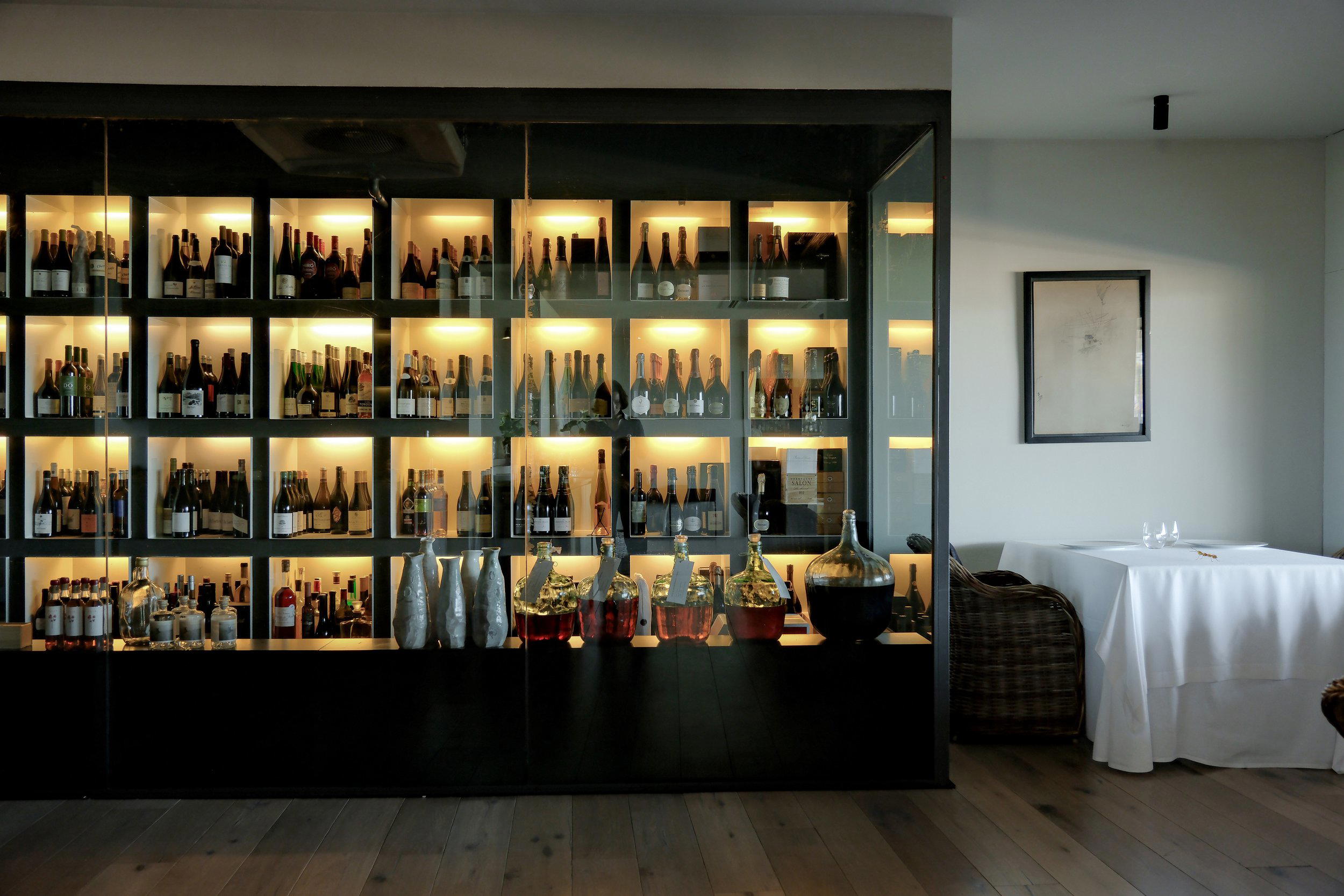
Kanda sits at the apex of Tokyo's kaiseki pricing (¥100,000 average spend) alongside Ginza Kojyu and GINZA OKUDA, but distinguishes itself with a wine-and-sake program that few three-star rooms match. RyuGin offers similar Michelin credentials and easier group accommodation, though its plating skews more theatrical; choose RyuGin if you want drama, Kanda if you want restraint. Ren Mishina occupies the same ¥¥¥¥ tier with a younger, more experimental voice and slightly easier booking; pick Mishina if you crave innovation, Kanda if you prefer classical kappo execution.
Mutsukari delivers a Tabelog-100-recognized kaiseki experience at the ¥¥¥ level (roughly ¥60,000–¥80,000), books with less lead time, and sacrifices some beverage depth but not ingredient quality. For wine-focused diners who can commit to a month's advance booking and a ¥100,000 budget, Kanda justifies the premium. If you need a table inside two weeks or prefer a more intimate spend, Mutsukari represents better value. The Toranomon Hills location offers simpler access (underground parking, two-minute Hibiya Line walk) than most Michelin three-stars in Tokyo, a practical edge over venues buried in Azabu or Ginza side streets.
Booking difficulty ranks near the top of Tokyo's kaiseki tier: counter seats fill fastest, private rooms offer slightly more flexibility but carry a surcharge for two-person parties. Sunday and public-holiday closures, plus extended shutdowns during Golden Week, Obon, and year-end, compress availability further. If Kanda's calendar is full, Ginza Kojyu and GINZA OKUDA operate in the same quality band with marginally better last-minute odds. For a quieter room and classical technique, Kanda remains the first choice among Tokyo's ¥¥¥¥ kaiseki options.
Explore Tokyo
Around this place
Discover more on Pearl
Unlock the full Kanda guide in Pearl, including awards, comparisons, FAQs, planning details, and nearby places.
Compare Kanda
| Venue | Cuisine | Price | Booking Difficulty | Awards |
|---|---|---|---|---|
| Kanda | Kaiseki, Japanese | ¥¥¥¥ | Near Impossible | 2026 Tabelog Bronze · #1592026 OAD Top Restaurants in Japan Highly Recommended2026 La Liste Top Restaurants2026 Michelin 3 StarsTabelog 100 - Japanese cuisine - TOKYO - 2025 · #12025 OAD Top Restaurants in Japan Ranked · #1782025 Michelin 3 Stars2025 La Liste Top Restaurants2024 OAD Top Restaurants in Japan Ranked · #149 |
| Ren Mishina | Kaiseki, Japanese | ¥¥¥¥ | Unknown | 2026 Tabelog Bronze · #3572026 OAD Top Restaurants in Japan Recommended2026 Michelin 1 StarTabelog 100 - Japanese cuisine - TOKYO - 2025 · #262025 OAD Top Restaurants in Japan Ranked · #3312025 Tabelog Bronze2024 OAD Top Restaurants in Japan Ranked · #3272024 Michelin 1 Star2023 OAD Top Restaurants in Japan Recommended |
| Mutsukari | Kaiseki, Japanese | ¥¥¥ | Unknown | 2026 OAD Top Restaurants in Japan Recommended2026 Michelin 1 Star2025 OAD Top Restaurants in Japan Ranked · #367We're Smart World Top Restaurants 2025We're Smart World Top 100 20252024 OAD Top Restaurants in Japan Ranked · #3612024 Michelin 1 Star2023 OAD Top Restaurants in Japan Highly Recommended |
| RyuGin | Kaiseki, Japanese | ¥¥¥¥ | Unknown | 2026 OAD Top Restaurants in Japan Ranked · #802026 Tabelog Bronze · #3772026 Michelin 3 Stars2026 La Liste Top RestaurantsTabelog 100 - Japanese cuisine - TOKYO - 2025 · #212025 OAD Top Restaurants in Japan Ranked · #542025 Michelin 3 Stars2025 La Liste Top Restaurants2025 The Best Chef Three Knives |
| GINZA OKUDA | Kaiseki, Japanese | ¥¥¥¥ | Unknown | 2026 OAD Top Restaurants in Japan Recommended2025 OAD Top Restaurants in Japan Ranked · #3062024 OAD Top Restaurants in Japan Ranked · #2902024 Michelin 1 Star2023 OAD Top Restaurants in Japan Highly Recommended |
| Ginza Kojyu | Kaiseki, Japanese | ¥¥¥¥ | Unknown | 2026 Black Pearl 1 Diamond2026 OAD Top Restaurants in Japan Recommended2026 Michelin 2 Stars2026 La Liste Top RestaurantsTabelog 100 - Japanese cuisine - TOKYO - 2025 · #192025 OAD Top Restaurants in Japan Ranked · #2292025 Michelin 2 Stars2025 La Liste Top Restaurants2024 OAD Top Restaurants in Japan Ranked · #198 |







Key differences to consider before you reserve.
FAQ
Frequently Asked Questions
How far ahead should I book Kanda?
Kanda is a ¥¥¥¥ kaiseki and Japanese restaurant in Tokyo, so guests should confirm current reservation procedures directly with the restaurant and plan around its dinner hours: Tuesday through Saturday, 5–9 pm; closed Monday and Sunday.
Can Kanda accommodate groups?
What is Kanda known for?
Kanda is a ¥¥¥¥ kaiseki and Japanese restaurant in Tokyo from chef-owner Hiroyuki Kanda.