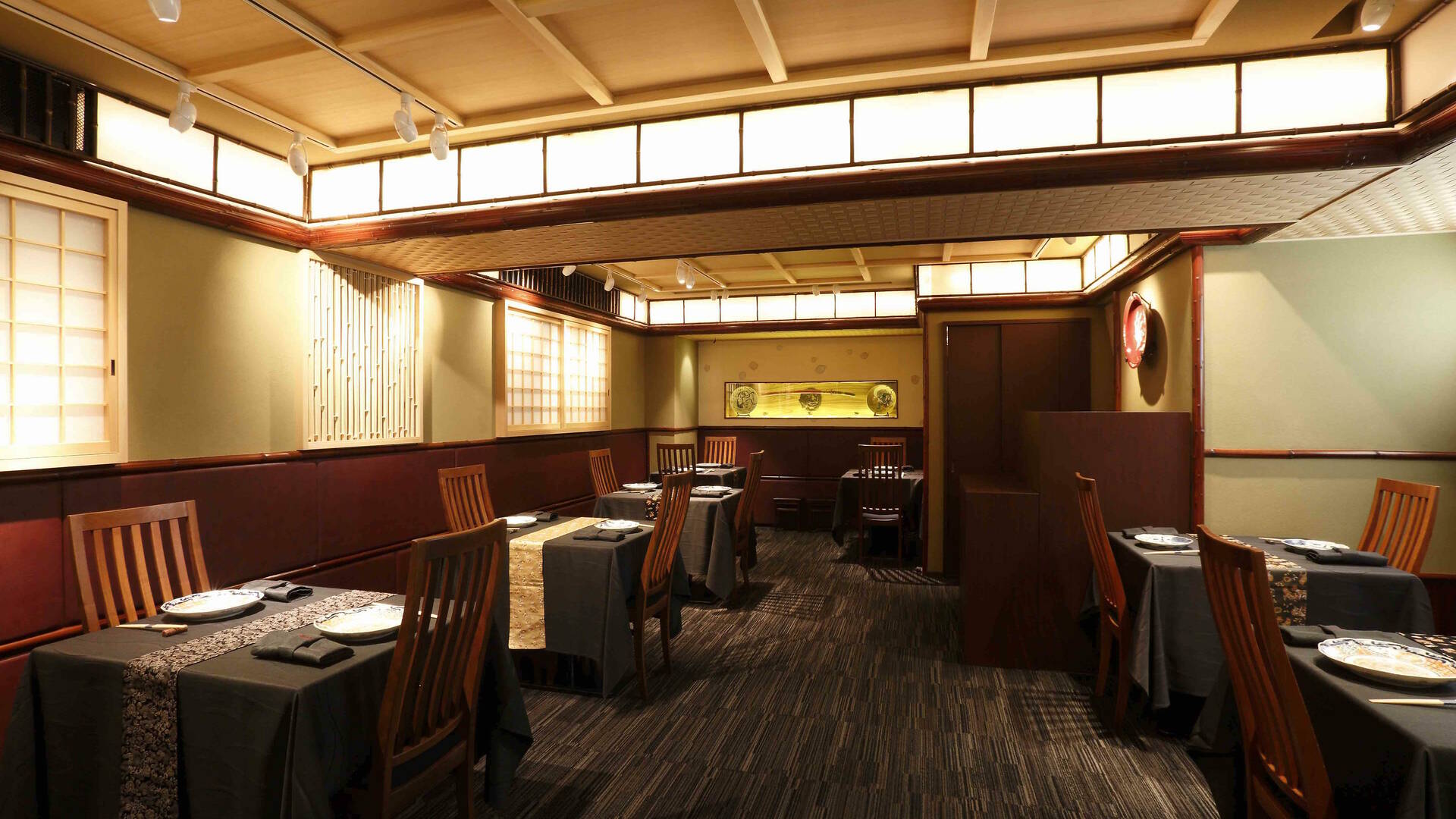






RyuGin
Kaiseki, Japanese · Chiyoda, Tokyo
Restaurant in Tokyo, Japan
 Book with Pearl
The Read
Scientific Kaiseki Precision
Price
$500+per person
Chef
Seiji Yamamoto
Dress
Smart Casual
Why go
Nihonryori RyuGin is Seiji Yamamoto's Japanese restaurant in Tokyo Midtown Hibiya.
About RyuGin
Pearl Verdict
RyuGin is the right booking if you want kaiseki at the highest technical level in a modern Hibiya setting — Michelin 3-star, La Liste 95 points in 2026, and a consistent presence in the World's 50 Best over more than a decade. At ¥80,000–¥99,999 per head for dinner (plus a 10% service charge on regular seating), this is one of the most expensive tables in Tokyo. It earns it, but only if kaiseki is genuinely your format. If sushi is what you're after at this price tier, Harutaka is the sharper choice. If you want kaiseki with more Kyoto-rooted tradition, Hyotei and Kikunoi Honten are the comparisons worth making.
About RyuGin
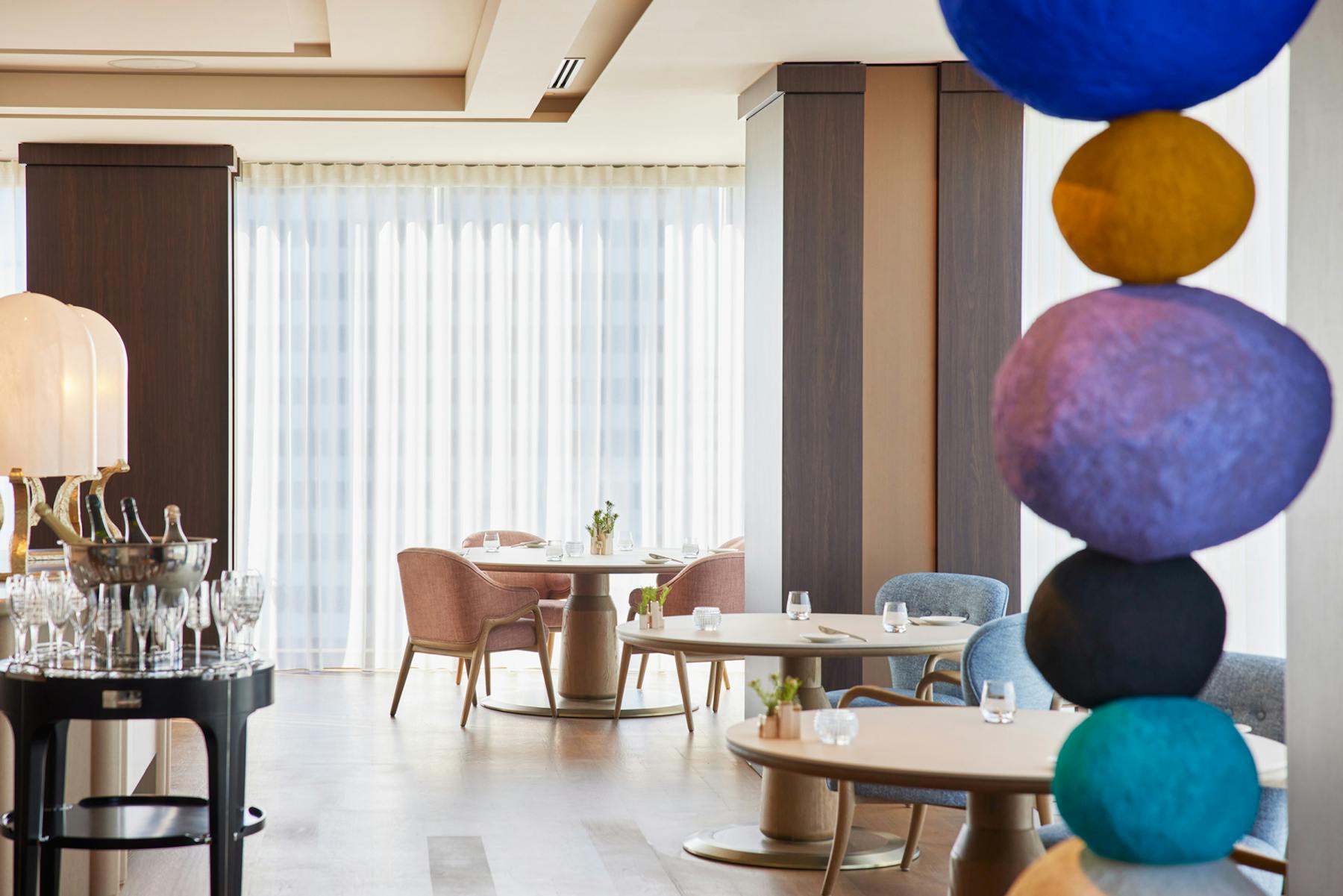
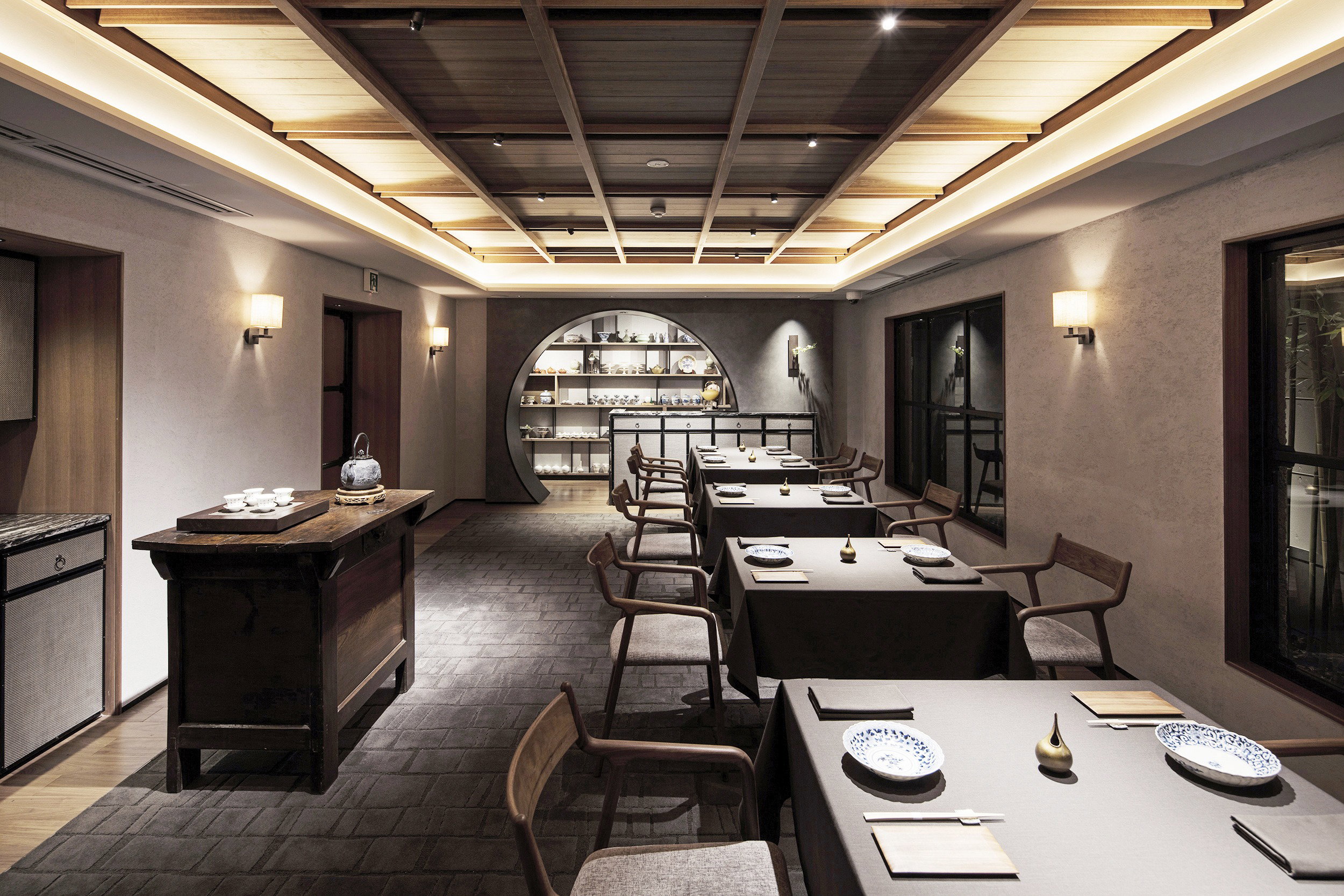
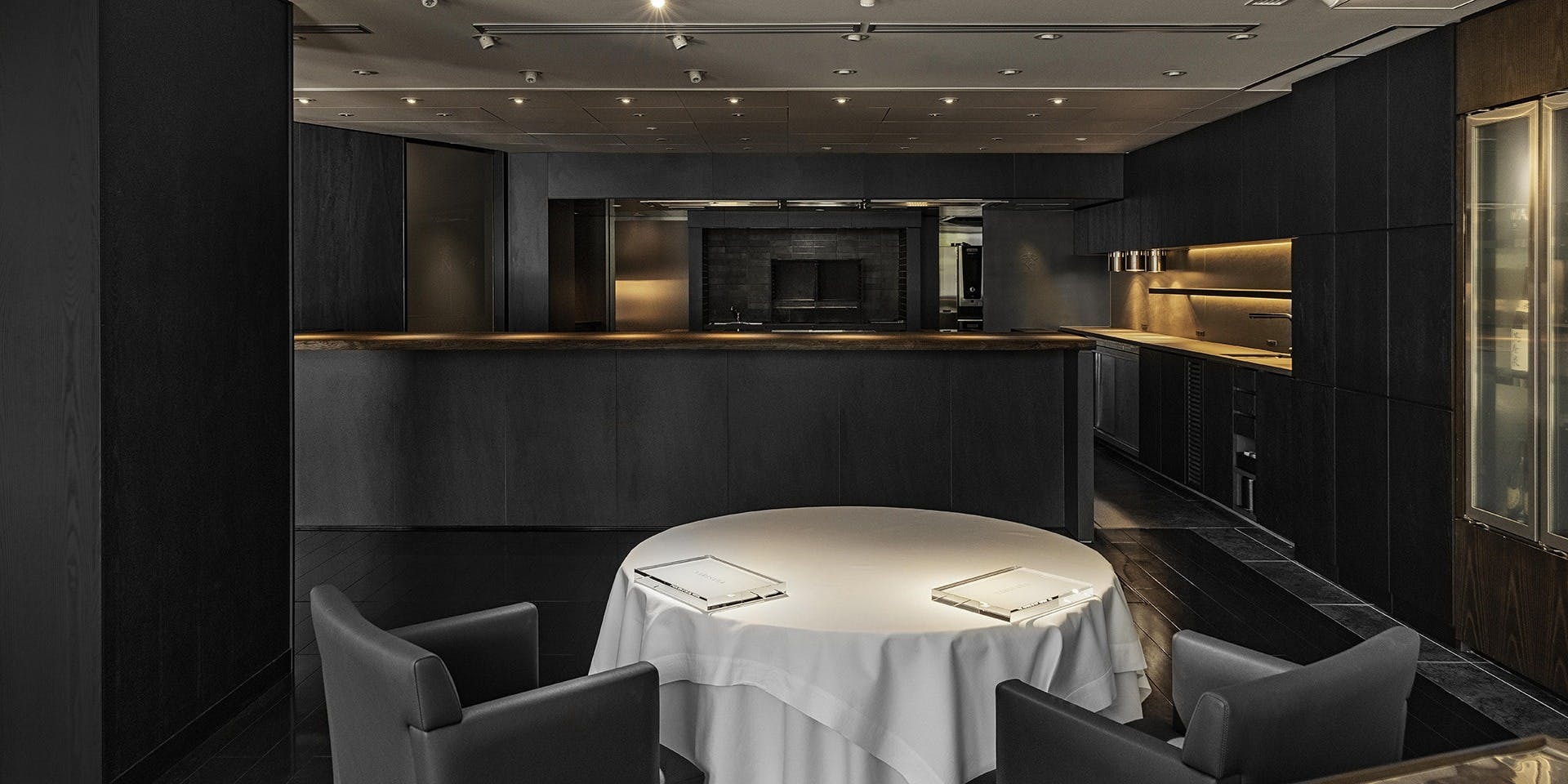
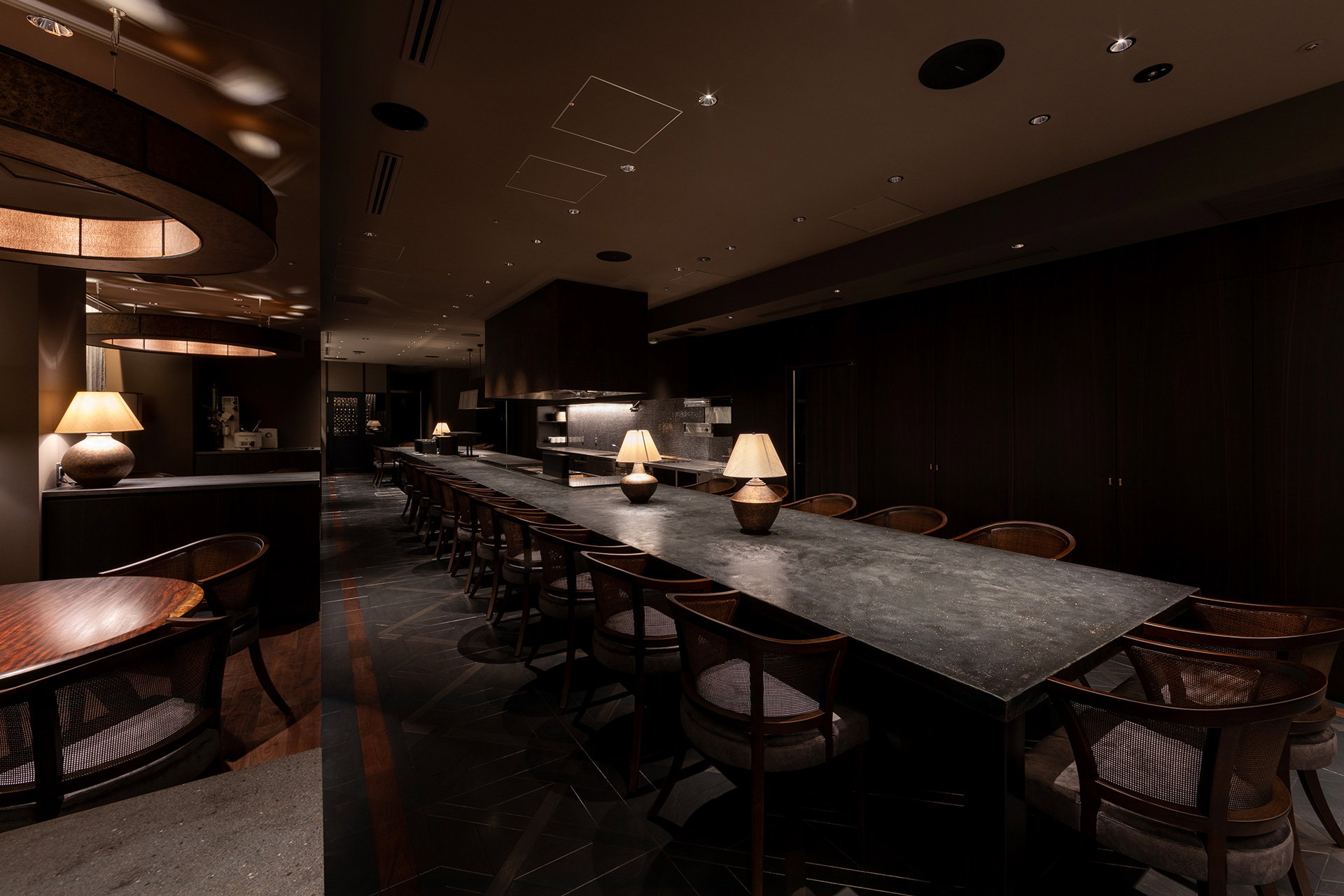
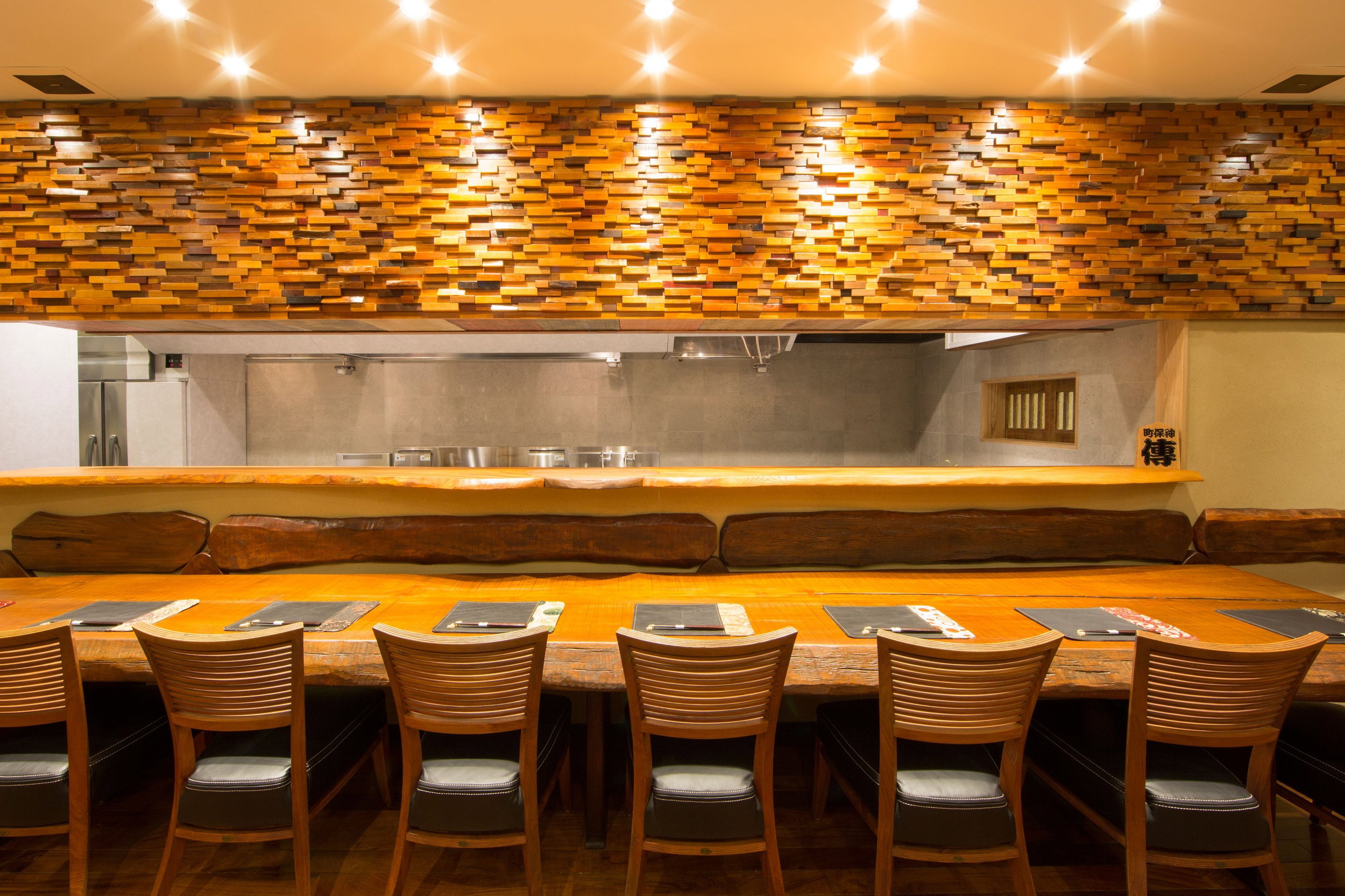
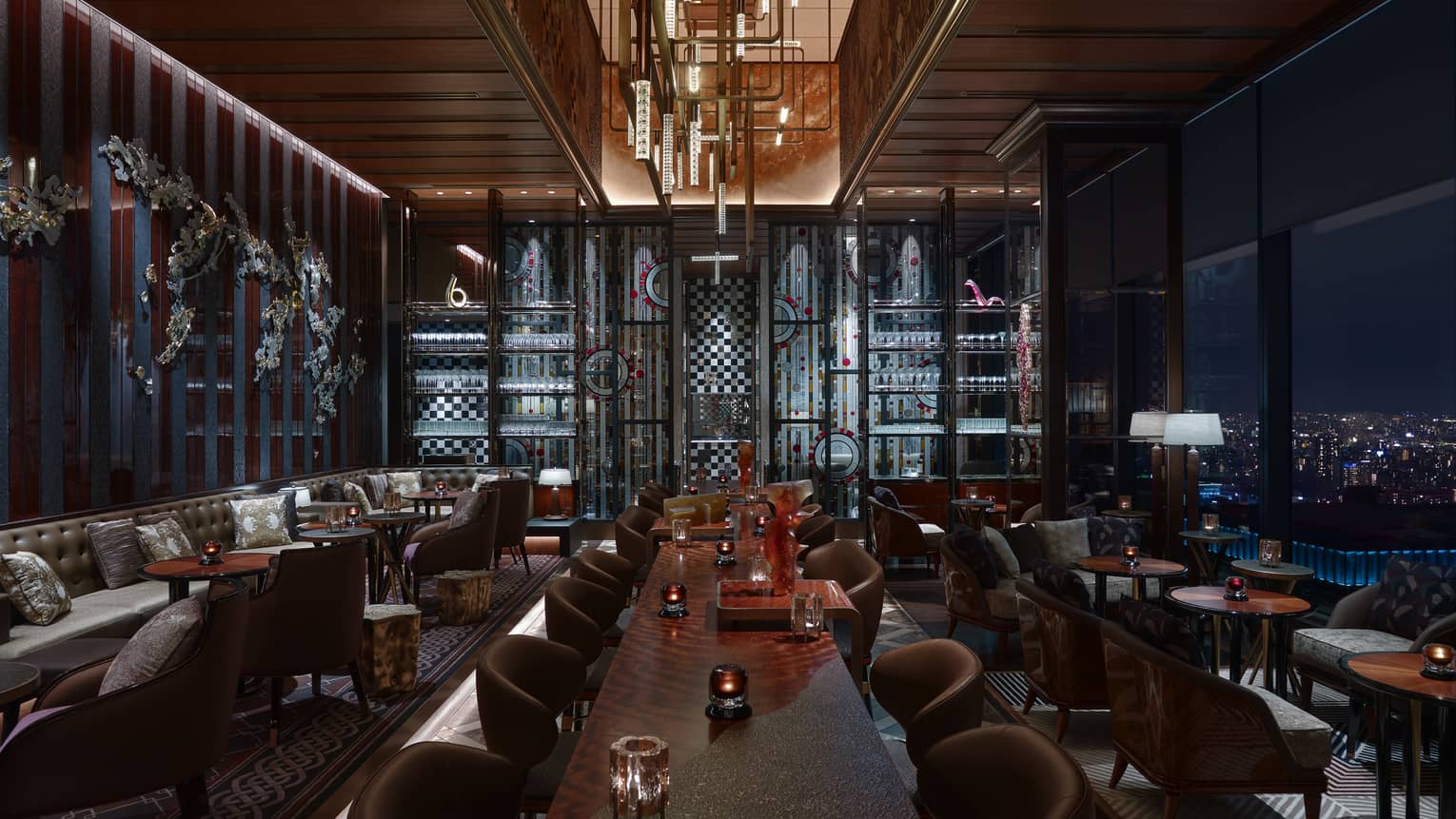
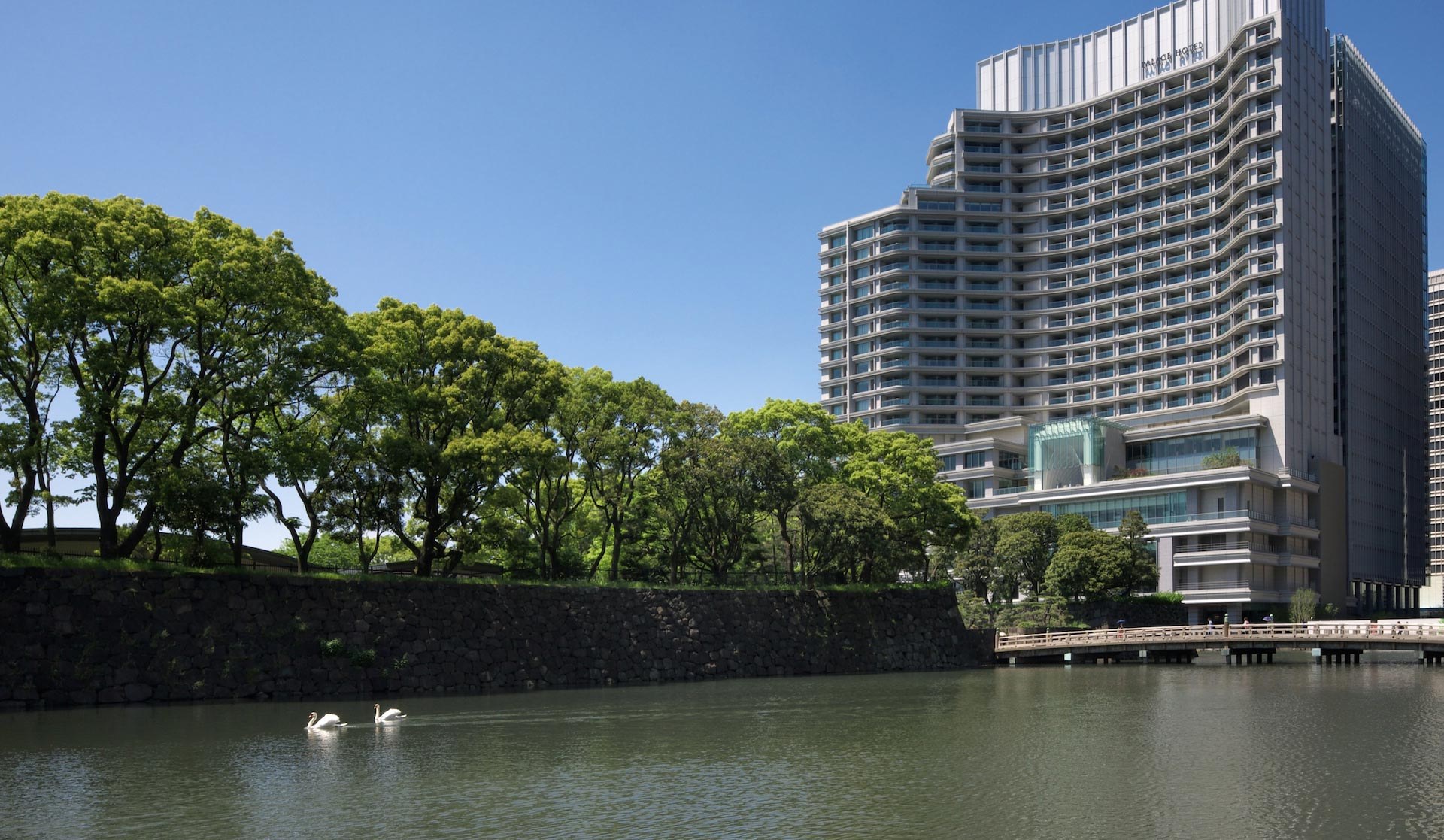
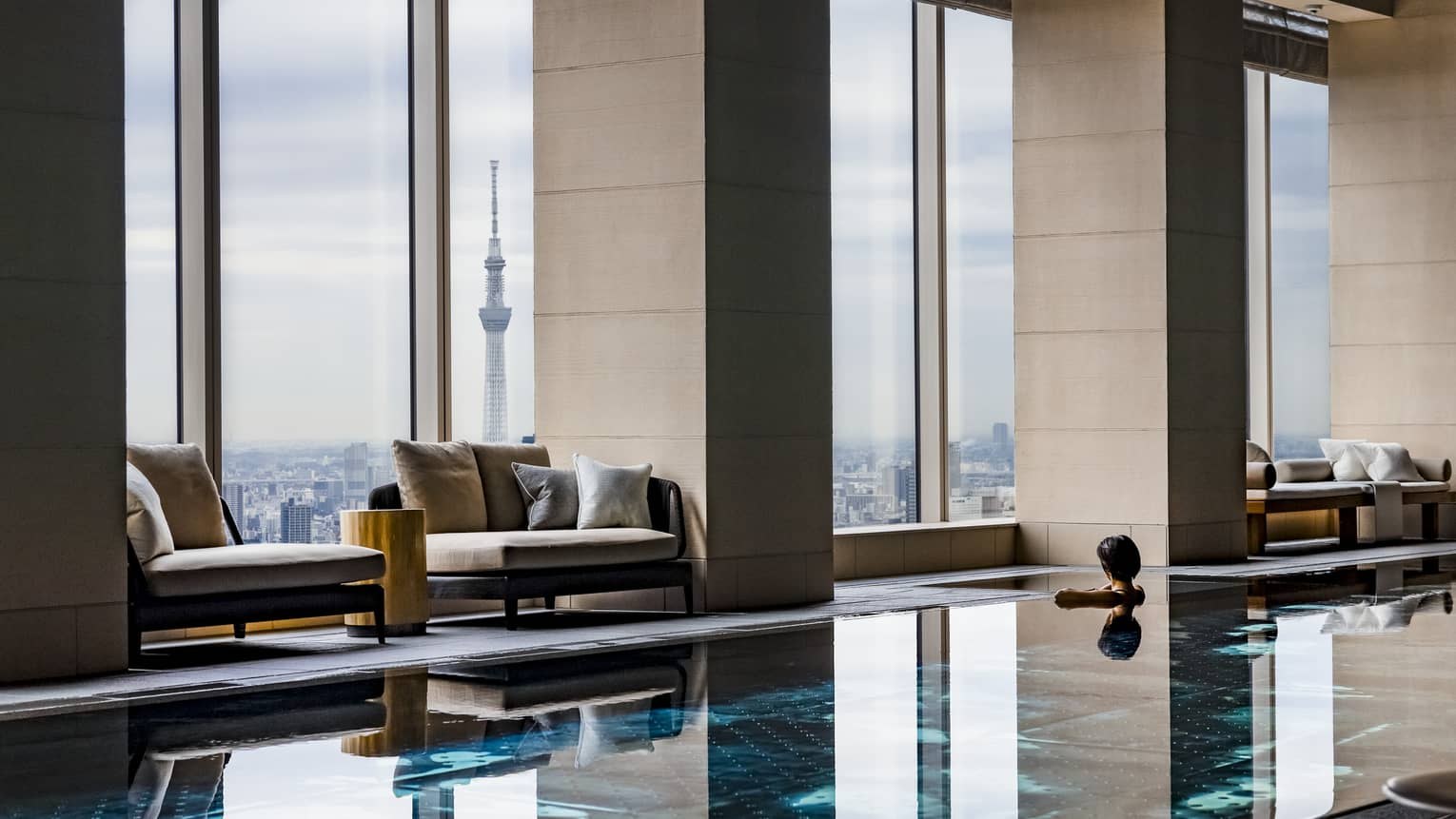
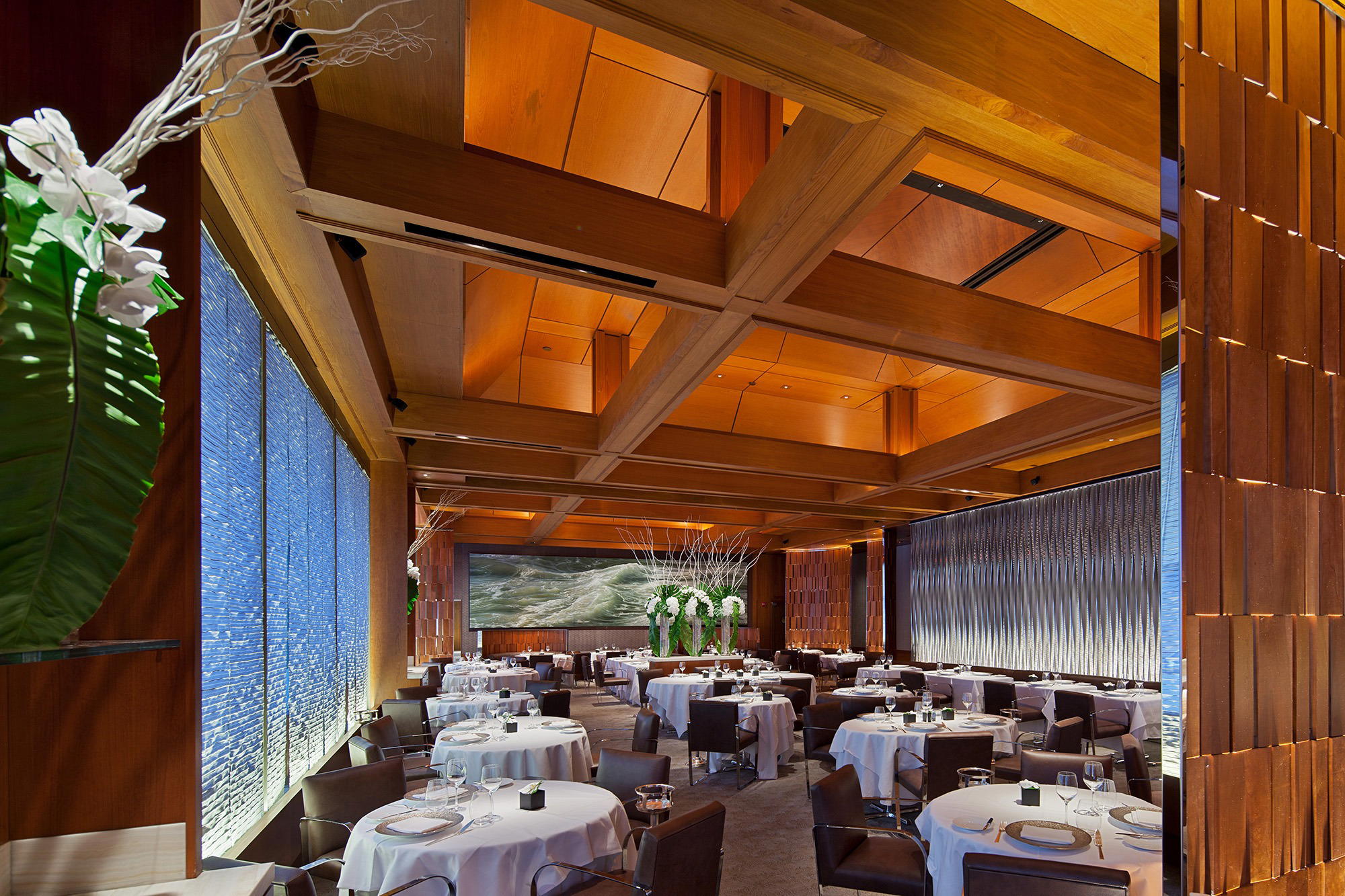
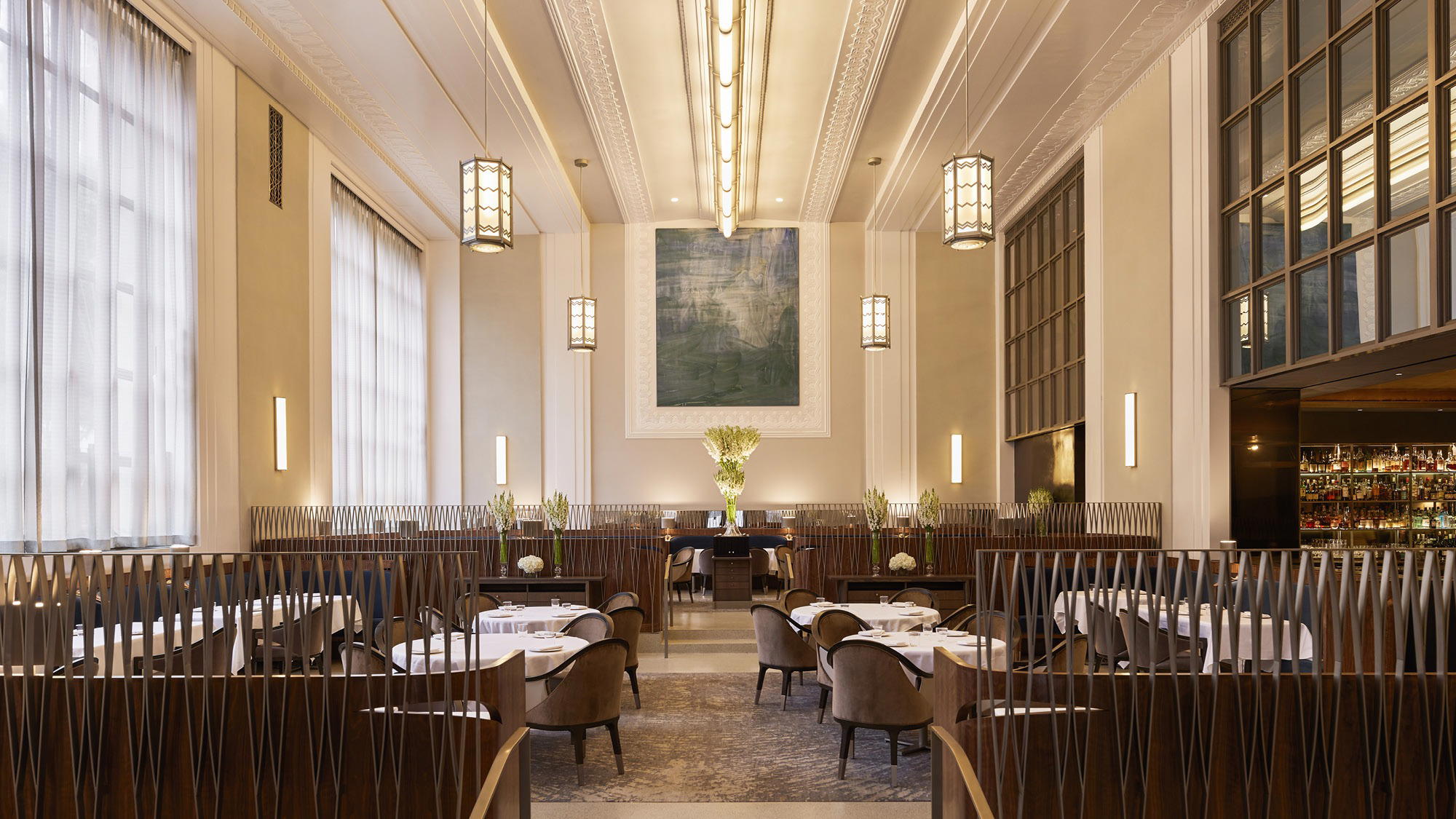
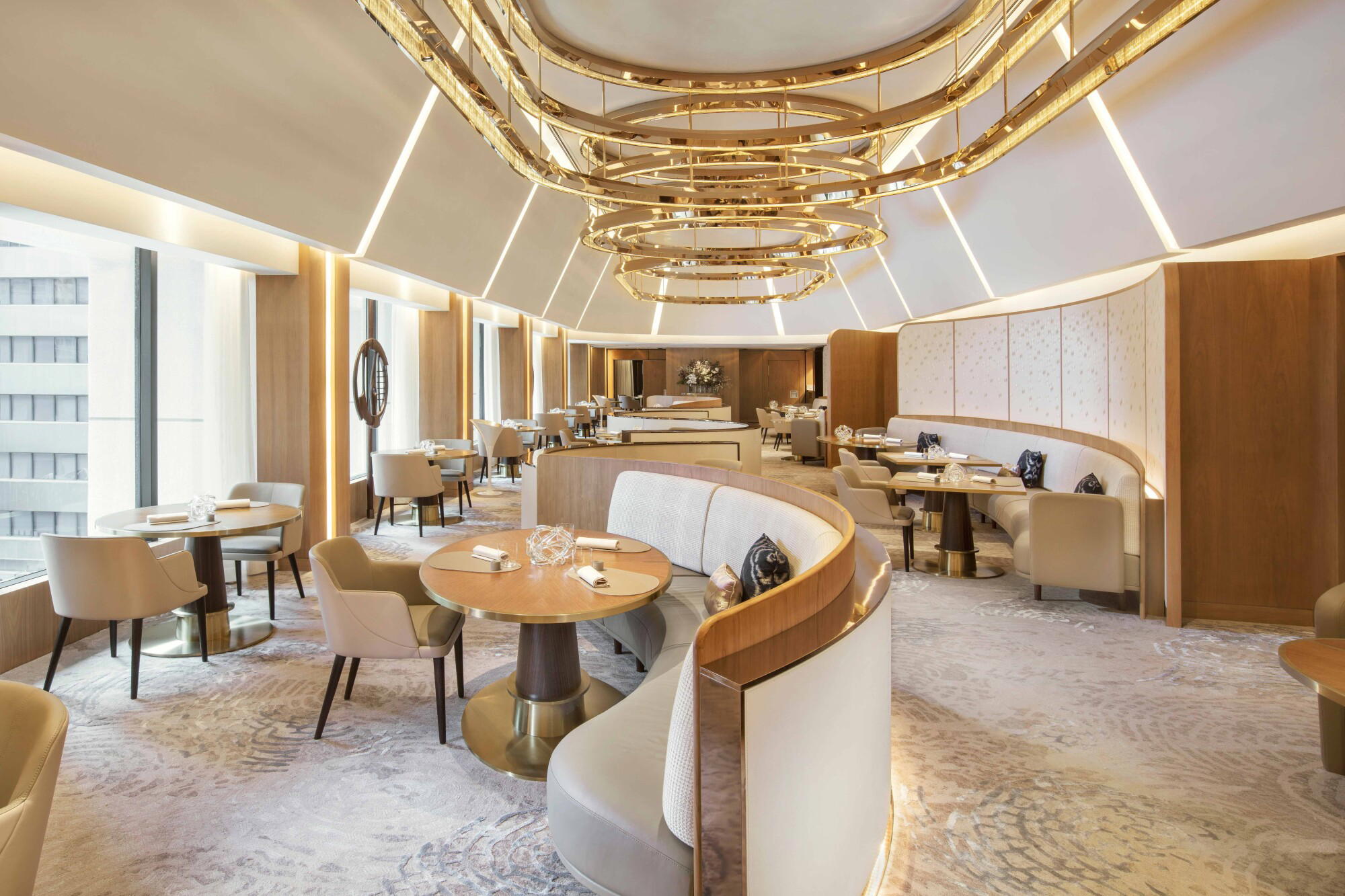
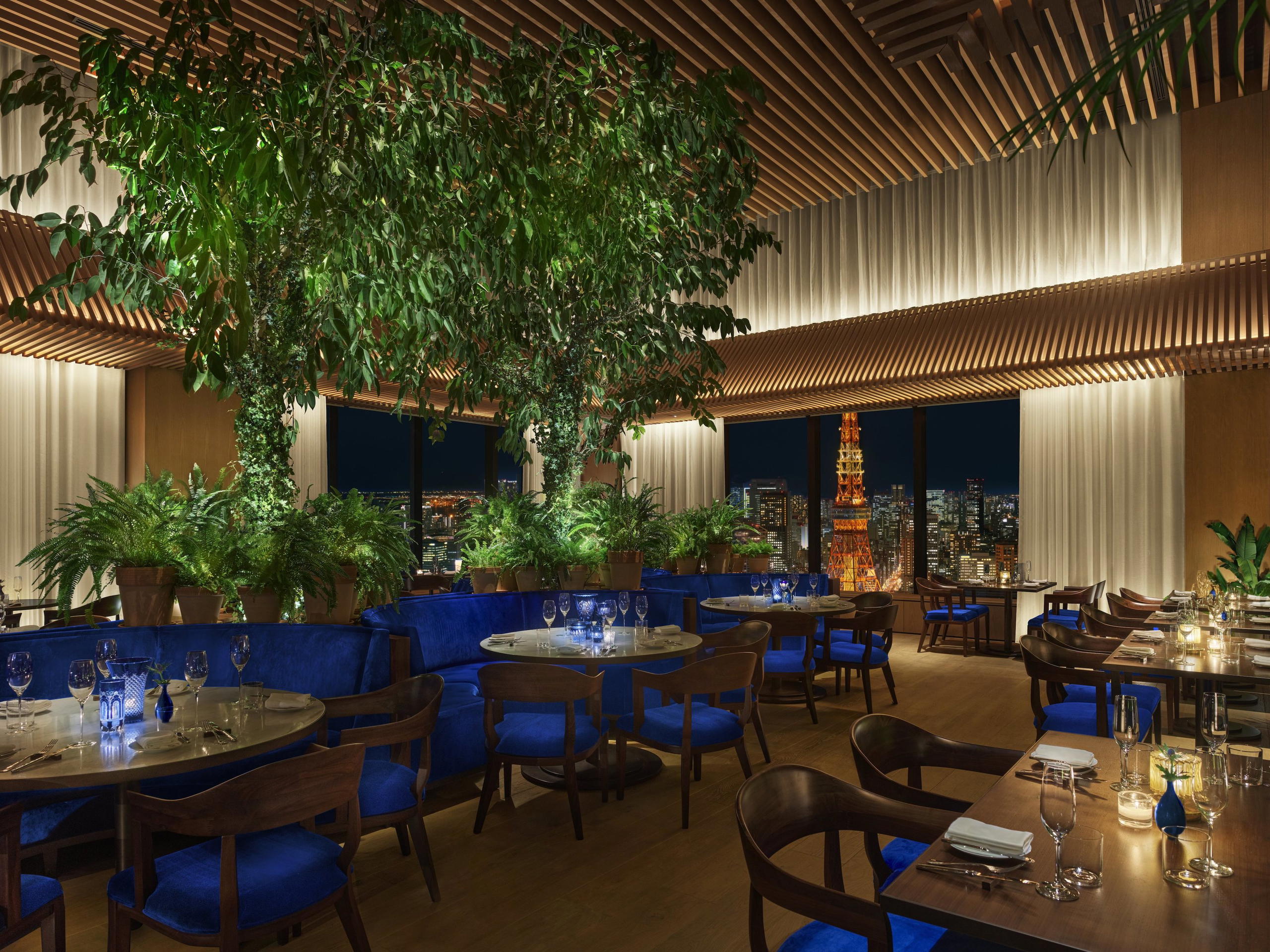
RyuGin sits on the 7th floor of Tokyo Midtown Hibiya, steps from the Imperial Palace moat and directly connected to Hibiya Station — easy to reach, and the refined position means the dining room looks out over the city at night. The room itself is table-only (40 seats, no counter), which sets it apart immediately from the counter-focused kaiseki and sushi experiences common at this level. Private rooms are available for groups of 4, 6, or 8, with two fully private rooms and one semi-private option. This configuration makes RyuGin one of the more practical choices among Tokyo's top-tier kaiseki restaurants for groups that want privacy without booking out an entire venue.
Chef Seiji Yamamoto has run RyuGin since it opened on 23 December 2003. His approach to kaiseki is technical and ingredient-focused: the menu moves through Japan's seasons with precision, drawing on wild spring vegetables and shellfish, summer sweetfish and eel, autumn matsutake mushrooms, and winter pufferfish and Matsuba crab. The seasonal structure is not incidental, it is the architecture of the meal. First-timers should know that what appears on the night depends entirely on when you visit, and that this seasonal movement is intentional. The restaurant has held Michelin 3 stars (2025), scored 95 points on La Liste 2026 (96.5 in 2025), and has appeared consistently in Opinionated About Dining's Japan rankings (#54 in 2025, #46 in 2024). The Tabelog score is 4.16, with the restaurant selected for the Tabelog Japanese Cuisine Tokyo Top 100 in 2021, 2023, and 2025.
For a first-time visitor, the leading time to go is winter. The fugu (pufferfish) and Matsuba crab courses that anchor the winter menu represent the most celebrated cooking at RyuGin, and the season runs roughly December through February. Autumn (matsutake season, September–November) is the second-strongest argument for timing your booking. Spring and summer are valid, but winter is when the kitchen's technical depth and Yamamoto's documented passion for fugu converge most clearly.
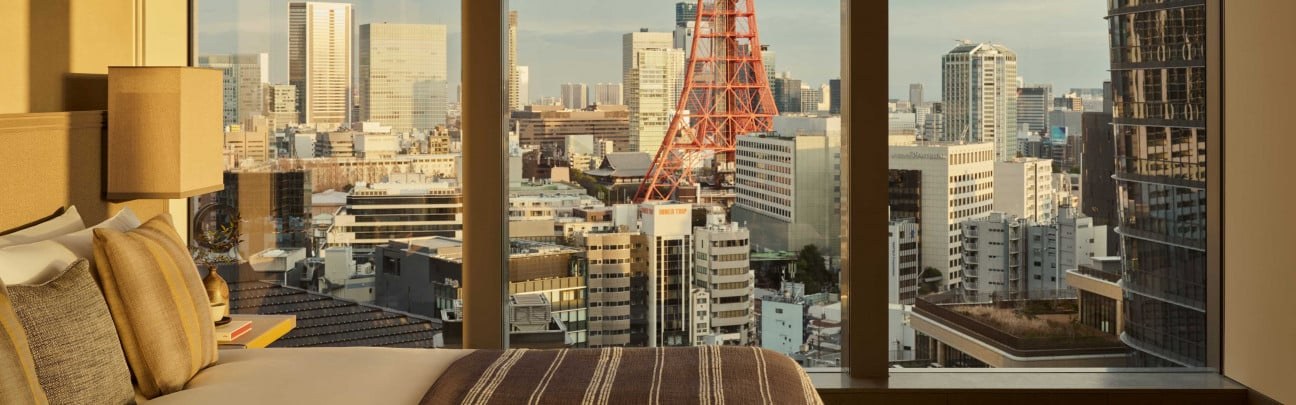
The location in the Hibiya district places RyuGin in a neighbourhood defined by its proximity to Ginza, the Imperial Palace grounds, and some of Tokyo's most recognised addresses in Japanese cuisine. Kanda, Ginza Kojyu, and Ginza Shinohara are all within the broader Ginza and Chiyoda cluster. RyuGin's Midtown Hibiya address is modern rather than intimate, the building is a high-end commercial complex, but the dining room has been described as stylish and spacious, with wheelchair access throughout. The night-view location classification is accurate: the 7th floor position and proximity to the palace grounds make the visual setting one of the more considered at this level in Tokyo.
Dress code is semi-formal. T-shirts, men's shorts, and men's sandals are not permitted. The restaurant also prohibits heavy perfume or cologne, a practical instruction, not a formality, given the ingredient-forward nature of the meal. Payment by major credit card is accepted; electronic money and QR code payments are not. A sommelier is available, and the drinks programme gives particular attention to sake, shochu, and wine. Service charge is 10% for regular seating and 15% for private and semi-private rooms, factor this into your budget calculation, since at the top end of the price range (¥99,999) the private room surcharge adds roughly ¥15,000 before drinks.
For broader context on high-end kaiseki in Japan, the format at RyuGin sits in a similar register to Kohaku and Kutan in Tokyo, and connects to the kaiseki tradition you'll find at Gion Sasaki in Kyoto. If you are planning a broader Japan trip, see also HAJIME in Osaka, akordu in Nara, and Goh in Fukuoka for the range of serious tasting-menu dining across the country. Our full Tokyo restaurants guide covers the wider field, alongside our Tokyo hotels guide, Tokyo bars guide, and Tokyo experiences guide.
Practical Details
RyuGin is open Monday through Sunday, 18:00–23:00, with last orders at 19:30. The restaurant is reservation-only with no fixed closing day, check the website for current closures. The address is 7F, Tokyo Midtown Hibiya, 1-1-2 Yurakucho, Chiyoda-ku. Directly connected to Hibiya Station (Tokyo Metro Chiyoda, Hibiya, and Toei Mita lines); a 4–5 minute walk from Yurakucho Station (Tokyo Metro Yurakucho Line and JR Yamanote/Keihin-Tohoku lines); a 5-minute walk from Ginza Station.
Quick reference: Dinner ¥80,000–¥99,999 | Service charge 10% (15% private rooms) | Reservation only | 40 seats, table-only | Semi-formal dress required | Credit cards accepted (no e-money or QR)
Planning details
- Hours
- Monday: 6–11 pm · Tuesday: 6–11 pm
- Location
- Japan, 〒100-0006 Tokyo, Chiyoda City, Yurakucho, 1 Chome−1−2 東京ミッドタウン日比谷 7階
- Reservations
- Book on Omakase
- Website
- nihonryori-ryugin.com
- Phone
- +81 3-6630-0007
The take
The Take
The Vibe
RyuGin reads as high-register kaiseki that balances tradition with contemporary thinking. The restaurant is steeped in the ritual of multi-course Japanese dining while also foregrounding a scientific approach to kaiseki structure — a distinction that gives the experience intellectual rigor as well as refinement. Its long track record, from a 2003 opening through sustained national and international rankings, underlines a measured, enduring identity rather than trend-driven novelty. The result is an intense, quietly focused room where service infrastructure and a sommelier programme support the cuisine’s precise pacing and seasonal sourcing.
Best For
This is a dinner destination for well-prepared, deliberate occasions: special celebrations and business dinners where the price and the formality of the service are part of the proposition. Serious visitors compare RyuGin with top-tier peers, and the average dinner price cited in the profile confirms its place at the uppermost bracket of Tokyo kaiseki. Guests who appreciate seasonal sourcing, ritualised pacing and a strong sommelier-led programme will find the restaurant well suited to important evenings rather than casual, hurried meals.
Ordering Tips
Expect a ritualised, multi-course kaiseki meal that is paced rather than rushed; the profile explicitly notes that kaiseki does not reward hurry. Take note of the restaurant’s signature flavours — monkfish liver and charcoal-grilled bonito are highlighted — and plan to sample those elements as part of the seasonal progression. Because the dining experience places equal weight on sourcing, service infrastructure and the sommelier programme, allow the full course sequence and wine pairings to unfold rather than treating the meal à la carte.
Venue details
Ambiance
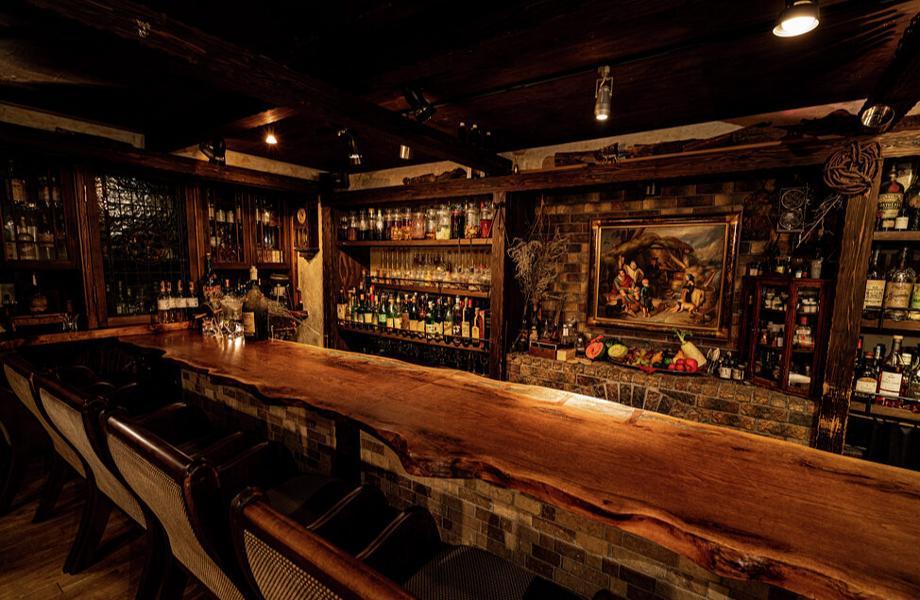
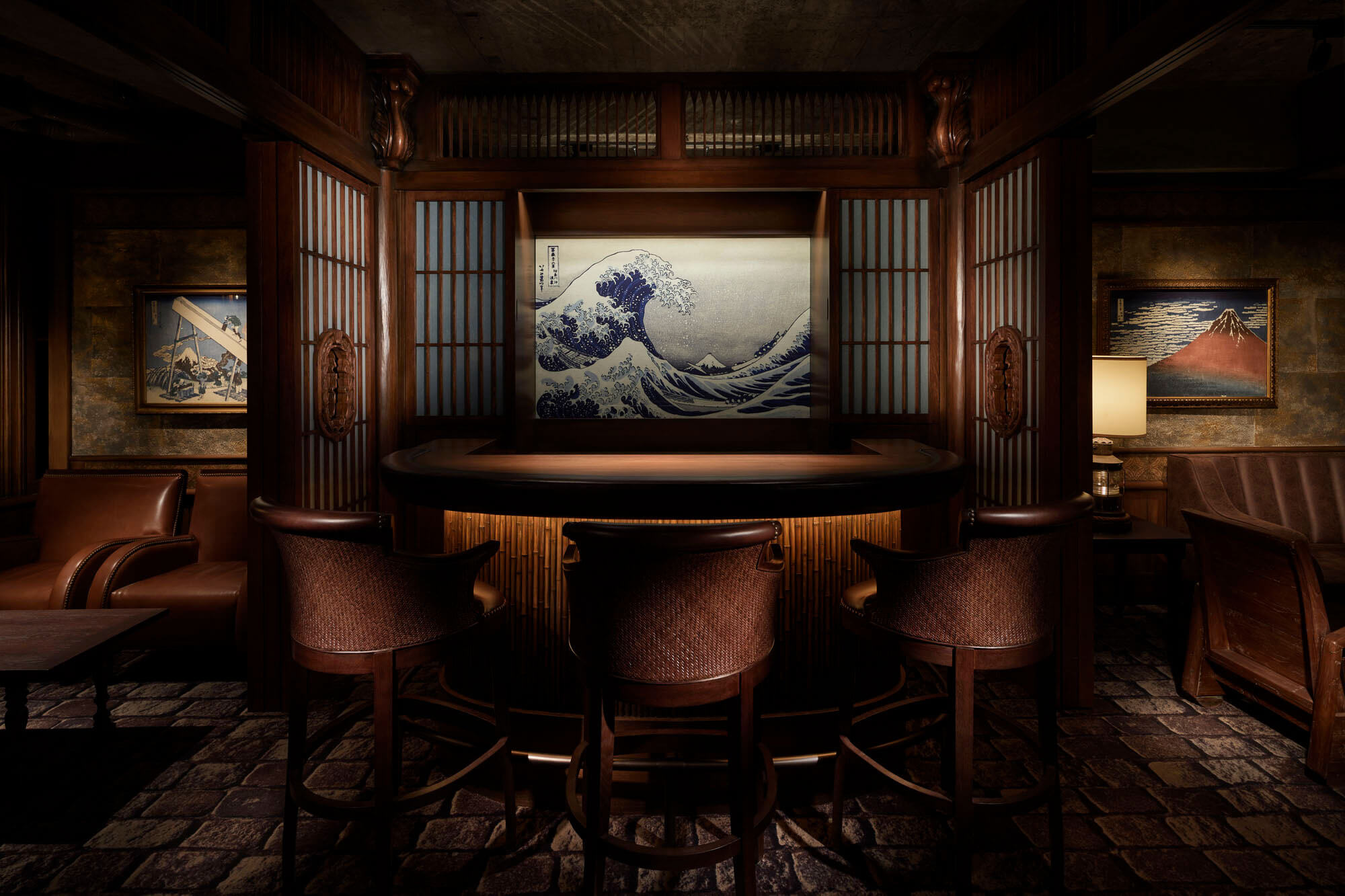
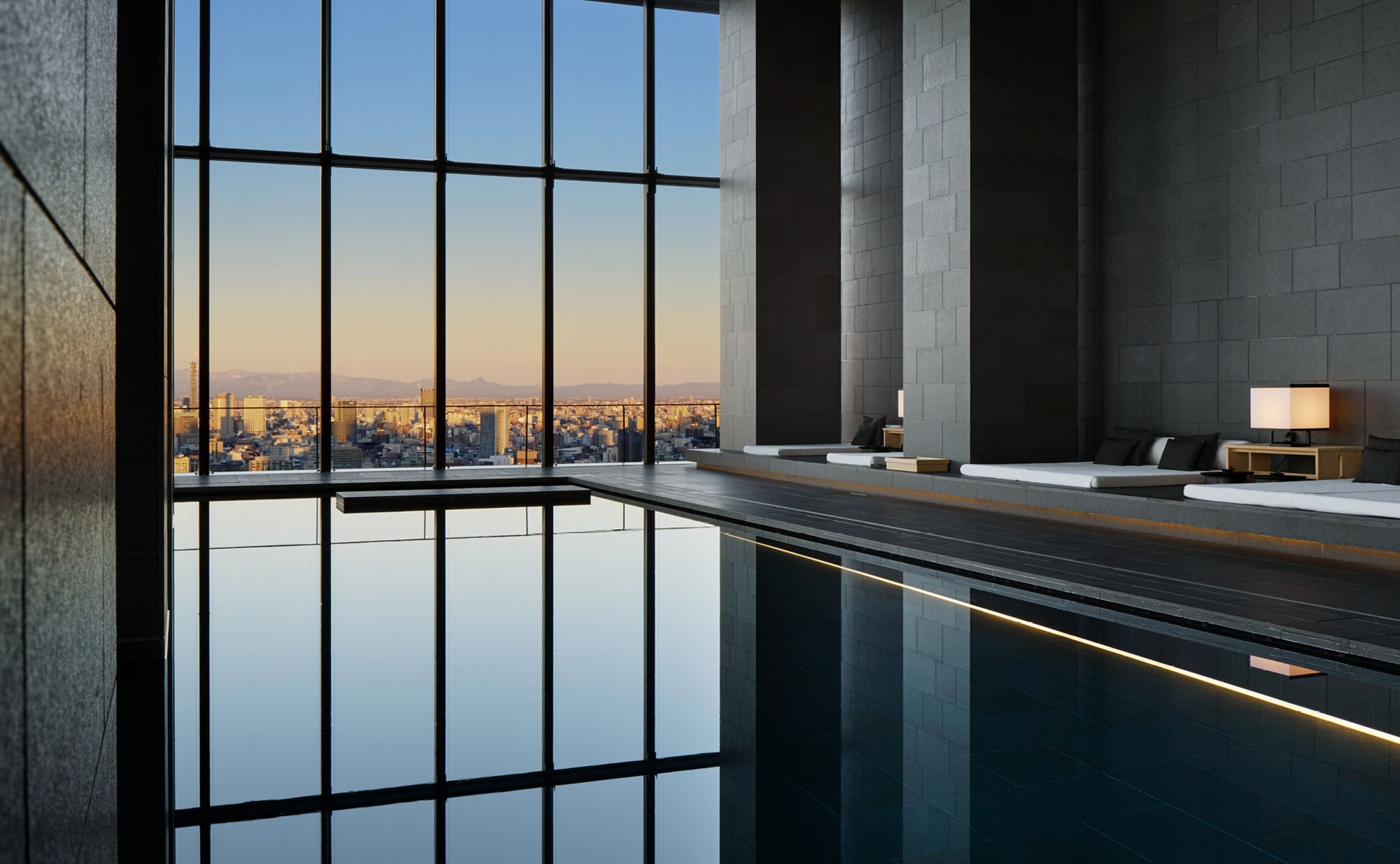
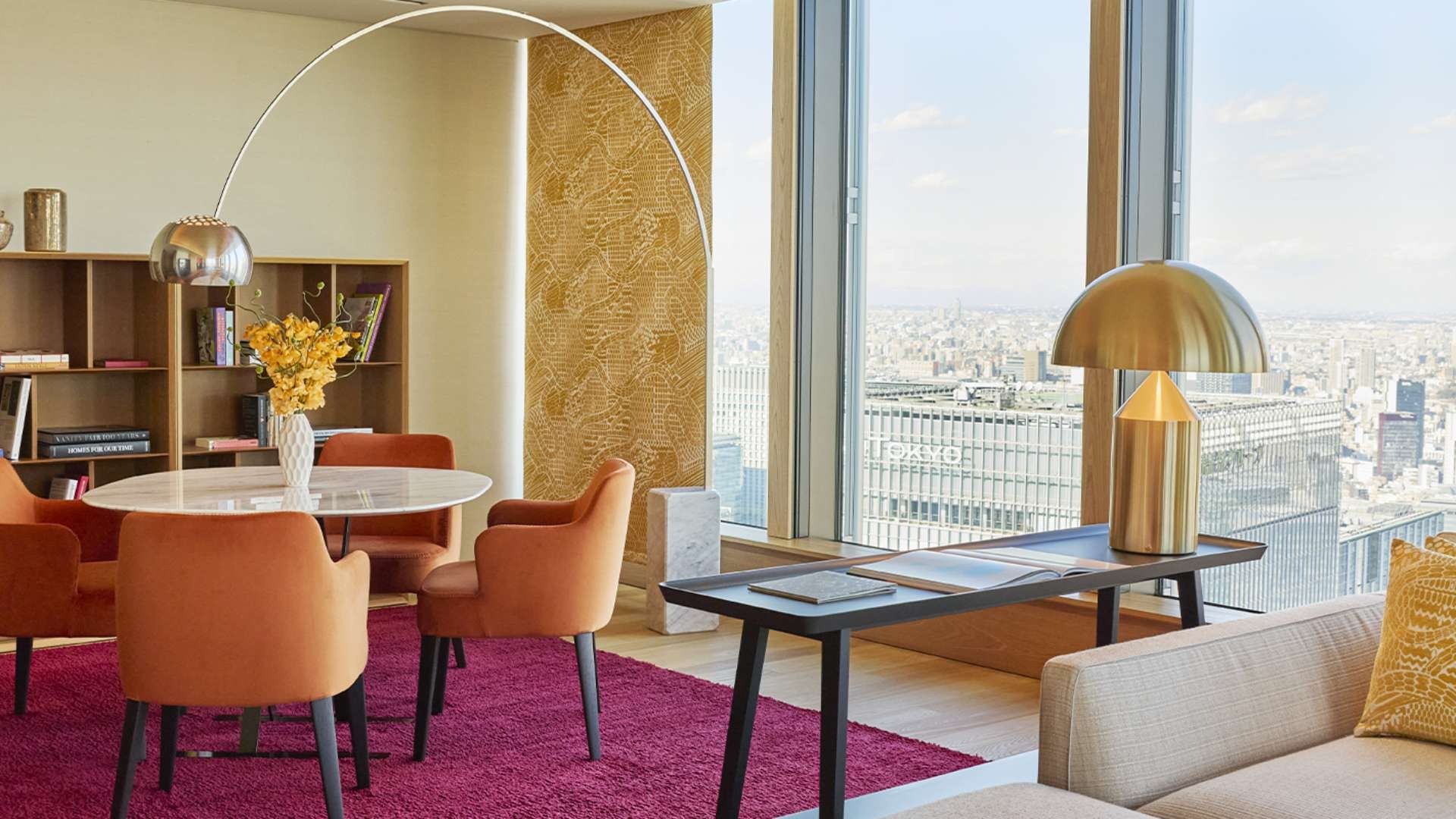
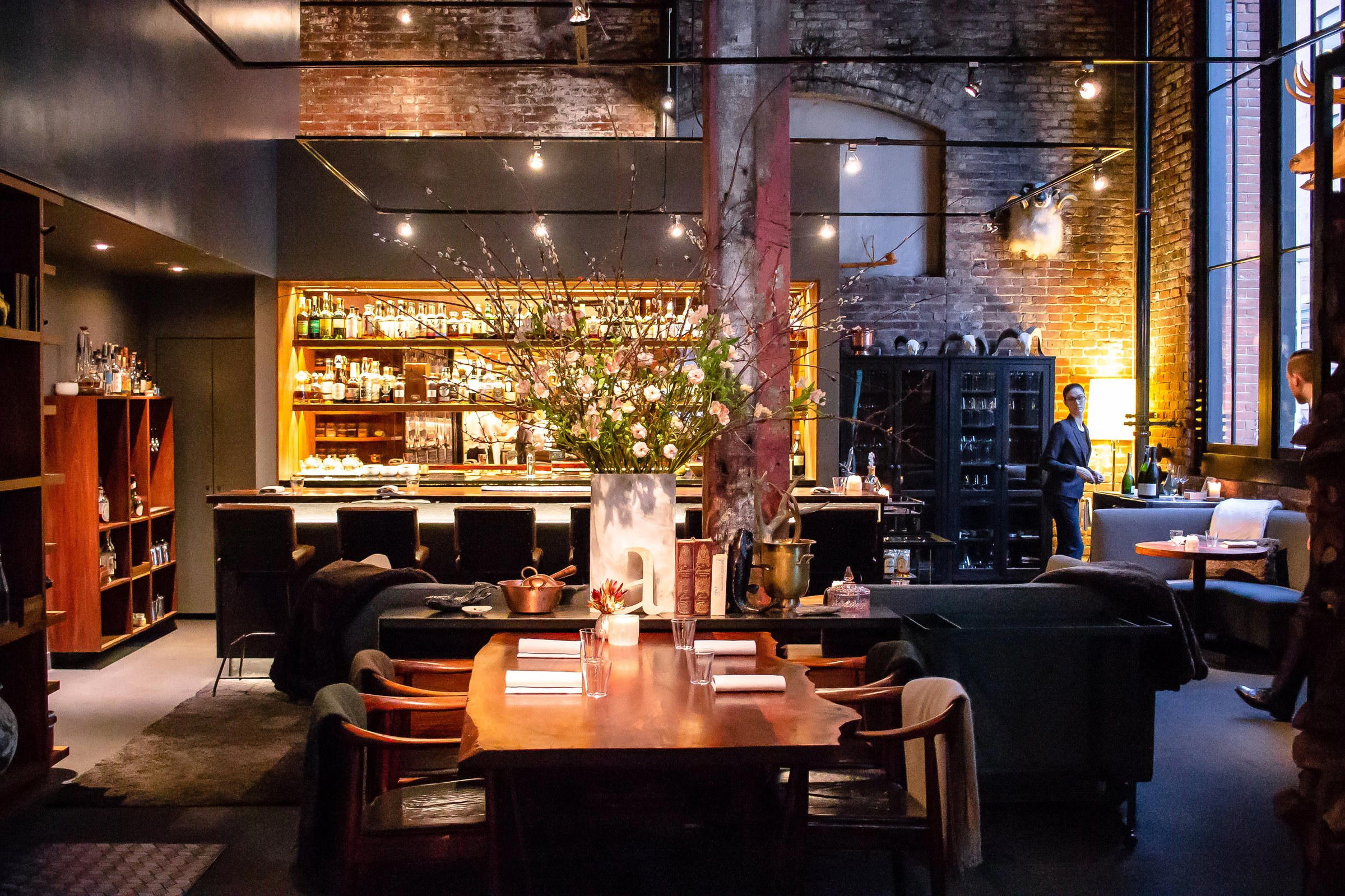
Calm and dignified interior with stylish black and traditional decor, well-spaced tables, soft lighting, and city views from the top floor, creating a refined and relaxing atmosphere.
Tags
Vibe
Best For
Experience
View
Accessibility
At the Table
- Dress Code
- Smart Casual
- Noise Level
- Quiet
- Service Style
- Formal
- Meal Pacing
- Leisurely
- Capacity
- Medium
- Kitchen
- Modern
- Menu Format
- Tasting menu, Set menu
- Wine Program
- Curated
- Drinks Focus
- Sake, Wine
- Private Dining
- Available
Signature Dishes
- monkfish liver
- charcoal grilled bonito
Know before you go
Know Before You Go
- Getting there
- Japan, 〒100-0006 Tokyo, Chiyoda City, Yurakucho, 1 Chome−1−2 東京ミッドタウン日比谷 7階
Planning details
Hours
- Monday
- 6–11 pm
- Tuesday
- 6–11 pm
- Wednesday
- 6–11 pm
- Thursday
- 6–11 pm
- Friday
- 6–11 pm
- Saturday
- 6–11 pm
- Sunday
- 6–11 pm
Location
Japan, 〒100-0006 Tokyo, Chiyoda City, Yurakucho, 1 Chome−1−2 東京ミッドタウン日比谷 7階 · Directions
Recognition and awards




Also consider
Also Consider
- Harutaka, Sushi, ¥¥¥¥
- L'Effervescence, French, ¥¥¥¥
- HOMMAGE, Innovtive French, French, ¥¥¥¥
- Crony, Innovative, French, ¥¥¥¥
- MAZ, Innovative, ¥¥¥¥
Restaurant context
At ¥80,000–¥99,999 per head, RyuGin sits at the top of Tokyo's kaiseki pricing alongside Kanda and above most of the field. Against Harutaka (sushi, ¥¥¥¥), the comparison is format first: if you want the seasonal progression of kaiseki, RyuGin is the call; if precision sushi is the priority, Harutaka is the stronger choice at a comparable price tier. RyuGin's Michelin 3-star and La Liste 95-point credentials sit above most of its Tokyo ¥¥¥¥ competitors on raw accolades.
Against L'Effervescence and HOMMAGE (both French, ¥¥¥¥), RyuGin is the right pick if Japanese cuisine is your priority; those two are better suited to diners who want French technique in a Tokyo setting. Crony and MAZ (both innovative, ¥¥¥¥) offer more contemporary, less tradition-anchored menus, useful if you want to cover different ground across a multi-night Tokyo trip rather than doubling up on Japanese tasting-menu formats.
On booking difficulty, RyuGin is among the hardest tables in the city to secure, comparable to the top Kyoto kaiseki houses. Ginza Shinohara and Kutan are slightly more accessible at the kaiseki level if RyuGin proves impossible to book within your window. For anyone planning multiple serious meals across Japan, pair RyuGin with Gion Sasaki in Kyoto for a useful contrast in how two elite chefs interpret the same kaiseki format in different cities.
Explore Tokyo
Around this place
Discover more on Pearl
Unlock the full RyuGin guide in Pearl, including awards, comparisons, FAQs, planning details, and nearby places.
Compare RyuGin
| Venue | Cuisine | Price | Booking Difficulty | Awards |
|---|---|---|---|---|
| RyuGin | Kaiseki, Japanese | ¥¥¥¥ | Near Impossible | 2026 OAD Top Restaurants in Japan Ranked · #802026 Tabelog Bronze · #3772026 Michelin 3 Stars2026 La Liste Top RestaurantsTabelog 100 - Japanese cuisine - TOKYO - 2025 · #212025 OAD Top Restaurants in Japan Ranked · #542025 Michelin 3 Stars2025 La Liste Top Restaurants2025 The Best Chef Three Knives |
| Harutaka | Sushi | ¥¥¥¥ | Unknown | 2026 Tabelog Silver · #312026 OAD Top Restaurants in Japan Ranked · #1282026 Michelin 3 Stars2026 La Liste Top RestaurantsTabelog 100 - Sushi - TOKYO - 2025 · #372025 Asia's 50 Best Restaurants · #762025 OAD Top Restaurants in Japan Ranked · #1172025 La Liste Top Restaurants2025 Tabelog Bronze |
| L'Effervescence | French | ¥¥¥¥ | Unknown | 2026 Tabelog Silver · #682026 OAD Top Restaurants in Japan Ranked · #103Star Wine Lists 20262026 Black Pearl 2 Diamond2026 Relais Chateaux Restaurants2026 La Liste Top Restaurants2026 Michelin 3 Stars2025 Asia's 50 Best Restaurants · #692025 OAD Top Restaurants in Japan Ranked · #92 |
| HOMMAGE | Innovtive French, French | ¥¥¥¥ | Unknown | 2026 Tabelog Bronze · #1232026 OAD Top Restaurants in Japan Highly Recommended2026 Michelin 2 StarsTabelog 100 - French - TOKYO - 2025 · #762025 Asia's 50 Best Restaurants · #782025 OAD Top Restaurants in Japan Ranked · #1752025 Michelin 2 Stars2025 The Best Chef One Knife2025 La Liste Top Restaurants |
| Crony | Innovative, French | ¥¥¥¥ | Unknown | 2026 Asia's 50 Best Restaurants · #34Star Wine Lists 20262026 OAD Top Restaurants in Japan Recommended2026 Michelin 2 Stars2025 Asia's 50 Best Restaurants · #30Tabelog 100 - French - TOKYO - 2025 · #782025 OAD Top Restaurants in Japan Ranked · #227We're Smart World Top Restaurants 20252025 Michelin 2 Stars |
| MAZ | Innovative | ¥¥¥¥ | Unknown | Star Wine Lists 2026 · #12026 Asia's 50 Best Restaurants · #282026 OAD Top Restaurants in Japan Ranked · #452026 Tabelog Bronze · #2672026 Michelin 2 Stars2026 La Liste Top Restaurants2025 OAD Top Restaurants in Japan Ranked · #272025 Asia's 50 Best Restaurants · #43Tabelog 100 - Innovative / Creative cuisine - 2025 · #92 |








A quick look at how RyuGin measures up.
FAQ
Frequently Asked Questions
What are alternatives to RyuGin in Tokyo?
For kaiseki at a similar price tier, Harutaka offers a more intimate counter format if you prefer face-to-face interaction with the chef. L'Effervescence is the stronger pick if you want French-influenced seasonal cooking rather than traditional Japanese kaiseki. HOMMAGE and Crony sit at lower price points and suit diners who want precision cooking without the JPY 80,000–99,999 commitment that RyuGin requires. MAZ is the outlier — Peruvian-Japanese, better suited to adventurous palates than those seeking classical technique.
How far ahead should I book RyuGin?
Book at least 4–6 weeks out, and further for weekend evenings or private rooms. RyuGin is reservation-only with no walk-in option, and Michelin 3-star demand in Tokyo means availability tightens fast. Check the official website (nihonryori-ryugin.com) or call +81-3-6630-0007 directly — international diners should factor in a Japanese-speaking intermediary if needed.
Is RyuGin worth the price?
At JPY 80,000–99,999 per head (plus a 10% service charge for standard seating, 15% for private rooms), RyuGin is expensive even by Tokyo fine dining standards. The case for paying it: Michelin 3 stars held as of 2025, 95 points from La Liste 2026, repeated appearances in the World's 50 Best, and a Tabelog score of 4.16 — credentials that place it in a very small group of Japanese restaurants. If that level of technical and critical validation matters to you, the price is defensible.
Is RyuGin good for a special occasion?
Yes — it's one of the more practical high-end choices for a special occasion in Tokyo. Private rooms are available for parties of 4, 6, or 8, there are 2 full private rooms and 1 semi-private, and the restaurant is non-smoking throughout. The dress code is semi-formal (no T-shirts, men's shorts, or men's sandals), so set expectations accordingly for your group. The 7th-floor Hibiya location also offers a night view, which adds occasion without requiring a separate venue.
Does RyuGin handle dietary restrictions?
Dietary restriction handling is not documented in the available venue data. Contact RyuGin directly at +81-3-6630-0007 or via nihonryori-ryugin.com before booking. Given the kaiseki format — where the menu is set and heavily tied to seasonal Japanese ingredients — significant restrictions may limit the experience meaningfully, and it's worth confirming before committing at this price.
Is the tasting menu worth it at RyuGin?
If kaiseki is the format you want, yes. Seiji Yamamoto's approach is built on scientific precision and deep knowledge of Japanese seasonal ingredients — the Tabelog description calls out seasonal anchors including wild vegetables and shellfish in spring, sweetfish and eel in summer, matsutake in autumn, and fugu and Matsuba crab in winter. That seasonal structure is the point of the menu. If you're uncertain about kaiseki as a format, this is not the place to test it at JPY 80,000–99,999 per head.
What should I order at RyuGin?
RyuGin runs a set kaiseki menu, so individual ordering is not part of the format. The menu follows Japanese seasonality: winter visitors should expect fugu-focused courses, for which Yamamoto has a documented reputation built over years. The drink programme is specific about sake, shochu, and wine, with a sommelier available — worth using at this price point rather than defaulting to a standard pairing.