

The 2010 World's 50 Best Restaurants Rankings
Globally prestigious annual ranking recognizing the world's leading dining establishments for culinary excellence.

Venues on this list

Noma
Copenhagen, Denmark
Noma is a restaurant on Refshalevej in Copenhagen.
El Bulli
Roses, Spain
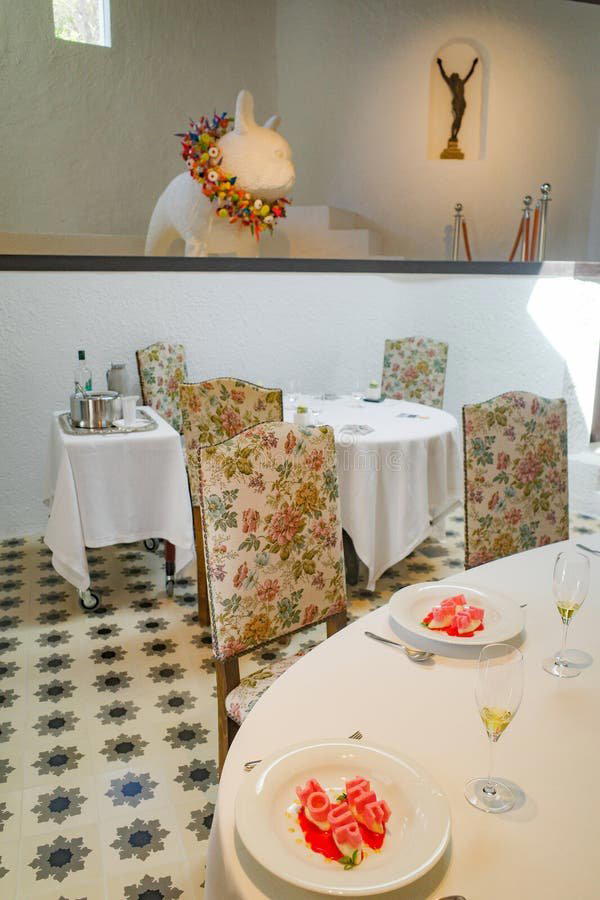
El Bulli closed in 2011 and is not bookable; the most important thing to know before you search. Ranked #2 on the World's 50 Best in 2010, Ferran Adrià's Roses kitchen was a landmark of Spanish cuisine. For dining in Roses today, the real options are Rafa, ROM, and Sumac. For avant-garde Spanish tasting menus, El Celler de Can Roca in Girona is the closest active equivalent.
The Fat Duck
Bray, United Kingdom
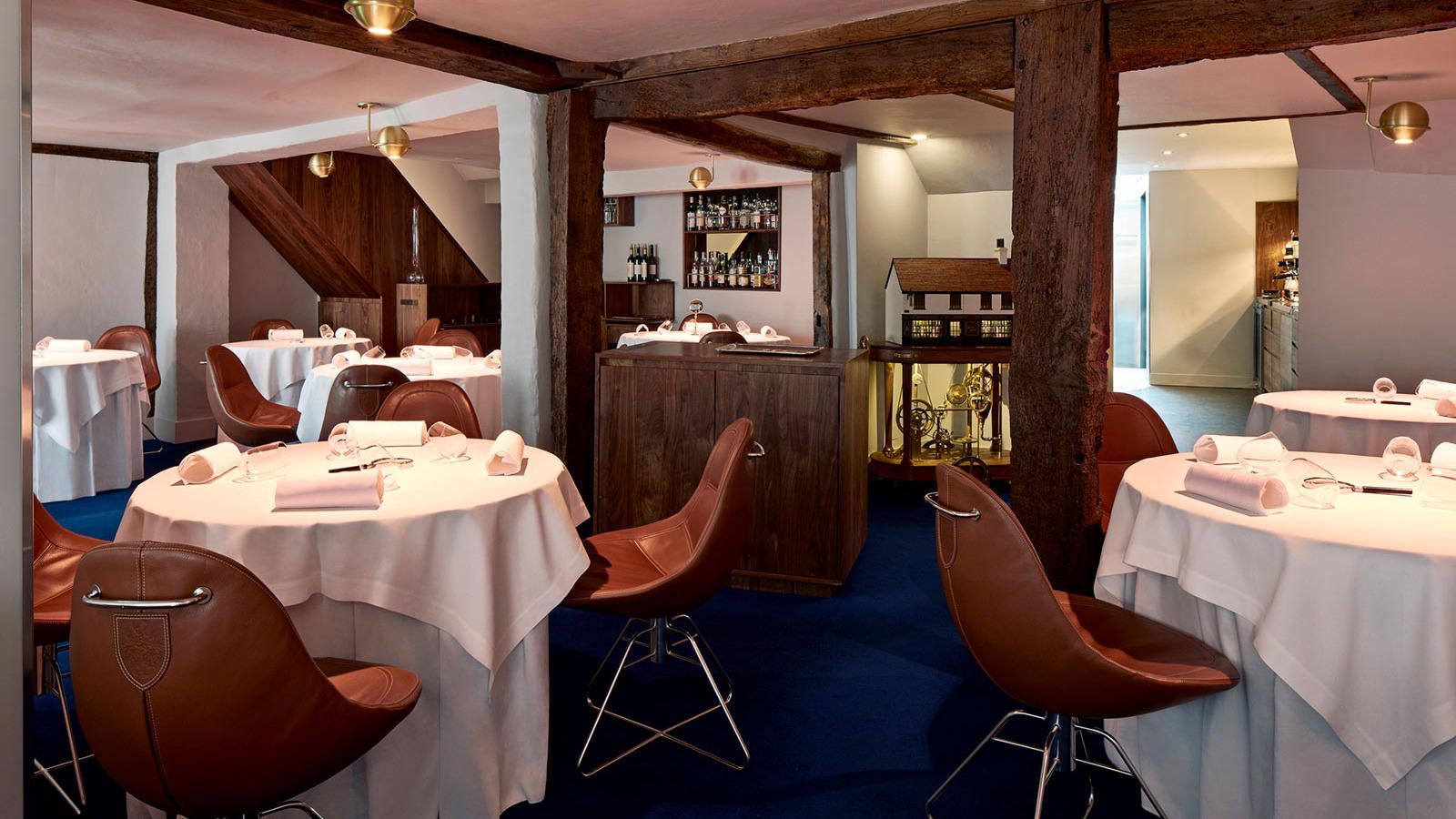
The Fat Duck is Heston Blumenthal's restaurant in Bray, Berkshire.
El Celler de Can Roca
Girona, Spain
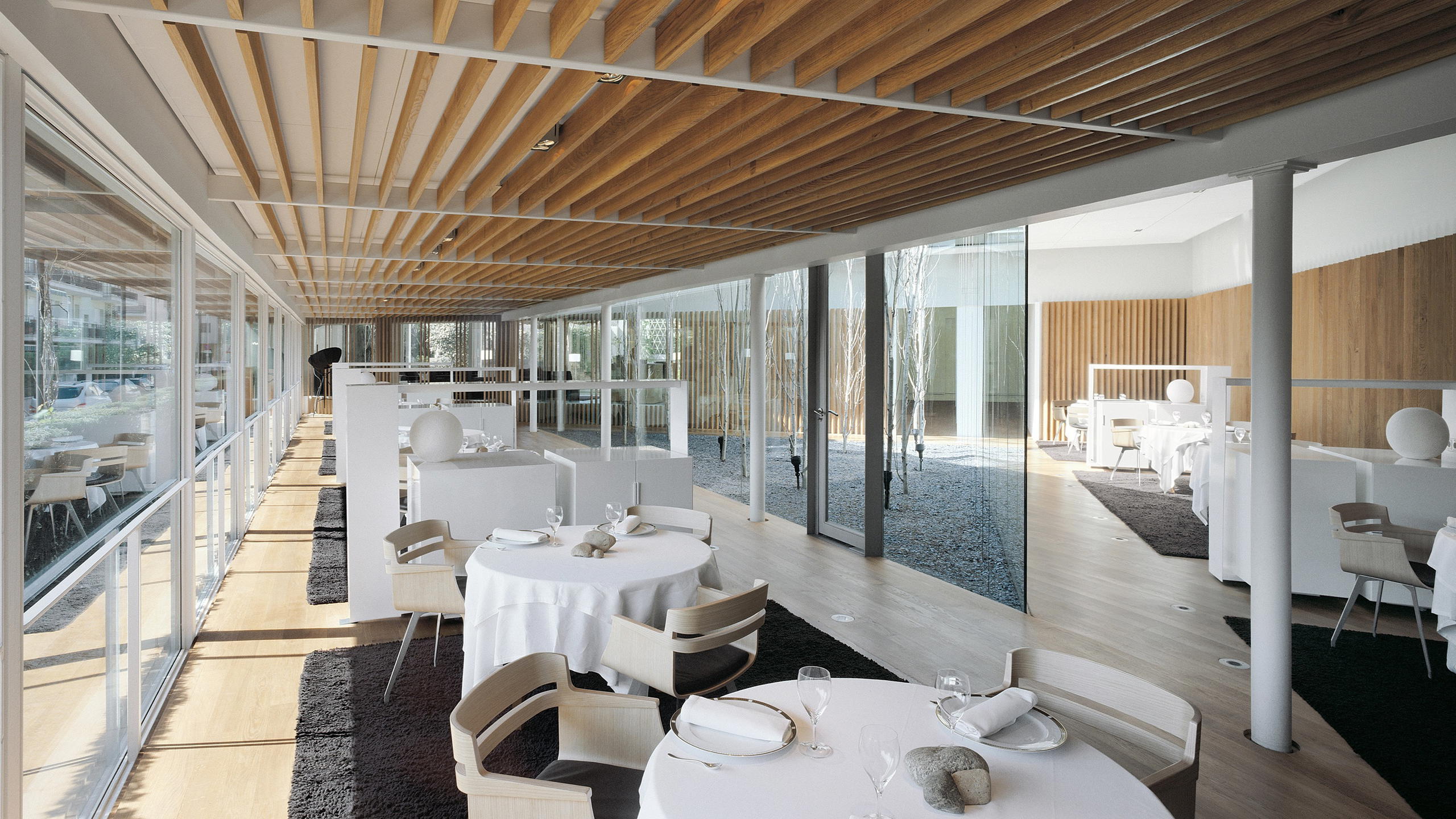
El Celler de Can Roca is a restaurant in Girona, Spain.
Mugaritz
Errenteria, Spain
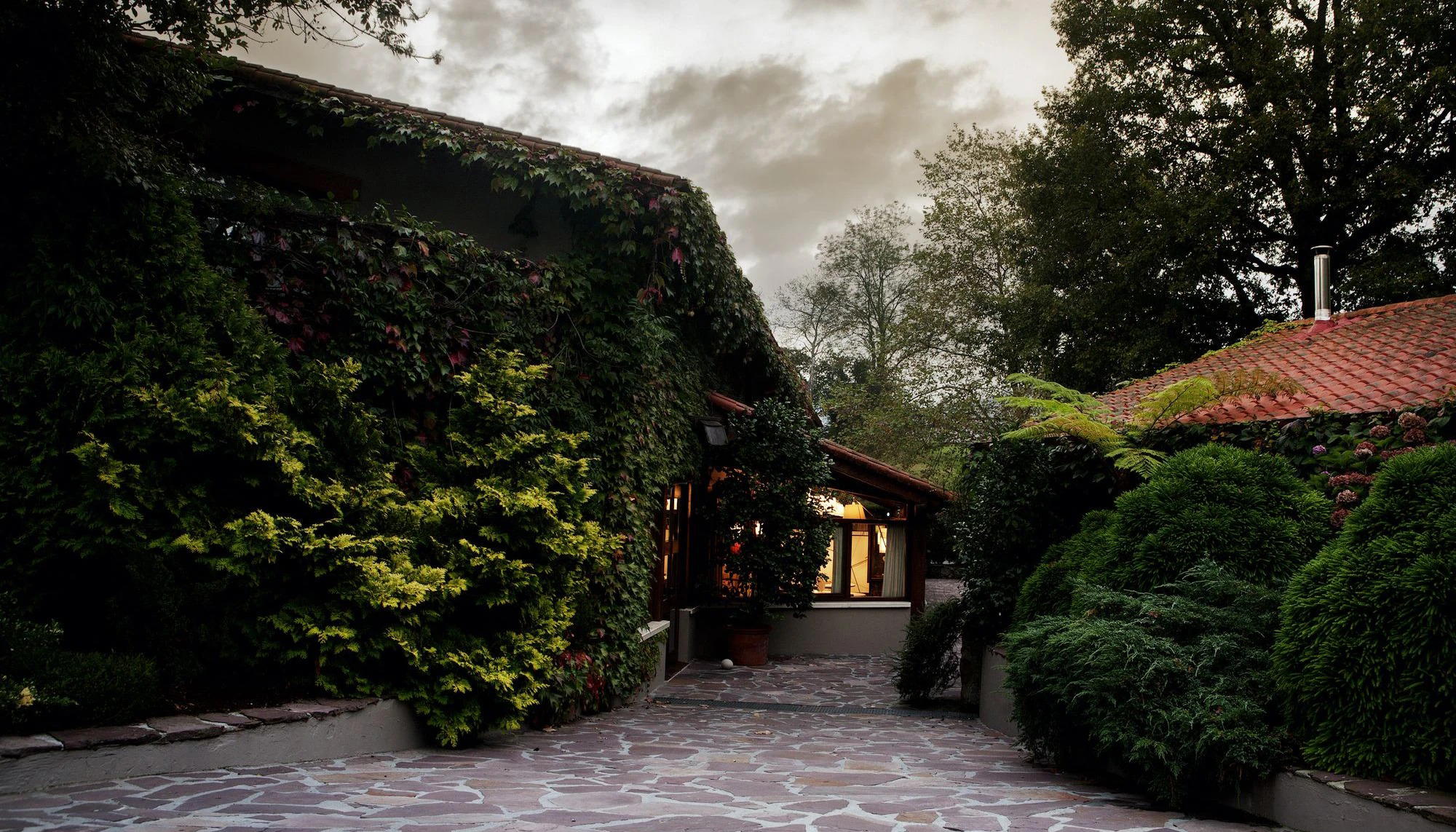
Mugaritz is a restaurant in Errenteria in Spain's Basque Country.
Osteria Francescana
Modena, Italy
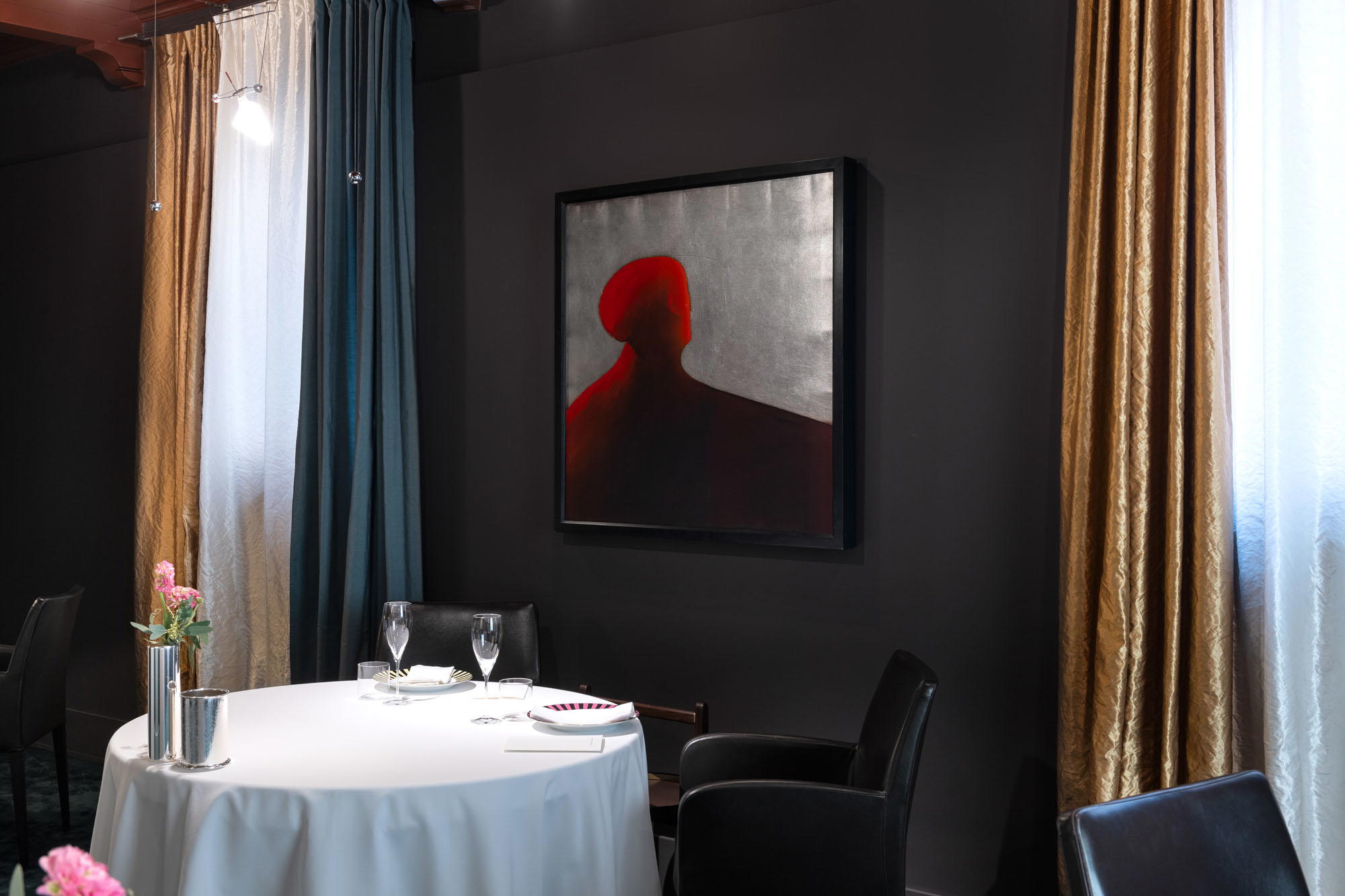
Osteria Francescana is Massimo Bottura's restaurant in Modena, Italy.
Alinea
Chicago, United States
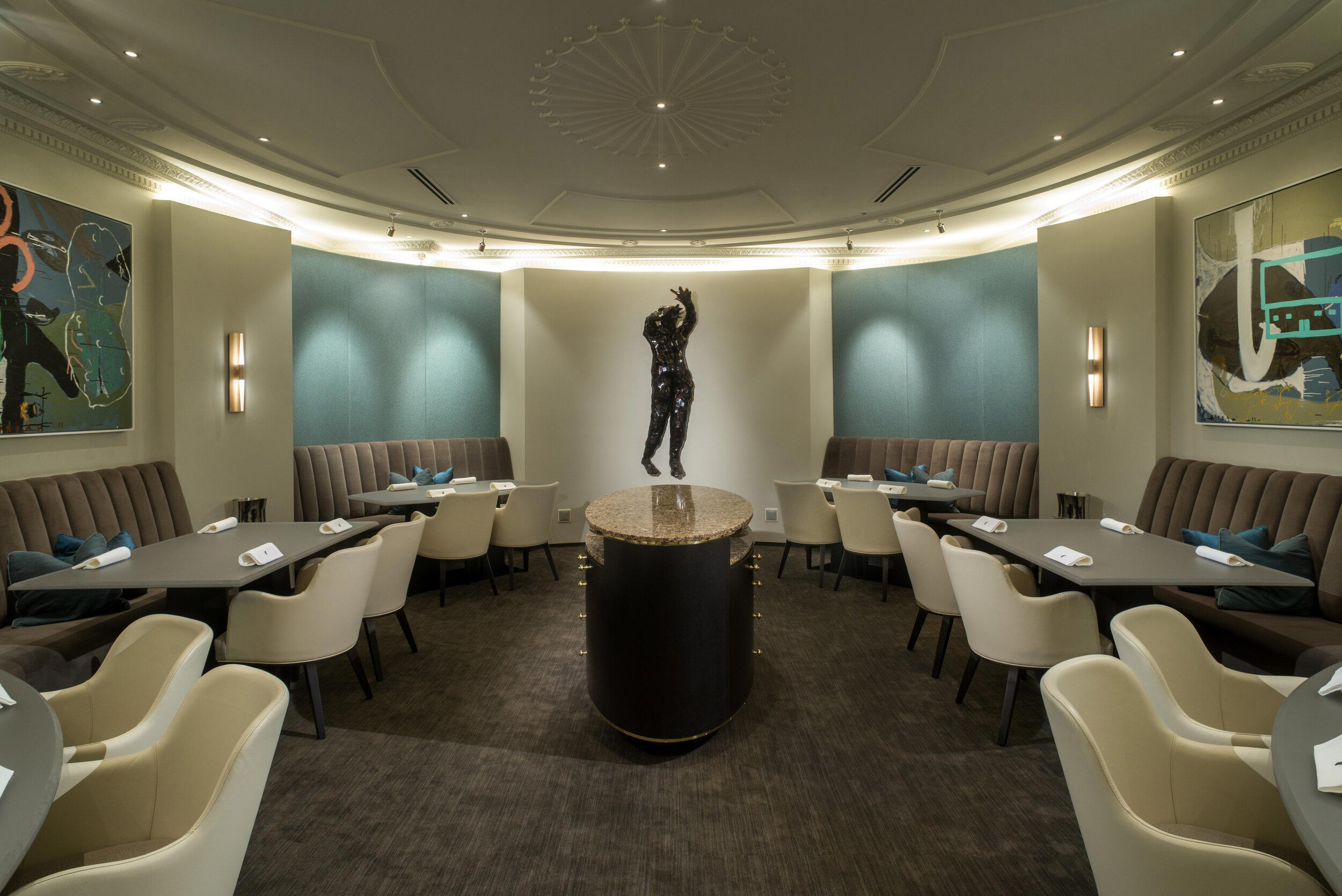
Alinea is Grant Achatz's modernist restaurant in Chicago.
Daniel
New York City, United States
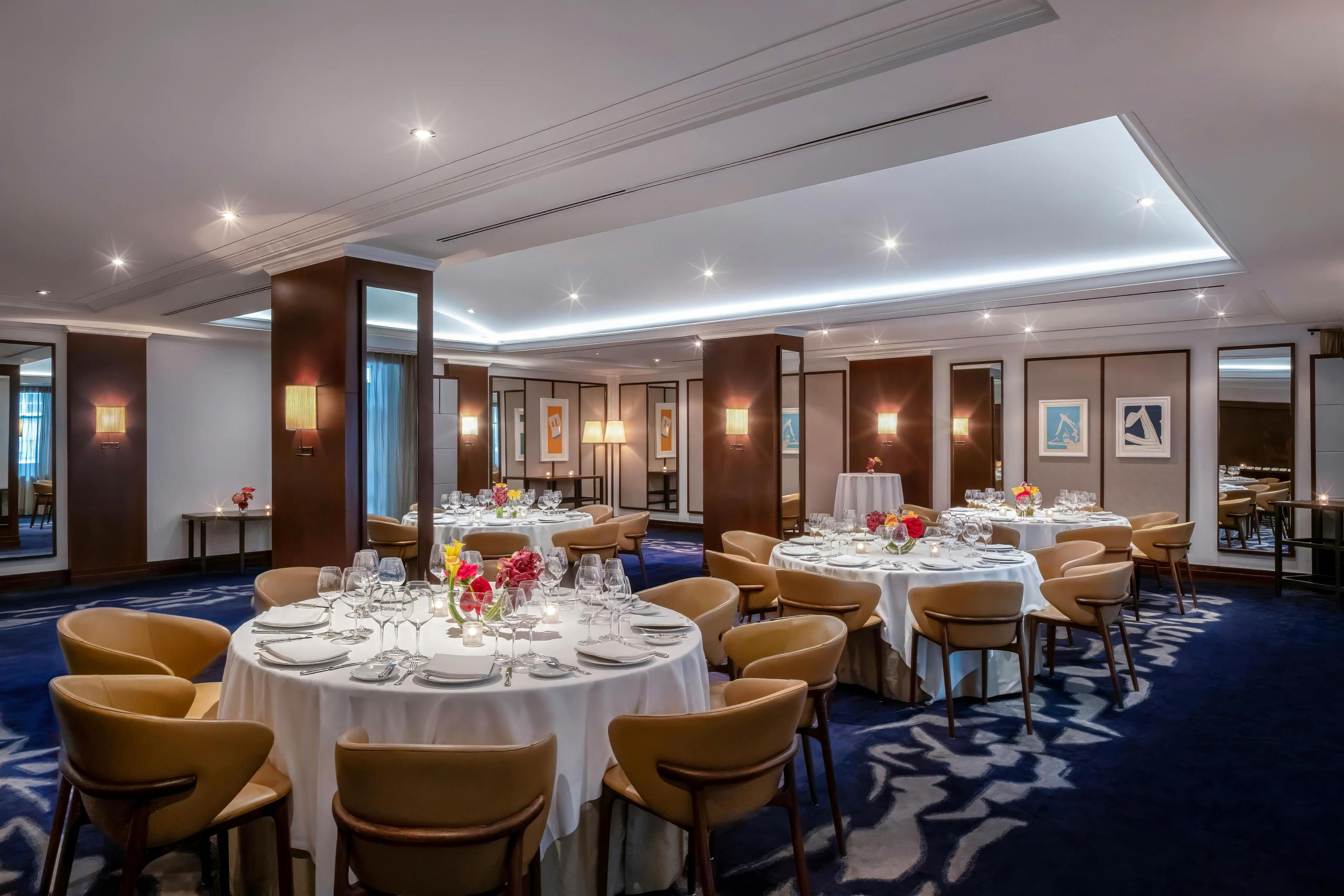
Daniel is an Upper East Side restaurant for a formal French dinner, with prix-fixe and tasting menus in the main dining room. Its Lalique-designed bar and lounge offer shorter menus and cocktails in a different setting.
Arzak
San Sebastián, Spain
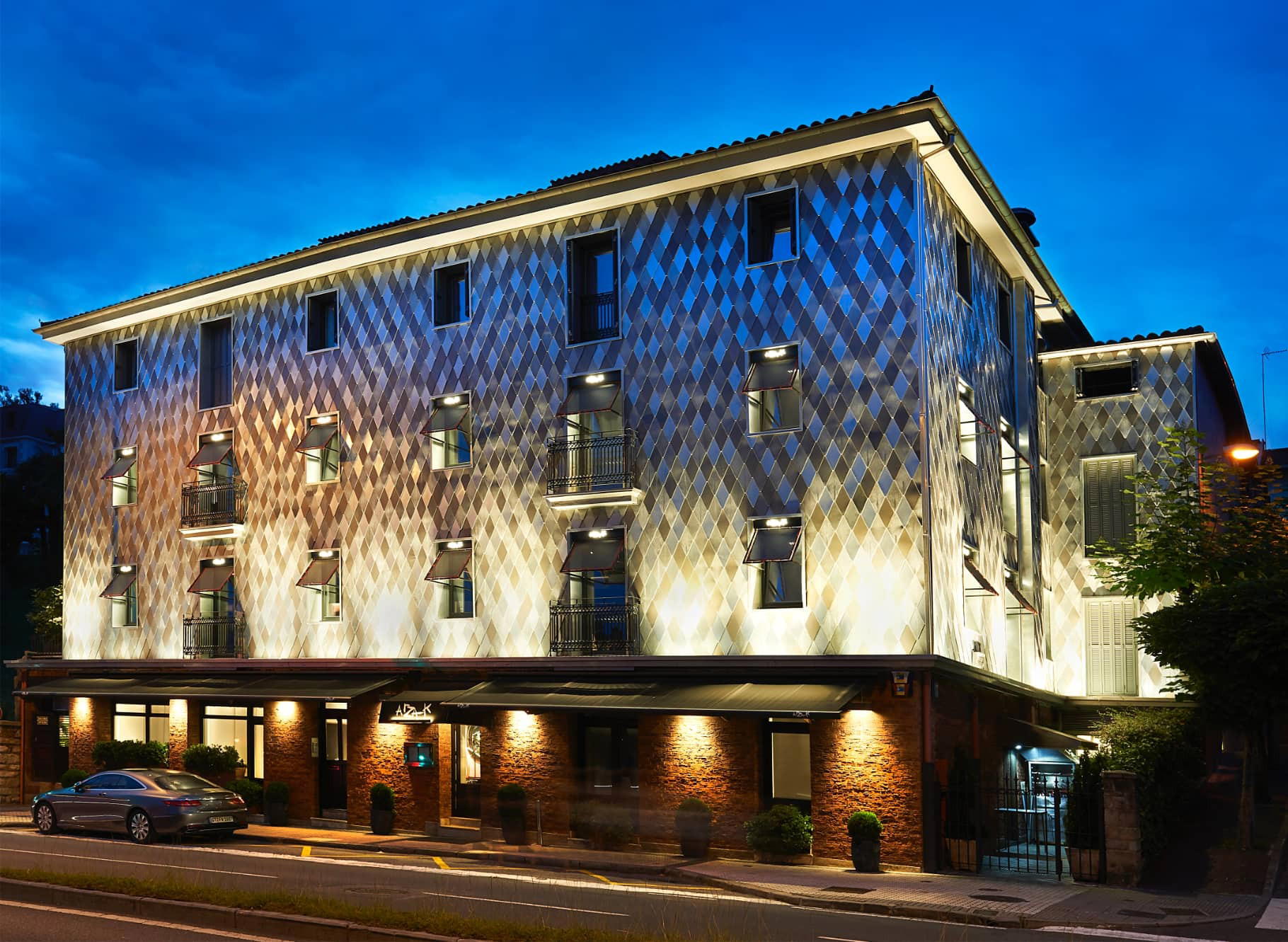
Arzak serves Basque cuisine developed by Juan Mari Arzak and Elena Arzak in San Sebastián.
Per Se
New York City, United States
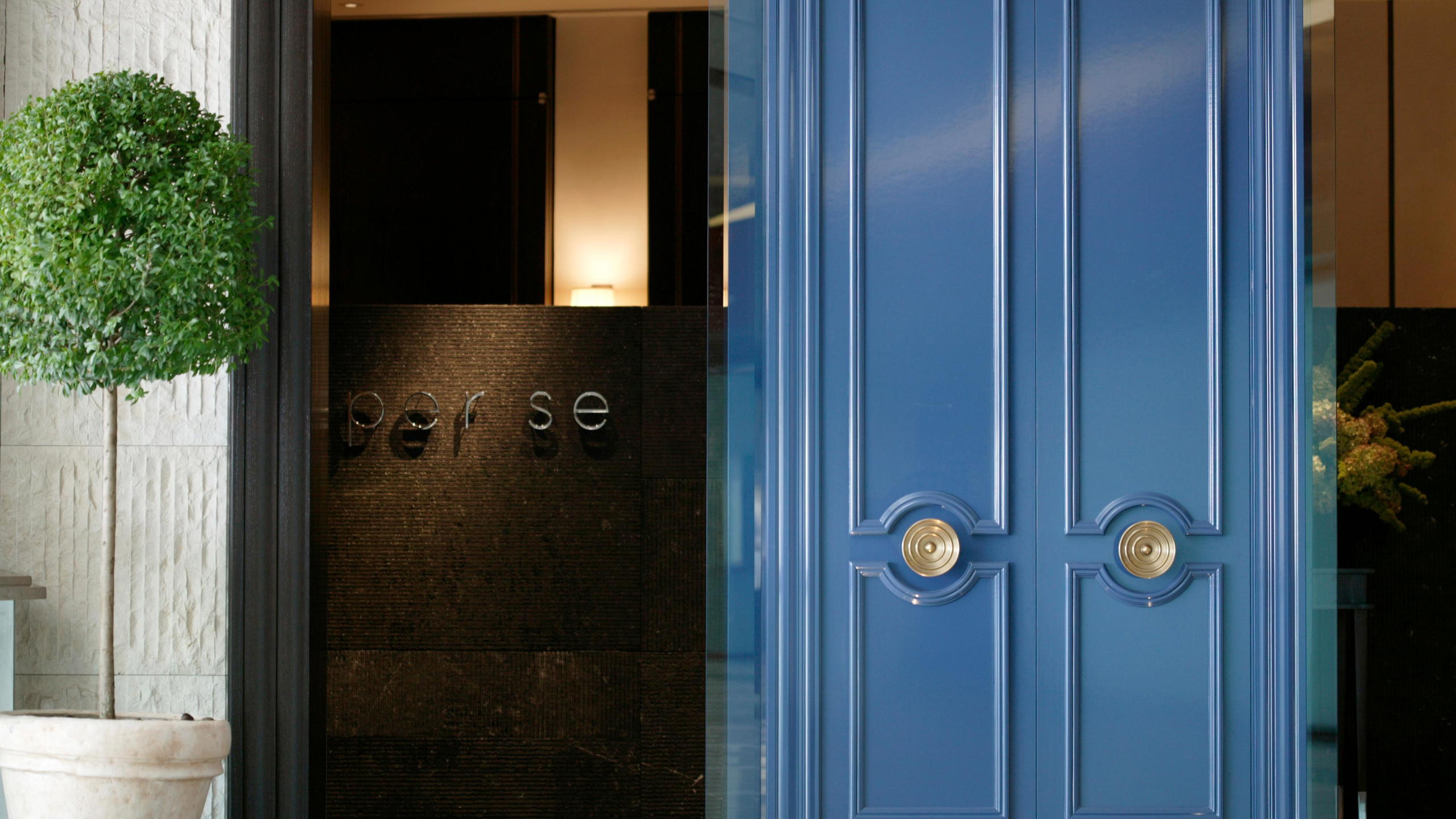
Per Se is a Thomas Keller restaurant at Columbus Circle in New York City.
Le Chateaubriand
Paris, France
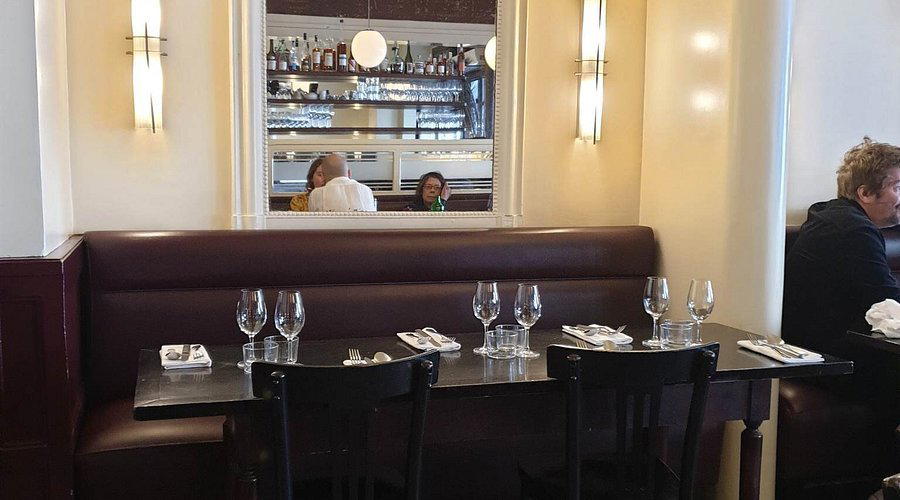
Le Chateaubriand is the defining address of Paris's bistronomy movement and one of the hardest tables to secure in the 11th arrondissement. Chef Iñaki Aizpitarte's single set menu, sourced from independent producers, has held a World's 50 Best ranking and a current Opinionated About Dining top-500 position. At €€€ per head, the value is clear; if you can get a reservation.
La Colombe
Cape Town, South Africa
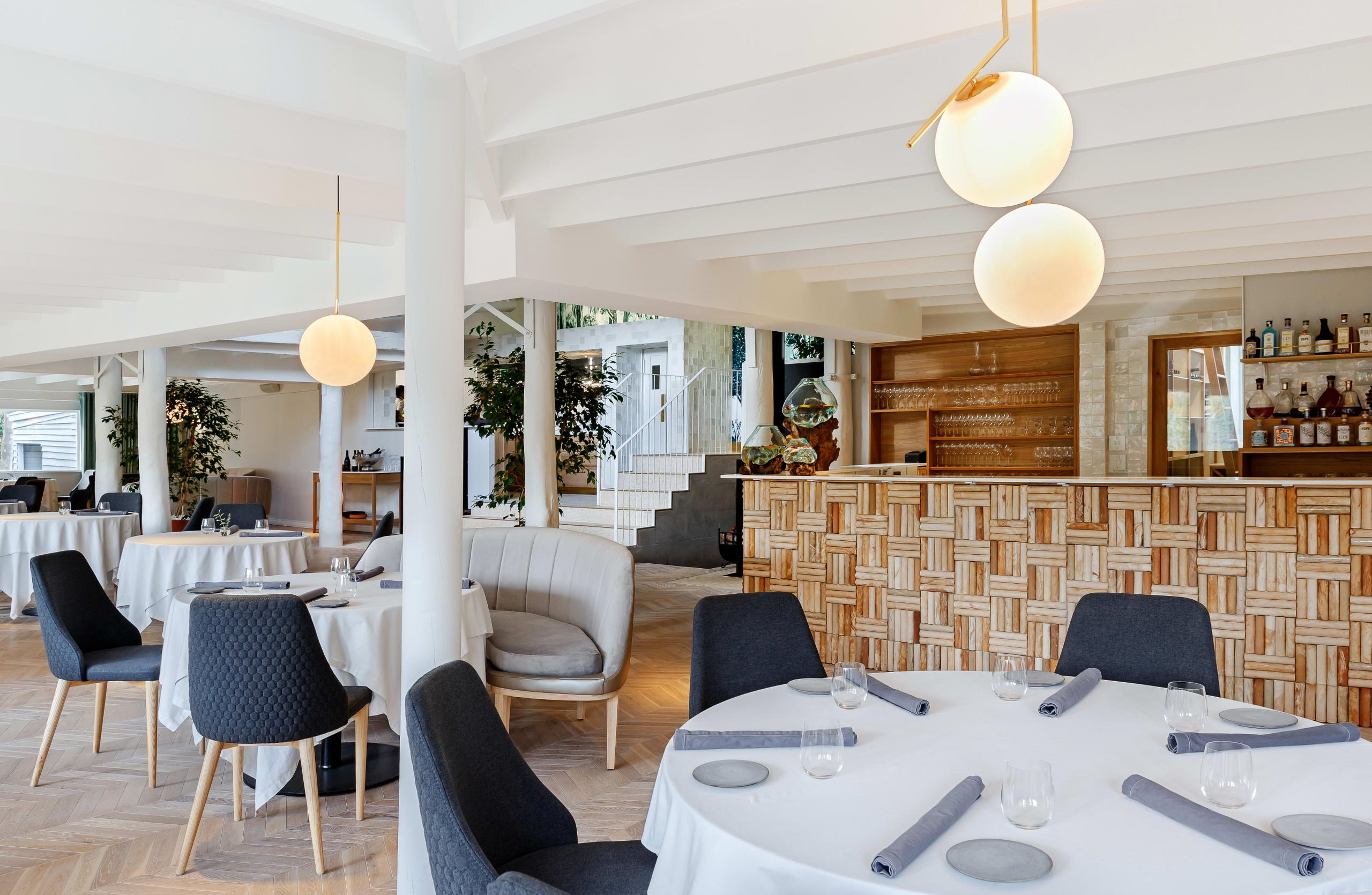
La Colombe ranked 49th on the World's 50 Best Restaurants in 2024 and is one of the hardest tables to secure in South Africa. Chef James Gaag's vegetable-forward tasting menu, served on a wine estate above Constantia Nek with views over the valley and sea, earns the difficulty. Book well ahead and ask about the dedicated vegetable menu.
Pierre Gagnaire
Paris, France
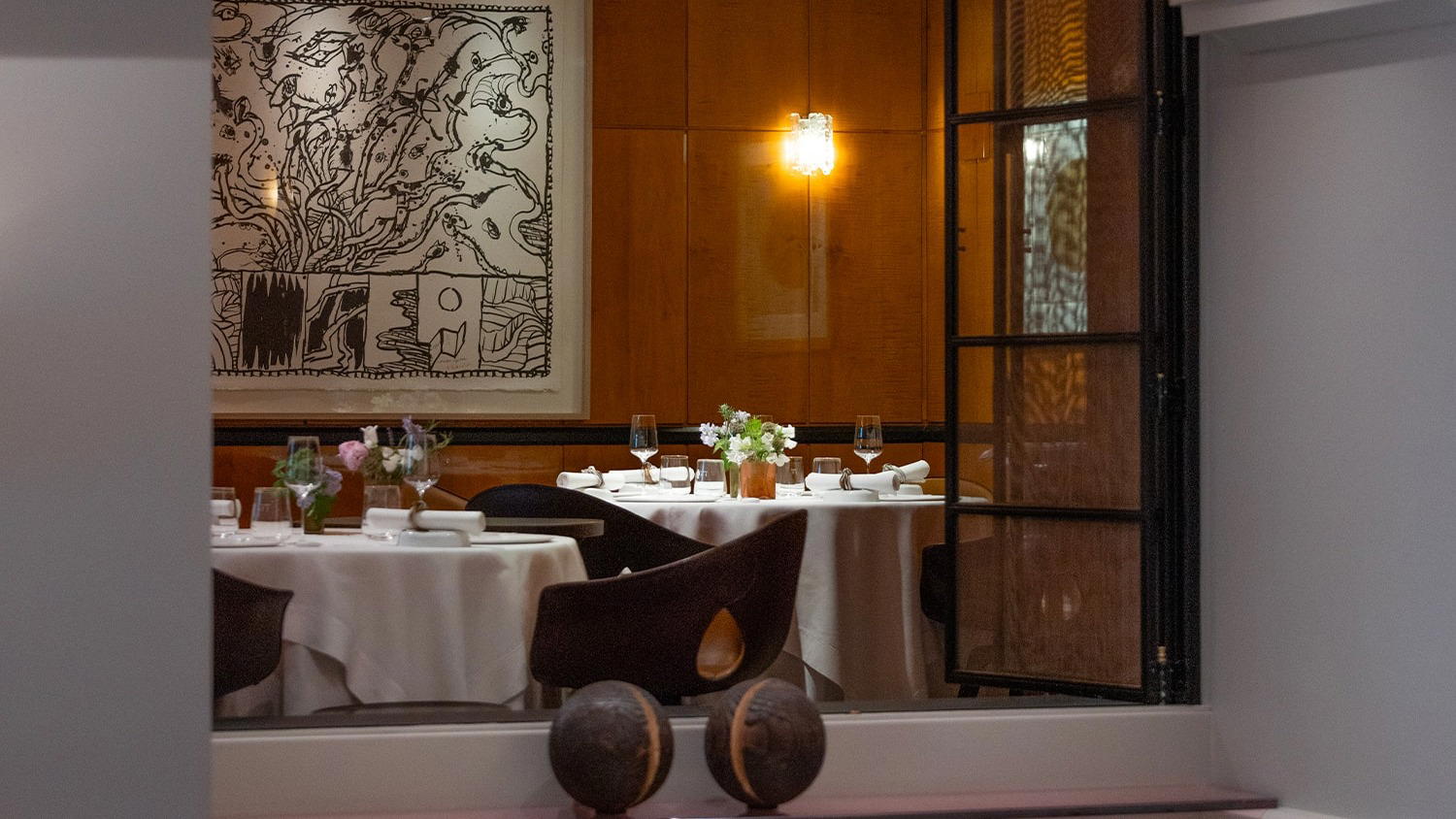
Pierre Gagnaire is chef Pierre Gagnaire's restaurant on Rue Balzac in Paris.
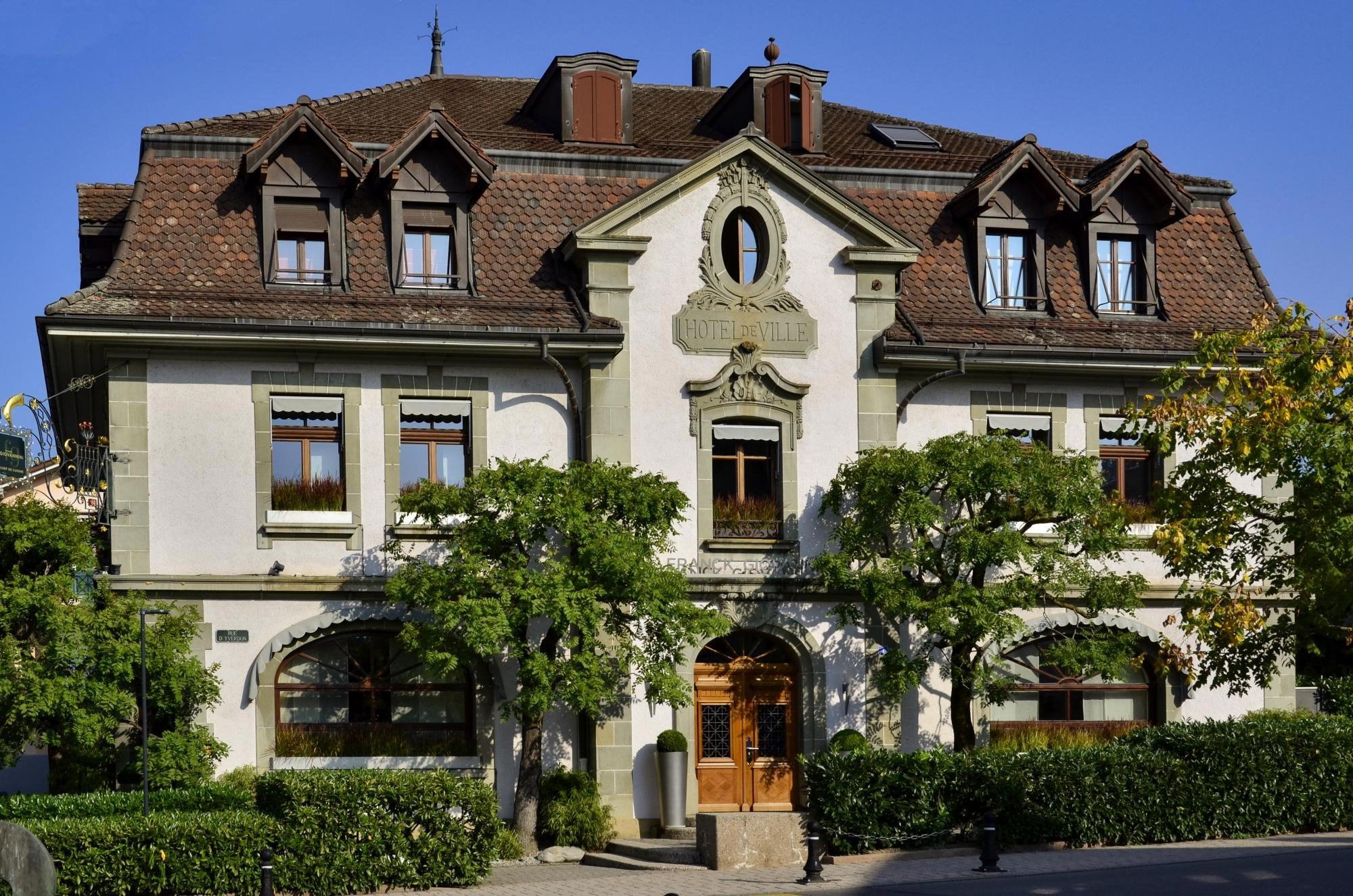
Hotel de Ville Crissier
Crissier, Switzerland
Restaurant de l'Hôtel de Ville de Crissier is Franck Giovannini's restaurant near Lausanne, Switzerland.
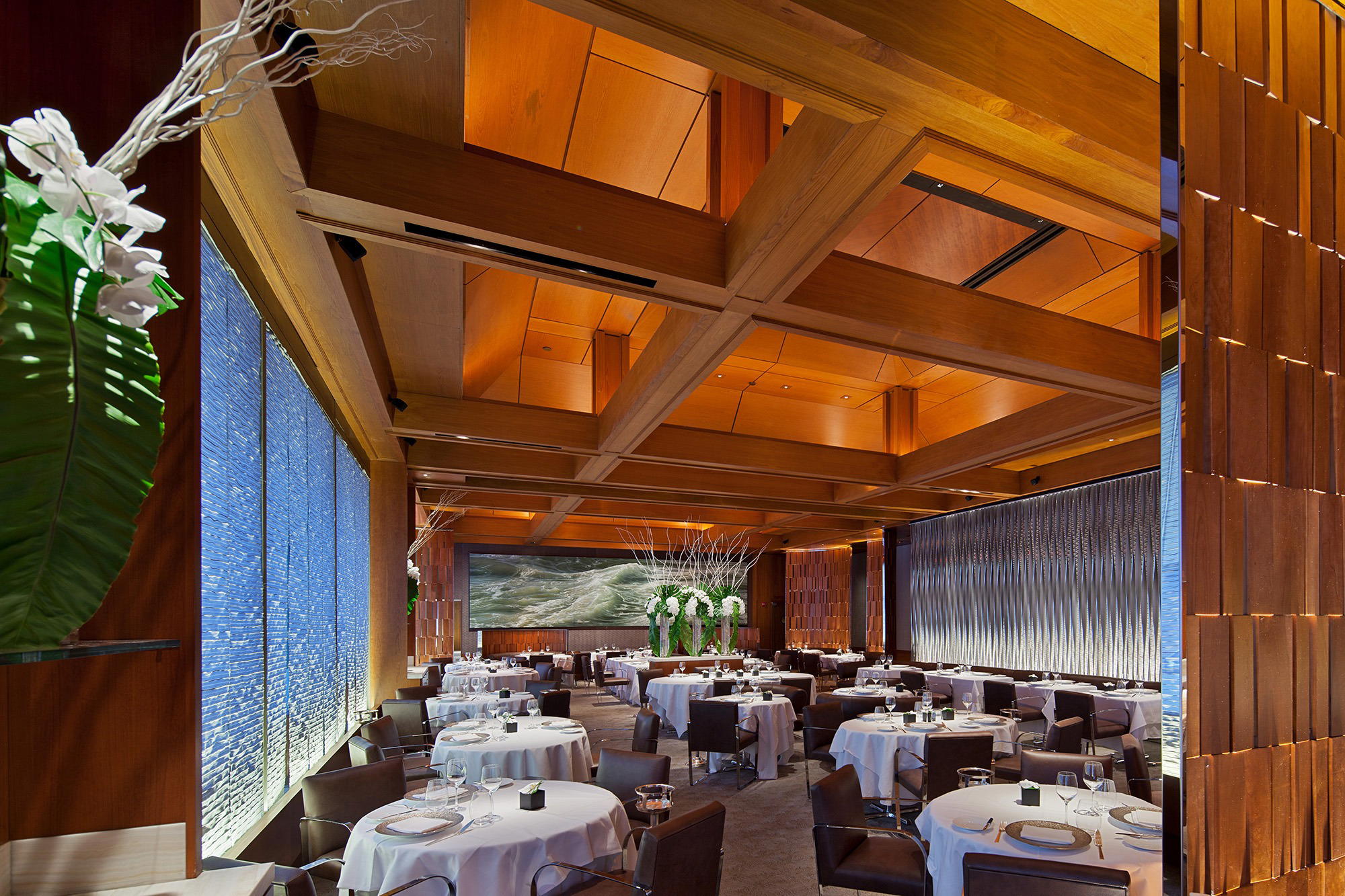
Le Bernardin
New York City, United States
Le Bernardin is a seafood restaurant in Midtown Manhattan.
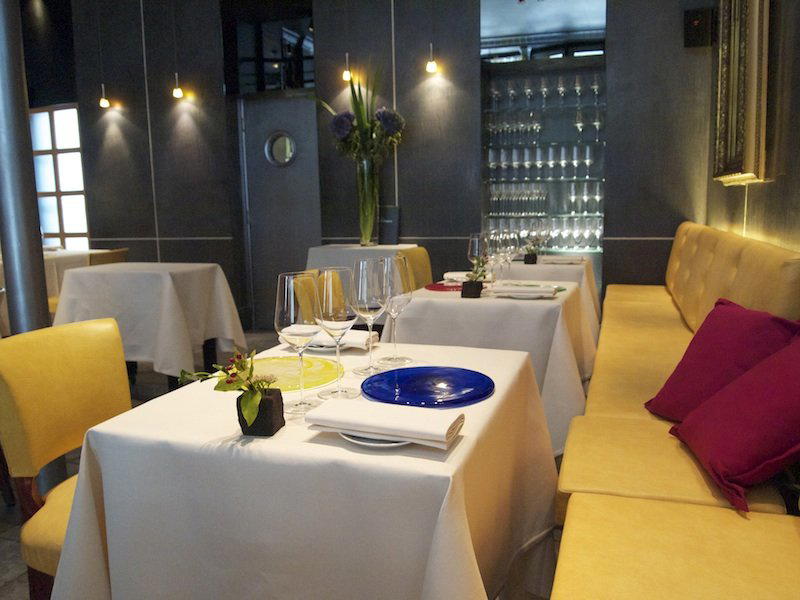
L'Astrance
Paris, France
L'Astrance is a restaurant on Rue de Longchamp in Paris.
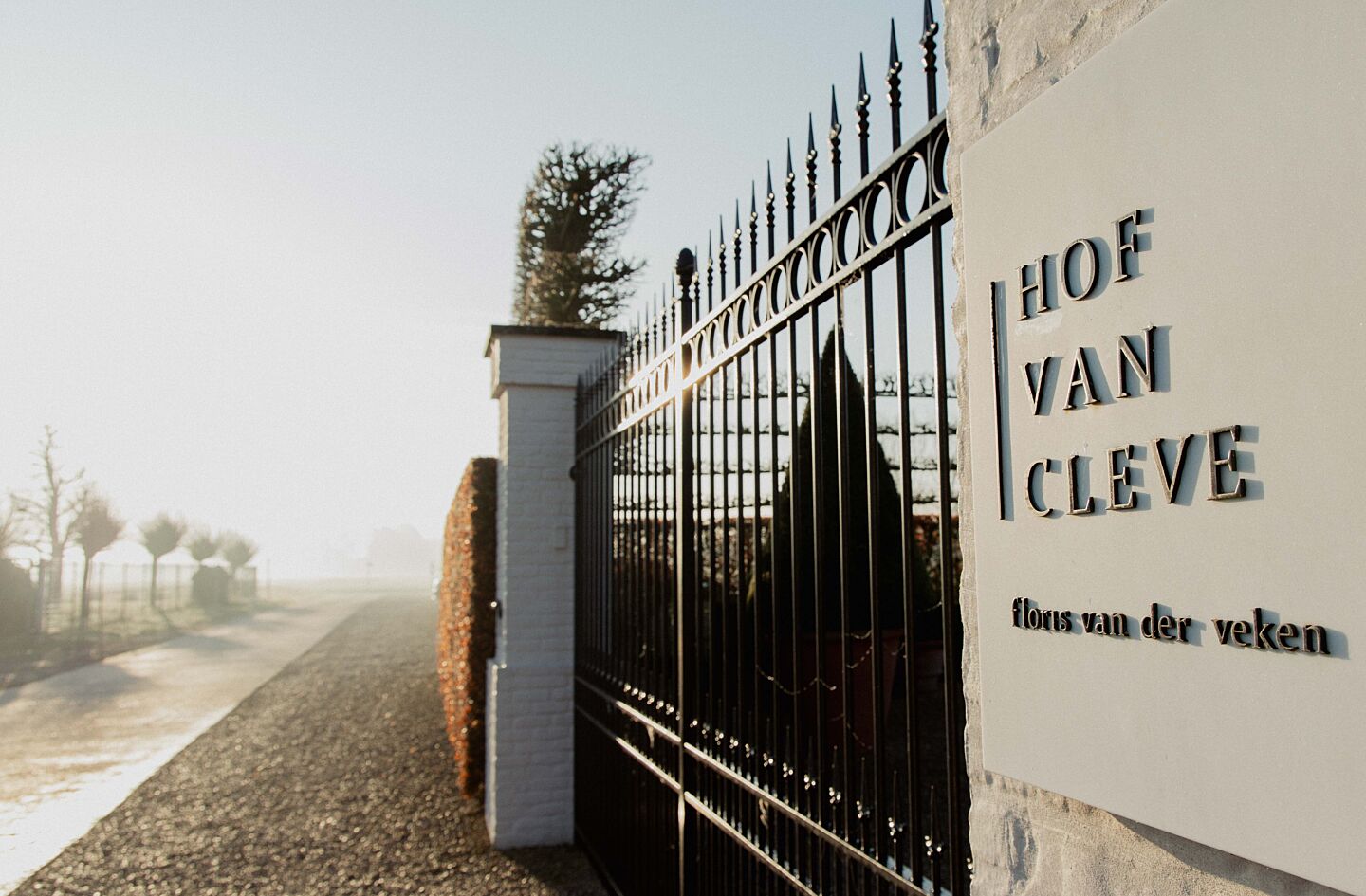
Hof van Cleve
Kruishoutem, Belgium
Hof van Cleve is Floris Van Der Veken's restaurant in Kruisem, Belgium.
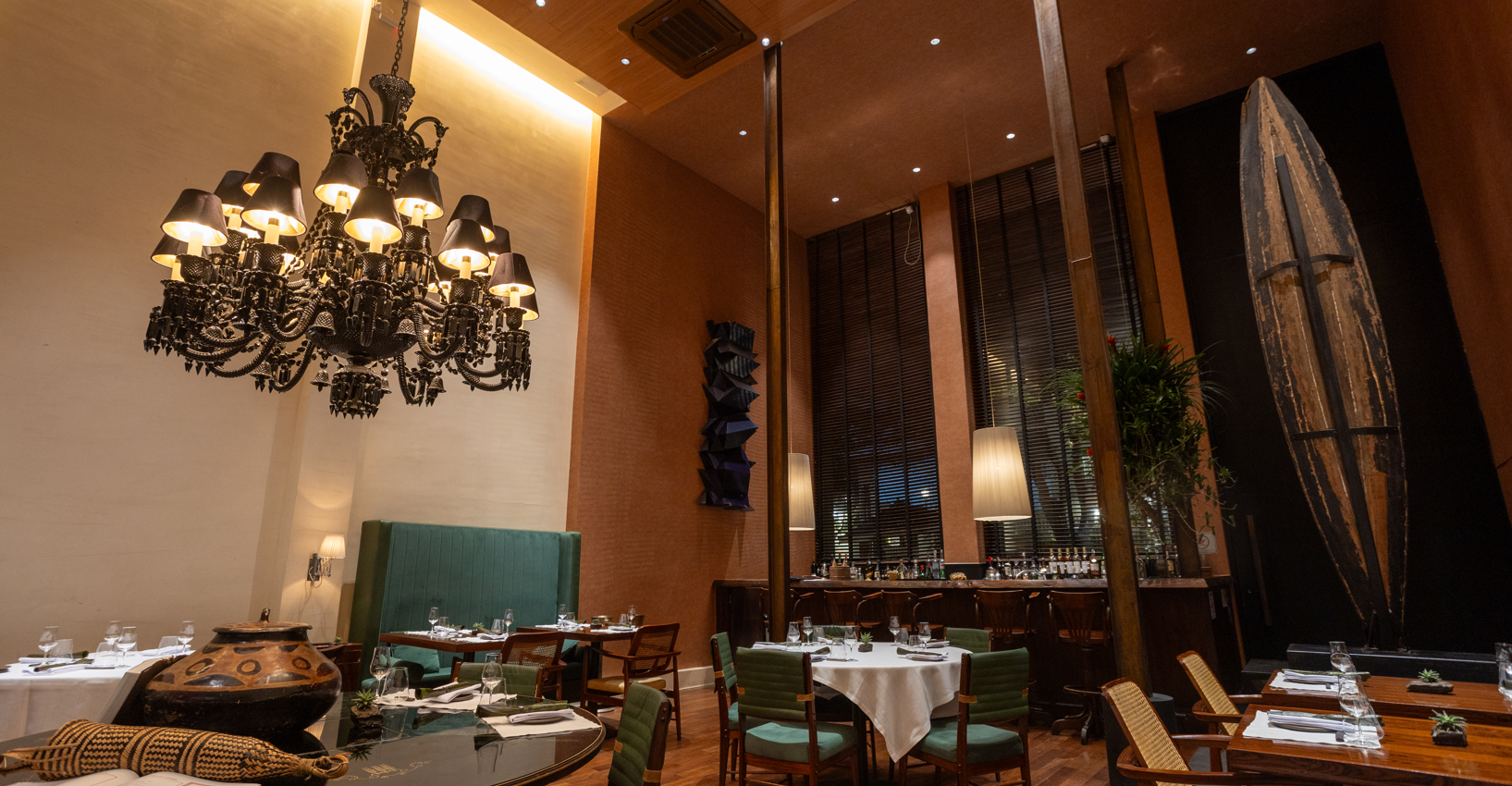
D.O.M.
São Paulo, Brazil
D.O.M. is a Brazilian restaurant in São Paulo's Jardins district.
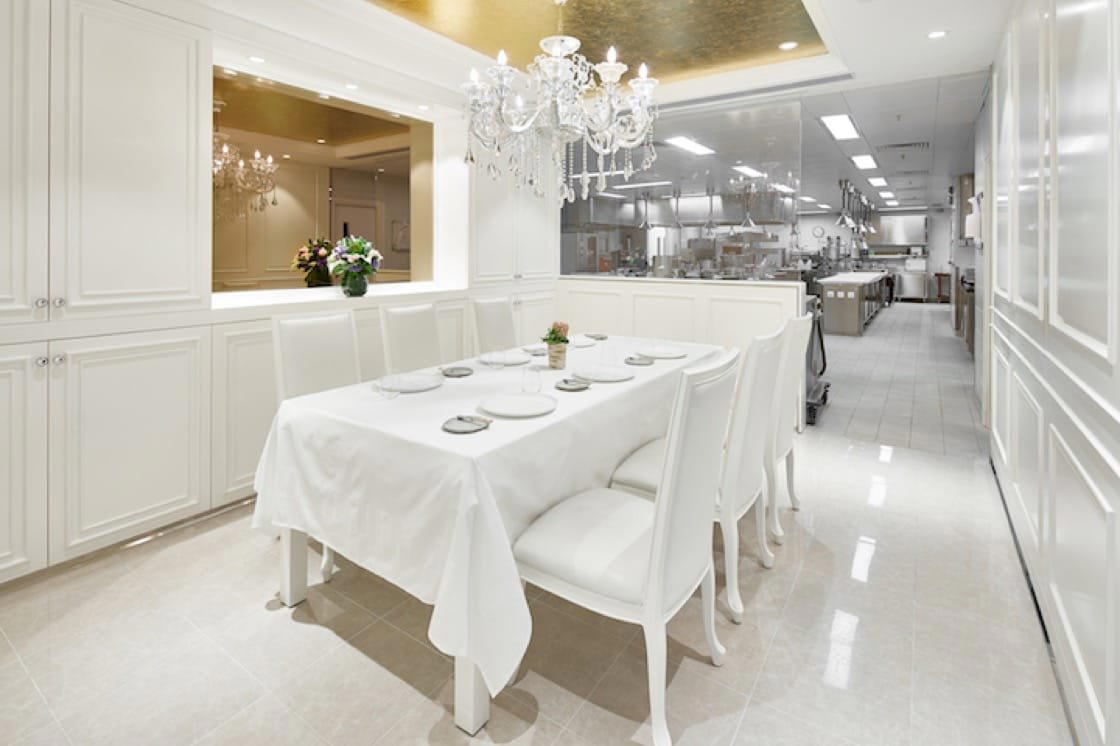
Oud Sluis
Sluis, Netherlands
Oud Sluis reached the World's 50 Best top 20 four consecutive years running, and chef Toshihiko Furuta's Japanese-influenced take on Dutch coastal produce still makes the remote Zeeland trip worth planning. Book months ahead; this is Near Impossible to secure at short notice. The tasting menu format demands a full evening and an overnight stay nearby.
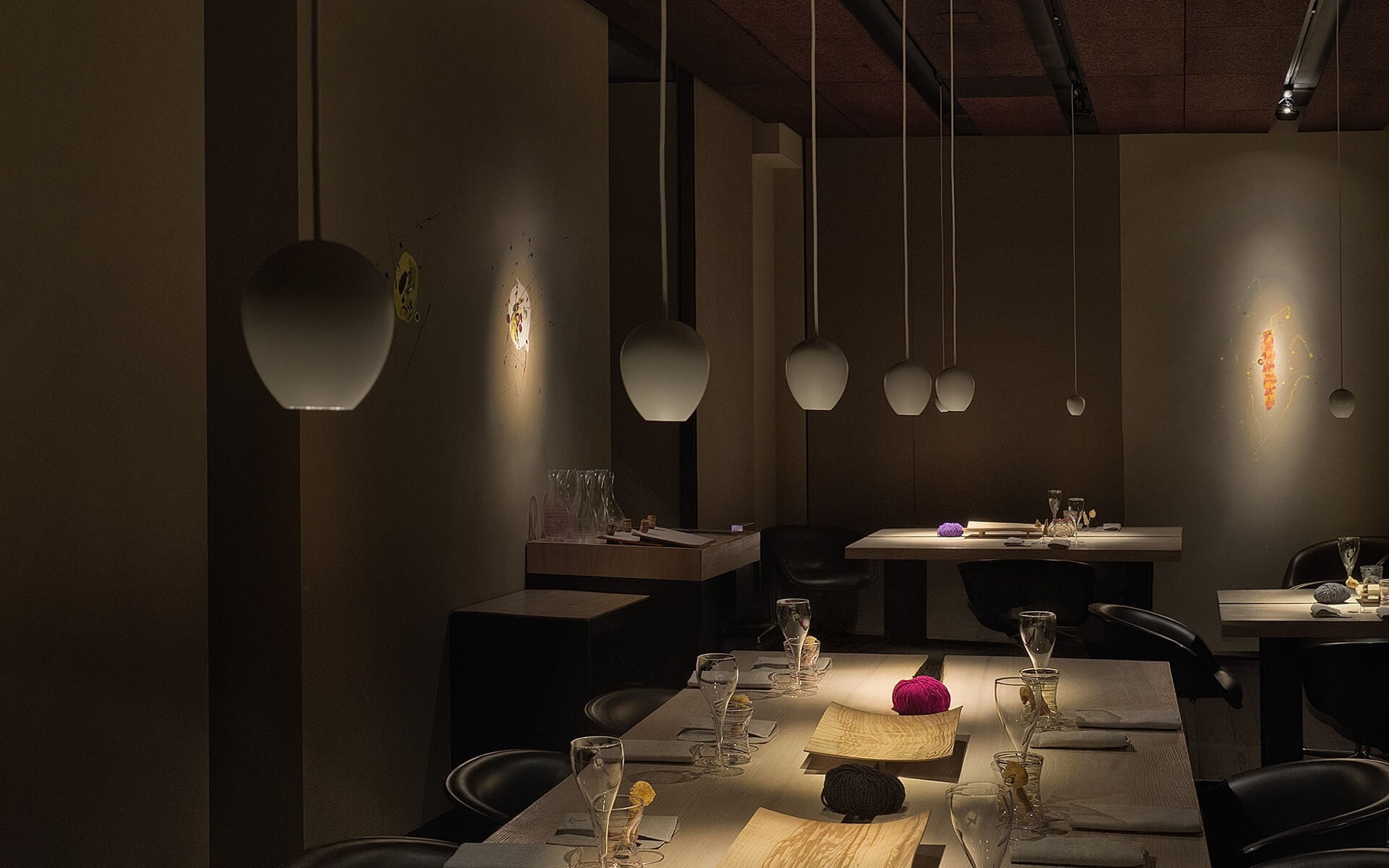
Le Calandre
Rubano, Italy
Le Calandre is an Alajmo restaurant in Sarmeola di Rubano, Italy.
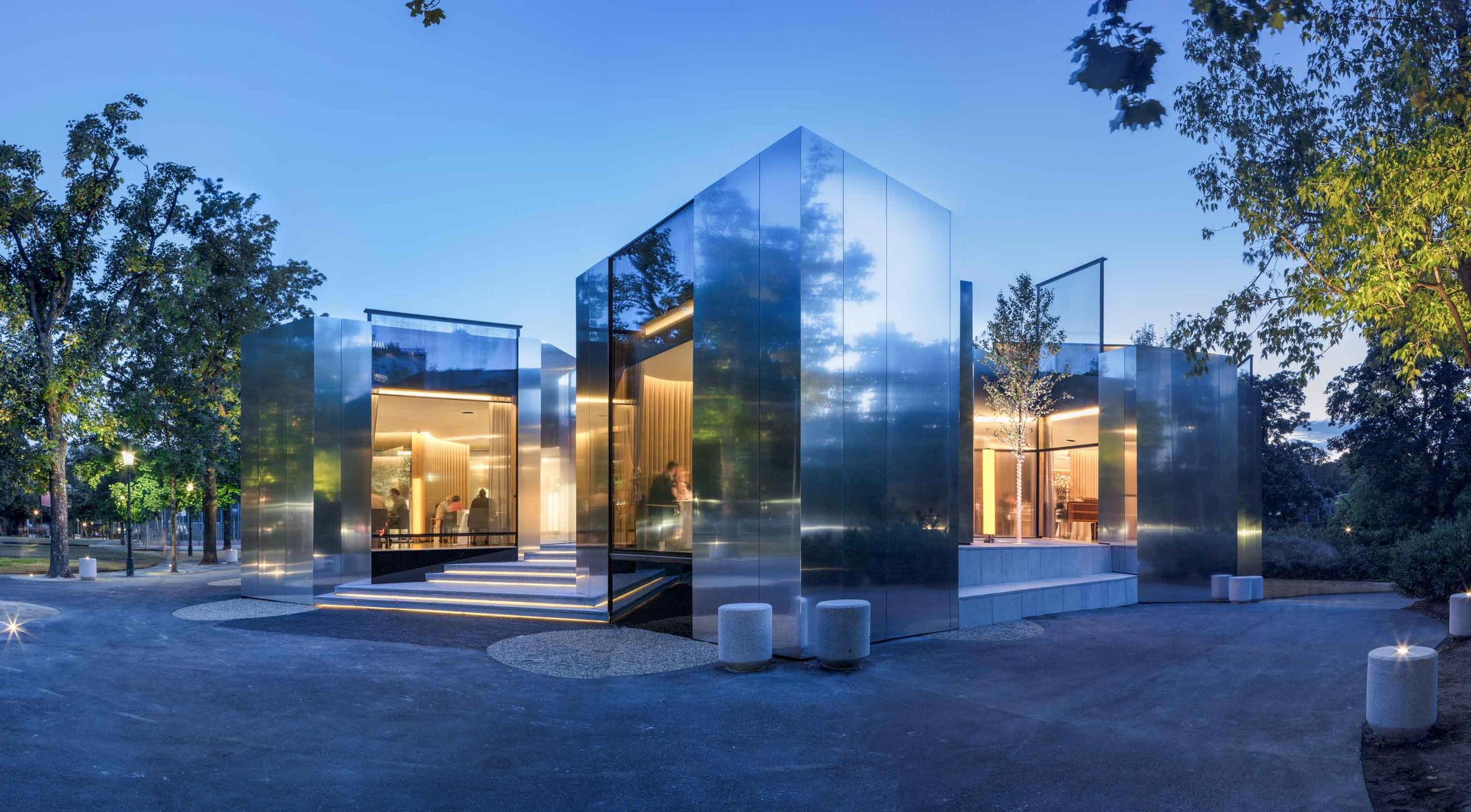
Steirereck im Stadtpark
Vienna, Austria
Steirereck im Stadtpark is a Vienna restaurant centered on Austrian hospitality and local products.
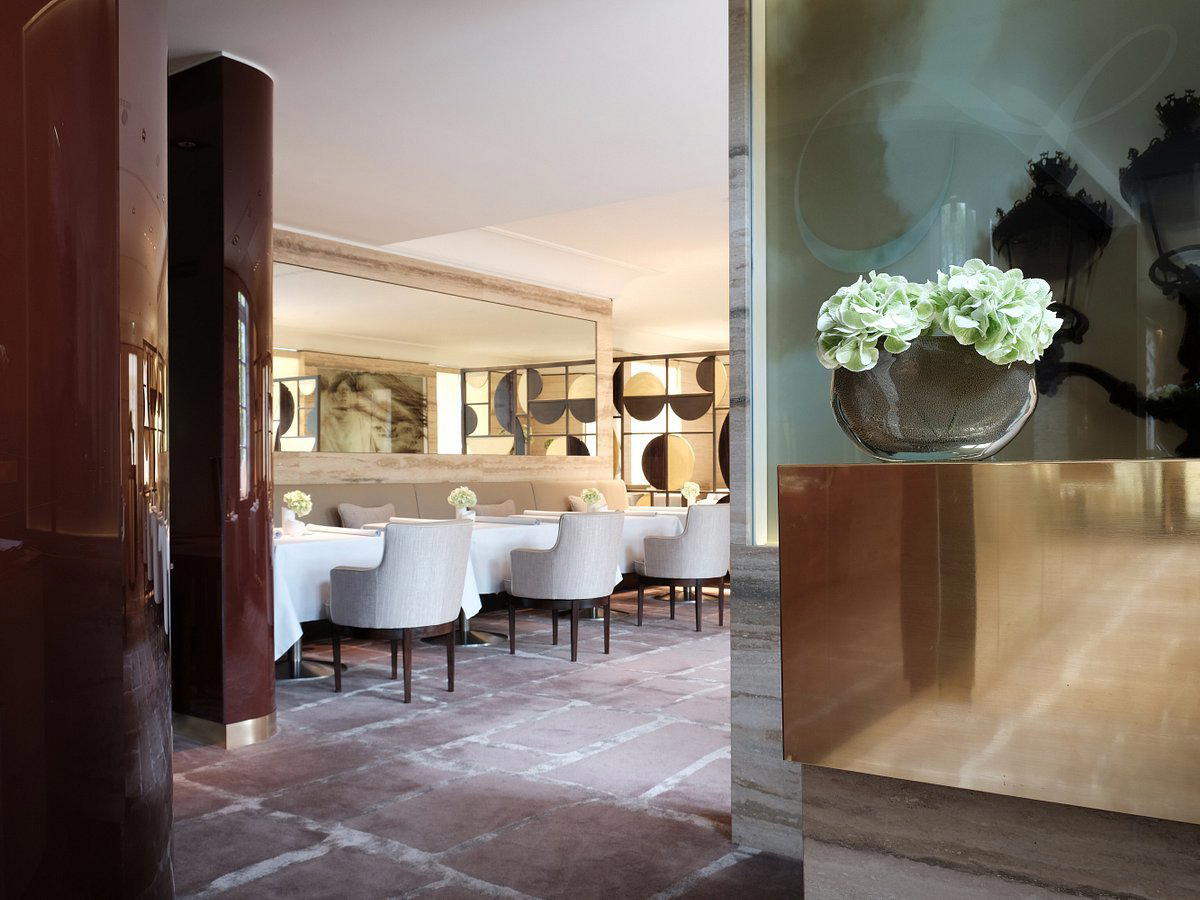
Vendôme
Bergisch Gladbach, Germany
Vendôme is a restaurant at Schloss Bensberg in Bergisch Gladbach.
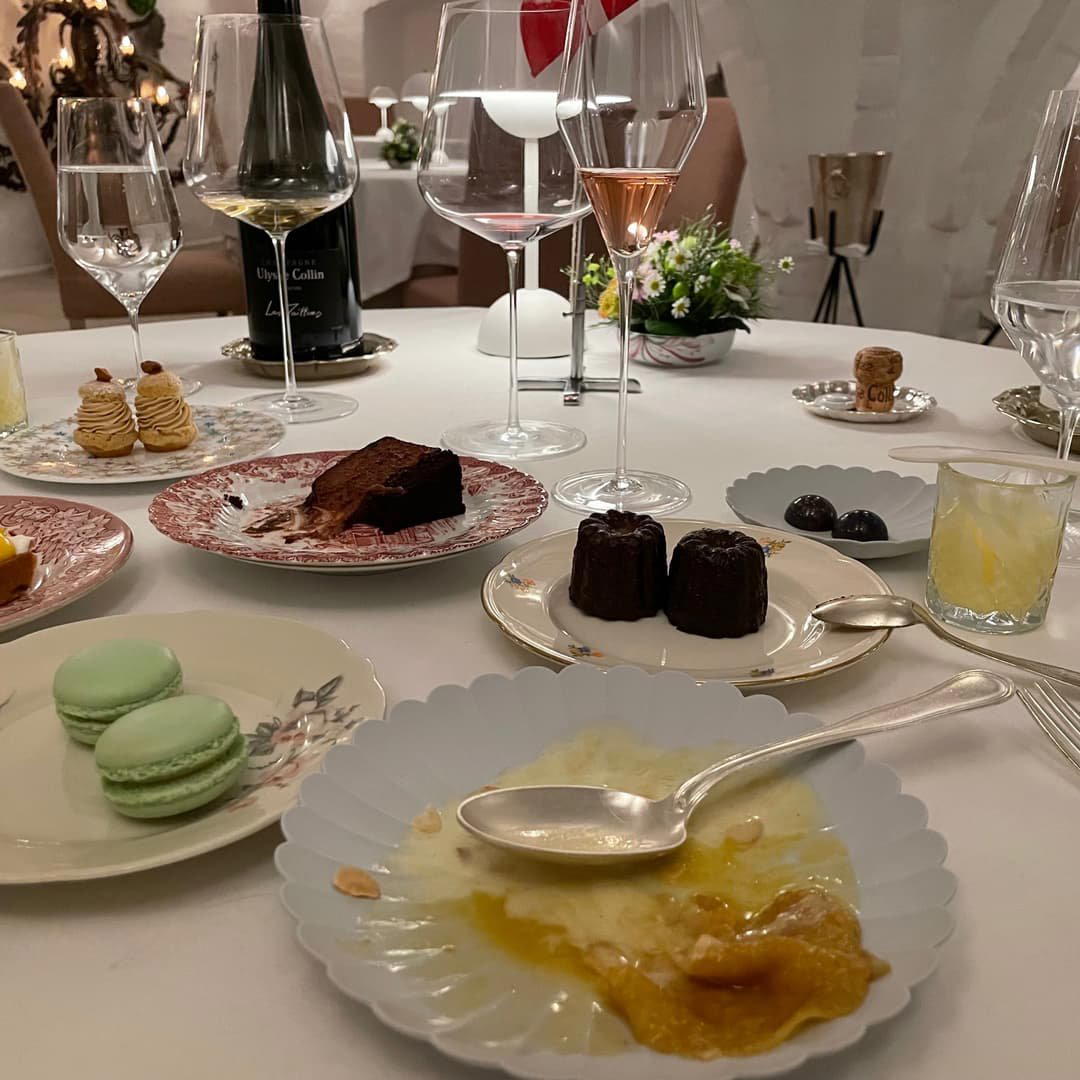
Chez Dominique
Helsinki, Finland
Chez Dominique brought Danish kitchen discipline to Helsinki's fine-dining tier. Chef Hans Välimäki's Danish-oriented cooking made it a credible choice for a special occasion or celebration dinner in the city centre.
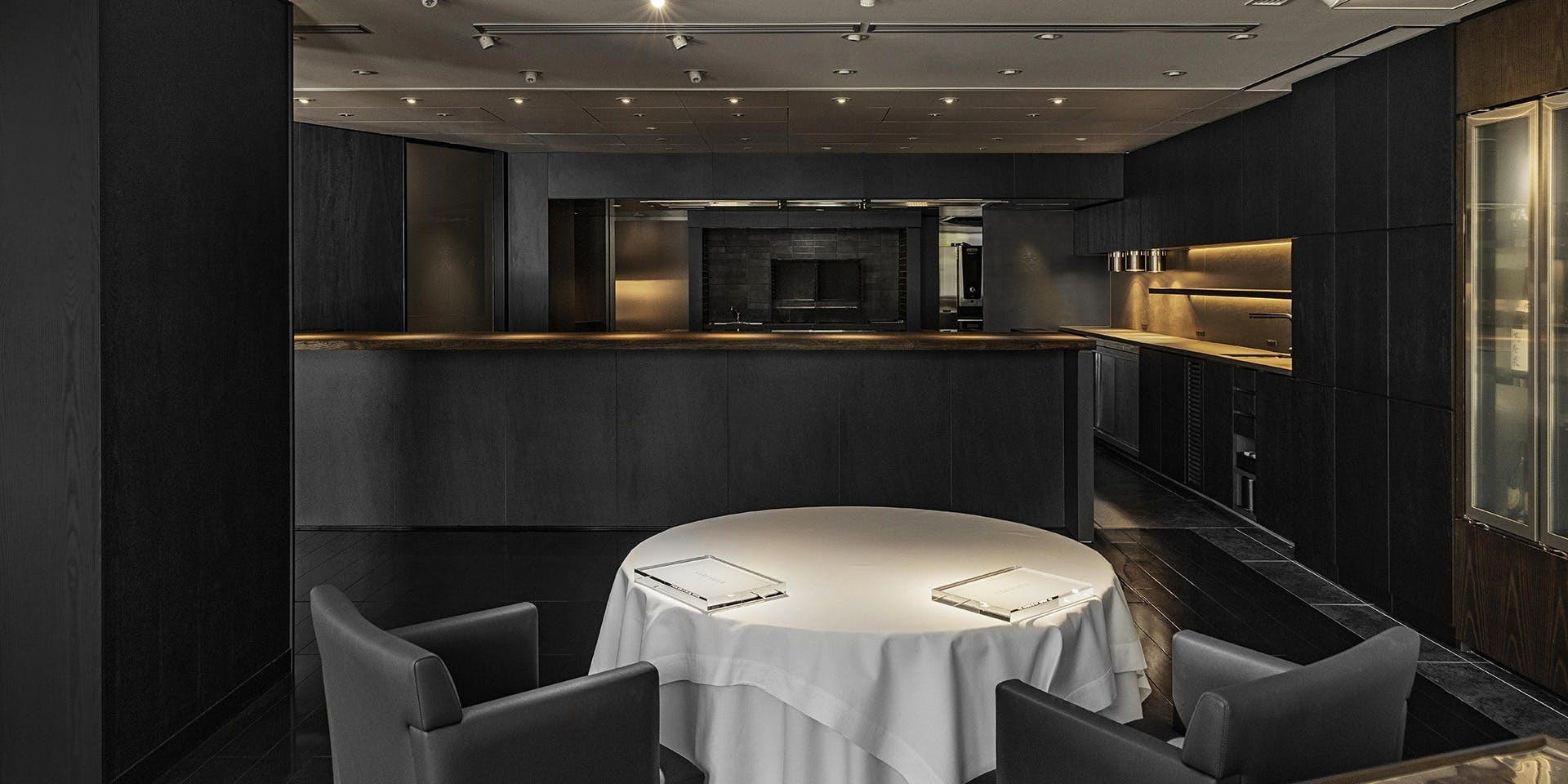
Narisawa
Tokyo, Japan
Narisawa is a restaurant in Minamiaoyama, Tokyo.
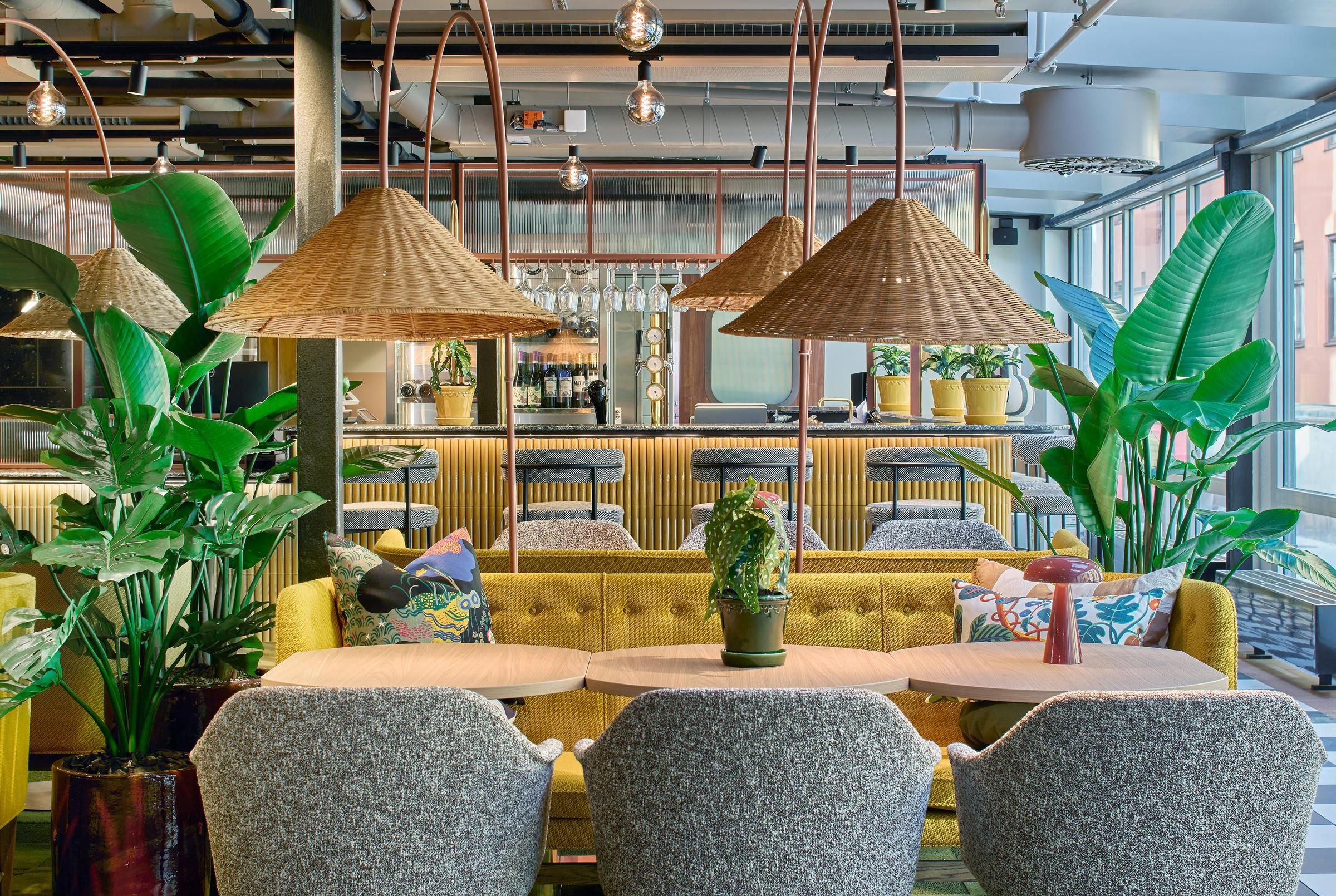
Matbaren
Stockholm, Sweden
Matbaren at the Grand Hôtel Stockholm delivers Nordic and modern cooking from the Mathias Dahlgren kitchen at a €€ price point that significantly undercuts its quality tier. Two consecutive Michelin Bib Gourmand awards (2024 and 2025) and confirm the consistency. Book it for a date, a solo lunch at the counter, or any occasion where the food needs to impress without the full tasting-menu commitment.
Iggy's
Singapore, Singapore
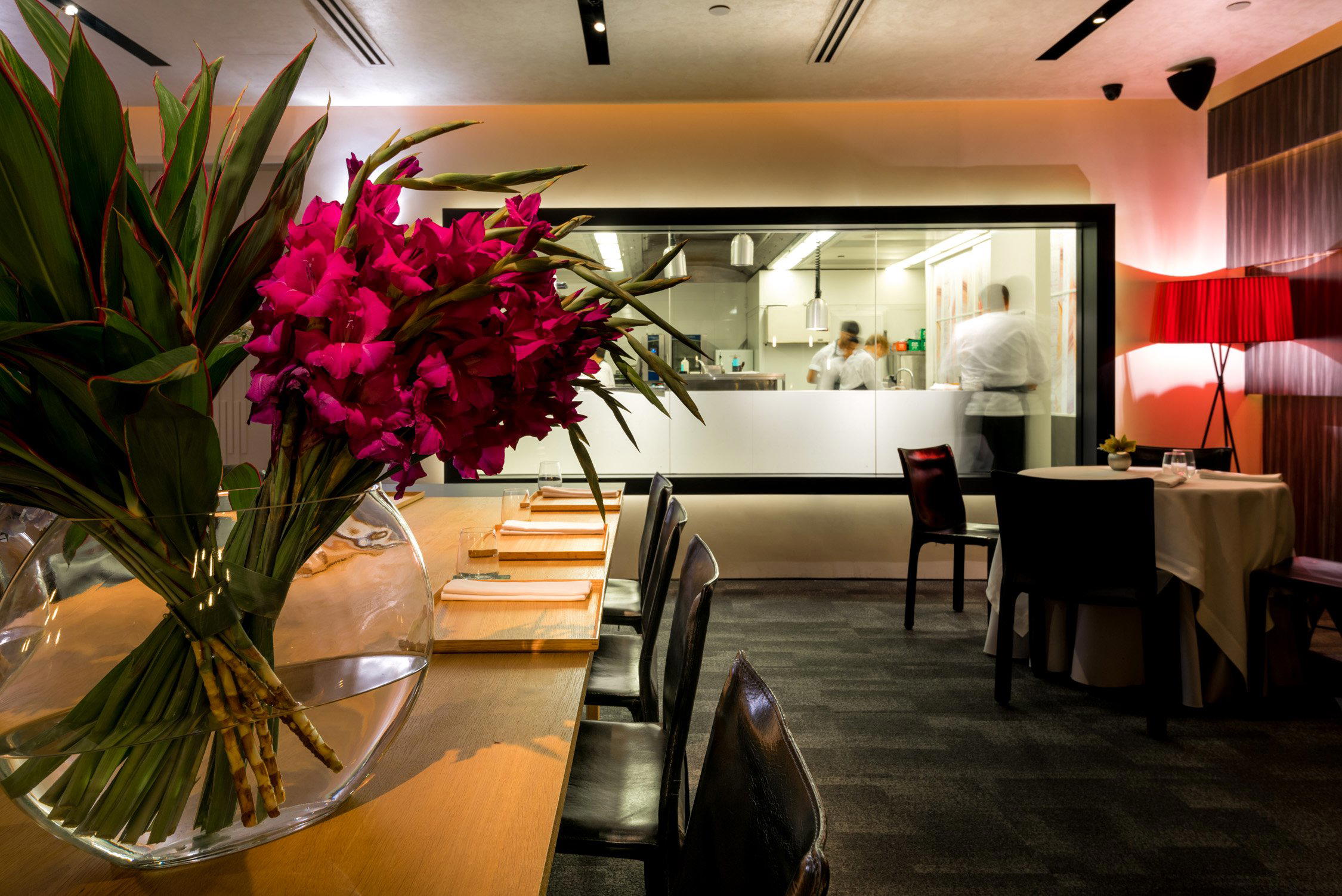
Iggy's is a Michelin-starred Modern European room on the third floor of voco Orchard Singapore that has held its position among the city's best fine-dining tables since 2004. With a nine-course Gastronomic menu, a Burgundy-heavy wine list, and strong tasting-menu options at both lunch and dinner, it is a serious choice for a special occasion; but book at least a week out, as tables fill fast.
L'Atelier Saint Germain De Joël Robuchon
Paris, France
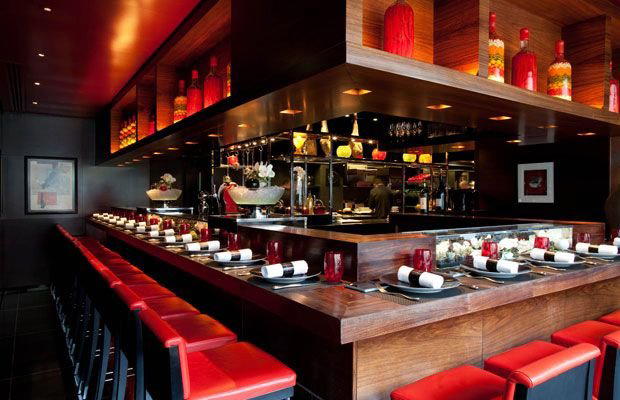
L'Atelier Saint Germain De Joël Robuchon is a counter-format French fine dining restaurant in Paris's 7th arrondissement, holding a Michelin Plate and a legacy that placed it in the World's 50 Best top 15. Book four to eight weeks out; demand is consistent and seats are limited. Best suited to pairs or solo diners who want close kitchen engagement rather than a conventional table setup.
Schloss Schauenstein
Fürstenau, Switzerland
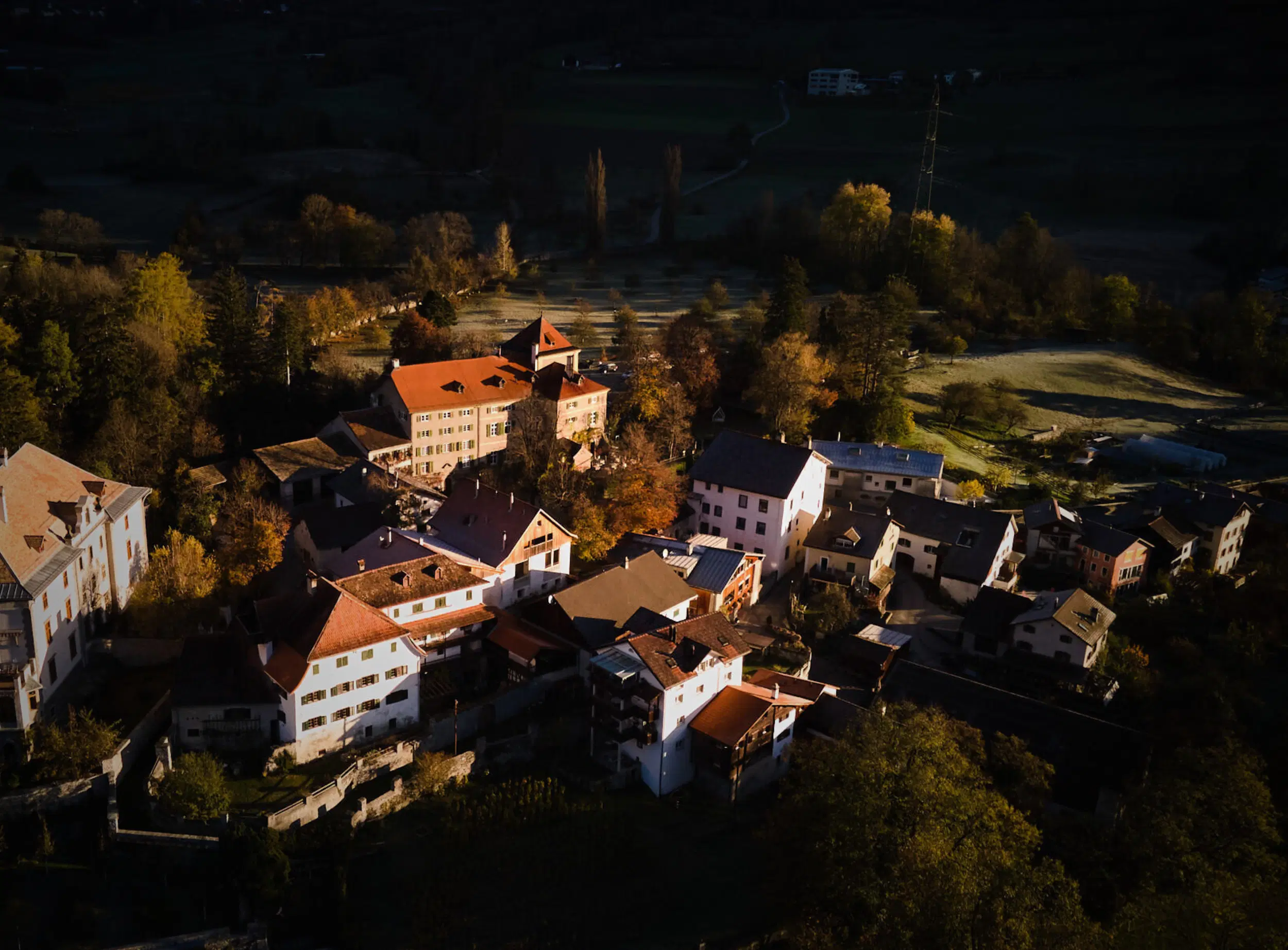
Schloss Schauenstein is a restaurant and boutique hotel in Fürstenau, Switzerland.
Le Quartier Français
Franschhoek, South Africa
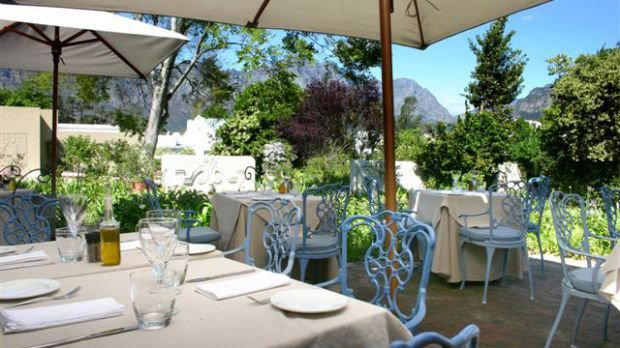
Le Quartier Français is a French-cuisine address in the heart of Franschhoek, no longer led by chef Margot Janse, who left in 2017. It is more accessible than the town's tasting-menu-focused competitors, making it a practical choice for brunch or a daytime meal without the multi-hour commitment. Booking is straightforward, even on weekends.
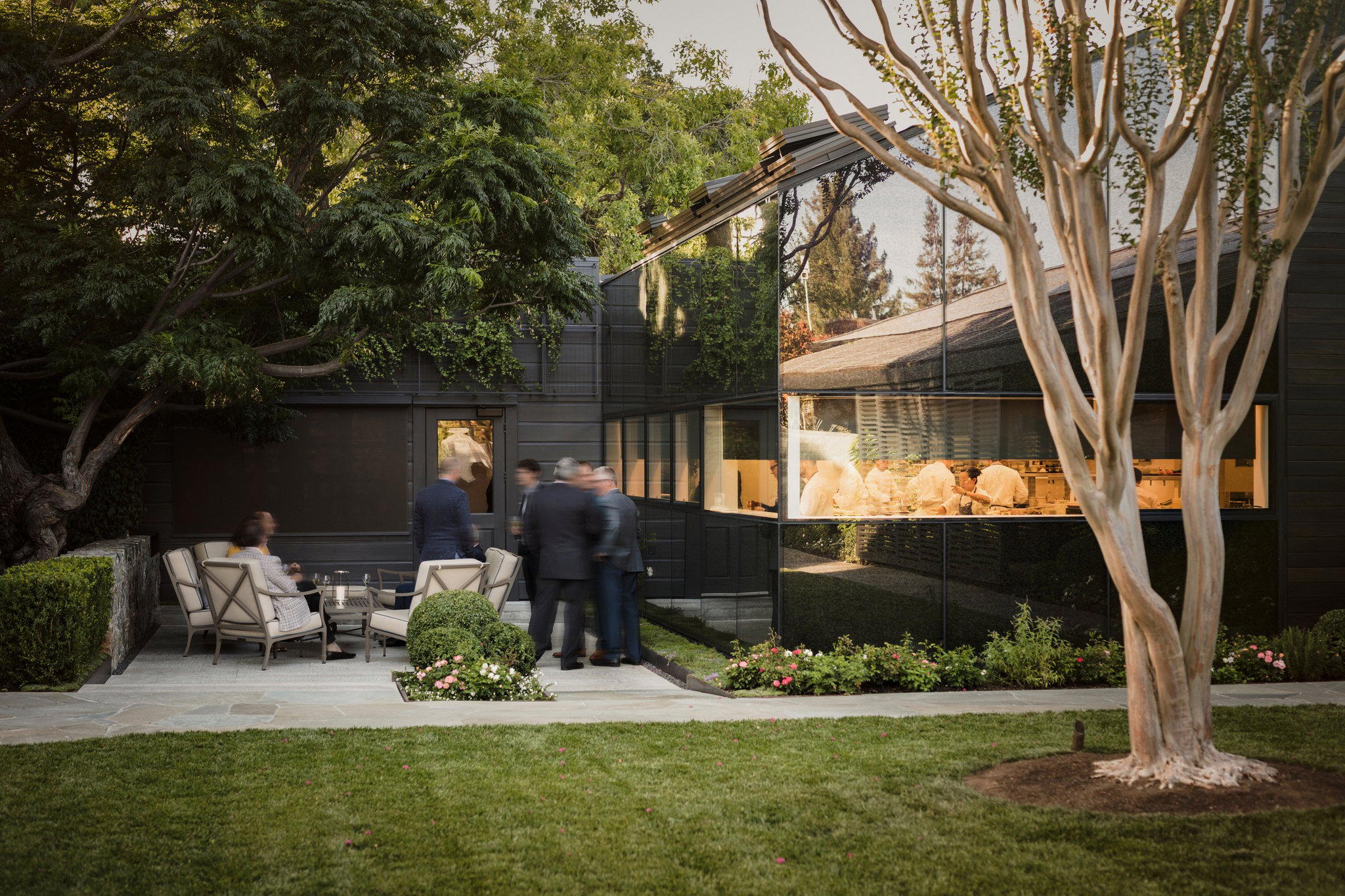
The French Laundry
Yountville, United States
The French Laundry is a restaurant in Yountville, California.
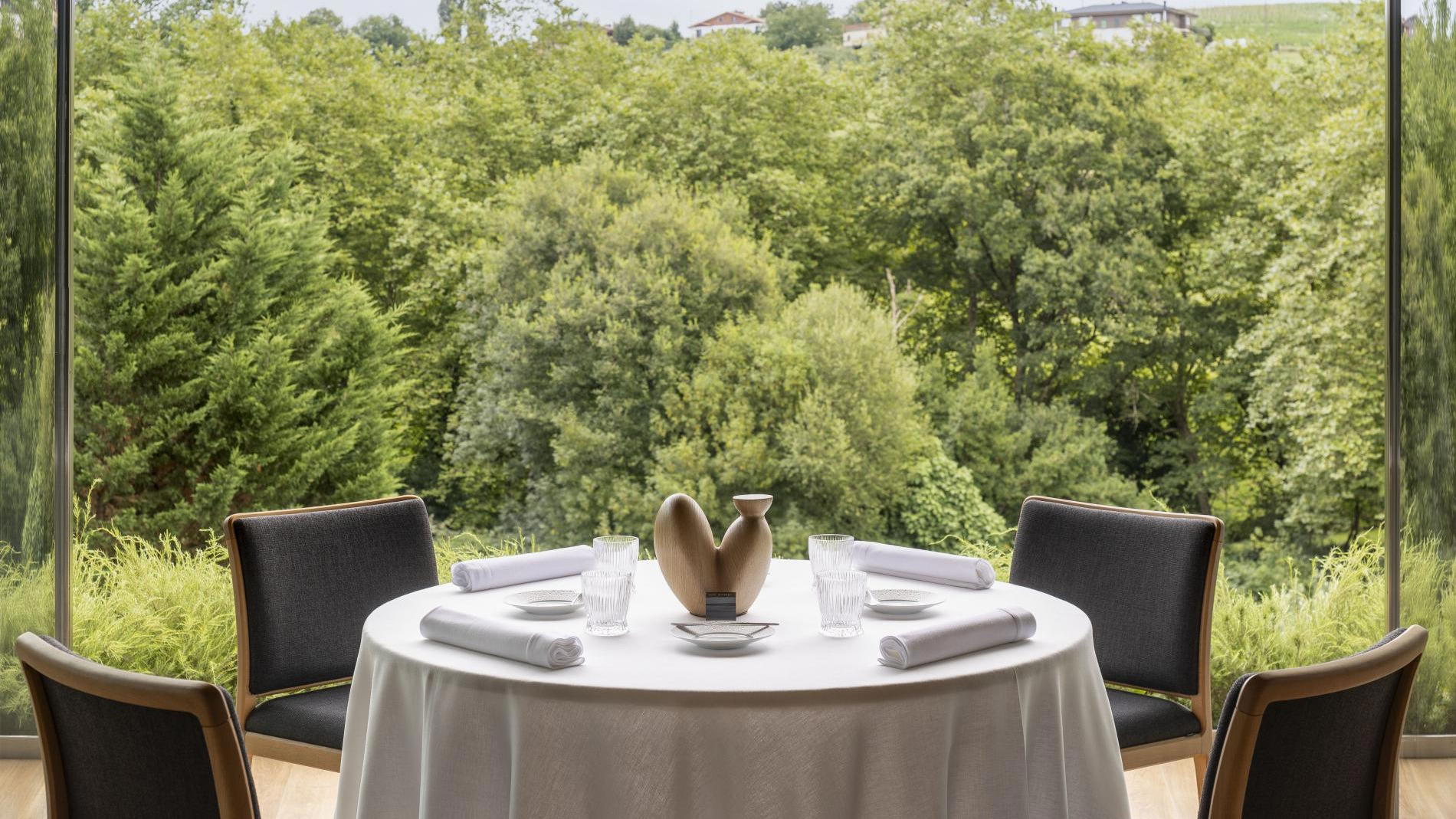
Martin Berasategui
Lasarte - Oria, Spain
Martín Berasategui's flagship restaurant is in Lasarte-Oria, Gipuzkoa.
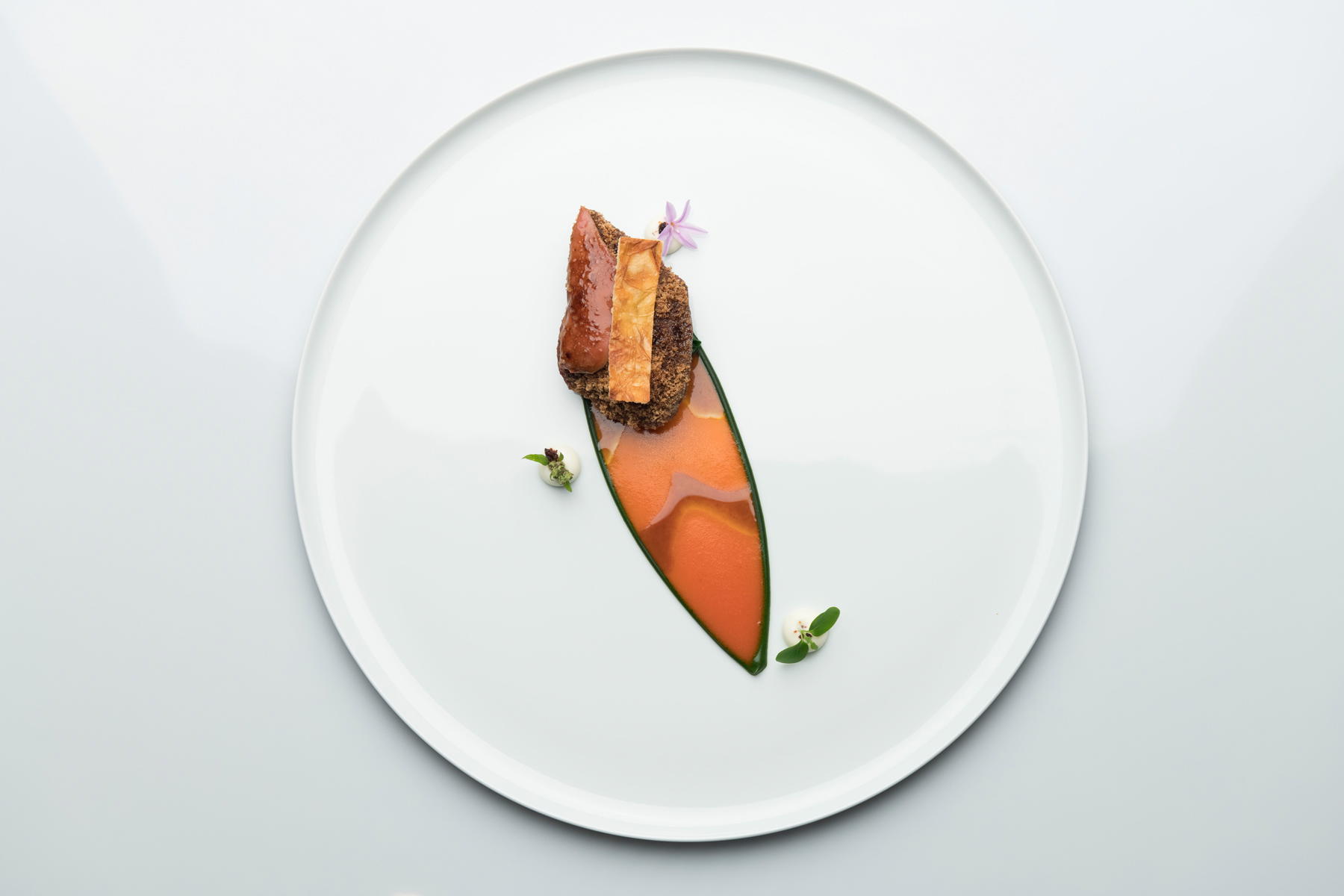
Aqua
Wolfsburg, Germany
Aqua is a restaurant at The Ritz-Carlton in Wolfsburg.
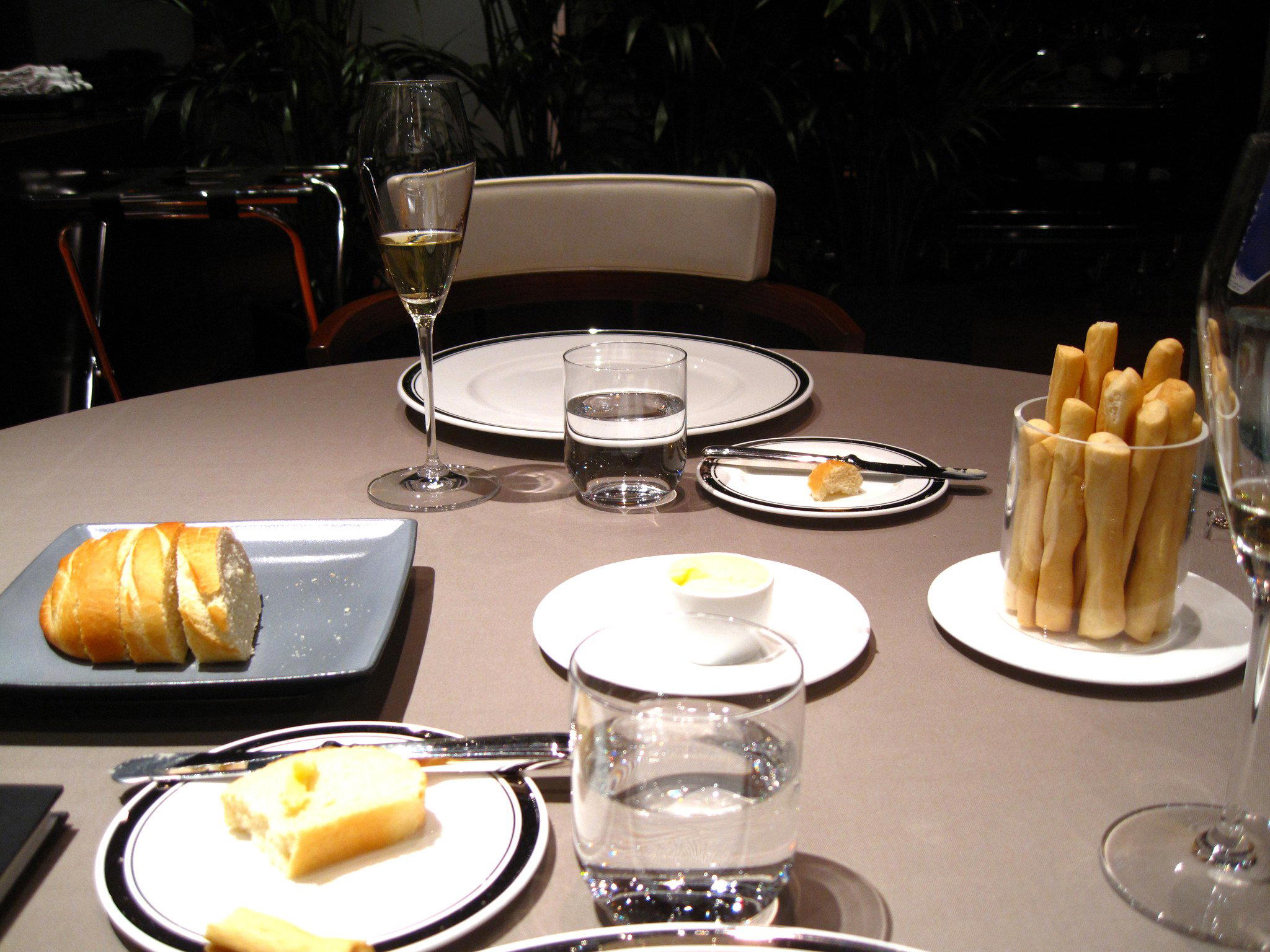
Combal Zero
Rivoli, Italy
Combal Zero was a progressive Italian restaurant inside the Castello di Rivoli, run by chef Davide Scabin. The kitchen applied modern technique to Piedmontese ingredients in a setting that few dining rooms in Italy can match for architectural drama.
Dal Pescatore
Runate, Italy
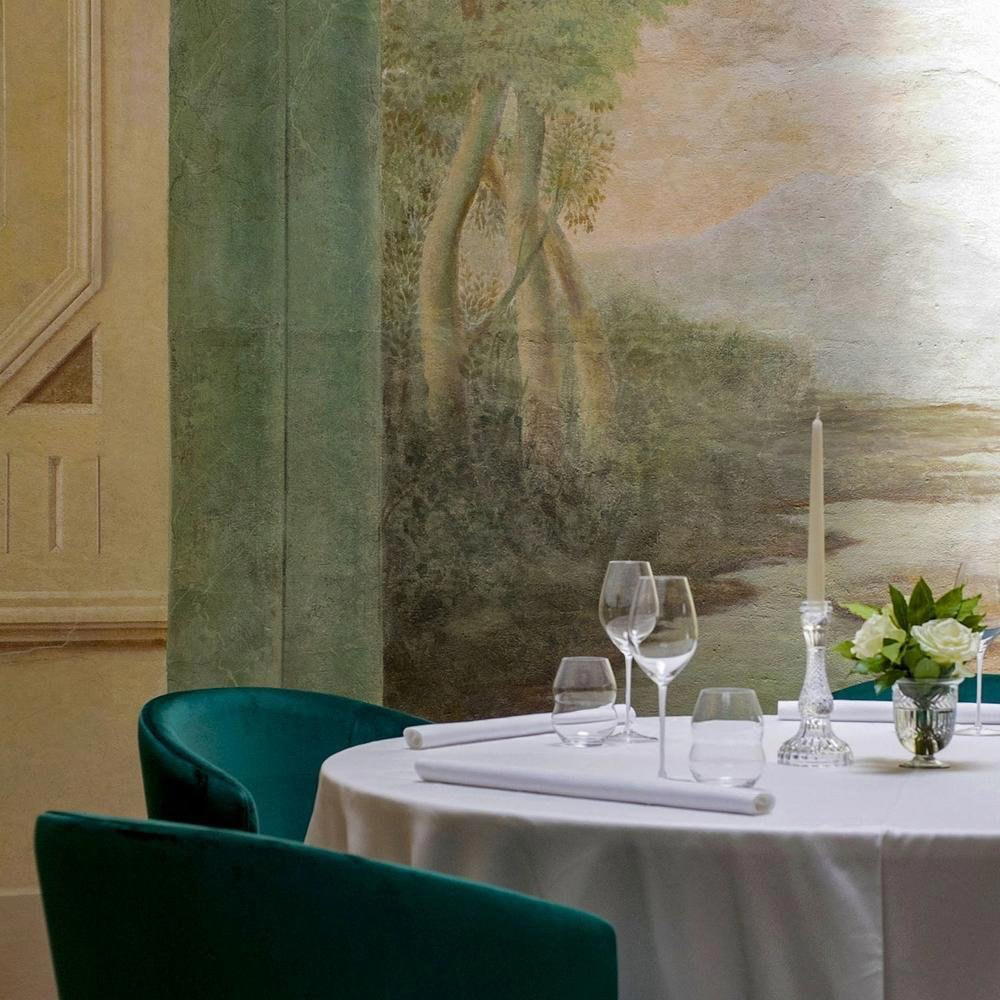
Dal Pescatore is a restaurant in Runate, Lombardy.
De Librije
Zwolle, Netherlands
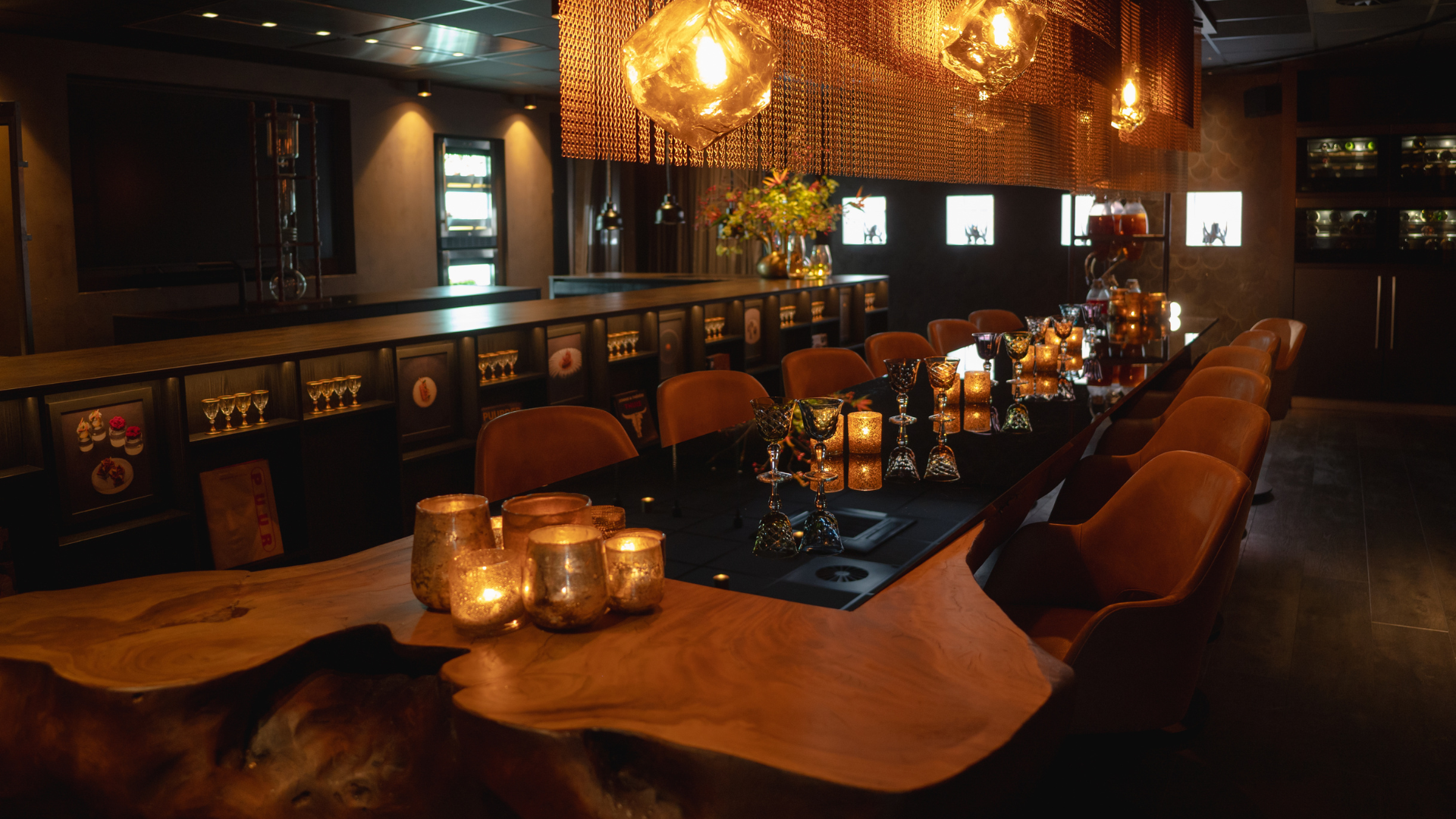
De Librije is a restaurant in Zwolle, Netherlands.
Jaan by Kirk Westaway
Singapore, Singapore
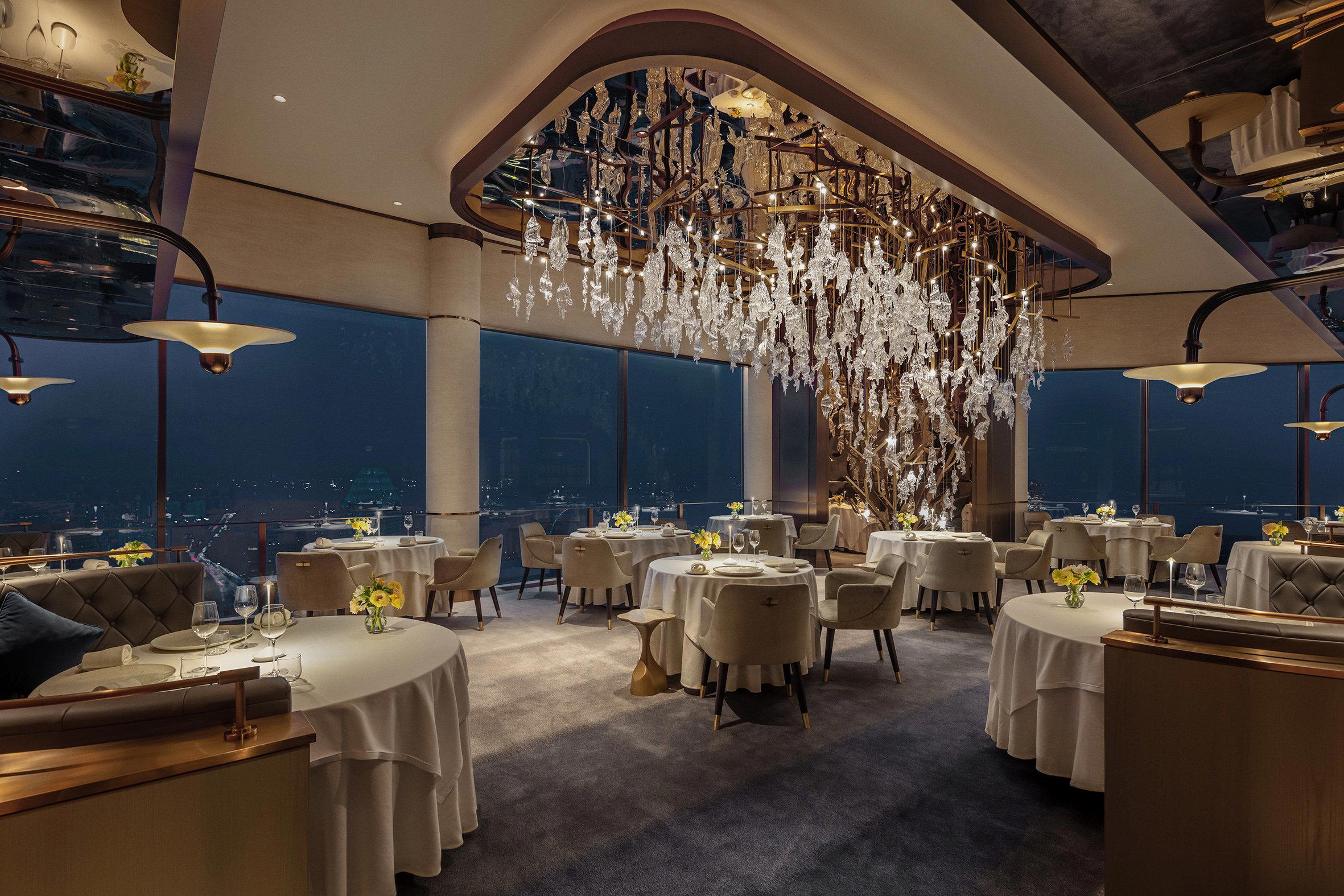
JAAN by Kirk Westaway is a restaurant at Swissôtel The Stamford in Singapore.
Il Canto
Siena, Italy
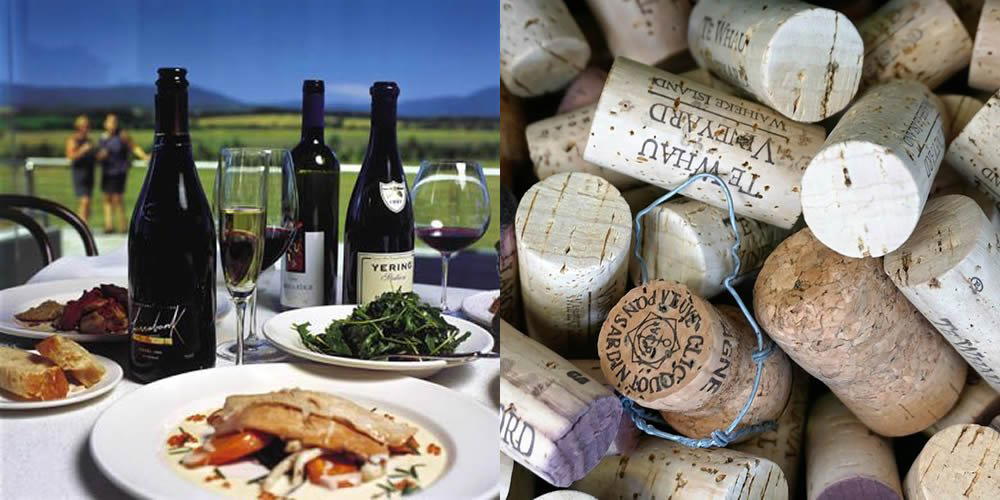
Il Canto is Siena's most serious fine dining address, with three consecutive World's 50 Best appearances (2010–2012) and confirming it has held its standard. Book months ahead; availability is near impossible; and request counter seating for your best experience. Nothing else in Siena operates at this tier.
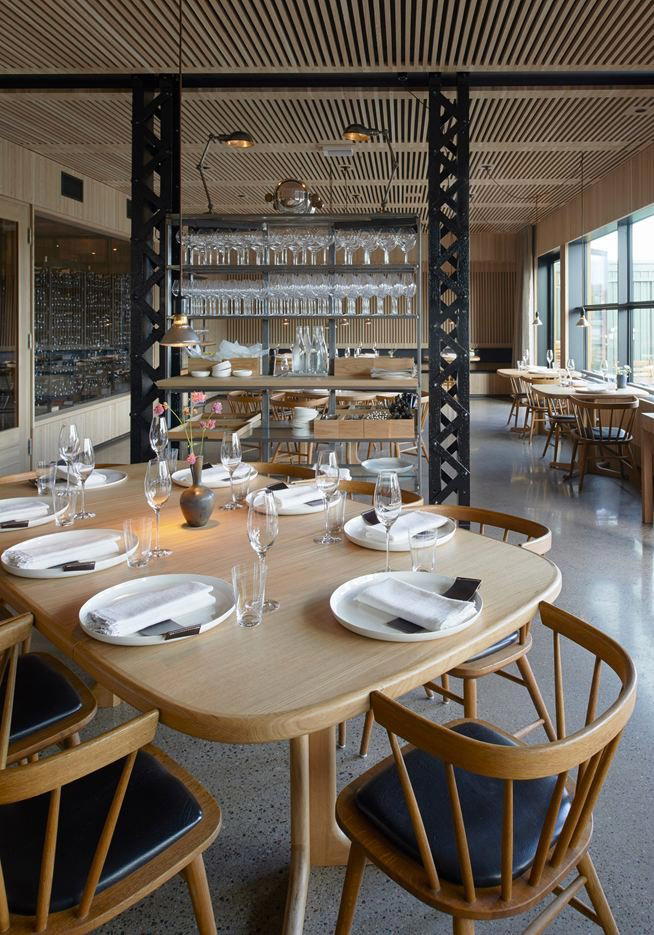
Oaxen Krog
Stockholm, Sweden
Oaxen Krog is Magnus Ek's sourcing-led Nordic tasting menu on Djurgården, ranked 42nd on the World's 50 Best Restaurants in 2010 and holding a 3-Star World of Fine Wine & Lifestyle Accreditation. Expect €€€€ pricing, near-impossible booking difficulty, and a kitchen where vegetables frequently lead the plate. Book well in advance; this is one of Stockholm's most considered fine dining options.
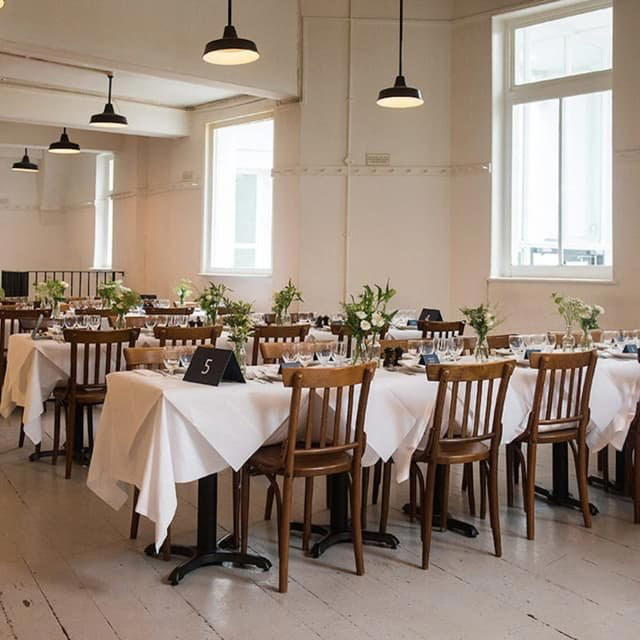
St John
London, United Kingdom
St John is Fergus Henderson's Michelin-starred nose-to-tail restaurant in Smithfield, London, and one of the strongest value propositions at £££ in the city. Book two to four weeks ahead. The daily-changing menu centres on offal, game, and seasonal British produce; the bone marrow is the dish to know. If you want serious cooking without the ceremony of a ££££ room, this is the booking to make.
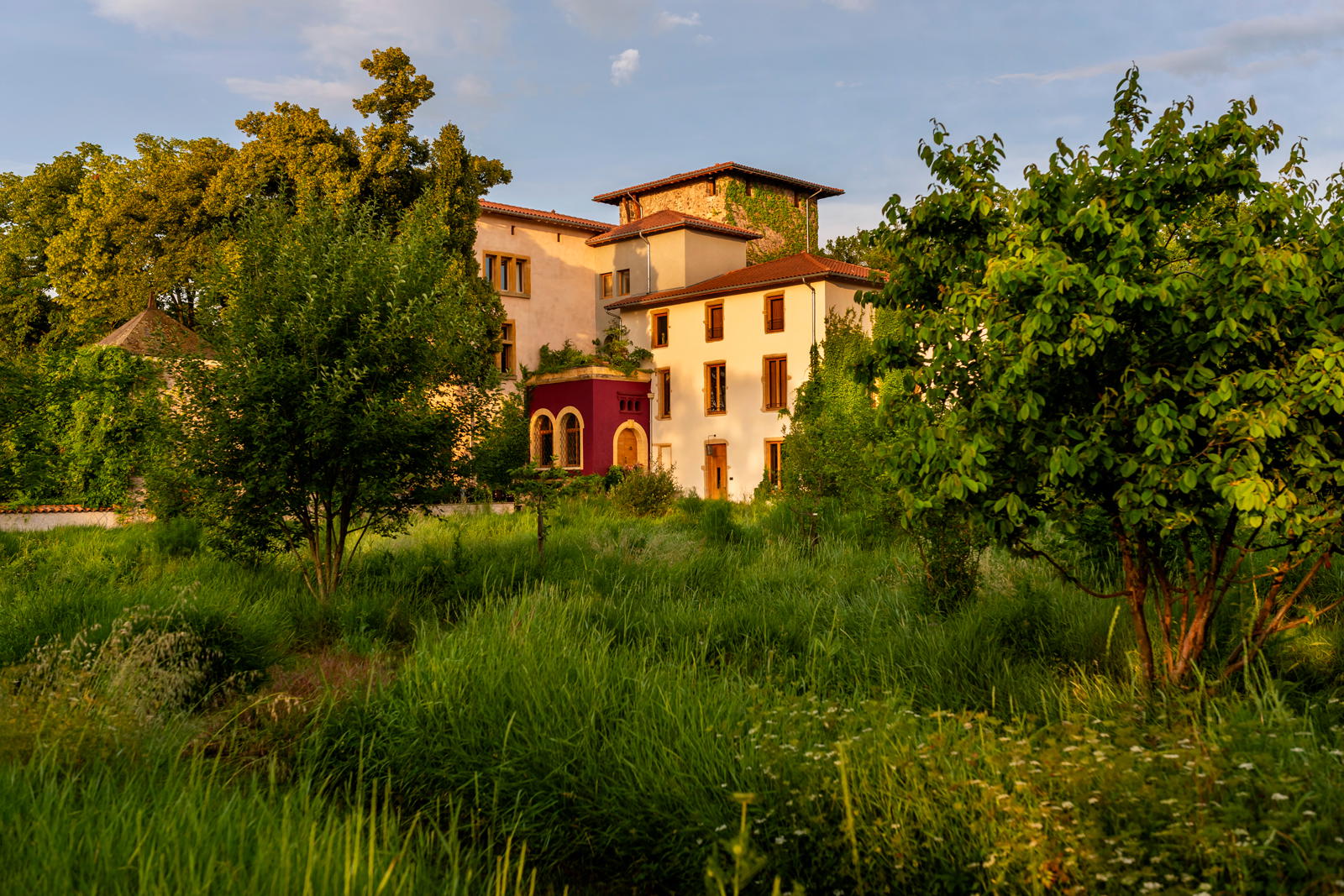
Troisgros - Le Bois sans Feuilles
Ouches, France
Maison Troisgros is a restaurant and hotel in Ouches near Roanne, France.
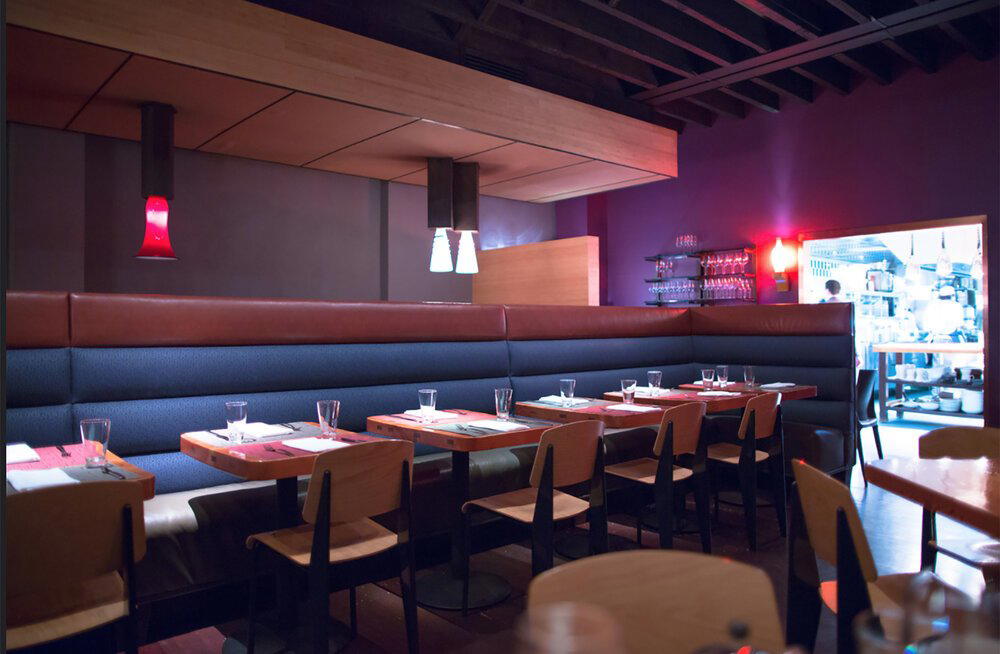
WD~50
New York City, United States
WD~50 is New York's reference point for American molecular cooking, holding. It suits food-focused diners who want technique over theatrical service. Booking is rated Easy, but confirm current hours and pricing before you commit, as details are limited.
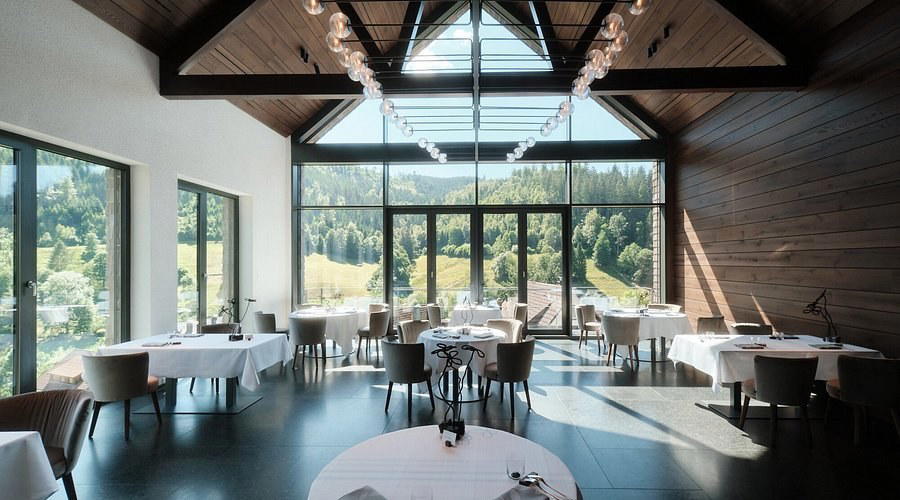
Schwarzwaldstube
Baiersbronn, Germany
Schwarzwaldstube is a restaurant on Tonbachstraße in Baiersbronn.
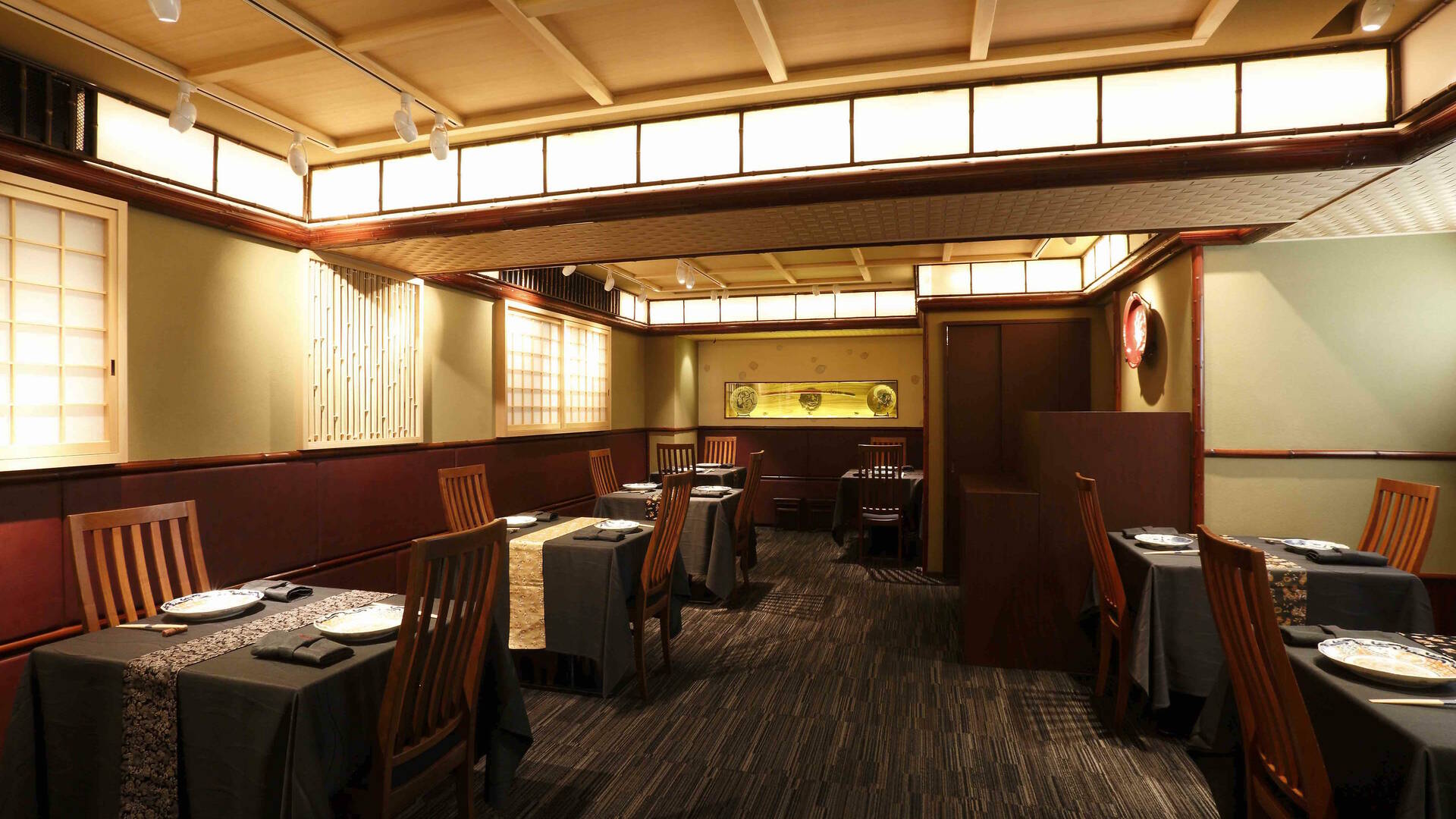
RyuGin
Tokyo, Japan
Nihonryori RyuGin is Seiji Yamamoto's Japanese restaurant in Tokyo Midtown Hibiya.
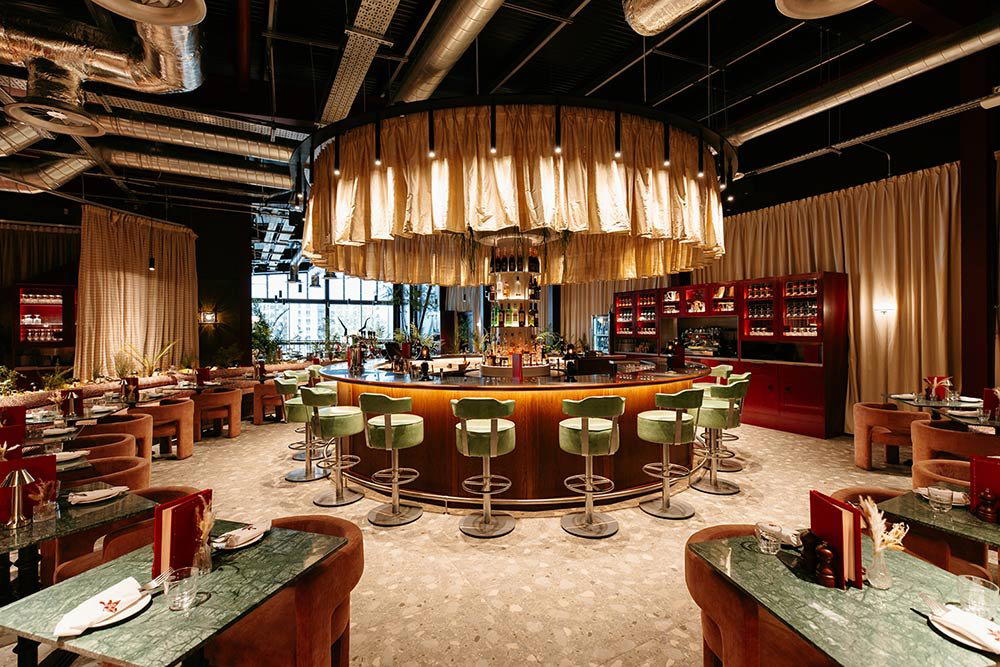
Hibiscus
London, United Kingdom
Hibiscus earned back-to-back World's 50 Best placements in 2010 and 2011, making it one of the few British fine dining restaurants with genuinely international reference-point credentials. Set in Delapre Abbey in Northampton, this is a destination booking rather than a central London dinner; plan the journey, book as far ahead as possible, and confirm current pricing and format directly with the venue before you travel.
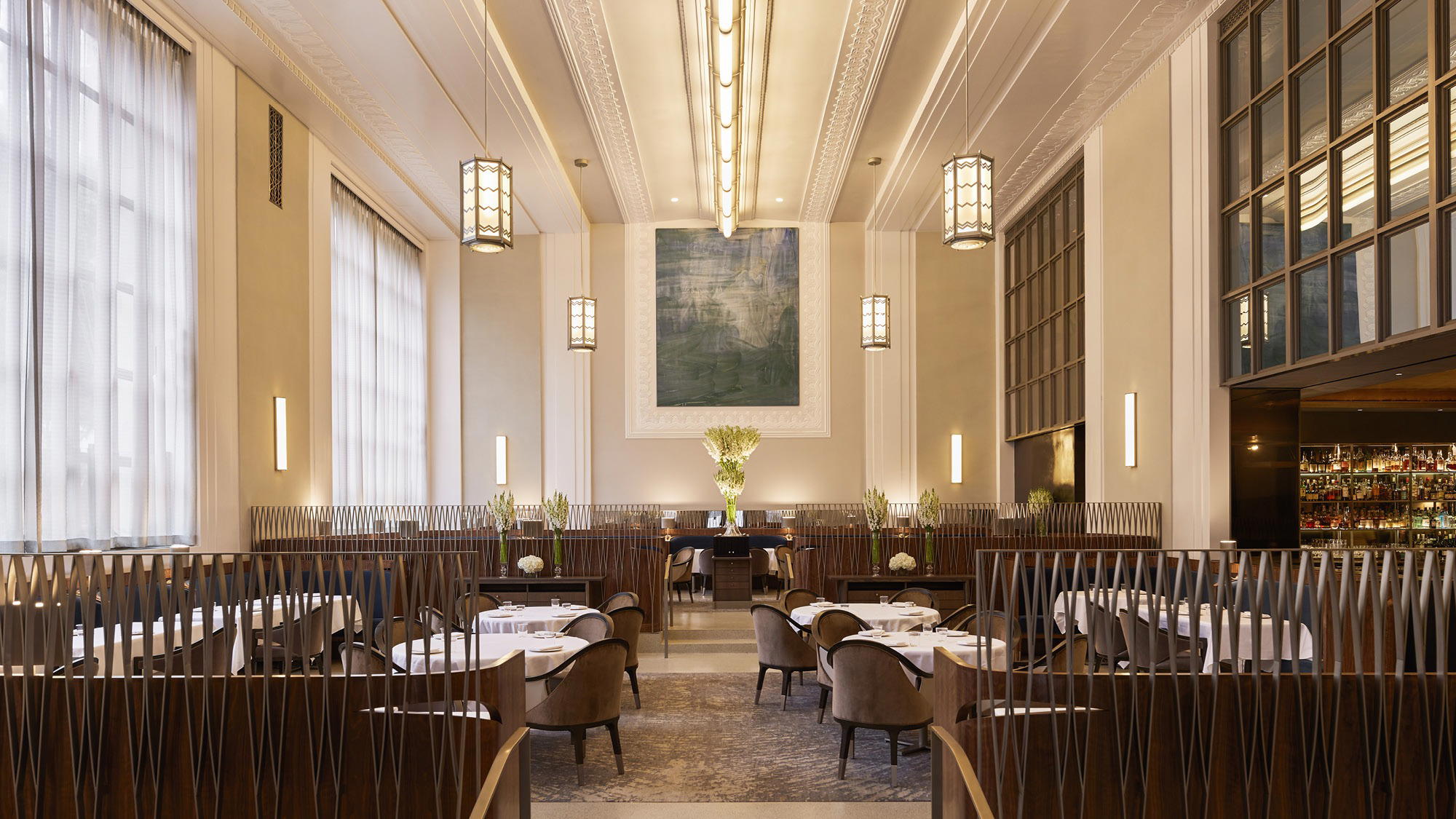
Eleven Madison Park
New York City, United States
Eleven Madison Park is a fine-dining restaurant overlooking Madison Square Park in New York City.
Overview
The 2010 World's 50 Best Restaurants awarded Copenhagen's Noma the top position, displacing El Bulli from its previous reign. This edition featured 51 restaurants across 19 countries and 36 cities, with Europe claiming 31 spots. Spain dominated the top ten with five entries, while the United States placed two New York restaurants in the upper ranks.
The 2010 edition represented a significant shift in the World's 50 Best methodology and scope, featuring an entirely new roster compared to the previous year's cocktail-focused rankings. Europe held 31 of 51 positions, with Spain leading continental representation through five top-ten placements: El Bulli (#2), El Celler de Can Roca (#4), Mugaritz (#5), and Arzak (#9) alongside top-ranked Noma. The United Kingdom contributed three restaurants to the list, while Italy, France, and the United States each placed multiple venues. The geographic spread spanned 36 cities across 19 countries, marking a more globally diverse assessment of fine dining than subsequent editions would achieve.
Noma's 2010 coronation marked Copenhagen's arrival as a fine dining capital and began Nordic cuisine's dominance of the World's 50 Best rankings. The Danish restaurant displaced Spain's El Bulli, which fell to second place after previous top rankings. This edition concentrated heavily on European dining; 31 of 51 restaurants; with Spain alone contributing eight venues including four in the top ten. The United States placed seven restaurants, led by Chicago's Alinea at #7. The list spanned 19 countries and 36 cities, capturing what voters considered the global fine dining landscape in 2010.
Quick Facts
- Top Restaurant
- Noma (Copenhagen, Denmark)
- Total Restaurants
- 51
- Countries Represented
- 19
- Cities Represented
- 36
- European Venues
- 31 of 51
- Spanish Restaurants in Top 10
- 5
- US Restaurants
- 7 total
About This Edition
The 2010 list established the geographic and culinary hierarchy that would define the World's 50 Best for years to come. Noma's first-place finish introduced New Nordic cuisine to global prominence, emphasizing foraged ingredients and hyper-local sourcing. Spain's dominance was unmistakable: eight restaurants total, with El Bulli (#2), El Celler de Can Roca (#4), Mugaritz (#5), and Arzak (#9) all ranking in the top ten alongside Noma. Europe claimed 31 of 51 spots, with the United Kingdom adding three restaurants including The Fat Duck at #3. Italy placed Osteria Francescana at #6, beginning Massimo Bottura's long tenure near the top of these rankings. The United States contributed seven venues, concentrated in New York (Daniel at #8, Per Se at #10) and Chicago (Alinea at #7). This edition marked a complete departure from the previous year's rankings, which had focused on cocktail bars rather than restaurants. The 2010 list featured 51 new entrants and zero returning venues from 2009, establishing the World's 50 Best Restaurants as a distinct annual assessment. The concentration of European dining; particularly Spanish and Scandinavian; would persist through subsequent editions, though Asia's representation would grow in later years.
Frequently Asked Questions
Which restaurant won the 2010 World's 50 Best Restaurants?
How many countries were represented in the 2010 list?
Which country had the most restaurants in the 2010 top ten?
How did the 2010 list differ from the 2009 edition?
How many of these have you visited?
Find out on Pearl and keep score across every place in 2010 World's 50 Best Restaurants.