








Le Calandre
Progressive Italian, Creative · Rubano
Restaurant in Rubano, Italy
 Book with Pearl
The Read
Sensory-Memory Italian
Price
$200–300per person
Chef
Massimiliano Alajmo
Dress
Formal
Why go
Le Calandre is an Alajmo restaurant in Sarmeola di Rubano, Italy.
About Le Calandre
Book Le Calandre if the point of the trip is a serious, contemporary Italian meal rather than a casual stopover. In Rubano, this is a high-commitment choice for diners who want progressive Italian and creative cooking shaped by Massimiliano Alajmo.
The useful decision point is whether the trip, spend, and planning are justified. For diners who collect highly recognized Italian restaurants, the answer may be yes: Le Calandre holds Michelin 3 Stars, a 98.5-point La Liste placement for 2025, The Best Chef Three Knives for 2025, Les Grandes Tables du Monde membership for 2026, a World's 50 Best Restaurants #10 ranking from 2022, and recognition from Opinionated About Dining's Top Restaurants in Europe. For travelers who want a more relaxed meal before moving on, other dining rooms may be a more practical move.
Lunch and dinner both require planning
Le Calandre is open for lunch Wednesday through Saturday and for dinner Tuesday through Saturday, with Monday and Sunday closed. Lunch can fit around the rest of a day in Rubano, while dinner makes sense if the restaurant is the evening's full focus. Either way, this is not a casual low-stakes stop; it is a formal, €€€€ booking that should be planned around.
Cuisine signal is progressive Italian and creative, so this is not the place to book for a simple rustic meal. The better mental model is a formal Italian restaurant with enough international recognition to sit in the same conversation as destination peers beyond Rubano. If that sounds too formal for the trip, the surrounding area has easier, less consequential options. Use our full Rubano restaurants guide for a wider scan, then come back here only if the meal itself is the anchor.
Choose it for the Alajmo benchmark, not for convenience
Le Calandre is most convincing for diners who care about authorship and culinary progression. Massimiliano Alajmo's name is central to the draw, but the useful decision point is simpler: this is a restaurant where progressive Italian and creative cooking are the reason to go. If the group includes people who mainly want comfort, flexibility, or a quick meal, the value case weakens fast.
The price tier also changes the group calculus. A couple of food-focused travelers will get more from the spend than a mixed-interest table where half the group would rather be at a lower-pressure restaurant. This is not a democratic crowd-pleaser booking; it is a targeted reservation for diners who want creative Italian cooking at the luxury end of the category.
For travelers building a broader Rubano stay, the restaurant pairs better with a food-led itinerary than with a general day where dining is secondary. Treat the rest of the schedule as support for the meal rather than assuming Le Calandre can be dropped into any day without planning.
How to decide before committing
The clean yes: book if you are seeking a highly recognized Italian meal with progressive Italian cooking and enough time to let the experience define the day. The clean no: skip it if the group wants spontaneity, local simplicity, or a lower-stakes dinner. In that case, the disappointment will not come from the restaurant; it will come from choosing the wrong kind of booking for the trip.
Against larger-name Italian destination restaurants, the appeal here is focus. It asks for commitment but does not need a city-center setting to justify itself. That is the trade: less urban convenience, more destination intent. For the right diner, that is the whole point.
Planning details
- Hours
- Monday: Closed · Tuesday: 8–10 pm
- Location
- Via Liguria, 1, 35030 Sarmeola PD, Italy
- Reservations
- Book on SevenRooms
- Website
- alajmo.it/pages/homepage-le-calandre
- Phone
- +39 049 630303
The take
The Take
The Vibe
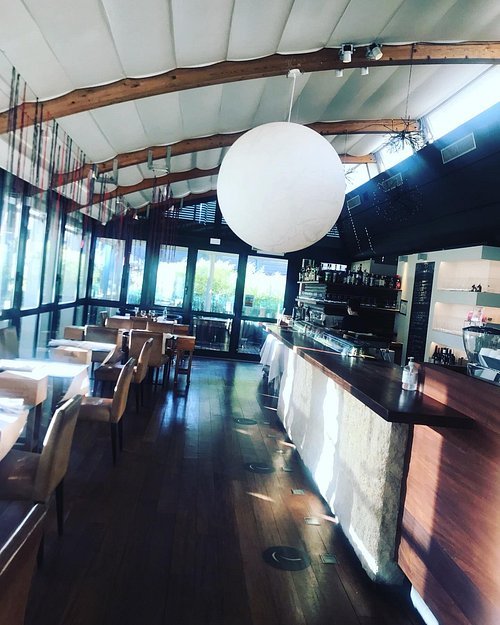
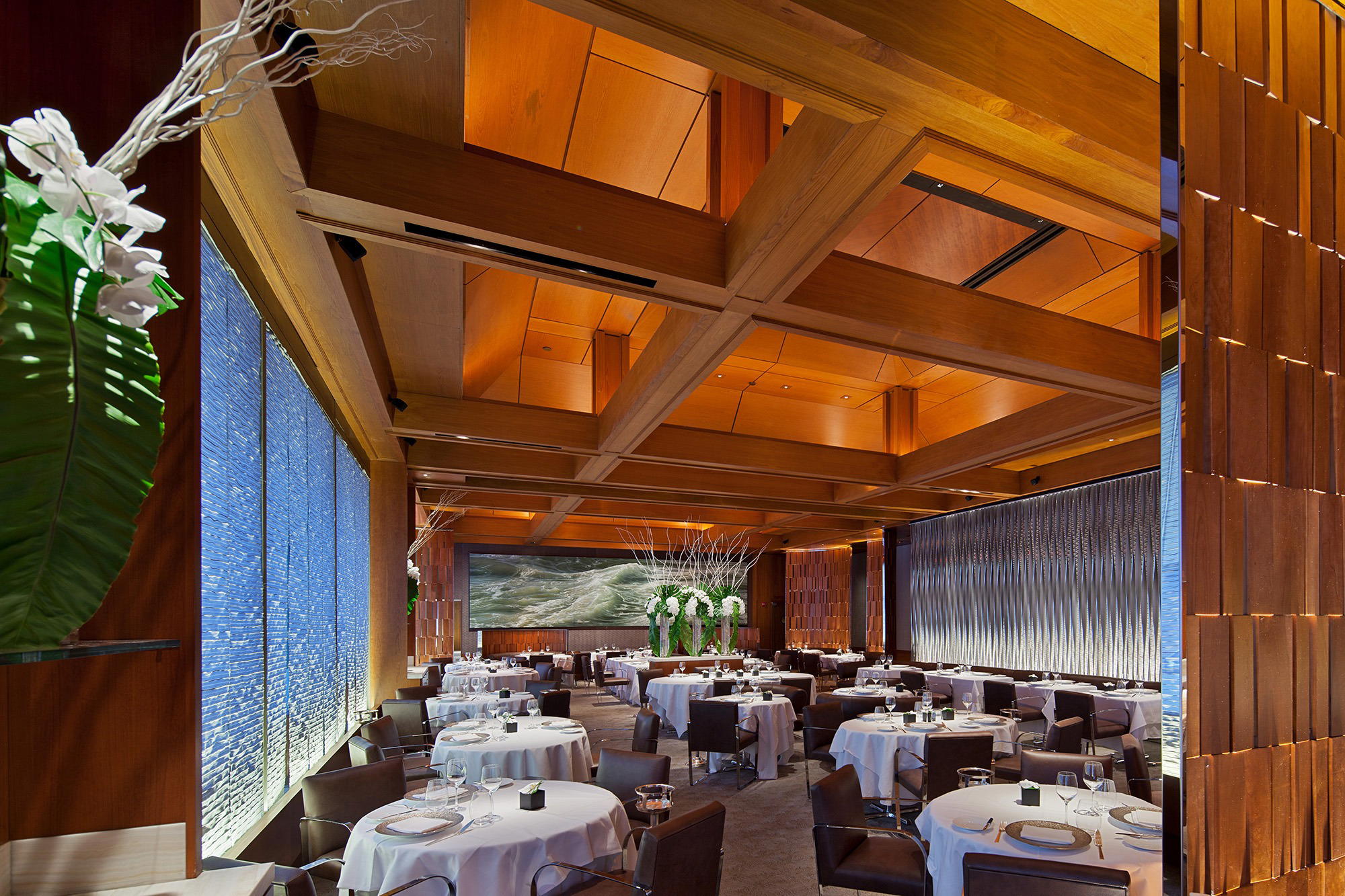
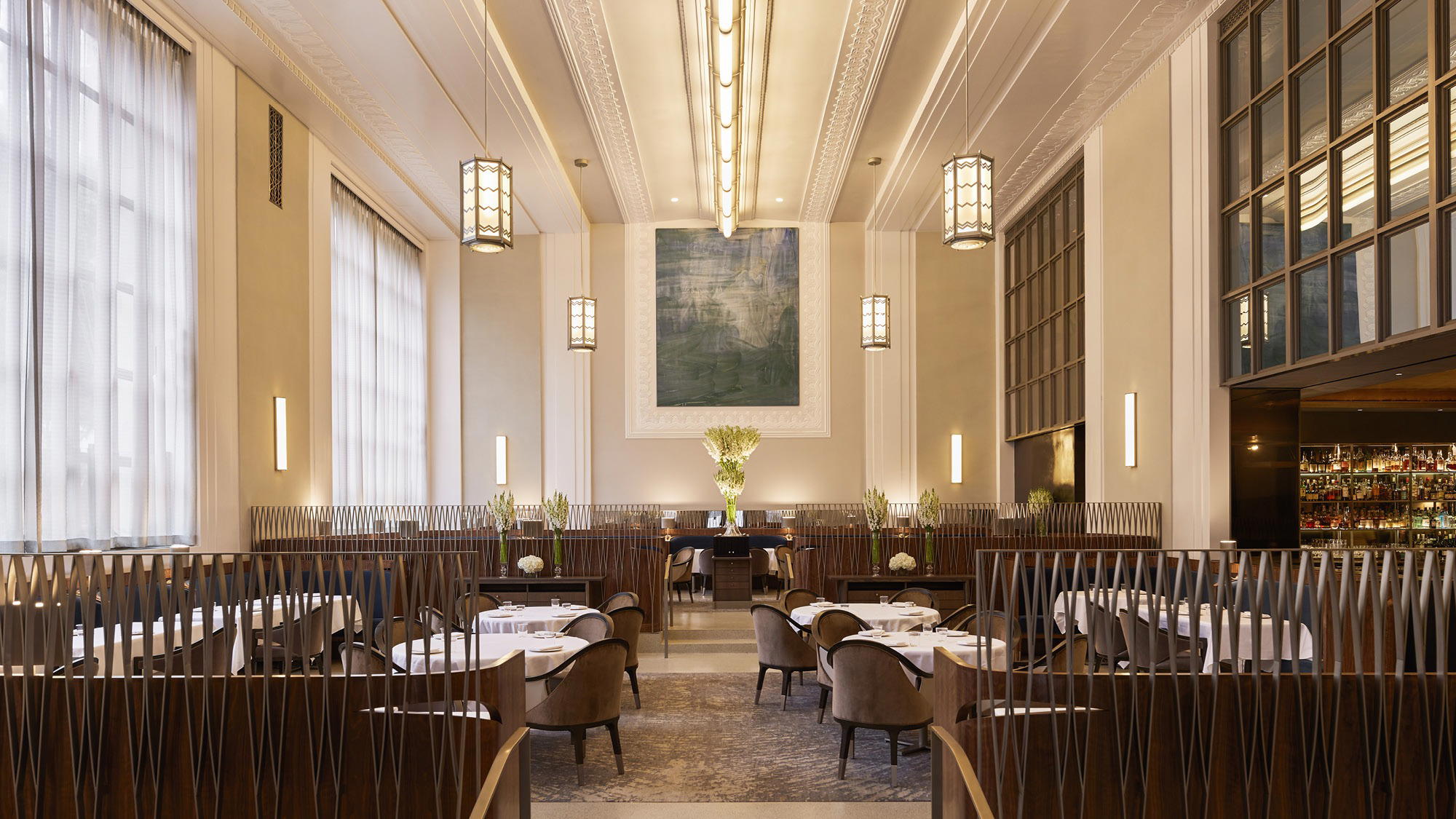
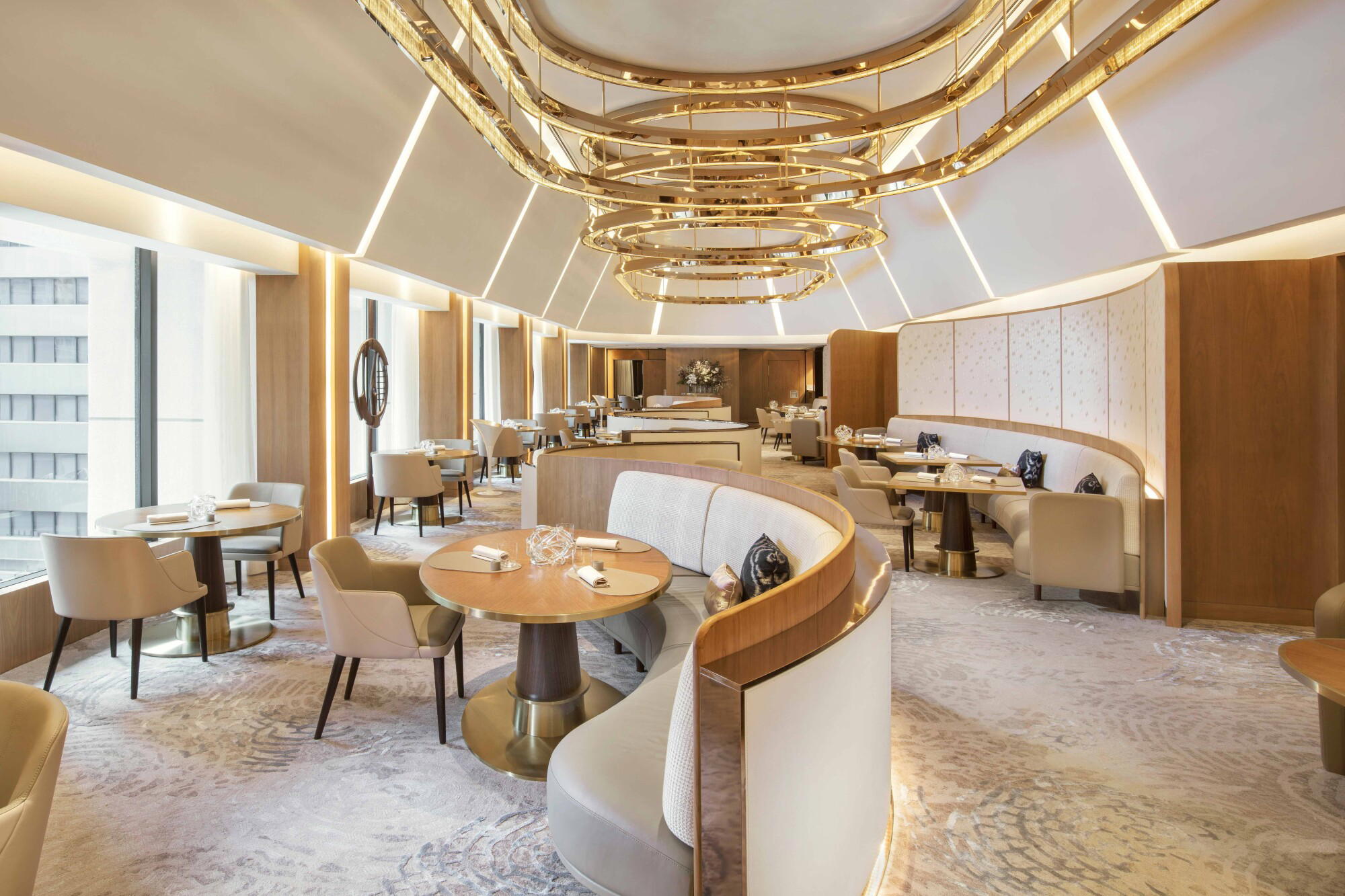
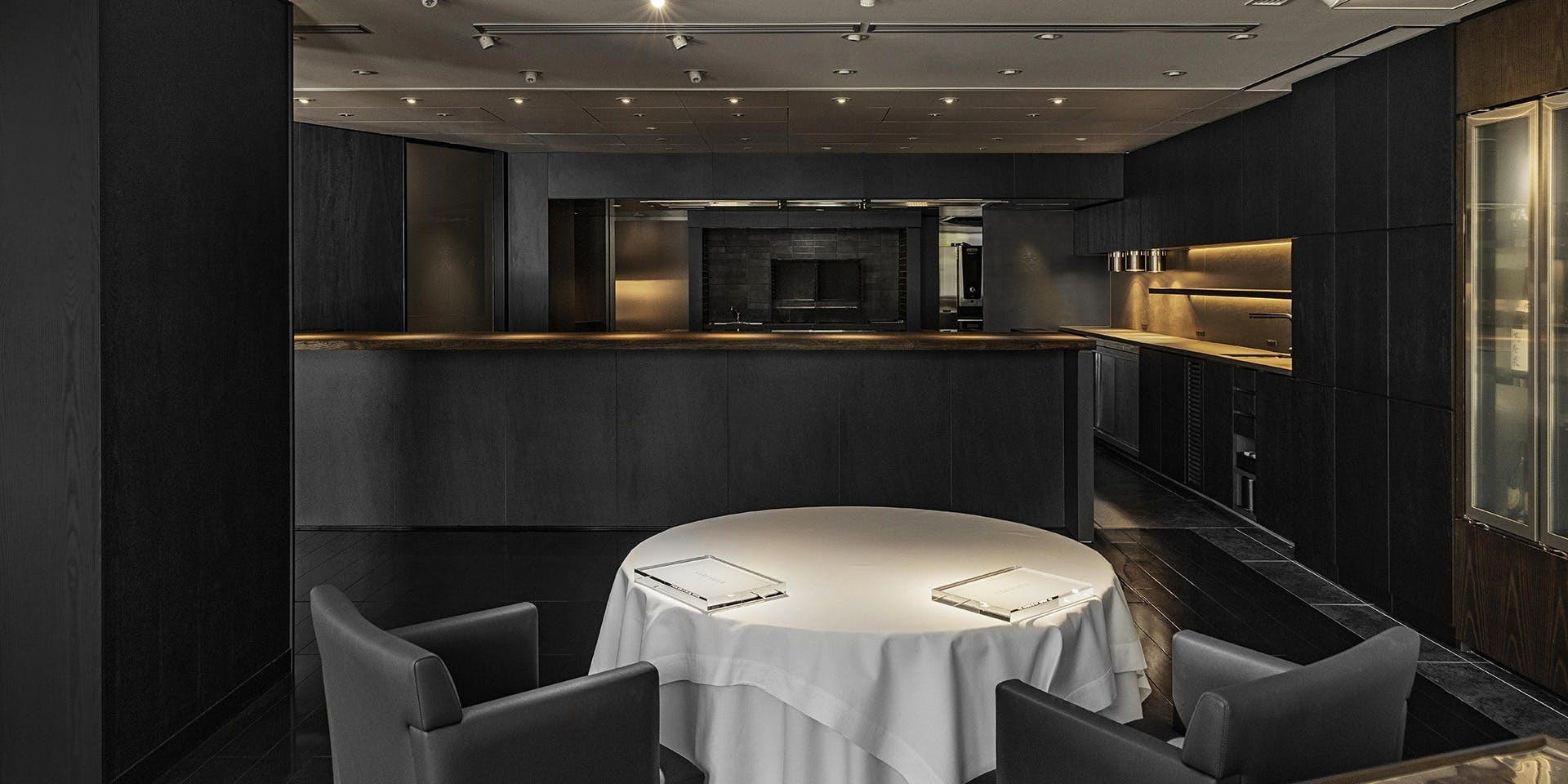
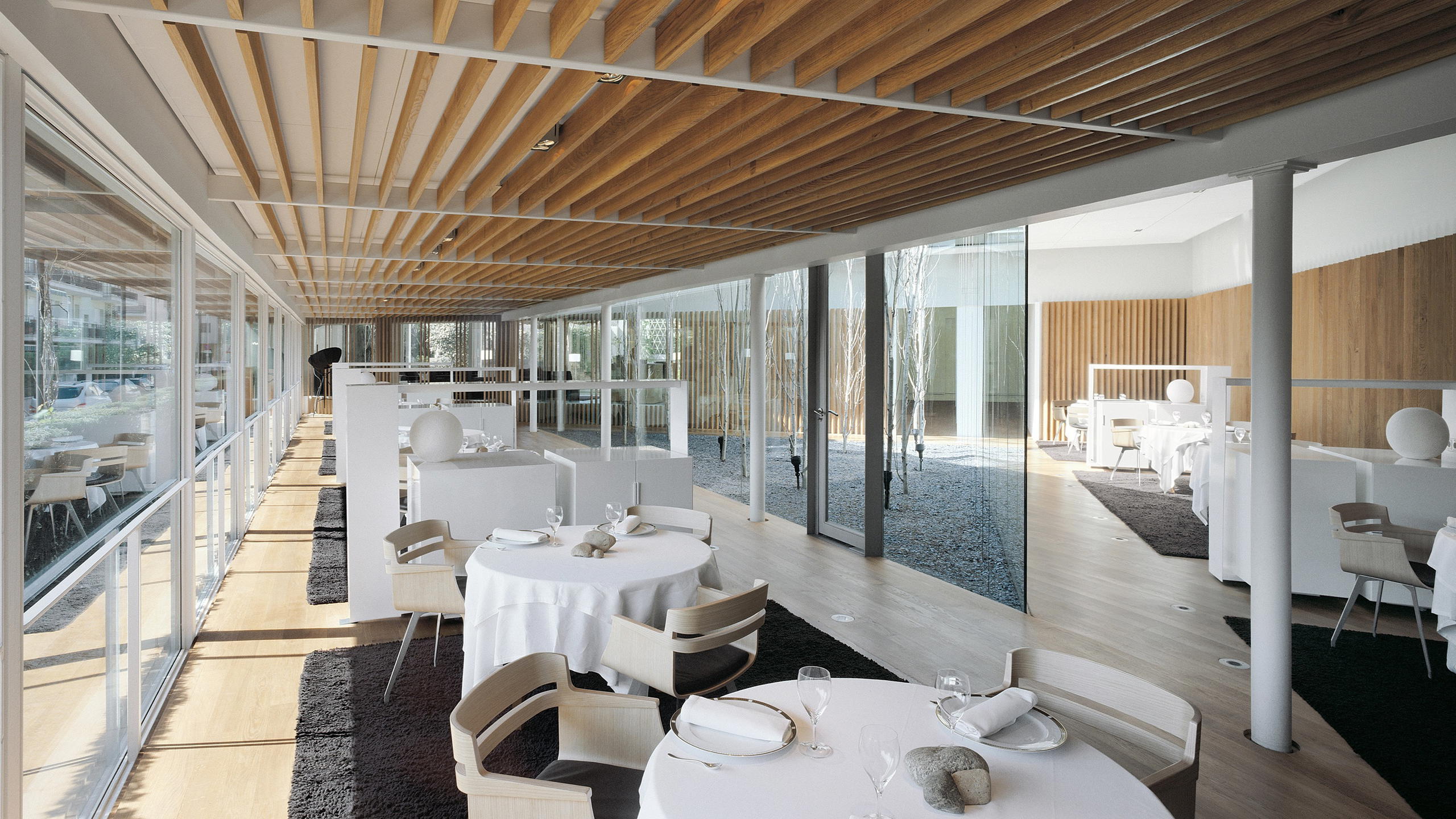
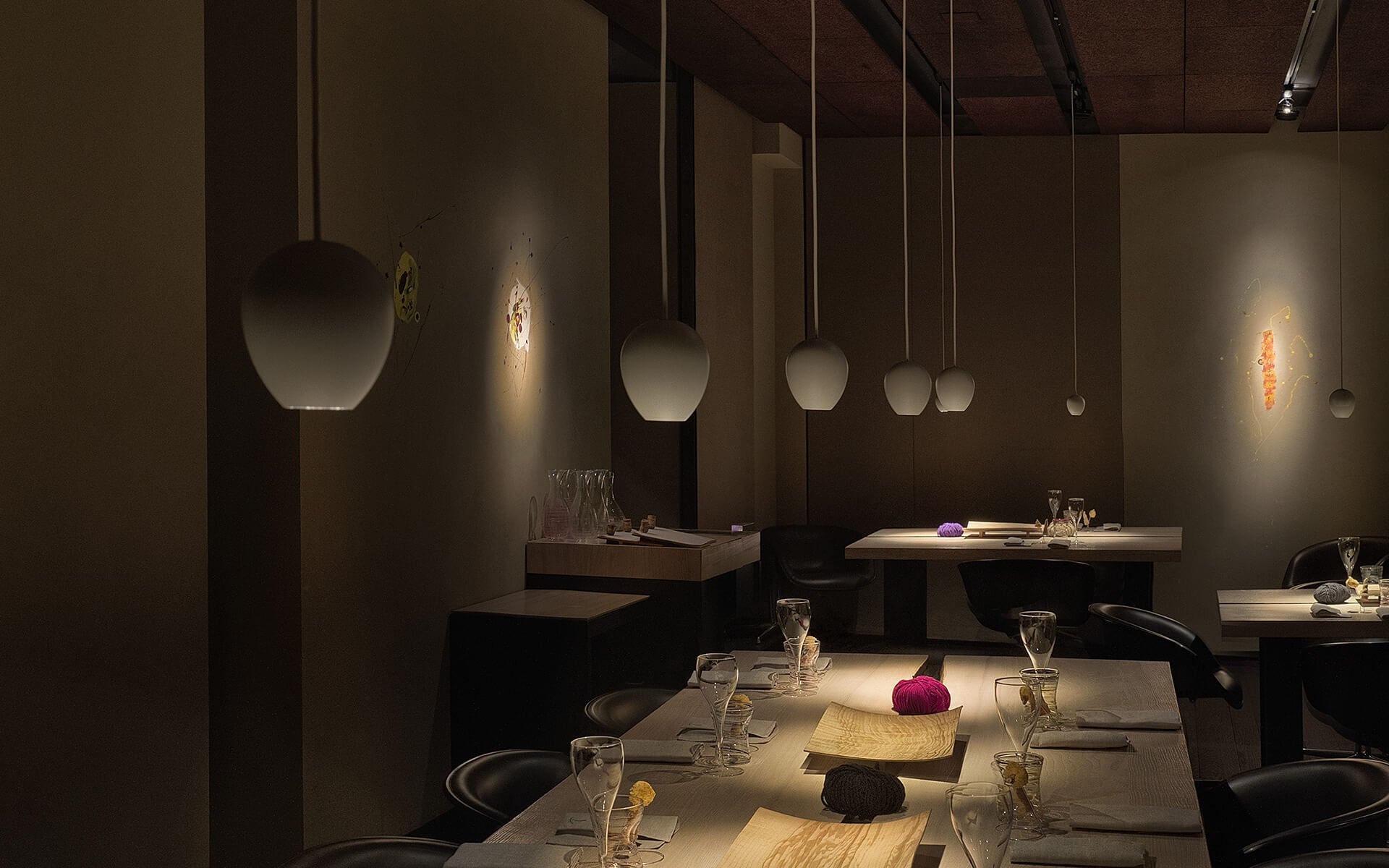
Le Calandre's room speaks before the plates do. A 300-year-old ash-tree table, Davide Groppi's sculptural lamps and hand-blown glasses marked with the chef's fingerprint set a restrained, design-forward tone. The team applies an Italian principle of simplicity to architecture, tableware and food, so décor reads as deliberate rather than decorative. Placed away from the main road, the dining room sustains soft, focused light through service and cultivates an atmosphere that encourages measured conversation and close attention to detail. The result is a modern, quietly exacting environment where material choices and economy of gesture define the experience.
Best For
This is a table for moments that matter. With a continuous three-Michelin-star pedigree and consistent appearances in global rankings, Le Calandre aligns with special occasions, intimate date nights and celebratory meals. The writing emphasizes a slowed pace — even lunch is suffused with soft lighting — making it suited to diners who want to linger and appreciate craft and composition. Because the restaurant positions itself among Italy's rarefied fine-dining tier, it appeals to travelers and locals seeking a definitive, design-minded expression of contemporary Italian cuisine rather than a casual neighborhood meal.
Ordering Tips
Let the room set your expectations: simplicity and materiality guide the kitchen. When ordering, be sure to try the house signatures — the saffron risotto and the murrina cappuccino are highlighted as defining preparations. Move deliberately between courses and allow time to absorb the presentation and the subtle details, from the ash-wood table to the chef’s fingerprint on the glassware. The description stresses slowing down through service, so pace your meal to appreciate the restrained flavors and the precise, design-focused plating that distinguish Le Calandre.
Venue details
Ambiance
Soft lighting complements the minimalist-style dining room, creating an elegant and sophisticated atmosphere.
Tags
Vibe
Best For
Experience
Sourcing
At the Table
- Dress Code
- Formal
- Noise Level
- Quiet
- Service Style
- Formal
- Meal Pacing
- Extended Experience
- Capacity
- Small
- Kitchen
- Modern
- Menu Format
- Tasting menu
- Wine Program
- Exceptional
- Dietary
- Pescatarian friendly
- Private Dining
- Available
Signature Dishes
- saffron risotto
- murrina cappuccino
Know before you go
Know Before You Go
- Getting there
- Via Liguria, 1, 35030 Sarmeola PD, Italy
Planning details
Hours
- Monday
- Closed
- Tuesday
- 8–10 pm
- Wednesday
- 12–2 pm, 8–10 pm
- Thursday
- 12–2 pm, 8–10 pm
- Friday
- 12–2 pm, 8–10 pm
- Saturday
- 12–2 pm, 8–10 pm
- Sunday
- Closed
Location
Via Liguria, 1, 35030 Sarmeola PD, Italy · Directions
Recognition and awards







Also consider
If you cannot get this table
Cross-shop Aqua Crua if the goal is creative modern Italian cooking at the same €€€€ tier, with less pressure around making Rubano the center of the trip. For a different kind of luxury Italian meal, Matteo Grandi in Basilica is the better pivot when farm-to-table cooking is more appealing than a progressive benchmark.
If the itinerary is broader than Veneto, Lido 84 and Piazza Duomo make sense as destination-level alternatives in the same progressive Italian lane.
Restaurant context
How Le Calandre compares with other serious Italian bookings
Le Calandre is the splurge choice for diners who want the Rubano benchmark: progressive Italian cooking, a €€€€ price tier, and a reservation that requires real planning. Storie d'Amore also sits at €€€€, but its modern-cuisine positioning reads as a broader contemporary alternative rather than the same Alajmo-led destination decision.
Aqua Crua is the better cross-shop if the priority is modern Italian creativity without committing to Le Calandre's international-destination weight. Matteo Grandi in Basilica is the sharper pick for diners who want a farm-to-table frame at the same price tier, especially if ingredient sourcing matters more than progressive Italian technique.
For travelers comparing national destination restaurants, Lido 84 and Piazza Duomo are the natural peers: both share the progressive Italian, creative lane and the same luxury price tier. Choose Le Calandre when Rubano fits the itinerary and the Alajmo connection is the draw; choose Lido 84 or Piazza Duomo when the trip is already built around Lake Garda or Alba.
Explore Rubano
Around this place
Discover more on Pearl
Unlock the full Le Calandre guide in Pearl, including awards, comparisons, FAQs, planning details, and nearby places.
Compare Le Calandre
| Venue | Location | Cuisine | Awards | Price |
|---|---|---|---|---|
| Le Calandre | Rubano | Progressive Italian, Creative | 2026 OAD Top Restaurants in Europe Ranked · #38Star Wine Lists 20262026 Relais Chateaux Restaurants2026 Les Grandes Tables du Monde Members2026 Michelin 3 Stars2026 La Liste Top Restaurants2025 OAD Top Restaurants in Europe Ranked · #292025 World's 50 Best Restaurants · #31We're Smart World Top Restaurants 2025 | €€€€ |
| Storie d'Amore | Rome | Modern Cuisine | 2026 Michelin 1 Star2026 Falstaff Restaurant Guide2025 Michelin 1 Star2024 Michelin 1 Star | €€€€ |
| Aqua Crua | Barbarano Vicentino | Modern Italian, Creative | 2026 Falstaff Restaurant Guide2026 Michelin 1 Star2025 Michelin 1 Star2025 La Liste Top Restaurants2024 OAD Top Restaurants in Europe Ranked · #5342024 Michelin 1 Star2023 OAD Top New Restaurants in Europe Recommended | €€€€ |
| Matteo Grandi in Basilica | Vicenza | Farm to table | 2026 Falstaff Restaurant Guide2026 Michelin 1 Star2025 Michelin 1 Star2024 Michelin 1 Star | €€€€ |
| Lido 84 | Fasano del Garda | Progressive Italian, Creative | 2026 Michelin 1 Star2026 La Liste Top Restaurants2025 World's 50 Best Restaurants · #162025 The Best Chef Three Knives2025 La Liste Top Restaurants2025 Michelin 1 Star2024 World's 50 Best Restaurants · #122024 Michelin 1 Star2023 World's 50 Best Restaurants · #7 | €€€€ |
| Piazza Duomo | Alba | Progressive Italian, Creative | 2026 OAD Top Restaurants in Europe Ranked · #24Star Wine Lists 20262026 Wine Spectator Best of Award of Excellence2026 Les Grandes Tables du Monde Members2026 Michelin 3 Stars2026 La Liste Top Restaurants2026 Falstaff Restaurant Guide2025 OAD Top Restaurants in Europe Ranked · #222025 World's 50 Best Restaurants · #32 | €€€€ |



How Le Calandre Rubano compares with similar nearby venues.
FAQ
Frequently Asked Questions
Is Le Calandre worth the price?
Yes, if you want a serious meal and are comfortable paying €€€€. The Michelin 3 Stars rating, plus its 2025 recognition from La Liste and The Best Chef, makes the case stronger than a typical luxury splurge. If you want something less formal or easier to justify on cost alone, compare your options before committing; Storie d'Amore or Aqua Crua may also be worth considering.
What are alternatives to Le Calandre?
If you are comparing the commitment level of different meals, Storie d'Amore and Aqua Crua may be useful names to consider. Le Calandre is the clear pick when you want a formal, highly recognized option in Rubano and are planning around a meal, not a casual stop.
What should I wear to Le Calandre?
Le Calandre has a formal dress code, so dress up rather than dress down. Neat, polished clothing makes more sense than casual tourist wear, whether you are booking lunch or dinner.
Is Le Calandre a good choice for a special meal?
Yes, if you want progressive Italian and creative cooking in a formal €€€€ setting. With Massimiliano Alajmo associated with the restaurant and Michelin 3 Stars attached to the room, Le Calandre is best treated as a destination booking rather than a casual meal.
What should I order at Le Calandre?
Choose Le Calandre for its progressive Italian and creative direction, then review the current menu directly with the restaurant before you go. If you are still comparing options, Matteo Grandi in Basilica or Piazza Duomo may also be worth a look.