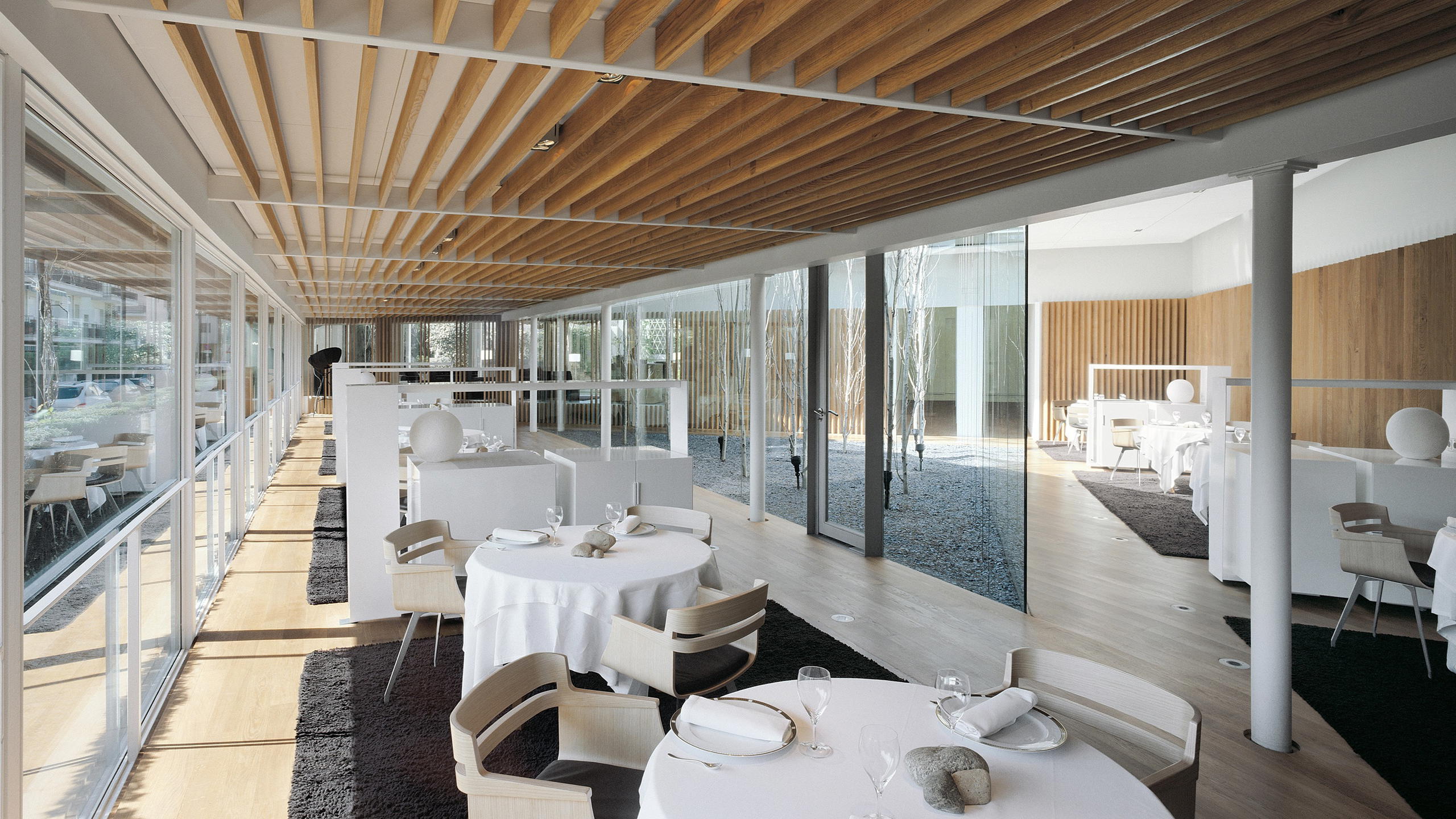
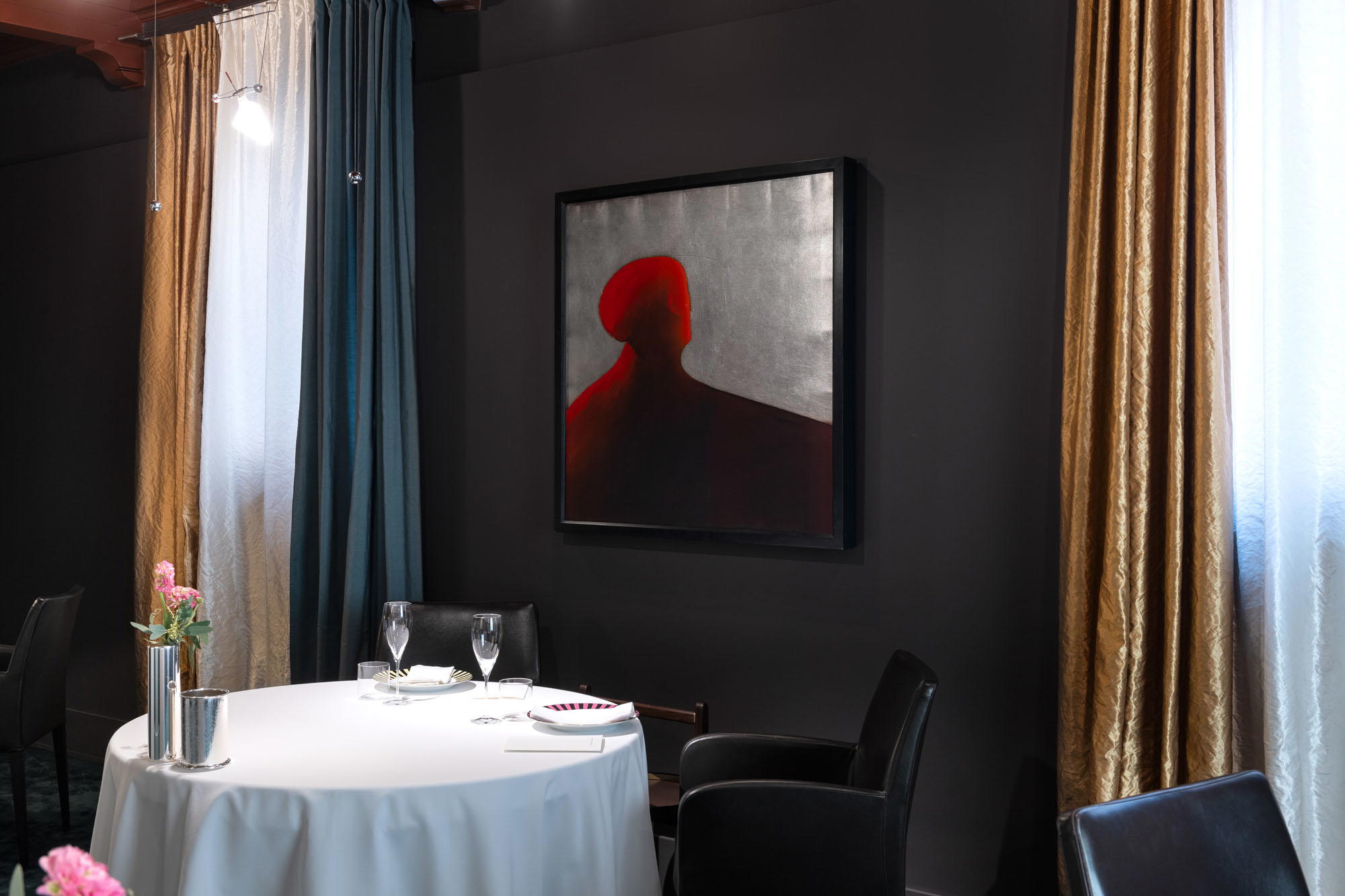
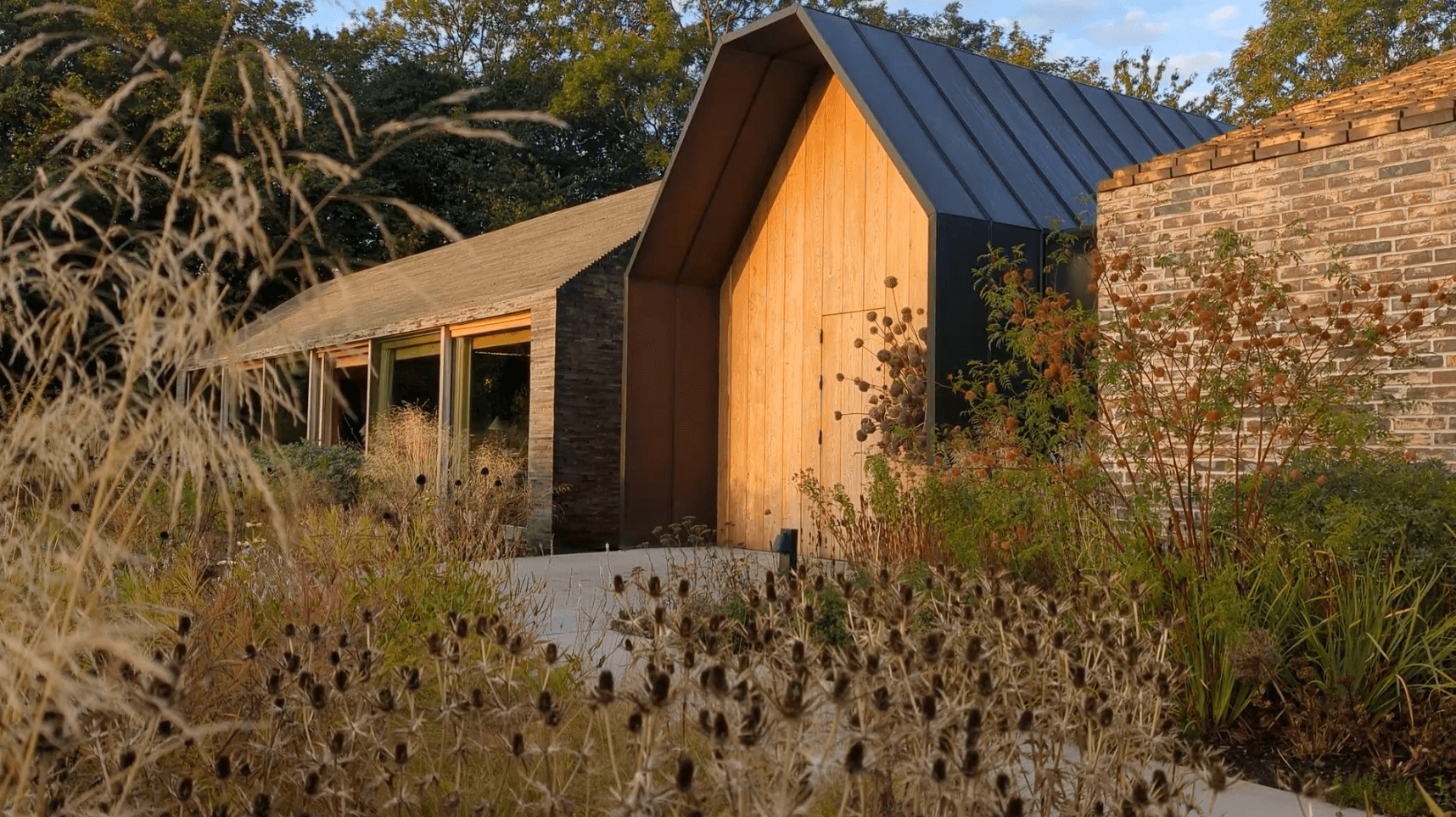
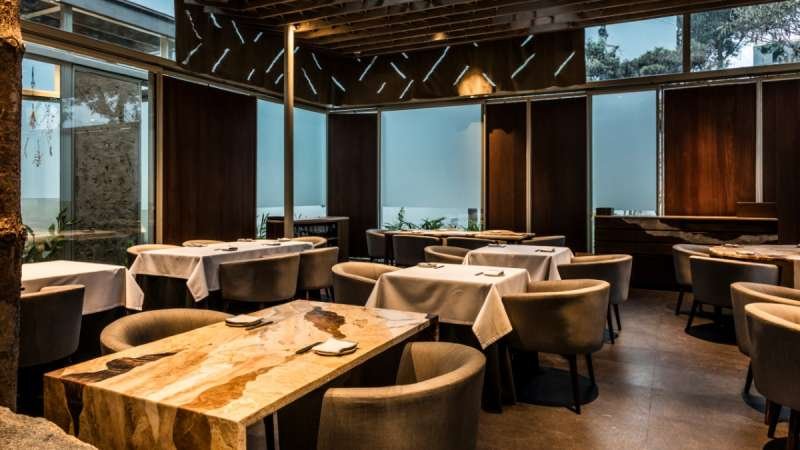
The 2015 World's 50 Best Restaurants List
Globally prestigious annual ranking recognizing the world's leading dining establishments for culinary excellence.
How many of these have you visited?
Discover on PearlVenues on this list

El Celler de Can Roca
Girona, Spain
El Celler de Can Roca sits at the high-theatre end of Girona dining, where Catalan hospitality, progressive Spanish technique and the Spanish habit of shared anticipation are stretched into a formal tasting-menu language. Its three Michelin stars, 99-point La Liste score for 2026 and long history on The World's 50 Best Restaurants make it a benchmark for travellers comparing Girona with Barcelona, Madrid and the wider Iberian creative circuit.

Osteria Francescana
Modena, Italy
Osteria Francescana is Modena’s high-concept reading of Emilia-Romagna, where Parmigiano Reggiano, balsamic vinegar, pasta memory, contemporary Italian technique are treated as cultural material rather than comfort-food nostalgia. Massimo Bottura’s dining room carries rare external validation, including La Liste 97 points in 2026, Les Grandes Tables du Monde membership, sustained international ranking history.

Noma
Copenhagen, Denmark
Noma holds three Michelin stars and a multi-year record atop the World's 50 Best Restaurants list, making it the restaurant most associated with the global rise of New Nordic cooking. René Redzepi's kitchen on Refshalevej organises the year into three seasonal programmes built around foraged and local ingredients. Booking windows run months ahead, dinner service runs Tuesday through Friday only.

Central
Lima, Peru
Central occupies a converted house in Barranco, Lima's bohemian coastal district, has held the number-one position on the World's 50 Best Restaurants list (2023). The tasting menu moves through Peruvian ecosystems by altitude, ocean floor to high Andes, using ingredients sourced by the research collective Mater Iniciativa. For serious diners visiting Lima, it represents the clearest single-table argument for Peru's biodiversity as a culinary framework.

Eleven Madison Park
New York City, United States
Eleven Madison Park is where New York fine dining's old signals of luxury meet a plant-based tasting-menu format built around provenance, restraint, a serious wine program. Daniel Humm's kitchen carries major recognition, including OAD's 2026 North America ranking, La Liste scoring, Star Wine List inclusion, Les Grandes Tables du Monde membership, but the more interesting story is how the room tests what luxury means without meat at the center.

Mugaritz
Errenteria, Spain
Mugaritz sits in Errenteria’s Basque dining orbit as a research-led restaurant shaped by Andoni Luis Aduriz’s long move from regional craft into conceptual cuisine. Its recognition, including Michelin two-star status in 2025, Guía Repsol 3 Soles in 2026, a long history on The World’s 50 Best Restaurants list, signals a table built for diners who want provocation rather than comfort.

Dinner by Heston Blumenthal
London, United Kingdom
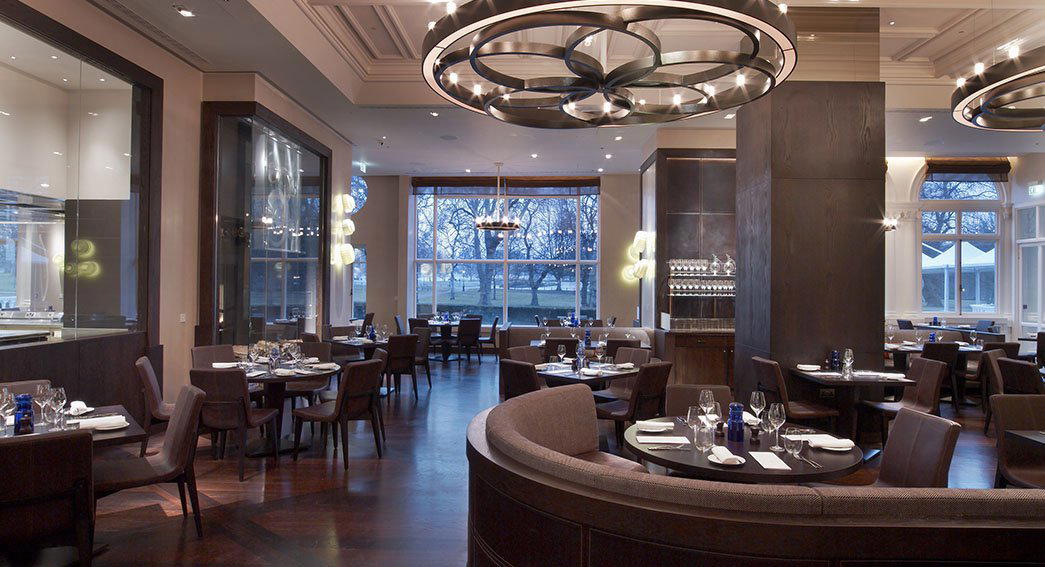
Housed inside the Mandarin Oriental Knightsbridge, Dinner by Heston Blumenthal holds two Michelin stars and a sustained presence in the World's 50 Best Restaurants. The menu draws from centuries of British culinary history, then reassembles those references through a contemporary technical lens. Dishes like the Meat Fruit have become shorthand for what modern British cooking can do when it takes its own heritage seriously.

Narisawa
Tokyo, Japan
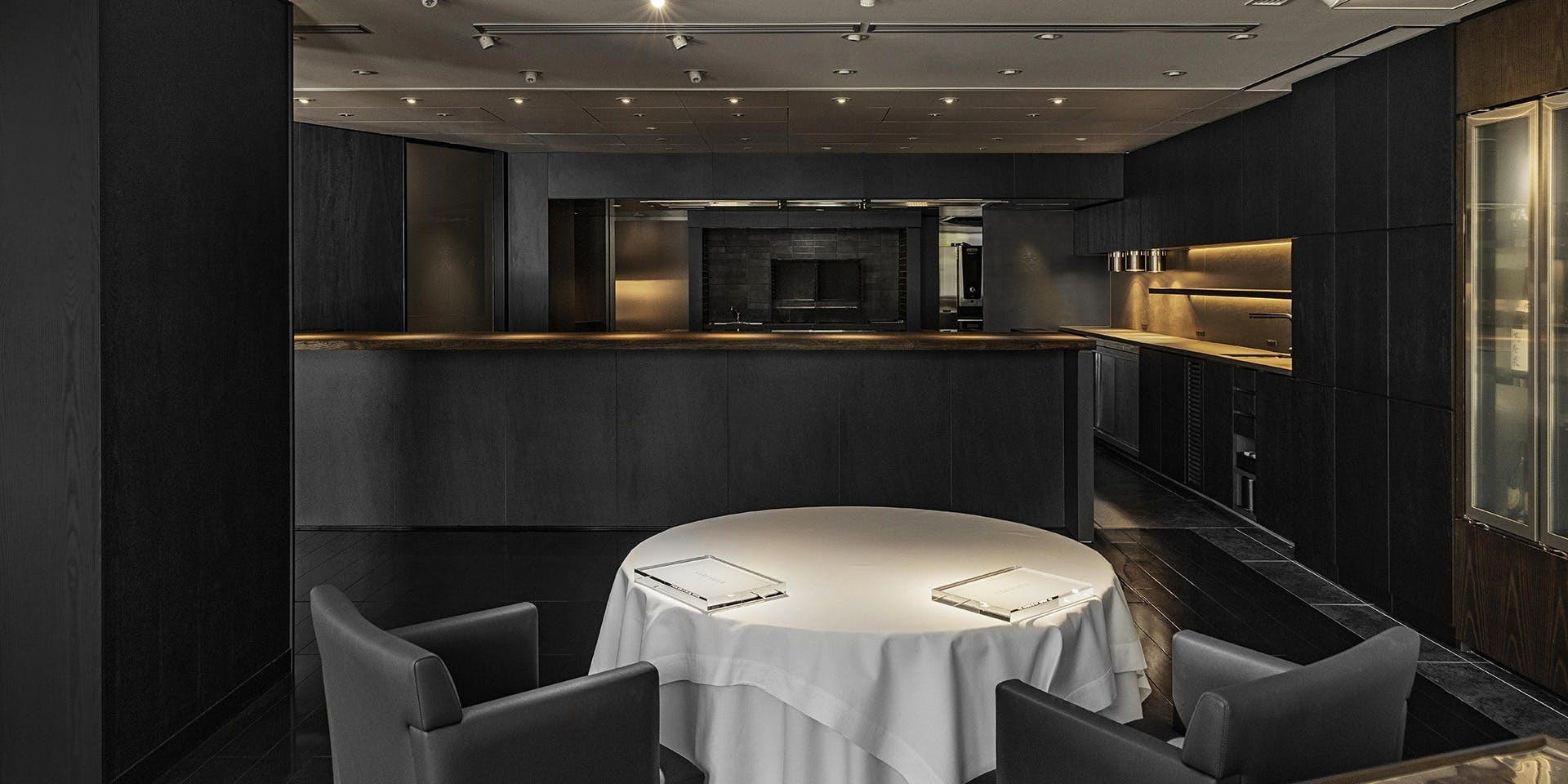
Narisawa is Tokyo's long-running argument for Japanese terroir through a French-informed lens: satoyama thinking, disciplined technique, a room built for serious dining rather than spectacle. The 15-seat restaurant carries Michelin two-star recognition, Tabelog Silver status for 2026, La Liste scoring, a history on the World's 50 Best Restaurants rankings, with pricing in the JPY 80,000–99,999 bracket for lunch and dinner.

D.O.M.
São Paulo, Brazil
D.O.M. holds two Michelin stars and a sustained presence in the World's 50 Best Restaurants list, positioning it at the top of São Paulo's fine dining tier. Chef Alex Atala's kitchen treats the Amazon as a pantry, bringing native ingredients like jambu, tucupi, priprioca into a tasting format that has redefined how Brazilian cuisine is read internationally. Reservations are essential, the Jardins address has anchored the city's premium dining scene since 1999.

Gaggan Anand
Bangkok, Thailand
Bangkok's progressive Indian dining scene has few rooms as choreographed as Gaggan Anand, where a 14-seat L-shaped counter turns dinner into a staged sequence of courses, light, sound and participation. The cooking draws from Indian foundations while pulling in French, Thai and Japanese references, with major recognition from Asia's 50 Best Restaurants, Opinionated About Dining and La Liste.

Mirazur
Menton, France
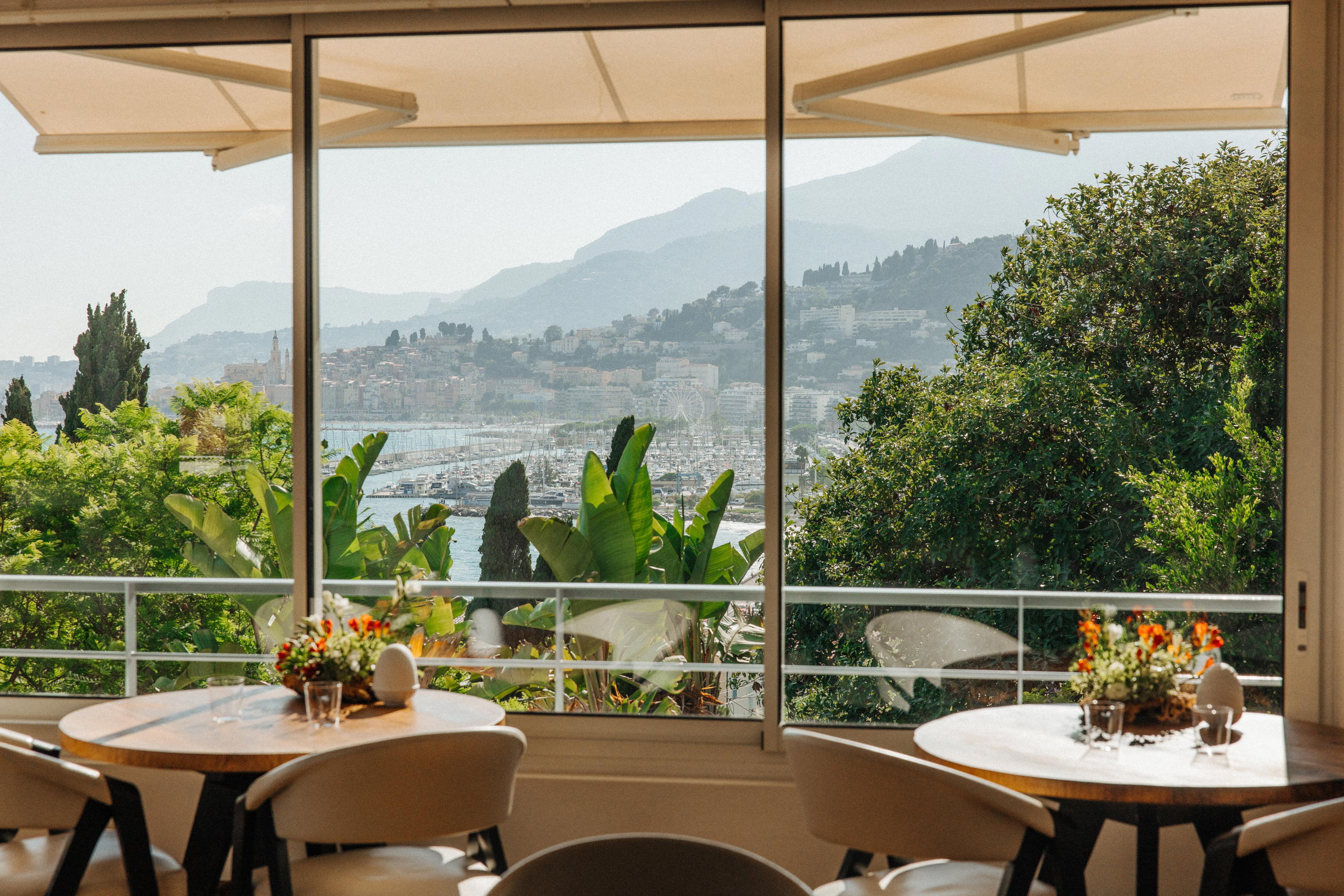
Mirazur is Menton’s defining high-form restaurant, a three-Michelin-star and Michelin Green Star address shaped by Mauro Colagreco’s borderland cooking between France and Italy. Its appeal is not only luxury dining but a tighter reading of place: gardens, coastal proximity, mountain produce and a Modern French, creative format that treats provenance as structure rather than decoration.

Arpège
Paris, France
Arpège belongs to the Paris fine-dining tier where technical French cooking is judged against its ability to evolve, not merely preserve. Alain Passard’s long turn from slow-cooked meats toward garden-led cuisine gives the restaurant its critical importance: vegetables are treated as the main argument, backed by Michelin in 2025, La Liste Top Restaurants 2026 at 97 points, decades of international ranking history.

Asador Etxebarri
Atxondo, Spain
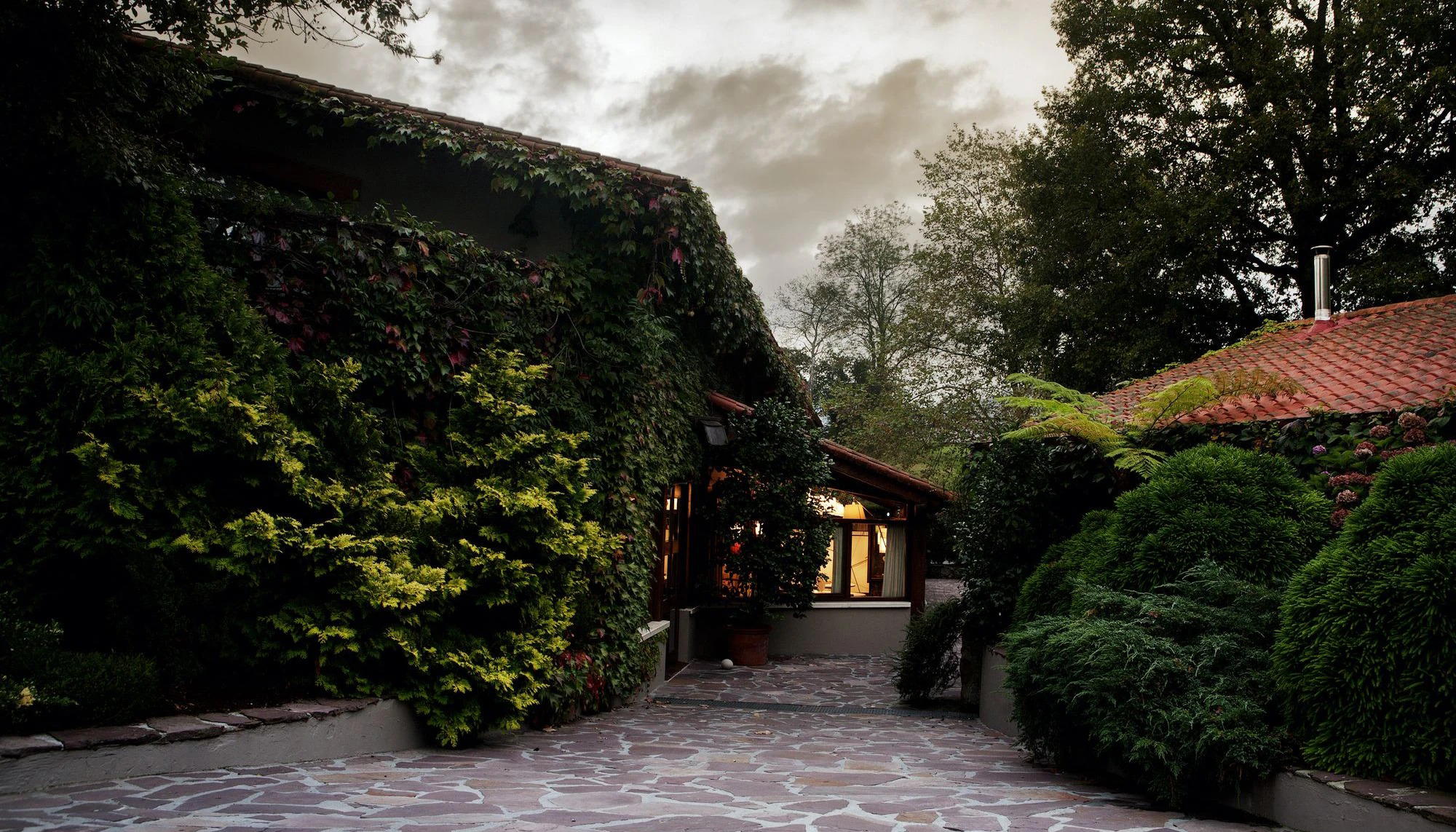
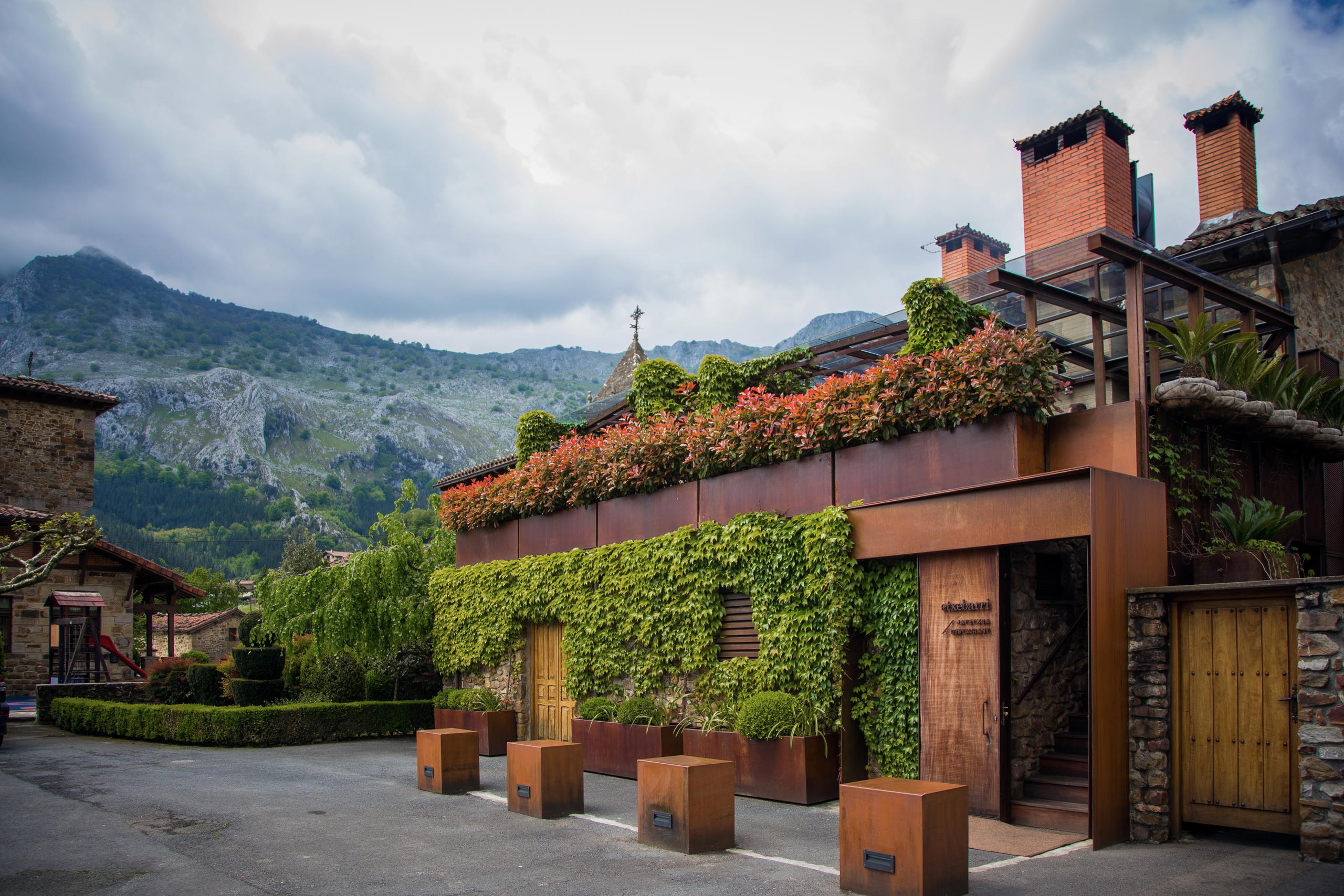
In a mountain village between Bilbao and San Sebastián, Asador Etxebarri has ranked among the World's 50 Best Restaurants continuously since 2008 and holds the title of Best Restaurant in Europe 2025. Victor Arguinzoniz cooks everything over live fire using custom-built grills and a pulley system of his own design, producing a tasting menu that runs to 14 courses and books out months in advance.

Astrid & Gastón
Lima, Peru
Set inside the 17th-century Casa Moreyra hacienda in San Isidro, Astrid & Gastón has held a place in the World's 50 Best Restaurants every year from 2011 to 2018, peaking at #14 in 2013 and 2015. Under chef Jorge Muñoz Castro, the restaurant runs a tasting format built around Peruvian biodiversity, with vegetables as a recurring editorial thread. Ranked #9 in South America by Opinionated About Dining in 2025.

Steirereck im Stadtpark
Vienna, Austria
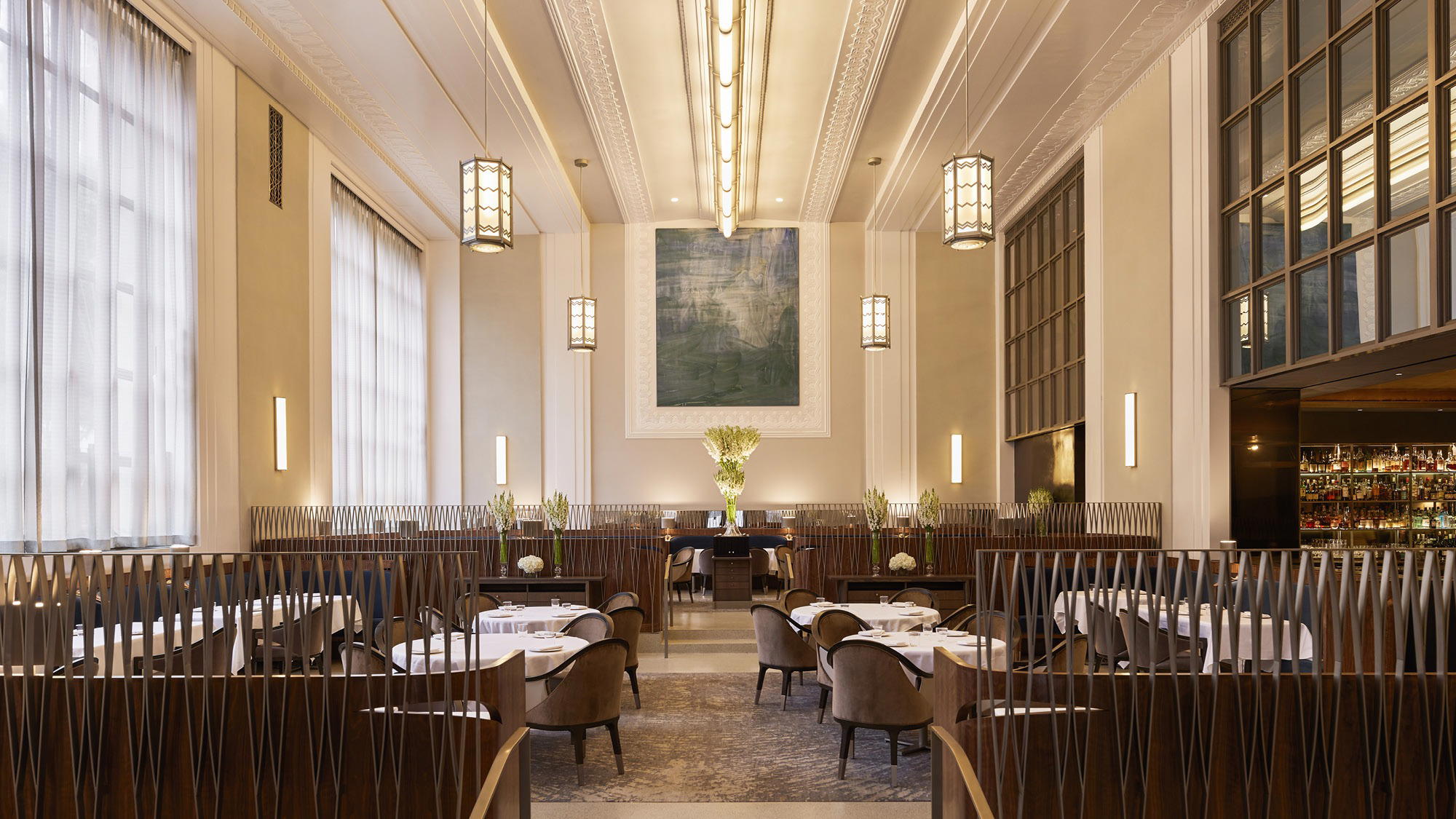
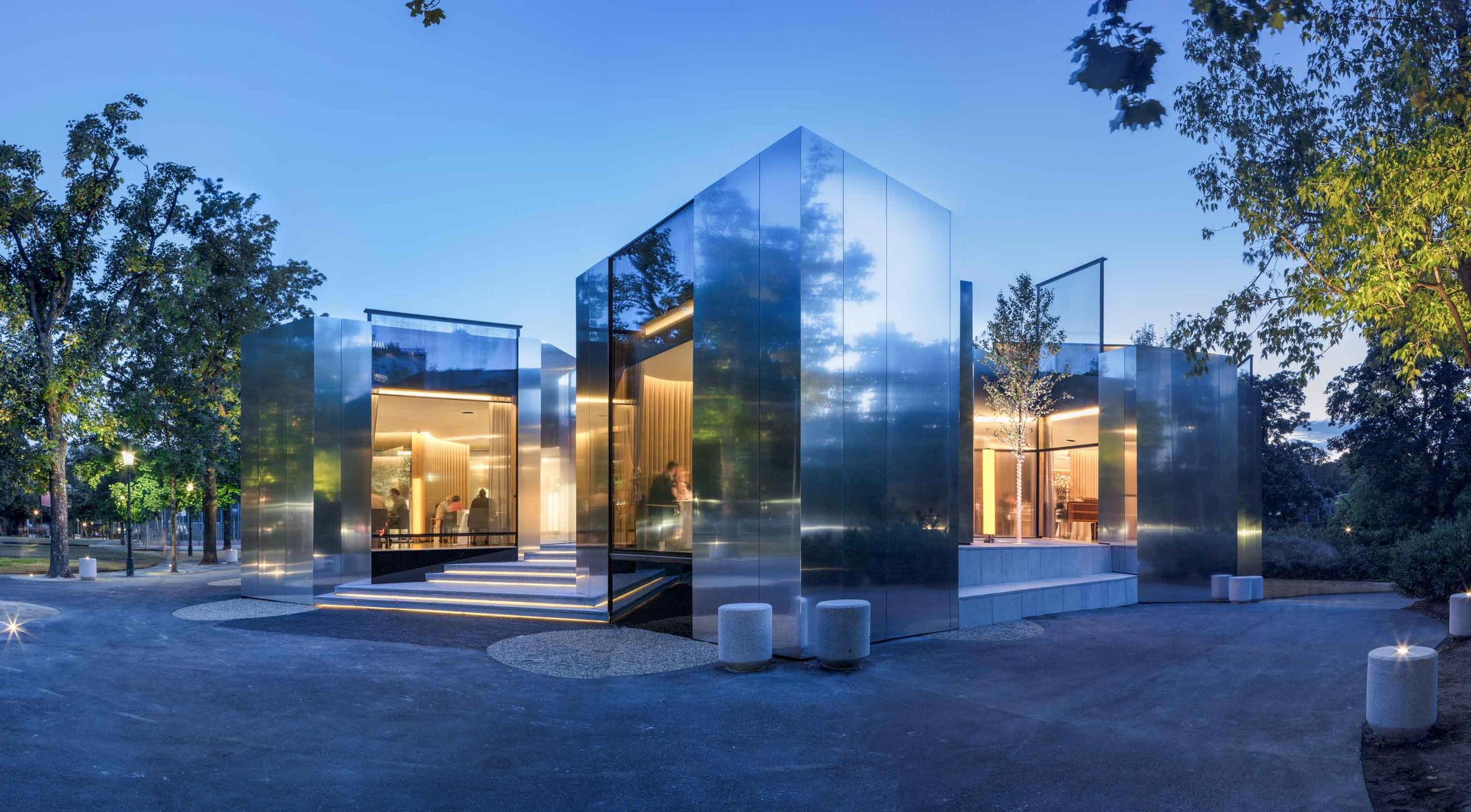
Inside a 1904 pavilion in Vienna's Stadtpark, Steirereck im Stadtpark operates at the intersection of architectural drama and Austrian culinary research. Three Michelin stars and consistent placement inside the World's 50 Best Restaurants top 25 position it as the reference point for serious dining in the city. The menu is built around rare breeds, near-extinct produce varieties, ingredients grown on the building's own rooftop.

Pujol
Mexico City, Mexico
Pujol is Mexico City's benchmark modern Mexican dining room, led by Enrique Olvera and carrying Michelin two-star recognition, La Liste 98 points for 2026, a long run on The World's 50 Best Restaurants list. The experience sits in the high-price tier and is better understood as a national culinary reference point than as a simple tasting-menu stop.

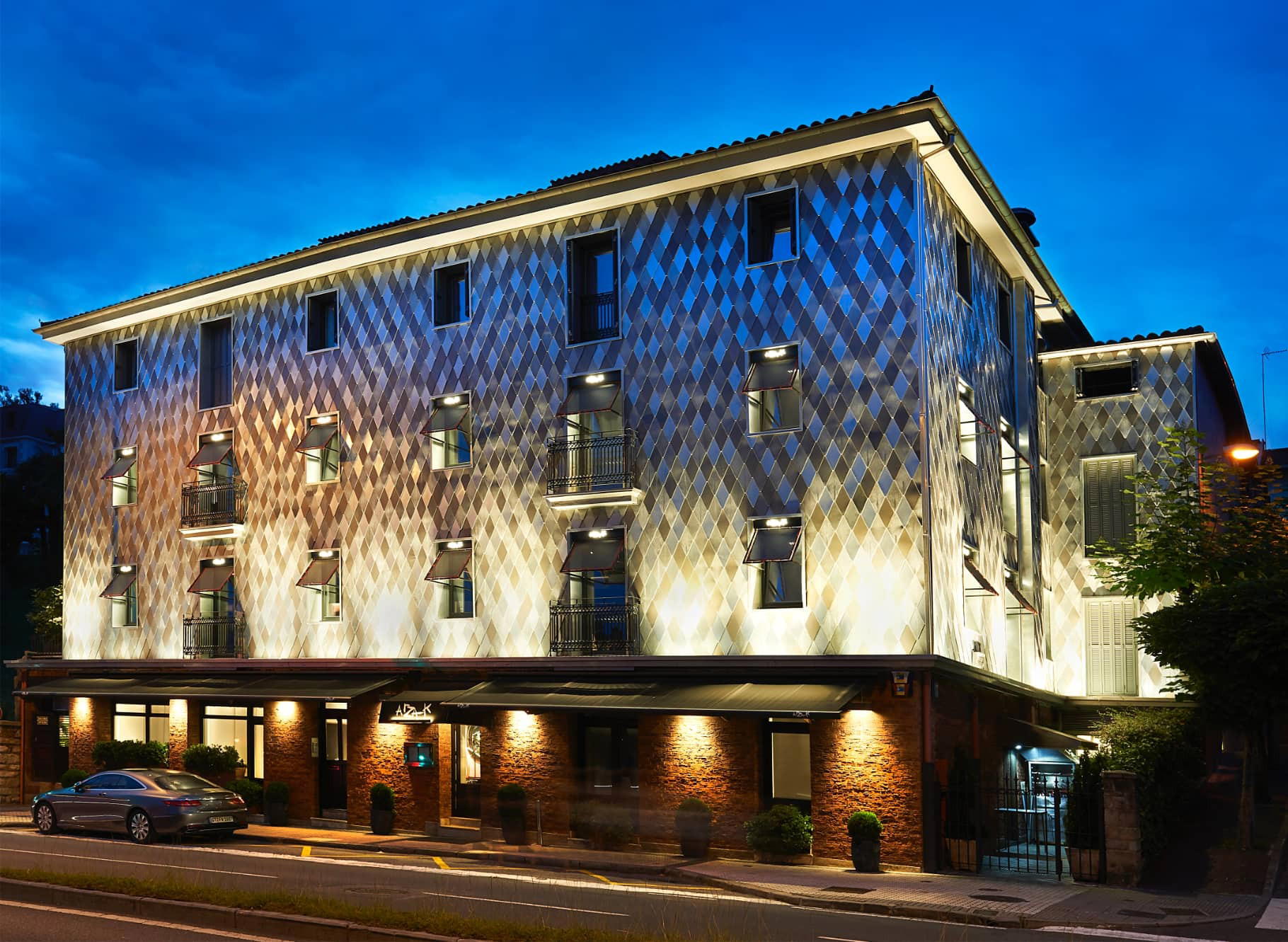
Arzak
San Sebastián, Spain
Arzak belongs to San Sebastián’s serious dining circuit: modern Basque cooking in a family mansion at Alto de Miracruz, led by Juan Mari Arzak & Elena Arzak and backed by 2026 Guía Repsol 3 Soles and La Liste’s 99-point score. Its relevance is not nostalgia alone; it is how a city built on pintxos, sharing, appetite for experimentation translates that social grammar into a formal tasting-menu room.

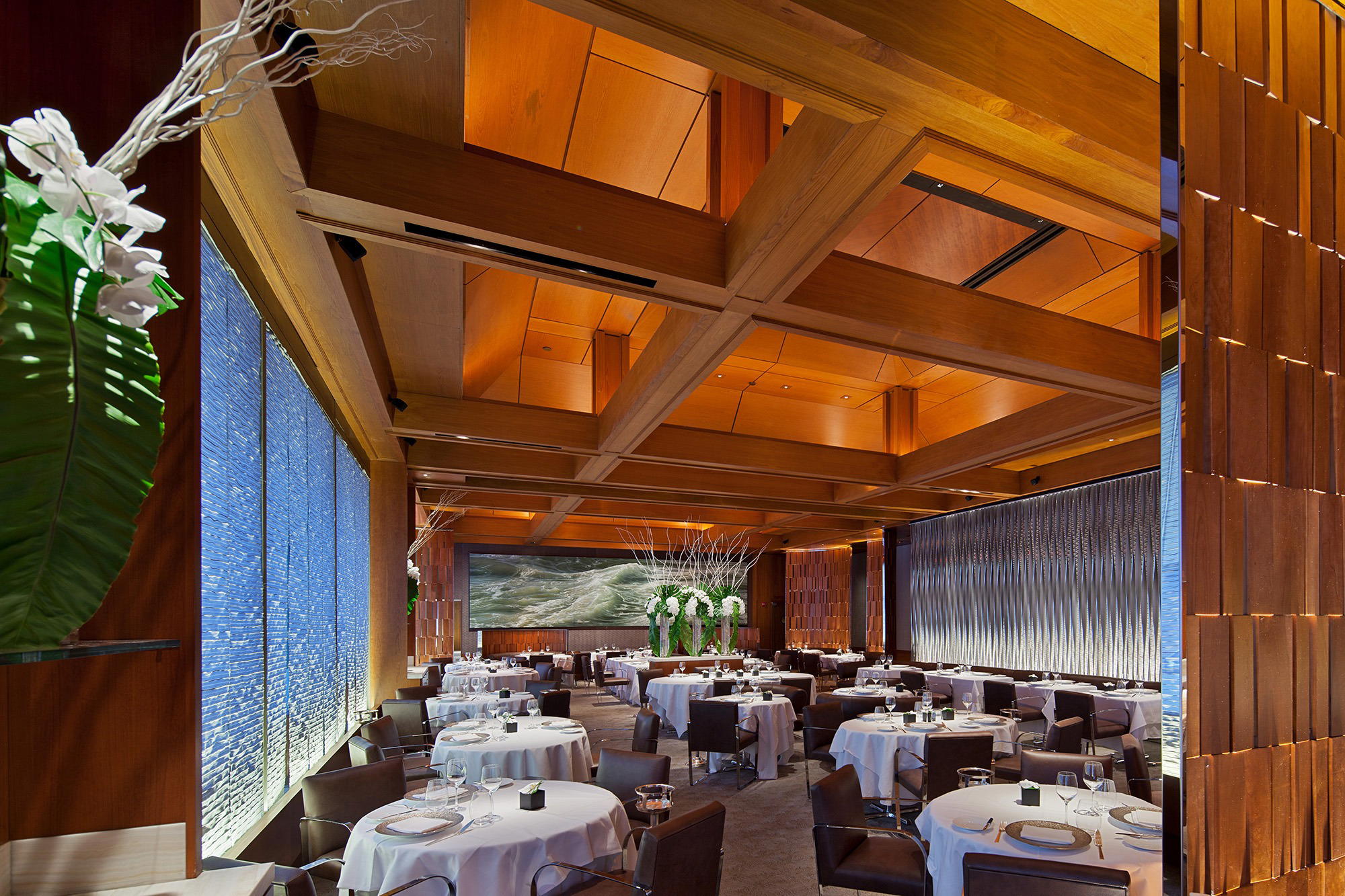
Le Bernardin
New York City, United States
Le Bernardin New York reigns as the city's premier seafood destination, where Chef Eric Ripert's three-Michelin-starred artistry transforms ocean treasures into transcendent cuisine. This legendary Midtown institution has maintained The New York Times' four-star rating for over two decades, offering an unmatched fine dining experience centered on the philosophy that "the fish is the star."

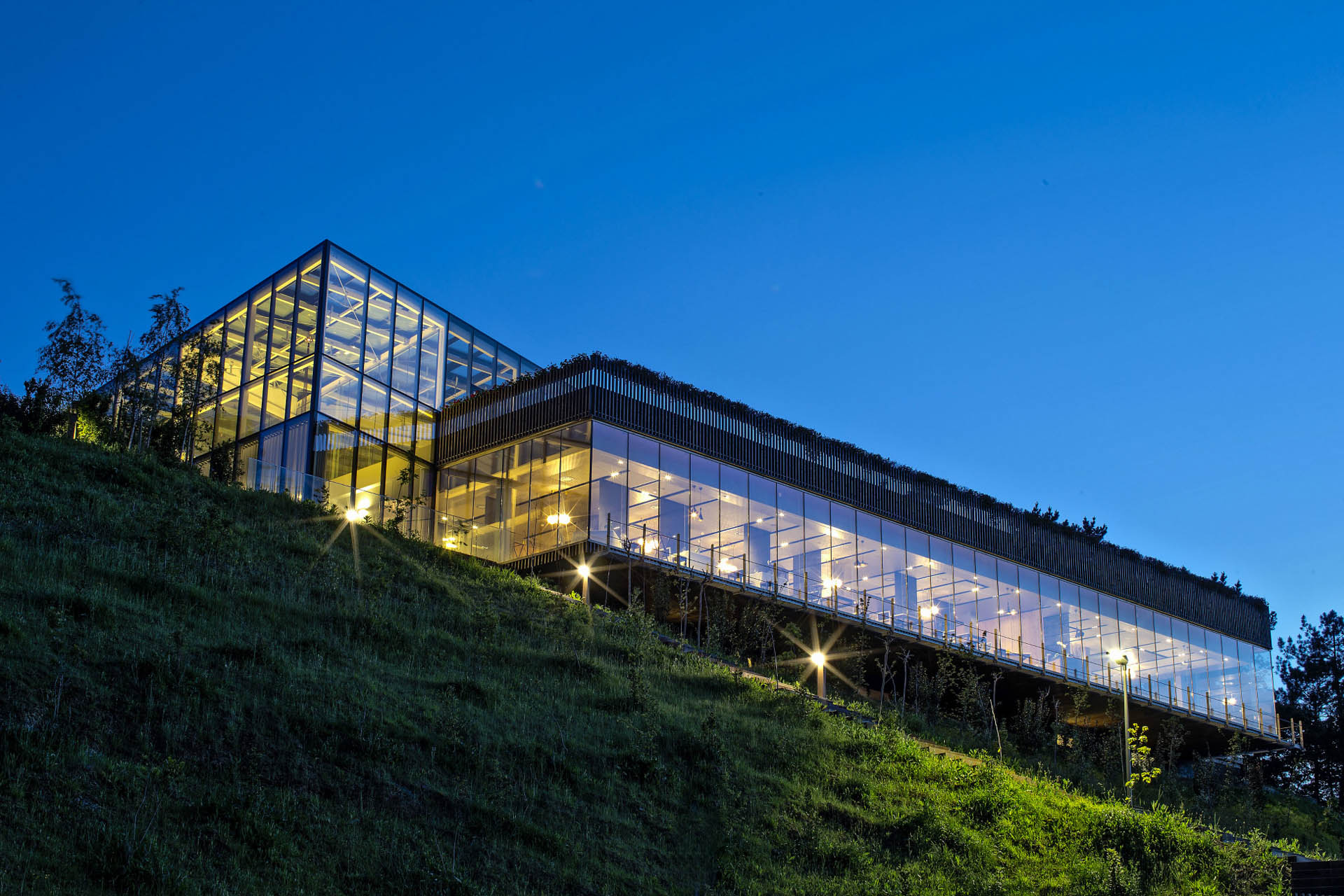
Azurmendi
Larrabetzu, Spain
Azurmendi Larrabetzu elevates sustainable fine dining to an art form, where Chef Eneko Atxa's three-Michelin-starred vision unfolds through an immersive greenhouse-to-table experience. This architectural marvel seamlessly integrates Basque tradition with cutting-edge gastronomy, offering the acclaimed Adarrak tasting menu in a bioclimatic structure that defines the future of responsible luxury dining.

The Ledbury
London, United Kingdom
Three Michelin stars and a La Liste ranking of 81 points in 2026 place The Ledbury among London's most decorated fine-dining addresses. Brett Graham's eight-course evening menu, priced at £285 per person in Notting Hill's Ledbury Road, draws on produce from his own farm and in-house mushroom cultivation. The wine list holds the Star Wine List number-one ranking for three consecutive years.

Le Chateaubriand
Paris, France
Le Chateaubriand helped define the bistronomy movement that reshaped Paris dining in the 2000s, Avenue Parmentier remains its spiritual home. Chef Iñaki Aizpitarte runs a single set menu of original flavour pairings, sourced from independent producers, inside a 1930s-era interior that has changed very little since the restaurant's rise to the World's 50 Best top ten. A Michelin Plate holder with an international following, it rewards advance planning.

Nahm
Bangkok, Thailand
Nahm at the COMO Metropolitan Bangkok holds a Michelin star and an Opinionated About Dining Top 92 ranking for Asia in 2025, placing it among the city's serious Thai fine-dining addresses. Chef Pim Techamuanvivit leads the kitchen with a focus on heritage Thai technique. The Heritage set menu is the recommended format for a first visit.

White Rabbit
Moscow, Russia
Positioned at the top of Moscow's fine dining scene, White Rabbit operates under a glass dome atop a skyscraper on Smolenskaya Square, pairing 360-degree city views with a tasting menu built around rediscovered Russian ingredients and techniques. Chef Vladimir Mukhin has placed the restaurant consistently inside the World's 50 Best, reaching number 13 in 2019, the kitchen remains one of the clearest expressions of the New Russian culinary movement.

Ultraviolet by Paul Pairet
Shanghai, China
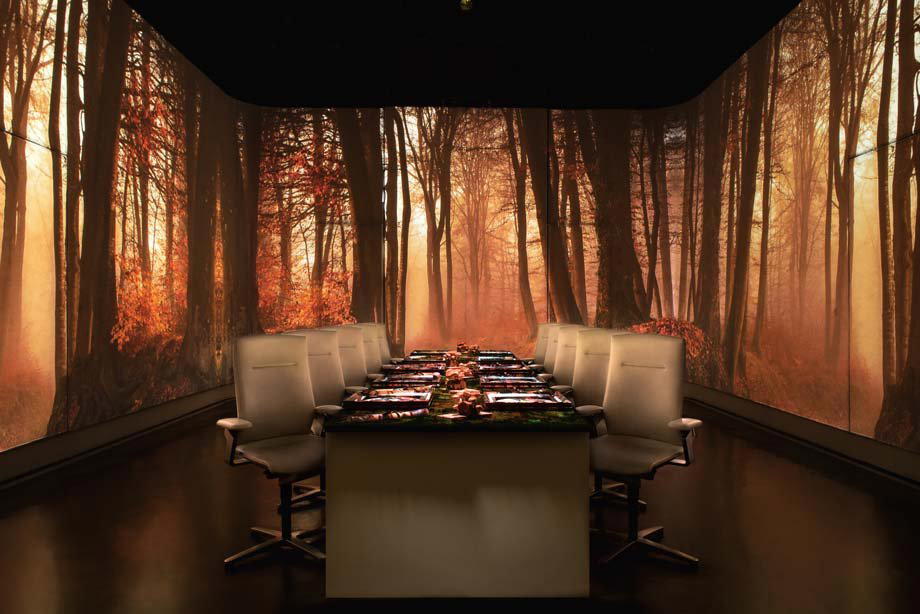
Ultraviolet by Paul Pairet closed after its final table on March 29, 2025. The ten-seat secret-location Shanghai restaurant paired each course with synchronized light, sound, scent, held a consistent position in the World's 50 Best Restaurants across eight years of rankings, reaching #24 twice. It remains a landmark of Shanghai fine dining, but it is no longer taking reservations.

Fäviken
Järpen, Sweden
Fäviken in Järpen, Sweden redefined Nordic cuisine through estate-driven, seasonal tasting menus. Expect intensely local preparations: estate-smoked game, preserved root vegetables with rendered fat, rich foraged mushroom broths. The experience centered on Magnus Nilsson’s primal approach to locality, ancient preservation techniques, an immersive stay on a 20,000-acre estate. Recognized in The World’s 50 Best Restaurants and Zagat’s top ten, Fäviken delivered high-end, rustic luxury where each dish tasted of snow, smoke and peat. Dining here was intimate and rare, often paired with a curated wine selection and a post-meal sauna stocked with regional treats.

Alinea
Chicago, United States
Alinea remains Chicago's defining modernist dining room: theatrical, technical and more concerned with changing the grammar of American fine dining than with repeating luxury-restaurant conventions. Grant Achatz's long-running flagship carries two Michelin stars, a Forbes Travel Guide Five-Star rating, AAA Five Diamond recognition and a 2026 OAD North America ranking, placing it in a narrow tier of U.S. restaurants where format is part of the argument.

Piazza Duomo
Alba, Italy
Piazza Duomo places Alba’s truffle-and-Barolo identity inside a progressive Italian frame, with Enrico Crippa’s plant-led menus pulling the Langhe into a far more technical register. The draw is not only Michelin three-star status, La Liste 96 points for 2026, or its long World’s 50 Best Restaurants run, but the way regional produce becomes the grammar of the meal rather than a decorative accent.

The Test Kitchen
Cape Town, South Africa
The Test Kitchen earned five consecutive placements on the World's 50 Best Restaurants list between 2014 and 2019, peaking at number 22 in 2016, became the reference point for ambitious South African fine dining during that period. Situated in Woodstock's Old Biscuit Mill, the restaurant is now permanently closed, but its influence on Cape Town's contemporary dining scene remains legible across an entire generation of South African kitchens.

RyuGin
Tokyo, Japan
Open since December 2003 and now holding three Michelin stars, RyuGin operates at the upper end of Tokyo's kaiseki tier, with dinner averaging JPY 80,000 to 99,999 per head. Chef Seiji Yamamoto structures the menu around Japan's four seasons, with a marked focus on scientific precision and ingredient provenance. The restaurant sits on the seventh floor of Tokyo Midtown Hibiya, steps from the Imperial Palace.

Vendôme
Bergisch Gladbach, Germany
Vendôme at Althoff Grandhotel Schloss Bensberg has held a place in the World's 50 Best Restaurants for over a decade and carries two Michelin stars under chef Joachim Wissler. The restaurant's Modern European tasting format runs Wednesday through Sunday evenings in a grand hotel setting outside Cologne, ranking 54th in Europe on Opinionated About Dining's 2025 list. For serious diners in the region, it represents the apex of the local fine dining tier.

Frantzén
Stockholm, Sweden
Frantzén sits at the high-control end of Stockholm dining, where Nordic ingredients, French technique and Asian references are folded into a choreographed townhouse format. Björn Frantzén's training at Edsbacka Krog, Chez Nico and L'Arpège gives the restaurant its technical grammar, but the larger story is Stockholm's shift from spare New Nordic minimalism toward immersive, multi-room fine dining.

Attica
Melbourne, Australia
Attica sits in Ripponlea, south of Melbourne's CBD, where Ben Shewry's tasting menu draws on native Australian ingredients, from outback flora to local rivers and farms, in compositions that have placed the restaurant inside the World's 50 Best Restaurants list every year from 2013 to 2018. La Liste awarded 96 points in 2025 and 95 in 2026. The format is formal, the commitment to indigenous produce is foundational, bookings require significant lead time.

Aqua
Wolfsburg, Germany
Aqua Wolfsburg stands as Germany's culinary crown jewel, where Chef Sven Elverfeld's three-Michelin-starred artistry transforms modern German cuisine into emotional storytelling. Nestled within The Ritz-Carlton's elegant setting, this intimate 40-seat sanctuary delivers nine-course tasting menus featuring bold combinations like Saibling char with caviar and miso, establishing it as Europe's most sophisticated dining destination.

Le Calandre
Rubano, Italy
Three Michelin stars since 2002, a 99-point La Liste ranking in 2026, a permanent position in the World's 50 Best since 2006: Le Calandre in Rubano operates at the upper tier of Italian fine dining. Chef Massimiliano Alajmo runs three tasting menus from a minimalist dining room where tables are carved from a single 300-year-old ash tree, forty minutes from Venice.

Quintonil
Mexico City, Mexico
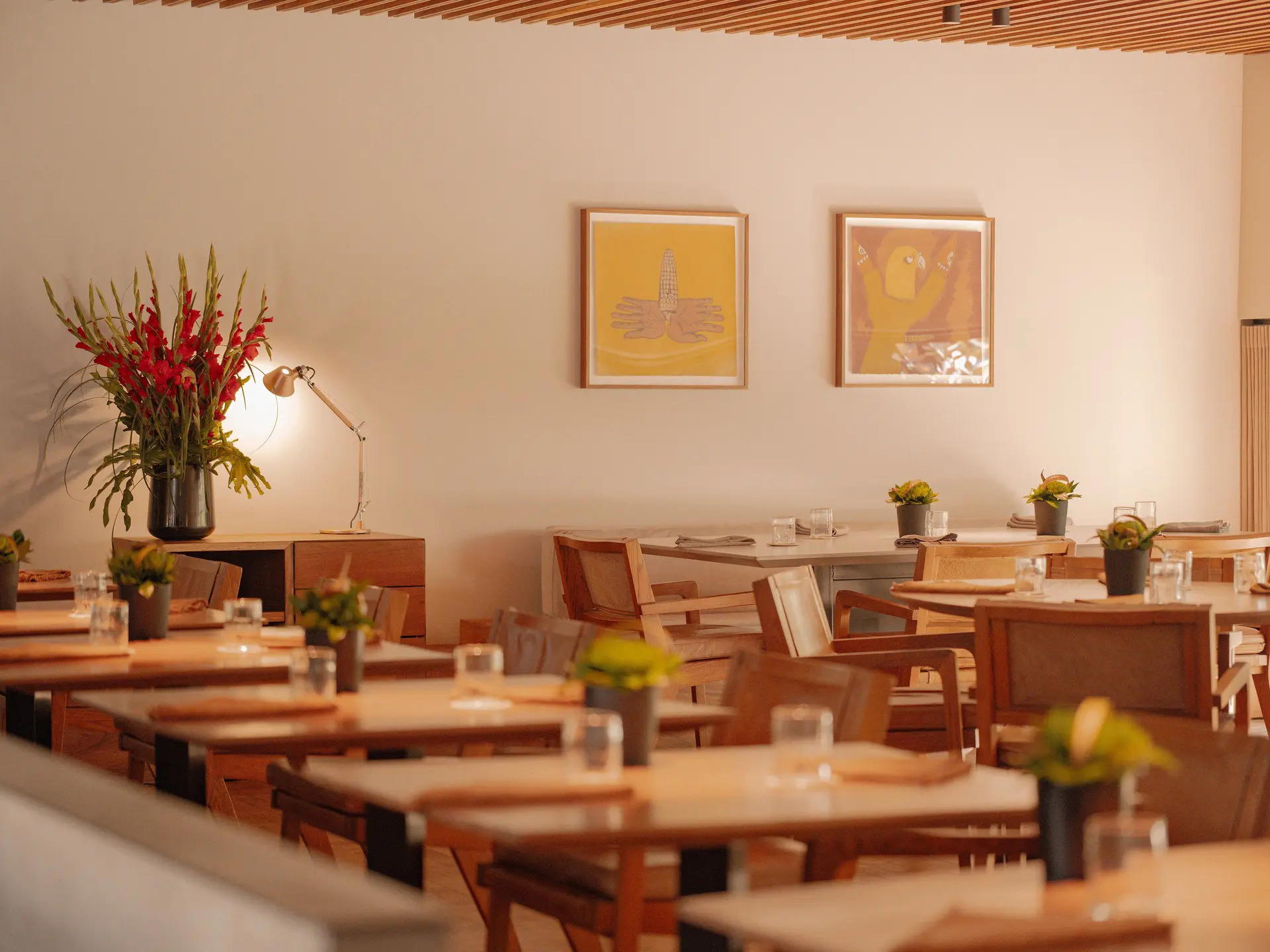
Quintonil is one of Mexico City's defining modern Mexican dining rooms, with Jorge Vallejo's cooking placing native herbs, vegetables, masa, insects and local technique inside a contemporary tasting-menu format. Recognition includes Michelin two stars, Les Grandes Tables du Monde membership, La Liste 96 points for 2026, a 2026 Opinionated About Dining North America ranking at No. 35.

L'Astrance
Paris, France
L'Astrance occupies a storied address on Rue de Longchamp in the 16th arrondissement, where Pascal Barbot's contemporary French kitchen draws on Asian influences and a deep commitment to produce. The glass wine cellar, curated by maître d' Christophe Rohat, has become as much a reason to book as the food itself. Ranked in the World's 50 Best Restaurants every year from 2006 to 2017, this is one of Paris's most credentialled creative tables.

Mestiza
Mexico City, Mexico
Mestiza Mexico City elevates molecular gastronomy to emotional artistry, where Basque chefs Bruno Oteiza and Mikel Alonso create avant-garde Basque-Mexican fusion through their revolutionary "techno-emotional cuisine." This World's 50 Best Restaurants honoree transforms ingredients like burnt corn and foie gras into sensory spectacles within Polanco's most innovative dining laboratory.

Amber
Hong Kong, Hong Kong
Amber has held three Michelin stars continuously and ranked as high as #20 on the World's 50 Best Restaurants list, making it a fixed reference point for French Contemporary dining in Hong Kong. Chef Richard Ekkebus frames each structured meal around dairy-free technique, Japanese sourcing, a sustainability program that now extends from rooftop herb cultivation to fermentation-led flavour building. The wine list runs to 11,000 bottles, with Wine Director Dirk Chen steering a Burgundy-weighted program.

Quique Dacosta
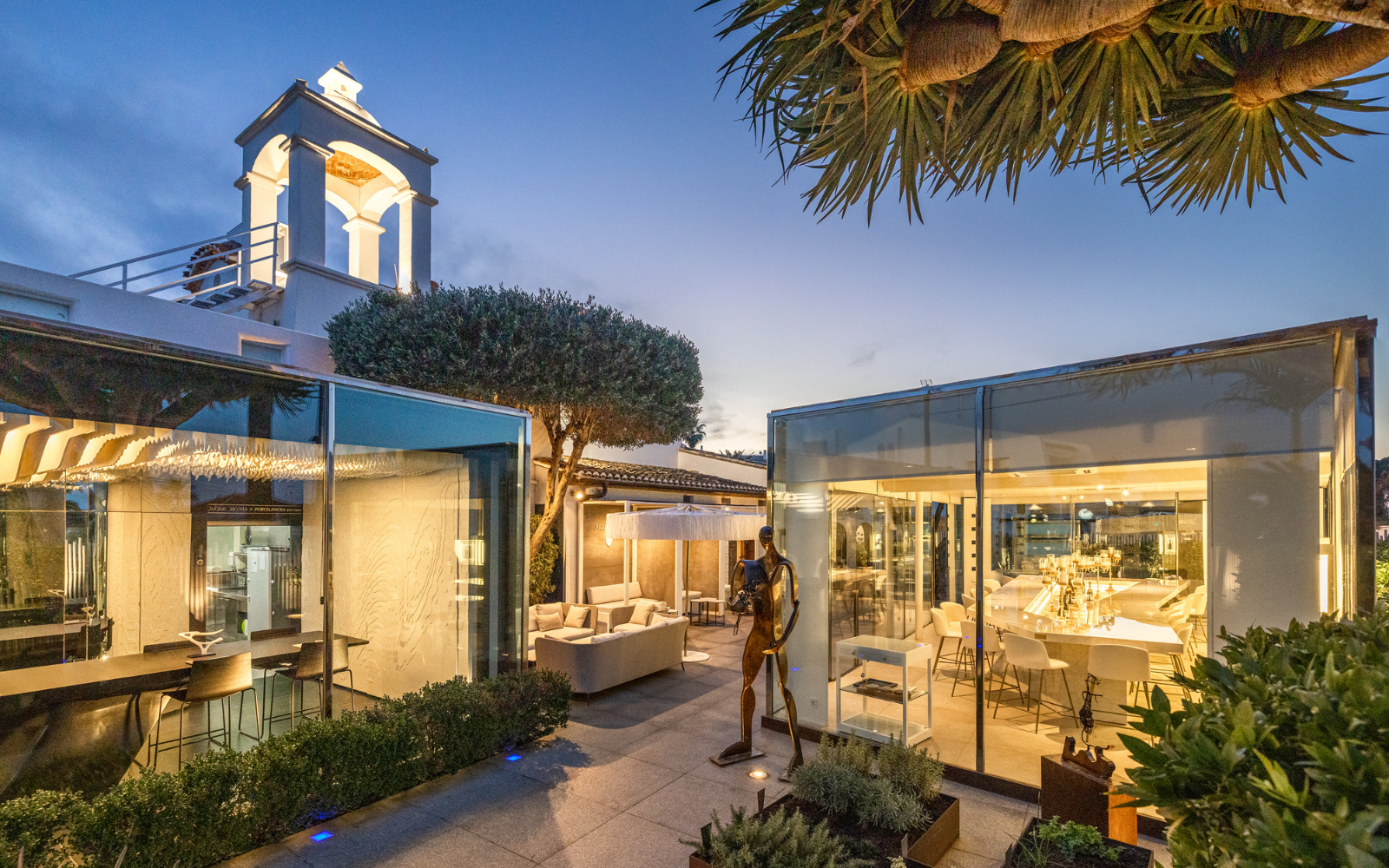
Dénia, Spain
Three Michelin stars and a decade-long presence in the World's 50 Best Restaurants, yet Quique Dacosta operates from the small coastal town of Dénia, on Spain's Mediterranean Costa Blanca. The annually reinvented tasting menu, named Octavo in deliberate provocation of the classical seven fine arts, frames each course as a form of sensory communication rather than conventional gastronomy. This is one of Spain's most decorated restaurants, positioned well outside the obvious fine-dining capitals.

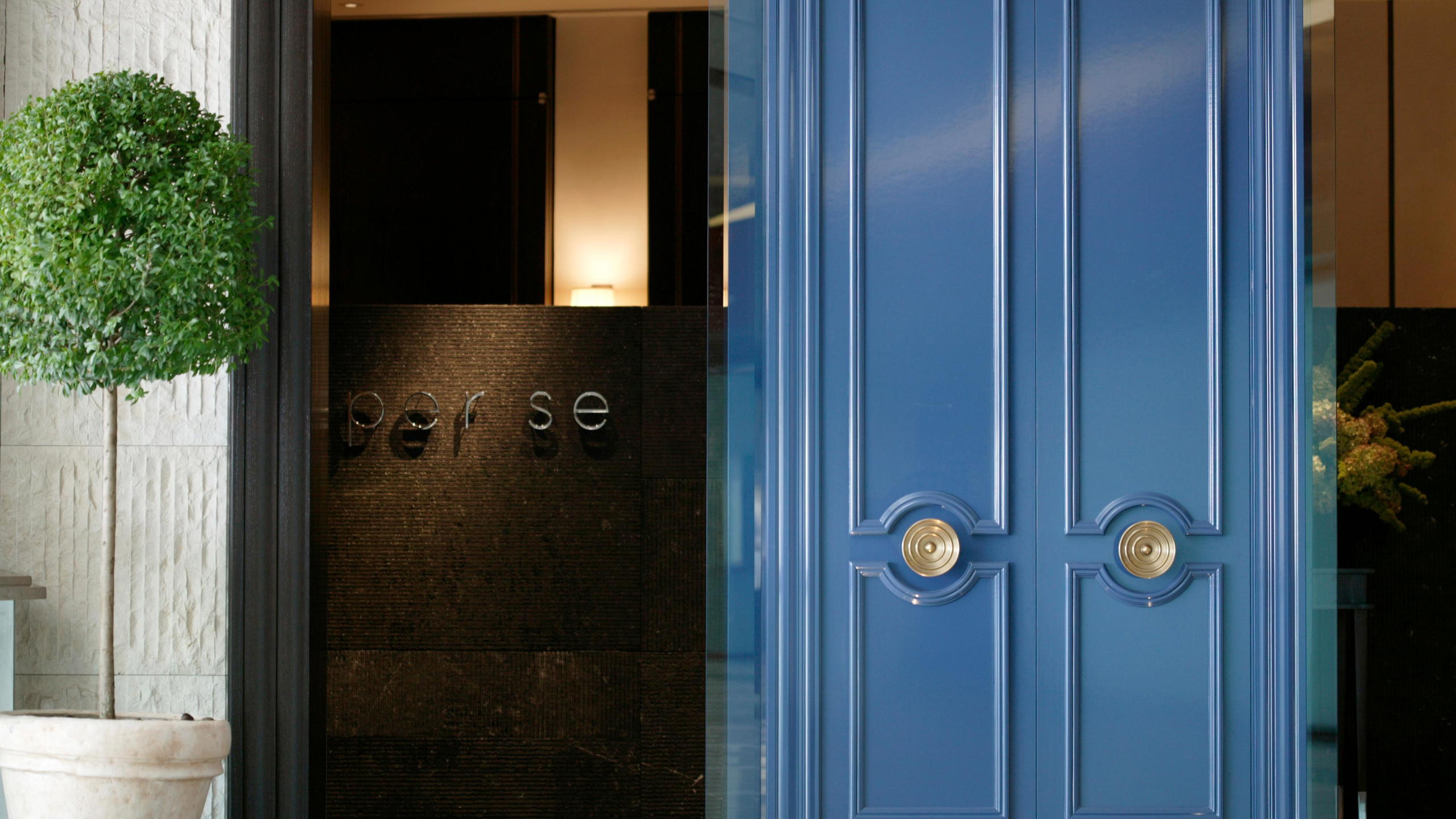
Per Se
New York City, United States
Per Se is New York's formal French-contemporary counterpoint to the city's looser bistro revival: a tasting-menu room built on ceremony, cellar depth, Central Park views rather than neighborhood spontaneity. Chef Chad Palagi leads the kitchen, with Thomas Keller as owner; recognition includes three Michelin stars in 2024, La Liste 92 points in 2026, OAD North America ranking in 2026.

Maní
São Paulo, Brazil
Maní holds a Michelin star and a 95-point La Liste score while occupying a distinct position in São Paulo's creative dining scene: technically precise Brazilian cooking that draws on Amazonian ingredients without losing sight of European technique. Chef Helena Rizzo and Willem Vandeven's menu places vegetables and native produce at its structural centre, earning the restaurant a decade of international recognition including a 2014 peak of #36 on the World's 50 Best list.

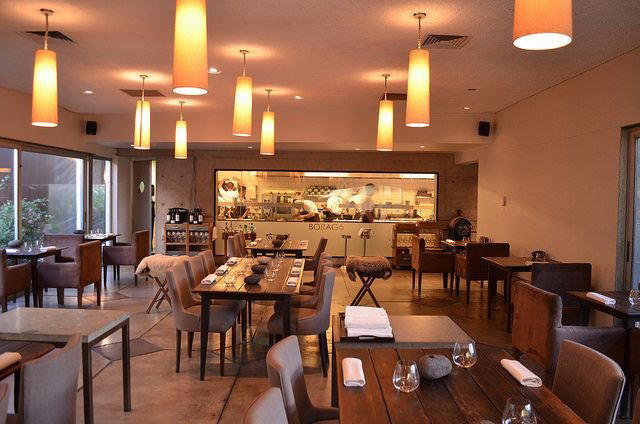
Boragó
Santiago, Chile
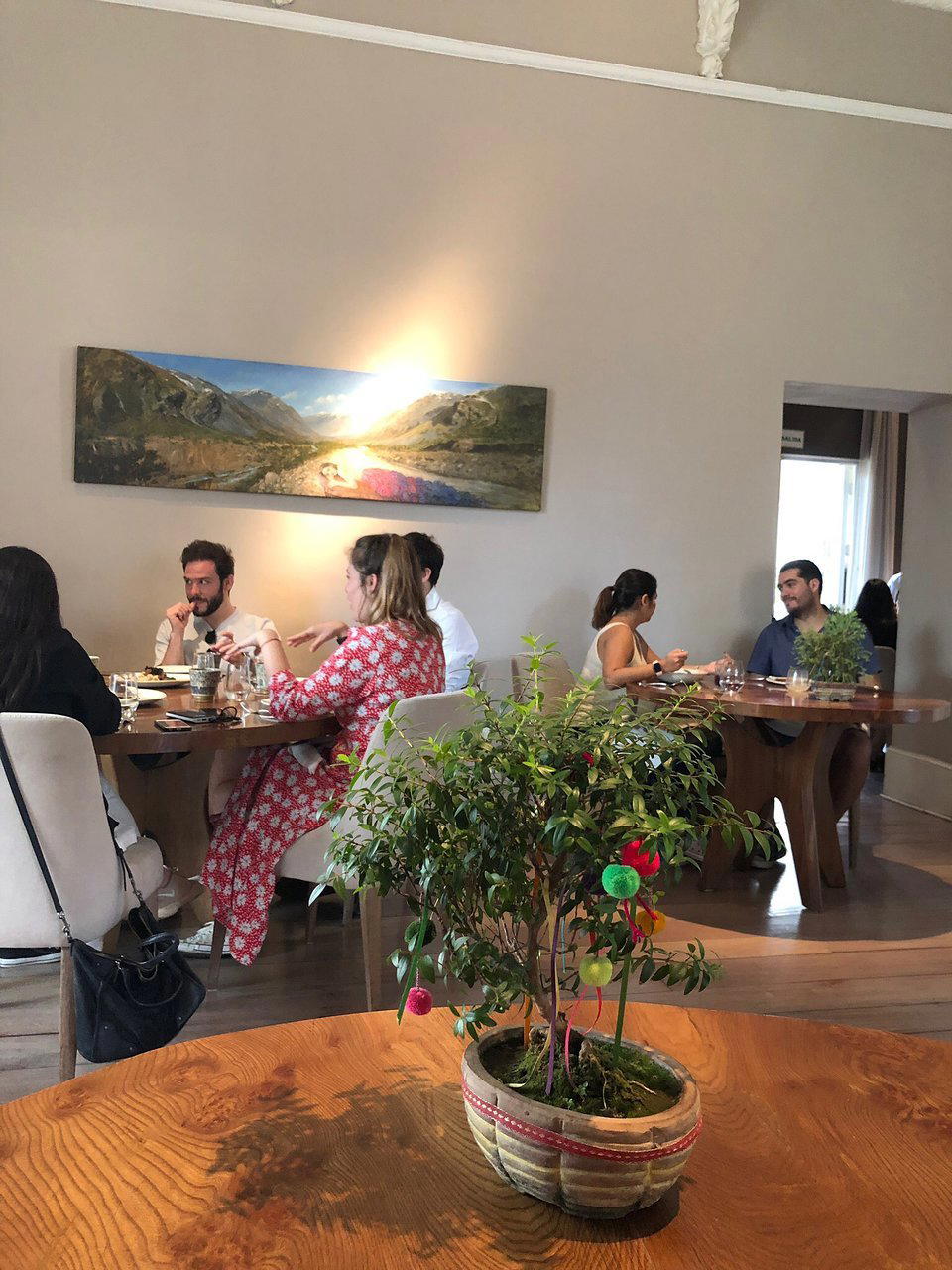
Boragó has held a place in the World's 50 Best Restaurants every year since 2015, its tasting menu, Endémica, remains one of South America's most rigorous expressions of native-ingredient cooking. Chef Rodolfo Guzmán works with over 200 foragers and small producers across Chile, drawing from coastlines, high-altitude terrain, a biodynamic orchard to build a menu rooted in Mapuche food culture.

Tickets
Barcelona, Spain
Tickets in Barcelona reimagined tapas as playful, modernist Spanish cuisine under Albert Adrià’s hand. Must-try plates included the signature half-liquid olive, a seasonal tasting menu that shifts with local produce, whimsical desserts served from the restaurant’s nostalgic ice-cream van. The setting married a circus-themed palette with precise modernist technique, delivering dishes that surprised with texture and bright, balanced flavors. Celebrated internationally, ranking #25 on The World’s 50 Best Restaurants in 2017 and featured on Chef’s Table (Volume 5, Episode 4), Tickets combined accessible tapas energy with haute gastronomy, creating instantly memorable bites and a lively, sensory dining rhythm in Barcelona’s Poble Sec neighborhood.

Maido
Lima, Peru
Named The World's Best Restaurant 2025 by the 50 Best organisation, Maido occupies a specific position in Lima's dining scene: the city's clearest expression of Nikkei cuisine, where Japanese technique meets Peruvian ingredient with precision and seasonal intent. Chef Mitsuharu Tsumura has built a decade-and-a-half of credential around this intersection, earning consecutive top-ten rankings and a loyal international following from a Miraflores address on Calle San Martín.

Relae
Copenhagen, Denmark

Restaurant André
Singapore, Singapore
At Restaurant André, dinner unfolds as a quietly luxurious narrative where terroir, seasonality, memory guide each course. In an intimate, art-forward dining room, Chef André crafts modern French cuisine with Asian sensibility, precise, poetic, deeply personal, elevating pristine ingredients into elegant expressions of texture, temperature, time. Attentive yet near-invisible service, a discerning cellar with thoughtful pairings, an atmosphere of hushed refinement create a rarefied experience that lingers well beyond the final bite, an invitation to savor beauty, restraint, the pleasure of considered craft.

Alain Ducasse au Plaza Athénée
Paris, France
Historical profile: Alain Ducasse au Plaza Athénée at 25 Av. Montaigne, 75008 Paris is listed by Google Places as permanently closed as of a June 21, 2026 audit. Active booking, hours, contact details have been removed.

Schloss Schauenstein
Fürstenau, Switzerland
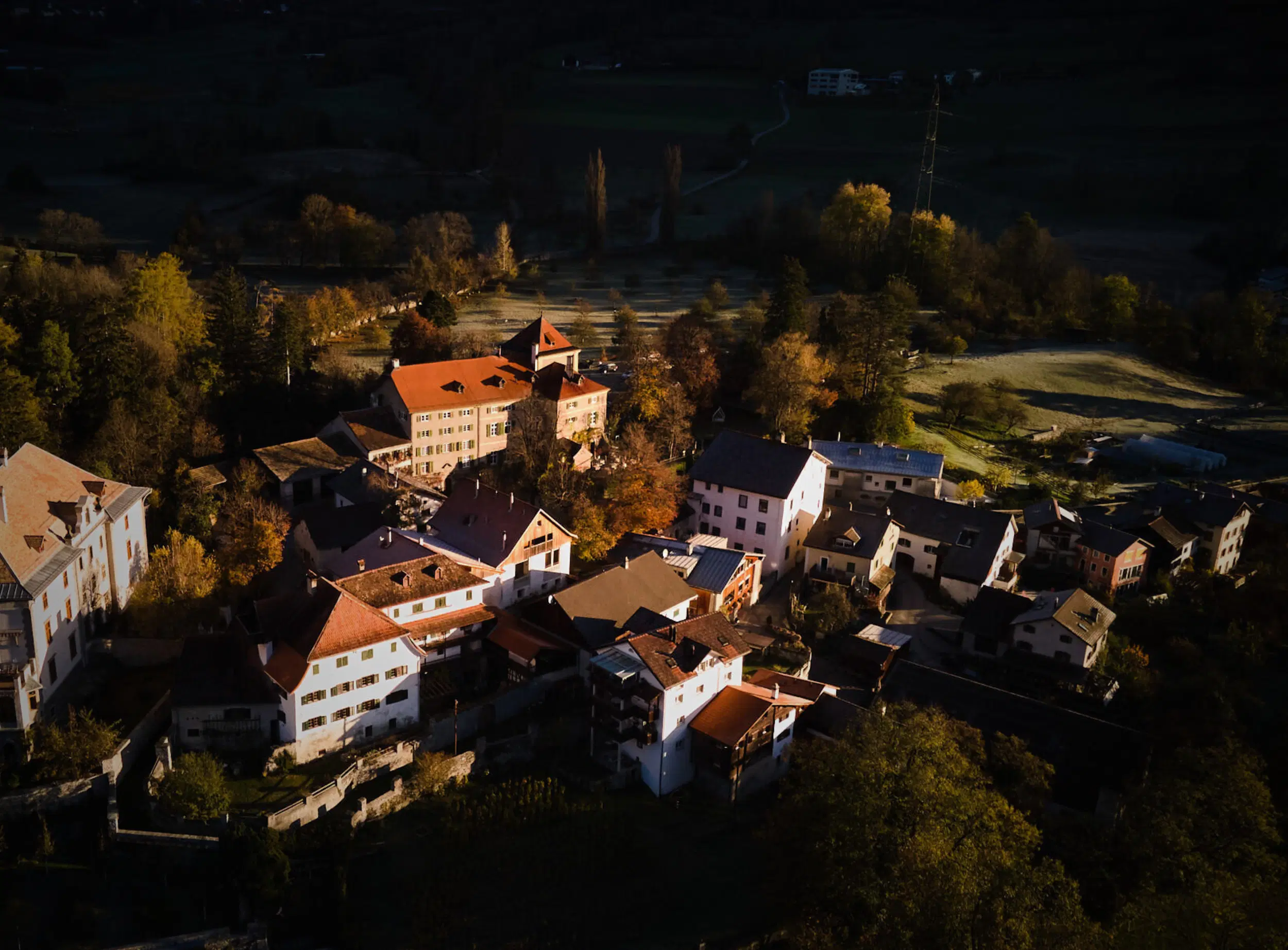
Schloss Schauenstein occupies a medieval castle in the village of Fürstenau, deep in the Swiss canton of Graubünden. The kitchen, guided by Andreas Caminada and Marcel Skibba, holds three Michelin stars and a sustained presence in the World's 50 Best since 2010. Vegetables sit at the centre of a creative European menu that draws on alpine produce and precision technique.

Blue Hill at Stone Barns
Tarrytown, United States
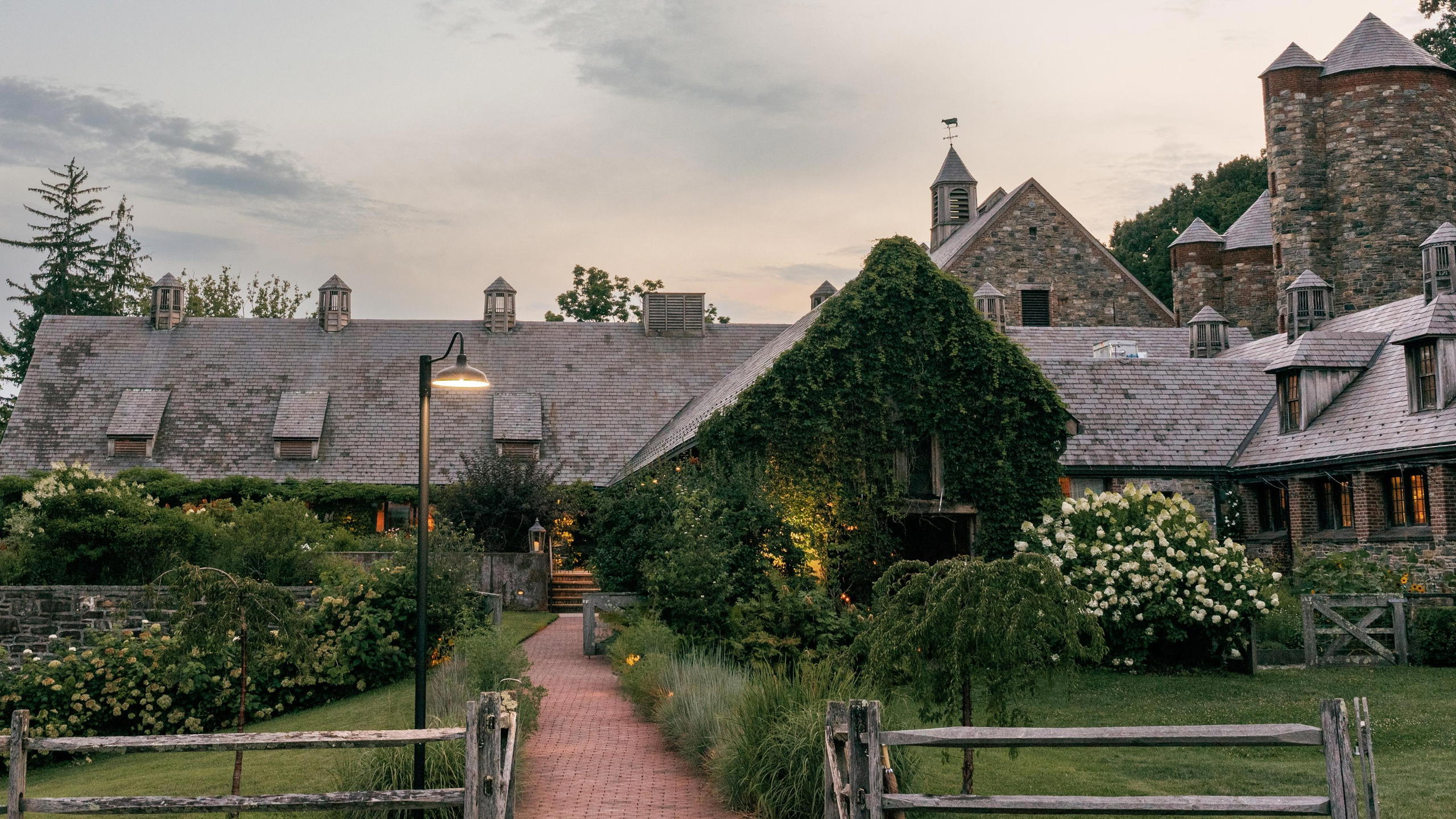
Blue Hill at Stone Barns is the Hudson Valley's defining argument for farm-led American dining: a working agricultural campus, a progressive kitchen, a wine program with serious depth. The restaurant's recognition, from Michelin 2 Stars in 2024 to Star Wine List accreditation and La Liste scoring, matters because the format is not conventional luxury; it is a meal built around land, season, supply.

The French Laundry
Napa, United States
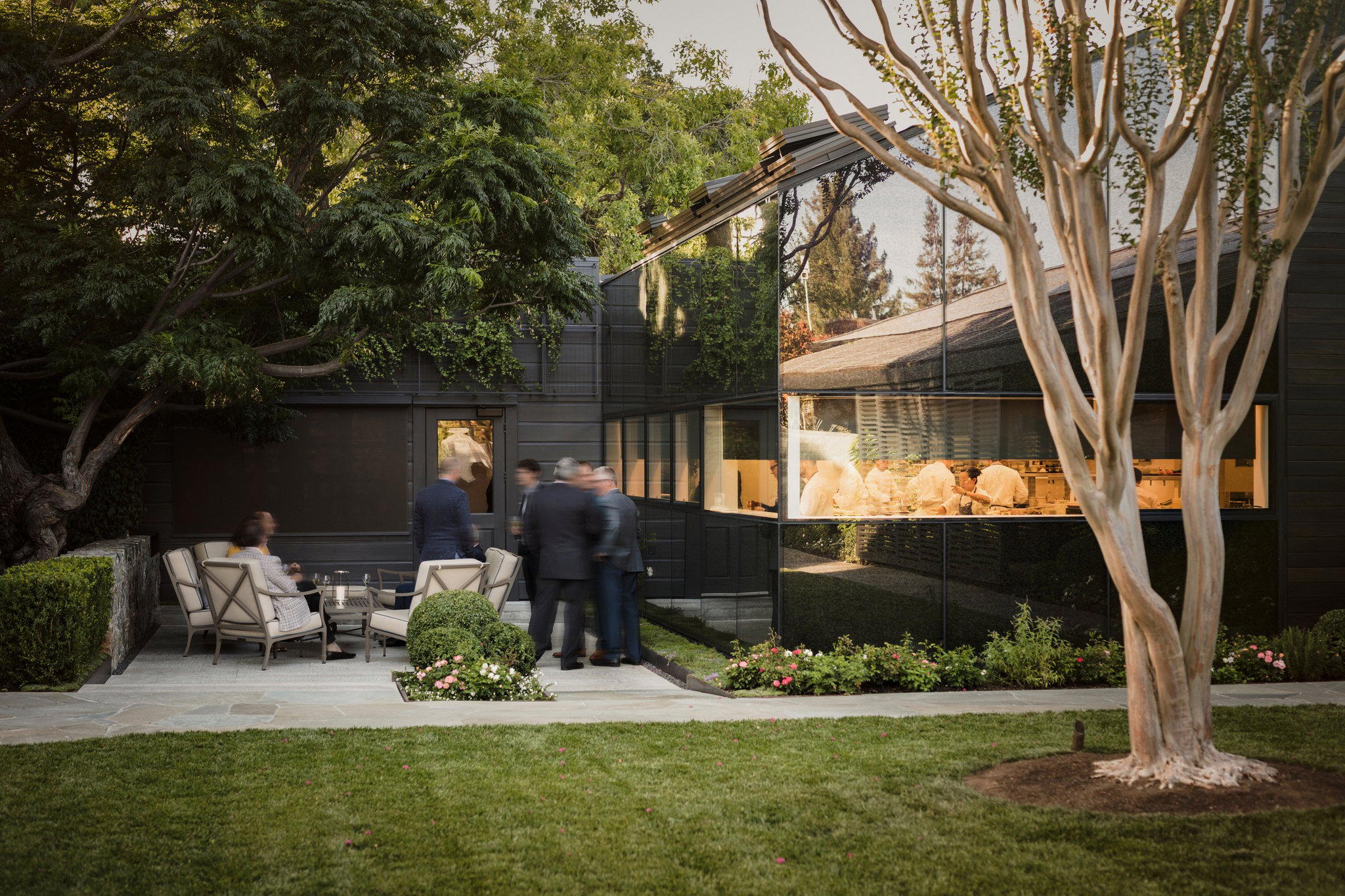
Three Michelin stars and a Michelin Green Star since 2025, The French Laundry in Yountville operates a nightly tasting menu with reservations opening two months in advance. Chef Ara Jo leads the kitchen under Thomas Keller's ownership, with a wine program spanning 3,000 selections across 22,000 bottles and a cellar weighted toward California, Burgundy, Bordeaux.
Overview
The 2015 World's 50 Best Restaurants crowned El Celler de Can Roca in Girona, Spain as the top restaurant globally. The list spans 50 venues across 22 countries and 36 cities, with Osteria Francescana (Modena) and Noma (Copenhagen) completing the podium. This edition saw a complete roster turnover from the previous year's list.
The 2015 edition represents a complete refresh of the ranking system, with all 50 restaurants new to this particular list compared to the previous edition. The top 10 spans four continents, with strong representation from Europe (Spain, Italy, Denmark, UK) and notable entries from Asia (Japan, Thailand), South America (Peru, Brazil), and North America (United States). Spain places two restaurants in the top 10 with El Celler de Can Roca and Mugaritz, while the geographic spread extends from Tokyo to Lima to New York City. The list covers 36 different cities across 22 countries, showing significant global reach in the restaurant selection process.
El Celler de Can Roca took the top spot in the 2015 World's 50 Best Restaurants, ahead of Modena's Osteria Francescana and Copenhagen's Noma. The list represents a complete change from the previous year's roster, with all 50 restaurants new entries. Spain leads the top 10 with two placements, while the full list spans 22 countries and 36 cities globally. Central in Lima and Eleven Madison Park in New York City round out the top five, with Gaggan Anand in Bangkok claiming the 10th position.
Quick Facts
- Total Restaurants
- 50
- Countries Represented
- 22
- Cities Represented
- 36
- Top Restaurant
- El Celler de Can Roca (Girona, Spain)
- New Entries
- 50
- Spain in Top 10
- 2 restaurants
About This Edition
The 2015 World's 50 Best Restaurants shows significant geographic diversity, with 22 countries represented across 36 cities. Europe maintains a strong presence in the top rankings, placing five restaurants in the top 10, led by Spain's El Celler de Can Roca in Girona. Italy, Denmark, and the United Kingdom each contribute one restaurant to the upper tier. Asia claims two spots in the top 10 through Narisawa in Tokyo and Gaggan Anand in Bangkok. South America secures two positions with Central in Lima at fourth and D.O.M. in São Paulo at ninth. North America enters once with Eleven Madison Park in New York City at fifth. The complete turnover from the previous edition indicates a fundamental shift in the list's composition or methodology. The geographic distribution extends from established fine dining capitals like Paris and London to emerging culinary destinations across Southeast Asia and South America, reflecting the global expansion of high-end dining culture during this period.
Frequently Asked Questions
Which restaurant won the 2015 World's 50 Best Restaurants?
How many countries are represented in the 2015 list?
Which restaurants made the top 5 in 2015?
How many restaurants from the previous edition returned?
How many of these have you visited?
Find out on Pearl and keep score across every place in 2015 World's 50 Best Restaurants.