






Mugaritz
Progressive, Innovative · Errenteria
Restaurant in Errenteria, Spain
 Book with Pearl
The Read
Conceptual Tasting Protocol
Price
$300–500per person
Chef
Andoni Luis Aduriz
Dress
Smart Casual
Why go
Mugaritz is a restaurant in Errenteria in Spain's Basque Country.
About Mugaritz
Mugaritz is the Errenteria booking for diners who want progressive, innovative cooking rather than a familiar luxury meal. The essentials are direct: chef-owner Andoni Luis Aduriz, a €€€€ price level, smart-casual dress, and a seasonal closure from November 1 to April 30. Its awards profile is substantial, including Michelin 2 Stars in 2024, Guía Repsol 3 Soles in 2026, The Best Chef Three Knives in 2025, World's 50 Best Restaurants #3 in 2011, La Liste Top Restaurants 77.5pts in 2025, and Opinionated About Dining Top Restaurants in Europe #109 in 2026.
The recommendation is clear but narrow: book it if your group is excited by progressive cooking and a restaurant known for innovation. Choose another option if the priority is a more familiar fine-dining experience or a meal built around classic comfort. The restaurant's recognition gives it serious credibility, but the right mindset still matters. This is a high-commitment table, and the payoff is strongest for diners who specifically want Mugaritz's experimental reputation in Errenteria.
Errenteria's destination table for diners who want the experimental route
Chef Andoni Luis Aduriz is the key reason to book: the cooking is progressive and innovative, which makes the restaurant a natural fit for diners looking beyond conventional luxury cues. For first-timers, the decision should start with appetite for that style. If the table wants a safer, more classical meal, compare other high-end choices in the wider region. If the table wants a meal defined by ideas and innovation, Mugaritz is the one to prioritize.
Because the restaurant is in Errenteria, it works well as an intentional destination rather than an incidental stop. That helps explain why it matters locally: it draws serious diners to Errenteria and makes the city part of a broader destination-dining itinerary. For planning around the area, use our full Errenteria restaurants guide first, then plan the rest of the trip around the opening days and seasonal closure.
The experience rewards curiosity more than classic luxury instincts
Mugaritz is best approached as a serious destination restaurant, not as a low-risk splurge. That makes it a stronger fit for diners who are aligned on progressive, innovative cooking than for mixed-interest parties. A first-timer should expect the value to come from the restaurant's distinctive culinary direction rather than from generic luxury signals alone.
Value is therefore not just about the usual markers of expense. At this level, the question is whether the restaurant gives you something meaningfully different from a more classical fine-dining booking nearby. For diners who follow contemporary restaurant culture and want a benchmark progressive experience, Mugaritz has a clear role. For visitors who simply want an expensive meal that will satisfy everyone, the risk profile is higher.
The seasonal closure also changes how to think about timing: this is not a year-round fallback. Hours list the restaurant as closed on Monday, open Tuesday and Wednesday from 8 pm to 12 am, open Thursday through Saturday from 12:30 to 5 pm and 8 pm to 12 am, and open Sunday from 12:30 to 5 pm, with closure from November 1 to April 30. If the restaurant is the main reason for the visit, plan lodging and transport around those hours rather than assuming it can be slotted in later.
Who should book, and who should choose a safer peer
Book Mugaritz if the appeal is Andoni Luis Aduriz's progressive, innovative cooking and the restaurant's international recognition. Consider Arzak, Martin Berasategui, Kokotxa, Amelia by Paulo Airaudo, or iBAi by Paulo Airaudo if your group wants another high-end reference point in the wider dining conversation. For a lower-stakes plan, look at other Errenteria dining rooms instead of treating Mugaritz as the default choice for every occasion.
Planning details
- Hours
- Monday: Closed · Tuesday: 8 pm–12 am
- Location
- Aldura Gunea Aldea, 20, 20100 Errenteria, Gipuzkoa, Spain
- Reservations
- Book on the venue's website
- Website
- mugaritz.com
- Phone
- +34 943 52 24 55
The take
The Take
The Vibe
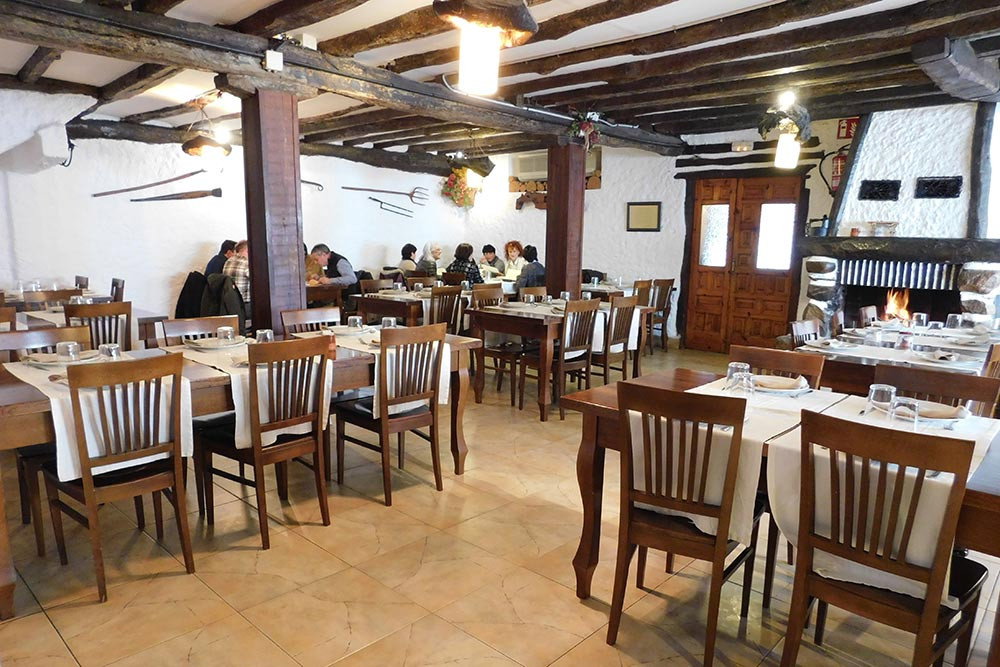
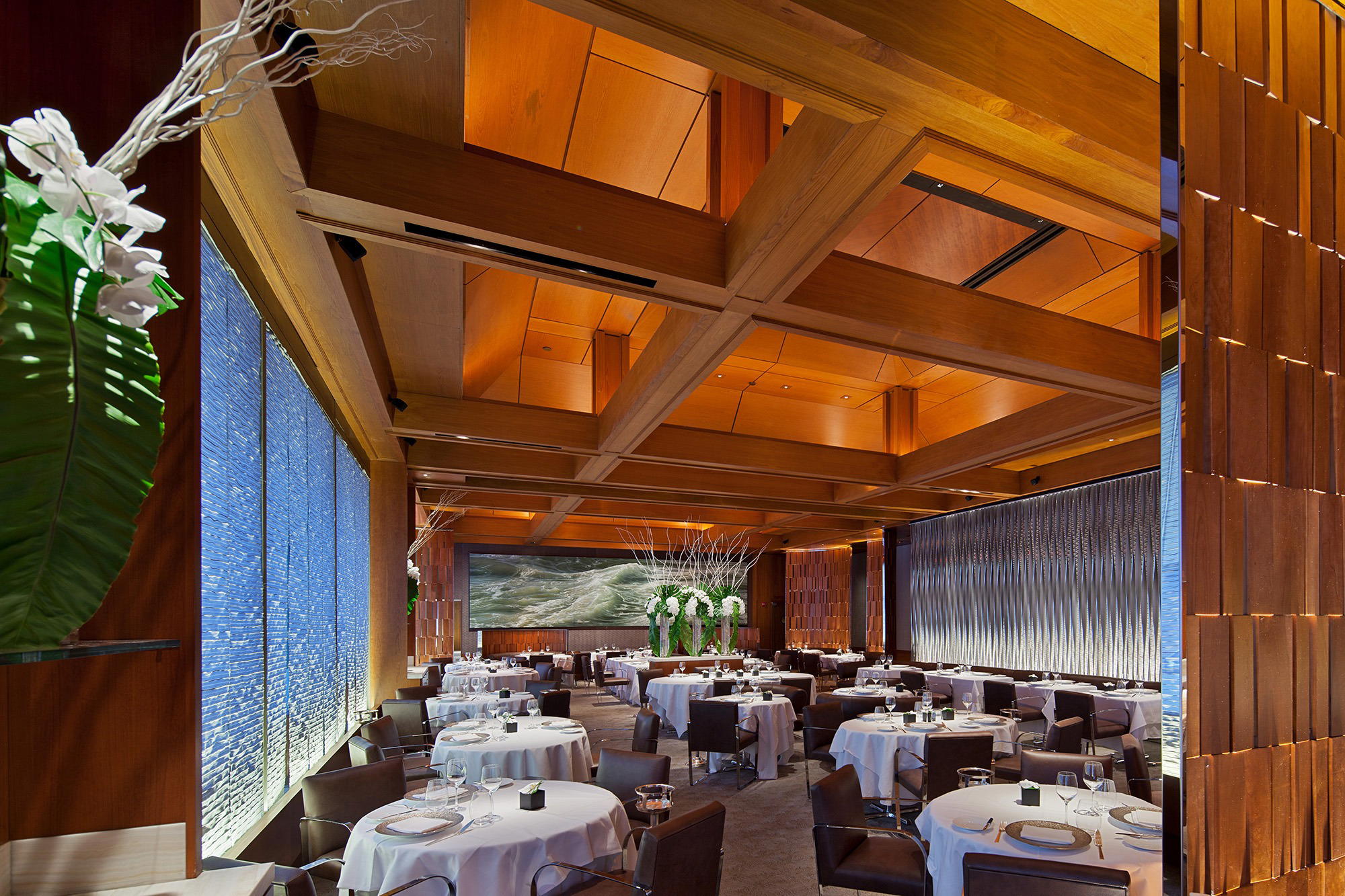
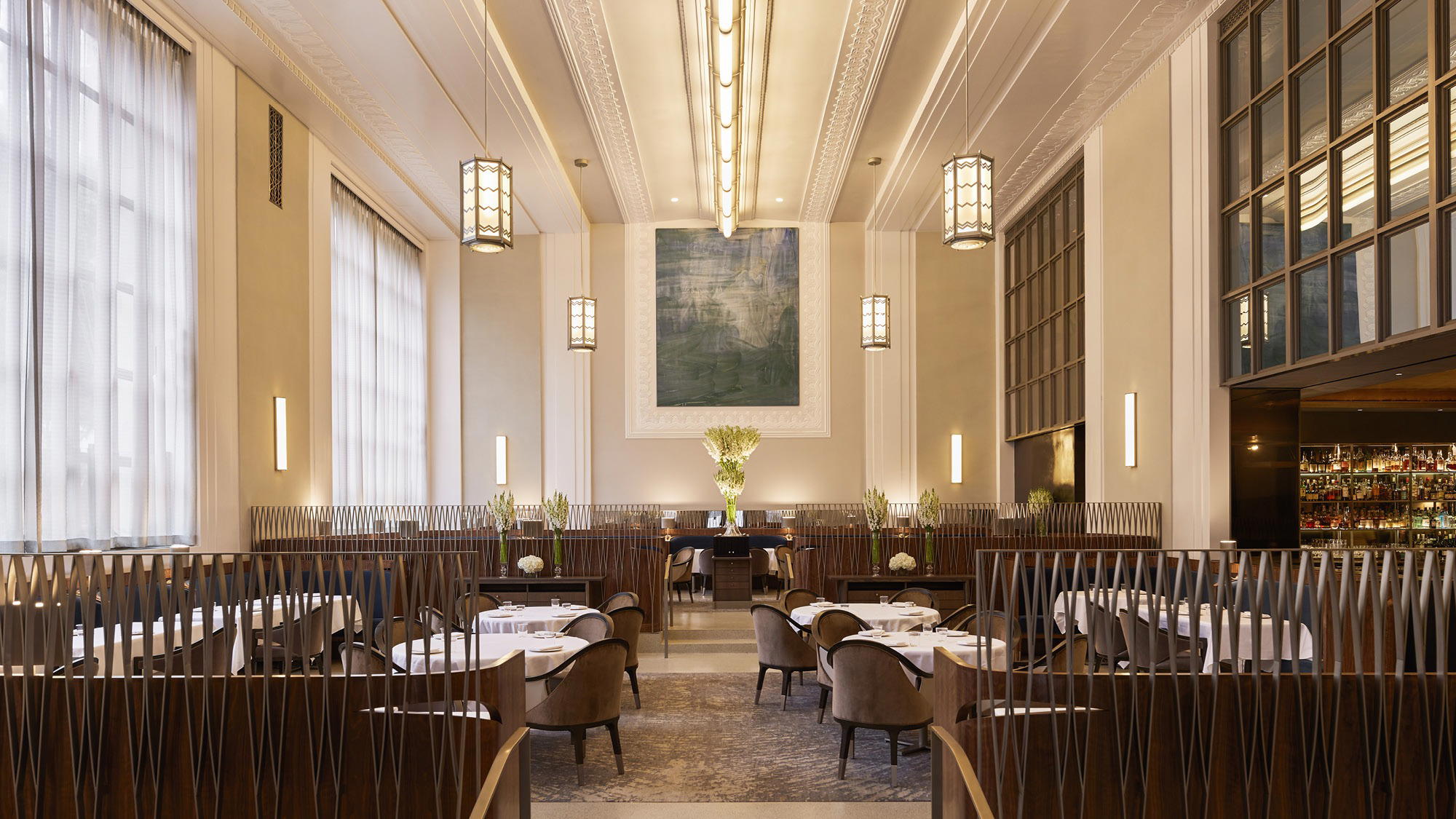
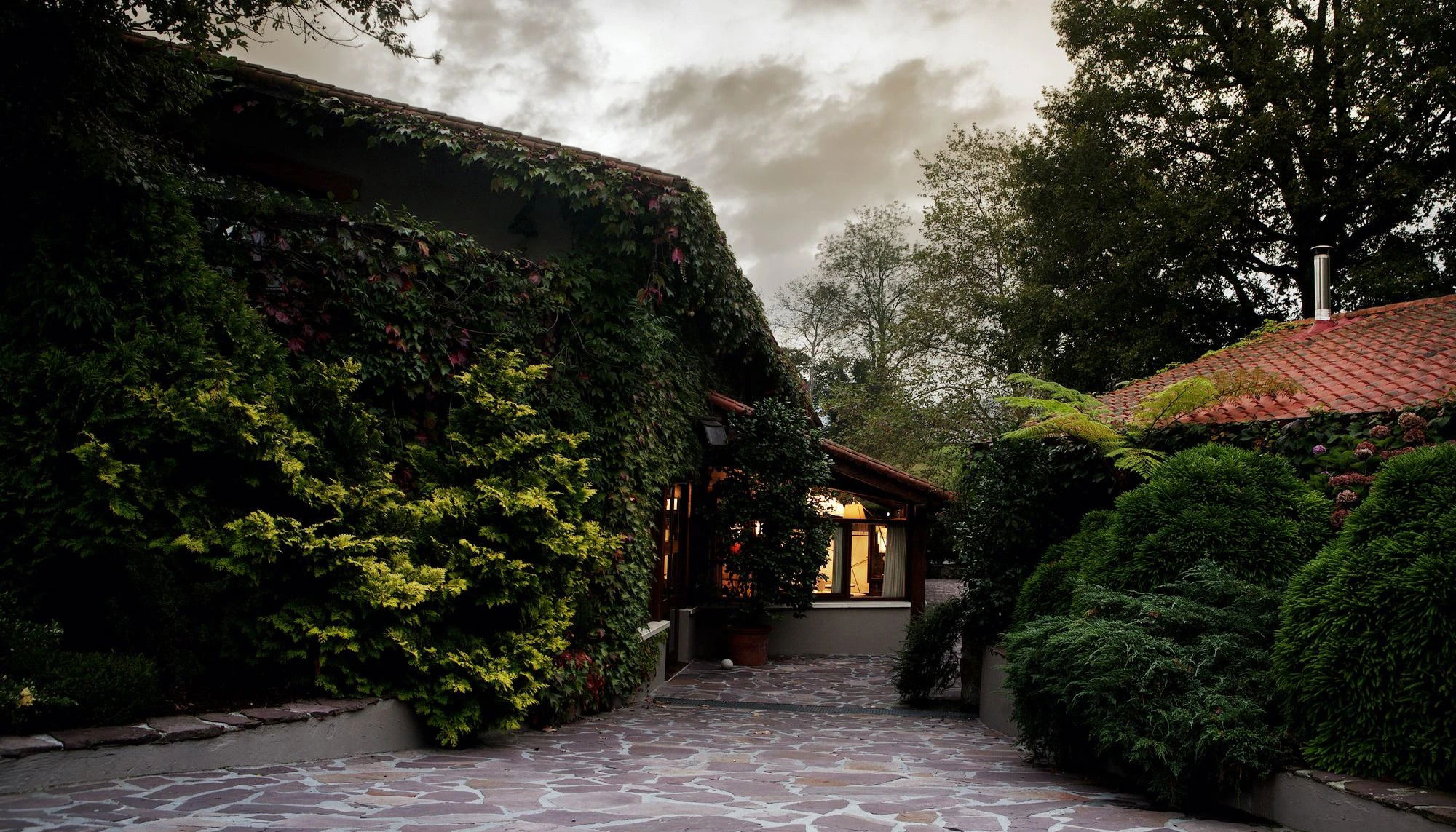
Mugaritz occupies a deliberately liminal place—geographically on the edge of Errenteria and creatively on the edge of Basque culinary tradition. The writing frames the restaurant as a modern laboratory of taste: trained in local tradition and refined under Ferran Adrià, it pursues destabilisation, play and deliberate incompleteness rather than classical resolution. The result is a high‑end, inventive dining environment that reads as scenic and modern, with a global reputation comparable to other landmark Basque institutions. The tone of the restaurant is experimental and exacting rather than cozy or conventional.
Best For
This is a destination tasting‑menu restaurant aimed at diners seeking an adventurous, formal meal. The copy situates Mugaritz alongside three‑Michelin‑star peers and highlights a two‑decades‑long commitment to pushing the boundaries of what a tasting menu can do, marking it as suitable for special occasions and serious gastronomes. Its hill‑country setting outside the city frames the visit as deliberate and intentional: guests come for the curated sequence and the intellectual culinary gesture as much as for any single dish.
Ordering Tips
The description emphasizes Mugaritz as a tasting‑menu laboratory, so the sensible approach is to treat the meal as a guided sequence rather than à la carte exploration. Expect courses that challenge formal expectations—playful and deliberately incomplete compositions—and lean into the kitchen’s narrative. Because the restaurant’s identity is built around a cohesive tasting experience, diners should anticipate a multi‑course, chef‑led progression and be prepared to engage with inventive techniques and conceptual dishes.
Venue details
Ambiance
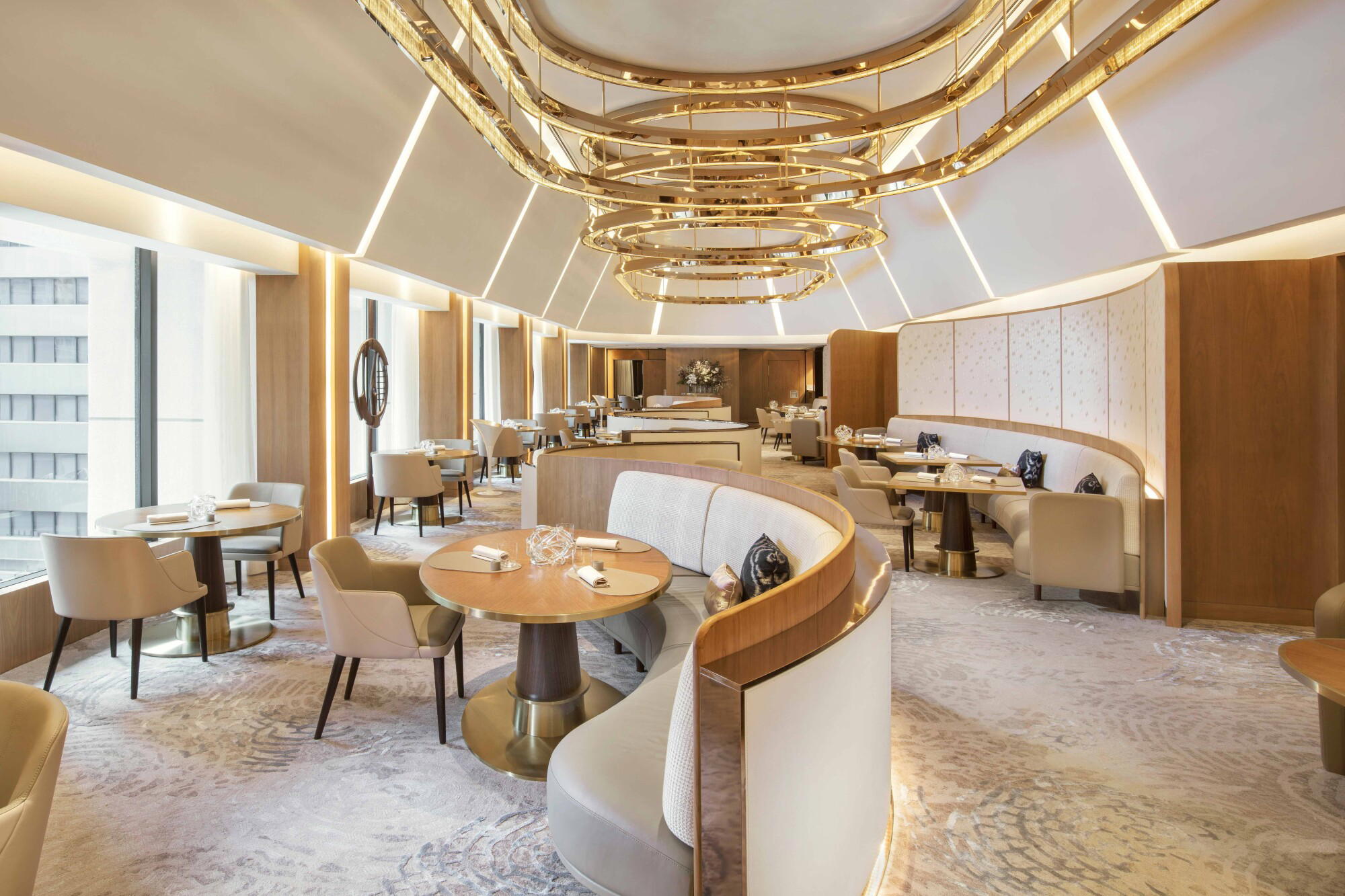
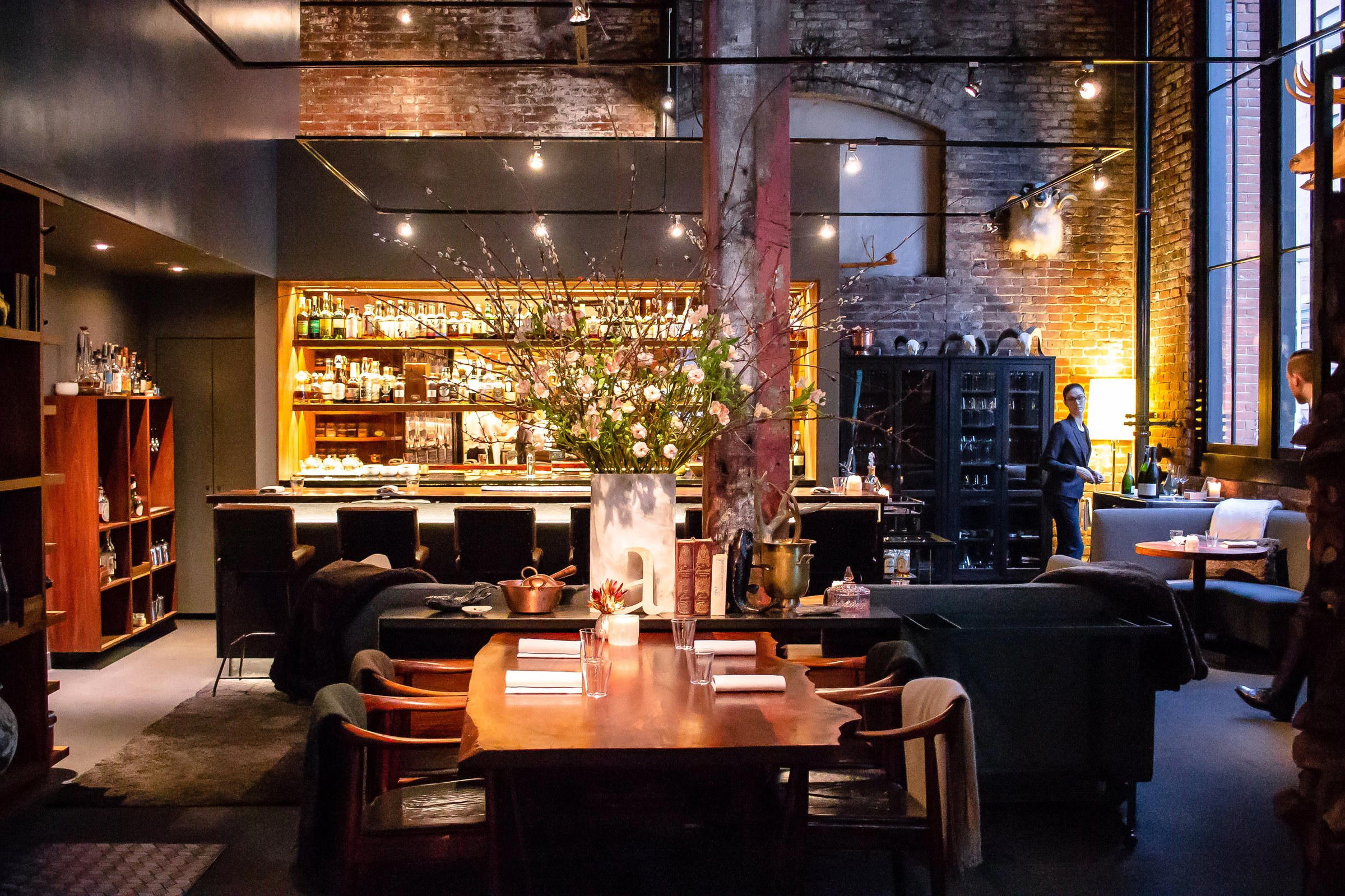
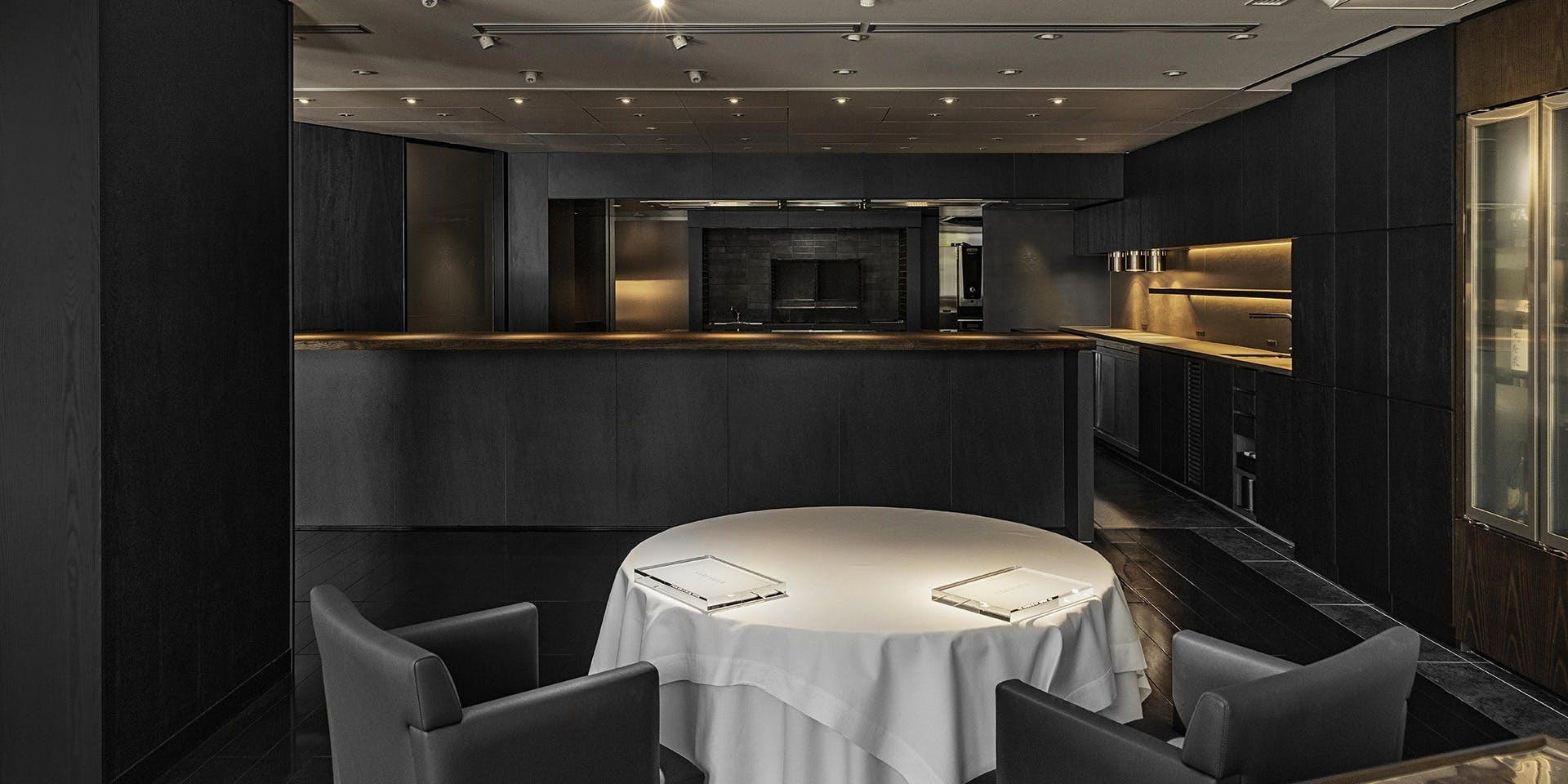
Elegant and serene setting with impeccable dish presentations, though service can feel detached.
Tags
Vibe
Best For
Experience
Sourcing
View
At the Table
- Dress Code
- Smart Casual
- Noise Level
- Quiet
- Service Style
- Formal
- Meal Pacing
- Extended Experience
- Capacity
- Intimate
- Menu Format
- Tasting menu
- Wine Program
- Curated
- Dietary
- Vegetarian friendly
- Outdoor Seating
- Yes
Know before you go
Know Before You Go
- Getting there
- Aldura Gunea Aldea, 20, 20100 Errenteria, Gipuzkoa, Spain
Planning details
Hours
- Monday
- Closed
- Tuesday
- 8 pm–12 am
- Wednesday
- 8 pm–12 am
- Thursday
- 12:30–5 pm, 8 pm–12 am
- Friday
- 12:30–5 pm, 8 pm–12 am
- Saturday
- 12:30–5 pm, 8 pm–12 am
- Sunday
- 12:30–5 pm Closure November 1-April 30
Location
Aldura Gunea Aldea, 20, 20100 Errenteria, Gipuzkoa, Spain · Directions
Recognition and awards





Also consider
Also Consider
- Arzak, Modern Basque, Creative, €€€€
- iBAi by Paulo Airaudo, Basque, €€€€
- Amelia by Paulo Airaudo, Creative, €€€€
- Martin Berasategui, Progressive Spanish, Creative, €€€€
- Kokotxa, Basque, Modern Cuisine, €€€€
Restaurant context
How It Compares
Mugaritz is the right splurge for diners who want the most experimental meal in this set, while Arzak is the safer modern Basque choice for first-timers who want creativity without as much conceptual risk. Both sit in the €€€€ tier, but the decision is less about price and more about appetite for surprise: choose Mugaritz for a more challenging progressive format, Arzak for a more familiar creative Basque frame.
Martin Berasategui is the better fit for diners who want a polished destination-restaurant arc with progressive Spanish cooking, especially for a mixed group or a classic special occasion. iBAi by Paulo Airaudo and Amelia by Paulo Airaudo keep the meal in the high-end Basque and creative lane, but they are easier to explain to a group that wants luxury signals and less intellectual friction.
Kokotxa is the cross-shop for diners who want Basque modern cuisine in a more compact city-meal format. If the goal is value for money within the €€€€ tier, Kokotxa may feel less demanding; if the goal is a meal that defines the trip and sparks debate afterward, Mugaritz is the more distinctive call.
Explore Errenteria
Around this place
Discover more on Pearl
Unlock the full Mugaritz guide in Pearl, including awards, comparisons, FAQs, planning details, and nearby places.
Compare Mugaritz
| Venue | Location | Cuisine | Awards | Price |
|---|---|---|---|---|
| Mugaritz | Errenteria | Progressive, Innovative | 2026 OAD Top Restaurants in Europe Ranked · #109Star Wine Lists 2026Guía Repsol Soles 20262026 Michelin 2 Stars2026 La Liste Top Restaurants2025 World's 50 Best Restaurants · #872025 OAD Top Restaurants in Europe Ranked · #1482025 La Liste Top Restaurants2025 Michelin 2 Stars | €€€€ |
| Arzak | San Sebastián | Modern Basque, Creative | 2026 OAD Top Restaurants in Europe Ranked · #102Star Wine Lists 2026Guía Repsol Soles 20262026 La Liste Top Restaurants2026 Michelin 3 Stars2025 OAD Top Restaurants in Europe Ranked · #1252025 The Best Chef Two Knives2025 Michelin 3 Stars2025 La Liste Top Restaurants | €€€€ |
| iBAi by Paulo Airaudo | San Sebastián | Basque | 2026 OAD Casual in Europe Ranked · #12Star Wine Lists 20262026 Michelin 1 Star2025 Michelin 1 Star2025 OAD Casual in Europe2024 Michelin 1 Star | €€€€ |
| Amelia by Paulo Airaudo | San Sebastián | Creative | Star Wine Lists 2026 · #12026 OAD Top Restaurants in Europe Ranked · #1042026 La Liste Top Restaurants2026 Les Grandes Tables du Monde Members2026 Michelin 2 Stars2025 OAD Top Restaurants in Europe Ranked · #1022025 Wine Spectator Best of Award of Excellence2025 La Liste Top Restaurants2025 Michelin 2 Stars | €€€€ |
| Martin Berasategui | Lasarte - Oria | Progressive Spanish, Creative | 2026 OAD Top Restaurants in Europe Ranked · #48Star Wine Lists 2026Guía Repsol Soles 20262026 La Liste Top Restaurants2026 Michelin 3 Stars2026 Falstaff Restaurant Guide2025 OAD Top Restaurants in Europe Ranked · #67We're Smart World Top Restaurants 20252025 La Liste Top Restaurants | €€€€ |
| Kokotxa | San Sebastián | Basque, Modern Cuisine | Guía Repsol Soles 20262026 OAD Top Restaurants in Europe Recommended2026 Michelin 1 Star2025 OAD Top Restaurants in Europe Ranked · #2942025 Michelin 1 Star2024 OAD Top Restaurants in Europe Ranked · #3902024 Michelin 1 Star2023 OAD Top New Restaurants in Europe Highly Recommended | €€€€ |









How Mugaritz Errenteria compares with similar nearby venues.
FAQ
Frequently Asked Questions
Is Mugaritz good for solo dining?
It can be, if you are comfortable choosing a €€€€ restaurant for progressive, innovative cooking. The Michelin 2 Stars recognition makes it a serious commitment, so it suits diners who specifically want to focus on Mugaritz itself.
What should I wear to Mugaritz?
The dress code is smart casual. Aim for polished, composed clothing rather than anything overly formal.
Does Mugaritz handle dietary restrictions?
What are alternatives to Mugaritz in the region?
For other high-end reference points, consider Arzak, Martin Berasategui, Kokotxa, Amelia by Paulo Airaudo, or iBAi by Paulo Airaudo. In Errenteria itself, compare Mugaritz with other local dining rooms depending on the kind of meal you want.
Is lunch or dinner better at Mugaritz?
Use the hours to decide. Mugaritz is open for dinner Tuesday through Saturday from 8 pm to 12 am, and for lunch Thursday through Sunday from 12:30 to 5 pm. It is closed Monday and seasonally from November 1 to April 30.
Is Mugaritz good for a special occasion?
Yes, if the occasion suits progressive, innovative cooking. The Michelin 2 Stars, 3 Soles from Guía Repsol, and €€€€ pricing all signal a high-commitment restaurant rather than a casual celebration.
Is Mugaritz worth it?
It is most likely to feel worth it if the goal is to experience Andoni Luis Aduriz's progressive, innovative approach in Errenteria. If your group wants a more familiar fine-dining experience, compare it with options such as Arzak or Martin Berasategui before committing.