2018 World's 50 Best Restaurants: The Complete Rankings
Globally recognized 2018 ranking honoring the world's top dining establishments.
How many of these have you visited?
Discover on PearlVenues on this list

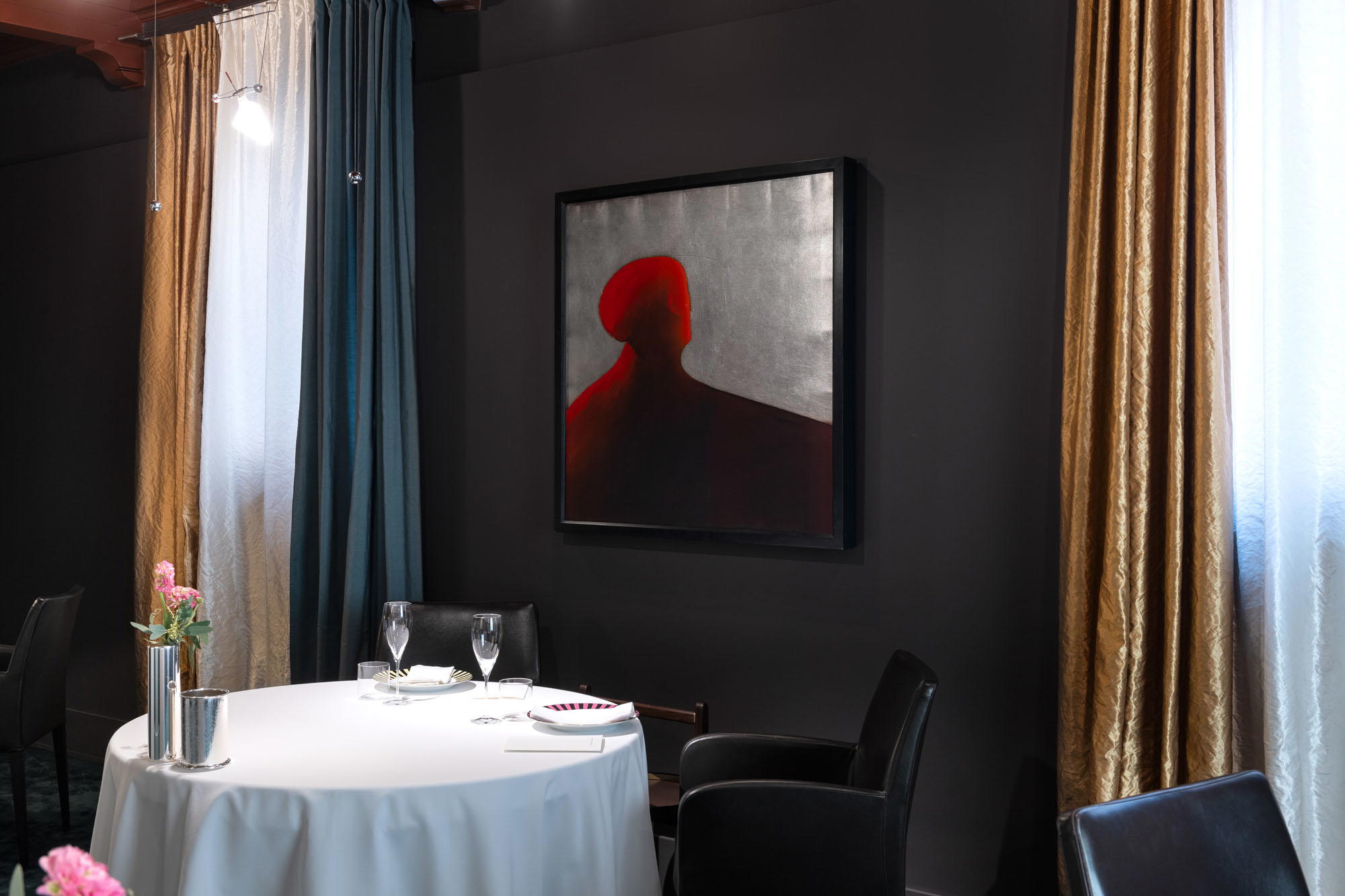
Osteria Francescana
Modena, Italy
Osteria Francescana is Modena’s high-concept reading of Emilia-Romagna, where Parmigiano Reggiano, balsamic vinegar, pasta memory, contemporary Italian technique are treated as cultural material rather than comfort-food nostalgia. Massimo Bottura’s dining room carries rare external validation, including La Liste 97 points in 2026, Les Grandes Tables du Monde membership, sustained international ranking history.

El Celler de Can Roca
Girona, Spain
El Celler de Can Roca sits at the high-theatre end of Girona dining, where Catalan hospitality, progressive Spanish technique and the Spanish habit of shared anticipation are stretched into a formal tasting-menu language. Its three Michelin stars, 99-point La Liste score for 2026 and long history on The World's 50 Best Restaurants make it a benchmark for travellers comparing Girona with Barcelona, Madrid and the wider Iberian creative circuit.

Mirazur
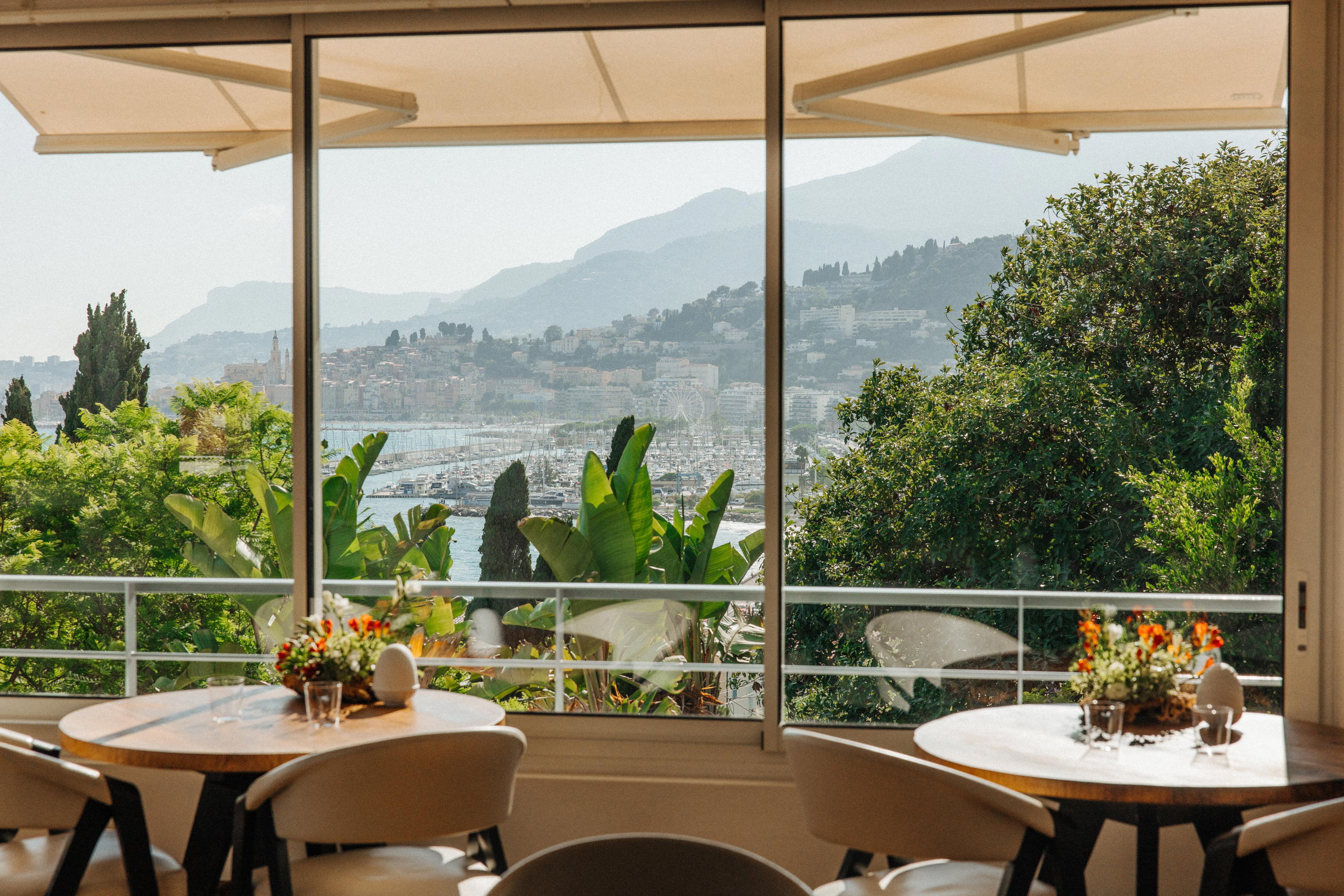
Menton, France
Mirazur is Menton’s defining high-form restaurant, a three-Michelin-star and Michelin Green Star address shaped by Mauro Colagreco’s borderland cooking between France and Italy. Its appeal is not only luxury dining but a tighter reading of place: gardens, coastal proximity, mountain produce and a Modern French, creative format that treats provenance as structure rather than decoration.

Eleven Madison Park
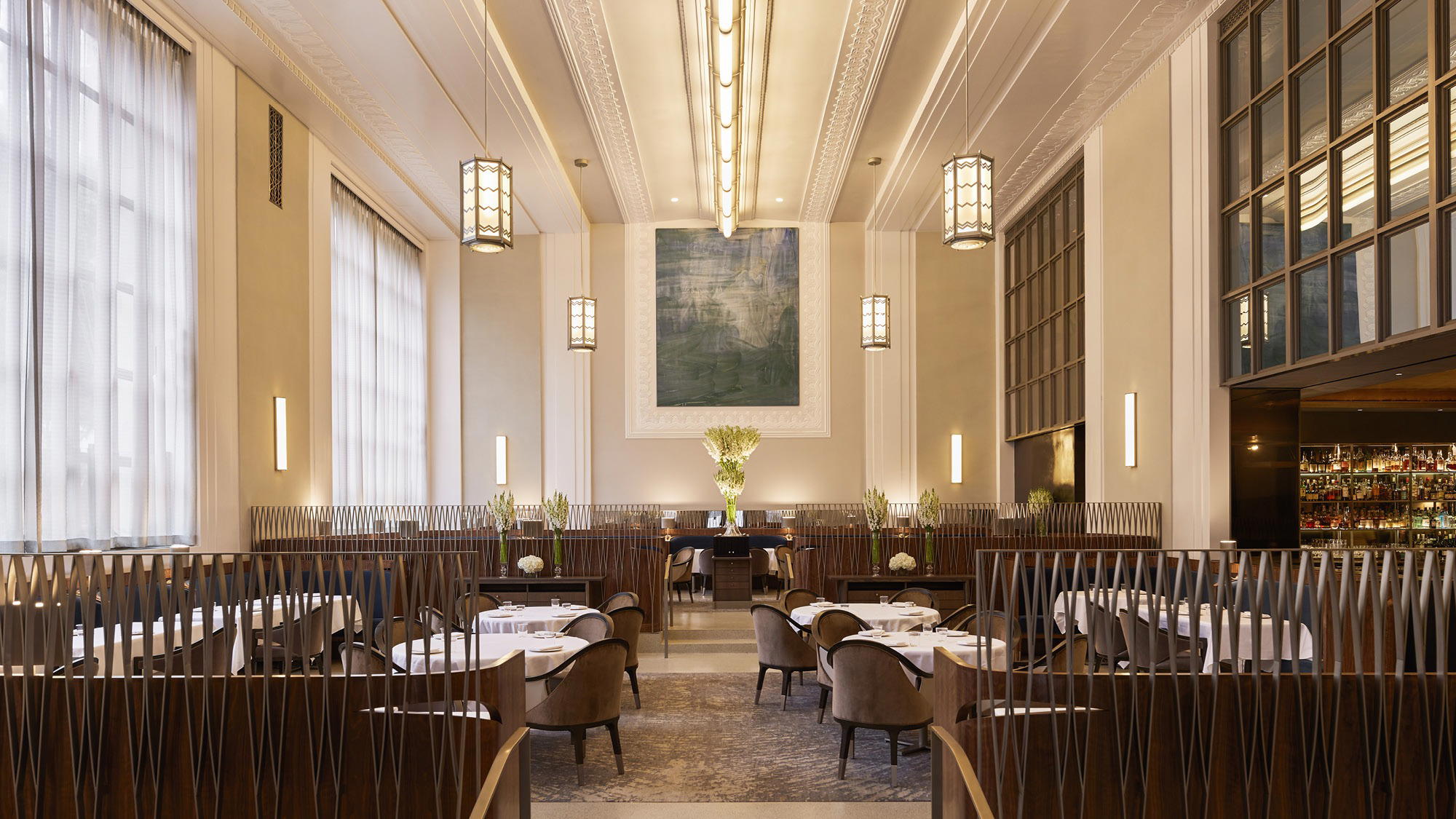
New York City, United States
Eleven Madison Park is where New York fine dining's old signals of luxury meet a plant-based tasting-menu format built around provenance, restraint, a serious wine program. Daniel Humm's kitchen carries major recognition, including OAD's 2026 North America ranking, La Liste scoring, Star Wine List inclusion, Les Grandes Tables du Monde membership, but the more interesting story is how the room tests what luxury means without meat at the center.

Gaggan Anand
Bangkok, Thailand
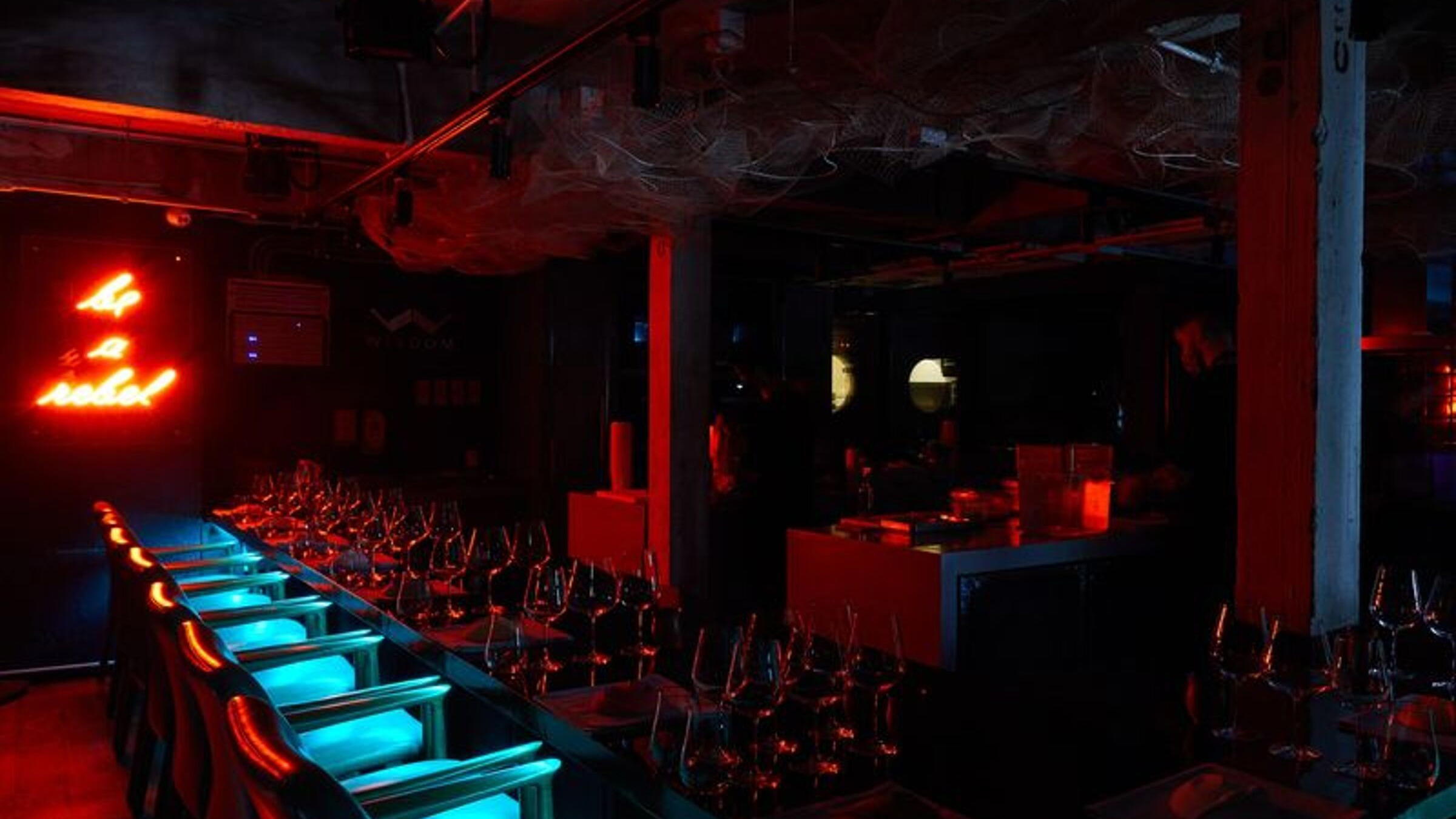
Bangkok's progressive Indian dining scene has few rooms as choreographed as Gaggan Anand, where a 14-seat L-shaped counter turns dinner into a staged sequence of courses, light, sound and participation. The cooking draws from Indian foundations while pulling in French, Thai and Japanese references, with major recognition from Asia's 50 Best Restaurants, Opinionated About Dining and La Liste.

Central
Lima, Peru
Central occupies a converted house in Barranco, Lima's bohemian coastal district, has held the number-one position on the World's 50 Best Restaurants list (2023). The tasting menu moves through Peruvian ecosystems by altitude, ocean floor to high Andes, using ingredients sourced by the research collective Mater Iniciativa. For serious diners visiting Lima, it represents the clearest single-table argument for Peru's biodiversity as a culinary framework.

Maido
Lima, Peru
Named The World's Best Restaurant 2025 by the 50 Best organisation, Maido occupies a specific position in Lima's dining scene: the city's clearest expression of Nikkei cuisine, where Japanese technique meets Peruvian ingredient with precision and seasonal intent. Chef Mitsuharu Tsumura has built a decade-and-a-half of credential around this intersection, earning consecutive top-ten rankings and a loyal international following from a Miraflores address on Calle San Martín.

Arpège
Paris, France
Arpège belongs to the Paris fine-dining tier where technical French cooking is judged against its ability to evolve, not merely preserve. Alain Passard’s long turn from slow-cooked meats toward garden-led cuisine gives the restaurant its critical importance: vegetables are treated as the main argument, backed by Michelin in 2025, La Liste Top Restaurants 2026 at 97 points, decades of international ranking history.

Mugaritz
Errenteria, Spain
Mugaritz sits in Errenteria’s Basque dining orbit as a research-led restaurant shaped by Andoni Luis Aduriz’s long move from regional craft into conceptual cuisine. Its recognition, including Michelin two-star status in 2025, Guía Repsol 3 Soles in 2026, a long history on The World’s 50 Best Restaurants list, signals a table built for diners who want provocation rather than comfort.

Asador Etxebarri
Atxondo, Spain
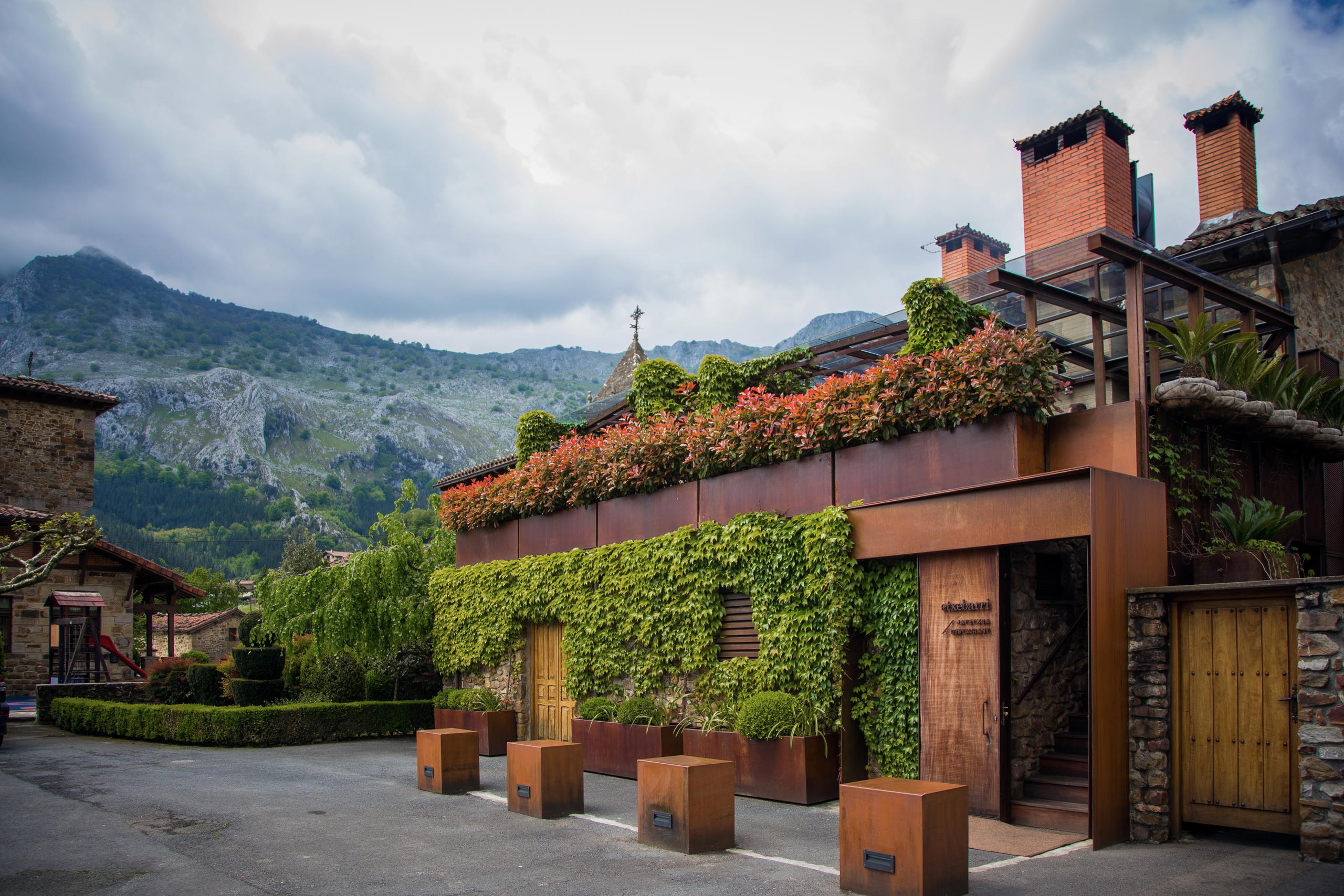
In a mountain village between Bilbao and San Sebastián, Asador Etxebarri has ranked among the World's 50 Best Restaurants continuously since 2008 and holds the title of Best Restaurant in Europe 2025. Victor Arguinzoniz cooks everything over live fire using custom-built grills and a pulley system of his own design, producing a tasting menu that runs to 14 courses and books out months in advance.

Quintonil
Mexico City, Mexico
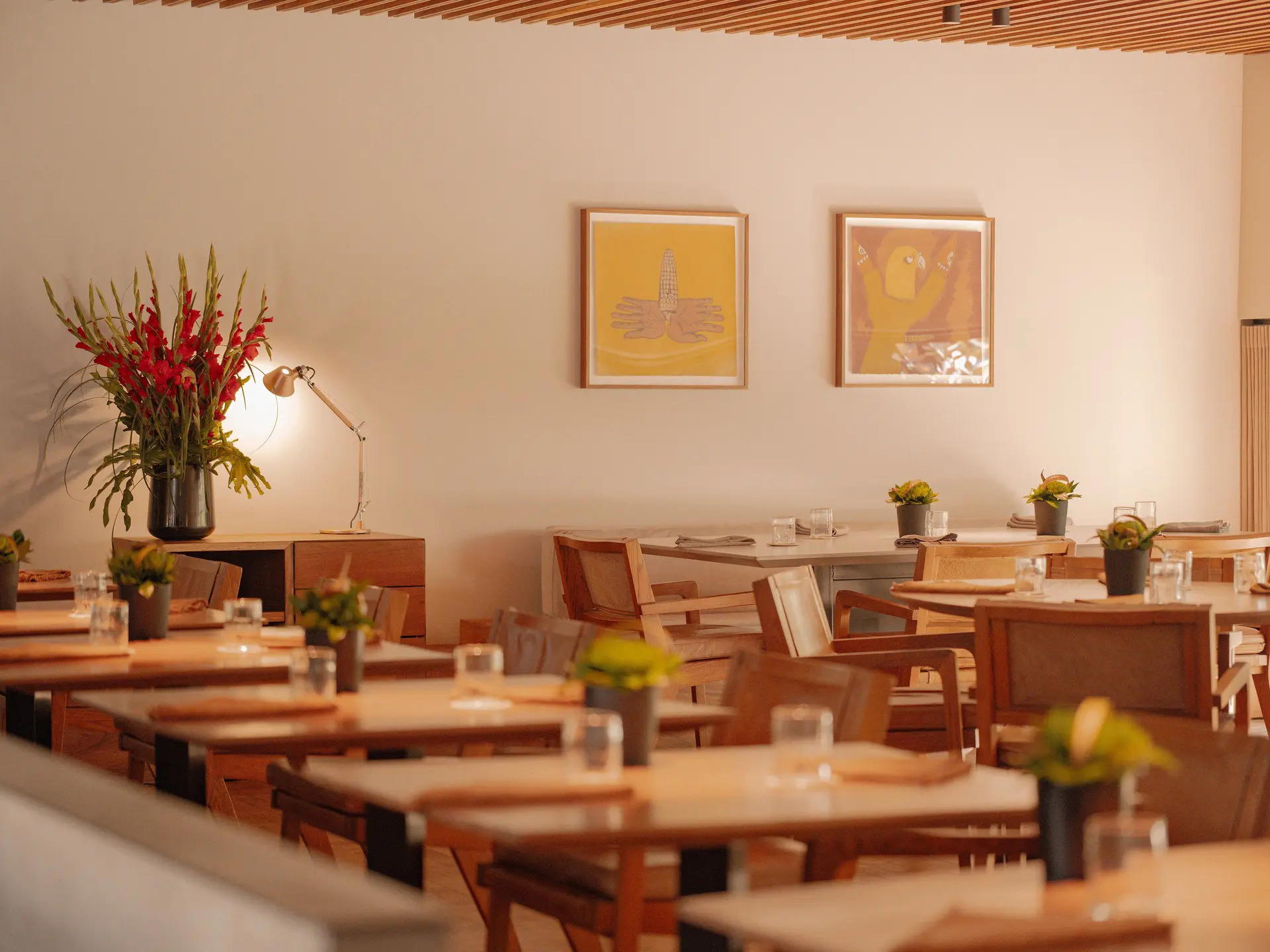
Quintonil is one of Mexico City's defining modern Mexican dining rooms, with Jorge Vallejo's cooking placing native herbs, vegetables, masa, insects and local technique inside a contemporary tasting-menu format. Recognition includes Michelin two stars, Les Grandes Tables du Monde membership, La Liste 96 points for 2026, a 2026 Opinionated About Dining North America ranking at No. 35.

Blue Hill at Stone Barns
Tarrytown, United States
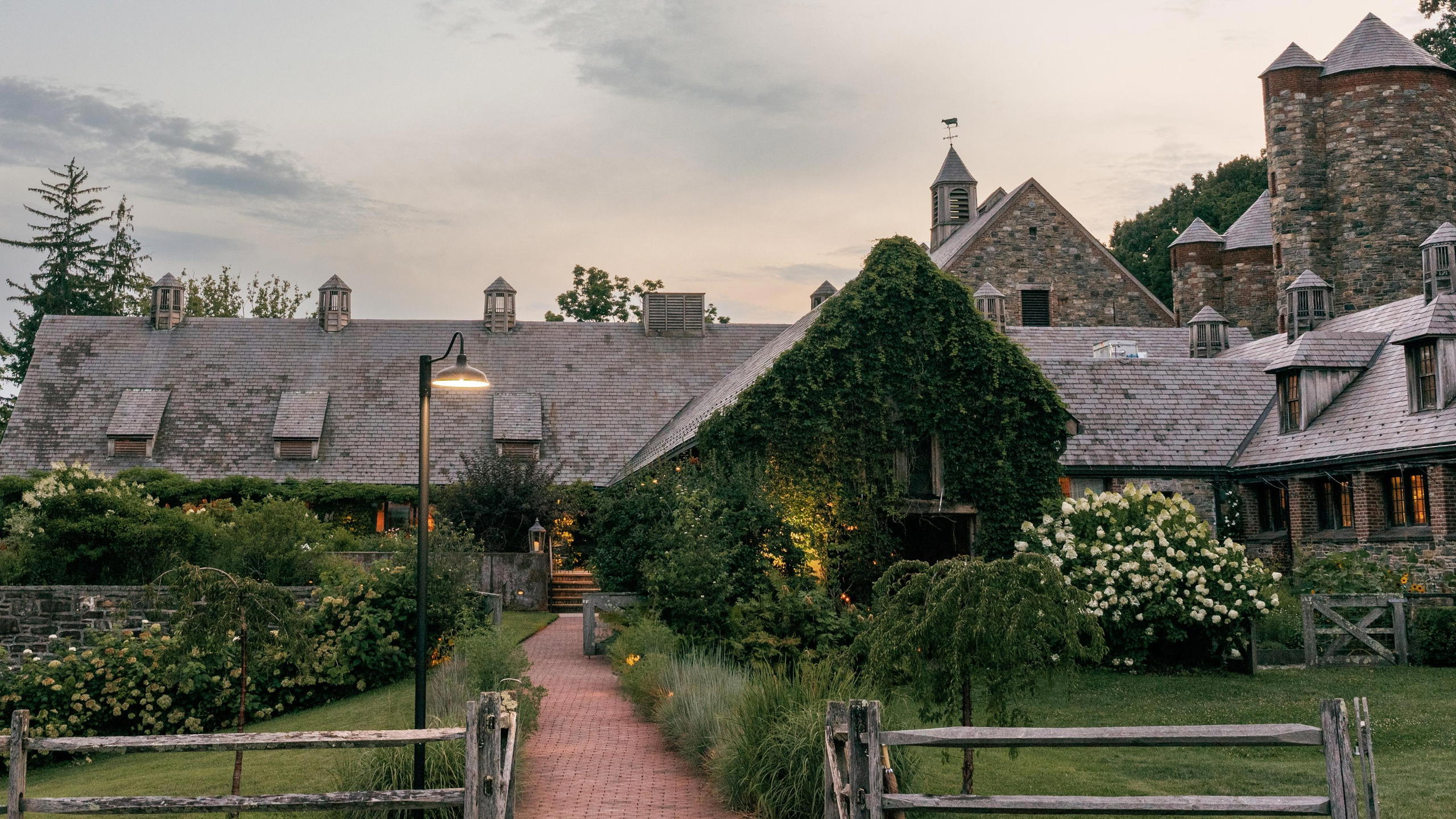
Blue Hill at Stone Barns is the Hudson Valley's defining argument for farm-led American dining: a working agricultural campus, a progressive kitchen, a wine program with serious depth. The restaurant's recognition, from Michelin 2 Stars in 2024 to Star Wine List accreditation and La Liste scoring, matters because the format is not conventional luxury; it is a meal built around land, season, supply.

Pujol
Mexico City, Mexico
Pujol is Mexico City's benchmark modern Mexican dining room, led by Enrique Olvera and carrying Michelin two-star recognition, La Liste 98 points for 2026, a long run on The World's 50 Best Restaurants list. The experience sits in the high-price tier and is better understood as a national culinary reference point than as a simple tasting-menu stop.

Steirereck im Stadtpark
Vienna, Austria
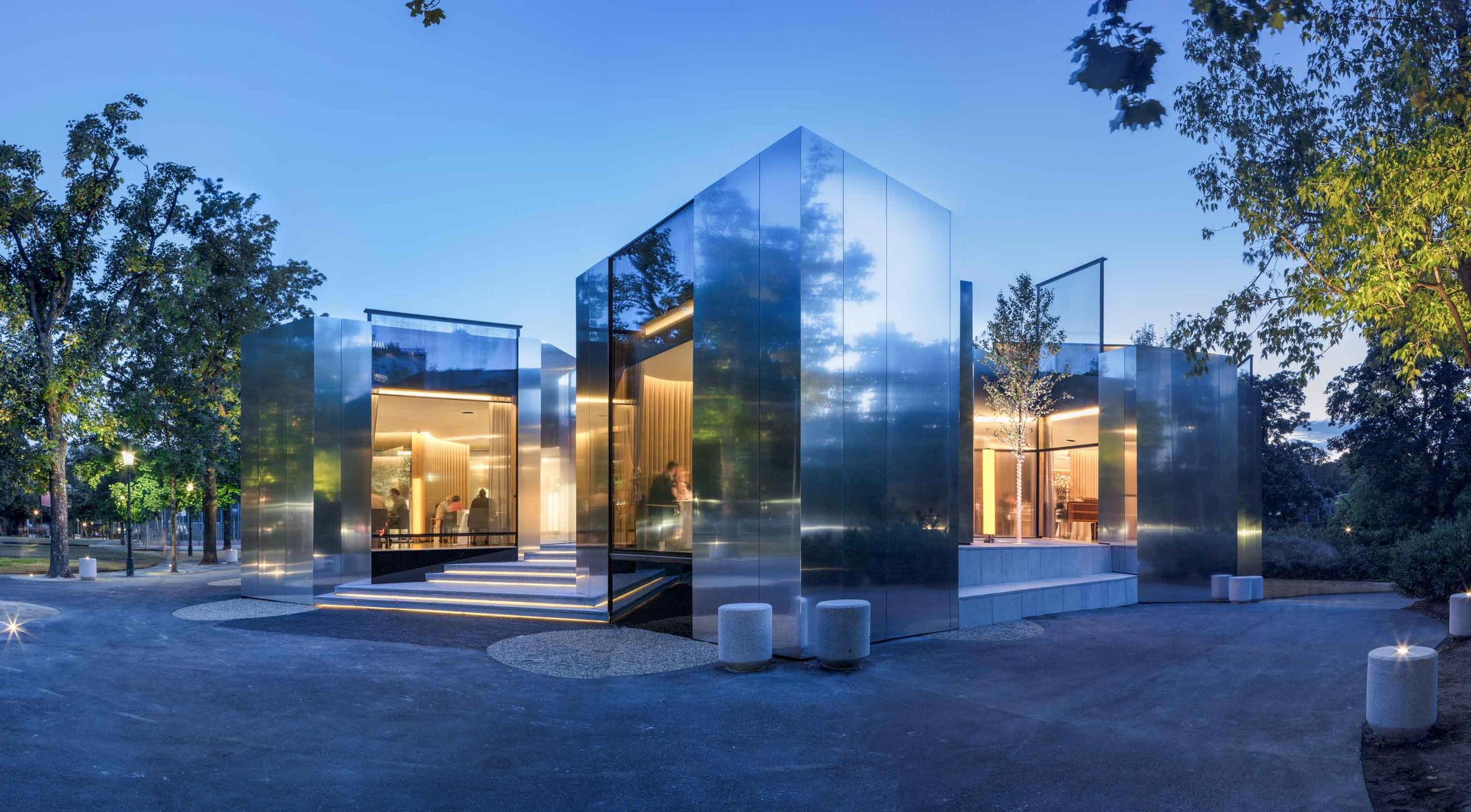
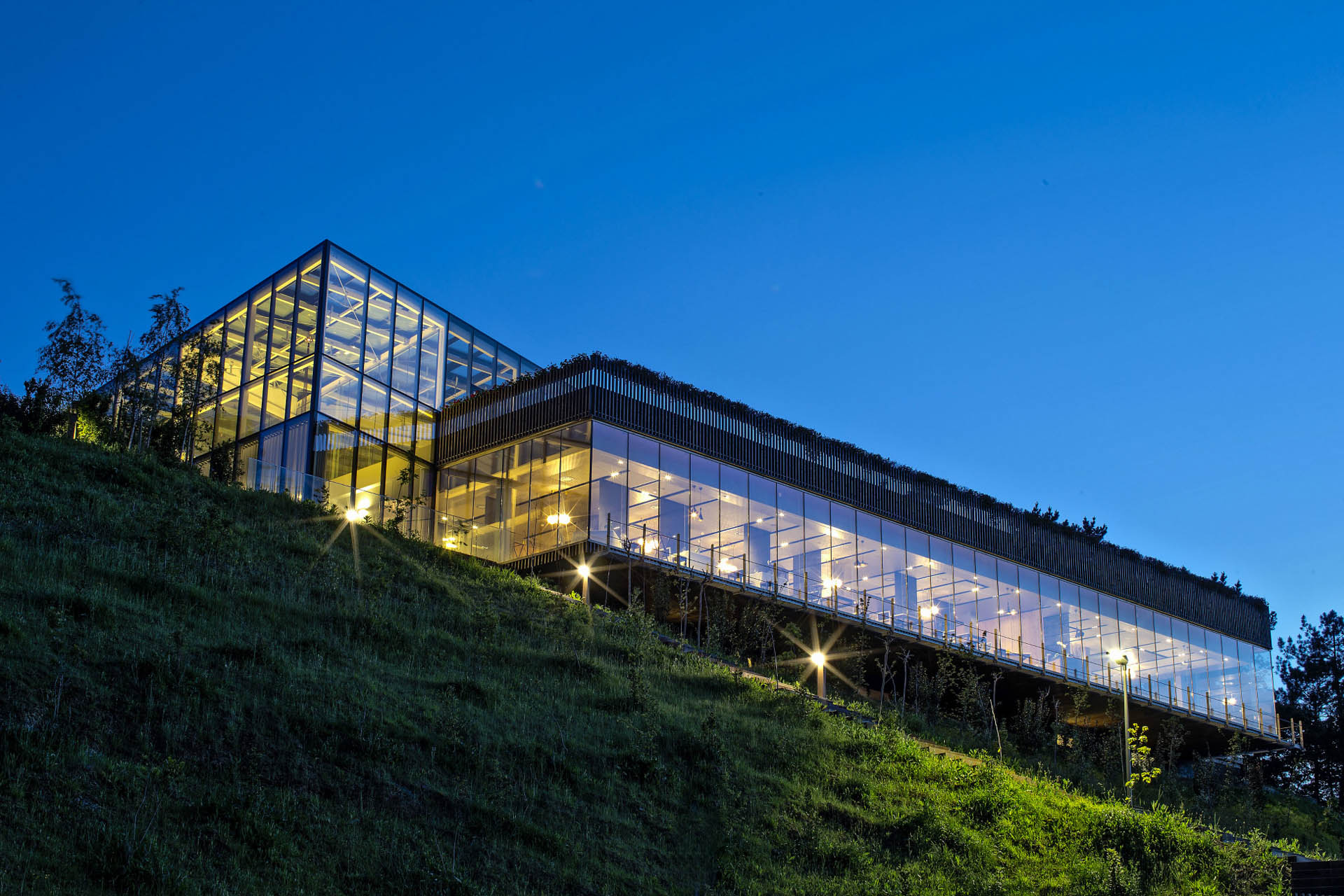
Inside a 1904 pavilion in Vienna's Stadtpark, Steirereck im Stadtpark operates at the intersection of architectural drama and Austrian culinary research. Three Michelin stars and consistent placement inside the World's 50 Best Restaurants top 25 position it as the reference point for serious dining in the city. The menu is built around rare breeds, near-extinct produce varieties, ingredients grown on the building's own rooftop.

White Rabbit
Moscow, Russia
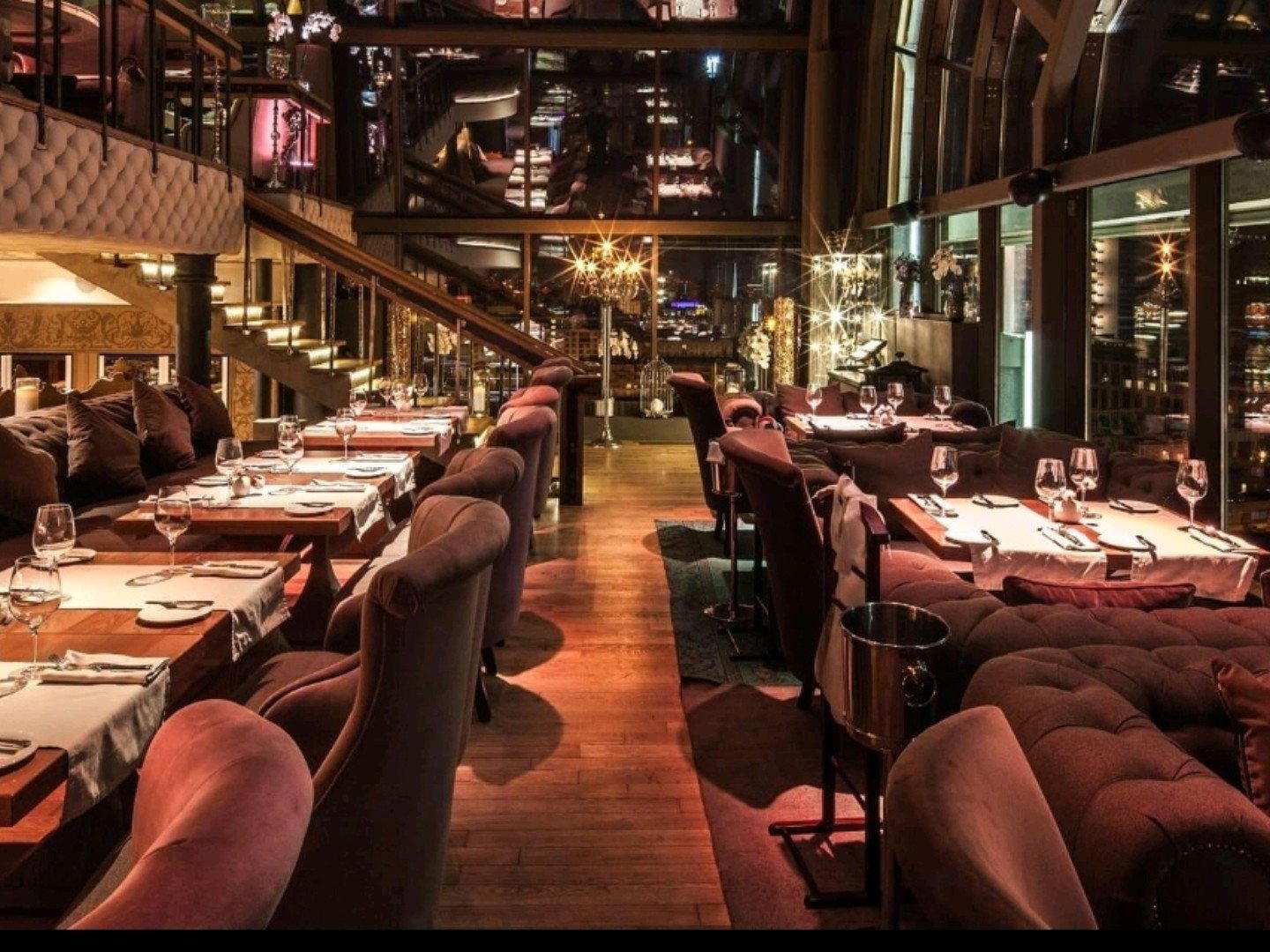
Positioned at the top of Moscow's fine dining scene, White Rabbit operates under a glass dome atop a skyscraper on Smolenskaya Square, pairing 360-degree city views with a tasting menu built around rediscovered Russian ingredients and techniques. Chef Vladimir Mukhin has placed the restaurant consistently inside the World's 50 Best, reaching number 13 in 2019, the kitchen remains one of the clearest expressions of the New Russian culinary movement.

Piazza Duomo
Alba, Italy
Piazza Duomo places Alba’s truffle-and-Barolo identity inside a progressive Italian frame, with Enrico Crippa’s plant-led menus pulling the Langhe into a far more technical register. The draw is not only Michelin three-star status, La Liste 96 points for 2026, or its long World’s 50 Best Restaurants run, but the way regional produce becomes the grammar of the meal rather than a decorative accent.

Den
Tokyo, Japan
Den belongs to Tokyo's creative kaiseki tier, where seasonal structure is kept but the room loosens the formality. Chef Zaiyu Hasegawa's restaurant carries two Michelin stars, a 2026 Tabelog Silver Award, a place on major international lists, yet its point is not ceremony for its own sake; it is kaiseki made warmer, more playful, less rigid.

Disfrutar
Barcelona, Spain
Disfrutar is Barcelona’s high-concept progressive dining reference point: a restaurant built around technique, surprise, the post-El Bulli evolution of Spanish avant-garde cooking. Its recognition, from Michelin to a World’s 50 Best Restaurants #1 ranking in 2024 and Guía Repsol 3 Soles in 2026, places it in the rare tier where the meal is judged against global creative counters, not local fine dining alone.

Geranium
Copenhagen, Denmark
Denmark's only three-Michelin-star restaurant, Geranium occupies the eighth floor of Copenhagen's Parken stadium with a menu that runs approximately 80% plant-based across 20-plus courses. Chef Rasmus Kofoed, the sole chef to have won gold, silver, bronze at the Bocuse d'Or, leads a program recognised by the World's 50 Best (#1, 2022) and La Liste (98pts, 2026). The wine list, curated by co-owner Søren Ledet, spans 6,085 selections across 22,900 bottles.

Attica
Melbourne, Australia
Attica sits in Ripponlea, south of Melbourne's CBD, where Ben Shewry's tasting menu draws on native Australian ingredients, from outback flora to local rivers and farms, in compositions that have placed the restaurant inside the World's 50 Best Restaurants list every year from 2013 to 2018. La Liste awarded 96 points in 2025 and 95 in 2026. The format is formal, the commitment to indigenous produce is foundational, bookings require significant lead time.

Alain Ducasse au Plaza Athénée
Paris, France
Historical profile: Alain Ducasse au Plaza Athénée at 25 Av. Montaigne, 75008 Paris is listed by Google Places as permanently closed as of a June 21, 2026 audit. Active booking, hours, contact details have been removed.

Narisawa
Tokyo, Japan
Narisawa is Tokyo's long-running argument for Japanese terroir through a French-informed lens: satoyama thinking, disciplined technique, a room built for serious dining rather than spectacle. The 15-seat restaurant carries Michelin two-star recognition, Tabelog Silver status for 2026, La Liste scoring, a history on the World's 50 Best Restaurants rankings, with pricing in the JPY 80,000–99,999 bracket for lunch and dinner.

Le Calandre
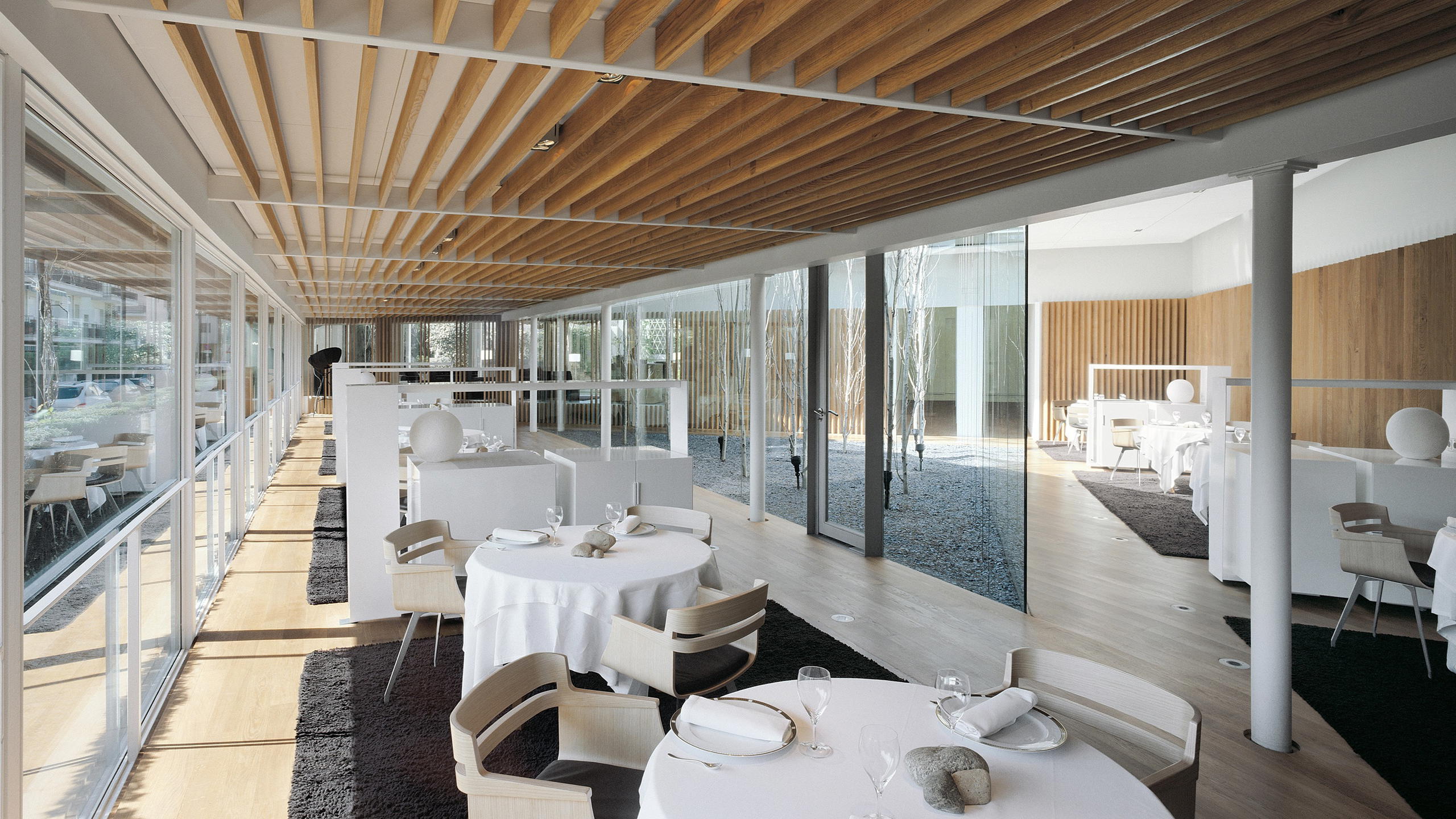
Rubano, Italy
Three Michelin stars since 2002, a 99-point La Liste ranking in 2026, a permanent position in the World's 50 Best since 2006: Le Calandre in Rubano operates at the upper tier of Italian fine dining. Chef Massimiliano Alajmo runs three tasting menus from a minimalist dining room where tables are carved from a single 300-year-old ash tree, forty minutes from Venice.

Ultraviolet by Paul Pairet
Shanghai, China
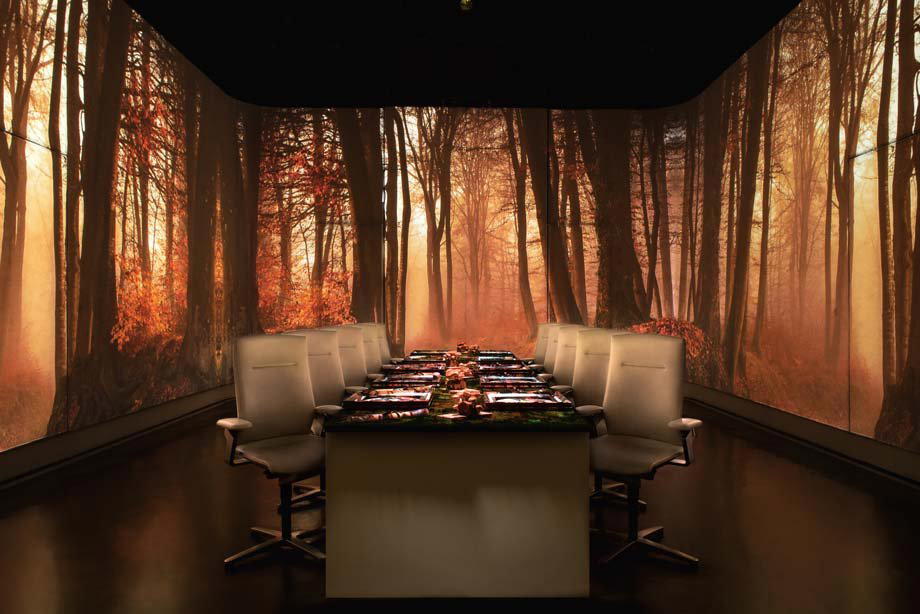
Ultraviolet by Paul Pairet closed after its final table on March 29, 2025. The ten-seat secret-location Shanghai restaurant paired each course with synchronized light, sound, scent, held a consistent position in the World's 50 Best Restaurants across eight years of rankings, reaching #24 twice. It remains a landmark of Shanghai fine dining, but it is no longer taking reservations.

Cosme
New York City, United States
Cosme has occupied a specific position in New York's fine dining conversation since it opened: the restaurant that made contemporary Mexican cooking legible to a city already fluent in tasting menus and seasonal ingredient sourcing. Located in the Flatiron District, it holds a World's 50 Best ranking and a La Liste score of 80 points (2026), with a bar program and dining room that function as much as social infrastructure as culinary destination.

Le Bernardin
New York City, United States
Le Bernardin New York reigns as the city's premier seafood destination, where Chef Eric Ripert's three-Michelin-starred artistry transforms ocean treasures into transcendent cuisine. This legendary Midtown institution has maintained The New York Times' four-star rating for over two decades, offering an unmatched fine dining experience centered on the philosophy that "the fish is the star."

Boragó
Santiago, Chile
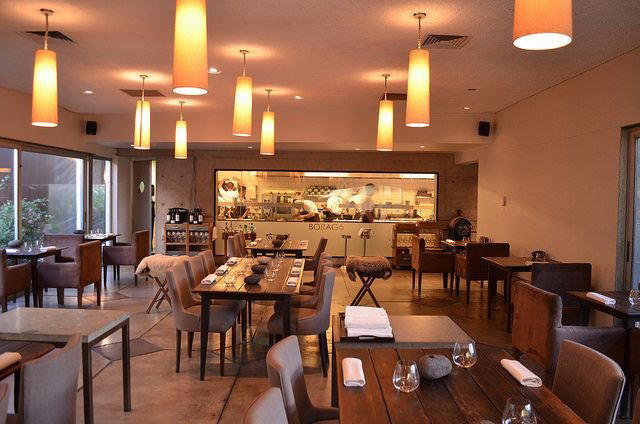
Boragó has held a place in the World's 50 Best Restaurants every year since 2015, its tasting menu, Endémica, remains one of South America's most rigorous expressions of native-ingredient cooking. Chef Rodolfo Guzmán works with over 200 foragers and small producers across Chile, drawing from coastlines, high-altitude terrain, a biodynamic orchard to build a menu rooted in Mapuche food culture.

Odette
Singapore, Singapore
Odette occupies a gallery-facing address inside the National Gallery Singapore, where Julien Royer's French Contemporary cuisine, shaped by Michel Bras training and seasoned by years in Asia, has earned three Michelin stars, a World's 50 Best top-25 ranking, a 98-point La Liste score. The tasting menu operates at the upper tier of Singapore's fine dining market, with award consistency that places it in a narrow comparable set globally.

Alléno Paris au Pavillon Ledoyen
Paris, France
Paris grand dining has narrowed into a serious contest between palace rooms, chef-led temples, creative tasting-menu houses. Alléno Paris au Pavillon Ledoyen belongs to the city’s highest luxury bracket, anchored by Yannick Alléno’s modern French vocabulary and a recognition stack that includes Michelin 3 Stars, La Liste 98 points for 2026, repeated appearances in The World’s 50 Best Restaurants extended rankings.

D.O.M.
São Paulo, Brazil
D.O.M. holds two Michelin stars and a sustained presence in the World's 50 Best Restaurants list, positioning it at the top of São Paulo's fine dining tier. Chef Alex Atala's kitchen treats the Amazon as a pantry, bringing native ingredients like jambu, tucupi, priprioca into a tasting format that has redefined how Brazilian cuisine is read internationally. Reservations are essential, the Jardins address has anchored the city's premium dining scene since 1999.

Arzak
San Sebastián, Spain
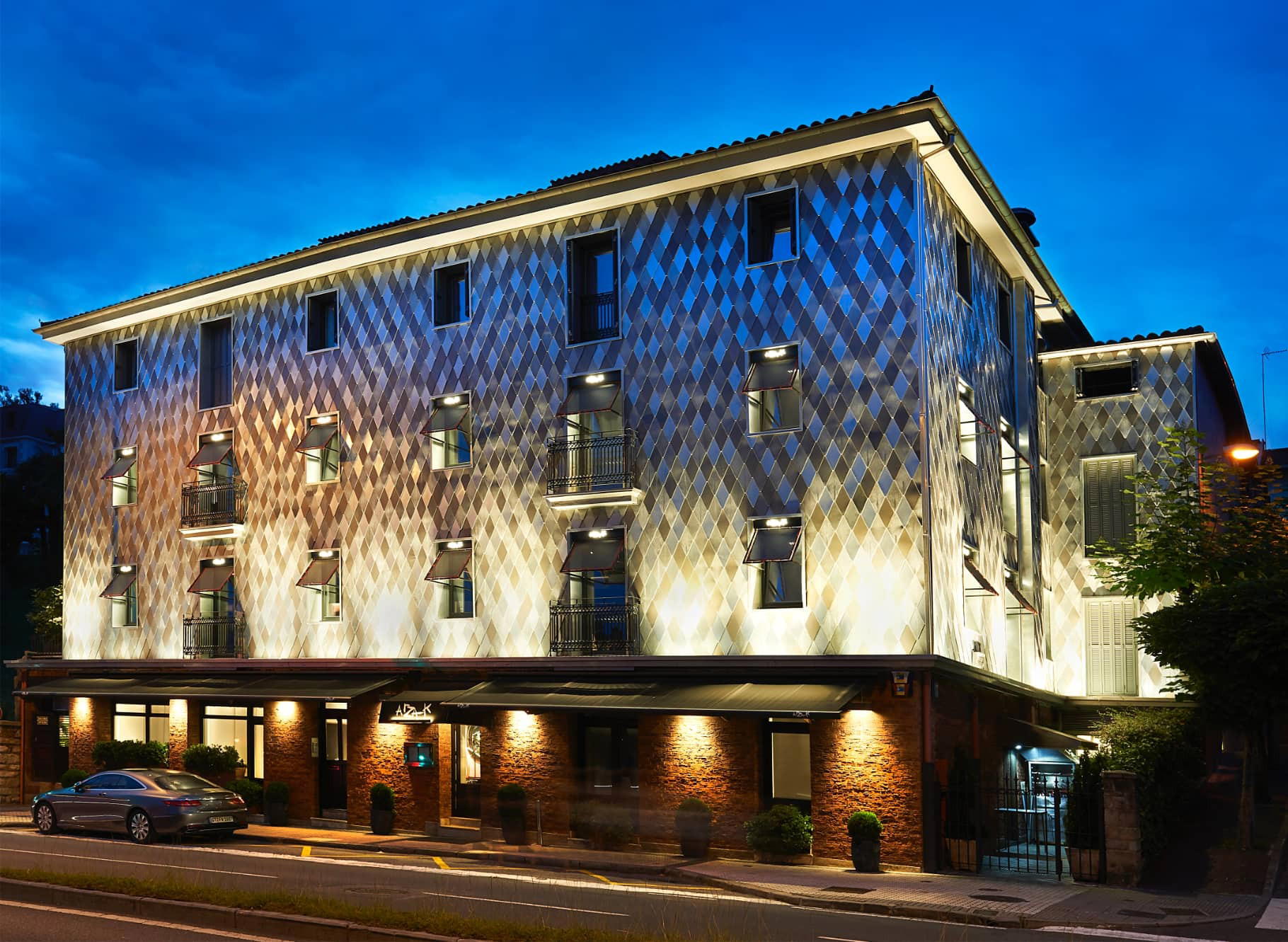
Arzak belongs to San Sebastián’s serious dining circuit: modern Basque cooking in a family mansion at Alto de Miracruz, led by Juan Mari Arzak & Elena Arzak and backed by 2026 Guía Repsol 3 Soles and La Liste’s 99-point score. Its relevance is not nostalgia alone; it is how a city built on pintxos, sharing, appetite for experimentation translates that social grammar into a formal tasting-menu room.

Tickets
Barcelona, Spain
Tickets in Barcelona reimagined tapas as playful, modernist Spanish cuisine under Albert Adrià’s hand. Must-try plates included the signature half-liquid olive, a seasonal tasting menu that shifts with local produce, whimsical desserts served from the restaurant’s nostalgic ice-cream van. The setting married a circus-themed palette with precise modernist technique, delivering dishes that surprised with texture and bright, balanced flavors. Celebrated internationally, ranking #25 on The World’s 50 Best Restaurants in 2017 and featured on Chef’s Table (Volume 5, Episode 4), Tickets combined accessible tapas energy with haute gastronomy, creating instantly memorable bites and a lively, sensory dining rhythm in Barcelona’s Poble Sec neighborhood.

The Clove Club
London, United Kingdom
The Clove Club sits in London’s expensive creative-dining tier, where tasting-menu discipline, wine depth and international rankings have to justify the bill. Its Shoreditch room keeps the mood less ceremonial than Mayfair fine dining, while Isaac McHale’s kitchen uses British produce, smoke, offcuts and sharp contrasts to make the format feel contemporary rather than deferential.

Alinea
Chicago, United States
Alinea remains Chicago's defining modernist dining room: theatrical, technical and more concerned with changing the grammar of American fine dining than with repeating luxury-restaurant conventions. Grant Achatz's long-running flagship carries two Michelin stars, a Forbes Travel Guide Five-Star rating, AAA Five Diamond recognition and a 2026 OAD North America ranking, placing it in a narrow tier of U.S. restaurants where format is part of the argument.

Maaemo
Oslo, Norway
Norway's first three-Michelin-star restaurant, Maaemo has held that distinction since 2016 and earned 95 points on La Liste's 2026 ranking. Chef Esben Holmboe Bang's 20-course format draws entirely on organic and natural Norwegian ingredients, tracing a seasonal arc from the Arctic waters of the north to the farmland around Oslo. Bookings open well in advance; Tuesday through Saturday, from 6 pm.

Reale
Castel di Sangro, Italy
Reale occupies a 16th-century monastery outside Castel di Sangro and holds three Michelin stars, a place in the World's 50 Best (ranked 19th in 2024), and a La Liste score of 97.5 points. Chef Niko Romito's tasting menus pursue radical minimalism, extracting maximum intensity from single ingredients, with a 14-course plant-based format that has drawn international attention to an otherwise overlooked corner of Abruzzo.

Restaurant Tim Raue
Berlin, Germany
Berlin's most decorated Asian-inspired restaurant, Restaurant Tim Raue has held two Michelin stars since 2010 and ranked in the World's 50 Best every year from 2016 through 2025, reaching as high as #26. Drawing on Japanese, Thai, Chinese traditions while eliminating white sugar, gluten, lactose, the kitchen produces food that reads as rigorous European fine dining through an Asian lens.

Lyle's
London, United Kingdom
Lyle's London elevates modern British cuisine to Michelin-starred heights within Shoreditch's converted Tea Building, where James Lowe's ingredient-driven philosophy transforms daily-changing seasonal menus into refined culinary statements. This minimalist industrial space champions technical precision over theatrical presentation, delivering exceptional fine dining through radical simplicity.

Astrid & Gastón
Lima, Peru
Set inside the 17th-century Casa Moreyra hacienda in San Isidro, Astrid & Gastón has held a place in the World's 50 Best Restaurants every year from 2011 to 2018, peaking at #14 in 2013 and 2015. Under chef Jorge Muñoz Castro, the restaurant runs a tasting format built around Peruvian biodiversity, with vegetables as a recurring editorial thread. Ranked #9 in South America by Opinionated About Dining in 2025.

Septime
Paris, France
Septime is a Paris neo-bistro shaped by the modern bistro shift: seasonal cooking, natural-wine gravity, a dining room that feels casual without lowering the technical bar. Bertrand Grébaut’s restaurant carries Michelin one-star recognition for 2025 and a long run on the World’s 50 Best Restaurants list, with a four- or seven-course seasonal format that places it in the city’s serious reservation tier.

RyuGin
Tokyo, Japan
Open since December 2003 and now holding three Michelin stars, RyuGin operates at the upper end of Tokyo's kaiseki tier, with dinner averaging JPY 80,000 to 99,999 per head. Chef Seiji Yamamoto structures the menu around Japan's four seasons, with a marked focus on scientific precision and ingredient provenance. The restaurant sits on the seventh floor of Tokyo Midtown Hibiya, steps from the Imperial Palace.

The Ledbury
London, United Kingdom
Three Michelin stars and a La Liste ranking of 81 points in 2026 place The Ledbury among London's most decorated fine-dining addresses. Brett Graham's eight-course evening menu, priced at £285 per person in Notting Hill's Ledbury Road, draws on produce from his own farm and in-house mushroom cultivation. The wine list holds the Star Wine List number-one ranking for three consecutive years.

Azurmendi
Larrabetzu, Spain
Azurmendi Larrabetzu elevates sustainable fine dining to an art form, where Chef Eneko Atxa's three-Michelin-starred vision unfolds through an immersive greenhouse-to-table experience. This architectural marvel seamlessly integrates Basque tradition with cutting-edge gastronomy, offering the acclaimed Adarrak tasting menu in a bioclimatic structure that defines the future of responsible luxury dining.

Mikla
Istanbul, Turkey
On the 18th floor of the Marmara Pera, Mikla has spent two decades refining what New Anatolian Cuisine means in practice: producers from across Turkey, technique shaped by Nordic discipline, a Michelin star earned in 2024. The 360-degree rooftop view over Beyoğlu and the Bosphorus is the backdrop, but it is the cooking that keeps the reservation list full.

Dinner by Heston Blumenthal
London, United Kingdom
Housed inside the Mandarin Oriental Knightsbridge, Dinner by Heston Blumenthal holds two Michelin stars and a sustained presence in the World's 50 Best Restaurants. The menu draws from centuries of British culinary history, then reassembles those references through a contemporary technical lens. Dishes like the Meat Fruit have become shorthand for what modern British cooking can do when it takes its own heritage seriously.

Saison
San Francisco, United States
Saison belongs to the Bay Area's serious farm-to-table lineage, but its vocabulary is fire, coastal sourcing, a dining room built around the kitchen rather than separated from it. Richard Lee's current era keeps the restaurant in San Francisco's high-end Progressive American conversation, backed by OAD, La Liste, James Beard, Relais & Châteaux, AAA, World's 50 Best recognition.

Schloss Schauenstein
Fürstenau, Switzerland
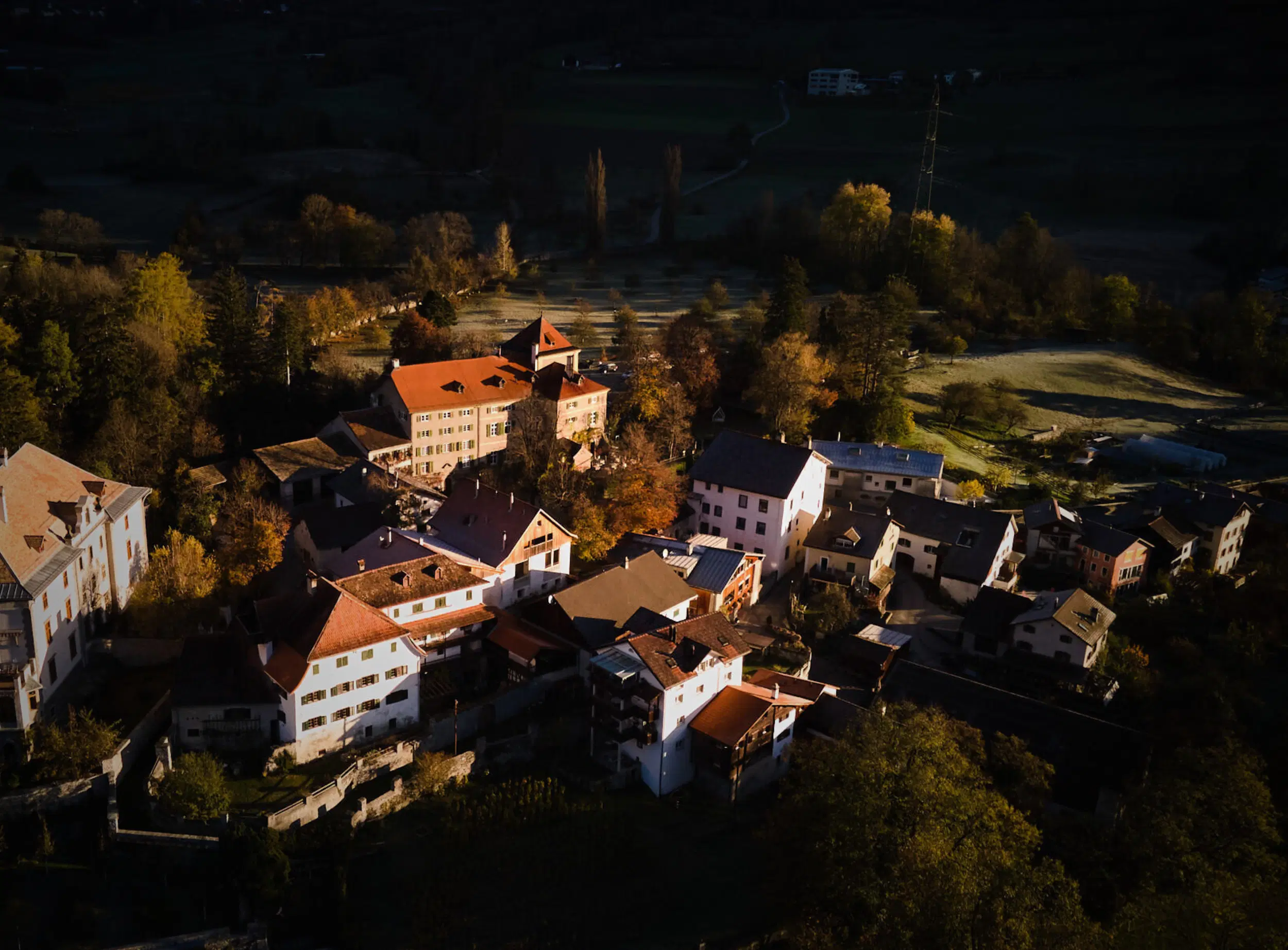
Schloss Schauenstein occupies a medieval castle in the village of Fürstenau, deep in the Swiss canton of Graubünden. The kitchen, guided by Andreas Caminada and Marcel Skibba, holds three Michelin stars and a sustained presence in the World's 50 Best since 2010. Vegetables sit at the centre of a creative European menu that draws on alpine produce and precision technique.

Hiša Franko
Kobarid, Slovenia
Three Michelin stars and a place in the World's 50 Best Restaurants confirm what visitors to this remote Soča Valley farmhouse already know: Hiša Franko operates at a level rarely found outside major capitals. Chef Ana Roš, self-taught and hyper-local in her sourcing, has built a menu anchored in the Julian Alps, drawing ingredients from foragers, shepherds, fishermen across the valley's tight community of producers.

Nahm
Bangkok, Thailand
Nahm at the COMO Metropolitan Bangkok holds a Michelin star and an Opinionated About Dining Top 92 ranking for Asia in 2025, placing it among the city's serious Thai fine-dining addresses. Chef Pim Techamuanvivit leads the kitchen with a focus on heritage Thai technique. The Heritage set menu is the recommended format for a first visit.

The Test Kitchen
Cape Town, South Africa
The Test Kitchen earned five consecutive placements on the World's 50 Best Restaurants list between 2014 and 2019, peaking at number 22 in 2016, became the reference point for ambitious South African fine dining during that period. Situated in Woodstock's Old Biscuit Mill, the restaurant is now permanently closed, but its influence on Cape Town's contemporary dining scene remains legible across an entire generation of South African kitchens.
Overview
The 2018 World's 50 Best Restaurants list crowned Osteria Francescana in Modena, Italy as the top restaurant globally. This edition featured 50 restaurants across 23 countries and 35 cities, with a strong European showing in the top 10—five spots went to Italy, Spain, and France. Lima claimed two positions in the top seven, while Bangkok and New York City each secured one top-10 placement.
The 2018 edition represented a complete refresh from the previous list, with all 50 positions changing. Osteria Francescana took the top spot, followed by El Celler de Can Roca in second and Mirazur in third. The geographic spread covered 23 countries across 35 cities, showing global dining diversity beyond traditional centers. Europe dominated the top rankings, with six of the top 10 restaurants. Peru made a notable showing with both Central and Maido landing in the top seven. The list included restaurants from Bangkok (Gaggan Anand at #5) to New York City (Eleven Madison Park at #4), spanning techniques from Basque grilling at Asador Etxebarri to vegetable-focused cooking at Arpège. The previous top venue, Manhattan, did not appear on the 2018 list.
The 2018 World's 50 Best Restaurants list put Osteria Francescana at number one, marking a complete turnover from the previous edition. Every single position changed, with all 50 restaurants from the prior year dropping off and 50 new entries taking their place. The top 10 leaned heavily European—Italy, Spain, and France claimed six spots combined—but Lima secured two positions in the top seven with Central and Maido. The list spanned 23 countries and 35 cities, from Modena to Bangkok to New York City, representing different approaches to high-end dining across multiple continents.
Quick Facts
- Total Restaurants
- 50
- Countries Represented
- 23
- Cities Represented
- 35
- Top Restaurant
- Osteria Francescana (Modena, Italy)
- European Top 10 Spots
- 6 of 10
- Retained from 2017
- 0 restaurants
- Lima Top 10 Entries
- 2 (Central, Maido)
About This Edition
The 2018 edition showed a dramatic shift in the World's 50 Best landscape, with a 100% turnover rate from the previous year. Osteria Francescana in Modena led the rankings, followed by El Celler de Can Roca in Girona and Mirazur in Menton. The top 10 featured six European restaurants, with Spain particularly well-represented through El Celler de Can Roca, Mugaritz, and Asador Etxebarri.
Lima emerged as a dining destination with Central at #6 and Maido at #7, both landing in the top tier. Bangkok's Gaggan Anand took the #5 position, while New York City's Eleven Madison Park claimed #4. Paris appeared once in the top 10 through Arpège at #8.
The complete replacement of all 50 restaurants from the previous edition indicates either a significant methodology change or a dramatically different voting pool. The previous year's top venue, Manhattan, didn't make the 2018 list at all. The geographic distribution across 23 countries and 35 cities showed dining excellence spread beyond traditional European strongholds, though the top rankings still favored European establishments.
Frequently Asked Questions
What restaurant ranked #1 on the 2018 World's 50 Best Restaurants list?
How many countries were represented on the 2018 list?
Did any restaurants from the previous year's list return in 2018?
Which cities had multiple restaurants in the 2018 top 10?
How many of these have you visited?
Find out on Pearl and keep score across every place in 2018 World's 50 Best Restaurants.