



Hyotei
Kaiseki, Japanese · Sakyō, Kyoto
Restaurant in Kyoto, Japan
 Book with Pearl
The Read
Generational Kaiseki Precision
Price
$100–150per person
Chef
Yoshihiro Takahashi
Dress
Smart Casual
Why go
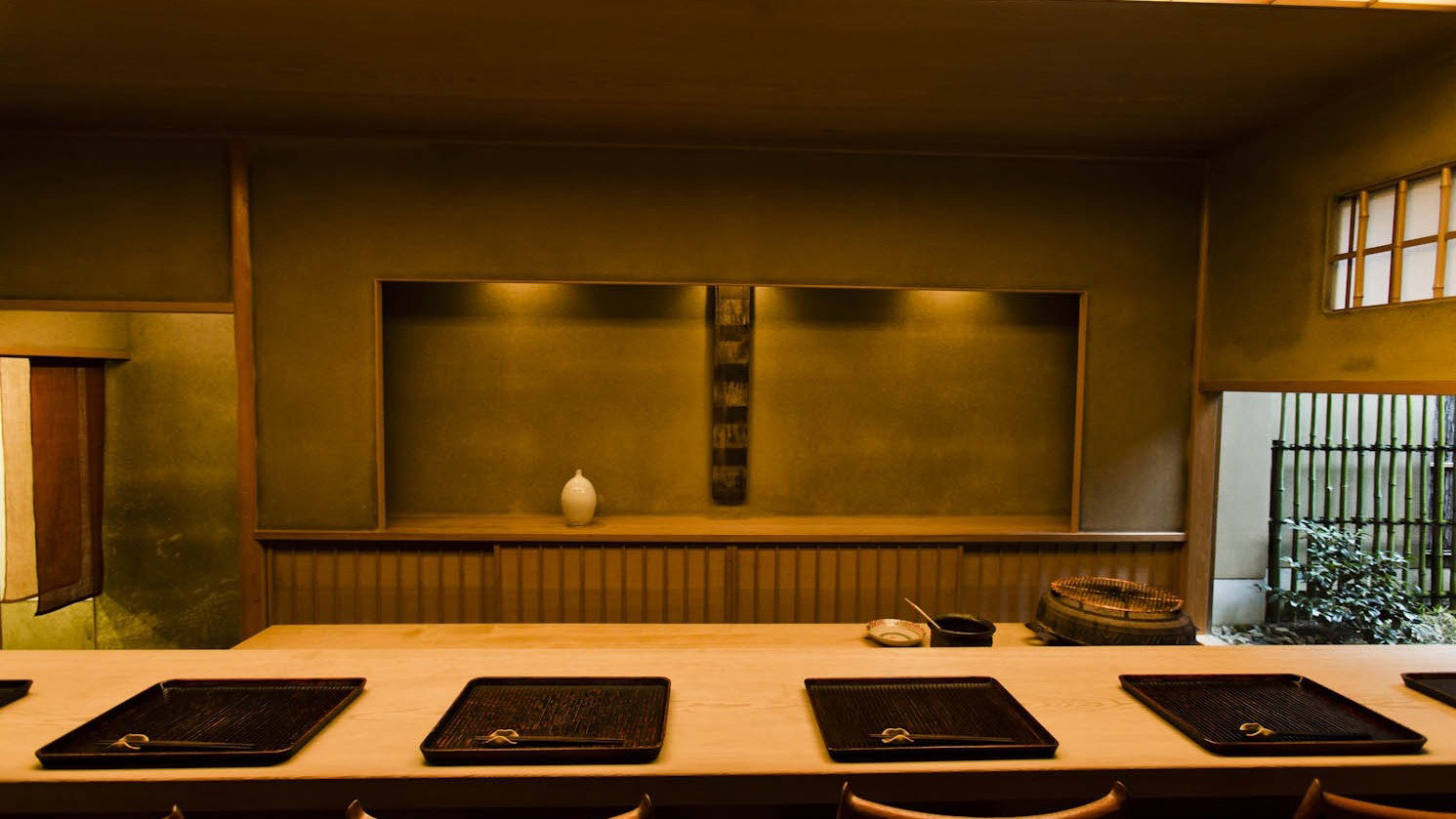
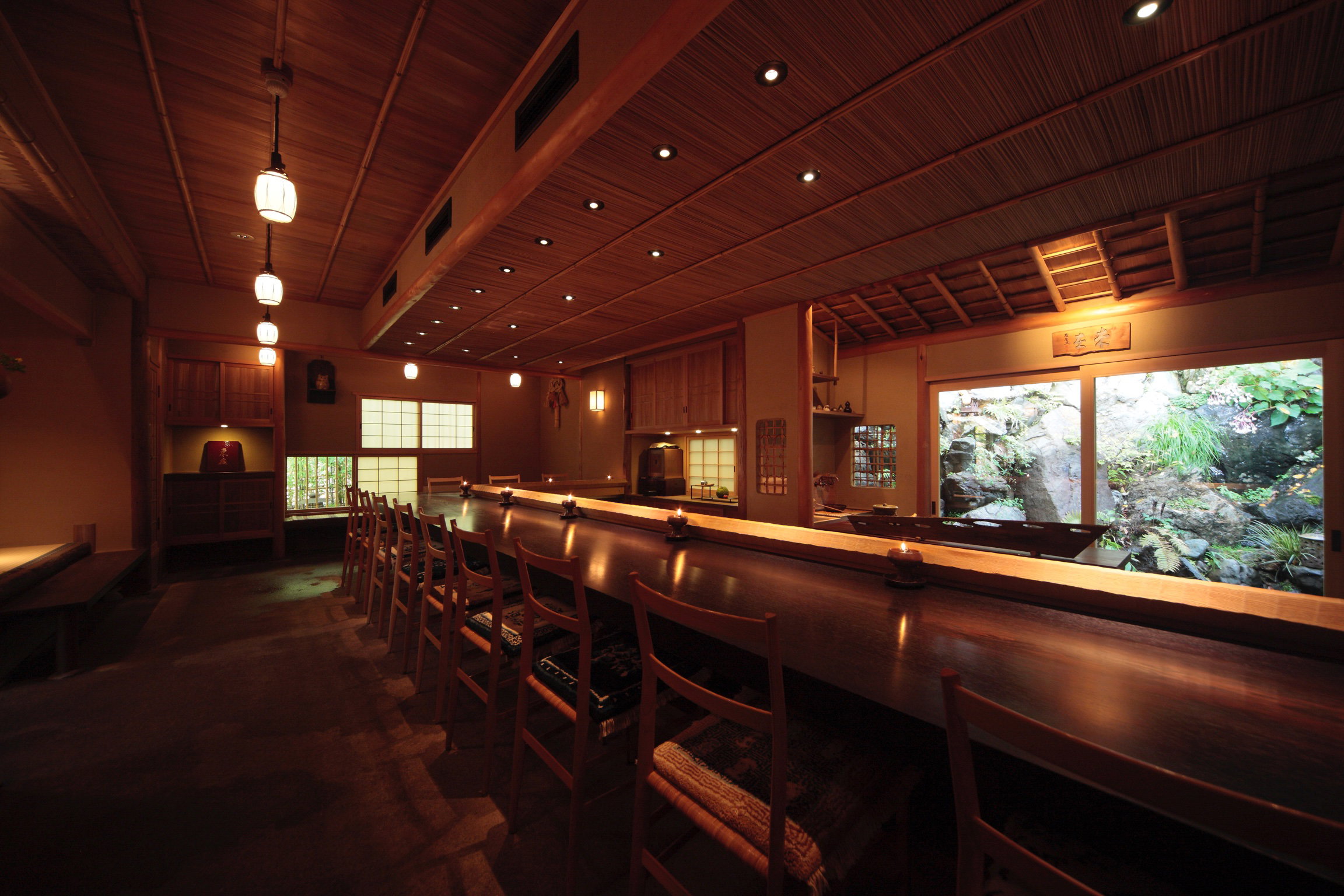
Operating since 1837 beside Nanzen-ji temple, this three-Michelin-star kaiseki house emphasizes restraint and wabi-sabi aesthetic under 15th-generation stewardship. Chef Yoshihiro Takahashi delivers breakfast, lunch, and dinner services that prioritize classical technique over innovation. Counter seating offers better value than private rooms for food-focused diners, though both cost ¥¥¥¥ and require advance booking without concierge help.
About Hyotei
For diners planning a premium meal in Kyoto, Hyotei is a ¥¥¥¥ restaurant serving kaiseki and Japanese cuisine. The essentials are concise: the venue is in Kyoto, chef/owner Yoshihiro Takahashi is associated with it, the dress code is smart casual, and the listed hours include morning, midday, and evening periods on most operating days. For a second booking, the practical question is whether Hyotei is the right use of a premium Kyoto dining slot.
What to Know About Hyotei
Hyotei is best approached through its core attributes: kaiseki and Japanese cuisine, chef/owner Yoshihiro Takahashi, ¥¥¥¥ pricing, and smart-casual dress. It is also represented in Opinionated About Dining's 2026 restaurant listings, but do not treat that mention as a rank or score.
The listed hours indicate morning hours on Monday, Tuesday, Friday, Saturday, and Sunday from 8–11 am, midday hours on most open days, and evening hours on most open days. Wednesday is listed for 12–3 pm and 5–9:30 pm, and Thursday is closed. Diners comparing Hyotei with Kikunoi Honten, Mizai, or Sojiki Nakahigashi should treat Hyotei as a premium Kyoto kaiseki choice, not as a venue whose appeal can be reduced to a single dish, score, or service format.
Seating, Scheduling, and Booking Questions
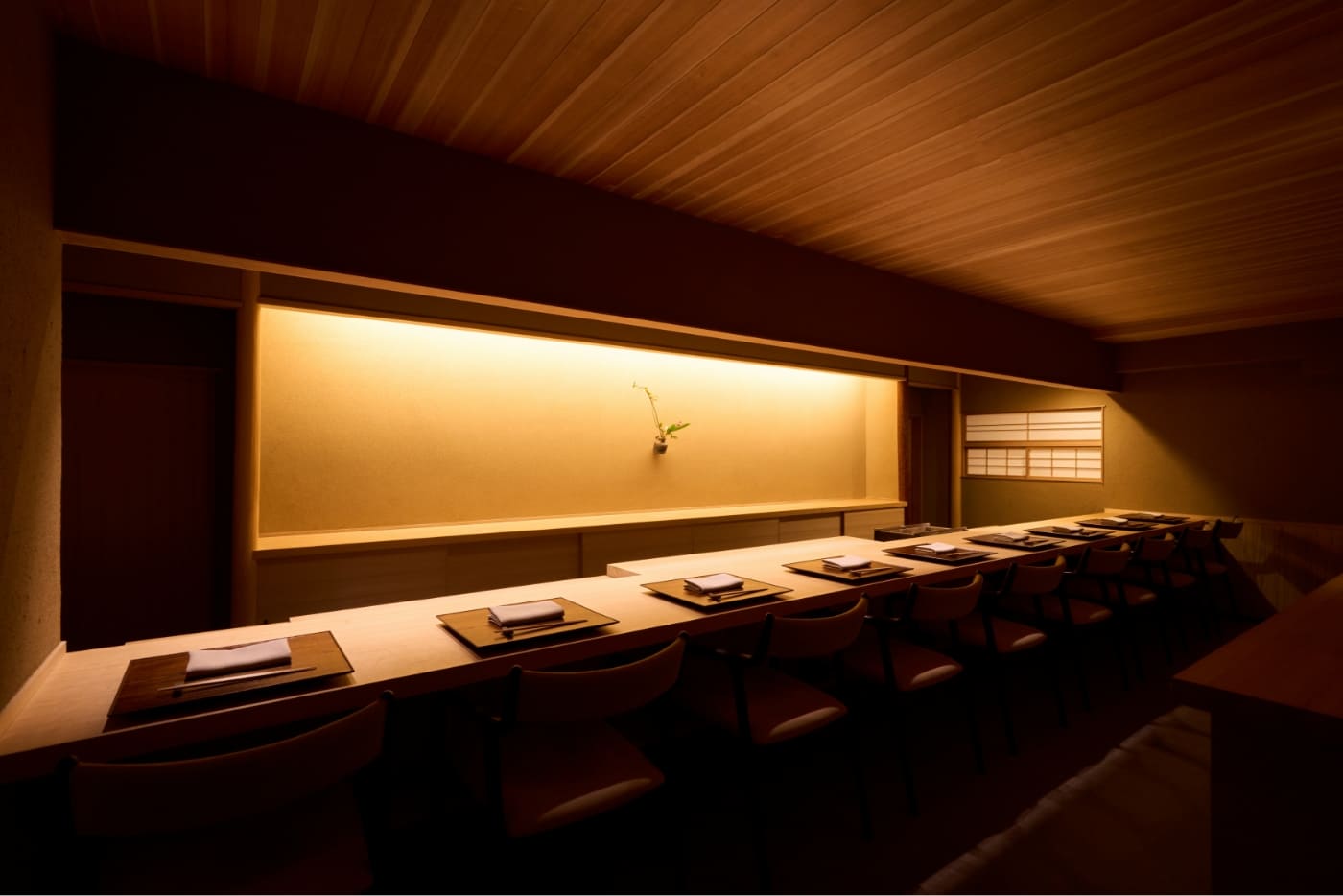
Seating layouts, room types, and seat counts should be confirmed directly with the restaurant rather than driving the decision through assumptions. The broader positioning is clear: Hyotei is a ¥¥¥¥ Kyoto restaurant serving kaiseki and Japanese cuisine under Yoshihiro Takahashi. If seating preference matters to your party, confirm the available arrangement directly when booking rather than relying on assumptions about counter service or private rooms.
For planning, the schedule is more useful than reservation lore. Hyotei is listed as open Monday and Tuesday from 8–11 am, 12–4 pm, and 5–9:30 pm; Wednesday from 12–3 pm and 5–9:30 pm; closed Thursday; and open Friday through Sunday from 8–11 am, 12–4 pm, and 5–9:30 pm. If Hyotei is not the right fit, Kyoto peers to consider include Kikunoi Honten, Mizai, Gion Maruyama, Kodaiji Wakuden, and Sojiki Nakahigashi.
Context Within Kyoto's Kaiseki Options
Hyotei sits among Kyoto's premium kaiseki options by cuisine and price tier. Comparisons should stay broad rather than centering on exact accolades, historical dates, rankings, scores, dishes, room configuration, or beverage programs. Gion Maruyama, Kikunoi Honten, Kodaiji Wakuden, Mizai, and Sojiki Nakahigashi are relevant Kyoto peers, while Hyotei itself remains defined by kaiseki, Japanese cuisine, Yoshihiro Takahashi, and ¥¥¥¥ pricing.
That makes the decision relatively simple. Book Hyotei if you want a premium kaiseki meal in Kyoto and are comfortable with smart-casual expectations and ¥¥¥¥ pricing. Choose another Kyoto dining room if you are seeking a different interpretation of Japanese cuisine, a different budget tier, or a schedule that better fits your trip.
Hyotei is a premium Kyoto kaiseki restaurant; make the booking on that basis rather than on assumptions about exact accolades, signature dishes, room formats, or booking mechanics.
Planning details
- Hours
- Monday: 8–11 am, 12–4 pm, 5–9:30 pm · Tuesday: 8–11 am, 12–4 pm, 5–9:30 pm
- Location
- 35 Nanzenji Kusakawacho, Sakyo Ward, Kyoto, 606-8437, Japan
- Website
- hyotei.co.jp
- Phone
- +81 75-771-4116
The take
The Take
The Vibe
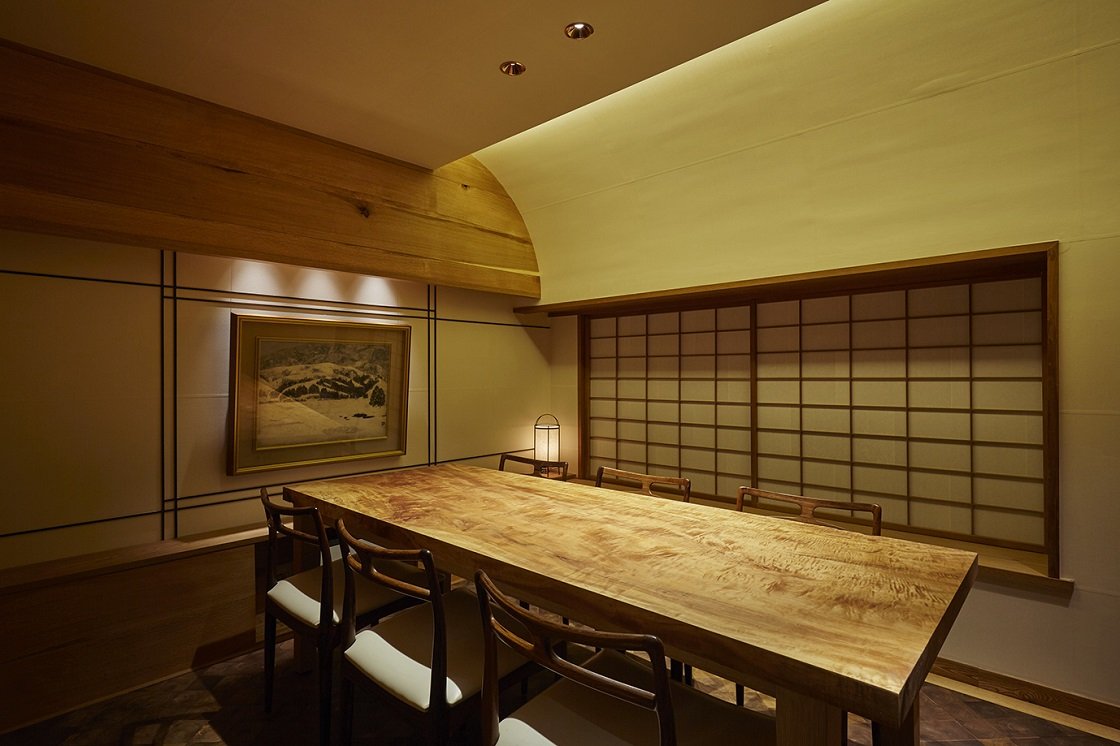
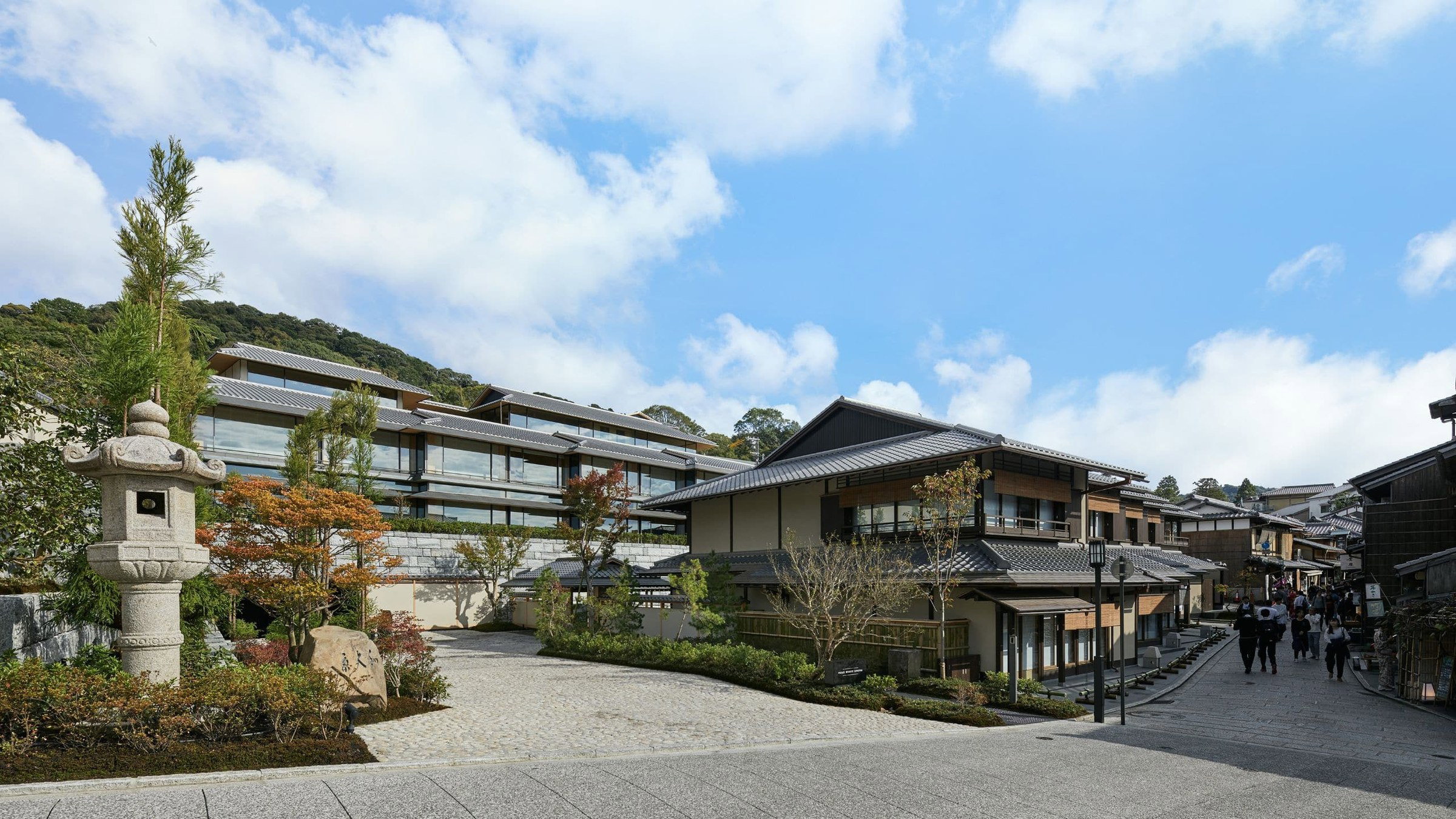
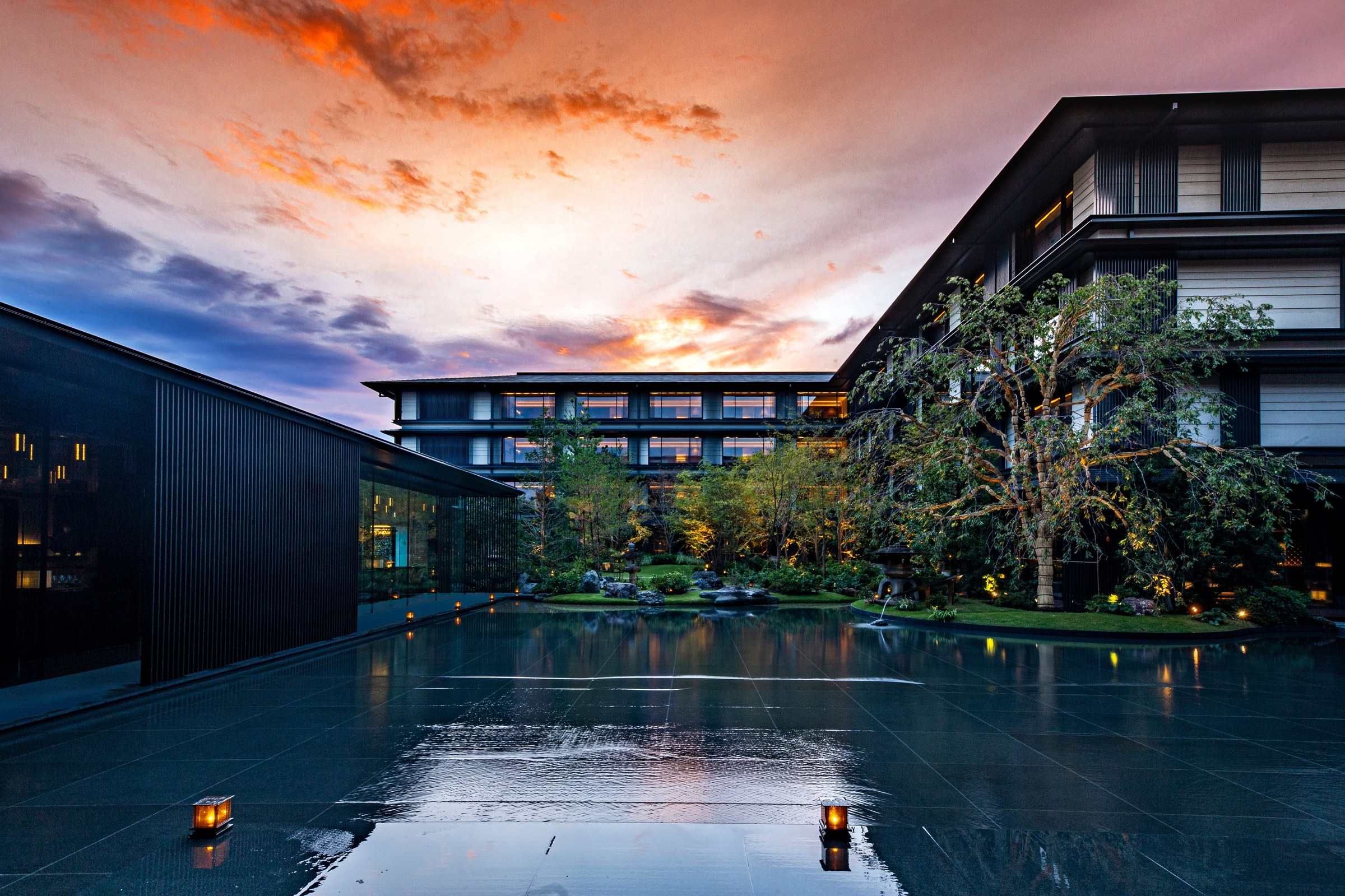
Hyotei presents a composed, historically resonant atmosphere where the garden does much of the work before a dish arrives. The approach (moss-covered lanterns, stone washbasins and channels of water drawn from Lake Biwa) sets a restrained, wabi-sabi mood that carries into the dining room. The restaurant reads as quietly refined and sophisticated: a three-Michelin-star kaiseki house whose style reflects accumulated choices across generations. Service and presentation are measured and deliberate, and the overall effect is serene and dignified, more meditative than ostentatious.
Best For
Hyotei is best experienced as an evening event: an unhurried kaiseki progression meant to be surrendered to rather than rushed. The structure of the meal, multiple courses sequenced for rhythm and conversation, makes it ideal for special occasions and celebrations where the dining moment is the point of the outing. Its discreet, intimate setting and formal service also suit date nights or any occasion that benefits from a calm, contemplative meal built around seasonal precision and traditional technique.
Ordering Tips
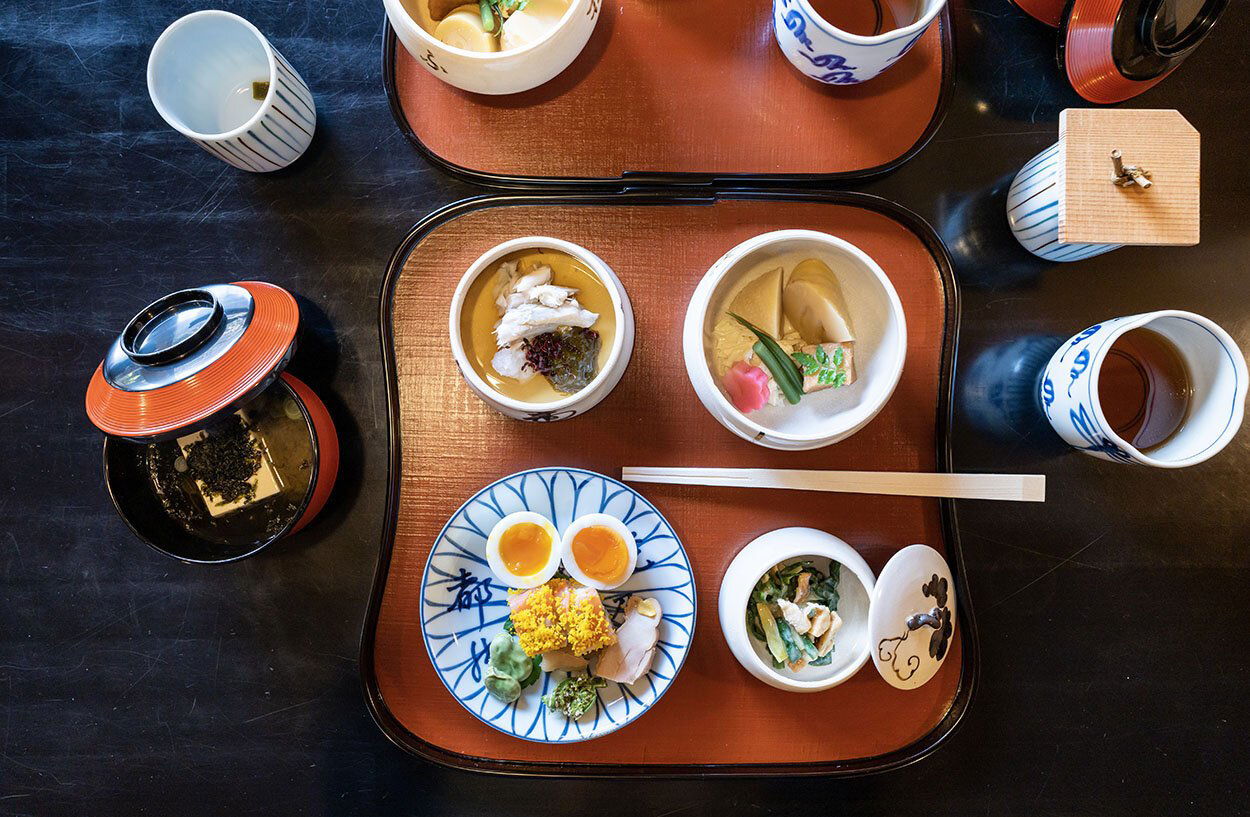
Expect a formal kaiseki progression rather than an à la carte or casual drinking menu. The restaurant emphasizes sequence, timing and a multi-course arc, so plan to spend the evening with the tasting menu and to follow the chef’s pacing. Signature items noted in the description (Hyotei tamago, asagayu and the wine-marinated tilefish) are highlights of the house style and worth seeking out within the set menu. Note that Hyotei is a ryotei-style kaiseki house, not an izakaya, so the focus is on the meal’s order and rhythm.
Venue details
Ambiance
Zen and tranquil with traditional thatched-roof tearooms, each with private garden views and peaceful fountain features; dimly lit traditional Japanese interiors emphasizing harmony, respect, purity, and tranquility.
Tags
Vibe
Best For
Experience
Sourcing
View
At the Table
- Dress Code
- Smart Casual
- Noise Level
- Quiet
- Service Style
- Formal
- Meal Pacing
- Extended Experience
- Capacity
- Small
- Kitchen
- Traditional
- Menu Format
- Tasting menu, Set menu
- Dietary
- Pescatarian friendly
- Private Dining
- Available
Signature Dishes
- Hyotei tamago (soft-boiled egg)
- asagayu (rice porridge)
- wine-marinated tilefish
Know before you go
Know Before You Go
- Getting there
- 35 Nanzenji Kusakawacho, Sakyo Ward, Kyoto, 606-8437, Japan
Planning details
Hours
- Monday
- 8–11 am, 12–4 pm, 5–9:30 pm
- Tuesday
- 8–11 am, 12–4 pm, 5–9:30 pm
- Wednesday
- 12–3 pm, 5–9:30 pm
- Thursday
- Closed
- Friday
- 8–11 am, 12–4 pm, 5–9:30 pm
- Saturday
- 8–11 am, 12–4 pm, 5–9:30 pm
- Sunday
- 8–11 am, 12–4 pm, 5–9:30 pm
Location
Recognition and awards



Also consider
Also Consider
- Mizai, Kaiseki, Japanese, ¥¥¥¥
- Sojiki Nakahigashi, Kaiseki, Japanese, ¥¥¥
- Kikunoi Honten, Kaiseki, Japanese, ¥¥¥¥
- Kodaiji Wakuden, Kaiseki, Japanese, ¥¥¥¥
- Gion Maruyama, Kaiseki, Japanese, ¥¥¥¥
Restaurant context
Among Kyoto's ¥¥¥¥ kaiseki options, Hyotei delivers the most conservative experience, centuries-old recipes, minimal innovation, and a temple setting that prioritizes atmosphere over culinary surprise. Gion Maruyama costs the same but integrates more seasonal creativity and modern plating, making it the better choice for diners seeking balance between tradition and invention. Kikunoi Honten matches Hyotei's three-star pedigree at identical pricing but offers easier booking and English-language support, book there if securing Hyotei proves impossible. Kodaiji Wakuden operates at the same price tier with bolder flavors, better for first-time kaiseki guests who might find Hyotei's restraint too austere.
For better value, step down to Sojiki Nakahigashi at ¥¥¥, it focuses on foraged mountain vegetables with a more distinctive culinary angle than Hyotei's classical repetition. Mizai costs ¥¥¥¥ like Hyotei but showcases a younger chef's interpretation of kaiseki with more dynamic presentations and ingredient surprise. If historical immersion matters as much as food quality, Hyotei's 1837 pedigree and temple grounds justify the expense. If you're evaluating purely on plate quality and innovation, Gion Maruyama or Sojiki Nakahigashi deliver more memorable meals at comparable or lower cost.
Booking difficulty at Hyotei remains the highest in the category, phone-only reservations in Japanese, no walk-ins, three-month advance window that fills in days. Kikunoi Honten and Kodaiji Wakuden both accept online bookings with English support, making them the practical alternates when Hyotei's gatekeeping proves insurmountable. For splurge-worthy kaiseki with easier access, prioritize Gion Maruyama; for best value without sacrificing quality, book Sojiki Nakahigashi.
Explore Kyoto
Around this place
Discover more on Pearl
Unlock the full Hyotei guide in Pearl, including awards, comparisons, FAQs, planning details, and nearby places.
Compare Hyotei
| Venue | Location | Cuisine | Awards | Price |
|---|---|---|---|---|
| Hyotei | Kyoto | Kaiseki, Japanese | 2026 OAD Top Restaurants in Japan Highly RecommendedMichelin Guide Kyoto Osaka 20262026 Michelin 3 Stars2026 La Liste Top Restaurants2025 OAD Top Restaurants in Japan Ranked · #1512025 La Liste Top Restaurants2025 The Best Chef One Knife2025 Michelin 3 Stars2024 OAD Top Restaurants in Japan Ranked · #116 | ¥¥¥¥ |
| Mizai | Kyoto | Kaiseki, Japanese | 2026 OAD Top Restaurants in Japan Ranked · #1302026 Tabelog Bronze · #283Michelin Guide Kyoto Osaka 20262026 La Liste Top RestaurantsTabelog 100 - Japanese cuisine - WEST - 2025 · #982025 OAD Top Restaurants in Japan Ranked · #992025 La Liste Top Restaurants2025 Michelin 3 Stars2025 The Best Chef Three Knives | ¥¥¥¥ |
| Sojiki Nakahigashi | Kyoto | Kaiseki, Japanese | 2026 Tabelog Bronze · #4182026 OAD Top Restaurants in Japan Highly RecommendedMichelin Guide Kyoto Osaka 20262026 La Liste Top RestaurantsTabelog 100 - Japanese cuisine - WEST - 2025 · #1002025 OAD Top Restaurants in Japan Ranked · #161We're Smart World Top Restaurants 2025We're Smart World Top 100 20252025 Michelin 2 Stars | ¥¥¥ |
| Kikunoi Honten | Kyoto | Kaiseki, Japanese | 2026 Tabelog Bronze · #176Michelin Guide Kyoto Osaka 20262026 La Liste Top RestaurantsTabelog 100 - Japanese cuisine - WEST - 2025 · #72025 OAD Top Restaurants in Japan Ranked · #1532025 Tabelog Bronze2025 Michelin 3 Stars2025 The Best Chef Two Knives2025 La Liste Top Restaurants | ¥¥¥¥ |
| Kodaiji Wakuden | Kyoto | Kaiseki, Japanese | 2026 OAD Top Restaurants in Japan Ranked · #1352026 Tabelog Bronze · #191Michelin Guide Kyoto Osaka 2026Tabelog 100 - Japanese cuisine - WEST - 2025 · #332025 OAD Top Restaurants in Japan Ranked · #1252025 Michelin 2 Stars2025 Tabelog Bronze2025 La Liste Top Restaurants2024 OAD Top Restaurants in Japan Ranked · #223 | ¥¥¥¥ |
| Gion Maruyama | Kyoto | Kaiseki, Japanese | 2026 OAD Top Restaurants in Japan RecommendedMichelin Guide Kyoto Osaka 20262026 La Liste Top Restaurants2025 OAD Top Restaurants in Japan Ranked · #4062025 La Liste Top Restaurants2025 Michelin 2 Stars2024 OAD Top Restaurants in Japan Ranked · #3492024 Michelin 2 Stars2023 OAD Top Restaurants in Japan Recommended | ¥¥¥¥ |







How Hyotei Kyoto compares with similar nearby venues.
FAQ
Frequently Asked Questions
What should I wear to Hyotei?
Hyotei's dress code is smart casual. Avoid relying on more specific clothing rules unless the restaurant confirms them directly for your booking.
Is lunch or dinner better at Hyotei?
Hyotei lists both midday and evening hours on most open days, with morning hours also listed on Monday, Tuesday, Friday, Saturday, and Sunday. Choose based on schedule rather than assuming any particular pricing or menu difference between services.
What are alternatives to Hyotei in Kyoto?
Relevant Kyoto peers include Gion Maruyama, Kikunoi Honten, Kodaiji Wakuden, Mizai, and Sojiki Nakahigashi. Hyotei is a kaiseki and Japanese restaurant in Kyoto under chef/owner Yoshihiro Takahashi at ¥¥¥¥ pricing.
Is Hyotei worth the price?
At ¥¥¥¥, Hyotei is best suited to diners specifically seeking a premium Kyoto kaiseki and Japanese restaurant. Make the value judgment on cuisine, chef, schedule, dress code, and price tier rather than exact star, score, or ranking claims.
Does Hyotei handle dietary restrictions?
Guests with allergy, vegetarian, or dietary restrictions should contact Hyotei directly before booking and should not assume that changes are available.