

Isshisoden Nakamura
Japanese · Nakagyō, Kyoto
Restaurant in Kyoto, Japan
 Book with Pearl
The Read
Ancestral Wakasa Sourcing
Price
$200–300per person
Chef
Motokazu Nakamura
Dress
Smart Casual
Why go
Isshisoden Nakamura is a three-Michelin-star kaiseki house in Kyoto's Nakagyo Ward with a multigenerational kitchen and sourcing rooted in Wakasa Bay fish. It is the right booking for serious first-timers to Kyoto fine dining, but requires planning well in advance. Near-impossible to book without significant lead time or local concierge help.
About Isshisoden Nakamura
Verdict
Book Isshisoden Nakamura if you are serious about Kyoto kaiseki and willing to work for the reservation. This is a three-Michelin-star house with a lineage stretching back generations, a cooking philosophy rooted in well water and Wakasa Bay fish, and the kind of precise, unhurried Japanese hospitality that justifies the ¥¥¥¥ price point. First-timers to Kyoto fine dining should treat this as the benchmark, not a warm-up act. If you cannot get a table here, Kyokaiseki Kichisen and Gion Matayoshi are the closest alternatives at a comparable tier.
The Restaurant
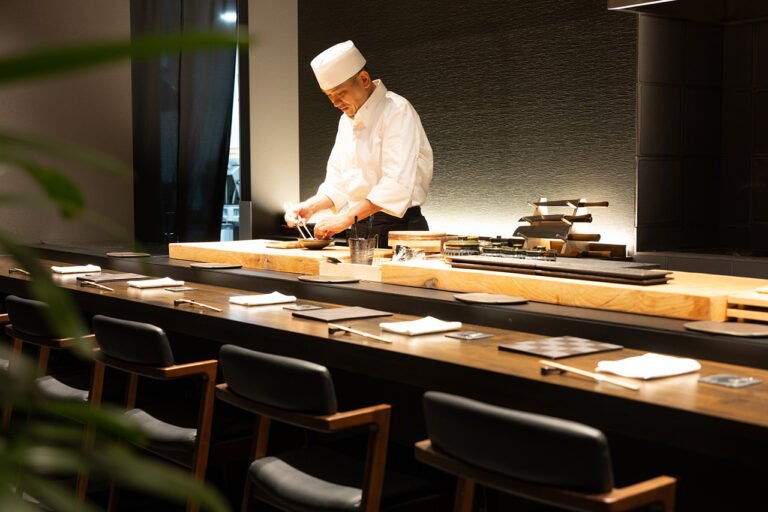
Isshisoden Nakamura sits in Nakagyo Ward, one of Kyoto's most storied dining districts, at an address that has absorbed centuries of craft. The house began as a travelling fishmonger carrying fish from Wakasa Bay to Kyoto's markets: a supply chain that still defines the kitchen's sensibility. That origin is not background colour; it explains why the sourcing here has a specificity you will not find replicated elsewhere in the city. Sixth-generation head chef Motokazu Nakamura learned the craft at his father's side, and now tends the kitchen alongside his own son, who trained abroad. The result is a kitchen where continuity and outside perspective coexist in the same service.
For a first-timer, the most important thing to understand is that Nakamura is not a showcase restaurant performing tradition for tourists. The cooking here is grounded in specific, almost ritualistic practice: the white miso zoni is prepared using water drawn from a well on the premises, because Nakamura considers the mineral character of that water inseparable from the flavour of the dish. The sake-grilled tilefish is doused in sake multiple times during cooking, building layers of flavour through repetition rather than technique alone. These details matter because they tell you something about what you are paying for: not spectacle, but accumulated discipline.
The sensory experience at Nakamura begins before the first course. The aroma of miso-based broths and sake-laced preparations from the kitchen carries a warmth and depth that signals what is coming. For a first visit, arrive without a rigid set of expectations about pacing or presentation. Kaiseki at this level moves on its own terms, and Nakamura's version is more austere than theatrical.
Timing and Ideal time to visit
Autumn: late October through November, is the peak season for Kyoto dining overall, and Nakamura is no exception. The kaiseki format tracks seasonal produce with discipline, and the autumn menu tends to reflect ingredients at their most concentrated. Spring (late March to early May) is the second-leading window if cherry blossom season coincides with your trip. Both periods also represent the hardest booking windows: expect demand to spike sharply. Midweek visits in the quieter shoulder months (February, June, September) are the most realistic entry points for travellers who do not have a Kyoto-based contact to facilitate the reservation. Avoid expecting a walk-in at any time of year.
Private Dining and Groups
The private dining question at a house like Nakamura deserves careful thought. Traditional Kyoto kaiseki restaurants of this calibre typically structure their rooms around intimate, separated spaces rather than a single open dining room, which means the gap between the main room experience and a private arrangement is smaller than at Western fine dining equivalents. For a significant occasion, anniversary, family gathering, a business dinner where the setting needs to do work, requesting a private or semi-private space when booking is worth the additional coordination effort. The generational continuity of the kitchen (Motokazu Nakamura cooking alongside his son) adds a personal dimension to a private meal that larger, more corporate restaurants cannot replicate. Note that confirmed availability of private rooms, minimum spend requirements, and exact capacity are not publicly documented; those details must be confirmed directly when booking.
For groups visiting Kyoto for the first time, Nakamura is a strong anchor restaurant, the meal around which the rest of the trip is organised. Pair it with a lighter lunch at Kikunoi Roan or Kodaiji Jugyuan to bracket the formal and the relaxed ends of Kyoto's dining range. Solo diners are not excluded, but the kaiseki format is better suited to two or more guests for the pacing and the occasion it creates.
Ratings and Trust Signals
- Michelin 3 Stars, 2025
- Michelin 3 Stars, 2024
This is not a restaurant that performs warmth or accessibility. If that is what you need, Miyamaso or Kikunoi Roan will feel more welcoming to first-timers less accustomed to formal Japanese service.
Practical Details
Reservations: Near impossible without advance planning, book as far ahead as your schedule allows, ideally two to three months out for peak seasons; shoulder months may allow six to eight weeks. Booking method: Direct contact in Japanese is strongly recommended; international bookings may benefit from hotel concierge assistance if you are staying at a Kyoto property with strong local relationships. Dress: Smart dress minimum; formal attire appropriate given the occasion and setting. Budget: ¥¥¥¥, expect a significant per-head spend consistent with three-Michelin-star kaiseki in Japan. Location: 136 Matsushitacho, Nakagyo Ward, Kyoto. Leading timing: Autumn (October–November) for peak seasonal menus; February or June for easier reservations.
If your Kyoto trip extends to wider Japan, HAJIME in Osaka is worth considering for a contrasting approach to Japanese fine dining, and Harutaka in Tokyo offers a different calibre of reference point. For the broader Kyoto context, see our full Kyoto restaurants guide, our full Kyoto hotels guide, and our full Kyoto bars guide. Other Japan destinations worth pairing: akordu in Nara, Goh in Fukuoka, 6 in Okinawa, and 1000 in Yokohama. Tokyo comparisons at a similar register: Myojaku and Azabu Kadowaki.
Planning details
- Hours
- Monday: 12–2 PM, 5–6:30 PM · Tuesday: 12–2 PM, 5–6:30 PM
- Location
- 136 Matsushitacho, Nakagyo Ward, Kyoto, 604-8093, Japan
- Website
- kyoto-nakamura.com
- Phone
- +81 75-221-5511
The take
The Take
The Vibe
Isshisoden Nakamura reads like a quietly ambitious Kyoto kaiseki house: it foregrounds provenance rather than décor, and the building’s origins as a fish carrier give the place a sense of rooted purpose. The setting sits off the usual tourist arteries in Nakagyo, so arriving feels more like entering a working neighbourhood than a theatrical dining district. The mood is restrained and attentive, with the menu’s supply-chain logic driving the experience. Guests encounter meticulous, ingredient-led courses that favour subtlety and depth over flash: the sort of refined, historically informed dining that rewards close attention.
Best For
This is a restaurant for deliberate dining: three-Michelin-star kaiseki framed around deep sourcing relationships makes it especially suited to special occasions and intimate evenings. The kitchen’s emphasis on where ingredients come from, and how they are prepared within Kyoto’s culinary lineage, creates a memorable, elevated sequence of courses best appreciated without rush. Couples and small parties seeking a focused, ceremonial meal that highlights seasonal seafood and regional techniques will find this a particularly fitting choice.
Ordering Tips
Approach the menu expecting a kaiseki-led sequence that foregrounds seasonal catches and carefully sourced ingredients. The kitchen’s history as a fish carrier means seafood features prominently, so look for dishes that reference Wakasa Bay traditions. The house signatures, such as white miso zoni and the oxtail skewer, are useful guideposts for the restaurant’s flavour priorities; consider ordering or asking about those items when available. Trusting the chef’s sequence and asking briefly about the provenance of standout items will deepen appreciation of the restaurant’s supply-chain-driven cuisine.
Venue details
Ambiance
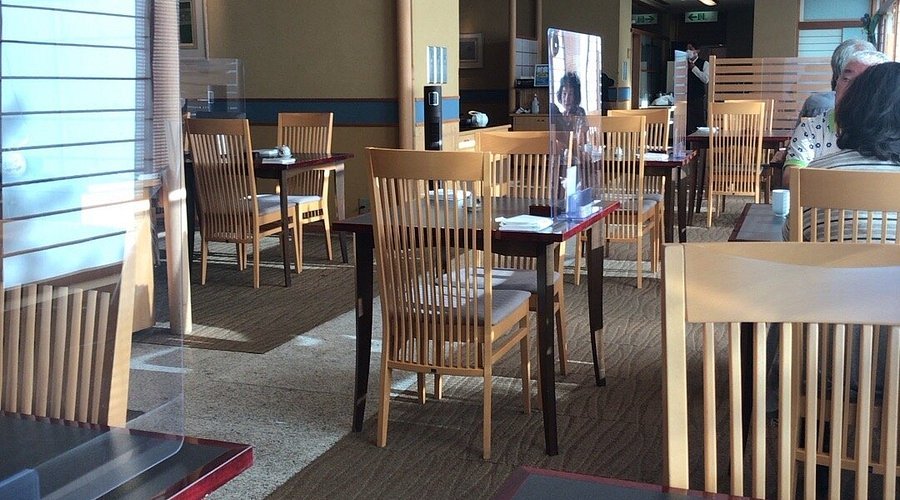
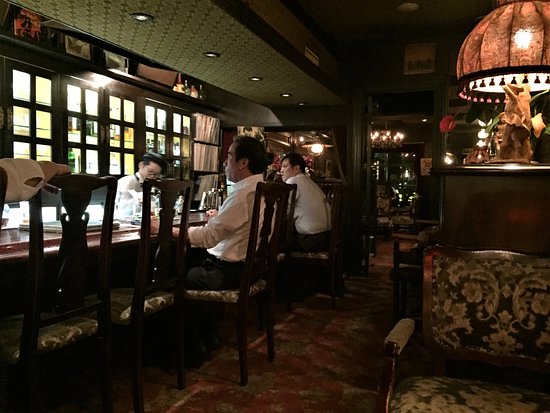
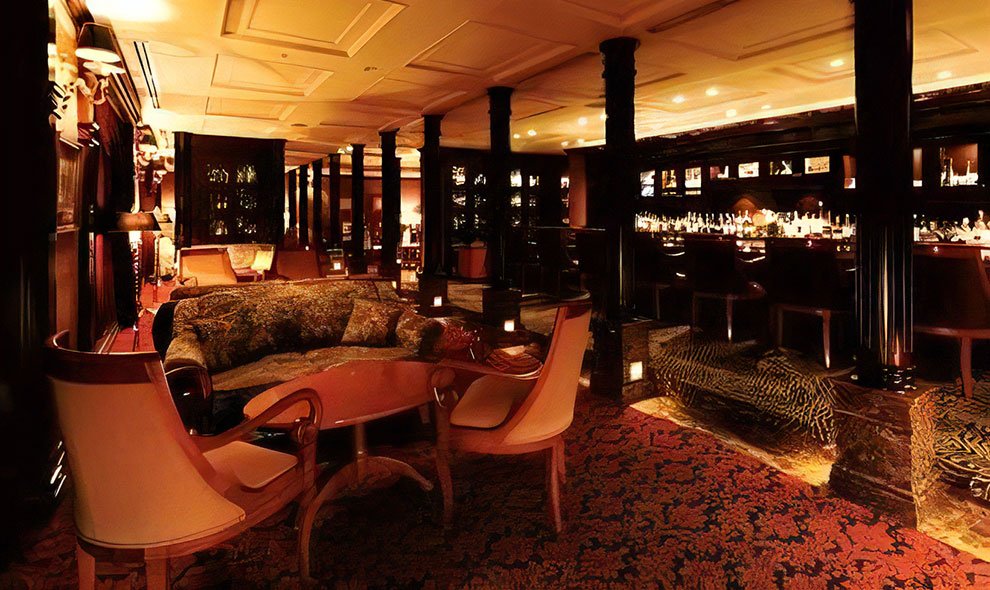
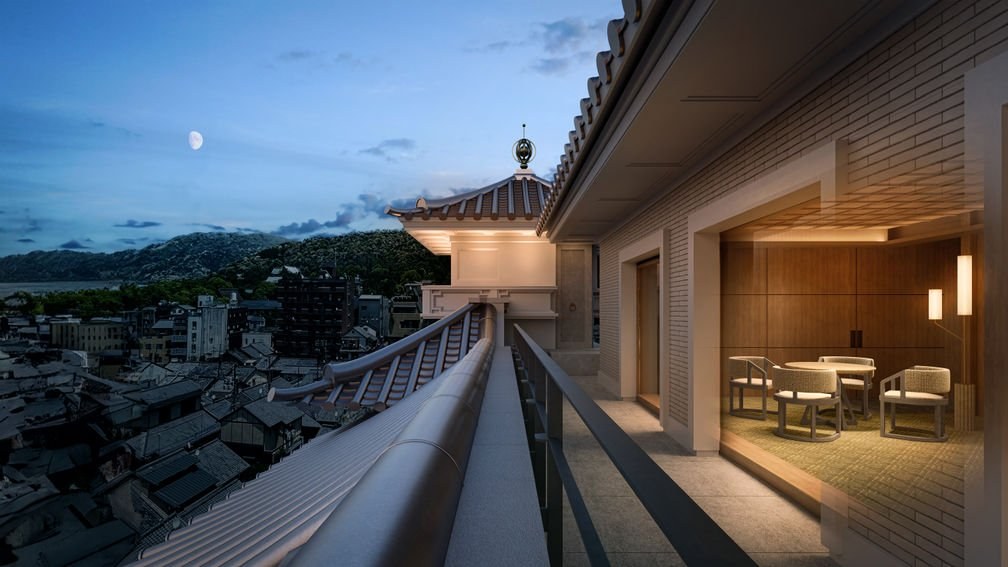
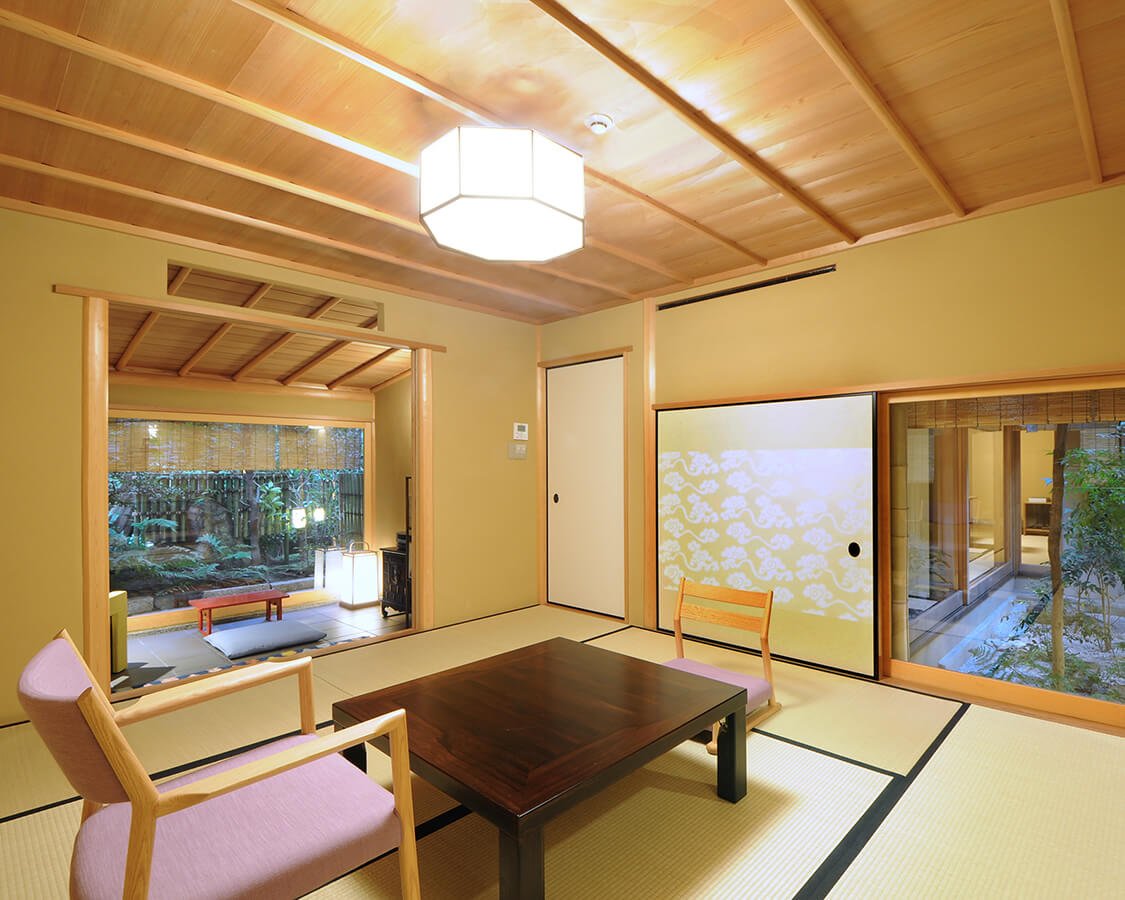
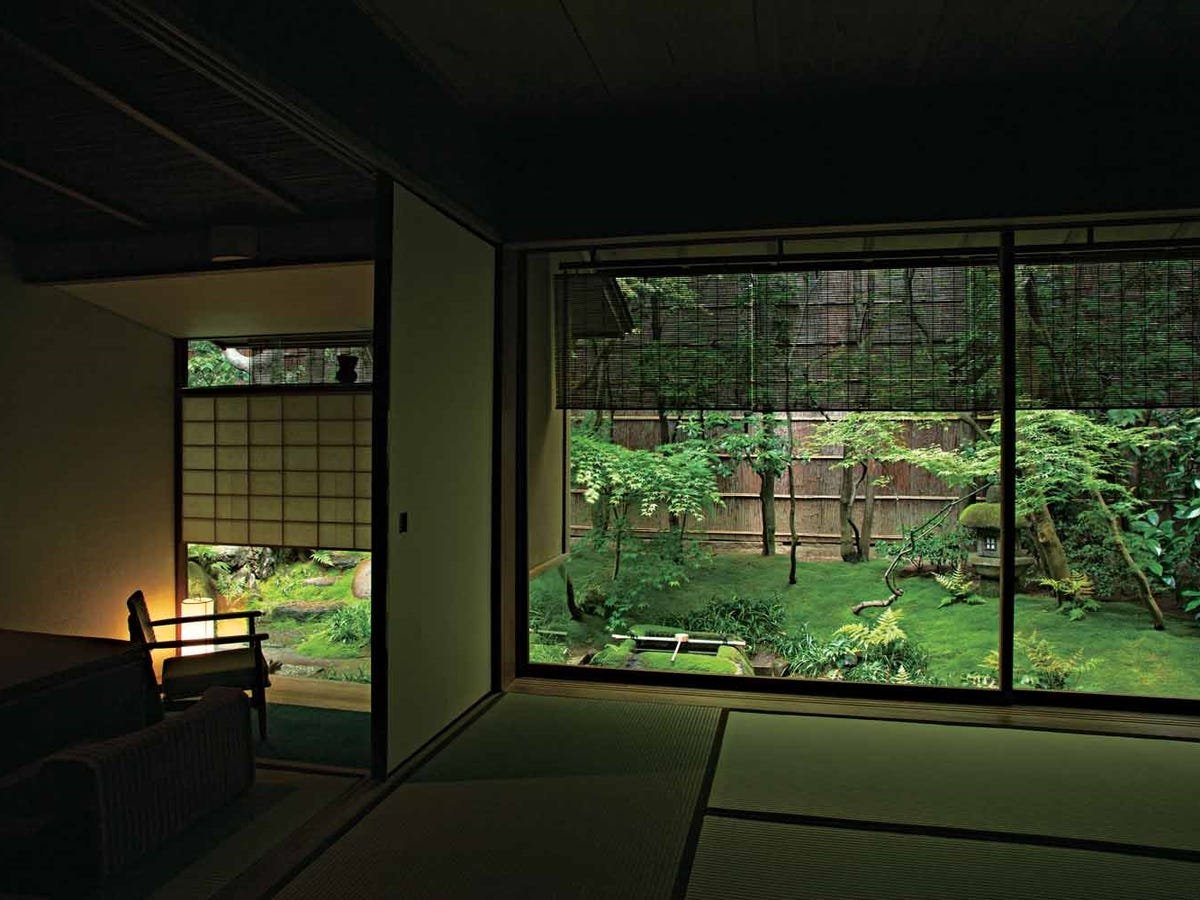
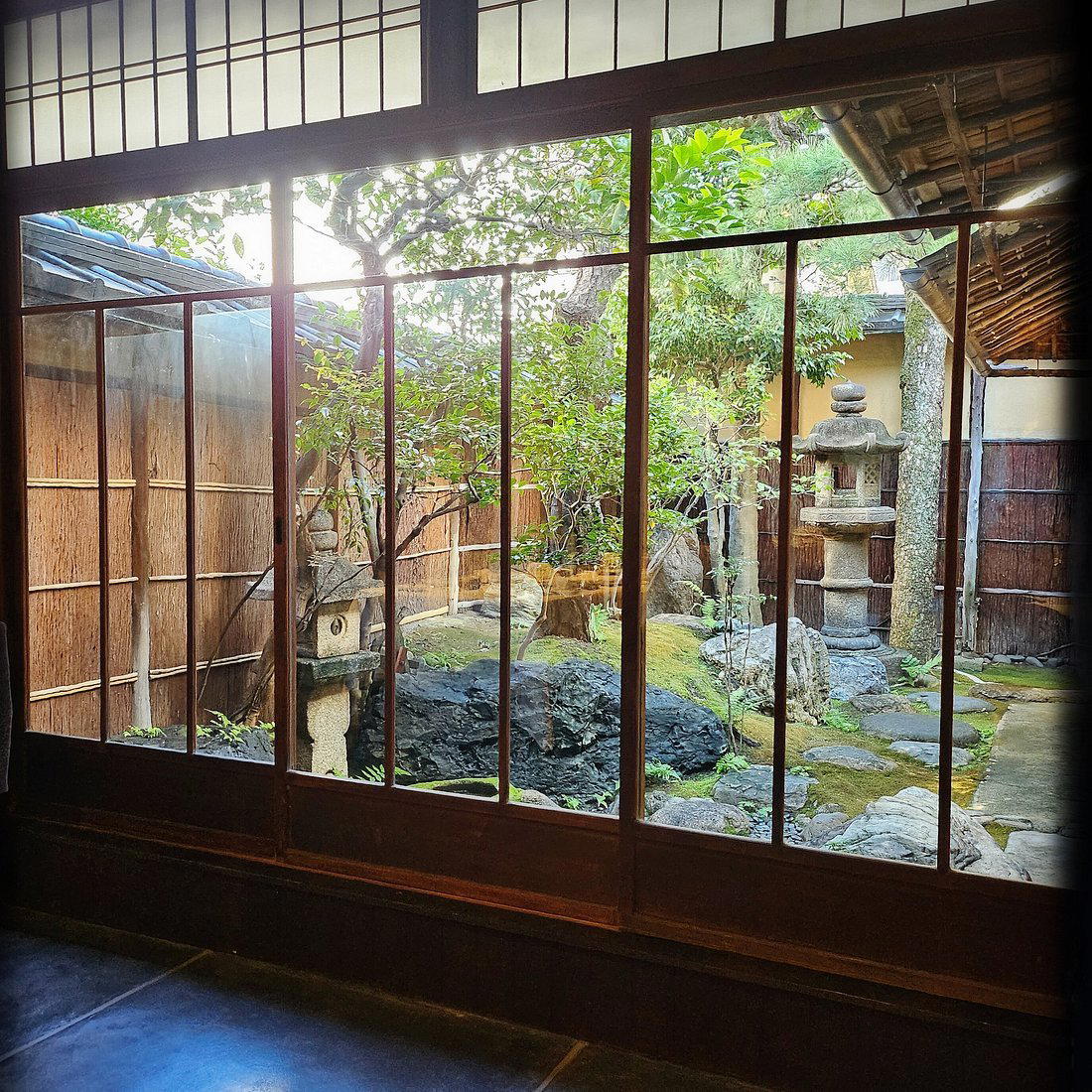
Serene and traditional with private tatami rooms featuring private gardens viewed through bamboo screens, polished red tables, and exceptional Japanese hospitality.
Tags
Vibe
Best For
Experience
View
At the Table
- Dress Code
- Smart Casual
- Noise Level
- Quiet
- Service Style
- Formal
- Meal Pacing
- Leisurely
- Capacity
- Intimate
- Kitchen
- Traditional
- Menu Format
- Tasting menu, Set menu
- Private Dining
- Available
Signature Dishes
- white miso zoni
- oxtail skewer
Know before you go
Know Before You Go
- Getting there
- 136 Matsushitacho, Nakagyo Ward, Kyoto, 604-8093, Japan
Planning details
Hours
- Monday
- 12–2 PM, 5–6:30 PM
- Tuesday
- 12–2 PM, 5–6:30 PM
- Wednesday
- 12–2 PM, 5–6:30 PM
- Thursday
- 12–2 PM, 5–6:30 PM
- Friday
- 12–2 PM, 5–6:30 PM
- Saturday
- 12–2 PM, 5–6:30 PM
- Sunday
- Closed
Location
136 Matsushitacho, Nakagyo Ward, Kyoto, 604-8093, Japan · Directions

Also consider
Also Consider
- Gion Sasaki: Kaiseki, Japanese, ¥¥¥¥
- cenci: Italian, ¥¥¥
- Ifuki: Kaiseki, ¥¥¥¥
- Kyokaiseki Kichisen: Japanese, ¥¥¥¥
- Kyo Seika: Chinese, ¥¥¥
Restaurant context
Within Kyoto's top tier of kaiseki, Isshisoden Nakamura sits closest to Kyokaiseki Kichisen in terms of formality and price. Kichisen is the comparison that comes up most often: both are ¥¥¥¥, both carry serious Michelin recognition, and both operate with a disciplined, restrained register. Isshisoden Nakamura's identity is built around a specific supply lineage and a familial kitchen. If you are choosing between the two, Nakamura is the better choice for diners interested in the historical continuity of a house, Kichisen for those who prioritise technical exactitude above all else. Neither is significantly easier to book than the other.
Gion Sasaki and Ifuki are both ¥¥¥¥ kaiseki options worth considering if your primary concern is booking difficulty or a slightly different stylistic register. Gion Sasaki has a reputation for being more accessible to international diners, which can matter for first-timers navigating Kyoto's reservation culture. Ifuki operates at a comparable price point but with a smaller footprint and less international profile, which sometimes means marginally easier access. Neither matches Nakamura's multi-generational depth, but both deliver serious kaiseki.
If the ¥¥¥¥ commitment feels like a stretch, cenci at ¥¥¥ offers a compelling Italian alternative that reframes Kyoto produce through a different lens: useful if your group includes diners who are less certain about committing fully to the kaiseki format. Kyo Seika at ¥¥¥ covers the Chinese end of Kyoto's formal dining range. Neither is a direct substitute for Nakamura, but for a multi-dinner itinerary, they provide useful contrast without a full repeat of the formal Japanese dining register.
Explore Kyoto
Around this place
Discover more on Pearl
Unlock the full Isshisoden Nakamura guide in Pearl, including awards, comparisons, FAQs, planning details, and nearby places.
Compare Isshisoden Nakamura
| Venue | Awards | Price |
|---|---|---|
| Isshisoden Nakamura | 2026 OAD Top Restaurants in Japan Recommended2026 Michelin 3 StarsMichelin Guide Kyoto Osaka 20262025 Michelin 3 Stars2024 Michelin 3 Stars | ¥¥¥¥ |
| Gion Sasaki | 2026 Tabelog Bronze · #3862026 OAD Top Restaurants in Japan RecommendedMichelin Guide Kyoto Osaka 20262026 La Liste Top RestaurantsTabelog 100 - Japanese cuisine - WEST - 2025 · #132025 OAD Top Restaurants in Japan Ranked · #2462025 Tabelog Silver2025 Michelin 3 Stars2025 La Liste Top Restaurants | ¥¥¥¥ |
| cenci | 2026 Tabelog Bronze · #442026 Asia's 50 Best Restaurants · #762026 OAD Top Restaurants in Japan Highly RecommendedMichelin Guide Kyoto Osaka 2026Tabelog 100 - Italian - WEST - 2025 · #632025 Asia's 50 Best Restaurants · #632025 OAD Top Restaurants in Japan Ranked · #1682025 Tabelog Bronze2024 OAD Top Restaurants in Japan Ranked · #135 | ¥¥¥ |
| Ifuki | 2026 OAD Top Restaurants in Japan Ranked · #1222026 Tabelog Bronze · #128Michelin Guide Kyoto Osaka 20262026 La Liste Top RestaurantsTabelog 100 - Japanese cuisine - WEST - 2025 · #622025 OAD Top Restaurants in Japan Ranked · #1002025 La Liste Top Restaurants2025 Tabelog Bronze2025 Michelin 2 Stars | ¥¥¥¥ |
| Kyokaiseki Kichisen | 2026 Tabelog Bronze · #1752026 OAD Top Restaurants in Japan Highly RecommendedMichelin Guide Kyoto Osaka 20262025 OAD Top Restaurants in Japan Ranked · #1862025 Michelin 2 Stars2025 La Liste Top Restaurants2024 OAD Top Restaurants in Japan Ranked · #1422024 Michelin 2 Stars2023 OAD Top Restaurants in Japan Ranked · #136 | ¥¥¥¥ |
| Kyo Seika | Tabelog 100 - Chinese cuisine - WEST - 2026 · #762026 Tabelog Bronze · #2162026 OAD Top Restaurants in Japan Recommended2026 Michelin 1 Star2025 OAD Top Restaurants in Japan Ranked · #3262025 Tabelog Bronze2024 OAD Top Restaurants in Japan Ranked · #3042024 Michelin Plate2024 Michelin 1 Star | ¥¥¥ |







.png?width=1200&quality=80)
Side-by-side comparison to help you decide where to book.
FAQ
Frequently Asked Questions
Is Isshisoden Nakamura good for solo dining?
Solo dining at kaiseki is less common than at omakase counters, but it is not unwelcome. At a ¥¥¥¥ price point and with a format built around sequential courses, solo diners get full access to the kitchen's craft. Book early and confirm solo seating is available: peak autumn months fill fast regardless of party size.
What should I order at Isshisoden Nakamura?
The format is kaiseki, a set menu, not à la carte, so ordering is not the question. The kitchen's documented signatures include white miso zoni made with water drawn from an on-site well, and sake-grilled tilefish with repeated sake applications that build layered flavour. The menu tracks the season, so what arrives depends on when you visit.
Is Isshisoden Nakamura good for a special occasion?
Yes: this is one of the clearest cases for a special-occasion booking in Kyoto. Three consecutive Michelin stars (2024, 2025), a six-generation lineage, and a kitchen run by Motokazu Nakamura and his son give the meal genuine narrative weight beyond the food itself. Book two to three months out for birthdays or anniversaries, especially in autumn.
Is Isshisoden Nakamura worth the price?
At ¥¥¥¥, this is top-end Kyoto dining, and the value case rests on the restaurant's credentials: three Michelin stars held across 2024 and 2025, a lineage tracing back to a Wakasa Bay fish merchant, and techniques passed directly from father to son over six generations. If kaiseki is the format you want and Kyoto is the city, the price is justified. For a lighter spend, Ifuki or cenci deliver serious cooking at lower price points.
Is the tasting menu worth it at Isshisoden Nakamura?
The tasting menu is the only format here: kaiseki is a set sequence, not a selection. Given the three-Michelin-star standing and the documented kitchen practices (well-water miso, repeated sake glazing on tilefish), the menu is constructed with precision rather than padding. Worth it if seasonal Japanese cooking at this register is what you are after.
What are alternatives to Isshisoden Nakamura in Kyoto?
Kyokaiseki Kichisen is the closest peer in prestige and price. Gion Sasaki offers a more personal counter-style kaiseki at high but slightly more accessible spend. Ifuki and cenci both deliver compelling Kyoto-informed menus at meaningfully lower price points. Kyo Seika suits those who want a lighter or more casual take on Kyoto seasonal cooking.