



The Hotel Seiryu Kyoto Kiyomizu
Higashiyama, Kyoto
Hotel in Kyoto, Japan
 Book with Pearl
The Read
Schoolhouse Adaptive Reuse
Why go
The Hotel Seiryu Kyoto Kiyomizu is a hotel in Kyoto's Higashiyama Ward.
About The Hotel Seiryu Kyoto Kiyomizu
For The Hotel Seiryu Kyoto Kiyomizu, the focus is deliberately narrow: this is a Kyoto hotel with recognition from Michelin, Leading Hotels of the World, La Liste, and Forbes, plus a smart-casual dress code. Beyond that, specific claims about neighborhood positioning, room count, restaurants, amenities, service format, prices, or on-property programming are not detailed.
That makes the hotel easiest to evaluate as a recognition-led Kyoto stay rather than through details about a particular district or travel style. If you are comparing it with other Kyoto options, keep the decision focused on the accolades and your own preferred booking terms rather than assumptions about exact location advantages or specific facilities.
Book this for a Kyoto hotel profile, not specific details
The strongest reason to consider The Hotel Seiryu Kyoto Kiyomizu is its recognition profile. It holds a Michelin 1 Key distinction for 2024, is listed as a Leading Hotels of the World member for 2025, appears in La Liste Top Hotels 2026 with 94 points, and has Forbes 4-Star recognition for 2026.
Those facts support positioning it among higher-recognition Kyoto hotels, but they do not include specific details about dining, room style, guest mix, amenities, or itinerary fit. For another Kyoto comparison, Nohga Hotel Kiyomizu Kyoto may be considered if you are weighing a different hotel profile, while Park Hyatt Kyoto, SOWAKA, Banyan Tree Higashiyama Kyoto, and Hotel The Celestine Kyoto Gion are also natural names to cross-shop depending on your priorities.
Booking value is strongest for guests who care about recognition and terms
The recognition stack is useful for decision-making: Michelin 1 Key, Leading Hotels of the World membership, La Liste Top Hotels scoring, and Forbes 4-Star recognition all give third-party context for the property. That does not automatically make it the right booking for every traveler, but it does provide more signal than a purely style-led description would.
For value strategy, compare the rate, cancellation terms, room category, and any benefits available through your booking channel. If the price gap is small against Park Hyatt Kyoto, choose based on the specific booking terms and your hotel preference rather than assumptions. If comparing against SOWAKA, Banyan Tree Higashiyama Kyoto, Hotel The Celestine Kyoto Gion, or Nohga Hotel Kiyomizu Kyoto, keep the comparison grounded in recognition and the details shown by your booking source.
Who should choose it over the obvious Kyoto alternatives
Choose The Hotel Seiryu Kyoto Kiyomizu if you want a Kyoto hotel with a recognition profile: Michelin 1 Key, Leading Hotels of the World membership, La Liste Top Hotels 2026 at 94 points, and Forbes 4-Star recognition. Consider SOWAKA, Park Hyatt Kyoto, Banyan Tree Higashiyama Kyoto, Hotel The Celestine Kyoto Gion, or Nohga Hotel Kiyomizu Kyoto if their rates, booking conditions, or property profiles better match your trip.
Inside The Hotel Seiryu Kyoto Kiyomizu
Planning details
- Location
- 2-chōme-204-2 Kiyomizu, Higashiyama Ward, Kyoto, 605-0862
- Website
- princehotels.com/seiryu-kiyomizu
- Phone
- +81 75-532-1111
The take
The Take
The Vibe
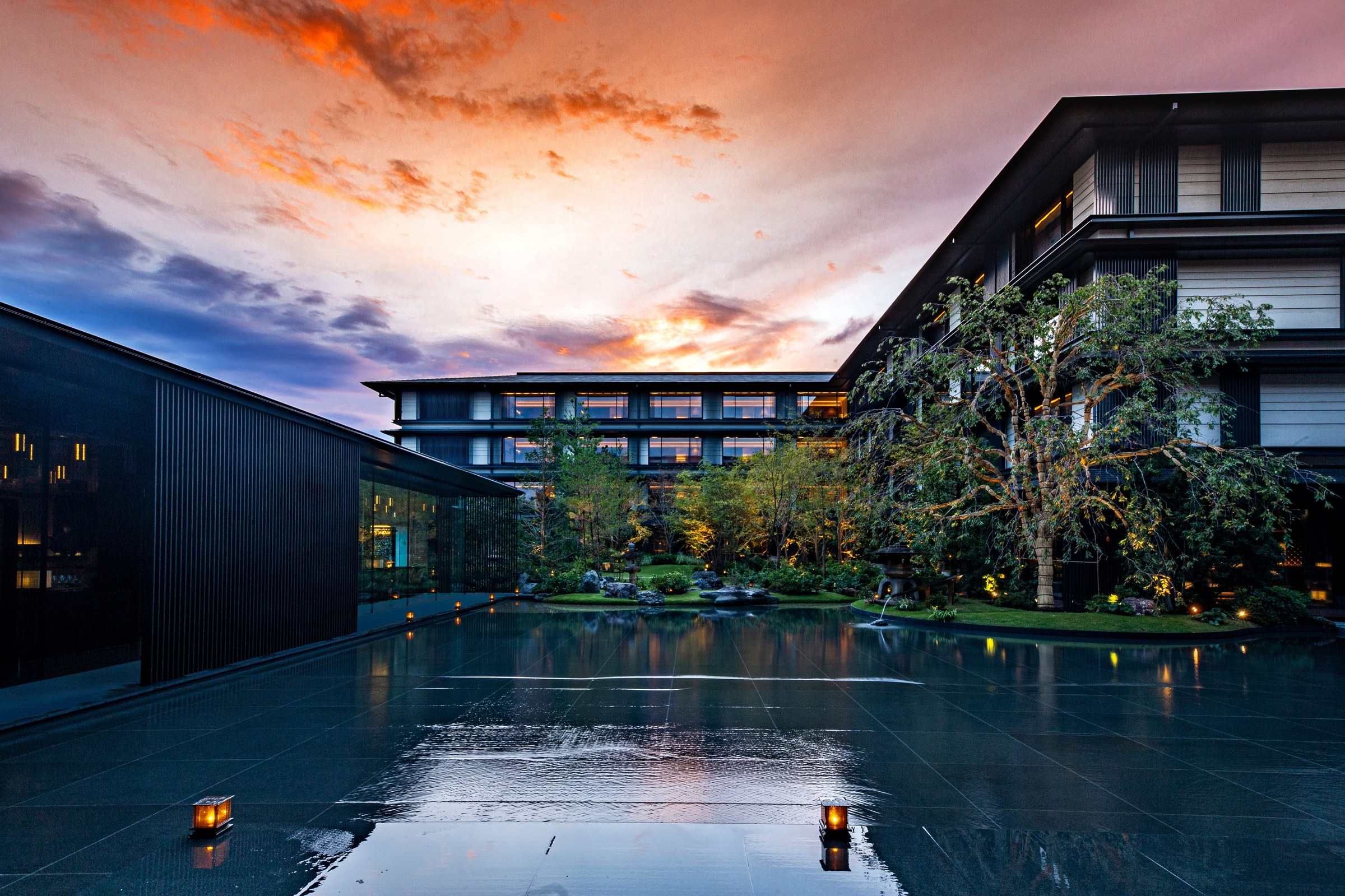
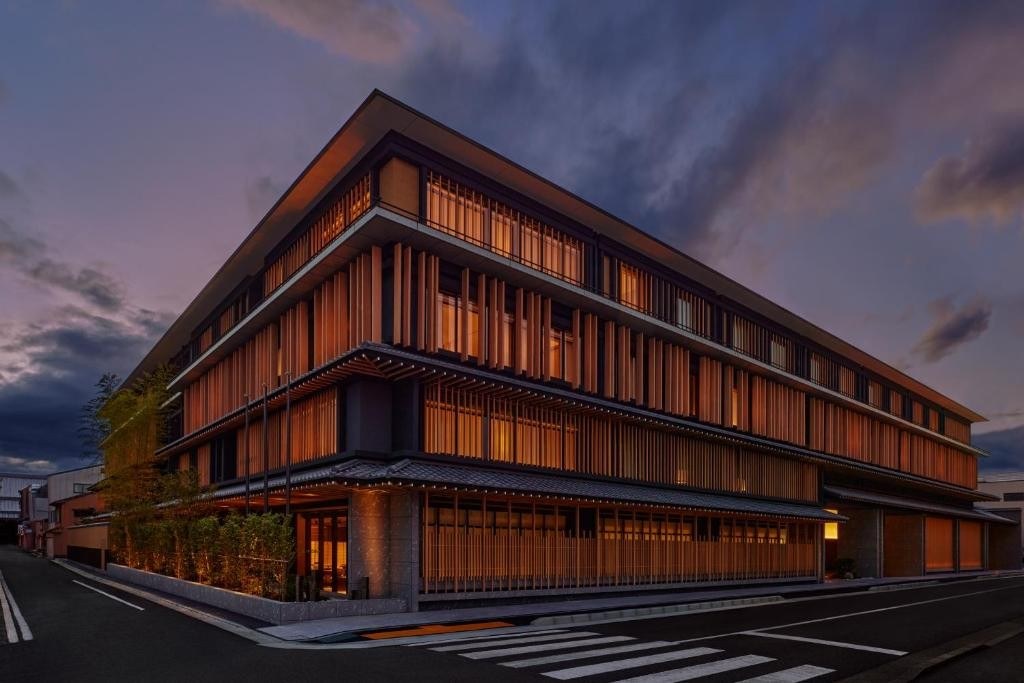
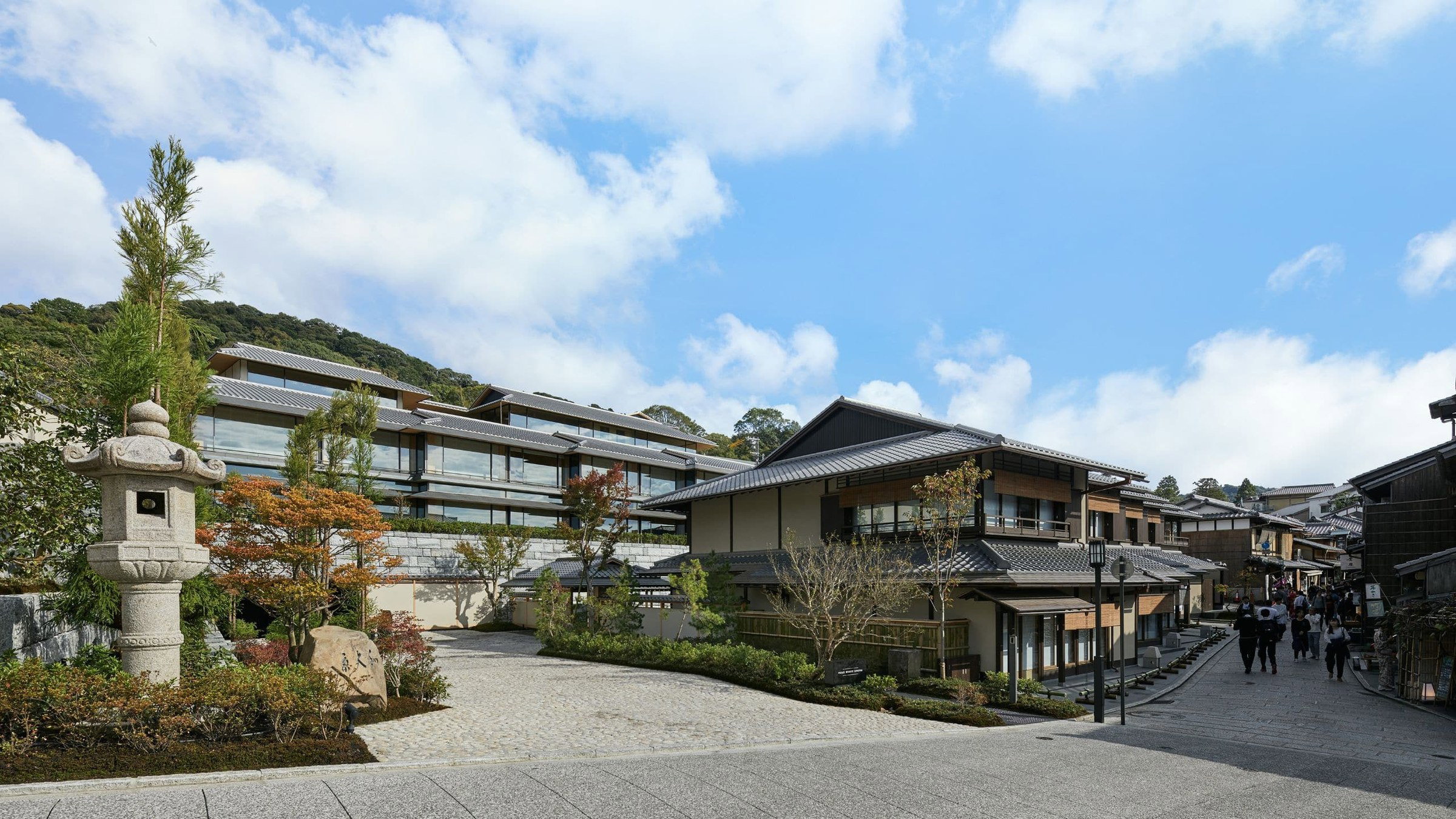
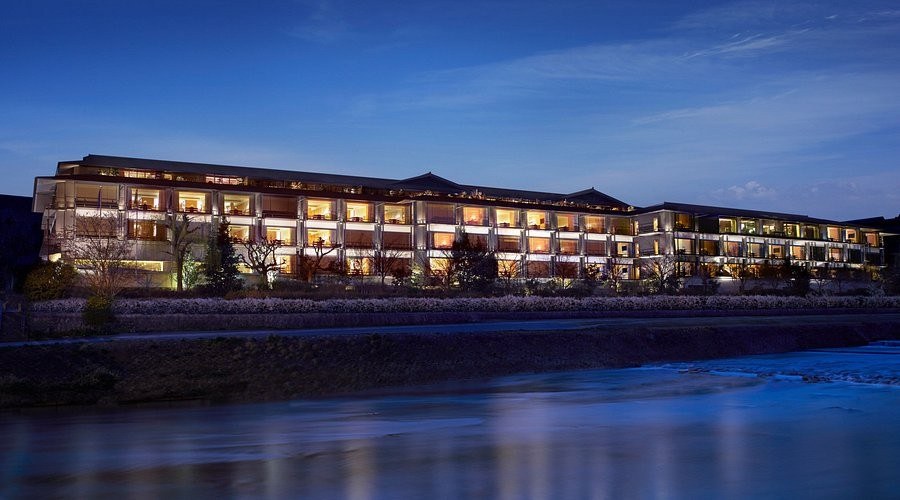
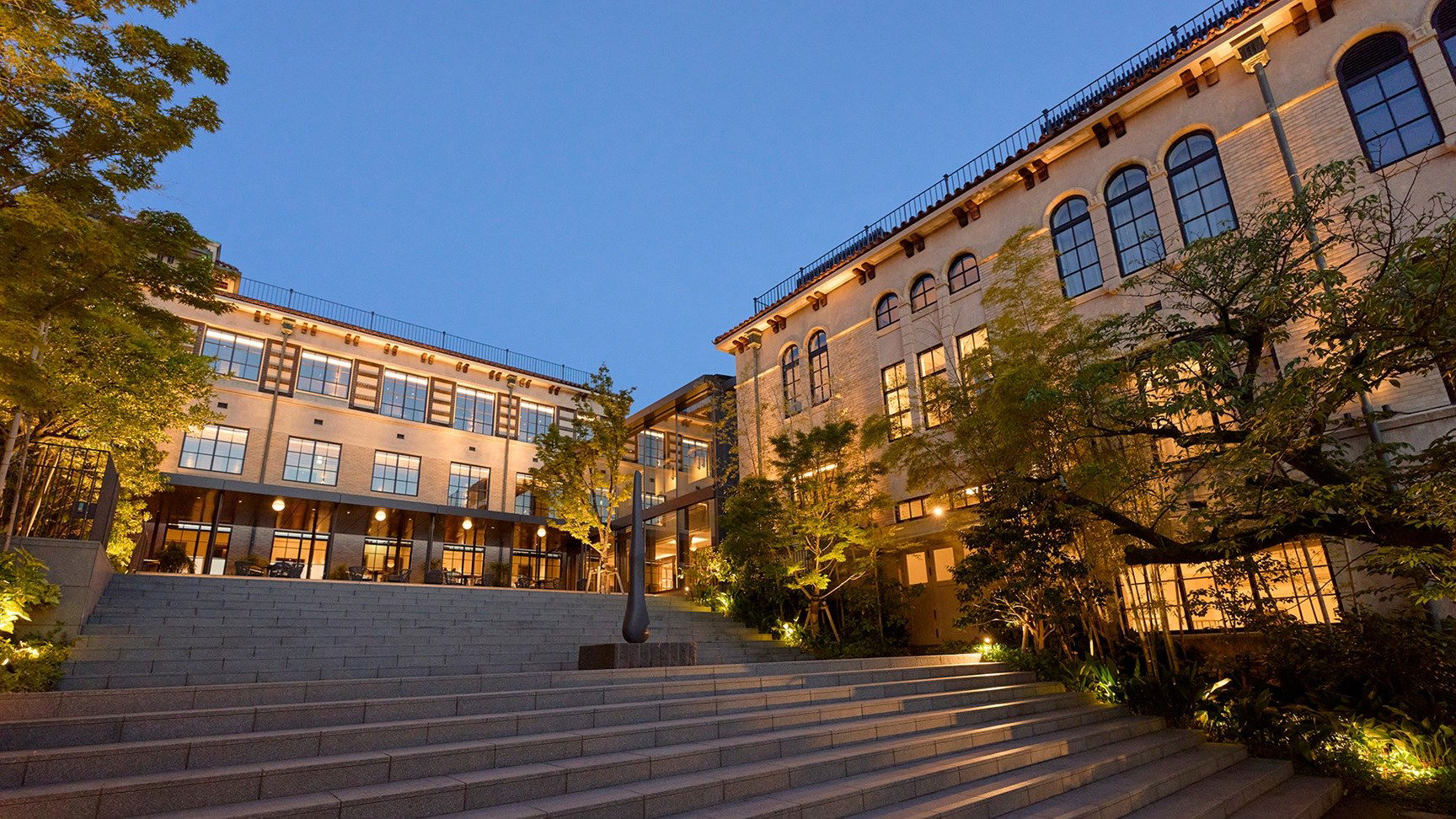
Hotel Seiryu Kyoto Kiyomizu occupies a carefully preserved 1930s brick schoolhouse in Higashiyama, where the building’s civic solidity and arched windows read as historic rather than quaint. The property leans into adaptive reuse, combining the weight of its heritage exterior with contemporary interiors that place neighborhood identity front and center. With just 48 rooms, the hotel feels intimate and quietly charming—a small-scale alternative to Kyoto’s larger luxury flagships. Its setting on a stone-paved lane that funnels pilgrims toward Kiyomizu-dera reinforces a sense of place: architectural gravitas, restrained modernity, and a calm pocket within a busy cultural precinct.
Best For
This hotel serves as a restful base for travelers focused on Higashiyama’s temples and traditional streets. Its proximity to Kiyomizu-dera and location along the temple approach make it well suited to guests who want to explore the neighborhood on foot and return to a quietly refined, small-scale hotel. The property’s modest room count and preserved schoolhouse character appeal to couples on romantic getaways and travelers seeking a serene, design-forward stay rather than the full-service amenities of major flagships. It’s particularly fitting for those prioritizing location and architectural interest over resort-scale facilities.
Stay Tips
Because Seiryu trades scale for proximity and has just 48 rooms, availability can be limited—book early, especially around peak temple seasons and weekends. Note that the description contrasts this property with larger international flagships that provide multiple restaurants and full-service spas; expect a more focused, neighborhood-oriented experience rather than extensive on-site programming. Use your stay as a walking base for early-morning visits to Kiyomizu-dera when nearby crowds are smaller; the hotel’s location on the stone-paved approach is its chief convenience.
Venue details
Ambiance
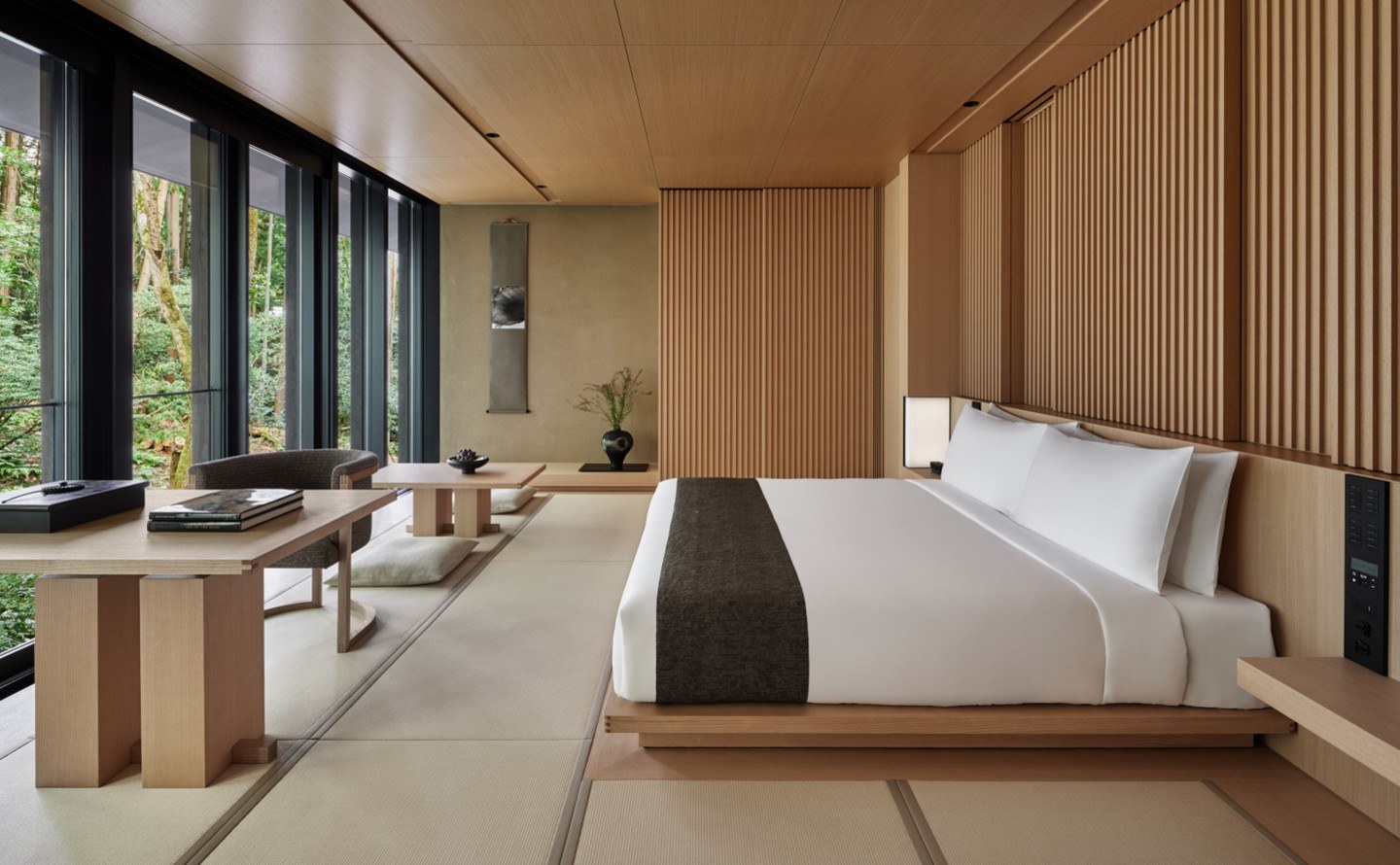
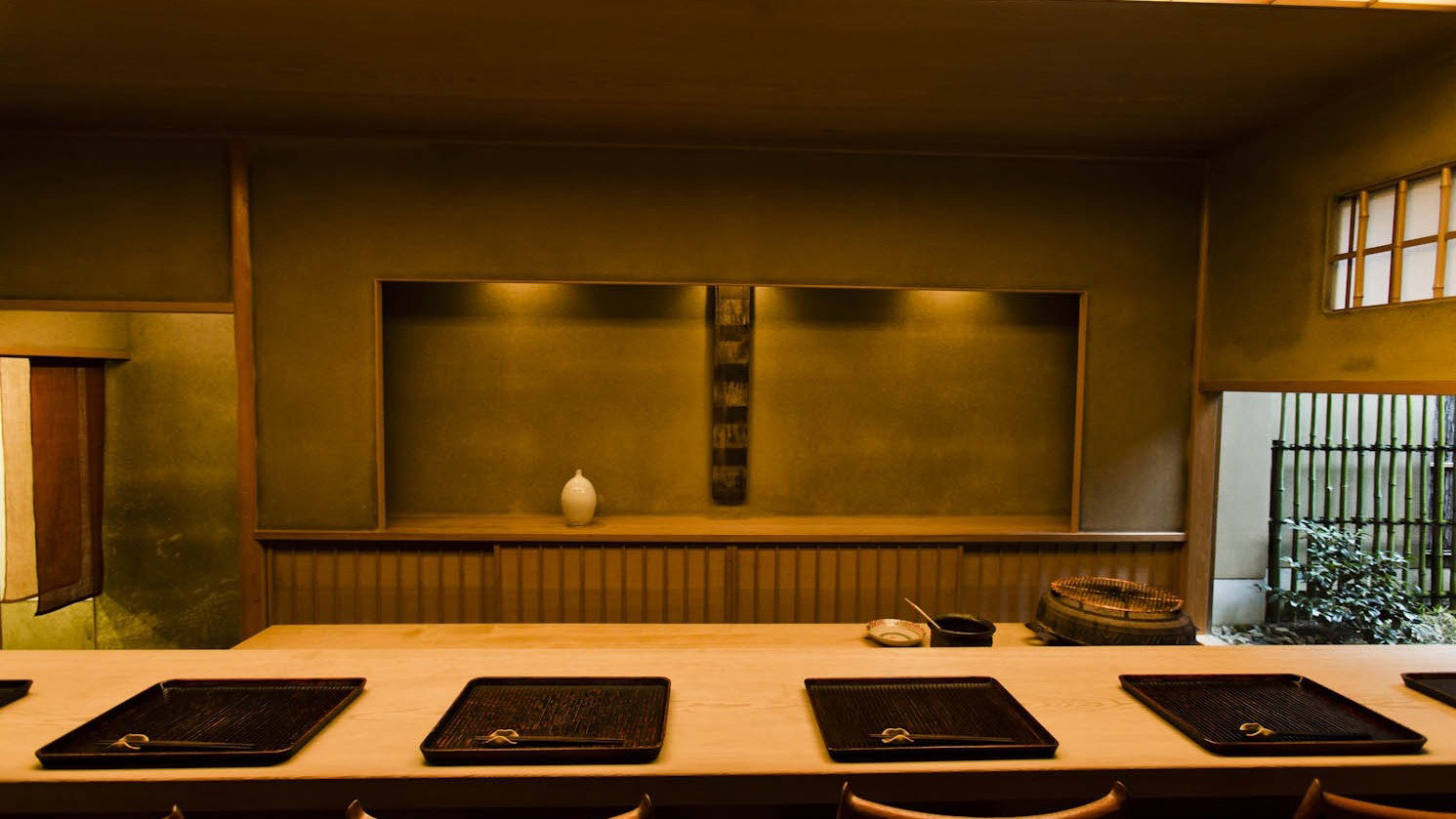
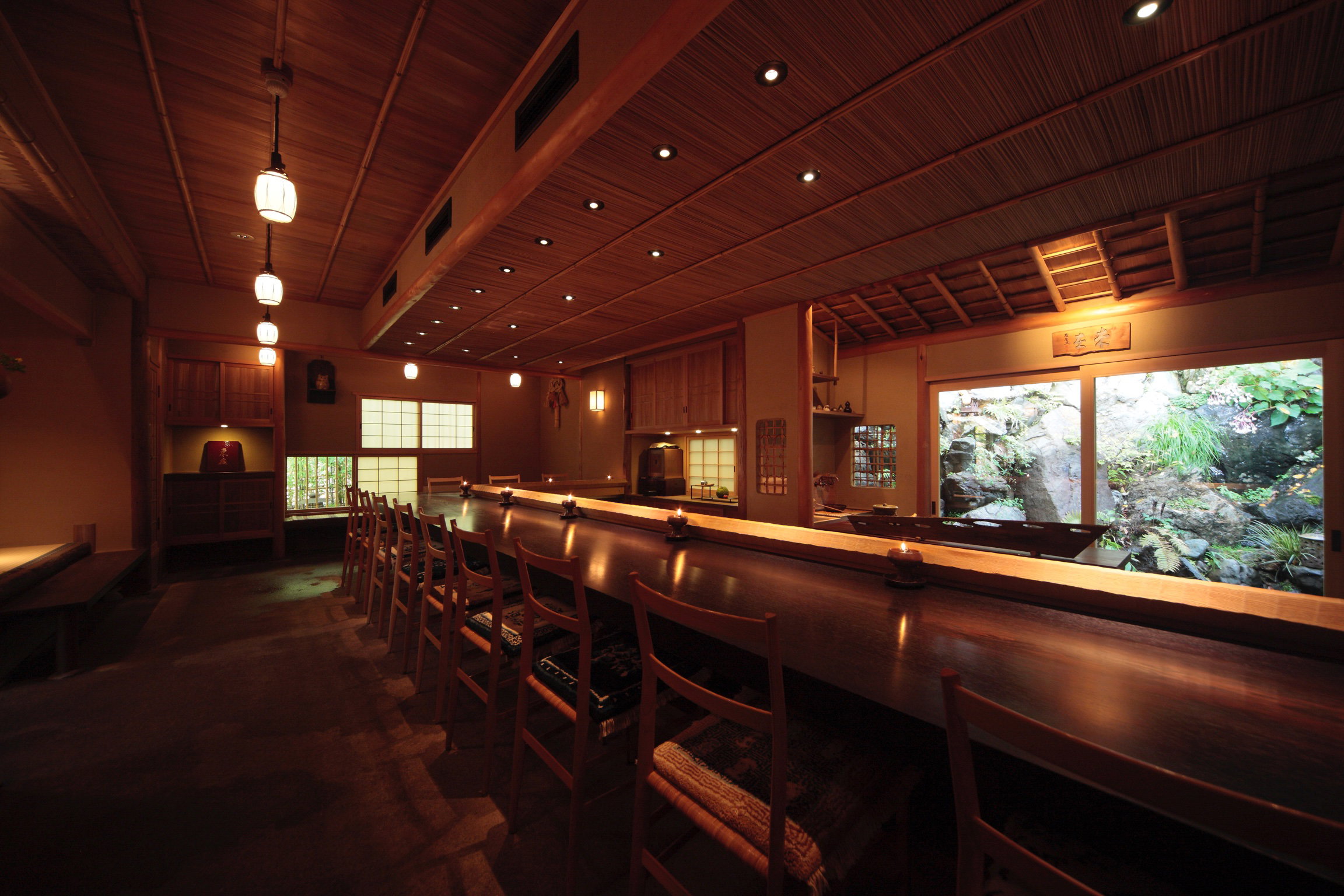
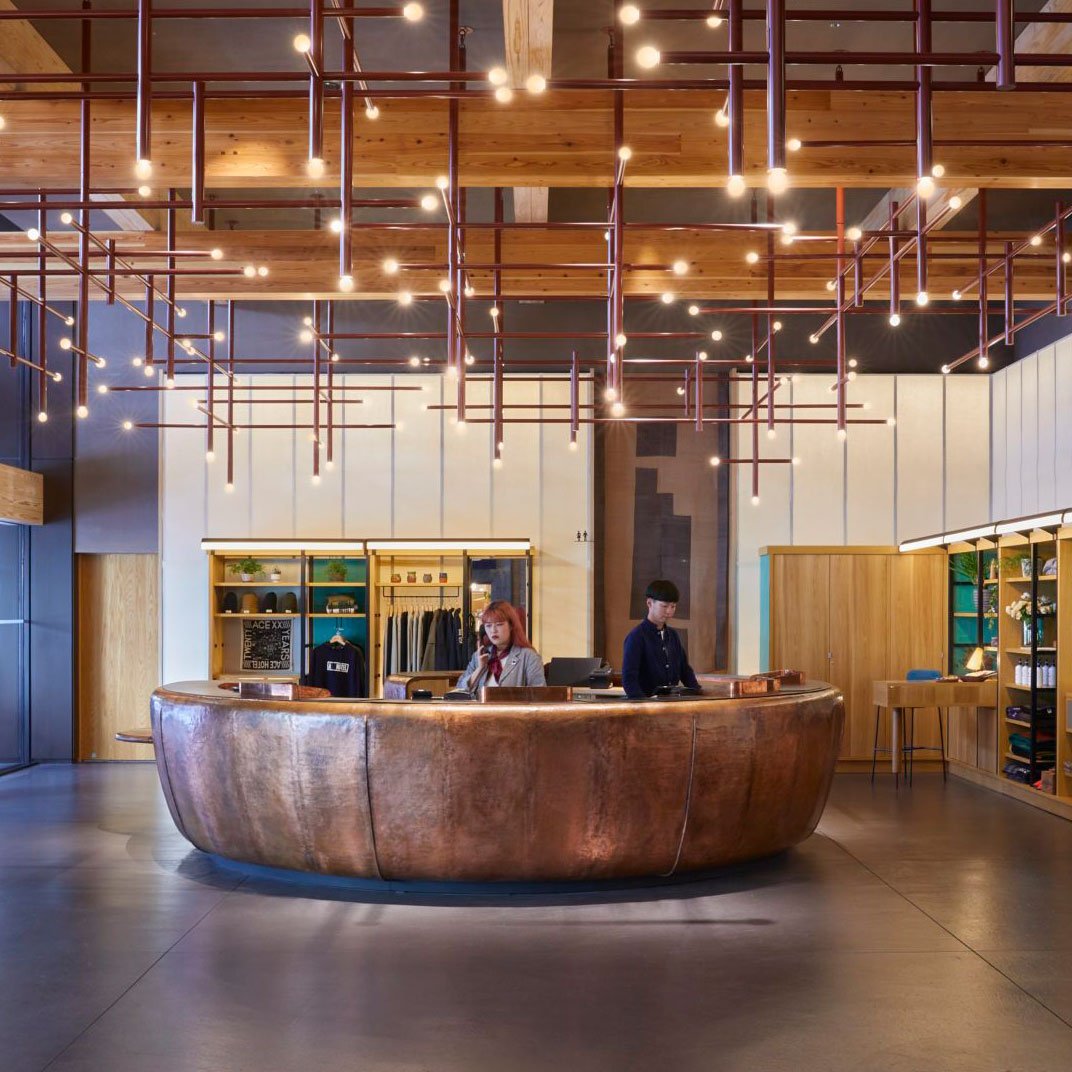
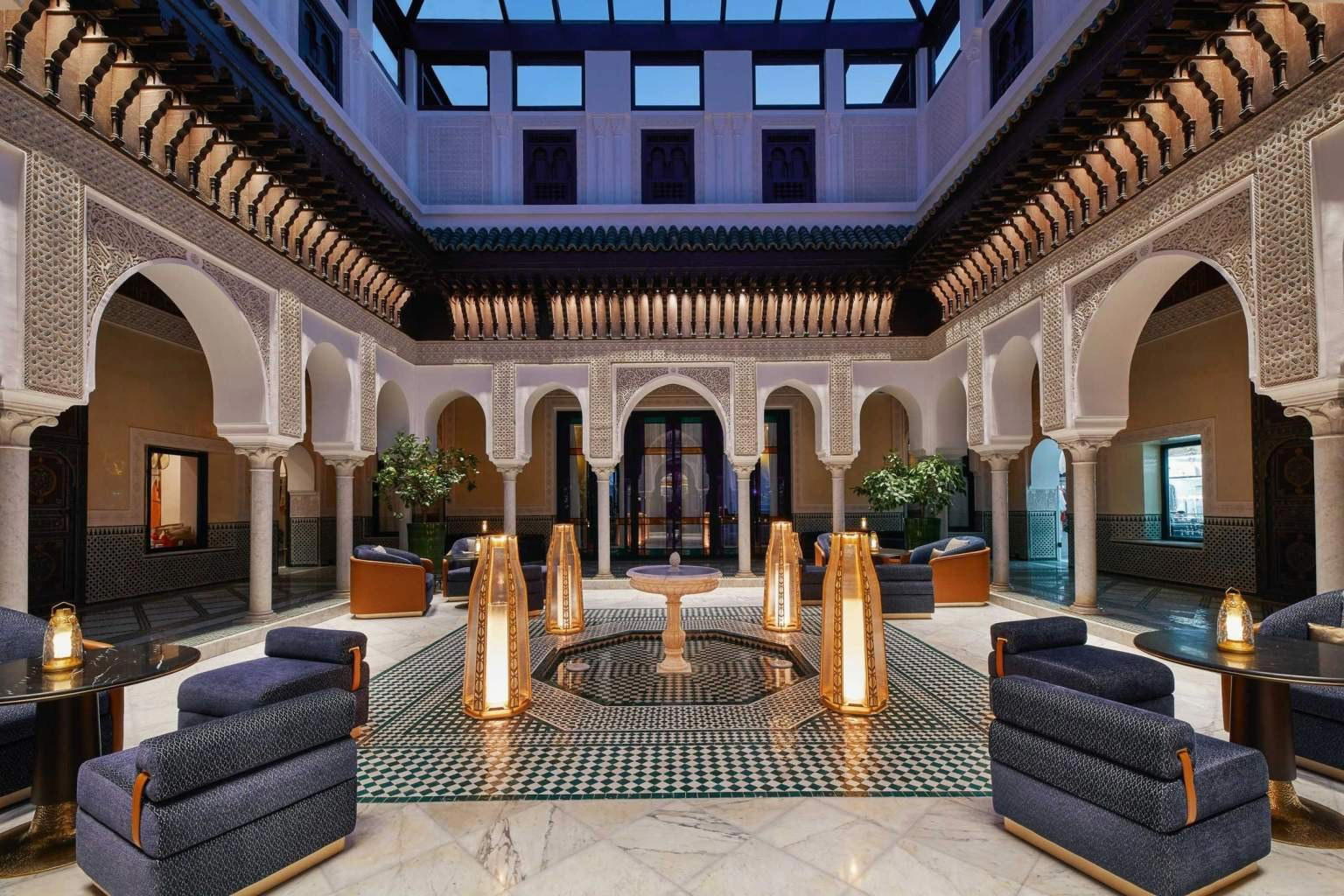
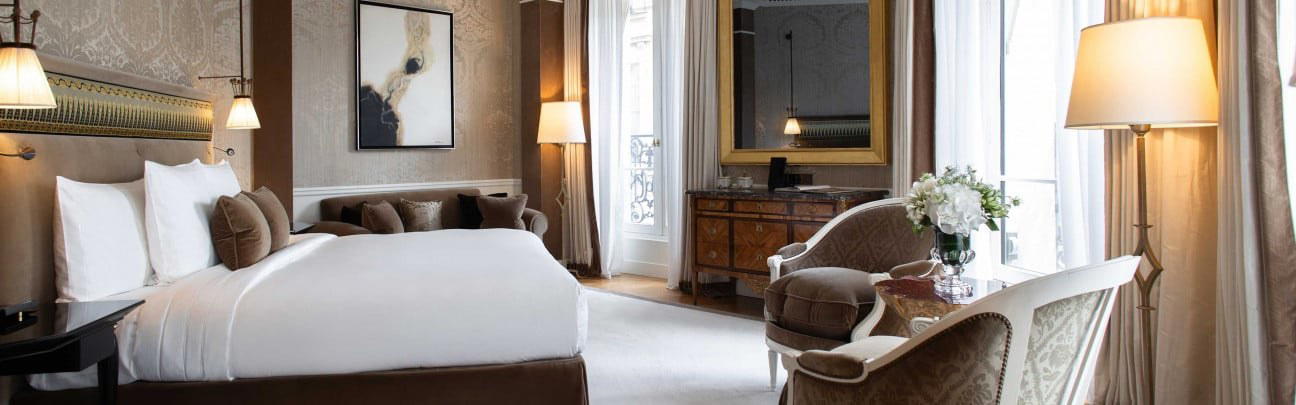
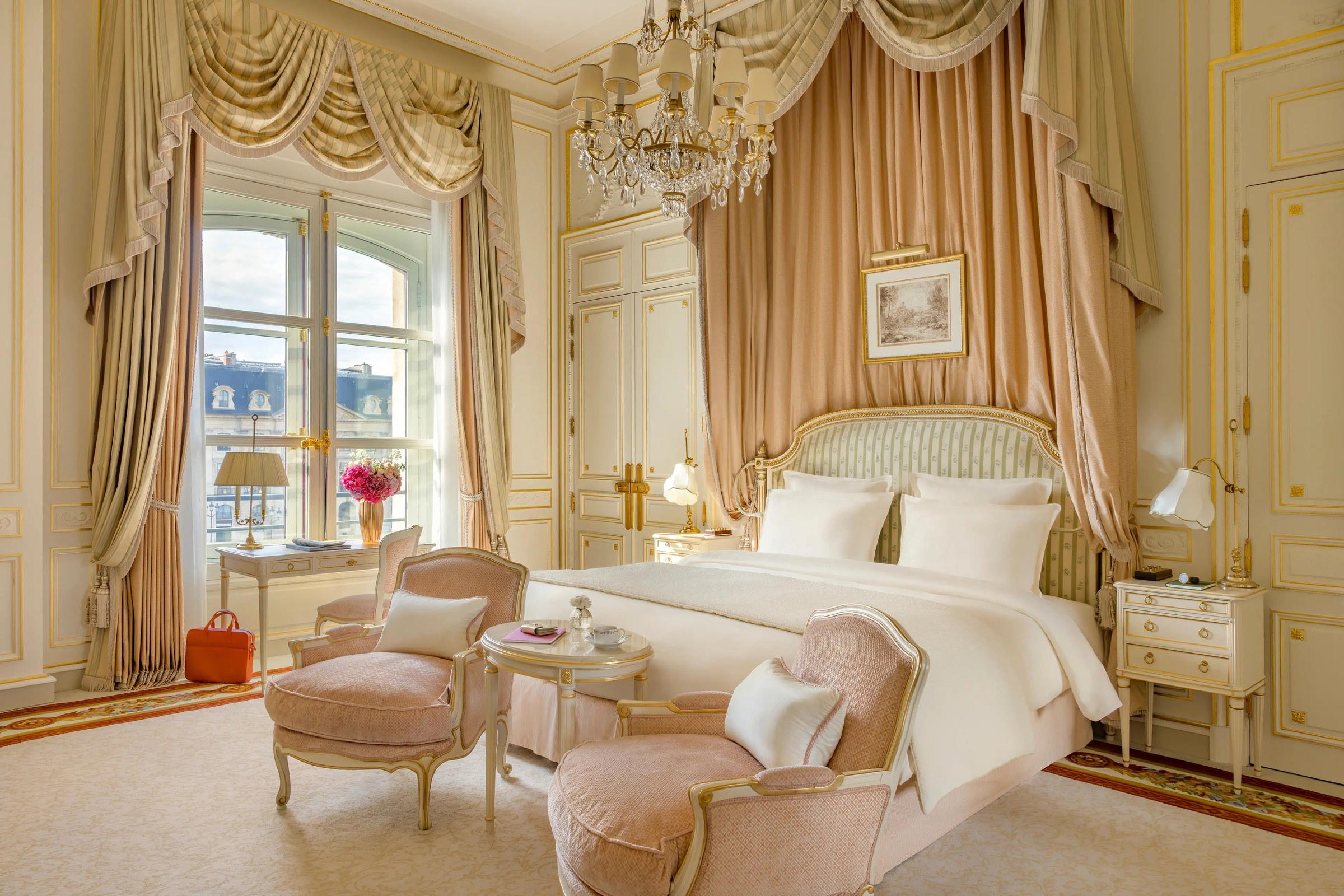
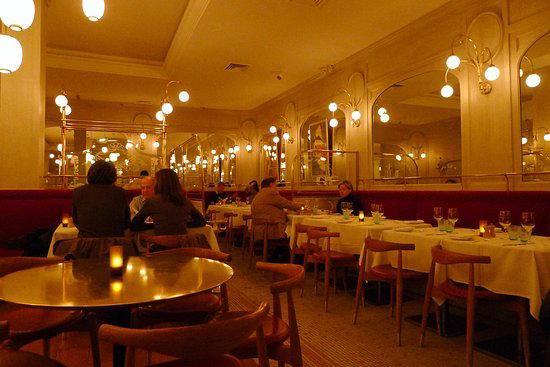
Calm and tranquil oasis with light-filled spaces, soundproof rooms, and a peaceful atmosphere amidst the city bustle, featuring golden woods and soothing earth tones.
Tags
Vibe
Best For
Experience
Amenities
View
Accessibility
About the Stay
- Rooms
- 48
- Property Style
- Renovated Historic School Building Blending Japanese Heritage with Contemporary Luxury
- Design Style
- Refined Elegance with Golden Woods, Off Whites, Earth Tones, and Modern Minimalist Touches
Know before you go
Know Before You Go
- Getting there
- 2-chōme-204-2 Kiyomizu, Higashiyama Ward, Kyoto, 605-0862
Planning details
Location
2-chōme-204-2 Kiyomizu, Higashiyama Ward, Kyoto, 605-0862 · Directions
Recognition and awards



Also consider
Also Consider
- Park Hyatt Kyoto, Notable alternative
- Banyan Tree Higashiyama Kyoto, Notable alternative
- SOWAKA, Notable alternative
- Hotel The Celestine Kyoto Gion, Notable alternative
- Nohga Hotel Kiyomizu Kyoto, Notable alternative
Hotel context
How it compares in Kyoto
Park Hyatt Kyoto is the cleaner comparison for travelers deciding at the luxury end of Higashiyama. Choose Park Hyatt Kyoto if brand loyalty and a fuller resort-hotel feel drive the decision; choose The Hotel Seiryu Kyoto Kiyomizu if the priority is a polished base closer to Kiyomizu-area walking routes and the rate is meaningfully better.
Banyan Tree Higashiyama Kyoto and SOWAKA are better cross-shops for guests chasing a more retreat-like or ryokan-influenced Kyoto mood. They make sense for slower stays. The Hotel Seiryu Kyoto Kiyomizu is the more practical recommendation for travelers who want luxury recognition without giving up immediate access to one of Kyoto's densest sightseeing areas.
Hotel The Celestine Kyoto Gion and Nohga Hotel Kiyomizu Kyoto are the value checks. Pick Celestine for Gion convenience and likely easier pricing; pick Nohga if the main goal is staying near Kiyomizu with a lighter spend. Seiryu is the splurge when awards, setting, and upgrade-aware booking value matter enough to justify the harder reservation and higher luxury positioning.
Explore Kyoto
Around this place
Discover more on Pearl
Unlock the full The Hotel Seiryu Kyoto Kiyomizu guide in Pearl, including awards, comparisons, FAQs, planning details, and nearby places.
Compare The Hotel Seiryu Kyoto Kiyomizu
| Venue | Location | Awards |
|---|---|---|
| The Hotel Seiryu Kyoto Kiyomizu | Kyoto | 2026 Forbes 4-Star2026 La Liste Top HotelsLeading Hotels of the World 2026Michelin 1 Key 20252025 Forbes 4-Star2025 Michelin 1 Key2024 Michelin 1 Key |
| Park Hyatt Kyoto | Kyoto | 2026 World’s 50 Best Hotels 1-50 · #372026 Forbes 4-Star2026 Virtuoso Luxury Hotel Collection2026 La Liste Top Hotels2025 World’s 50 Best Hotels · #592025 Michelin 1 Key2024 World's 50 Best Hotels · #272024 Michelin 1 Key2023 World's 50 Best Hotels · #30 |
| Banyan Tree Higashiyama Kyoto | Kyoto | 2026 Mr & Mrs Smith Luxury Hotels2025 Michelin 1 Key |
| SOWAKA | Kyoto | 2026 Forbes 4-Star2026 La Liste Top Hotels2025 Forbes 4-StarSmall Luxury Hotels Member 2025 |
| Hotel The Celestine Kyoto Gion | Kyoto | 2025 Michelin 1 Key2024 Michelin 1 Key |
| Nohga Hotel Kiyomizu Kyoto | Kyoto | No published awards |




How The Hotel Seiryu Kyoto Kiyomizu compares with similar nearby venues.
FAQ
Frequently Asked Questions
Is The Hotel Seiryu Kyoto Kiyomizu family-friendly?
Family-specific facilities or policies are not detailed. The Hotel Seiryu Kyoto Kiyomizu is a Kyoto hotel with Michelin 1 Key recognition, Leading Hotels of the World membership, La Liste Top Hotels recognition, Forbes 4-Star recognition, and a smart-casual dress code. Families should check current room categories and policies directly before booking.
How is the location of The Hotel Seiryu Kyoto Kiyomizu?
The hotel is located in Kyoto. Specific street, district, landmark, or walking-route claims are not provided, so the safest way to evaluate location is to check the current map position through your booking source.
How does The Hotel Seiryu Kyoto Kiyomizu compare to other Kyoto hotels?
Pick this hotel if its recognition profile matters to you: Michelin 1 Key, Leading Hotels of the World membership, La Liste Top Hotels 2026 at 94 points, and Forbes 4-Star recognition. Banyan Tree Higashiyama Kyoto, SOWAKA, Nohga Hotel Kiyomizu Kyoto, Park Hyatt Kyoto, and Hotel The Celestine Kyoto Gion are useful Kyoto comparisons, but the best choice depends on current rates, booking terms, and the details shown by each property.
Is The Hotel Seiryu Kyoto Kiyomizu good for business travel?
Business-travel suitability is not specifically detailed. The facts are its Kyoto location, smart-casual dress code, Michelin 1 Key recognition, Leading Hotels of the World membership, La Liste Top Hotels recognition, and Forbes 4-Star recognition. If your schedule depends on meeting locations or transport timing, verify those logistics before booking.
What is check-in like at The Hotel Seiryu Kyoto Kiyomizu?
Specific check-in procedures are not detailed. Before arrival, confirm timing, requirements, and any booking-channel benefits directly with the hotel or your reservation source. Guidance is limited to the hotel's Kyoto location, smart-casual dress code, and recognition profile.