

.png?width=1200&quality=80)
Higashiyama Tsukasa
Japanese · Higashiyama, Kyoto
Restaurant in Kyoto, Japan
 Book with Pearl
The Read
Boundary-Breaking Washoku
Price
¥¥¥¥
Chef
Tsukasa Miyashita
Dress
Smart Casual
Why go
Chef Tsukasa Miyashita's nine-seat counter defies kaiseki orthodoxy with Vietnamese-inspired rice paper rolls, XO sauce finishes, and curry rice closers. Three consecutive Tabelog Bronze awards and a 2025 Tabelog 100 ranking reward the rule-breaking. At ¥30,000-39,999, it undercuts Gion's ¥¥¥¥ traditionalists while offering more improvisation than similarly priced kappo peers. Book for curiosity-driven dining, not predictable kaiseki refinement.
About Higashiyama Tsukasa
Higashiyama Tsukasa is a Japanese restaurant in Kyoto led by chef-owner Tsukasa Miyashita. It is a ¥¥¥¥ venue, open for dinner from 6–9 PM Tuesday through Saturday, and closed on Monday and Sunday. The dress code is smart casual.
What to Expect
Higashiyama Tsukasa is best approached as a premium Japanese dinner booking in Kyoto, as details like menu format, seat count, signature dishes, private-room setup, or service style are not specified. Repeat appeal should be judged through the cooking of Tsukasa Miyashita and the restaurant’s current dinner offering, not through claims about a fixed counter experience, lunch service, or specific courses.
For planning, the schedule is dinner only on the listed operating days: Tuesday, Wednesday, Thursday, Friday, and Saturday from 6–9 PM. Monday and Sunday are closed. Guests should dress smart casual and confirm any practical details directly when arranging a visit.
How It Sits Among Kyoto Japanese Dining
Higashiyama Tsukasa sits in Kyoto’s premium Japanese dining category at a ¥¥¥¥ price level. Diners comparing options may also look at Gion Kida, Mizuno, Kappo Umetsu, Gion Mamma, or Gion Kajisho, while keeping in mind that each venue should be evaluated on its own current details rather than assumed to share the same format or style.
Higashiyama Tsukasa is recognized in Opinionated About Dining for 2026, though specific rankings, scores, award tiers, or separate guide accolades are not mentioned. The restaurant's core details are: Japanese cuisine, chef-owner Tsukasa Miyashita, Kyoto location, ¥¥¥¥ pricing, smart-casual dress, and dinner hours from Tuesday through Saturday.
Location details are simply Kyoto. A street address, building, nearby station, neighborhood, parking situation, or surrounding landmarks are not specified. If your itinerary depends on travel time, confirm the exact location through your booking channel before finalizing plans.
Book Higashiyama Tsukasa if you are seeking a premium Japanese dinner in Kyoto from chef-owner Tsukasa Miyashita and are comfortable confirming current menu, reservation, and service details directly. Skip building expectations around specifics such as lunch availability, seat count, counter format, exact pricing bands, signature dishes, or outside ratings not mentioned.
Planning details
- Location
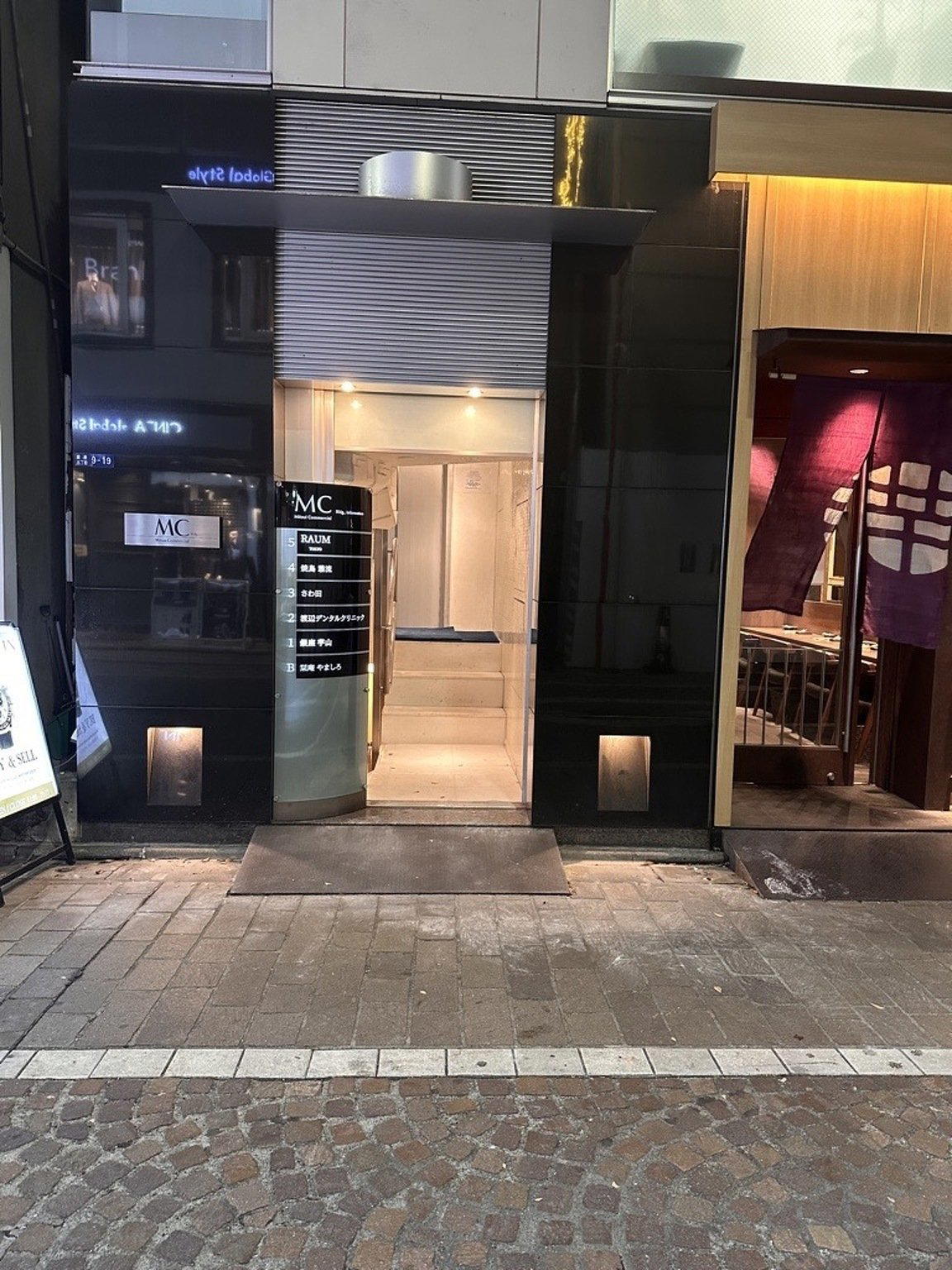
- Japan, 〒605-0036 Kyoto, Higashiyama Ward, Nishimachi, 127番地 三条白川橋ビル 2F
- Website
- higashiyama-tsukasa.com
- Phone
- +81 75-771-4696
The take
The Take
The Vibe
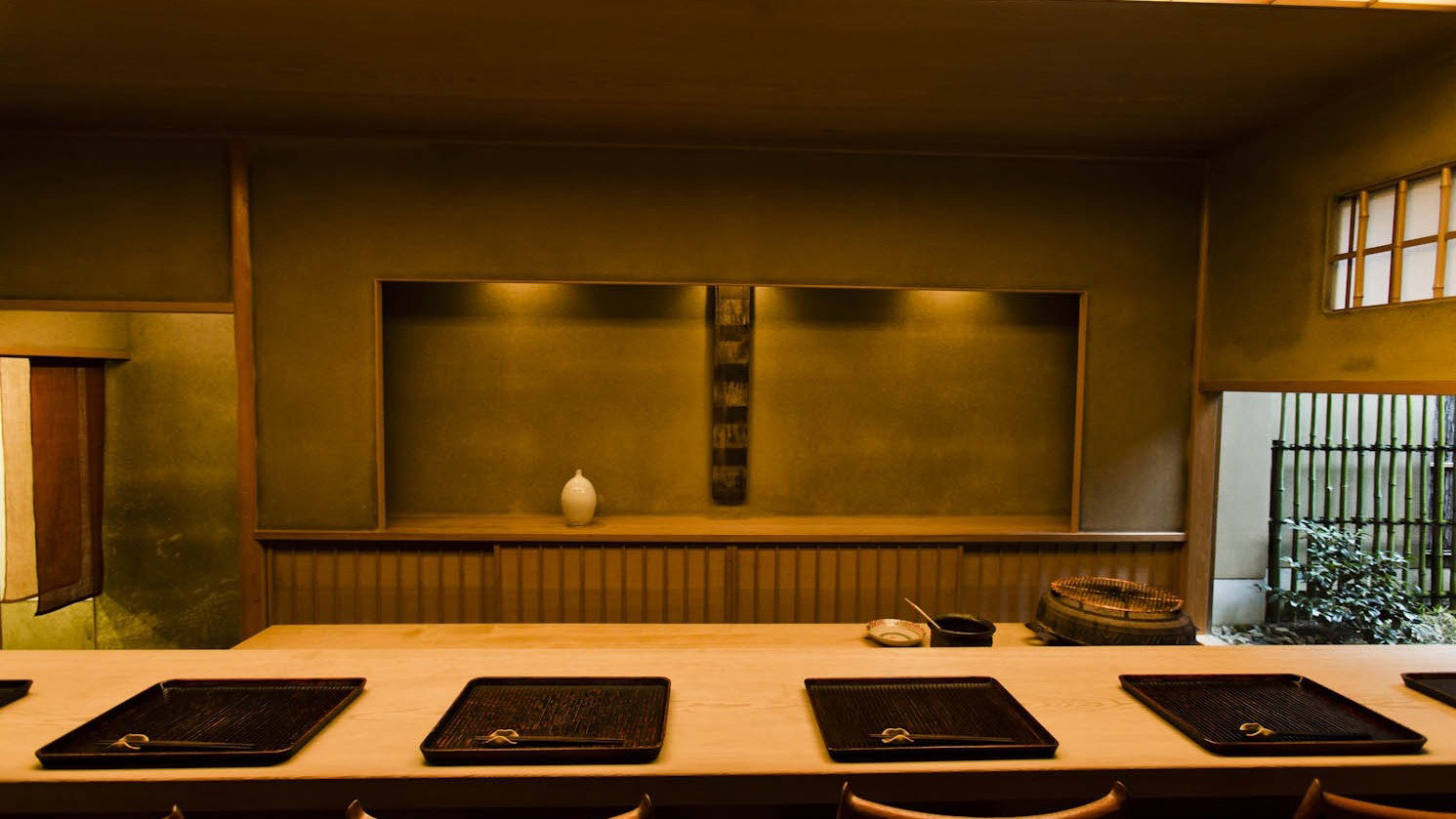
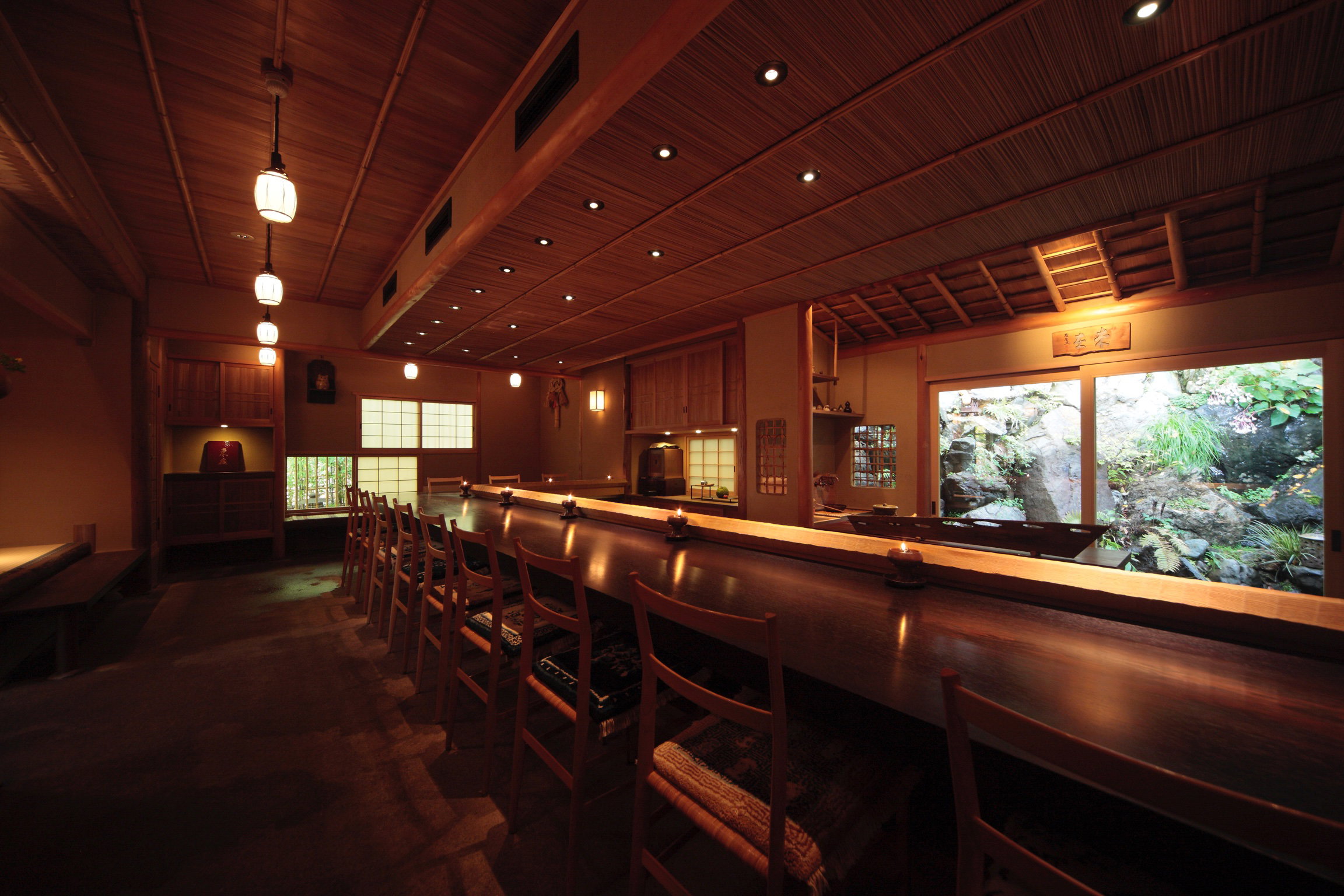
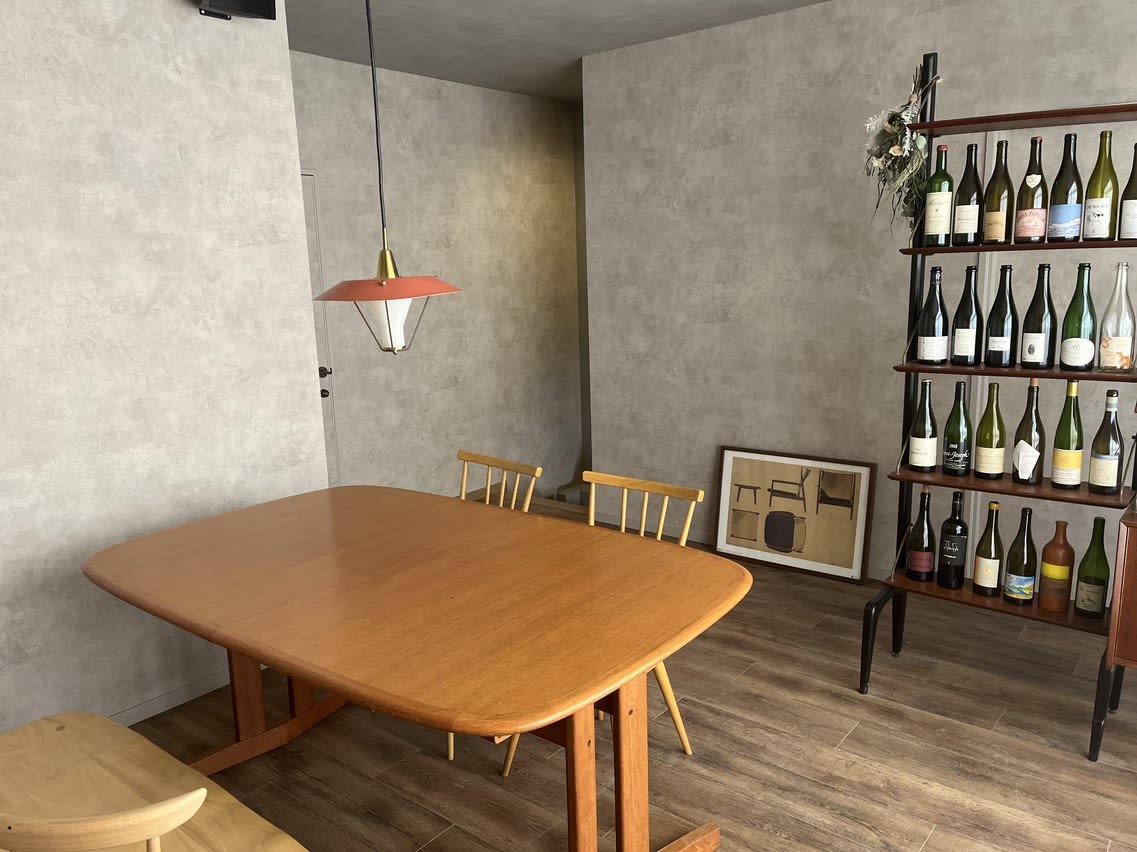
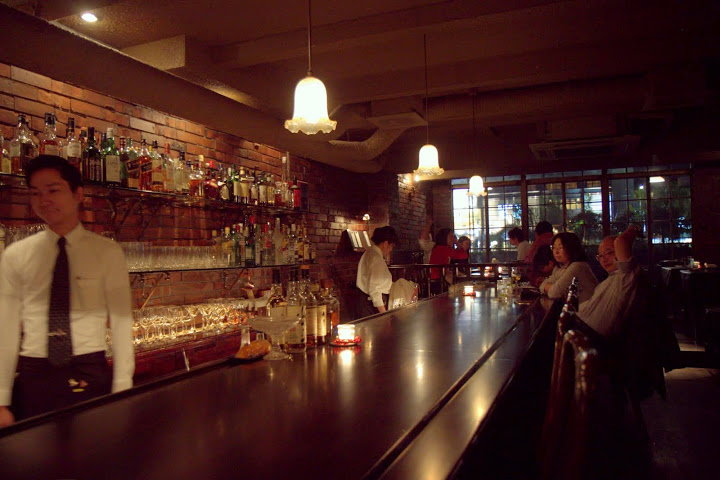
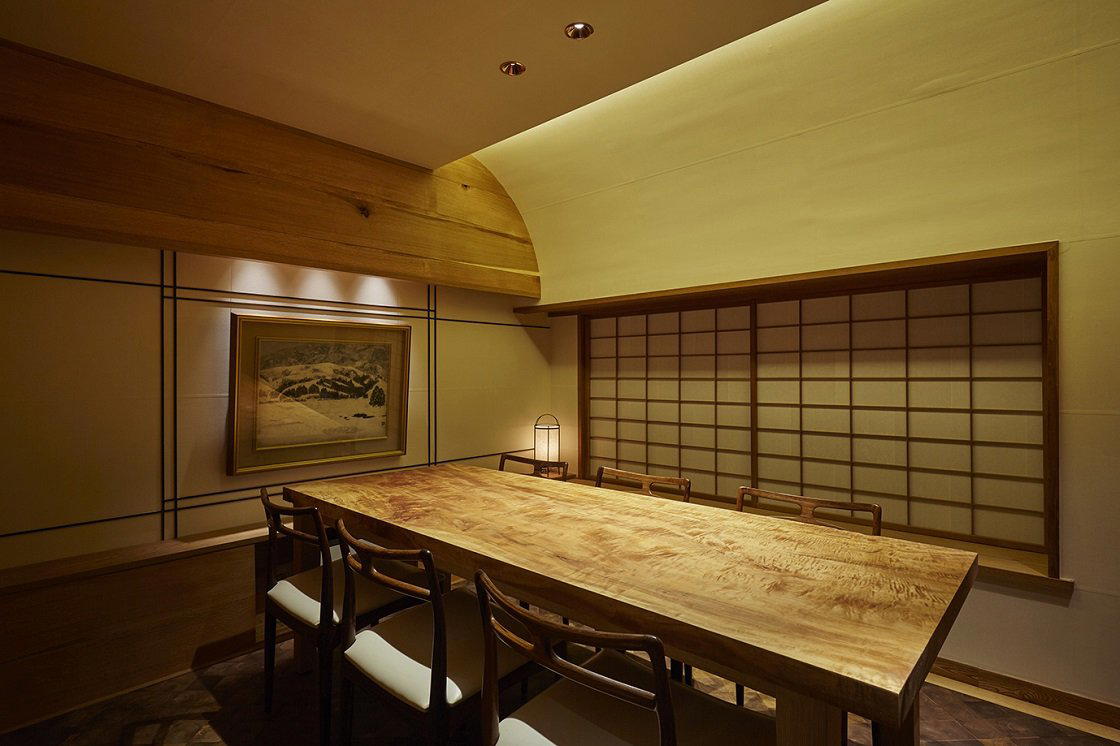
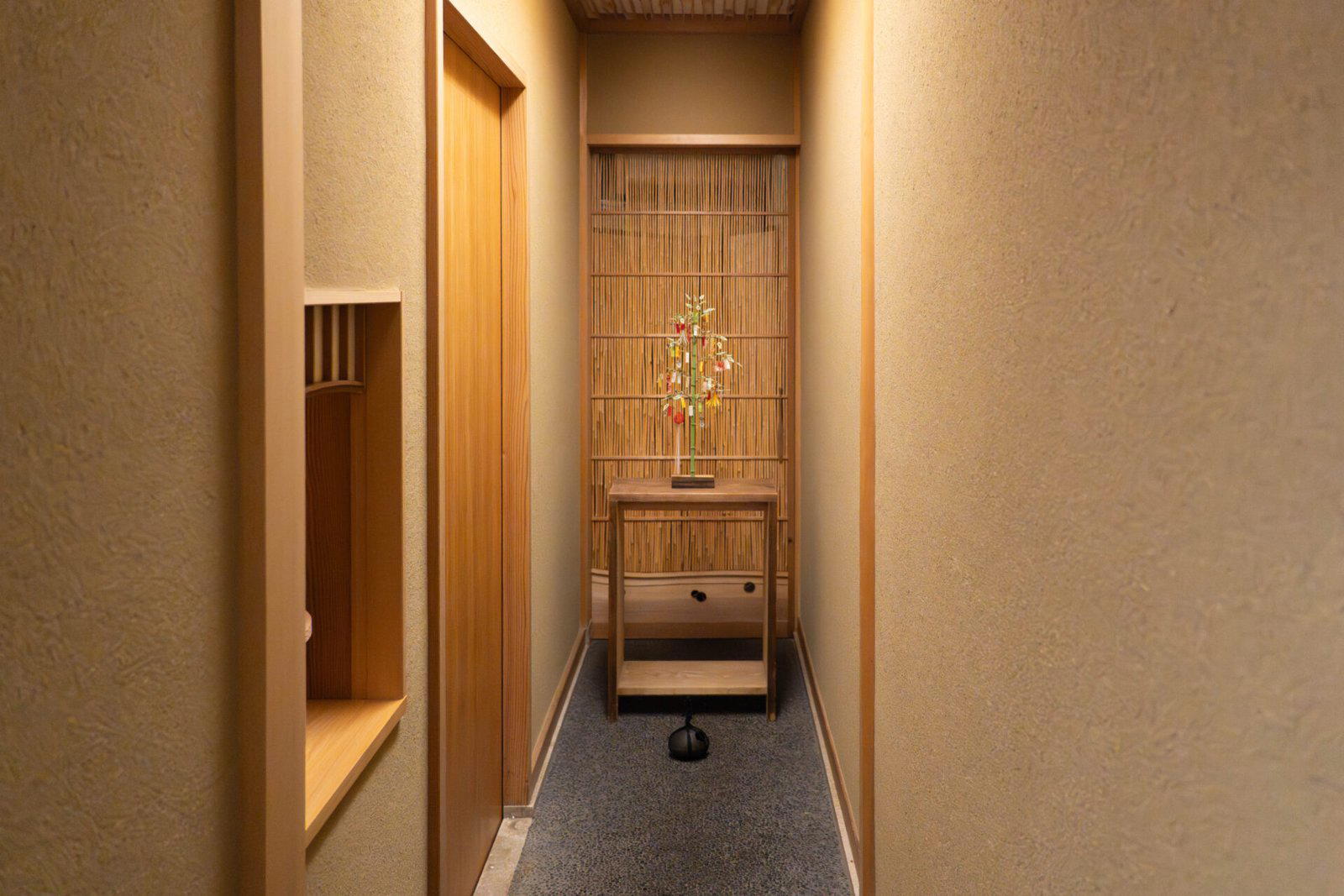
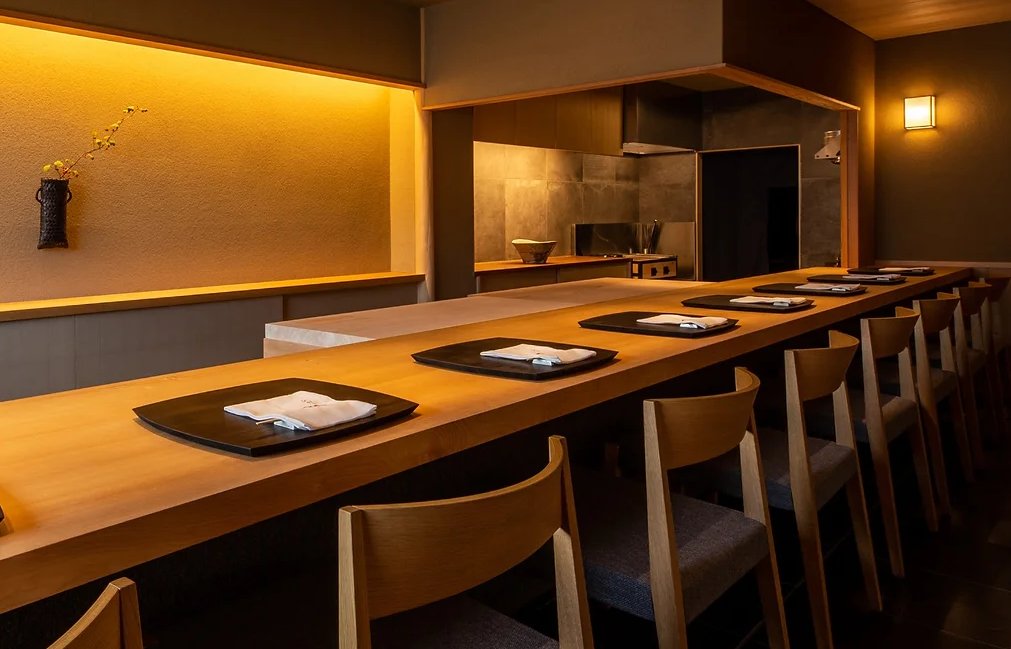
Higashiyama Tsukasa presents a deliberately low-key, tightly focused dining experience. The restaurant occupies a second-floor room above a quiet residential corridor, reached by a staircase and lacking street-level signage. Inside, the architecture is spare and intentional: the entire space is a single nine-seat counter, which concentrates attention on the kitchen and the people around it. The kitchen leans away from classical kaiseki choreography, instead blending Vietnamese technique, Southeast Asian spice, and umami-forward Japanese ingredients — a restrained but restless approach that feels quietly adventurous within Kyoto’s refined dining scene.
Best For
This is a place for close attention rather than casual drop-ins. The nine-seat counter and absence of side tables or private rooms make it ideal for intimate date nights, special-occasion dinners, and solitary diners who want direct contact with the kitchen. It is not set up for large groups or private events: every guest shares the same progression and the same view of the cooks. If you seek a focused, chef-led sequence that emphasizes technique and flavor over social bustle, this counter delivers.
Ordering Tips
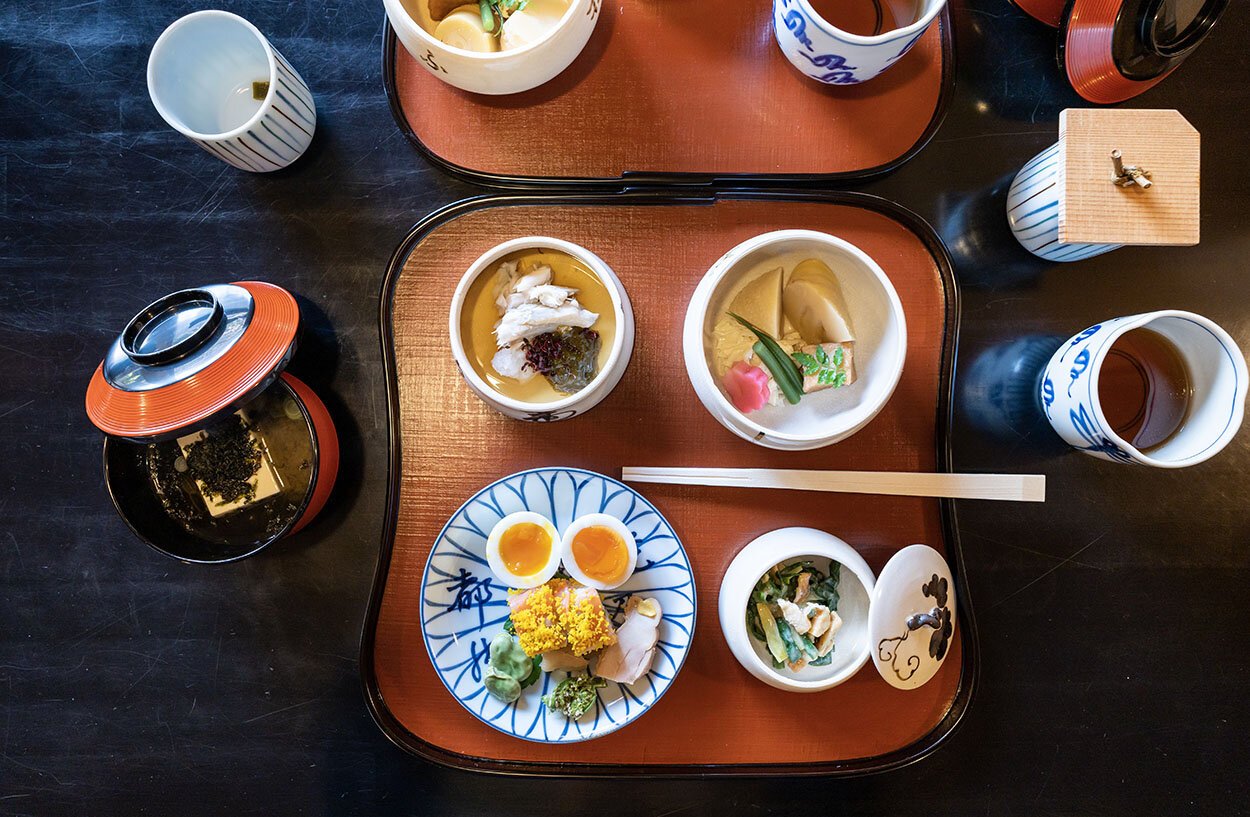
The kitchen controls the pacing here, and the meal is shared across the room rather than decided seat by seat. Expect a multi-course progression that departs from strict kaiseki grammar and instead moves through dishes informed by Vietnamese technique, Southeast Asian spice, and umami-rich Japanese bases. The best approach is to let the staff set the rhythm and to experience the sequence as presented; the counter format is designed to concentrate the service and culinary choreography, so accommodating the kitchen’s flow yields the clearest window into the restaurant’s intentions.
Venue details
Ambiance
Sophisticated open counter with 8-9 seats offering a calm, personal atmosphere that fosters conversation in a minimalist, serene setting.
Tags
Vibe
Best For
Experience
At the Table
- Dress Code
- Smart Casual
- Noise Level
- Quiet
- Service Style
- Formal
- Meal Pacing
- Leisurely
- Capacity
- Intimate
Know before you go
Know Before You Go
- Getting there
- Japan, 〒605-0036 Kyoto, Higashiyama Ward, Nishimachi, 127番地 三条白川橋ビル 2F
Planning details
Location
Japan, 〒605-0036 Kyoto, Higashiyama Ward, Nishimachi, 127番地 三条白川橋ビル 2F · Directions
Recognition and awards

Also consider
Also Consider
- Mizuno, Japanese, ¥¥¥
- Gion Kida, Japanese, ¥¥¥¥
- Kappo Umetsu, Japanese, ¥¥¥
- Gion Mamma, Japanese, ¥¥¥
- Gion Kajisho, Japanese, ¥¥¥
Restaurant context
Higashiyama Tsukasa sits in Kyoto's ¥30,000-39,999 bracket, priced below Gion Kida and other ¥¥¥¥ kaiseki counters that charge ¥40,000-60,000 and demand stricter adherence to tradition. Diners who want orthodox seasonal progression and impeccable kaiseki etiquette will find better value at Gion Kida, where the premium buys refinement rather than experimentation. At the same price tier, Mizuno, Kappo Umetsu, and Gion Mamma offer kappo or izakaya formats with less conceptual risk, those venues deliver familiar Japanese technique without the Vietnamese rice paper or XO sauce detours. Higashiyama Tsukasa earns its spot by refusing to mimic its peers; if the idea of a chef borrowing from outside Japan's culinary lexicon sounds compelling, book here. If that sounds like category confusion, Gion Kajisho offers a more conservative kaiseki experience at a comparable price.
Booking difficulty at Higashiyama Tsukasa runs moderate, reservations fill two to three weeks ahead for weeknight dinners, tighter than the month-plus waits at Gion Kida but harder to secure than walk-in-friendly kappo spots. The nine-seat counter means each service accommodates fewer diners than larger peers, so flexibility on dates helps. Saturday lunch (starting at 12:30 PM) occasionally opens up easier slots, though the schedule varies and requires direct confirmation. The restaurant's three consecutive Tabelog Bronze awards (2024-2026) and 2025 Tabelog 100 ranking signal consistent execution despite the experimental menu, which separates it from newer, unproven concepts. For readers weighing value: Higashiyama Tsukasa offers more surprise per yen than orthodox kaiseki at the same price, but less polish than Gion's premium tier. Book if improvisation matters more than tradition; choose Mizuno or Kappo Umetsu if you prefer familiar Japanese formats without the conceptual detours.
Explore Kyoto
Around this place
Discover more on Pearl
Unlock the full Higashiyama Tsukasa guide in Pearl, including awards, comparisons, FAQs, planning details, and nearby places.
FAQ
Frequently Asked Questions
What should a first-timer know about Higashiyama Tsukasa?
Higashiyama Tsukasa is a Japanese restaurant in Kyoto led by chef-owner Tsukasa Miyashita. It is listed at a ¥¥¥¥ price level and is open for dinner from 6–9 PM Tuesday through Saturday. It is closed on Monday and Sunday.
Does Higashiyama Tsukasa handle dietary restrictions?
Is Higashiyama Tsukasa good for a special occasion?
It can be considered for a special occasion if you want a premium Japanese dinner in Kyoto. It has a ¥¥¥¥ price level and smart-casual dress code, but a particular room style, seating format, or ceremony level are not specified. For comparison, you may also review Gion Kida or Kappo Umetsu.
Is Higashiyama Tsukasa worth the price?
Higashiyama Tsukasa is listed at a ¥¥¥¥ price level. Whether it is worth it depends on your interest in a premium Japanese dinner from chef-owner Tsukasa Miyashita in Kyoto. If comparing, consider Mizuno or Gion Kajisho as other options, while confirming each venue’s current details directly.