

Ayanokoji Karatsu
Japanese · Shimogyō, Kyoto
Restaurant in Kyoto, Japan
 Book with Pearl
The Read
Source-Driven Kappo
Price
¥¥¥
Dress
Smart Casual
Why go
A Michelin-starred, reservation-only kaiseki room in Kyoto's Shimogyo Ward, Ayanokoji Karatsu delivers five consecutive Tabelog Bronze Awards and a 3.82 score at JPY 20,000–29,999 for dinner — below the price floor of most comparable Kyoto rooms. Twelve seats, a serious sake program, and a chef who sources ingredients directly from regional producers. Book four to six weeks out minimum.
About Ayanokoji Karatsu
Verdict
Book Ayanokoji Karatsu if you want a Michelin-starred kaiseki experience in Kyoto at a price point that still leaves room for the sake pairing. Dinner runs JPY 20,000–29,999 per head before tax, which is a meaningful step below Kyoto's top-tier kaiseki rooms while delivering a Tabelog score of 3.82 and five consecutive Tabelog Bronze Awards from 2021 through 2026. The couple behind this twelve-seat room in Shimogyo Ward have built something quietly serious: reservation-only, closed Sundays, and difficult enough to secure that you should start trying the moment your travel dates are confirmed. If your window for Kyoto Japanese dining is limited to one dinner, this is a strong candidate — provided you can get in.
The Room and the Experience
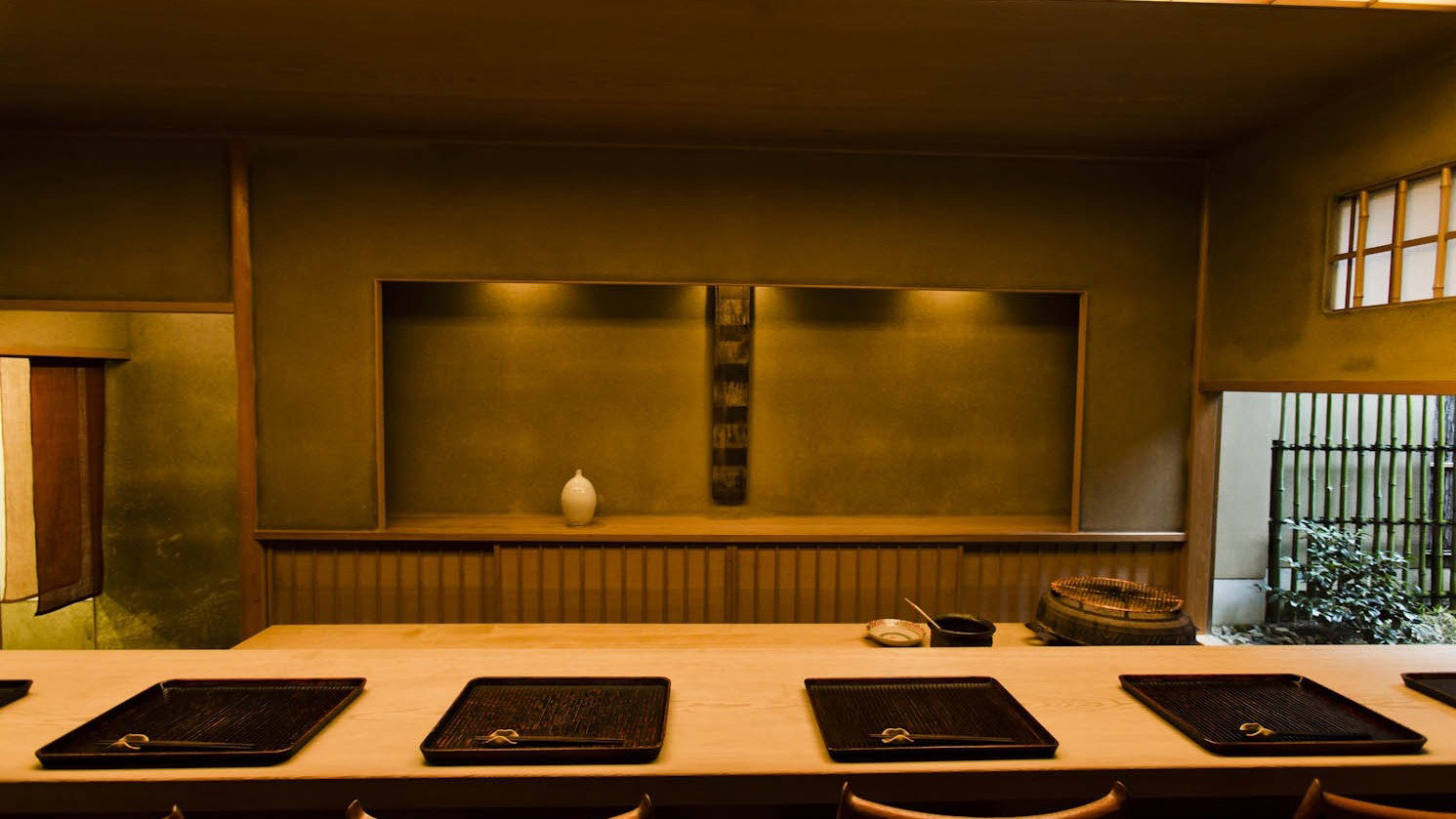
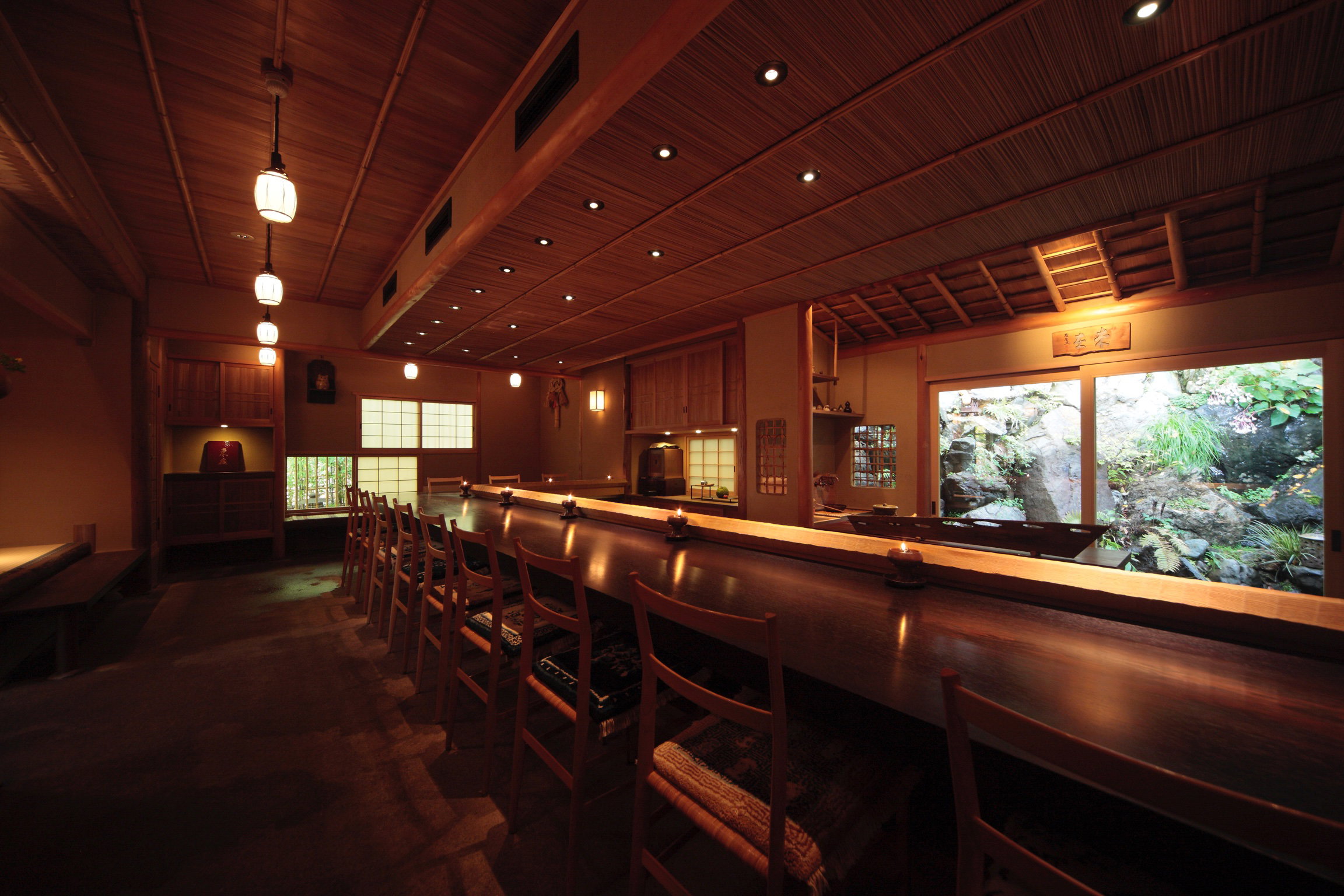
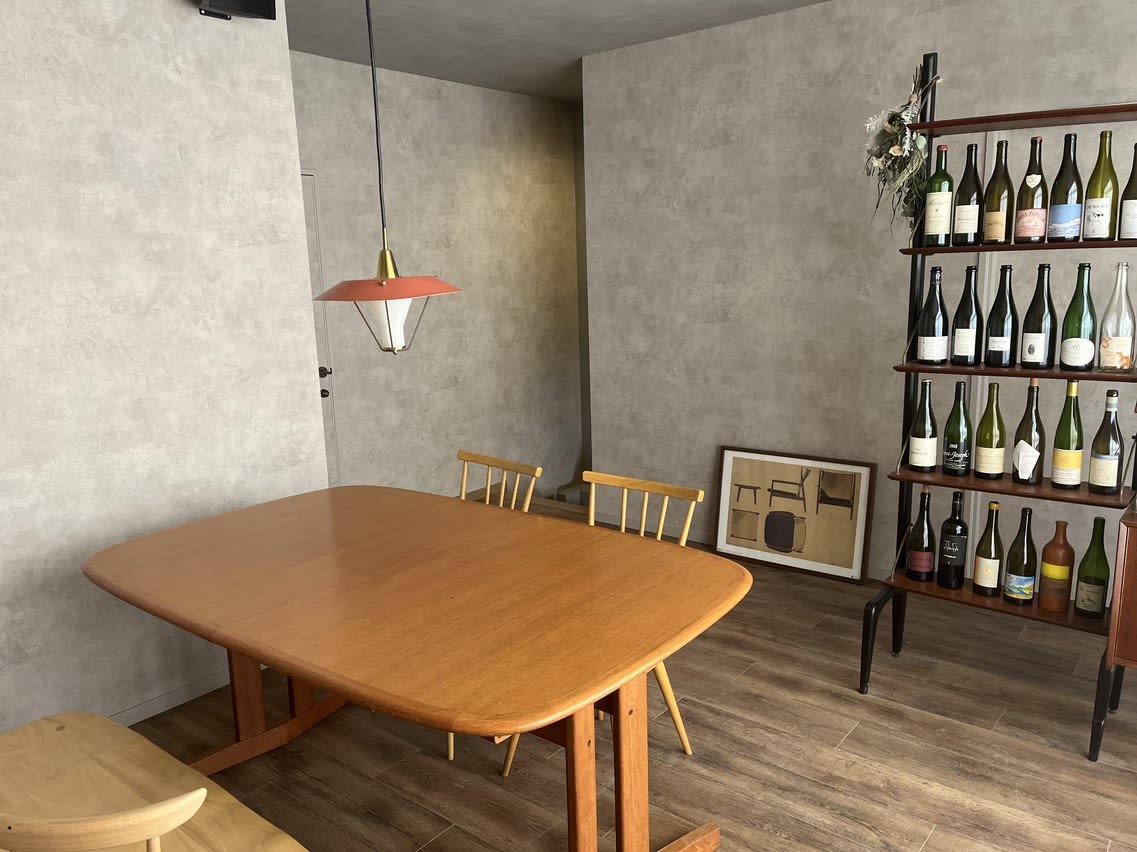
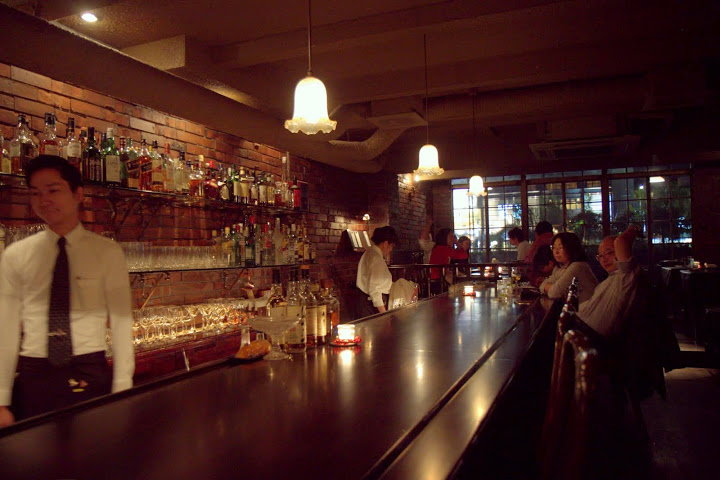
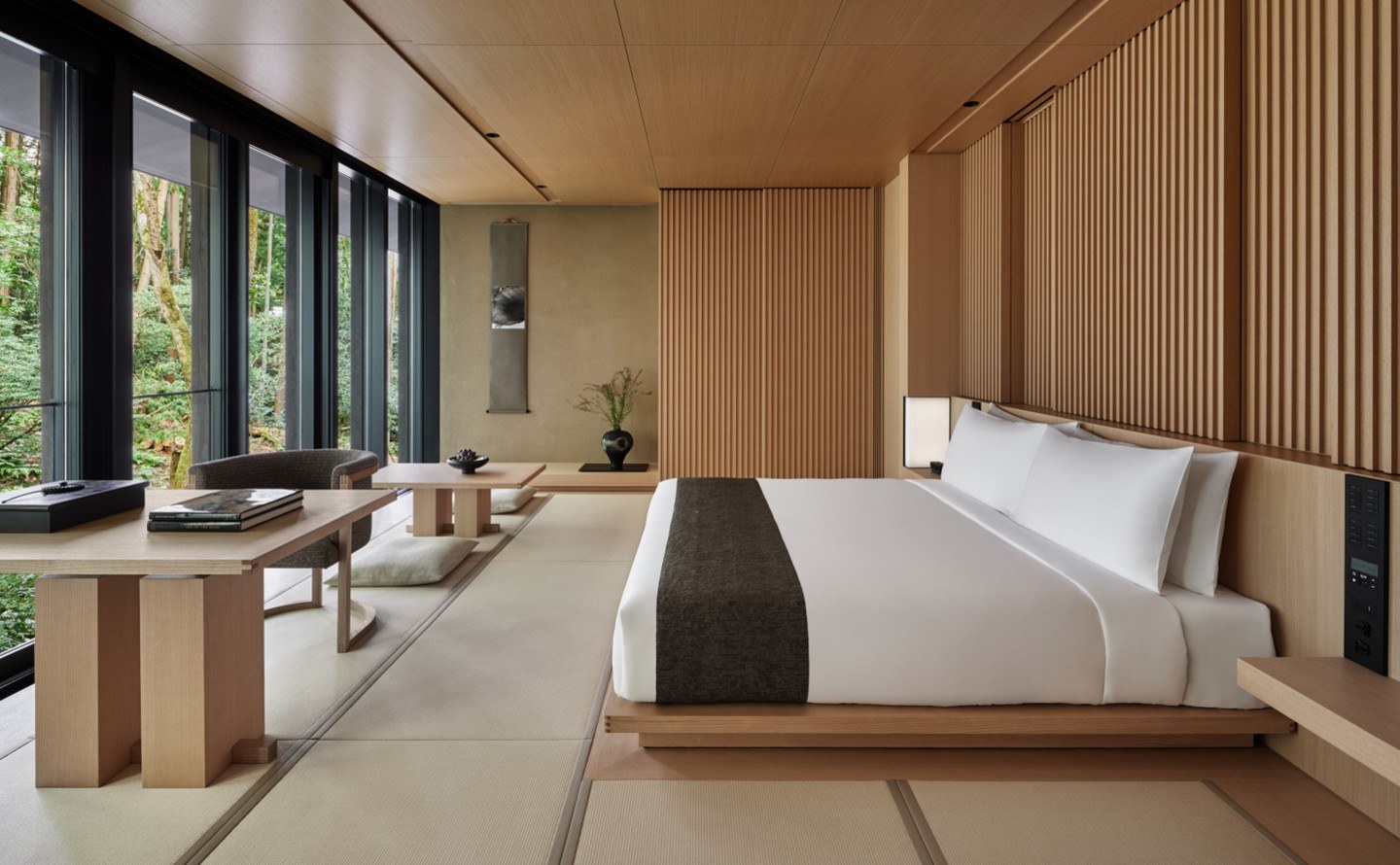
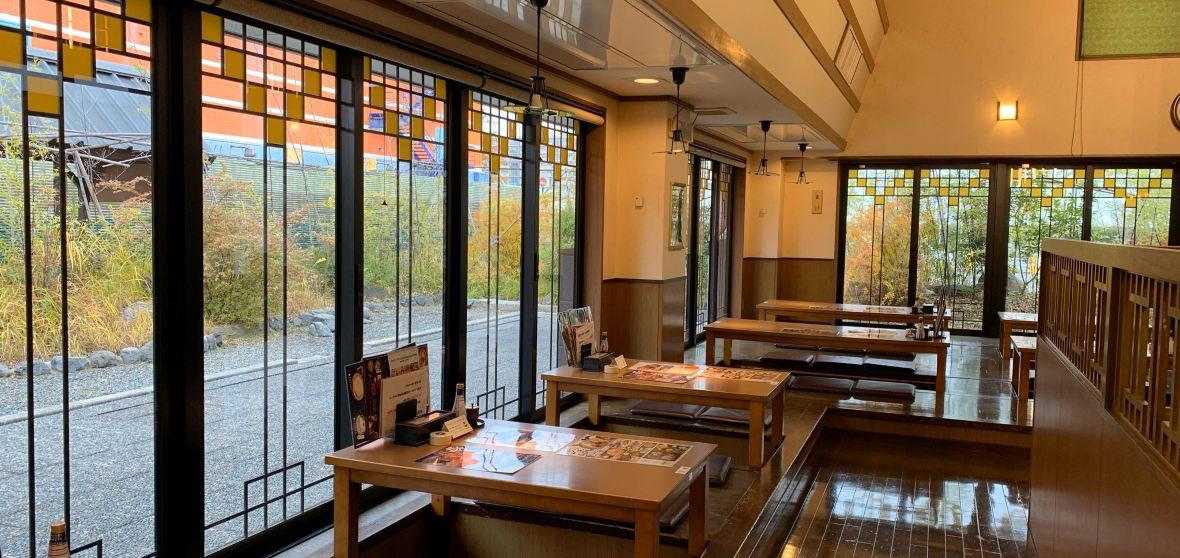
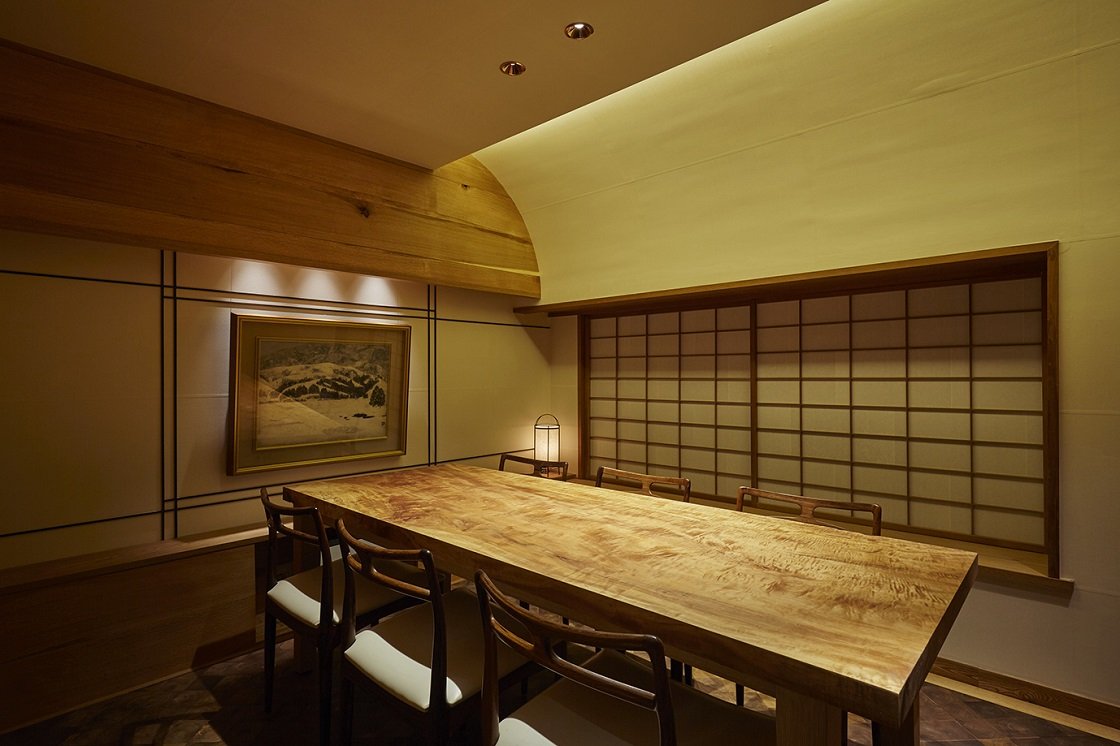
Ayanokoji Karatsu is a house restaurant in the Shimogyo district, roughly 375 meters from Shijo Station on the Kyoto City Subway, which makes it walkable from most central Kyoto accommodations. The interior is described in Sukiya style — the spare, asymmetric aesthetic associated with traditional Japanese tea architecture, and the room seats just twelve: eight at the counter and four in a private room. The physical intimacy of that counter is the point. You are watching the kitchen work at close range, which is where most of the evening's value lives.
The private room accommodates up to four guests and can be booked for private use, making it one of the more practical options in Kyoto for a business dinner that requires some separation from the main dining room. Tabelog's own data flags business occasions as a primary recommendation which signals the formality level accurately: this is not a casual neighbourhood kappo, it is a structured, composed meal in a deliberate setting. Dress accordingly.
The Drinks Program
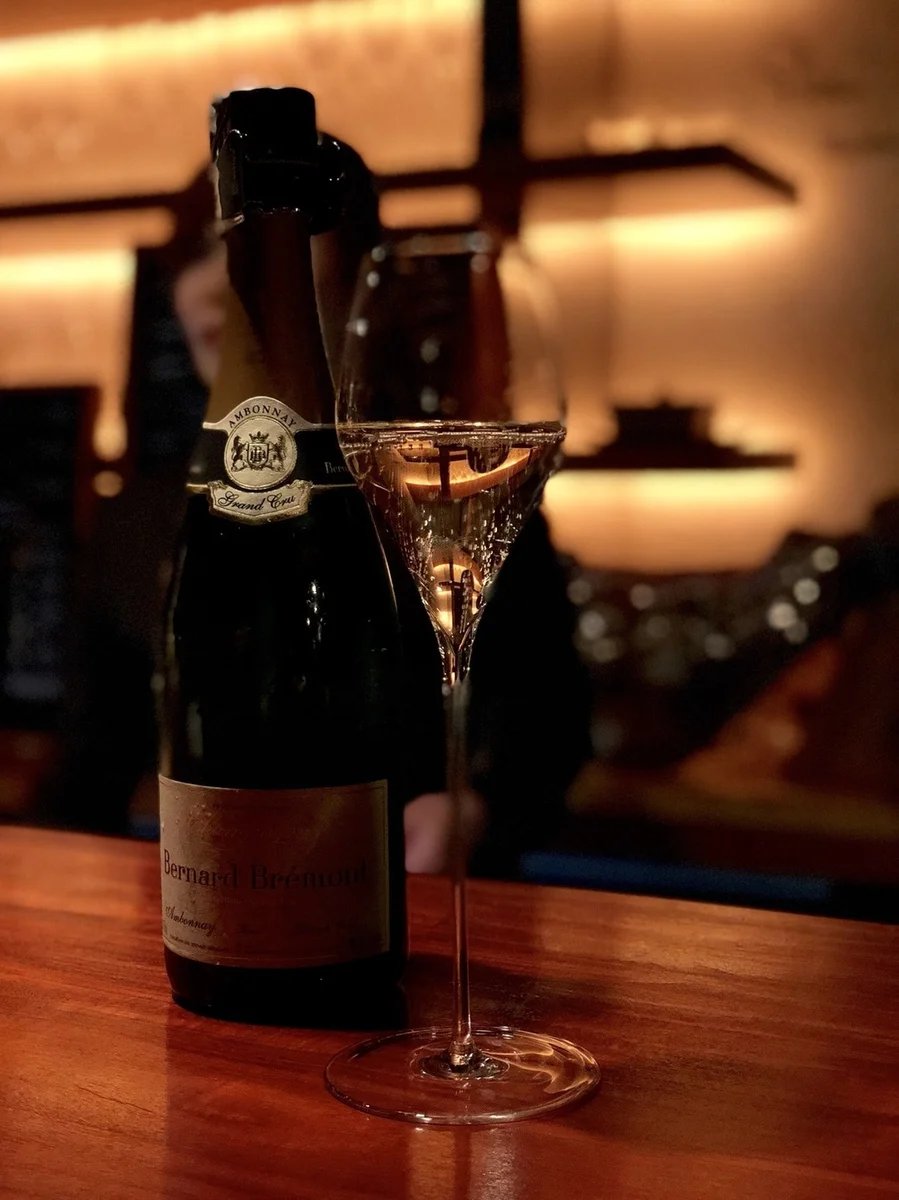
For a twelve-seat room at this price tier, the drinks list at Ayanokoji Karatsu is unusually considered. The venue is explicitly particular about both sake (Nihonshu) and shochu, two separate callouts in Tabelog's facilities data, which is rare and worth noting. Wine is also available, but the emphasis is clearly on Japanese spirits, and that emphasis is the right call for the food style. Sake sourced with the same seasonal intentionality that drives the kitchen, this is the logical pairing for a chef who visits producing regions personally to source ingredients.
For the explorer who treats the drinks list as a second menu, that sake focus is a genuine draw. Kyoto sits at the intersection of several major sake-producing regions, and a restaurant that is particular about Nihonshu in this city will typically have access to producers and labels that larger, more tourist-facing restaurants do not bother. The shochu program adds another dimension: this is a couple from Nagasaki, where shochu culture runs deep, and that regional sensibility likely informs what ends up on the list. Neither claim can be from the database alone, but the structural evidence, two explicit particularity flags plus the owners' origins, points in that direction. Ask the staff; the counter format makes that conversation easy.
Credit cards are accepted (Visa, Mastercard, JCB, Amex, Diners). Electronic money and QR code payments are not. Plan accordingly, particularly if you intend to run a longer sake tab.
Why the Awards Matter Here
Five consecutive Tabelog Bronze Awards and three Tabelog 100 selections for Japanese cuisine West (2021, 2023, 2025) are not incidental. The Tabelog award system is peer-reviewed and score-driven, and a 3.82 on Tabelog's scale, where anything above 3.5 is considered high, places Ayanokoji Karatsu in a competitive bracket with restaurants that carry significantly higher price tags.
The credential stack matters most for the explorer diner who wants to know whether the acclaim is current or archival. In this case, it is current: the 2026 Bronze and the 2025 Tabelog 100 selection are the most recent data points, and both confirm the room is still performing at the level that earned the original recognition.
Sourcing and Seasonality
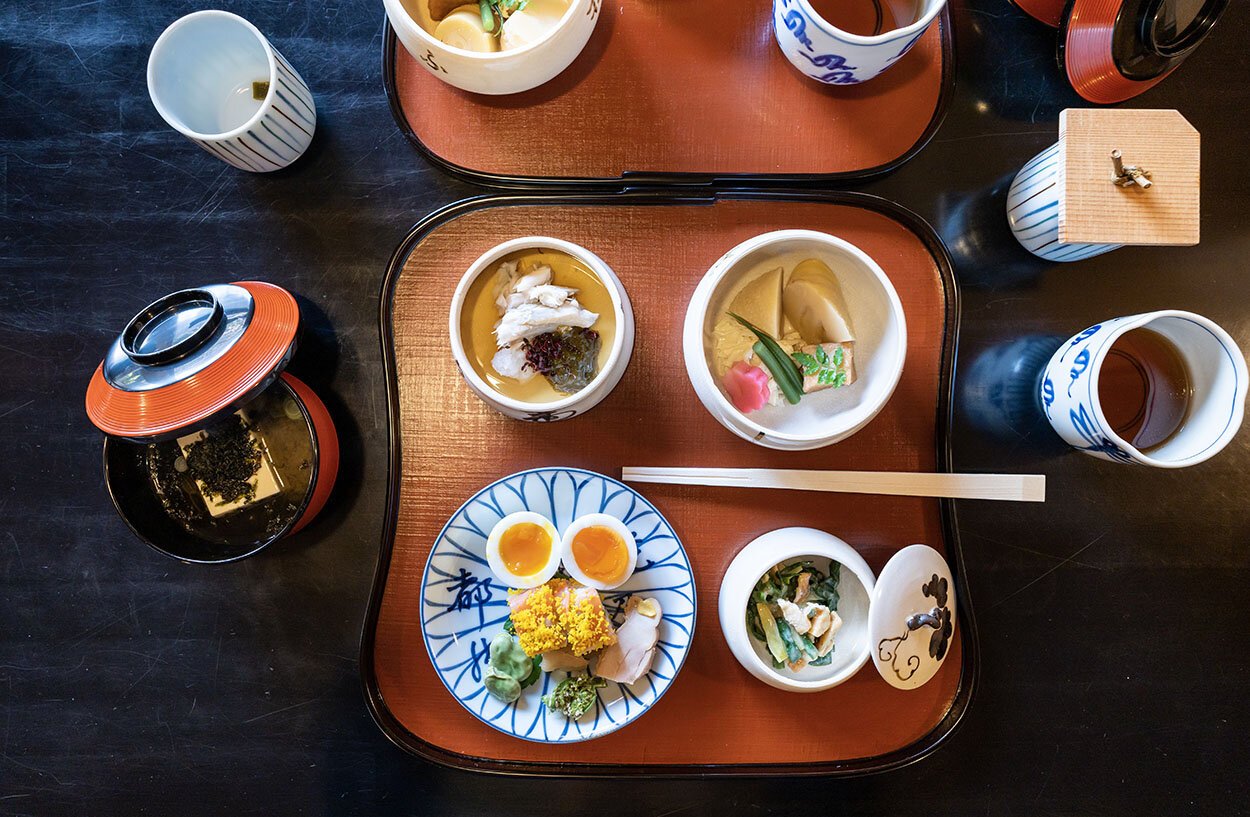
The chef visits producing regions directly to source ingredients, picking wild edible plants and mushrooms in Miyama, fishing for sweetfish in Shiga, and has studied ceramics under a potter in order to make the vessels on which the food is served. That level of vertical integration is unusual at any price point and is part of what justifies the dinner cost. When the kitchen is this deliberate about provenance, the seasonal menu will shift meaningfully across visits, which makes Ayanokoji Karatsu worth returning to if you visit Kyoto more than once a year.
Lunch is listed as irregular, so do not plan around it without confirming directly. The listed lunch budget of JPY 8,000–9,999 is substantially lower than dinner and represents the more accessible entry point if you are managing costs, though availability is unpredictable. Dinner is where the full program runs. See our full Kyoto restaurants guide for seasonal timing advice across the city, and our full Kyoto hotels guide if you are still arranging accommodation.
Booking and Logistics
Reservation only, with no walk-in option. The restaurant closes on Sundays and may close on additional irregular days. With twelve seats and a Michelin star, demand reliably exceeds supply: treat this as a hard booking, the equivalent of a counter seat at a sought-after Tokyo omakase. Contact via phone at +81-75-365-2227 or through the restaurant website at karatu.jp. Start four to six weeks out for peak Kyoto travel periods (cherry blossom season in late March through early April, and autumn colour season in November). For comparison, similarly credentialed Kyoto rooms like Kikunoi Roan and Isshisoden Nakamura operate on similarly compressed windows. No parking is available on site, which is standard for this part of Shimogyo Ward, arrive by subway or taxi.
Groups larger than four cannot use the private room; the maximum party size across both spaces is eight. Parties of five to eight will be split across counter seats, which may or may not suit the occasion.
For other high-credential Japanese dining in the Kansai region, HAJIME in Osaka offers a different register entirely, and akordu in Nara is worth the short train ride if your itinerary allows. In Tokyo, Myojaku and Azabu Kadowaki sit in a comparable bracket for Japanese cuisine. See also our guides to Kyoto bars, Kyoto wineries, and Kyoto experiences for broader trip planning.
Quick reference: Dinner JPY 20,000–29,999 | Lunch JPY 8,000–9,999 (irregular) | 12 seats | Reservation only | Closed Sundays | Credit cards accepted | +81-75-365-2227 | karatu.jp
How It Compares
See comparison section below.
Planning details
- Location
- Japan, 〒600-8442 Kyoto, Shimogyo Ward, Yadacho, 113-1
- Website
- karatu.jp
- Phone
- +81 75-365-2227
The take
The Take
The Vibe
Ayanokoji Karatsu reads as a quietly refined Kyoto house restaurant. The twelve-seat scale—an eight-seat counter plus a four-person private room—creates an intimate, sukiya-influenced setting that privileges natural materials, asymmetry and restraint. Rather than theatrical presentation, the room emphasizes an ingredient-led aesthetic: tranquility is built into the design and service, and the counter pulls guests into the rhythm of the kitchen. Located in Shimogyo’s quieter streets among textile wholesalers and older residences, the restaurant feels like a discreet, classic Kyoto encounter rather than a Gion spectacle.
Best For
This is a venue for close, focused meals: reservation-only counter dining frames the experience around a seasonal sequence of courses, making it especially well suited to an attentive dinner. The private room for four provides a discreet option for a very small group. The format favors intimate celebrations, date nights and anyone who wants the chef-facing, ingredient-driven logic of kyo-ryori without the formal theater of larger kaiseki townhouses. Parties should expect a deliberate, course-by-course evening centered on provenance and seasonality.
Ordering Tips
Reserve in advance—service is reservation-only and seating is limited to a total of twelve. If you want the full interactive experience, request a counter seat: the copy highlights that counter dining 'positions the guest inside the kitchen's logic' and follows a market-driven sequence of courses. For a private conversation or small group, book the four-person private room. Expect a seasonal tasting-style progression rather than à la carte choices; the menu is built around ingredients tied to Kyoto's supply relationships.
Venue details
Ambiance
Refined Sukiya-style with tsubo garden, earthen walls, elegant and tranquil atmosphere.
Tags
Vibe
Best For
Experience
Sourcing
View
At the Table
- Dress Code
- Smart Casual
- Noise Level
- Quiet
- Service Style
- Formal
- Meal Pacing
- Leisurely
- Capacity
- Intimate
Know before you go
Know Before You Go
- Getting there
- Japan, 〒600-8442 Kyoto, Shimogyo Ward, Yadacho, 113-1
Planning details
Location
Recognition and awards
Also consider
Also Consider
- Gion Sasaki, Kaiseki, Japanese, ¥¥¥¥
- cenci, Italian, ¥¥¥
- Ifuki, Kaiseki, ¥¥¥¥
- Kyokaiseki Kichisen, Japanese, ¥¥¥¥
- SEN, French, Japanese, ¥¥¥¥
Restaurant context
How It Compares
Against Kyoto's top kaiseki tier, Ayanokoji Karatsu's price positioning is its clearest advantage. Kyokaiseki Kichisen and Ifuki both operate at ¥¥¥¥, with dinner bills that typically run higher than Ayanokoji Karatsu's JPY 20,000–29,999 ceiling. If your priority is the most technically rigorous kaiseki experience in Kyoto regardless of cost, those rooms may have the edge in ceremony and formality. But if you want Michelin-starred Japanese cuisine with serious sake programming at a price that does not require a separate budgeting conversation, Ayanokoji Karatsu is the more rational choice.
Gion Sasaki is the other natural comparison: it carries significant recognition and operates in the same ¥¥¥¥ bracket with a kaiseki format. Gion Sasaki's reputation is arguably harder-won on the international circuit, which means it is also harder to book. Ayanokoji Karatsu is itself difficult to secure, but the smaller international profile means it is marginally more accessible for foreign visitors who do not have local concierge support. If Gion Sasaki is fully booked for your dates, Ayanokoji Karatsu is not a fallback, it is a genuine alternative with its own credential stack.
cenci sits at ¥¥¥ and offers Italian cuisine, which makes it a different decision entirely rather than a direct competitor, book cenci if you want a break from Japanese formats during an extended Kyoto stay. SEN at ¥¥¥¥ blends French and Japanese, making it the right call if the fusion register appeals more than pure kaiseki. For the diner who specifically wants traditional Japanese cuisine in a small, counter-led room with a drinks program that reflects regional producer relationships, Ayanokoji Karatsu is the most coherent choice in this comparison set.
Explore Kyoto
Around this place
Discover more on Pearl
Unlock the full Ayanokoji Karatsu guide in Pearl, including awards, comparisons, FAQs, planning details, and nearby places.
Compare Ayanokoji Karatsu
| Venue | Price | Booking Difficulty | Awards |
|---|---|---|---|
| Ayanokoji Karatsu | ¥¥¥ | Hard | 2026 Tabelog Bronze · #1662026 Michelin 1 StarTabelog 100 - Japanese cuisine - WEST - 2025 · #362025 Tabelog Bronze2024 Michelin 1 Star |
| Gion Sasaki | ¥¥¥¥ | Unknown | 2026 Tabelog Bronze · #3862026 OAD Top Restaurants in Japan RecommendedMichelin Guide Kyoto Osaka 20262026 La Liste Top RestaurantsTabelog 100 - Japanese cuisine - WEST - 2025 · #132025 OAD Top Restaurants in Japan Ranked · #2462025 Tabelog Silver2025 Michelin 3 Stars2025 La Liste Top Restaurants |
| cenci | ¥¥¥ | Unknown | 2026 Tabelog Bronze · #442026 Asia's 50 Best Restaurants · #762026 OAD Top Restaurants in Japan Highly RecommendedMichelin Guide Kyoto Osaka 2026Tabelog 100 - Italian - WEST - 2025 · #632025 Asia's 50 Best Restaurants · #632025 OAD Top Restaurants in Japan Ranked · #1682025 Tabelog Bronze2024 OAD Top Restaurants in Japan Ranked · #135 |
| Ifuki | ¥¥¥¥ | Unknown | 2026 OAD Top Restaurants in Japan Ranked · #1222026 Tabelog Bronze · #128Michelin Guide Kyoto Osaka 20262026 La Liste Top RestaurantsTabelog 100 - Japanese cuisine - WEST - 2025 · #622025 OAD Top Restaurants in Japan Ranked · #1002025 La Liste Top Restaurants2025 Tabelog Bronze2025 Michelin 2 Stars |
| Kyokaiseki Kichisen | ¥¥¥¥ | Unknown | 2026 Tabelog Bronze · #1752026 OAD Top Restaurants in Japan Highly RecommendedMichelin Guide Kyoto Osaka 20262025 OAD Top Restaurants in Japan Ranked · #1862025 Michelin 2 Stars2025 La Liste Top Restaurants2024 OAD Top Restaurants in Japan Ranked · #1422024 Michelin 2 Stars2023 OAD Top Restaurants in Japan Ranked · #136 |
| SEN | ¥¥¥¥ | Unknown | 2026 Tabelog Bronze · #3952026 OAD Top Restaurants in Japan RecommendedMichelin Guide Kyoto Osaka 20262026 Michelin PlateTabelog 100 - Japanese cuisine - WEST - 2025 · #652025 Michelin Plate2025 Tabelog Bronze2024 OAD Top Restaurants in Japan Ranked · #3622024 Michelin Plate |






.png?width=1200&quality=80)
How Ayanokoji Karatsu stacks up against the competition.
FAQ
Frequently Asked Questions
Is the tasting menu worth it at Ayanokoji Karatsu?
Yes, for the price tier it is competitive. Dinner lands at ¥20,000–¥29,999 per person for a Michelin-starred kaiseki with ingredients sourced directly from producers — the chef fishes for sweetfish in Shiga and forages in Miyama. At twelve seats and five consecutive Tabelog Bronze Awards, the format holds up. If you want a larger, more theatrical kaiseki room, Kyokaiseki Kichisen operates at a higher tier; Ayanokoji Karatsu suits those who prefer an intimate counter over a grand setting.
Is Ayanokoji Karatsu worth the price?
For a Michelin-starred counter kaiseki in Kyoto, dinner at ¥20,000–¥29,999 sits at the lower-middle range of the category. Lunch at ¥8,000–¥9,999 is the sharper value proposition if you want to test the kitchen before committing to dinner. The Tabelog score of 3.82 and consecutive Bronze Awards from 2021 through 2026 support the price, particularly given the chef's direct-sourcing approach and house-made ceramics.
How far ahead should I book Ayanokoji Karatsu?
Book at least four to six weeks in advance for dinner; the twelve-seat room fills quickly given the Michelin star and reservation-only policy. Lunch service is listed as irregular, so confirm availability directly with the restaurant at 075-365-2227 before planning around it. Walk-ins are not an option.
What should I wear to Ayanokoji Karatsu?
No dress code is specified in the venue data, but the Sukiya-style interior and kaiseki format at this price point (¥20,000–¥29,999 dinner) call for smart, conservative clothing. Avoid anything too casual; the room is a twelve-seat house restaurant with a considered atmosphere, and business occasions are explicitly flagged as a common use case.
What should I order at Ayanokoji Karatsu?
The kitchen operates in a kaiseki format, so the menu is set — you are not ordering à la carte. The restaurant is explicitly particular about fish and sources seafood with care, which is worth knowing when considering the sake pairing: the venue flags both sake and shochu as priorities and is described as particular about both. Let the drinks pairing run alongside the menu rather than treating it as optional.
Is Ayanokoji Karatsu good for solo dining?
Yes. Eight of the twelve seats are counter seats, which is the standard format for solo kaiseki dining in Japan. The counter is where you get the full experience at this type of venue, and the intimate scale of the room means solo diners are neither an afterthought nor a distraction. Book in advance and request the counter.