


Tokuha Motonari
Japanese · Kamigyō, Kyoto
Restaurant in Kyoto, Japan
 Book with Pearl
The Read
Hokuriku-Sourced Charcoal Kaiseki
Price
$200–300per person
Chef
Shinya Matsumoto
Dress
Smart Casual
Why go
Tokuha Motonari is a restaurant in Kyoto's Kamigyo Ward.
About Tokuha Motonari
Should you book Tokuha Motonari?
Yes: if you can get a reservation. Tokuha Motonari is one of the hardest tables to secure in Kyoto, and for good reason. Opened in December 2023, it earned a Michelin star in 2024 and upgraded from a Tabelog Silver (2025) to a Tabelog Gold (2026), reaching a score of 4.52 out of 5 in under two years of operation. That is not a slow-burn reputation: it is a near-vertical ascent. If Kyoto kaiseki dining is on your itinerary, this belongs at the top of your shortlist alongside Gion Matayoshi and Isshisoden Nakamura.
What makes it worth the price
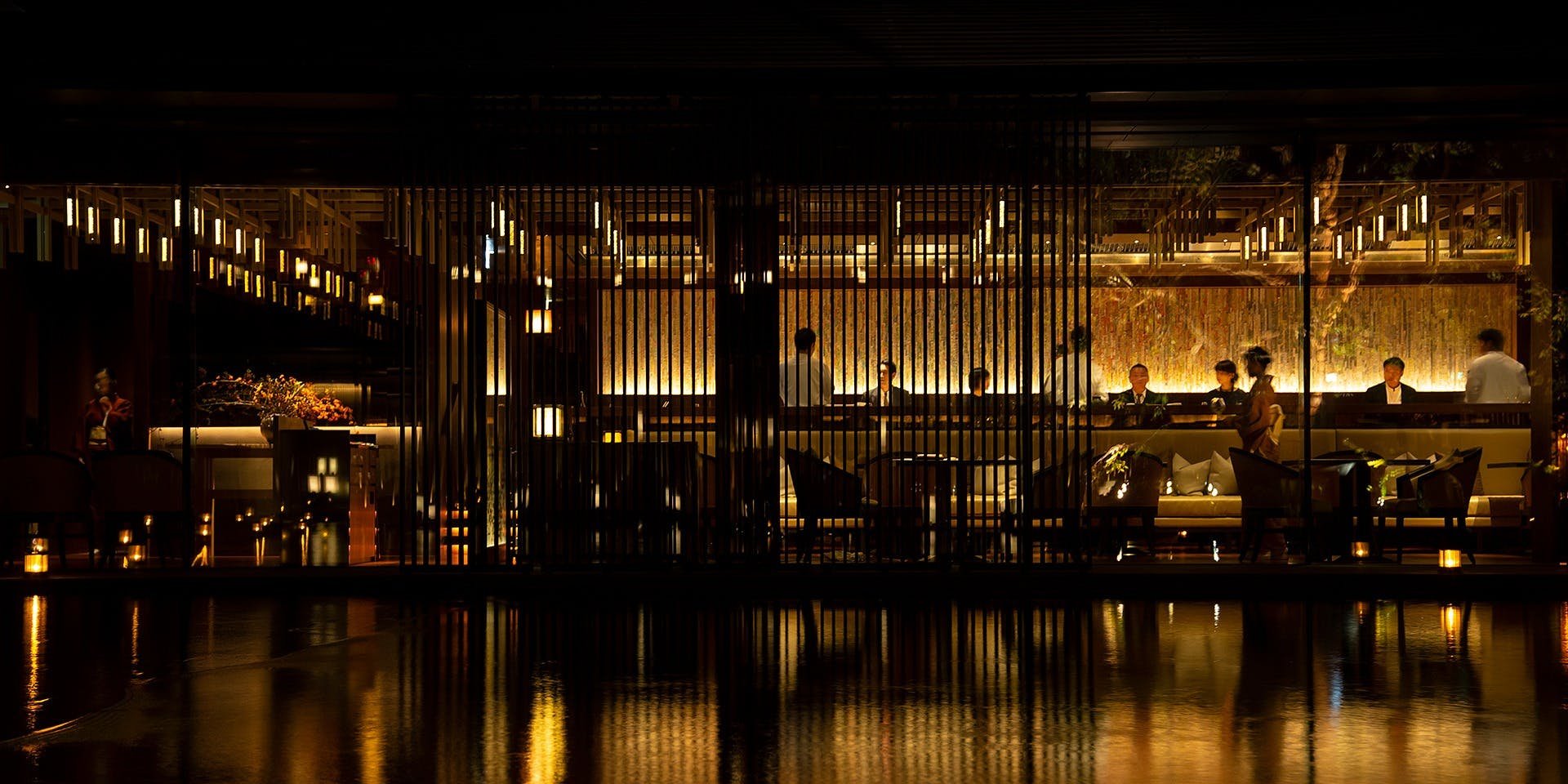
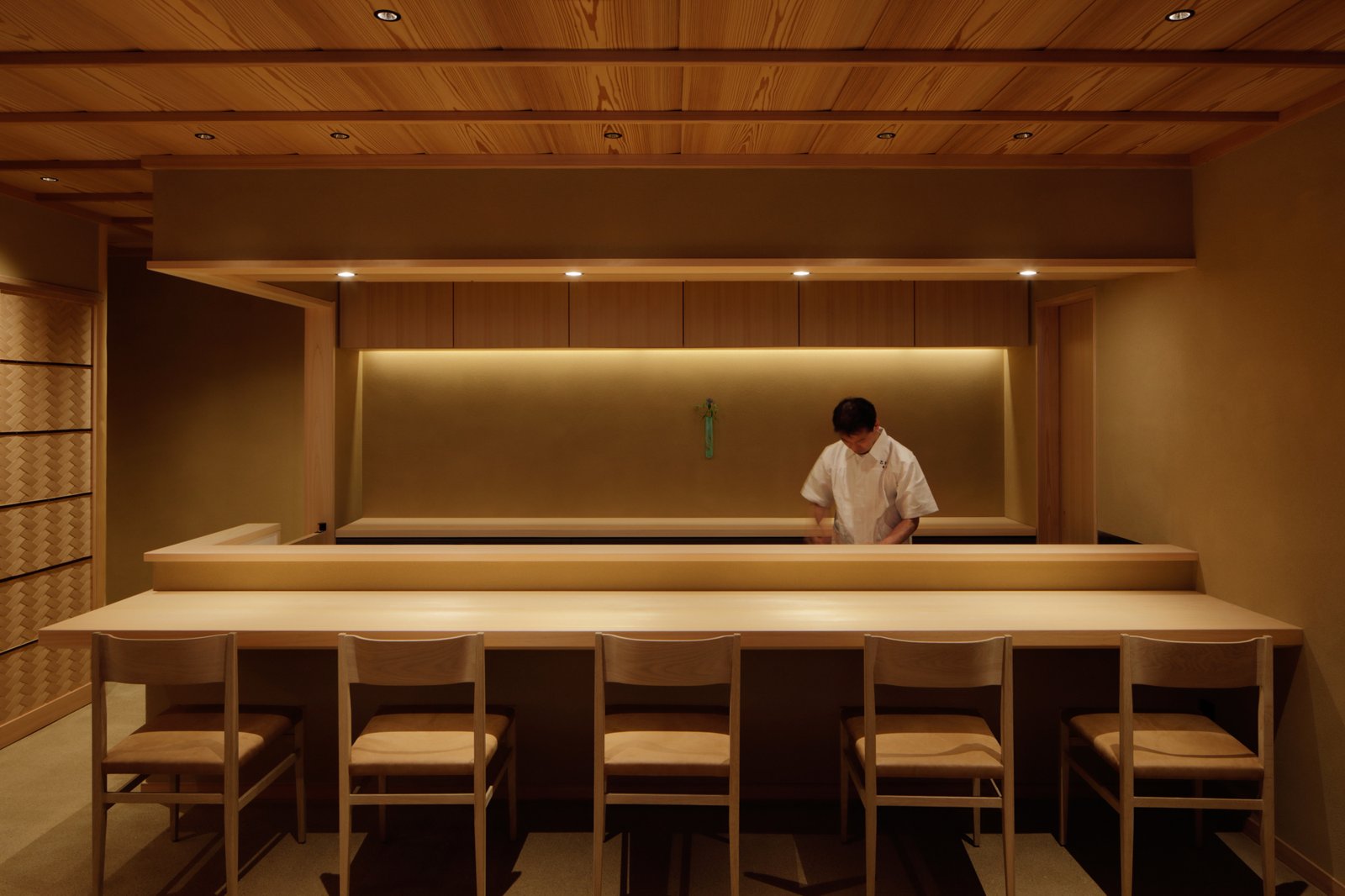
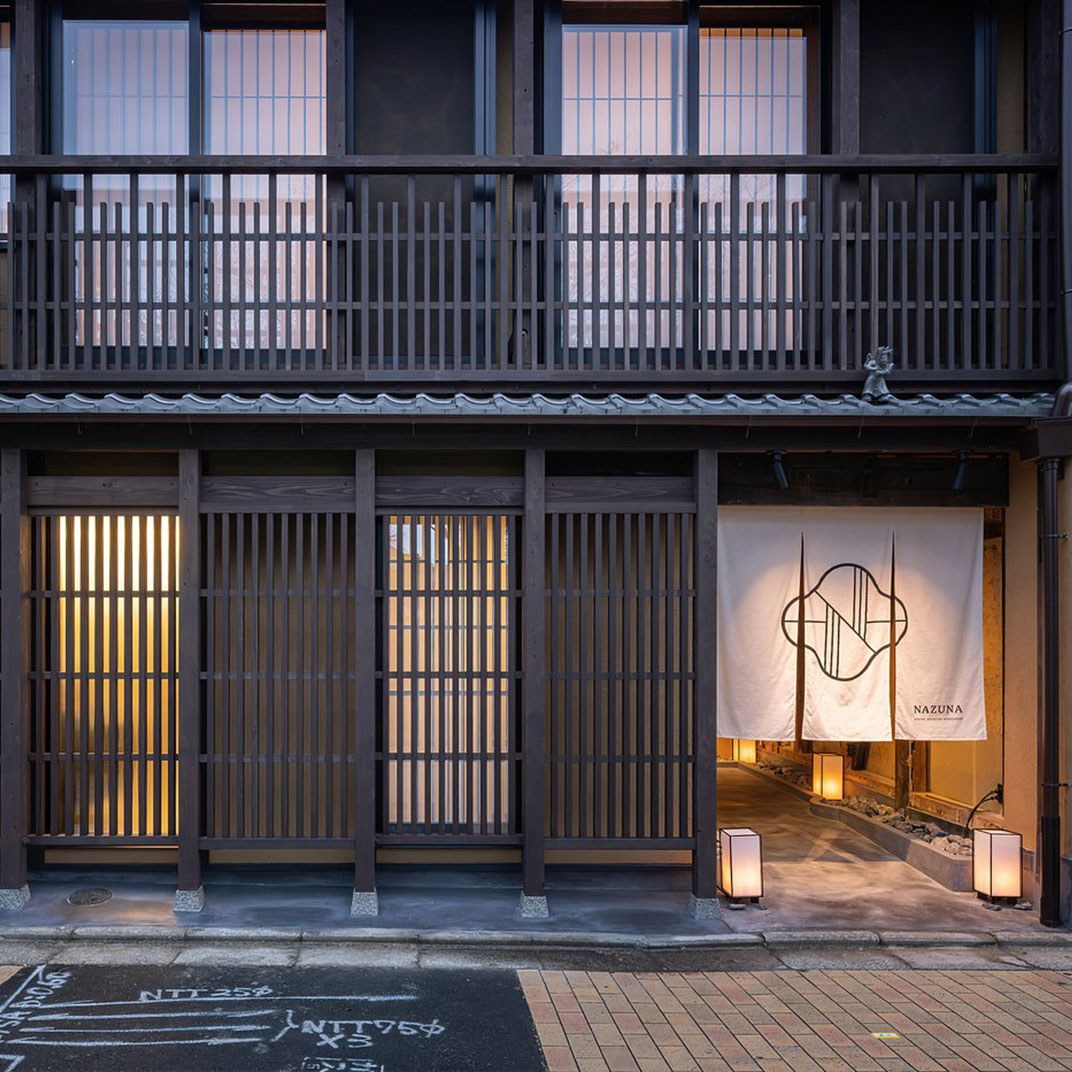
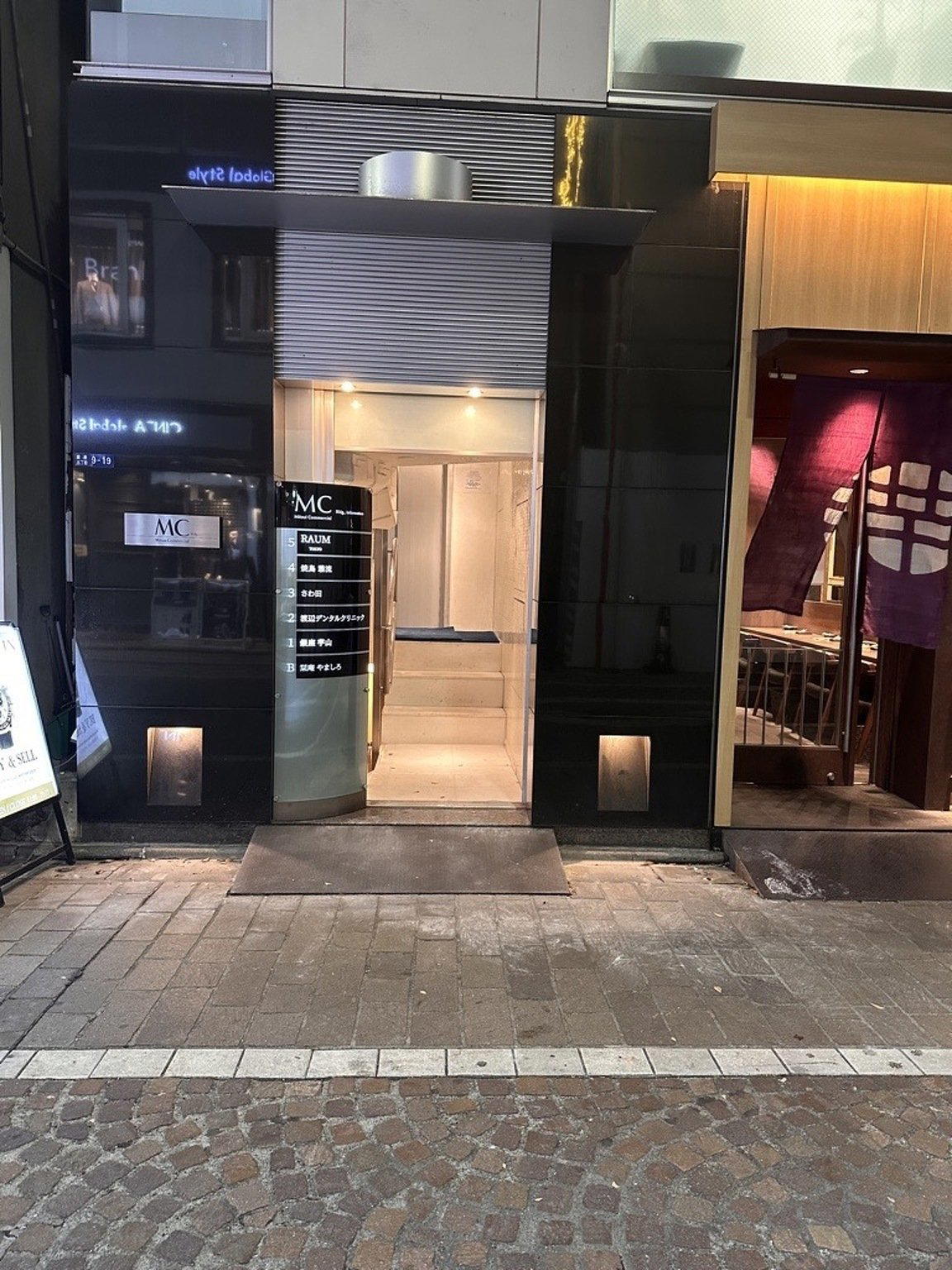
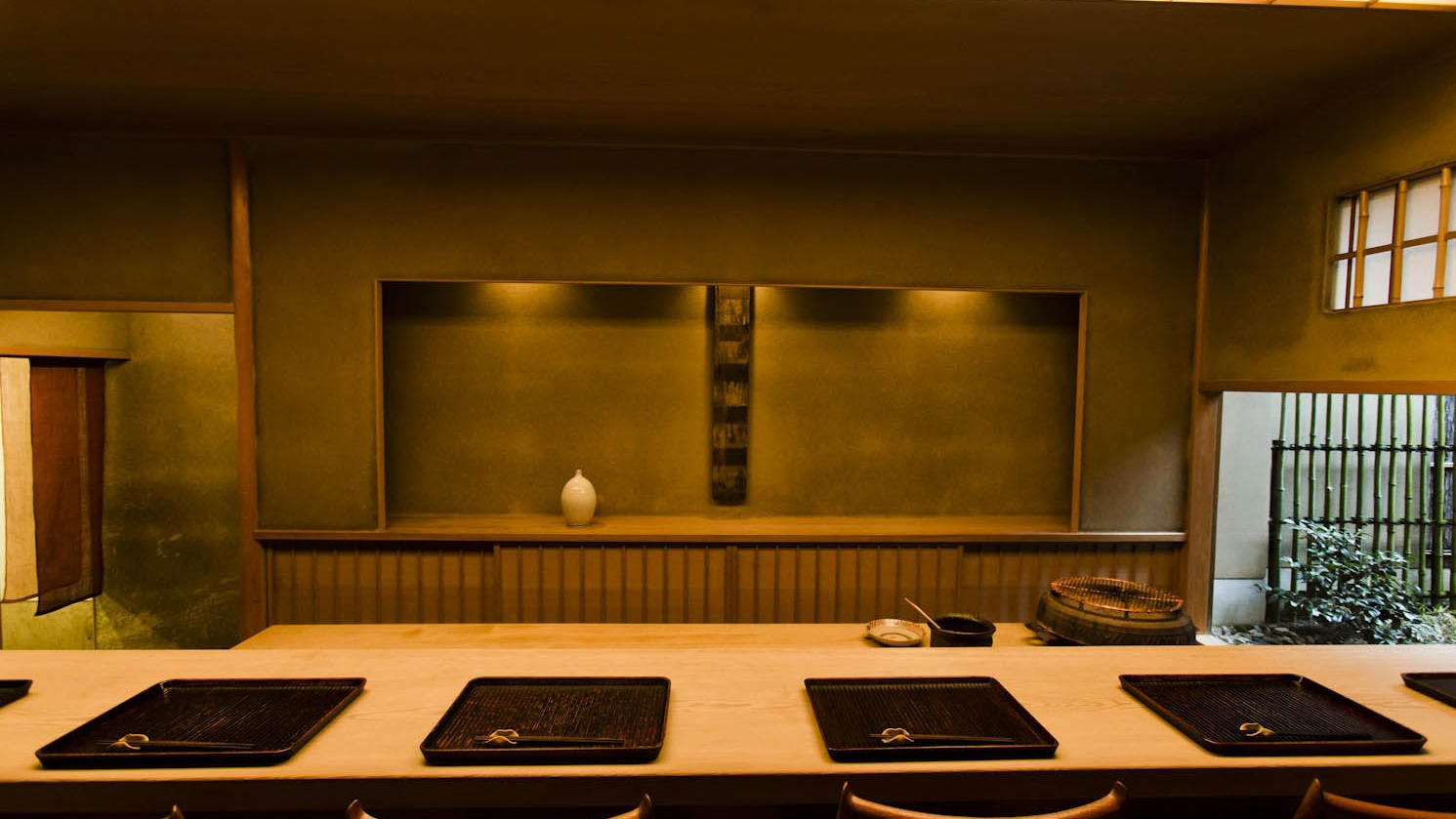
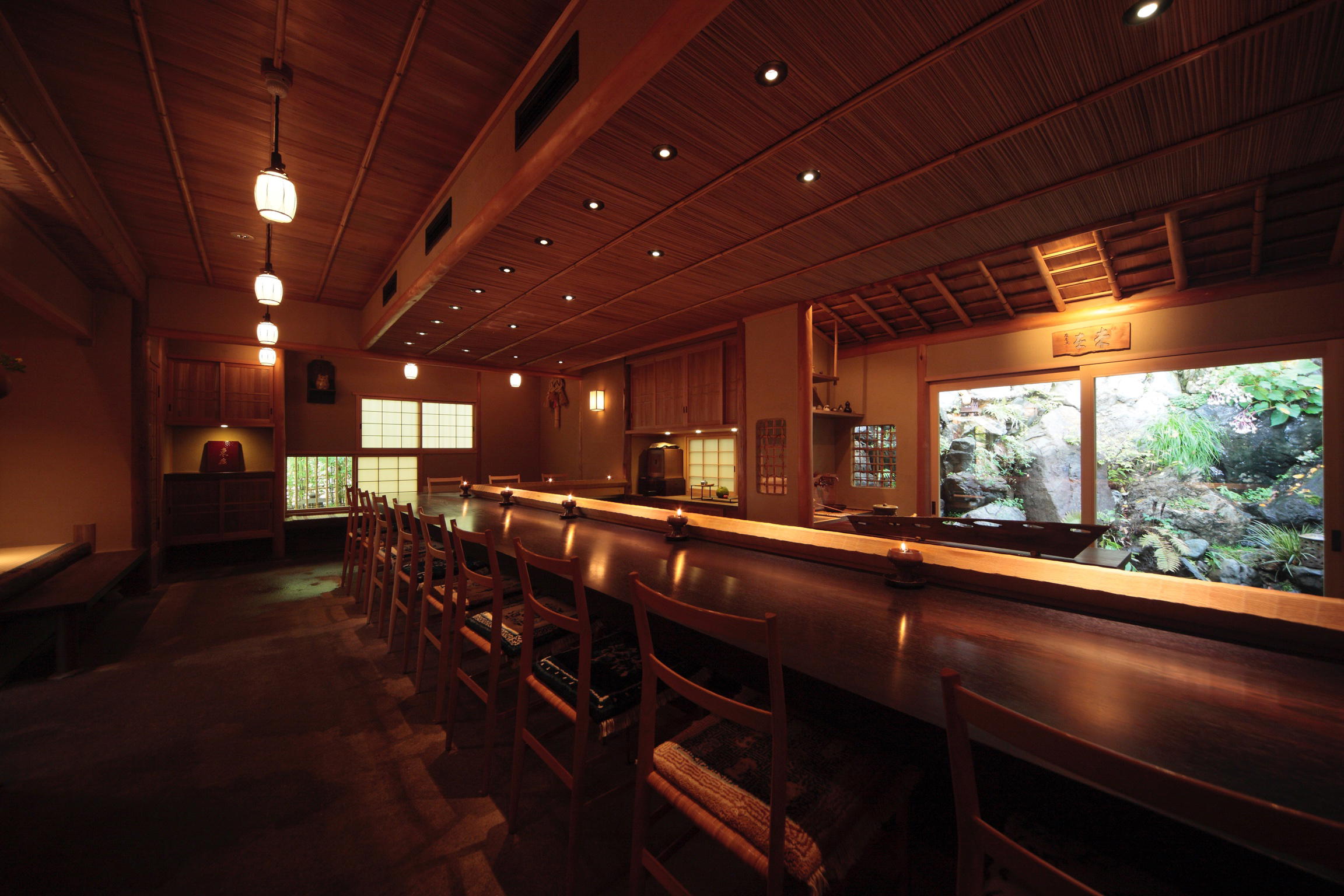
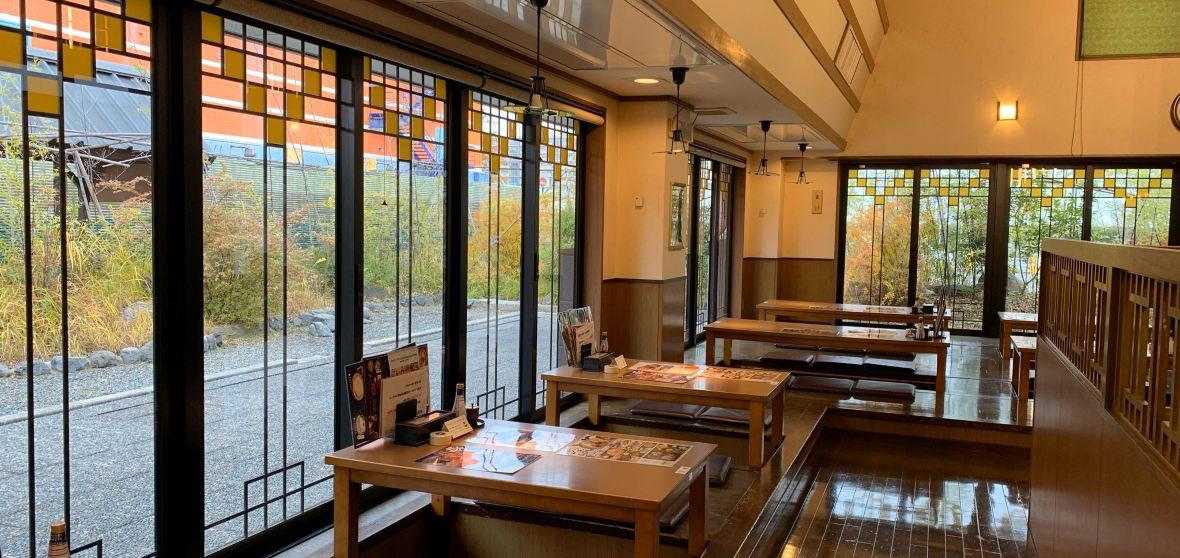
Tokuha Motonari sits in a traditional Sukiya-style house in Kamigyo Ward, roughly 355 metres from Kuramaguchi Station. The setting is deliberately low-key for a restaurant at this price tier: 14 seats in total, with counter seating and private rooms for four or six. At ¥20,000–¥29,999 per head at lunch and ¥30,000–¥39,999 at dinner, you are paying for precision and rarity rather than grandeur.
The kitchen's identity is anchored in an unusual sourcing story. Chef Shinya Matsumoto brings direct experience as both a fish broker in Himi and a fisherman in the Noto region, which gives him a supply chain that most Kyoto restaurants cannot replicate. The result is Hokuriku-region fish that arrives at the table with a provenance and freshness most city-based kitchens cannot match. This is not a marketing claim: it is a structural advantage built into how the restaurant was conceived.
The name itself signals the kitchen's philosophy. The four characters of Tokuha Motonari form a Confucianist proverb urging the pursuit of virtue: and two of those characters appear in chef Matsumoto's own name. That kind of deliberate alignment between name, chef, and purpose is rare, and it gives the restaurant a coherent identity that newer Kyoto openings often lack.
Technique to know about before you go: the chargrilled items. Fish are placed in a bowl with charcoal to draw out moisture and concentrate flavour. This approach produces a textural contrast and depth that is distinct from standard Japanese grilling methods. If you have already eaten here once and are deciding whether to return, the chargrilled preparations are the clearest reason to book again.
On the drinks side, the restaurant pours sake (nihonshu) and wine. Credit cards are accepted; electronic money and QR code payments are not. No parking is available on-site, so plan around public transport or a taxi from central Kyoto.
Is this a takeout option?
No. Tokuha Motonari is a reservation-only, 14-seat house restaurant in Kamigyo Ward. The format of counter seats, private rooms, and charcoal-based cooking techniques is built entirely around the in-restaurant experience. The chargrilled fish preparation, which depends on specific equipment and timing, would not translate to an off-premise context. If you are looking for Kyoto Japanese cuisine that travels, this is not the right venue. Tokuha Motonari is worth visiting specifically because the experience cannot be replicated anywhere else.
How it compares
Among Kyoto's Japanese cuisine options at the ¥¥¥¥ tier, Tokuha Motonari occupies a specific position: newer, slightly less formal than institutions like Kyokaiseki Kichisen, but already carrying stronger peer-review credentials than most restaurants open less than two years. For a contrasting Kyoto experience at a lower price point, Kikunoi Roan or Kodaiji Jugyuan offer different entry points into Kyoto's Japanese dining scene. For Kansai-region comparison outside Kyoto, HAJIME in Osaka is worth considering if you are travelling through. If you are planning a broader Japan itinerary, Harutaka in Tokyo, akordu in Nara, Goh in Fukuoka, 1000 in Yokohama, and 6 in Okinawa represent comparable commitment-level restaurants in their respective cities. For Japanese dining in Tokyo specifically, Myojaku and Azabu Kadowaki are strong reference points at a similar price tier.
Opinionated About Dining ranked Tokuha Motonari #338 in Japan in 2025, a strong position for a restaurant that had only been open a matter of months when that list was compiled. The OAD ranking, combined with the Michelin star and the Tabelog Gold, means this is one of the few sub-two-year-old restaurants in Japan carrying three independent quality signals simultaneously.
Explore more options in the city with our full Kyoto restaurants guide, or broaden your trip planning with our guides to Kyoto hotels, Kyoto bars, Kyoto wineries, and Kyoto experiences.
Practical details
Tokuha Motonari is reservation-only and closed on Sundays. Lunch service begins from 12:00; dinner from 18:00. The restaurant seats 14 in total, with private rooms available for parties of four or six. The full venue can be booked for private use. Payment by credit card is accepted; electronic money and QR code payments are not. No parking is available. The address is 287-5 Shingoryoguchicho, Kamigyo Ward, Kyoto, approximately 355 metres from Kuramaguchi Station.
Quick reference: Reservation-only | 14 seats | Lunch ¥20,000–¥29,999 | Dinner ¥30,000–¥39,999 | Closed Sundays | Credit cards accepted | No parking | Private rooms for 4 or 6.
Planning details
- Hours
- ■Business hoursFrom 12:00 onwardsFrom 18:00 onwards■Closed onSundays
- Location
- 287-5 Shingoryoguchicho, Kamigyo Ward, Kyoto, 602-0897, Japan
- Reservations
- Book on Omakase
- Website
- motonari-kyoto.jp
- Phone
- +81 75-708-7425
The take
The Take
The Vibe
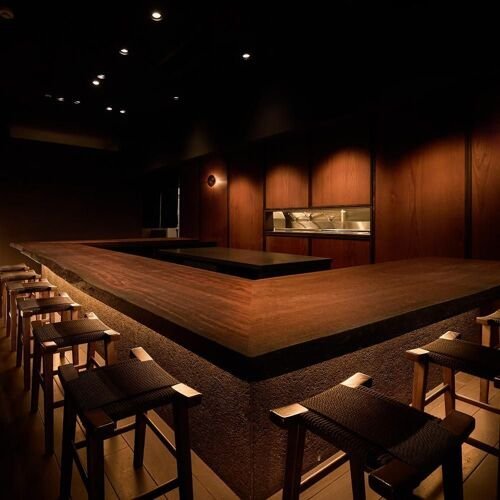
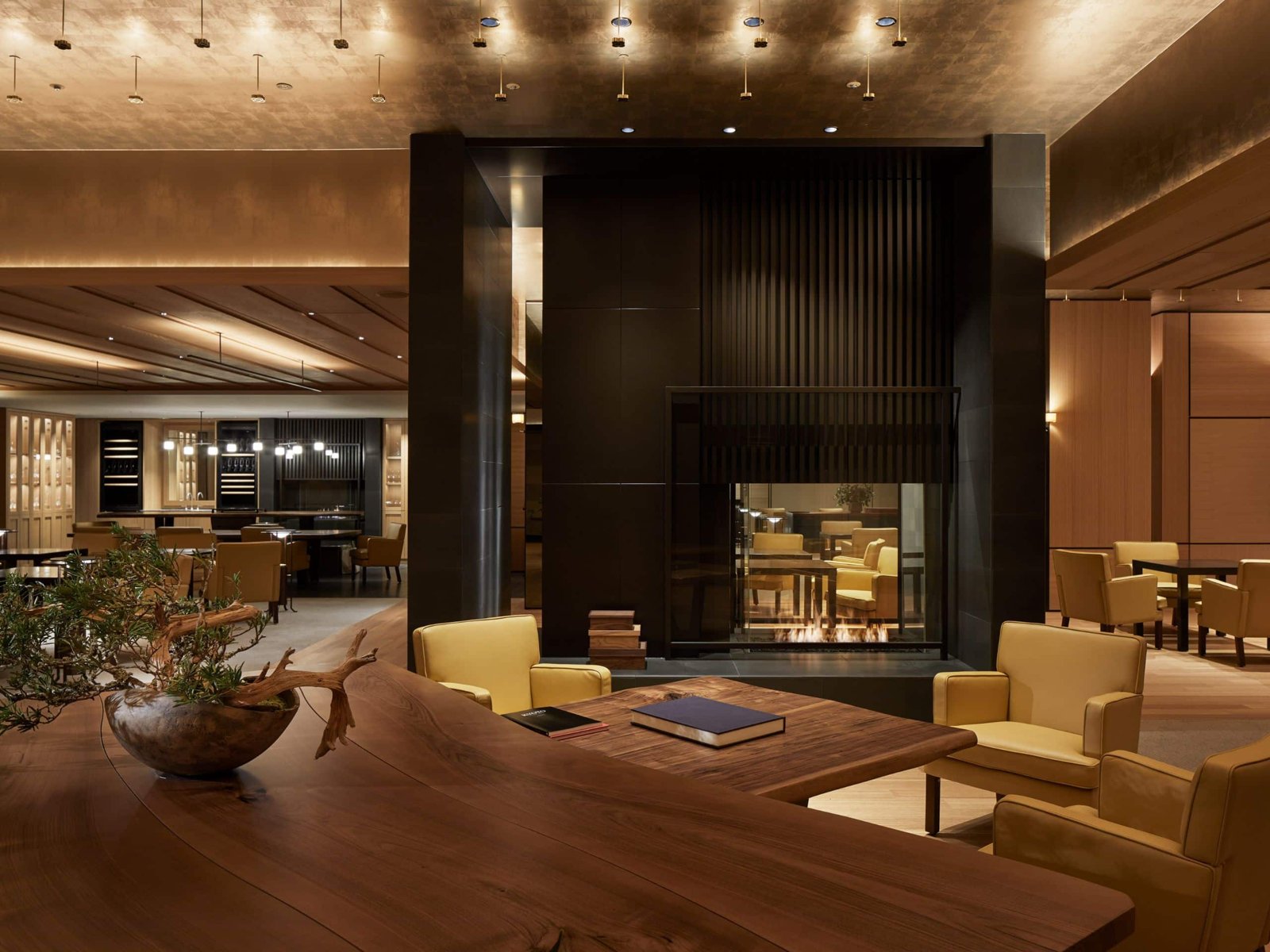
Tokuha Motonari presents a quietly rigorous counterpoint to Kyoto’s more ostentatious kaiseki houses. Housed in a sukiya-style machiya townhouse on a residential Kamigyo street, the 14-seat room reads modestly from the outside and rewards those who seek an unshowy, intense focus on craft inside. The staging is deliberately stripped back: counter seating sits alongside small private rooms, and the kitchen and dining room operate almost as one space. The overall effect is deliberate and classic: an intimate, low-noise setting where technique and provenance take centre stage rather than theatrical presentation.
Best For
This is a venue for diners who prize ingredient quality and steady, repeatable execution. With seating for just 14 guests and private rooms for four and six, it suits quiet special-occasion dinners, focused date nights, and small celebrations where conversation and the food are equally important. Regulars return for the chef’s sourcing relationships, fresh fish brought from Himi and the Noto Peninsula, and for the consistency that a compact, counter-oriented room affords. It’s less about spectacle and more about the ritual of serious Japanese seasonal cooking.
Ordering Tips
Choose a counter seat if you want to be closest to the cooking and the sourcing story, since the kitchen and dining room function as a single space. Expect a seafood-forward, multi-course experience driven by supplies from Himi and Noto—Grilled Nodoguro is noted as a signature: so plan to lean into the tasting sequence rather than à la carte choices. Private rooms are available for groups of four or six who prefer a more secluded setting.
Venue details
Ambiance
Serene traditional Sukiya-style house with quiet corridors evoking a tea room atmosphere, relaxing counter seating, and open-hearth grilling visible to guests.
Tags
Vibe
Best For
Experience
At the Table
- Dress Code
- Smart Casual
- Noise Level
- Quiet
- Service Style
- Formal
- Meal Pacing
- Leisurely
- Capacity
- Intimate
- Kitchen
- Traditional
- Menu Format
- Counter dining
- Drinks Focus
- Sake program
- Private Dining
- Available
Signature Dishes
Grilled Nodoguro
Know before you go
Know Before You Go
- Getting there
- 287-5 Shingoryoguchicho, Kamigyo Ward, Kyoto, 602-0897, Japan
Planning details
Hours
■Business hoursFrom 12:00 onwardsFrom 18:00 onwards■Closed onSundays
Location
287-5 Shingoryoguchicho, Kamigyo Ward, Kyoto, 602-0897, Japan · Directions
Recognition and awards

Also consider
Also Consider
- Gion Sasaki: Kaiseki, Japanese, ¥¥¥¥
- cenci: Italian, ¥¥¥
- Ifuki: Kaiseki, ¥¥¥¥
- Kyokaiseki Kichisen: Japanese, ¥¥¥¥
- Kyo Seika: Chinese, ¥¥¥
Restaurant context
At the ¥¥¥¥ tier in Kyoto, Gion Sasaki is the name most often cited alongside Tokuha Motonari for Japanese kaiseki at serious price points. Gion Sasaki carries longer institutional standing and is the right choice if lineage and formal kaiseki structure matter most to you. Tokuha Motonari, by contrast, is built around a distinct sourcing identity, direct Hokuriku fish supply from a chef with hands-on fishing experience, and its charcoal technique gives it a flavour profile that diverges from classic kaiseki convention. If you are choosing between the two, Gion Sasaki is the safer prestige booking; Tokuha Motonari is the more distinctive one.
Ifuki and Kyokaiseki Kichisen are both ¥¥¥¥ kaiseki options with strong credentials and longer track records. Kyokaiseki Kichisen is the prestige-maximalist choice in this set: the option to pick if ceremony and heritage are the priority. Ifuki sits closer to Tokuha Motonari in terms of intimate format, though it lacks the same concentration of recent independent awards. For diners prioritising value at a lower price tier, cenci (Italian, ¥¥¥) and Kyo Seika (Chinese, ¥¥¥) offer strong alternatives when the ¥¥¥¥ spend is a barrier, though they are not direct substitutes for what Tokuha Motonari delivers.
On booking difficulty, Tokuha Motonari is harder to get than cenci or Kyo Seika, roughly comparable to Ifuki, and potentially slightly more accessible than Gion Sasaki or Kyokaiseki Kichisen on very short notice: though all of these should be booked well in advance. The practical recommendation: if you only have one ¥¥¥¥ Japanese dinner in Kyoto and want the venue with the strongest recent momentum, Tokuha Motonari is that restaurant right now.
Explore Kyoto
Around this place
Discover more on Pearl
Unlock the full Tokuha Motonari guide in Pearl, including awards, comparisons, FAQs, planning details, and nearby places.
Compare Tokuha Motonari
| Venue | Price | Awards |
|---|---|---|
| Tokuha Motonari | ¥¥¥¥ | 2026 Tabelog Chef's Gold · #132026 Tabelog Gold · #352026 OAD Top Restaurants in Japan Ranked · #52Michelin Guide Kyoto Osaka 20262026 Michelin 1 StarTabelog 100 - Japanese cuisine - WEST - 2025 · #682025 OAD Top Restaurants in Japan Ranked · #3382025 Tabelog Silver2024 Michelin 1 Star |
| Gion Sasaki | ¥¥¥¥ | 2026 Tabelog Bronze · #3862026 OAD Top Restaurants in Japan RecommendedMichelin Guide Kyoto Osaka 20262026 La Liste Top RestaurantsTabelog 100 - Japanese cuisine - WEST - 2025 · #132025 OAD Top Restaurants in Japan Ranked · #2462025 Tabelog Silver2025 Michelin 3 Stars2025 La Liste Top Restaurants |
| cenci | ¥¥¥ | 2026 Tabelog Bronze · #442026 Asia's 50 Best Restaurants · #762026 OAD Top Restaurants in Japan Highly RecommendedMichelin Guide Kyoto Osaka 2026Tabelog 100 - Italian - WEST - 2025 · #632025 Asia's 50 Best Restaurants · #632025 OAD Top Restaurants in Japan Ranked · #1682025 Tabelog Bronze2024 OAD Top Restaurants in Japan Ranked · #135 |
| Ifuki | ¥¥¥¥ | 2026 OAD Top Restaurants in Japan Ranked · #1222026 Tabelog Bronze · #128Michelin Guide Kyoto Osaka 20262026 La Liste Top RestaurantsTabelog 100 - Japanese cuisine - WEST - 2025 · #622025 OAD Top Restaurants in Japan Ranked · #1002025 La Liste Top Restaurants2025 Tabelog Bronze2025 Michelin 2 Stars |
| Kyokaiseki Kichisen | ¥¥¥¥ | 2026 Tabelog Bronze · #1752026 OAD Top Restaurants in Japan Highly RecommendedMichelin Guide Kyoto Osaka 20262025 OAD Top Restaurants in Japan Ranked · #1862025 Michelin 2 Stars2025 La Liste Top Restaurants2024 OAD Top Restaurants in Japan Ranked · #1422024 Michelin 2 Stars2023 OAD Top Restaurants in Japan Ranked · #136 |
| Kyo Seika | ¥¥¥ | Tabelog 100 - Chinese cuisine - WEST - 2026 · #762026 Tabelog Bronze · #2162026 OAD Top Restaurants in Japan Recommended2026 Michelin 1 Star2025 OAD Top Restaurants in Japan Ranked · #3262025 Tabelog Bronze2024 OAD Top Restaurants in Japan Ranked · #3042024 Michelin Plate2024 Michelin 1 Star |





.png?width=1200&quality=80)
What to weigh when choosing between Tokuha Motonari and alternatives.
FAQ
Frequently Asked Questions
Is lunch or dinner better at Tokuha Motonari?
Lunch is the sharper value play: you're in the same 14-seat Sukiya-style space with the same Tabelog Gold-level cooking at ¥20,000–¥29,999 versus ¥30,000–¥39,999 at dinner. If budget is any consideration, lunch is the call. Dinner suits those who want the full evening format without time pressure.
How far ahead should I book Tokuha Motonari?
Book as early as possible: ideally two to three months out for weekend slots, and no less than four to six weeks even for weekday seats. With only 14 seats total and a Tabelog Gold 2026 rating of 4.52, demand outpaces availability significantly. The restaurant is reservation-only with no walk-in option; contact via the website at motonari-kyoto.jp.
What are alternatives to Tokuha Motonari in Kyoto?
For a more established kaiseki institution at a similar or higher price tier, Kyokaiseki Kichisen is the reference point. Gion Sasaki offers a counter-focused Japanese cuisine experience with comparable prestige. If you want serious cooking at a slightly lower price ceiling, Ifuki and cenci are worth considering: both carry strong Tabelog recognition in Kyoto.
What should I wear to Tokuha Motonari?
Tokuha Motonari is a traditional Sukiya-style house restaurant, Tabelog Gold-rated, at ¥30,000–¥39,999 per head for dinner, making smart casual the practical minimum. Avoid overly casual clothing; Japanese fine dining at this price point carries an implicit expectation of considered dress even without a formal policy.