



cenci
Italian · Sakyō, Kyoto
Restaurant in Kyoto, Japan
 Book with Pearl
The Read
Japanese-Inflected Italian Coursework
Price
$100–150per person
Chef
Ken Sakamoto
Dress
Smart Casual
Why go
Cenci is a Michelin-starred Italian-Japanese restaurant in a 100-year-old Kyoto townhouse, ranked #63 on Asia's 50 Best (2025) and a four-time Tabelog Bronze winner. Chef Ken Sakamoto builds Italian technique around seasonal Japanese produce, with dinner at JPY 20,000–29,999. Book two months out: this 26-seat room fills fast, and walk-ins are not an option.
About cenci
The Verdict
Cenci earns its place on your Kyoto itinerary: but only if you plan two months ahead. With a Michelin star (2024), four Tabelog Bronze Awards (2020, 2021, 2025, 2026), consecutive selection in the Tabelog Italian WEST Top 100, and a 2025 ranking of #63 on Asia's 50 Best Restaurants, this 26-seat Italian-Japanese table in Sakyo Ward is one of the most credentialed restaurants in western Japan. Dinner runs JPY 20,000–29,999 per person before the 10% service charge; lunch comes in at JPY 10,000–14,999. At those prices, you are getting a Michelin-starred tasting experience grounded in seasonal Kyoto produce: and the track record to back it up. Book it.
What to Expect
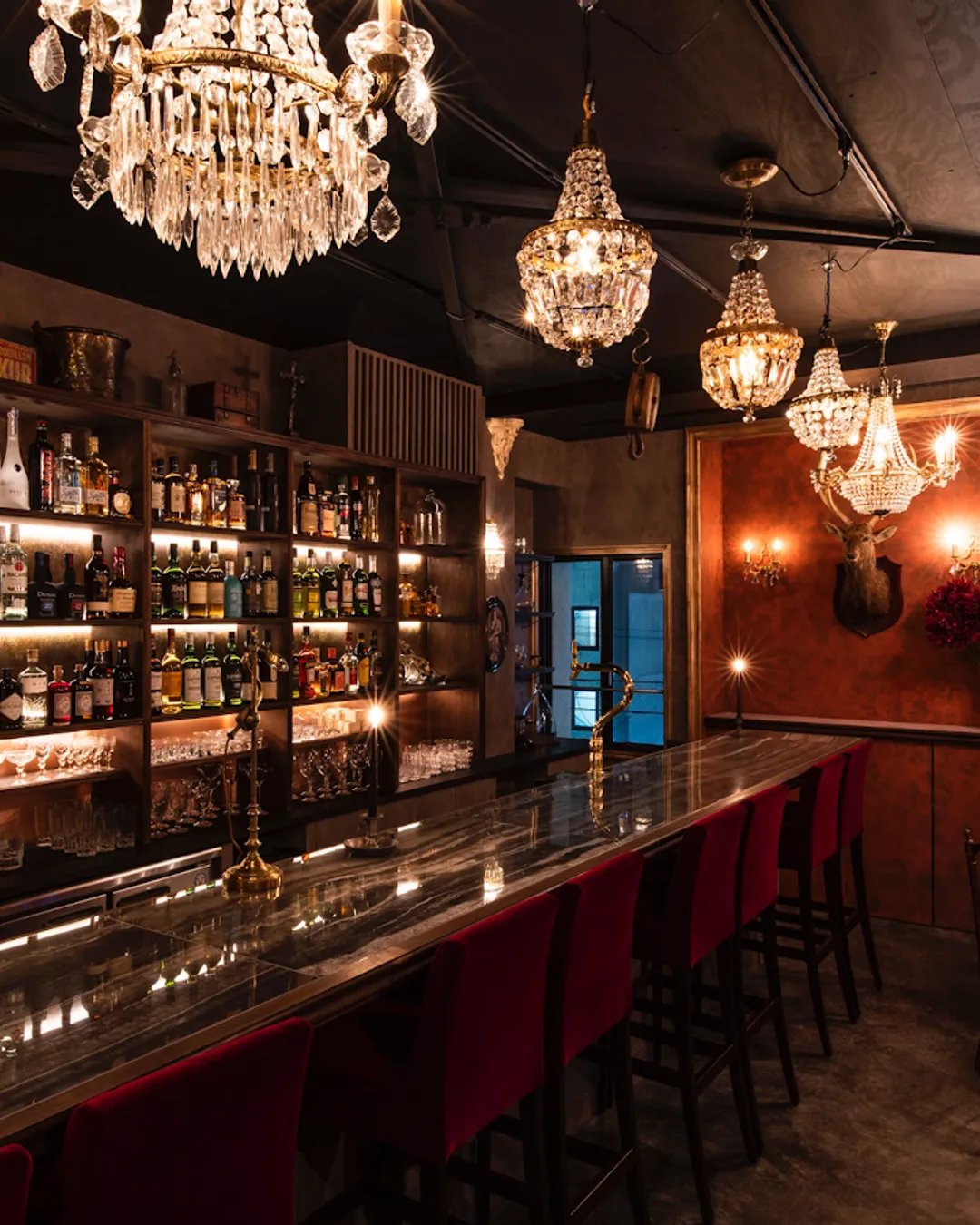
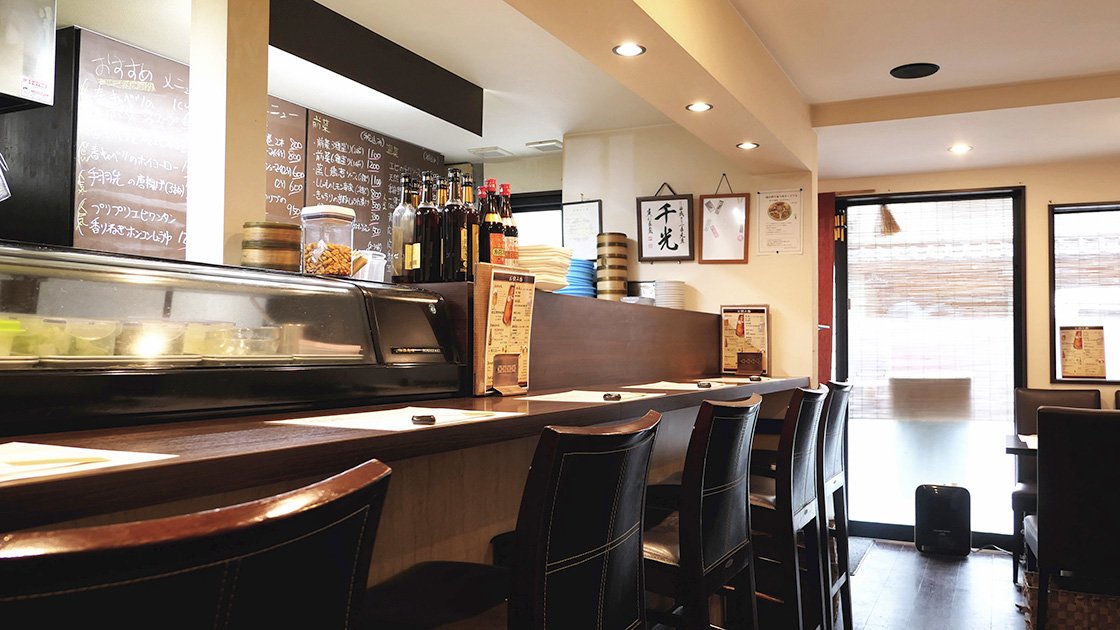
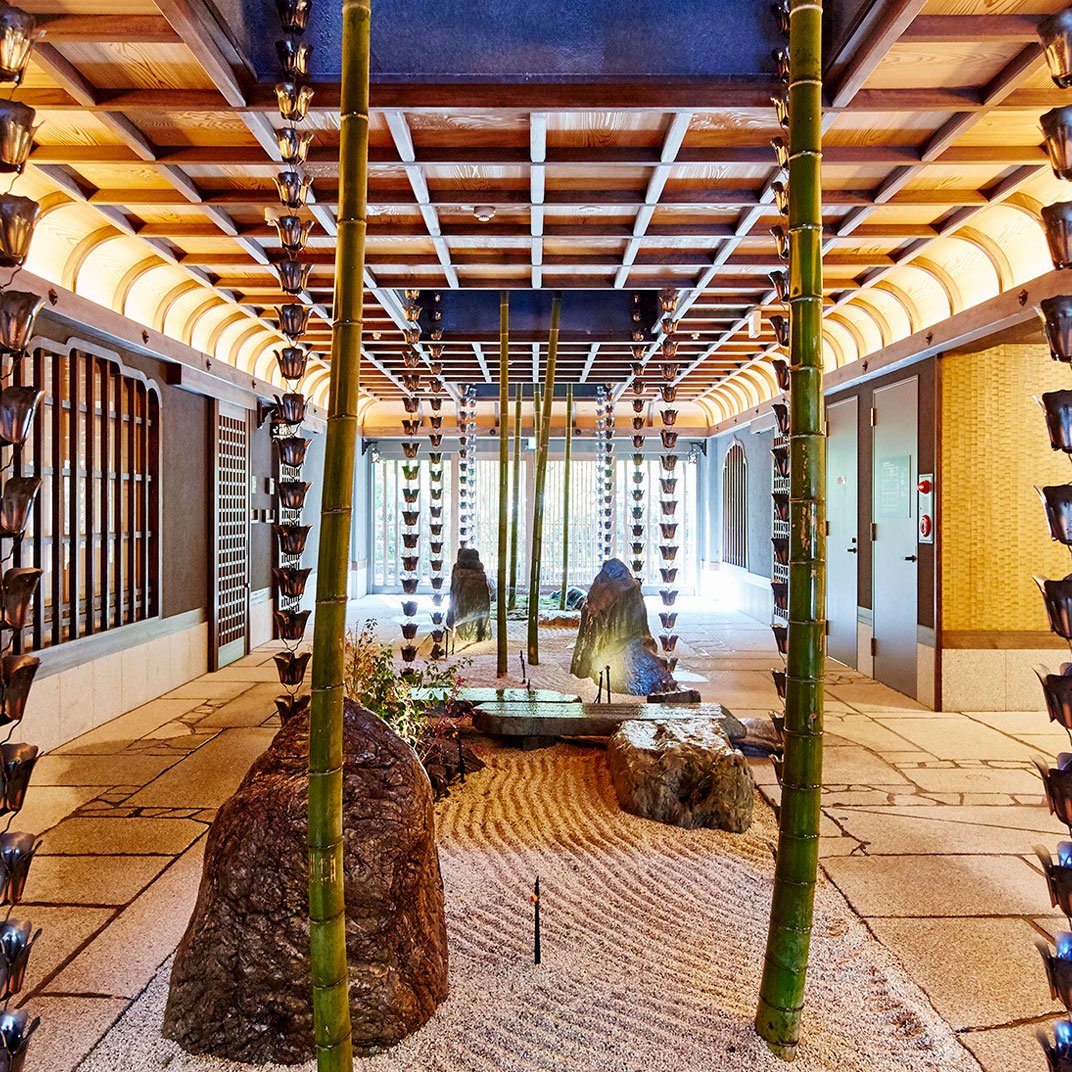
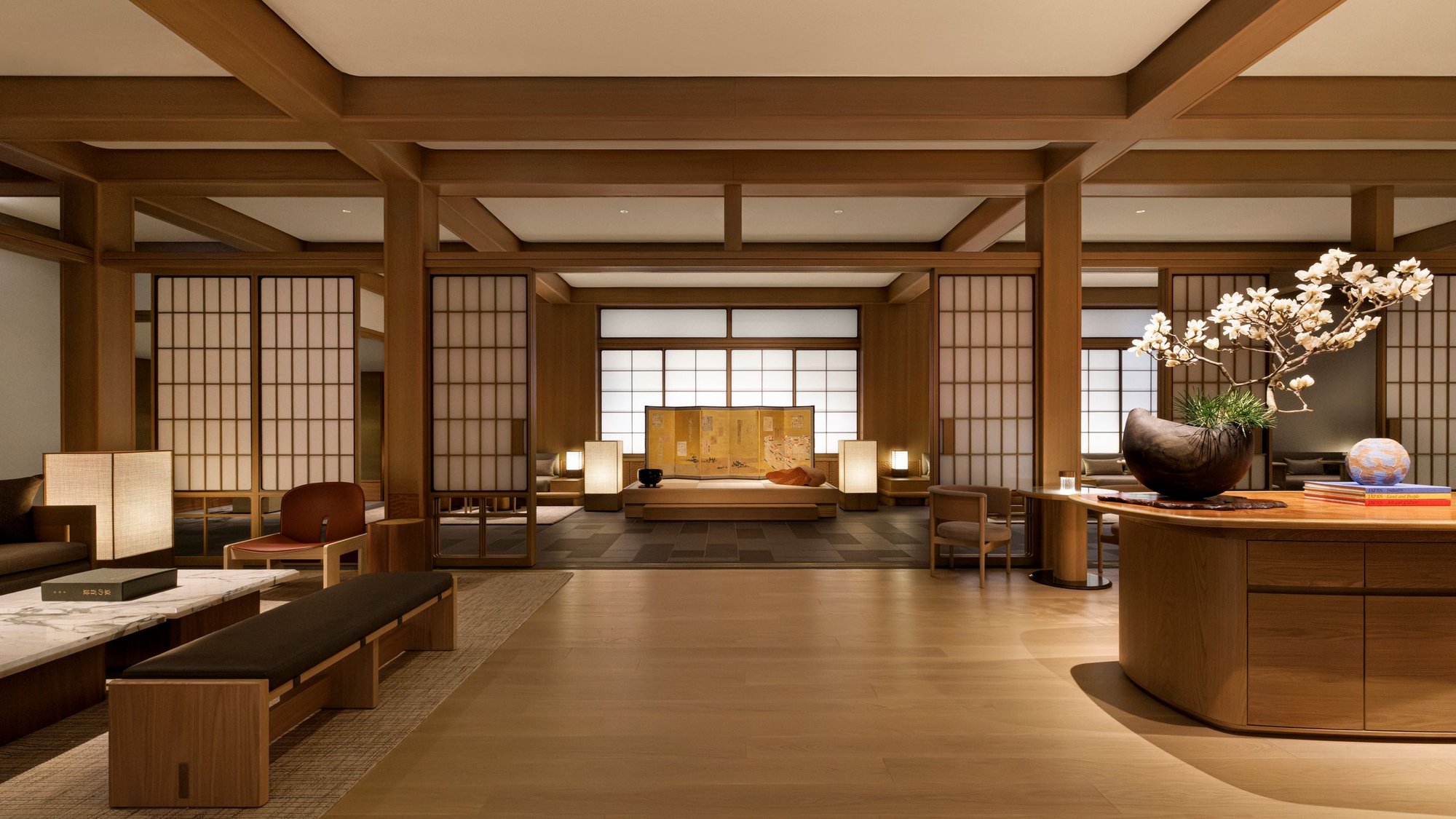
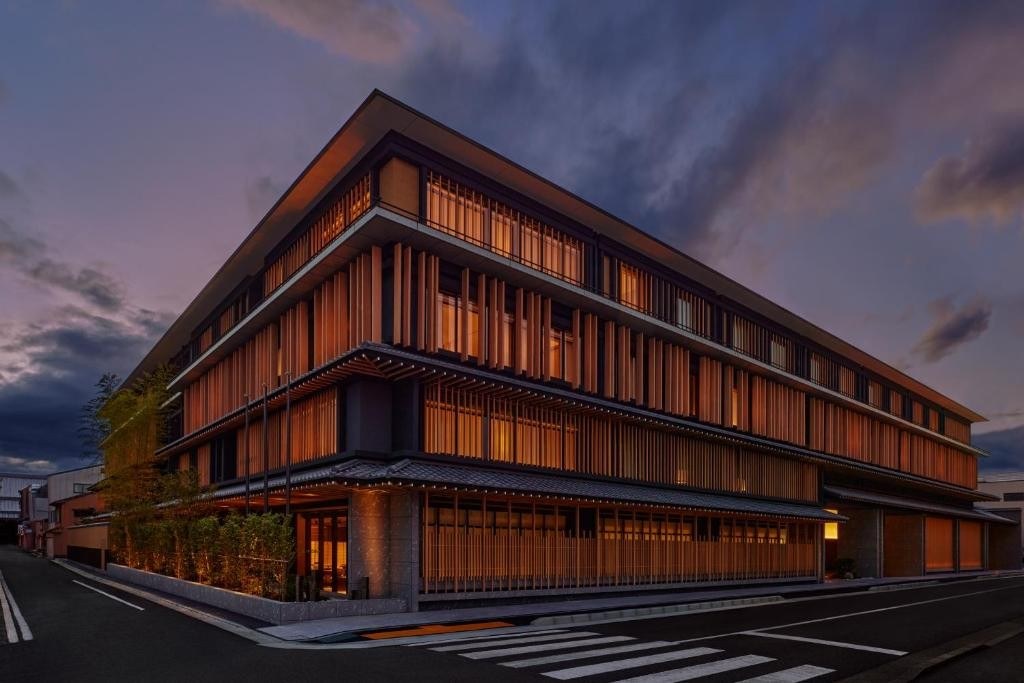
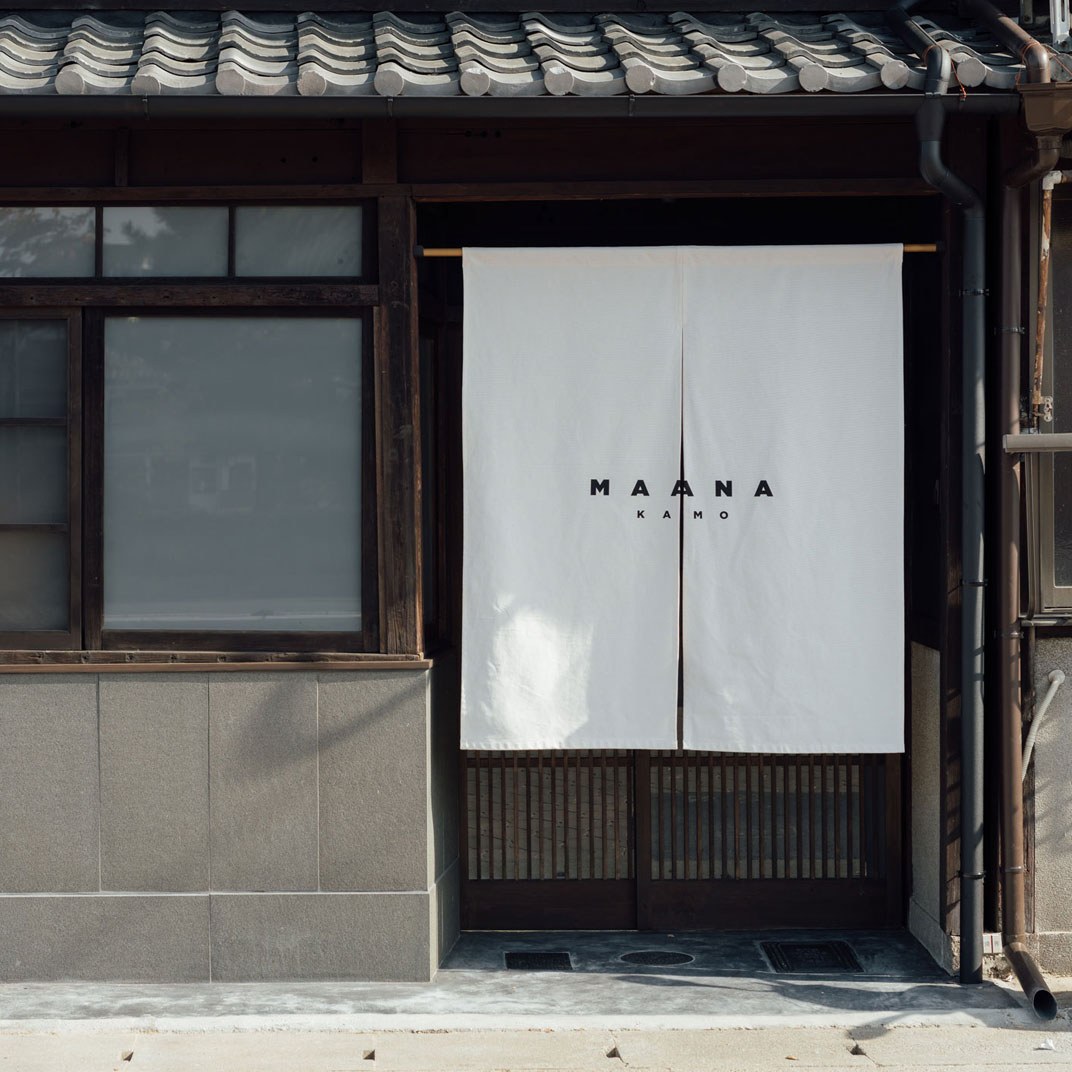
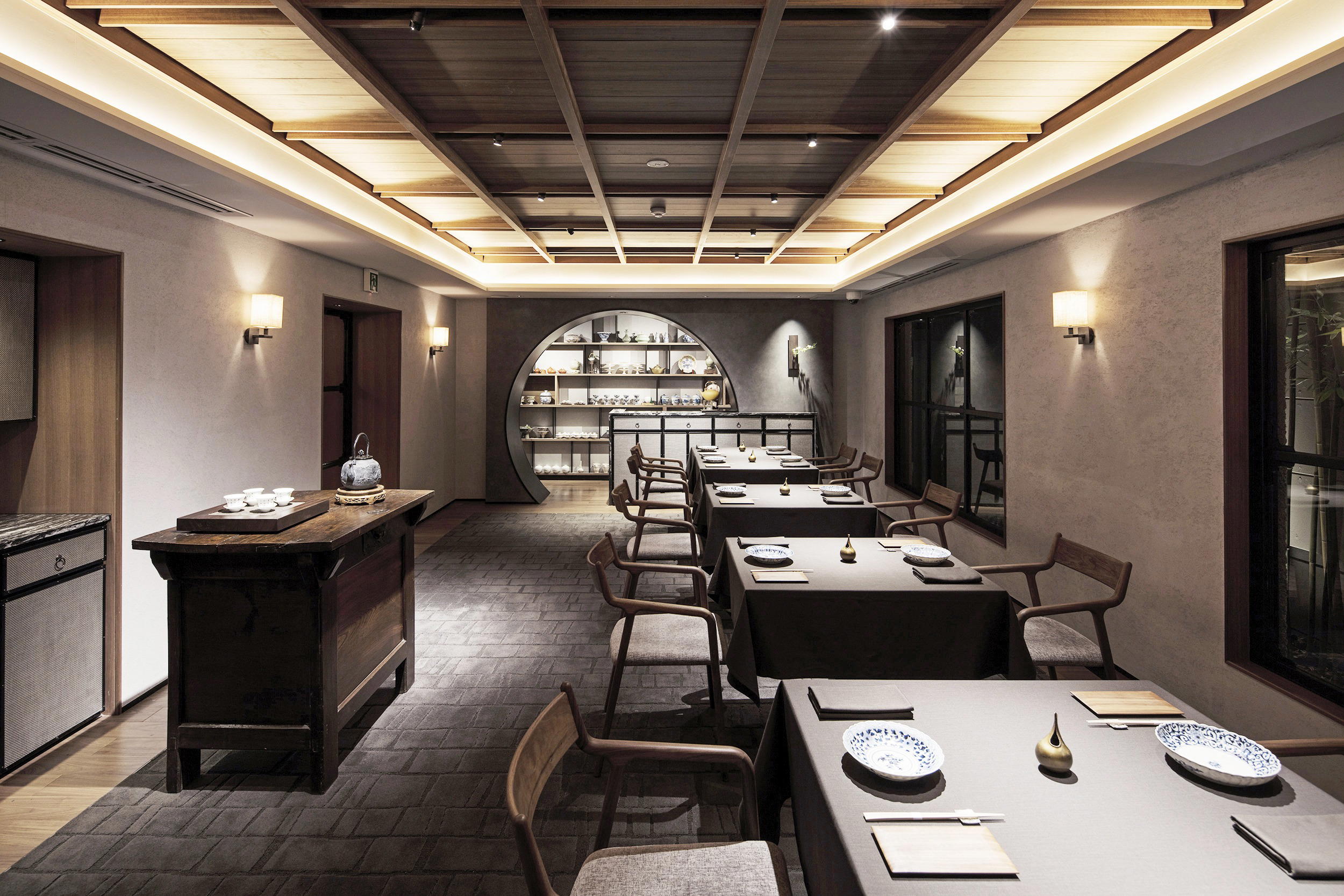
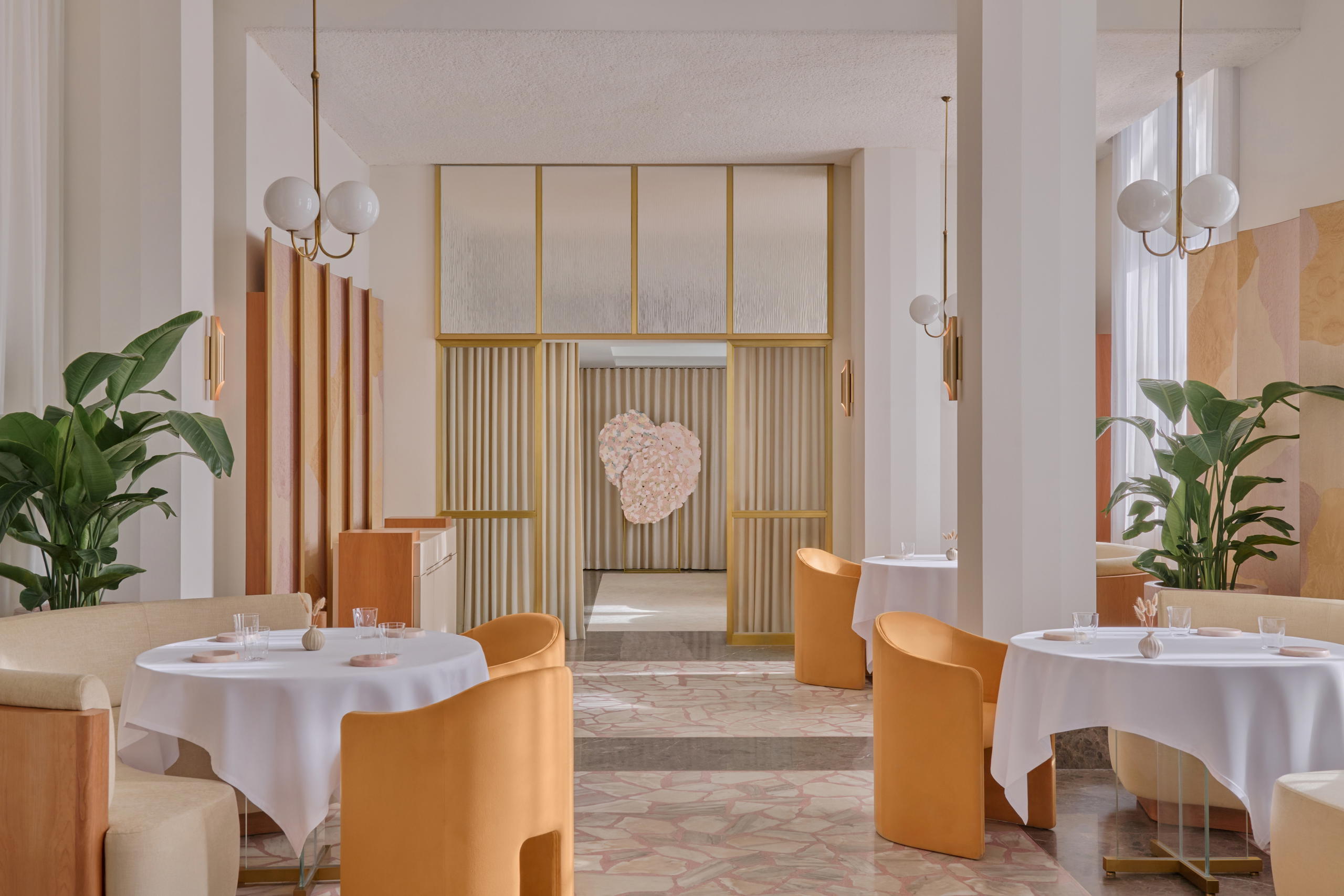
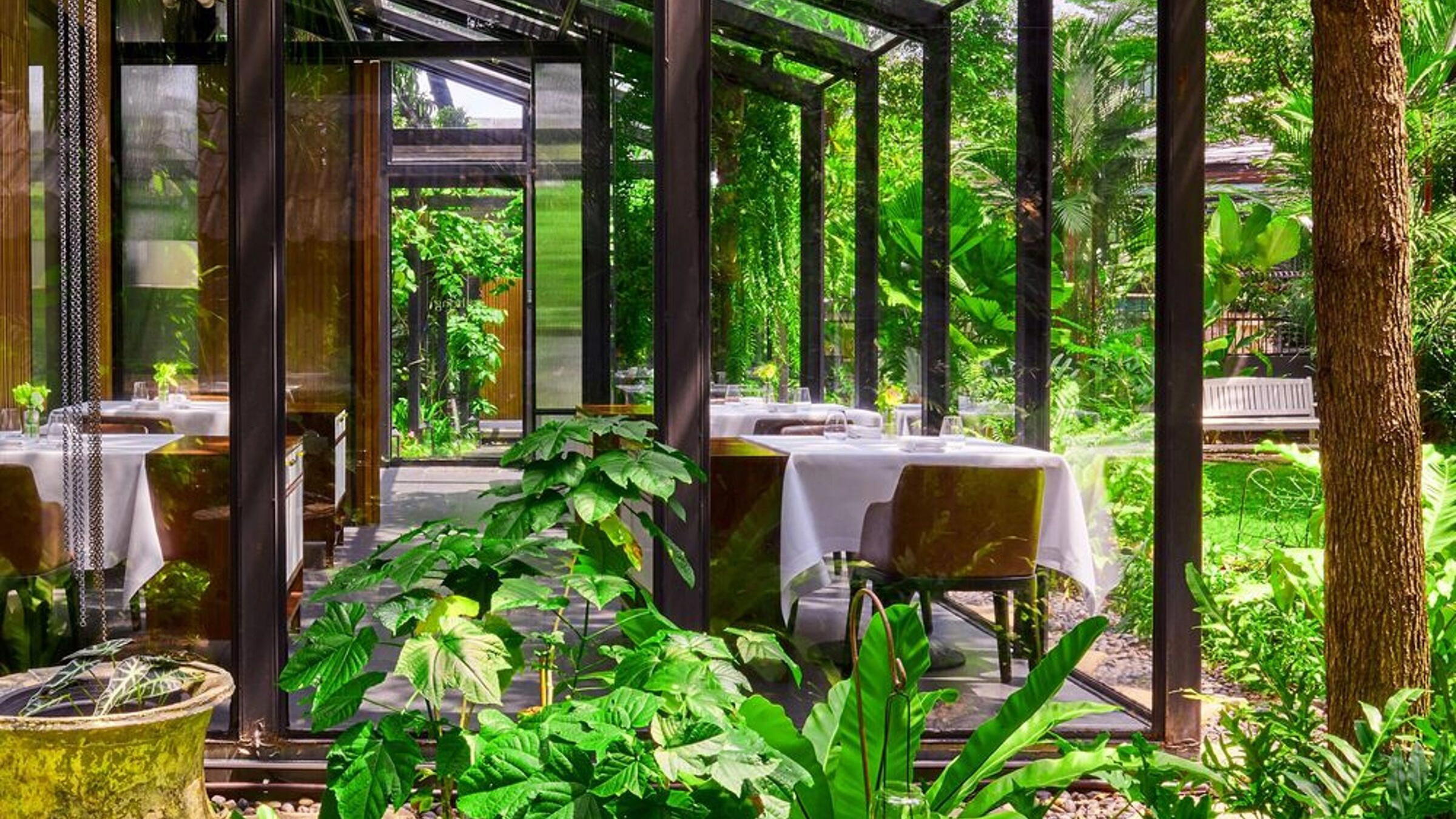
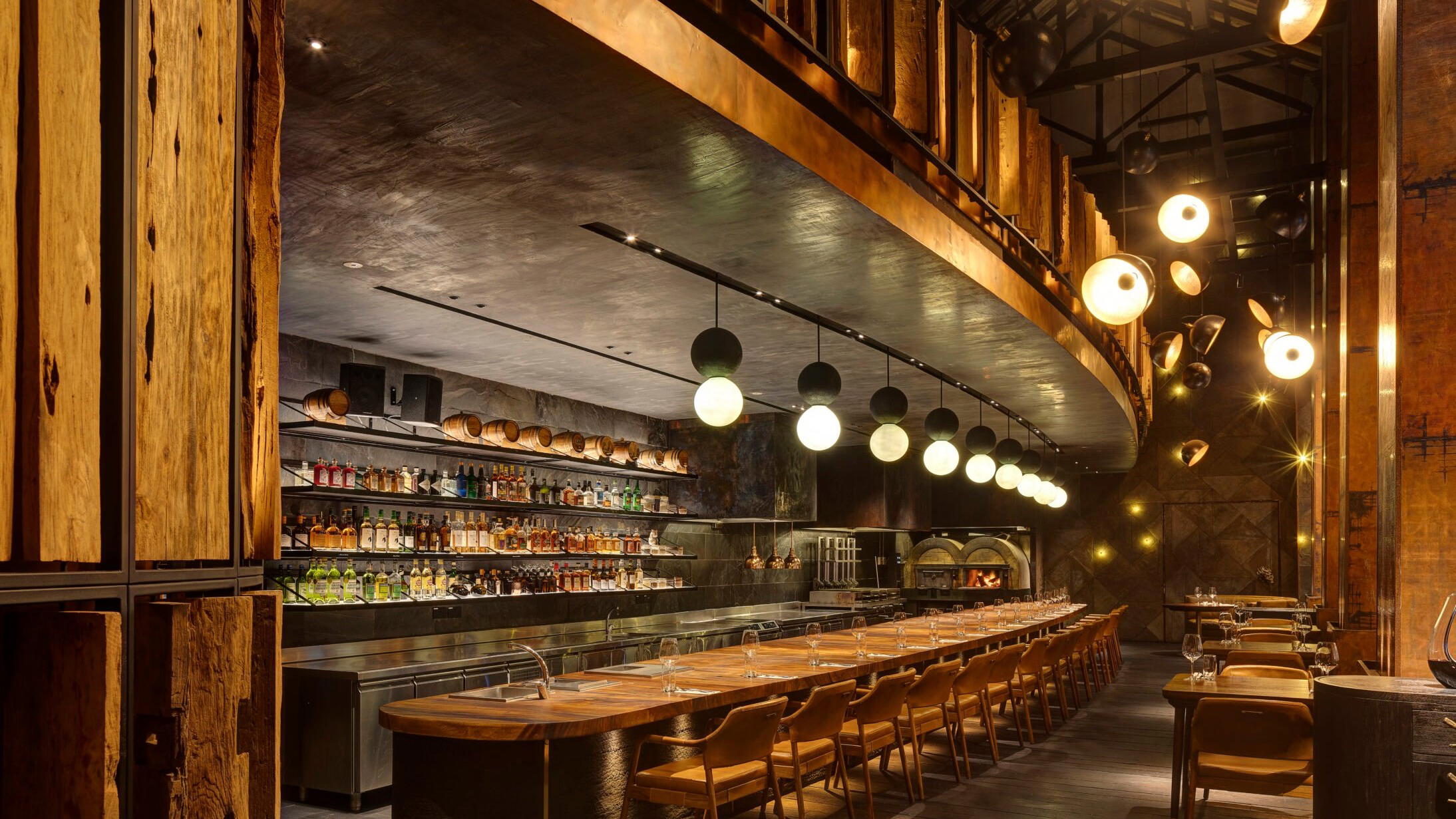
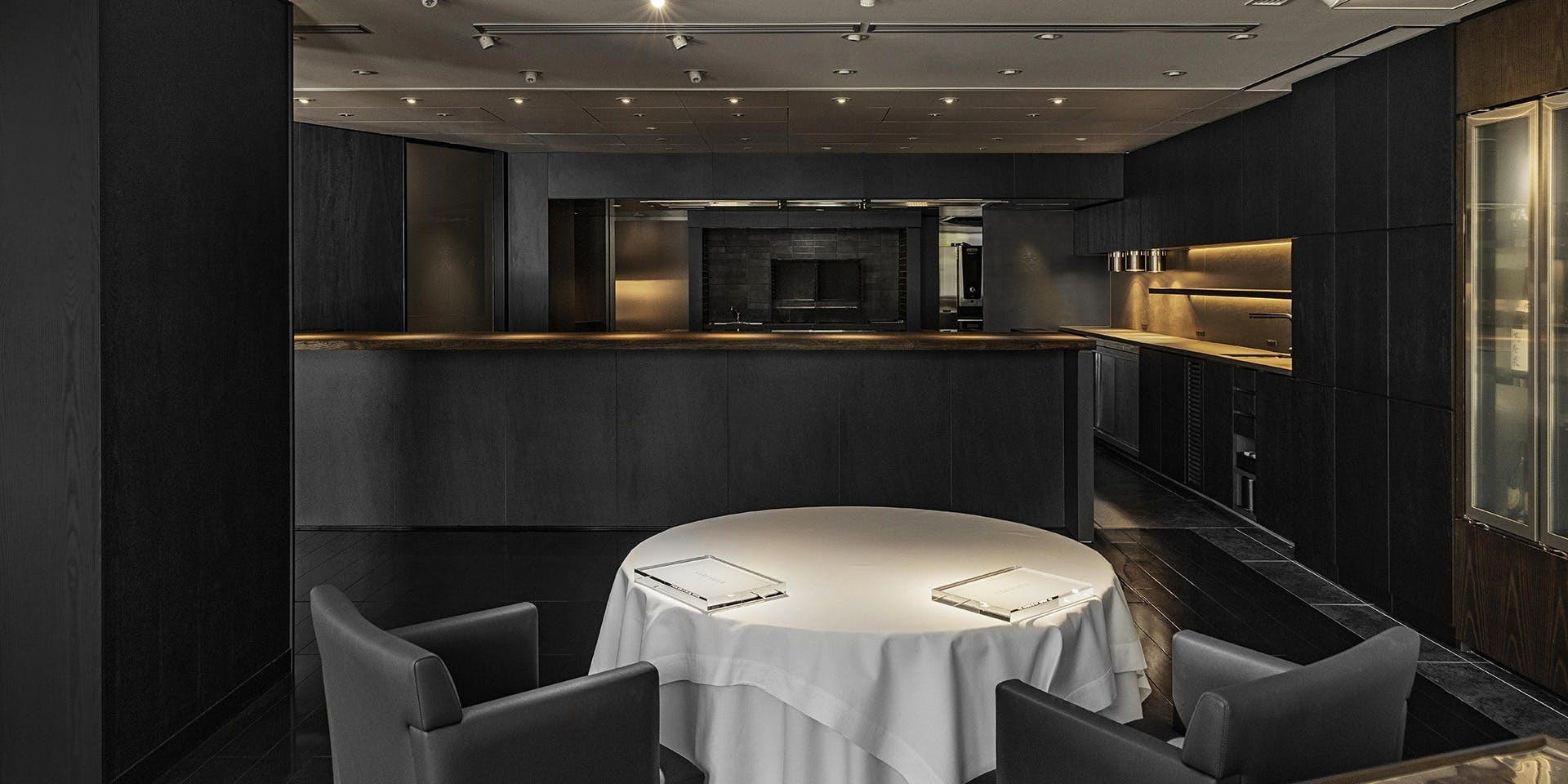
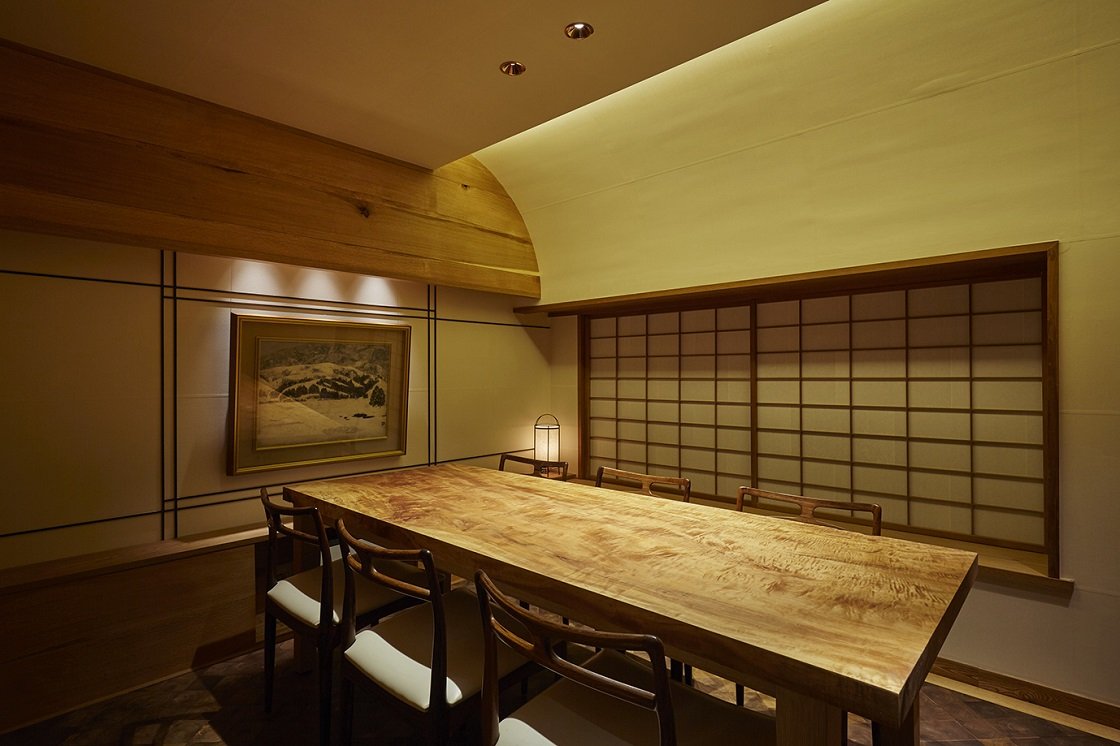
Cenci opened in December 2014 in a renovated 100-year-old Japanese house in the Shogoin area of Sakyo Ward. The room holds 26 seats: a four-seat counter, two six-person tables, four single tables, and a private room. Arriving, you step into a space that reads as restrained and residential rather than formal, the architecture does quiet work, and the counter seats offer the closest vantage point to the kitchen's output.
Chef Ken Sakamoto's approach positions Italian cooking as a framework for showcasing Japanese produce at its seasonal peak. Kombu kelp, bonito stock, malted rice miso, and sake lees appear as structural ingredients rather than decorative gestures. Cured hams and cheeses come from producers who work to the same seasonal and provenance standards Sakamoto applies to the kitchen's Japanese sourcing. The wine program has clear ambition, a sommelier is on the floor, sake is available, and the kitchen signals it takes the pairing side seriously.
What makes cenci worth tracking across seasons is the degree to which the menu rotates with the Japanese agricultural calendar. In a city where kaiseki is the default format for seasonal cooking, Sakamoto's Italian lens offers a genuinely different angle on the same produce. Spring vegetables and mountain herbs, summer fish, autumn mushrooms and citrus, winter ferments, all of these move through the menu in ways shaped by both Italian technique and Japanese fermentation traditions. If you are visiting Kyoto in a specific season and want to taste what that season actually tastes like through a non-kaiseki frame, cenci is the strongest answer in the city at this price tier. The kitchen's stated interest in fish, combined with Kyoto's proximity to the Sea of Japan, gives the colder months particular depth.
Timing your visit around the season is worth doing deliberately. Lunch (JPY 10,000–14,999) is a meaningful entry point, roughly half the dinner price, available Wednesday through Sunday, and one of the few ways to experience this kitchen without committing to an evening. For a first visit, lunch in a season you care about is a reasonable test. If the cuisine lands, dinner gives you more range and more time at the counter.
Getting a table requires planning. Reservations open up to two months in advance on the same calendar date. Given the awards recognition, OAD's 2025 ranking of #168 in Japan (and #135 in 2024), and 26 total seats, availability at peak Kyoto tourism periods, spring cherry blossom, autumn foliage, is the most constrained. The restaurant is reservation-only; walk-ins are not a realistic option. Contact is by phone (+81-75-708-5307) or via the website at cenci-kyoto.com. Reservations should be treated as near-impossible to secure spontaneously; set a two-month-out calendar reminder and move fast on the day bookings open.
On logistics: cenci is a 12-minute walk from Keihan Jingu Marutamachi Station. Parking is not available on-site; the nearest lot closes at 9:30 pm, so dinner guests should use other paid parking or arrive by taxi or public transport. Credit cards are accepted (Visa, Mastercard, JCB, AMEX, Diners). Electronic money and QR payments are not. A 10% service charge applies. The dress code excludes overly casual attire, sandals are specifically flagged. Children aged six and over are welcome at lunch in the private room; dinner is available for guests aged 12 and up (call ahead to confirm). Strong perfumes are specifically asked to be avoided, and a 30-minute no-contact rule applies to late arrivals before the table is treated as cancelled.
For groups, the private room fits six and is available for parties of five or more. Full private use of the restaurant is available for 20 to 50 guests. This makes cenci a credible corporate dinner or celebration venue, the occasion classification on Tabelog specifically highlights both business and friends dining, and the sommelier and surprise/celebration service capacity support that read.
If Italian cooking in Japan interests you more broadly, the contrast with other Japan-based Italian addresses is instructive. HAJIME in Osaka works at a higher price point and with more overt modernist technique; akordu in Nara applies a similar Japan-meets-European-cuisine logic in a smaller city setting. Within Kyoto's Italian category, Bini, TAKAYAMA, Vena, BOCCA del VINO, and DODICI cover different points on the price and ambition spectrum. For Italian in Asia more broadly, 8 1/2 Otto e Mezzo Bombana in Hong Kong operates at the three-Michelin-star tier; cenci sits in a different register, quieter, more produce-led, less theatrical.
Explore more of what Kyoto offers across our full Kyoto restaurants guide, hotels, bars, wineries, and experiences. For Italian cooking outside Japan worth comparing notes against, Frasca Food & Wine in Boulder takes a similarly region-obsessed, produce-first approach from the other side of the world.
Booking
Reservation-only. Bookings open up to two months in advance on the same calendar date. Phone: +81-75-708-5307. Website: cenci-kyoto.com. Booking difficulty is near-impossible during peak Kyoto seasons (March–April for cherry blossom, November for autumn foliage). Set your calendar alert two months out and contact the restaurant on opening day. If you miss that window, check the website periodically for cancellations.
Planning details
- Hours
- Monday: Closed · Tuesday: Closed
- Location
- 44-7 Shogoin Entomicho, Sakyo Ward, Kyoto, 606-8323, Japan
- Reservations
- Book on TableCheck
- Website
- cenci-kyoto.com
- Phone
- +81 75-708-5307
The take
The Take
The Vibe
cenci sits quietly on a residential backstreet in Sakyo Ward, operating like a tightly composed house-restaurant rather than a tourist draw. The room is compact, described as 26 seats arrayed around a counter, and the meal is delivered as a sequence of courses that treats timing and rhythm as part of the experience. Chef Ken Sakamoto applies a distinctly Kyoto sensibility to Italian cooking, leaning on local mushrooms, oysters and regional pork. The overall effect is refined and intimate: a small, cozy counter service that feels deliberately removed from the city’s busier temple corridors.
Best For
This is a place for focused, course-driven meals where the format is central to the experience. Service runs strict lunch and dinner seatings, so it suits diners who want a composed multi-course sequence rather than casual grazing. The kitchen’s emphasis on Japanese ingredients in an Italian framework makes cenci a strong choice for food-focused date nights and special-occasion dinners, and for travelers seeking a regional take on high-end Italian cuisine rather than a mainstream metropolitan imitation. It’s also well suited to serious diners who appreciate counter seating and close attention from the kitchen.
Ordering Tips
Meals at cenci are coursed and bound to tight seating windows, lunch opens at 12:00 with last food order at noon, and dinner opens at 18:00 with last food order at 18:30, so plan around those times and expect the pacing to be deliberate. The kitchen highlights seasonal Japanese ingredients in Italian preparations; signature items include Matsutake mushroom spaghetti, Kyoto pork with porcini, and Hokkaido oyster risotto, which are good guideposts when choosing the tasting sequence. Treat the reservation time as part of the experience and allow the service to set the meal’s tempo.
Venue details
Ambiance
Warm and inviting space with aged iron, solid wood, and brick elements crafted by staff; chic and charming with a serene, relaxing atmosphere featuring a high ceiling and mezzanine floor.
Tags
Vibe
Best For
Experience
Sourcing
Accessibility
At the Table
- Dress Code
- Smart Casual
- Noise Level
- Quiet
- Service Style
- Formal
- Meal Pacing
- Extended Experience
- Capacity
- Intimate
- Kitchen
- Fusion
- Menu Format
- Tasting menu, Counter dining
- Drinks Focus
- Wine, Sake
- Dietary
- Allergy accommodating
- Private Dining
- Available
Signature Dishes
- Kyoto pork with porcini mushrooms and Tasmanian grain mustard
- Matsutake mushroom spaghetti
- Hokkaido oyster risotto
- Chestnut ice cream
- Prosciutto with gingko crepe and house-made mozzarella
Know before you go
Know Before You Go
- Getting there
- 44-7 Shogoin Entomicho, Sakyo Ward, Kyoto, 606-8323, Japan
Planning details
Hours
- Monday
- Closed
- Tuesday
- Closed
- Wednesday
- 12–12:30 pm, 6–6:30 pm
- Thursday
- 12–12:30 pm, 6–6:30 pm
- Friday
- 12–12:30 pm, 6–6:30 pm
- Saturday
- 12–12:30 pm, 6–6:30 pm
- Sunday
- 12–12:30 pm, 6–6:30 pm
Location
44-7 Shogoin Entomicho, Sakyo Ward, Kyoto, 606-8323, Japan · Directions
Recognition and awards


Also consider
Also Consider
- Gion Sasaki: Kaiseki, Japanese, ¥¥¥¥
- Ifuki: Kaiseki, ¥¥¥¥
- Kyokaiseki Kichisen: Japanese, ¥¥¥¥
- Miyamaso: Japanese, ¥¥¥
- Kyo Seika: Chinese, ¥¥¥
Restaurant context
How It Compares
Cenci operates at ¥¥¥ against a Kyoto fine-dining field dominated by ¥¥¥¥ kaiseki. That pricing gap is meaningful: Gion Sasaki and Ifuki both sit at ¥¥¥¥ and represent Kyoto's kaiseki tradition at its most rigorous: extraordinary cooking, but a heavier per-head commitment. Kyokaiseki Kichisen at ¥¥¥¥ pushes further into the ceremonial end of kaiseki. If your priority is experiencing the Japanese tasting-menu tradition in its most orthodox form, those three addresses are the right frame. Cenci is the answer if you want Michelin-starred seasonal cooking at a lower price point, filtered through an Italian rather than kaiseki lens.
Against Miyamaso at ¥¥¥, cenci is the stronger choice for credentials and international recognition: Asia's 50 Best #63 and OAD #168 in Japan put it in a different competitive tier. Miyamaso's appeal is more about setting and Japanese culinary tradition; cenci is the pick if you want a tasting-format meal with documented critical standing. Kyo Seika at ¥¥¥ covers Chinese cuisine and is a different category altogether: relevant only if you are deciding between cuisines rather than comparing like for like.
The booking difficulty is the key practical variable. Cenci's 26 seats and two-month advance booking window make it harder to secure than most ¥¥¥¥ kaiseki rooms that operate with larger capacities. If you are planning a Kyoto trip around a specific meal, cenci requires the most lead time of these five options. The reward for that planning is a meal that does something none of the kaiseki addresses do: apply Italian technique to the same seasonal Kyoto produce, with a track record now running across five-plus years of consistent awards recognition.
Explore Kyoto
Around this place
Discover more on Pearl
Unlock the full cenci guide in Pearl, including awards, comparisons, FAQs, planning details, and nearby places.
FAQ
Frequently Asked Questions
Is cenci good for a special occasion?
Yes, and it's genuinely well-suited to it. Cenci holds a Michelin star (2024), a Tabelog Bronze Award, and a ranking of #63 on Asia's 50 Best (2025), which gives the occasion some weight. The house restaurant setting in a renovated 100-year-old Japanese building adds to the atmosphere without being theatrical. Book the private room (available for groups of 5 or more) if you want seclusion, and flag the occasion when you call +81-75-708-5307: the restaurant lists celebrations as a supported service.
Can I eat at the bar at cenci?
There are four counter seats available, so yes: but given the reservation-only policy and high demand, counter spots are just as hard to secure as table bookings. If you're a party of two who prefers watching the kitchen, request the counter when booking. Groups of five or more will be directed to the private room instead.
Does cenci handle dietary restrictions?
Given the format, a tasting-menu-style Italian-Japanese kitchen with a strong focus on seasonal Japanese produce, fish, and fermented ingredients, it is worth calling ahead on +81-75-708-5307 or emailing via cenci-kyoto.com to confirm. The kitchen's reliance on specific seasonal and cured ingredients makes significant substitutions less predictable than at a la carte restaurants.
Is cenci worth the price?
At JPY 20,000–29,999 for dinner (plus a 10% service charge), cenci sits in the upper tier of Kyoto dining: but the credential stack is real: Michelin star (2024), four Tabelog Bronze Awards, Asia's 50 Best #63 (2025), and an OAD ranking of #168 in Japan (2025). Chef Ken Sakamoto's approach, Italian technique applied to Japanese domestic produce, fermented ingredients, and sustainably sourced fish, is not something you can replicate at a standard Italian restaurant. Lunch at JPY 10,000–14,999 is the better value entry point if you want to test the cooking before committing to a full dinner spend.
Can cenci accommodate groups?
Yes. The private room fits groups of 5 or more (up to 6 people for the room; full private hire is available for 20–50 people). The total dining room is only 26 seats, so large group bookings will require advance planning and a direct call to the restaurant. Note the age restriction: dinner is for guests aged 12 and up, and children aged 6 and up are welcome at lunch only in the private room.
What are alternatives to cenci in Kyoto?
If you want Kyoto kaiseki rather than Italian-Japanese, Kyokaiseki Kichisen and Miyamaso represent the traditional high end. Gion Sasaki offers a more personal, chef-led kaiseki format at a similar price point. Ifuki and Kyo Seika are worth considering if you want to spend less while staying within serious Kyoto cooking. Cenci is the only Tabelog 100 and Michelin-starred Italian restaurant in western Japan operating in this format, so there is no direct like-for-like alternative in the city.
Is lunch or dinner better at cenci?
Lunch is the smarter booking for first-timers: JPY 10,000–14,999 versus JPY 20,000–29,999 at dinner, and the same kitchen and setting. The trade-off is that evening service at a restaurant of this calibre often allows for a more extended pace. If cost is not a constraint and you want the full experience, dinner is the format: but lunch is a genuine value option that does not feel like a compromise at a Michelin-starred restaurant.