

DODICI
Italian · Nakagyō, Kyoto
Restaurant in Kyoto, Japan
 Book with Pearl
The Read
Fermentation-Driven Italian
Price
$200–300per person
Dress
Smart Casual
Why go
DODICI in Kyoto's Nakagyo Ward serves Italian prix fixe menus built around genuinely local ingredients: Japanese rice risotto, Daitokuji natto, fermentation-led sauces. At ¥¥¥, it sits below kaiseki pricing while offering a more considered take on Italian-Japanese cooking than most of its city peers. Booking is easy; winter visits best align with the kitchen's fermentation-forward preparations.
About DODICI
A different entry point into Kyoto's prix fixe scene
If you're weighing up where to spend ¥¥¥ on a fixed menu in Kyoto, the default pull is toward kaiseki. Kyokaiseki Kichisen and Gion Sasaki will give you the full traditional Japanese arc: seasonal dashi, lacquerware, restrained ceremony. DODICI gives you something structurally different: Italian prix fixe cooking that draws its flavour logic from Kyoto's own larder. For a first-timer deciding between the two, the honest framing is this: if you want to understand Kyoto through its food culture, book kaiseki. If you want to understand what happens when Italian technique genuinely engages with Kyoto ingredients rather than decorating itself with them, DODICI earns its seat at the table.
What DODICI actually is
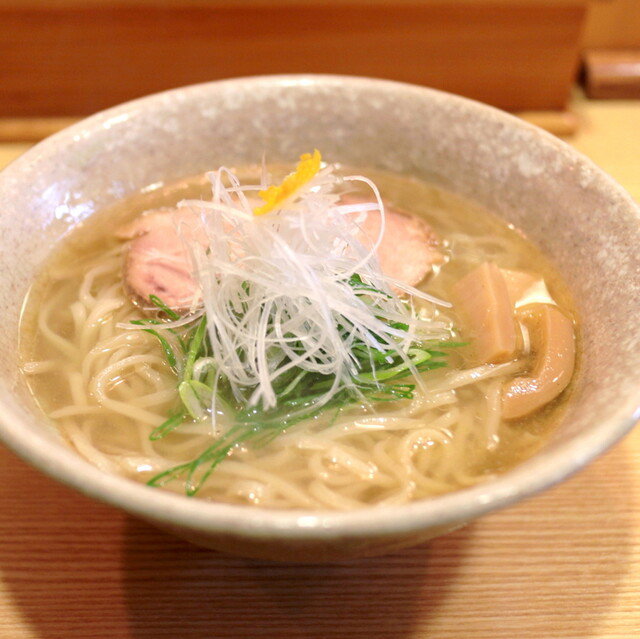
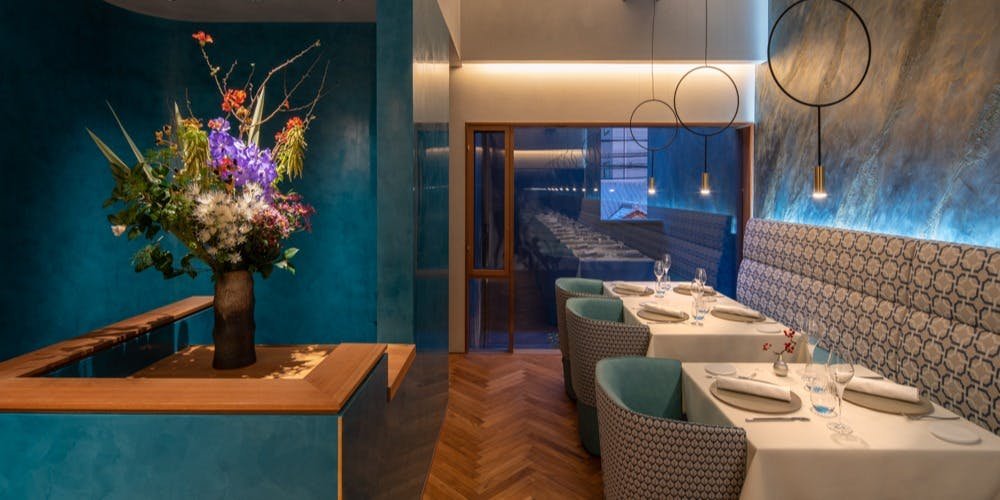
DODICI sits in Nakagyo Ward at 239 Kamihakusancho and serves prix fixe menus that work with Japanese rice in the risotto, Daitokuji natto, and raw tofu lees, ingredients that are specifically and unmistakably Kyoto rather than generically Japanese. The kitchen's approach isn't fusion in the tourist-menu sense. Salt-pickled vegetables become sauces; fermentation tartness borrowed from Japanese culinary logic runs through the cooking. The result, according to the venue's Michelin-sourced notes, is a menu that reads light on the palate and relaxed in its pacing. The dining room is blue-walled and open-kitchen, which means you get brightness and visibility rather than the hushed enclosure of a traditional kaiseki room. That physical openness is worth noting before you book: DODICI does not recreate a Japanese dining ceremony. It creates its own format.
When to go, and why timing matters here
The emphasis on Japanese seasonal ingredients means your visit window shapes what you're eating in a meaningful way. Kyoto's ingredient calendar is sharply seasonal: spring brings bamboo shoots and young greens; summer shifts toward lighter, cooling preparations; autumn introduces earthy mushrooms and the first of the rice harvest. Winter in Kyoto is the season for fermented and pickled vegetables, the very category that DODICI's kitchen explicitly draws on for its sauces. A winter visit, roughly November through February, is likely to put the most distinctly Kyoto-inflected dishes on your table, particularly the fermentation-led preparations. If you're visiting during cherry blossom season (late March to mid-April), Kyoto is at peak crowding and booking difficulty rises across the city. DODICI's booking is currently rated as easy relative to the Kyoto fine-dining field, so it remains accessible even in peak season, but don't assume that holds indefinitely. Book as soon as your dates are confirmed.
What a first-timer should expect
Walk in expecting a prix fixe only, this is not a venue where you'll build your own meal from a menu. The kitchen decides the arc. The risotto made with Japanese rice is the dish most often cited in Michelin documentation as the clearest expression of the concept: it's a technically Italian preparation anchored by an ingredient that carries entirely different starch behaviour and flavour than Arborio. Daitokuji natto appears as a local Kyoto specificity, the natto from Daitokuji temple has a distinct character compared to the stringier commercial variety most visitors know. If you haven't encountered it before, expect a dry, less pungent profile. The open kitchen means you can watch the preparation, which helps orient a first-timer to what is coming. Allow two hours minimum and don't book DODICI as a pre-theatre arrangement.
For comparison in the Italian-in-Japan category, cenci is the other ¥¥¥ Italian option in Kyoto worth considering at the same price tier. Elsewhere in Japan, akordu in Nara takes a comparable approach of European technique applied to Japanese regional produce, and is worth the trip if you're moving between cities. For Italian cooking in Asia at a higher price tier, 8 1/2 Otto e Mezzo Bombana in Hong Kong is the regional benchmark, though the ambition and format are entirely different. If you want a non-Italian comparison for the Japanese-ingredients-through-European-technique format, SEN in Kyoto does the same thing through a French lens at ¥¥¥¥.
How it rates and how to book
The Michelin documentation confirms the cooking concept is coherent and the ingredient sourcing is genuine rather than token. No phone or website is listed in current data, so the most reliable route to a reservation is through a hotel concierge if you're staying at one of Kyoto's better properties, or through a booking platform that covers Kyoto's fixed-menu restaurants. Given the easy booking rating, you should not need to plan months ahead outside of peak seasons, two to three weeks is a reasonable lead time for most of the year.
Reservations: Book 2-3 weeks ahead; via concierge or booking platform (no direct web booking confirmed). Budget: ¥¥¥ price range, mid-tier for Kyoto fine dining, below kaiseki specialist pricing at ¥¥¥¥ venues. Dress: No formal dress code confirmed, but smart casual is appropriate for a prix fixe Italian room. Group size: The open kitchen and dining room format suits pairs or small groups; solo dining is workable given the counter visibility. Timing: Allow at least two hours; winter visits leading align with the kitchen's fermentation-forward preparations.
For more options across the city, see our full Kyoto restaurants guide. If you're planning around a longer stay, our Kyoto hotels guide, bars guide, and experiences guide cover the rest of the city's field. Other Italian-leaning options in the Kyoto area include Bini, Vena, BOCCA del VINO, and TAKAYAMA. If you're building a wider Japan itinerary around this category of cooking, HAJIME in Osaka, Harutaka in Tokyo, Goh in Fukuoka, 1000 in Yokohama, and 6 in Okinawa are all worth mapping. For Italian with genuine regional ingredient commitment outside Japan, Frasca Food & Wine in Boulder is a useful comparison point for what committed sourcing looks like in a different geography. For the full Japan picture, our Kyoto wineries guide is also worth a look if you're planning around drink as well as food.
Planning details
- Hours
- Monday: 12–2:30 PM, 6–9:30 PM · Tuesday: 12–2:30 PM, 6–9:30 PM
- Location
- 239 Kamihakusancho, Nakagyo Ward, Kyoto, 604-0943, Japan
- Reservations
- Book on the venue's website
- Website
- dodici-kyoto.jp
- Phone
- +81 75-221-1238
The take
The Take
The Vibe
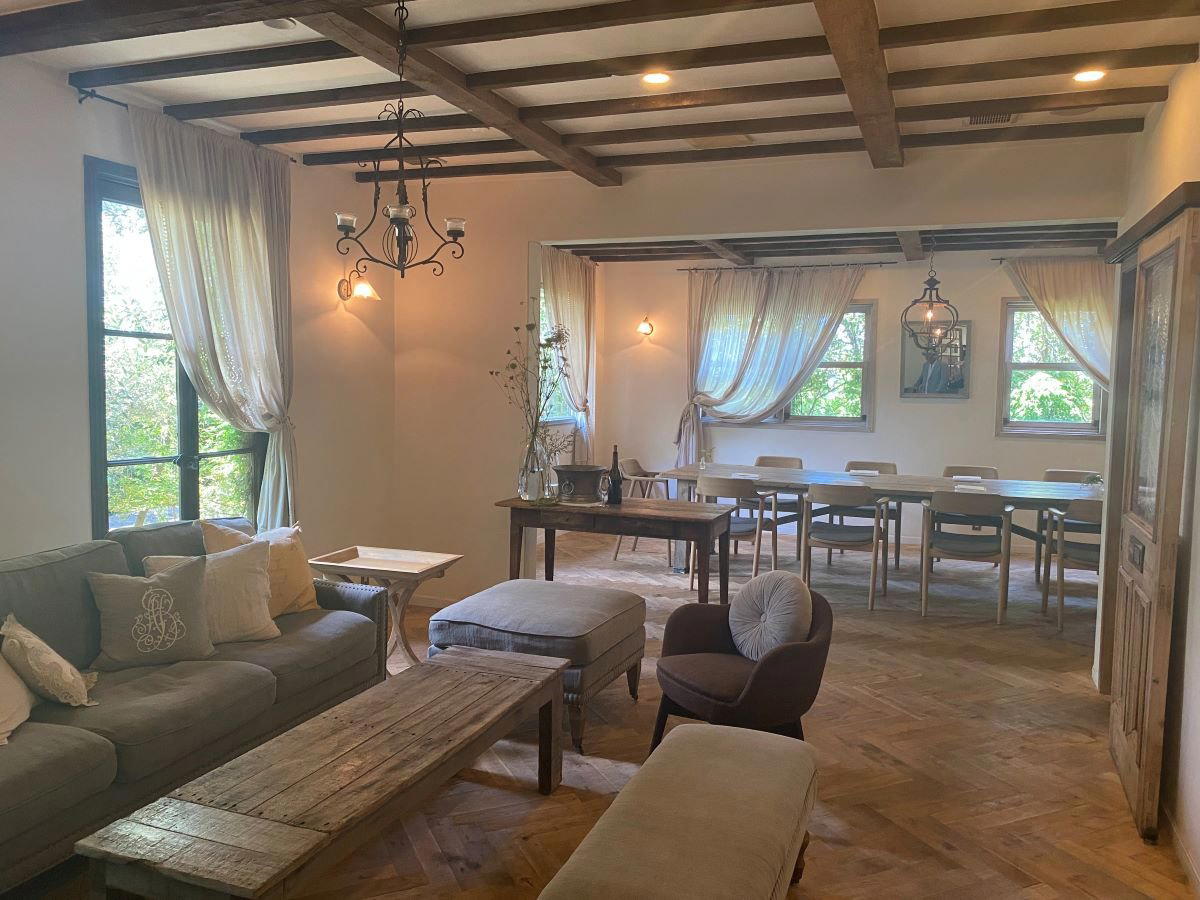
DODICI upends Kyoto’s usual aesthetic with a bright, blue dining room that reads like a Milanese trattoria planted on a local side street. The open kitchen keeps service visible and the room airy rather than hushed; it deliberately rejects the dark timber and restrained machiya sensibility that dominates the city. The result is a confident, hospitality-forward space that foregrounds the cooking rather than local architectural nostalgia. Expect a restaurant that feels intentionally different from its neighborhood peers, where design amplifies an outgoing, ingredient-focused point of view.
Best For
This is a cuisine-first dining experience built around a prix fixe structure that suits evening tasting menus and thoughtful multi-course service. The kitchen runs Italian method and structure while sourcing tightly from Kyoto’s artisan pantry, so it appeals to diners who prize seasonal precision, provenance, and subtle reinterpretation rather than straightforward regional Italian replication. The meal rewards attention to technique and ingredient storytelling, making the restaurant a strong pick for dedicated food-focused dinners and occasions that center on an elevated, composed tasting sequence.
Ordering Tips
DODICI operates on a prix fixe framework and frames its dishes through Kyoto ingredient logic, so guests should come ready to experience a set menu rather than à la carte choices. Look for preparations that highlight local preservation and fermentation techniques, the text calls fermentation an editorial stance, and signature moments such as a risotto made with Japanese rice that behaves differently from European grains. Trusting the sequence and the kitchen’s recalibrated techniques provides the clearest window into what the restaurant is trying to demonstrate about provenance and method.
Venue details
Ambiance
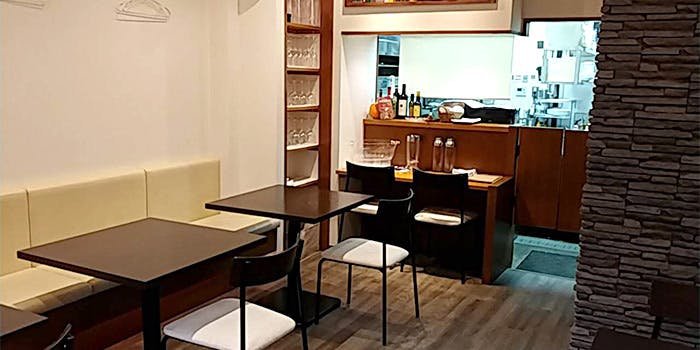
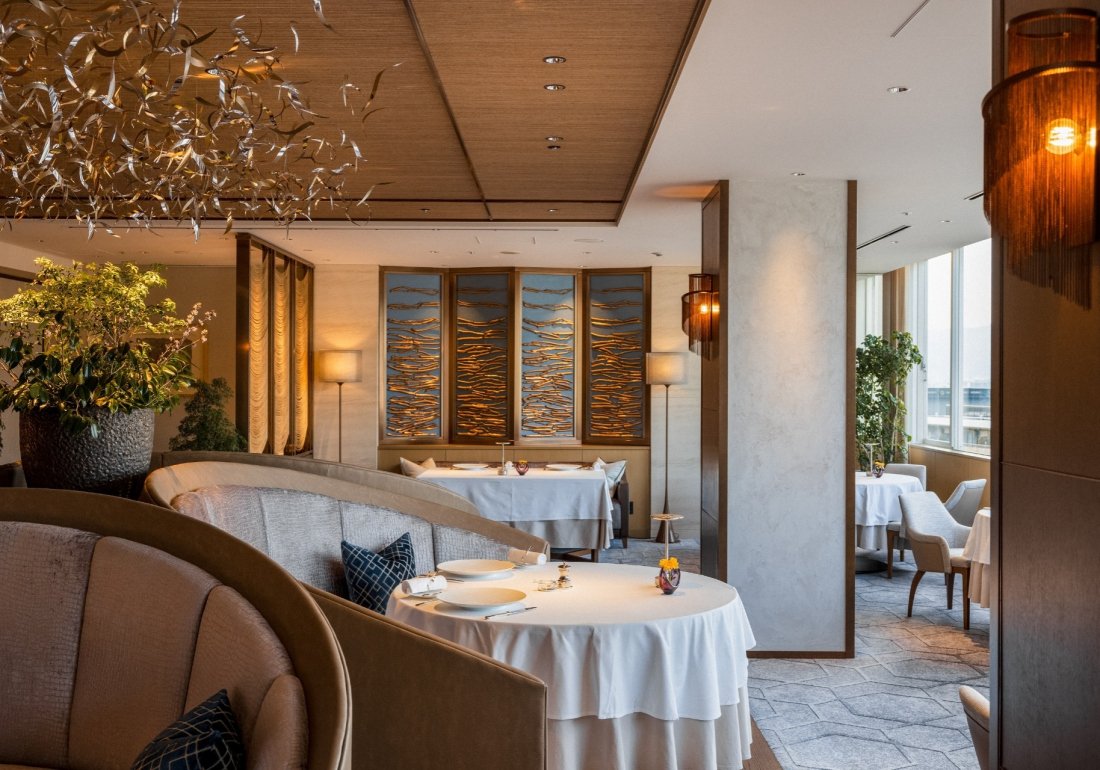
Gorgeous, painting-like space with bright, fresh blue walls, open kitchen, stylish and relaxing atmosphere.
Tags
Vibe
Best For
Experience
Sourcing
At the Table
- Dress Code
- Smart Casual
- Noise Level
- Quiet
- Service Style
- Formal
- Meal Pacing
- Leisurely
- Capacity
- Intimate
- Kitchen
- Modern
- Menu Format
- Tasting menu
- Wine Program
- Deep wine list
- Private Dining
- Available
Know before you go
Know Before You Go
- Getting there
- 239 Kamihakusancho, Nakagyo Ward, Kyoto, 604-0943, Japan
Planning details
Hours
- Monday
- 12–2:30 PM, 6–9:30 PM
- Tuesday
- 12–2:30 PM, 6–9:30 PM
- Wednesday
- Closed
- Thursday
- 6–9:30 PM
- Friday
- 12–2:30 PM, 6–9:30 PM
- Saturday
- 12–2:30 PM, 6–9:30 PM
- Sunday
- 12–2:30 PM, 6–9:30 PM
Location
239 Kamihakusancho, Nakagyo Ward, Kyoto, 604-0943, Japan · Directions
Recognition and awards
Also consider
Also Consider
- Gion Sasaki: Kaiseki, Japanese, ¥¥¥¥
- cenci: Italian, ¥¥¥
- Ifuki: Kaiseki, ¥¥¥¥
- Kyokaiseki Kichisen: Japanese, ¥¥¥¥
- SEN: French, Japanese, ¥¥¥¥
Restaurant context
At ¥¥¥, DODICI is priced a tier below most of Kyoto's serious fixed-menu competition. Gion Sasaki, Ifuki, and Kyokaiseki Kichisen all operate at ¥¥¥¥ and deliver kaiseki in varying registers of formality and depth. If your priority is understanding Kyoto through its own culinary tradition, those three outrank DODICI for that specific purpose. Kichisen in particular is widely considered among the most demanding kaiseki experiences in the city. DODICI is the right choice when the question is Italian cooking that takes Kyoto ingredients seriously rather than symbolically.
cenci is DODICI's closest peer: also Italian, also ¥¥¥, also operating in Kyoto's fixed-menu space. The two are worth comparing directly if you're choosing between them. cenci has a longer public record and slightly more established critical documentation. DODICI's differentiation is the depth of Kyoto-specific ingredient use: Daitokuji natto and tofu lees are local specifics that cenci does not emphasise in the same way. For a first-timer choosing between the two, DODICI is the more locally rooted choice; cenci may offer a more familiar Italian-in-Japan frame.
SEN covers similar conceptual ground at ¥¥¥¥: European technique applied to Japanese seasonal produce, but through a French rather than Italian lens and at a higher price point. If budget allows and you want the French-Japanese version of what DODICI does with Italian cooking, SEN is the upgrade. For value at the ¥¥¥ tier with genuine local ingredient commitment, DODICI is the easier booking and the more accessible entry point into Kyoto's European-meets-Japanese fixed-menu field.
Explore Kyoto
Around this place
Discover more on Pearl
Unlock the full DODICI guide in Pearl, including awards, comparisons, FAQs, planning details, and nearby places.
Compare DODICI
| Venue | Cuisine | Price | Awards | Booking Difficulty |
|---|---|---|---|---|
| DODICI | Italian | ¥¥¥ | Michelin Guide Kyoto Osaka 20262026 Michelin 1 StarTabelog 100 - Italian - WEST - 2025 · #732024 Michelin 1 Star | Easy |
| Gion Sasaki | Kaiseki, Japanese | ¥¥¥¥ | 2026 Tabelog Bronze · #3862026 OAD Top Restaurants in Japan RecommendedMichelin Guide Kyoto Osaka 20262026 La Liste Top RestaurantsTabelog 100 - Japanese cuisine - WEST - 2025 · #132025 OAD Top Restaurants in Japan Ranked · #2462025 Tabelog Silver2025 Michelin 3 Stars2025 La Liste Top Restaurants | Unknown |
| cenci | Italian | ¥¥¥ | 2026 Tabelog Bronze · #442026 Asia's 50 Best Restaurants · #762026 OAD Top Restaurants in Japan Highly RecommendedMichelin Guide Kyoto Osaka 2026Tabelog 100 - Italian - WEST - 2025 · #632025 Asia's 50 Best Restaurants · #632025 OAD Top Restaurants in Japan Ranked · #1682025 Tabelog Bronze2024 OAD Top Restaurants in Japan Ranked · #135 | Unknown |
| Ifuki | Kaiseki | ¥¥¥¥ | 2026 OAD Top Restaurants in Japan Ranked · #1222026 Tabelog Bronze · #128Michelin Guide Kyoto Osaka 20262026 La Liste Top RestaurantsTabelog 100 - Japanese cuisine - WEST - 2025 · #622025 OAD Top Restaurants in Japan Ranked · #1002025 La Liste Top Restaurants2025 Tabelog Bronze2025 Michelin 2 Stars | Unknown |
| Kyokaiseki Kichisen | Japanese | ¥¥¥¥ | 2026 Tabelog Bronze · #1752026 OAD Top Restaurants in Japan Highly RecommendedMichelin Guide Kyoto Osaka 20262025 OAD Top Restaurants in Japan Ranked · #1862025 Michelin 2 Stars2025 La Liste Top Restaurants2024 OAD Top Restaurants in Japan Ranked · #1422024 Michelin 2 Stars2023 OAD Top Restaurants in Japan Ranked · #136 | Unknown |
| SEN | French, Japanese | ¥¥¥¥ | 2026 Tabelog Bronze · #3952026 OAD Top Restaurants in Japan RecommendedMichelin Guide Kyoto Osaka 20262026 Michelin PlateTabelog 100 - Japanese cuisine - WEST - 2025 · #652025 Michelin Plate2025 Tabelog Bronze2024 OAD Top Restaurants in Japan Ranked · #3622024 Michelin Plate | Unknown |






.png?width=1200&quality=80)
How DODICI stacks up against the competition.
FAQ
Frequently Asked Questions
What should I wear to DODICI?
The open kitchen and blue-walled dining room read as relaxed and bright rather than ceremonial, so formal attire is not implied by the setting. Dress neatly: somewhere between business casual and a smart dinner out. This is not a jacket-required kaiseki room, but the ¥¥¥ price point and prix fixe format mean very casual clothes will feel off.
Is DODICI good for solo dining?
The prix fixe format actually suits solo diners well: the kitchen controls the arc, so there are no decisions to negotiate with a group and no pressure to share. The open kitchen gives you something to focus on and the dining room is spacious, so you won't feel cramped at a side table. Solo diners at fixed-menu restaurants in Kyoto are common enough that it won't raise eyebrows.
Is the tasting menu worth it at DODICI?
At ¥¥¥, yes: if Italian technique applied to Japanese seasonal produce is a format you're actively seeking. The use of Daitokuji natto, raw tofu lees, and salt-pickled vegetable sauces puts this squarely in cross-cultural territory that kaiseki rooms don't occupy. If you want a more conventional Italian meal, this is not the right room; if you want something that treats Kyoto's ingredient calendar through a different lens, the price is justified.
What should I order at DODICI?
DODICI is prix fixe only: you don't choose individual dishes. The kitchen decides the progression. What the menu is known for includes a risotto made with Japanese rice, preparations using Daitokuji natto and raw tofu lees, and sauces built from salt-pickled vegetables. Expect the menu to shift with Kyoto's seasonal calendar, so what you eat depends substantially on when you visit.
What should a first-timer know about DODICI?
Come expecting a set menu and no alternatives: this is not a venue where you build your own meal. The kitchen's approach is deliberately light: fermentation-driven tartness and Japanese ingredients replace heavy Italian richness, so don't expect a Roman trattoria. Nakagyo Ward is central Kyoto (address: 239 Kamihakusancho), so access is straightforward. Booking ahead is advisable given the limited covers indicated by the review volume.