

Tabelog 100 - Italian - WEST - 2025: Best Italian Restaurants in Western Japan
Tabelog 100 (Hyakumeiten) Italian - WEST selection for 2025. Tabelog publishes these as source-ordered lists of 100 restaurants.

Venues on this list
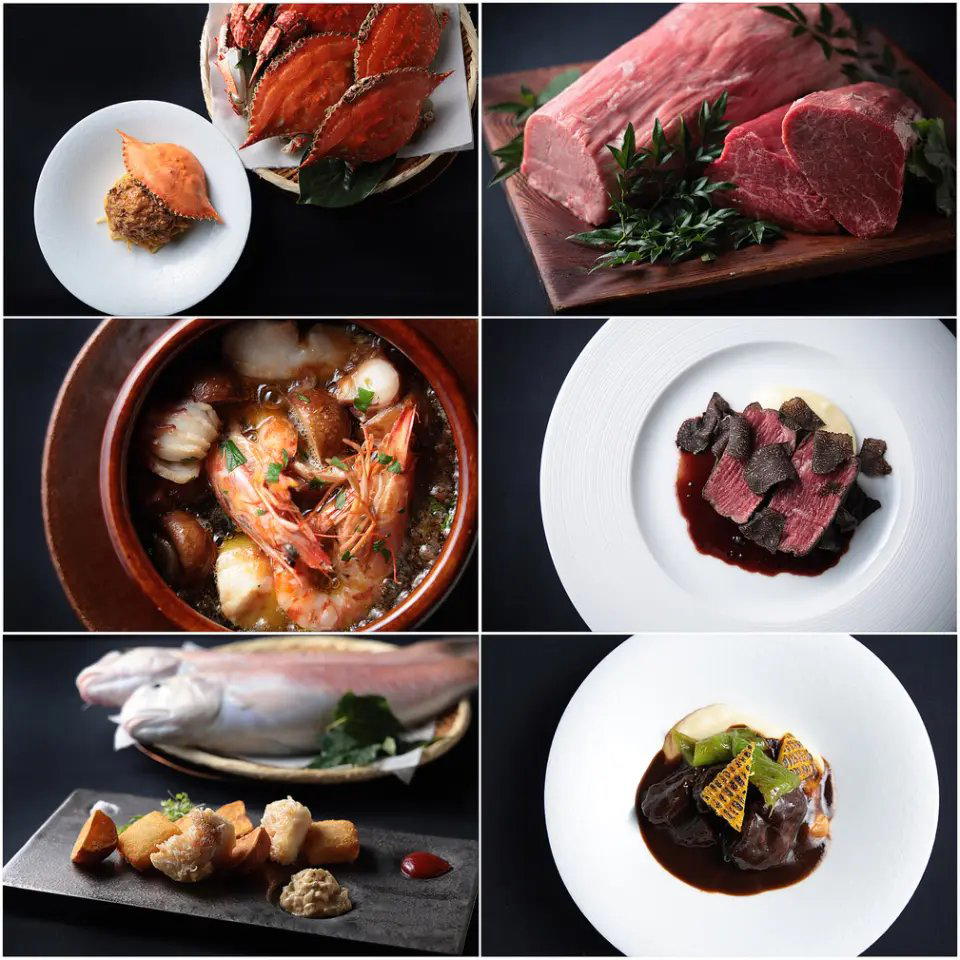
WINE Shokudo Ono
Osaka, Japan
A 10-seat Italian wine bar in Kitashinchi, named to Tabelog's Italian WEST 100 for 2025. Fish-forward cooking meets sommelier-guided wine service at JPY 20,000–29,999 dinner only. Counter seats six, private room holds four. Worth booking if wine matters more than menu flexibility.
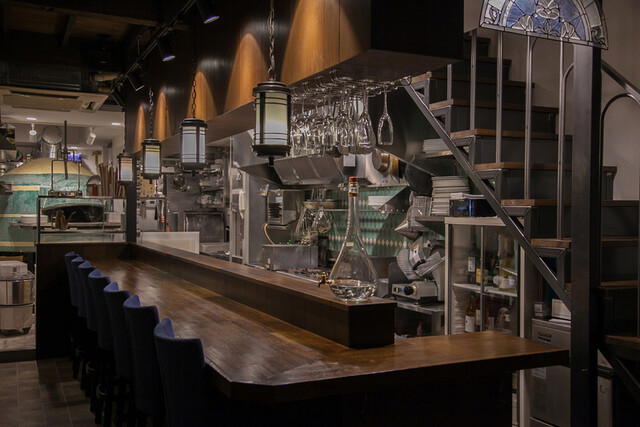
La Barcaccia
Osaka, Japan
Two-floor Italian trattoria in Nakatsu with Tabelog 100 recognition, offering wine-focused à la carte downstairs and QR-order tables upstairs. At JPY 6,000–7,999, it delivers sommelier-guided pairings and fish-driven cooking at mid-tier prices. Best for wine-committed diners or groups seeking flexible formats.
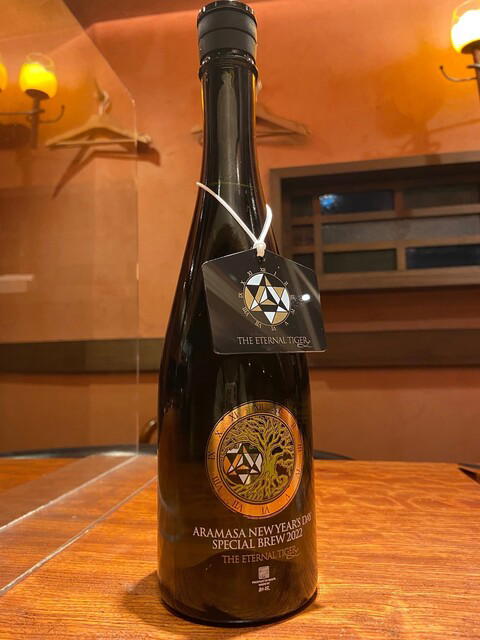
IL CASINO
Kumamoto, Japan
Eight-seat Italian counter in Kumamoto delivering Tabelog 100-recognized tasting menus built around local fish. Dinner runs JPY 20,000–29,999 with strict booking and cancellation policies; lunch offers the same craft at JPY 10,000–14,999. Reservation-only, closed Sundays, and the priciest Italian in the city; worth it if you want omakase-style progression over à la carte flexibility.
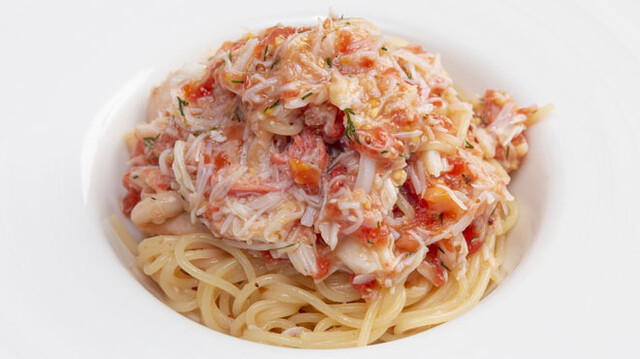
ALBALONGA
Osaka, Japan
A three-time Tabelog 100 Italian in Higashishinsaibashi that trades easy booking for fish-focused cooking and serious wine. Lunch (JPY 3,000–JPY 3,999) delivers the best value; dinner (JPY 8,000–JPY 9,999) suits diners chasing the sommelier's guidance and seasonal catches. Book a few weeks out; less lead time than Osaka's top-tier addresses, more ambition than the casual spots.
KAI
Kagoshima, Japan
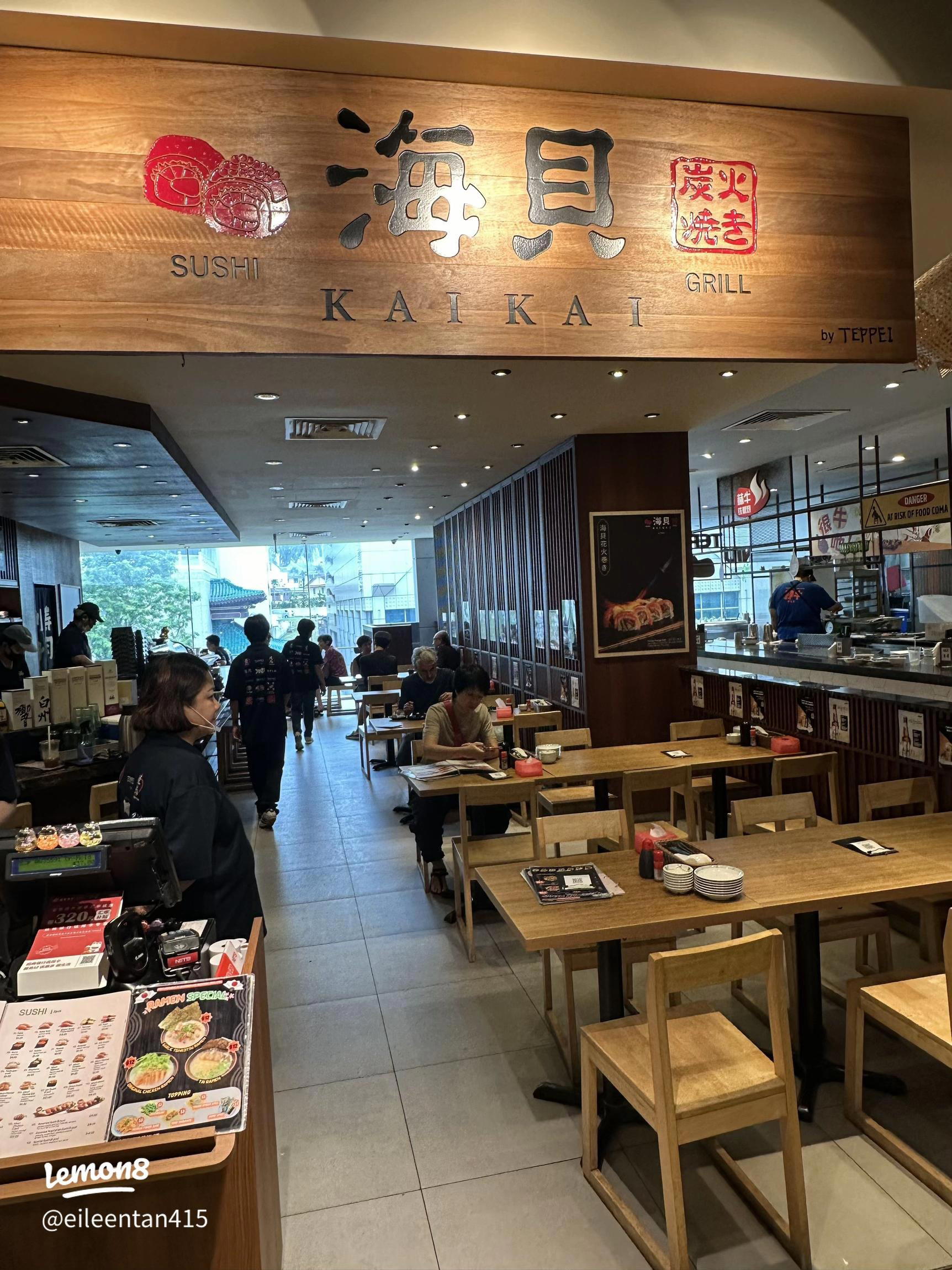
KAI is a six-seat house restaurant in Izumi, Kagoshima, serving wood-fired Italian courses built around local produce. It has earned Tabelog Bronze three consecutive years (2024–2026) and ranks in the Tabelog Italian WEST Top 100 for 2025; a strong record for a venue that opened in January 2023. Dinner runs JPY 15,000–19,999; reservation by phone only.
Imai
Ashiya, Japan
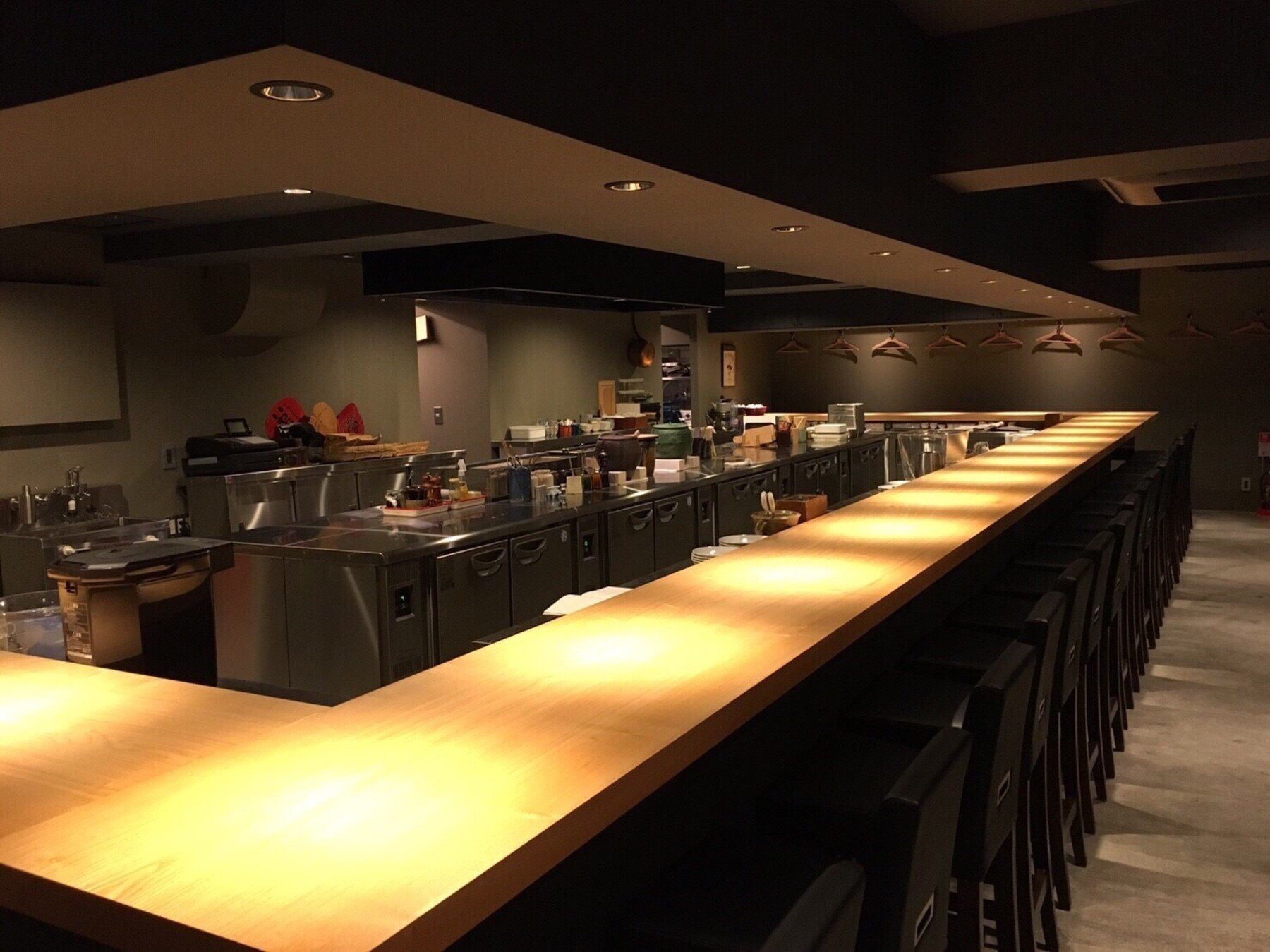
Imai is a reservation-only Italian dining room in Ashiya holding three consecutive Tabelog Bronze Awards (2024–2026). At JPY 30,000–39,999 per person for dinner, it delivers craft and exclusivity but requires advance planning and a fixed commitment. Better for celebration dinners than casual drop-ins.
IL GARAGE
Kyoto, Japan
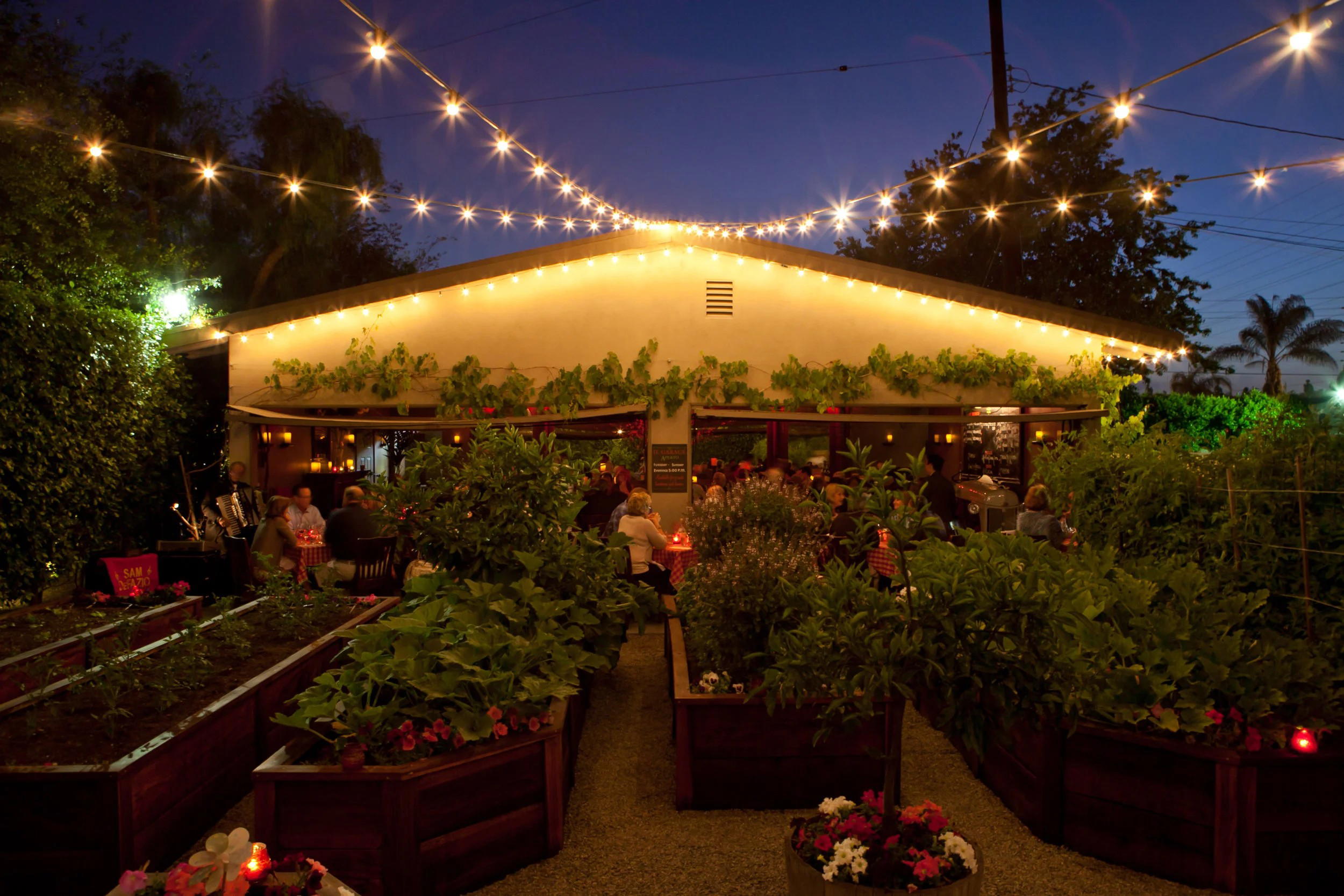
IL GARAGE is a Tabelog Bronze Award-winning Italian restaurant in Kyoto's Nakagyo Ward: eight seats, two groups per service, and a seasonal menu built around what the kitchen has sourced. At JPY 20,000 to JPY 29,999 for dinner, it is the most credentialed Italian option in Kyoto; stronger value than attempting kaiseki at the same price if Italian is what you actually want.
Kyoto Neze
Kyoto, Japan
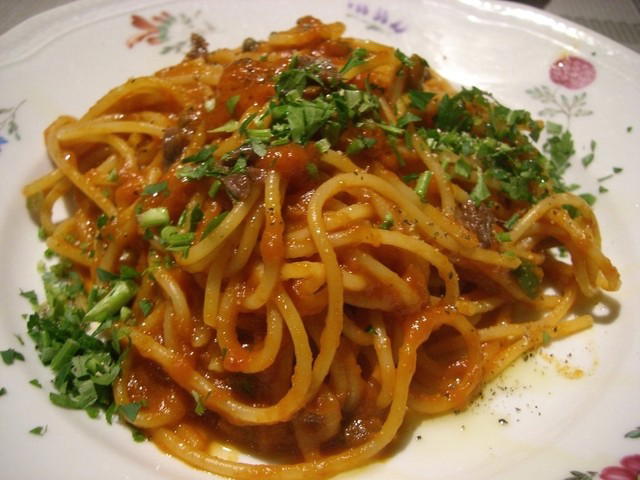
A 16-seat Italian counter near Sanjo Station where daily-changing menus and à la carte ordering replace the fixed-course formality of Kyoto's pricier European dining rooms. Selected for Tabelog's Italian WEST 100 in 2025, the kitchen emphasizes seasonal ingredients and natural wines, making it a solid midpoint between casual trattoria and Michelin-starred tasting menus at JPY 10,000–14,999 per head.
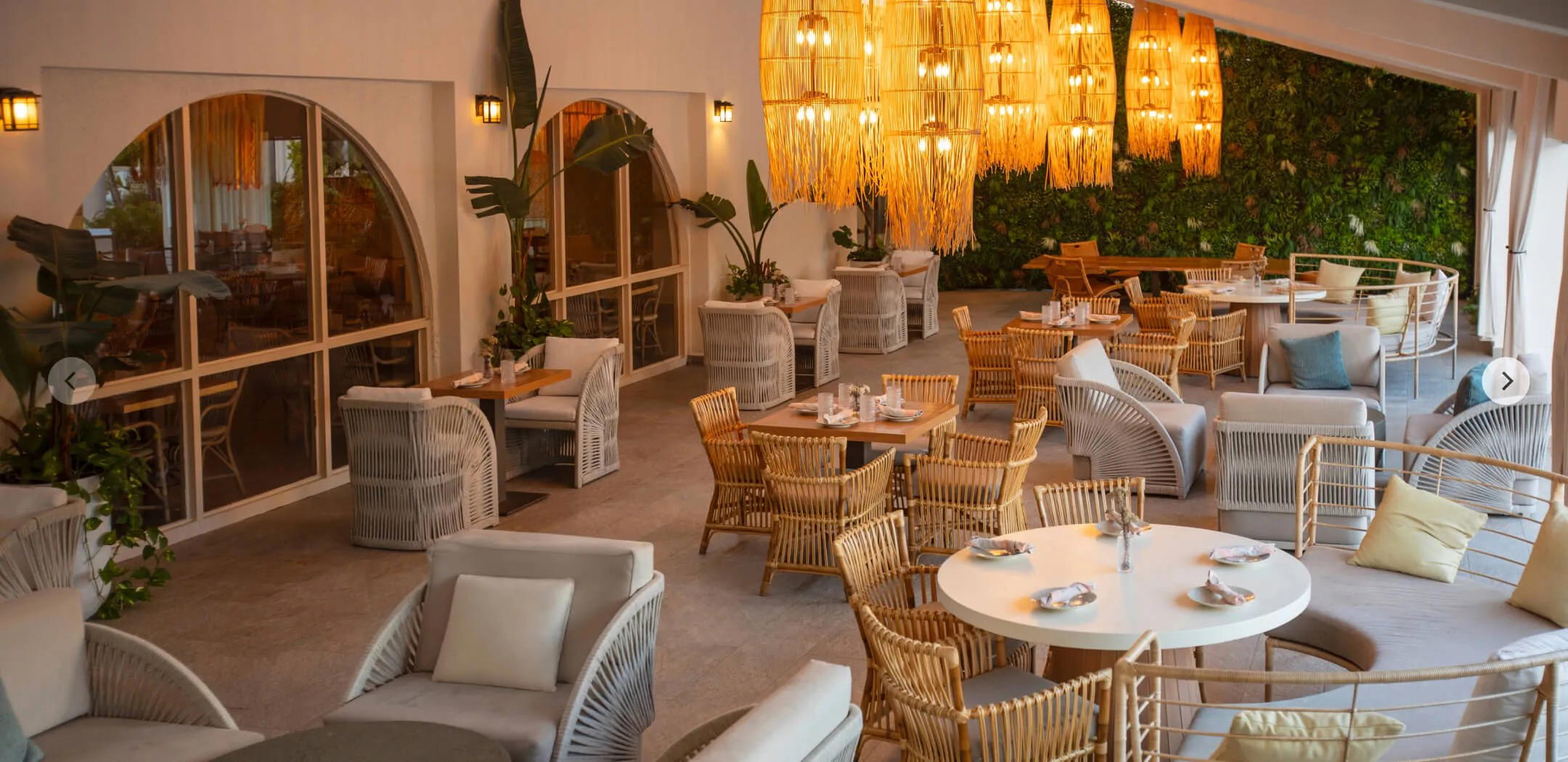
CERCA TROVA
Nobeoka, Japan
Tabelog Award 2026 Silver winner and Tabelog 100 Italian West selection serving reservation-only dinners from a 14-seat house restaurant in Nobeoka. JPY 15,000–19,999 multi-course format with local ingredient focus, wine-forward beverage program, and six years of consistent award recognition. Book by phone for evening seatings; closed Sundays.
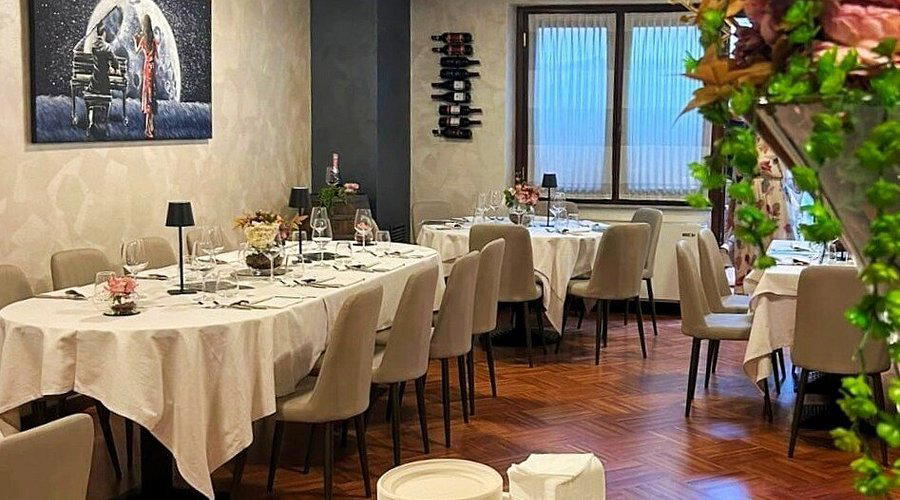
Ristorante L'incontro
Nara, Japan
Ristorante L'incontro is a Michelin Plate Italian restaurant in central Nara, recognised in both 2024 and 2025, operating at the ¥¥ price tier. In a city where most serious dining options sit at ¥¥¥ and close early, it is the practical choice for a reliable late-evening dinner without the premium price. Booking is easy and the confirms consistent execution.
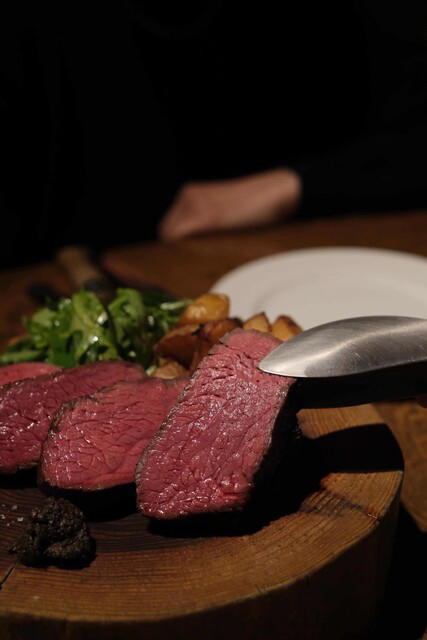
legno
Kobe, Japan
A wood-fired Italian spot in Motomachi that earned Tabelog 100 recognition (2023, 2025) and serves lunch at JPY 6,000–JPY 7,999, dinner at JPY 8,000–JPY 9,999. The 34-seat room is easier to book than Kobe's beef-focused fine-dining anchors, with a wine-focused menu and a strict no-perfume policy. Lunch offers better value; dinner delivers more ambition.
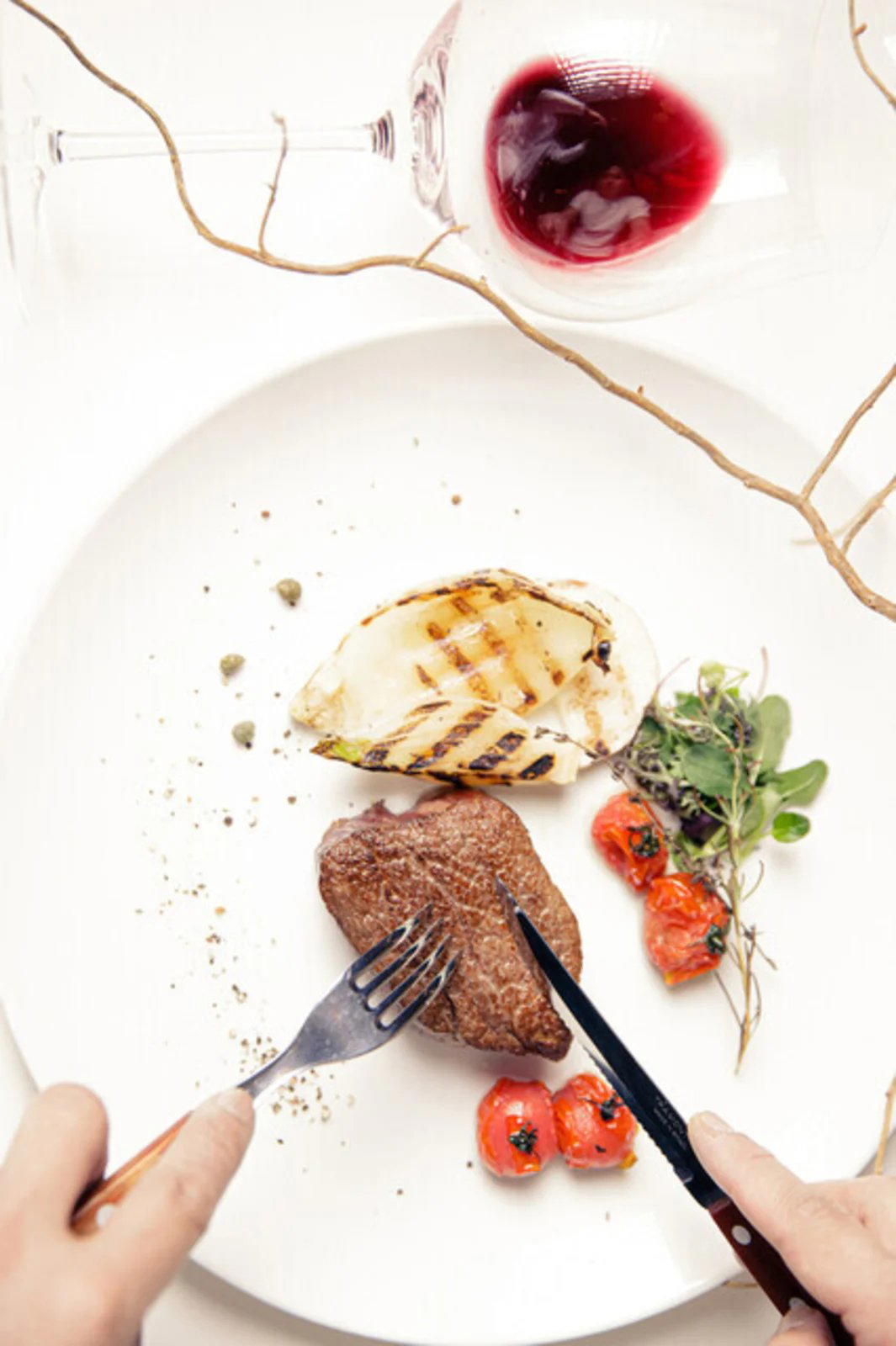
gucite
Osaka, Japan
Counter-seat Italian in Tenma with a wine-first mandate and The Tabelog Award 2026 Silver recognition. Reservations-only, 8–10 counter seats, and JPY 20,000–29,999 tasting menus that prioritize sourcing discipline over international name recognition. Currently accepting no new bookings.
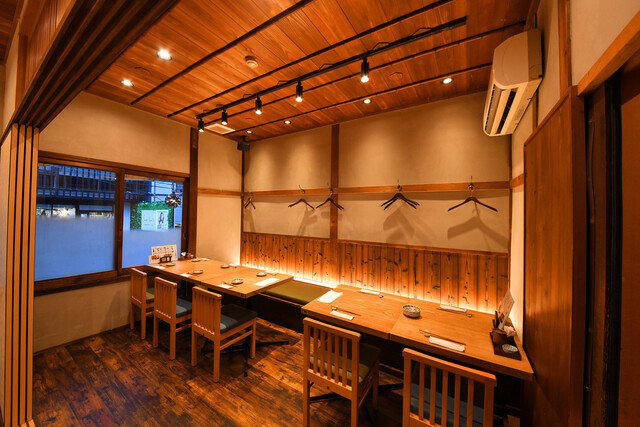
Yamaguchi
Kyoto, Japan
Yamaguchi is a referral-only Italian-Japanese counter restaurant in Gion earning Tabelog Silver awards consecutively since 2019 and a 4.48 score. Courses start at ¥35,000 per person (averaging ¥50,000–¥60,000 all-in), and reservations go exclusively through Shoku Oku. Clear the access barrier and you get one of the most consistently decorated Italian experiences in western Japan.
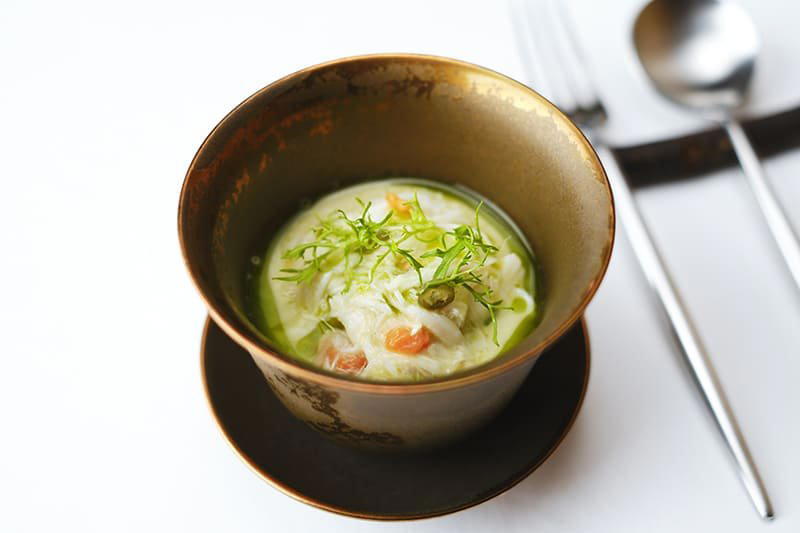
Villa del nido
Nagasaki, Japan
A 10-seat Italian counter in rural Kunimi Town, Villa del nido builds its menu around seasonal produce from the Shimabara Peninsula and Ariake Sea. Five consecutive Tabelog Bronze Awards confirm technical execution, but the remote location and shared-start format require advance planning. Best for diners who prioritize hyperlocal sourcing over urban convenience.
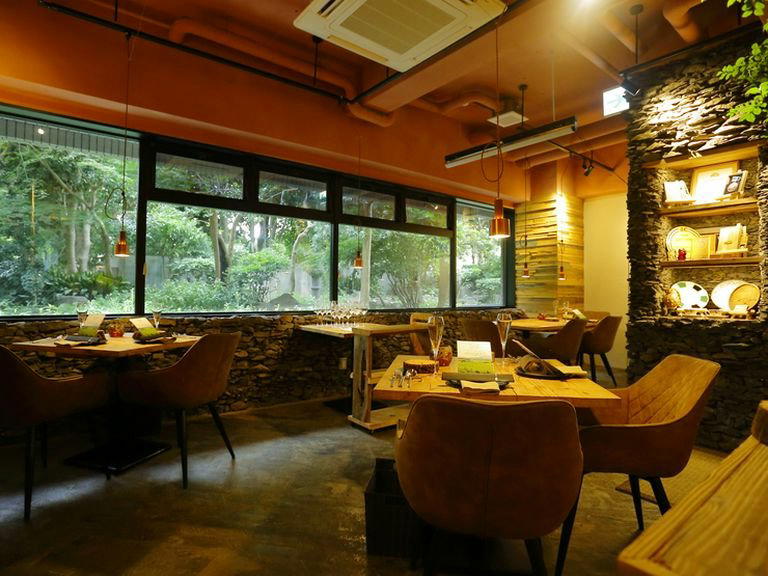
antica locanda MIYAMOTO
Kumamoto, Japan
Sommelier-driven Italian in a 14-seat house setting, selected for Tabelog 100 Italian (West) 2025. At JPY 15,000–19,999 it's Kumamoto's pricier Italian option, justified by wine depth and curated pacing. Private rooms available; families welcomed Sundays only. Book if wine pairing matters more than flexibility.
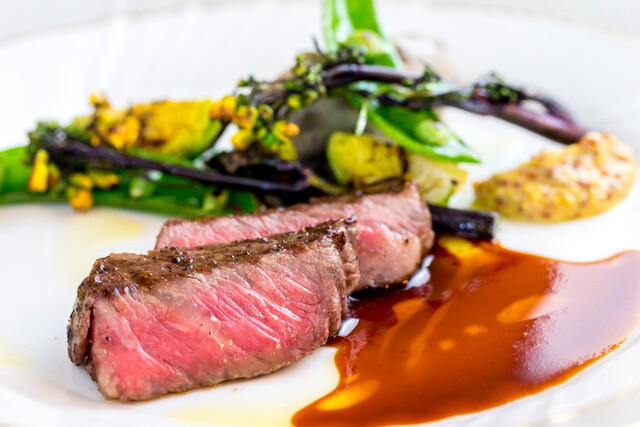
Ristorante Bellini
Ashiya, Japan
A 2025 Tabelog 100 Italian selection in Ashiya offering fish-focused sourcing and riverside views of the Ashiya River. Dinner runs JPY 10,000–14,999, lunch JPY 4,000–4,999. Best for formal occasions with advance booking; private rooms accommodate groups up to 30 but carry supplemental fees. Three-week booking window typical for weekend slots.
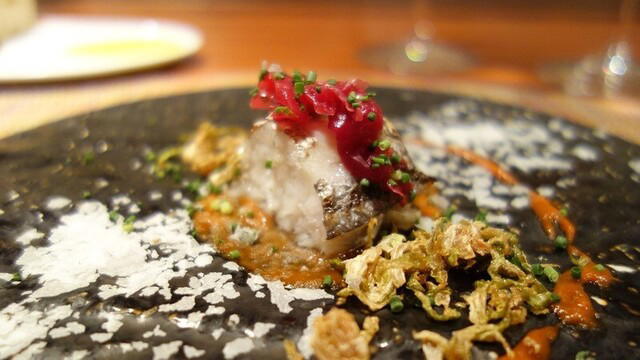
PESCE ROSSO
Osaka, Japan
PESCE ROSSO serves seafood-driven Italian in Shinsaibashi at JPY 15,000–19,999 per head, earning Tabelog 100 Italian WEST recognition for its market-fish focus and sommelier-backed wine program. The 36-seat layout includes a 10-seat counter, two-top tables, and a 6-person private room. Book 1–2 weeks out for weekend dinner; strong choice when celebrations require polish without kaiseki formality.
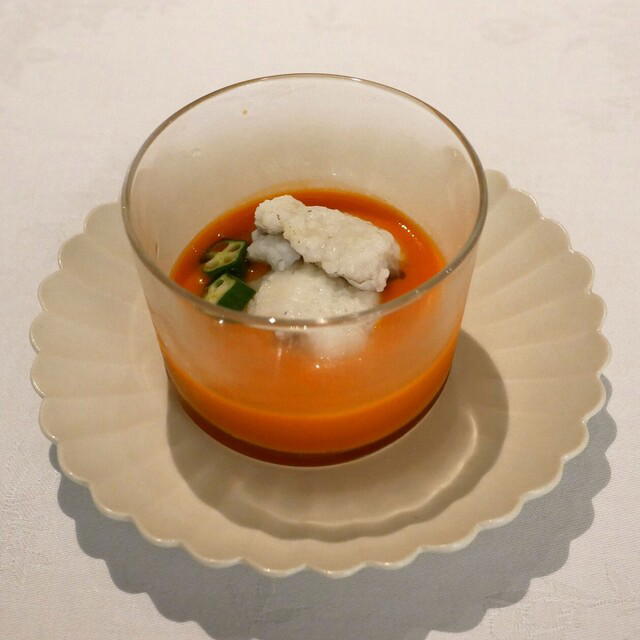
Otto e Sette Oita
Beppu, Japan
Tabelog Italian WEST 100 veteran (2023, 2025) in Beppu applying Italian technique to Bungo Channel seafood. Dinner runs JPY 15,000–19,999 with mandatory reservations; lunch offers a JPY 5,000–5,999 entry point. Private rooms for eight, full buyout capacity to 50, and a sake-wine-shochu program tailored to coastal fish preparations.
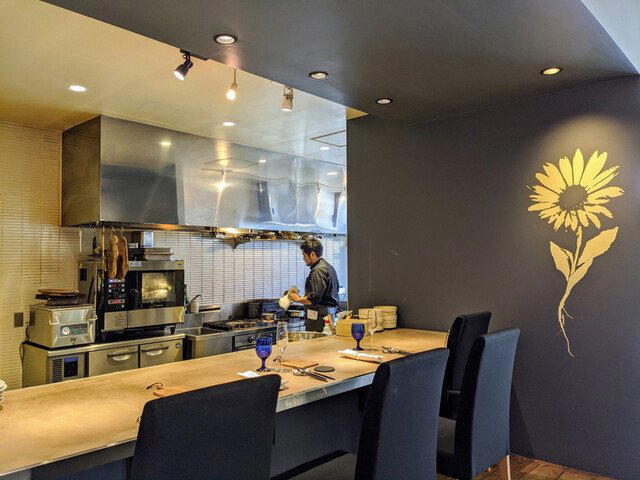
Kate cuore
Imari, Japan
Kate cuore holds a Tabelog Silver Award every year from 2022 to 2026 (score: 4.54) and ranks among Japan's top 100 Italian restaurants in the west. Chef Junya Minato's five-seat counter in Imari delivers a four-hour Italian course built around self-raised beef, priced at JPY 30,000–59,000 per head including wine. Plan transport carefully; Imari's timetable is limited and the cancellation policy is strict.
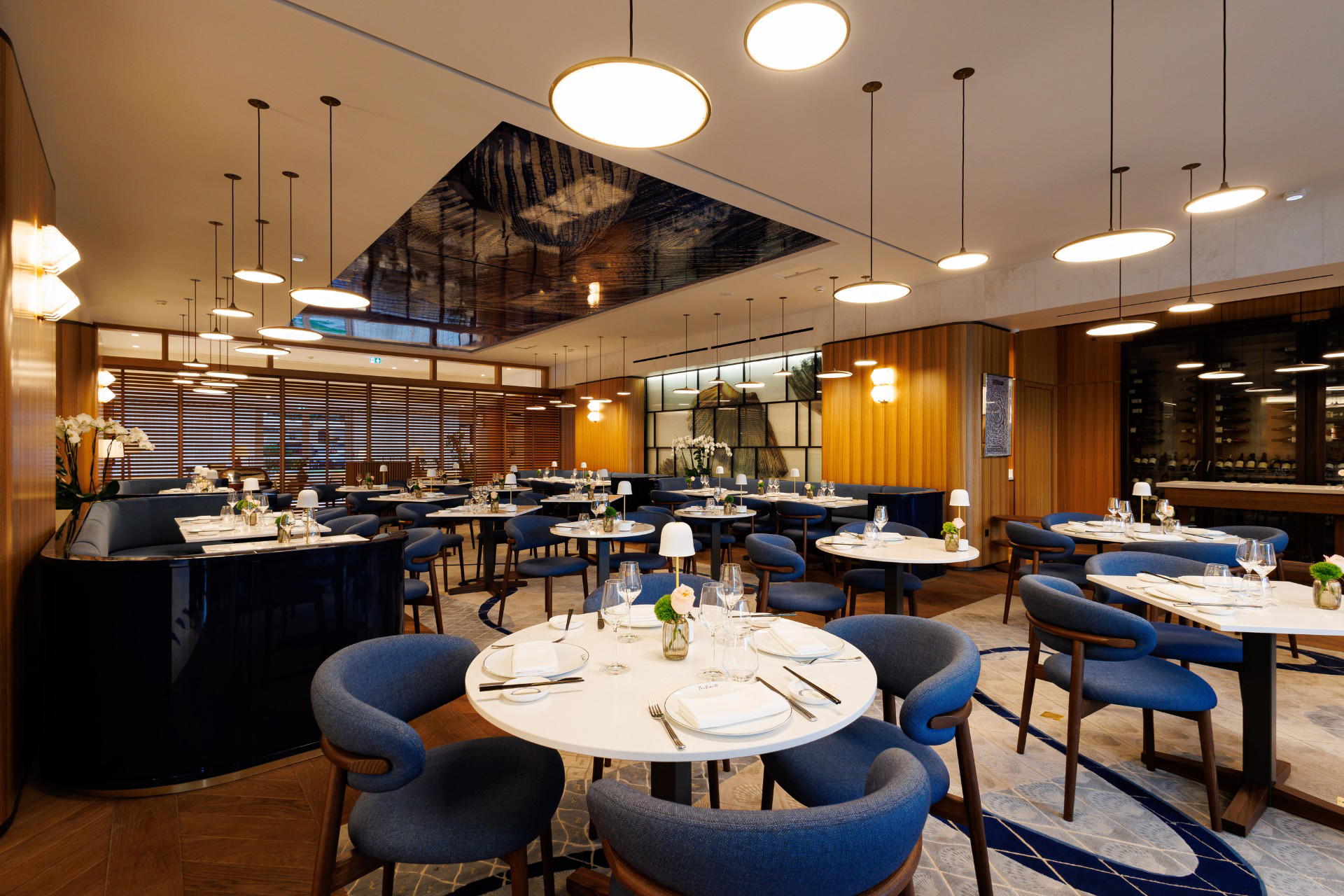
ristorante NAKAMOTO
Kyoto, Japan
A Tabelog Bronze award-winning Italian restaurant in Kizugawa, five minutes from JR Kizu Station, serving multi-course seasonal menus at JPY 15,000–29,999 per person. The 10-seat dining room holds consecutive awards and a top-25 ranking on Tabelog's 2025 Italian WEST list. Reservation-only, with private rooms for groups.
shiro
Kyoto, Japan
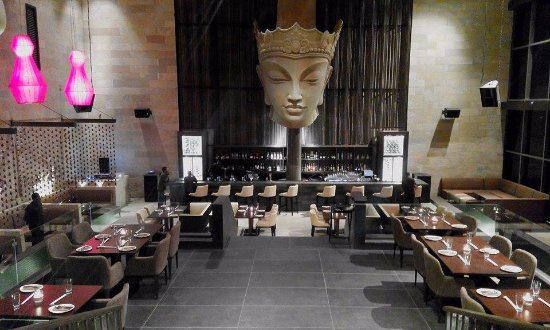
shiro is an eight-seat counter in Nakagyo Ward serving a fixed chef's-choice course that blends Italian technique with ingredients sourced from Shimane Prefecture. A Tabelog Award Bronze, Michelin Plate, and Tabelog 100 listing in its first year make it the most credentialled new Italian-influenced restaurant in Kyoto. Book via TableCheck; no substitutions, no walk-ins.
SENTI.U
Kagoshima, Japan
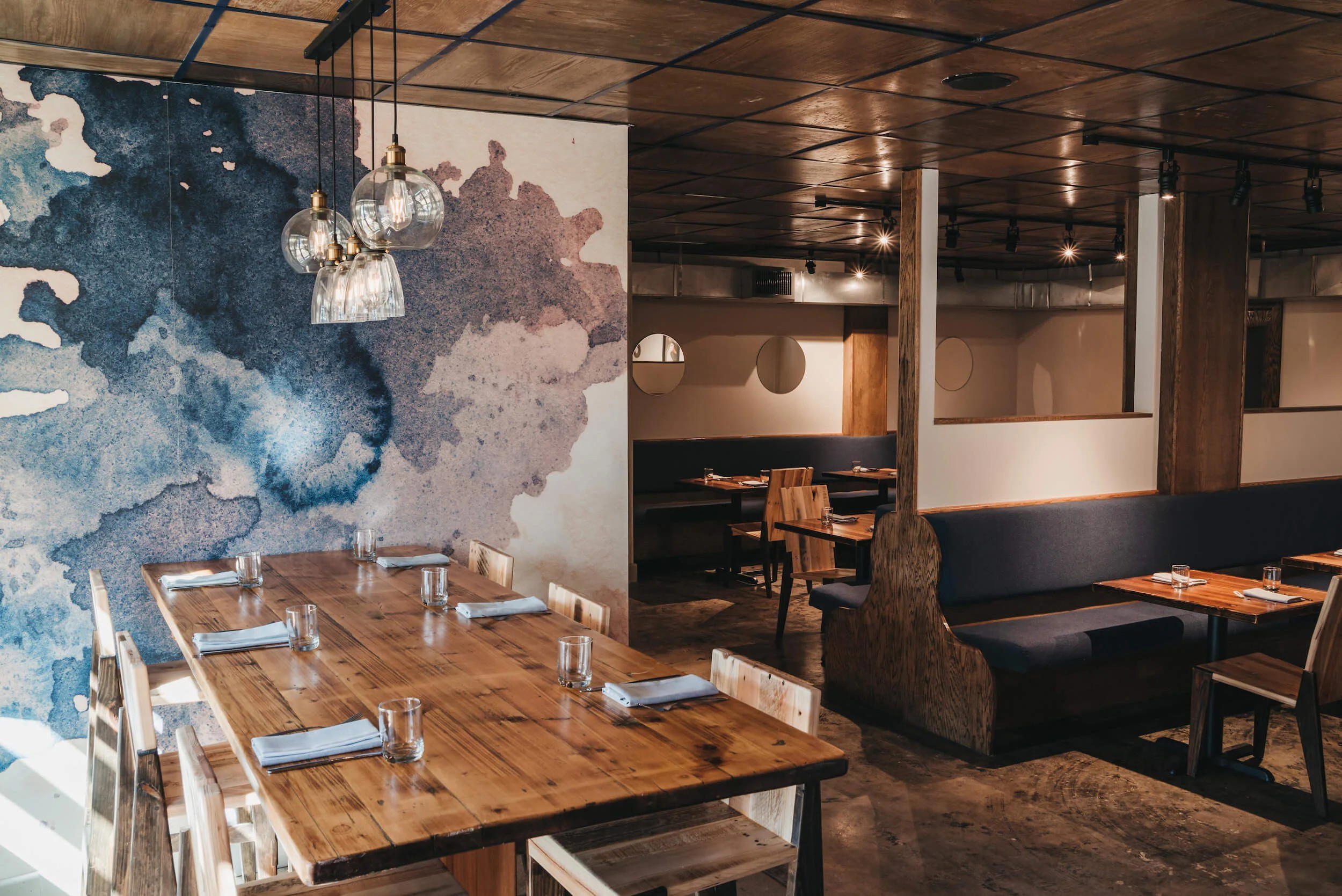
Four-time Tabelog Bronze winner in rural Kanoya, serving Osumi Peninsula seafood through an Italian tasting-menu lens. At JPY 15,000–19,999, it's Kyushu's most decorated Italian outside major cities, but requires reservation-only booking and a two-hour drive from Kagoshima airport. Worth the logistics if hyper-local sourcing and intimate 11-seat settings matter more than urban convenience.
Verona
Fukuoka, Japan
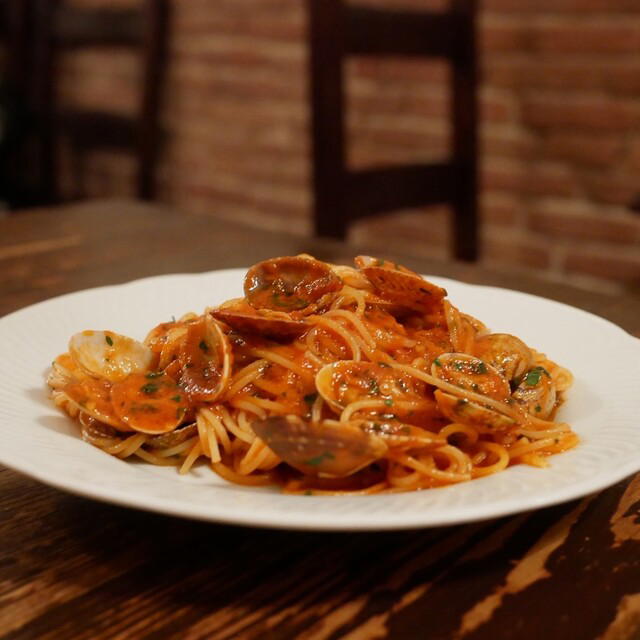
Tabelog Italian WEST 100 selection with walk-in-only seating, straightforward pasta and pizza, and a spacious basement room near Tenjin Minami. Dinner runs JPY 4,000–4,999, lunch under JPY 3,000, and the no-reservation policy makes it one of Fukuoka's easiest award-winning tables to secure.
Bar Ciccia
Kobe, Japan
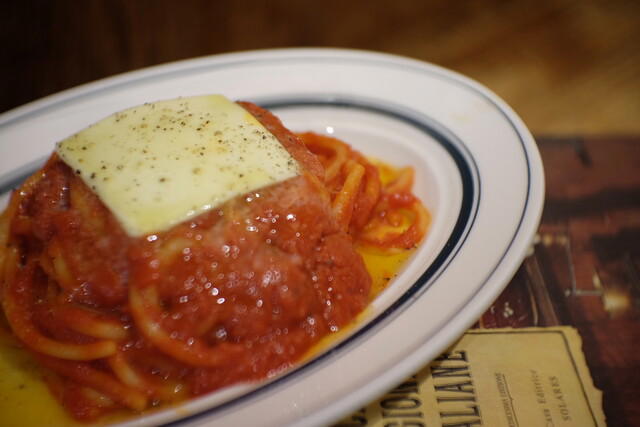
Bar Ciccia delivers Italian cooking with a seafood focus at JPY 5,000–5,999 per head, earning Tabelog Italian WEST 100 honors in 2025 and 2023. The 32-seat restaurant welcomes walk-ins, families, and groups across two relaxed floors near Sannomiya Station, making it a practical choice for casual Italian dining in Kobe.
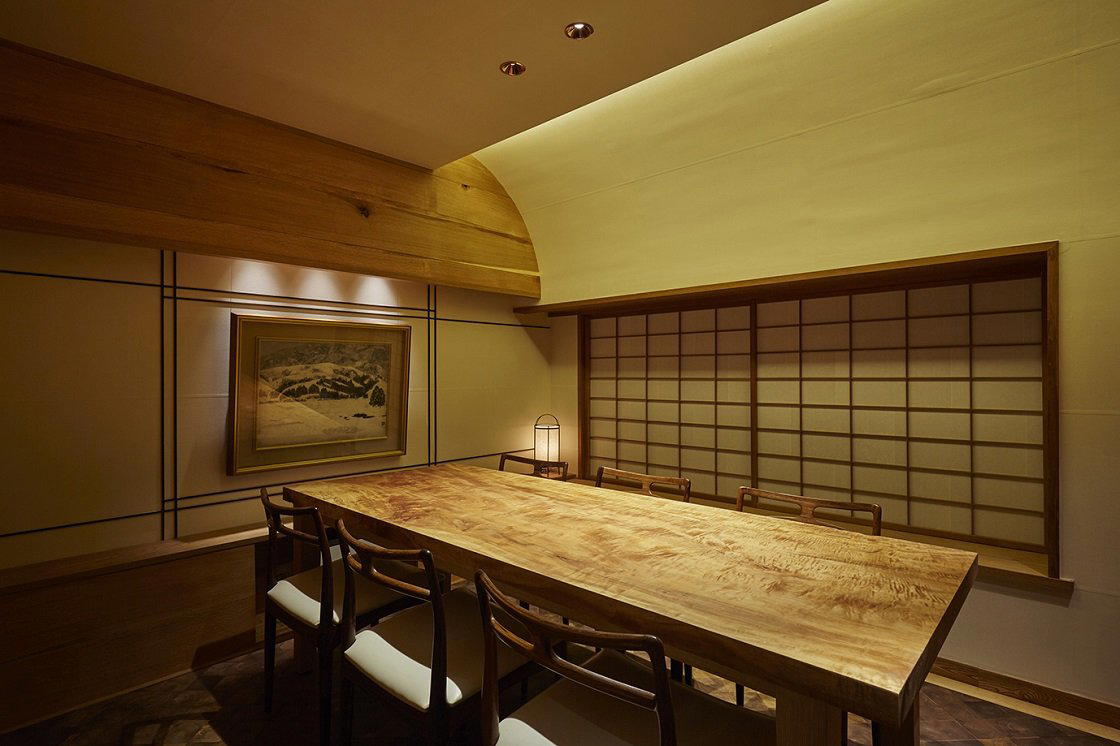
Bini
Kyoto, Japan
Bini is a Michelin one-star Italian restaurant in central Kyoto, built around Ohara agricultural produce and a fermented vegetable philosophy shaped by the chef's training in Italy and Switzerland. At ¥¥¥, it is more accessible than most of Kyoto's starred dining and offers a coherent, sourcing-driven tasting menu. Booking is hard; plan well ahead.
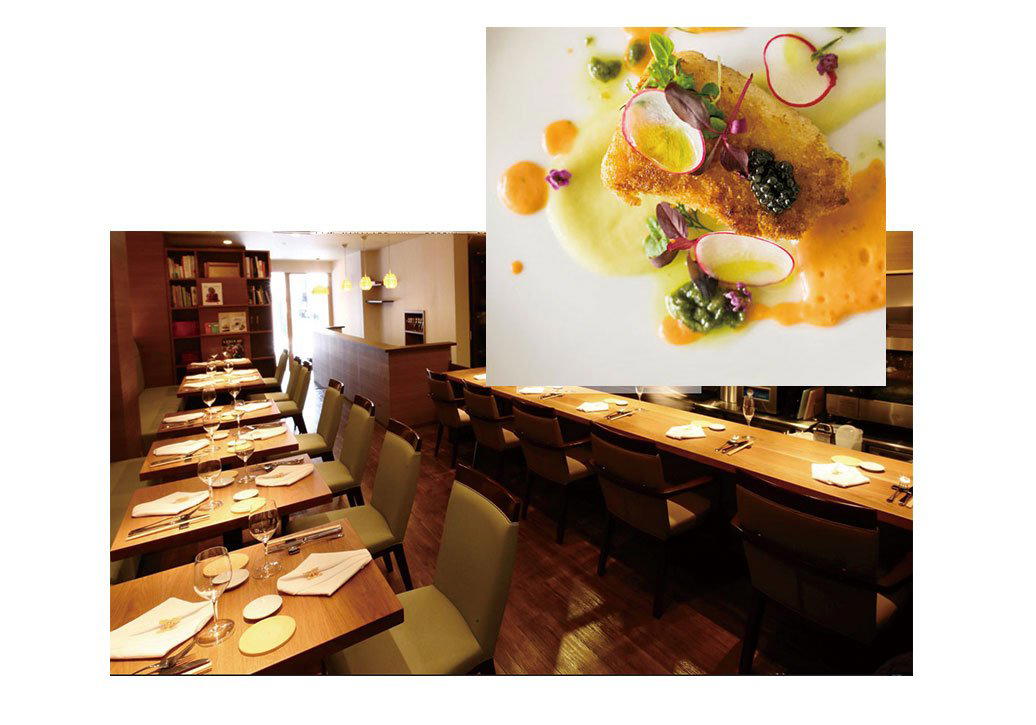
なかがわ
Fukuoka, Japan
なかがわ is worth shortlisting if recognition matters more than published price clarity: it holds a Tabelog 100 #28 placement for 2025 with a 3.7-point score. Use it as a focused lunch or dinner anchor in central Fukuoka, especially for small groups that want a serious meal without a difficult booking process.
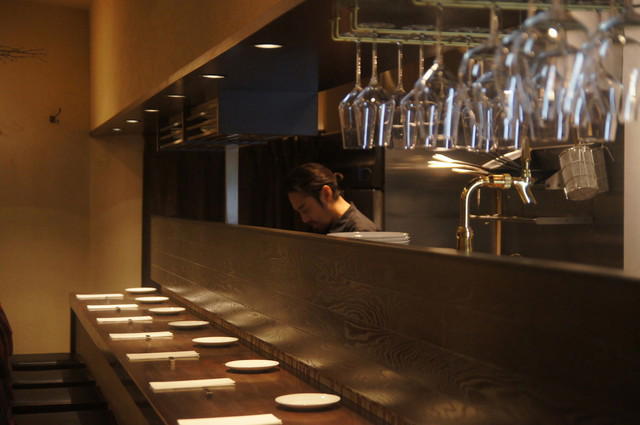
Ciccia
Kobe, Japan
Ciccia is a good Kobe dinner pick when you want a polished special-occasion meal without jumping to the city's higher splurge tier. Public detail is limited, so book for the overall experience and recognition rather than a specific signature dish or chef narrative.
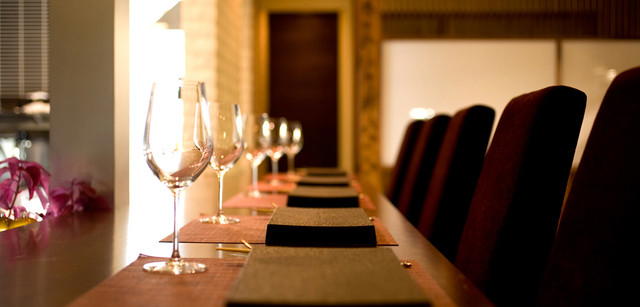
Gion 245
Kyoto, Japan
Tabelog 100 Italian in a Higashiyama machiya, with counter and private-room seating. The JPY 15,000–19,999 dinner emphasizes fish and wine selection, and booking runs easier than Kyoto's kaiseki heavyweights. Smart casual dress, 5–11 PM nightly, BYO allowed for JPY 5,000 corkage.
アユート
Wajima, Japan
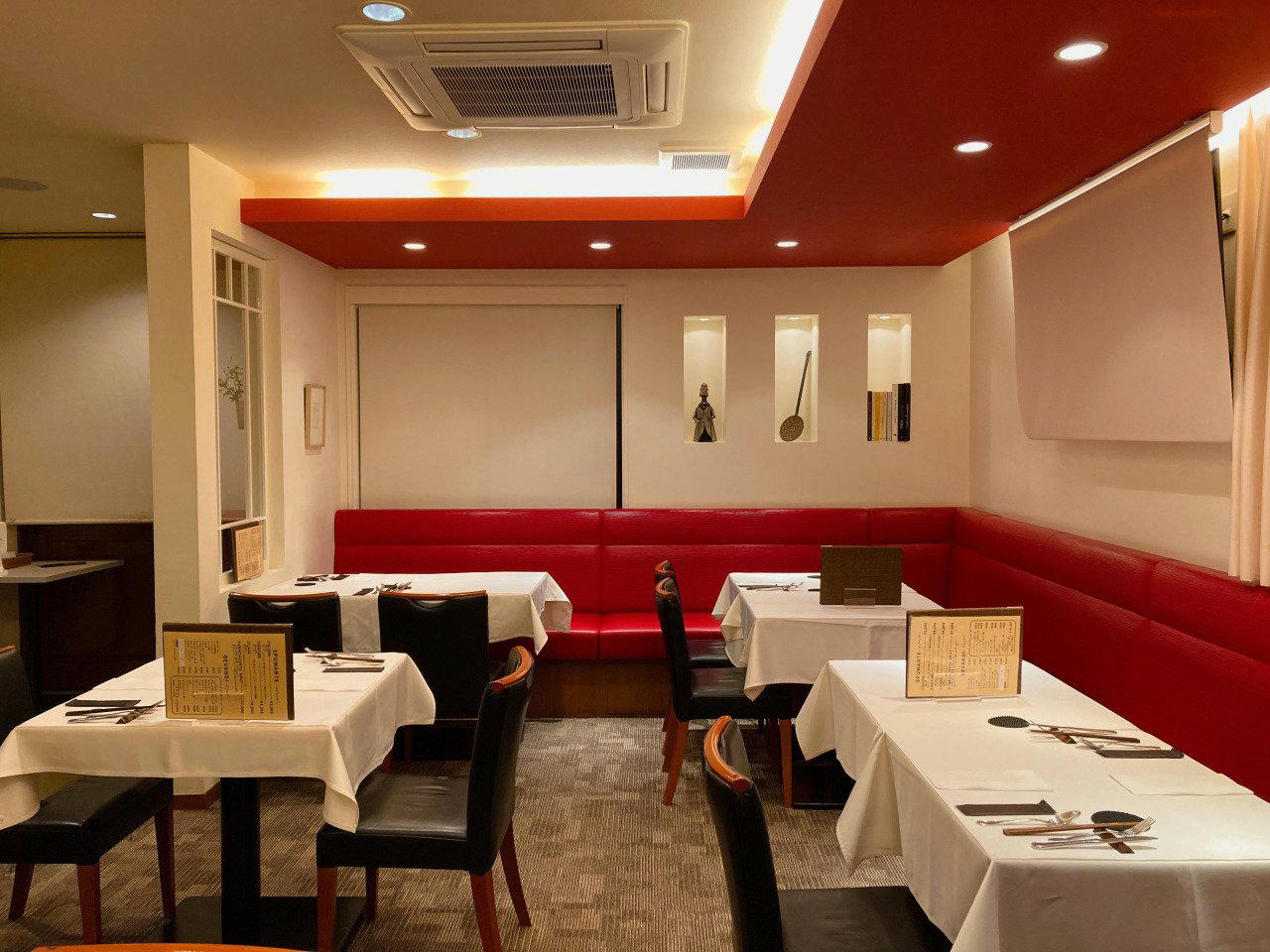
Plan アユート as a dinner anchor in Wajima, especially if the trip is built around seasonal Noto eating rather than a quick casual stop. Its Tabelog 100 #31 recognition gives it a useful quality signal, but the smarter move is booking only when the evening can revolve around the meal.
Ryobo
Kagawa, Japan
Ryobo is a six-seat Italian counter in Takamatsu with a wine-forward tasting menu at JPY 15,000–19,999. The sommelier-led pairings and ingredient-first cooking justify the price for special occasions, but the small room and reservation-only format make it a poor fit for large groups or casual drop-ins. Book one day ahead for weeknights; weekends fill faster.
il Centrino
Osaka, Japan
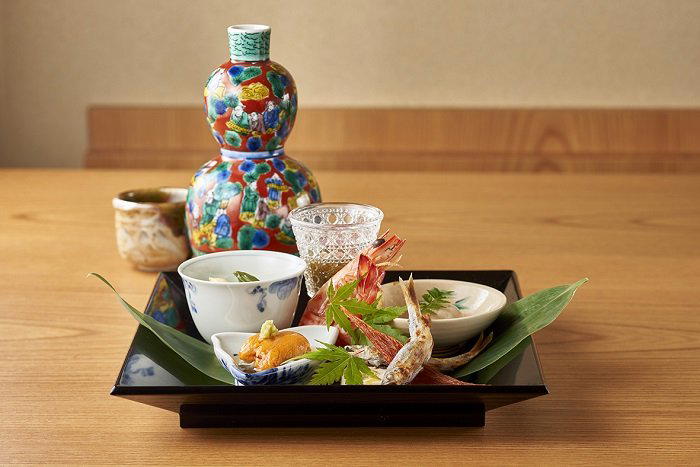
A Michelin-starred Italian restaurant in central Osaka where Piedmontese pasta technique meets Japanese seasonal produce. At ¥¥¥ pricing it sits below Osaka's ¥¥¥¥ fine dining tier while delivering comparable precision. Book well in advance; this is a hard reservation; and time your visit for autumn when Japanese seasonal ingredients are at their peak.
Piatto Suzuki Cinque
Toyama, Japan
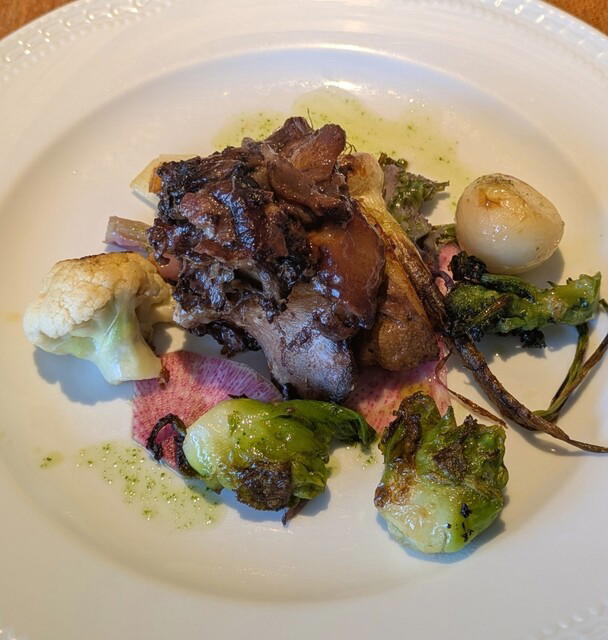
Tabelog 2025 Italian WEST 100 selection in Toyama's Higashiiwasemachi district, offering counter and table seating with a wine-and-sake focus at JPY 6,000–7,999 for dinner. The venue prioritizes BYO flexibility, water views, and a less formal alternative to the city's kaiseki heavyweights, making it the most accessible entry to recognized Italian cooking in the region.
PONTE VECCHIO
Osaka, Japan
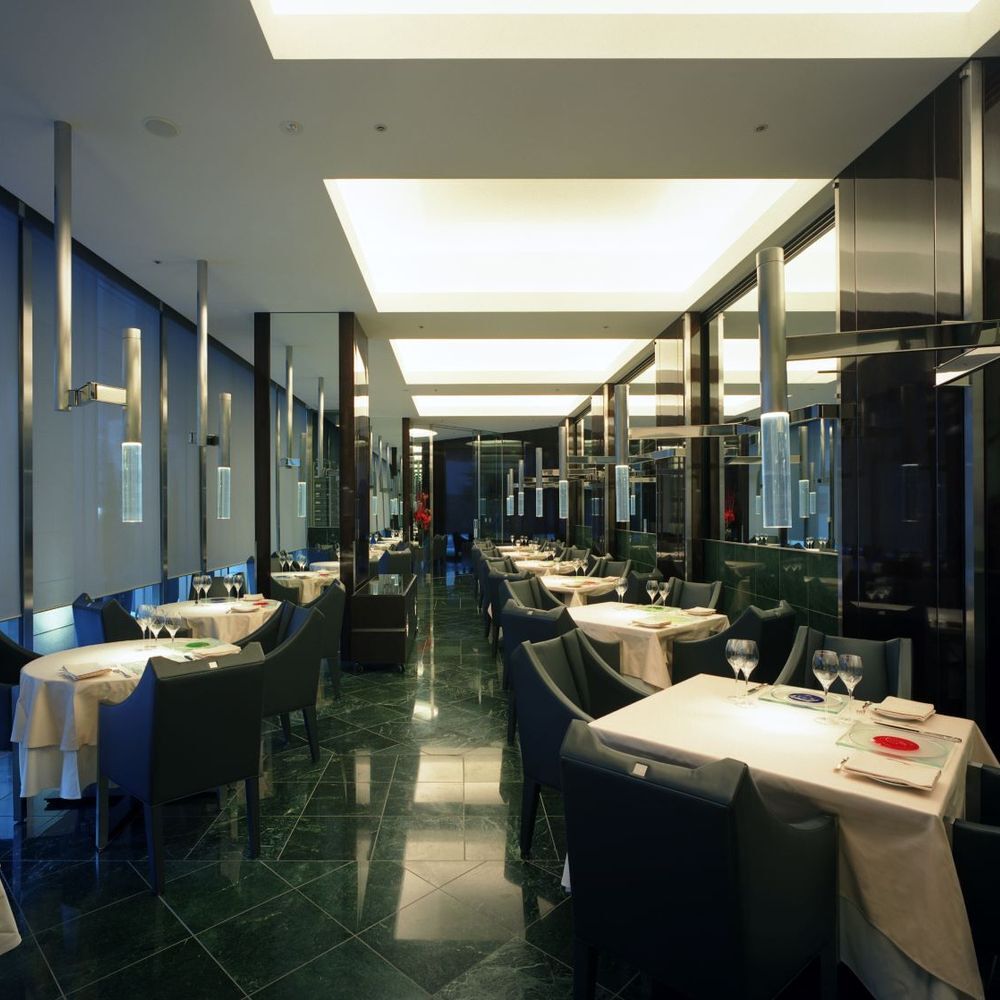
Book PONTE VECCHIO when the meal needs polish and a sense of occasion, not when the priority is low-cost Kitahama grazing. Its Michelin Guide Kyoto Osaka 2026 Plate recognition gives it a stronger trust signal than nearby casual stops, though diners who need clear price certainty may prefer lower-commitment alternatives first.
ラ・プリマヴォルタ
Kochi, Japan
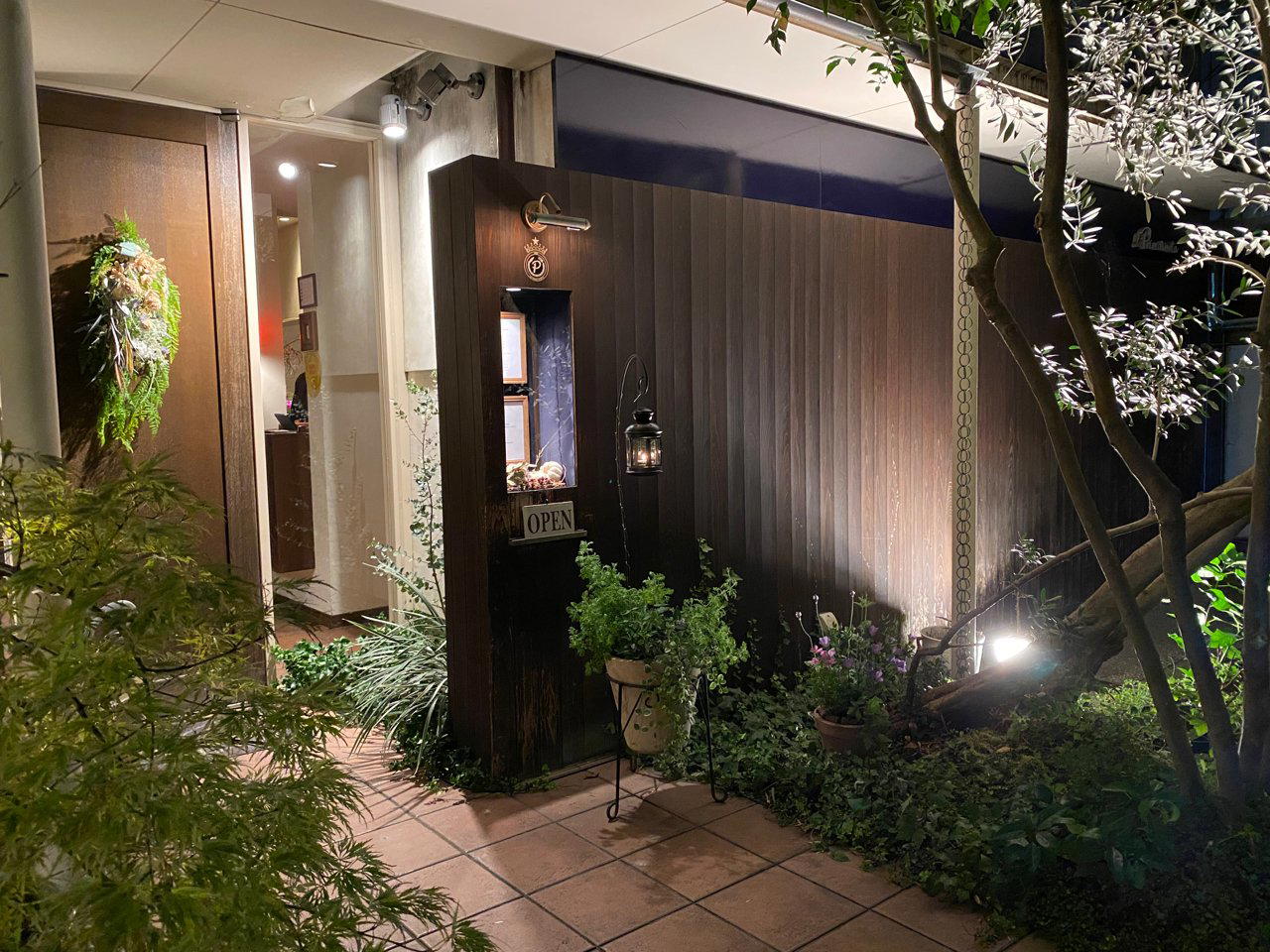
ラ・プリマヴォルタ is worth booking for a planned dinner in Kochi if you want an awarded restaurant rather than a casual value meal. Its Tabelog 100 #36 ranking in 2025 is the main confidence signal; price, chef, cuisine, and signature dishes are not published here, so go when recognition matters more than advance menu certainty.
ラピ
Iyo, Japan
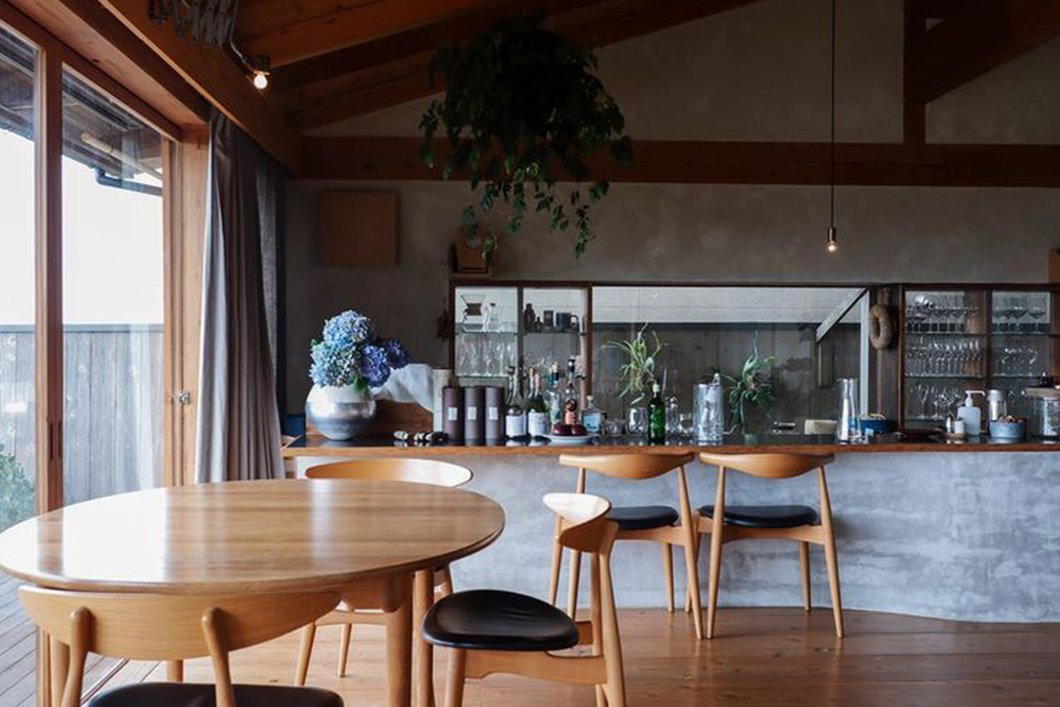
ラピ is worth choosing in Iyo when the meal needs to feel planned rather than casual, especially for a date or small celebration. Dinner is the safer occasion slot, while lunch works if the day is built around the reservation. Cross-shop Teuchi Soba Iyo Okina or pizzeria 39 for cheaper, more casual meals.
Chimera
Kyoto, Japan
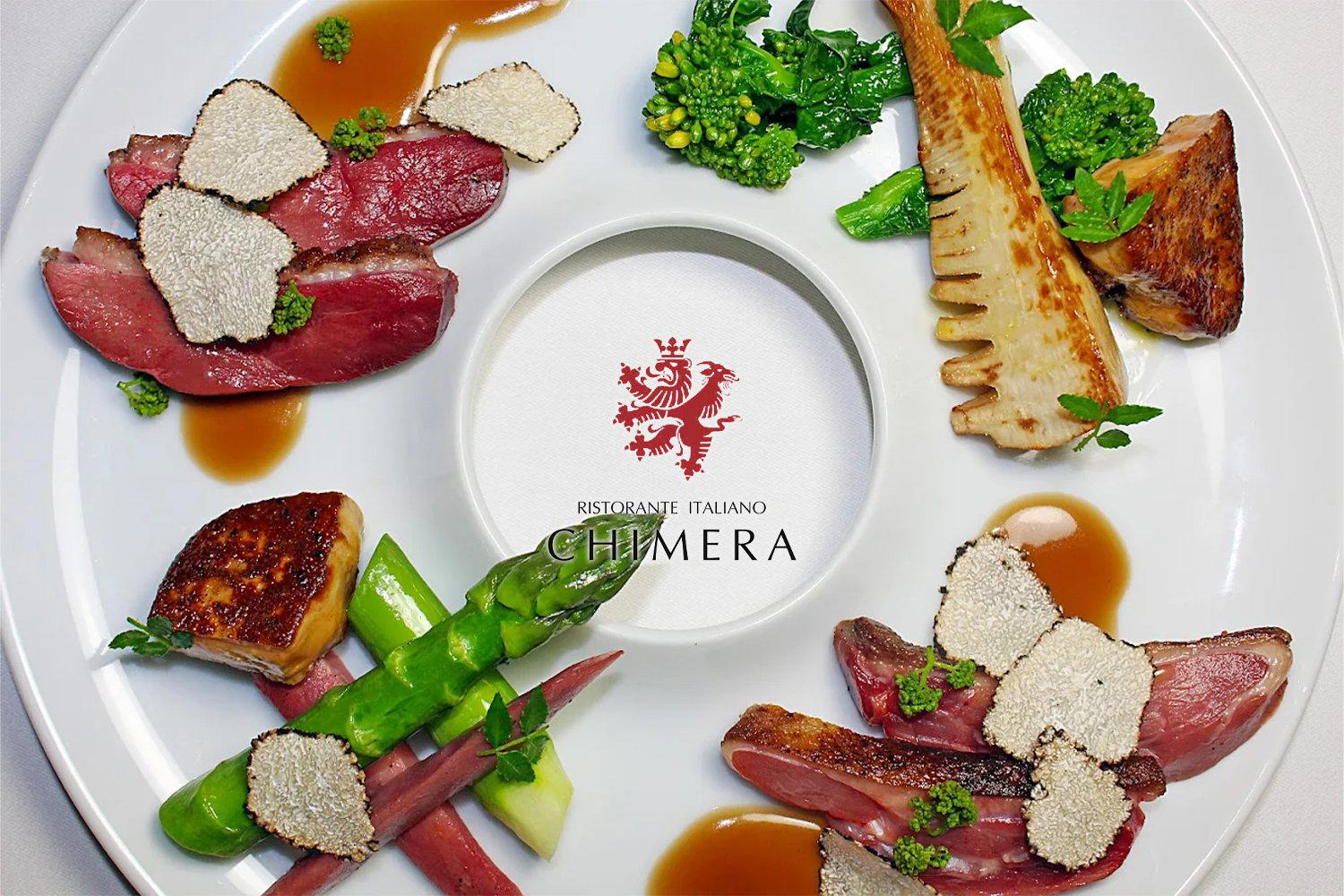
Should you book Chimera in Kyoto? Yes if you want a recognized Gion restaurant that fits neatly into a Higashiyama-focused itinerary. It is a stronger choice for repeat visitors who value location and flexibility than for diners looking for a heavily documented signature-dish meal.
Trattoria da giacomo
Fukushima, Japan
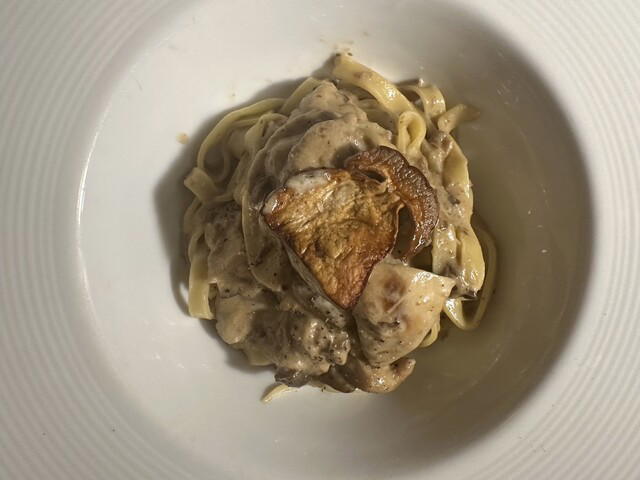
Game-focused Italian trattoria in Fukushima offering wild boar, duck, and horse alongside seasonal Kyoto vegetables. Tabelog 100 selection (2025, 2023, 2021) with sommelier service and BYO policy. Lunch delivers better value at JPY 1,000–1,999; dinner runs JPY 6,000–7,999 and suits special occasions.
RADICE
Kyoto, Japan
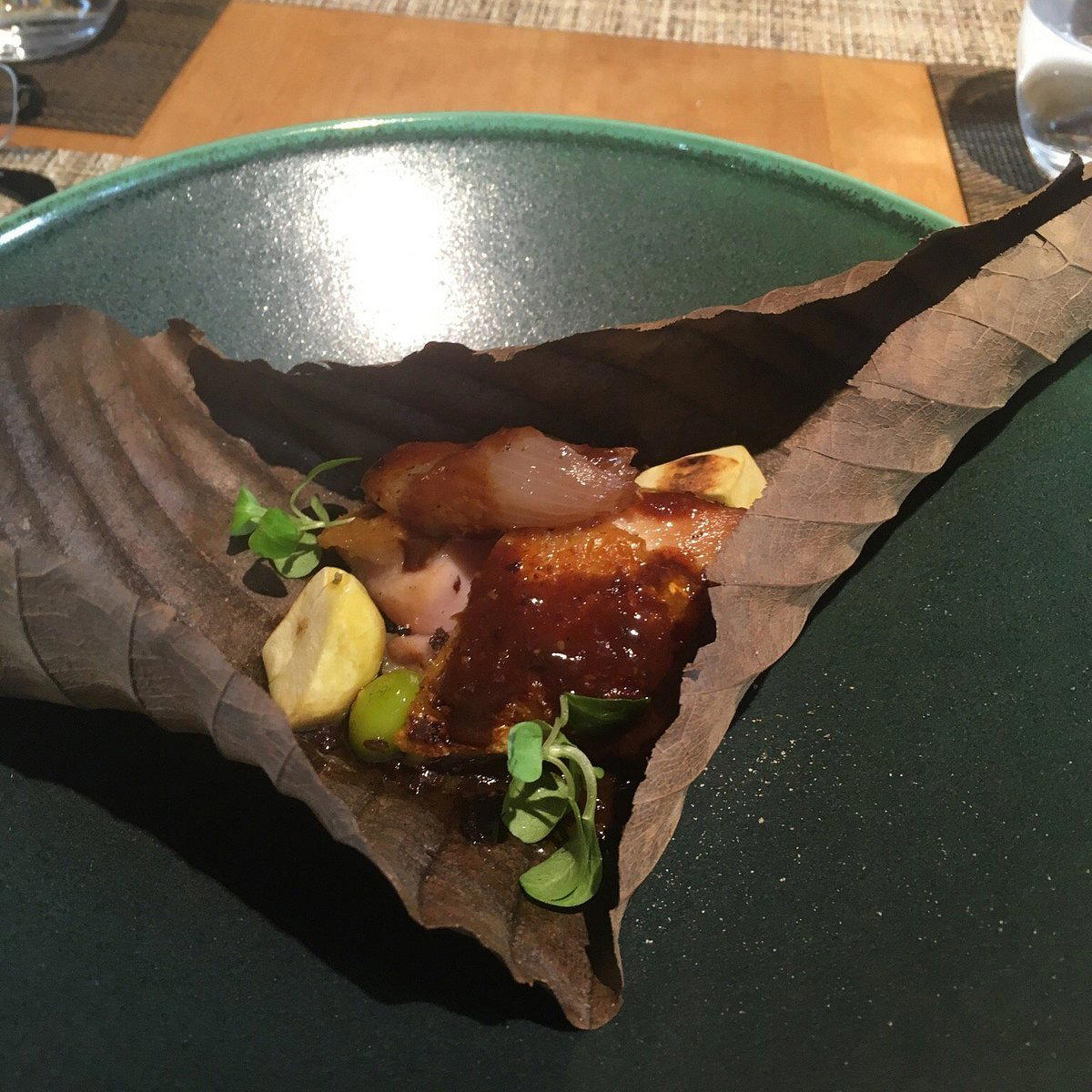
A 12-seat Italian counter in Nakagyo Ward with a Tabelog score of 4.11 and Bronze awards in 2019, 2025, and 2026. The fish-forward course menu runs JPY 20,000–30,000 per head all-in. Book two to three weeks ahead for weekends. One of Kyoto's most consistently recognised Italian restaurants and a sound choice for a special occasion dinner for two or four.
Bekk
Fukuoka, Japan
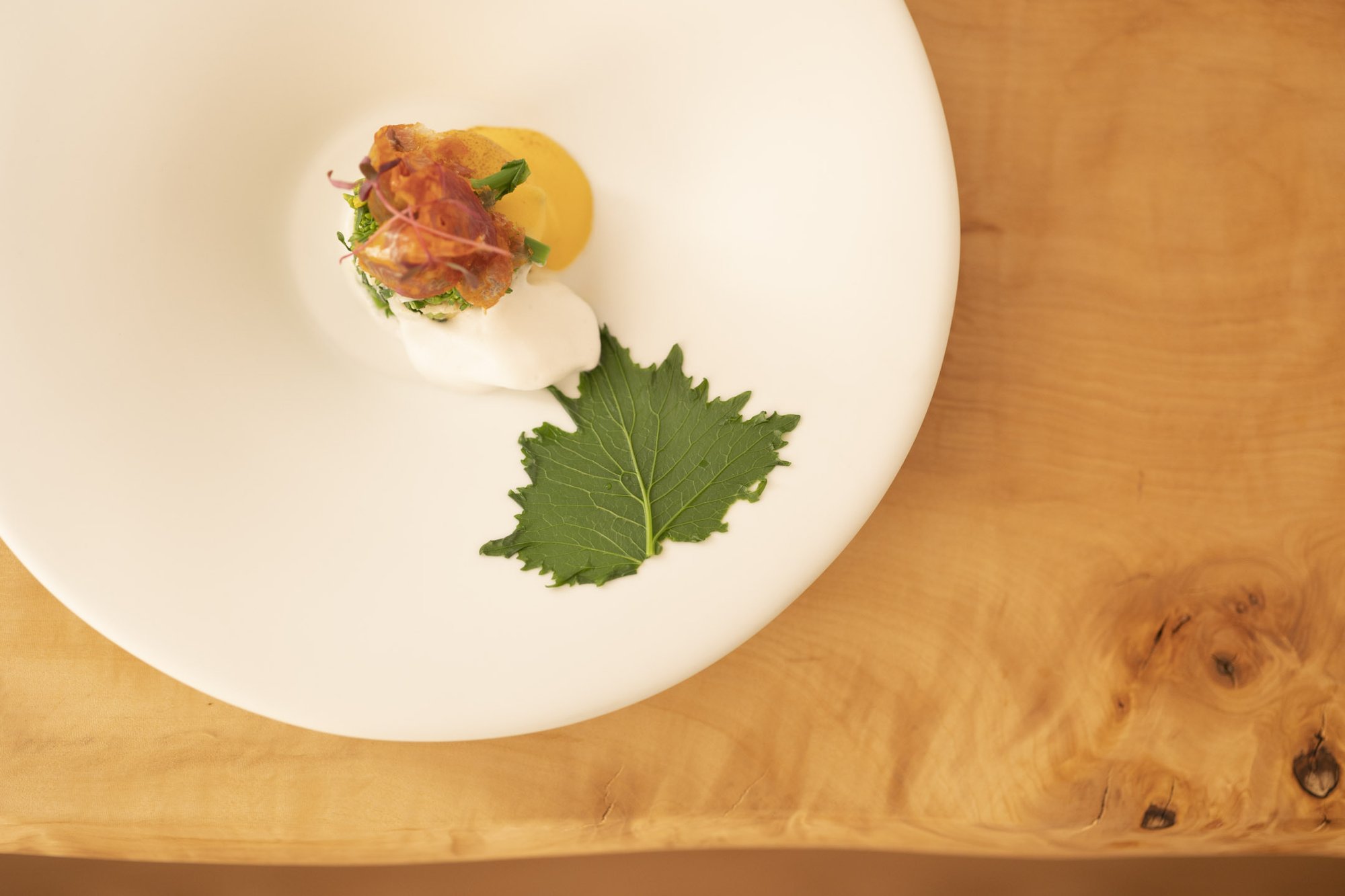
Bekk is a 12-seat reservation-only Italian counter in Kokura, Kitakyushu, holding Tabelog Bronze in both 2025 and 2026 with a score of 4.21. The kitchen rotates around Kyushu seasonal produce and local fish, with dinner running JPY 20,000–29,999. Booking is manageable for the award level, and an English menu removes the language barrier. Worth the trip from central Fukuoka for a fish-forward Italian tasting course.
KYuNii
Fukuoka, Japan
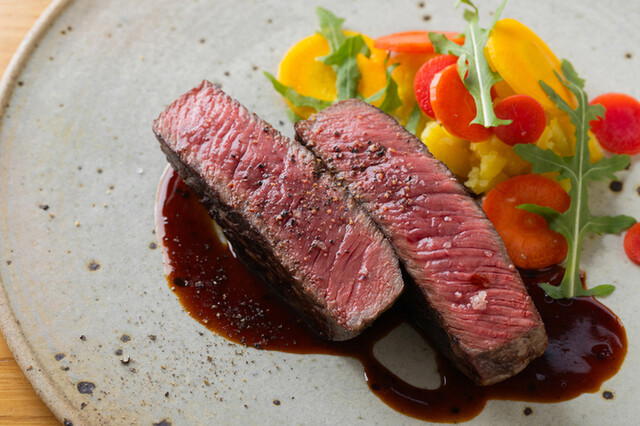
Counter-focused Italian in Kego, recognized by Tabelog 100 within two years of opening. Housemade pasta and seasonal produce anchor the JPY 10,000–14,999 dinner menu, with a wine-driven service model that includes mandatory drink orders and time limits. Reservations via phone or Instagram; weekend afternoons add booking flexibility.
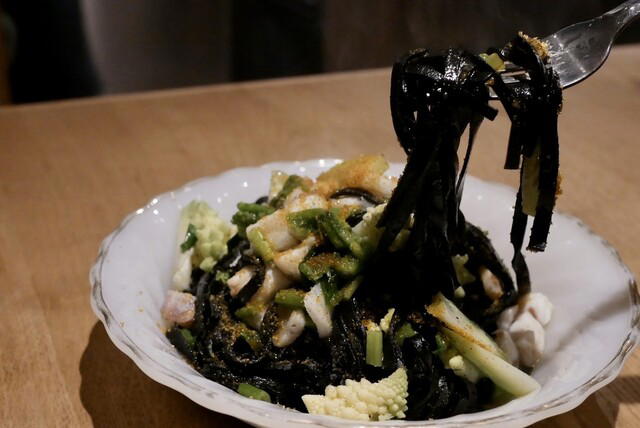
Chiara
Osaka, Japan
A 12-seat Italian counter in Osaka's Tennoji Ward, recognized in Tabelog's 2025 Italian WEST 100. Chiara delivers technically consistent Italian cooking at JPY 10,000–14,999, with counter-only seating that accelerates service and direct chef interaction. Book two weeks out for prime slots; mid-week walk-ins occasionally work.
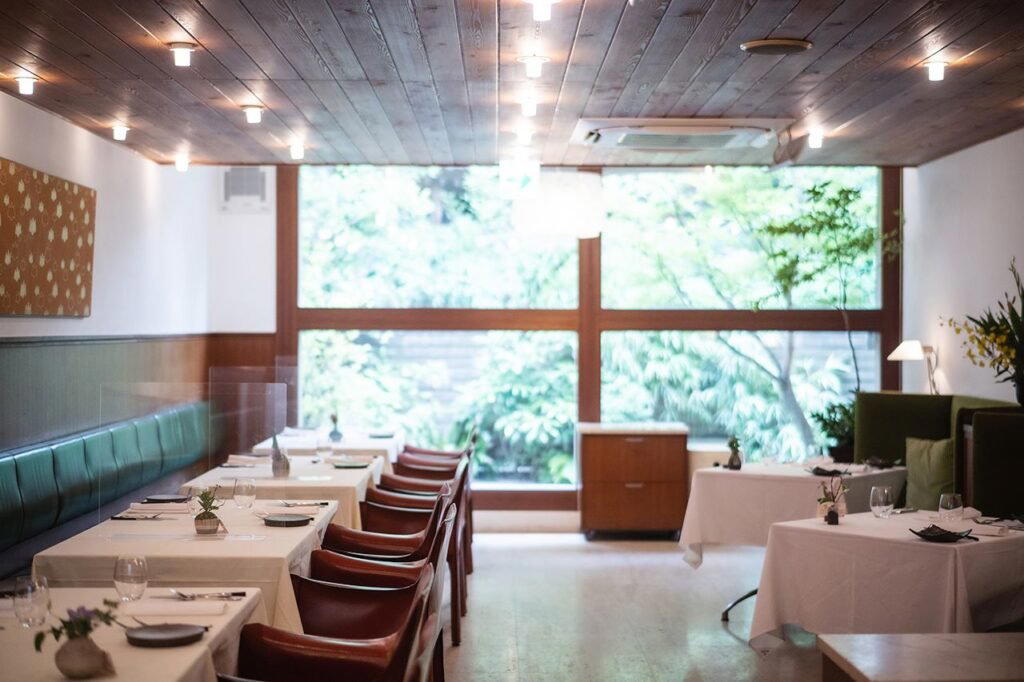
Il Ghiottone
Kyoto, Japan
Il Ghiottone is a strong special-occasion candidate in Kyoto's Higashiyama area, backed by Tabelog 100 #44 in 2025 and We're Smart World recognition. Choose it for an early, polished dinner rather than a late-night fallback; if price certainty matters more, compare it with THE SODOH HIGASHIYAMA KYOTO or Yoshoku no Mise Mishina first.
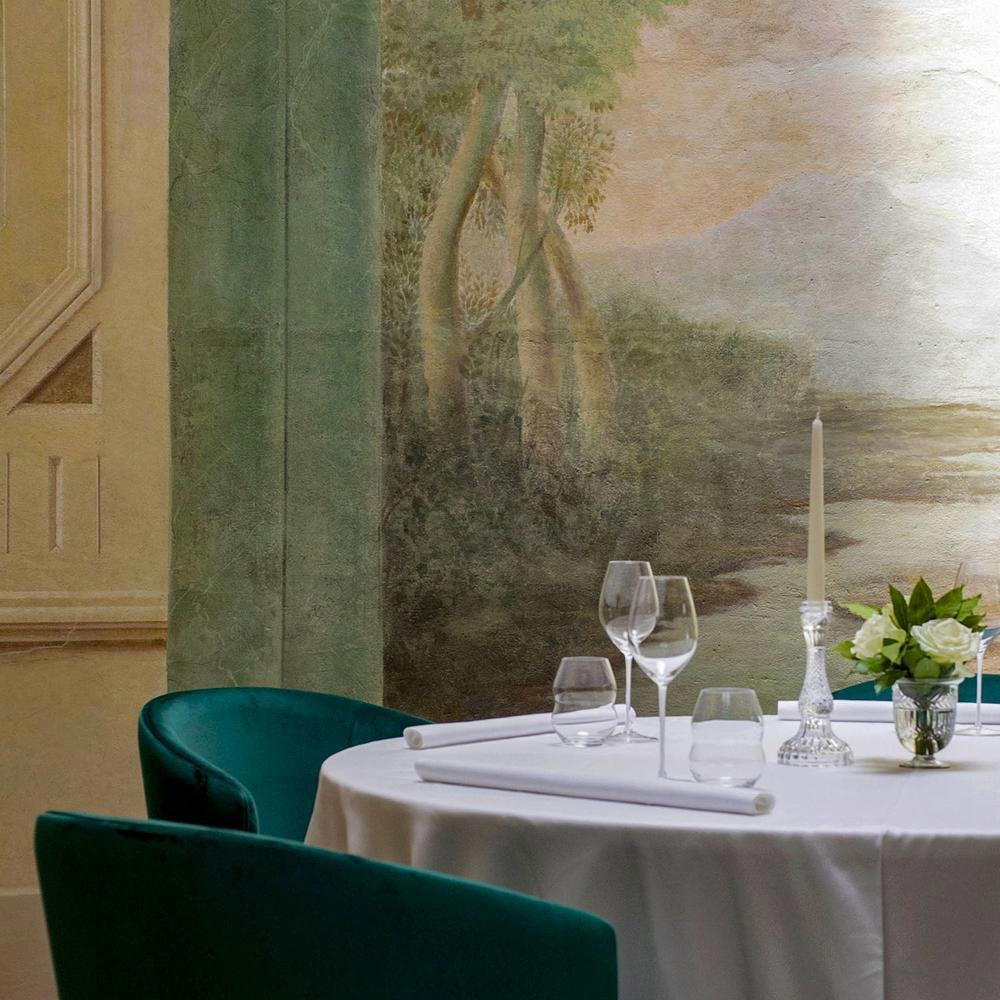
Kinoshita
Tokyo, Japan
A Yoyogi French bistro with à la carte and prix-fixe options, emphasising classical preparations (pâté, smoked salmon, roast lamb) and seasonal rotation. Mid-tier pricing (¥12,000 dinner, ¥2,500 lunch), 20 seats including a four-seat counter, and reservations that open two months out without the booking pressure of tasting-menu temples. Good for repeat visits if you value bistro consistency over cutting-edge technique.
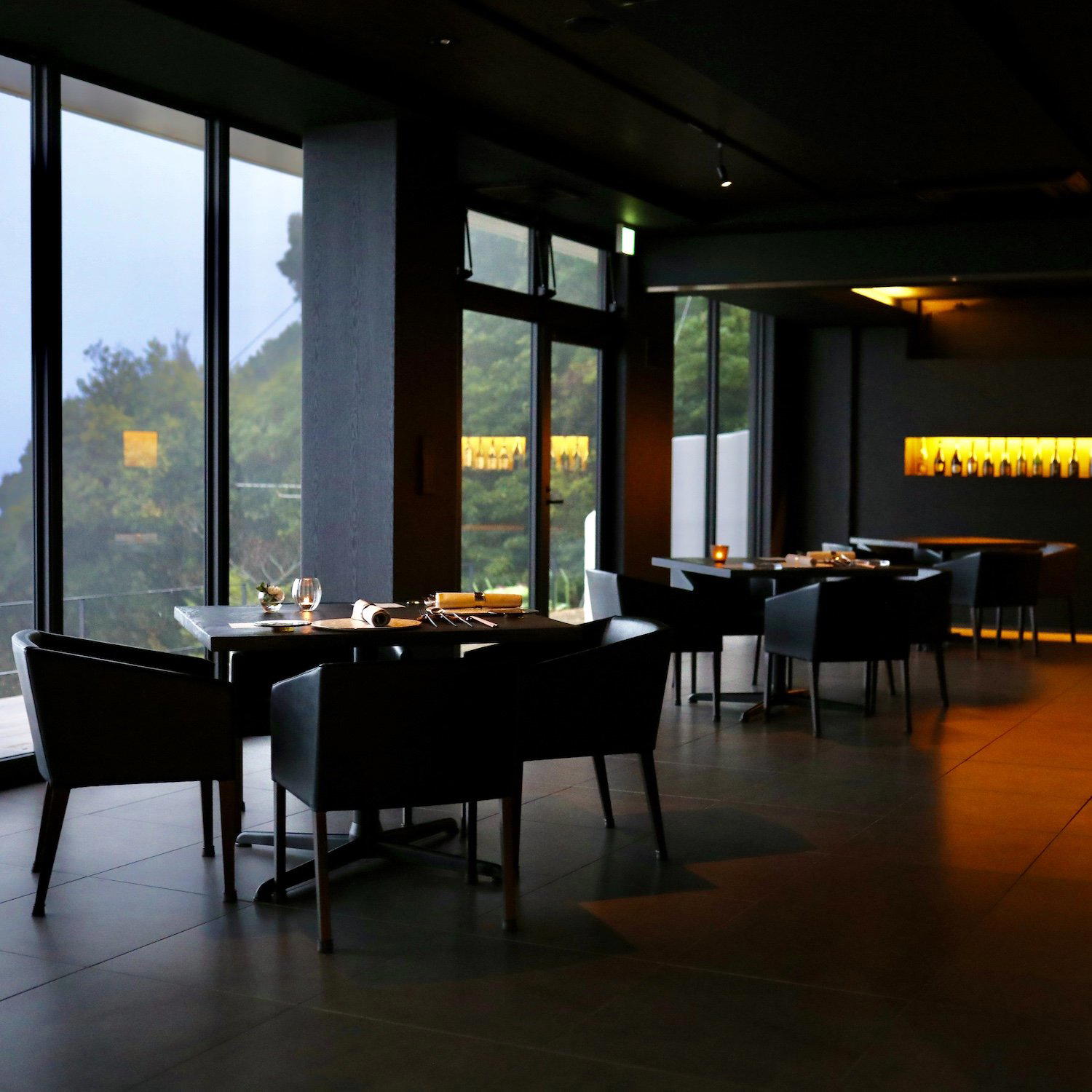
ローグ
Tosa, Japan
ローグ works for a special meal in Tosa if reputation matters more than a published cuisine, chef, or wine-program brief. The safer read is to book it for a polished occasion meal, while value-focused diners should compare it against Hagi no Chaya, Hungry Bear, Yairo Tei, Kuroson, and Hirome de Yasubee before committing.
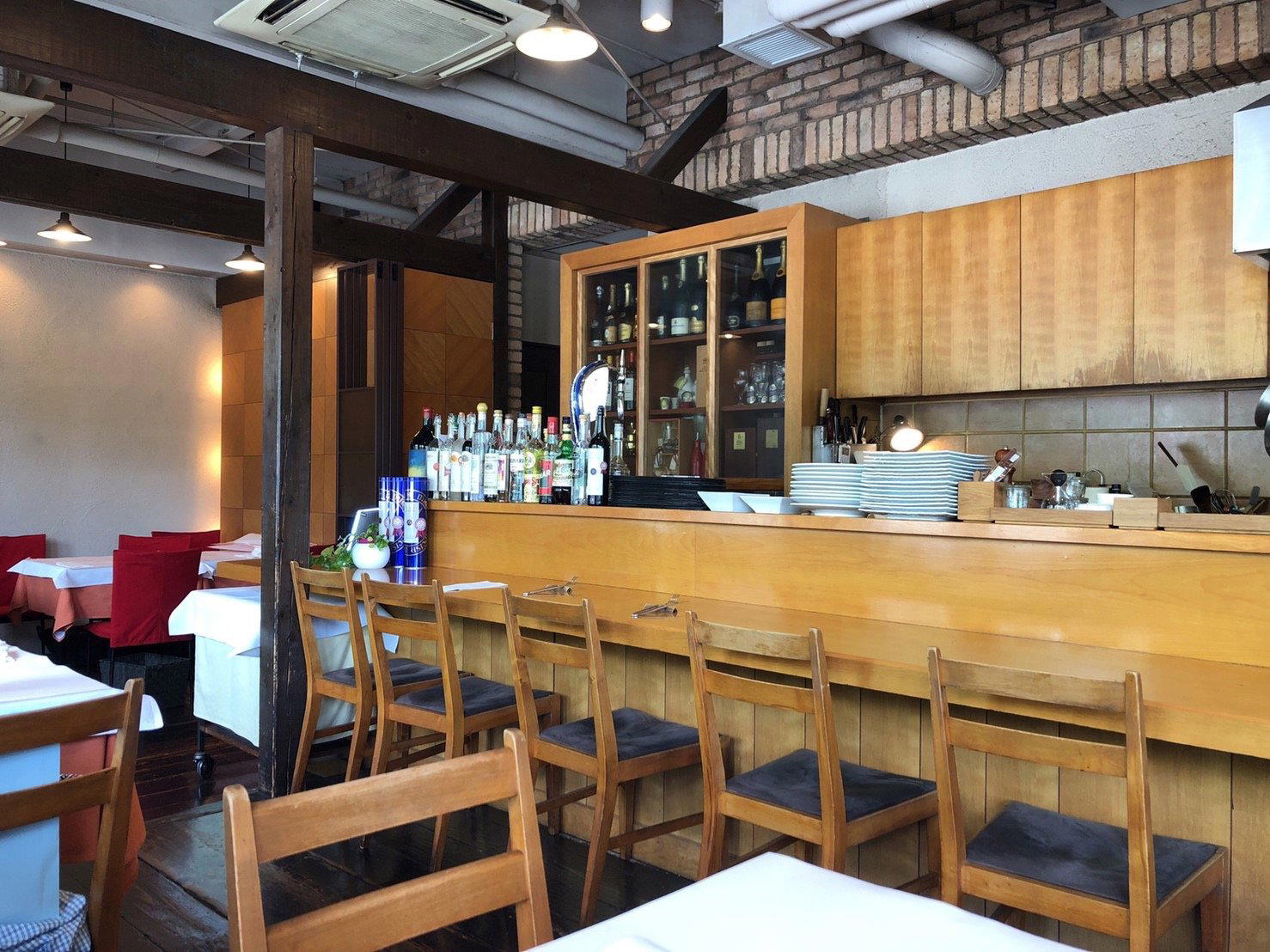
IL PAPPALARDO (イル パッパラルド)
Kyoto, Japan
Choose IL PAPPALARDO (イル パッパラルド) when a Higashiyama meal needs to fit naturally into an east Kyoto day rather than dominate the itinerary. Its Tabelog 100 #47 placement in 2025 gives it a real recognition signal, but treat it as a researched, flexible pick rather than a venue to plan around for published menu or drinks detail.
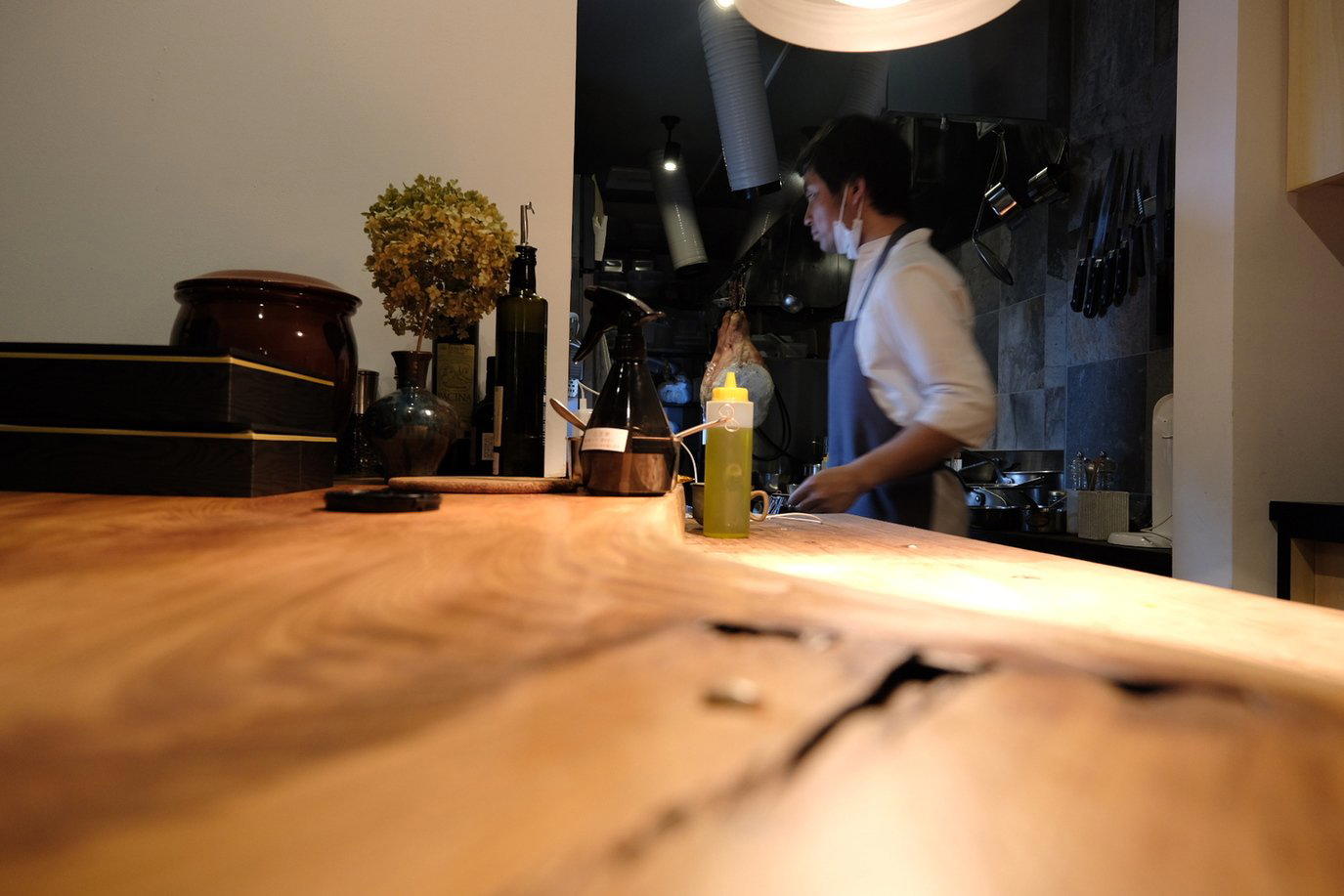
GIGLI
Miyazaki, Japan
GIGLI holds Tabelog 100 Italian WEST recognition (2023, 2025) as Miyazaki's reservation-only Italian anchor. The 20-seat room, opened in 2011, operates at JPY 15,000–19,999 for dinner courses with wine-bar options during late service. Dress-up attire expected; families welcomed with advance notice; booking a week ahead generally sufficient.
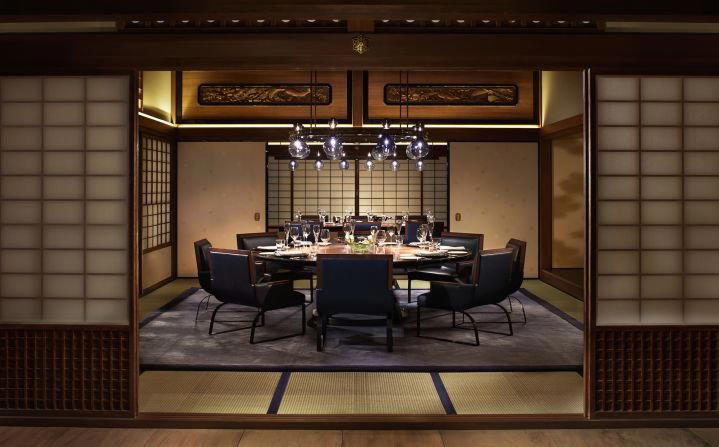
La Locanda
Kyoto, Japan
A serious Italian kitchen on the Kamogawa riverfront, La Locanda is Kyoto's most credible Italian option for a special occasion dinner; with a wine list of 350 selections strong in Burgundy and Italy, and an OAD Japan 2025 ranking at #584. Booking is easier than the city's kaiseki houses, and the $$$ spend is justified if Italian is the format you want.
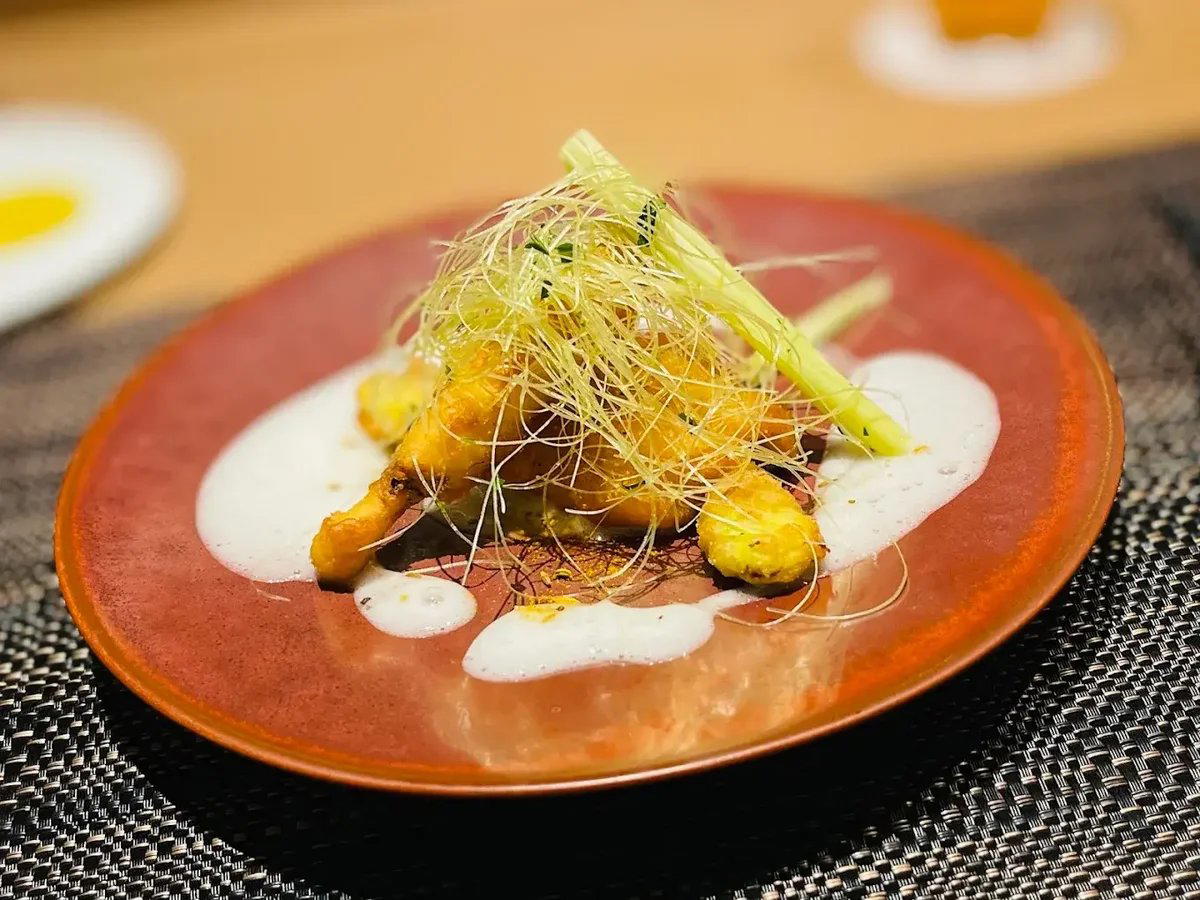
CUCCAGNA
Fukuoka, Japan
CUCCAGNA is a 10-seat, members-only Italian counter in Fukuoka's Haruyoshi neighbourhood, holding consecutive Tabelog Bronze Awards in 2025 and 2026 with a score of 4.03. Dinner runs JPY 20,000–29,999 per head with a sommelier-led wine program. Book only if you have established membership; the reservation policy is strictly enforced.
a canto
Osaka, Japan
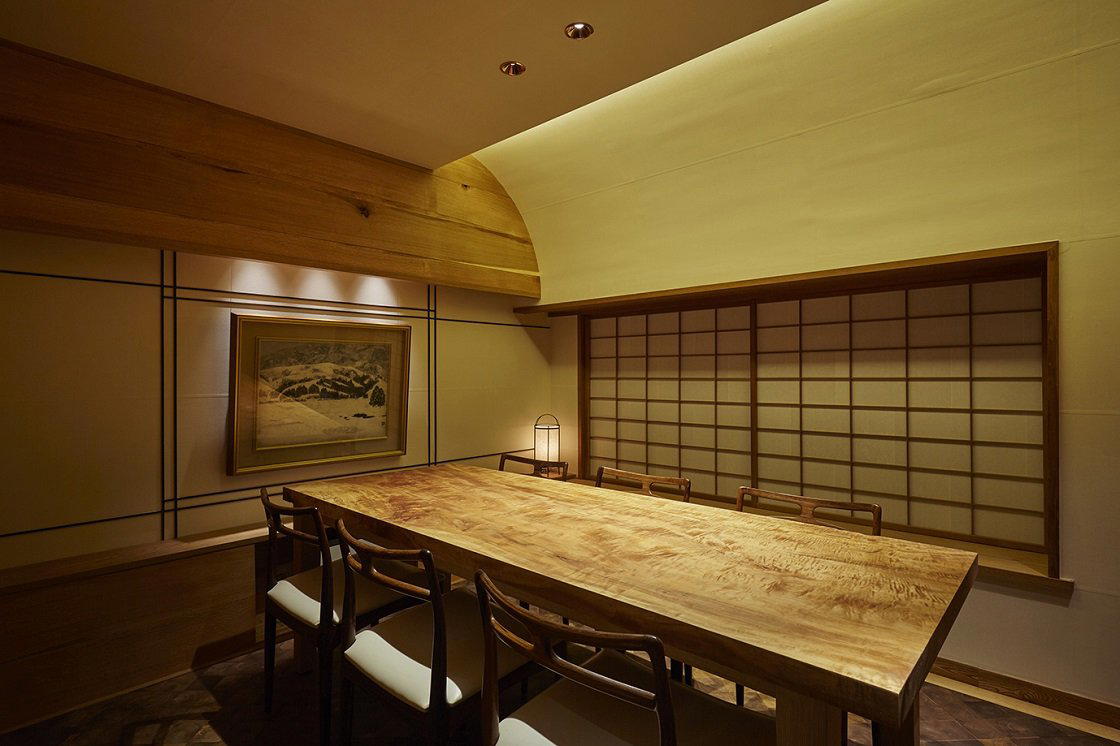
A canto is a ¥¥¥ Italian restaurant in Osaka's Chuo Ward where classical pasta training; the chef spent time at Enoteca Pinchiorri in Florence; is the main event. The signature bavettine with dried mullet roe and lime has been a fixture for years. With easy booking, it is the clearest choice for serious Italian cooking in this tier in the city.
アンナータ
Kochi, Japan
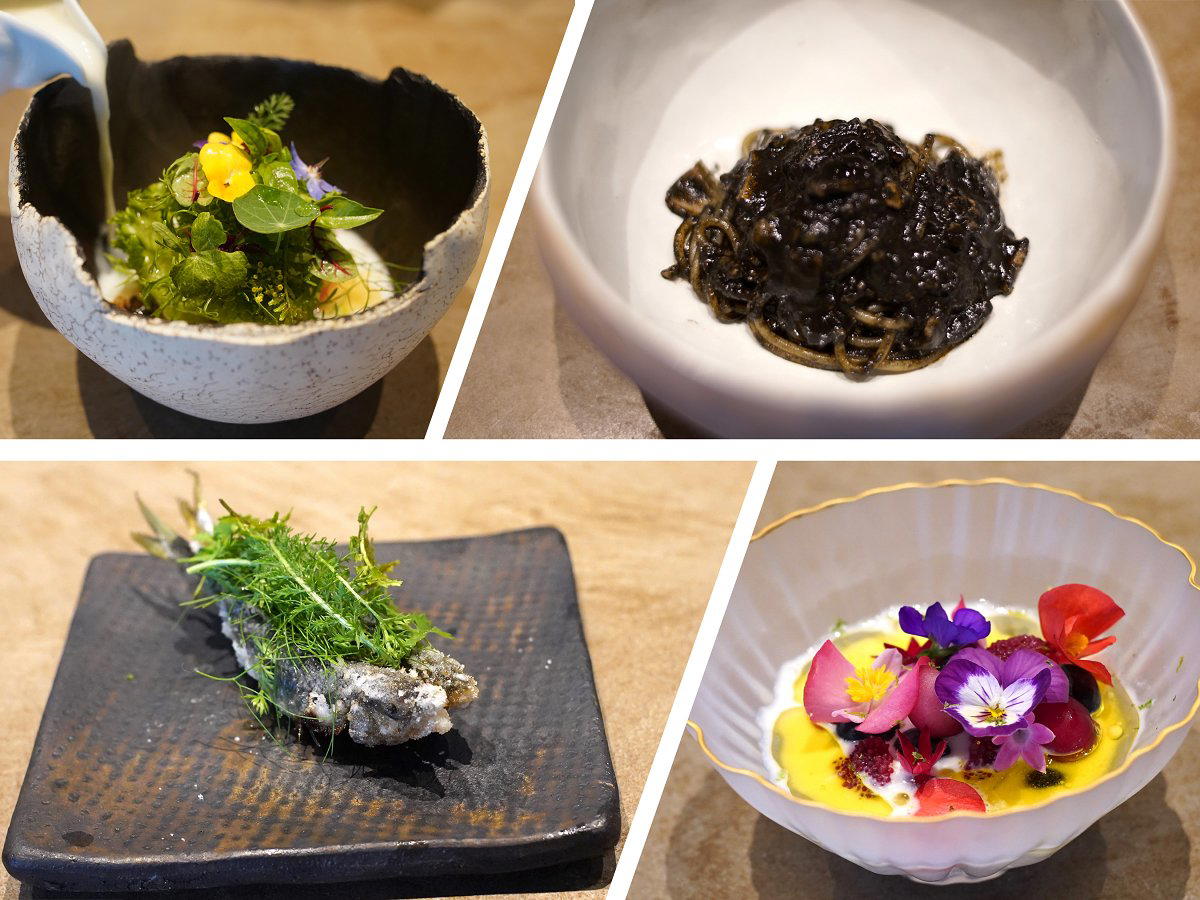
アンナータ is a dinner-first Kochi choice for travelers who want a more intentional meal backed by Tabelog 100 recognition. It is less useful for lunch seekers or anyone who needs clear pricing upfront; compare Donko, Kamon Tei, and Imadoki Yasubee if budget and flexibility matter more.
TRATTORIA-PIZZERIA polipo
Hiroshima, Japan
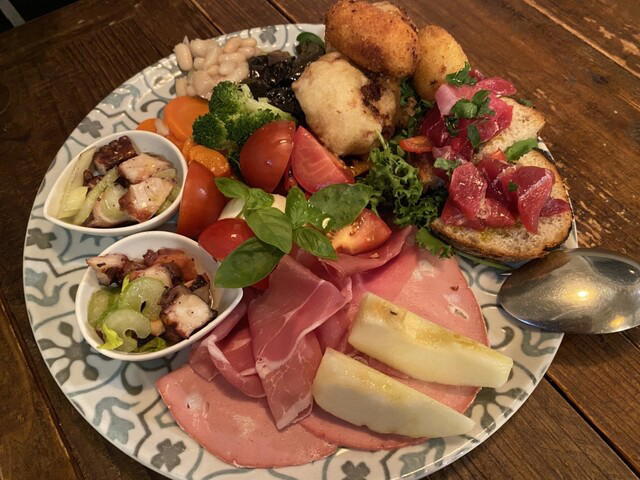
A neighborhood Italian trattoria that has appeared on Tabelog's 100 Best lists six times since 2017, offering wood-fired pizza and seasonal Italian plates at JPY 5,000–8,000; less formal than Hiroshima's kaiseki or teppanyaki venues but more technically grounded than casual wine bars. Phone-only reservations and Tuesday-Wednesday closures require planning, but booking remains easier than the city's top-tier Japanese spots.
La Sera
Matsuyama, Japan
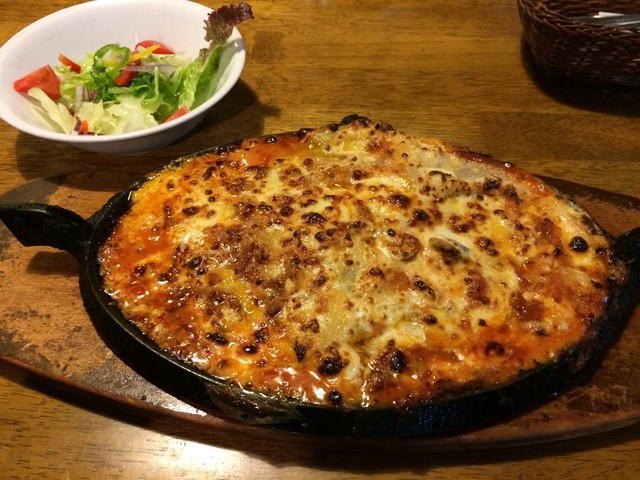
A Tabelog 100 – WEST Italian trattoria in Matsuyama's Chifunemachi district, offering pasta and pizza at JPY 1,000–JPY 3,999. The 2025 recognition positions this second-floor venue among western Japan's top 54 Italian kitchens, with lunch and dinner service six days a week.
IL GHIOTTONE di piu
Osaka, Japan
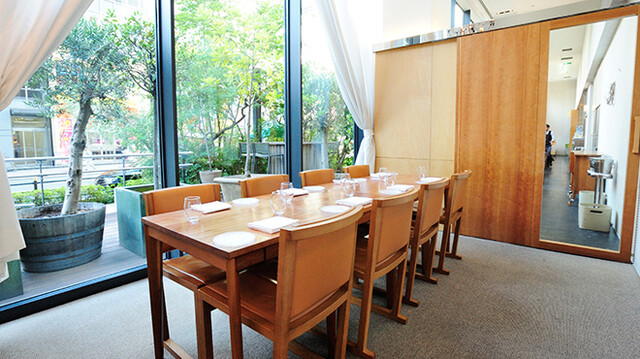
Tabelog 100 Italian inside Grand Front Osaka, open seven days with easy reservations. Dinner runs JPY 10,000–14,999; lunch at JPY 5,000–5,999 offers better value. The kitchen focuses on fish and wine, but the service and room don't fully justify the dinner premium. Book lunch or request a private room to sidestep the noise.
Kunugi no Oka
Yufu, Japan
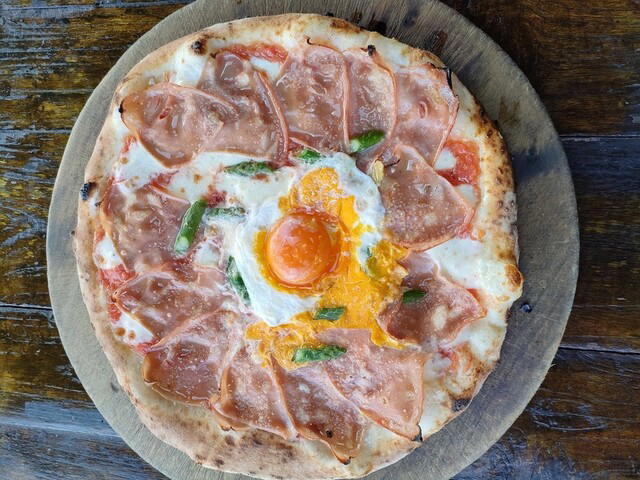
A Tabelog 100 - Italian - WEST honoree perched on a 16,000-tsubo hillside, delivering stone-oven pizza and fresh pasta at JPY 1,000 – JPY 2,999. The 70-seat terrace offers Yufuin Basin views, family-friendly logistics, and approachable pricing that undercuts most award-bearing Italian in western Japan. Dinner reservations recommended; takeout loses the crisp-chewy pizza texture that defines the format.
Cucina Italiana Todo
Kyoto, Japan
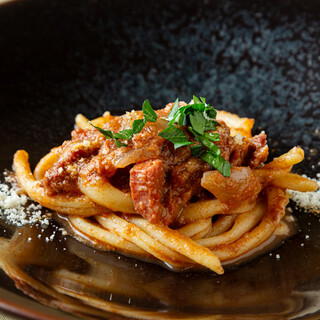
Cucina Italiana Todo is a Tabelog 100 Italian WEST 2025 selection housed in a century-old Kyoto machiya, serving Northern Italian cuisine with a wine-focused approach. At JPY 8,000–14,999 depending on service, it offers private rooms and counter seating across 18 seats, with a cellar that rivals pricier competitors.
Glicine
Kusatsu, Japan
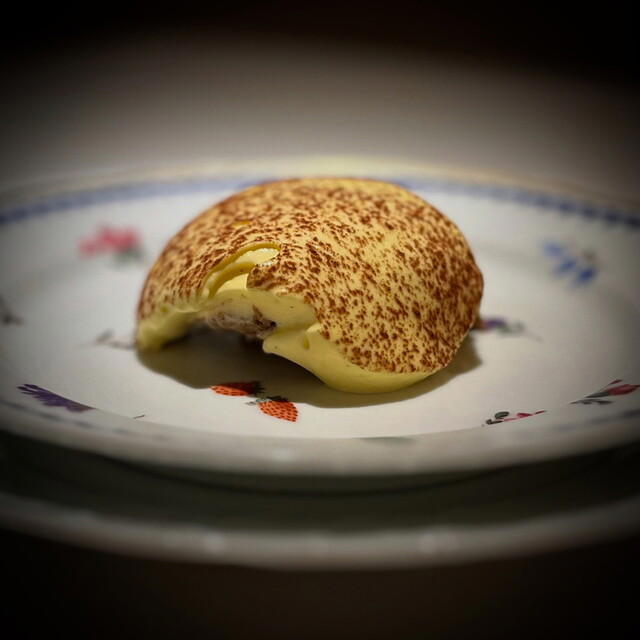
A six-seat Italian omakase above a residential block in Kusatsu, where chef Tsutomu Fujisaki (Tuscany-trained) serves synchronized courses at noon and 18:30. Lunch is JPY 8,800, dinner JPY 13,750 plus service; Tabelog 100 recognition (Italian WEST, 2023 and 2025) confirms technical depth, but the format is rigid; reserve by the day before, arrive on time, no à la carte. Worth it for omakase discipline; skip if you want flexibility.
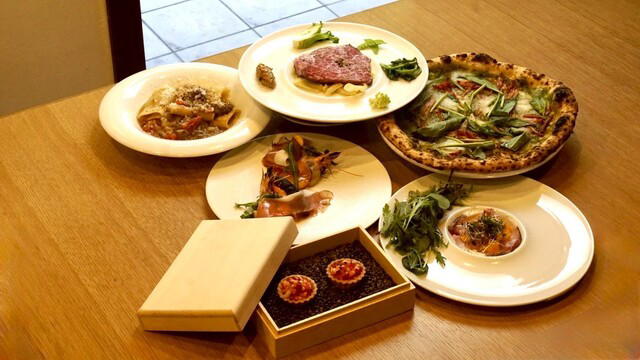
MAKIBI
Osaka, Japan
Counter-focused Italian in Nishitenma, selected for Tabelog 100 Italian WEST 2025. Fish-forward cooking at JPY 6,000–7,999, roughly half the price of high-end Osaka Italian peers. 15-seat counter offers direct kitchen views; à la carte flexibility for smaller parties, set course for groups of five-plus. Smart casual dress code, 2.5-hour dining window, wine corkage available at JPY 5,000 per bottle.
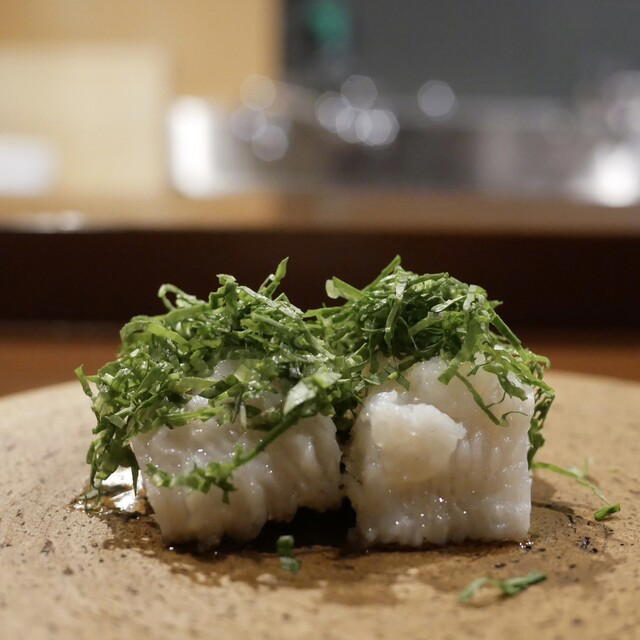
NICON
Hiroshima, Japan
NICON is worth booking for a serious Hiroshima dinner if Italian-innovative cooking and seasonal progression are the point. The JPY 15,000 to JPY 19,999 price tier makes it a planned-meal choice, but Tabelog Bronze #313 in 2026 and Tabelog 100 #60 in 2025 give it a credible value case for food-focused travelers.
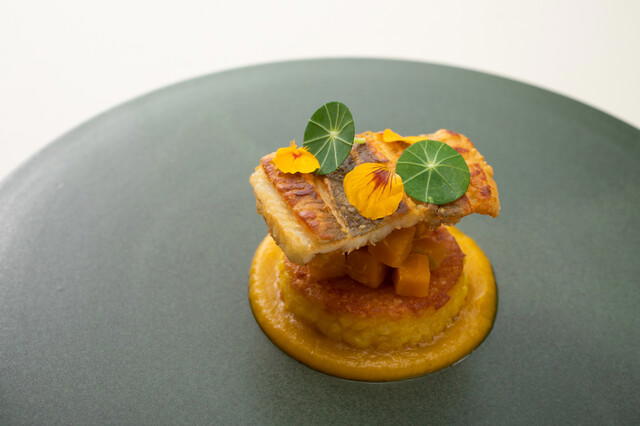
raffinato
Ashiya, Japan
Tabelog 100; Italian; WEST; 2025 selection serving seafood-focused Italian in an all-private-room format. At JPY 15,000–19,999 dinner, JPY 10,000–14,999 lunch, raffinato trades open-kitchen energy for group privacy and sommelier service. Book here if room isolation and accessibility matter; choose Ristorante Bellini if you prefer lower cost and communal dining.
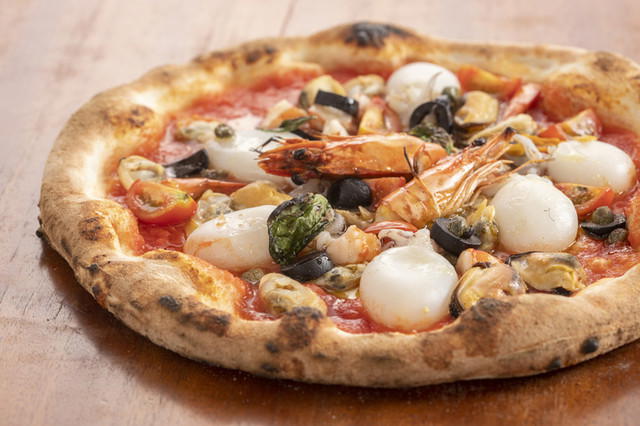
pizzeria da ENZO
Kunigami-gun, Japan
Tabelog 100 Italian WEST selection in Onna village, combining ocean-view terrace dining with seafood-driven Italian cooking. Lunch runs JPY 1,000–1,999 and delivers the venue's value ceiling; dinner climbs to JPY 5,000–5,999 (often JPY 8,000+ with wine) for a slower, wine-paired format. The terrace allows pets and strollers, making it one of northern Okinawa's few award-tier Italian spots built for families and couples alike.
cenci
Kyoto, Japan
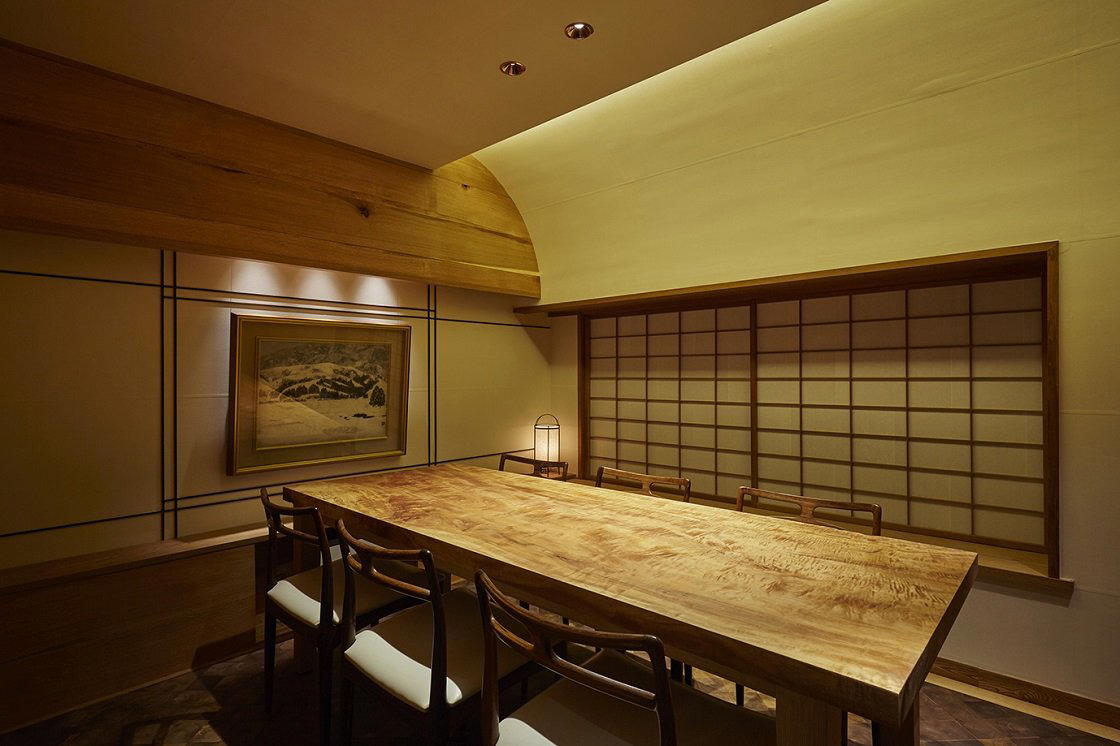
Cenci is a Michelin-starred Italian-Japanese restaurant in a 100-year-old Kyoto townhouse, ranked #63 on Asia's 50 Best (2025) and a four-time Tabelog Bronze winner. Chef Ken Sakamoto builds Italian technique around seasonal Japanese produce, with dinner at JPY 20,000–29,999. Book two months out; this 26-seat room fills fast, and walk-ins are not an option.
il PePe
Osaka, Japan
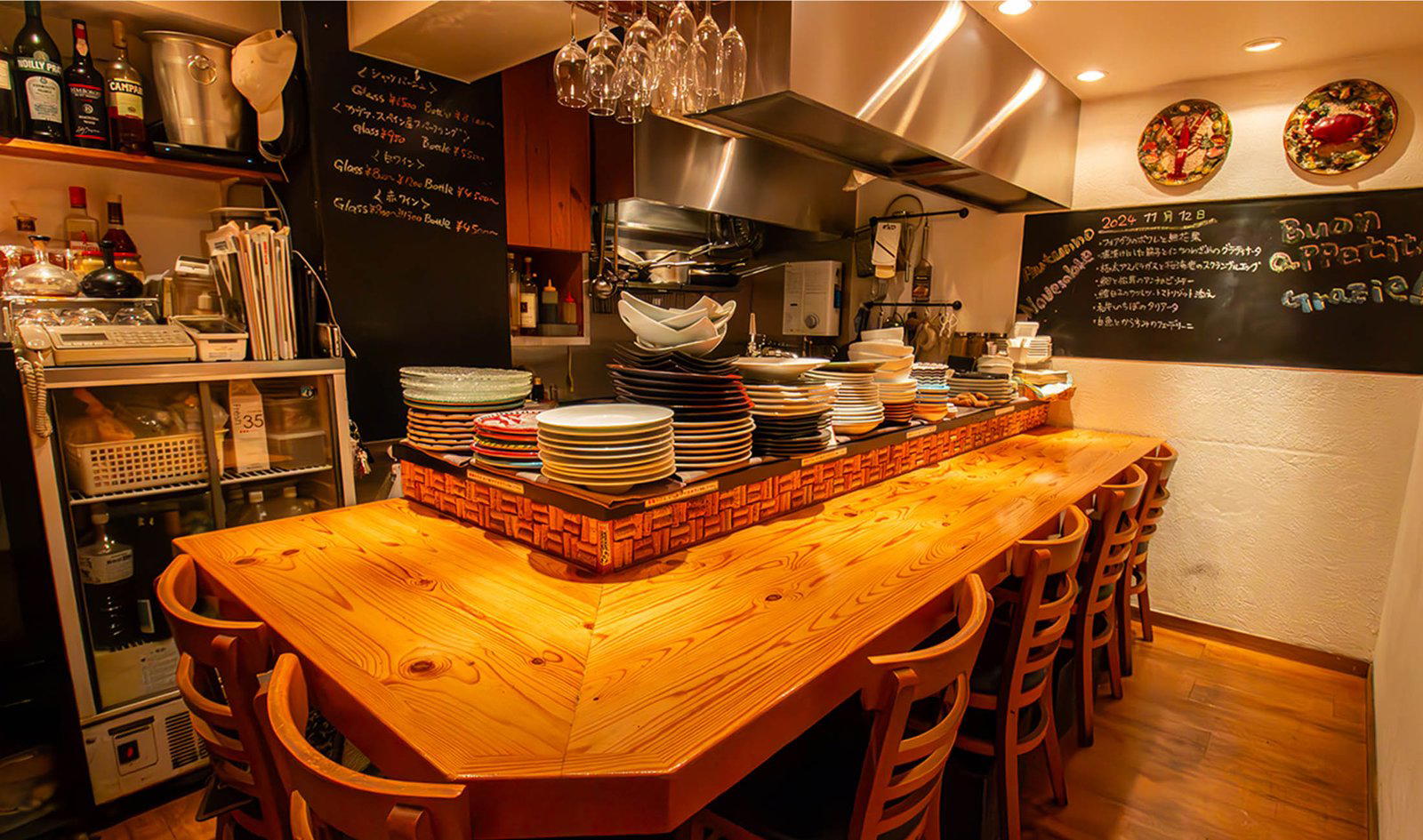
A six-seat counter in Kitashinchi offering Italian cooking with a focus on fish and wine, selected for Tabelog's Italian WEST 100 three times (2021, 2023, 2025). Dinner runs JPY 15,000–19,999, lunch drops to JPY 3,000–3,999. Reservations required at least one day ahead; irregular closures mean confirming by phone is safest.
Villa Aida
Iwade, Japan
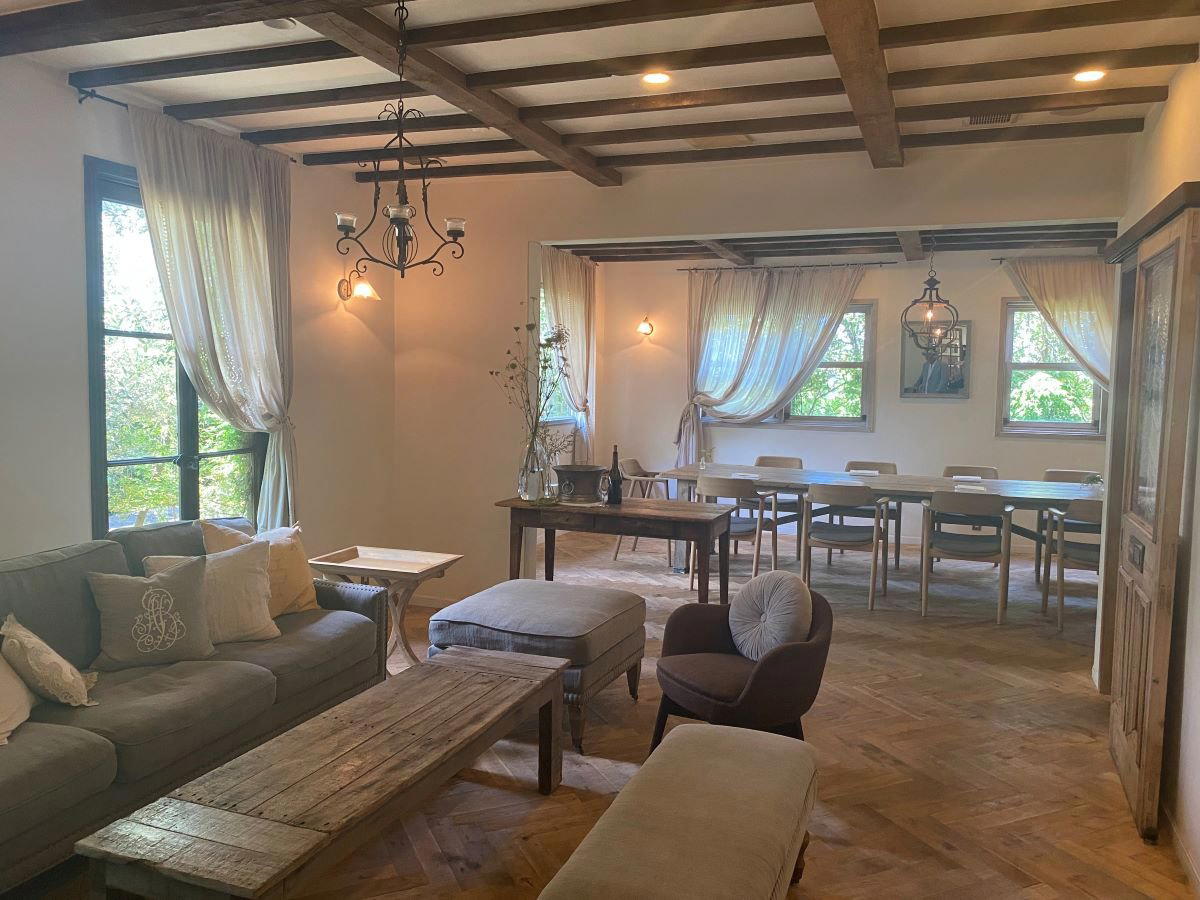
Villa Aida is a two-Michelin-starred Italian restaurant in Wakayama's Iwade, ranked #36 in Japan by Opinionated About Dining (2025). Chef Kanji Kobayashi's seasonal course menu draws on over 300 vegetable varieties grown on-site. At JPY 20,000–49,000 per head for 16 seats, it is a serious special-occasion booking for diners willing to make the trip south of Osaka.
La Lucciola
Osaka, Japan
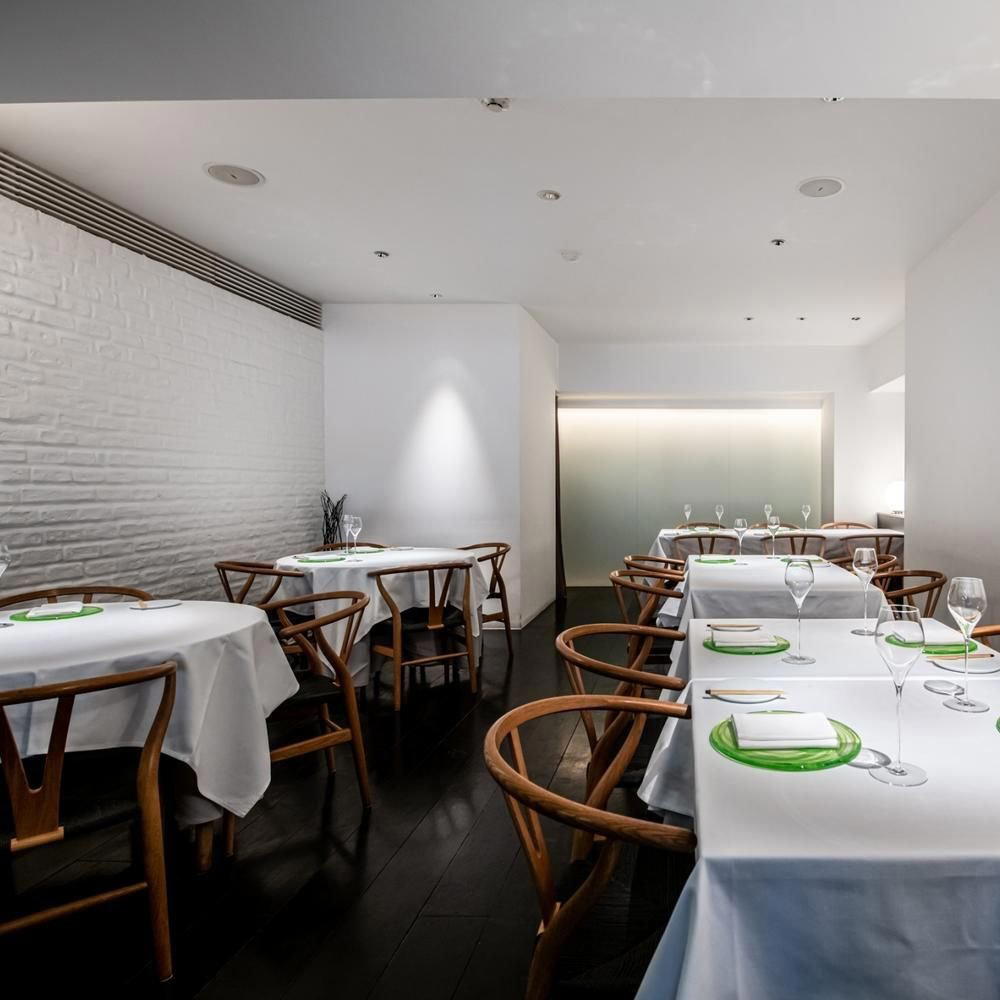
La Lucciola is a Michelin-starred Italian counter in Osaka's Fukushima ward where Japanese craft; kappo-style seating, charcoal grilling, kintsugi-repaired ceramics; runs through every detail. At the ¥¥¥ tier with a seasonally rotating menu and a warm, intimate format, it is the strongest Italian special-occasion booking in Osaka. Book 4 to 6 weeks out minimum.
ダ ゼロ
Takaoka, Japan
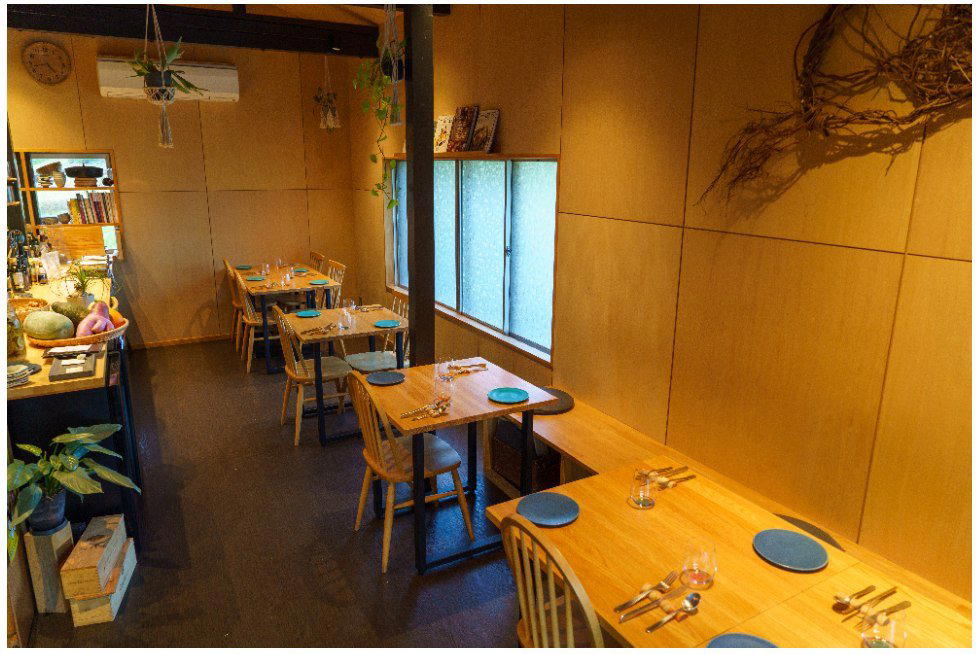
Book ダ ゼロ when the meal itself needs to feel chosen, not improvised. Its 2025 Tabelog 100 recognition gives it a stronger quality signal than most casual options in the area, but the available detail supports it as a restaurant booking rather than a drinks-led stop. Lunch suits travelers; dinner suits dates and celebrations.
Ristorante Kubotsu
Fukuoka, Japan
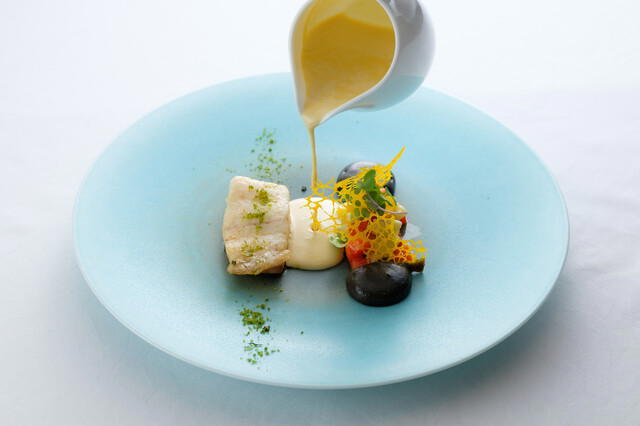
Tabelog 100 Italian restaurant in Resola Tenjin mall, known for Kyushu seafood, wine-pairing menus, and private rooms. Lunch runs JPY 10,000–14,999, dinner JPY 20,000–29,999. Worth it for wine-focused celebrations; less compelling for casual Italian or value seekers.
enoteca ber ber bar
Kobe, Japan
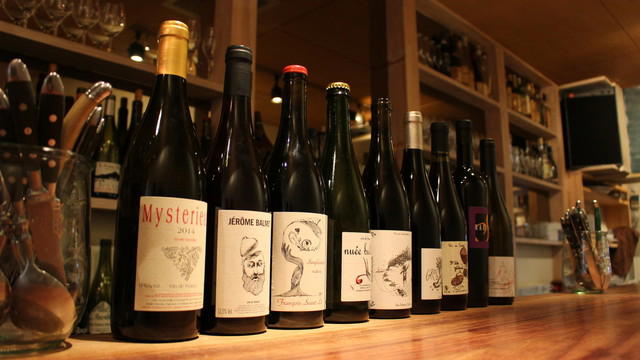
A Sannomiya wine bar specializing in natural wines and bistro plates, with a 20-seat split-level format and retail shop. Tabelog 100 Italian WEST recognized (2021, 2023, 2025), priced at JPY 8,000–9,999 per head. Counter seating downstairs, table seating upstairs, and a sommelier-led list that changes frequently. Book ahead for weekends; casual dress and walk-ins mid-week are both fine.
jibunchi
Kanazawa, Japan
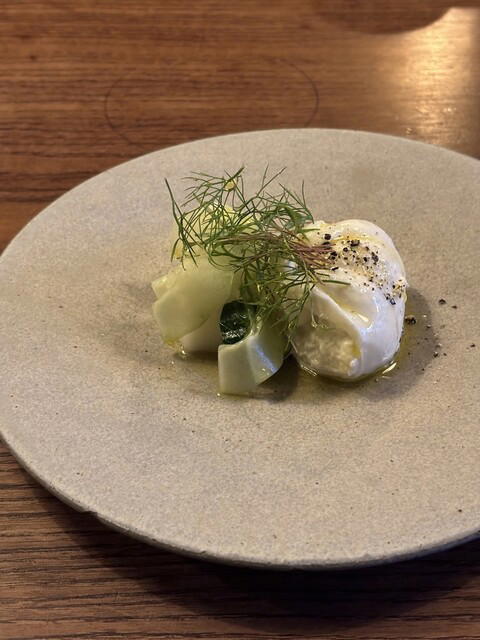
A 20-seat house restaurant in Kanazawa recognized in Tabelog 100 Italian WEST 2025, focused on charcoal-grilled local produce and a 600-bottle wine cellar. Reservations required; priced at JPY 10,000–14,999 with a certified sommelier on staff.
F ridge
Fukuoka, Japan
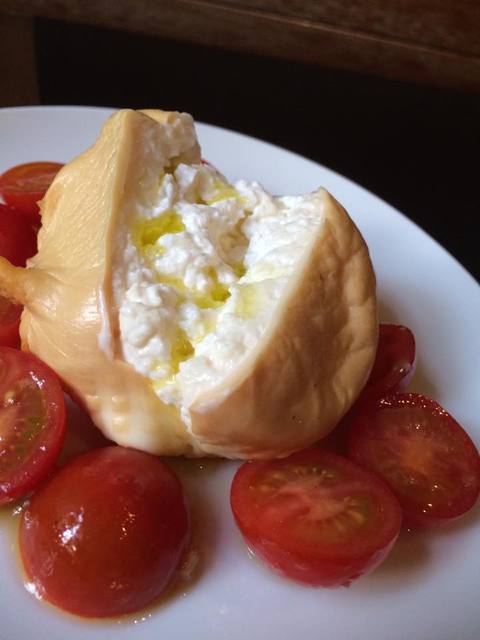
A 14-seat Italian wine bar in Watanabedori with Tabelog 100 recognition and a focus on ingredient-driven cooking at JPY 10,000 to JPY 14,999. Reservations required by phone; last seating at 7 PM. Open since 1999, it offers à la carte Italian in a quiet, no-children, no-fragrance setting; an alternative to Fukuoka's busier izakaya and ramen spots for couples and small groups.
Namae no Nai Italia Ryori Ten
Matsuyama, Japan
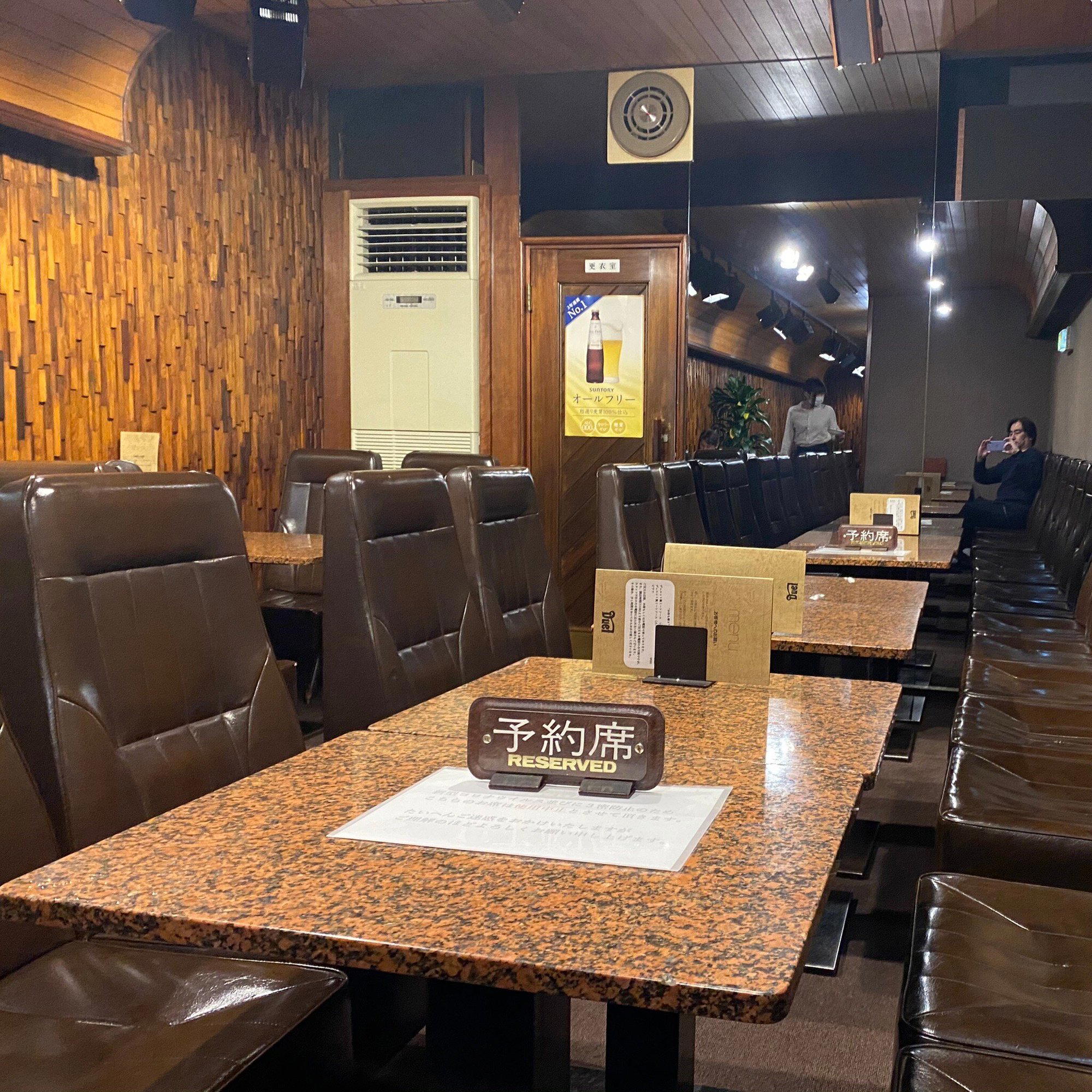
Namae no Nai Italia Ryori Ten is a practical Matsuyama pick when you want a proper sit-down meal without jumping to the higher-spend tier. Choose it over Nabeyaki Udon Asahi or Kotori when pace and comfort matter more than low-cost speed; choose Sumishin if the night calls for a clearer splurge.
DODICI
Kyoto, Japan
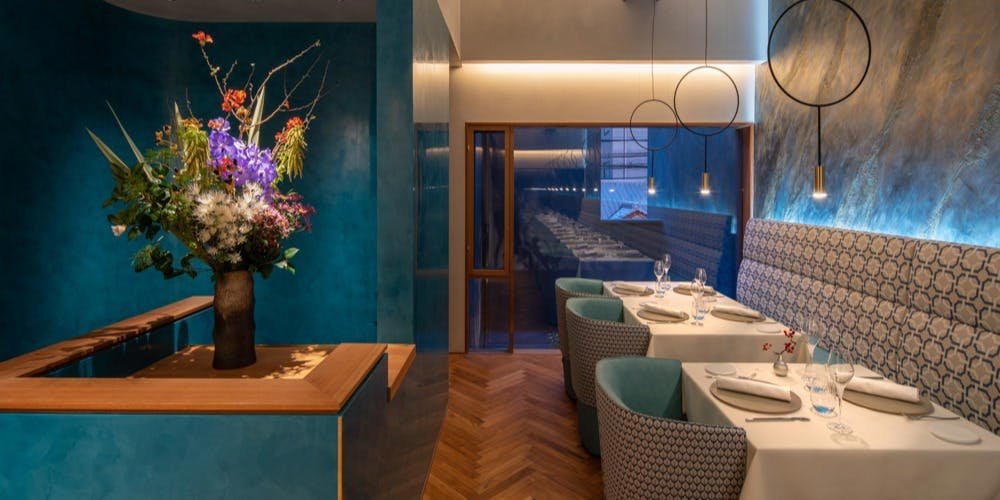
DODICI in Kyoto's Nakagyo Ward serves Italian prix fixe menus built around genuinely local ingredients; Japanese rice risotto, Daitokuji natto, fermentation-led sauces. At ¥¥¥, it sits below kaiseki pricing while offering a more considered take on Italian-Japanese cooking than most of its city peers. Booking is easy; winter visits best align with the kitchen's fermentation-forward preparations.
Birdland
Sakai, Japan
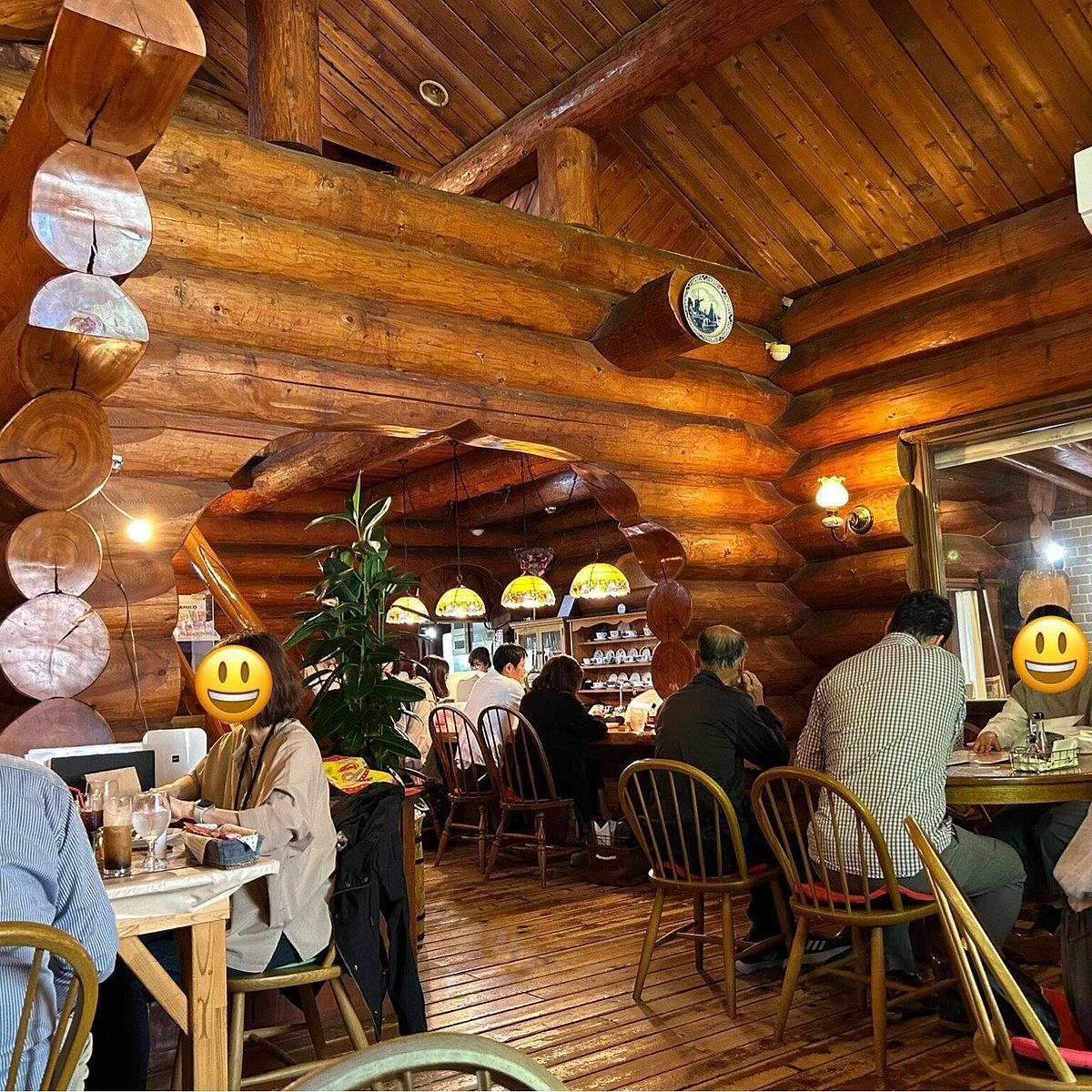
Birdland anchors Sakai's Italian dining with wood-fired pizza, counter and table seating, and four Tabelog 100 appearances since 2019. Lunch (JPY 3,000–3,999) and dinner (JPY 4,000–4,999) both welcome families and solo travelers, with reservations easier than urban peers. Counter seating offers kitchen views; parking and stroller access suit groups exploring Fukui's quieter northwest.
Ristorante Hanatani
Kobe, Japan
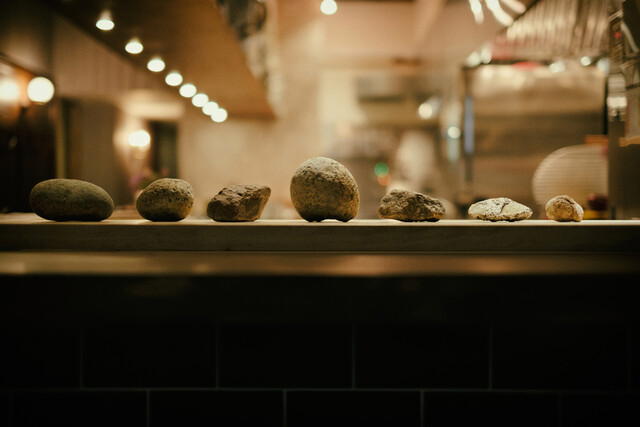
A 16-seat counter Italian in Nakayamate-dori, seven minutes from Sannomiya Station. Tabelog 100 (2021, 2023, 2025) recognition anchors a wine-focused menu at JPY 8,000–14,999. Private rooms available for groups of four to six.
Villa della Pace
Nanao, Japan
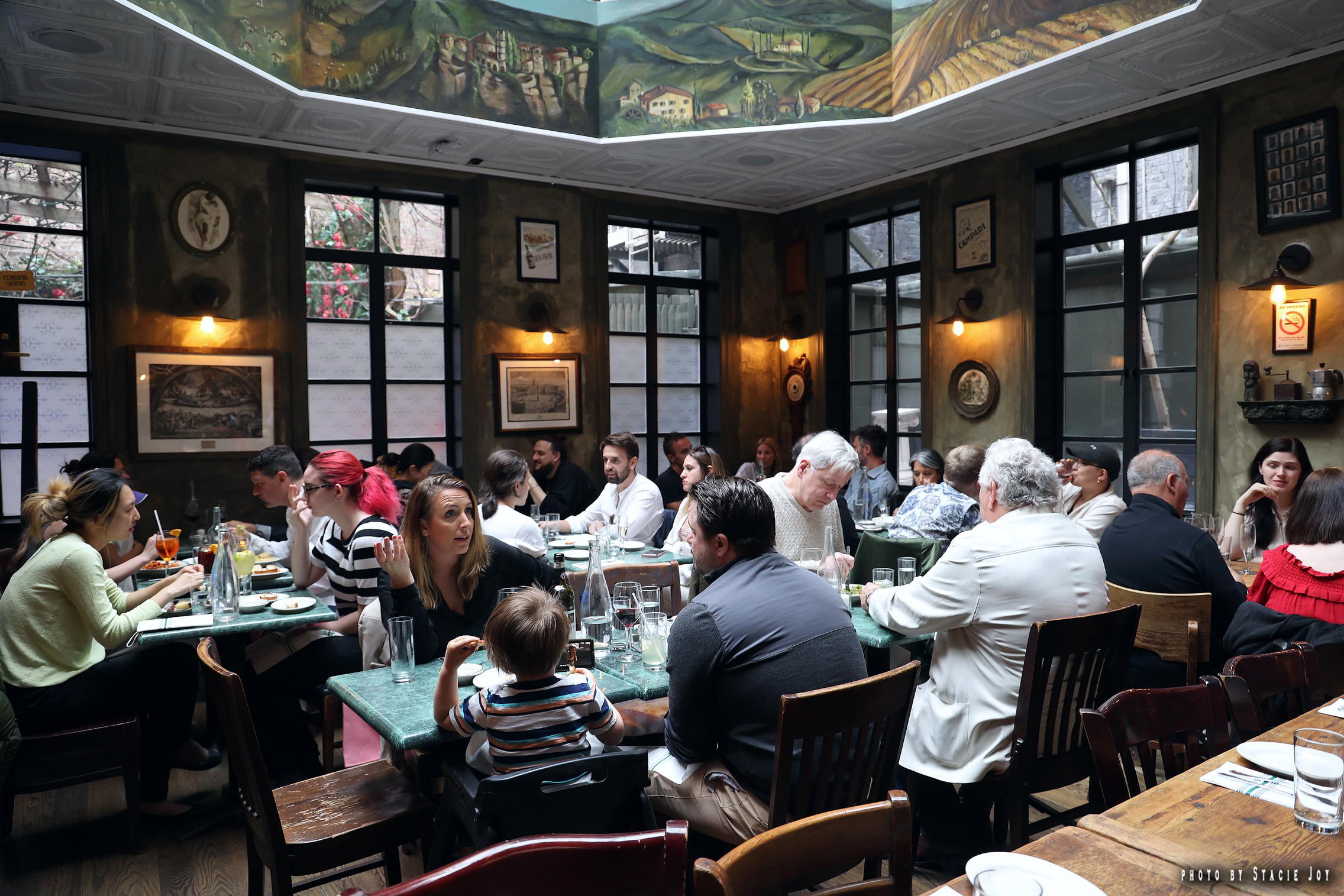
Villa della Pace is a six-seat auberge in Nanao, Ishikawa, serving vegetable-led Italian cuisine built around Noto Peninsula sourcing. Tabelog Bronze winner in 2025 and 2026 with a score of 4.10, it operates one dinner service per Tuesday at JPY 30,000–39,999 per head. Book for a special occasion if you want something genuinely local and unhurried.
DIRETTO
Hiroshima, Japan
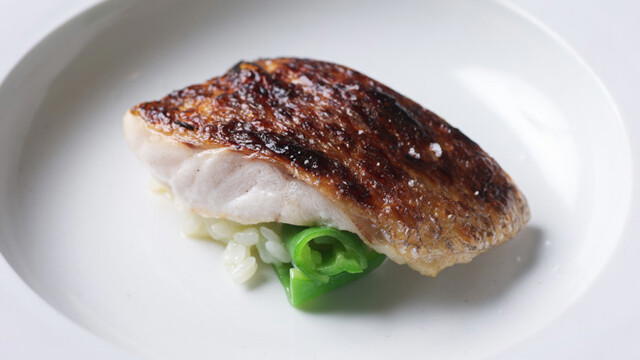
An eight-seat Italian counter in Hiroshima where fish drives the menu and firewood sets the mood, recognised on Tabelog 100 Italian WEST (2023, 2025). Worth the JPY 20,000–29,999 dinner if you want counter intimacy and a wine-serious meal; skip if you need private rooms or à la carte flexibility.
Kamado
Osaka, Japan
Kamado is a wood-fire Japanese-Italian fusion restaurant in Osaka with a Michelin Plate for 2024 and 2025 and. The fixed menu runs from kamado-cooked rice to a closing pasta, with fire-roasted meat and kiln-fired pottery throughout. At ¥¥¥, it is a strong, distinctive choice for diners who want a concept-driven meal that goes beyond standard Osaka formats.
Oshima
Fukushima, Japan
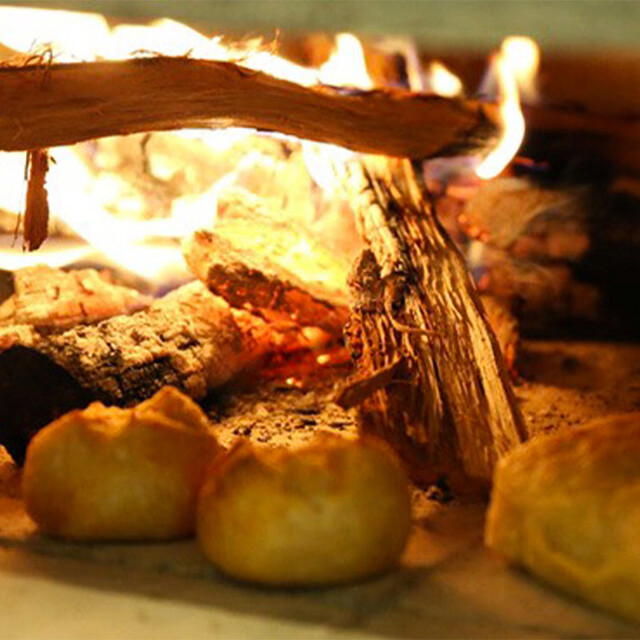
Tabelog 100 Italian (WEST) 2025 selection in Fukushima-ku serving fire-cooked seafood and vegetables at an eight-seat counter. Dinner runs JPY 10,000–14,999; lunch costs JPY 6,000–7,999. Book four days ahead for counter seats, where the primitive-fire technique and lighter Italian approach come into focus. Better for pairs and special occasions than large groups.
Macauda
Osaka, Japan
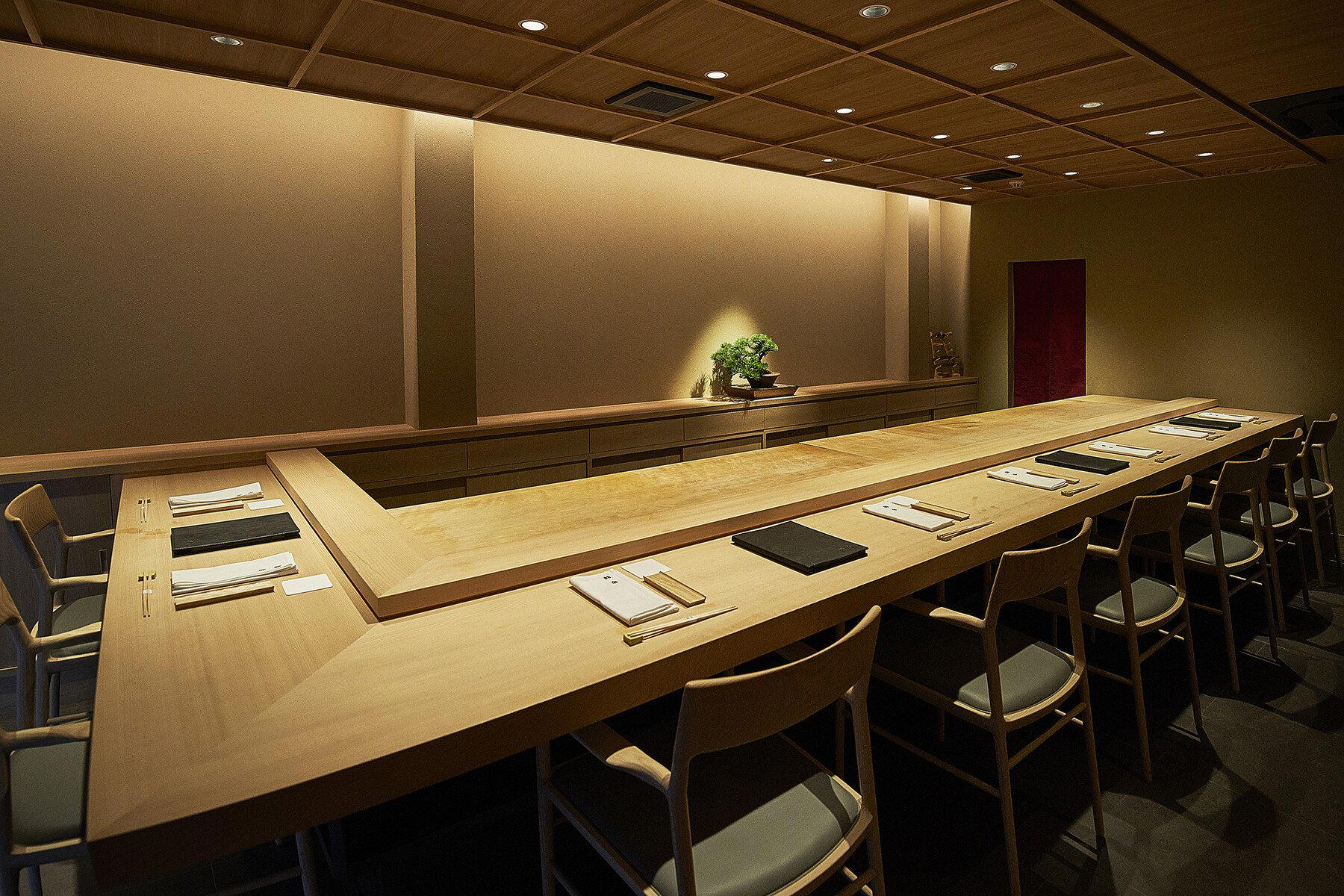
A two-time Michelin Bib Gourmand recipient (2024–2025) in Osaka's Chuo Ward, Macauda serves southern Italian cooking built around Japanese seafood. Chef David Machado's training in Puglia and Sicily meets the Japanese fishing calendar in homemade pastas and fish-led dishes; at ¥¥ with easy booking, it is one of the most accessible Michelin-recognised Italian restaurants in the city.
Osteria enne
Takamatsu, Japan
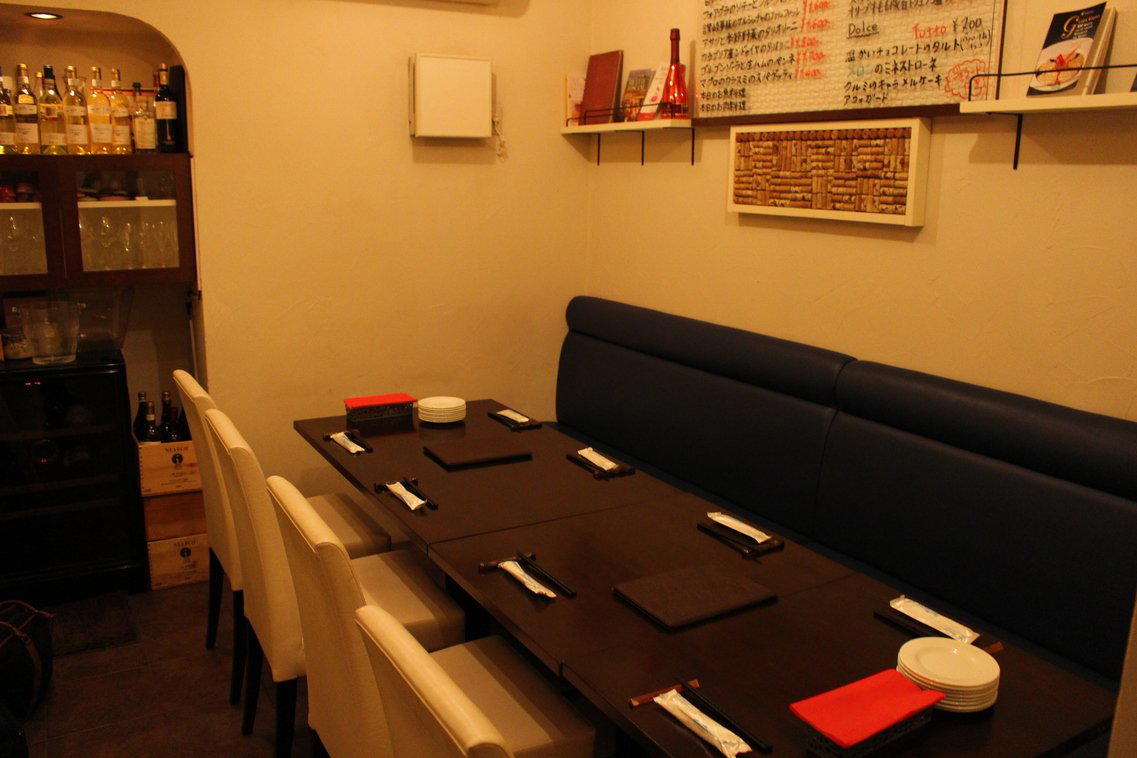
Osteria enne applies charcoal-grilled technique to Setouchi seafood and seasonal produce in a 14-seat Italian osteria that skips the cream and butter for ingredient-forward clarity. Tabelog 100 Italian WEST recognition since 2023, dinner in the JPY 10,000–14,999 range, and a focused wine list make it a mid-tier choice for special-occasion dining in Takamatsu without the premium commanded by the city's sushi counters.
リストランテ ダ ルーポ322
Nishinomiya, Japan
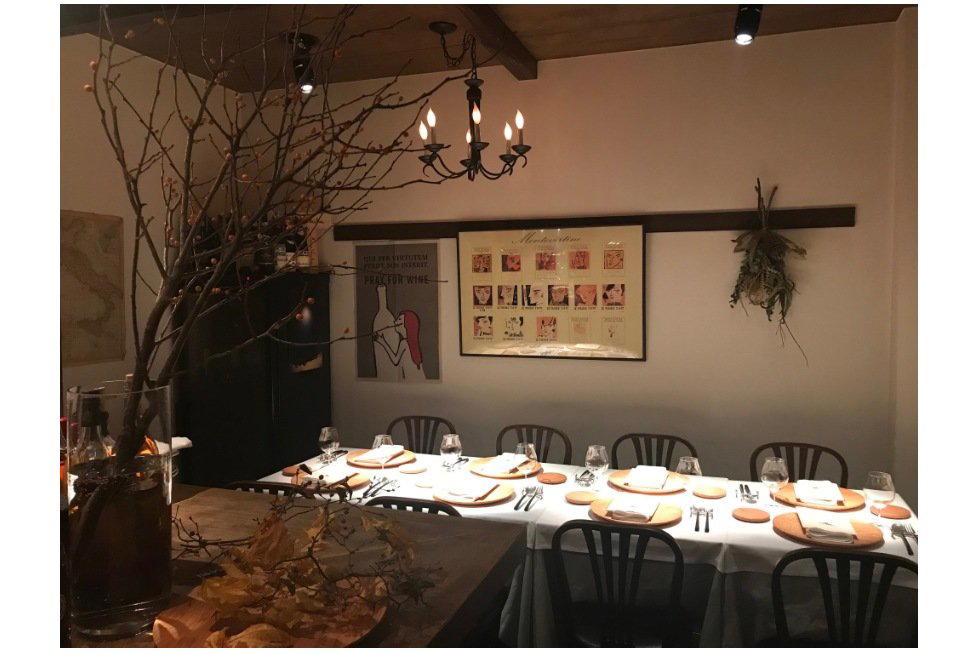
リストランテ ダ ルーポ322 is the Nishinomiya pick for a more deliberate dinner rather than a low-spend casual meal. The Tabelog 100 recognition gives it a useful credibility signal, but diners should confirm menu format, wine options, seating, and dietary needs before treating it as a special-occasion booking.
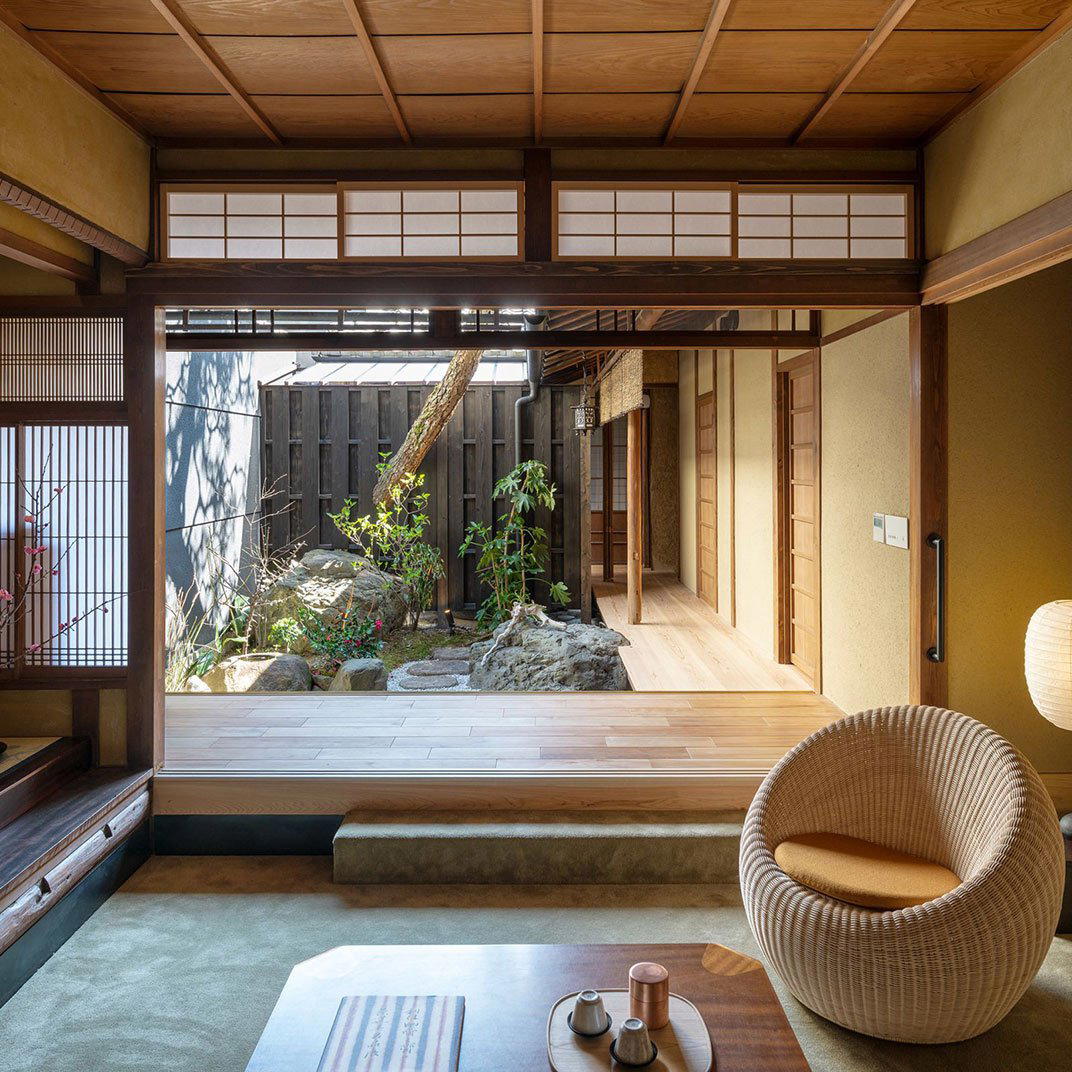
Vena
Kyoto, Japan
Vena is one of Kyoto's strongest arguments for Michelin-starred dining at the ¥¥¥ tier. Chef Shinya Matsumoto's charcoal-grilling technique; cooking proteins upright over a pot so rendered fats smoke back up through the food; gives the Italian menu a technical identity that is hard to find elsewhere in the city at this price. Book well ahead: it has been consistently in demand since 2016.
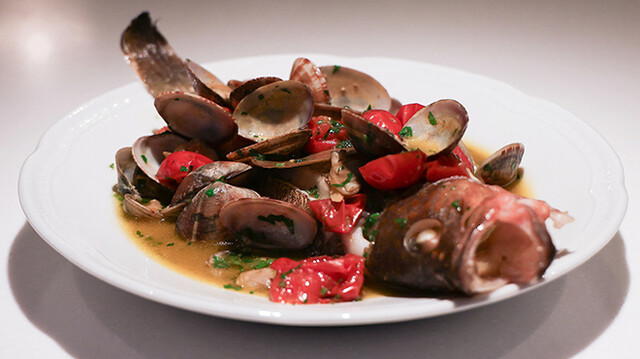
VIA PACE
Okayama, Japan
Tabelog Italian WEST 100 alumnus (2021, 2025) offering counter and table dining at JPY 5,000-5,999. Wine-focused menu with à la carte and set options, BYO permitted, and family-friendly seating. Eight-minute walk from JR Okayama Station; book a week ahead for weekend dinner.
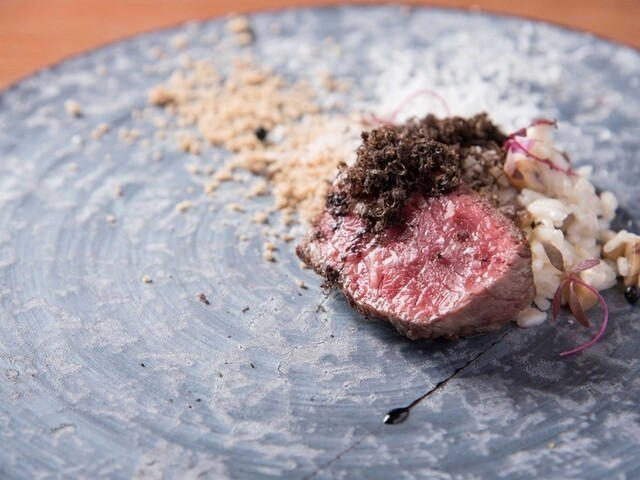
Ristorante t.v.b
Kyoto, Japan
A 16-seat Italian table in Gion that earned three Tabelog 100 West selections for fish-forward cooking and sommelier-selected wine. Lunch at JPY 8,000–9,999 offers the same kitchen as dinner (JPY 20,000–29,999) at a third of the cost. Private rooms available with surcharge; book ahead and expect serious technique over trattoria comfort.
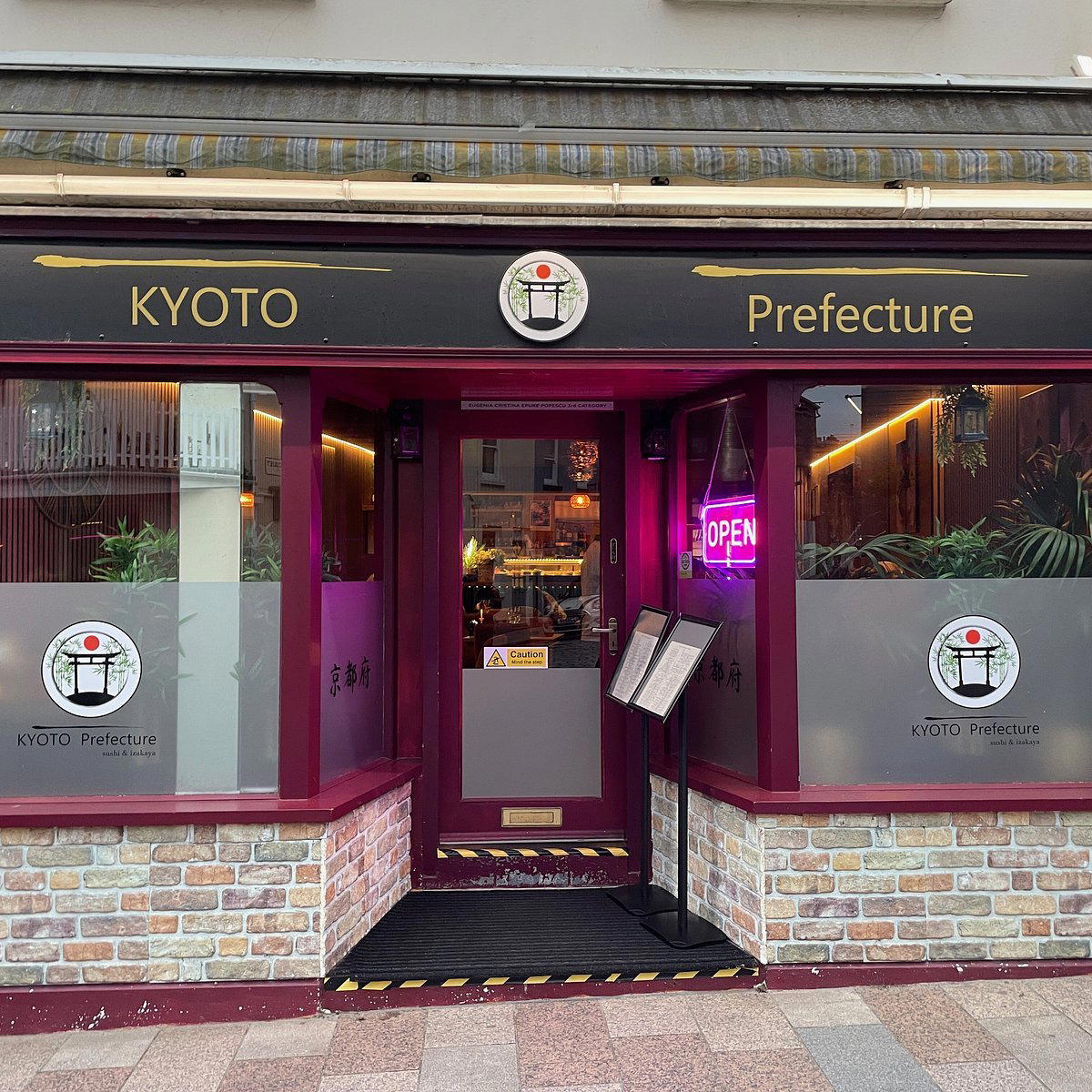
熙怡
Kyoto, Japan
A smart Kyoto pick for diners who value recognition and a focused meal over fully published details. The Tabelog 100 #86 placement in 2025 gives 熙怡 credibility, but the missing price and menu signals make it better for confident planners than for travelers who need clear budget or ordering guidance upfront.
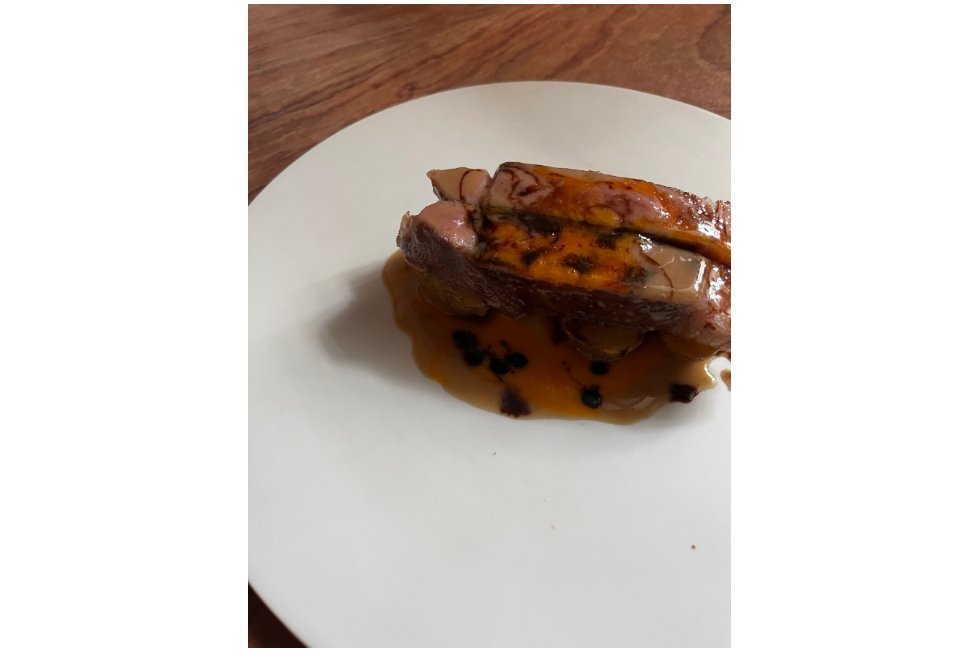
フウド
Kyoto, Japan
A practical central Kyoto pick for diners who want a vetted evening meal without committing to a formal destination format. The basement setting and Tabelog 100 #88 recognition make it more convincing for couples or small groups than for a high-ceremony occasion. Cross-shop cuisine-specific peers if price, menu style, or occasion polish matters more.
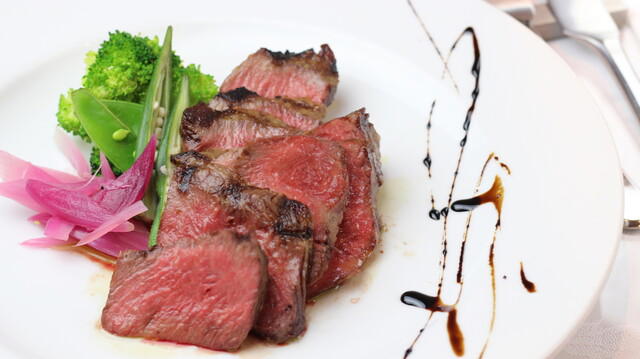
Trattoria Cielo
Osaka, Japan
Tabelog 100 Italian trattoria near Shin-Osaka Station offering fish-forward plates and private rooms for 20–30 guests. Dinner runs JPY 5,000–5,999; walk-in lunch at JPY 1,000–1,999. Practical for business groups and celebrations, though less intimate than smaller competitors.
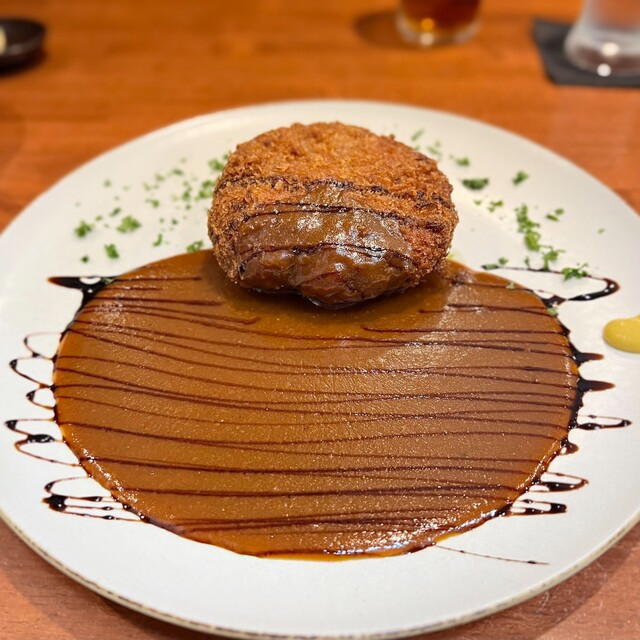
Ristorante Noro
Kyoto, Japan
Counter-only Italian near Nijo Station with a fish focus and sommelier-led wine pairings. Tabelog 100 (Italian West 2025, 2021). Dinner runs JPY 10,000–14,999, lunch JPY 4,000–4,999 across twelve seats. Reserve a few days ahead for dinner. Best for solo diners or couples who want European technique without kaiseki pacing.
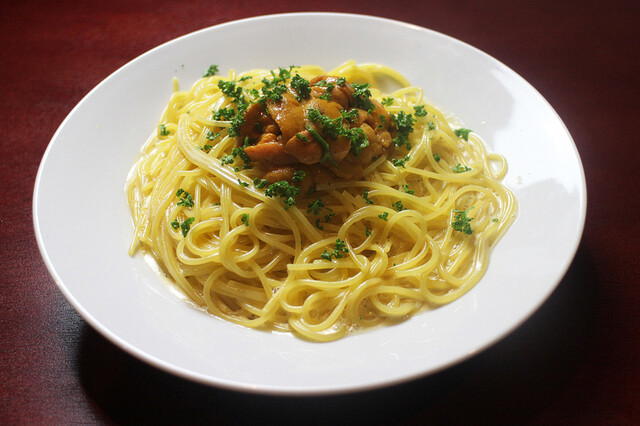
anello
Osaka, Japan
Walk-in trattoria in Kita-ku serving Tabelog 100-recognized Italian at JPY 2,000-2,999. Chef-trained at local favourite Ura Hiroya brings high-end technique to a 20-seat counter and table setup. No reservations except for groups of 25+; arrive at opening to secure a spot.
La Pinata
Osaka, Japan
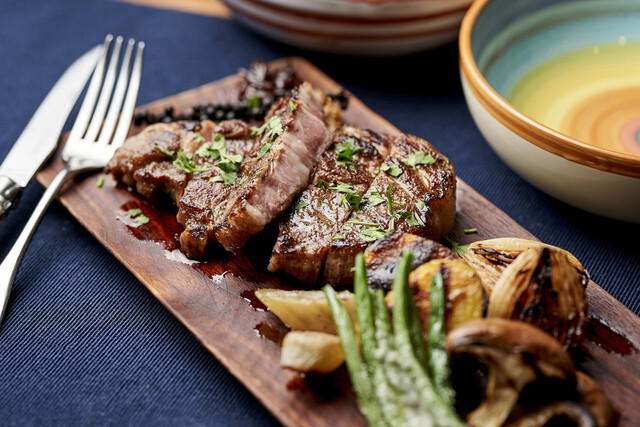
Tabelog 100 Italian in Osaka's business district with a sommelier-led wine program, seafood focus, and second-floor private dining. Open since 2013, the venue suits special occasions where wine curation matters more than theatrical space. Dinner only, JPY 8,000–9,999 plus bottles.
QUINTOCANTO
Osaka, Japan
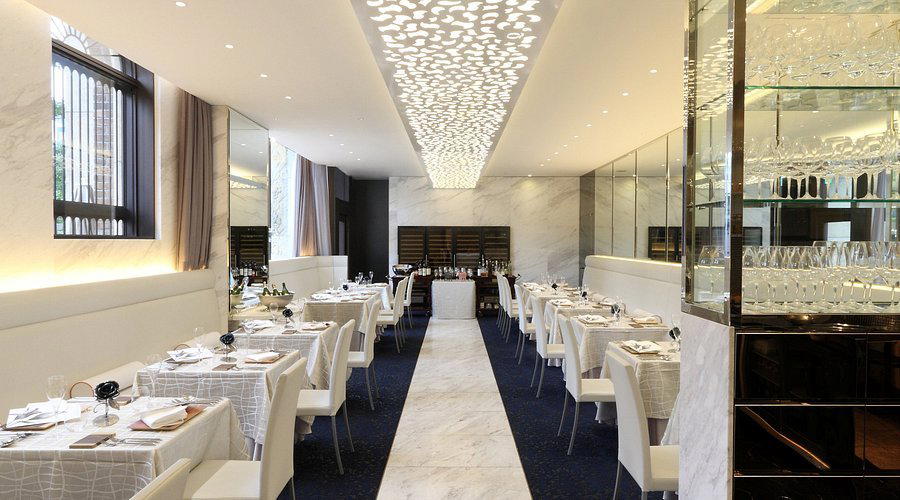
QUINTOCANTO is the Salone Group's cucina creativa Italian restaurant on Nakanoshima, holding a Michelin Plate and an Opinionated About Dining ranking among Japan's top restaurants. At the ¥¥¥ price tier, it delivers serious Italian cooking with a Japanese sourcing sensibility at a lower entry point than Osaka's ¥¥¥¥ fine-dining tier. Booking is easy; lunch offers the best value.
Il Sorriso
Miyazaki, Japan
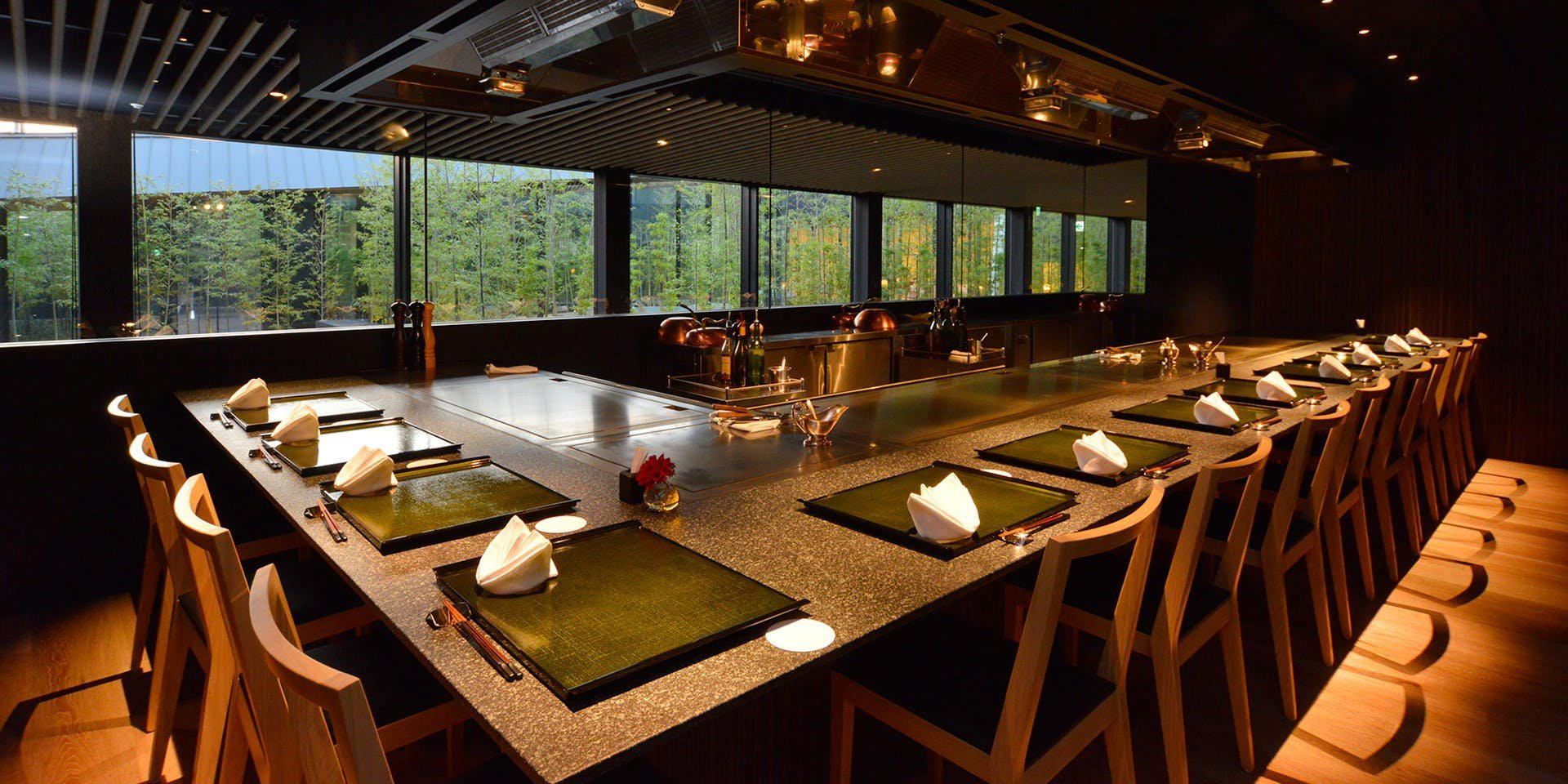
Il Sorriso is a good Miyazaki dinner pick when you want a more deliberate meal backed by Tabelog 100 recognition, without heavy reservation friction. It is less useful for diners who need confirmed pricing, signature dishes, or bar seating details before committing.
CiRO
Akashi, Japan
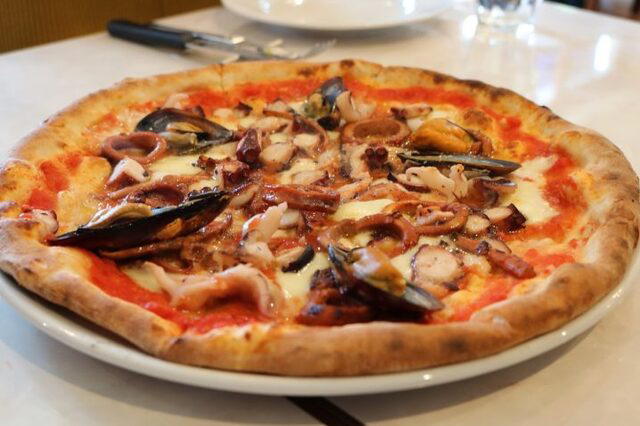
CiRO is worth booking in Akashi when the goal is a composed mid-range meal rather than a standing-bar crawl or a high-spend sushi night. Its Tabelog 100 recognition gives it a stronger quality signal than most casual peers, while the price stays well below Kikusui Zushi Nishi ten.
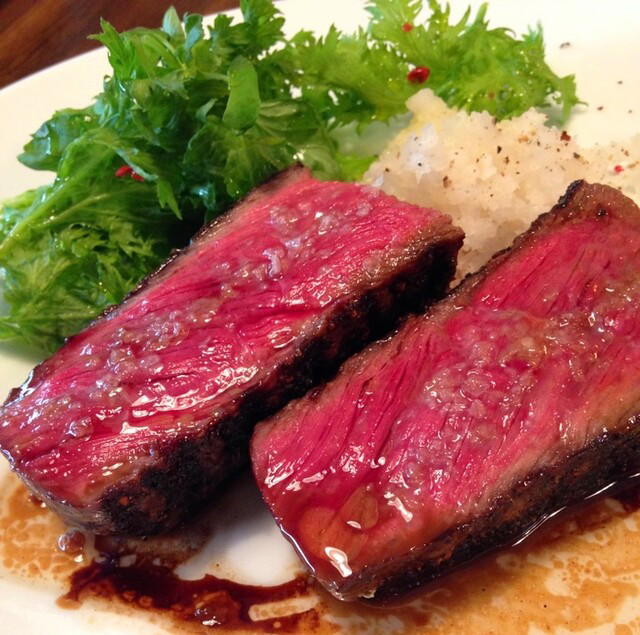
Shimanouchi Fujimaru Jozosho
Osaka, Japan
A fish-focused Italian wine bar near Matsuyamachi Station offering sommelier service and extended hours until 11 PM. Selected for Tabelog Italian WEST 100 three times, it bridges dinner and late-night drinking at mid-tier pricing (JPY 6,000-8,000). Best for wine-driven meals and late diners needing flexibility beyond standard 9 PM closures.
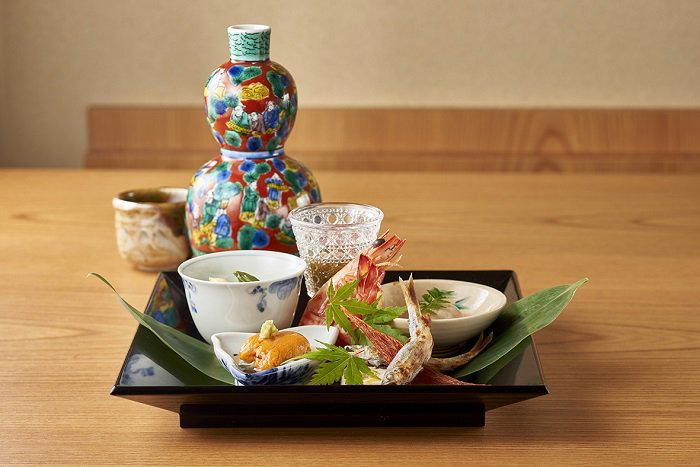
La casa TOM Curiosa
Osaka, Japan
A 15-seat Italian hideaway in Sonezakishinchi holding The Tabelog Award 2026 Silver and a Michelin star. Course-only dining with two nightly seatings and sommelier-driven wine pairings at JPY 20,000–29,999. Reservations via OMAKASE only; phone bookings not accepted. Closed Sunday and Monday.
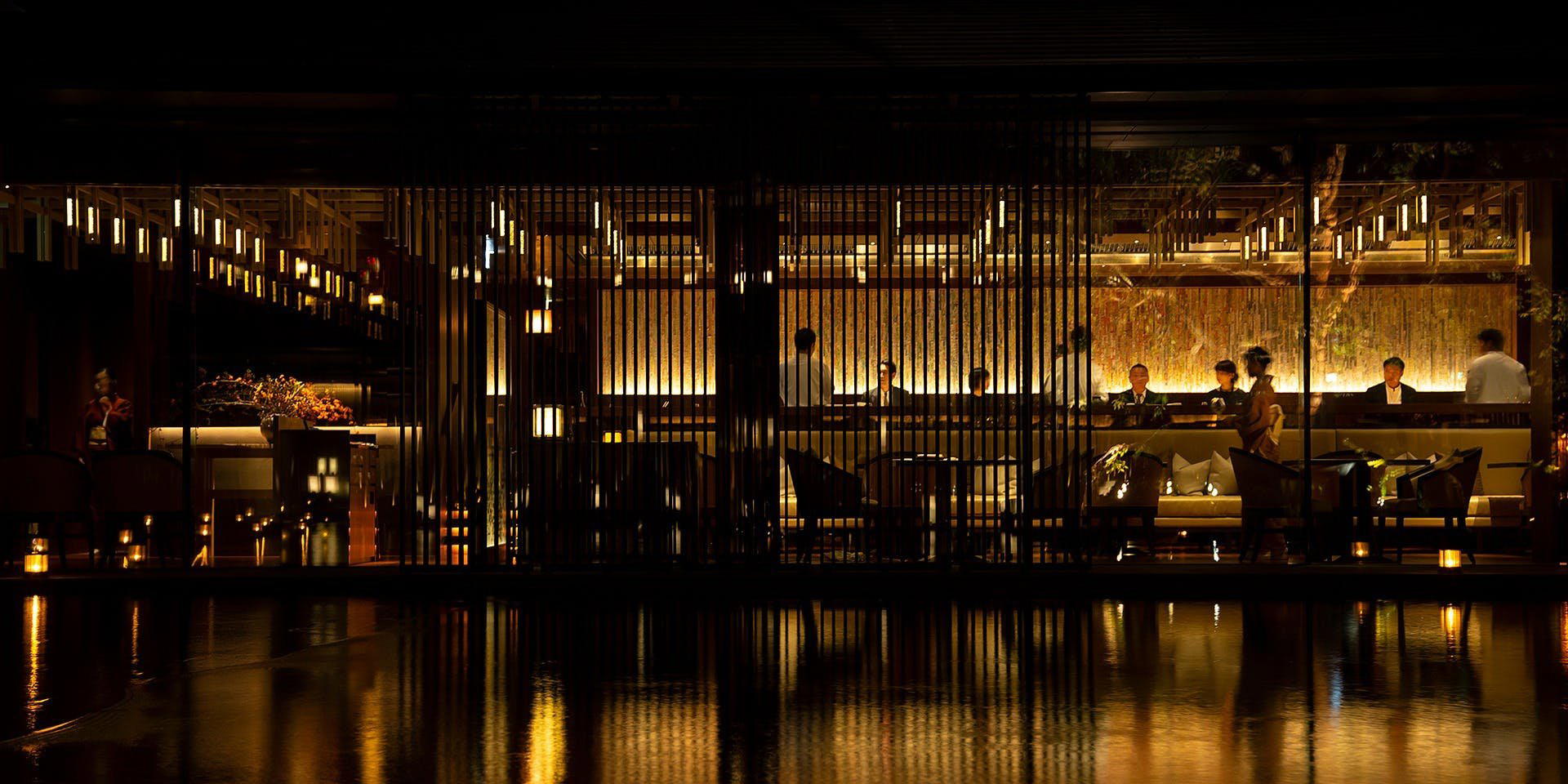
TOKI
Kyoto, Japan
TOKI is Kyoto's most accessible entry point into serious French-Japanese contemporary dining, with a Michelin Plate, three consecutive OAD rankings, and a wine program backed by a full sommelier team. At the ¥¥¥ price tier, it delivers technical precision without the ¥¥¥¥ commitment of the city's kaiseki rooms. Book if the dashi-meets-fond concept and a deep Burgundy-focused wine list appeal to you.
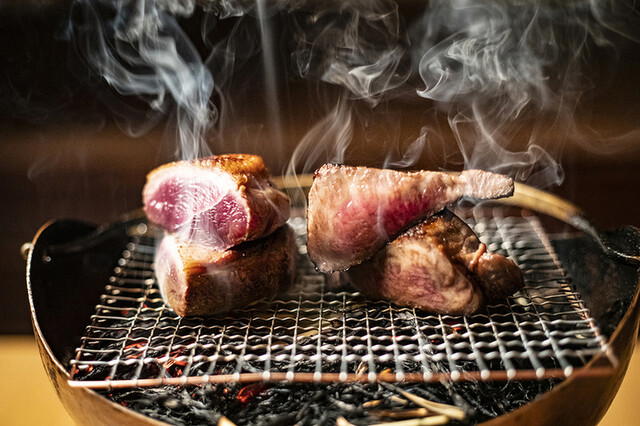
Ludens
Kyoto, Japan
A Tabelog 100 – Italian – WEST 2025 selection near Marutamachi, distinguished by its medicinal-herb focus and vegetable-forward Italian technique. Dinner runs JPY 15,000–19,999, lunch JPY 8,000–9,999. The herbal undercurrent and lighter hand reward diners who prefer clean, ingredient-focused plates over richness. Book one to two weeks ahead; lunch offers better value than dinner for first-timers.
Overview
Tabelog 100 - Italian - WEST - 2025 is an authoritative ranking of the top 100 Italian restaurants in Western Japan. Curated annually by Tabelog, Japan's premier restaurant review platform, this list spotlights establishments renowned for exceptional Italian cuisine, service, and ambiance across cities like Osaka, Kyoto, and Kobe.
Since its inception, Tabelog has been Japan’s foremost platform for restaurant reviews and ratings, boasting millions of user-generated evaluations. The Tabelog 100 lists are highly anticipated annual rankings spotlighting the crème de la crème of various cuisines across Japan’s regions. The 2025 Italian - WEST edition highlights the best Italian dining experiences in Western Japan, encompassing urban centers and culinary hotspots such as Osaka, Kyoto, and Hiroshima. This curated selection reflects evolving dining trends, regional ingredient integration, and the influence of Italian culinary artistry adapted to Japanese sensibilities, making it essential for both locals and international travelers seeking refined Italian fare.
For epicureans and discerning travelers looking to savor Italian cuisine with a distinct Japanese touch, the Tabelog 100 - Italian - WEST - 2025 is an indispensable guide. This list showcases the pinnacle of Italian dining in Western Japan, where traditional Italian recipes blend seamlessly with local ingredients and craftsmanship. From intimate trattorias in Kyoto to innovative ristorante concepts in Osaka, these 100 establishments represent culinary excellence, creativity, and authenticity, offering a curated journey through Italy’s rich gastronomic heritage reimagined in Japan’s dynamic west.
Quick Facts
- Publisher
- Tabelog
- Year
- 2025
- Coverage
- Western Japan (including Osaka, Kyoto, Kobe, Hiroshima, and surrounding prefectures)
- Items
- 100 Italian Restaurants
- Frequency
- Annual
About This Edition
The 2025 edition of Tabelog 100 - Italian - WEST highlights exciting new entrants who bring fresh perspectives to Italian cuisine, including a surge of innovative chefs blending regional Italian flavors with Japanese seasonal ingredients. Notably, there is increased representation from smaller cities beyond Osaka and Kyoto, signaling a democratization of fine Italian dining across Western Japan. Sustainability and ingredient provenance also feature prominently this year, reflecting global culinary trends adapted to local sensibilities.
Frequently Asked Questions
What is Tabelog 100 - Italian - WEST - 2025?
How are honorees selected?
How often is this list updated?
How can I find these on Pearl?
How many of these have you visited?
Find out on Pearl and keep score across every place in Tabelog 100 - Italian - WEST - 2025.