.png?width=1200&quality=80)

Kamado
Contemporary · Chūō, Osaka
Restaurant in Osaka, Japan
 Book with Pearl
The Read
Hearth-Driven Fusion
Price
¥¥¥
Dress
Smart Casual
Why go
Kamado is a wood-fire Japanese-Italian fusion restaurant in Osaka with a Michelin Plate for 2024 and 2025 and. The fixed menu runs from kamado-cooked rice to a closing pasta, with fire-roasted meat and kiln-fired pottery throughout. At ¥¥¥, it is a strong, distinctive choice for diners who want a concept-driven meal that goes beyond standard Osaka formats.
About Kamado
Should You Return to Kamado? Yes — and the Second Visit Hits Differently
If you have already eaten at Kamado once, you know the visual anchor: the glowing kamado stove at the centre of the experience, wood smoke drifting through the room, pottery on the table that was fired in the same kind of kiln that cooked your dinner. The first visit is about orienting yourself to a concept that sounds odd on paper — Japanese-Italian fusion built around wood fire, and discovering that it actually coheres. The second visit is when you start to read the details: how the rice that opens the meal is not a token gesture but a thesis statement, how the pasta that closes the evening is not a novelty but a structural echo of the same argument. Kamado earns a return booking, and that is not something you can say about every Michelin Plate restaurant in Osaka.
Kamado holds a Michelin Plate for both 2024 and 2025. That distinction does not carry the weight of a star, but it signals consistent quality that the Michelin inspectors consider worth flagging. At ¥¥¥ pricing, it sits in a tier that requires real commitment without demanding the kind of outlay that a full evening at HAJIME or La Cime would.
What Makes the Concept Work
The unifying logic at Kamado is wood fire, and the kitchen applies it with consistency across both halves of the menu's cultural identity. Italian technique and Japanese ingredient sensibility are not simply placed side by side here, they are filtered through the same cooking method, which gives the meal a through-line that holds. The hearth is a visual focal point: meat roasting over embers is a direct, arresting image, and the kitchen does not soften it. The fare is described as contemporary in flavour despite the primeval quality of the fire. That tension is the point.
The pottery deserves a note because it is not incidental. Ceramics fired in wood-fuelled kilns connect the tableware to the cooking method, and that level of curation signals a kitchen that has thought carefully about the full sensory frame of the meal, not just the plate. For a food-focused traveller who values that kind of coherence, it reads as intent rather than decoration.
Meal structure is fixed: it opens with rice from the kamado and closes with pasta. That architecture, Japanese beginning to Italian end, is also a flavour map of the whole evening. If you are the kind of diner who prefers to order freely rather than follow a set sequence, Kamado may not suit your format, but for anyone comfortable with a chef-directed progression, the structure is part of what makes the experience readable.
Kamado as a Late-Night Option
Hours are not confirmed in current data, so the specific closing time cannot be stated here. What is worth flagging for the explorer planning a late evening in Osaka: Kamado's wood-fire format and fixed progression naturally lend themselves to a longer, unhurried meal. If you are building a late-night dining itinerary across the city, venues like RiVi and Rooots Nakanoshima are worth considering alongside Kamado depending on whether your priority is late availability or a similarly committed culinary format. Check current hours directly before booking.
How Kamado Fits the Wider Osaka Picture
Osaka rewards the diner who maps the city as a set of distinct registers rather than a single scene. Kamado occupies a specific position: it is a mid-tier spend for a concept-driven, wood-fire tasting experience that draws on both Japanese and Italian traditions. That is not a common combination in the city, and the Michelin Plate recognition over two consecutive years confirms it is being executed at a level worth noting. If you are spending several days in Osaka and working through different styles, Kamado makes a sensible inclusion at the ¥¥¥ tier, particularly as a counterpoint to more conventional kaiseki or sushi formats.
For those travelling across the Kansai region, the contemporary fusion approach at Kamado sits in interesting contrast to akordu in Nara and the kaiseki rigour of Gion Sasaki in Kyoto. Both are worth adding to an itinerary that stretches beyond Osaka. Further afield, Harutaka in Tokyo, Goh in Fukuoka, 1000 in Yokohama, and 6 in Okinawa each represent a distinct take on contemporary Japanese dining that serious food travellers may want to map against Kamado. For a global comparison of the contemporary format, Jungsik in Seoul and César in New York City offer useful reference points across Asia and North America.
If Kamado is the kind of venue you want more context on before booking, our full Osaka restaurants guide covers the full range of options across price tiers and styles. You can also explore where to stay in Osaka, the leading bars in Osaka, Osaka wineries, and experiences across the city through the Pearl guides. Venues like Tosara are also worth a look if you want to compare across Osaka's contemporary dining options before making a final call.
Practical Details
Budget: ¥¥¥, mid-to-upper tier for Osaka, accessible relative to the ¥¥¥¥ venues in the city. Booking: Easy, no evidence of significant demand pressure at this stage; booking in advance is sensible but not urgent. Phone / Website: Not currently listed, contact details are best confirmed through a third-party reservation platform. Dress: Not specified; given the wood-fire format and contemporary positioning, smart casual is a reasonable assumption. Group suitability: Seat count not confirmed, parties larger than four should verify capacity before booking.
The Verdict
Book Kamado if you want a structured, concept-driven meal in Osaka that does something genuinely different with wood fire across two culinary traditions. Skip it if you prefer a la carte flexibility or want to spend your mid-tier budget on a more established Japanese format like kaiseki at Kashiwaya Osaka Senriyama.
Planning details
- Location
- Japan
- Website
- shinsaibashiyakinikusin.owst.jp
- Phone
- +81 6-6210-2214
The take
The Take
The Vibe
Kamado centers a single elemental idea—wood fire—as the organizing principle of a contemporary Osaka dining experience. The kamado stove and a menu that pivots between Japanese and Italian techniques create a focused, concept-driven evening where technique serves flavour. Presentation reinforces the through-line: pottery fired in a wood-fuelled kiln echoes the cooking method, so the room feels like an extension of the hearth. The tone is contemporary and deliberate rather than decorative, rewarding diners who appreciate culinary rigor and a tight thematic vision built around smoke, clay and flame.
Best For
This is a restaurant best experienced as an evening tasting, where a structured sequence of wood-fired courses reveals the concept gradually. The opening ritual of rice from the kamado and the menu’s arc—working through wood-fired dishes and closing with pasta—make it well suited to special occasions and date nights when guests can linger and follow the intended progression. The focused, fine-dining framing also fits anyone seeking a thoughtful, technically driven dinner rather than a quick meal or casual lunch.
Ordering Tips
Treat the service as a single, deliberate progression: the kamado rice arrives first as an explicit opening gesture, and the meal is designed to move through wood-fired dishes and culminate in pasta. Order with that arc in mind—experience the rice and the intervening courses rather than rushing to the finale—and let the kitchen’s sequence guide the evening. Because the pottery and technique are integral to the concept, pay attention to how dishes are presented; the ritual and material choices are part of the story the restaurant is telling.
Venue details
Ambiance
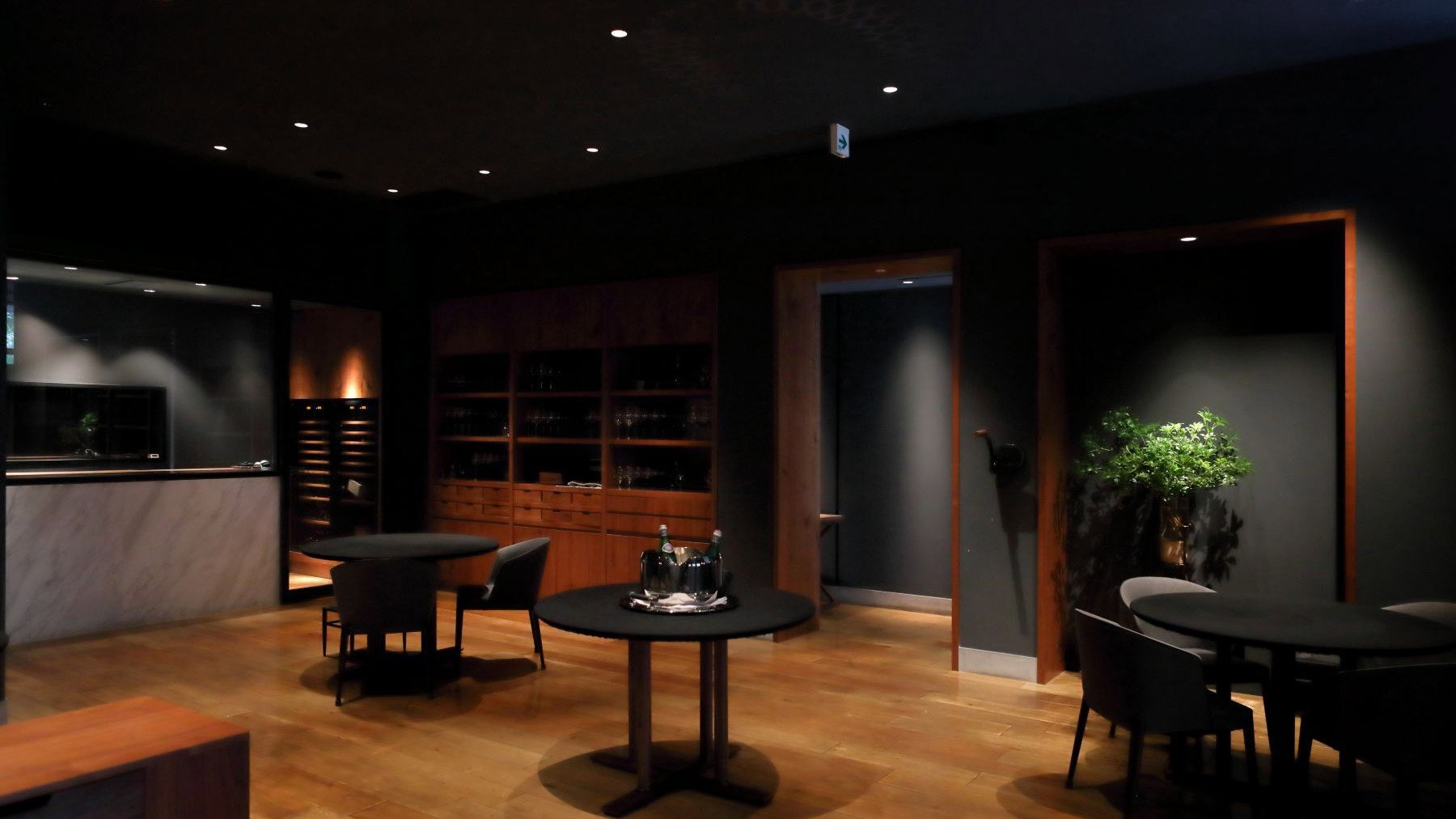
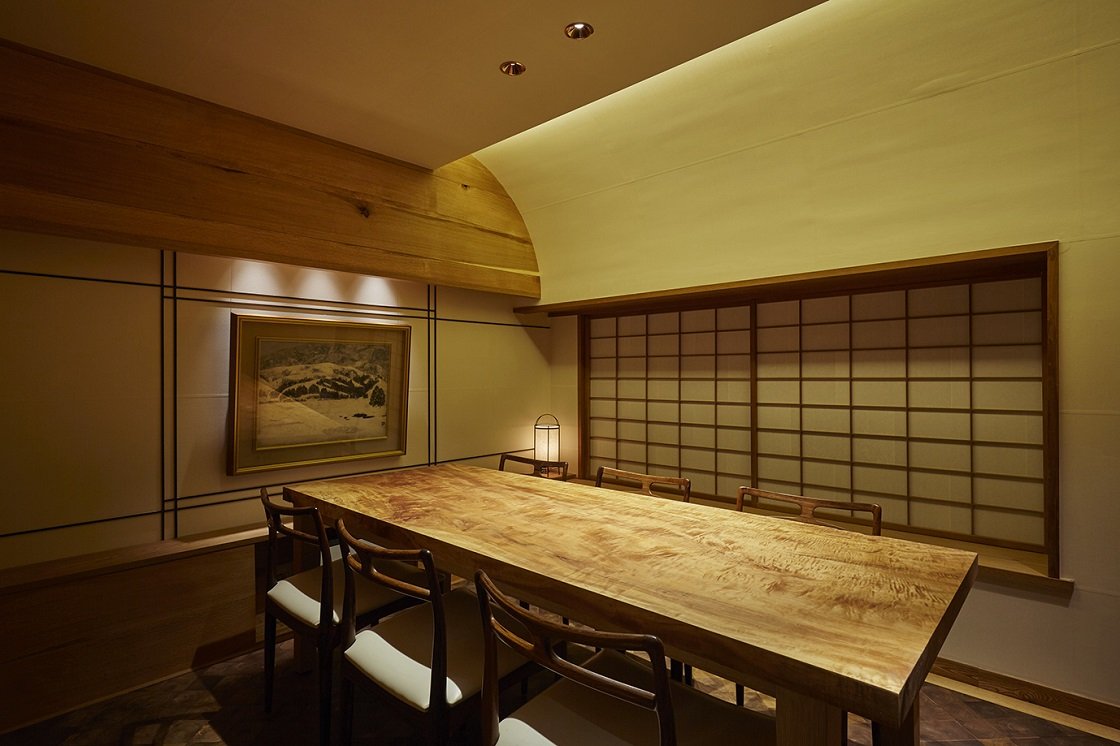
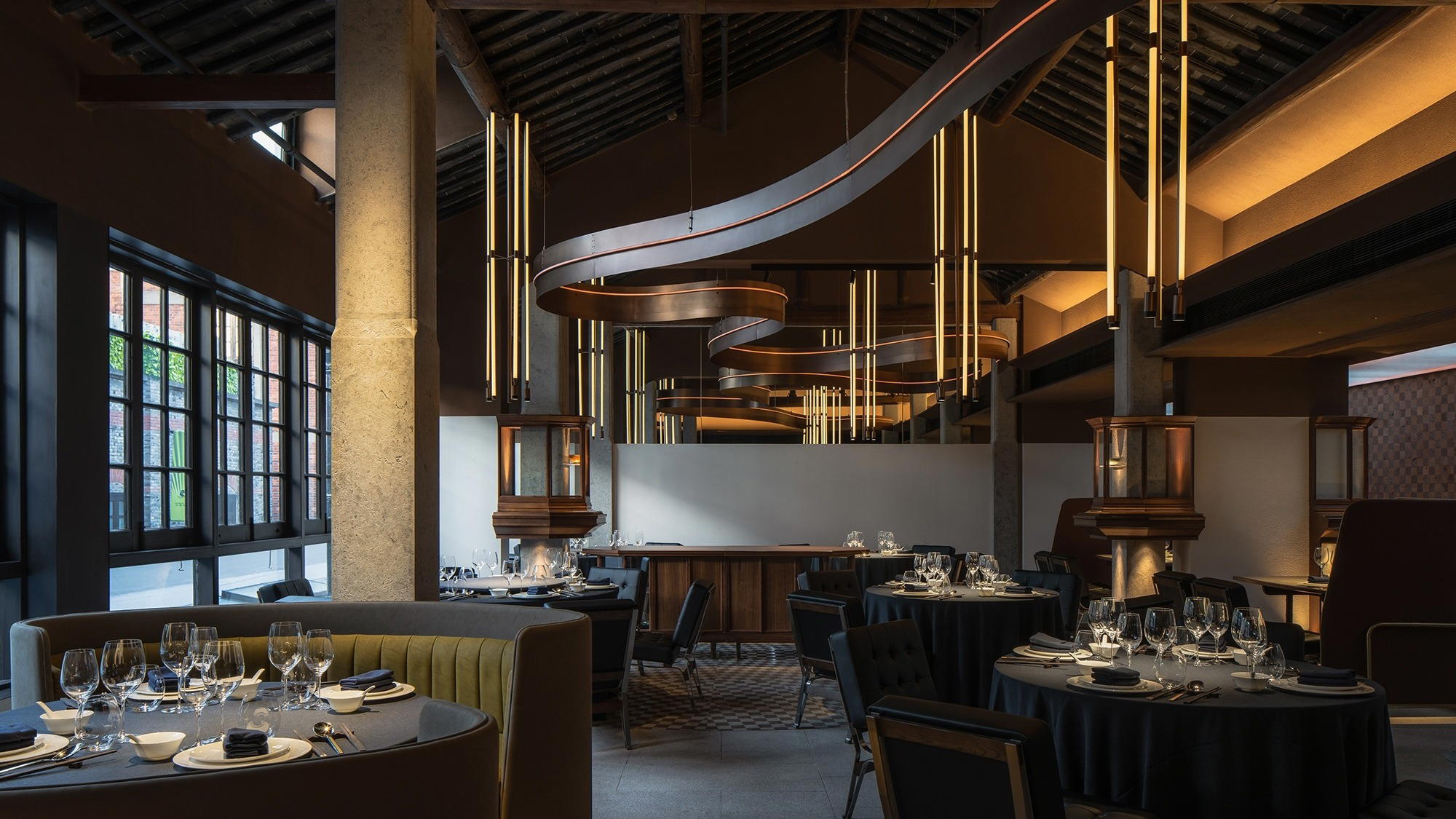
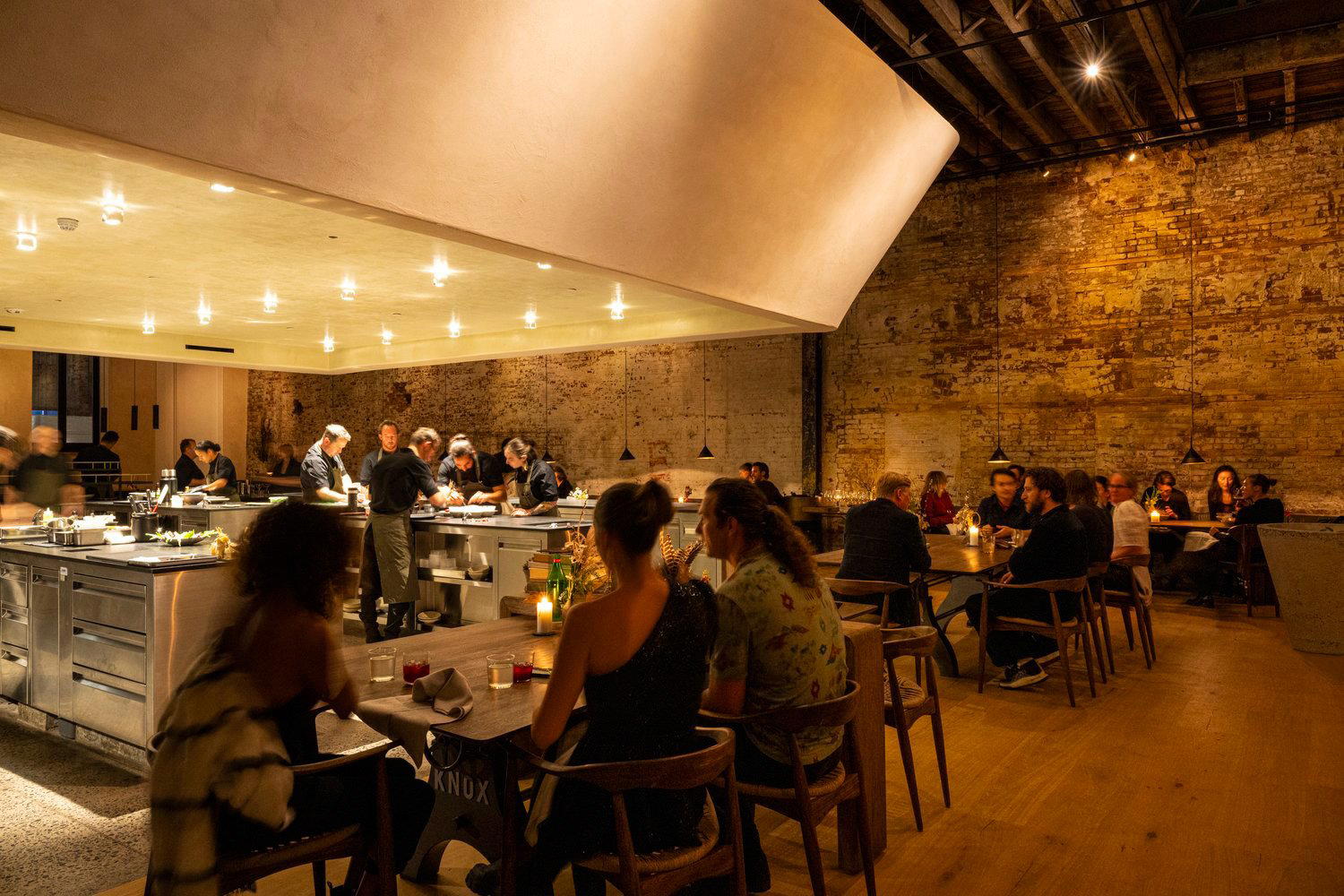
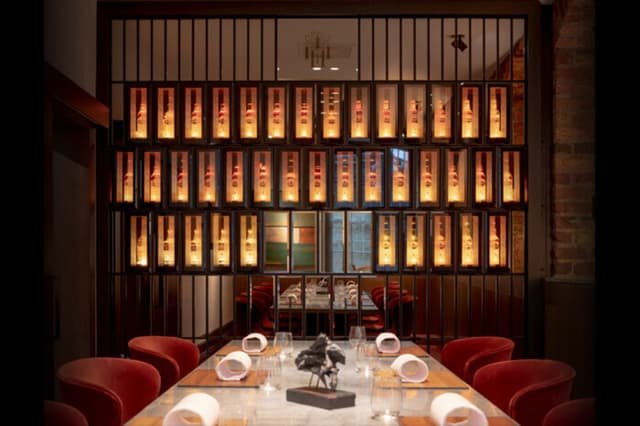
Calm space with charcoal aroma, counter seating around the wood-fired stove, and warm lighting.
Tags
Vibe
Best For
Experience
At the Table
- Dress Code
- Smart Casual
- Noise Level
- Conversational
- Service Style
- Upscale Casual
- Meal Pacing
- Leisurely
- Capacity
- Intimate
Signature Dishes
- Kamado-style Rice
- pasta
Know before you go
Know Before You Go
- Getting there
- Japan
Planning details
Location
Recognition and awards
Also consider
Also Consider
- HAJIME, French, Innovative, ¥¥¥¥
- La Cime, French, ¥¥¥¥
- Kashiwaya Osaka Senriyama, Japanese, ¥¥¥
- Taian, Kaiseki, Japanese, ¥¥¥
- Fujiya 1935, Innovative, ¥¥¥¥
Restaurant context
Kamado sits at ¥¥¥ in a peer group that mostly prices at ¥¥¥¥. If your priority is spending meaningfully without committing to the full outlay of a starred venue, Kamado offers the most distinctive format at the lowest price in this comparison. Kashiwaya Osaka Senriyama and Taian share the ¥¥¥ tier and are the right alternatives if you want traditional Japanese kaiseki rather than a fusion concept. Both have stronger Japanese-only credentials, but neither does what Kamado does with wood fire across two culinary traditions.
At ¥¥¥¥, HAJIME and La Cime deliver more technically rigorous French-influenced tasting menus with greater service depth and wider international recognition. Book those if ambition, service polish, and Michelin-starred credibility matter more to you than the price differential. Fujiya 1935 at ¥¥¥¥ is the strongest pick in the innovative tasting-menu category, if the wood-fire concept at Kamado interests you but you want more creative range and are willing to spend more, Fujiya 1935 is the logical upgrade.
For most food-focused visitors building a multi-night Osaka itinerary, the practical recommendation is this: Kamado at ¥¥¥ for the distinctive fusion format, one of the kaiseki options at ¥¥¥ for a traditional counterpoint, and HAJIME or La Cime at ¥¥¥¥ if budget allows a splurge night. Kamado is the easiest booking in this set and, at its price point, the lowest-risk choice for a first-time visit.
Explore Osaka
Around this place
Discover more on Pearl
Unlock the full Kamado guide in Pearl, including awards, comparisons, FAQs, planning details, and nearby places.
Compare Kamado
| Venue | Price | Booking Difficulty | Awards |
|---|---|---|---|
| Kamado | ¥¥¥ | Easy | 2026 Michelin PlateTabelog 100 - Italian - WEST - 2025 · #782025 Michelin Plate2024 Michelin Plate |
| HAJIME | ¥¥¥¥ | Unknown | Star Wine Lists 2026 · #12026 Tabelog Bronze · #922026 OAD Top Restaurants in Japan Ranked · #98Michelin Guide Kyoto Osaka 20262026 La Liste Top RestaurantsTabelog 100 - Innovative / Creative cuisine - 2025 · #692025 Asia's 50 Best Restaurants · #832025 OAD Top Restaurants in Japan Ranked · #87We're Smart World Top Restaurants 2025 |
| La Cime | ¥¥¥¥ | Unknown | 2026 Asia's 50 Best Restaurants · #132026 OAD Top Restaurants in Japan Ranked · #1492026 Tabelog Bronze · #231Michelin Guide Kyoto Osaka 20262026 La Liste Top Restaurants2025 Asia's 50 Best Restaurants · #82025 World's 50 Best Restaurants · #44Tabelog 100 - French - WEST - 2025 · #932025 OAD Top Restaurants in Japan Ranked · #123 |
| Kashiwaya Osaka Senriyama | ¥¥¥ | Unknown | 2026 Tabelog Bronze · #1682026 OAD Top Restaurants in Japan Recommended2026 Relais Chateaux RestaurantsMichelin Guide Kyoto Osaka 20262026 La Liste Top RestaurantsTabelog 100 - Japanese cuisine - WEST - 2025 · #772025 OAD Top Restaurants in Japan Ranked · #1552025 Relais Chateaux Award2025 Michelin 3 Stars |
| Taian | ¥¥¥ | Unknown | 2026 OAD Top Restaurants in Japan RecommendedMichelin Guide Kyoto Osaka 20262026 La Liste Top Restaurants2025 OAD Top Restaurants in Japan Ranked · #2042025 La Liste Top Restaurants2025 Michelin 3 Stars2024 OAD Top Restaurants in Japan Ranked · #1912024 Michelin 3 Stars2023 OAD Top Restaurants in Japan Highly Recommended |
| Fujiya 1935 | ¥¥¥¥ | Unknown | 2026 Tabelog Bronze · #752026 OAD Top Restaurants in Japan RecommendedMichelin Guide Kyoto Osaka 20262026 La Liste Top Restaurants2025 Michelin 2 Stars2025 Tabelog Silver2025 La Liste Top Restaurants2024 OAD Top Restaurants in Japan Ranked · #2392024 Michelin 2 Stars |









Key differences to consider before you reserve.
FAQ
Frequently Asked Questions
What should I order at Kamado?
The menu is structured around wood-fire cooking, opening with rice cooked directly in the kamado stove and closing with a pasta course — so the full sequence is the point. Skipping either end of the meal would break the concept. Order the complete progression rather than treating this as an à la carte situation.
What should a first-timer know about Kamado?
Kamado runs a fusion format that moves between Japanese and Italian traditions, with a wood-fired kamado stove as the through-line across both. The meal has a defined arc: it opens with kamado-cooked rice and closes with pasta. First-timers should know this is a concept-driven, structured meal — closer to a tasting menu experience than a flexible dinner — and that the ¥¥¥ price sits in the mid-to-upper tier for Osaka without requiring the commitment of a ¥¥¥¥ venue like HAJIME.
Is the tasting menu worth it at Kamado?
At ¥¥¥, Kamado's structured progression — from kamado-cooked rice through wood-roasted proteins to a closing pasta — offers a coherent concept rather than just a sequence of dishes, which makes it worth the format if that kind of deliberate, concept-first dining appeals to you. If you want flexibility or prefer to order independently, this is the wrong room. Michelin Plate recognition in both 2024 and 2025 suggests consistent execution.
Is Kamado worth the price?
Yes, for what it is. At ¥¥¥, it sits comfortably below Osaka's top-tier ¥¥¥¥ venues like HAJIME or Kashiwaya while offering something more distinctive than a standard mid-range dinner. The wood-fire concept holds across the full meal, and the Michelin Plate in 2024 and 2025 confirms it clears a baseline of quality. For the price, you get a structured, genuinely differentiated experience.
Is Kamado good for a special occasion?
It works well for a celebration where the occasion calls for something thoughtful rather than grand. The wood-fire format, the custom kiln-fired pottery, and the structured meal arc make it feel considered — but at ¥¥¥ it does not carry the full ceremony of a Michelin-starred destination like La Cime or Taian. Good for a meaningful dinner; not the call if you need maximum prestige for the moment.
What are alternatives to Kamado in Osaka?
La Cime and Fujiya 1935 are the closest contemporary alternatives at a higher price and recognition tier, both holding Michelin stars and suited to diners who want more formal credentials behind the meal. Taian and Kashiwaya Osaka Senriyama are the choices if you want traditional Japanese kaiseki rather than fusion. Kamado sits between those worlds — more inventive than kaiseki, less formal than the starred French-influenced rooms.