

a canto
Italian · Chūō, Osaka
Restaurant in Osaka, Japan
 Book with Pearl
The Read
Enoteca-Trained Pasta Craft
Price
$150–200per person
Dress
Smart Casual
Why go
A canto is a ¥¥¥ Italian restaurant in Osaka's Chuo Ward where classical pasta training, the chef spent time at Enoteca Pinchiorri in Florence, is the main event. The signature bavettine with dried mullet roe and lime has been a fixture for years. With easy booking, it is the clearest choice for serious Italian cooking in this tier in the city.
About a canto
Is a canto worth booking for Italian in Osaka?
Yes, and it earns that answer on specifics rather than reputation. A canto is a ¥¥¥ Italian restaurant in Osaka's Chuo Ward run by a chef who trained at Enoteca Pinchiorri in Florence, one of Italy's most technically demanding kitchens for pasta work. The name translates as "at your side": a phrase that signals the intent: not a destination-dining spectacle, but a place you return to with some regularity.
What makes a canto the right booking
The short version: if you want Italian cooking in Osaka that is grounded in real Italian kitchen discipline rather than fusion novelty, a canto is your clearest option at the ¥¥¥ tier. The chef spent years working in ristoranti across Italy before opening here, and that background shows most clearly in the pasta. Handmade pasta built on technique learned at Enoteca Pinchiorri in Florence is not a marketing detail: it is a meaningful credential in a city where Italian restaurants often prioritise local adaptation over classical execution.
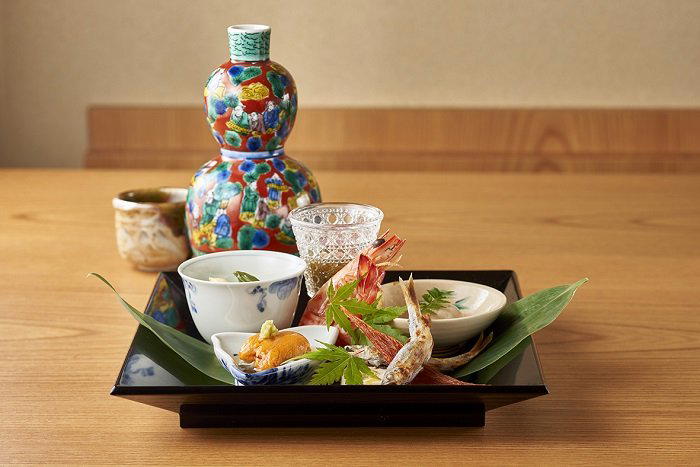
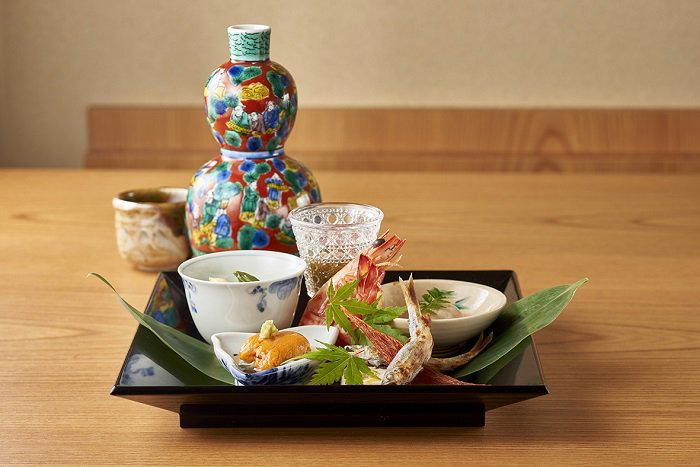
The signature dish, bavettine with dried mullet roe and lime, has been on the menu for years. That longevity matters: it tells you this is not a dish invented for a seasonal concept, but something the chef has refined into a fixed point of reference. The presentation mirrors a mimosa flower in bloom. For a returning diner, this is your benchmark order, the dish against which everything else on the menu can be judged.
Seasonal rotation: when to visit and what to watch for
Chef's stated approach is to weave seasonal elements into the menu alongside more permanent fixtures like the bavettine. That structure matters if you are planning a second visit. The backbone dishes, particularly the pasta, remain consistent, but supporting courses and smaller plates shift with what is available. Japan's culinary calendar is pronounced: spring brings mountain vegetables and early seafood, summer turns toward lighter preparations, autumn introduces mushrooms and root vegetables, and winter favours richer, more restorative cooking.
For a first-time visitor, any season works. For a returning diner, the more interesting visits are likely in autumn and early winter, when Japanese seasonal produce is at its most distinctive and when the contrast between rustic Italian technique and local ingredients is sharpest. If you have already had the bavettine, your next visit is a reasonable test of how the chef handles seasonal composition, order the courses that change rather than defaulting to the signature.
Spring is worth noting separately: the mimosa-flower presentation of the bavettine, which the chef has maintained as a visual motif, takes on additional resonance in late February and March when mimosa blooms are culturally visible in Italy. Whether that alignment is intentional or incidental, it is a detail worth knowing if you are planning a visit around that window.
How a canto compares to Osaka's Italian options
Osaka has a strong field of Italian restaurants, but most sit either at the very high end or at the casual neighbourhood level. A canto at ¥¥¥ occupies useful middle ground. For comparison, il Centrino, La casa TOM Curiosa, La Lucciola, P greco, and YUNiCO all operate in Osaka's Italian space, each with a different personality. A canto's differentiator is the classical pasta training and the longevity of its signature dishes, that is a narrower, more defined offer than most.
If you are travelling through the Kansai region and want a point of comparison, cenci in Kyoto is the most instructive parallel, Italian technique applied with close attention to Japanese seasonality, at a similar price tier. Further afield, akordu in Nara takes a European fine-dining approach with strong seasonal emphasis. For Italian at the highest tier in Asia, 8 1/2 Otto e Mezzo Bombana in Hong Kong is the regional reference point, though at a substantially higher price and formality level.
Booking and practical details
Booking difficulty is rated easy, which at a small Osaka restaurant with strong reviews still means you should not leave it to the day before. Reserve a few days in advance for weeknights; aim for a week out for weekend evenings. The address is 3 Chome-1-10 Uchikyuhojimachi, Chuo Ward, Osaka, centrally located within the city.
A canto is well-suited to solo dining at the bar or counter if available, and functions equally well for two. For groups, see the FAQ below.
For more dining options in the city, our full Osaka restaurants guide covers the broader field. If you are building a wider Osaka visit, our Osaka hotels guide, bars guide, wineries guide, and experiences guide are worth reviewing alongside it.
For Italian dining elsewhere in Japan, Harutaka in Tokyo, Gion Sasaki in Kyoto, Goh in Fukuoka, 1000 in Yokohama, and 6 in Okinawa each represent strong regional alternatives depending on your itinerary.
FAQ
Can a canto accommodate groups?
- At ¥¥¥ pricing, the per-head spend for a group is manageable by Osaka fine-dining standards, but smaller Italian restaurants in this tier often have limited table configurations for larger parties.
- If your group wants Italian in Osaka with more certainty around group seating, ask specifically when reserving rather than assuming.
Is a canto good for solo dining?
- The chef's framing of the restaurant as a familiar, recurring presence for regulars suggests a room that accommodates solo guests comfortably rather than treating them as an afterthought.
- Italian restaurants with a pasta-focused identity and counter or bar seating tend to work well for solo dining, particularly if you want to engage with the cooking directly.
- At ¥¥¥ in Osaka's Chuo Ward, a solo meal here is a reasonable investment for the quality of pasta work on offer. For solo Italian dining elsewhere in the region, cenci in Kyoto is worth considering as a comparable experience.
Practical reference: ¥¥¥ pricing tier, Chuo Ward, Osaka. Booking difficulty: easy. Reserve a few days ahead for weeknights, one week for weekends.
Planning details
- Location
- 3 Chome-1-10 Uchikyuhojimachi, Chuo Ward, Osaka, 540-0013, Japan
- Reservations
- Book on TableCheck
- Website
- a-canto.com
- Phone
- +81 6-7175-6383
The take
The Take
The Vibe
A canto presents a measured, classical elegance that reads like Italian technique filtered through Kansai seasonality. The chef’s training at Florence’s Enoteca Pinchiorri anchors the kitchen in rigorous, classical pasta technique, while local Japanese produce and a restrained sensibility give dishes a quiet, contemporary poise. The room leans intimate and composed rather than flashy: service and plating favor precision over showmanship, and the cooking prizes balance and restraint. Diners encounter a refined interplay of European structure and Japanese timing, so the overall atmosphere feels thoughtfully serious and quietly assured.
Best For
This is a spot for considered evenings rather than casual stop-ins: the menu’s technical pedigree and seasonal focus suit date nights and special celebrations where food is the central focus. It suits anniversaries and dinners that benefit from attentive service and a measured pace. Small groups who want a composed meal built around pasta and carefully tuned courses will find the setting aligns with more ceremonious dining occasions.
Ordering Tips
Pasta is the house language here, so leave room for the signature pastas: the Bavettini with lime and bottarga is a clear calling card, and the steamed mussels (served with Panciacorta, saffron and mint) shows the kitchen’s seafood and seasonal touch. Saltimbocca is another recommended plate if you want a classical Italian option handled with precision. Given the restaurant’s emphasis on technique and seasonality, choose one or two standout dishes to share so you can taste different approaches without over-ordering.
Venue details
Ambiance
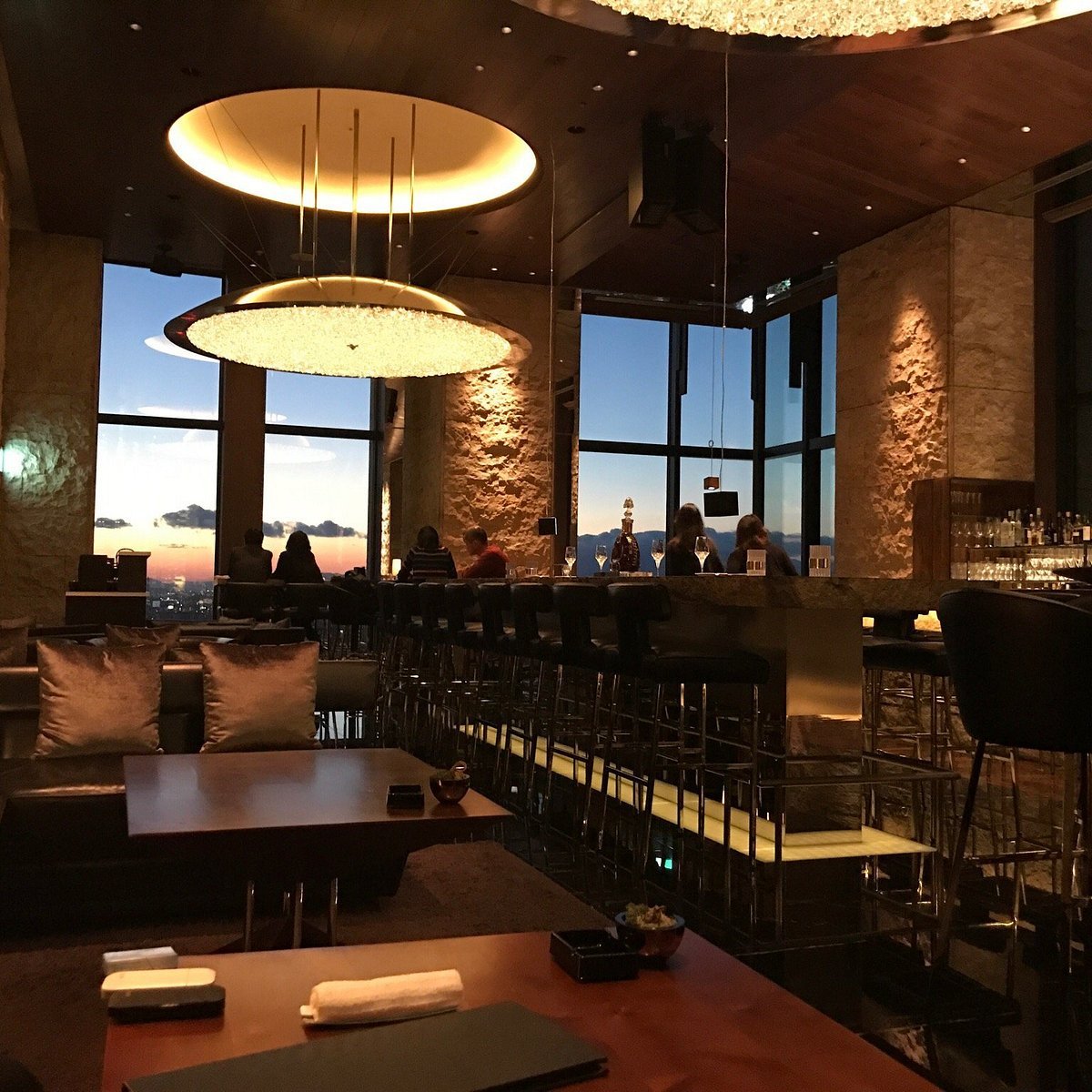
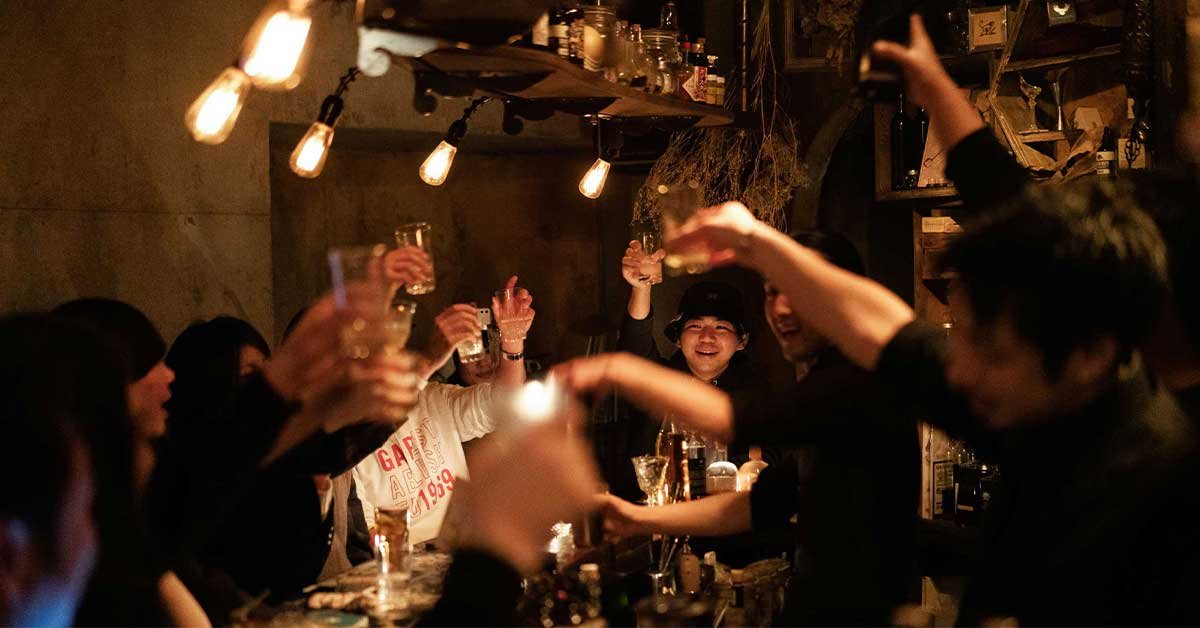
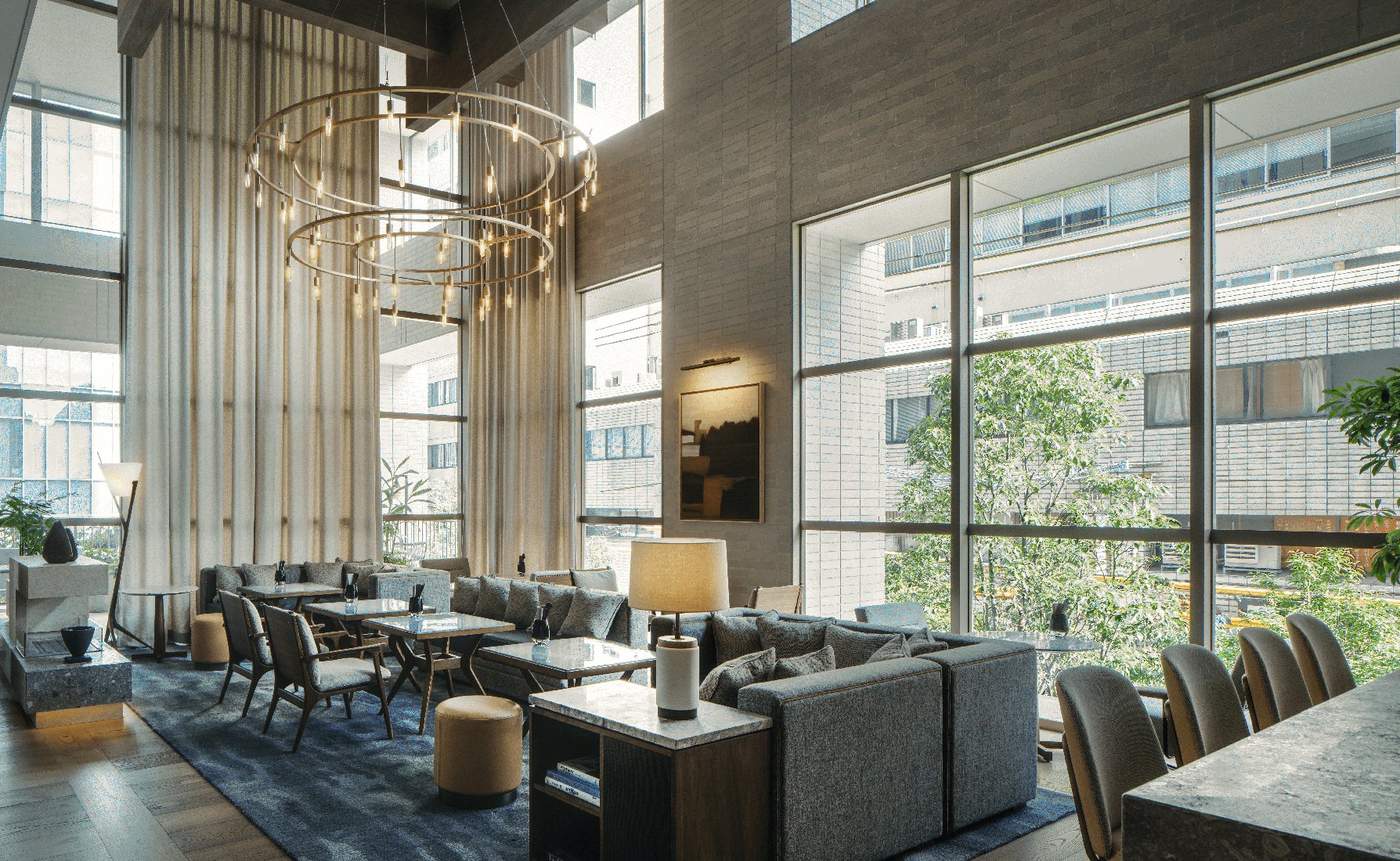
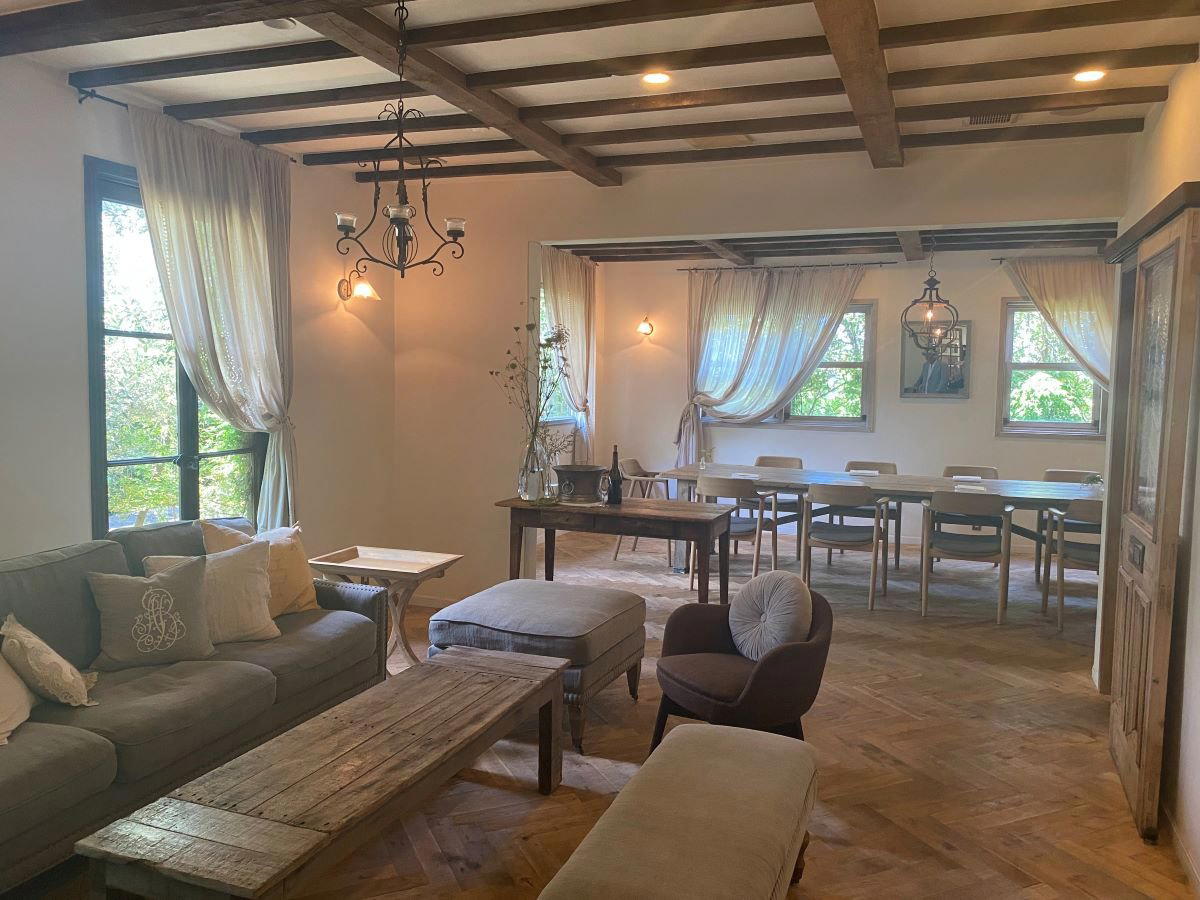
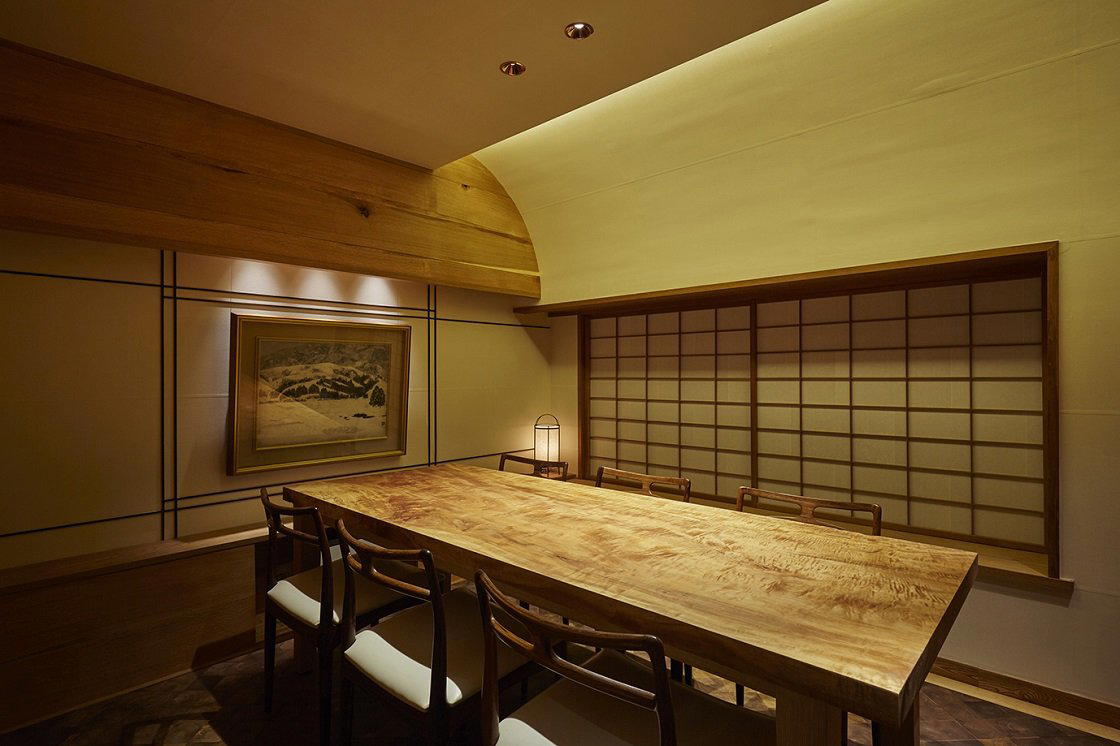
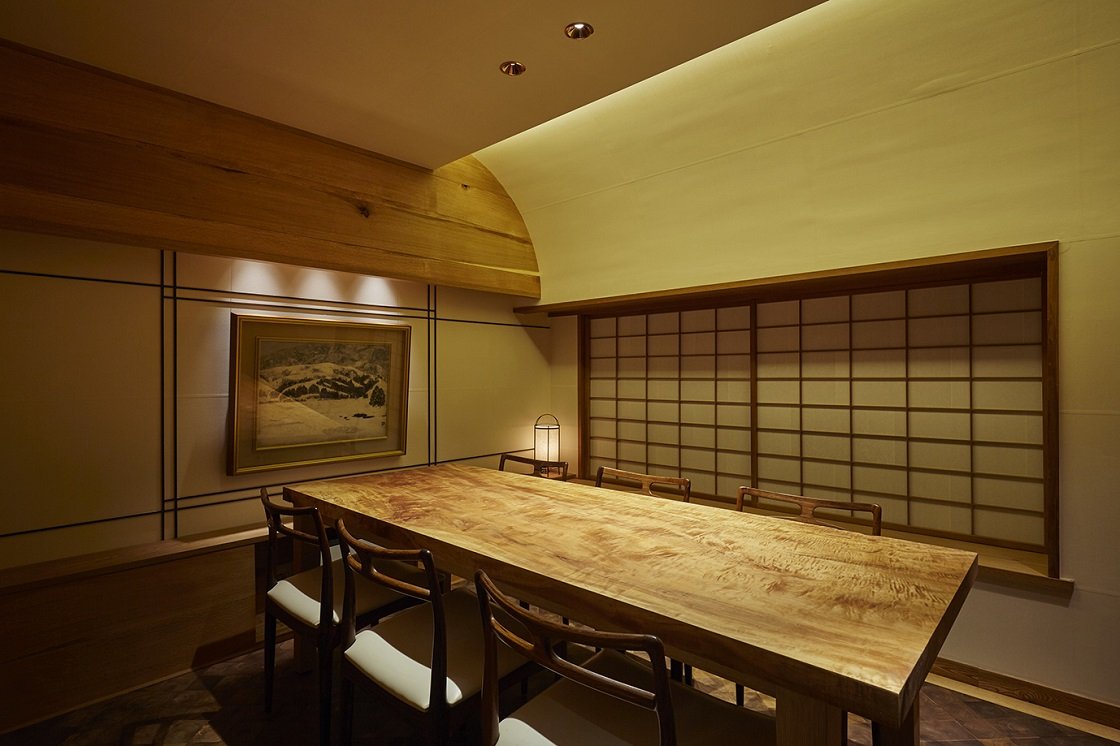
Soft, warm lighting with a cozy, inviting atmosphere that feels both exclusive and welcoming; intimate counter-style seating creates a personal connection between diners and the chef.
Tags
Vibe
Best For
Experience
Accessibility
At the Table
- Dress Code
- Smart Casual
- Noise Level
- Quiet
- Service Style
- Upscale Casual
- Meal Pacing
- Extended Experience
- Capacity
- Intimate
- Kitchen
- Modern
- Menu Format
- Tasting menu, Counter dining
- Drinks Focus
- Wine pairings
- Dietary
- Allergy accommodating, Vegetarian friendly
- Private Dining
- Available
Signature Dishes
- Bavettini pasta with lime and bottarga
- Steamed mussels in Panciacorta with saffron and mint
- Saltimbocca
Know before you go
Know Before You Go
- Getting there
- 3 Chome-1-10 Uchikyuhojimachi, Chuo Ward, Osaka, 540-0013, Japan
Planning details
Location
3 Chome-1-10 Uchikyuhojimachi, Chuo Ward, Osaka, 540-0013, Japan · Directions
Recognition and awards
Also consider
Also Consider
- HAJIME: French, Innovative, ¥¥¥¥
- La Cime: French, ¥¥¥¥
- Kashiwaya Osaka Senriyama: Japanese, ¥¥¥
- Taian: Kaiseki, Japanese, ¥¥¥
- Fujiya 1935: Innovative, ¥¥¥¥
Restaurant context
At ¥¥¥, a canto is priced a full tier below Osaka's most decorated dining rooms. HAJIME, La Cime, and Fujiya 1935 all sit at ¥¥¥¥ and offer innovative or French-influenced tasting menus with significant formality. If your priority is a high-ceremony multi-course experience with international recognition, those are the correct bookings. A canto is a different proposition: Italian craft at a more accessible price point, built around a focused pasta identity rather than a broad tasting format.
Against same-tier Japanese options, Kashiwaya Osaka Senriyama and Taian both deliver kaiseki at ¥¥¥ and are stronger choices if you want seasonal Japanese cooking in a traditional format. The comparison is not really competitive: they serve different functions. Book a canto specifically when you want Italian, not as a substitute for kaiseki. The seasonal approach at a canto and the seasonal discipline of kaiseki are philosophically aligned, but the cuisines are distinct enough that your preference for one over the other should drive the decision.
On booking difficulty, a canto is rated easy, which gives it a practical advantage over the ¥¥¥¥ venues where reservations require significant lead time. For value, a canto is the clearest option if Italian is your cuisine: Enoteca Pinchiorri training at ¥¥¥ pricing is a favourable ratio. For overall dining ambition, HAJIME or La Cime are the prestige bookings; for a lower-pressure, high-craft Italian meal you can actually get into this week, a canto is the better call.
Explore Osaka
Around this place
Discover more on Pearl
Unlock the full a canto guide in Pearl, including awards, comparisons, FAQs, planning details, and nearby places.
Compare a canto
| Venue | Cuisine | Price | Booking Difficulty | Awards |
|---|---|---|---|---|
| a canto | Italian | ¥¥¥ | Easy | 2026 Michelin 1 StarMichelin Guide Kyoto Osaka 2026Tabelog 100 - Italian - WEST - 2025 · #512024 Michelin 1 Star |
| HAJIME | French, Innovative | ¥¥¥¥ | Unknown | Star Wine Lists 2026 · #12026 Tabelog Bronze · #922026 OAD Top Restaurants in Japan Ranked · #98Michelin Guide Kyoto Osaka 20262026 La Liste Top RestaurantsTabelog 100 - Innovative / Creative cuisine - 2025 · #692025 Asia's 50 Best Restaurants · #832025 OAD Top Restaurants in Japan Ranked · #87We're Smart World Top Restaurants 2025 |
| La Cime | French | ¥¥¥¥ | Unknown | 2026 Asia's 50 Best Restaurants · #132026 OAD Top Restaurants in Japan Ranked · #1492026 Tabelog Bronze · #231Michelin Guide Kyoto Osaka 20262026 La Liste Top Restaurants2025 Asia's 50 Best Restaurants · #82025 World's 50 Best Restaurants · #44Tabelog 100 - French - WEST - 2025 · #932025 OAD Top Restaurants in Japan Ranked · #123 |
| Kashiwaya Osaka Senriyama | Japanese | ¥¥¥ | Unknown | 2026 Tabelog Bronze · #1682026 OAD Top Restaurants in Japan Recommended2026 Relais Chateaux RestaurantsMichelin Guide Kyoto Osaka 20262026 La Liste Top RestaurantsTabelog 100 - Japanese cuisine - WEST - 2025 · #772025 OAD Top Restaurants in Japan Ranked · #1552025 Relais Chateaux Award2025 Michelin 3 Stars |
| Taian | Kaiseki, Japanese | ¥¥¥ | Unknown | 2026 OAD Top Restaurants in Japan RecommendedMichelin Guide Kyoto Osaka 20262026 La Liste Top Restaurants2025 OAD Top Restaurants in Japan Ranked · #2042025 La Liste Top Restaurants2025 Michelin 3 Stars2024 OAD Top Restaurants in Japan Ranked · #1912024 Michelin 3 Stars2023 OAD Top Restaurants in Japan Highly Recommended |
| Fujiya 1935 | Innovative | ¥¥¥¥ | Unknown | 2026 Tabelog Bronze · #752026 OAD Top Restaurants in Japan RecommendedMichelin Guide Kyoto Osaka 20262026 La Liste Top Restaurants2025 Michelin 2 Stars2025 Tabelog Silver2025 La Liste Top Restaurants2024 OAD Top Restaurants in Japan Ranked · #2392024 Michelin 2 Stars |









What to weigh when choosing between a canto and alternatives.
FAQ
Frequently Asked Questions
Is a canto good for solo dining?
Yes. The chef's stated ethos, that the name means 'at your side' and the restaurant should feel like a familiar presence, lends itself naturally to solo visits. At ¥¥¥, you are paying for technically grounded Italian cooking, including handmade pasta developed at Enoteca Pinchiorri in Florence, and that kind of focused, craft-led menu rewards solo attention. A counter or bar seat, if available, is worth requesting.
What is a canto known for?
a canto is primarily known for Italian in Osaka.
Where is a canto located?
a canto is located in Osaka, at 3 Chome-1-10 Uchikyuhojimachi, Chuo Ward, Osaka, 540-0013, Japan.