

Bini
Italian · Nakagyō, Kyoto
Restaurant in Kyoto, Japan
 Book with Pearl
The Read
Fermentation-Rooted Italian
Price
$200–300per person
Dress
Smart Casual
Why go
Bini is a Michelin one-star Italian restaurant in central Kyoto, built around Ohara agricultural produce and a fermented vegetable philosophy shaped by the chef's training in Italy and Switzerland. At ¥¥¥, it is more accessible than most of Kyoto's starred dining and offers a coherent, sourcing-driven tasting menu. Booking is hard: plan well ahead.
About Bini
Verdict: Book It, If You Can Get a Table
If you visited Bini once and left thinking it was a pleasant oddity, a second visit will reframe it entirely. The kitchen's logic: Ohara agricultural produce filtered through Italian technique and the sourcing discipline of fermented cuisine learned in Switzerland, reveals itself more clearly when you already know the format. What reads as quirky restraint on a first visit reads as precision on a second. The question for returning diners is not whether Bini is worth revisiting. It is whether you booked early enough to get back in.
Bini holds a Michelin one star (2024), earned in a city where the competition for that recognition is as dense as anywhere in the world. In Kyoto, a Michelin star for an Italian restaurant is not a consolation prize for visitors who can't get into kaiseki. It is a signal that something specific and considered is happening in this kitchen.
What Makes This Kitchen Different
The sourcing structure at Bini is the point. The chef's path, training in Italy, studying fermented cuisine in Switzerland, then landing in Kyoto and encountering the agricultural produce of Ohara, produced a menu logic that is genuinely difficult to replicate. Ohara sits north of Kyoto and has long supplied the city's leading kitchens with vegetables, particularly the kinds that hold their character through pickling and fermentation. At Bini, that produce is not decoration on an Italian plate. It is the structural ingredient: the sourcing determines the seasonality, the seasonality drives the fermentation choices, and the fermentation defines the flavour register of the dishes.
That sourcing-first approach is why the menu shifts meaningfully with the seasons. Visiting now, in the current season, you are eating a different restaurant than the one reviewed in spring. The souring and bitter notes that characterise the kitchen's style are expressed through whatever Ohara is producing at this point in the year. For a returning visitor, this is the reason to come back, not novelty, but coherence under different seasonal conditions. The produce changes; the method stays.
Bini is named for the chef's Italian mentor, a father figure who shaped his early career. The gratitude embedded in that naming is not incidental to understanding the restaurant. This is a kitchen that takes its debts seriously, to Italian technique, to Swiss fermentation tradition, and to the agricultural community in Ohara. That sensibility comes through in the eating, though it is worth stating plainly: the food is not sentimental. It is precise and occasionally austere.
Atmosphere and Room Feel
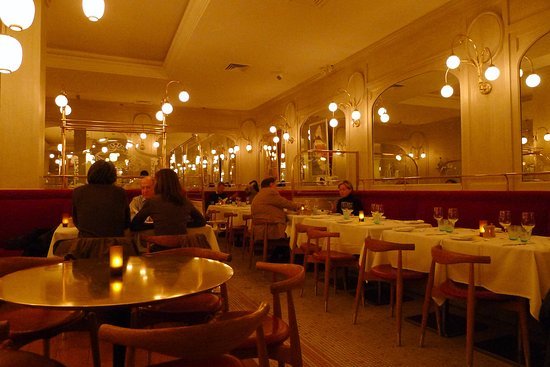
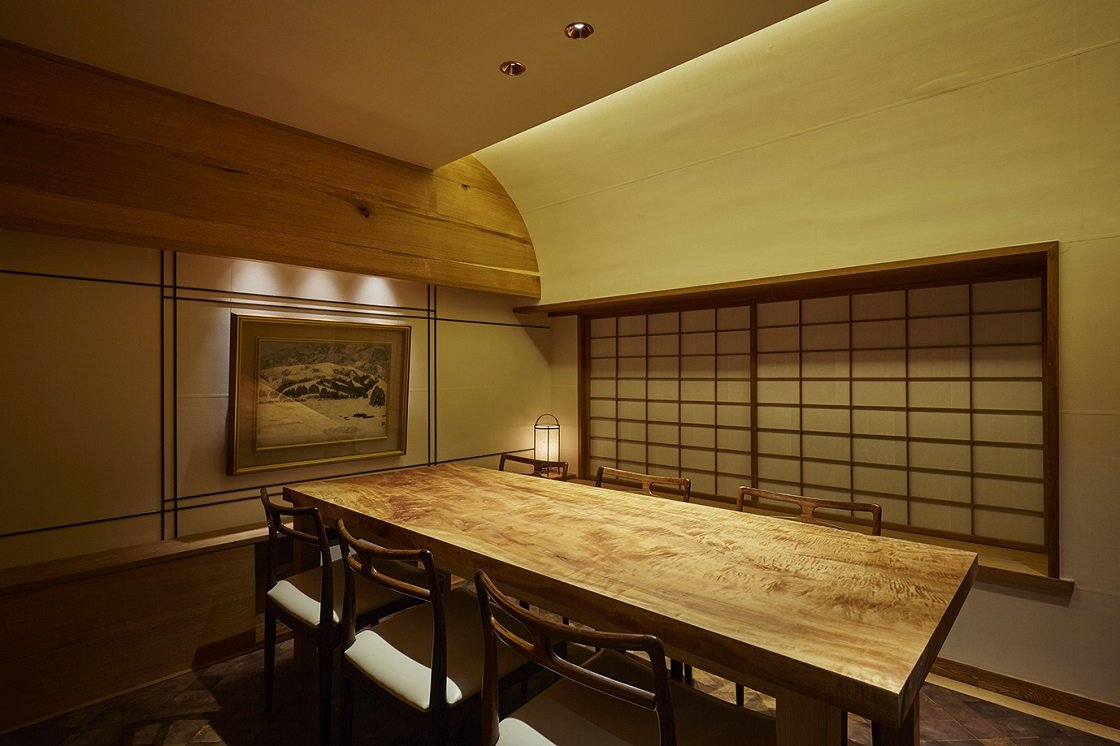
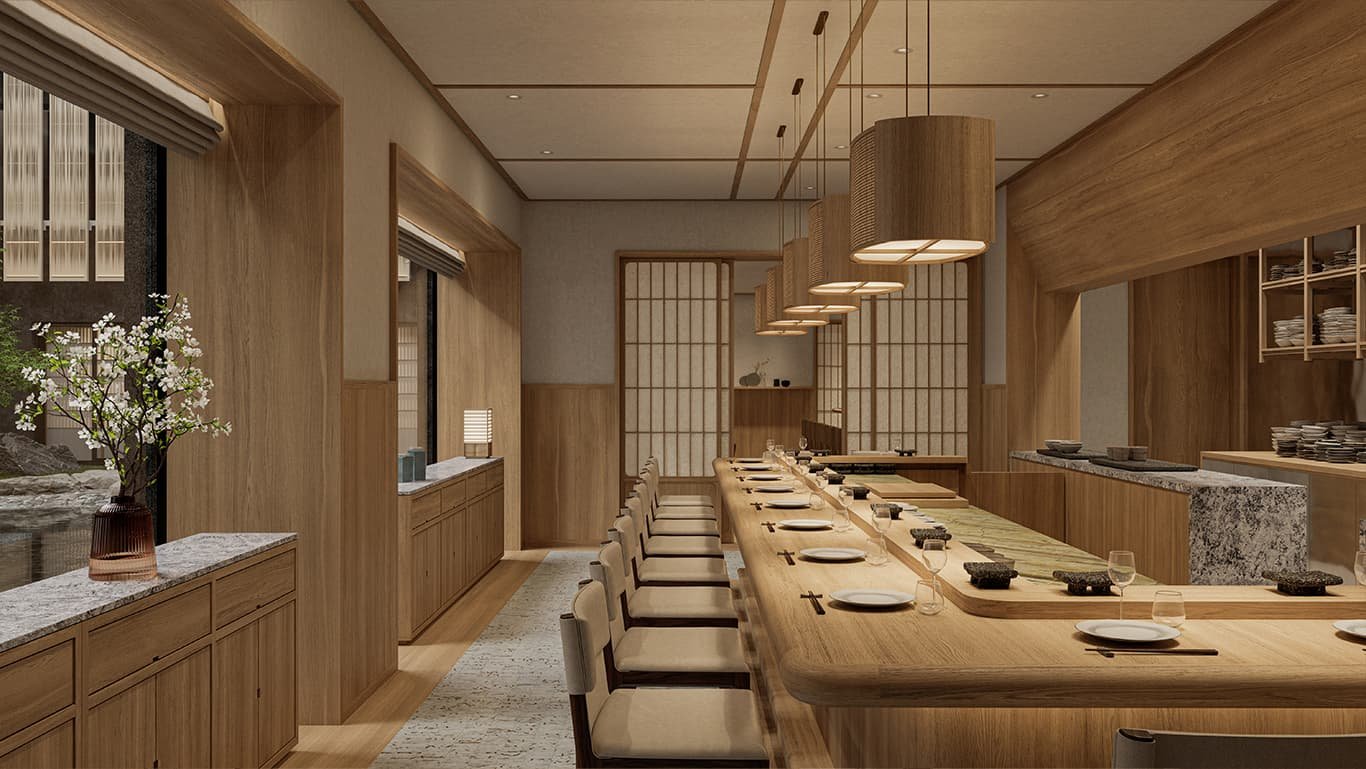
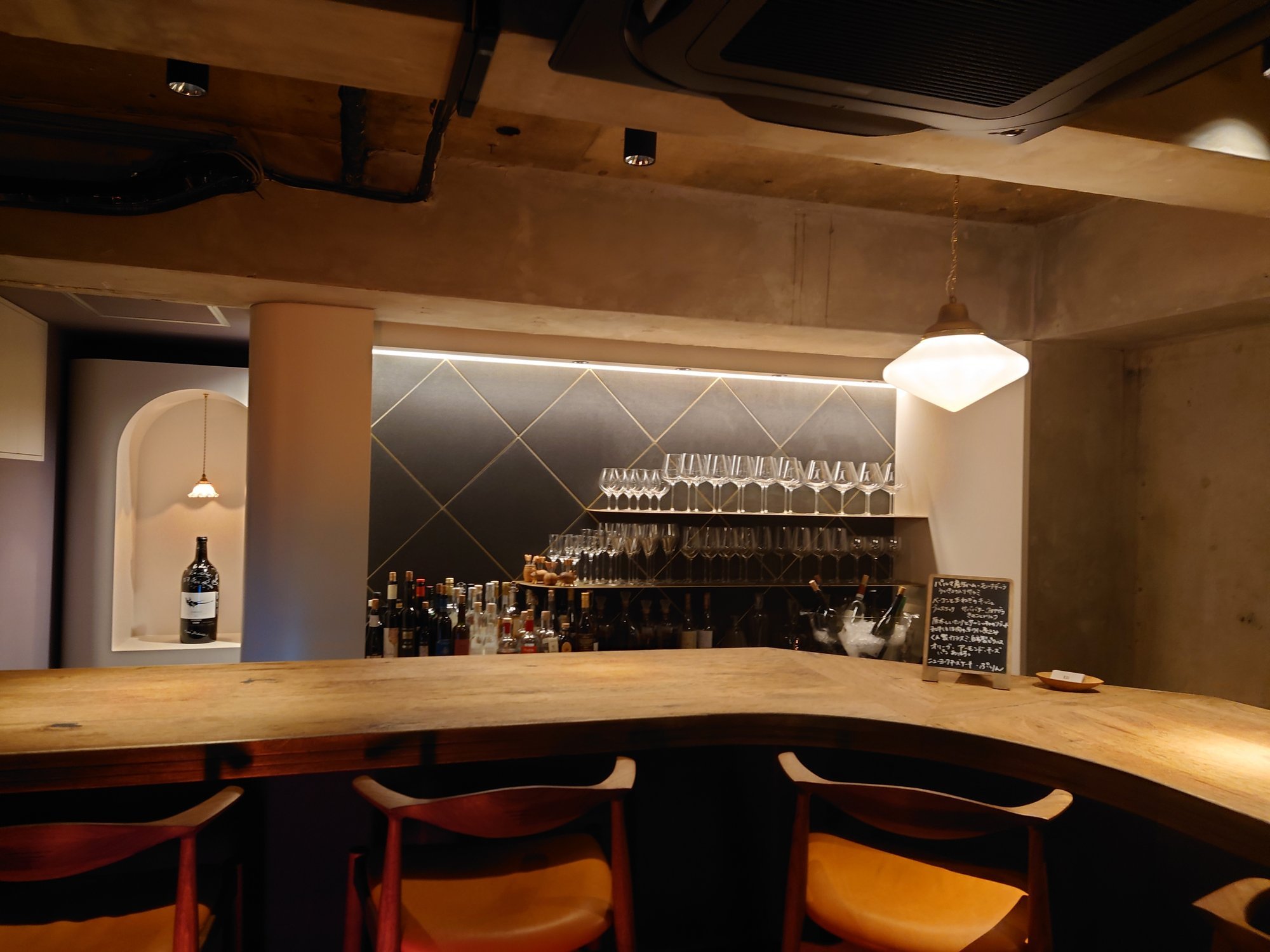
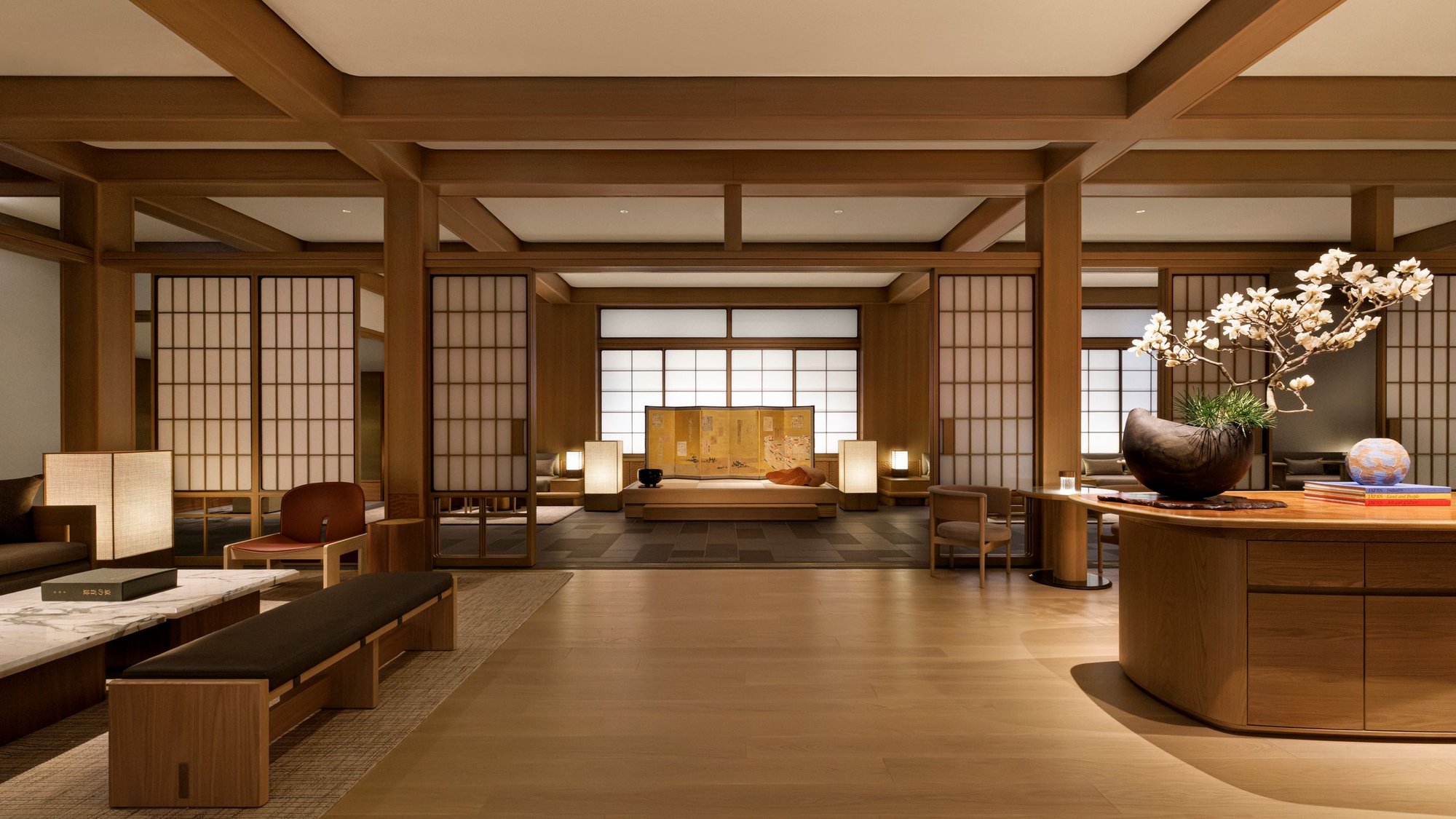
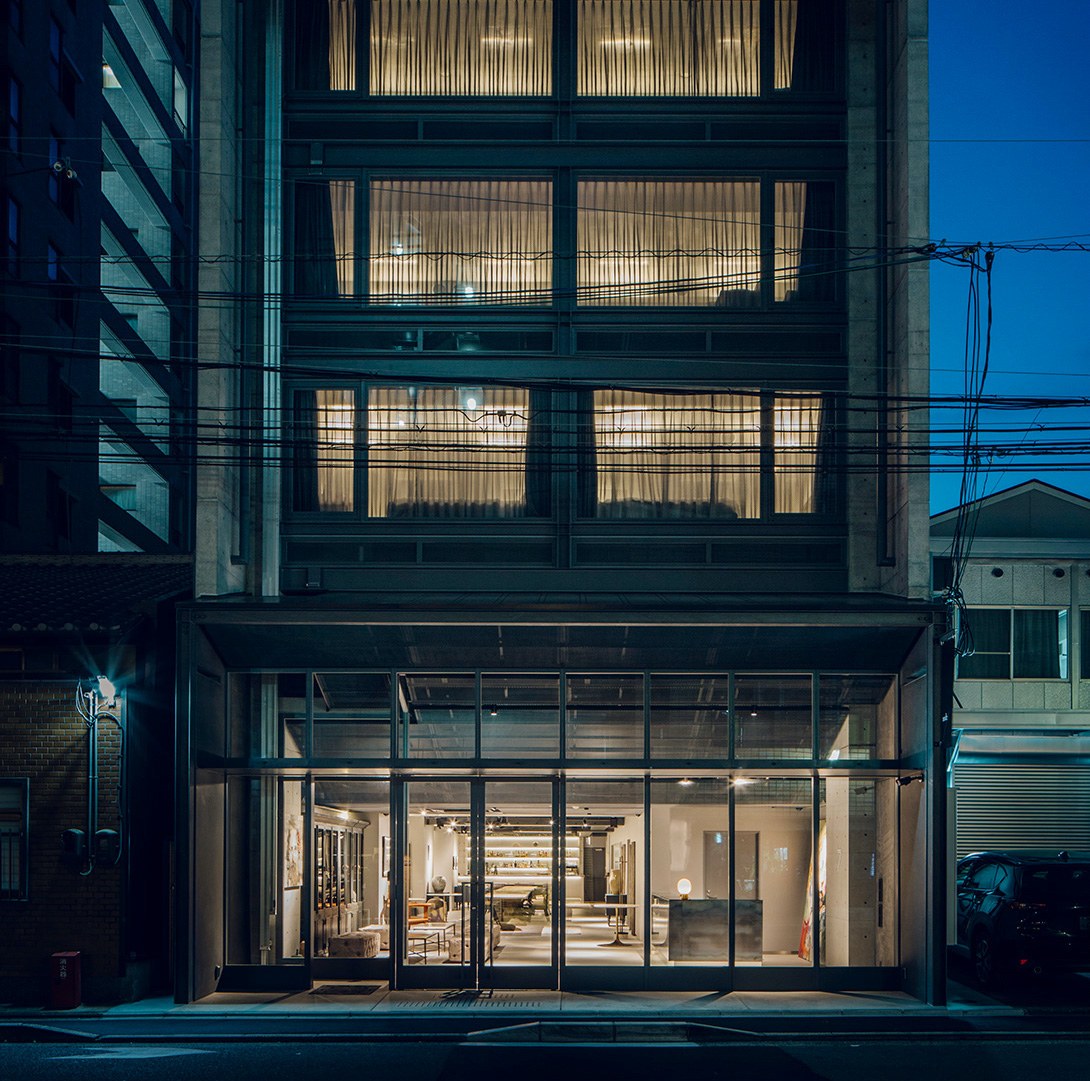
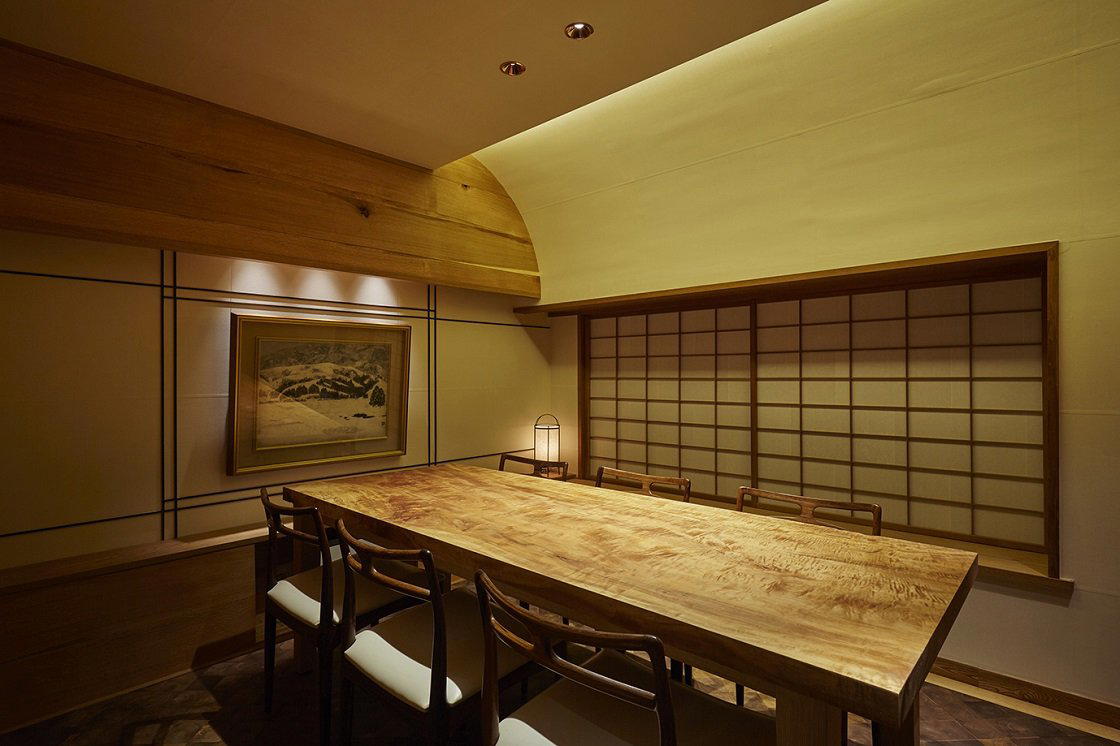
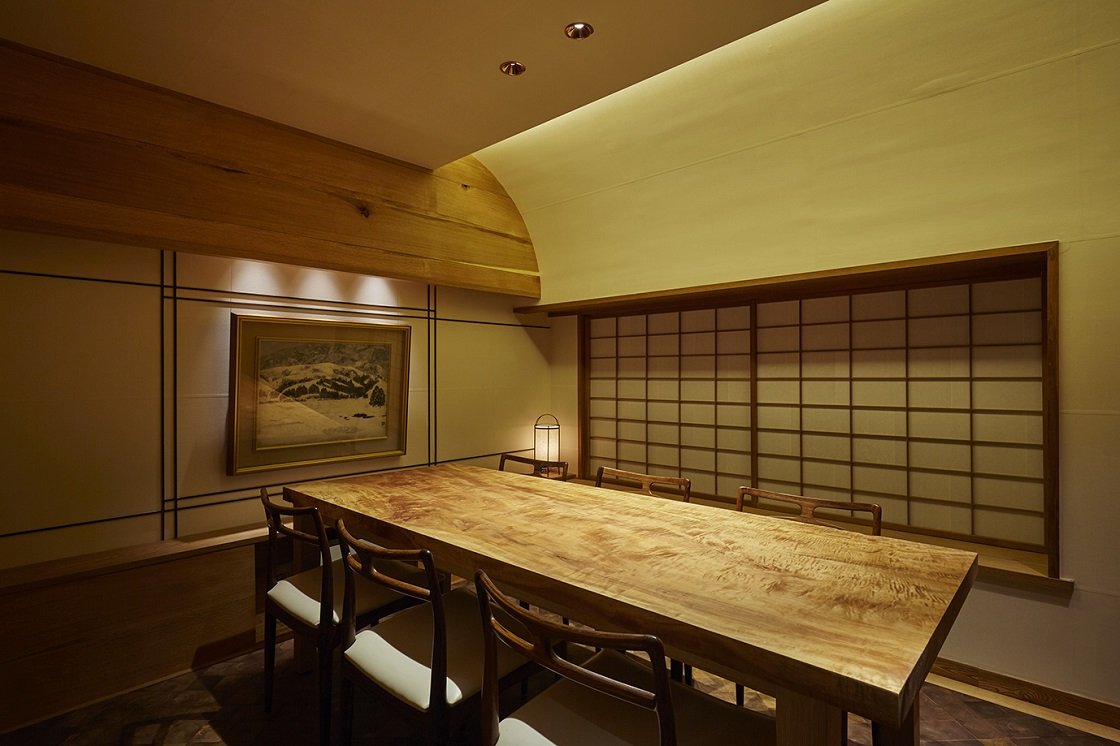
The address in Nakagyo Ward places Bini in central Kyoto, a location that contrasts with the rural produce it depends on. The room is small and quiet by most measures, the kind of space where the ambient sound is conversation rather than music or kitchen noise. For a returning visitor, the atmosphere rewards the same attention the menu requires. This is not a room for a loud group dinner or a celebratory arrival with expectations of theatre. The energy is composed and focused. If you are looking for a more animated room, there are livelier options in the city. If you want a dinner where the food is the event, the atmosphere here supports that.
Booking Intelligence
Booking difficulty is rated hard. A Michelin star in Kyoto generates international demand from visitors planning itineraries months in advance, layered on top of local regulars who know the seasonal calendar. If you are a returning visitor planning around a specific seasonal moment, say, the fermentation-forward autumn menu or the lighter spring offerings from Ohara, book further out than you think you need to. Attempting to secure a table within two or three weeks of an intended visit is a reasonable strategy only if your dates are flexible. Fixed-date travel to Kyoto should have Bini reserved before flights are booked.
Practical Details
| Detail | Bini | cenci (peer) | Gion Sasaki (peer) |
|---|---|---|---|
| Cuisine | Italian | Italian | Kaiseki |
| Price tier | ¥¥¥ | ¥¥¥ | ¥¥¥¥ |
| Michelin | 1 Star (2024) | 1 Star | 2 Stars |
| Booking difficulty | Hard | Hard | Very Hard |
| Setting | Nakagyo Ward, central Kyoto | Central Kyoto | Gion district |
How It Fits the Wider Japan Picture
Bini sits in a specific niche within Japanese fine dining: Italian-influenced, Michelin-recognised, and built around local sourcing rather than imported ingredients. If you are moving through Japan and want to track this kind of kitchen logic across cities, akordu in Nara offers a comparable sourcing-first European approach in a neighbouring prefecture. For Italian fine dining benchmarks further afield, 8 1/2 Otto e Mezzo Bombana in Hong Kong and Frasca Food and Wine in Boulder represent different expressions of the same European-technique-meets-local-produce model. Within Japan, HAJIME in Osaka and Harutaka in Tokyo show how Michelin-starred kitchens in other Japanese cities are handling similar territory at different price points and with different ingredient focuses.
For the rest of your Kyoto planning, see our full Kyoto restaurants guide, our full Kyoto hotels guide, our full Kyoto bars guide, our full Kyoto wineries guide, and our full Kyoto experiences guide. Other Italian options in the city worth comparing include Vena, BOCCA del VINO, DODICI, and TAKAYAMA. For regional options beyond Kyoto, Goh in Fukuoka, 1000 in Yokohama, and 6 in Okinawa round out a picture of how different Japanese cities are approaching the fine dining category.
Planning details
- Location
- Japan, 〒604-0871 Kyoto, Nakagyo Ward, Sanbongicho, 445-1
- Website
- restaurant-bini.com
- Phone
- +81 75-203-6668
The take
The Take
The Vibe
Bini presents a quietly assured dining experience where Italian discipline meets Kyoto fermentation. The room is modest in scale and deliberately restrained; the physical environment "does not compete for attention," so the focus stays on technique and ingredients. A particular stillness registers on arrival: the kind you get when a dining room is calibrated for concentration rather than ceremony. The kitchen’s rigorous approach, informed by Italian training and fermentation work in Switzerland, produces a refined, sophisticated menu that feels elegant and intimate yet quietly rooted in regional and rustic produce.
Best For
Bini suits focused, intentional meals: ideal for date nights and special occasions when precision and subtlety matter. Its small scale and single‑chef orientation draw diners who want an attentive culinary experience rather than a loud social scene. The restaurant signals its quality through technical exactitude and silence rather than ostentation, so it rewards guests who come ready to taste the interplay of fermentation, acidity and regional produce. Expect an evening that privileges flavour calibration and disciplined cooking over theatrical service.
Ordering Tips
The menu revolves around fermentation as a structural element, so choose dishes that foreground that logic: look for preparations that highlight sourness, bitterness and preserved vegetables. The kitchen’s Tagliolini with Crab and Tagliolini with Truffles are signatures; these are good bets for seeing the chef’s technique in action. Because the room is modest and the cooking is deliberate, pace your meal to savour contrasts of acidity and texture, and ask staff about the fermentation components when you want to understand how they shape each dish.
Venue details
Ambiance
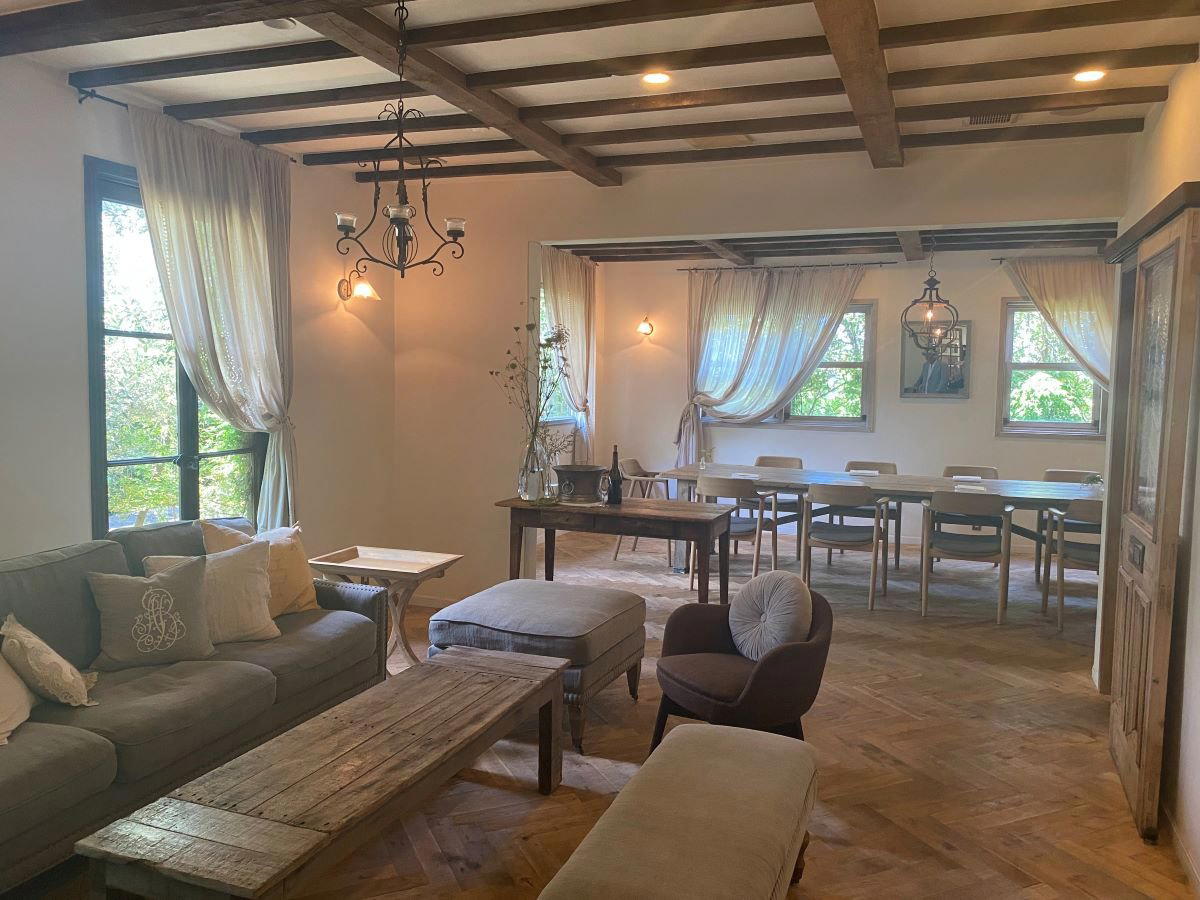
Elegant antique decor in a traditional farmhouse setting with refined personal service.
Tags
Vibe
Best For
Experience
Sourcing
At the Table
- Dress Code
- Smart Casual
- Noise Level
- Quiet
- Service Style
- Formal
- Meal Pacing
- Extended Experience
- Capacity
- Intimate
- Kitchen
- Modern
- Menu Format
- Tasting menu, Set menu
- Drinks Focus
- Wine
Signature Dishes
- Tagliolini with Crab
- Tagliolini with Truffles
Know before you go
Know Before You Go
- Getting there
- Japan, 〒604-0871 Kyoto, Nakagyo Ward, Sanbongicho, 445-1
Planning details
Location
Japan, 〒604-0871 Kyoto, Nakagyo Ward, Sanbongicho, 445-1 · Directions
Recognition and awards
Also consider
Also Consider
- Gion Sasaki: Kaiseki, Japanese, ¥¥¥¥
- cenci: Italian, ¥¥¥
- Ifuki: Kaiseki, ¥¥¥¥
- Kyokaiseki Kichisen: Japanese, ¥¥¥¥
- SEN: French, Japanese, ¥¥¥¥
Restaurant context
The most direct comparison for Bini is cenci, also Italian and also Michelin-recognised at ¥¥¥ in Kyoto. Both kitchens are working at the intersection of European technique and local produce, and both require advance booking. The differentiator is approach: Bini's menu is anchored specifically in Ohara vegetables and fermentation, giving it a more singular flavour identity. If you are choosing between the two, Bini is the call for diners who want a stronger sourcing narrative on the plate; cenci is worth considering if you want a slightly broader Italian frame.
Against the ¥¥¥¥ kaiseki tier Gion Sasaki, Ifuki, and Kyokaiseki Kichisen: Bini offers a lower price entry point to Michelin-starred dining in Kyoto, with a different genre entirely. If your priority is experiencing the kaiseki tradition at its most technically accomplished, those ¥¥¥¥ houses serve that goal; Bini does not try to replicate it. For a diner who wants Michelin-level intention without the kaiseki format or the ¥¥¥¥ spend, Bini is the better fit.
SEN offers French-Japanese cuisine at ¥¥¥¥ and occupies a different register again: more luxury-positioned and harder to book. If price flexibility is not a constraint and you want a French-influenced fine dining experience with Kyoto ingredients, SEN is worth the premium. But for the specific proposition of Italian technique applied to Kyoto's agricultural terroir, Bini is the option in this peer group that has no real substitute.
Explore Kyoto
Around this place
Discover more on Pearl
Unlock the full Bini guide in Pearl, including awards, comparisons, FAQs, planning details, and nearby places.
Compare Bini
| Venue | Price | Awards |
|---|---|---|
| Bini | ¥¥¥ | 2026 Michelin 1 StarTabelog 100 - Italian - WEST - 2025 · #272024 Michelin 1 Star |
| Gion Sasaki | ¥¥¥¥ | 2026 Tabelog Bronze · #3862026 OAD Top Restaurants in Japan RecommendedMichelin Guide Kyoto Osaka 20262026 La Liste Top RestaurantsTabelog 100 - Japanese cuisine - WEST - 2025 · #132025 OAD Top Restaurants in Japan Ranked · #2462025 Tabelog Silver2025 Michelin 3 Stars2025 La Liste Top Restaurants |
| cenci | ¥¥¥ | 2026 Tabelog Bronze · #442026 Asia's 50 Best Restaurants · #762026 OAD Top Restaurants in Japan Highly RecommendedMichelin Guide Kyoto Osaka 2026Tabelog 100 - Italian - WEST - 2025 · #632025 Asia's 50 Best Restaurants · #632025 OAD Top Restaurants in Japan Ranked · #1682025 Tabelog Bronze2024 OAD Top Restaurants in Japan Ranked · #135 |
| Ifuki | ¥¥¥¥ | 2026 OAD Top Restaurants in Japan Ranked · #1222026 Tabelog Bronze · #128Michelin Guide Kyoto Osaka 20262026 La Liste Top RestaurantsTabelog 100 - Japanese cuisine - WEST - 2025 · #622025 OAD Top Restaurants in Japan Ranked · #1002025 La Liste Top Restaurants2025 Tabelog Bronze2025 Michelin 2 Stars |
| Kyokaiseki Kichisen | ¥¥¥¥ | 2026 Tabelog Bronze · #1752026 OAD Top Restaurants in Japan Highly RecommendedMichelin Guide Kyoto Osaka 20262025 OAD Top Restaurants in Japan Ranked · #1862025 Michelin 2 Stars2025 La Liste Top Restaurants2024 OAD Top Restaurants in Japan Ranked · #1422024 Michelin 2 Stars2023 OAD Top Restaurants in Japan Ranked · #136 |
| SEN | ¥¥¥¥ | 2026 Tabelog Bronze · #3952026 OAD Top Restaurants in Japan RecommendedMichelin Guide Kyoto Osaka 20262026 Michelin PlateTabelog 100 - Japanese cuisine - WEST - 2025 · #652025 Michelin Plate2025 Tabelog Bronze2024 OAD Top Restaurants in Japan Ranked · #3622024 Michelin Plate |






.png?width=1200&quality=80)
Comparing your options in Kyoto for this tier.
FAQ
Frequently Asked Questions
What should a first-timer know about Bini?
Bini is a Michelin 1-star Italian restaurant in Nakagyo Ward, Kyoto, built around Ohara agricultural produce and fermented vegetable technique: not around red sauce or pasta convention. The chef trained in Italy and studied fermented cuisine in Switzerland before developing a style specific to this location. Come expecting a quiet, considered meal with sourness and bitterness as deliberate flavour tools, not flaws. If you want familiar Italian reference points, this will surprise you.
What should I order at Bini?
Fermented Ohara vegetables are central to the kitchen's identity, and that flavour profile runs through the meal regardless of format. Trust the kitchen's direction rather than steering around it; the sourness and bitterness are intentional, not incidental.
Is the tasting menu worth it at Bini?
At ¥¥¥ pricing and Michelin 1-star recognition, Bini sits in the same bracket as other serious Kyoto fine dining rooms: but its Italian-via-fermentation angle makes it a different proposition from kaiseki peers like Kichisen or Gion Sasaki. If that specific combination of local terroir and European technique is what you're looking for, the format earns its price. If you want a more legible Kyoto fine dining experience, kaiseki elsewhere may suit you better.
How far ahead should I book Bini?
Booking difficulty is rated hard. A Michelin star in Kyoto draws international visitors planning months in advance, and a small room means availability is tight. Aim for at least 2 to 3 months ahead if you're scheduling around a fixed travel date. If you're flexible on timing, check for shorter-notice cancellations, but don't count on them.
Is Bini worth the price?
At ¥¥¥, Bini is priced in line with other Michelin-recognised Kyoto dining rooms. Bini offers an Italian-framed, fermentation-led menu built on Ohara produce. For that proposition, it delivers something that doesn't exist elsewhere in Kyoto at this level. If you're price-comparing against kaiseki at the same tier, the formats are different enough that a direct comparison doesn't hold.
Is Bini good for a special occasion?
Yes, with one caveat: the room is small and quiet, which works well for intimate occasions but isn't suited to larger group celebrations. Two or three diners will get the most from the format. The Michelin recognition and the personal backstory behind the name, the chef's Italian mentor, gives the meal a considered character that suits marking something meaningful.
What are alternatives to Bini in Kyoto?
For Michelin-level kaiseki, Kyokaiseki Kichisen is the most decorated option in Kyoto and operates in a completely different register: traditional, formal, multi-generational. Gion Sasaki offers Michelin recognition with a more chef-driven, modern kaiseki approach. cenci is the closest Italian-influenced Kyoto comparison, also working with local produce. Ifuki and SEN are worth considering if you want serious Japanese cooking at a lower price point. Bini's fermented-vegetable, Italian-framed identity doesn't have a direct equivalent in the city.