2026 Asia's 50 Best Restaurants: The Full List Revealed
The 2026 Asia's 50 Best Restaurants is a prestigious annual ranking of the finest dining establishments across the Asian continent, curated by the media company William Reed. It highlights culinary excellence and innovation through a peer-voted system involving over 350 industry experts, including chefs, food critics, restaurateurs.
How many of these have you visited?
Discover on PearlVenues on this list

The Chairman
Hong Kong, Hong Kong
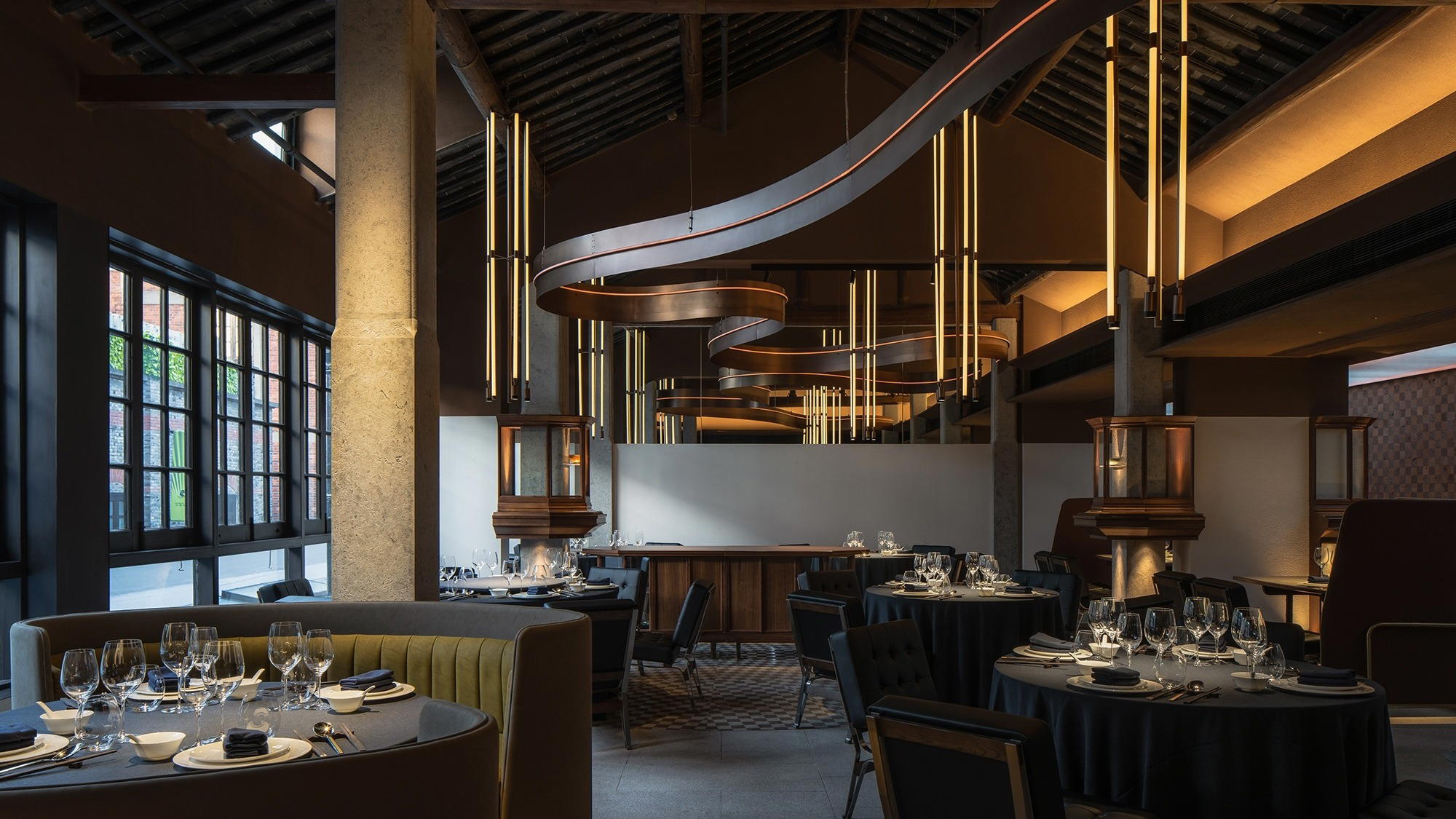
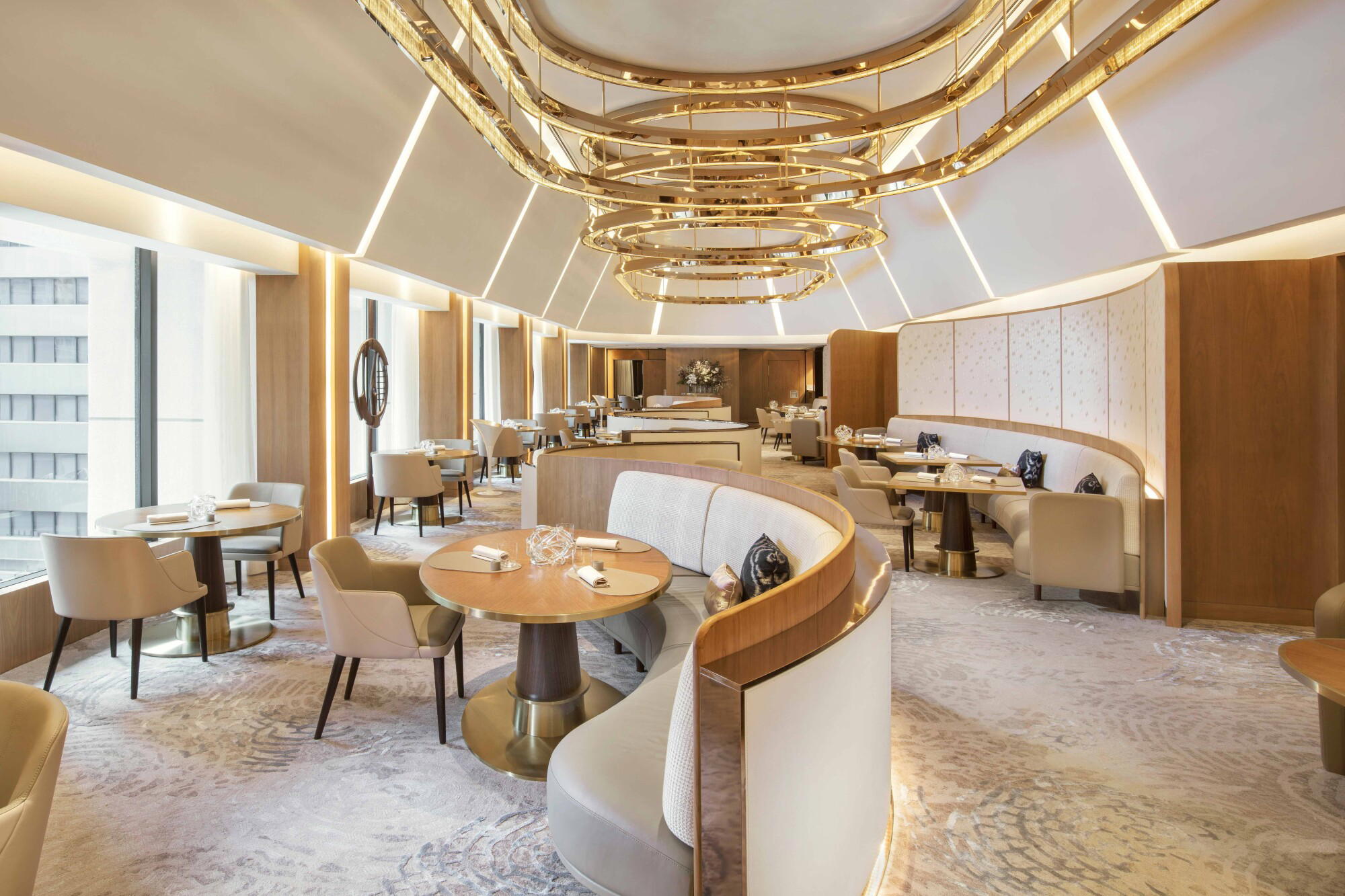
The Chairman sits in Hong Kong's Cantonese dining conversation as a high-recognition counterweight to hotel luxury: ingredient-led, technically precise, unusually disciplined in format. Its current awards profile includes Black Pearl three-diamond status, La Liste scoring, OAD Asia ranking, Star Wine List recognition, a 2024 Michelin star, but the point is the cooking: Cantonese tradition sharpened through sourcing, wok control, restraint.

WING Restaurant
Hong Kong, Hong Kong
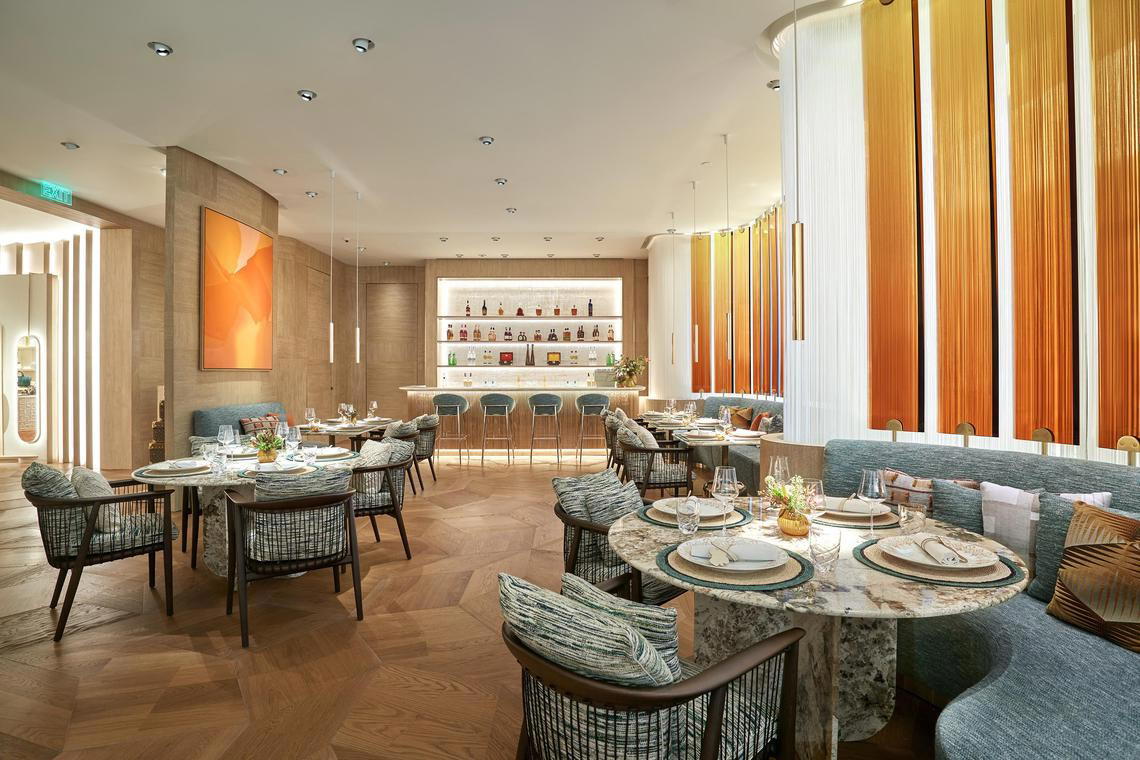
WING Restaurant places contemporary Chinese fine dining inside Hong Kong's sharper regional conversation: Cantonese reference points, broader Chinese culinary memory, European technique without turning the meal into fusion shorthand. Chef-owner Vicky Cheng's second Hong Kong restaurant has major recognition from Asia's 50 Best Restaurants, OAD, La Liste, Black Pearl and Tatler, making it a serious table for diners tracking the city's modern Chinese direction.

Gaggan Anand
Bangkok, Thailand
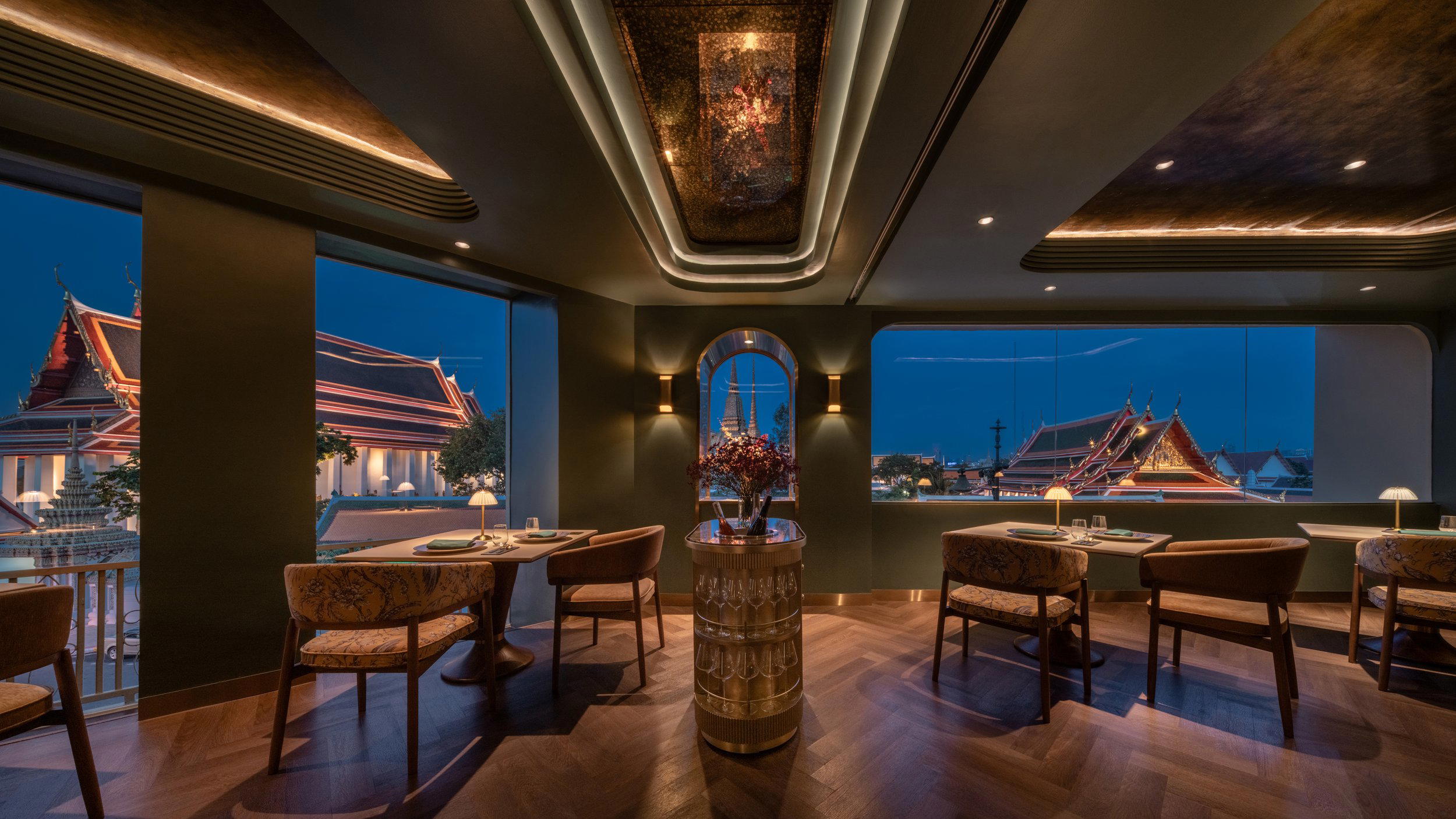
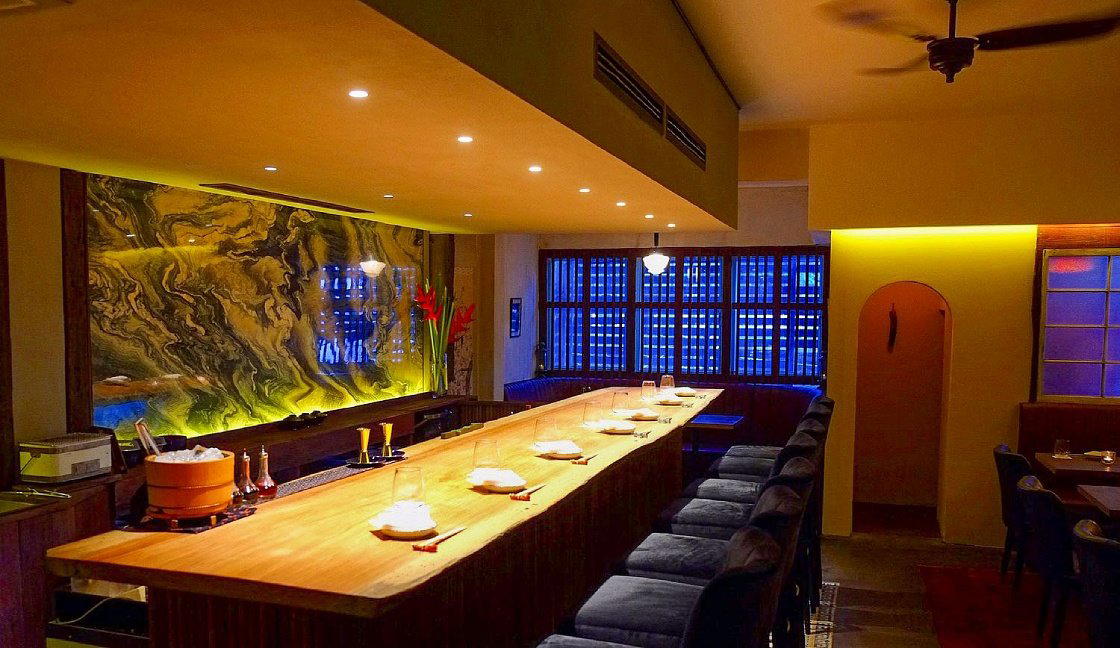
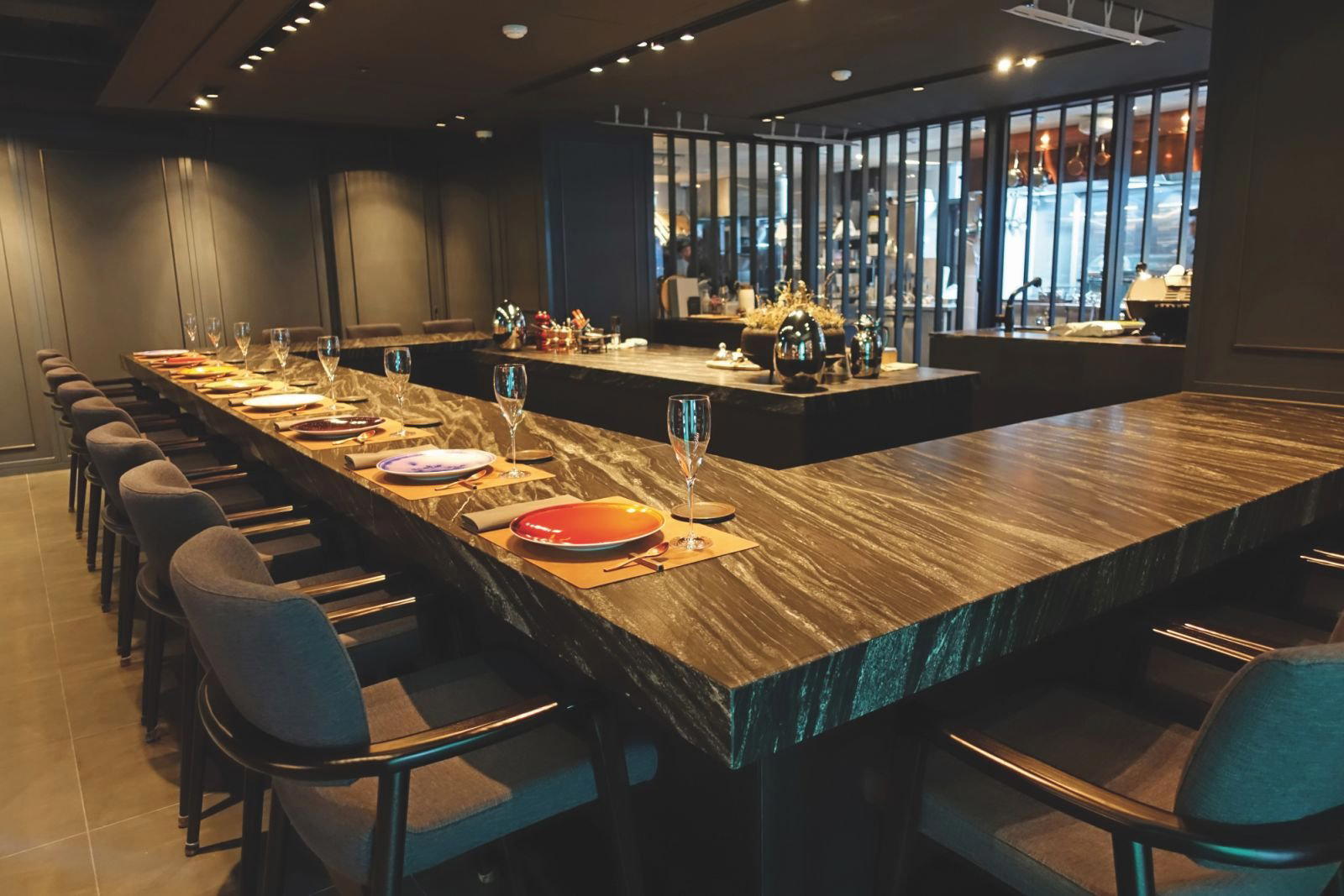
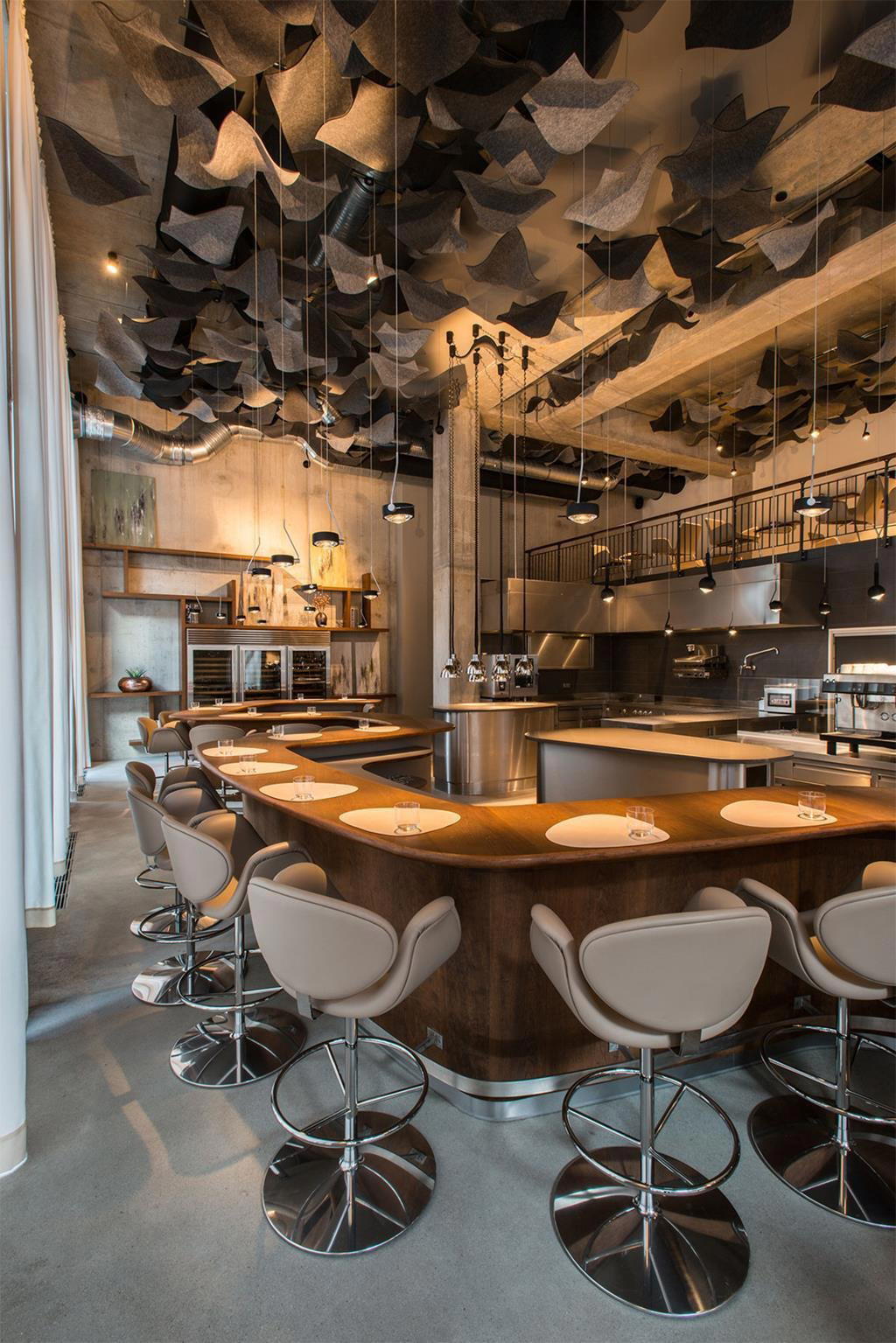
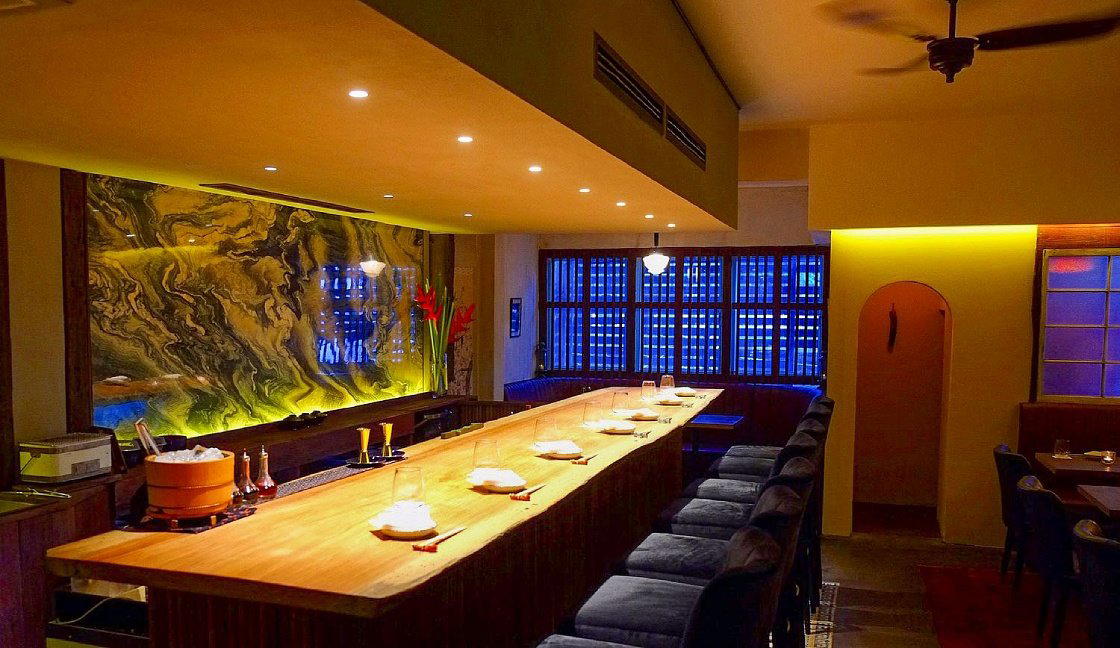
Bangkok's progressive Indian dining scene has few rooms as choreographed as Gaggan Anand, where a 14-seat L-shaped counter turns dinner into a staged sequence of courses, light, sound and participation. The cooking draws from Indian foundations while pulling in French, Thai and Japanese references, with major recognition from Asia's 50 Best Restaurants, Opinionated About Dining and La Liste.

Mingles
Seoul, South Korea
Mingles places modern Korean tasting-menu cooking inside Seoul’s luxury dining tier, with banchan logic translated into composed courses rather than a crowded table. Chef Mingoo Kang’s cooking is backed by Michelin three-star recognition in 2024 and 2025, La Liste 96-point scores, a 2026 OAD Asia ranking at No. 16, making it a serious reference point for contemporary Korean cuisine.

Nusara
Bangkok, Thailand
Nusara occupies a ten-seat dining room on Bangkok's historic Maha Rat Road, where chef Thitid Tassanakajohn runs a 12-course tasting menu rooted in royal Thai kitchen recipes and family heritage. Ranked 6th on Asia's 50 Best in 2025 and holding a Michelin Plate, it is one of the city's hardest reservations and among the most considered Thai fine-dining formats available in Bangkok.

Meet the Bund
Shanghai, China
Meet the Bund places Fujian cooking inside Shanghai’s premium dining conversation, with Chen Zhiping leading a kitchen known for province-specific technique rather than generic coastal luxury. Recognition from Black Pearl, Michelin Plate, La Liste, Opinionated About Dining and Asia’s 50 Best Restaurants gives it unusual critical density for a Fujian address in Shanghai.

Chef Tam's Seasons
Macau, China
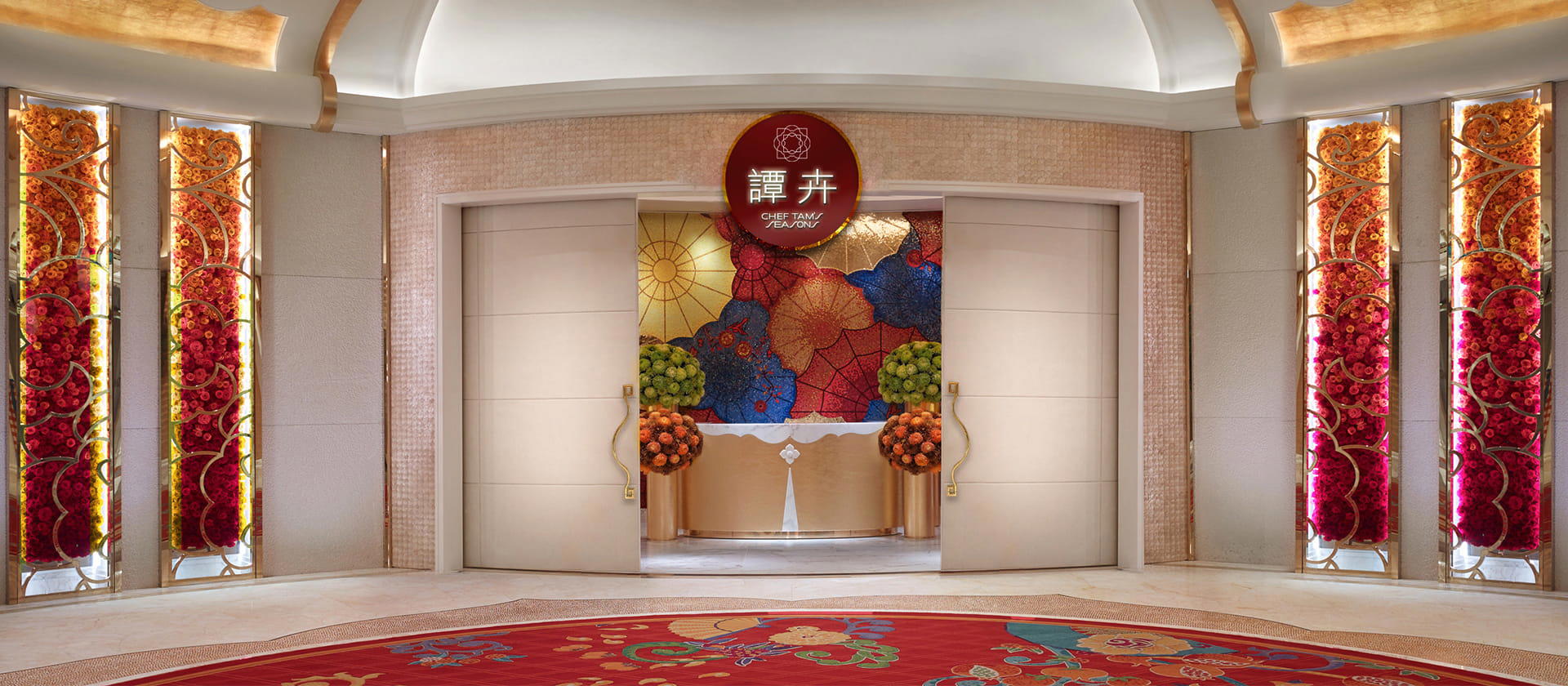
Chef Tam's Seasons brings Cantonese cooking into Macau's luxury-hotel dining tier through a seasonal format built around the 24 solar terms. The room signals ceremony, but the more serious story is speed, heat and timing: wok technique, wood-fired barbecue, live seafood and a fast-changing degustation structure backed by major regional and global recognition.

Gaggan at Louis Vuitton
Bangkok, Thailand
Gaggan at Louis Vuitton sits on the first floor of Gaysorn Amarin on Phloen Chit Road, placing one of Bangkok's most recognised dining formats inside a luxury retail environment. Ranked 31st in Asia's 50 Best Restaurants 2025, the address signals a deliberate shift in how high-end progressive cuisine positions itself in the Thai capital. Booking logistics and format discipline define the experience here as much as what arrives at the table.

Ling Long Shanghai
Shanghai, China
Ling Long Shanghai brings neo-Chinese cooking to Xujiahui's Raffles City, where Chef Jason Liu frames a season-driven menu in acts, each course merging classical Chinese technique with European finesse. A Michelin star (2024), Black Pearl 1 Diamond (2025), and La Liste recognition underline its position among Shanghai's contemporary Chinese tier. The format rewards patient, attentive dining rather than quick meals.

Ru Yuan
Hangzhou, China
Ru Yuan holds two Michelin stars (2025) and a place at #59 in Asia's 50 Best Restaurants, positioning it among Hangzhou's most closely watched Zhejiang-cuisine addresses. Under chef Fue Yue Liang, the kitchen operates at the top of the Xihu district's fine-dining tier, at a price point (¥¥¥¥) that sits above most of its local peers. The awards trajectory, from one star to two in a single cycle, signals a kitchen moving quickly through the region's critical hierarchy.

Fu He Hui
Shanghai, China
Fu He Hui makes Shanghai's plant-led fine dining feel serious rather than corrective: vegetables, fungi, grains and tea carry the meal instead of imitating meat. Its recognition across Michelin, Black Pearl, La Liste, Opinionated About Dining and Asia's 50 Best places it in the city's luxury dining conversation, but its discipline belongs to a narrower vegetarian lineage.

Sorn
Bangkok, Thailand
Sorn holds three Michelin stars and ranked #1 in Asia on the Opinionated About Dining list for 2024 and 2025, making it Bangkok's most decorated Southern Thai restaurant. Chef Supaksorn 'Ice' Jongsiri structures a multi-course menu around hyper-local ingredients sourced exclusively from Southern Thailand, from Tapi River prawns to Andaman squid. Booking months ahead is standard; Saturday is the one night the kitchen closes.

La Cime
Osaka, Japan
La Cime places Osaka’s French dining at the point where classical technique meets western Japanese produce, with chef Yusuke Takada’s cooking framed by precision rather than spectacle. Its recognition across Michelin, Tabelog, La Liste, Opinionated About Dining and the 50 Best ecosystem puts it in the city’s serious dining tier, but the more interesting story is how French form absorbs Kansai ingredients without turning them into ornament.

Onjium
Seoul, South Korea
Onjium Seoul elevates Korean royal court cuisine to Michelin-starred heights, where chef Cho Eun-hee's scholarly approach transforms centuries-old Joseon dynasty recipes into contemporary masterpieces. This cultural research institute and restaurant near Gyeongbokgung Palace offers an intimate 25-seat experience celebrating Korea's culinary heritage through seasonal tasting menus.

Masque
Mumbai, India
Ranked #68 on the World's 50 Best Restaurants (2025) and scoring 94 points on La Liste's 2026 list, Masque occupies a converted textile mill in Mahalakshmi and operates at the leading edge of contemporary Indian cooking. Chef Varun Totlani's ten-course tasting menu draws on seasonal, locally sourced ingredients to reframe familiar Indian flavours through a rigorous modern lens.

Sézanne
Tokyo, Japan
Sézanne remains a Tokyo French fine-dining address at Four Seasons Hotel Tokyo at Marunouchi, now led by executive chef Stephen Lancaster after Daniel Calvert's March 2026 departure. Its current Michelin listing is under reevaluation rather than carrying active stars; current list credentials include The World's 50 Best Restaurants #7 in 2025 and Asia's 50 Best Restaurants #16 in 2026.

Lamdre
Beijing, China
Beijing’s plant-based fine dining has moved beyond temple-restaurant restraint and wellness shorthand. Lamdre sits in the ambitious tier, with chef Dai Jun’s vegetable-led cooking backed by a Black Pearl two-diamond listing for 2026, La Liste 90 points for 2026, Asia’s 50 Best Restaurants recognition in 2025, Michelin one-star recognition in 2024.

Sühring
Bangkok, Thailand
Sühring holds three Michelin stars and a No. 18 position on Asia's 50 Best Restaurants 2026, making it one of Bangkok's most decorated fine-dining addresses. Twin chefs Thomas and Mathias Sühring serve a modern German tasting menu from a restored 1970s villa in Chong Nonsi, drawing on fermentation, pickling, curing techniques alongside a wine list of 715 selections weighted toward Germany, Austria, Burgundy.

Odette
Singapore, Singapore
Odette occupies a gallery-facing address inside the National Gallery Singapore, where Julien Royer's French Contemporary cuisine, shaped by Michel Bras training and seasoned by years in Asia, has earned three Michelin stars, a World's 50 Best top-25 ranking, a 98-point La Liste score. The tasting menu operates at the upper tier of Singapore's fine dining market, with award consistency that places it in a narrow comparable set globally.

Seroja
Singapore, Singapore
Seroja Singapore elevates Malay Archipelago heritage to Michelin-starred heights, where Chef Kevin Wong's seafood-focused tasting menus celebrate Malaysian culinary traditions through sustainable sourcing and contemporary artistry. This intimate Bugis fine dining destination earned both a Michelin Star and Singapore's first Green Star within months of opening.

Sazenka
Tokyo, Japan
Sazenka sits in Tokyo’s rarefied Chinese dining tier, where high-heat technique is filtered through Japanese seasonality and formal restraint. Chef Tomoya Kawada’s room carries major recognition, including The Tabelog Award 2026 Gold, La Liste 2026 at 99 points, placement on major Japan and Asia restaurant lists, making it a serious choice for diners tracking Chinese cuisine at Tokyo’s luxury end.

logy
Taipei, Taiwan
A two-Michelin-starred counter in Taipei's Neihu District, logy operates at the intersection of Japanese technique and Taiwanese produce, under chef Ryogo Tahara of the Florilège lineage. The menu architecture reflects a dialogue between two culinary traditions rather than a fusion compromise. Ranked 26th among Asia's Best Restaurants in 2025, it occupies the upper tier of Taipei's fine dining circuit.

Born
Singapore, Singapore
Born occupies Jinricksha Station, a 1903 rickshaw depot on Neil Road, where a nine-course tasting menu fuses French technique with Chinese cooking tradition. Holding a Michelin star (2024), Black Pearl 1 Diamond (2025), and ranked #54 on Asia's 50 Best Restaurants 2025, it sits in Singapore's upper tier of creative tasting-menu restaurants. Sommelier Leslie Loo oversees a wine list of 3,450 selections weighted toward France.

Neighborhood
Hong Kong, Hong Kong
On Hong Kong's Hollywood Road, Neighborhood operates at the intersection of casual format and serious recognition: a Michelin one-star with a 2025 Asia's 50 Best ranking of #21. Chef David Lai's rotating tapas menu leans seafood-heavy, with large sharing platters requiring advance orders. The $$ price point places it well below the city's formal fine-dining tier while competing on the same regional lists.

Potong
Bangkok, Thailand
Potong places Bangkok's Thai-Chinese fine dining conversation inside a restored Chinatown pharmacy building, using a 20-course tasting format to translate wok heat, preserved ingredients, Sino-Thai memory into a contemporary dining sequence. Chef Pichaya “Pam” Soontornyanakij's restaurant carries strong external recognition, including Asia's 50 Best Restaurants No.13 in 2025, La Liste 93 points in 2026, OAD Asia ranking in 2026.

Eatanic Garden
Seoul, South Korea
On the 36th floor of Josun Palace in Gangnam, Eatanic Garden holds a Michelin star and a place at #25 on Asia's 50 Best Restaurants 2025. Chef Son Jong-won builds seasonal tasting menus around Korean ingredients and fermentation technique, served without a printed menu, illustrated cards announce each course instead. The wine program matches the kitchen's ambition across a cellar of over 1,000 labels.

Ms.Maria & Mr.Singh
Bangkok, Thailand
Positioned above the Gaggan Chef Table on Sukhumvit 31, Ms.Maria & Mr.Singh merges Mexican and Indian cooking into a format that earns serious recognition: Asia's 50 Best at #99 in 2025, a Michelin Plate, the Star Wine List #1 two years running. Pork vindaloo tacos and papdi chaat on mini taco shells signal the kitchen's intent, spice-forward, structurally inventive, rooted in two distinct culinary traditions at once.

MAZ
Tokyo, Japan
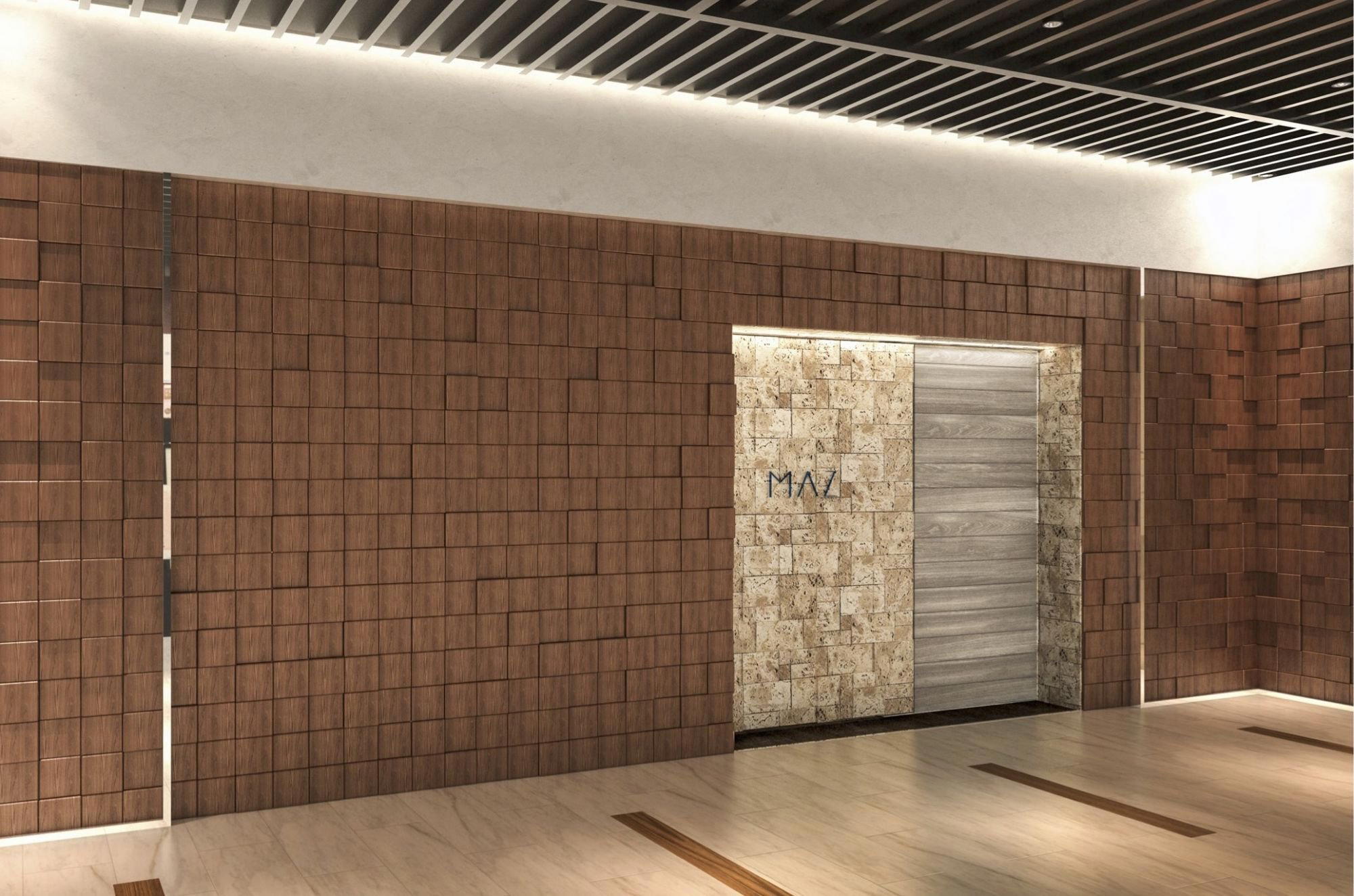
Tokyo's innovative dining tier has become more international without loosening its ritual discipline. MAZ brings Peru's altitude-led way of reading biodiversity into a Japanese fine-dining room, backed by Michelin two-star recognition in 2024 and 2025, Star Wine List appearances, La Liste scores, Tabelog Bronze awards. The appeal is not fusion shorthand, but a tightly paced meal built around origin, elevation, restraint.

102 House Shanghai
Shanghai, China
Occupying the fifth floor of The House of Roosevelt on the Bund, 102 House Shanghai holds a White Star recognition from Star Wine List, signalling a wine program serious enough to draw attention beyond the dining room. The address places it among Shanghai's most historically charged dining corridors, where the Huangpu River and the city's colonial-era facades form a backdrop few restaurants anywhere can match.

Naar
Kasauli, India
Naar sits inside Amaya in the Kasauli hills, where chef Prateek Sadhu, ranked 66th on Asia's 50 Best list in 2025 and awarded 93 points by La Liste, translates Himalayan ingredients and Kashmiri culinary memory into a format that places this small-mountain-town address firmly in India's serious dining conversation. The drive up, the altitude, the deliberate remove from the plains are part of the proposition.

Florilège
Tokyo, Japan
Florilège sits at the intersection of French technique and Japanese seasonal thinking, operating from a single long communal table inside Azabudai Hills since late 2023. Chef Hiroyasu Kawate holds two Michelin stars and ranked 17th at Asia's 50 Best Restaurants in 2025. Dinner runs from ¥22,000 before service charge, with a plant-forward tasting menu and dedicated sommelier program.

Estro
Hong Kong, Hong Kong
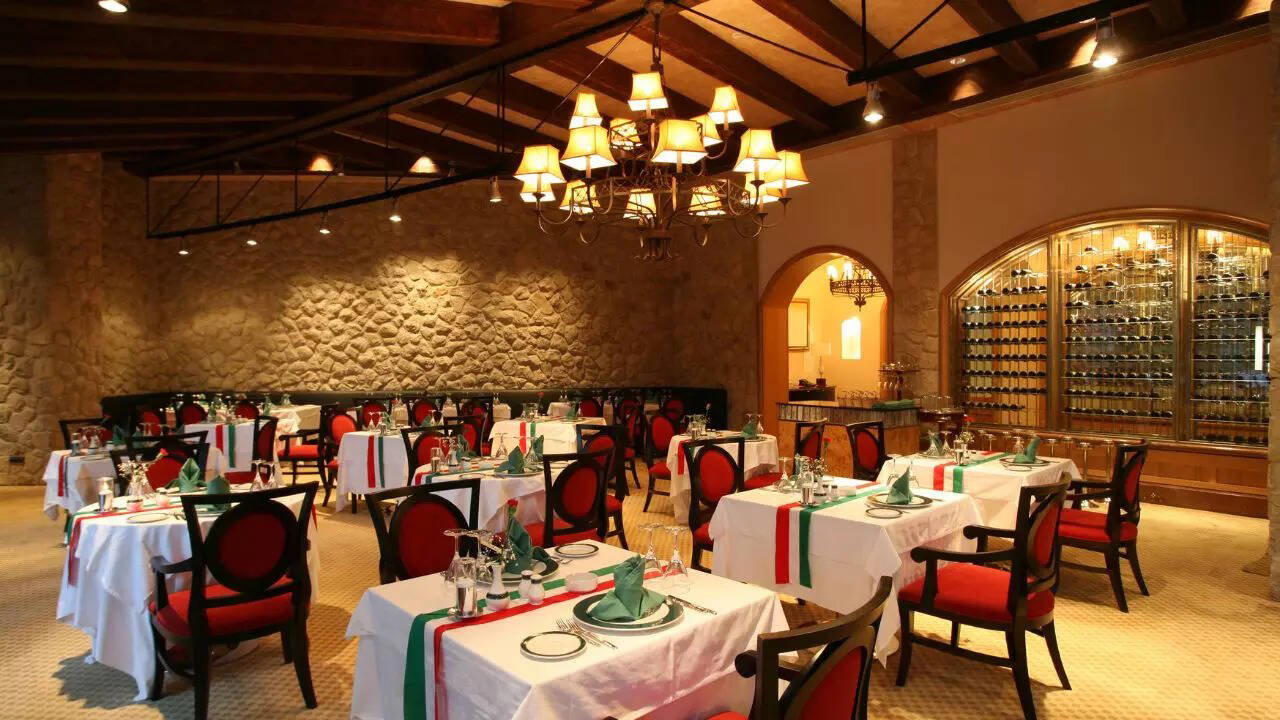
Estro brings Neapolitan cooking to Central Hong Kong with a precision and narrative depth that has earned it a Michelin star, a Black Pearl Diamond, a place at #32 on Asia's 50 Best list. Chef Antimo Maria Merone's six- and eight-course menus move through southern Italian ingredients and technique, backed by a wine cellar running to thousands of bottles on Duddell Street's upper floor.

Myojaku
Tokyo, Japan
Myojaku sits in Tokyo's high-price Japanese dining tier with a 14-course French-leaning omakase shaped by Hidetoshi Nakamura. Its interest is regional as much as technical: Kanto restraint, Kansai-style sensitivity to water and aroma, a minimalist approach that has drawn Tabelog Silver recognition and a 2026 OAD ranking.

Crony
Tokyo, Japan
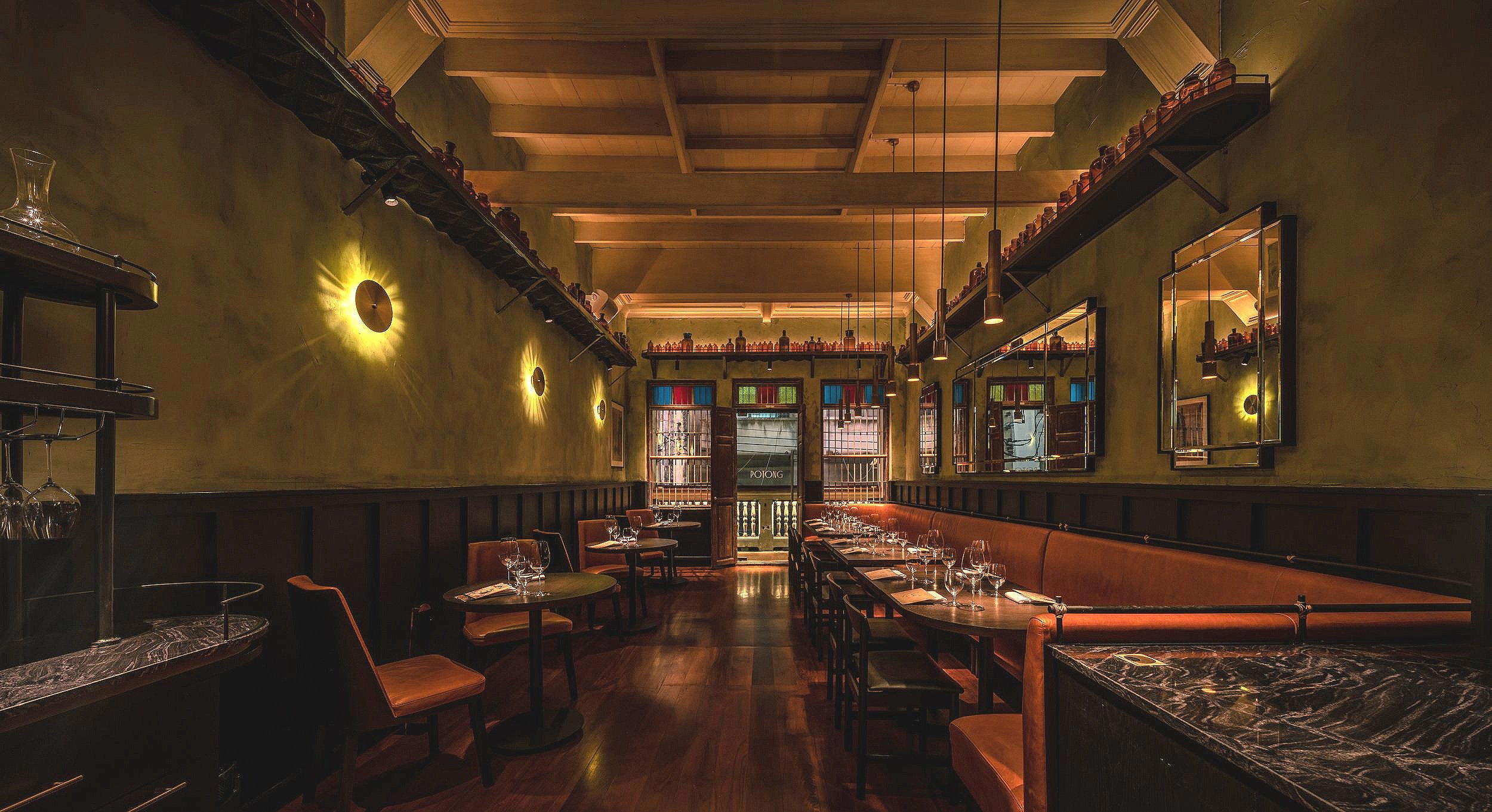
A two-Michelin-starred restaurant in Higashi-Azabu, Crony occupies a glass-walled detached house across from a park, where Chef Michihiro Haruta serves prix fixe menus rooted in French technique and a sustainability ethos that extends from suppliers to staff. Ranked 30th on Asia's 50 Best in 2025, it sits among Tokyo's most closely watched fine-dining addresses.

Caprice
Hong Kong, Hong Kong
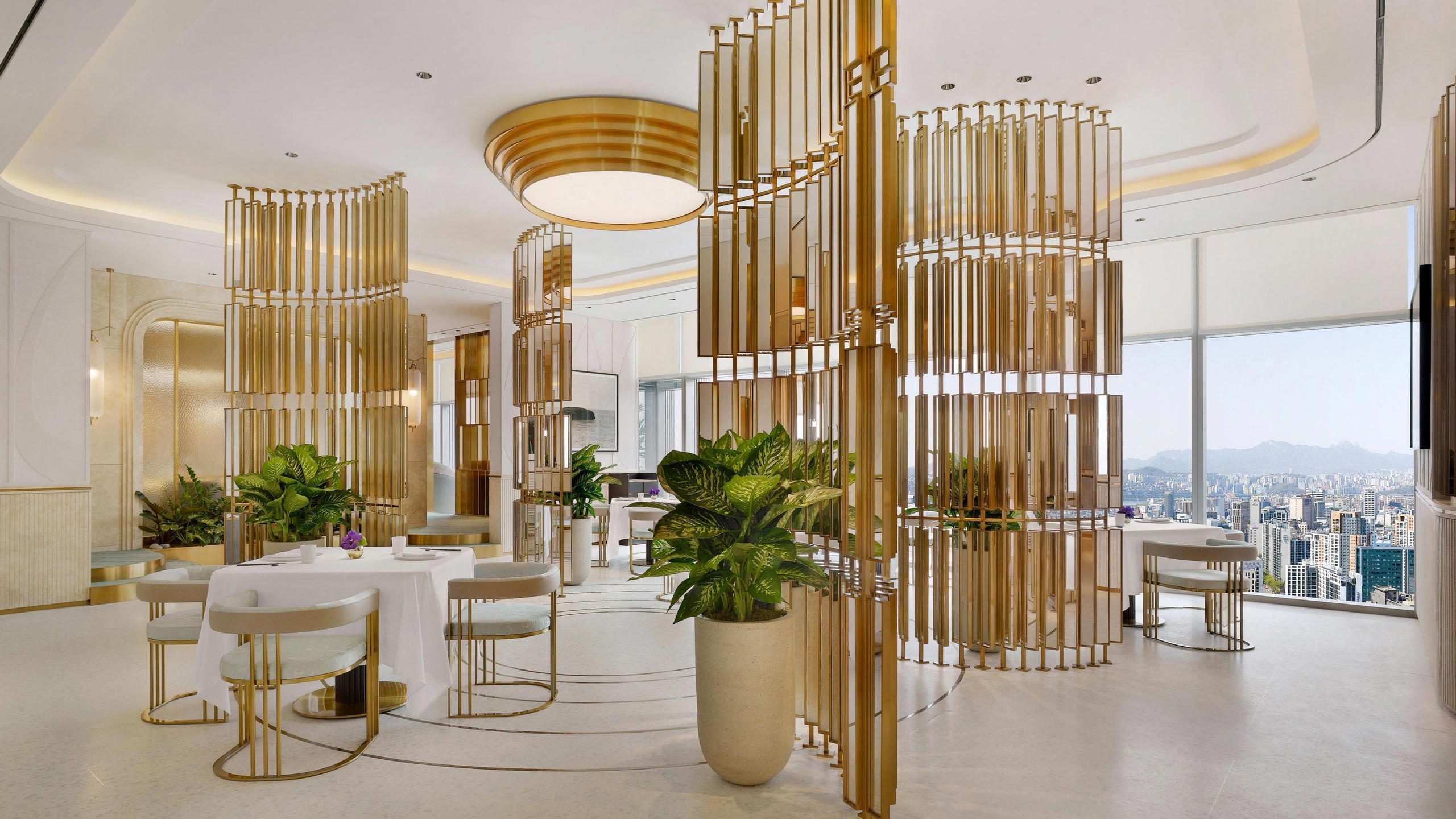
Three Michelin stars, a La Liste score of 99 points, a position at #18 in Asia's 50 Best, Caprice operates at the top tier of French fine dining in Hong Kong. Chef Guillaume Galliot's menu draws on French regional sourcing, from Brittany lobster to Périgord veal, served against floor-to-ceiling views of Victoria Harbour inside the Four Seasons Hotel Central.

Le Du
Bangkok, Thailand
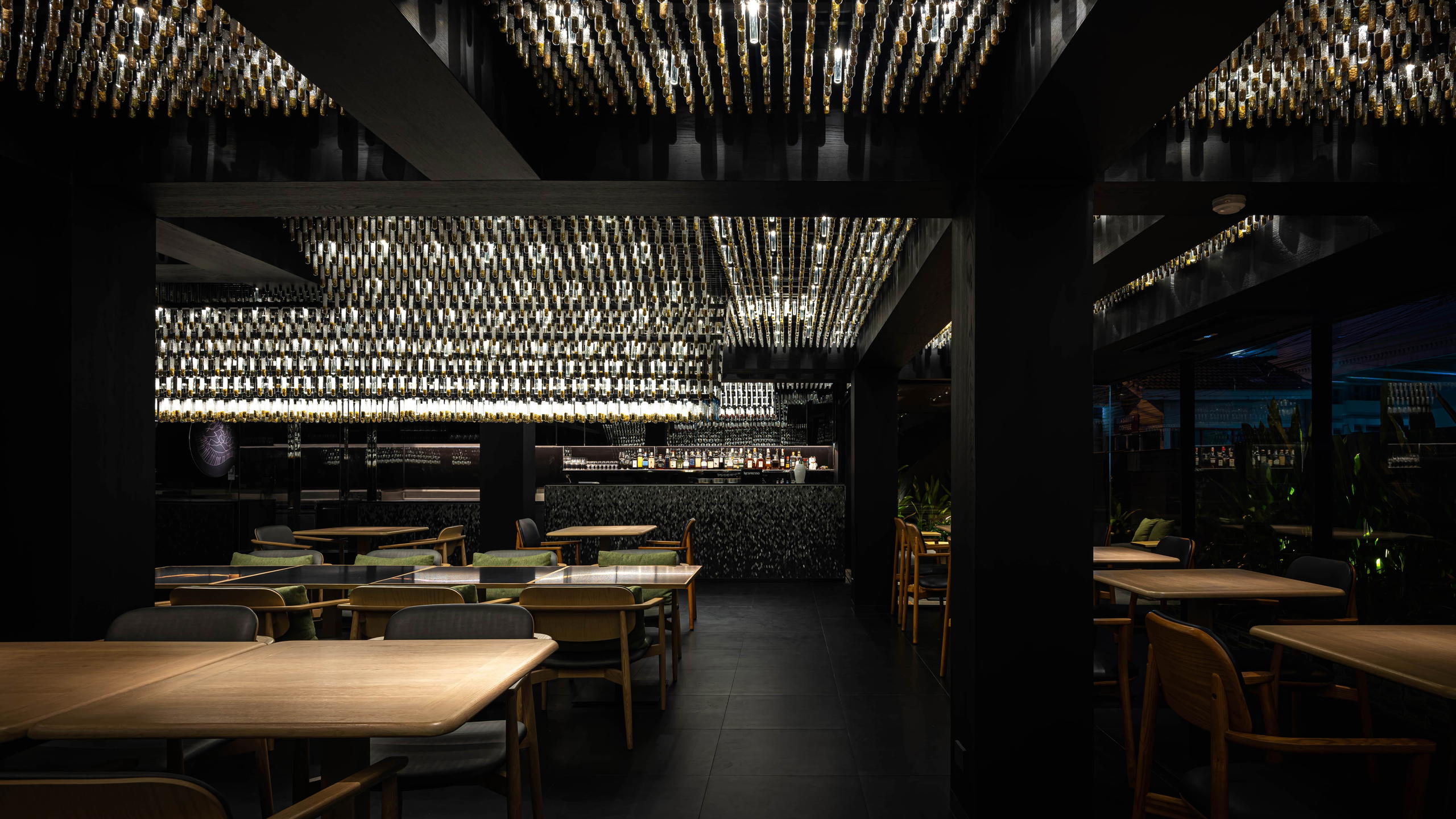
Le Du has ranked as high as #15 on the World's 50 Best Restaurants list and holds a Michelin star, placing it at the front of Bangkok's modern Thai fine-dining tier. Chef Thitid Tassanakajohn builds a rotating four- or six-course menu around Thai seasonal produce, with the restaurant's name drawn from the Thai word for 'season'. The 20,000 test-tube ceiling and attentive service team complete a dining room that rewards a slow evening.

Narisawa
Tokyo, Japan
Narisawa is Tokyo's long-running argument for Japanese terroir through a French-informed lens: satoyama thinking, disciplined technique, a room built for serious dining rather than spectacle. The 15-seat restaurant carries Michelin two-star recognition, Tabelog Silver status for 2026, La Liste scoring, a history on the World's 50 Best Restaurants rankings, with pricing in the JPY 80,000–99,999 bracket for lunch and dinner.

Les Amis
Singapore, Singapore
Among Singapore's French haute cuisine restaurants, Les Amis has held its position at the top tier since 1994, earning three Michelin stars and a 2025 ranking of #28 in Asia's 50 Best. The wine programme, spanning 1,900 labels and 7,500 bottles across 13 countries, is among the most serious cellar operations in Southeast Asia. Prix fixe menus run from five to seven courses, with ingredients sourced predominantly from France.

Au Jardin
George Town, Malaysia
Inside a former bus depot on Jalan Timah, Au Jardin operates at a tier George Town rarely sees: a monthly-changing European contemporary menu with La Liste Top Restaurants recognition (89 points, 2026) and a #100 ranking on Asia's 50 Best 2025. The corrugated metal exterior gives little away. The dining room, the cooking, make a case that is difficult to argue.

Labyrinth
Singapore, Singapore
Labyrinth holds a Michelin star and a place on the World's 50 Best list (#97, 2025) for its precise reinterpretation of Singapore's hawker canon. Chef LG Han works from homegrown produce to rebuild dishes like chicken rice and bak chor mee into set-menu courses that preserve heritage flavour while shifting every texture and technique. It occupies a distinct tier among Singapore's fine-dining restaurants: locally anchored, internationally recognised, priced at the $$$ range rather than the city's top bracket.

Mosu Seoul
Seoul, South Korea
Mosu Seoul occupies the upper tier of Seoul's creative fine dining scene, ranked #8 in Asia by Opinionated About Dining (2025) and awarded 89 points by La Liste (2026). Chef Sung Anh's counter in Yongsan operates as one of the city's most closely watched reservations, drawing comparisons to the precision-led omakase model while working distinctly outside it.

August
Jakarta, Indonesia
August occupies a ground-floor corner of Sequis Tower in the Sudirman corridor, running a 16-course format under Chef Hans Christian that anchors modern Indonesian cooking in locally sourced produce and a spice-forward pantry. The room reads calm against the surrounding business district, soft tones, unhurried service, a menu that treats the archipelago's ingredient depth as its primary material.

Bium
Seoul, South Korea
Bium holds a Michelin Plate (2025) in Seoul's Gangnam District, operating from a ground-floor address on Hakdong-ro 97-gil in the Ryu Building. A high-price-tier Korean restaurant in one of the city's most concentrated fine-dining corridors, it sits within a comparable set that includes several starred neighbours, offering serious Korean cuisine at a price point that signals deliberate intent.

Locavore NXT
Ubud, Indonesia
Locavore NXT sits at the sharper end of Ubud's fine dining tier, where European technique meets plantation-sourced Balinese produce in a format that ranked #92 on Asia's 50 Best Restaurants in 2025 and scored 91 points on La Liste 2026. Chefs Eelke Plasmeijer and Ray Adriansyah push further here than at their original Locavore, with a menu structure that rewards guests who come ready to surrender the pace of the meal to the kitchen.

Nae:um
Singapore, Singapore
Nae:um holds a Michelin star and an Opinionated About Dining ranking among Asia's top 250 restaurants, serving a seasonally rotating Korean contemporary menu at 161 Telok Ayer Street. Chef Louis Han frames each episodic course around food memory and Korean culinary roots, delivered in a calm, cream-and-birch dining room. Price range sits at $$$, placing it in Singapore's mid-to-upper fine dining tier.

Mono
Hong Kong, Hong Kong
On the fifth floor of a Central address, Mono has built one of Hong Kong's most discussed tasting counter experiences by doing something the city rarely rewards: committing fully to Latin American cuisine at fine-dining scale. Chef Ricardo Chaneton's 30-seat format earned a Michelin star and a top-25 ranking on Asia's 50 Best in 2025, with a menu that moves between Venezuelan roots, Italian technique, ingredients sourced across three continents.

Wana Yook
Bangkok, Thailand
Wana Yook occupies a 100-year-old colonial house in Ratchathewi, where Chef Chalee Kader runs a seasonal tasting menu structured around rice from different Thai regions. Holders of a Michelin star since 2024 and ranked #81 in Asia's 50 Best (2025), the restaurant operates Wednesday through Sunday from 5 PM, placing it in Bangkok's mid-to-upper contemporary Thai tier at ฿฿฿.

La Bourriche 133
Shanghai, China
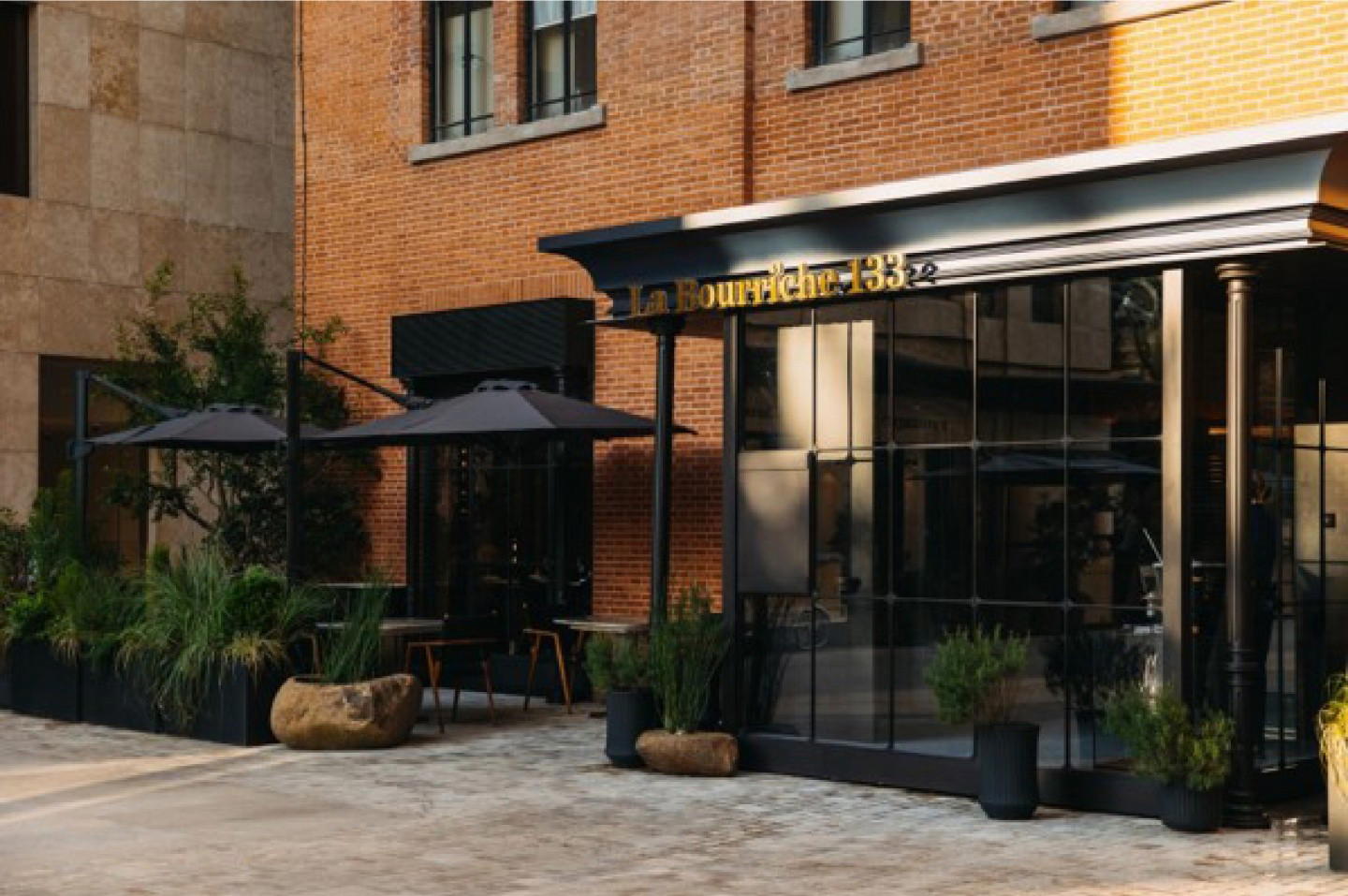
Positioned at number 96 on Asia's 50 Best Restaurants list for 2025, La Bourriche 133 occupies a precise address on Guangdong Road in Shanghai's Huangpu district, a short walk from the Bund waterfront. The restaurant has earned a place in Shanghai's upper tier of occasion dining, drawing visitors and residents who treat the reservation as part of the event itself.

7th Door
Seoul, South Korea
7th Door reads Seoul’s contemporary Korean dining through fermentation, aging, the grammar of the banchan table rather than through spectacle. Chef Kim Dae-chun’s Gangnam restaurant carries Michelin recognition, Asia’s 50 Best placement, La Liste scoring, OAD ranking, making it a serious reference point for how modern Korean cooking is being codified for tasting-menu dining.

JL Studio
Taichung, Taiwan
JL Studio holds three Michelin stars, a 2025 ranking of 35 on Asia's 50 Best Restaurants, a La Liste score of 92 points, placing it among Taiwan's most internationally recognised kitchens. Chef Jimmy Lim's set-menu format reimagines Singaporean culinary memory through Taiwanese local produce, with traditional references like kaya roti and chilli crab rebuilt into entirely new forms. Located on the second floor of a low-key building in Taichung's Nantun District.

Den
Tokyo, Japan
Den belongs to Tokyo's creative kaiseki tier, where seasonal structure is kept but the room loosens the formality. Chef Zaiyu Hasegawa's restaurant carries two Michelin stars, a 2026 Tabelog Silver Award, a place on major international lists, yet its point is not ceremony for its own sake; it is kaiseki made warmer, more playful, less rigid.

Chef 1996
Beijing, China
Private rooms, mist-laced gardens, camphor wood–smoked duck define Chef 1996 in Beijing, a Michelin-recognized sanctuary for refined Chinese cuisine with modern polish and sommelier-led pairings.

Baan Tepa
Bangkok, Thailand
Baan Tepa holds two Michelin stars and a spot at #44 on Asia's 50 Best Restaurants (2025), placing it firmly in Bangkok's highest tier of contemporary Thai dining. Chef Chudaree Debhakam structures a seven-course tasting menu around produce grown in the restaurant's own garden, with each course framed by seasonal sourcing and traditional technique reconsidered through a sustainability-conscious lens. Bookings open Wednesday through Sunday, evenings only.

SAN
Seoul, South Korea
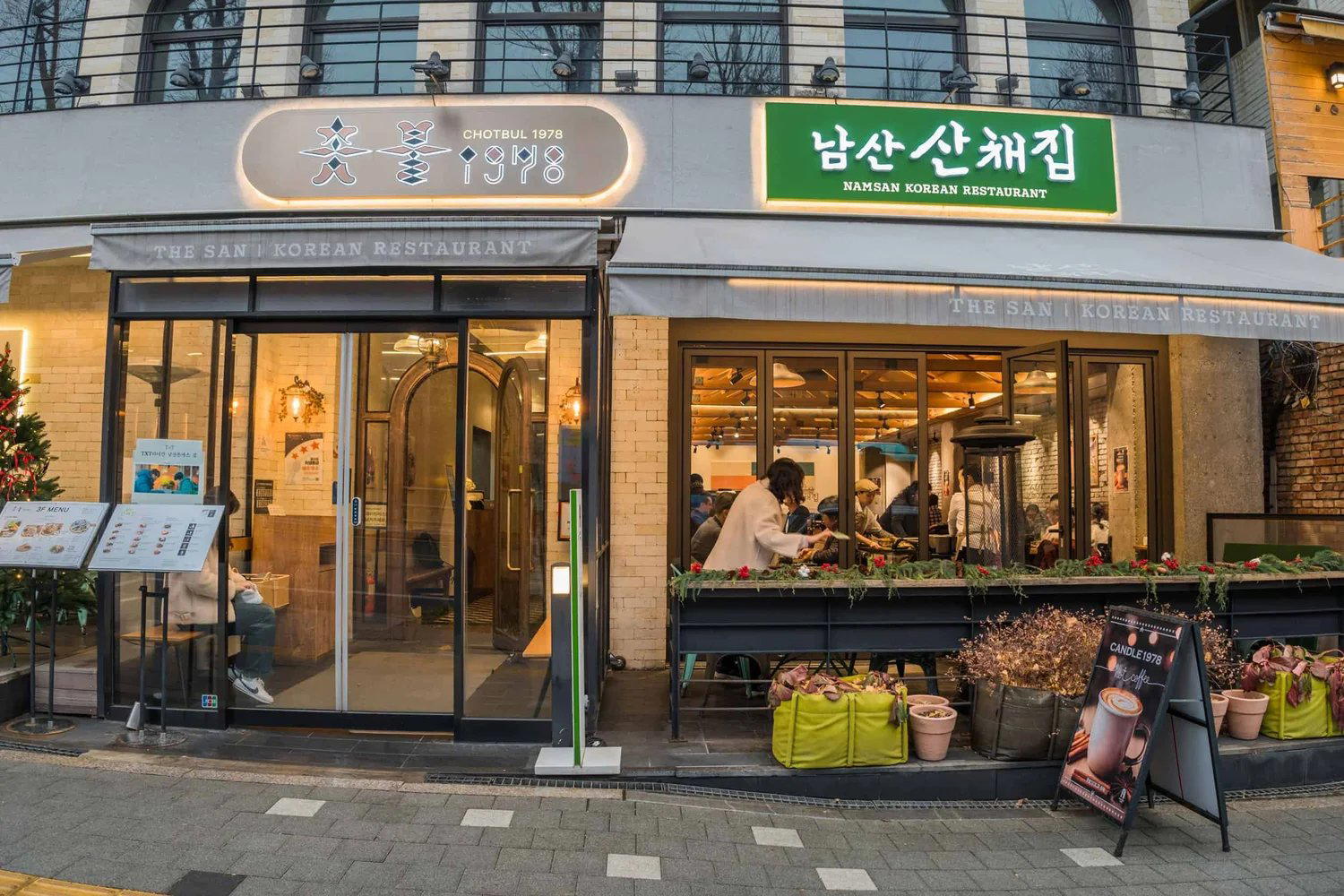
In Gangnam's Eonju-ro corridor, SAN operates below street level with a format that blends classical French technique with seasonal Korean ingredients. Chef Seunghyun Jo, trained at The French Laundry and Benu, builds a fixed menu around contrasts: lobster jeotgal alongside chamoe dongchimi, milmyeon beside dweji-gukbap. The result is one of Seoul's more considered arguments for cross-tradition fine dining.

Solbam
Seoul, South Korea
Solbam occupies a second-floor address in Gangnam-gu, running a French-Korean tasting format that earned a Michelin star in 2024 and a spot at #55 on Asia's 50 Best Restaurants in 2025. Chef-Owner Eom Tae-jun structures the evening across two distinct spaces, from an atmospherically lit drawing room to a bright open-kitchen dining hall, with customized menus and tableside service punctuating the progression.

Born and Bred
Seoul, South Korea
Born and Bred occupies four floors in Seoul's Majang-dong, the district that has defined Korea's Hanwoo beef trade for decades. Each floor operates under a distinct concept, from signature burgers and grilling cuts to a chef's choice tasting menu, all anchored by top-grade Hanwoo sourced directly through the owner's long ties to the local market. Choose your floor before you book, the formats differ substantially.

alla prima
Seoul, South Korea
Alla prima holds two Michelin stars and a place in Asia's 50 Best at #61 (2025), positioning it among Seoul's most closely watched innovative kitchens. Chef Kim Jin-hyuk operates from a Gangnam address where the cooking draws on Korean foundations without treating them as a fixed constraint. For the price tier, the award density is significant.

Thevar
Singapore, Singapore
Thevar on Mohamed Sultan Road holds two Michelin stars and a place in Asia's 50 Best at number 70 for 2025, with La Liste scoring it 91 points. Chef Mano Thevar applies a modern framework to South Indian and Malaysian flavour traditions, producing a tasting menu that sits at the sharper end of Singapore's innovative dining tier. Bookings are competitive; plan well ahead.

Burnt Ends
Singapore, Singapore
Burnt Ends is Singapore’s benchmark for Australian barbecue, built around Dave Pynt’s command of wood fire and a room where the cooking is part of the tempo. Its recognition across Michelin, World’s 50 Best, OAD, La Liste, Black Pearl and Tatler places it in the city’s serious dining tier, but the appeal remains elemental: heat, smoke, meat, seafood and a kitchen that treats fire as a precise instrument.

Goh
Fukuoka, Japan
Goh places Fukuoka’s French dining conversation in a less formal, more exchange-driven register: a borderless omakase built around a single 10-seat communal table. Chef Takeshi “Goh” Fukuyama’s restaurant carries serious recognition, including The Tabelog Award 2026 Bronze, Tabelog 100 for Innovative / Creative cuisine 2025, Asia’s Best Restaurants #36 in 2025.

Mume
Taipei, Taiwan
Mume occupies a specific position in Taipei's modern dining scene: a dimly-lit, faux-industrial room in Da'an where Taiwanese seasonal produce meets neo-Nordic technique. Ranked among Asia's 50 best restaurants in 2025 and holding a Black Pearl 2 Diamond, it represents the strand of Taipei cooking that prioritises local supply chains and ingredient provenance over imported prestige.

Dewakan
Kuala Lumpur, Malaysia
Dewakan places modern Malaysian cooking in the serious tasting-menu conversation rather than treating local produce as decorative reference. Darren Teoh’s kitchen is useful for travellers who want to understand how Kuala Lumpur’s contemporary dining scene has moved from heritage comfort to ingredient-led authorship, with OAD, La Liste and Tatler recognition confirming its regional weight.

Shunji
Tokyo, Japan
A ten-seat counter in Motoazabu operating at the upper tier of Tokyo's Edomae sushi scene. Sushi Shunji holds a Tabelog Silver Award for 2026 and a score of 4.42, with dinner averaging JPY 50,000 to 59,999. Reservations run through a lottery system on the OMAKASE platform, placing access on par with the city's most competitive counters.

Silks House
Taipei, Taiwan
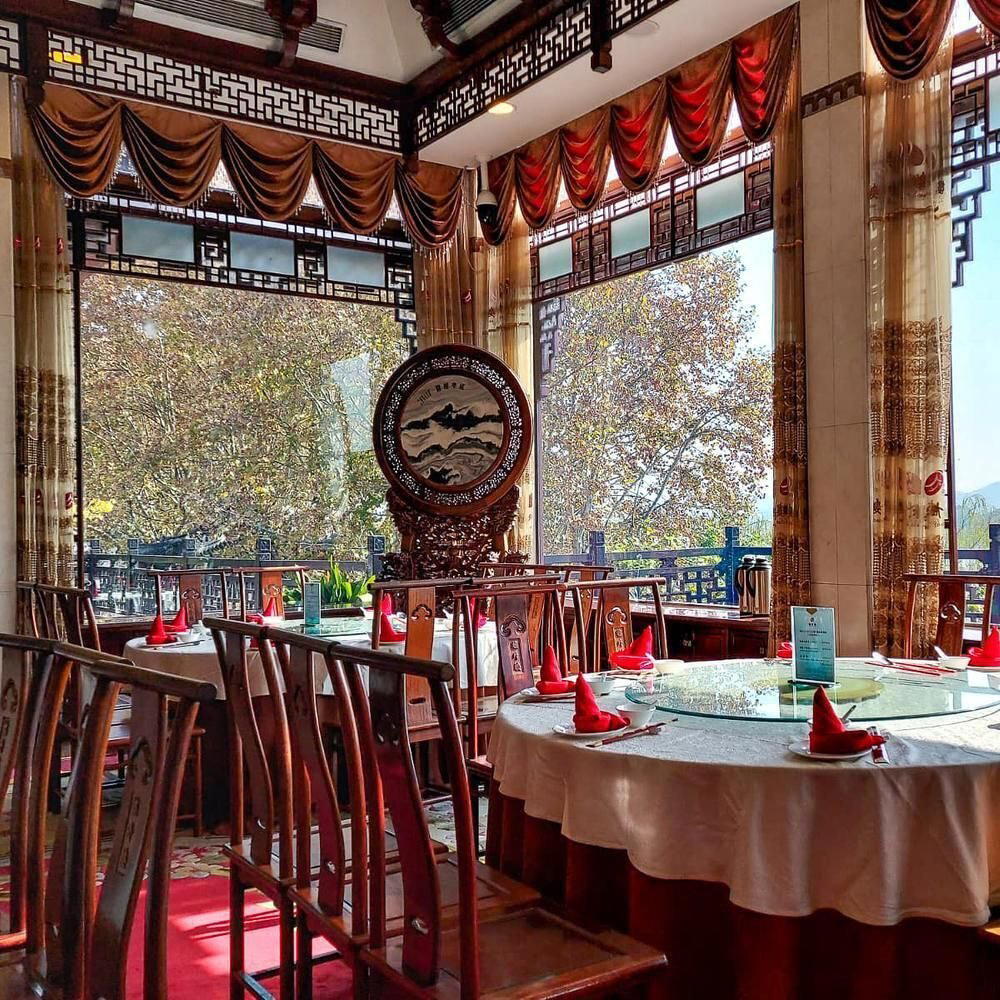
Silks House in Taipei's Zhongshan District represents one of the city's most consistent Cantonese addresses, ranked #88 on Opinionated About Dining's Top Restaurants in Asia in 2025 and holding a Black Pearl 1 Diamond. Chef Max Wo brings Hong Kong kitchen discipline to a room framed by etched-calligraphy glass panels, with a menu anchored in live seafood and classic barbecue technique.

Fumée
Shenzhen, China
Located within the Futian in Shenzhen's CBD, Fumée sits at the sharper end of the city's dining scene under Chef Reina Chen. The restaurant draws from a smoke-inflected culinary approach that positions it as a reference point among Shenzhen's growing tier of serious modern restaurants. Advance planning is advisable for anyone visiting the Futian district.

Papa’s
Mumbai, India
Papa's in Mumbai delivers a Modern Indian tasting experience led by Chef Hussain Shahzad. The 13-course tasting menu highlights Thayir saadam, a binka tart with truffle and chenna pora with caviar. In a 12-seat setting above Veronica's Sandwich shop in Bandra's Ranwar village, Papa's blends homegrown Mumbai flavors with global technique, honoring Floyd Cardoz. Recognized on TIME's World's Greatest Places 2025, the restaurant pairs lively service with carefully prepared textures and bold spice notes, a welcome shot at the bar, precise, ingredient-forward courses that shift from comforting curd rice to luxurious caviar finishes.

Samrub Samrub Thai
Bangkok, Thailand
A Michelin-starred tasting counter in a four-storey renovated house on Yommarat Alley, Samrub Samrub Thai rotates its menu every two months to spotlight specific Thai regional traditions, from Isan to the deep south. Bookings are taken exclusively through social media. Ranked 47th at Asia's 50 Best Restaurants 2025, it occupies a tier above most Bangkok fine-dining rooms in terms of archival ambition.

Ta Vie
Hong Kong, Hong Kong
Ta Vie sits in Hong Kong's high-price tasting-menu tier with a Japanese-French vocabulary shaped by seasonality, restraint, technical precision. Chef Hideaki Sato's restaurant carries Michelin three-star recognition in 2024 and 2025, La Liste 94-point listings in 2025 and 2026, Black Pearl two-diamond status, a 2026 OAD Asia ranking, placing it among the city's serious destination counters for multi-course dining.

Co-
Chengdu, China
Co- occupies five tables on the seventh floor of Isetan in Chengdu's Jinjiang District, where chef Jin Yang's multicourse tasting menu applies modern technique to seasonal ingredients sourced across China. A 2025 Black Pearl Diamond and a Michelin Plate signal its position in Chengdu's small tier of destination-worthy innovative restaurants., it books quickly and rewards planning ahead.

Vea
Hong Kong, Hong Kong
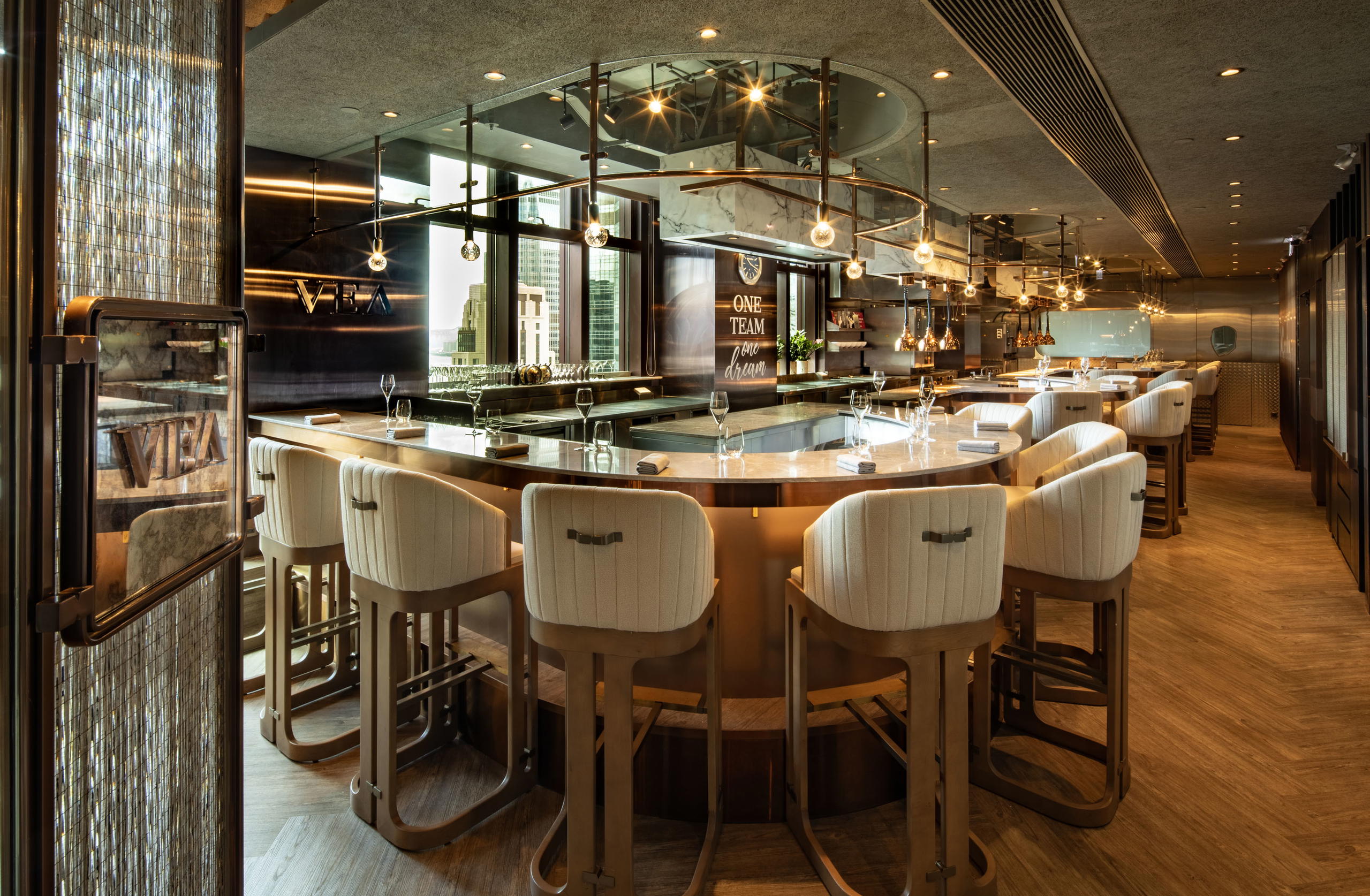
Vea sits in Hong Kong's modern fine-dining tier where Chinese ingredients and French technique are treated as a serious working language rather than a decorative fusion tag. Chef Vicky Cheng's counter-led format, 8-course tasting menu, Michelin recognition, Black Pearl two-diamond status, La Liste scoring, Asia's 50 Best placement make it a useful reference point for how the city's high-end cooking now argues for local identity.

Toyo Eatery
Manilla, Philippines
Toyo Eatery holds a Michelin star and a place in Asia's 50 Best (ranked 42nd in 2025), operating five evenings a week from a quiet corner of Makati's Karrivin Plaza. Chef Jordy Navarra frames Filipino ingredients through terroir and cultural reference, with dishes that pull from street food memory and folk song. The result is one of Manila's most argued-over reservations.

Saito
Tokyo, Japan
Sushi Saitou occupies the upper tier of Tokyo's omakase scene, holding a Tabelog score of 4.62 and consecutive Gold Awards since 2017. Located in Roppongi's Ark Hills South Tower, the nine-seat counter operates on reservations only at JPY 50,000 to 59,999 per head. It ranks #2 in Japan and #33 in Asia on Opinionated About Dining's 2025 lists, placing it among the most peer-validated sushi counters in the country.

The Table
Mumbai, India
The Table in Mumbai delivers progressive American and Italian-inspired plates with precise global touches. Must-try dishes include Lobster Raviolo, Yellowfin Tuna Tataki and Korean BBQ Beef Tacos. The restaurant pairs seasonal produce from The Table Farm in Sasawne, Alibag with a curated 130-label wine list (350-bottle inventory) overseen by Wine Director Gauri Devidayal and Sommelier Akshay Magar. A Travelers' Choice honoree with a 4.4/5 TripAdvisor rating, The Table offers intimate low-lit seating, a prominent communal table and lively service that makes every meal feel celebratory. Expect vibrant textures, clean sauces and bright herb notes that showcase sustainability and precision in every bite.

Soigné
Seoul, South Korea
Soigné operates at the sharper end of Seoul's fine-dining scene, holding two Michelin stars and a place at No. 57 on Asia's 50 Best Restaurants 2025. Chef Jun Lee's innovative tasting menu occupies the second floor of Sinsa Square in Gangnam's Sinsa-dong, where contemporary Korean technique meets a format that competes directly with the city's most awarded tables. La Liste placed it at 88 points in 2026.

Inja
New Delhi, India
Inja in New Delhi presents Modern Indian gastronomy led by Chef Adwait Anantwar. Expect an 8 to 10 course tasting menu and standout plates such as Tandoori Lobster with tamarind glaze, Forest Mushroom Biryani, Black Cardamom Lamb. The kitchen pairs charcoal tandoor techniques with seasonal Delhi produce, offering precise textures, bright acids, warm spice layers. Service focuses on calm, attentive timing and sommelier-led pairings that elevate each course. Ideal for milestone dinners and culinary travelers, Inja delivers bold flavors, refined plating, an intimate atmosphere that makes every meal feel intentional and memorable.

cenci
Kyoto, Japan
A Michelin-starred Italian restaurant in Kyoto's Sakyo Ward, cenci sits at the intersection of Italian technique and Japanese fermentation traditions, drawing on domestic produce, sake lees, kombu-based stocks to build a menu that earned Tabelog Bronze recognition from 2020 through 2026 and a place in Asia's 50 Best Restaurants in 2025. Dinner runs ¥20,000–¥29,999 per person; reservations open two months out.

Meta
Singapore, Singapore
At 9 Mohamed Sultan Road, Meta holds two Michelin stars and a place in the World's 50 Best at #39 in Asia (2025), positioning it among Singapore's most decorated tasting-menu addresses. Chef Sun Kim's evolving menus draw on Korean culinary sensibility filtered through modern technique, with seafood and vegetables as recurring anchors. The setting, glassy, concrete, counter-forward, signals where the room stands before the first course arrives.

Peach Blossoms
Singapore, Singapore
Peach Blossoms at PARKROYAL COLLECTION Marina Bay sits among Singapore's more seriously recognised Chinese dining rooms, holding a Black Pearl Diamond (2025) and back-to-back rankings in Opinionated About Dining's Top Restaurants in Asia. Under Chef Edward Chong, the kitchen works a Chinese-forward register with fusion inflections, drawing a well-travelled crowd to the fifth floor above Marina Bay. Reservations are available via autoreserve.com.

Ensue - Shangri La Hotel
Shenzhen, China
Ensue - Shangri La Hotel places Shenzhen’s Chinese contemporary dining in a sharper frame: high-heat Chinese technique, French kitchen discipline, a wine program with repeated Star Wine List recognition. The restaurant’s award trail includes Black Pearl 1 Diamond in 2025, Asia’s 50 Best Restaurants ranking at #85 in 2025, La Liste scores across 2025 and 2026.

Jade Dragon
Macau, China
Jade Dragon sits at the formal end of Macau's Cantonese dining culture, where high-heat technique, tonic soups and banquet-room polish meet casino-era luxury. Its recognition includes three Michelin stars, three Black Pearl diamonds, La Liste scoring and a 2026 Opinionated About Dining Asia ranking, placing it in the city's narrow upper tier for Cantonese fine dining.

Villa Aida
Iwade, Japan
An auberge-format Italian restaurant set among its own working fields in Wakayama's Iwade, Villa Aida holds a Tabelog score of 4.26 and consecutive annual awards from 2020 through 2026. Chef Kanji Kobayashi grows more than 100 vegetable varieties on the surrounding land and sources seafood from within 12 kilometres, positioning the restaurant among Japan's most seriously produce-rooted Italian tables.

Kataori
Kanazawa, Japan
An eight-seat kaiseki counter in Kanazawa's Namikimachi district, Kataori has held Tabelog Gold every year from 2021 through 2026, scored 4.72, ranked first in Japan on Opinionated About Dining in 2025. The counter format, a particular focus on fish, a deep commitment to Ishikawa's seasonal calendar place it among the most closely watched kaiseki addresses outside Kyoto and Tokyo.

Farmlore
Bangalore, India
Farmlore sits on the northern edge of Bangalore in Sathnur Village, earning a place on Asia's 50 Best list at #68 in 2025 and 76 points in La Liste 2026. The restaurant draws on India's agricultural and fire-cooking traditions, operating well outside the city's restaurant corridor. Advance booking is essential; this is a destination meal requiring a plan, not a drop-in.

Xin Rong Ji (Xinyuan South Road)
Beijing, China
Xin Rong Ji on Xinyuan South Road holds three Michelin stars and a Black Pearl 2 Diamond (2025), placing it among Beijing's most decorated Chinese fine-dining addresses. The kitchen works within the Taizhou tradition, a coastal style from Zhejiang province built on precise seafood technique and restrained seasoning. For the Chaoyang dining circuit, it represents the upper bracket of formal regional Chinese cuisine.

Jin Sha
Hangzhou, China
Jin Sha at Four Seasons Hangzhou at West Lake holds a Michelin star, a Black Pearl 3 Diamond rating, a La Liste score of 92 points in 2026, placing it among the most decorated Zhejiang-cuisine tables in mainland China. Chef Wang Yong's kitchen spans Hangzhounese, Shanghainese, Cantonese registers, anchored by seasonal seafood and regional classics treated with measured contemporary refinement. The 34-seat garden terrace, shaded by oaks and willows, is among the most considered dining settings in the city.

Anan Saigon
Ho Chi Minh City, Vietnam
Anan Saigon on Tôn Thất Đạm holds a Michelin star while operating at a ₫₫ price point, a combination that positions it at the sharper end of Vietnam's street-food-rooted fine-dining conversation. Chef Peter Cuong Franklin reframes familiar southern Vietnamese flavours through technique, the restaurant has ranked in Opinionated About Dining's Casual Asia list every year from 2023 through 2025, landing at #17 in the 2025 edition.

Jungsik
Seoul, South Korea
Jungsik holds two Michelin stars and sits in the upper tier of Seoul's contemporary dining scene, earning rankings on the Asia's 50 Best Restaurants list and La Liste's global index. Located in Gangnam, it applies a Korean-rooted sensibility to modern European technique, placing it in a distinct category from both traditional hansik restaurants and straightforward Western fine dining.

Andō
Hong Kong, Hong Kong
Concrete Walls, Personal Memories: The Architecture of Andō's Menu The first thing you register at Andō is the room itself: bare concrete surfaces, low light, a deliberate austerity that reads less as minimalism and more as intention. The..

Gēn
George Town, Malaysia
At Gēn, Chinese for “root”, the owner-chef channels childhood memories and Taiwan’s coastal bounty into a seasonally led tasting menu that is as refined as it is soulful. Expect delicate, inventive courses with a focus on pristine local fish, each plated with grace and a touch of whimsy, perhaps a silken chicken soup presented in a glass bottle, evoking a tender nostalgia. An expertly curated list of over 30 organic and biodynamic wines underscores the restaurant’s thoughtful philosophy, pairing with precision and restraint. For diners who appreciate elegance anchored in authenticity, Gēn offers a quietly luxurious experience where heritage, craftsmanship, the poetry of the plate converge.

Amber
Hong Kong, Hong Kong
Amber has held three Michelin stars continuously and ranked as high as #20 on the World's 50 Best Restaurants list, making it a fixed reference point for French Contemporary dining in Hong Kong. Chef Richard Ekkebus frames each structured meal around dairy-free technique, Japanese sourcing, a sustainability program that now extends from rooftop herb cultivation to fermentation-led flavour building. The wine list runs to 11,000 bottles, with Wine Director Dirk Chen steering a Burgundy-weighted program.

Côte by Mauro Colagreco
Bangkok, Thailand
Côte by Mauro Colagreco brings three-Michelin-starred mastery to Bangkok's riverfront, where the legendary chef's botanical Mediterranean philosophy meets Thai ingredients in a stunning carte blanche tasting menu experience at the Capella Hotel.

Respiracion
Kanazawa, Japan
Respiracion brings Ishikawa's ingredient culture into a Spanish framework at a 14-seat counter in Kanazawa's Bakuromachi district. Chef Tatsuro Ume holds consecutive Tabelog Silver Awards from 2022 through 2026 and an 88-point La Liste score, with review-based spend landing between JPY 30,000 and JPY 39,999. The restaurant operates on group-start seatings, reservation-only, with a sommelier on hand and a wine program selected with particular care.

Dewaya
Nishikawa, Japan
Dewa Ya holds a Tabelog Silver Award for 2025 and 2026, with a score of 4.49, operates as a ryokan-restaurant hybrid in Nishikawa, Yamagata Prefecture. The dinner format centres on a chef's table available to one group per day, while a daytime soba service runs separately at lunch prices from JPY 1,000. For travellers combining mountain Japan with serious regional cooking, it represents one of the clearest arguments for leaving the city.

Ministry of Crab
Colombo, Sri Lanka
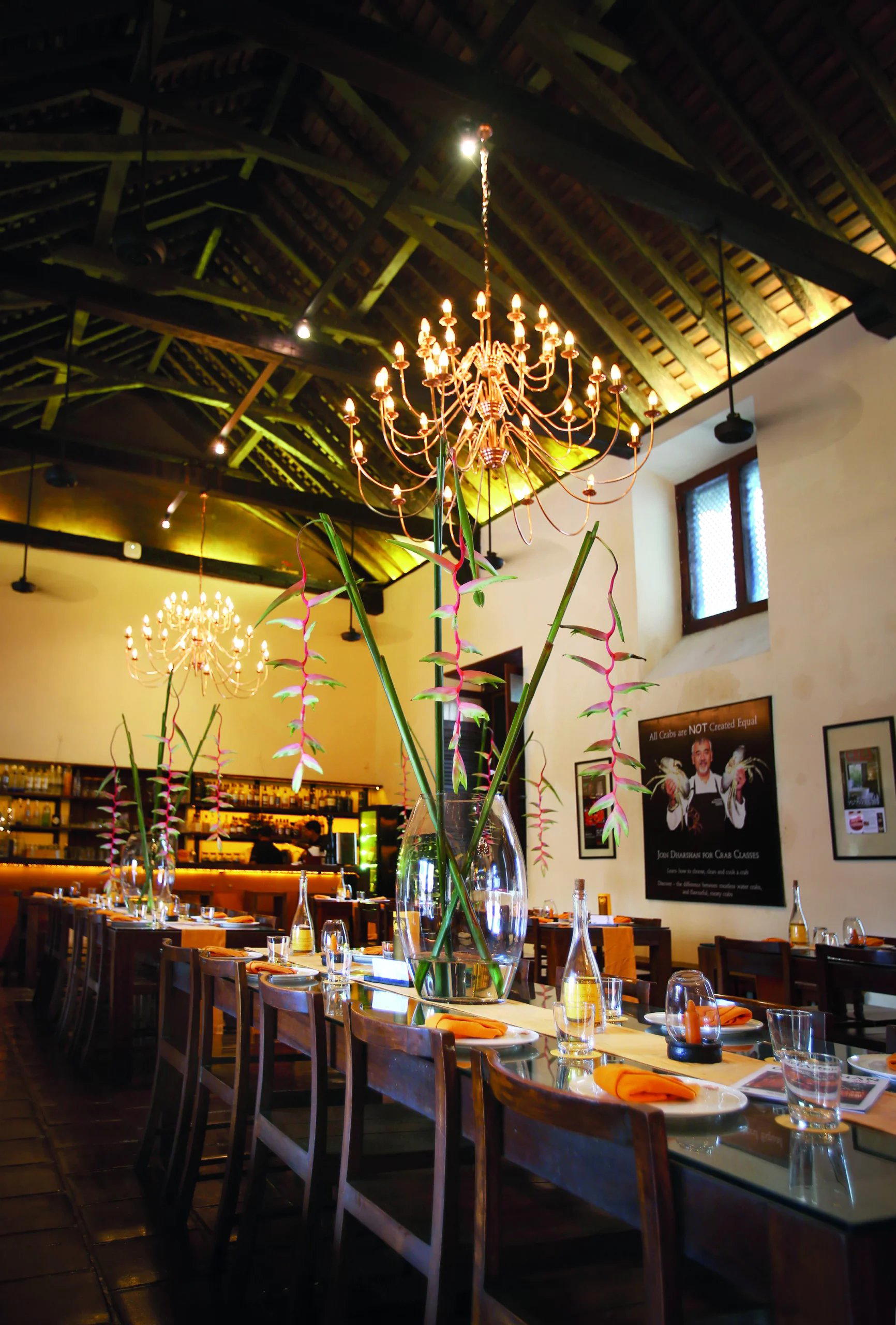
Set inside Colombo's restored Old Dutch Hospital complex, Ministry of Crab has held a place on Asia's 50 Best Restaurants list and earned recognition from Opinionated About Dining. The menu centres on Sri Lankan lagoon crab, cooked with a spice vocabulary drawn from the island's culinary tradition. It is among the most internationally recognised restaurants in Sri Lanka.

Gaa
Bangkok, Thailand
Set in a restored Thai house on Sukhumvit Soi 53, Gaa holds two Michelin stars and a place in the World's 50 Best Asia rankings under chef Garima Arora, who was the first Indian chef to earn a Michelin star in November 2018. The kitchen draws on Indian technique and heritage while sourcing seasonal produce across Thailand, running two tasting menus, one entirely vegetarian.

Haoma
Bangkok, Thailand
Haoma occupies a private house on Sukhumvit 31, where Chef Deepanker Khosla's neo-Indian tasting menus draw on an on-site urban farm, a certified organic plot in Chiang Mai, a zero-waste operating model that earned Thailand's first Michelin star for sustainable Indian fine dining. Ranked 89th in Asia by Opinionated About Dining (2025) and recognised by La Liste with 80.5 points, it sits at the precise intersection of Indian culinary tradition and Bangkok's most rigorous farm-to-table discipline.

L'évo
Nanto, Japan
Set deep in the mountains of Toyama's Nanto district, L'évo pairs Gallic precision with foraged and farmed regional produce under chef Eiji Taniguchi. The restaurant holds a Tabelog score of 4.56, consecutive Gold Awards from 2023 to 2025, a La Liste rating of 97 points, placing it among Japan's most closely watched destination dining addresses. Getting there is part of the proposition.

Kwonsooksoo
Seoul, South Korea
Kwonsooksoo holds two Michelin stars and a ranking of #42 among Asia's top restaurants in 2025, placing it firmly in Seoul's upper tier of contemporary Korean dining. Chef Kwon Woo-joong works within Gangnam's Apgujeong neighbourhood, where the kitchen's approach to banchan and seasonal Korean technique draws consistent recognition from both Michelin and Opinionated About Dining across three consecutive years.

Fiotto
Busan, South Korea
A husband-and-wife Italian tasting menu operation in Dalmaji, Haeundae, where almost everything on the table originates from their own family farm or kitchen: house-grown vegetables, fresh-cut pastas, cured hams, fermented vinegars. The format is intimate and reservation-only, with a recently renovated space that rewards the detour from Busan's coastal dining belt.

Celera
Makati, Philippines
Celera earned a Michelin star in 2026, placing it among a small group of Makati restaurants that have reshaped the city's fine dining conversation. Located on the third floor of a building on Pablo Ocampo Sr. Extension in the Comunna district, it draws a loyal following that returns for the kind of cooking that rewards close attention. For serious diners, it belongs in the same planning window as Hapag and Helm.
Overview
Asia's 50 Best Restaurants 2026 is an annual ranking of the top dining destinations in Asia, organized by William Reed and sponsored by S.Pellegrino & Acqua Panna. The list is determined by a confidential vote of over 350 industry experts, recognizing culinary excellence across the continent.
Run by William Reed, Asia's 50 Best Restaurants is one of the most prestigious culinary awards in the region, with winners selected by a gender-balanced Academy of chefs, restaurateurs, and food critics. The ranking includes a diverse range of venues, from fine-dining institutions to innovative new entries, all of which must have been visited by voters within the previous 18 months. The 2026 edition features a main 1-50 list and an extended 51-100 list, covering 27 cities across Asia.
The 2026 Asia's 50 Best Restaurants list serves as the definitive guide to the most exceptional dining experiences across the continent. This year's ranking showcases a vibrant mix of established icons and bold newcomers, reflecting the dynamic evolution of Asian gastronomy. On this Pearl page, readers will find a comprehensive breakdown of the winners, the extended 51-100 list, and the stories behind the chefs who are redefining the region's culinary landscape.
Quick Facts
- Organizer
- William Reed
- Founded
- 2013
- Number of Entries
- 100 (1-50 and 51-100 lists)
- Geography
- Asia
- Venue Type
- Restaurant
- Selection Method
- Expert Academy Vote
- Frequency
- Annual
About This Edition
The 2026 edition saw Hong Kong's The Chairman reclaim the top spot as the Best Restaurant in Asia, marking a significant moment for the city's dining scene. The awards ceremony was held in Hong Kong on March 25, 2026, and the extended 51-100 list featured 12 new entries, reflecting the region's growing culinary diversity.
Frequently Asked Questions
How many of these have you visited?
Find out on Pearl and keep score across every place in 2026 Asia's 50 Best Restaurants.