




Kwonsooksoo
Korean · 압구정동, Seoul
Restaurant in Seoul, South Korea
 Book with Pearl
The Read
Banchan-Forward Fine Hanshik
Price
$150–200per person
Chef
Kwon Woo-joong
Dress
Smart Casual
Why go
Kwonsooksoo is Seoul's most rigorous argument for Korean fermentation as fine dining. Chef Kwon Woo-joong's tasting menu — built on housemade pastes, kimchi, and fermented seafood — holds two Michelin stars and ranks #42 in Asia by OAD in 2025. Booking is near-impossible; plan months ahead and request counter seats for the fullest experience.
About Kwonsooksoo
Who Should Book Kwonsooksoo — and When
If you are a food-focused traveler who wants to understand what modern Korean haute cuisine actually tastes like at its most rigorous, Kwonsooksoo in Apgujeong is the restaurant to target. This is not a casual dinner. It is a tasting menu built around housemade Korean pastes, kimchi, and fermented seafood, structured by Chef Kwon Woo-joong to move through the full range of Korea's fermentation and ingredient traditions. The ideal visit is a weekday dinner when the room tends to run at a deliberate pace — book as far in advance as you possibly can, because availability is close to nonexistent.
The Tasting Menu: What You Are Actually Eating
Kwonsooksoo's name translates to "professional cook," and the menu is built to justify that framing. The kitchen draws on ingredients sourced from across South Korea and processes them through fermentation techniques that take months or years: ganjang, doenjang, gochujang, and the full spectrum of jeotgal (fermented seafood condiments). The flavor register is deep and umami-heavy from the first course, with fermented intensity running as a through-line rather than appearing as a single moment. For a diner who has eaten widely through Korean banchan culture but has never had those flavors translated into a progressive multi-course format, this is the restaurant where that experience becomes legible at the highest technical level.
The tasting menu sits at the ₩₩₩₩ price tier, Seoul's most expensive category, which, for a two-Michelin-starred kitchen ranked #42 in Asia by Opinionated About Dining in 2025 and #62 in Asia's Leading Restaurants, represents reasonable value within its competitive set. The price is high by Seoul standards, but it is not high by the standards of what a comparable meal would cost in Tokyo or Paris. If you are already traveling to Seoul for food, this is the meal that will give you the most concentrated argument for Korean cuisine as a fine-dining format.
The Counter Experience
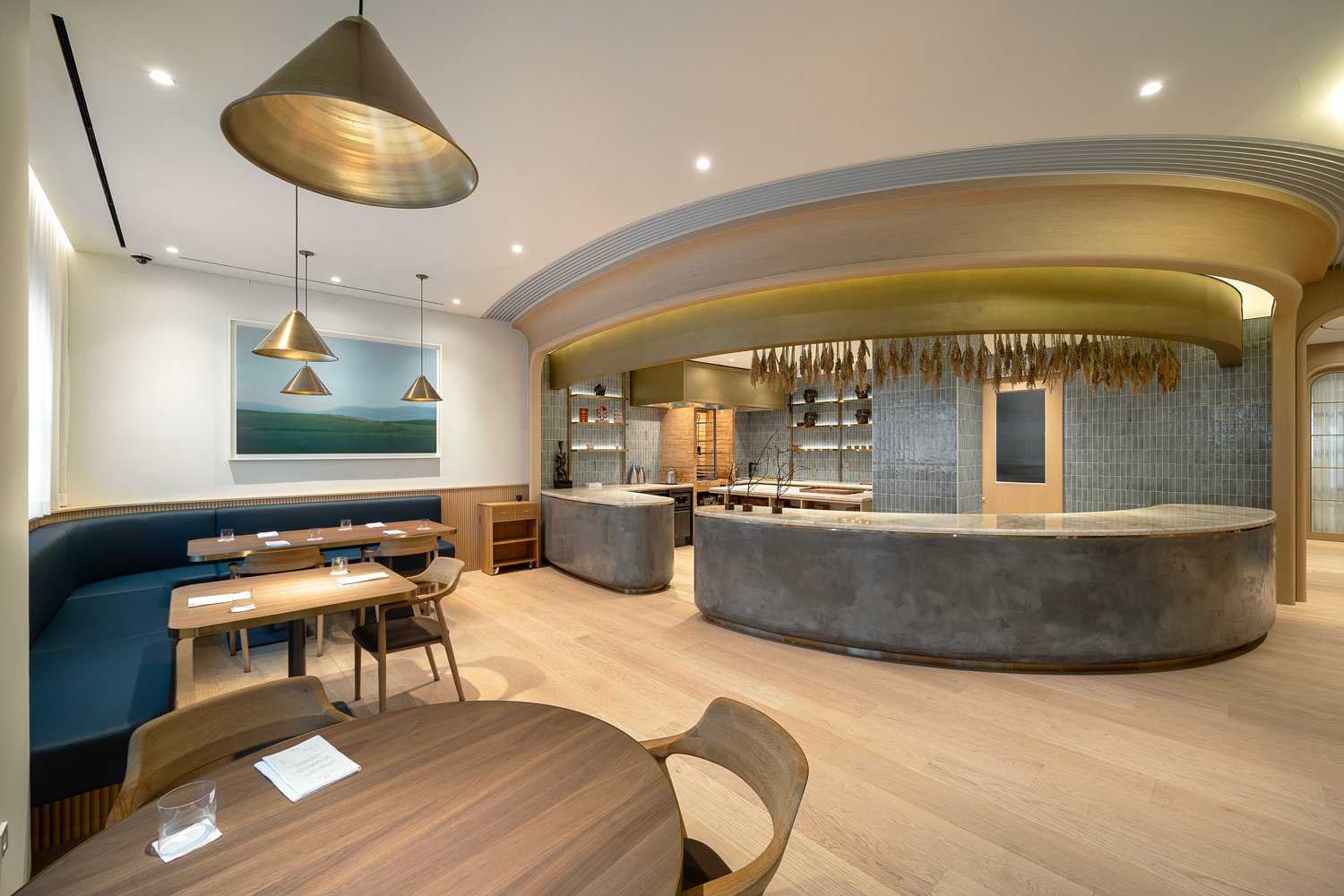
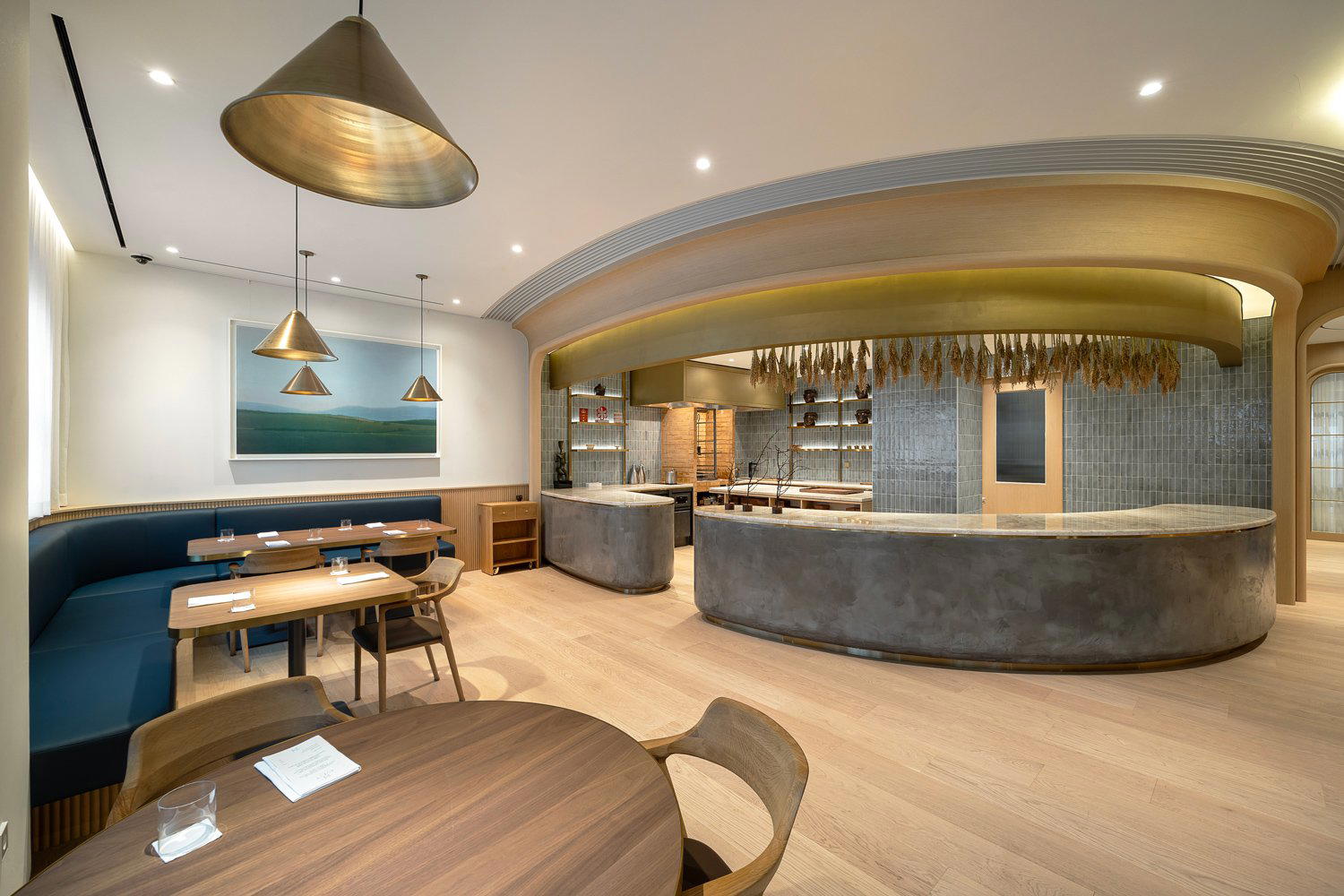
Kwonsooksoo's most direct experience of Chef Kwon's cooking comes at the counter, where the kitchen's work is visible and the pacing of each course is communicated through what you can see being prepared. Counter seating at a restaurant operating at this level is not a secondary option, it is an advantage. You watch how the fermented bases are deployed course by course, which makes the flavor progression easier to follow. For solo diners or pairs, request counter seats specifically when booking. The counter also tends to generate more interaction with the kitchen team, which matters when the menu's logic is as ingredient- and process-specific as it is here.
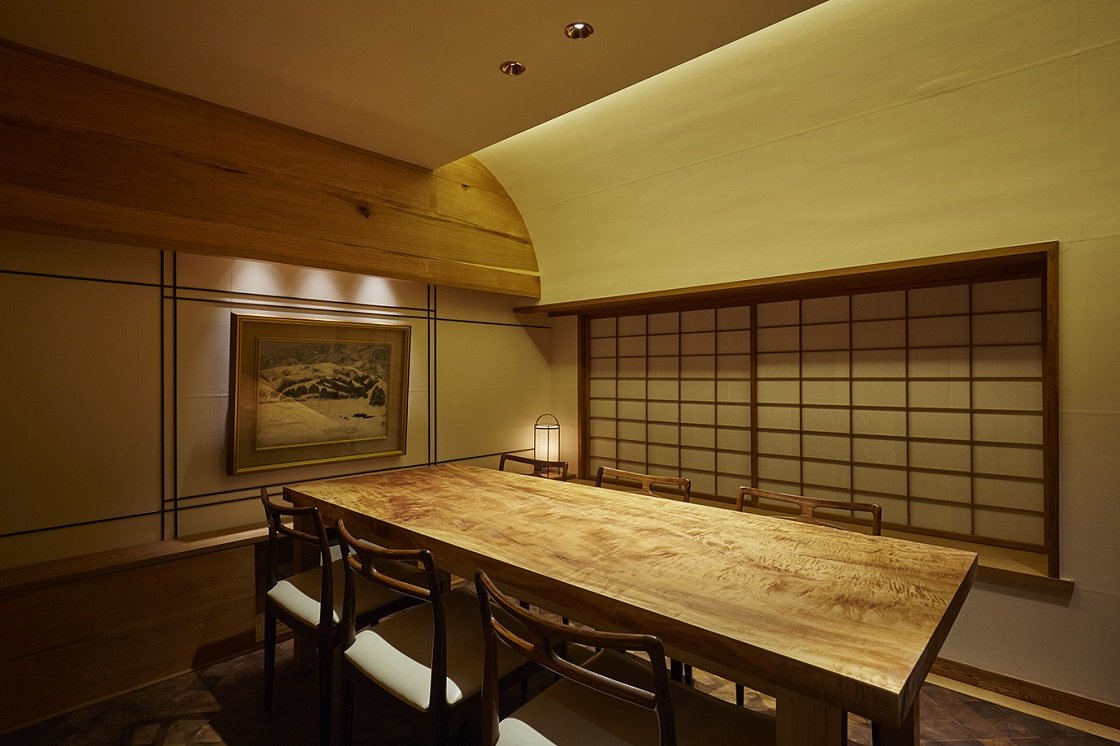
For groups of four or more, the private dining format will likely be the default, but pairs have a genuine choice. Counter seating is the more instructive and immersive experience at a kitchen of this type, where the production philosophy is as important as the finished plate.
Booking: Near Impossible, Plan Accordingly
Getting a table at Kwonsooksoo is one of the harder reservations to secure in Seoul. Availability opens weeks or months in advance, and the window closes fast. This is not a restaurant where flexibility or last-minute planning will serve you. Build your travel dates around the reservation, not the other way around. If you cannot secure a booking, Onjium and Mingles operate at comparable tasting menu formats and price points with somewhat more accessible availability.
There is no phone number or website listed publicly in Pearl's data. Reservations at this tier in Seoul are typically handled through a dedicated reservation platform or directly through the restaurant's own system, research the current booking channel before your travel window opens, since these systems change.
Awards and Track Record
The credentials here are real and consistent. Kwonsooksoo holds two Michelin stars in 2024 and 2025. It has appeared on the Opinionated About Dining Leading Restaurants in Asia list three consecutive years, climbing from #93 in 2023 to #75 in 2024 to #42 in 2025, a trajectory that signals active momentum, not a reputation coasting on past recognition. The World's 50 Best Asia's Leading Restaurants ranking of #62 in 2025 adds a third independent validation from a different judging methodology. Three separate ranking systems converging on the same restaurant is the closest thing to a consensus signal this category produces.
Practical Reference
Address: 37 Apgujeong-ro 80-gil, Gangnam District, Seoul. Price tier: ₩₩₩₩. Awards: Michelin 2 Stars (2024, 2025); OAD Asia #42 (2025); Asia's Leading Restaurants #62 (2025). Booking difficulty: near impossible, plan months ahead. Counter seating recommended for solo diners and pairs. Leading visited on a weekday dinner when the pace is unhurried.
For a broader view of where Kwonsooksoo sits within Seoul's dining ecosystem, see our full Seoul restaurants guide. If you are building a longer trip around the meal, our Seoul hotels guide and Seoul bars guide cover the surrounding logistics. For Korean fine dining beyond Seoul, Mori in Busan and Baegyangsa Temple in Jangseong-gun represent serious regional alternatives worth considering on an extended Korea itinerary.
If you want to experience Korean cuisine translated to other cities before or after your Seoul visit, bōm in New York City and DOSA in London are reference points worth knowing. Within Seoul, La Yeon, Bicena, and Soseoul Hannam round out the picture of what the city's Korean fine dining tier looks like at full stretch. For regional Korean cooking worth the trip outside the capital, Double T Dining in Gangneung and Pool House in Incheon are solid detours. And if you want to cross-reference the Kwonsooksoo listing directly, 권숙수 in Gangnam-gu is also indexed on Pearl. Additional Seoul context is available through our Seoul wineries guide and our Seoul experiences guide, and The Flying Hog in Seogwipo is worth a look if your Korea trip extends south.
Planning details
- Location
- 37 Apgujeong-ro 80-gil, Gangnam District, Seoul, South Korea
- Website
- kwonsooksoo.com
- Phone
- +82 2-542-6268
The take
The Take
The Vibe
Kwonsooksoo reads like a focused fine-dining room in Apgujeong where restraint and technical mastery take center stage. The kitchen frames the meal through banchan, treating small plates as the essential argument that exposes its approach to balance and fermentation. The dining room favors a classical Korean identity over fusion gestures, so the atmosphere feels intentionally curated and serious rather than playful. Diners encounter a disciplined, quietly confident service model and cuisine that privileges coherence and seasonality. The result is a refined, contemplative experience that rewards attention to detail and an appreciation for traditional technique rendered with contemporary precision.
Best For
This is a destination for diners seeking a deliberate, high‑caliber Korean meal—especially for date nights and special occasions where the meal itself is the centerpiece. The restaurant sits among Apgujeong’s fine‑dining peers, catering to serious diners who want a cohesive culinary argument rather than casual fare. Parties who value tasting sequences, carefully composed banchan, and classical technique will find it most satisfying. It is less a bustle-driven neighbourhood spot than a place to settle in for an attentive, paced dinner and to treat a meal as an event rather than a quick night out.
Ordering Tips
Make the table’s small plates the first priority: the restaurant explicitly elevates banchan as the kitchen’s editorial voice, so plan to sample a range of accompaniments to understand the chef’s balance and fermentation techniques. Don’t miss the signature items listed—zucchini flower tempura, the kimchi cart, sea cucumber porridge and tteokgalbi—either individually or as part of a tasting sequence. Ask staff about seasonal banchan and preparation notes; servers at serious tasting rooms typically guide portioning and pacing so dishes arrive in a considered order that highlights contrasts and harmony.
Venue details
Ambiance
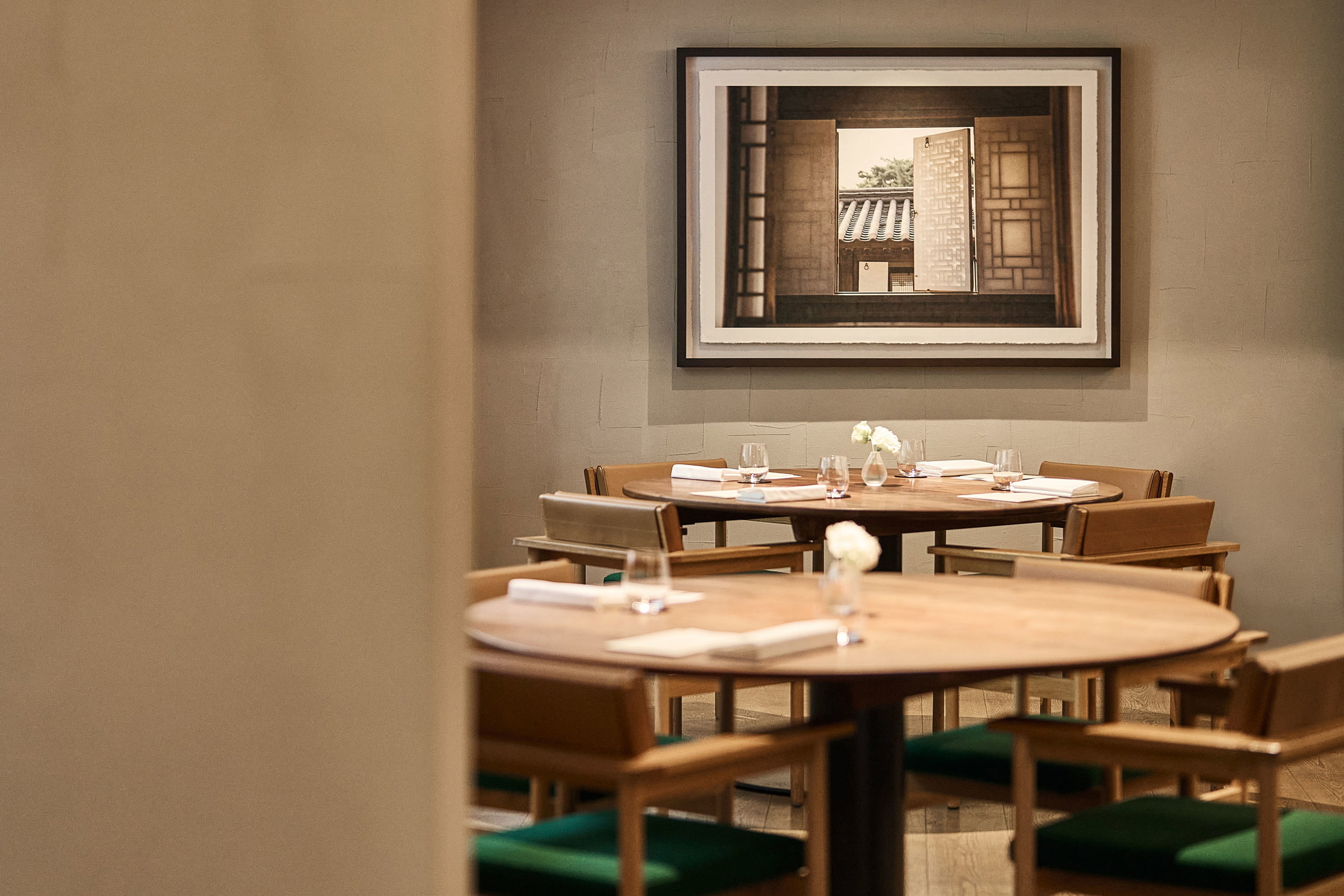
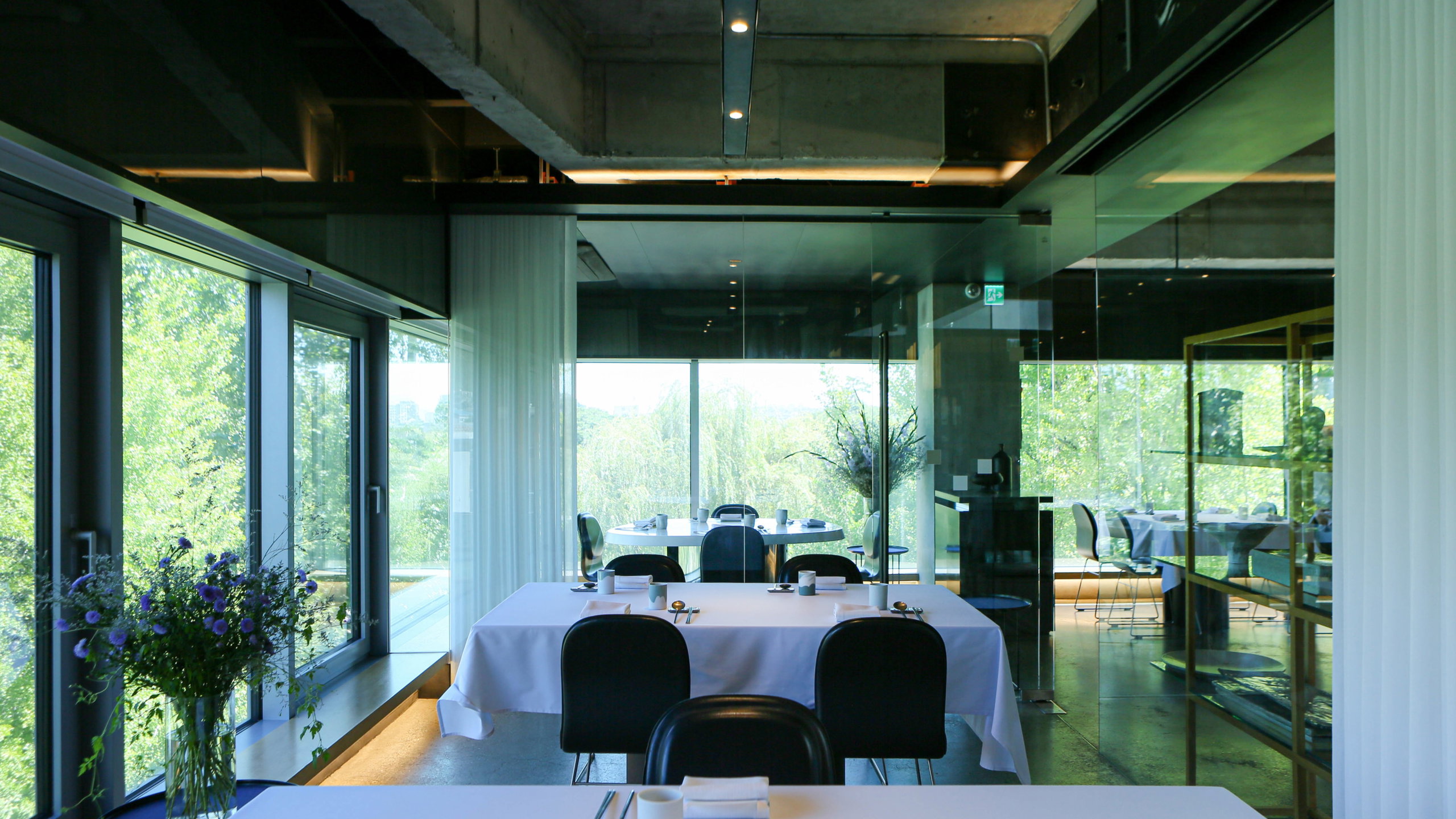
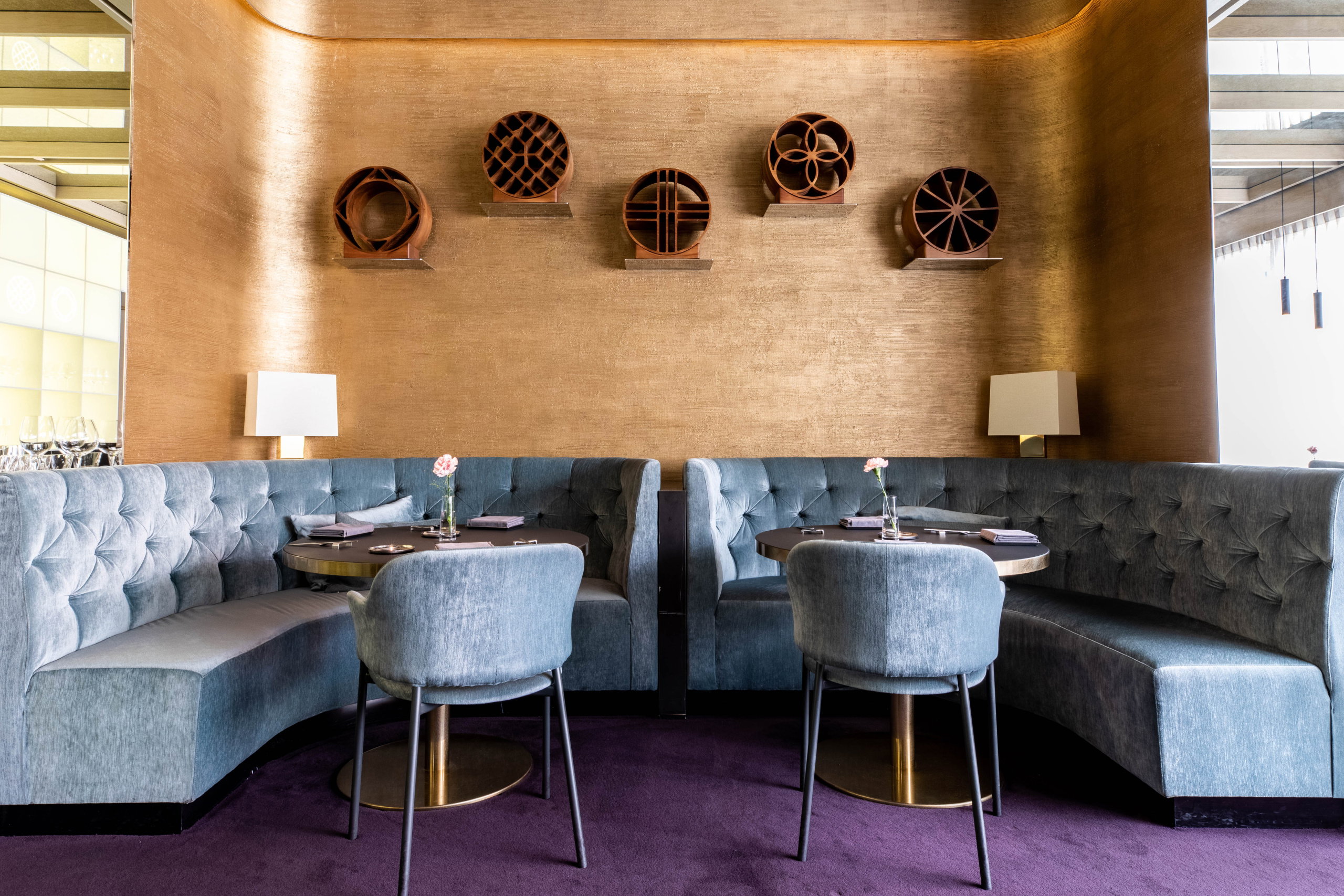
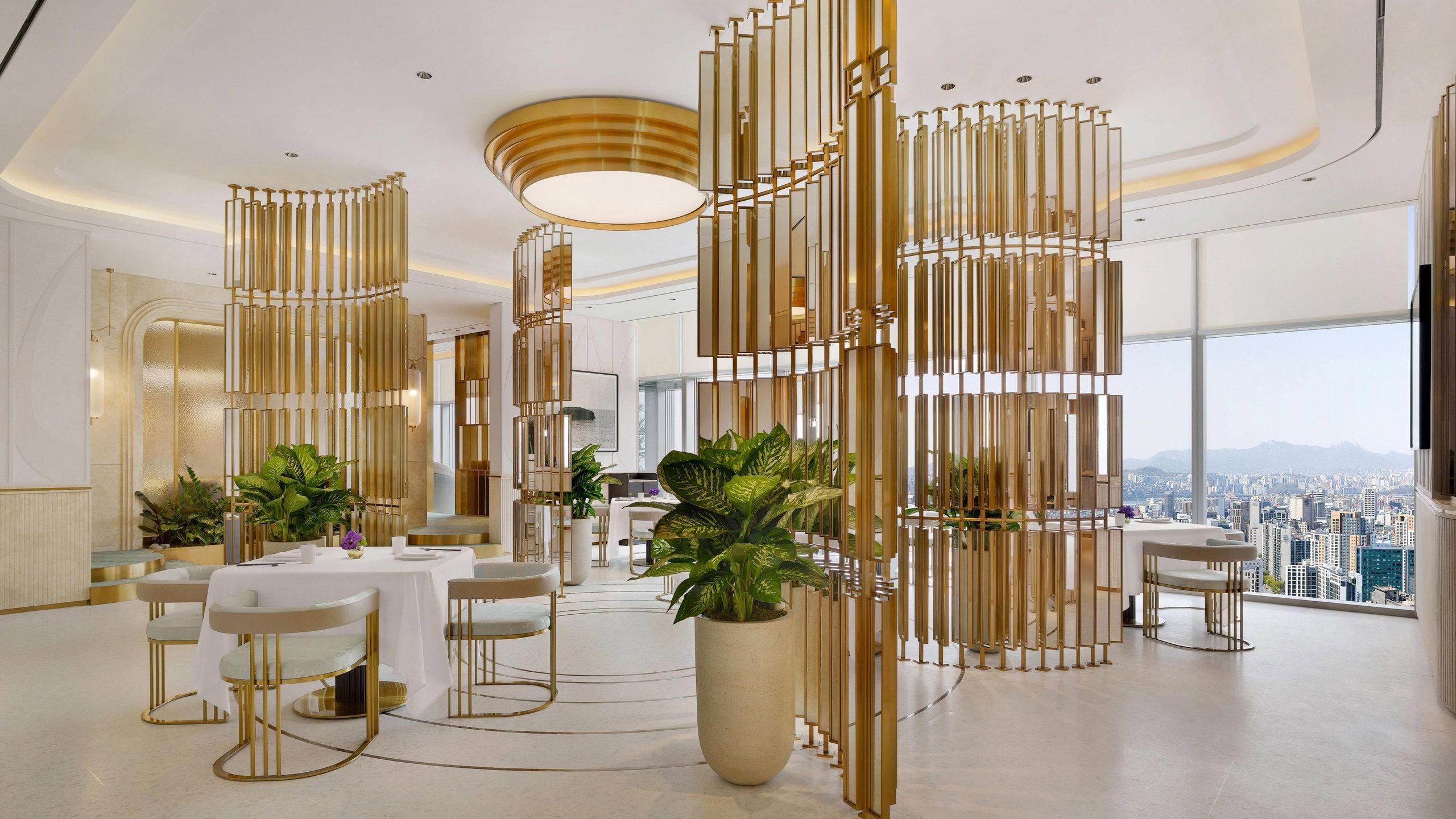
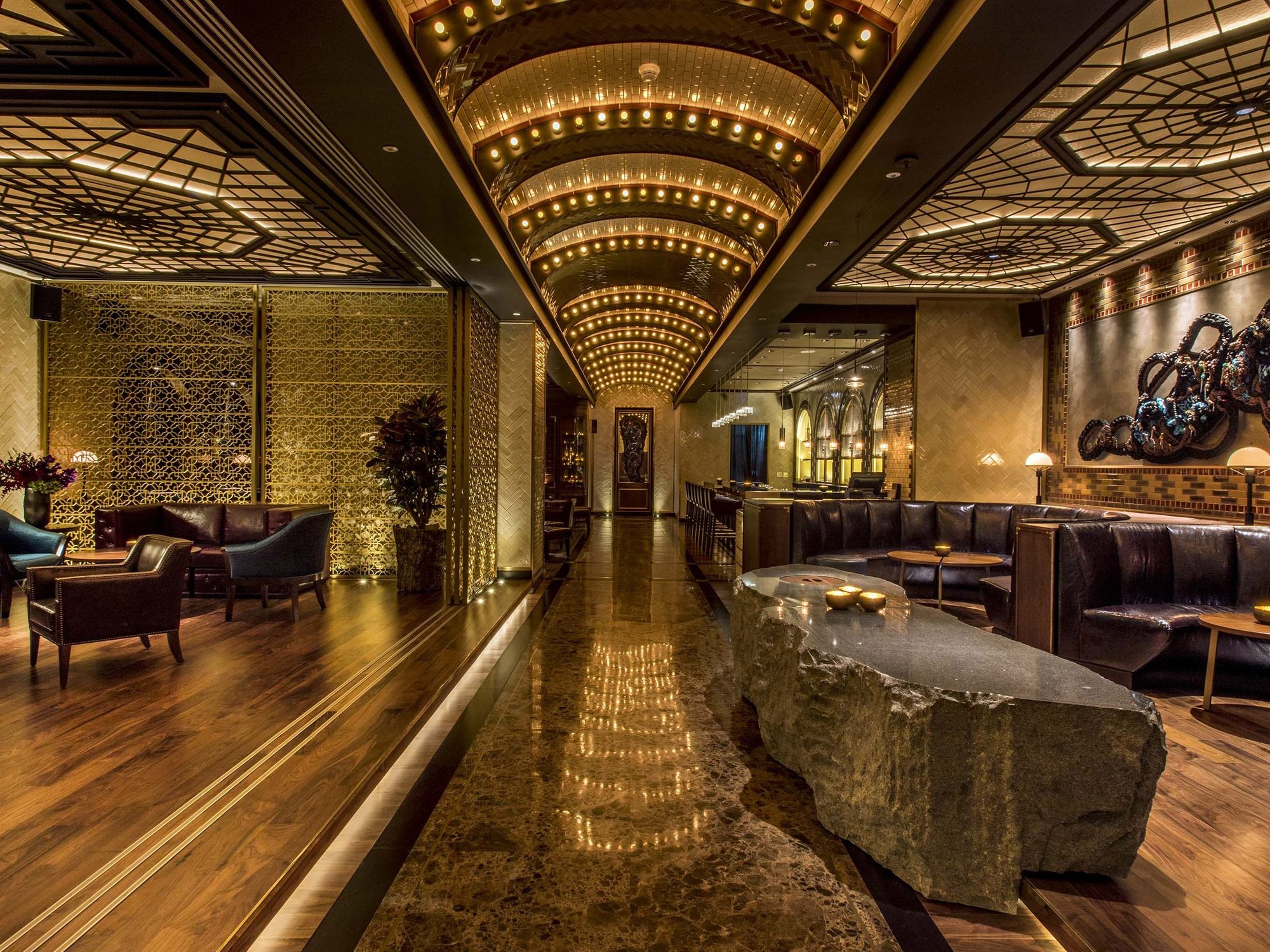
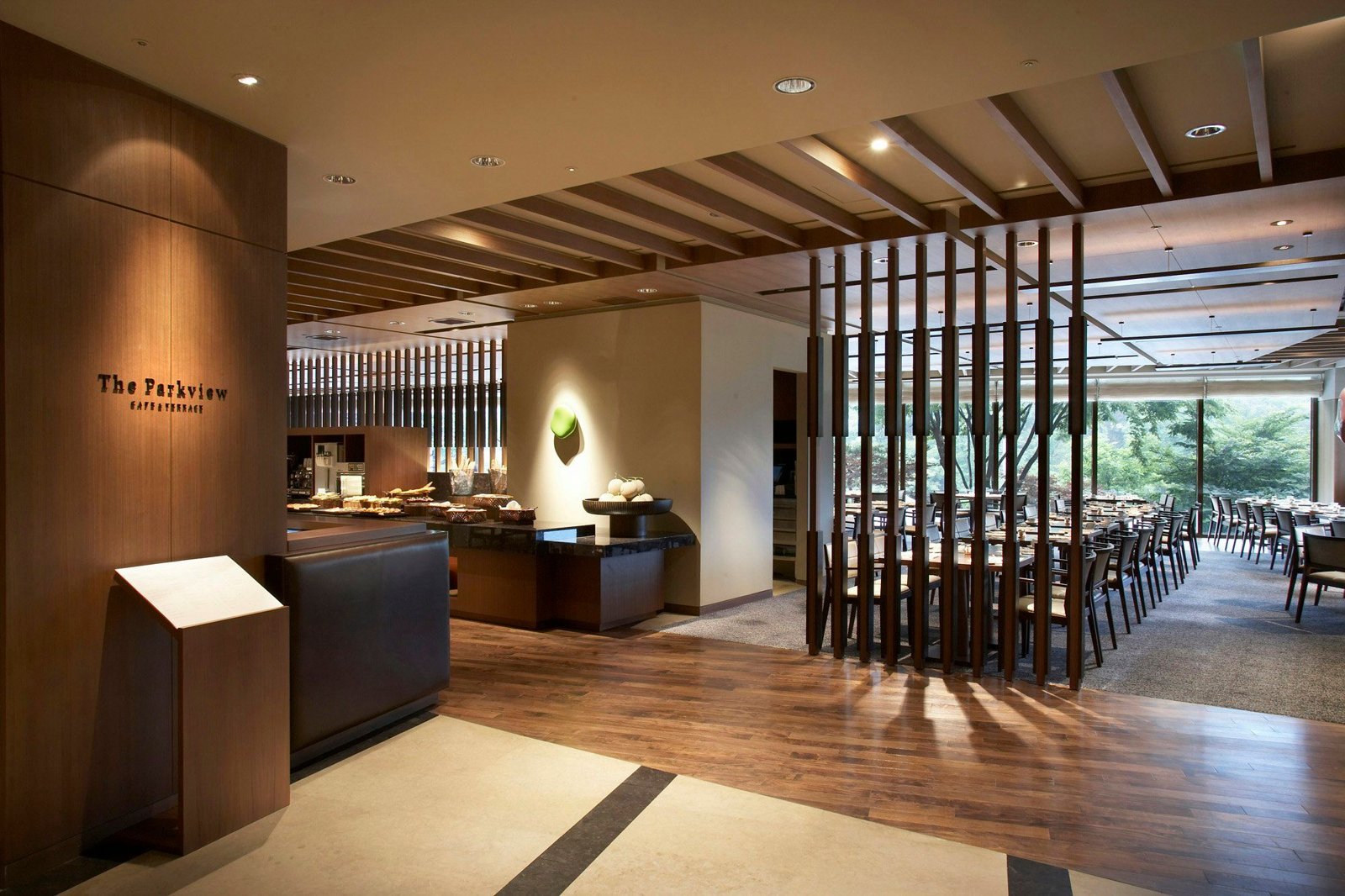
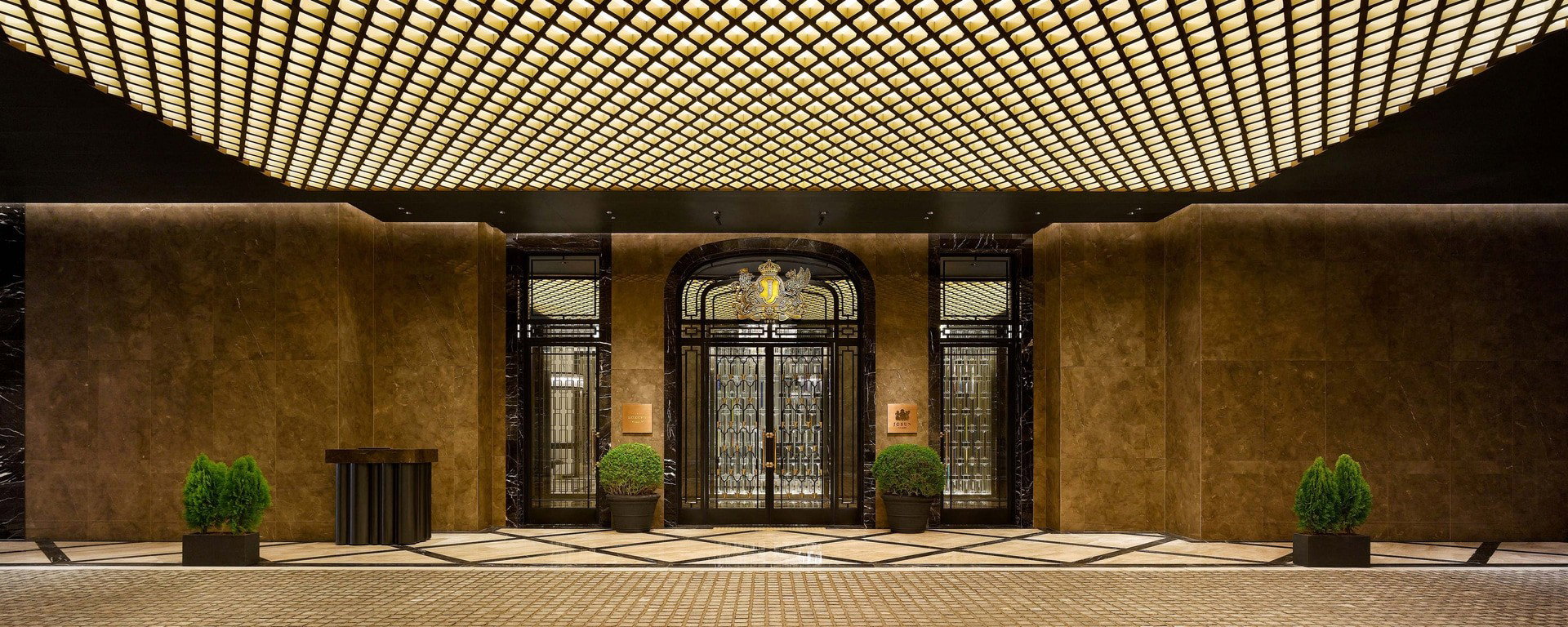
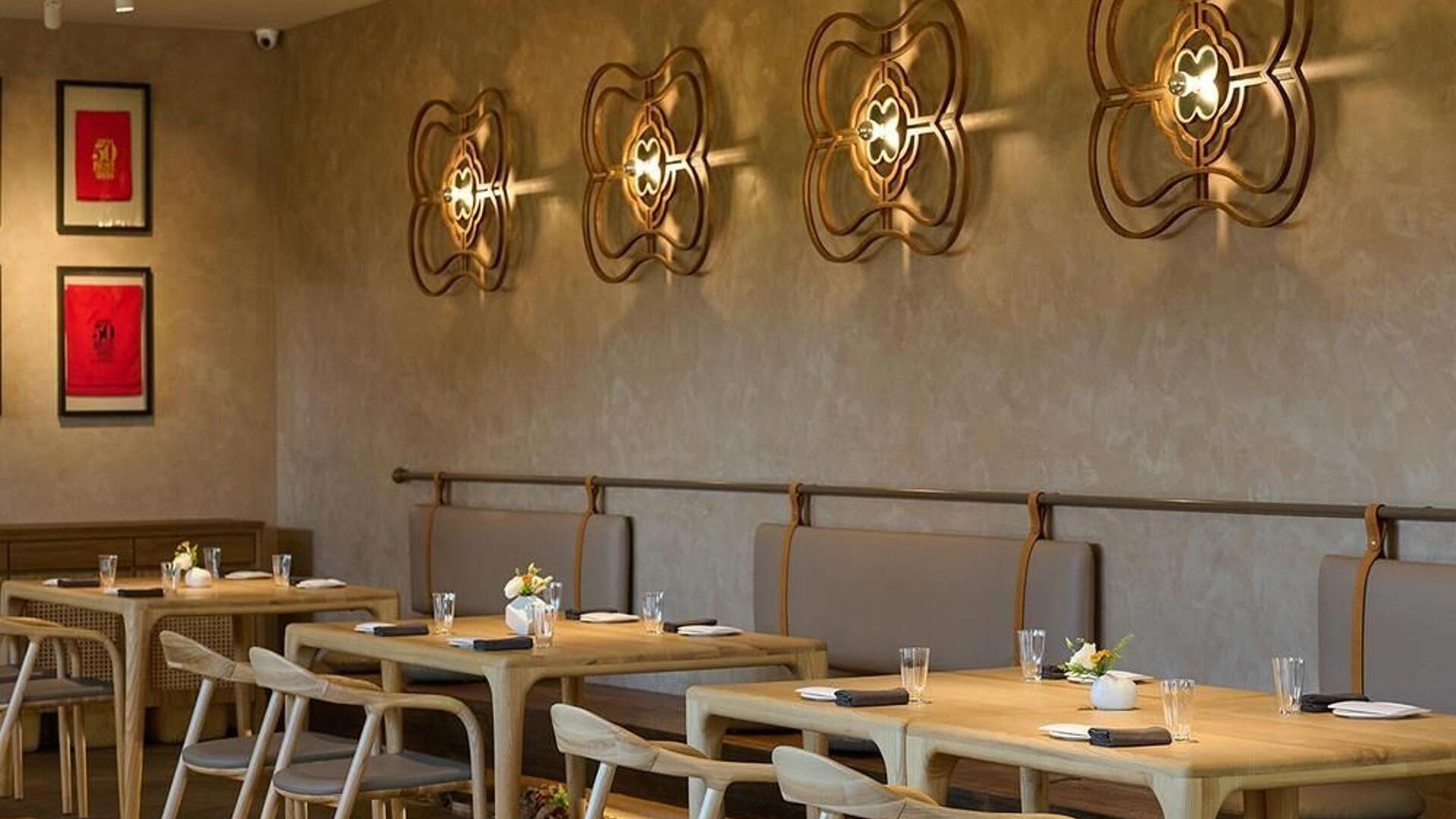
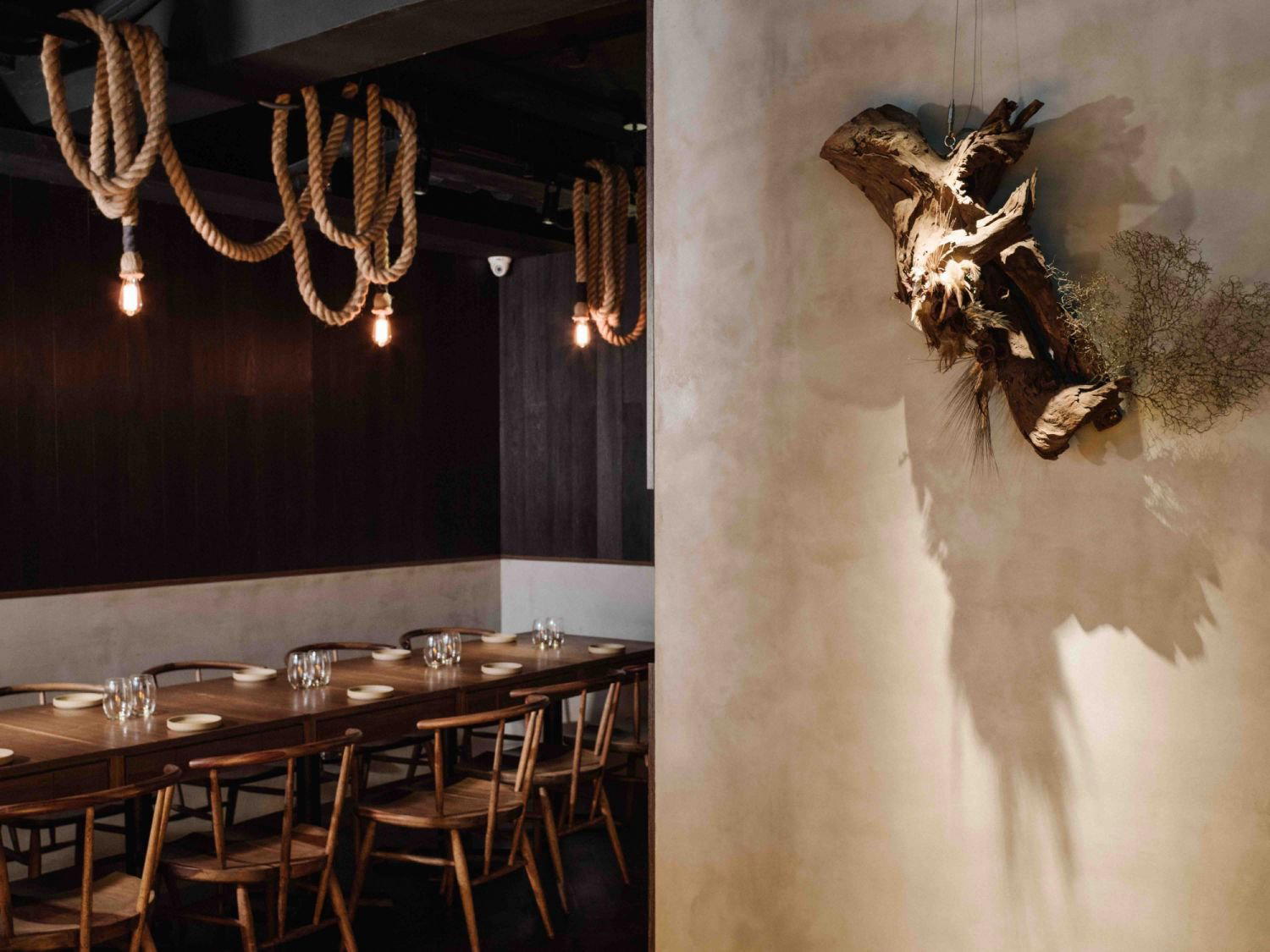
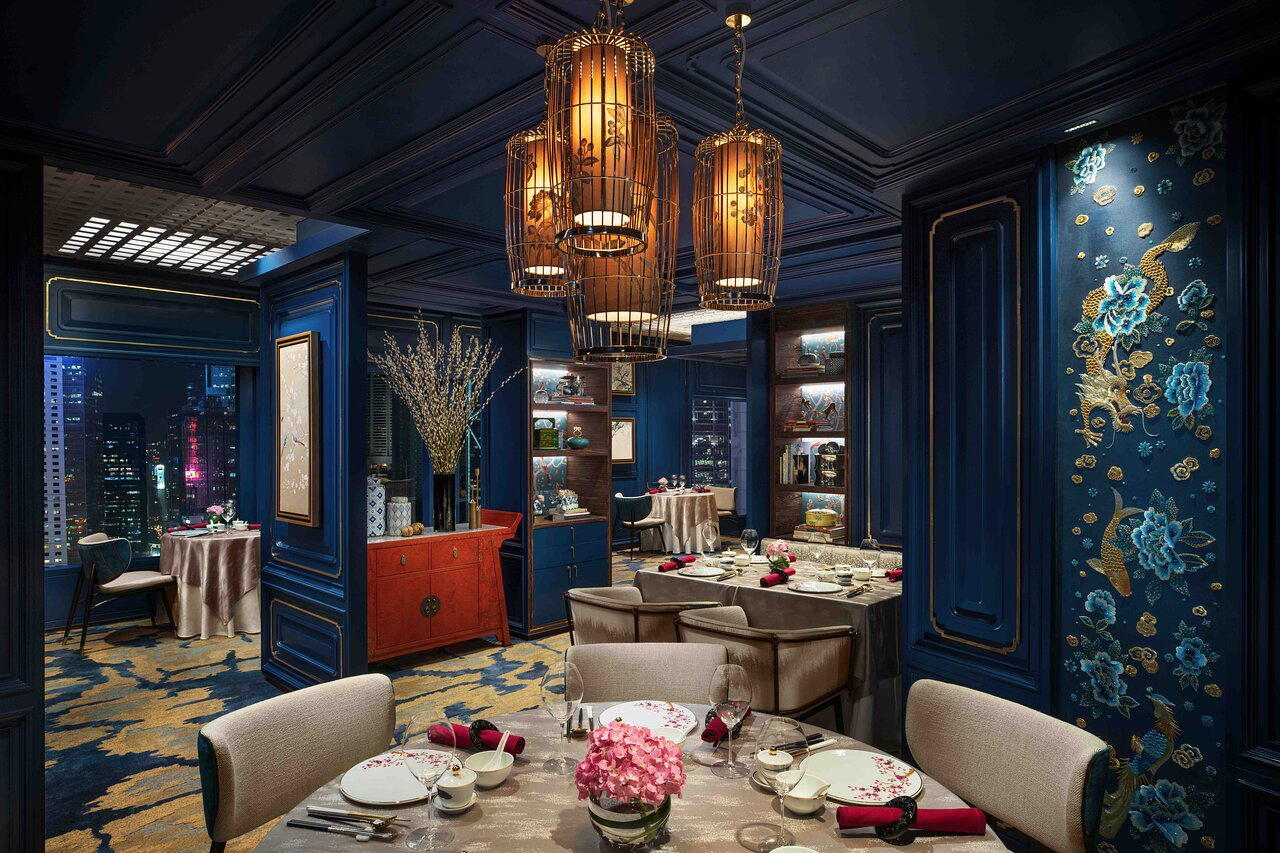
Minimalist space with muted colors, natural light, casual yet high-end feel, and classic tabletops emphasizing traditional Korean elegance.
Tags
Vibe
Best For
Experience
Sourcing
Accessibility
At the Table
- Dress Code
- Smart Casual
- Noise Level
- Quiet
- Service Style
- Formal
- Meal Pacing
- Leisurely
- Capacity
- Small
- Kitchen
- Modern
- Menu Format
- Tasting menu
- Wine Program
- Curated
- Private Dining
- Available
Signature Dishes
- Zucchini flower tempura
- Kimchi cart
- Sea cucumber porridge
- Tteokgalbi
Know before you go
Know Before You Go
- Getting there
- 37 Apgujeong-ro 80-gil, Gangnam District, Seoul, South Korea
Planning details
Location
37 Apgujeong-ro 80-gil, Gangnam District, Seoul, South Korea · Directions
Recognition and awards



Also consider
Also Consider
- Solbam, Contemporary, ₩₩₩₩
- Onjium, Korean, ₩₩₩₩
- 7th Door, Korean, Contemporary, ₩₩₩₩
- L'Amitié, French, ₩₩₩
- Zero Complex, Korean-French, Innovative, ₩₩₩₩
Restaurant context
How Kwonsooksoo Compares
Within Seoul's ₩₩₩₩ tasting menu tier, Kwonsooksoo sits closest to Onjium in terms of Korean culinary philosophy, both kitchens treat fermentation and traditional Korean ingredients as the core of the menu rather than as accent flavors. Onjium leans into court cuisine references and a more ceremonial presentation style, while Kwonsooksoo is more technically focused and ingredient-driven. If you can only book one and Korean fermentation depth is your priority, Kwonsooksoo has the stronger rankings trajectory. If you are drawn to the historical and cultural framing of Korean gastronomy, Onjium is the better fit.
Solbam and Zero Complex both operate at ₩₩₩₩ but take a more contemporary and fusion-oriented approach, Zero Complex specifically works a Korean-French hybrid format that makes it the better choice if you want Western technique applied to Korean ingredients rather than Korean technique as the primary framework. 7th Door is another Korean-contemporary option at the same price tier, with a more theatrical presentation style that suits diners who want spectacle alongside substance. None of these three carry the same density of independent awards validation as Kwonsooksoo in 2025.
For diners who want serious Korean fine dining at a lower price point, L'Amitié steps down to ₩₩₩ with a French-focused menu that provides a different kind of precision at a lower spend. It is not a direct substitute for what Kwonsooksoo does, but it is worth considering if your Seoul dining budget needs to spread across multiple meals. On booking difficulty: Kwonsooksoo is the hardest of this group to secure, if your dates are fixed and availability is closed, Onjium or Solbam are the most credible fallback options at the same tier.
Explore Seoul
Around this place
Discover more on Pearl
Unlock the full Kwonsooksoo guide in Pearl, including awards, comparisons, FAQs, planning details, and nearby places.
Compare Kwonsooksoo
| Venue | Cuisine | Awards | Booking Difficulty |
|---|---|---|---|
| Kwonsooksoo | Korean | 2026 OAD Top Restaurants in Asia Ranked · #652026 Asia's 50 Best Restaurants · #982026 Black Pearl 1 DiamondMichelin Guide Seoul & Busan 20262026 La Liste Top Restaurants2025 OAD Top Restaurants in Asia Ranked · #422025 Asia's 50 Best Restaurants · #622025 La Liste Top Restaurants2025 Michelin 2 Stars | Near Impossible |
| Solbam | Contemporary | 2026 Asia's 50 Best Restaurants · #552026 Wine Spectator Best of Award of Excellence2026 OAD Top Restaurants in Asia RecommendedMichelin Guide Seoul & Busan 20262026 La Liste Top Restaurants2025 Asia's 50 Best Restaurants · #552025 OAD Top Restaurants in Asia Ranked · #277Tatler Best Restaurants Asia-Pacific 20252025 Wine Spectator Best of Award of Excellence | Unknown |
| Onjium | Korean | 2026 Asia's 50 Best Restaurants · #142026 OAD Top Restaurants in Asia Ranked · #852026 La Liste Top RestaurantsMichelin Guide Seoul & Busan 20262026 Wine Spectator Best of Award of Excellence2025 Asia's 50 Best Restaurants · #102025 World's 50 Best Restaurants · #572025 OAD Top Restaurants in Asia Ranked · #1342025 La Liste Top Restaurants | Unknown |
| 7th Door | Korean, Contemporary | 2026 Asia's 50 Best Restaurants · #492026 OAD Top Restaurants in Asia Ranked · #842026 Black Pearl 1 DiamondMichelin Guide Seoul & Busan 20262026 La Liste Top Restaurants2025 Asia's 50 Best Restaurants · #232025 Michelin 1 Star2025 La Liste Top Restaurants2024 OAD Top Restaurants in Asia Ranked · #192 | Unknown |
| L'Amitié | French | 2026 La Liste Top Restaurants2025 La Liste Top Restaurants2025 Michelin 1 Star2024 Michelin 1 Star | Unknown |
| Zero Complex | Korean-French, Innovative | Star Wine Lists 20262026 OAD Top Restaurants in Asia Recommended2026 La Liste Top Restaurants2025 OAD Top Restaurants in Asia Ranked · #1992025 La Liste Top Restaurants2025 Michelin 1 Star2025 The Best Chef One Knife2024 OAD Top Restaurants in Asia Ranked · #2792024 Michelin 1 Star | Unknown |






What to weigh when choosing between Kwonsooksoo and alternatives.
FAQ
Frequently Asked Questions
Is the tasting menu worth it at Kwonsooksoo?
Yes, for the right diner. The menu is built around housemade Korean pastes, kimchi, and fermented seafood alongside ingredients sourced from across South Korea — a format that rewards curiosity about Korean culinary tradition rather than just prestige dining. Two consecutive Michelin stars (2024, 2025) and a jump from OAD Asia #93 in 2023 to #42 in 2025 suggest the kitchen is improving, not coasting. At ₩₩₩₩ pricing, this sits at Seoul's upper tier, so go in knowing the experience is tasting-menu-only and ingredient-driven.
What should a first-timer know about Kwonsooksoo?
Expect a structured tasting menu with no à la carte option. Chef Kwon Woo-joong's kitchen centres on fermented and housemade Korean pantry staples, so the progression of dishes is rooted in Korean culinary logic rather than European fine dining conventions. Securing a reservation is the hardest part — availability moves fast and the window closes quickly, so plan well in advance. The restaurant is located at 37 Apgujeong-ro 80-gil, Gangnam District, Seoul.
What are alternatives to Kwonsooksoo in Seoul?
Onjium is the closest comparison for Korean tasting menus with serious culinary research behind them, and may suit diners more interested in historical Korean court cuisine than modern technique. 7th Door focuses on a more intimate omakase-style format. L'Amitié and Zero Complex offer different angles — the former leaning French-Korean, the latter more contemporary and experimental. Solbam is a strong option if you want a shorter, more accessible format at a lower price point.
Is Kwonsooksoo worth the price?
At ₩₩₩₩, it is one of Seoul's most expensive dining options, but the credentials justify the ask for the right diner. Consistent two-star Michelin recognition across 2024 and 2025, combined with a ranking of #42 in OAD's Asia list for 2025 (up from #93 in 2023), places it among a small number of Seoul restaurants with a sustained international track record. If your priority is a fermentation-forward, ingredient-driven Korean tasting menu at its most technically considered, the price holds up. If you want something more casual or à la carte, it does not.
What should I wear to Kwonsooksoo?
The venue's atmosphere and dress code are not specified in available data, but the ₩₩₩₩ price tier and two Michelin stars (2025) put it firmly in Seoul's formal fine dining bracket. Dressing as you would for a comparable starred restaurant — neat, considered, no sportswear — is the safe approach. When in doubt, err toward smart over casual at this level.