





Crony
Innovative, French · Minato, Tokyo
Restaurant in Tokyo, Japan
 Book with Pearl
The Read
Sustainability-Rooted Prix Fixe
Price
$150–200per person
Chef
Michihiro Haruta
Dress
Smart Casual
Why go
Crony is a restaurant in Higashiazabu, Tokyo.
About Crony
Two Michelin stars, a #30 ranking on Asia's 50 Best (2025), and a dining room inside a glass-walled renovated townhouse in Higashi-Azabu: Crony is one of Tokyo's most credentialled innovative French restaurants, and it earns that status on its own terms.
If you have eaten here once and are weighing a return, the answer is yes — but go in knowing what you are committing to. Crony operates on a prix fixe format, booking is close to impossible without significant lead time, and the experience is designed around a specific philosophy: simplicity, sustainability, and the quiet pleasure of eating with people who care deeply about where food comes from. That is not marketing language. It is the architecture of every meal served here.
The Setting and What It Delivers
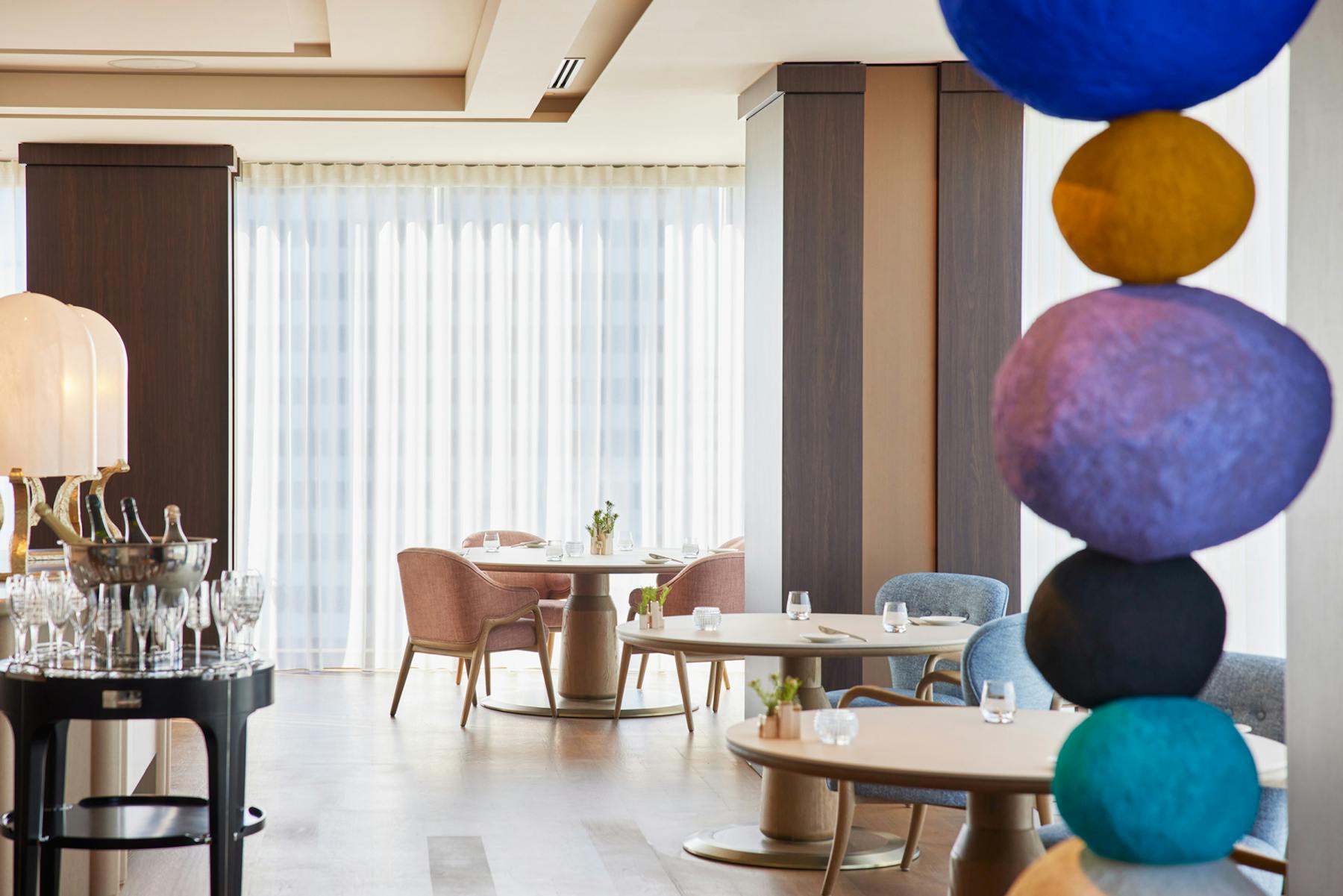
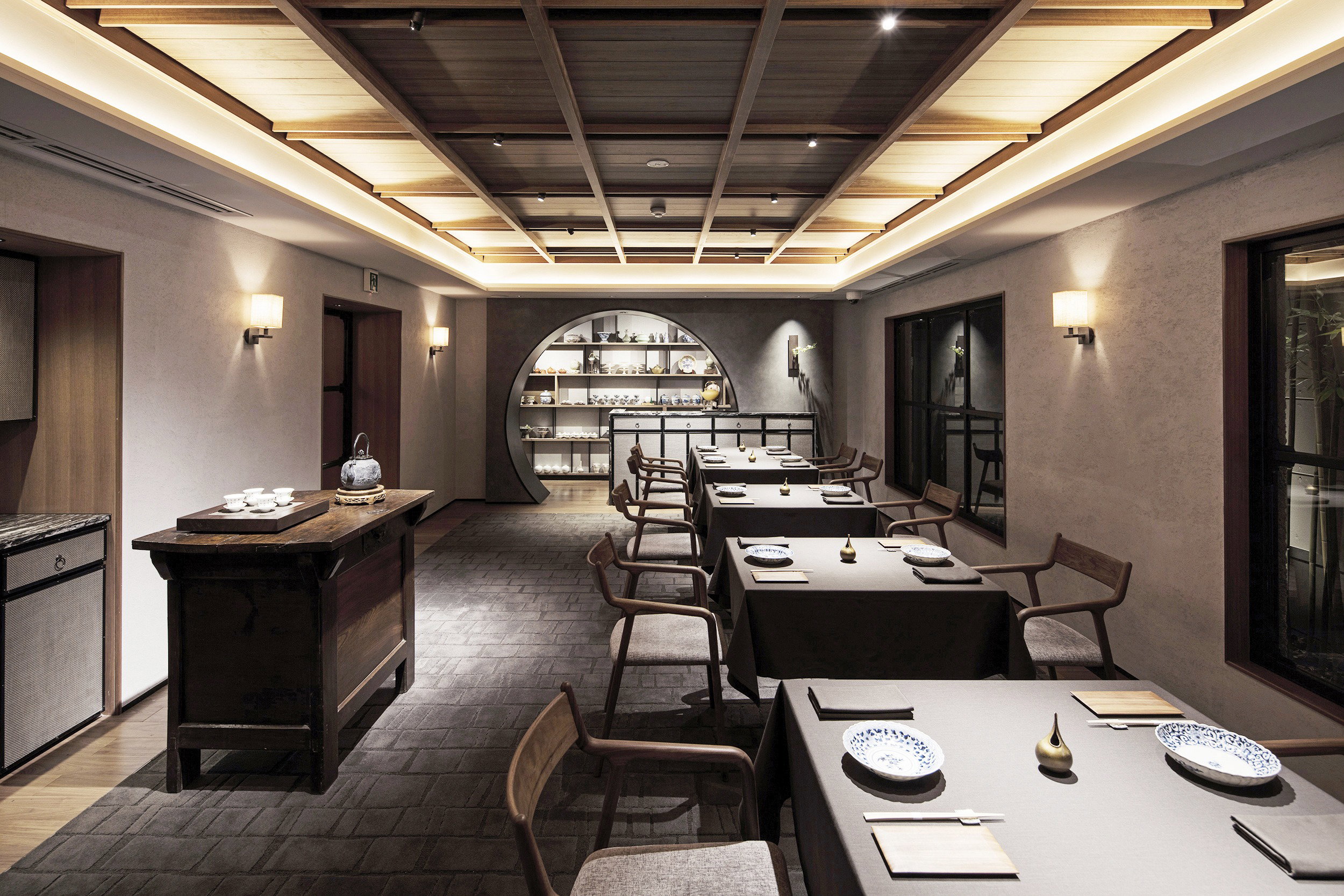
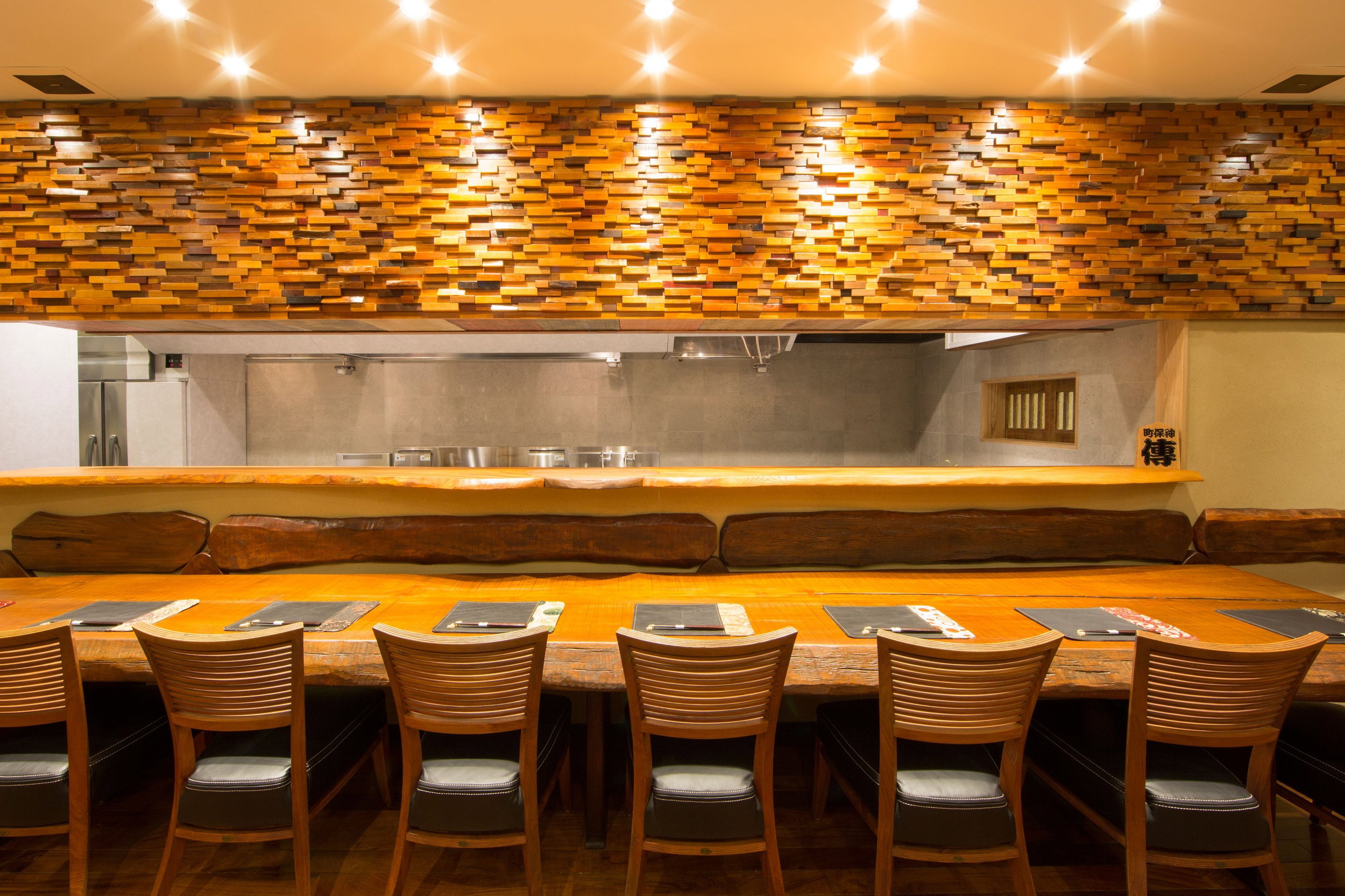
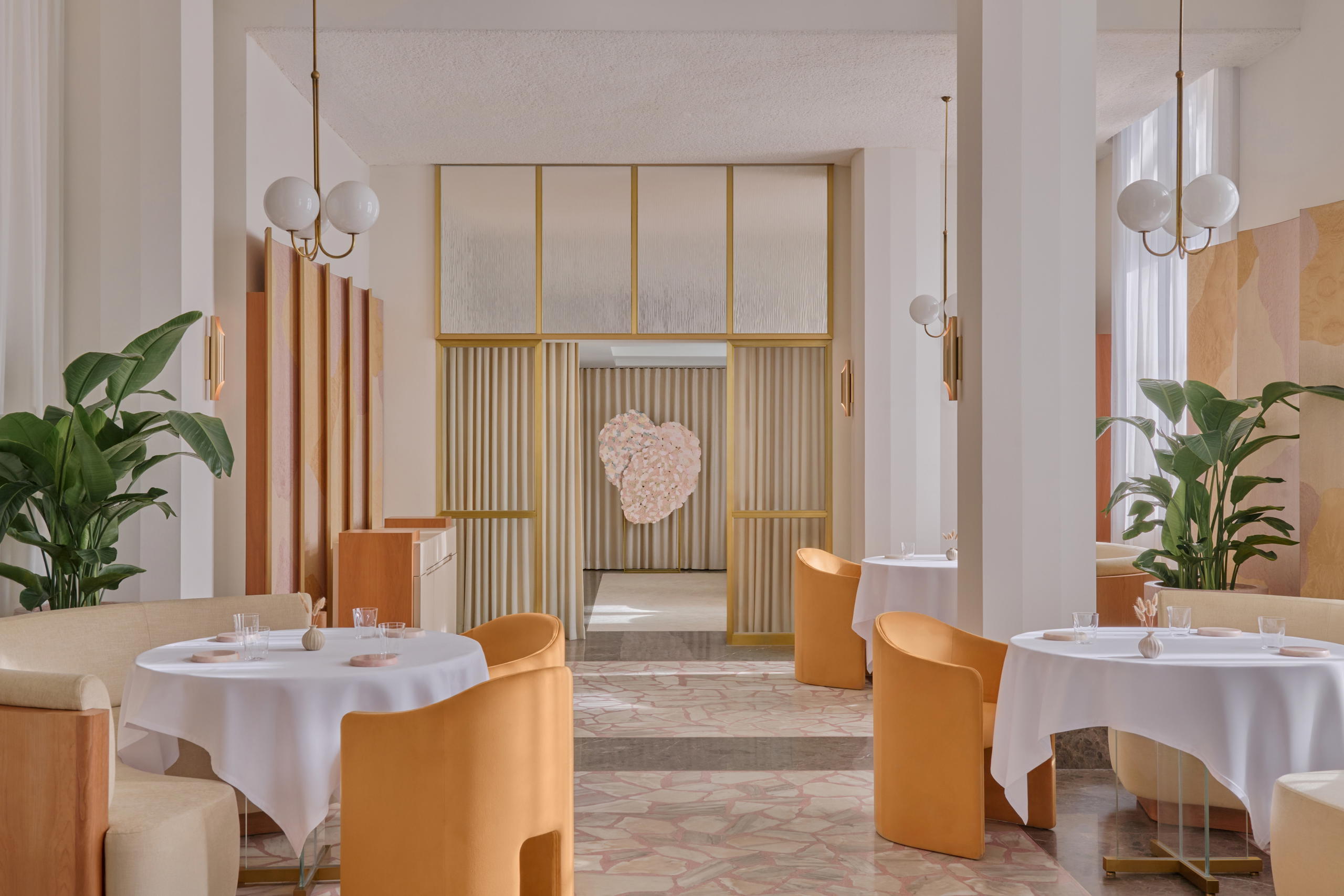
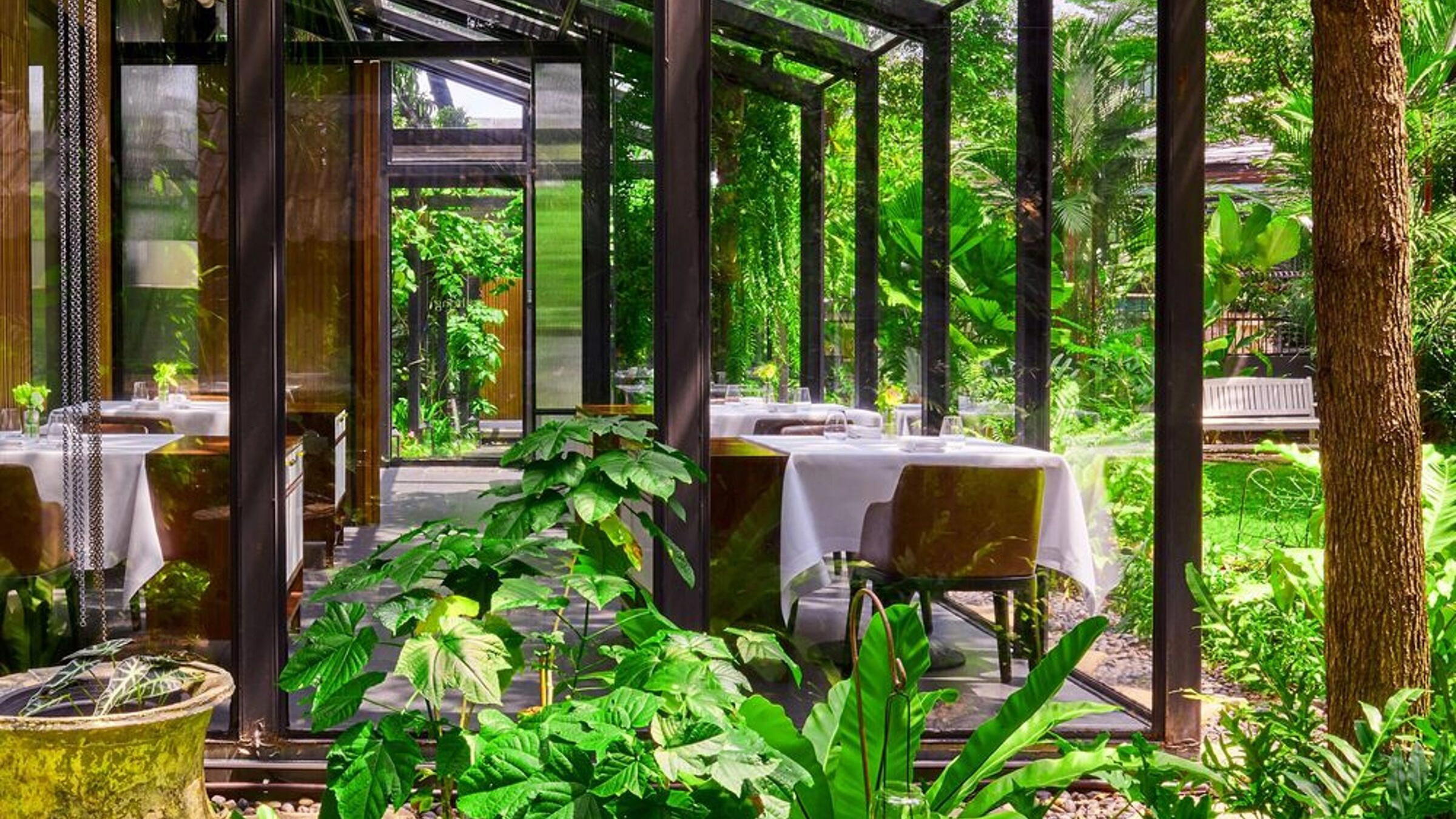
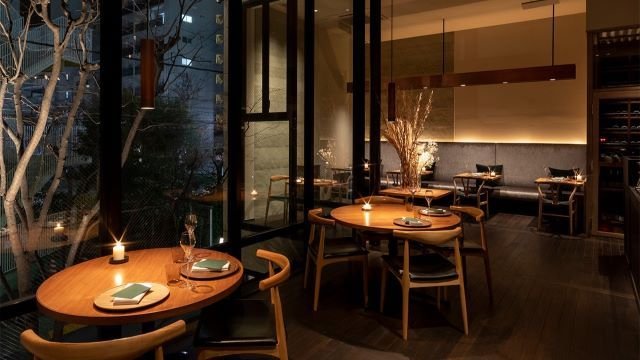
The restaurant occupies a detached, glass-walled house across from a park in Minato City. Ascend the stairs beside the kitchen and you arrive in a dining room with a Scandinavian interior — clean lines, houseplants, light that feels considered rather than designed. This is not the stripped-back minimalism common to Tokyo's high-end dining rooms. The space reads warmer, more inhabited. For returning guests, that familiarity is part of the appeal: Crony does not perform luxury, it practices hospitality.
The name itself signals intent. Crony translates loosely as a sustainable tea-drinking friend, a close circle connecting guests, kitchen staff, and producers. The meal begins with tea in season, a detail that sets the tempo before any food arrives. Chef Michihiro Haruta and sommelier Kazutaka Ozawa opened here in December 2016 with that philosophy already in place. Nearly a decade in, the kitchen has not drifted from it.
What the Counter Adds
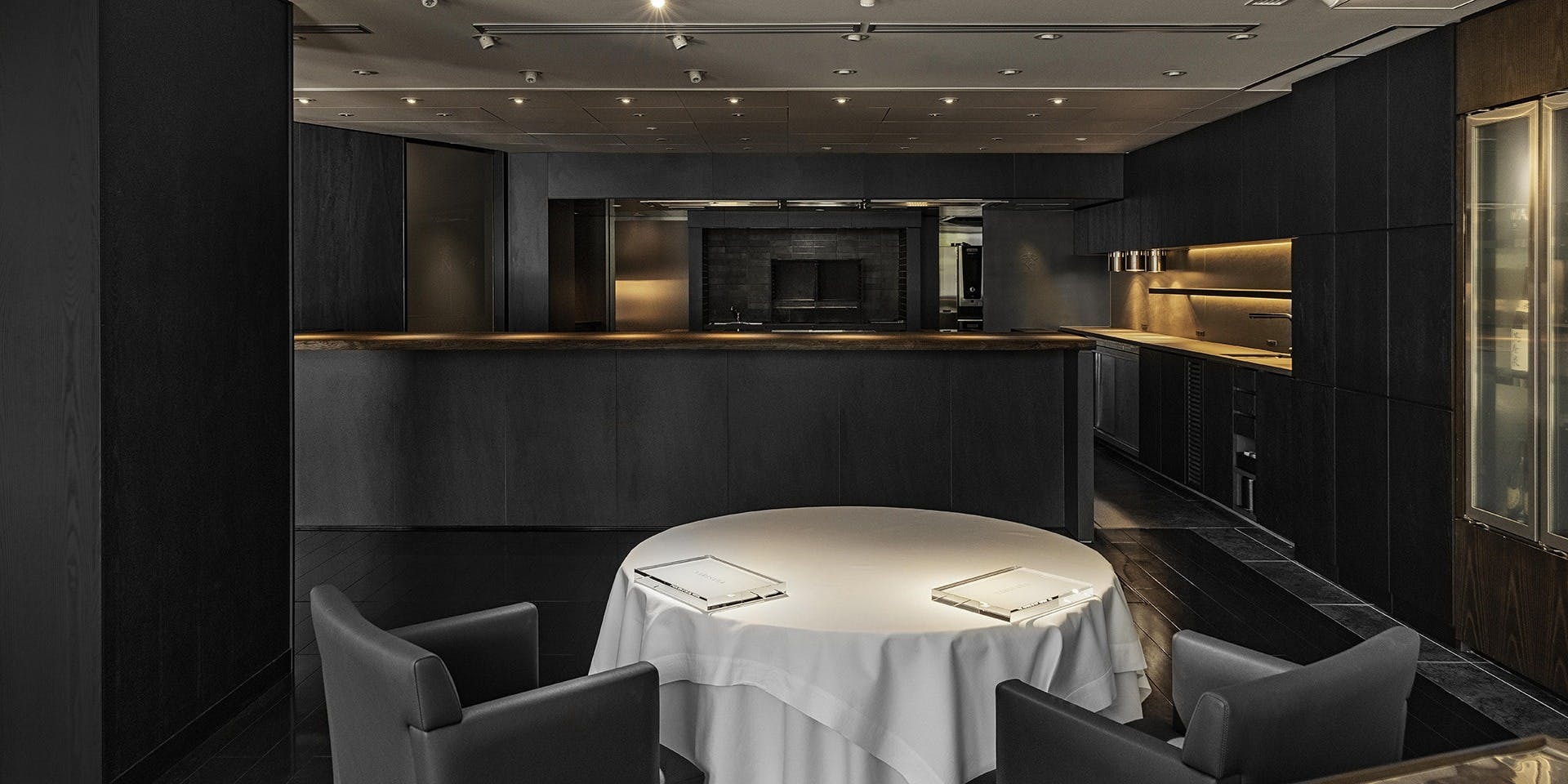
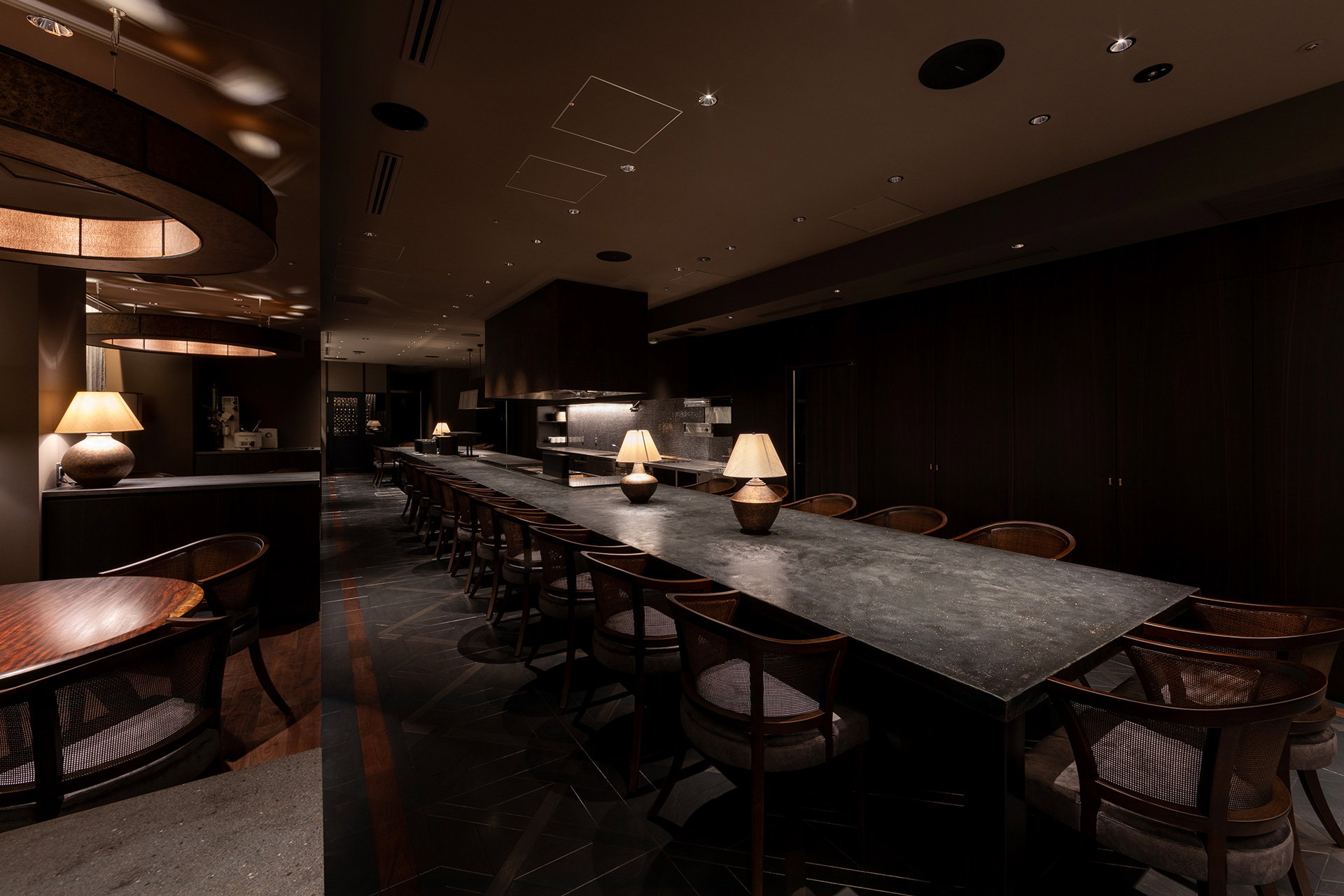
Positioning of the kitchen relative to the dining room at Crony is not incidental. The stairs run adjacent to the kitchen, meaning arrival involves passing through the engine of the meal rather than being insulated from it. Both service staff and kitchen staff bring dishes to the table, a deliberate structural choice that collapses the distance between cook and guest. For a returning diner, this is where the experience deepens. You are not just repeating a meal; you are re-entering a working relationship. The format rewards familiarity. You notice things on a second visit that registered as atmosphere on the first: the precision of plating, the restraint of seasoning, the way vegetables carry weight in dishes without dominating them.
Chef Haruta's cooking places vegetables in supporting roles alongside meat and fish, a harder balance to strike than either a fully plant-forward or conventionally protein-led menu. The result, in the kitchen's own framing, is food that is simple yet original. That is a credible claim for a two-star restaurant ranked 30th in Asia. For the returning guest, the question is whether the simplicity still surprises. Based on the sustained critical consensus, two Michelin stars held through 2024 and 2025, a climb from #308 to #227 on Opinionated About Dining's Japan rankings in a single year, it does.
Sustainability as Practice, Not Positioning
Crony's sustainability commitment runs across sourcing, waste reduction, staff relationships, and supplier partnerships. This is not a certification or a menu section. It is the operating logic of the kitchen. For guests who have been once, understanding this on a return visit changes how the meal reads. The restraint in the cooking is connected to the restraint in the supply chain. Dishes are not elaborate because elaboration would obscure the ingredient; they are precise because precision is how you honour what a producer grew or raised. That coherence, between philosophy and plate, is part of what justifies the ¥¥¥¥ price point.
Ratings and Recognition
- Michelin: 2 Stars (2024 and 2025)
- World's 50 Best, Asia's 50 Best Restaurants: #30 (2025)
- Opinionated About Dining, Leading Restaurants in Japan: #227 (2025), #308 (2024), Highly Recommended (2023)
The trajectory on OAD is telling. Moving from Highly Recommended to #308 to #227 over three years is not noise, it is a kitchen gaining consistent recognition from a peer-voting panel that skews toward industry insiders. Combined with the 50 Best placement, Crony is operating at a level that puts it in direct conversation with the top tier of Tokyo's non-Japanese fine dining.
How It Compares
See the comparison section below for how Crony sits against L'Effervescence, RyuGin, HOMMAGE, and others in the ¥¥¥¥ Tokyo bracket.
Know Before You Go
Know Before You Go
- Address: 1 Chome-20-3 Higashiazabu, Minato City, Tokyo 106-0044
- Neighbourhood: Higashi-Azabu, Minato City, a quiet, residential pocket of Tokyo well away from tourist circuits
- Price tier: ¥¥¥¥ (prix fixe format; budget accordingly for beverages and wine pairing)
- Format: Prix fixe only; meal opens with tea in season
- Booking difficulty: Near impossible without significant advance planning, see FAQ below
- Setting: Glass-walled detached house; Scandinavian-influenced dining room; houseplants, warm tones
- Service model: Both kitchen and service staff deliver dishes to the table
- Awards: 2 Michelin Stars (2025); Asia's 50 Best #30 (2025)
- Phone / Website: Not publicly listed, book via specialist reservation services or your hotel concierge
Explore More in Tokyo and Beyond
Crony sits at the serious end of Tokyo's innovative French category. If you are building a full itinerary, our full Tokyo restaurants guide covers the breadth of the city's dining. For where to stay, see our Tokyo hotels guide. For drinks, our Tokyo bars guide has the options worth your time.
If your trip extends beyond Tokyo, the same level of creative ambition shows up at HAJIME in Osaka, Gion Sasaki in Kyoto, akordu in Nara, and Goh in Fukuoka. For something further afield, 1000 in Yokohama and 6 in Okinawa are worth considering on a longer Japan circuit.
For global reference points in the innovative tasting-menu category, Atomix in New York City offers the closest structural parallel in terms of philosophy and format. Le Bernardin is the benchmark for French technique at this price level in the US market.
Planning details
- Hours
- Location
- Location
- 1 Chome-20-3 Higashiazabu, Minato City, Tokyo 106-0044, Japan
- Reservations
- Book on TableCheck
- Website
- fft-crony.jp
- Phone
- +81 3-6712-5085
The take
The Take
The Vibe
Crony presents an uncommon kind of refinement in Tokyo: a detached, glass-walled house that foregrounds openness rather than enclosure. Sunlight moves through a Scandinavian-inspired dining room fitted with houseplants and warm wood tones, giving the space a quietly modern, yet inviting feel. The kitchen is visible as part of the entry sequence, so the architecture and interiors are integral to the experience—serene and intentional rather than austere. The overall effect is a polished, contemporary dining room that reads less like a trophy of secrecy and more like a carefully composed, welcoming meal among friends.
Best For
Crony suits small groups, business dinners and special evenings when you want thoughtful French–Japanese cooking in a composed, relaxed setting. Its glass walls and park-facing position make it appealing for diners who care about light and atmosphere as much as cuisine. The layout and warm, Scandinavian interiors encourage conversation, so it works well for date nights and discreet business meals where a calm, polished environment matters. Parties that prefer an intimate, design-forward room rather than a closed counter or formal tatami setting will find Crony especially fitting.
Ordering Tips
Ask for a table along the glass walls to make the most of the park views and the changing natural light, and plan to share plates among a small group—the dining room is framed as a place for friends to eat well together. Highlighted preparations to try include house signature items such as Isaki fish, sake sourdough and the snow crab spring roll. Because the kitchen is part of the entry sequence, select seating that lets you appreciate the room’s choreography without expecting the counter-style chef interaction typical of other Tokyo tasting rooms.
Venue details
Ambiance
Cozy Scandinavian-style interior with minimalist aesthetic, natural wood accents, soft lighting, and an inviting, refined intimate atmosphere.
Tags
Vibe
Best For
Experience
Sourcing
At the Table
- Dress Code
- Smart Casual
- Noise Level
- Quiet
- Service Style
- Formal
- Meal Pacing
- Leisurely
- Capacity
- Intimate
- Kitchen
- Modern
- Menu Format
- Tasting menu
- Wine Program
- Curated
- Drinks Focus
- Sake program, Wine list
- Private Dining
- Available
Signature Dishes
- Isaki fish
- sake sourdough
- snow crab spring roll
Know before you go
Know Before You Go
- Getting there
- 1 Chome-20-3 Higashiazabu, Minato City, Tokyo 106-0044, Japan
Planning details
Hours
Location
Location
1 Chome-20-3 Higashiazabu, Minato City, Tokyo 106-0044, Japan · Directions
Recognition and awards



Also consider
Also Consider
- Harutaka, Sushi, ¥¥¥¥
- L'Effervescence, French, ¥¥¥¥
- RyuGin, Kaiseki, Japanese, ¥¥¥¥
- HOMMAGE, Innovtive French, French, ¥¥¥¥
- MAZ, Innovative, ¥¥¥¥
Restaurant context
At the ¥¥¥¥ tier in Tokyo, Crony's closest direct comparison is L'Effervescence, both operate as French-influenced, philosophy-driven tasting menus with serious critical recognition. L'Effervescence has a longer track record and may offer a marginally easier booking window. Crony has the stronger current 50 Best position (#30 in Asia, 2025) and a more explicit sustainability framework built into the kitchen's operating logic. If the cooking philosophy matters to you as much as the food itself, Crony is the more coherent choice. If you want French technique in Tokyo with slightly less booking friction, L'Effervescence is the sensible alternative.
Against RyuGin and Harutaka, the question is format. RyuGin is kaiseki at the same price level, a wholly different experience oriented around Japanese culinary tradition rather than French-inflected innovation. If you are choosing between them for a single high-end Tokyo meal, pick Crony for creative European cooking and RyuGin for the definitive Japanese tasting menu. Harutaka operates in the sushi omakase space, again, a different format entirely. These are not competing restaurants so much as different arguments for how to spend ¥¥¥¥ in Tokyo.
HOMMAGE and MAZ sit in the same innovative French-adjacent bracket. HOMMAGE is the closest stylistic peer to Crony in terms of French technique applied with a Japanese sensibility. MAZ brings a Latin American perspective to the innovative tasting menu format, a more unusual choice if you want something further from the French canon. For returning Tokyo visitors who have already done Crony once, HOMMAGE is the logical next booking in the same category. For first-timers deciding between them, Crony's 50 Best ranking and OAD trajectory make it the higher-confidence pick. Also worth considering in the broader creative Tokyo dining conversation: Den for innovative Japanese at a slightly lower price point, and Sézanne for contemporary French with arguably more booking flexibility at a comparable tier.
Explore Tokyo
Around this place
Discover more on Pearl
Unlock the full Crony guide in Pearl, including awards, comparisons, FAQs, planning details, and nearby places.
Compare Crony
| Venue | Cuisine | Price | Awards | Booking Difficulty |
|---|---|---|---|---|
| Crony | Innovative, French | ¥¥¥¥ | 2026 Asia's 50 Best Restaurants · #34Star Wine Lists 20262026 OAD Top Restaurants in Japan Recommended2026 Michelin 2 Stars2025 Asia's 50 Best Restaurants · #30Tabelog 100 - French - TOKYO - 2025 · #782025 OAD Top Restaurants in Japan Ranked · #227We're Smart World Top Restaurants 20252025 Michelin 2 Stars | Near Impossible |
| Harutaka | Sushi | ¥¥¥¥ | 2026 Tabelog Silver · #312026 OAD Top Restaurants in Japan Ranked · #1282026 Michelin 3 Stars2026 La Liste Top RestaurantsTabelog 100 - Sushi - TOKYO - 2025 · #372025 Asia's 50 Best Restaurants · #762025 OAD Top Restaurants in Japan Ranked · #1172025 La Liste Top Restaurants2025 Tabelog Bronze | Unknown |
| L'Effervescence | French | ¥¥¥¥ | 2026 Tabelog Silver · #682026 OAD Top Restaurants in Japan Ranked · #103Star Wine Lists 20262026 Black Pearl 2 Diamond2026 Relais Chateaux Restaurants2026 La Liste Top Restaurants2026 Michelin 3 Stars2025 Asia's 50 Best Restaurants · #692025 OAD Top Restaurants in Japan Ranked · #92 | Unknown |
| RyuGin | Kaiseki, Japanese | ¥¥¥¥ | 2026 OAD Top Restaurants in Japan Ranked · #802026 Tabelog Bronze · #3772026 Michelin 3 Stars2026 La Liste Top RestaurantsTabelog 100 - Japanese cuisine - TOKYO - 2025 · #212025 OAD Top Restaurants in Japan Ranked · #542025 Michelin 3 Stars2025 La Liste Top Restaurants2025 The Best Chef Three Knives | Unknown |
| HOMMAGE | Innovtive French, French | ¥¥¥¥ | 2026 Tabelog Bronze · #1232026 OAD Top Restaurants in Japan Highly Recommended2026 Michelin 2 StarsTabelog 100 - French - TOKYO - 2025 · #762025 Asia's 50 Best Restaurants · #782025 OAD Top Restaurants in Japan Ranked · #1752025 Michelin 2 Stars2025 The Best Chef One Knife2025 La Liste Top Restaurants | Unknown |
| MAZ | Innovative | ¥¥¥¥ | Star Wine Lists 2026 · #12026 Asia's 50 Best Restaurants · #282026 OAD Top Restaurants in Japan Ranked · #452026 Tabelog Bronze · #2672026 Michelin 2 Stars2026 La Liste Top Restaurants2025 OAD Top Restaurants in Japan Ranked · #272025 Asia's 50 Best Restaurants · #43Tabelog 100 - Innovative / Creative cuisine - 2025 · #92 | Unknown |








A quick look at how Crony measures up.
FAQ
Frequently Asked Questions
Is Crony worth the price?
At ¥¥¥¥, Crony justifies the spend if a tightly structured prix fixe format suits you. Two Michelin stars held since 2024 and a #30 ranking on Asia's 50 Best (2025) are not decorative — the credentials reflect consistent execution. If you want à la carte flexibility at this price level, look elsewhere; Crony is built around the prix fixe experience and the sustainability-driven sourcing that defines it.
Is Crony good for solo dining?
Crony is a reasonable solo option: the glass-walled townhouse setting and counter-adjacent arrival route make it less isolating than a traditional formal dining room. The prix fixe format removes menu anxiety, which works in a solo diner's favour. That said, the restaurant's philosophy centres on a communal 'circle of guests' ethos, so the experience tends to reward those who engage with the staff and the story behind each course.
How far ahead should I book Crony?
Book at least four to six weeks out. A two-Michelin-star restaurant ranked #30 on Asia's 50 Best (2025) in central Tokyo draws serious demand from both local and international diners. Last-minute availability does occasionally open up, but planning well ahead is the only reliable strategy.