


Bium
Korean · Noyu-dong, Seoul
Restaurant in Seoul, South Korea
 Book with Pearl
The Read
Restrained Korean Precision
Dress
Smart Casual
Why go
A vegetable-forward Korean restaurant in Gangnam built around fermentation and a thousand years of Korean culinary heritage, Bium holds a 2025 Michelin Plate and prices at ₩₩₩₩. Book it if historically grounded, produce-led Korean cooking is your format: it is easier to secure than most Seoul peers at this price tier, making it a practical pick for food-focused visitors with shorter planning windows.
About Bium
Bium, Seoul: Verdict
If you care about Korean culinary heritage and want a vegetable-forward meal at ₩₩₩₩, consider Bium in Gangnam. The kitchen draws on a thousand years of Korean produce traditions: fermentation, seasonal sourcing across the peninsula, and the kind of ingredient-led cooking that most restaurants claim but few actually execute. Book with confidence if vegetable-driven Korean cuisine is your format; look elsewhere if you want protein-heavy Korean barbecue or a more internationally hybrid menu.
What Bium Is
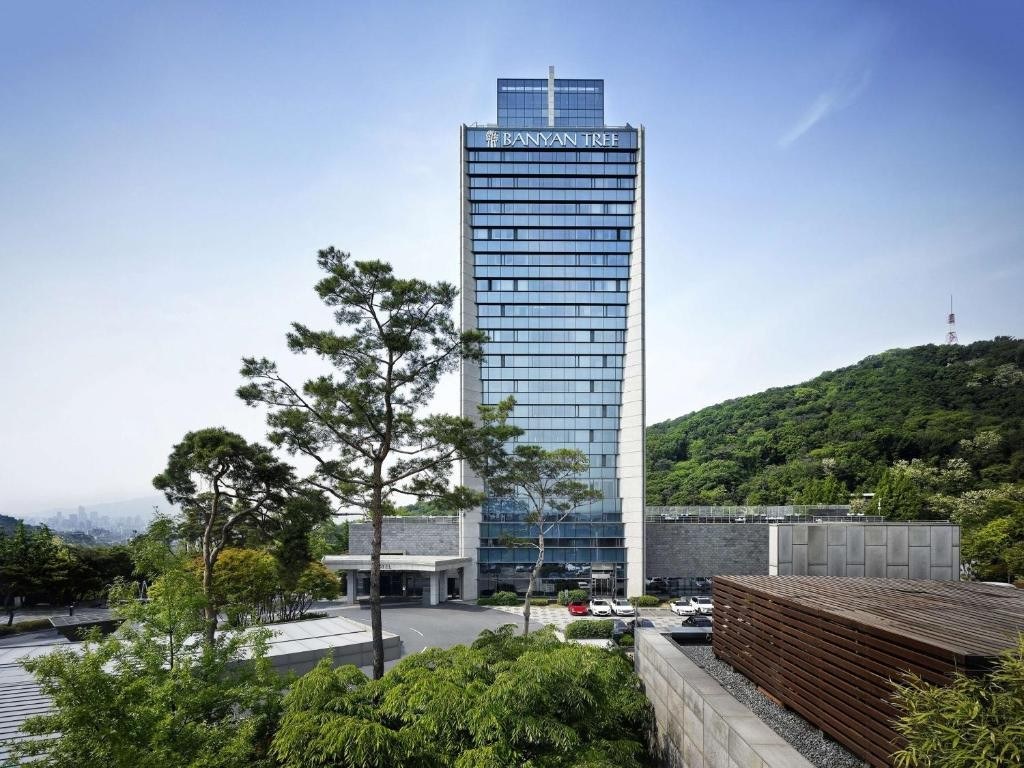
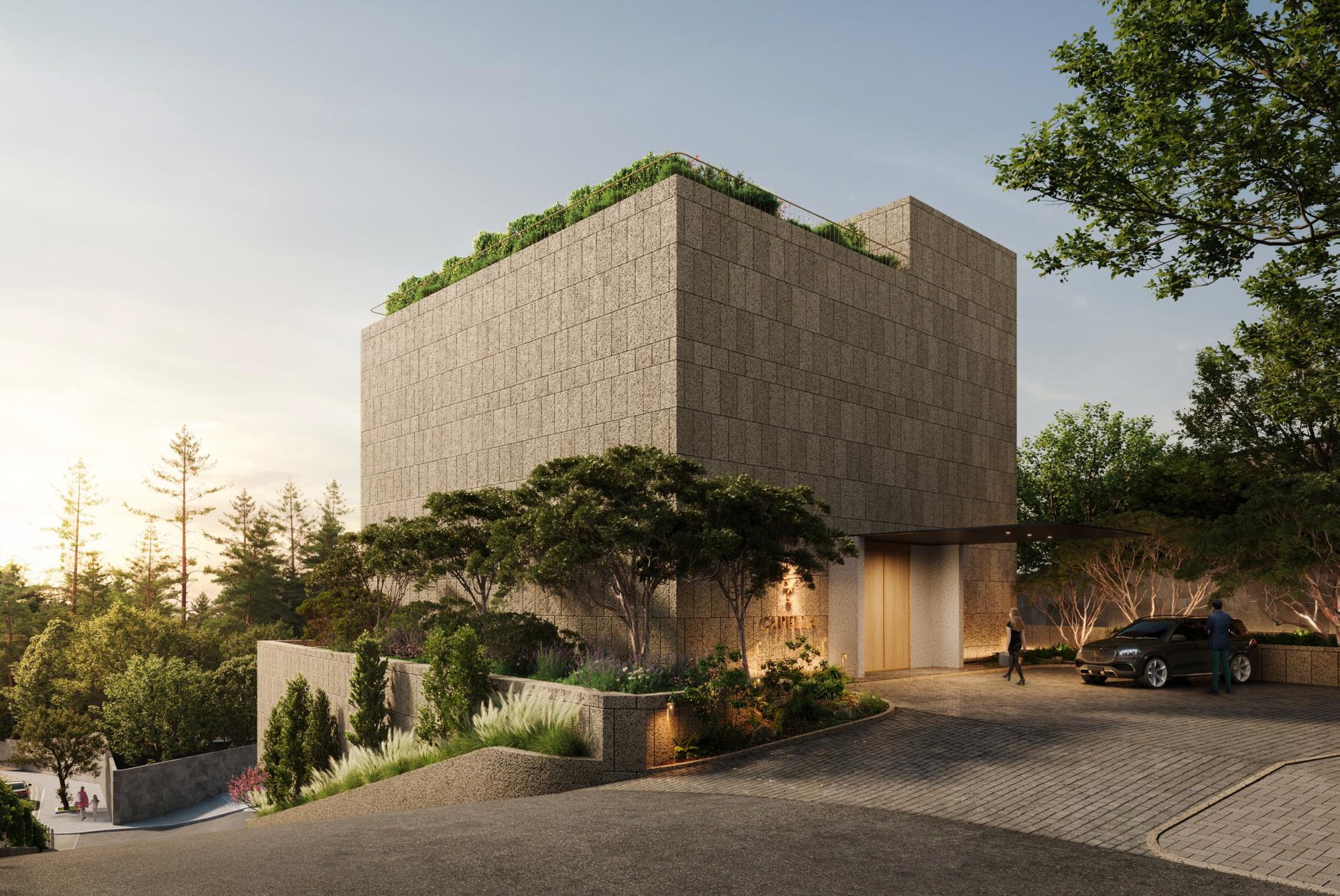
Bium sits at 41 Hakdong-ro 97-gil in the Gangnam District: a part of Seoul that houses some of the city's most considered dining rooms, from Mingles to Kwonsooksoo. The restaurant occupies the first floor of the Ryu Building, which keeps the profile relatively low-key for a Michelin-recognised address. That combination, Gangnam location, modest physical presence, serious culinary intent, is worth knowing before you arrive.
The cooking philosophy is grounded in Korean culinary history rather than global fusion. Fermentation is central to the approach, alongside produce sourced from across Korea rather than a single region. For the food-focused traveller who wants to understand what Korean cuisine looked like before the modern era introduced global proteins and Western techniques, Bium offers a more historically coherent perspective than most Seoul restaurants at this price tier. Think of it as a vegetable-forward reconstruction of the Korean table, built from fermented pastes, seasonal herbs, and regional ingredients rather than from a chef's personal reinvention story.
The ₩₩₩₩ price range puts Bium at the top end of Seoul dining. At that level, the relevant question is whether the experience justifies the spend relative to peers. The Michelin Plate is a quality signal but not a starred credential, it indicates a kitchen worth visiting, not a destination in the way that Seoul's two- and three-starred rooms are. For the food enthusiast willing to invest in a serious vegetable-Korean meal, the case is solid. For someone who wants a guaranteed marquee experience, La Yeon or Onjium carry heavier critical weight at similar or comparable price points.
The Private Dining Question
No confirmed private dining room data is available in Bium's record, so any claim about a dedicated private space would be speculation. What the address and building type suggest is a compact, ground-floor room, the kind of space that typically suits intimate groups of two to four rather than large event parties. If you are planning a group dinner of six or more and private dining is a requirement, contact the restaurant directly to confirm capacity before committing. For groups of two to four looking for a focused, conversation-friendly meal in a quieter Gangnam setting, the format appears well-suited, but verify specific arrangements with the venue.
For comparison: Bicena and Onjium both have clearer private dining credentials at comparable price tiers in Seoul, so if a formal private room is non-negotiable for a special occasion, those are safer bets while you await confirmation from Bium.
Booking and Timing
Bium is rated Easy to book by Pearl's booking difficulty assessment, which is a meaningful advantage in Seoul's competitive ₩₩₩₩ dining tier. Several comparable rooms in Gangnam require reservations three to six weeks out minimum; a more accessible booking window makes Bium a practical option when you are planning with shorter lead times. That said, "easy" does not mean walk-in friendly, confirm your reservation in advance, especially for weekend evenings and group sittings.
Before finalising plans, verify lunch and dinner service availability directly with the restaurant, as vegetable-focused tasting menus in Seoul often operate on tighter sittings than standard à la carte rooms. For wider Seoul dining context, our full Seoul restaurants guide covers the range of options across price tiers and cuisine formats.
Context: Korean Vegetable Cuisine at the Leading End
Bium's framing, a thousand years of Korean culinary heritage, fermentation, and produce sourced nationally, places it in a specific and relatively rare category. Most high-end Korean restaurants in Seoul blend Western technique with Korean ingredients (the Mingles model) or focus on premium Korean proteins like wagyu-grade hanwoo beef. A kitchen that anchors its identity in vegetable cookery and fermentation draws on a different tradition: the Buddhist temple food lineage that produced dishes at places like Baegyangsa Temple in Jangseong-gun and the broader court and commoner food traditions that predate modern Korean restaurant culture.
This is not health food positioning or a vegetarian-friendly compromise menu. It is a deliberate culinary argument about what Korean cooking can be when it roots itself in its own history. That argument will land differently depending on what you are looking for: explorers who want depth and context will find it genuinely compelling; diners who primarily want indulgence or spectacle may find the format more austere than they expected at this price tier.
If you are travelling across Korea and want to build a picture of regional and traditional cooking, pairing Bium with a visit to Mori in Busan or exploring the broader landscape through our Seoul experiences guide gives useful additional context. For Korean dining outside Korea, bōm in New York City and DOSA in London offer reference points for how this culinary tradition translates internationally.
Practical Summary
Bium, Gangnam District, Seoul. Korean vegetable cuisine with a fermentation and heritage focus. Michelin Plate 2025. Price range: ₩₩₩₩. Booking difficulty: Easy. No phone or website data available, book through a reservation platform or contact via the address directly. See also: Seoul hotels guide, Seoul bars guide, Seoul wineries guide.
Frequently Asked Questions
What should a first-timer know about Bium?
- Bium is a vegetable-forward Korean restaurant in Gangnam, not a standard Korean barbecue or fusion room. The cooking draws on fermentation and historically grounded produce traditions, so come expecting a thoughtful, ingredient-led meal rather than protein-heavy or internationally hybrid food.
- It holds a 2025 Michelin Plate, which signals a kitchen worth visiting. At ₩₩₩₩, it is priced at Seoul's top tier, plan accordingly.
- Booking is relatively accessible compared to peers at this price level.
- For first-timers building a Seoul dining itinerary, pairing Bium with a visit to Kwon Sook Soo gives a useful contrast between heritage-driven and more contemporary Korean cooking at a similar price tier.
Is Bium good for solo dining?
- Probably yes, but with caveats. The compact Gangnam address and produce-focused tasting format suggest a room that works well for focused solo dining, you are there for the food, not the scene. At ₩₩₩₩, solo dining is a real spend, so make sure the vegetable-Korean format matches what you want before committing.
- No counter or bar seating data is available, so contact the restaurant to confirm whether solo bookings are accommodated at a counter or require a full table. For a guaranteed solo-friendly counter experience at a comparable Seoul price tier, Mingles has a well-documented counter arrangement.
Is Bium good for a special occasion?
- Yes, with the right expectations. The Michelin Plate and ₩₩₩₩ positioning make it credible for a meaningful meal. The vegetable-heritage format suits couples or small groups who want a distinctive, conversation-ready dinner rather than a high-drama tasting extravaganza.
- If the occasion calls for more formal prestige signalling, La Yeon carries heavier critical weight. If you want a private room confirmed in advance for a group celebration, check with Bium directly and have Bicena as a backup option.
What are alternatives to Bium in Seoul?
- Onjium (₩₩₩₩) is the most direct peer, also rooted in Korean culinary heritage and fermentation, with stronger critical recognition and a more documented private dining offer.
- Mingles suits diners who want Korean ingredients with more Western-technique polish and a higher international profile.
- Kwonsooksoo is the option if you want a contemporary Korean tasting menu with a well-established reputation and slightly more accessible booking.
- For a broader comparison, see our full Seoul restaurants guide.
Can I eat at the bar at Bium?
- No bar seating data is available for Bium. The ground-floor address in a relatively compact Gangnam building suggests limited or no dedicated bar counter. Contact the restaurant directly to ask about counter or bar options before visiting. If a bar dining experience in Seoul is a priority, our Seoul bars guide covers dedicated bar venues across the city.
Planning details
- Hours
- Monday: Closed · Tuesday: 9 AM–5 PM, 6–10 PM
- Location
- South Korea, Seoul, Gangnam District, Hakdong-ro 97-gil, 41 리유빌딩 1층
- Website
- biumseoul.com
- Phone
- +82 2-549-8889
The take
The Take
The Vibe
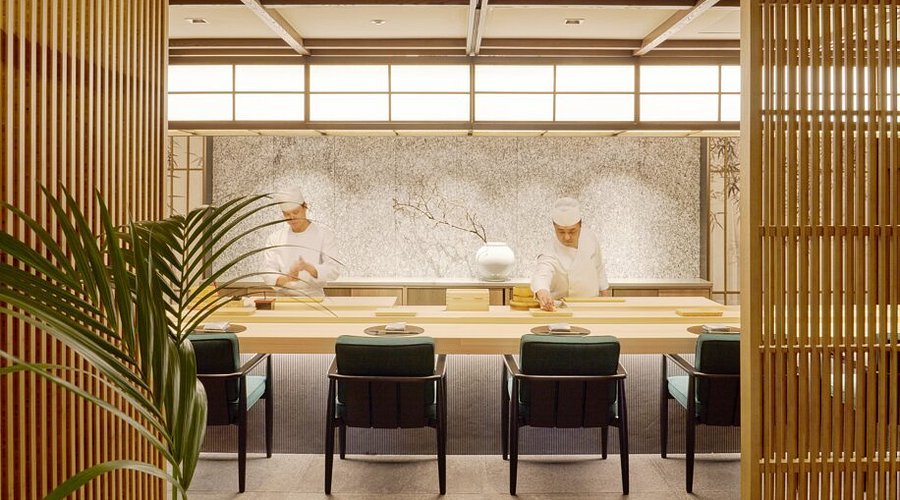
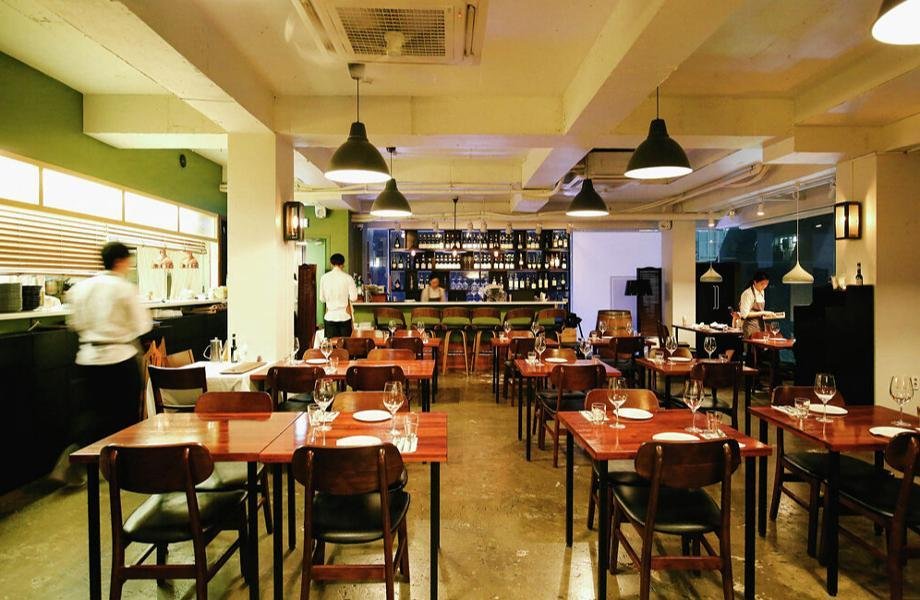
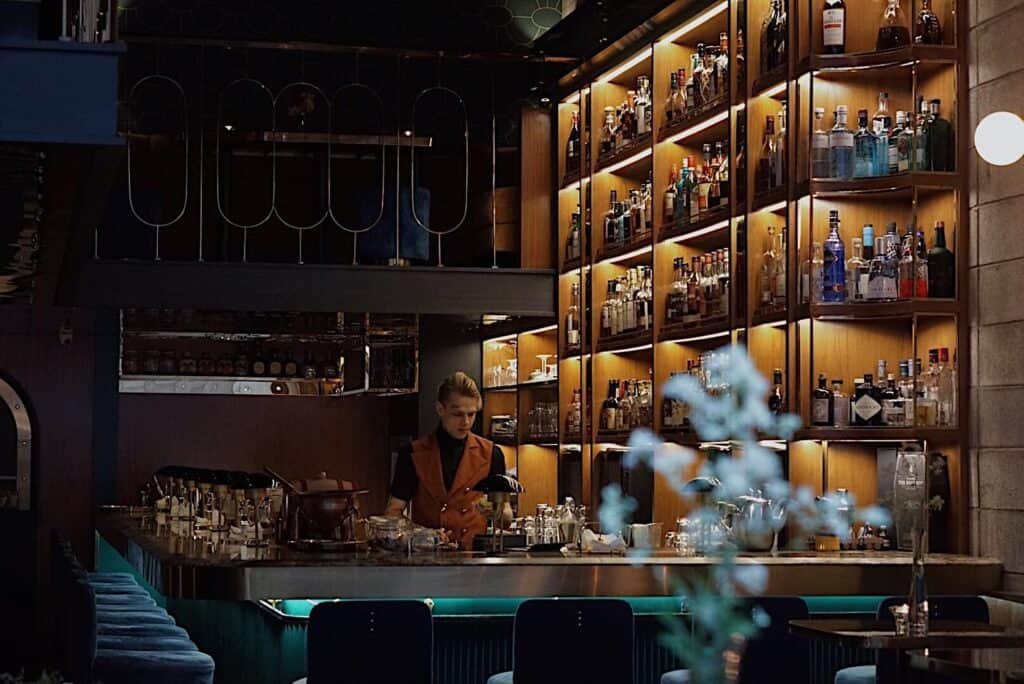
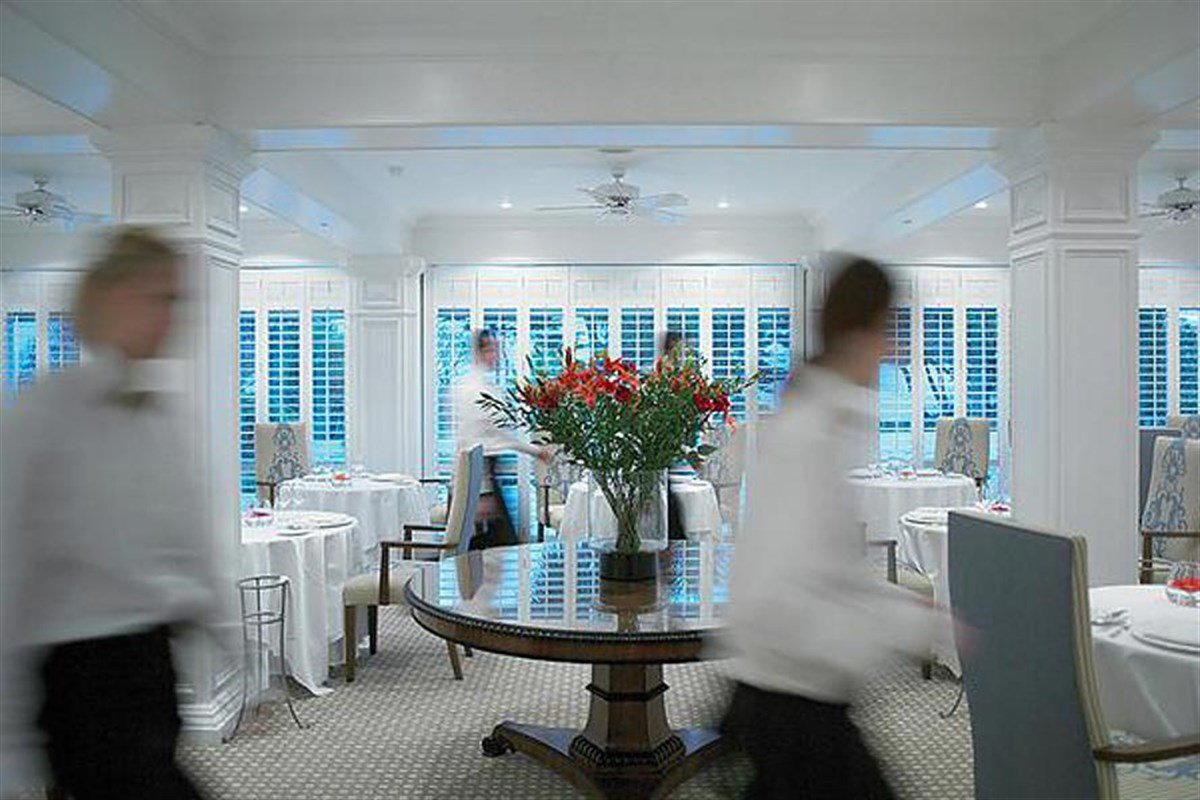
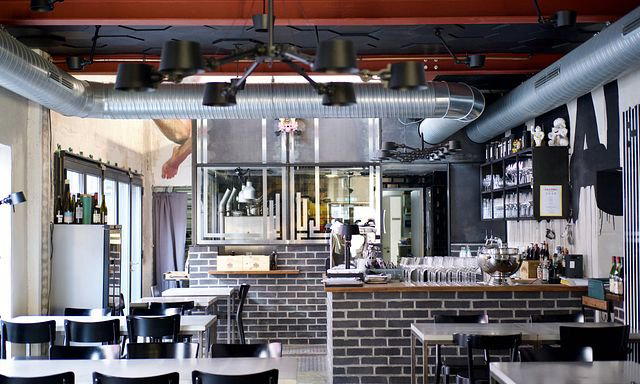
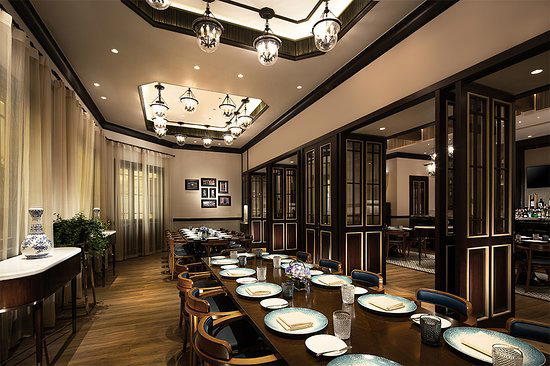
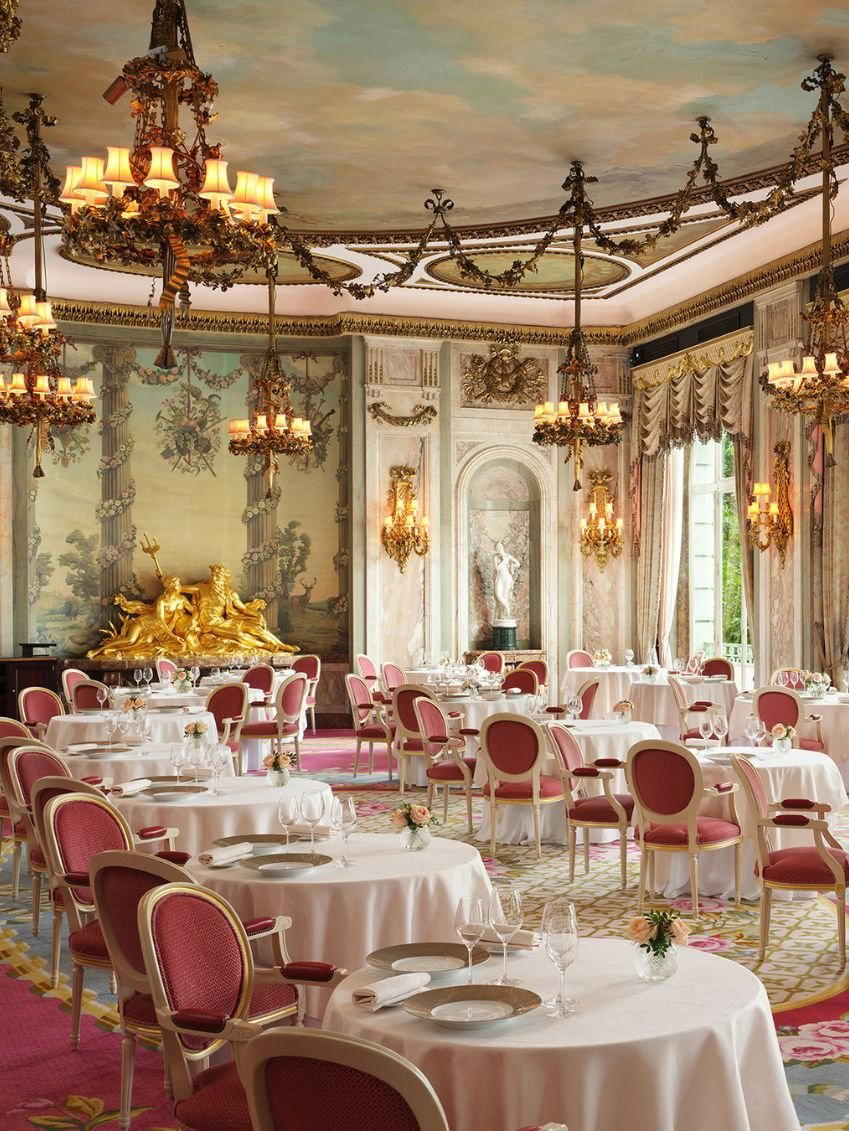
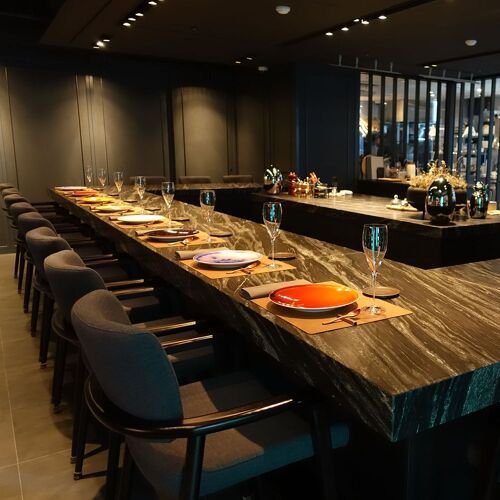
Bium presents itself as a deliberately low-key, refined destination tucked into the quieter side streets of Gangnam. The tone is restrained rather than showy: a ground-floor address in the Ryu Building that sets expectations for careful, considered Korean fine dining rather than large-scale spectacle. The restaurant emphasizes precision and sits within the city’s stratified fine-dining ecology, conveying an understated confidence. Visitors encounter a calm, intentional atmosphere that privileges the food and technique: the sort of place you notice for its restraint rather than its entrance.
Best For
Bium is best experienced as an evening destination for diners seeking focused Korean fine dining in a quieter part of Gangnam. Its placement in the ₩₩₩₩ price tier and 2025 Michelin Plate recognition point to a meal that rewards attention and time, making it well suited to special evenings and thoughtful solo meals. The restaurant sits amid Seoul’s high-calibre Korean restaurants, so it appeals to diners who expect precise cooking and a measured pace rather than loud, late-night socializing.
Ordering Tips
Expect a measured, service-minded experience: Bium is in Seoul’s fine-dining bracket and has Michelin Plate recognition, so plan for a multi-course, intentional meal at a higher price point. Because the restaurant occupies a discreet address on a quieter side street, reservations are advisable to secure the limited seating such places typically offer. The focus in the text is on precision and trajectory within the city’s dining scene, so lean into tasting-menu options if offered and allow the kitchen’s pacing to set the evening.
Venue details
Ambiance
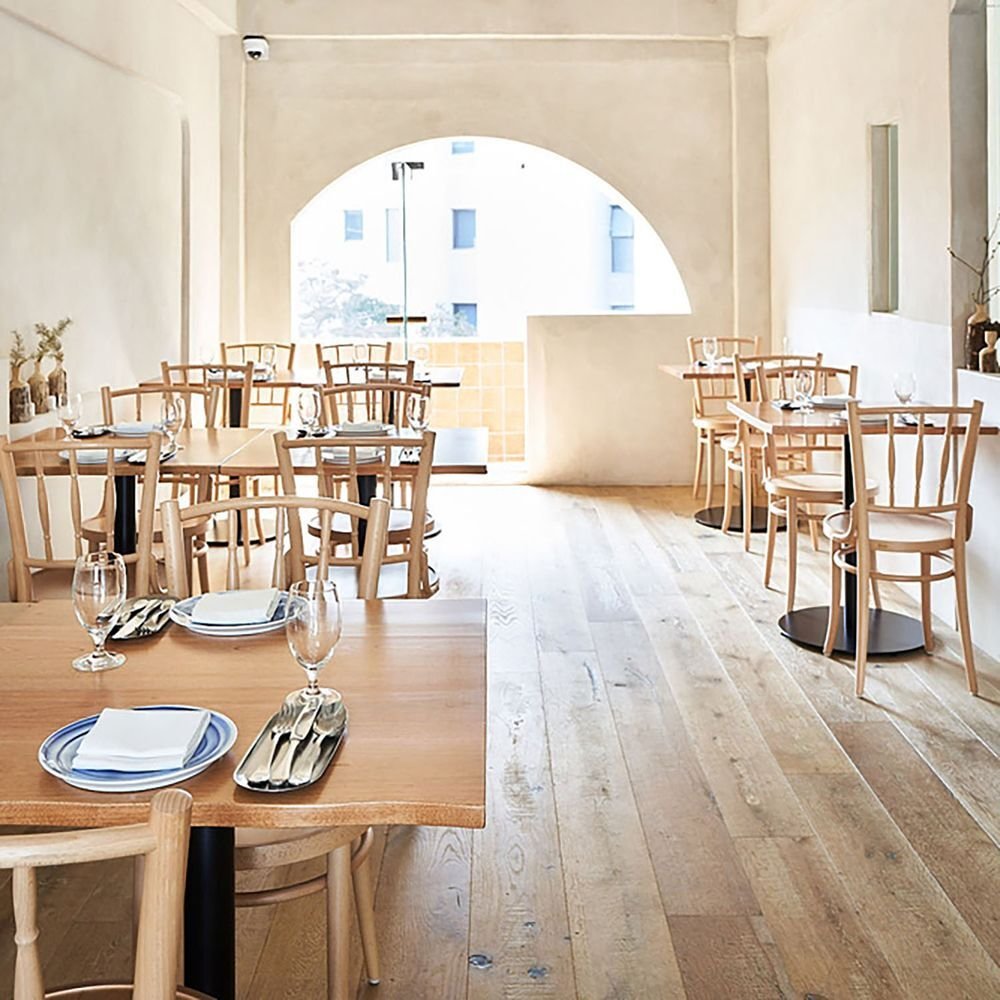
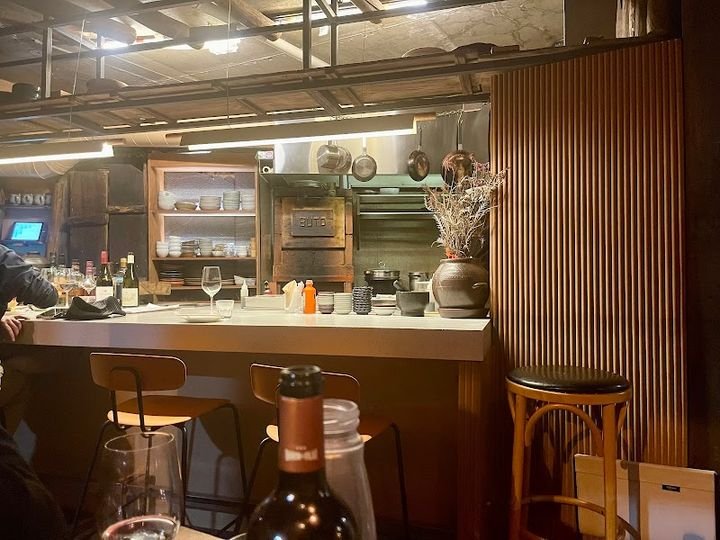
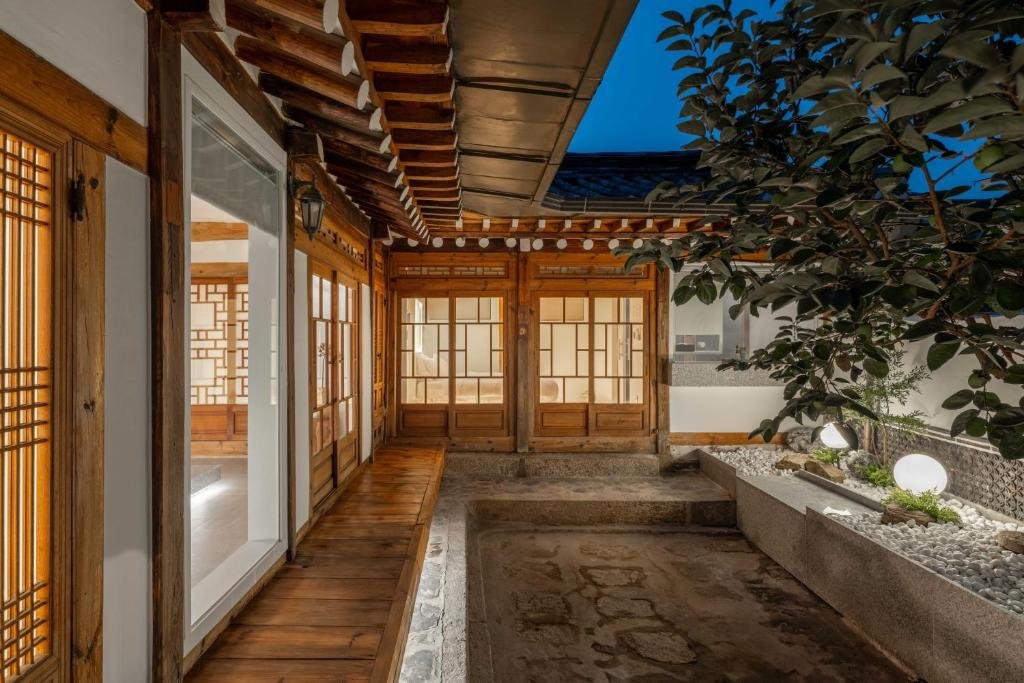
Natural wood, hanji paper, soft ambient lighting create a modern temple-like tranquility encouraging mindfulness and reflection.
Tags
Vibe
Best For
Experience
Sourcing
At the Table
- Dress Code
- Smart Casual
- Noise Level
- Quiet
- Service Style
- Upscale Casual
- Meal Pacing
- Leisurely
- Capacity
- Intimate
- Kitchen
- Traditional
- Menu Format
- Set menu
- Dietary
- Vegetarian friendly
Know before you go
Know Before You Go
- Getting there
- South Korea, Seoul, Gangnam District, Hakdong-ro 97-gil, 41 리유빌딩 1층
Planning details
Hours
- Monday
- Closed
- Tuesday
- 9 AM–5 PM, 6–10 PM
- Wednesday
- 12–3 PM, 6–10 PM
- Thursday
- 12–3 PM, 6–10 PM
- Friday
- 12–3 PM, 6–10 PM
- Saturday
- 6 AM–10 PM
- Sunday
- Closed
Location
South Korea, Seoul, Gangnam District, Hakdong-ro 97-gil, 41 리유빌딩 1층 · Directions


Also consider
Also Consider
- Solbam: Contemporary, ₩₩₩₩
- Onjium: Korean, ₩₩₩₩
- 7th Door: Korean, Contemporary, ₩₩₩₩
- L'Amitié: French, ₩₩₩
- Zero Complex: Korean-French, Innovative, ₩₩₩₩
Restaurant context
At ₩₩₩₩, Bium competes directly with Onjium and 7th Door in Seoul's top-tier Korean dining bracket. Onjium is the closer thematic match, both kitchens draw on Korean culinary heritage and fermentation, but Onjium carries stronger critical credentials and a more established private dining offer. If heritage Korean cuisine is your priority and you want the more documented, higher-prestige option, Onjium is the safer call. Bium's advantage is accessibility: its Easy booking difficulty is a genuine edge over Onjium and 7th Door, both of which require more lead time to secure at this price tier.
7th Door and Solbam suit diners who want contemporary Korean cooking with more technique-driven ambition and a stronger international visual identity. Zero Complex is the option for Korean-French fusion at ₩₩₩₩: a meaningfully different format from Bium's vegetable-heritage approach. If you want to spend less, L'Amitié at ₩₩₩ offers a French alternative that frees up budget for additional meals across Seoul's wider dining scene.
The decision comes down to what you are optimising for. Bium is the right pick for food explorers who want a historically grounded, vegetable-led Korean meal with no booking stress. Onjium is better if you want heritage Korean cooking with stronger critical backing and confirmed private dining. 7th Door or Solbam serve diners who want contemporary flair over historical depth. And if you are building a multi-day Seoul dining itinerary, Bium works well alongside a contrasting meal at Mingles to cover both the heritage and modern-fusion poles of what Seoul's top-tier Korean dining offers.
Explore Seoul
Around this place
Discover more on Pearl
Unlock the full Bium guide in Pearl, including awards, comparisons, FAQs, planning details, and nearby places.
Compare Bium
| Venue | Cuisine | Awards | Booking Difficulty |
|---|---|---|---|
| Bium | Korean | 2026 Asia's 50 Best Restaurants · #432026 OAD Top Restaurants in Asia Ranked · #135Michelin Guide Seoul & Busan 20262025 Michelin Plate | Easy |
| Solbam | Contemporary | 2026 Asia's 50 Best Restaurants · #552026 Wine Spectator Best of Award of Excellence2026 OAD Top Restaurants in Asia RecommendedMichelin Guide Seoul & Busan 20262026 La Liste Top Restaurants2025 Asia's 50 Best Restaurants · #552025 OAD Top Restaurants in Asia Ranked · #277Tatler Best Restaurants Asia-Pacific 20252025 Wine Spectator Best of Award of Excellence | Unknown |
| Onjium | Korean | 2026 Asia's 50 Best Restaurants · #142026 OAD Top Restaurants in Asia Ranked · #852026 La Liste Top RestaurantsMichelin Guide Seoul & Busan 20262026 Wine Spectator Best of Award of Excellence2025 Asia's 50 Best Restaurants · #102025 World's 50 Best Restaurants · #572025 OAD Top Restaurants in Asia Ranked · #1342025 La Liste Top Restaurants | Unknown |
| 7th Door | Korean, Contemporary | 2026 Asia's 50 Best Restaurants · #492026 OAD Top Restaurants in Asia Ranked · #842026 Black Pearl 1 DiamondMichelin Guide Seoul & Busan 20262026 La Liste Top Restaurants2025 Asia's 50 Best Restaurants · #232025 Michelin 1 Star2025 La Liste Top Restaurants2024 OAD Top Restaurants in Asia Ranked · #192 | Unknown |
| L'Amitié | French | 2026 La Liste Top Restaurants2025 La Liste Top Restaurants2025 Michelin 1 Star2024 Michelin 1 Star | Unknown |
| Zero Complex | Korean-French, Innovative | Star Wine Lists 20262026 OAD Top Restaurants in Asia Recommended2026 La Liste Top Restaurants2025 OAD Top Restaurants in Asia Ranked · #1992025 La Liste Top Restaurants2025 Michelin 1 Star2025 The Best Chef One Knife2024 OAD Top Restaurants in Asia Ranked · #2792024 Michelin 1 Star | Unknown |
.png?width=1200&quality=80)






Side-by-side comparison to help you decide where to book.
FAQ
Frequently Asked Questions
What should a first-timer know about Bium?
Bium is a vegetable-forward Korean restaurant in Gangnam built around fermentation and produce sourced across Korea: framed explicitly around a thousand years of Korean culinary heritage. At ₩₩₩₩ pricing, you're paying for a considered tasting format, not a casual à la carte meal. It holds a Michelin Plate for 2025, which signals kitchen consistency without the three-week booking scramble that Michelin-starred neighbours in Seoul require. Go in knowing this is a produce-led concept: if you want meat-centred Korean cooking, this is the wrong room.
Is Bium good for a special occasion?
Yes, with the right expectations. Bium's ₩₩₩₩ price point and Michelin Plate standing make it a credible special-occasion choice in Gangnam, and the fermentation-led Korean heritage concept gives the meal a clear narrative arc that suits a celebratory dinner. If your group expects a meat-heavy or traditional Korean BBQ format, it will disappoint: this is produce-first cooking. For a milestone dinner where the guest of honour values Korean culinary craft over spectacle, it fits.
What are alternatives to Bium in Seoul?
Onjium is the direct comparison for traditional Korean heritage cooking at the top end: it carries stronger critical credentials but is considerably harder to book. 7th Door offers a different angle on Korean fine dining with wider accessibility. Solbam focuses on Korean ingredients in a contemporary format and is worth considering if the fermentation-and-produce framing at Bium appeals but you want a second data point. L'Amitié and Zero Complex operate in different genre territory and are not direct substitutes for a vegetable-forward Korean tasting experience.