

Otagi
Japanese · Kita, Kyoto
Restaurant in Kyoto, Japan
 Book with Pearl
The Read
Rooted Kaiseki Precision
Price
¥¥¥¥
Dress
Smart Casual
Why go
Otagi holds two Michelin stars and five consecutive Tabelog Bronze Awards, placing it firmly among Kyoto's most credentialled Japanese restaurants. Dinner only (JPY 30,000–39,999), reservation strictly required, and booking is near impossible — but the kitchen's commitment to local produce and its distinct point of view make the effort worthwhile for serious diners. Plan well ahead and confirm dietary requirements before arrival.
About Otagi
Pearl Verdict
Otagi is one of the hardest dinner reservations to secure in Kyoto, and the credentials justify that difficulty. Carrying two Michelin stars (2024 and 2025) and five consecutive Tabelog Bronze Awards (2022–2026), with a Tabelog score of 4.11 and selection for the Tabelog Japanese Cuisine WEST Top 100 in both 2023 and 2025, it sits in a tier of Kyoto restaurants where the question is not quality but access. Dinner runs JPY 30,000–39,999 per person. There is no lunch service. If you can get a table, book it.
About Otagi
Otagi operates from a quiet address in the Takagamine area of Kita Ward, well north of the central Kyoto restaurant corridor. The name references the old historical designation for this part of the city, and the setting is intentional: chef Kazuaki Baba built the restaurant on his grandmother's land, a detail that shapes the entire philosophy of the kitchen. Vegetables come from childhood friends who farm nearby. The produce connection here is not a marketing angle — it is a logistical commitment to a specific place.
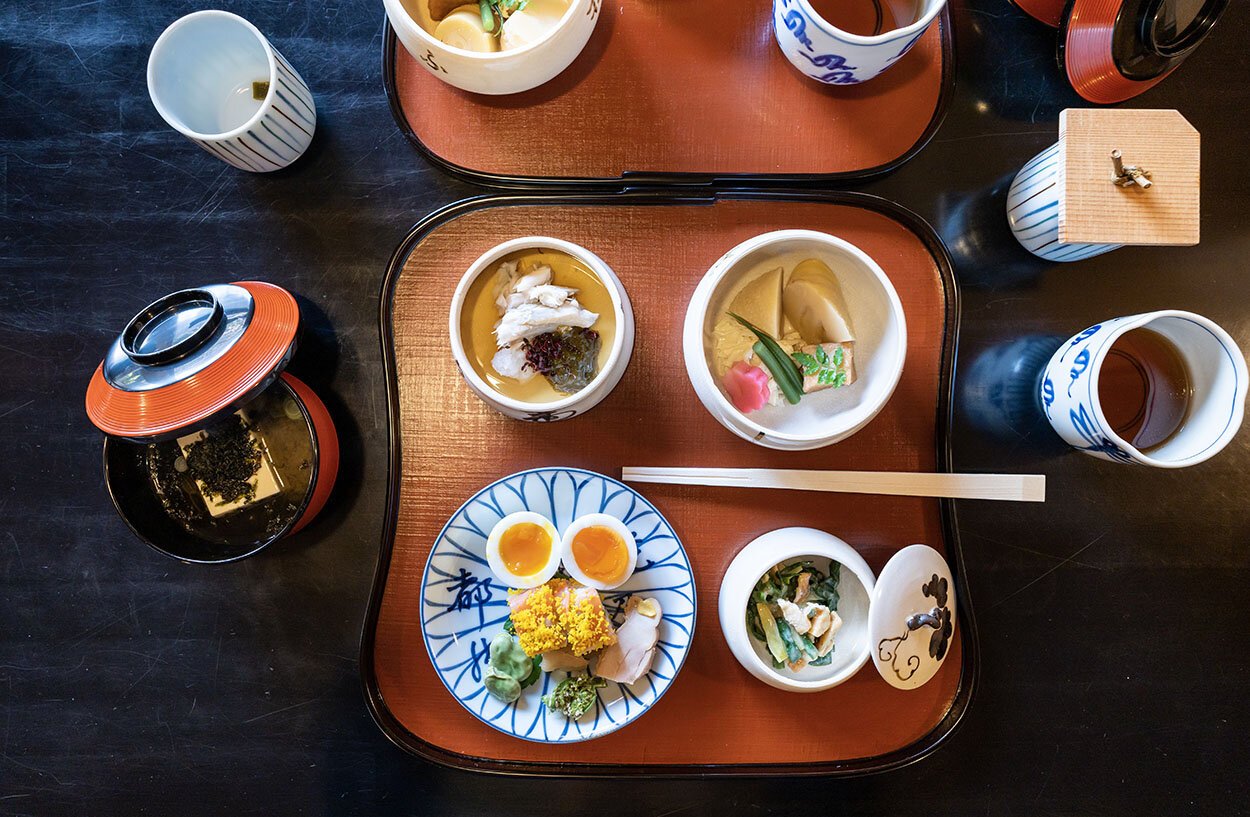
The cooking works within Japanese cuisine tradition while taking deliberate, measured liberties. The meal closes with hashed beef and rice, a dish with apparent Western lineage, but prepared entirely with Japanese foundations: dried bonito dashi, sake, sugar, and miso. That closing course is a useful signal for the explorer diner — this is a kitchen that takes positions, not one that simply executes a format.
Private rooms are available, the restaurant is entirely non-smoking, and parking is on-site, practical advantages for a location this far from the city centre. Credit cards are accepted (VISA, Mastercard, JCB, AMEX, Diners). Reservations are strictly required; there is no walk-in option.
Lunch vs. Dinner at Otagi
Otagi does not offer lunch. The Tabelog data confirms dinner service only, starting from 17:30, with no lunch hours listed. This is a relevant planning constraint: if you are building a Kyoto itinerary and hoping to distribute your highest-spend meals across the day, Otagi cannot fill a midday slot. For serious lunch options at a comparable level, Kikunoi Roan and Kyokaiseki Kichisen both serve lunch and operate at the ¥¥¥¥ tier. Otagi is an evening-only commitment, which makes your dinner calendar the single point of planning pressure.
The dinner-only format also concentrates demand. Otagi is not splitting its reservation pool across two services, every seat available in any given week is an evening seat, and competition for those is high. This is a meaningful booking reality, not an abstraction.
The Takagamine Setting
The address at 18 Takagamine Dotenjocho places Otagi approximately 2.3 kilometres from Kitaoji station. That distance is walkable in good conditions but more practically managed by taxi. For visitors staying near Gion or central Kyoto, build in travel time. The north Kyoto position is part of what gives the restaurant its character, quieter, less trafficked, grounded in a specific neighbourhood history, but it requires planning. Pair a reservation here with a broader exploration of the city's north; for orientation, see our full Kyoto restaurants guide and full Kyoto hotels guide.
For food and travel enthusiasts building a Japan itinerary around serious cooking, Otagi sits naturally alongside HAJIME in Osaka, Harutaka in Tokyo, and Goh in Fukuoka as reference-point restaurants that reward the effort to book them. Within Kyoto itself, Gion Matayoshi, Isshisoden Nakamura, and Kodaiji Jugyuan are worth placing on the same shortlist when building your dining calendar.
Know Before You Go
- Price
- JPY 30,000–39,999 per person at dinner
- Lunch
- Not available, dinner only, from 17:30
- Reservations
- Required; reservation-only, no walk-ins
- Booking difficulty
- Near impossible, plan well in advance
- Payment
- Credit cards accepted (VISA, Mastercard, JCB, AMEX, Diners); no electronic money or QR code payments
- Private rooms
- Available
- Smoking
- Non-smoking throughout
- Parking
- Available on-site
- Address
- 18 Takagamine Dotenjocho, Kita Ward, Kyoto 603-8465
- Phone
- 075-492-1771
- Website
- otagi-kyoto.jp
Recognition
- Michelin 2 Stars, 2024 and 2025
- Tabelog Bronze Award, 2022, 2023, 2024, 2025, 2026
- Tabelog Japanese Cuisine WEST Top 100, 2023 and 2025
- Tabelog score: 4.11 | 4.9 (43 reviews)
How It Compares
Against the top tier of Kyoto Japanese dining, Otagi's two Michelin stars and five-year Tabelog Bronze run put it in the same conversation as Gion Sasaki and Kyokaiseki Kichisen. All three operate at ¥¥¥¥ and require significant advance booking. The practical differentiator is that Otagi serves dinner only, Kichisen offers both lunch and dinner, which makes it more useful for itinerary flexibility, and its longer operating history gives it an edge in perceived institutional weight. If Kyoto kaiseki tradition and multi-course formality are your primary criteria, Kichisen is the comparison to make. If you want a kitchen with a defined point of view and a direct connection to place and produce, Otagi makes the stronger case.
Ifuki is the closer comparison in format and price: kaiseki at ¥¥¥¥, dinner-focused, with serious credentials. Gion Sasaki operates in a more central Gion location, which reduces the logistics burden for visitors based in that area. If location matters to your planning, Gion Sasaki is easier to reach. If you are willing to travel north and want a restaurant shaped by a specific neighbourhood story, Otagi is the right choice.
For diners working with a tighter budget, cenci (Italian, ¥¥¥) offers a high-quality dinner experience at a lower price point, though it is a different cuisine format entirely. Kyo Seika (Chinese, ¥¥¥) is the same tier and easier to book. Neither is a substitute for what Otagi does, but both are worth knowing if your Kyoto dining calendar has flexibility and you want to spread spend across different cuisine types. For broader context, see our full Kyoto restaurants guide and explore nearby options including Myojaku and Azabu Kadowaki for comparable Japanese dining in Tokyo. You may also find our guides to Kyoto bars, Kyoto wineries, and Kyoto experiences useful for planning around your reservation. For a broader Japan circuit, akordu in Nara and 1000 in Yokohama are worth adding to the list. Within Kyoto, Kikunoi Roan rounds out a strong shortlist for serious diners.
Planning details
- Location
- 18 Takagamine Dotenjocho, Kita Ward, Kyoto, 603-8465, Japan
- Website
- otagi-kyoto.jp
- Phone
- +81 75-492-1771
The take
The Take
The Vibe
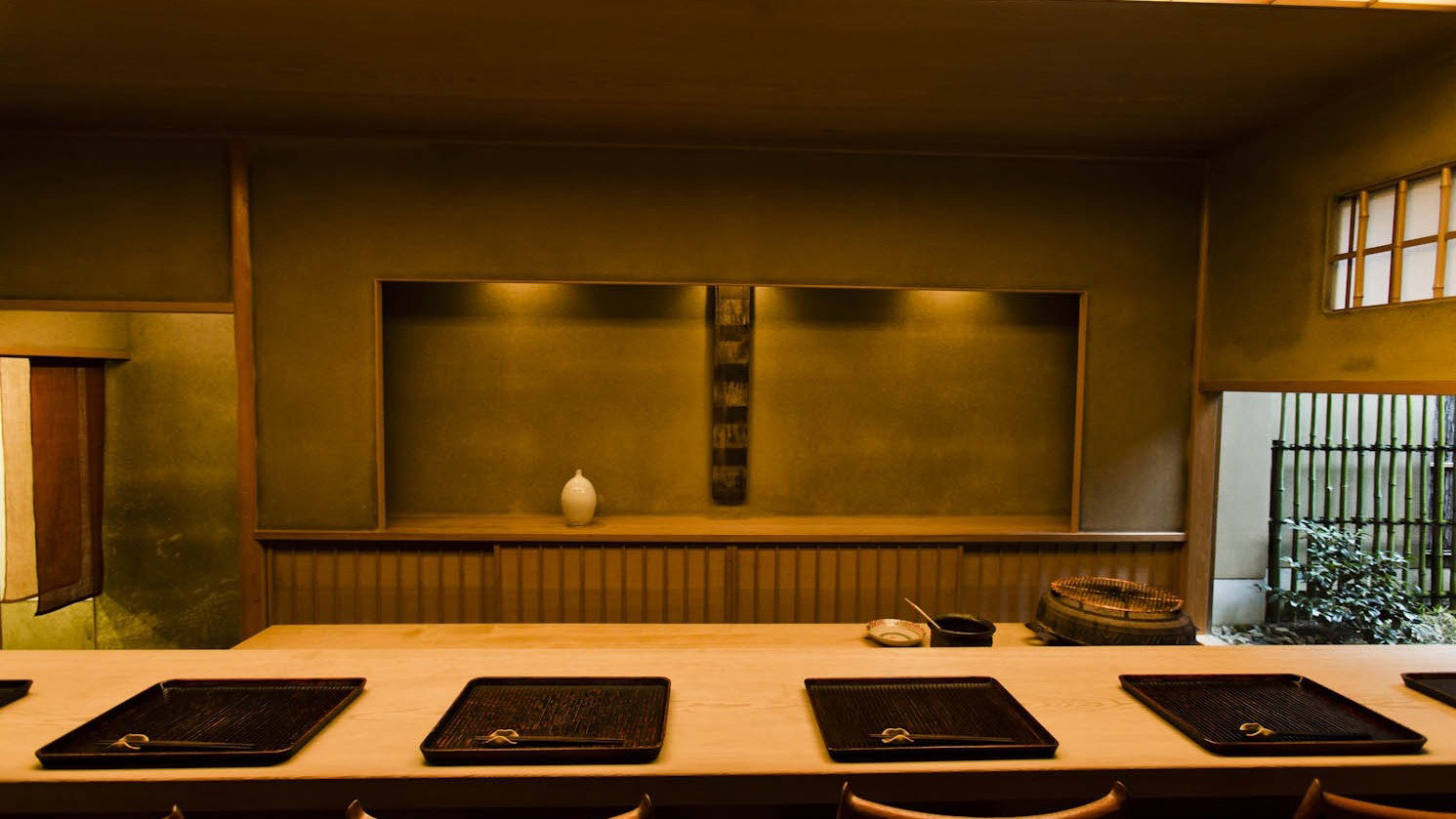
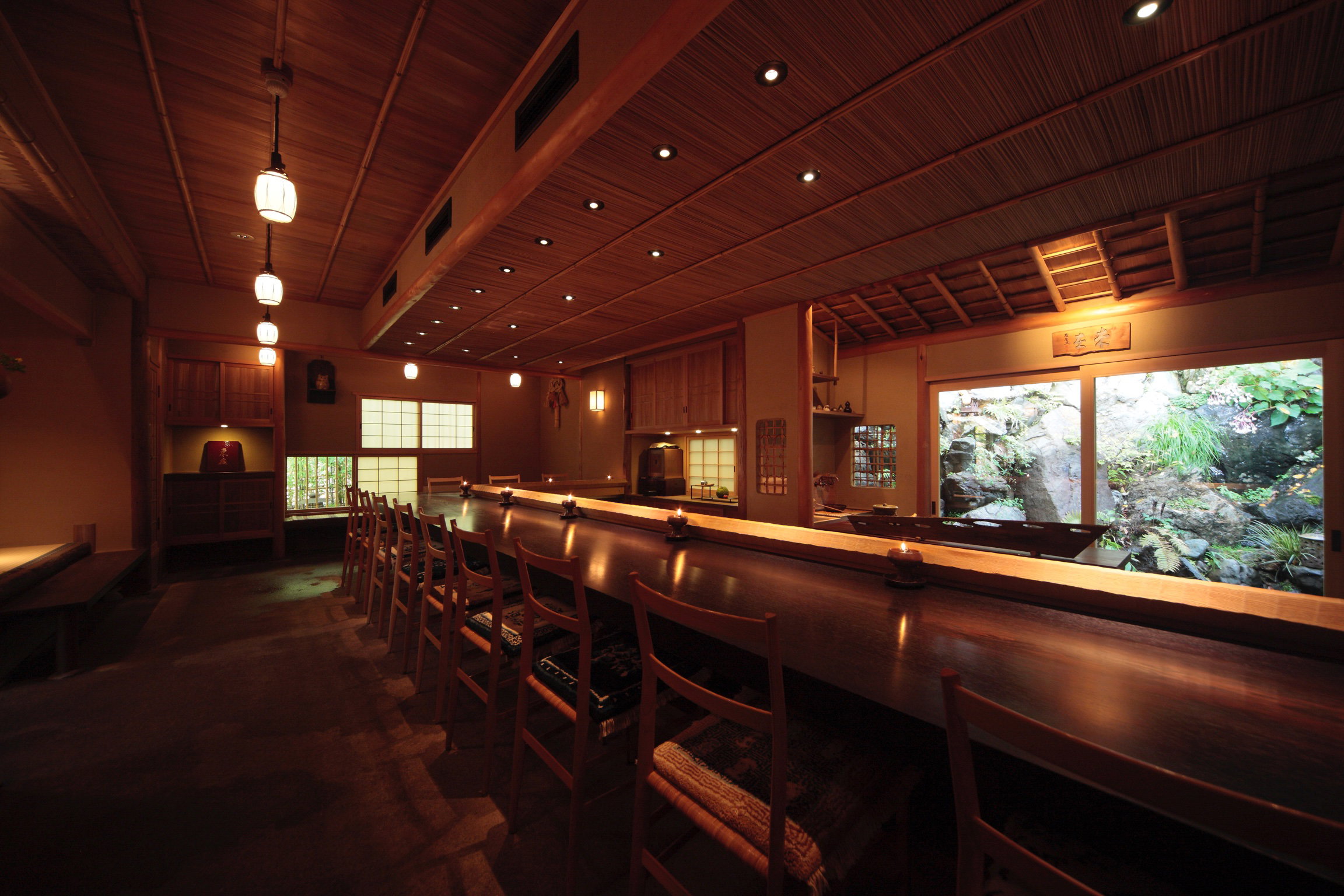
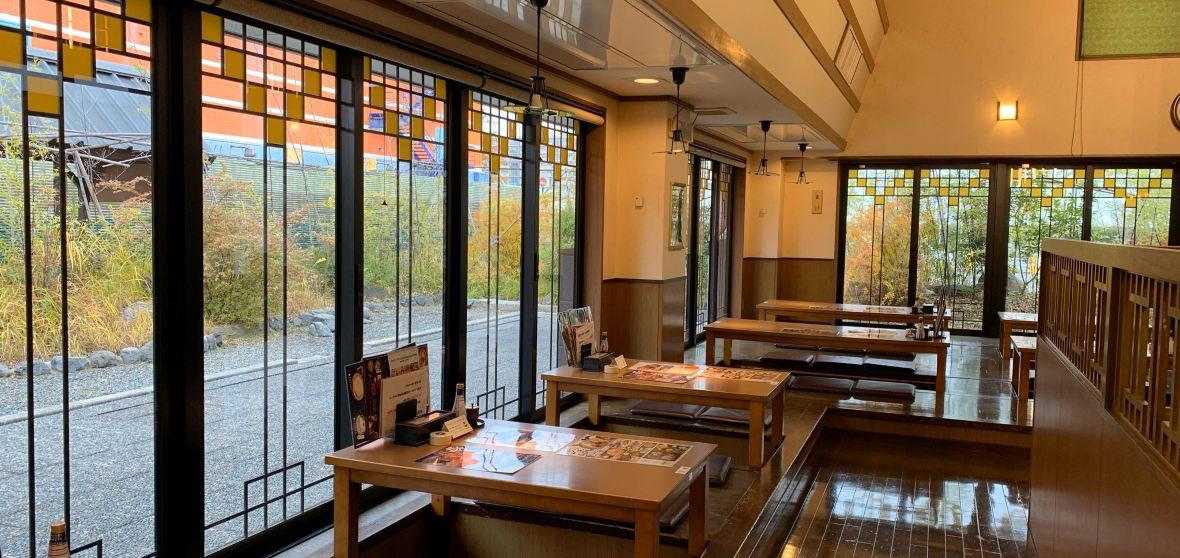
Otagi feels quietly rooted. Set well north of Kyoto’s central dining corridors in the agricultural slopes of Takagamine, the restaurant cultivates a sense of place: the menu follows what’s being harvested nearby rather than a canonical, city-centred kaiseki checklist. There are no theatrical flourishes; the kitchen practices a disciplined simplicity that treats familiar forms as technical tests. The counter-based layout keeps the focus on craft and seasonality, producing an intimate, restrained atmosphere where the connection between land and plate is the dominant impression.
Best For
This is a destination for diners who want a deliberate kaiseki evening away from Kyoto’s bustling centers. The setting suits intimate dinners and occasions when you want the meal itself to be the focus: quiet counter seating, a seasonal, vegetable-led sequence and an emphasis on precise execution. Note that Otagi is roughly 2.3 kilometres from Kitaoji station and provides on-site parking, so it particularly rewards visitors who plan their journey and expect a thoughtful, place-driven dinner rather than a casual stop-in.
Ordering Tips
Expect a seasonally framed kaiseki progression that reflects local harvests rather than theatrical reinterpretation. The kitchen prioritizes exacting, familiar forms over flash, so let the sequence unfold and taste the ways simple techniques highlight the region’s vegetables. Because the restaurant sits well outside central Kyoto (and offers on-site parking), plan your transport accordingly. The counter-focused format means the experience is concentrated and deliberate; come prepared to engage with the meal rather than seek large-format or shareable plates.
Venue details
Ambiance
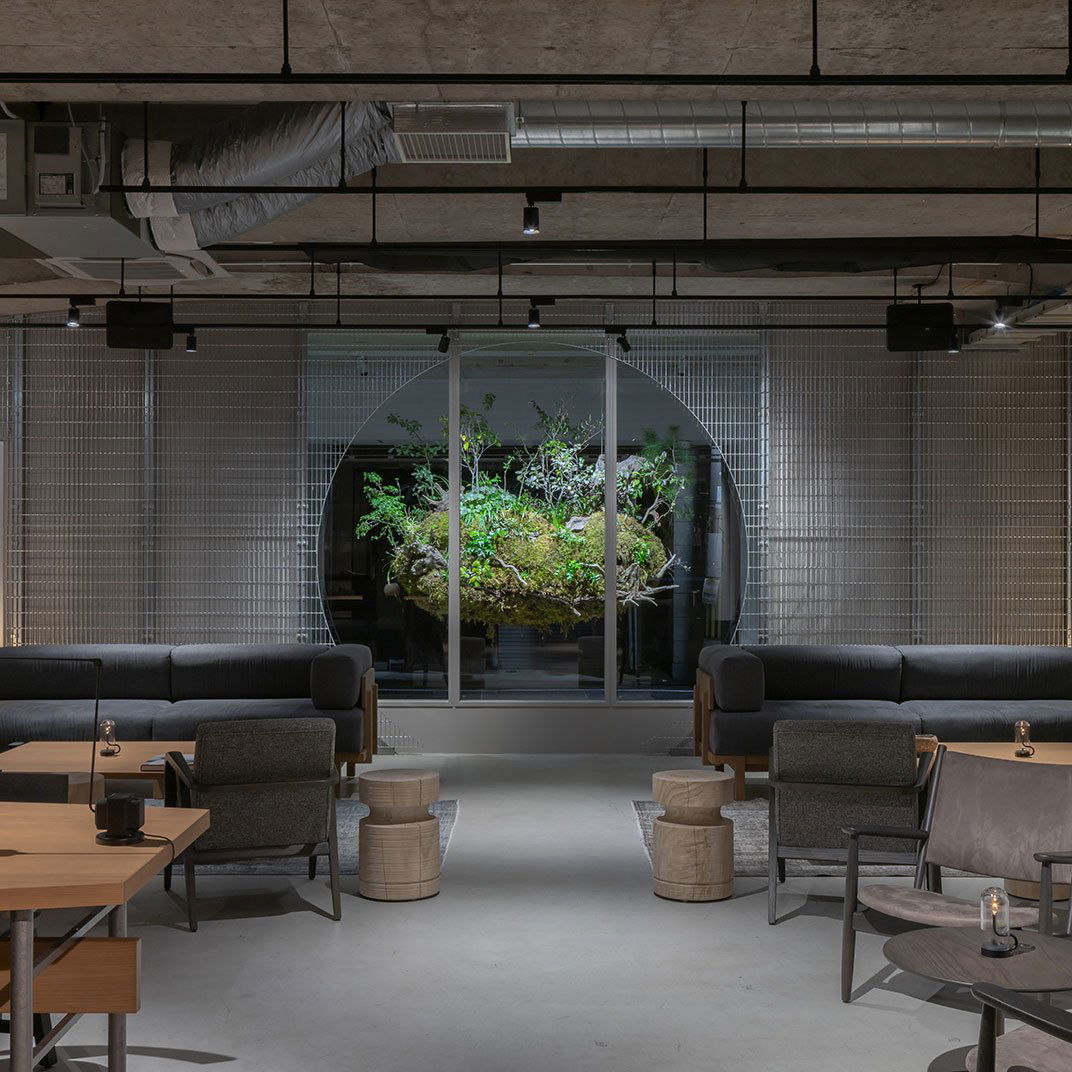
Refined and serene, with a quiet Kyoto-style atmosphere suited to a leisurely, formal meal.
Tags
Vibe
Best For
Experience
Sourcing
At the Table
- Dress Code
- Smart Casual
- Noise Level
- Quiet
- Service Style
- Formal
- Meal Pacing
- Extended Experience
Know before you go
Know Before You Go
- Getting there
- 18 Takagamine Dotenjocho, Kita Ward, Kyoto, 603-8465, Japan
Planning details
Location
18 Takagamine Dotenjocho, Kita Ward, Kyoto, 603-8465, Japan · Directions
Also consider
Also Consider
- Gion Sasaki, Kaiseki, Japanese, ¥¥¥¥
- cenci, Italian, ¥¥¥
- Ifuki, Kaiseki, ¥¥¥¥
- Kyokaiseki Kichisen, Japanese, ¥¥¥¥
- Kyo Seika, Chinese, ¥¥¥
Restaurant context
Against the top tier of Kyoto Japanese dining, Otagi's two Michelin stars and five-year Tabelog Bronze run put it in the same conversation as Gion Sasaki and Kyokaiseki Kichisen. All three operate at ¥¥¥¥ and require significant advance booking. The practical differentiator is that Otagi serves dinner only, Kichisen offers both lunch and dinner, which makes it more useful for itinerary flexibility. If Kyoto kaiseki tradition and multi-course formality are your primary criteria, Kichisen is the stronger comparison. If you want a kitchen with a defined point of view and a direct connection to place and produce, Otagi makes the stronger case.
Ifuki is the closer comparison in format and price: kaiseki at ¥¥¥¥, dinner-focused, with serious credentials. Gion Sasaki operates in a more central Gion location, reducing the logistics burden for visitors based in that area. If location matters to your planning, Gion Sasaki is easier to reach. If you are willing to travel north and want a restaurant shaped by a specific neighbourhood story, Otagi is the right choice.
For diners working with a tighter budget, cenci (Italian, ¥¥¥) offers a high-quality dinner at a lower price point, and Kyo Seika (Chinese, ¥¥¥) is easier to book at the same tier. Neither substitutes for what Otagi does, but both are worth knowing if your Kyoto calendar has room for variety across cuisine types.
Explore Kyoto
Around this place
Discover more on Pearl
Unlock the full Otagi guide in Pearl, including awards, comparisons, FAQs, planning details, and nearby places.
FAQ
Frequently Asked Questions
Does Otagi handle dietary restrictions?
The kitchen works within Japanese cuisine tradition and sources produce locally from the Takagamine area, but specific dietary accommodation is not confirmed in available data. At JPY 30,000–39,999 per person for a reservation-only dinner, it is worth contacting the restaurant directly before booking if restrictions are a concern. The meal is structured around the chef's creative interpretation of kaiseki, so significant substitutions may not be possible.
Is Otagi good for solo dining?
Otagi has private rooms available, which typically means the kitchen can seat small parties separately — solo diners are generally accommodated at top Kyoto Japanese restaurants in this format. That said, seating configuration is not confirmed in the available data, so confirm directly when reserving. At a two-Michelin-star level with a structured dinner format, solo dining is a reasonable fit if you are comfortable with a long, single-course meal.
What should a first-timer know about Otagi?
Dinner only, from 17:30, strictly reservation-only — walk-ins are not an option. The address at 18 Takagamine Dotenjocho in Kita Ward is roughly 2.3 kilometres from Kitaoji station, so plan for a taxi rather than walking, especially at night. The meal ends with hashed beef and rice made with Japanese stock and seasonings — an unconventional close for kaiseki that signals the chef's approach: tradition-rooted but not rigid. Credit cards accepted; no electronic money or QR payments.
Is Otagi worth the price?
At JPY 30,000–39,999 per person, Otagi is priced in line with other two-Michelin-star kaiseki restaurants in Kyoto, and the five consecutive Tabelog Bronze Awards (2022–2026) plus selection for Tabelog Japanese Cuisine WEST Top 100 in 2023 and 2025 confirm sustained peer recognition. The chef's approach — using locally grown Takagamine produce and taking creative liberties within a Japanese framework — offers something more personal than purely institutional kaiseki. If you are already committed to a one-restaurant splurge in Kyoto at this price tier, the credentials hold up.
What are alternatives to Otagi in Kyoto?
For kaiseki at the same price tier with more central access, Gion Sasaki and Ifuki are the direct comparisons. For institutional kaiseki with both lunch and dinner options, Kyokaiseki Kichisen offers more scheduling flexibility. Cenci and Kyo Seika sit in a different register — more contemporary and generally lower friction to book — if the full traditional kaiseki format is not a priority.