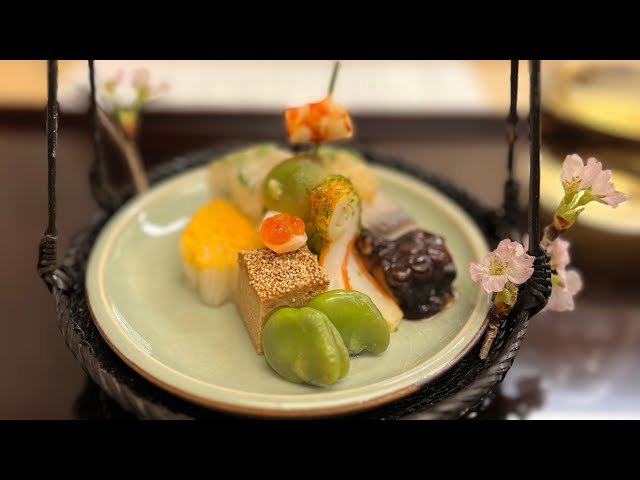


Kikunoi Roan
Japanese · Shimogyō, Kyoto
Restaurant in Kyoto, Japan
 Book with Pearl
The Read
Open-Kitchen Kaiseki
Price
$150–200per person
Chef
Yoshihiro Murata
Dress
Smart Casual
Why go
Kikunoi Roan is the more accessible, open-kitchen sibling of the Kikunoi flagship: two Michelin stars, ¥¥¥ pricing, and a counter format that puts you directly in front of the kitchen. The seasonal kappo menu is at its peak in autumn (matsutake) and late spring (mountain vegetables). Book three to four months ahead minimum: demand is near-constant and availability is tight.
About Kikunoi Roan
Book the counter at Roan before you book anything else in Kyoto
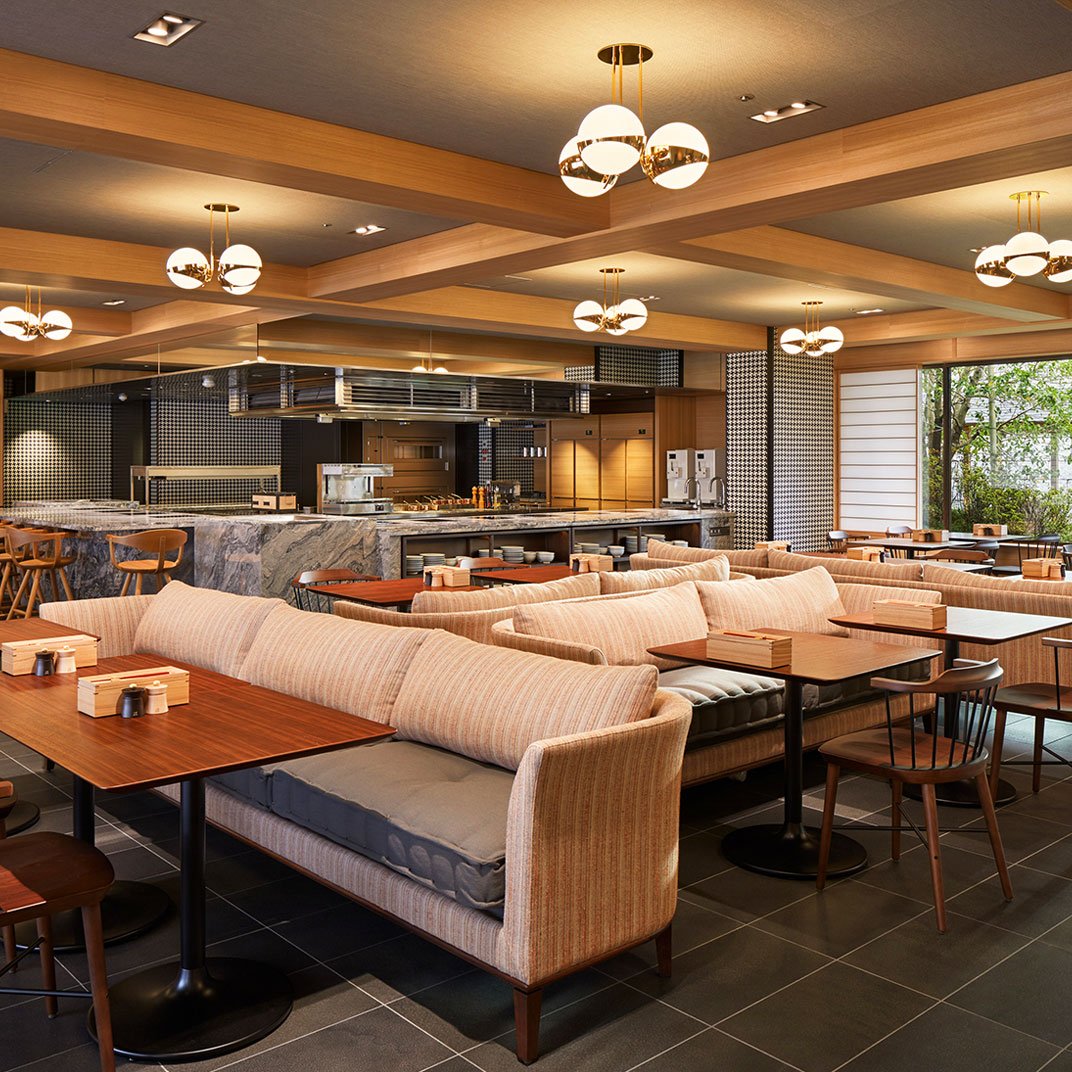
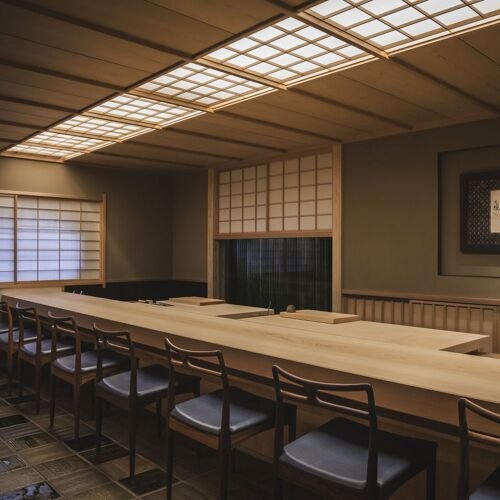
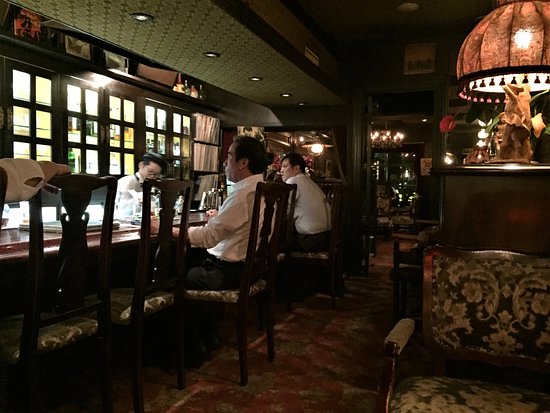
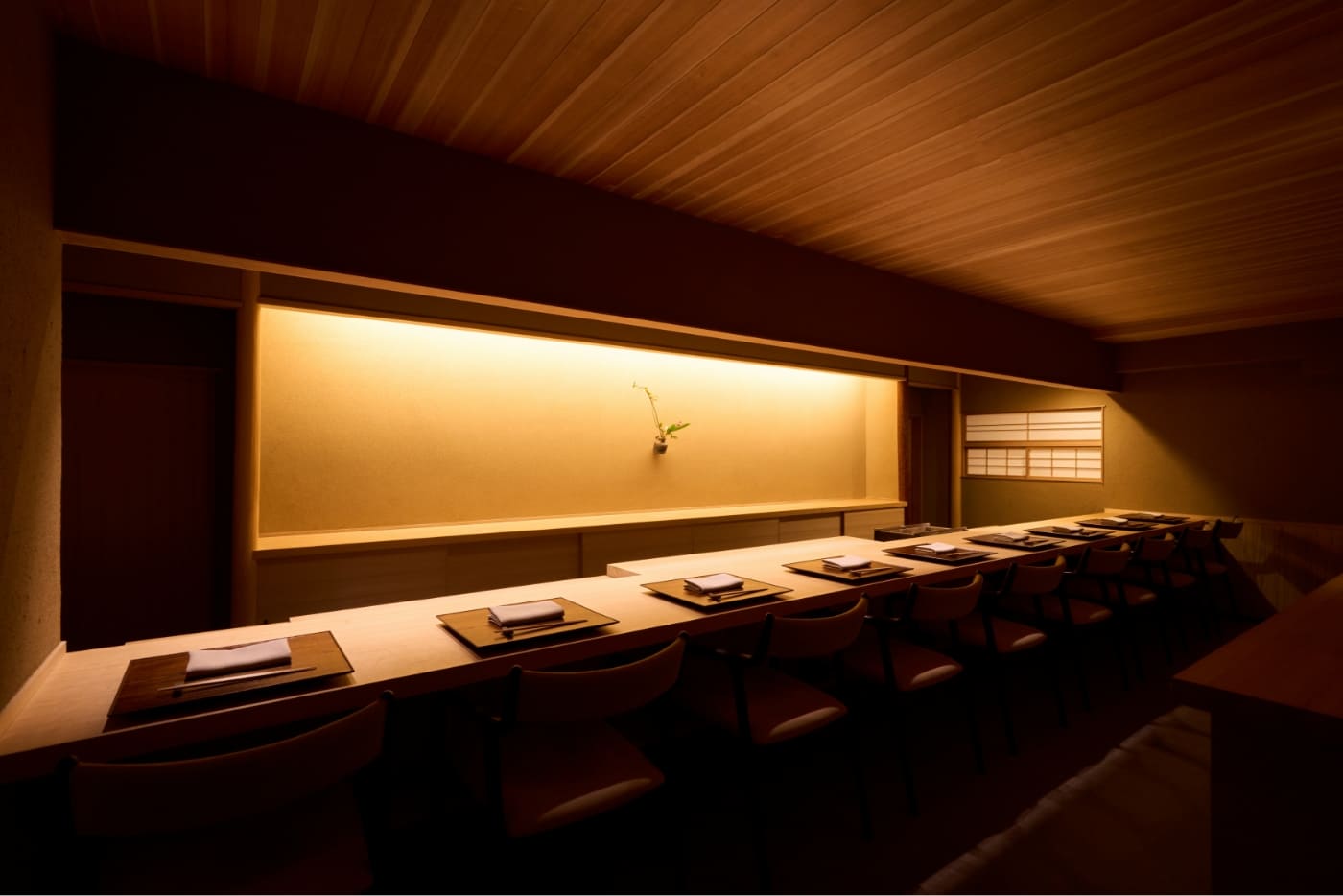
If you are returning to Kyoto and you have already done a tatami-room kaiseki meal, Kikunoi Roan is where you go next. The counter seats at this Shimogyo Ward kappo put you directly in front of the kitchen, where chef Yoshihiro Murata and his team work through each course in full view. That transparency is not a gimmick. It is the entire premise: the name 'Roan' comes from a Zen expression meaning 'clear and unambiguous, hiding nothing', and the open kitchen format delivers on that literally. You watch the food being made. You eat it while it is still at the temperature it was intended to be.
For a repeat visitor who found the flagship Kikunoi ryotei elegant but slightly formal, Roan is the more accessible and arguably more rewarding version of the same culinary thinking. At ¥¥¥ versus the ¥¥¥¥ pricing of Kikunoi's main house, it also costs less, which matters when you are comparing it against similarly credentialled options in the city.
What to expect across the seasons
Kappo in Kyoto is an inherently seasonal format. The kitchen at Roan works within the same ingredient calendar that governs traditional kaiseki: winter brings warming broths, root vegetables, and the citrus brightness of yuzu; spring signals the arrival of bamboo shoots, mountain vegetables (sansai), and cherry-blossom-viewing dishes; summer shifts to cold preparations, sweetfish (ayu) from local rivers, and lighter, more acidic profiles; autumn delivers matsutake mushrooms, chestnuts, and the deeper flavours that come with cooler temperatures.
If you are planning a return visit specifically to eat at Roan, the autumn and early winter window is widely regarded among serious kaiseki diners as the richest period for the ingredient set. Matsutake season runs roughly October into November, and the ingredient commands premium attention on menus across the city. Spring is the other peak for variety, particularly late March through May when mountain vegetables define the counter courses. Summer visits are entirely valid but the menu necessarily turns lighter, which is a different kind of pleasure.
The practical implication: if you have flexibility on travel dates and kaiseki quality is a primary reason for your trip, anchor your reservation to the season rather than the other way around. Roan's two Michelin stars and La Liste score of 90 points (2026) and 91 points (2025) hold across all seasons, but the ingredient drama peaks in autumn and spring.
How far out you need to book
This is near-impossible territory. Kikunoi Roan operates at a level of demand where planning weeks ahead is not enough. For autumn visits, particularly October and November when the ingredient calendar is at its most appealing to international diners, expect to be pursuing reservations three to four months in advance at minimum. Spring cherry-blossom season (late March to early May) operates under the same pressure, compounded by Kyoto's peak tourist influx during that period.
If you are travelling to Kyoto and the dates are already fixed, the practical move is to attempt booking immediately upon confirming your trip, regardless of how far out that is. Late cancellations do occasionally open slots, and monitoring is worthwhile, but do not build your itinerary around the assumption of a last-minute opening. For alternatives that are easier to secure at shorter notice, Kodaiji Jugyuan and Gion Matayoshi are worth considering while you pursue Roan. Isshisoden Nakamura is another Kyoto option with strong seasonal credentials if your dates fall outside Roan's booking window.
The counter experience versus a private room
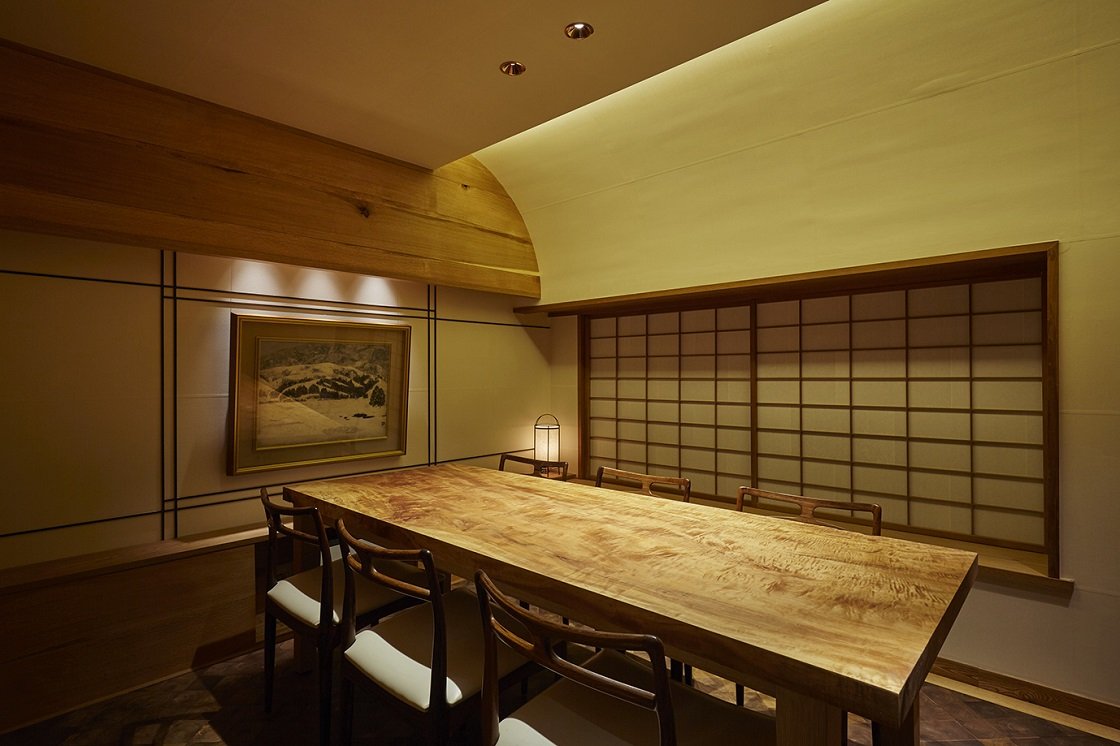
The counter is the point of Roan. If you are offered a choice between counter seating and a separated table, take the counter. Watching the kitchen in motion is specifically what distinguishes Roan from the flagship ryotei format, and from venues like Kyokaiseki Kichisen where the meal is delivered in a more ceremonially removed style. The conversation with chefs that the counter permits is part of the value, and it makes the meal significantly more engaging for solo diners and couples than a conventional dining room would.
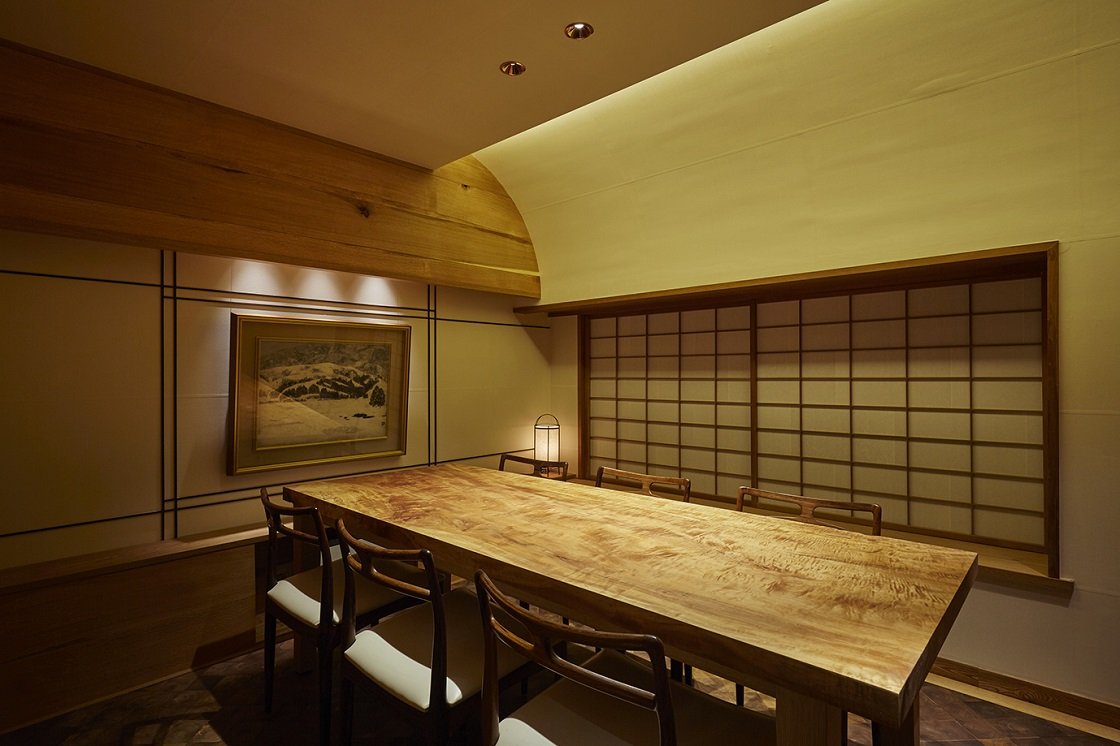
Groups of four or more may find counter seating logistically tighter, and depending on available configurations, a table arrangement might be the only option. If counter access is important to your visit, clarify this at the time of booking.
How it fits into a broader Kyoto dining trip
Roan sits at the intersection of accessibility (relative to ¥¥¥¥ kaiseki houses) and serious culinary credentials. It is a strong anchor meal for a three-to-five day Kyoto trip, particularly if you are also exploring the city's broader scene. Pearl's full Kyoto restaurants guide covers the wider range of options across price points. For planning beyond restaurants, hotels, bars, and experiences guides are all available. If your Japan itinerary extends beyond Kyoto, comparable high-confidence options include HAJIME in Osaka, Harutaka in Tokyo, Myojaku and Azabu Kadowaki in Tokyo, akordu in Nara, Goh in Fukuoka, 1000 in Yokohama, and 6 in Okinawa for regional contrast. The Miyamaso experience outside central Kyoto also warrants attention if a more rural kaiseki setting appeals. See also Pearl's Kyoto wineries guide if sake and wine pairing is part of your planning.
Know Before You Go
- Price tier: ¥¥¥
- Awards: Michelin 2 Stars (2024, 2025); La Liste Leading Restaurants 91pts (2025), 90pts (2026)
- Booking difficulty: Near impossible: plan 3–4 months ahead for autumn and spring visits
- Ideal time to visit: Autumn (October–November) for matsutake and peak ingredient variety; late spring (April–May) for mountain vegetables
- Seating format: Counter (kappo): open kitchen, conversation with chefs is part of the experience
- Address: Shimogyo Ward, Kyoto (Shijo area)
- Leading for: Solo diners, couples, return visitors to Kyoto wanting a less formal kaiseki format than a full ryotei
- Groups: Counter seating may be limited for parties of 4+; confirm seating preference at booking
Planning details
- Hours
- Monday: 11:30 AM–1:30 PM, 5–7:30 PM · Tuesday: 11:30 AM–1:30 PM, 5–7:30 PM
- Location
- Japan, 〒600-8012 Kyoto, Shimogyo Ward, 四条下る斎藤町118
- Reservations
- Book on the venue's website
- Website
- kikunoi.jp/restaurant/roan.html
- Phone
- +81 75-361-5580
The take
The Take
The Vibe
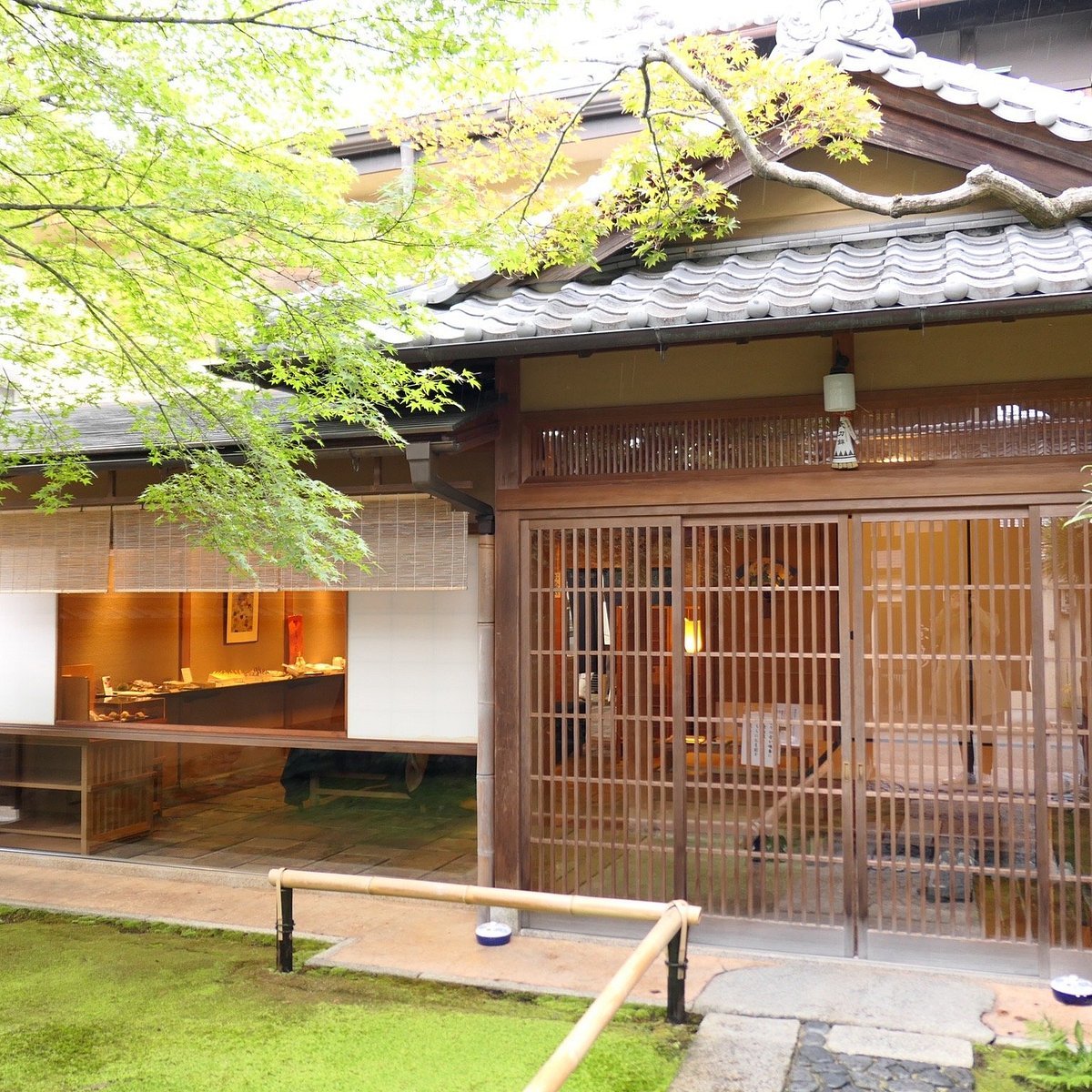
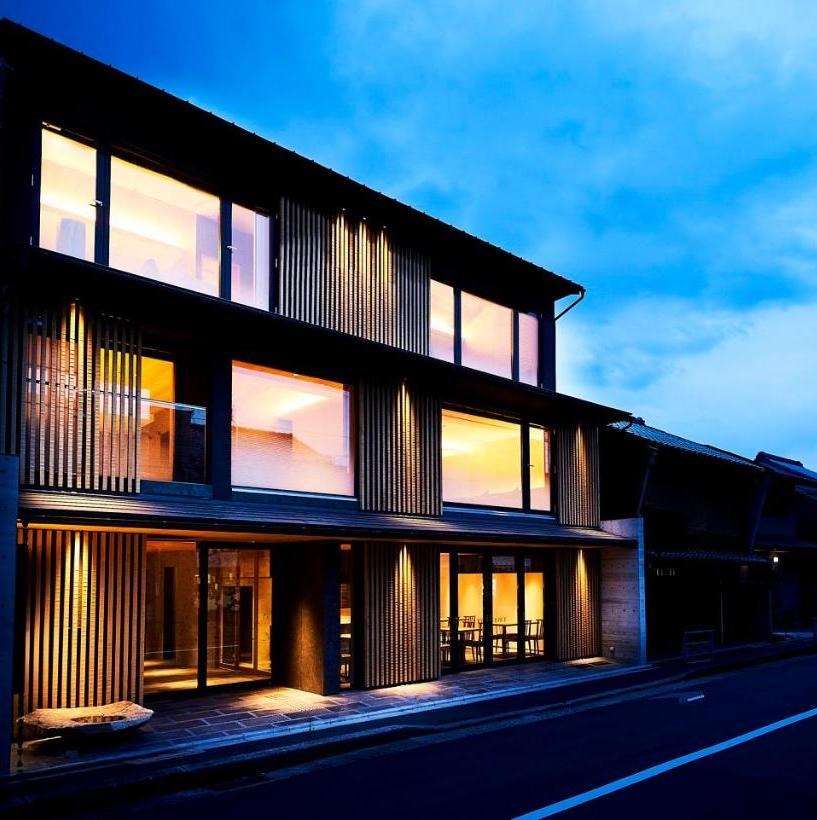
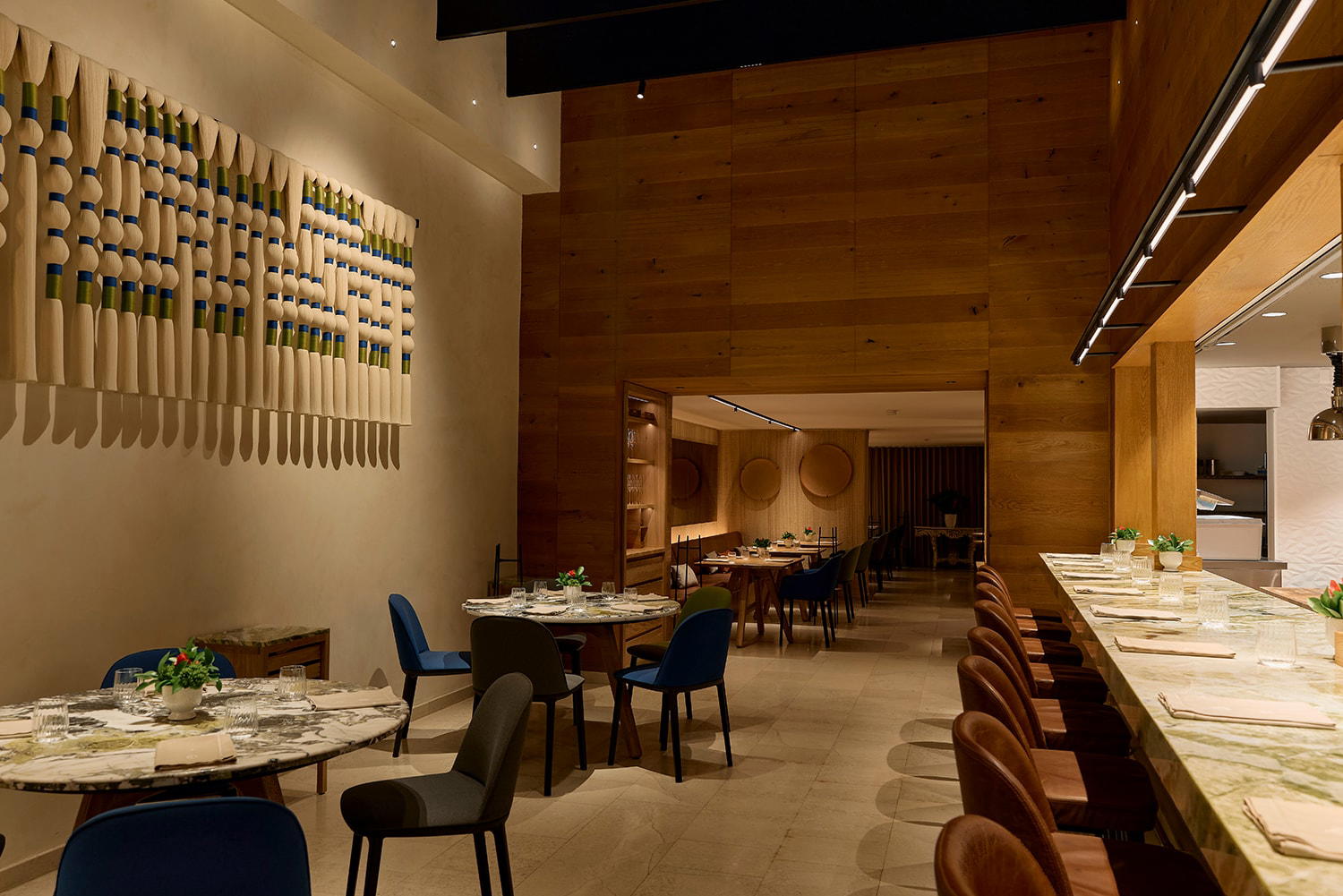
Kikunoi Roan operates as a disciplined, restrained counter kaiseki that foregrounds craft and presence. The room is organized around a single premise: the chef prepares and presents food within arm’s reach, collapsing the traditional distance between kitchen and guest. That transparency is anchored by a Zen idea (Roan, 'clear and unambiguous') so the experience feels deliberate, pared back, and attentive. Set on a busy Shijo Street corridor, the restaurant keeps the focus inward; the city around it intensifies the calm inside, asking diners to slow down and watch the sequence of preparations as part of the meal.
Best For
Roan suits diners who prize direct interaction with the chef and a carefully sequenced meal: think intimate celebratory evenings or an exacting date night. The kappo counter format rewards attentiveness and presence, making it a match for anyone who wants a live, unfolding conversation between cook and guest. Because the experience emphasizes preparation and pacing rather than background spectacle, it works best for parties who appreciate formal Japanese dining rituals and the quiet ritual of course-by-course kaiseki.
Ordering Tips
Embrace the counter format: meals are prepared in full view and arrive as part of a deliberate sequence, so pace yourself and allow the chef’s rhythm to set the evening. The menu centers on seasonal ingredients (signature items include bamboo shoots, akashi sea bream, sakura leaf–wrapped tilefish and steamed rice with seasonal ingredients) so expect the selection to change with the season. Watching preparation is part of the pleasure; approach the experience with attentiveness and curiosity rather than a fixed checklist of dishes.
Venue details
Ambiance
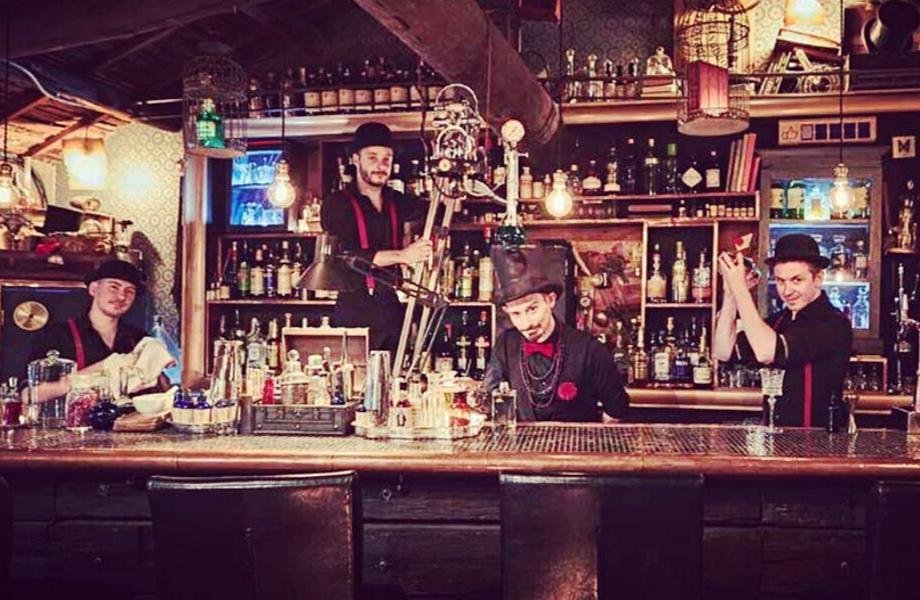
Serene and calm atmosphere with minimalist aesthetic; counter seating provides intimate observation of chef's precise movements and delicate preparation techniques.
Tags
Vibe
Best For
Experience
Sourcing
At the Table
- Dress Code
- Smart Casual
- Noise Level
- Quiet
- Service Style
- Formal
- Meal Pacing
- Extended Experience
- Capacity
- Small
- Kitchen
- Seasonal
- Menu Format
- Tasting menu, Counter dining, Prix fixe
- Drinks Focus
- Sake, Wine
- Dietary
- Allergy accommodating
- Private Dining
- Available
Signature Dishes
- Bamboo shoots with spring presentation
- Akashi sea bream with kinmedai in ponzu gelee
- Sakura leaf-wrapped tilefish with glutinous rice
- Grilled ayu sweetfish
- Steamed rice with seasonal ingredients
Know before you go
Know Before You Go
- Getting there
- Japan, 〒600-8012 Kyoto, Shimogyo Ward, 四条下る斎藤町118
Planning details
Hours
- Monday
- 11:30 AM–1:30 PM, 5–7:30 PM
- Tuesday
- 11:30 AM–1:30 PM, 5–7:30 PM
- Wednesday
- Closed
- Thursday
- 11:30 AM–1:30 PM, 5–7:30 PM
- Friday
- 11:30 AM–1:30 PM, 5–7:30 PM
- Saturday
- 11:30 AM–1:30 PM, 5–7:30 PM
- Sunday
- 11:30 AM–1:30 PM, 5–7:30 PM
Location
Japan, 〒600-8012 Kyoto, Shimogyo Ward, 四条下る斎藤町118 · Directions
Recognition and awards

Also consider
Also Consider
- Gion Sasaki: Kaiseki, Japanese, ¥¥¥¥
- cenci: Italian, ¥¥¥
- Ifuki: Kaiseki, ¥¥¥¥
- Kyokaiseki Kichisen: Japanese, ¥¥¥¥
- Kyo Seika: Chinese, ¥¥¥
Restaurant context
Within Kyoto's high-end Japanese dining tier, Kikunoi Roan occupies a specific and useful position: two Michelin stars and La Liste recognition at ¥¥¥, while most of its credentialled peers sit at ¥¥¥¥. If you are comparing Roan against Kyokaiseki Kichisen or Gion Sasaki, the distinction is partly price and partly format. Kichisen and Sasaki operate in a more ceremonially removed kaiseki style, where the meal is delivered with considerable formality and distance from the kitchen. Roan's counter format is the deliberate inverse: you are close to the action, conversation is encouraged, and the meal feels more alive as a result. For a first serious kaiseki experience in Kyoto, Roan is the more forgiving entry point. For a maximum-formality occasion meal, Kichisen is the right call.
Ifuki sits at ¥¥¥¥ and offers a kaiseki experience with its own distinct character, but if your goal is a counter-based, open-kitchen format with genuine chef interaction, Roan has a structural advantage that Ifuki does not replicate. On value-for-money grounds, Roan is the stronger choice for a repeat visitor to Kyoto who has already experienced the formal tatami setting elsewhere. cenci operates at ¥¥¥ and offers Italian cooking with a Kyoto sensibility: a completely different proposition, but worth knowing about if you want a non-kaiseki high-quality meal at a similar price tier without the booking difficulty. Kyo Seika at ¥¥¥ rounds out the mid-tier options if Chinese-influenced cooking is of interest. Neither cenci nor Kyo Seika competes with Roan on awards depth, but both are more accessible at short notice.
The honest booking comparison: Roan is near-impossible, Kichisen is similarly difficult, and Sasaki requires advance planning but tends to have slightly more availability for international diners who are persistent. If Roan is not available for your dates, Gion Sasaki is the closest comparable experience in terms of quality and seasonal seriousness. For travellers with fixed short-notice dates, cenci is the most practical fallback at the same price tier.
Explore Kyoto
Around this place
Discover more on Pearl
Unlock the full Kikunoi Roan guide in Pearl, including awards, comparisons, FAQs, planning details, and nearby places.
Compare Kikunoi Roan
| Venue | Awards | Price |
|---|---|---|
| Kikunoi Roan | Michelin Guide Kyoto Osaka 20262026 Michelin 2 Stars2026 La Liste Top Restaurants2025 Michelin 2 Stars2025 La Liste Top Restaurants2024 Michelin 2 Stars | ¥¥¥ |
| Gion Sasaki | 2026 Tabelog Bronze · #3862026 OAD Top Restaurants in Japan RecommendedMichelin Guide Kyoto Osaka 20262026 La Liste Top RestaurantsTabelog 100 - Japanese cuisine - WEST - 2025 · #132025 OAD Top Restaurants in Japan Ranked · #2462025 Tabelog Silver2025 Michelin 3 Stars2025 La Liste Top Restaurants | ¥¥¥¥ |
| cenci | 2026 Tabelog Bronze · #442026 Asia's 50 Best Restaurants · #762026 OAD Top Restaurants in Japan Highly RecommendedMichelin Guide Kyoto Osaka 2026Tabelog 100 - Italian - WEST - 2025 · #632025 Asia's 50 Best Restaurants · #632025 OAD Top Restaurants in Japan Ranked · #1682025 Tabelog Bronze2024 OAD Top Restaurants in Japan Ranked · #135 | ¥¥¥ |
| Ifuki | 2026 OAD Top Restaurants in Japan Ranked · #1222026 Tabelog Bronze · #128Michelin Guide Kyoto Osaka 20262026 La Liste Top RestaurantsTabelog 100 - Japanese cuisine - WEST - 2025 · #622025 OAD Top Restaurants in Japan Ranked · #1002025 La Liste Top Restaurants2025 Tabelog Bronze2025 Michelin 2 Stars | ¥¥¥¥ |
| Kyokaiseki Kichisen | 2026 Tabelog Bronze · #1752026 OAD Top Restaurants in Japan Highly RecommendedMichelin Guide Kyoto Osaka 20262025 OAD Top Restaurants in Japan Ranked · #1862025 Michelin 2 Stars2025 La Liste Top Restaurants2024 OAD Top Restaurants in Japan Ranked · #1422024 Michelin 2 Stars2023 OAD Top Restaurants in Japan Ranked · #136 | ¥¥¥¥ |
| Kyo Seika | Tabelog 100 - Chinese cuisine - WEST - 2026 · #762026 Tabelog Bronze · #2162026 OAD Top Restaurants in Japan Recommended2026 Michelin 1 Star2025 OAD Top Restaurants in Japan Ranked · #3262025 Tabelog Bronze2024 OAD Top Restaurants in Japan Ranked · #3042024 Michelin Plate2024 Michelin 1 Star | ¥¥¥ |







.png?width=1200&quality=80)
A quick look at how Kikunoi Roan measures up.
FAQ
Frequently Asked Questions
Is Kikunoi Roan good for solo dining?
Yes, and it may be the strongest solo dining case in Kyoto. The entire point of Roan's format is the counter: Yoshihiro Murata prepares dishes in front of guests, and conversation with the kitchen is part of the experience. A solo seat at the counter is not a compromise: it is the intended way to eat here. Book a counter spot specifically; do not accept a table if you are alone.
What should I order at Kikunoi Roan?
Roan runs a kappo format, meaning the menu is set by the kitchen and changes with the season: you are not choosing dishes off a card. The structure follows the same seasonal ingredient calendar as kaiseki, so what arrives depends entirely on when you visit. Trust the kitchen; the format is the meal. Specific menu contents are not confirmed in advance and vary by visit.
Is the tasting menu worth it at Kikunoi Roan?
At ¥¥¥, Roan sits a price tier below the city's top ¥¥¥¥ kaiseki ryotei, and it holds 2 Michelin stars and 90 points from La Liste 2026. That combination makes it one of the stronger value propositions in serious Kyoto dining. If you want the kaiseki seasonal-ingredient discipline with the added dimension of watching the kitchen work, yes, it is worth it. If a private tatami-room atmosphere is your priority, the flagship Kikunoi main house is the more appropriate choice.
What are alternatives to Kikunoi Roan in Kyoto?
Gion Sasaki is the closest peer in terms of counter-forward cooking with serious credentials. Ifuki offers kappo at a lower price point and is easier to book. Kichisen is the correct comparison if you want the formal kaiseki ryotei experience Roan deliberately moves away from, but expect a significant price increase. cenci and Kyo Seika both operate in the contemporary Kyoto dining space and are more accessible booking-wise.
Can Kikunoi Roan accommodate groups?
The counter format at Roan is designed for small parties. Large groups are a poor fit: the kappo counter experience depends on proximity to the kitchen and direct interaction with the chefs, which does not scale well. For groups of four or more, check whether a separated table or private room is available, but be aware that this trades the core reason to book Roan in the first place. Groups wanting a shared special-occasion meal in Kyoto may be better served by a ryotei with private room infrastructure.
Is Kikunoi Roan good for a special occasion?
Yes, with one caveat: the occasion needs to suit the format. Roan is a counter restaurant where the kitchen is visible and conversation with chefs is part of the experience: it is lively and engaged, not hushed and formal. For a celebratory dinner where the food and craft are the centrepiece, the 2 Michelin star rating and La Liste recognition make it a credible anchor. For occasions where a private tatami room and ryotei ceremony matter more than counter proximity, book the Kikunoi main house instead.