.png?width=1200&quality=80)
Kikunoi Mugesambo
Japanese · Shimogyō, Kyoto
Restaurant in Kyoto, Japan
 Book with Pearl
The Read
Tea-Ceremony Bento Precision
Price
$30–50per person
Dress
Smart Casual
Why go
Kikunoi Mugesambo brings the Kikunoi group's culinary philosophy to a ¥¥ price point, with consecutive Michelin Bib Gourmand recognition in 2024 and 2025. The format draws on tea ceremony food and bento culture, with seasonal tableware and a moss garden setting. For accessible, serious Japanese dining in Kyoto without the booking difficulty or cost of a full kaiseki house, this is the practical choice.
About Kikunoi Mugesambo
Should You Book Kikunoi Mugesambo?
If you're deciding between a full kaiseki dinner at one of Kyoto's ¥¥¥¥ ryotei and a meal at Kikunoi Mugesambo, the answer comes down to what you want from the experience. At ¥¥ pricing, Mugesambo delivers the Kikunoi flavour philosophy — the same house that earned its main branch three Michelin stars — in a format that is accessible without the ceremony or the reservation difficulty of its siblings. Two consecutive Michelin Bib Gourmand awards (2024 and 2025) confirm this is not a compromise option. It is a considered one.
The Experience
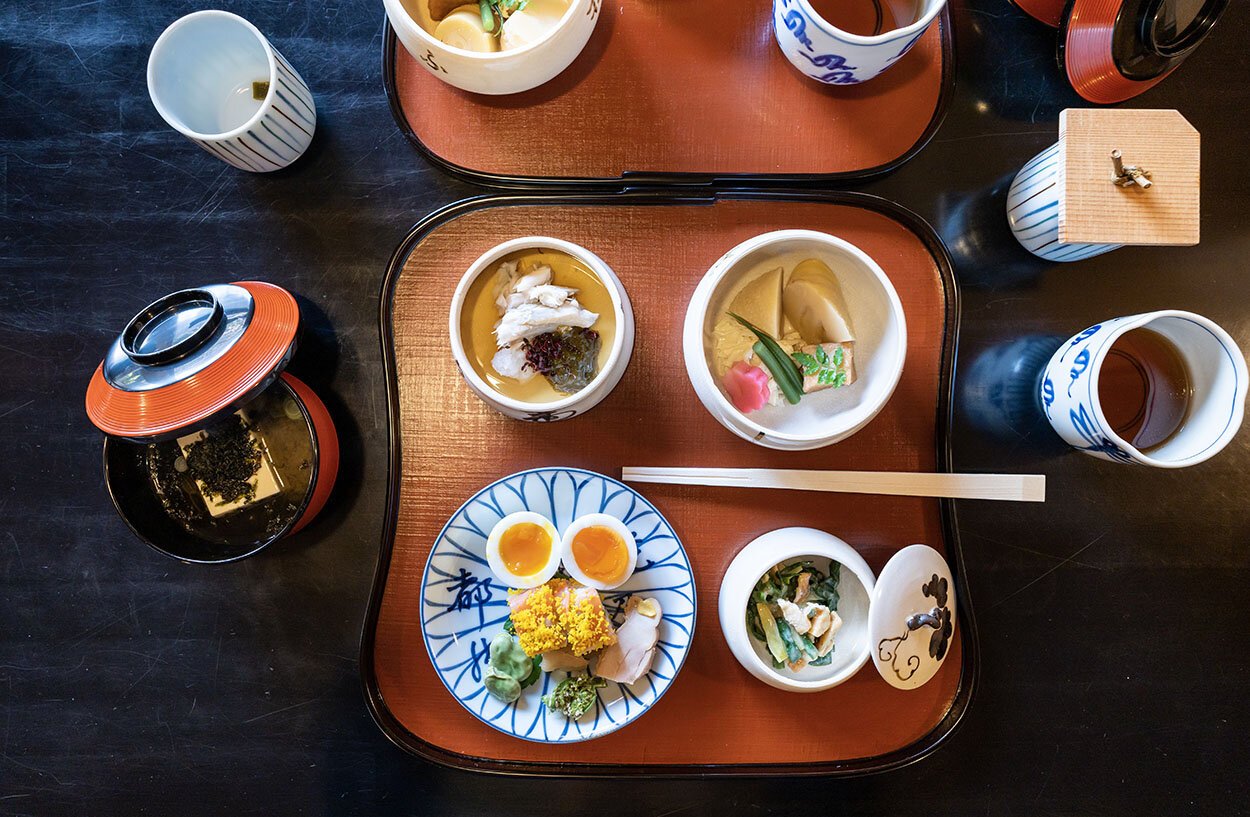
Mugesambo frames its offer around tea ceremony food and bento culture, a deliberate contrast to the multi-course kaiseki progression you'd encounter at Kikunoi Roan or the full kaiseki houses like Gion Sasaki or Ifuki. The format here opens with appetisers before moving into stewed bowls served ryotei-style. Presentation tracks the seasons: the serving-ware shifts through baskets, lacquerware, and glassware depending on the time of year, and grilled items and simmered vegetables change accordingly. This is not a static menu.
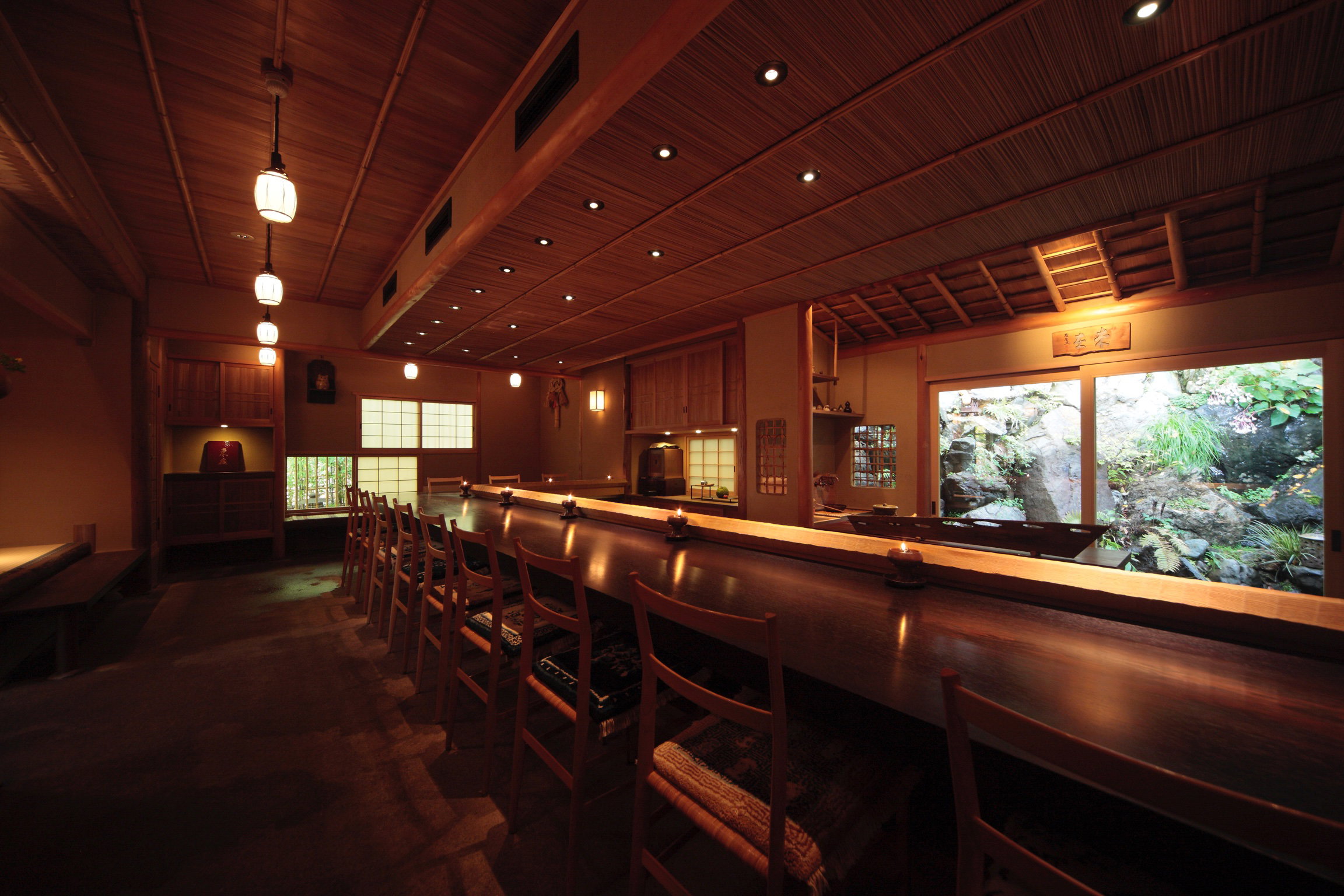
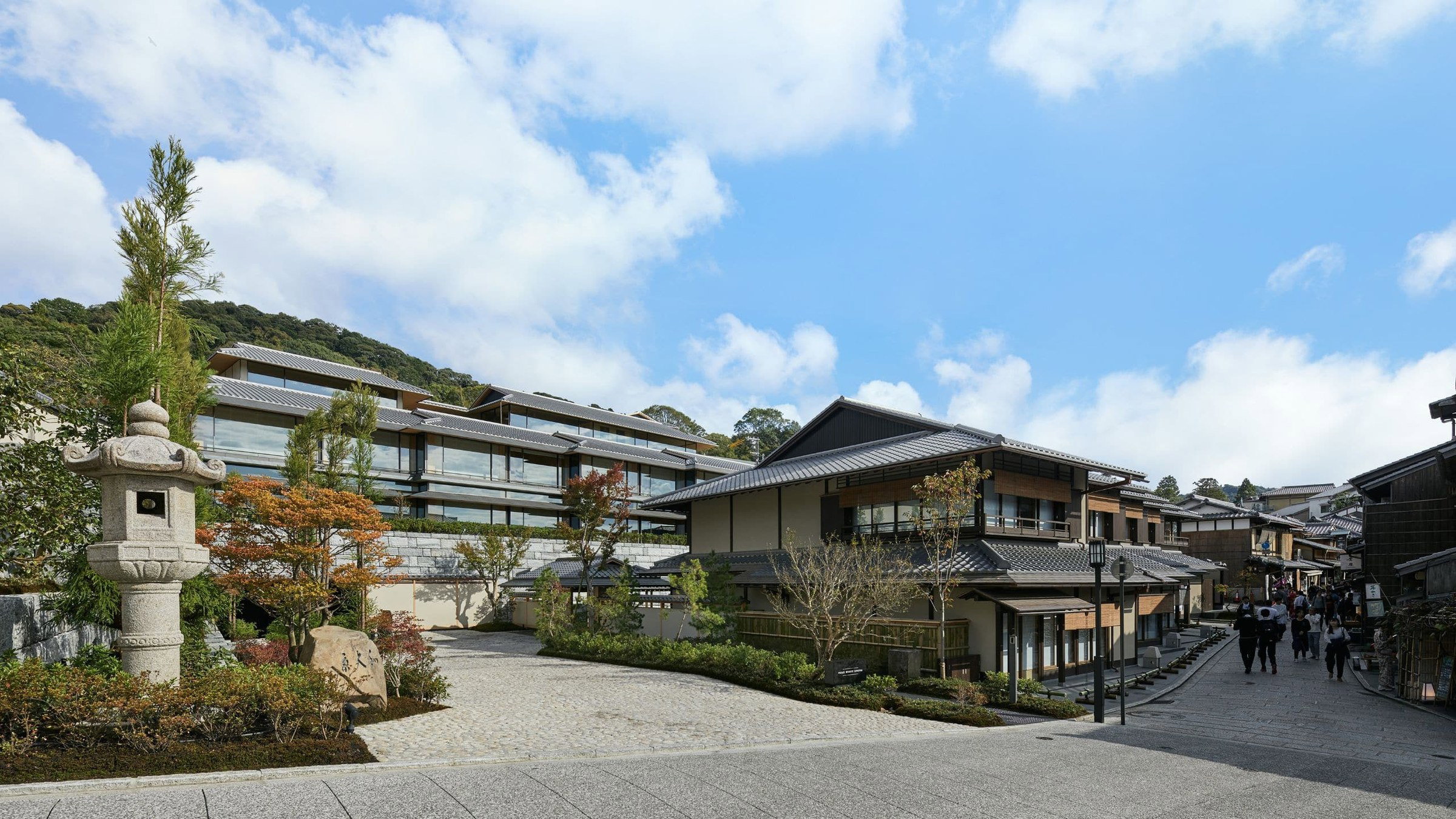
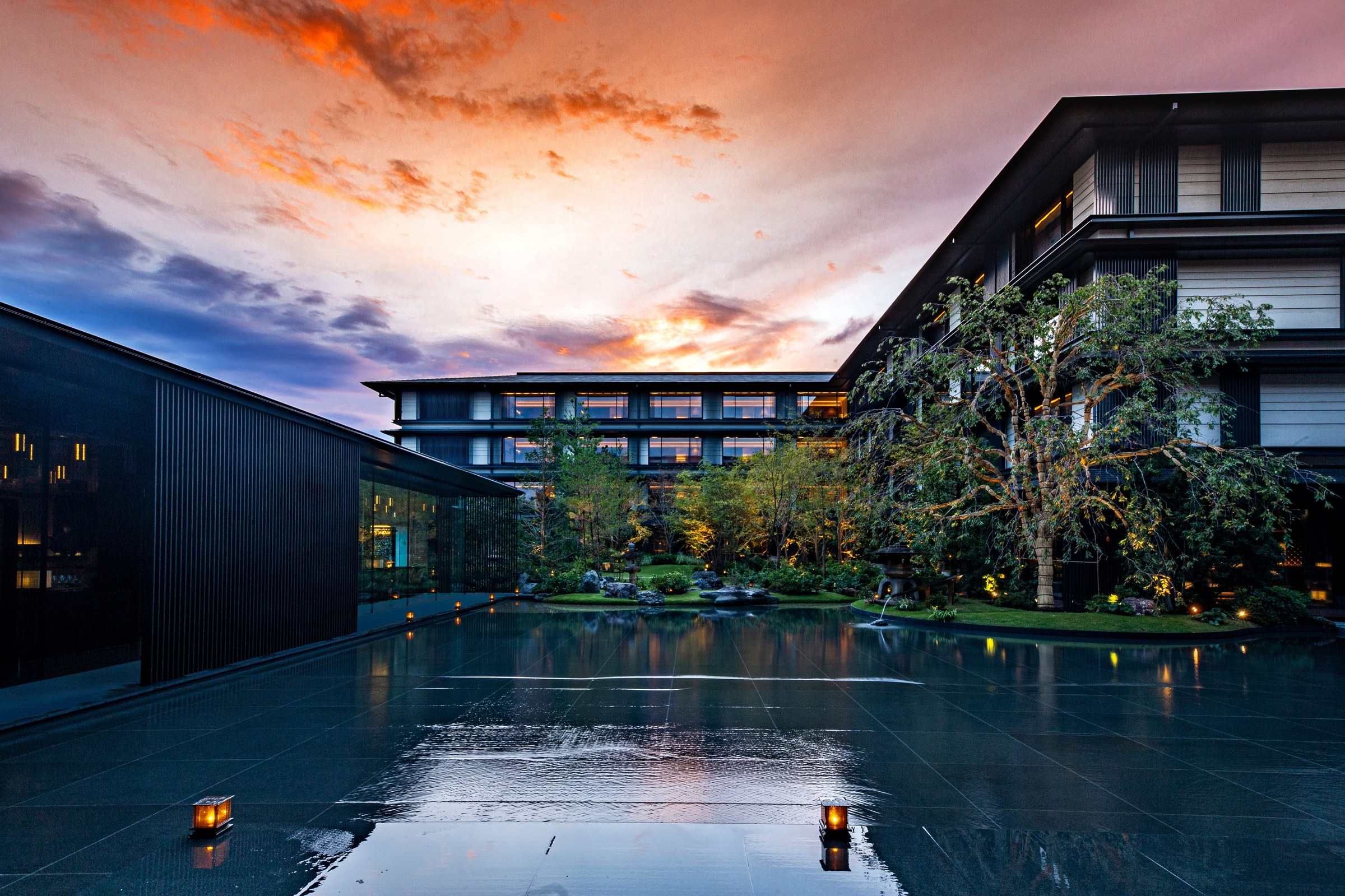
The visual centrepiece is the moss-covered garden, visible from the dining room. For a special occasion or a first-time visit to Kyoto dining culture, that garden view does meaningful work, it anchors the meal in a specific sense of place that a modern dining room cannot replicate. If the setting matters to you as much as the food, this is a strong choice at the price point.
The house speciality is Shiguremeshi: rice topped with sea bream sashimi and a sesame sauce. It is the dish to order if you only have one reference point for the kitchen's identity. The broader menu follows a structure where the visual appeal of the tableware is part of the communication, seasonal colour, material, and proportion are not incidental. This is deliberate Kikunoi expression in a more accessible register.
Timing Your Visit
Kyoto's seasonal rhythm matters here more than at most restaurants because the serving-ware and menu composition change with the passing seasons. Spring cherry blossom season (late March to early April) and autumn foliage (mid-November) are the periods when the garden view and seasonal menu composition align at their leading. That said, these are also Kyoto's busiest travel periods, and even an easily bookable venue like Mugesambo will see higher demand. Midweek visits in shoulder seasons, early May or October, give you the seasonal menu benefit with fewer crowds. Lunch tends to be quieter than dinner across Kyoto's traditional dining venues, and Mugesambo's bento-influenced format makes it particularly well-suited to a considered midday meal rather than a late-night occasion.
Counter and Bar Seating
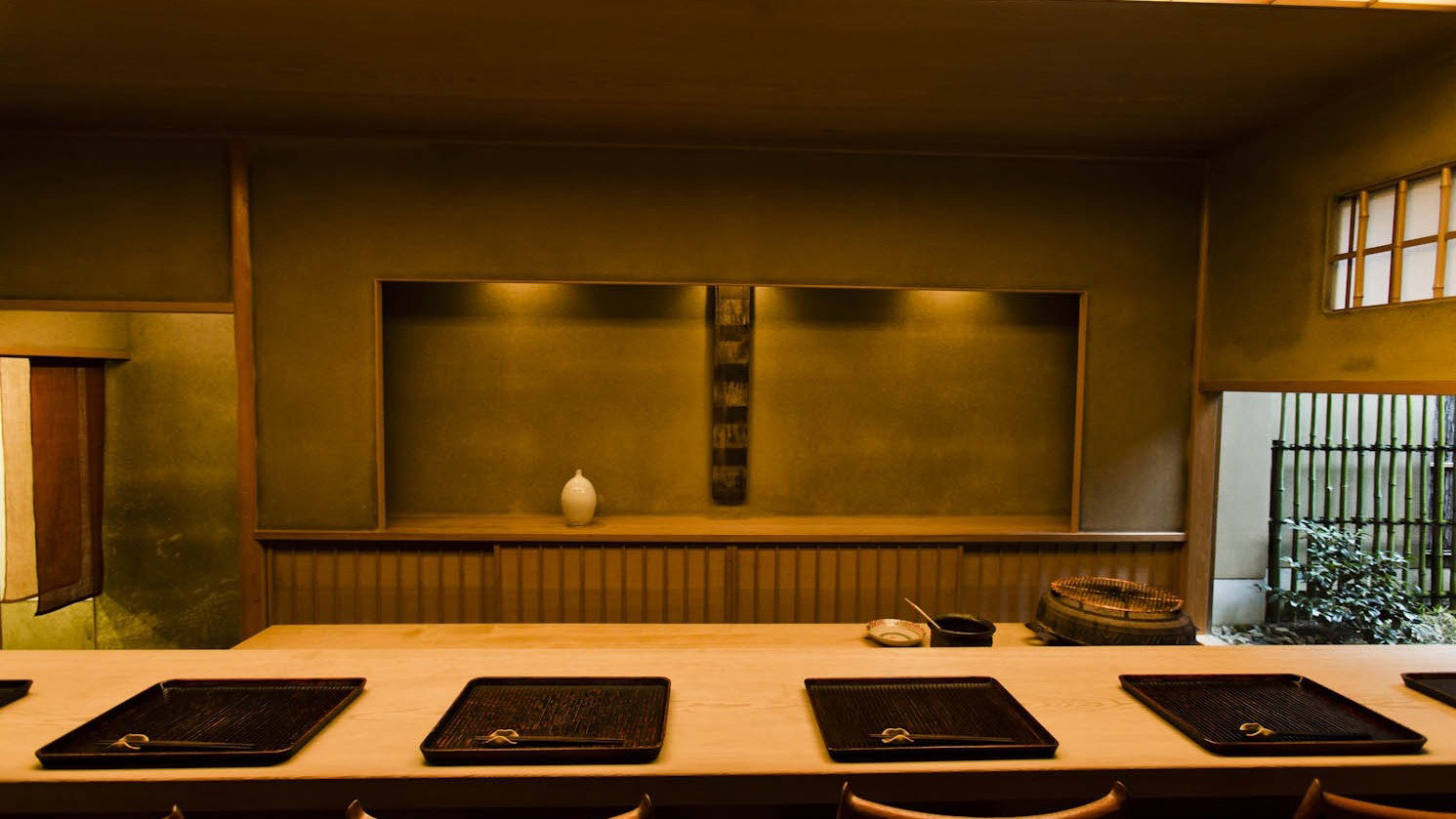
Kikunoi Mugesambo's connection to tea ceremony culture shapes how the counter experience works here. In kaiseki dining at this level, counter or bar seating, where you can watch preparation and interact with the kitchen, is where the meal gains a second register of interest beyond the food itself. At a venue of this format, counter seats offer something a table in the middle of the room does not: proximity to the care being taken with the tableware, the plating, and the sequence. For solo diners or couples without a specific anniversary framing, requesting counter or closer-to-kitchen seating is the way to get more from the format. The bento and tea ceremony influence means the presentation is designed to be observed closely, not admired from a distance.
Ratings and Trust Signals
- Michelin Bib Gourmand: 2024 and 2025, consecutive recognition for quality at accessible pricing
- Price range: ¥¥, significantly below the ¥¥¥¥ tier of Kyoto's kaiseki establishments
- Kikunoi provenance: Part of the Kikunoi group, whose main branch holds three Michelin stars
Booking and Logistics
Booking difficulty at Mugesambo is rated easy relative to comparable Kyoto dining venues. This matters: securing a table at Kyokaiseki Kichisen or Isshisoden Nakamura requires planning weeks or months in advance. Mugesambo can typically be approached with shorter lead times. The address is in Shimogyo Ward, Kyoto, centrally located for visitors staying near Kawaramachi or Gion. Phone and website details are not confirmed in our current data; verify current booking channels before your trip. For broader Kyoto dining context, see our full Kyoto restaurants guide.
Who Should Book
Mugesambo is the right call for: visitors who want the Kikunoi experience without the price or booking difficulty of the main house; solo diners or couples on a meaningful but not extravagant occasion; first-time visitors to Kyoto's traditional dining culture who want structure and seasonal attentiveness without a four-figure bill. It is less suited to anyone for whom the full multi-course kaiseki progression is the point, for that, consider Gion Matayoshi or Kodaiji Jugyuan instead.
For comparable experiences outside Kyoto, HAJIME in Osaka operates at a different price tier but demonstrates the depth of Kansai's Japanese fine dining offer. In Tokyo, Myojaku and Azabu Kadowaki offer comparable Japanese dining seriousness. For something different in the region, akordu in Nara is worth the short trip. See also our Kyoto hotels guide, Kyoto bars guide, and Kyoto experiences guide for planning the rest of your trip.
Practical Comparison
| Venue | Price | Format | Booking Difficulty | Michelin |
|---|---|---|---|---|
| Kikunoi Mugesambo | ¥¥ | Tea ceremony / bento | Easy | Bib Gourmand 2025 |
| Kikunoi Roan | ¥¥¥ | Kaiseki | Moderate | 2 Stars |
| Gion Sasaki | ¥¥¥¥ | Kaiseki | Hard | 2 Stars |
| Ifuki | ¥¥¥¥ | Kaiseki | Hard | Starred |
| Kyokaiseki Kichisen | ¥¥¥¥ | Kaiseki | Very Hard | 3 Stars |
Planning details
- Location
- Japan, 〒600-8520 Kyoto, Shimogyo Ward, Shincho, 52
- Reservations
- Book on the venue's website
- Website
- kikunoi.jp/kikunoiweb/top
- Phone
- +81 75-561-0015
The take
The Take
The Vibe
Kikunoi Mugesambo reads like a quietly deliberate Kyoto room where kaiseki discipline meets a bento-minded format. The dining room deliberately faces a moss-covered garden; that stillness is positioned as part of the meal, balancing intricate plates and seasonal serving-ware. The kitchen works within a mid-range price bracket but with the precision and ritualism associated with formal kaiseki, so the overall atmosphere feels serene and rooted in Kyoto tradition. Details of presentation shift with the calendar — lacquer, baskets and glass rotate with the seasons — reinforcing a composed, reflective dining tone rather than flash or excess.
Best For
This is a spot for diners who want disciplined, seasonally calibrated Japanese cooking without the price of a full ryotei. Its consecutive Bib Gourmand recognition in 2024 and 2025 signals consistent quality at accessible prices, making it well suited to quietly marking special moments or enjoying a focused solo meal. The garden-facing seating and intimate scale support contemplative dining rather than boisterous group celebrations. Travelers and locals who prioritize technique, seasonal rhythm and a peaceful setting find the restaurant a reliable, moderately priced way into Kyoto's kaiseki traditions.
Ordering Tips
Lean into the house specialities that foreground the restaurant's approach to bento-style kaiseki: the Shiguremeshi, the Shigure Bento Box and the warabimochi are listed as signatures. Pay attention to the seasonally changing serving-ware — part of the experience is how presentation and components shift with the calendar. The Bib Gourmand distinction is a useful cue: expect tightly executed, value-driven compositions rather than experimental tasting-menu theatrics. Choose a seat that looks toward the moss garden if you want the full intended interplay between food and setting.
Venue details
Ambiance
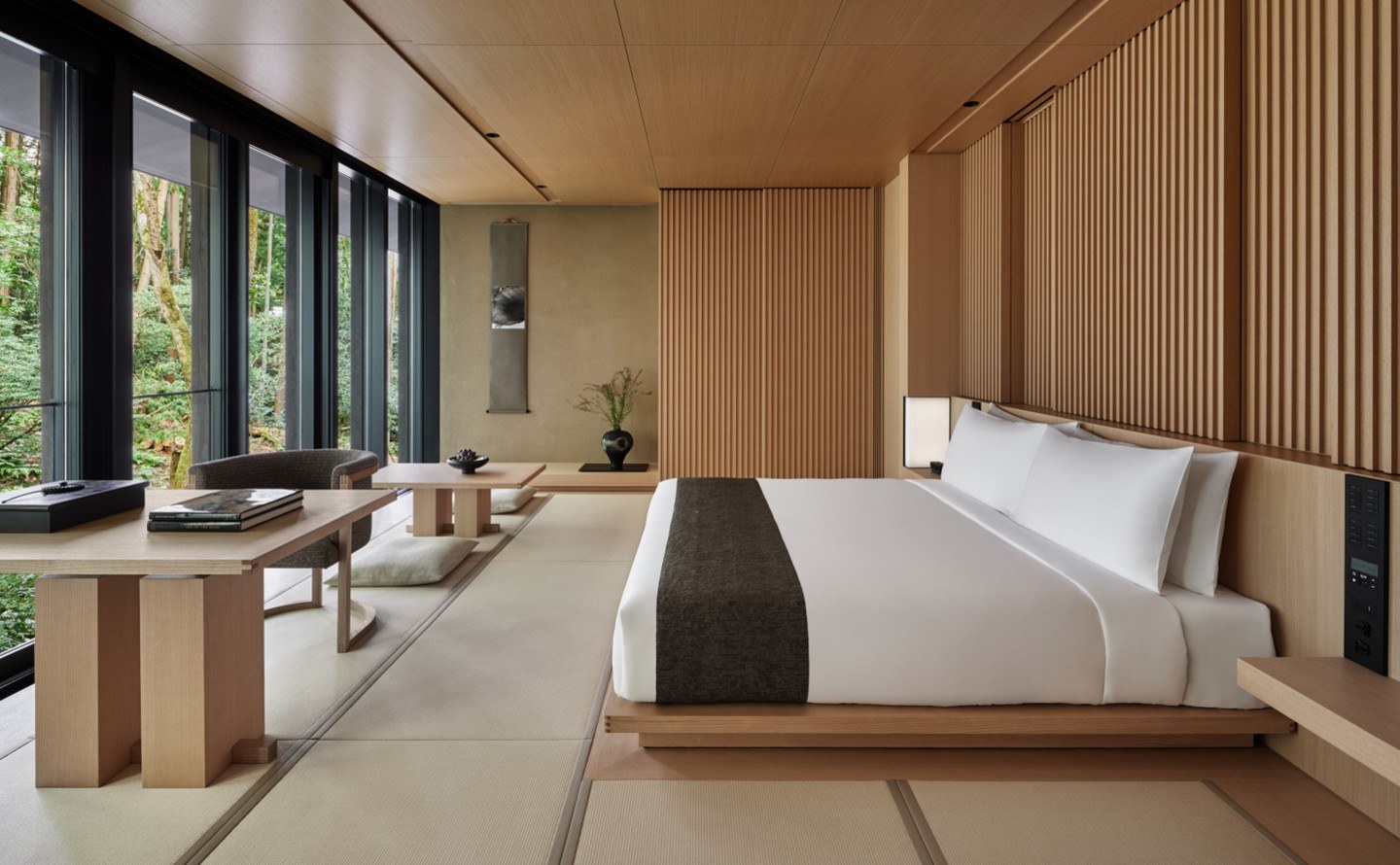
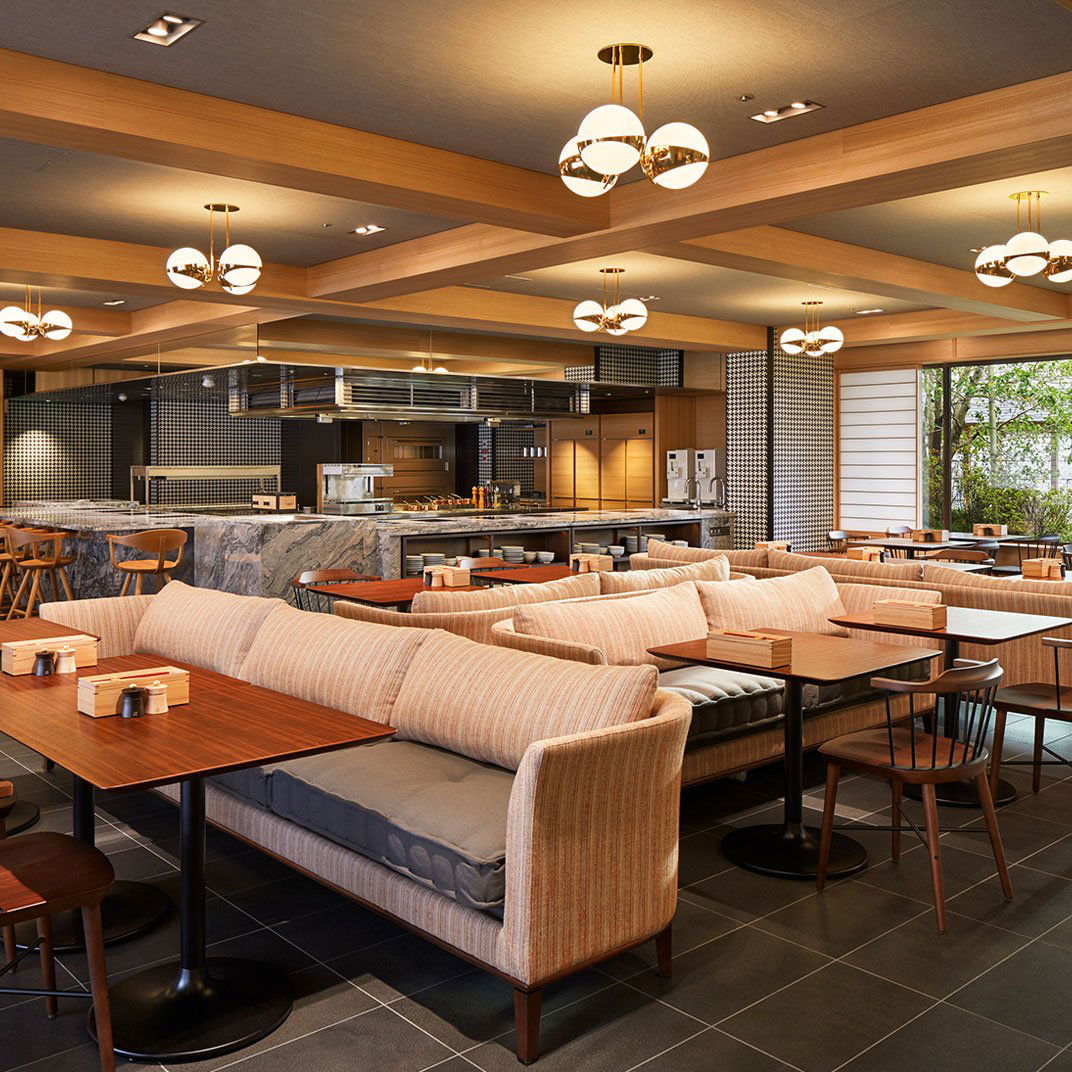
Soft lighting, wooden floors, minimal ornamentation, and calming moss garden views create a serene, intimate atmosphere.
Tags
Vibe
Best For
Experience
View
At the Table
- Dress Code
- Smart Casual
- Noise Level
- Quiet
- Service Style
- Formal
- Meal Pacing
- Leisurely
- Capacity
- Intimate
- Kitchen
- Traditional
- Menu Format
- Set menu
- Wine Program
- Curated
- Drinks Focus
- Sake, Tea
Signature Dishes
- Shiguremeshi
- Shigure Bento Box
- warabimochi
Know before you go
Know Before You Go
- Getting there
- Japan, 〒600-8520 Kyoto, Shimogyo Ward, Shincho, 52
Planning details
Location
Japan, 〒600-8520 Kyoto, Shimogyo Ward, Shincho, 52 · Directions
Recognition and awards
Also consider
Also Consider
- Gion Sasaki, Kaiseki, Japanese, ¥¥¥¥
- cenci, Italian, ¥¥¥
- Ifuki, Kaiseki, ¥¥¥¥
- Kyokaiseki Kichisen, Japanese, ¥¥¥¥
- SEN, French, Japanese, ¥¥¥¥
Restaurant context
At ¥¥, Kikunoi Mugesambo sits in a different tier to most of its obvious Kyoto comparators. Gion Sasaki, Ifuki, and Kyokaiseki Kichisen all operate at ¥¥¥¥ with full kaiseki progressions and booking difficulty that ranges from hard to very hard. If the multi-course kaiseki format and complete seasonal sequence are what you want, those venues deliver it at a level Mugesambo does not attempt to replicate. Kyokaiseki Kichisen, with three Michelin stars, is Kyoto's most demanding reservation and a genuinely different experience, but it costs accordingly and requires planning months in advance.
For value, Mugesambo is the clear answer among these options. The Bib Gourmand recognition across two consecutive years puts it in a specific category: quality that Michelin considers worth singling out, at a price that does not require a special occasion budget. cenci at ¥¥¥ offers an Italian format for those who want a break from Japanese cuisine mid-trip, and SEN at ¥¥¥¥ covers the French-Japanese hybrid for diners who want Western technique applied to Kyoto ingredients. Neither competes directly with Mugesambo's tea ceremony and bento framing.
The decision tree is straightforward: if budget matters and you want genuine Japanese dining culture with Michelin credibility, book Mugesambo. If you want the full kaiseki experience and are prepared to plan ahead and spend at the ¥¥¥¥ level, Gion Sasaki is the most accessible of the top-tier options. If you want three-star kaiseki and can secure the reservation, Kyokaiseki Kichisen is the ceiling of the category in Kyoto.
Explore Kyoto
Around this place
Discover more on Pearl
Unlock the full Kikunoi Mugesambo guide in Pearl, including awards, comparisons, FAQs, planning details, and nearby places.
Compare Kikunoi Mugesambo
| Venue | Awards | Price |
|---|---|---|
| Kikunoi Mugesambo | 2026 Bib Gourmand2025 Michelin Bib Gourmand2024 Michelin Bib Gourmand | ¥¥ |
| Gion Sasaki | 2026 Tabelog Bronze · #3862026 OAD Top Restaurants in Japan RecommendedMichelin Guide Kyoto Osaka 20262026 La Liste Top RestaurantsTabelog 100 - Japanese cuisine - WEST - 2025 · #132025 OAD Top Restaurants in Japan Ranked · #2462025 Tabelog Silver2025 Michelin 3 Stars2025 La Liste Top Restaurants | ¥¥¥¥ |
| cenci | 2026 Tabelog Bronze · #442026 Asia's 50 Best Restaurants · #762026 OAD Top Restaurants in Japan Highly RecommendedMichelin Guide Kyoto Osaka 2026Tabelog 100 - Italian - WEST - 2025 · #632025 Asia's 50 Best Restaurants · #632025 OAD Top Restaurants in Japan Ranked · #1682025 Tabelog Bronze2024 OAD Top Restaurants in Japan Ranked · #135 | ¥¥¥ |
| Ifuki | 2026 OAD Top Restaurants in Japan Ranked · #1222026 Tabelog Bronze · #128Michelin Guide Kyoto Osaka 20262026 La Liste Top RestaurantsTabelog 100 - Japanese cuisine - WEST - 2025 · #622025 OAD Top Restaurants in Japan Ranked · #1002025 La Liste Top Restaurants2025 Tabelog Bronze2025 Michelin 2 Stars | ¥¥¥¥ |
| Kyokaiseki Kichisen | 2026 Tabelog Bronze · #1752026 OAD Top Restaurants in Japan Highly RecommendedMichelin Guide Kyoto Osaka 20262025 OAD Top Restaurants in Japan Ranked · #1862025 Michelin 2 Stars2025 La Liste Top Restaurants2024 OAD Top Restaurants in Japan Ranked · #1422024 Michelin 2 Stars2023 OAD Top Restaurants in Japan Ranked · #136 | ¥¥¥¥ |
| SEN | 2026 Tabelog Bronze · #3952026 OAD Top Restaurants in Japan RecommendedMichelin Guide Kyoto Osaka 20262026 Michelin PlateTabelog 100 - Japanese cuisine - WEST - 2025 · #652025 Michelin Plate2025 Tabelog Bronze2024 OAD Top Restaurants in Japan Ranked · #3622024 Michelin Plate | ¥¥¥¥ |








.png?width=1200&quality=80)
How Kikunoi Mugesambo stacks up against the competition.
FAQ
Frequently Asked Questions
Can I eat at the bar at Kikunoi Mugesambo?
Counter or bar seating may be available, but the format here is shaped by tea ceremony culture rather than the chef's counter experience you'd find at omakase-led venues. Mugesambo's focus is on bento-style service and seasonal sharing — it suits table dining more than a bar perch. Confirm seating options directly when booking, as the venue does not publish this detail publicly.
What should I wear to Kikunoi Mugesambo?
At ¥¥ pricing with a Bib Gourmand designation, Mugesambo sits in a middle register — respectful but not formal. Neat, presentable clothes are appropriate; you don't need a jacket. Avoid beachwear or athletic gear out of respect for the tea ceremony cultural context the restaurant consciously maintains.
What should I order at Kikunoi Mugesambo?
Order the Shiguremeshi — it is the house speciality, sea bream sashimi over rice with sesame sauce, and the clearest expression of what Mugesambo does differently from a standard kaiseki progression. Beyond that, the seasonal simmered vegetables and grilled items served in lacquer and basket ware are central to the experience, not supporting dishes.
Is Kikunoi Mugesambo good for solo dining?
Yes, and it is a stronger solo option than most Kyoto venues at this level. The bento and tea ceremony format means portions are composed for individual presentation rather than table-sharing, and the moss garden view gives solo diners something to engage. Booking difficulty is rated easy relative to comparable Kyoto venues, which removes the main friction point for solo travellers.