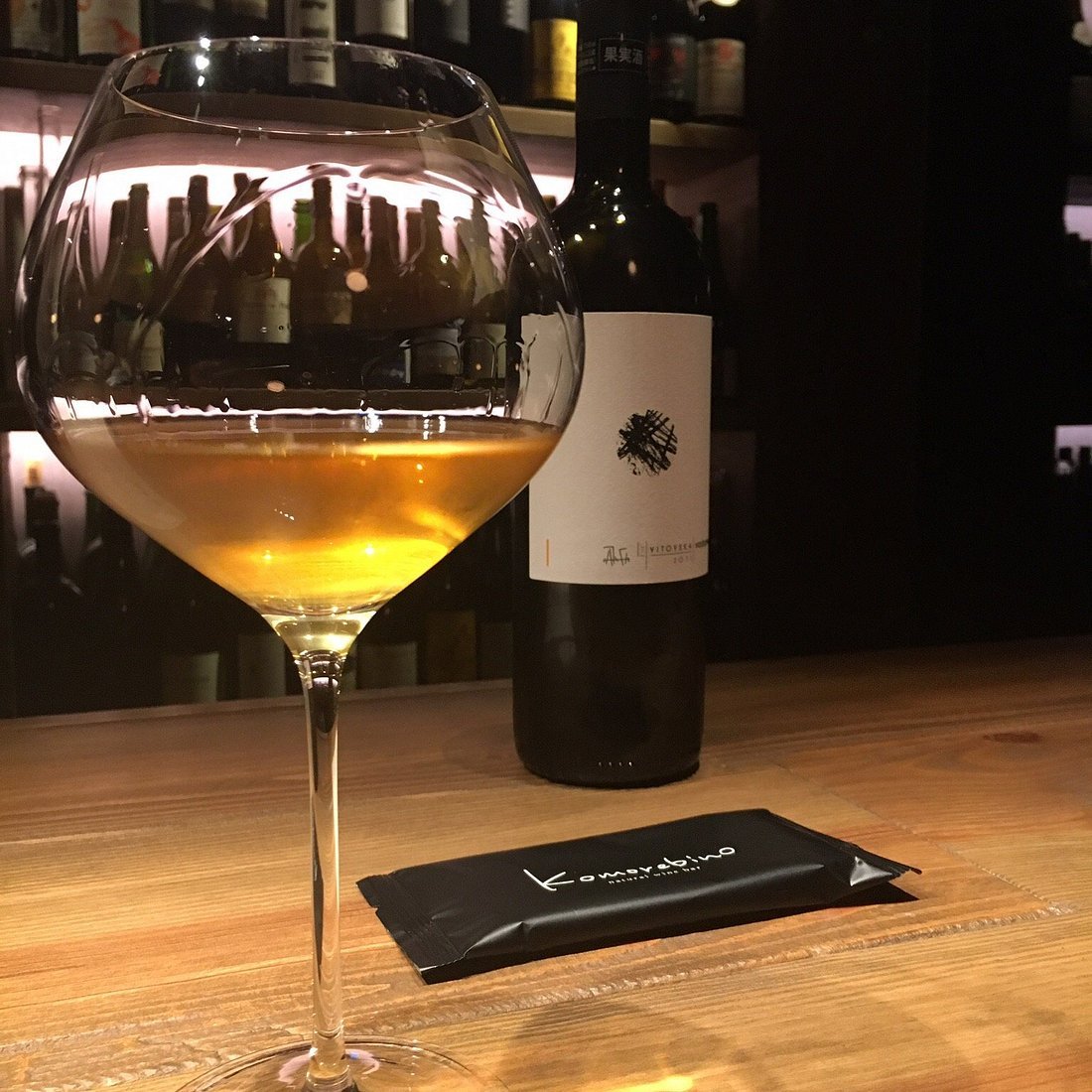

Komorebino
Higashiyama, Kyoto
Bar in Kyoto, Japan
 Book with Pearl
The Read
Price
$30–50per person
Why go
Komorebino is worth shortlisting if you want a wine-led Kyoto bar with easier planning than the city's more formal cocktail or hotel-bar options. The strongest reason to go is its Star Wine List recognition, so treat it as a drinks decision rather than a destination meal.
About Komorebino
Should you book Komorebino in Kyoto? Yes, if you are looking for an evening stop with a clear wine-related signal and are comfortable planning from a concise venue profile. The practical details are straightforward: Komorebino is in Kyoto, it is open daily from 5–11 PM, and it has Star Wine List recognition for 2025. For menu, seating, service style, and neighborhood specifics, check directly before making firm plans.
The useful signal here is its Star Wine List recognition for 2025. That does not tell you what to order, and it should not be treated like a guarantee of food ambition or a complete description of the experience, but it does make Komorebino relevant for travelers who are specifically comparing Kyoto evening options with wine in mind. In other words, the recognition gives the venue a reason to appear on a wine-conscious shortlist, while still leaving practical questions to confirm before committing your evening.
A Kyoto evening choice with wine recognition
The safest way to plan around Komorebino is as an evening venue rather than a lunch stop: the hours are 5–11 PM every day. That timing makes it more naturally suited to the part of a Kyoto itinerary when you are choosing where to spend the night hours, rather than trying to anchor a daytime restaurant plan around it. If food is the main event, use our full Kyoto restaurants guide first, then treat Komorebino as a possible later plan. If the venue itself is the point, compare it against other evening options.
Because details such as seat count, menu format, address specifics, and service style are not part of the profile, avoid over-planning around assumptions. This is especially important for travelers building a tight Kyoto schedule, where the difference between a restaurant, a bar, a wine-focused stop, or a more casual drop-in can affect timing, expectations, and how the evening fits together. The practical value is that Komorebino has a clear evening schedule in Kyoto and a Star Wine List 2025 mention; for current booking, seating, menu, and access details, check the venue directly before you go. Treat the listing as a qualified lead, not as a complete briefing.
Who should choose it, and who should cross-shop
Choose Komorebino if a Kyoto evening plan and wine-related recognition are enough to put it on your shortlist. It is best approached by travelers who are already looking for a wine-relevant stop and who do not need every operational detail settled before deciding whether a place is worth investigating further. Cross-shop Coupe de Champagne, Wine Bar M emme, OLD IMPERIAL BAR, Hello Dolly Bar, and Saka if you are comparing different evening options before committing to one stop. That comparison is the sensible move when the information is concise: it helps you decide whether Komorebino's particular combination of Kyoto location, evening hours, and Star Wine List recognition is the strongest fit for the night you are planning.
The practical verdict: consider Komorebino for an evening visit in Kyoto, especially if Star Wine List recognition matters to your planning. Keep the expectation focused: it is a Kyoto venue with evening hours and a wine-list signal, not a fully documented dining recommendation. For broader trip planning around the same city, pair it with our full Kyoto hotels guide and other Kyoto travel resources.
Planning details
- Location
- Japan, 〒605-0078 Kyoto, 京都市東山区富永町123Higashiyama Ward, 花見会館1階
- Reservations
- Book on TableCheck
- Website
- komorebino.com
- Phone
- +81 75-531-9511
The take
The Take
The Vibe
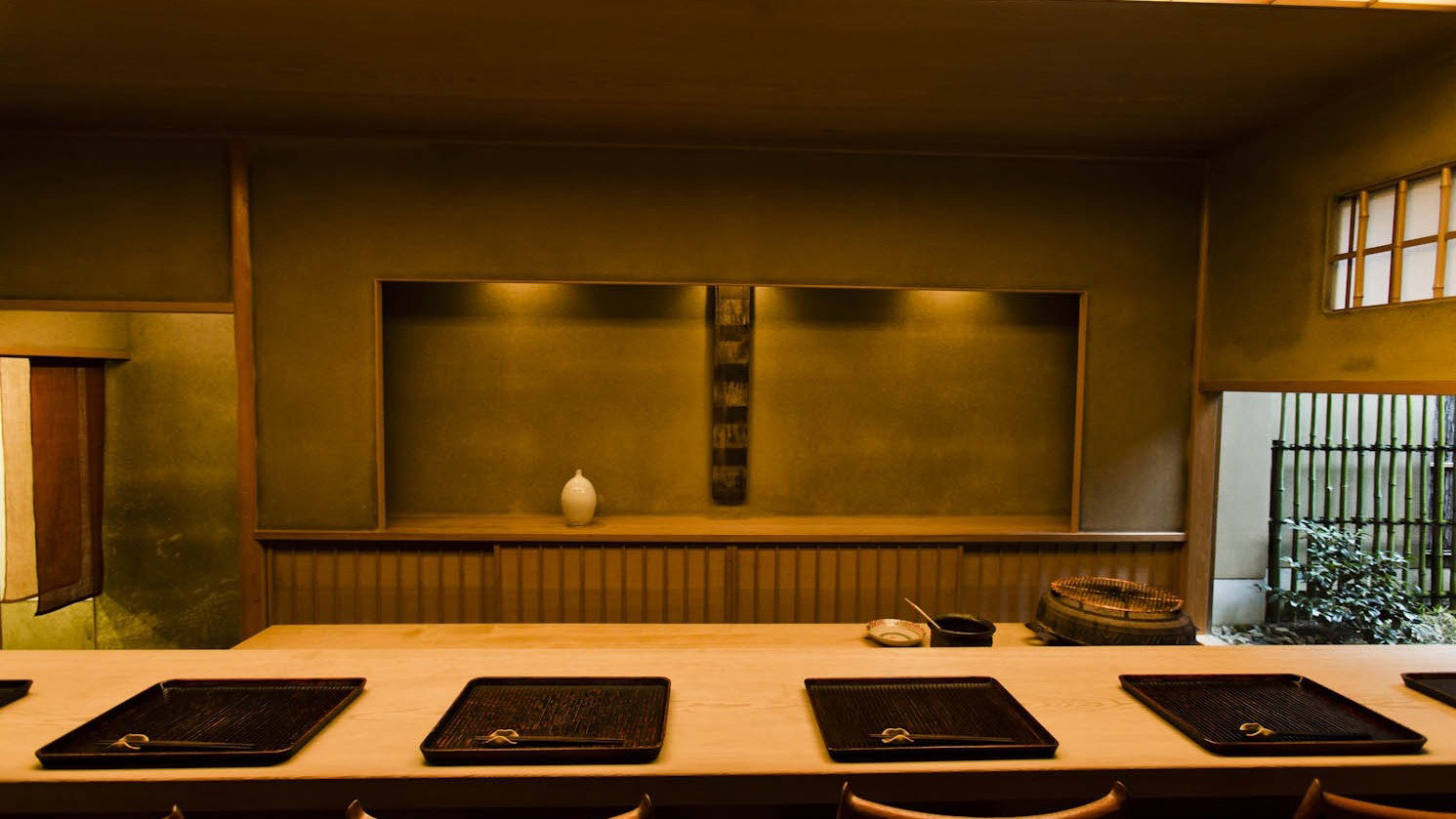
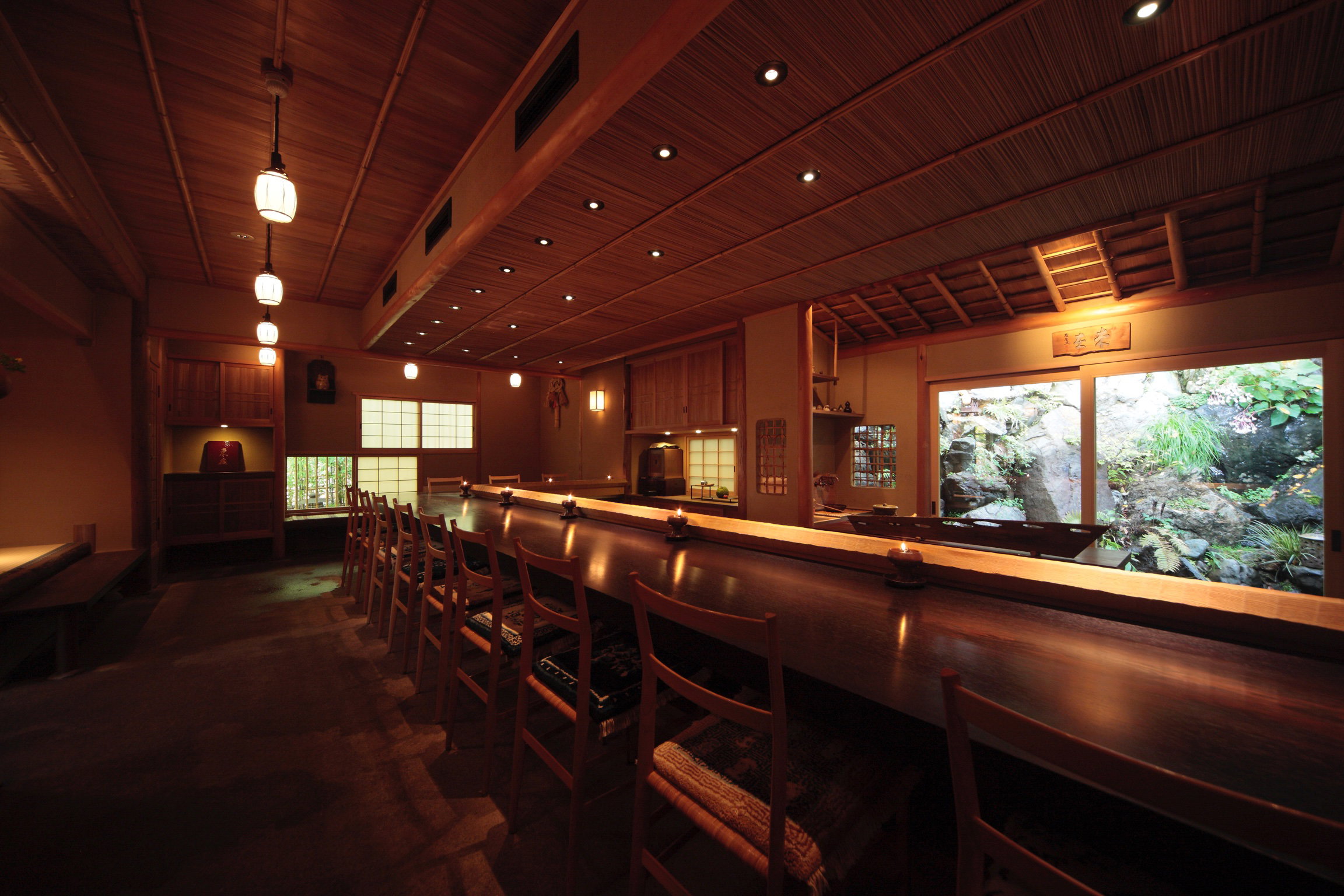
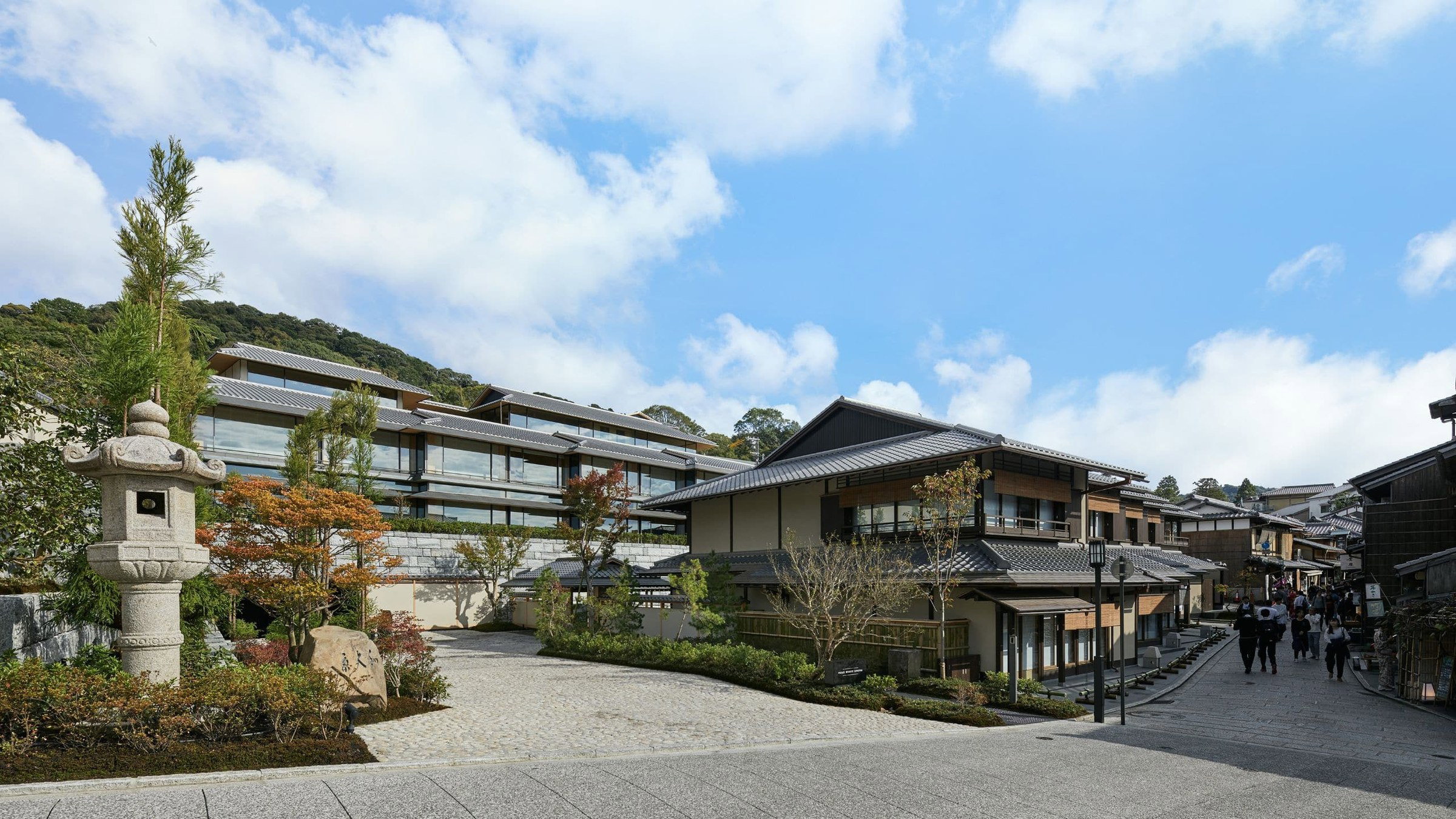
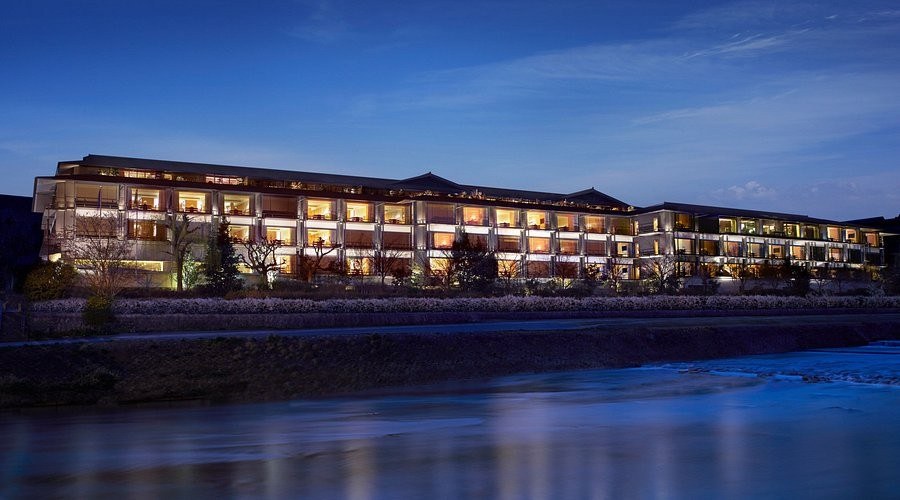
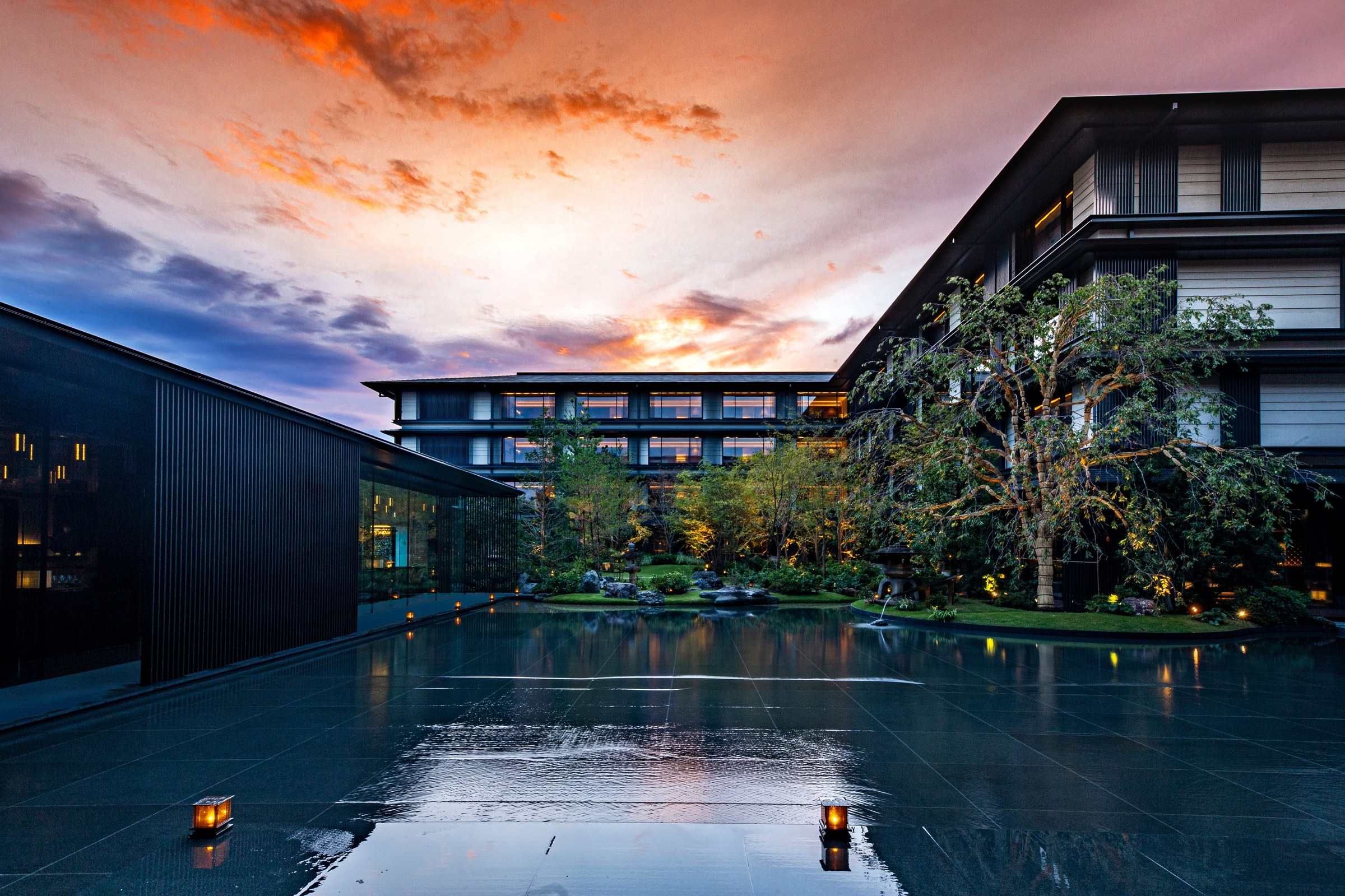
Komorebino sits quietly within Higashiyama’s old lanes, aligning itself with the neighbourhood’s daily rituals of seasonal observation. The copy frames the bar as part of the ward’s restrained character—stone pavements, machiya fronts and the Hanami Kaikan building—so the feeling is one of understated, classic Kyoto charm rather than slick modernity. It’s a contemplative, wine-focused counterpoint to Gion’s more high-design cocktail scene: serious about bottles, modest about presentation, and very much rooted in the district’s tempo.
Best For
This is a bar for evenings spent with a well-chosen bottle or a careful glass. Komorebino’s consecutive Star Wine List awards make it especially appealing to guests who want to explore curated wine lists—whether on a low-key date, a solo tasting session, or a relaxed catch-up with a friend. The tone of the description points toward an experience best enjoyed at dinner hours when the neighbourhood’s quieter character and the bar’s wine program can be fully appreciated.
Ordering Tips
Treat the wine list as the central offering: the Star Wine List recognition signals depth and range, so ask staff for guidance if you want to explore lesser-known regions or a tasting-led progression. With the bar positioned in a seasonally minded ward, enquire about any selections tied to local produce or seasonal themes. Keep expectations on format modest—this is about attentive wine service and careful drinking rather than theatrical cocktails or loud late-night revelry.
Venue details
Ambiance
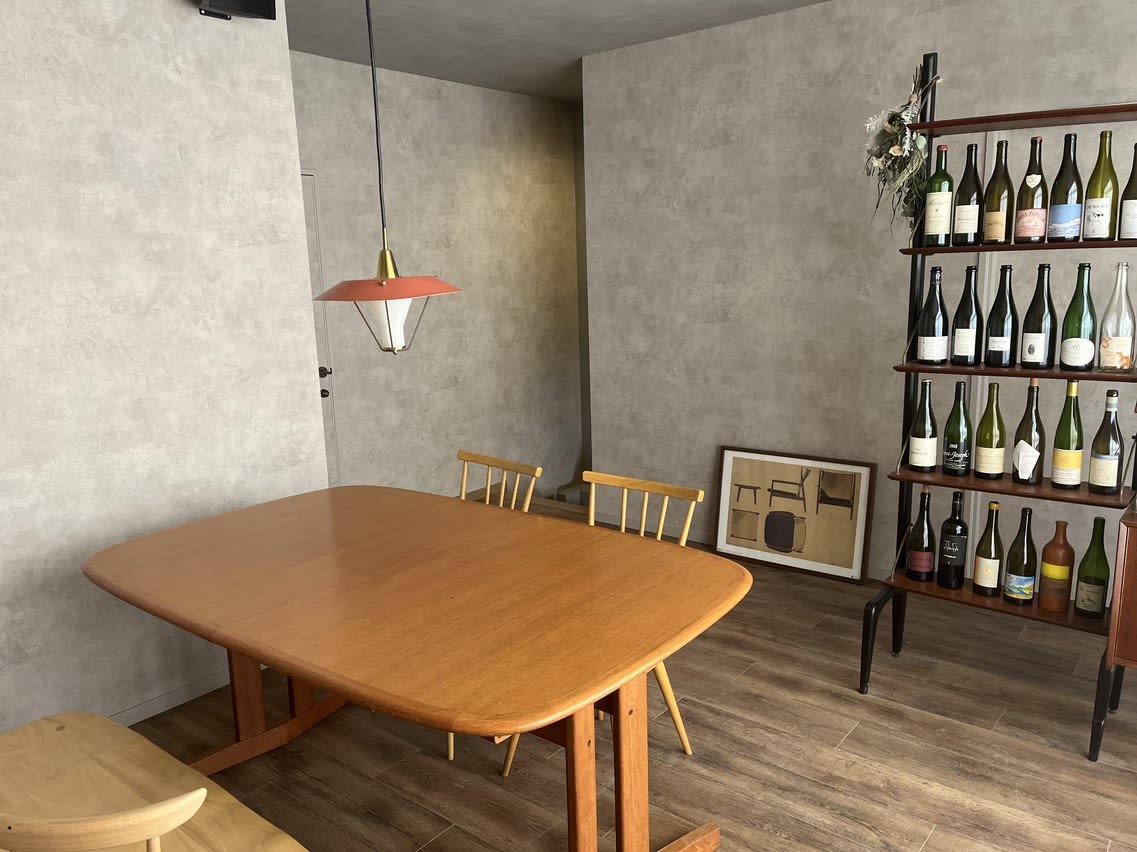
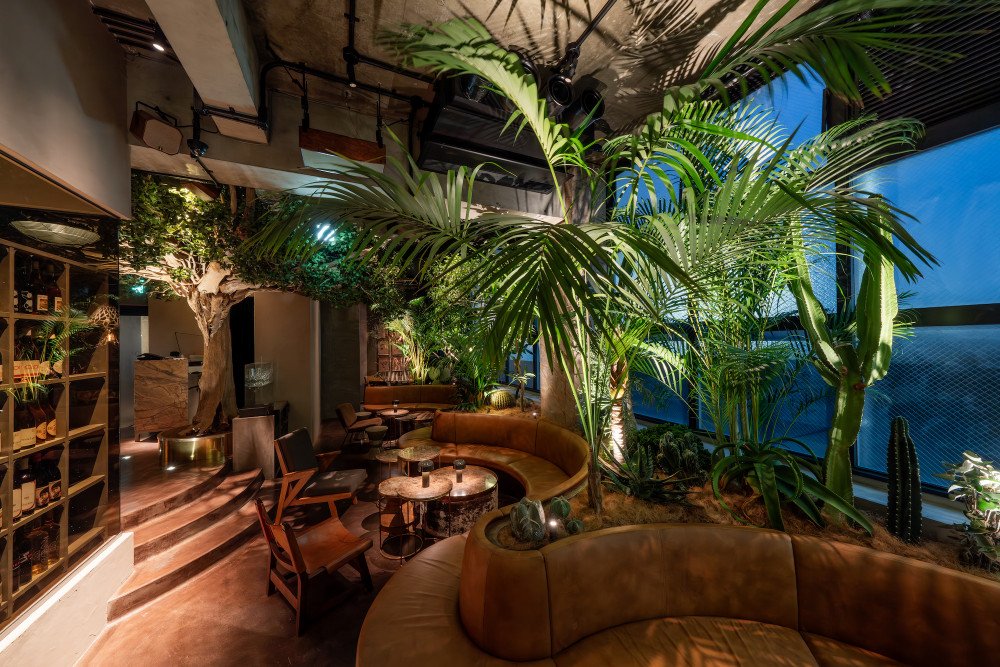
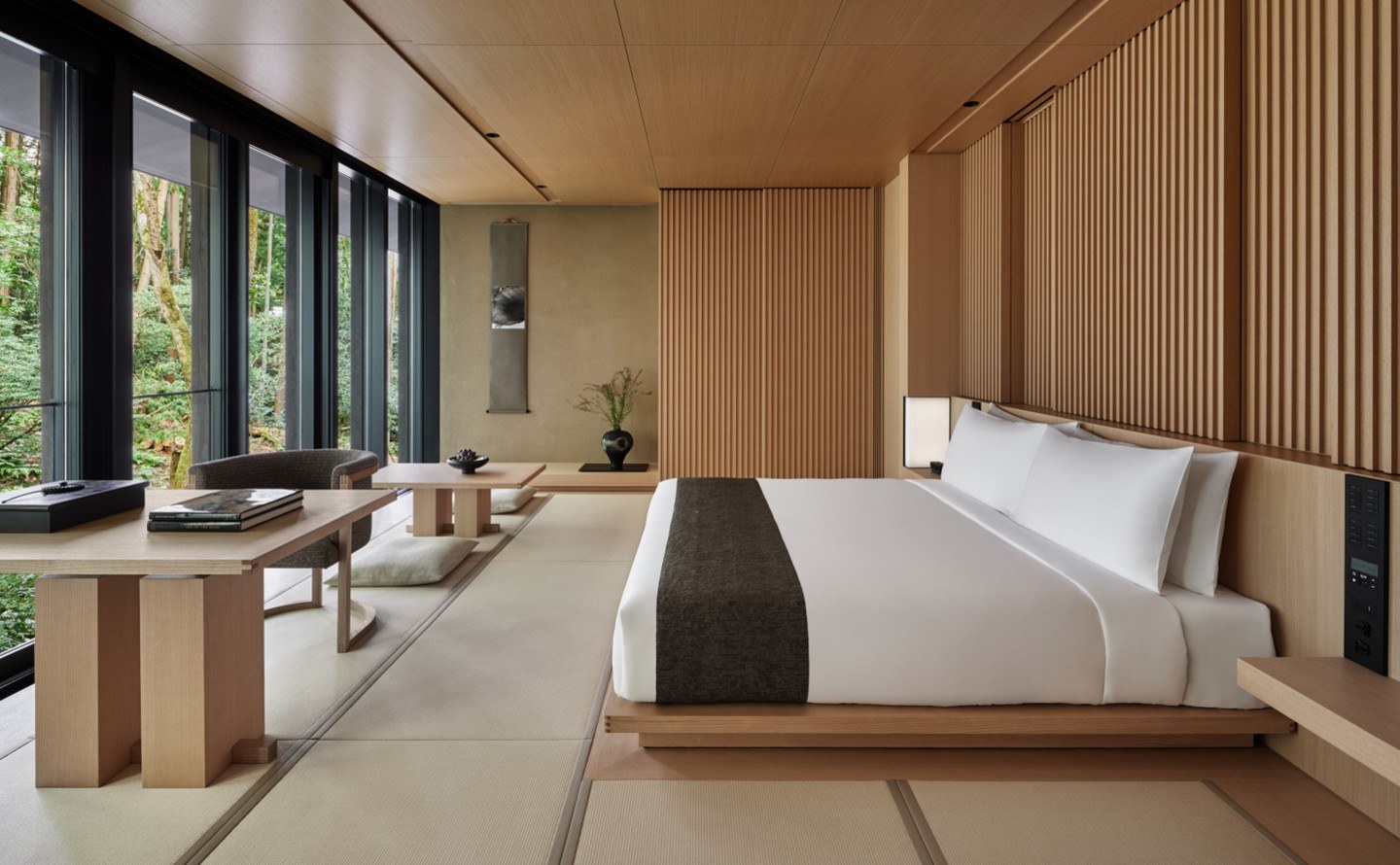
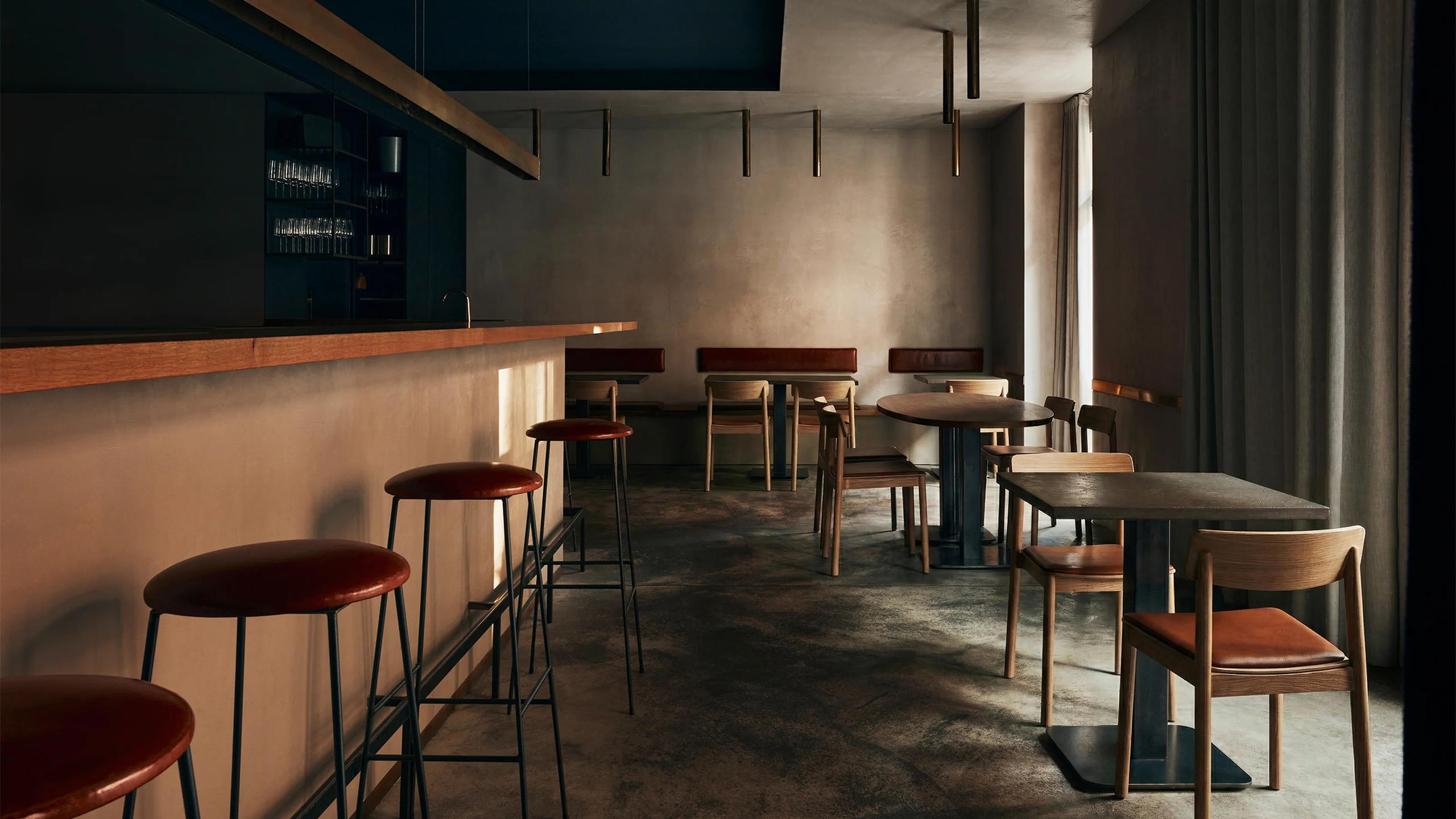
Cozy and relaxing atmosphere with stylish, tranquil space surrounded by greenery, friendly hospitality, and nostalgic music.
Tags
Vibe
Best For
Format
At the Bar
- Bar Category
- Wine Bar
- Late Night
- Closes by Midnight
- Music
- Nostalgic Songs
Know before you go
Know Before You Go
- Getting there
- Japan, 〒605-0078 Kyoto, 京都市東山区富永町123Higashiyama Ward, 花見会館1階
Planning details
Location
Japan, 〒605-0078 Kyoto, 京都市東山区富永町123Higashiyama Ward, 花見会館1階 · Directions
Recognition and awards

Also consider
Where to go if you cannot get in
Try Wine Bar M emme first if the goal is another Kyoto wine bar. Choose Coupe de Champagne if Champagne better fits the occasion, or OLD IMPERIAL BAR if the group wants a more classic bar setting.
Bar context
How It Compares
Komorebino is the pragmatic wine pick in this Kyoto set: easier to plan around than a special-occasion bar, and more wine-coded than a general cocktail stop. Choose Wine Bar M emme as the closest cross-shop if the priority is another wine-focused room; choose Coupe de Champagne when Champagne is the point of the night rather than a broader wine list.
OLD IMPERIAL BAR is the better choice for classic-bar mood and formality, while Komorebino is stronger for a lower-friction wine stop in Higashiyama. Hello Dolly Bar and Saka make more sense when ambiance and bar energy matter more than wine recognition.
For value, the decision is simple: pick Komorebino when the spend needs to feel anchored to a credible wine program rather than décor, ceremony, or a hotel setting. If the night requires a more defined theme, Coupe de Champagne gives the clearer category lane, and OLD IMPERIAL BAR gives the more traditional bar comparison.
Explore Kyoto
Around this place
Discover more on Pearl
Unlock the full Komorebino guide in Pearl, including awards, comparisons, FAQs, planning details, and nearby places.
Compare Komorebino
| Venue | Location | Awards |
|---|---|---|
| Komorebino | Kyoto | Star Wine Lists 2026 · #1 |
| Coupe de Champagne | Kyoto | No published awards |
| Wine Bar M emme | Kyoto | No published awards |
| OLD IMPERIAL BAR | Kyoto | No published awards |
| Hello Dolly Bar | Kyoto | Pearl Recommended Bars |
| Saka | Kyoto | No published awards |

How Komorebino Kyoto compares with similar nearby venues.
FAQ
Frequently Asked Questions
Is the food good at Komorebino?
Komorebino is best framed here around its Star Wine List recognition for 2025 rather than a specific menu or dining format. If dinner is the main goal, compare Komorebino with other Kyoto dining options before deciding.
Do I need a reservation at Komorebino?
Komorebino is open daily from 5–11 PM. Check the venue directly for booking requirements on a specific evening, especially if your plans are time-sensitive.
Does Komorebino have happy hour deals?
Happy hour deals or discounts are not listed. Plan around the opening window of 5–11 PM daily, and check directly with the venue for current pricing or promotions.
Is Komorebino good for a date?
Komorebino can be a reasonable Kyoto shortlist option if an evening venue with Star Wine List 2025 recognition fits the kind of night you want. Check directly if atmosphere, seating style, or menu format are important. For comparison, you can also look at Coupe de Champagne, Wine Bar M emme, OLD IMPERIAL BAR, Hello Dolly Bar, and Saka.
What's the crowd like at Komorebino?
The crowd and atmosphere at Komorebino are not described here. It is in Kyoto, opens daily from 5–11 PM, and has Star Wine List recognition for 2025. For the current feel of the room, check recent official updates or contact the venue.
Is Komorebino open late?
Komorebino is open until 11 PM every day, with hours of 5–11 PM from Monday through Sunday. That makes it an evening option in Kyoto; plan around an 11 PM closing time.