
Kifune Ugenta
Sakyō, Kyoto
Hotel in Kyoto, Japan
 Book with Pearl
The Read
Two-Room River Ryokan
Why go
Kifune Ugenta is worth booking if the goal is a quiet, retreat-style Kyoto stay rather than a central sightseeing base. Its Michelin 1 Key recognition adds credibility, but the real fit is location-driven: choose it for calm, service intimacy, and a northern Kyoto setting, not for maximum convenience.
About Kifune Ugenta
Kifune Ugenta is a Kyoto venue with a Michelin 1 Key recognition for 2024. Beyond that accolade and a smart-casual dress code, details are limited, so planning should focus on basics rather than assumptions about format, facilities, cuisine, pricing, or exact location within the city.
A Kyoto choice for travelers who want to confirm suitability before booking
The clearest grounded point is that Kifune Ugenta is in Kyoto. Travelers considering it should confirm practical details directly with the venue before building an itinerary around the stay, especially if timing, dining, accessibility, room type, or transportation logistics are important to the trip.
The smart-casual dress code is the primary style guidance. Guests should use that as the baseline and avoid assuming more specific requirements unless the venue provides them directly.
The Michelin 1 Key signal helps, but it does not make this a universal Kyoto pick
2024 Michelin 1 Key recognition is the clearest external credential for Kifune Ugenta. It is a useful trust signal, but it should not replace basic trip planning. A Michelin Key can support confidence in a stay, while still leaving practical questions for travelers to confirm before booking.
For comparison shopping in Kyoto, travelers may look at Kifune Ugenta alongside options such as Aman Kyoto, Kyo no Ondokoro Nishijin Bettei #5, Noku Kyoto, ROKU KYOTO, LXR Hotels & Resorts, and Yoshida Sanso. The best choice depends on the details each traveler considers for their own dates and priorities.
Quick reference: Key facts include Kyoto, Michelin 1 Key in 2024, and a smart-casual dress code.
Planning details
- Location
- 76 Kuramakibunechō, Sakyo Ward, Kyoto, 601-1112
- Website
- ugenta.co.jp
- Phone
- +81 50-3647-2112
The take
The Take
The Vibe
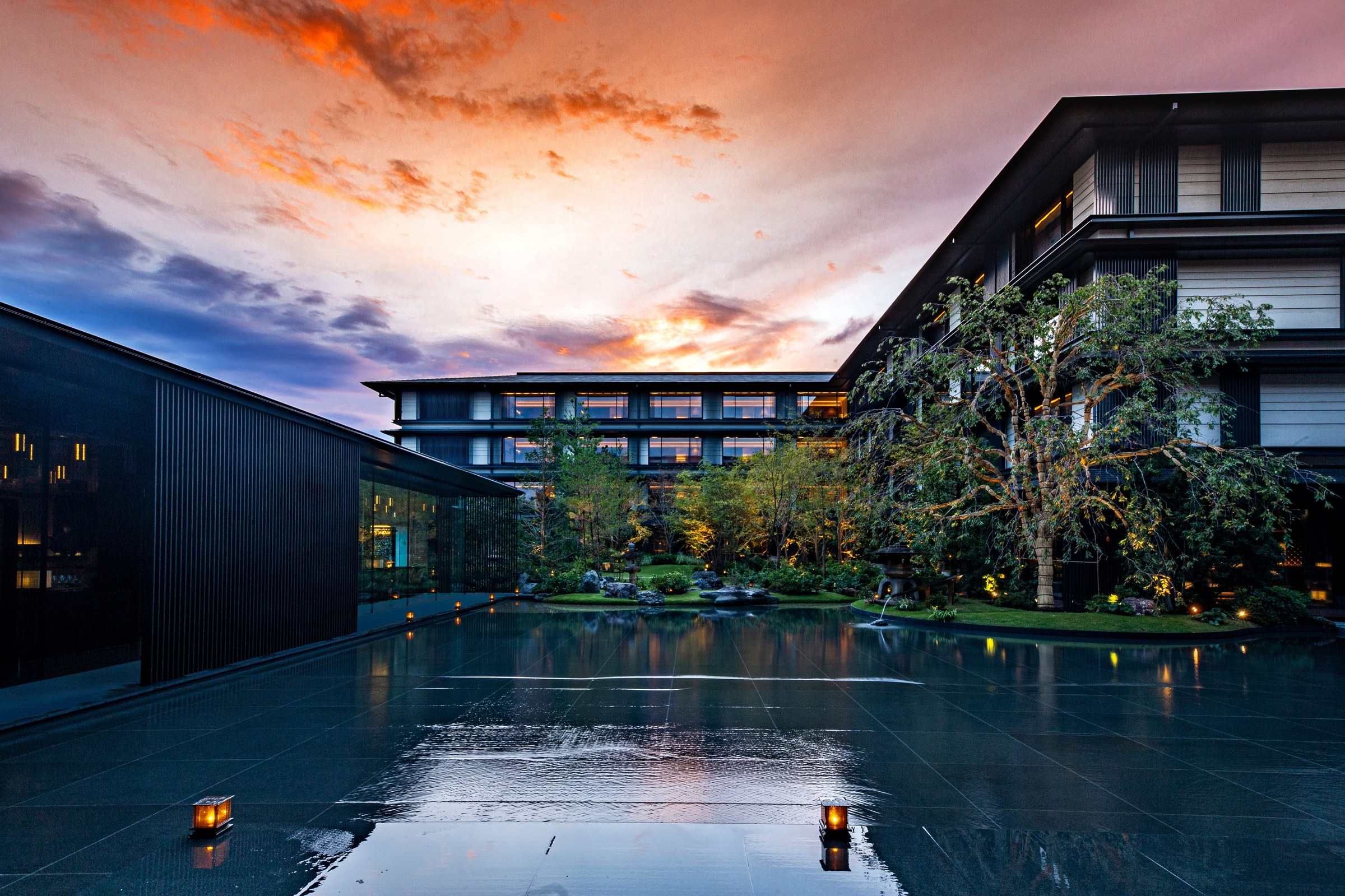
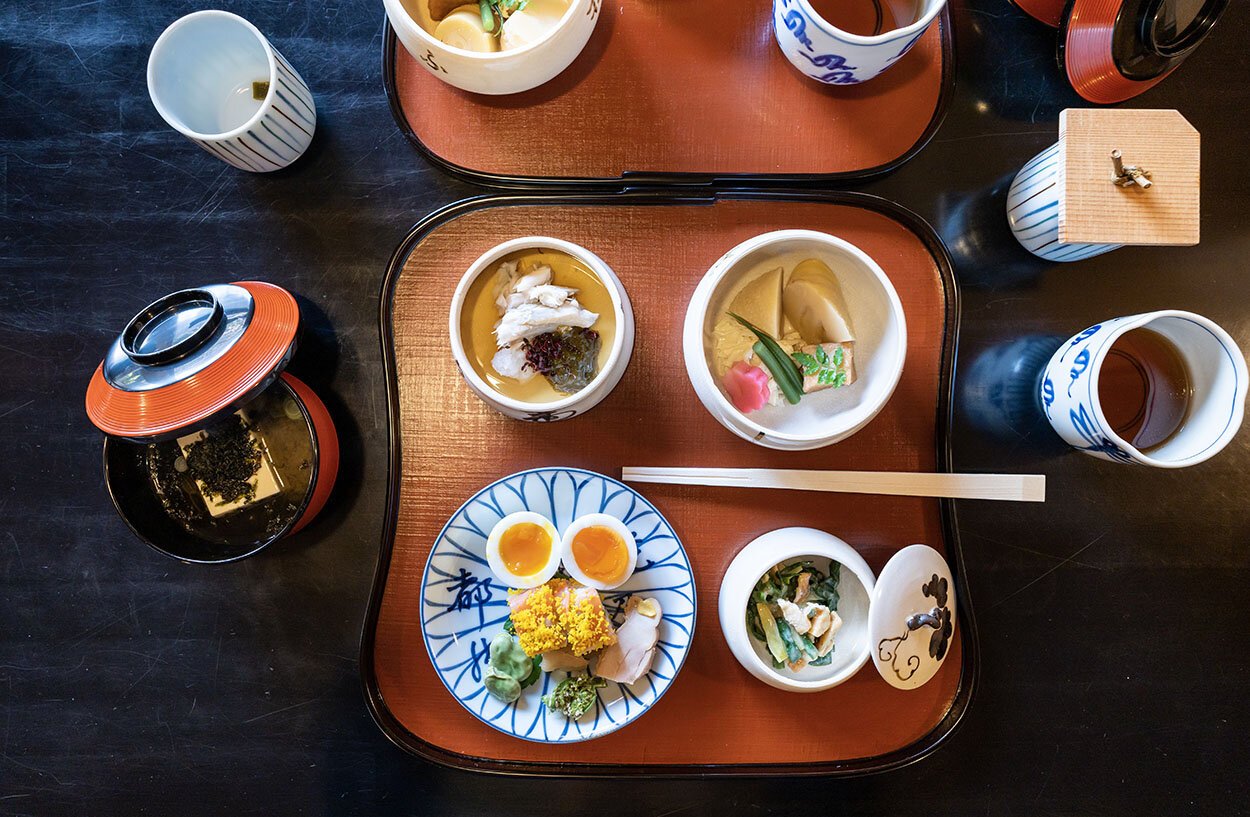
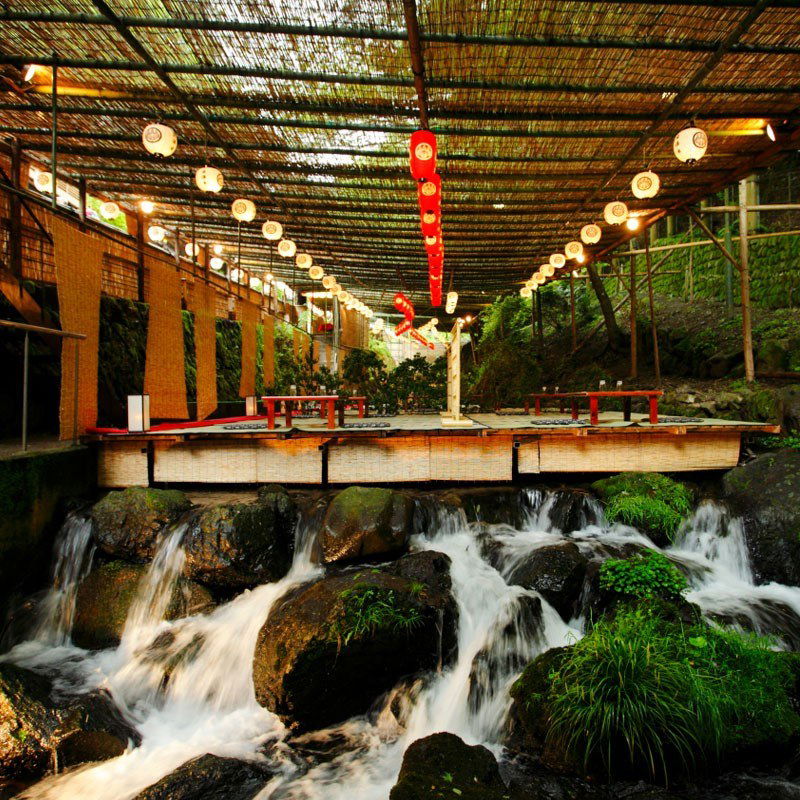
Ugenta presents a practiced simplicity that foregrounds place: a mossy mountain gorge, cedar canopy and a river that announces your arrival before any building appears. The ryokan’s two-century history and the deliberate balance of teahouses to guest rooms reinforce an aesthetic of reduction—every element is chosen to sharpen attention rather than distract it. Interiors and structures read as restrained and classic, favouring quiet ritual over decoration. The overall effect is serene and sober: a setting that slows the pace and invites close listening to the landscape and to the exacting hospitality of hosts who care for only a handful of guests at a time.
Best For
Ugenta is best suited to couples and travelers seeking an intimate, restorative escape—think honeymoons, romantic getaways, anniversaries and short weekend breaks from Kyoto. The property’s two-room scale and concentrated host attention make it ideal for occasions that favour privacy and deliberate slowness rather than social bustle. Guests who want a scenic, contemplative stay close to nature—without sacrificing the quiet refinement of a traditional ryokan—find this place especially rewarding. It’s a venue for personal milestones and low-key celebrations that prioritize presence and place over spectacle.
Stay Tips
Book well in advance: with only two guest rooms the property has very limited availability and host attention is necessarily focused on a tiny number of parties. Expect a remote approach into Kibune—the description emphasizes a narrowing gorge and a setting that feels worlds away—so plan logistics and arrival times carefully. Ask about the teahouses and any formal tea-ceremony offerings; one teahouse is a century old and another is a glass-walled casual space, both central to the experience. Pack for cool, mossy mountain air (it’s noted as cool even in August) and arrive ready to embrace a deliberately slow, pared-back stay.
Venue details
Ambiance
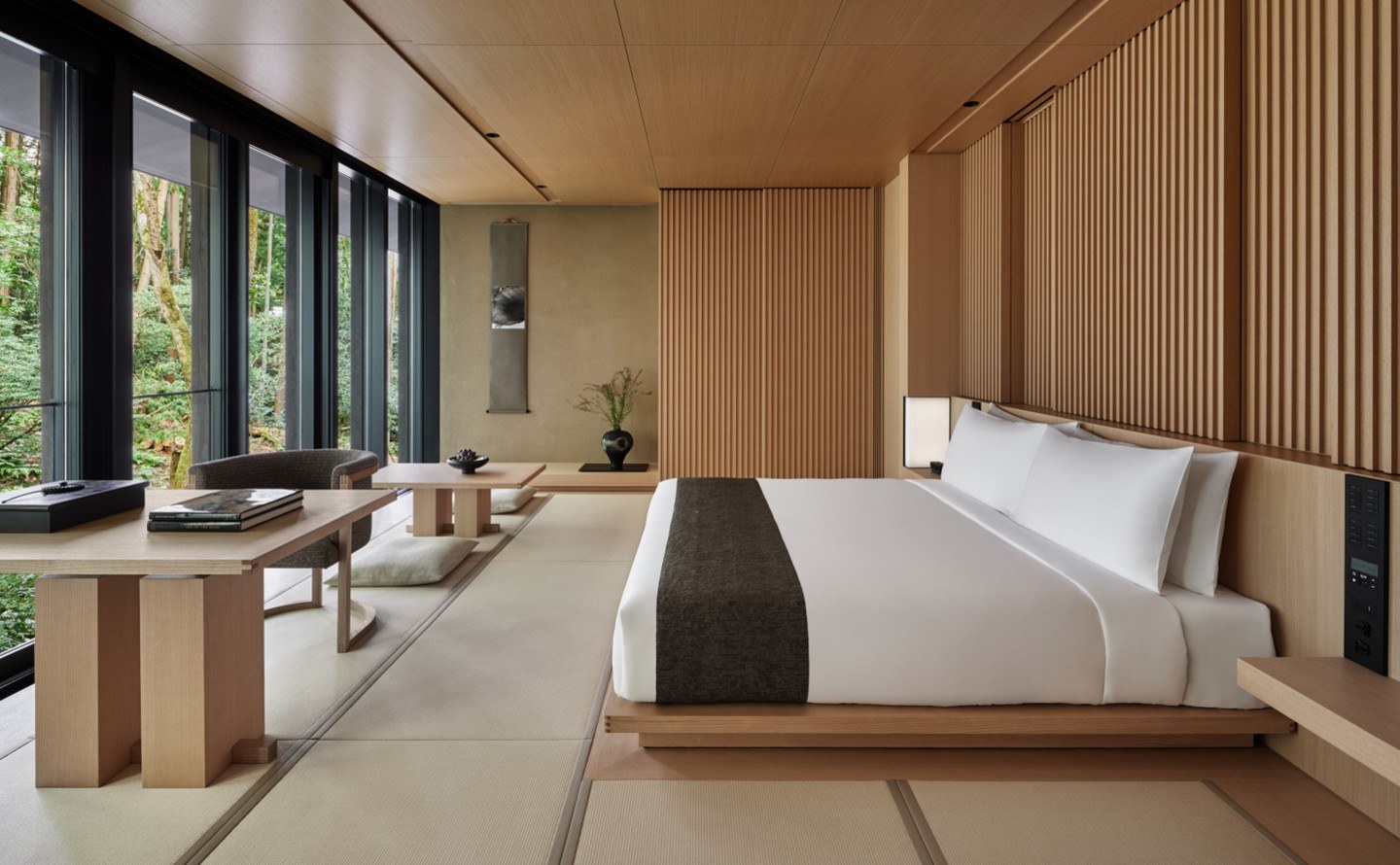
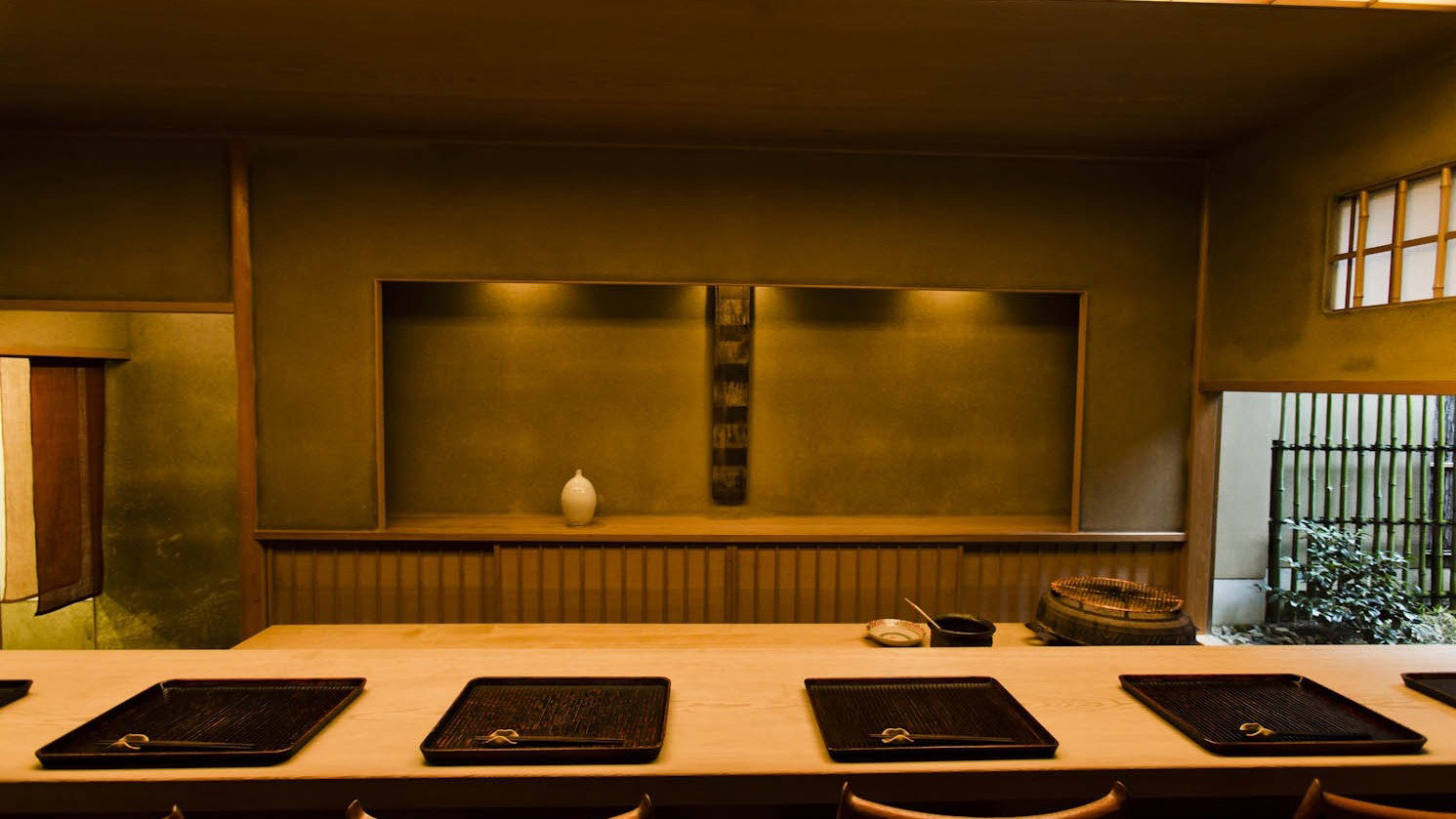
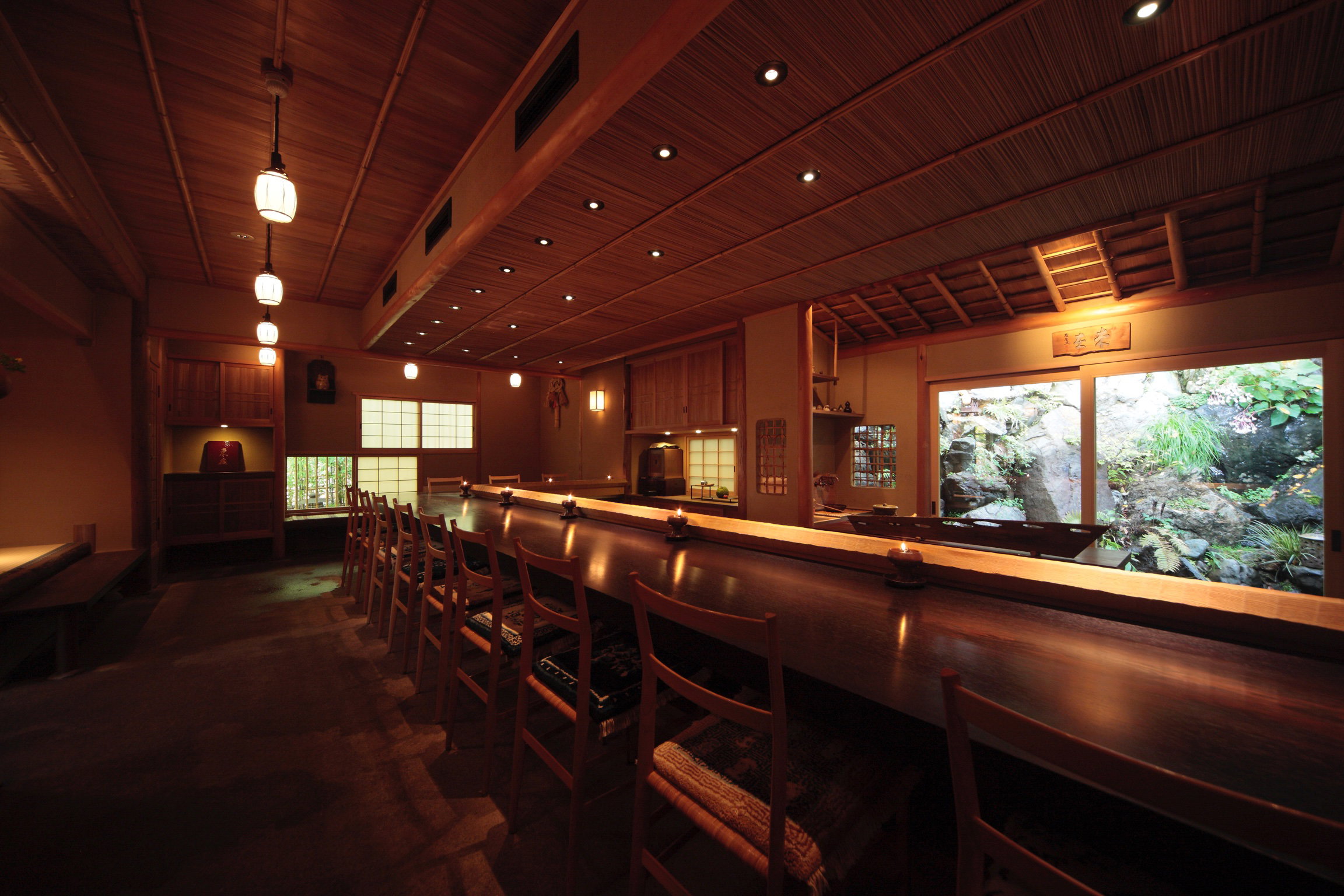
Serene and relaxing atmosphere with natural light from large windows overlooking the river and mountains, enhanced by the sound of the nearby stream and impeccable service.
Tags
Vibe
Best For
Experience
Amenities
View
About the Stay
- Rooms
- 2
- Check-in
- room check-in
- Check-out
- 11:00
- Property Type
- Boutique hotel
- Property Style
- Luxury Ryokan Blending Traditional Japanese and Modern Design
- Design Style
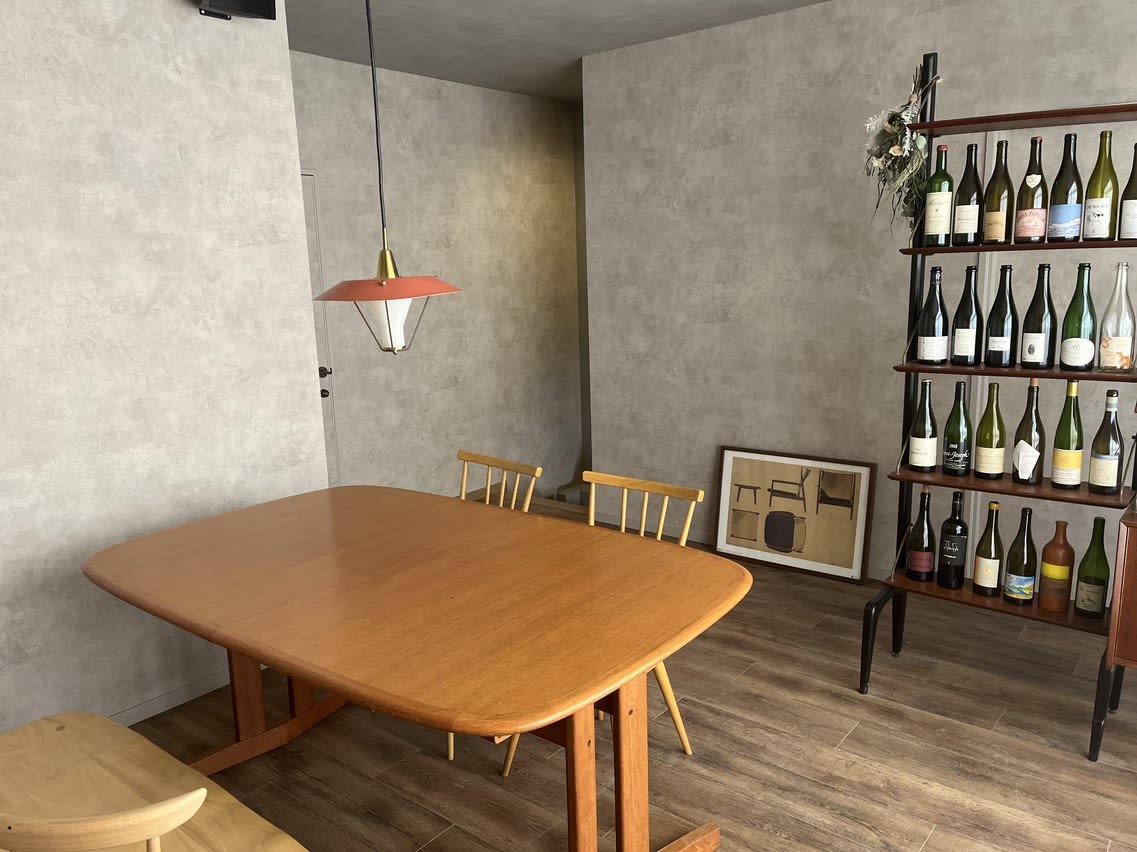
- Contemporary Japanese with Classic Elements and Custom Furniture
- Breakfast
- Included
- Cancellation
- Strict
Know before you go
Know Before You Go
- Getting there
- 76 Kuramakibunechō, Sakyo Ward, Kyoto, 601-1112
Planning details
Location
Recognition and awards
Also consider
Also Consider
- Aman Kyoto, Notable alternative
- ROKU KYOTO, LXR Hotels & Resorts, Notable alternative
- Kyo no Ondokoro Nishijin Bettei #5, Notable alternative
- Yoshida Sanso, Notable alternative
- Noku Kyoto, Notable alternative
Hotel context
How It Compares
Choose Kifune Ugenta over Aman Kyoto if the draw is a smaller, quieter stay with a stronger retreat feel and a harder-to-secure profile. Aman Kyoto is the safer luxury choice for travelers who want a larger international resort frame; Kifune Ugenta is the more focused pick for guests who want Kyoto to feel slower and more removed.
ROKU KYOTO, LXR Hotels & Resorts is a better fit for guests who want brand-backed service systems and a broader hotel setup. Yoshida Sanso is the closer cross-shop if the priority is traditional atmosphere and a more residential sense of Kyoto. Between those two, ROKU is the easier recommendation for predictable luxury, while Yoshida Sanso is better for travelers who care more about mood than facilities.
If value and independence matter more than full-service hospitality, compare against Kyo no Ondokoro Nishijin Bettei #5. If city convenience is the deciding factor, Noku Kyoto is the more practical fallback. Kifune Ugenta is the splurge-style choice for ambiance and retreat quality; Noku Kyoto is the easier base for a schedule-heavy first visit.
Explore Kyoto
Around this place
Discover more on Pearl
Unlock the full Kifune Ugenta guide in Pearl, including awards, comparisons, FAQs, planning details, and nearby places.
Compare Kifune Ugenta
| Venue | Location | Awards |
|---|---|---|
| Kifune Ugenta | Kyoto | 2026 Michelin 1 KeyMichelin 1 Key 20252025 Michelin 1 Key2024 Michelin 1 Key |
| Aman Kyoto | Kyoto | 2026 Virtuoso Luxury Hotel Collection2026 La Liste Top Hotels2026 Michelin 2 Keys2025 World’s 50 Best Hotels · #74World Travel Awards 2025Michelin 2 Keys 20252025 Michelin 2 Keys2025 Conde Nast Hotels Gold List2024 Michelin 2 Keys |
| ROKU KYOTO, LXR Hotels & Resorts | Kyoto | 2026 Forbes 5-Star2026 La Liste Top Hotels2026 Michelin 1 Key2025 Michelin 1 Key2024 Michelin 1 Key |
| Kyo no Ondokoro Nishijin Bettei #5 | Kyoto | No published awards |
| Yoshida Sanso | Kyoto | No published awards |
| Noku Kyoto | Kyoto | No published awards |








How Kifune Ugenta Kyoto compares with similar nearby venues.
FAQ
Frequently Asked Questions
What is check-in like at Kifune Ugenta?
Kifune Ugenta is in Kyoto, but specific check-in details are not specified. Confirm arrival timing and any coordination requirements directly with the venue before travel.
Is Kifune Ugenta family-friendly?
Family policies and child-specific details are not specified. Travelers visiting with children should contact Kifune Ugenta directly to confirm suitability for their group.
When is the best time to book Kifune Ugenta?
A specific booking window is not available. If Kifune Ugenta is important to your Kyoto plans, check availability directly with the venue or your booking channel for your exact dates.
How does Kifune Ugenta compare to nearby hotels?
Kifune Ugenta can be compared with other Kyoto options such as Aman Kyoto, Kyo no Ondokoro Nishijin Bettei #5, Noku Kyoto, ROKU KYOTO, LXR Hotels & Resorts, and Yoshida Sanso. Kifune Ugenta holds a Michelin 1 Key for 2024; confirm each property's current details before choosing.