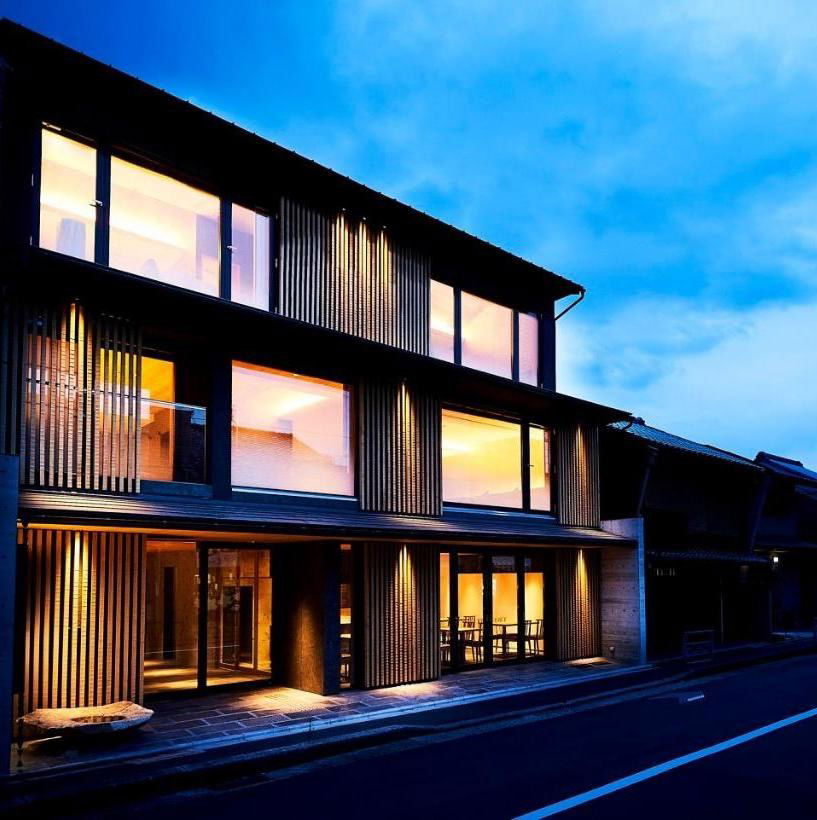

KIKOKUTEI Bekkan
Shimogyō, Kyoto
Hotel in Kyoto, Japan
 Book with Pearl
Why go
KIKOKUTEI Bekkan is a good Kyoto pick for travelers who want a quieter, more private stay rather than a large hotel experience. The Michelin hotel selection adds credibility, but the stronger reason to book is the intimate feel; business travelers or guests needing extensive on-property services should cross-shop larger Kyoto hotels first.
About KIKOKUTEI Bekkan
KIKOKUTEI Bekkan is a Kyoto venue with a casual dress code and MICHELIN Guide Hotels Selected (2025) recognition. Travelers should check directly with the property for service style, dining program, room format, price level, and amenities.
For planning, consider KIKOKUTEI Bekkan as a Kyoto stay with a Michelin hotel-selection signal, then confirm the practical details that matter for your trip before booking. If you are comparing options, look at it alongside other Kyoto stays such as Genji Kyoto, Hotel Kanra Kyoto, Marufukuro, and Nazuna Kyoto Higashihonganji.
A Kyoto hotel-selection listing for your trip needs
The MICHELIN Guide Hotels Selected (2025) recognition is a useful credibility marker for KIKOKUTEI Bekkan. Travelers should still check specific room types, dining formats, concierge depth, check-in procedures, and included services directly with the property.
Guests should confirm arrival timing, room details, meal availability, accessibility needs, and any special requests directly with the venue. That is especially important for travelers planning a celebration, a business stay, or a family trip where assumptions can affect the experience.
Know Before You Go
- Good for: travelers considering a Kyoto stay with MICHELIN Guide Hotels Selected (2025) recognition.
- Less good for: guests who need detailed amenities, dining, or service information before comparing options.
- Booking difficulty: check current availability directly before making plans.
- Planning note: confirm arrival timing, meal expectations, and any special requirements before travel.
- Dress code: casual.
Planning details
- Location
- Japan, 〒600-8151 Kyoto, Shimogyo Ward, Uchikoshicho, 317
- Website
- kikokutei.com
- Phone
- +81 75-361-7888
The take
The Take
The Vibe
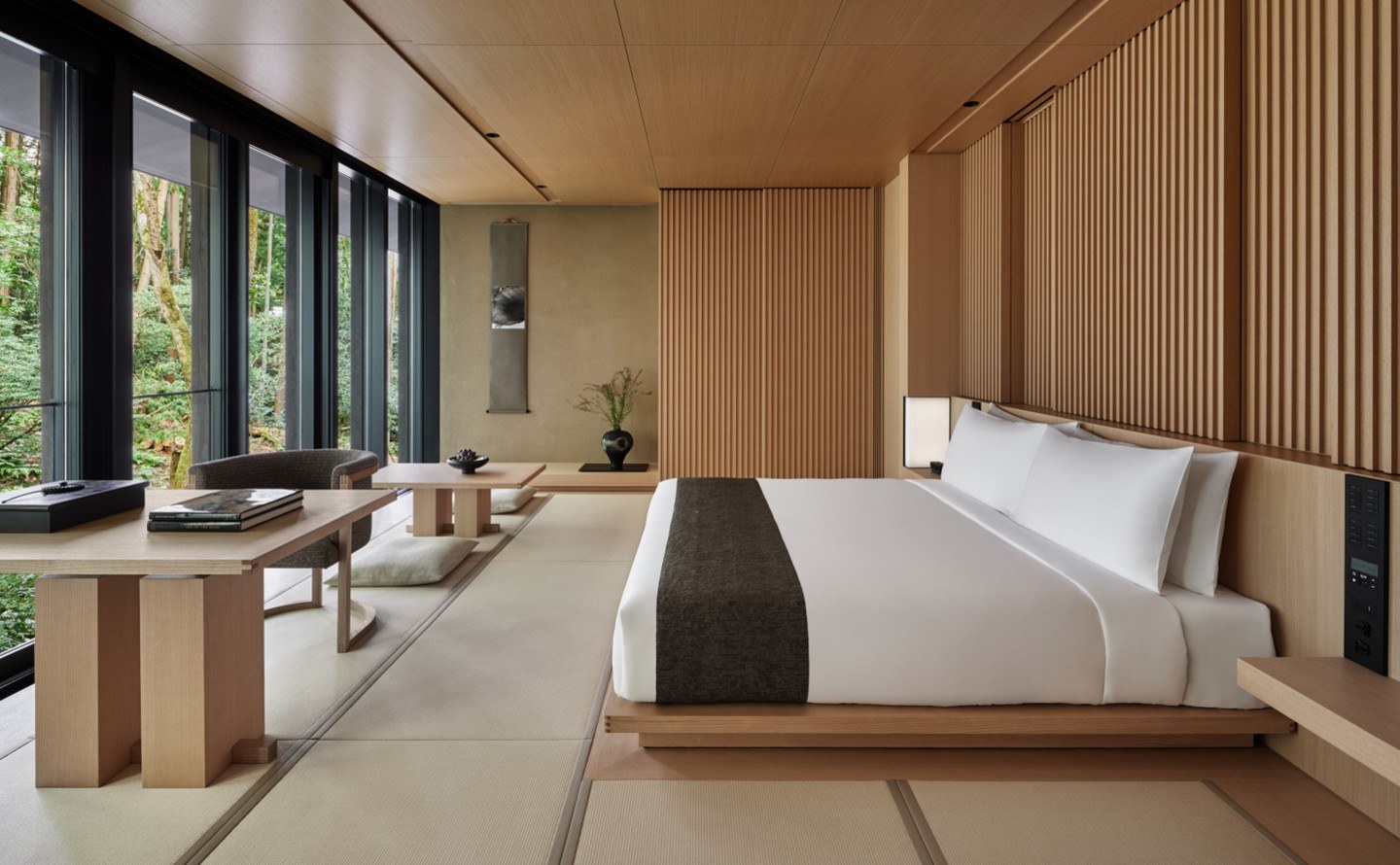
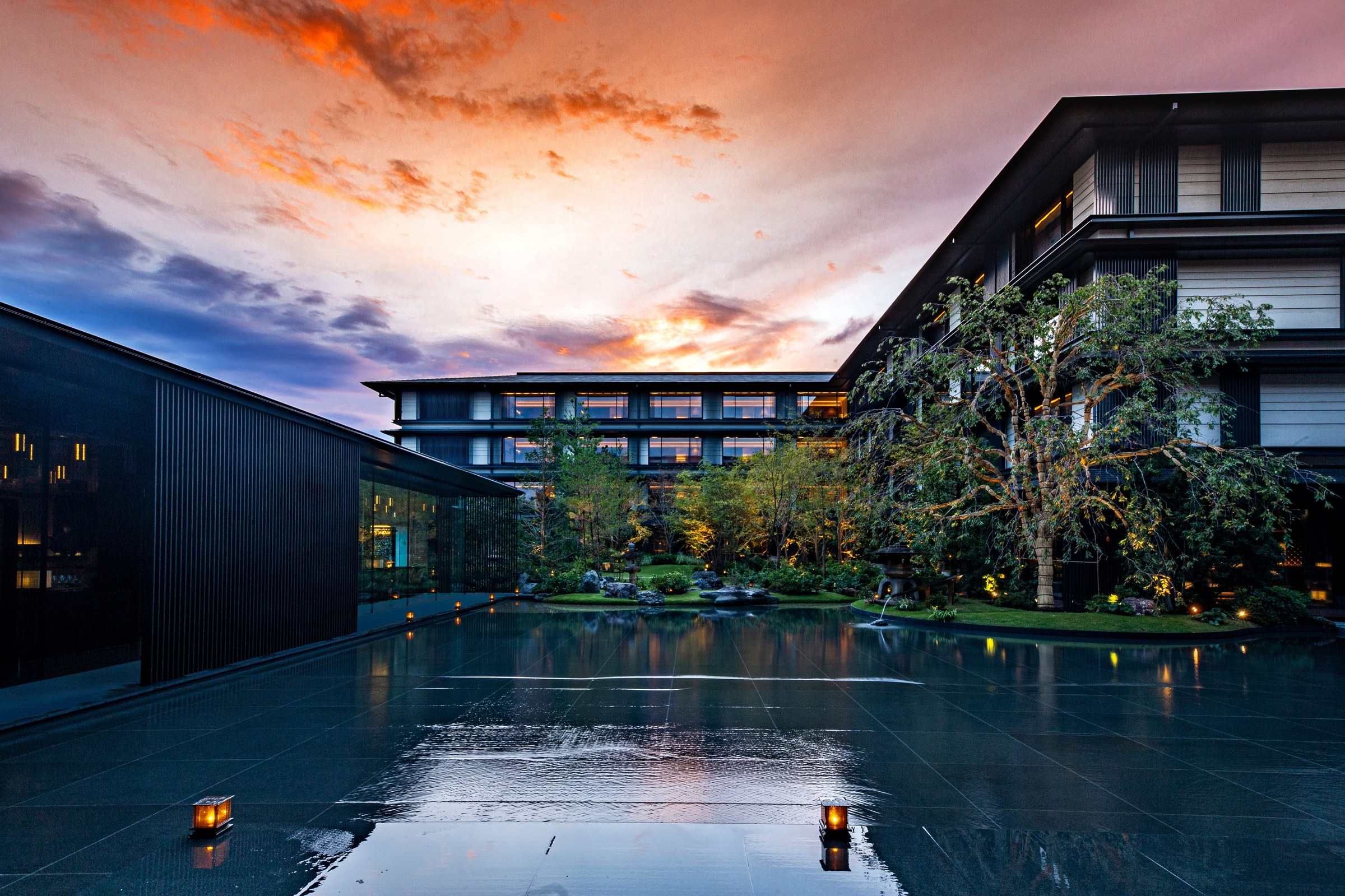
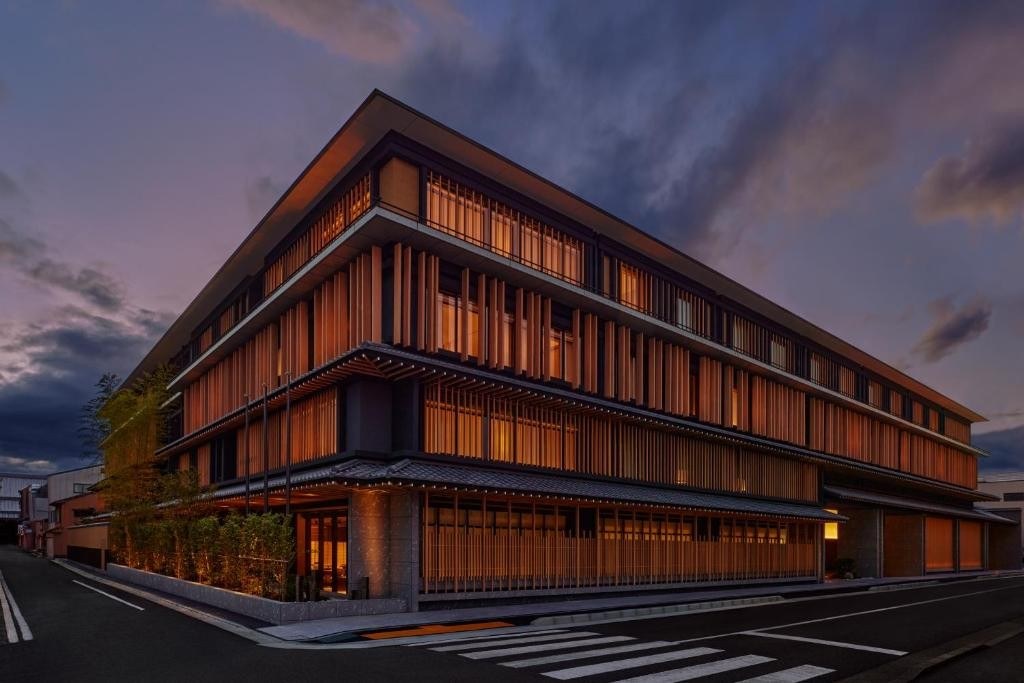
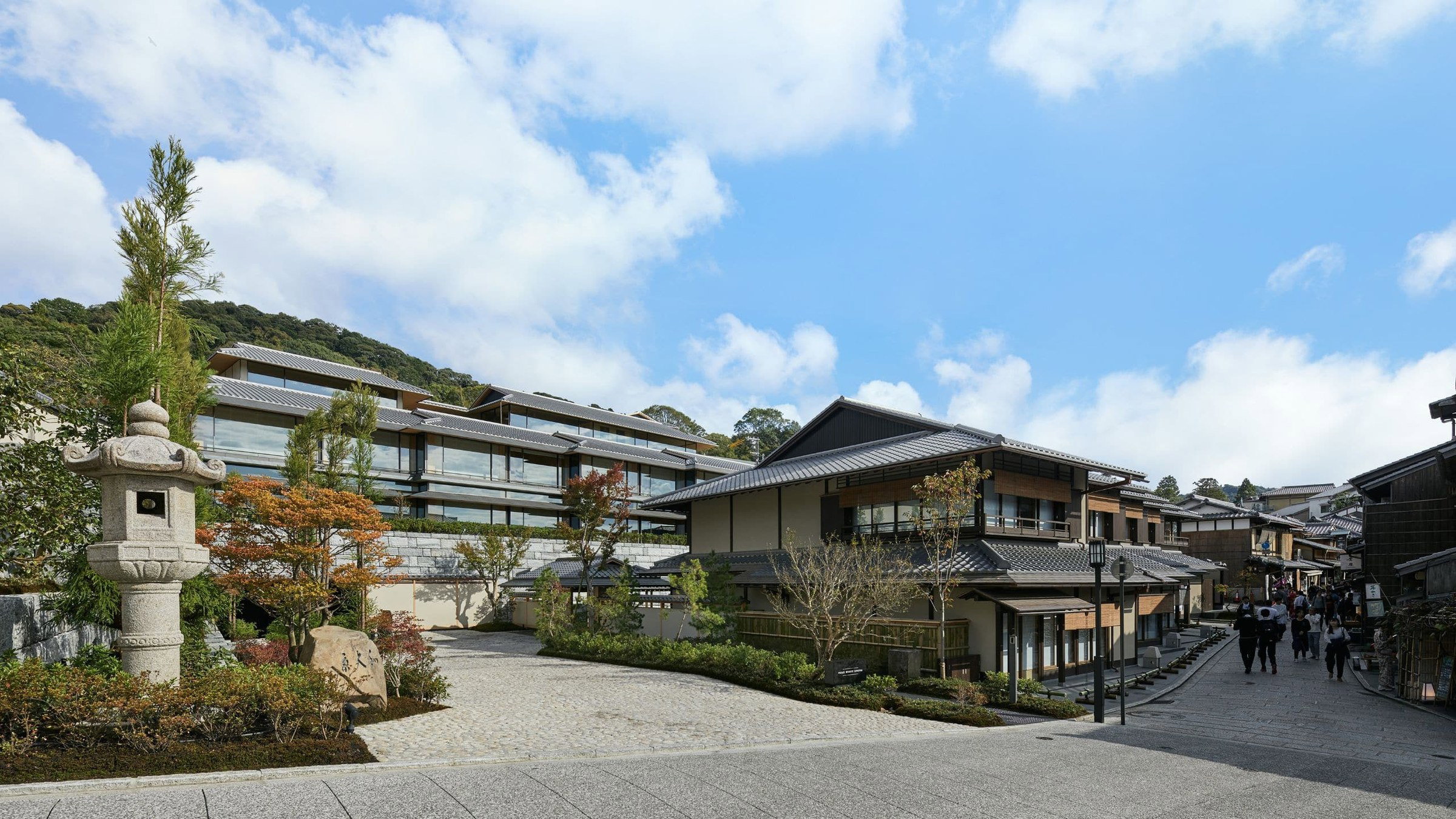
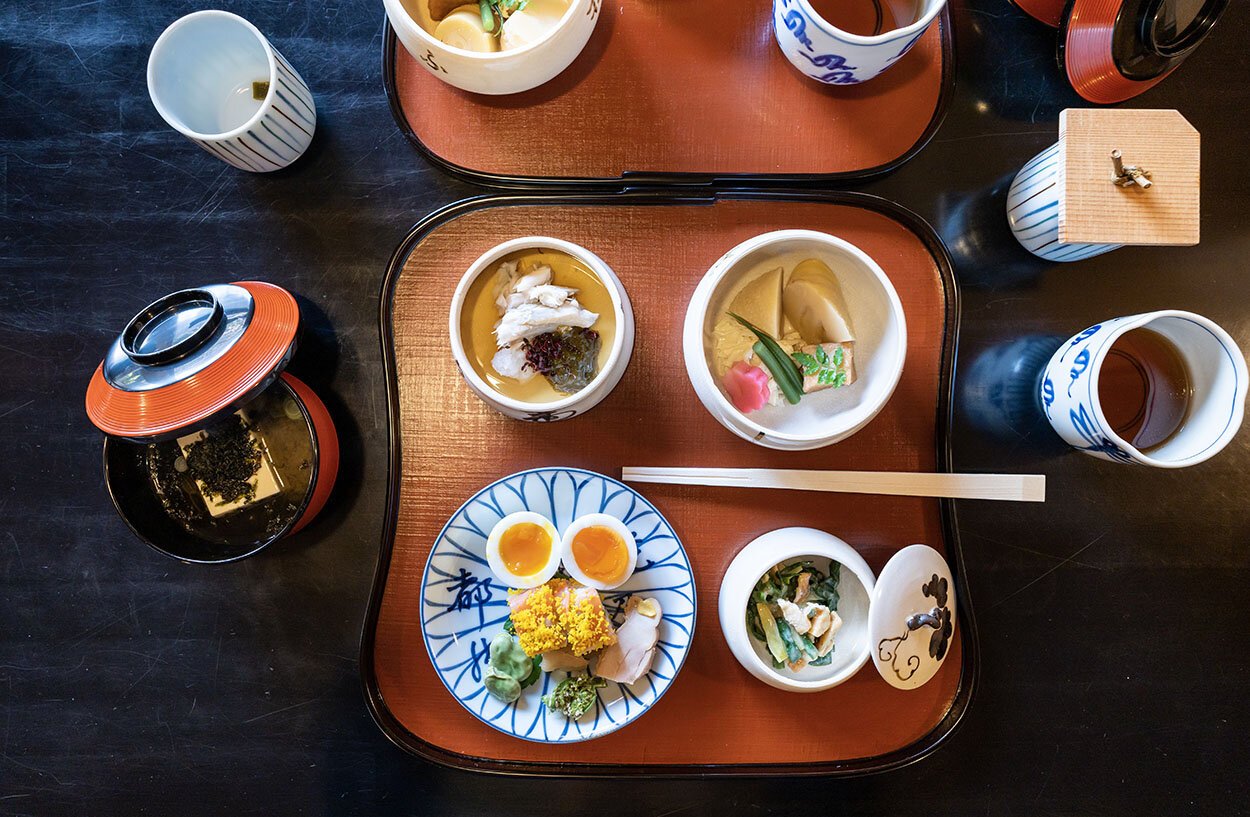
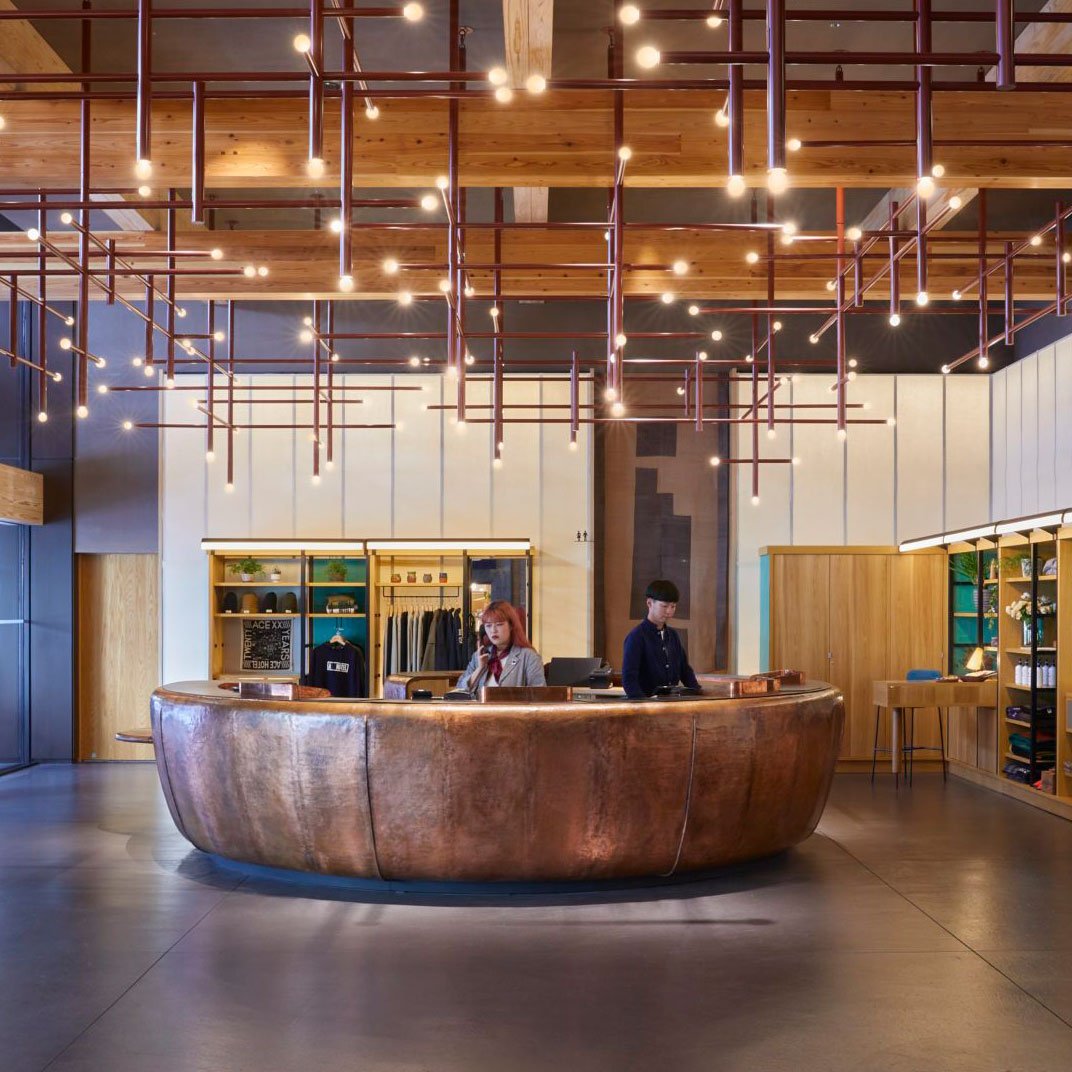
KIKOKUTEI Bekkan presents itself as a discreet, intimate annex that privileges a quiet, residential scale over the bustle of larger hotels. The 'Bekkan' model—an auxiliary wing set slightly apart—intentionally reduces lobby traffic, offering an experience closer to a small ryokan than a full‑service property. That restraint pairs with the modern, minimalist lines noted elsewhere to create a composed, cozy atmosphere: elegant but muted, with an emphasis on privacy and calm. Inclusion in the Michelin Hotels Selected category further signals a measured level of quality without ostentation, making the hotel feel like a refined, understated place to stay in central Kyoto.
Best For
This property is particularly well suited to travelers who prioritize logistics and low‑key comfort. Its central Shimogyo‑ku address—within walking distance of Nishiki Market, the Karasuma corridor and close to Kyoto Station—translates into fast rail access to major circuits like Arashiyama and Fushimi Inari, which appeals to business travelers and day‑trip planners. Equally, guests seeking a quieter, more private base for independent exploration or a restful weekend in the city benefit from the Bekkan’s small‑scale, ryokan‑like intimacy and reduced lobby bustle.
Venue details
Ambiance
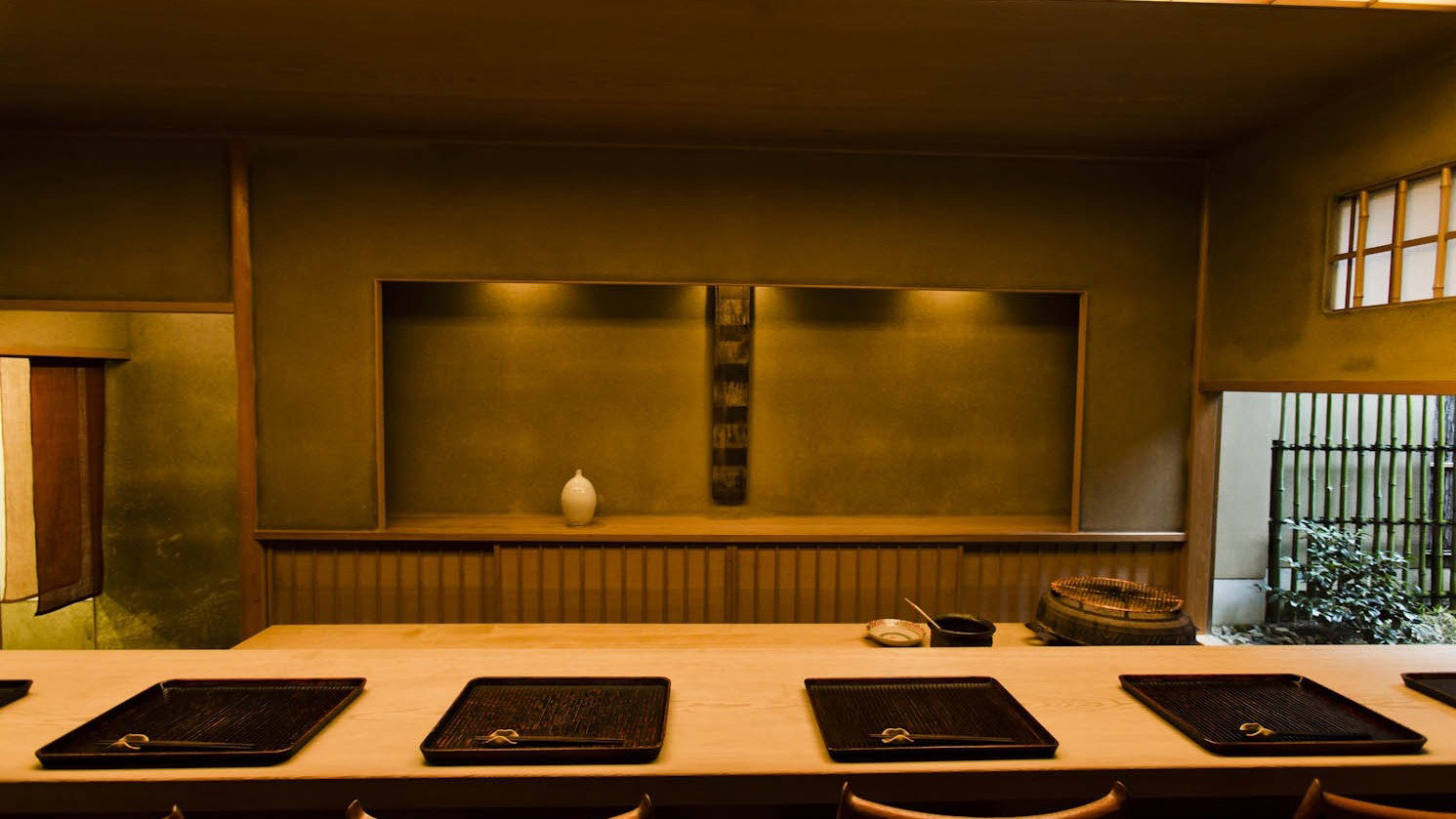
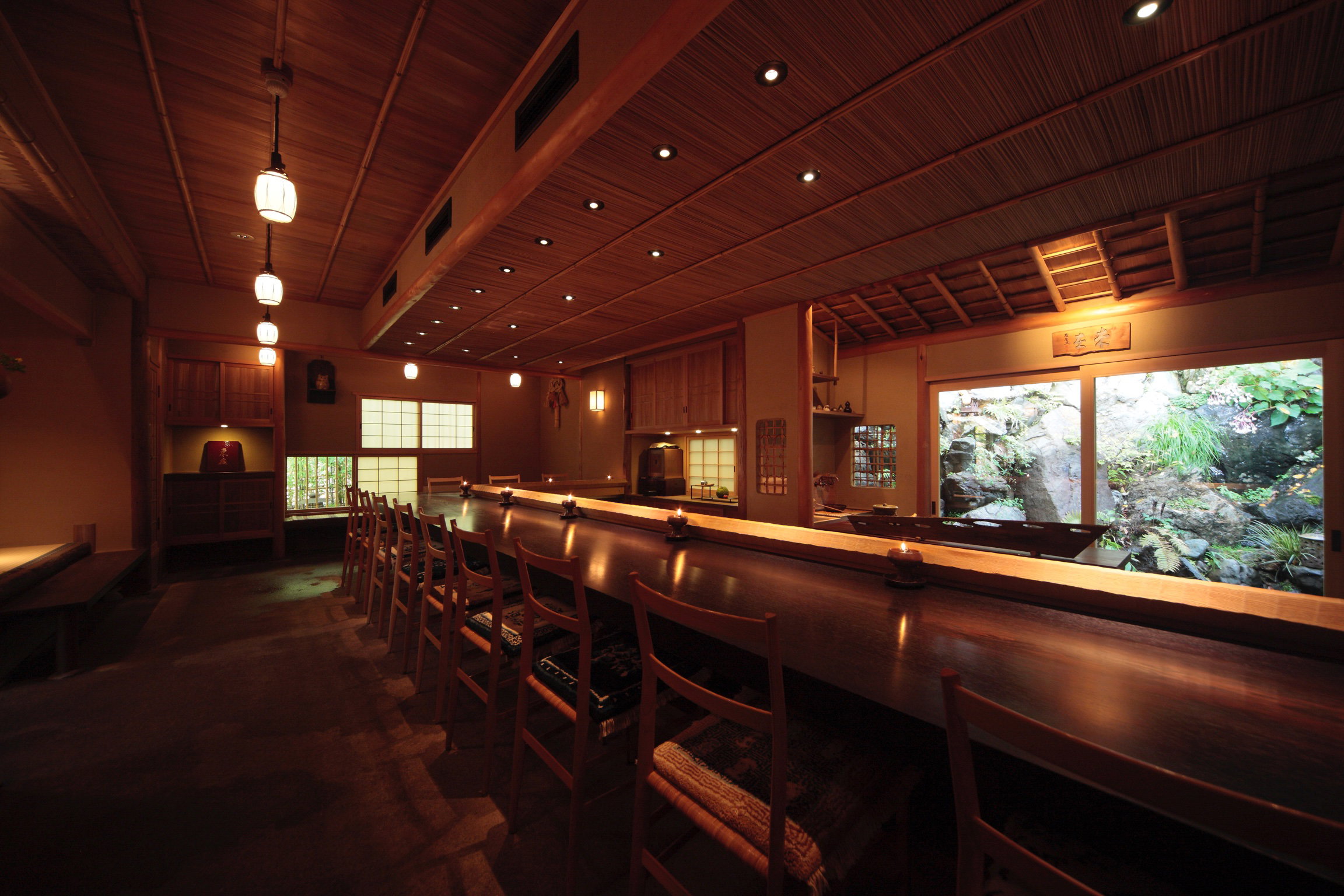
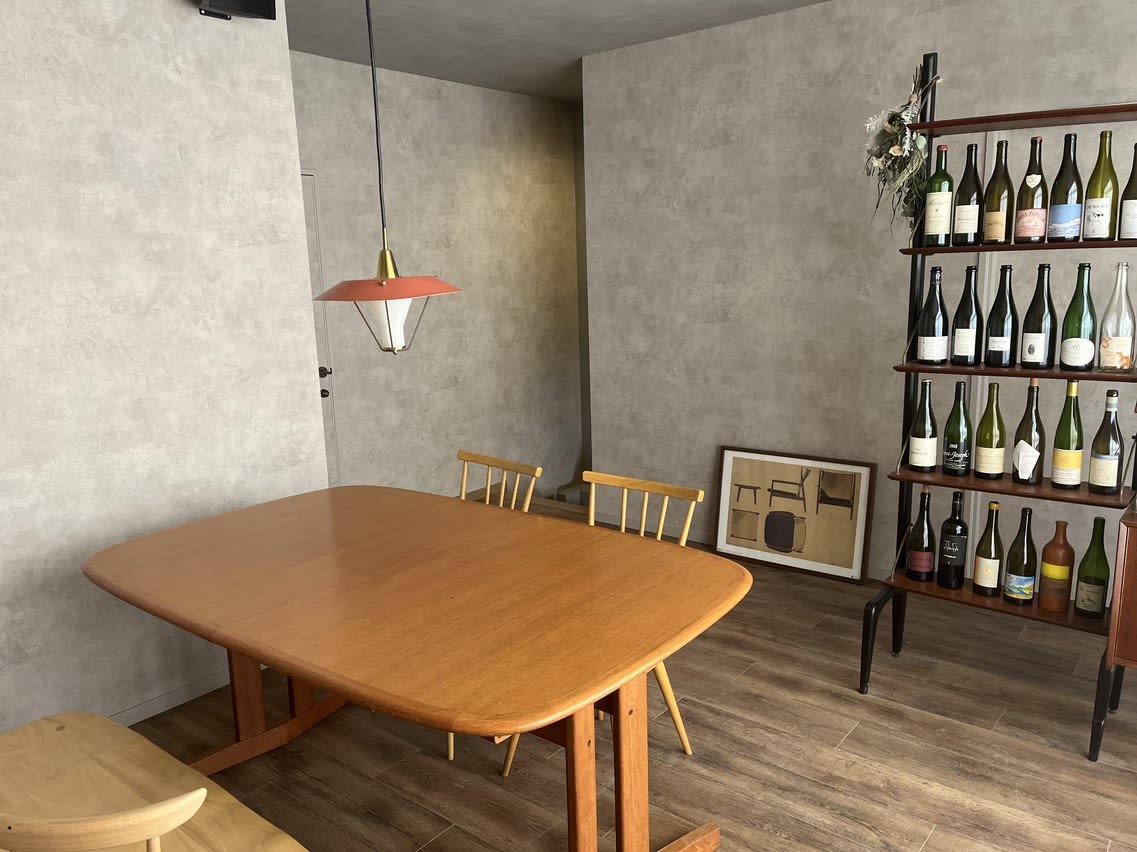
Serene and minimalist with earthly colors and natural light; designed for total relaxation with attention to seasonal atmosphere and Kyoto landscape aesthetics.
Tags
Vibe
Best For
Experience
Amenities
View
Accessibility
About the Stay
- Rooms
- 13
- Check-in
- 15:00
- Check-out
- 11:00
- Property Style
- Contemporary Boutique Ryokan Blending Modern Minimalism with Traditional Japanese Hospitality Principles
- Design Style
- Modern Japanese with Karakami Wall Art Featuring Plants and Seasonal Motifs; Spartan but Comfortable Rooms with Natural Materials
Know before you go
Know Before You Go
- Getting there
- Japan, 〒600-8151 Kyoto, Shimogyo Ward, Uchikoshicho, 317
Planning details
Location
Recognition and awards
Also consider
Also Consider
- Nazuna Kyoto Higashihonganji, Notable alternative
- 〒600-8176 Kyoto, Shimogyo Ward, Kitamachi, 190 ホテルカンラ京都, Notable alternative
- Hotel Kanra Kyoto, Notable alternative
- Marufukuro, Notable alternative
- Genji Kyoto, Notable alternative
Hotel context
How It Compares
Choose KIKOKUTEI Bekkan if privacy and a quieter stay matter more than a broad hotel program. Compared with Nazuna Kyoto Higashihonganji, it feels like the more understated option for guests who want less hospitality theater and a simpler base. Nazuna is the stronger cross-shop for travelers who want a more clearly styled ryokan-style stay.
Hotel Kanra Kyoto and 〒600-8176 Kyoto, Shimogyo Ward, Kitamachi, 190 ホテルカンラ京都 are safer choices for guests who want a larger hotel feel and more predictable infrastructure. For business travel, Kanra is the easier recommendation; for a quiet celebration, KIKOKUTEI Bekkan has the better fit if the priority is privacy.
Marufukuro is the more design-forward comparison, while Genji Kyoto is the better cross-shop for travelers who want a polished boutique stay with a clearer hotel rhythm. If KIKOKUTEI Bekkan is unavailable, start with Genji Kyoto for a similar boutique decision path, then move to Hotel Kanra Kyoto if service predictability matters more than intimacy.
Explore Kyoto
Around this place
Discover more on Pearl
Unlock the full KIKOKUTEI Bekkan guide in Pearl, including awards, comparisons, FAQs, planning details, and nearby places.
Compare KIKOKUTEI Bekkan
| Venue | Location | Awards |
|---|---|---|
| KIKOKUTEI Bekkan | Kyoto | 2025 Michelin Selected Hotels |
| Nazuna Kyoto Higashihonganji | Kyoto | No published awards |
| 〒600-8176 Kyoto, Shimogyo Ward, Kitamachi, 190 ホテルカンラ京都 | Kyoto Shi | No published awards |
| Hotel Kanra Kyoto | Kyoto | No published awards |
| Marufukuro | Kyoto | No published awards |
| Genji Kyoto | Kyoto | 2026 Design Hotels Collection2025 Michelin 1 Key2024 Michelin 1 Key |


How KIKOKUTEI Bekkan Kyoto compares with similar nearby venues.
FAQ
Frequently Asked Questions
What is check-in like at KIKOKUTEI Bekkan?
KIKOKUTEI Bekkan is in Kyoto and has MICHELIN Guide Hotels Selected (2025) recognition. Guests should confirm arrival timing and check-in procedures directly with the venue.
Is KIKOKUTEI Bekkan good for business travel?
How is the dining at KIKOKUTEI Bekkan?
KIKOKUTEI Bekkan is in Kyoto, has a casual dress code, and is listed as MICHELIN Guide Hotels Selected (2025). If meals are important, confirm availability and format directly with the venue.
How does KIKOKUTEI Bekkan compare to other Kyoto stays?
KIKOKUTEI Bekkan can be compared with other Kyoto options such as Hotel Kanra Kyoto, Marufukuro, Genji Kyoto, and Nazuna Kyoto Higashihonganji. Review current service, room, and amenity details before choosing.
Is KIKOKUTEI Bekkan family-friendly?
If you are traveling with children or a larger party, confirm room setup, policies, and available services directly with KIKOKUTEI Bekkan or compare it with other Kyoto stays such as Hotel Kanra Kyoto.