

Genji Kyoto
Shimogyō, Kyoto
Hotel in Kyoto, Japan
 Book with Pearl
The Read
Machiya-Form Minimalism
Why go
Genji Kyoto is a design-focused Kyoto stay for couples and special-occasion travelers who care more about atmosphere than big-hotel amenities. Its Michelin 1 Key recognition and Design Hotels membership make it a credible choice for a quieter Shimogyo Ward base, but business travelers and families may want to compare larger Kyoto hotels before committing.
About Genji Kyoto
Genji Kyoto is a Kyoto hotel with two recognition points: Michelin 1 Key in 2024 and 2026 Design Hotels Member status. Those are the key hooks to use when considering it, and they give the property a clear editorial frame. Specific claims about services, room types, dining, facilities, pricing, or exact location details should be checked directly before planning a stay.
A design-led Kyoto stay
The clearest reason to consider Genji Kyoto is its design positioning. Its Design Hotels membership points to a stay selected for design character, while the Michelin 1 Key recognition signals a hotel experience that has been independently recognized. Taken together, those two markers make the hotel most legible as a design-led Kyoto option rather than a property to define by a long checklist of features. Beyond those facts, avoid assuming a particular service style, amenity set, dining program, or room configuration without checking directly with the hotel.
For a broader view of where it fits, compare the wider Kyoto hotel field in Pearl's Kyoto hotels guide. That comparison is useful if you are weighing design recognition against other priorities. For food planning around the stay, use the Kyoto restaurants guide; for post-dinner options, check the Kyoto bars guide.
Who should book, and who should cross-shop
Genji Kyoto is best considered by travelers who specifically want a recognized design hotel in Kyoto. It suits a booking mindset that values third-party recognition and design identity first. If your decision depends on confirmed dining, wellness facilities, business services, family setup, or exact room features, verify those details directly before booking.
Quick reference: strongest as a design-focused Kyoto hotel with Michelin 1 Key recognition; cross-shop if your priorities depend on specific amenities or services, or if you need detailed confirmations before committing.
Planning details
- Location
- 362-3 Hashidonochō, Shimogyo Ward, Kyoto, 600-8113
- Website
- genjikyoto.com
- Phone
- +81 75-365-3001
The take
The Take
The Vibe
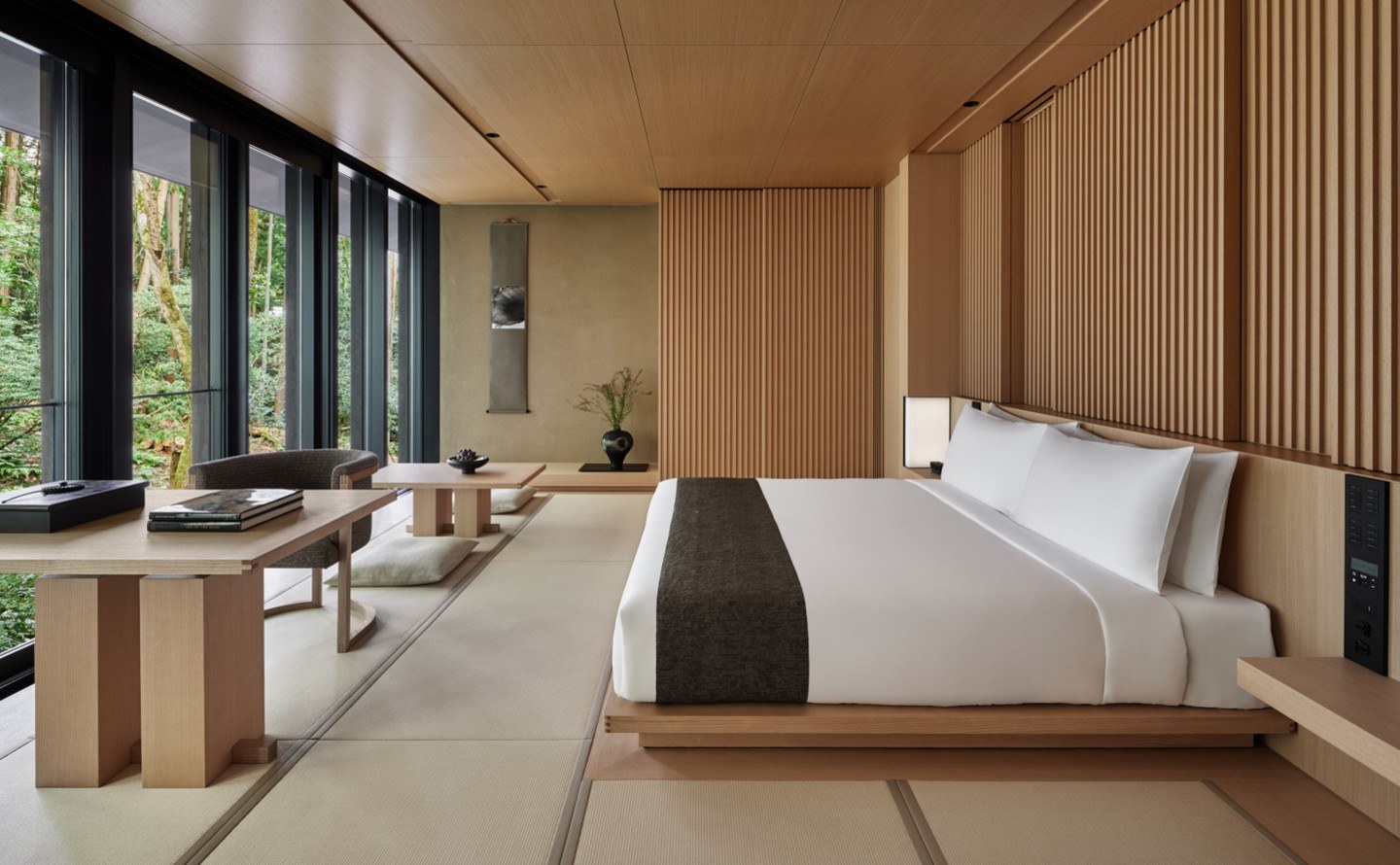
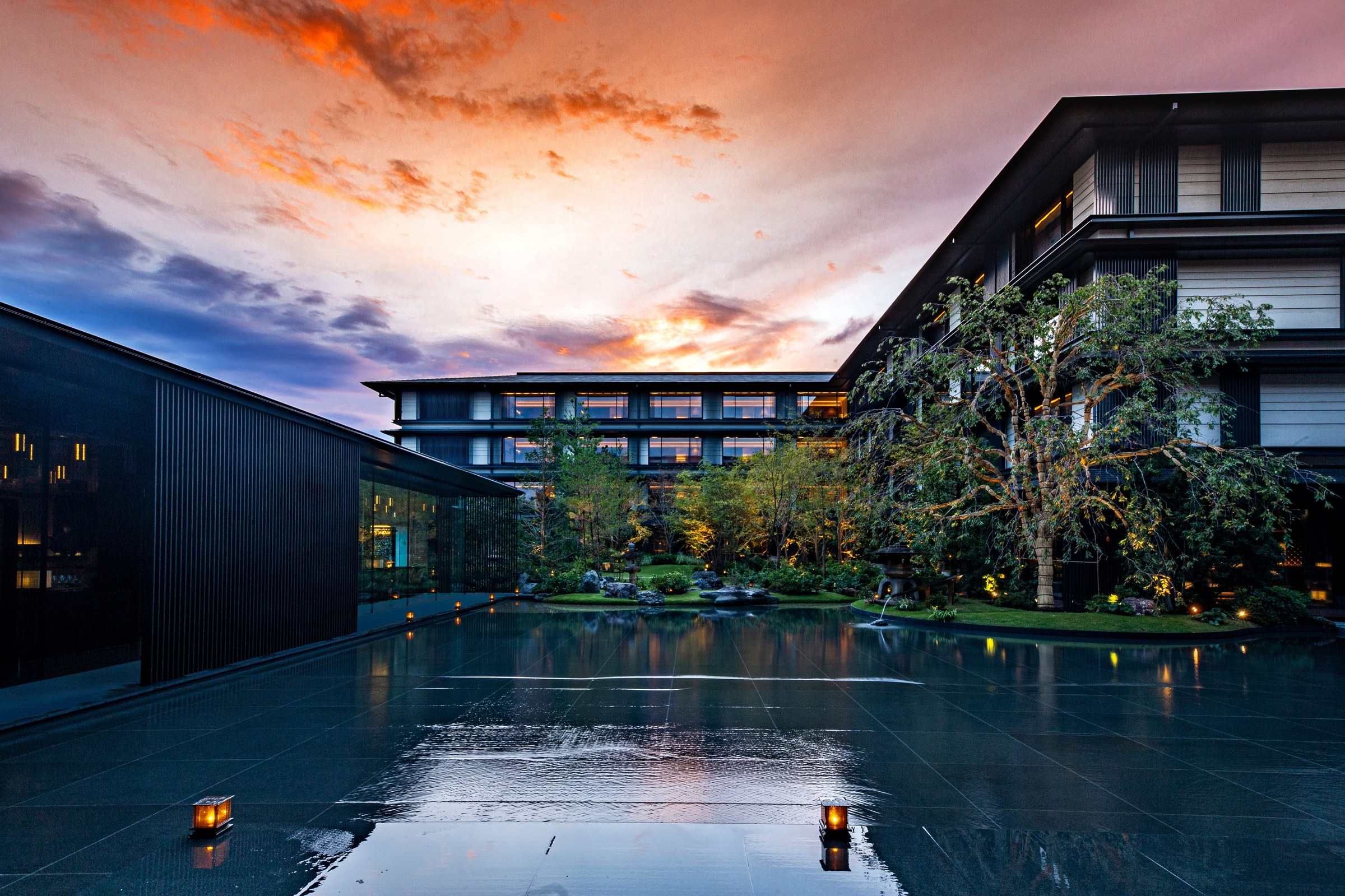
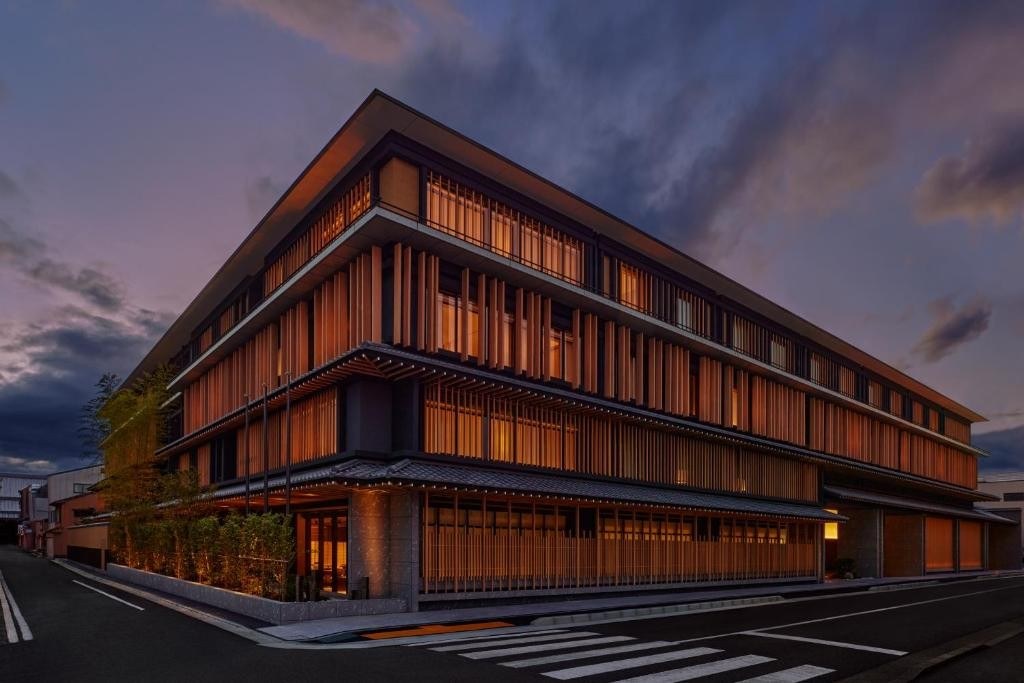
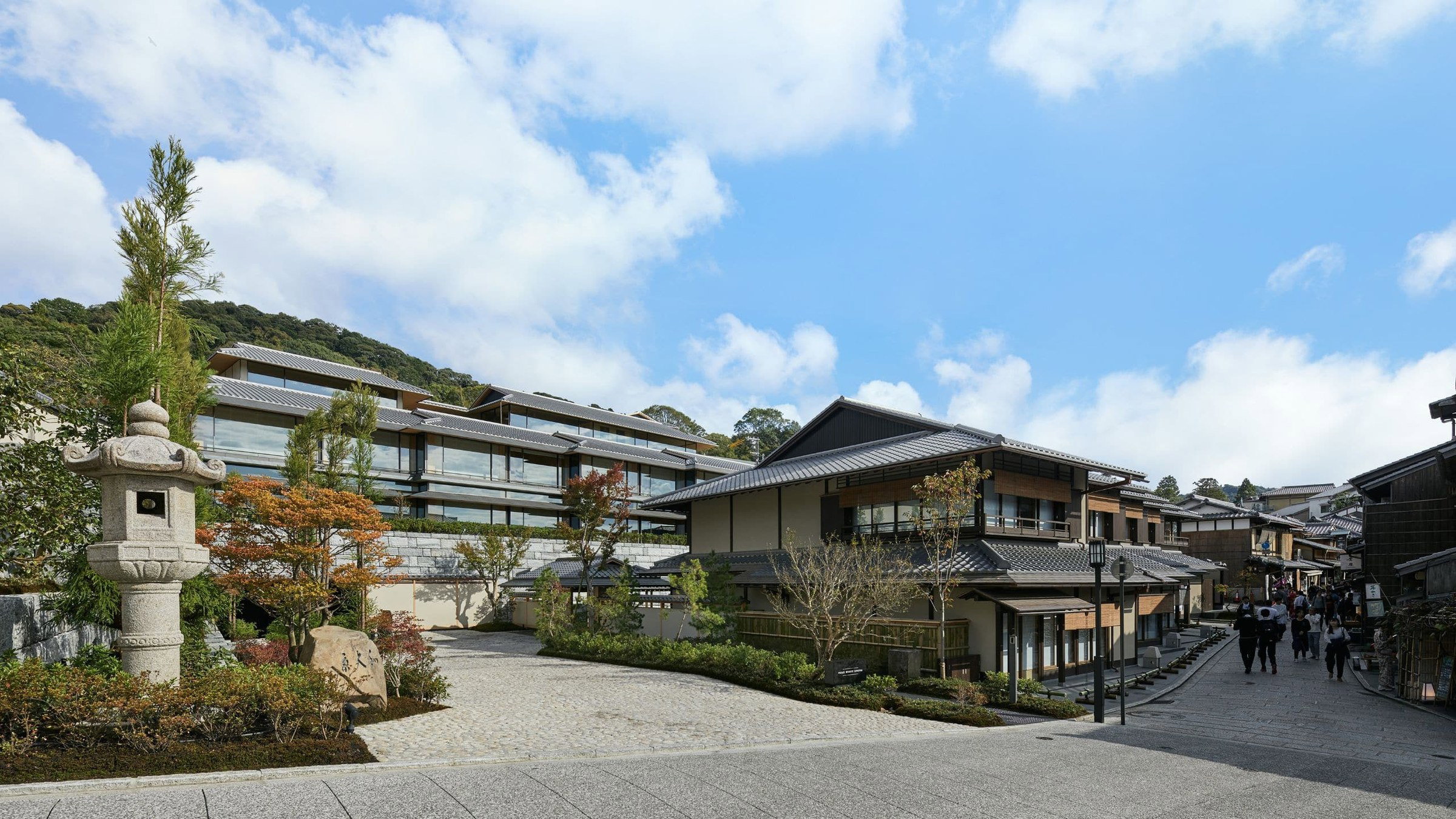
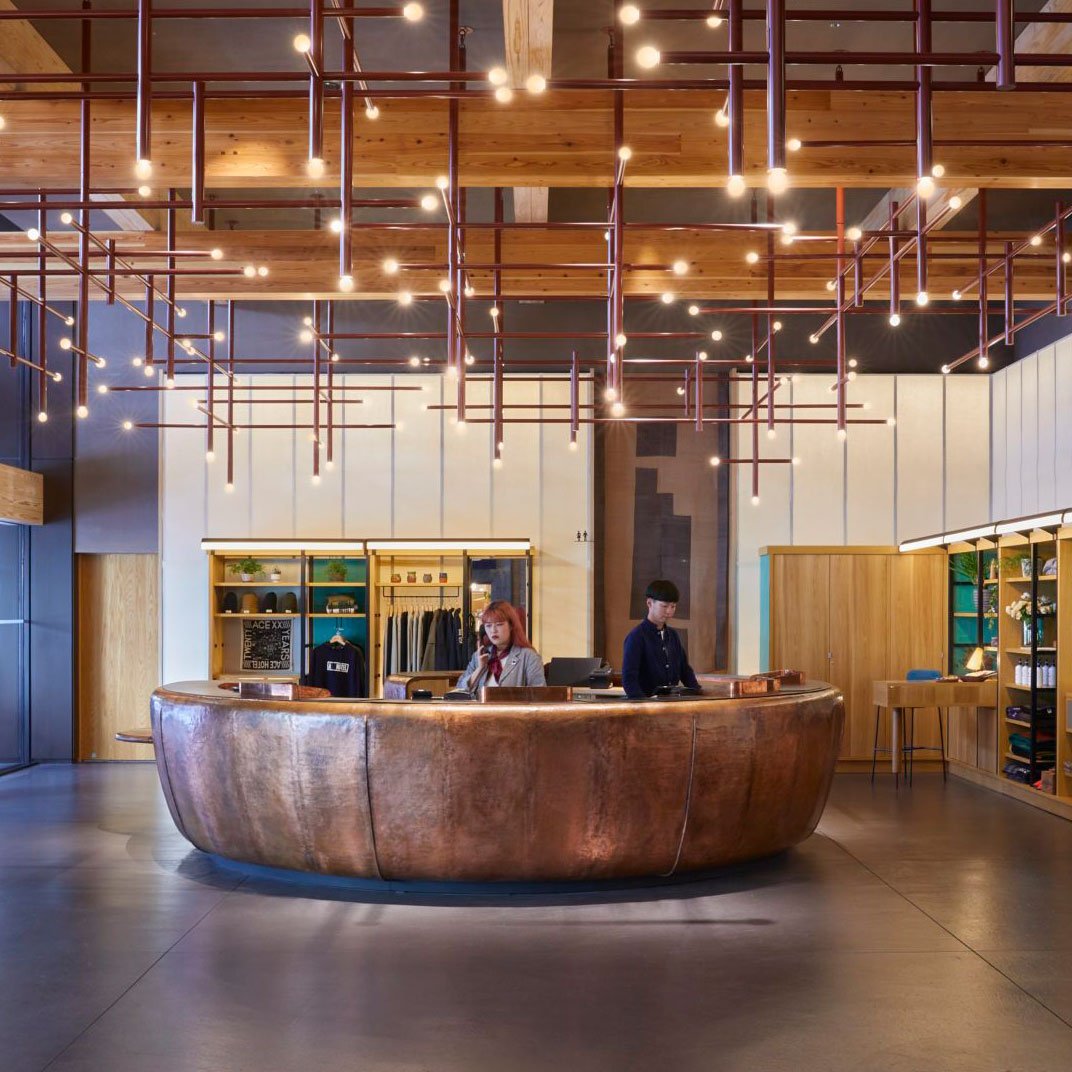
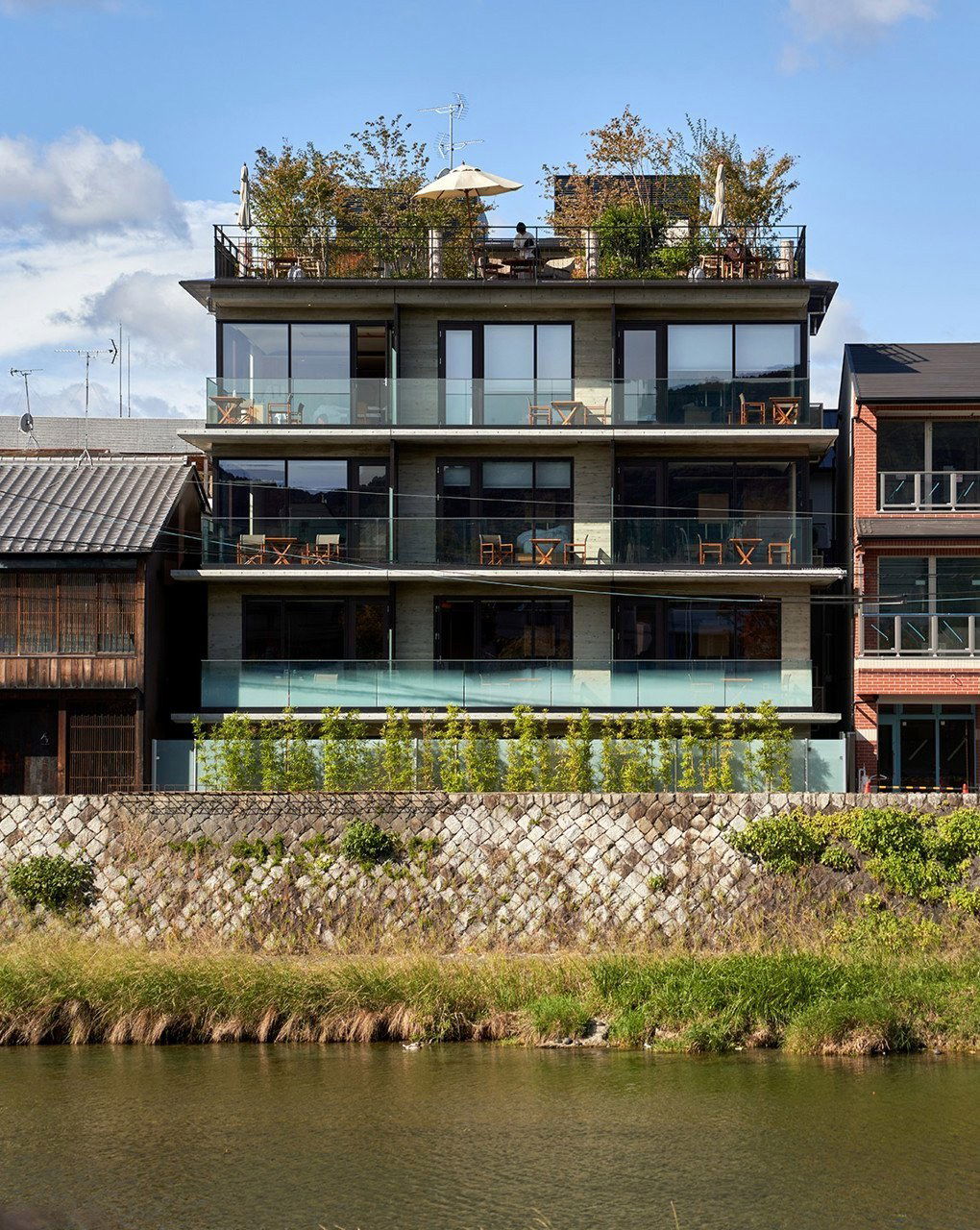
Genji Kyoto reads first as architecture and then as hotel, a compact study in restraint that references Kyoto's machiya tradition. Its concrete façades carry cedar imprints that intentionally place the building in dialogue with timber craft, and interiors lean toward a pared-back, minimalist palette executed by local artisans. Small proportions, careful finishes and tatami-floor room formats give the property a quietly crafted character. Practical comforts like radiant floor heating are woven into the design rather than applied as décor, so the overall impression is of thoughtful, context-sensitive modernism rooted in traditional workmanship.
Best For
This nineteen-room property suits travelers who prize design, quiet and local craft over large-scale resort amenities. It’s ideal for couples and small-party weekend stays where intimacy and architectural intent matter—think anniversaries or a romantic getaway—because the hotel’s scale and serene interiors create a private, concentrated experience. Design-minded solo travelers and anyone interested in Kyoto’s building traditions will appreciate the hand-finished materials and tatami layouts. With several river-facing rooms and a strong sense of place, the hotel favors those seeking a contemplative, context-driven stay rather than a high-energy urban base.
Stay Tips
Book early and request a river-facing room if a balcony and river outlook matter: nine of the rooms face the Kamo River and include private balconies. Note the hotel has only 19 rooms, so availability is limited. If you prefer traditional flooring, check for tatami-room formats when reserving. The property emphasizes minimalist, crafted interiors and includes practical details like radiant floor heating, so expect a restrained aesthetic and thoughtful climate comfort in colder months. Because the hotel prioritizes spatial quality over broad amenity programs, plan dining and larger services off-site or confirm offerings in advance.
Venue details
Ambiance
Serene and elegant with soft washi lighting, natural wood elements, and tranquil river or garden views, praised for its peaceful oasis atmosphere.
Tags
Vibe
Best For
Experience
Amenities
View
Accessibility
About the Stay
- Rooms
- 19
- Check-in
- 15:00
- Check-out
- 12:00
- Property Style
- Contemporary Japanese Sanctuary Inspired by the Tale of Genji
- Design Style
- Modern Minimalist with Traditional Japanese Elements Like Tatami, Washi, and Artisan Woodwork
Know before you go
Know Before You Go
- Getting there
- 362-3 Hashidonochō, Shimogyo Ward, Kyoto, 600-8113
Planning details
Location
Recognition and awards
Also consider
Also Consider
- Maana Kamo, Notable alternative
- Marufukuro, Notable alternative
- Seikoro Ryokan, Notable alternative
- KIKOKUTEI Bekkan, Notable alternative
- THE BLOSSOM KYOTO, Notable alternative
Hotel context
How Genji Kyoto compares in Kyoto
Choose Genji Kyoto over THE BLOSSOM KYOTO if atmosphere and design character matter more than hotel scale. THE BLOSSOM KYOTO is the safer cross-shop for travelers who want a larger, more conventional stay with less friction around services and group logistics.
Maana Kamo and KIKOKUTEI Bekkan are better comparisons for travelers who want a more private, house-like Kyoto stay. Genji Kyoto is the cleaner pick when a hotel framework matters: easier for a couple who wants design, service structure, and a central base without going fully self-contained.
Marufukuro is the stronger option if adaptive-reuse character is the priority, while Seikoro Ryokan is the better fit for a more traditional ryokan-style decision. Genji Kyoto sits between those lanes: less heritage-forward than Seikoro Ryokan, less concept-heavy than Marufukuro, and more intimate than a larger city hotel.
Explore Kyoto
Around this place
Discover more on Pearl
Unlock the full Genji Kyoto guide in Pearl, including awards, comparisons, FAQs, planning details, and nearby places.
Compare Genji Kyoto
| Venue | Location | Awards |
|---|---|---|
| Genji Kyoto | Kyoto | 2026 Design Hotels CollectionMichelin 1 Key 20252025 Michelin 1 Key2024 Michelin 1 Key |
| Maana Kamo | Kyoto | No published awards |
| Marufukuro | Kyoto | No published awards |
| Seikoro Ryokan | Kyoto | No published awards |
| KIKOKUTEI Bekkan | Kyoto | No published awards |
| THE BLOSSOM KYOTO | Kyoto Shi | No published awards |
How Genji Kyoto compares with similar nearby venues.
FAQ
Frequently Asked Questions
How is the dining at Genji Kyoto?
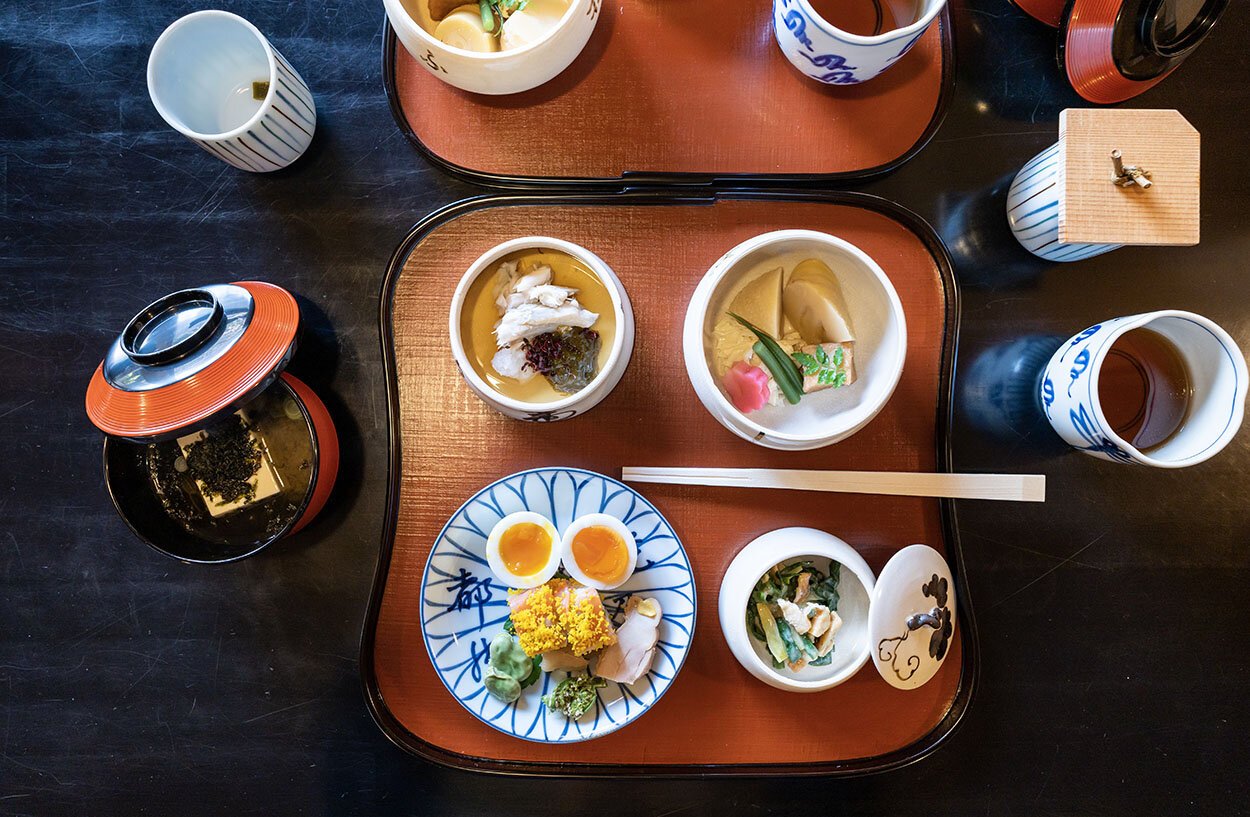
Dining details should be confirmed directly. Do not book Genji Kyoto on the assumption of a specific restaurant, menu, cuisine, or meal service; plan around Kyoto dining separately unless the hotel confirms current options directly.
Which room category is best at Genji Kyoto?
Specific room categories and layouts should be confirmed directly. Choose only after checking the current room descriptions with the hotel or booking channel, especially if space, views, bedding, or accessibility matter.
How does Genji Kyoto compare to nearby hotels?
Genji Kyoto is the option to consider if you want a Kyoto hotel with Michelin 1 Key recognition and Design Hotels membership. For comparison, you can also look at Maana Kamo, Seikoro Ryokan, Marufukuro, THE BLOSSOM KYOTO, and KIKOKUTEI Bekkan depending on your preferred style and availability.
Is Genji Kyoto family-friendly?
Family suitability should be checked directly. If you are traveling with children, check room size, bedding, occupancy rules, and any child-related policies before choosing Genji Kyoto in Kyoto.
Is Genji Kyoto good for business travel?
It may work for some business trips, but business-specific amenities should be checked directly. Treat it primarily as a recognized design hotel in Kyoto, and verify any meeting, workspace, breakfast, or transport needs before booking.
How is the location of Genji Kyoto?
When is the best time to book Genji Kyoto?
Booking timing depends on your travel dates and availability. Because Genji Kyoto has Michelin 1 Key recognition and Design Hotels membership, it is sensible to check availability early, especially if your dates are fixed.