
Hotel Chourakukan
Higashiyama, Kyoto
Hotel in Kyoto, Japan
 Book with Pearl
The Read
Meiji-Era Western Sanctuary
Why go
Hotel Chourakukan is worth considering for a first Kyoto stay when Higashiyama location and heritage atmosphere matter more than large-hotel facilities. Its 2025 Small Luxury Hotels of the World membership gives it a useful trust signal, and booking difficulty is listed as easy, so the smarter move is comparing rates against nearby luxury peers before committing.
About Hotel Chourakukan
Hotel Chourakukan is a Kyoto hotel with a luxury-affiliation signal: it is listed as a Small Luxury Hotels of the World Member for 2025. Information beyond this is limited, so the safest way to evaluate it is as a Kyoto stay to confirm details directly at booking rather than a hotel to choose based on assumptions about facilities, dining, room style, or service format.
The practical decision is whether Hotel Chourakukan fits the kind of Kyoto trip you are planning. Its dress code is smart casual, and its Small Luxury Hotels of the World membership gives it a useful independent-luxury marker. Specifics such as restaurant offerings, spa or pool facilities, check-in style, room count, rates, and loyalty mechanics should be confirmed through the hotel or booking channel before you commit.
A Kyoto stay with an independent-luxury signal
The clearest recognition is Hotel Chourakukan's 2025 membership in Small Luxury Hotels of the World. This membership does not detail individual amenities, room sizes, dining quality, or service style, but it does provide a signal for travelers looking at independent luxury options in Kyoto.
As specific details may vary, avoid building the decision around assumptions about facilities or inclusions. If two Kyoto hotels are priced similarly for your dates, compare the exact room category, cancellation policy, included services, and any on-property amenities shown at the time of booking.
Hotel Chourakukan is best considered by travelers who want a Kyoto hotel with a Small Luxury Hotels of the World affiliation and are comfortable confirming the finer details directly. It is a weaker fit for anyone who needs a comprehensive list of facilities or a known business-hotel setup before shortlisting.
Who should choose it, and who should cross-shop
Choose Hotel Chourakukan if a Kyoto stay with an independent-luxury affiliation is enough to put it on your shortlist, and if you are willing to confirm the exact experience before booking. The smart casual dress code is the only policy detail mentioned, so travelers with specific needs should ask the hotel directly.
Dining, pool, spa, check-in specifics, room details, pricing, and loyalty mechanics should not drive the decision unless you confirm them during booking. The appeal of this hotel is clear: it is in Kyoto, it has a smart casual dress code, and it is a Small Luxury Hotels of the World Member in 2025.
Quick reference: shortlist it for a Kyoto stay with a Small Luxury Hotels of the World affiliation; cross-shop if you need specific facilities, detailed service information, or a more specific hotel format before deciding.
Planning details
- Location
- 604 Maruyamachō, Higashiyama Ward, Kyoto, 605-0071
- Website
- chourakukan.co.jp
- Phone
- +81 75-561-0001
The take
The Take
The Vibe
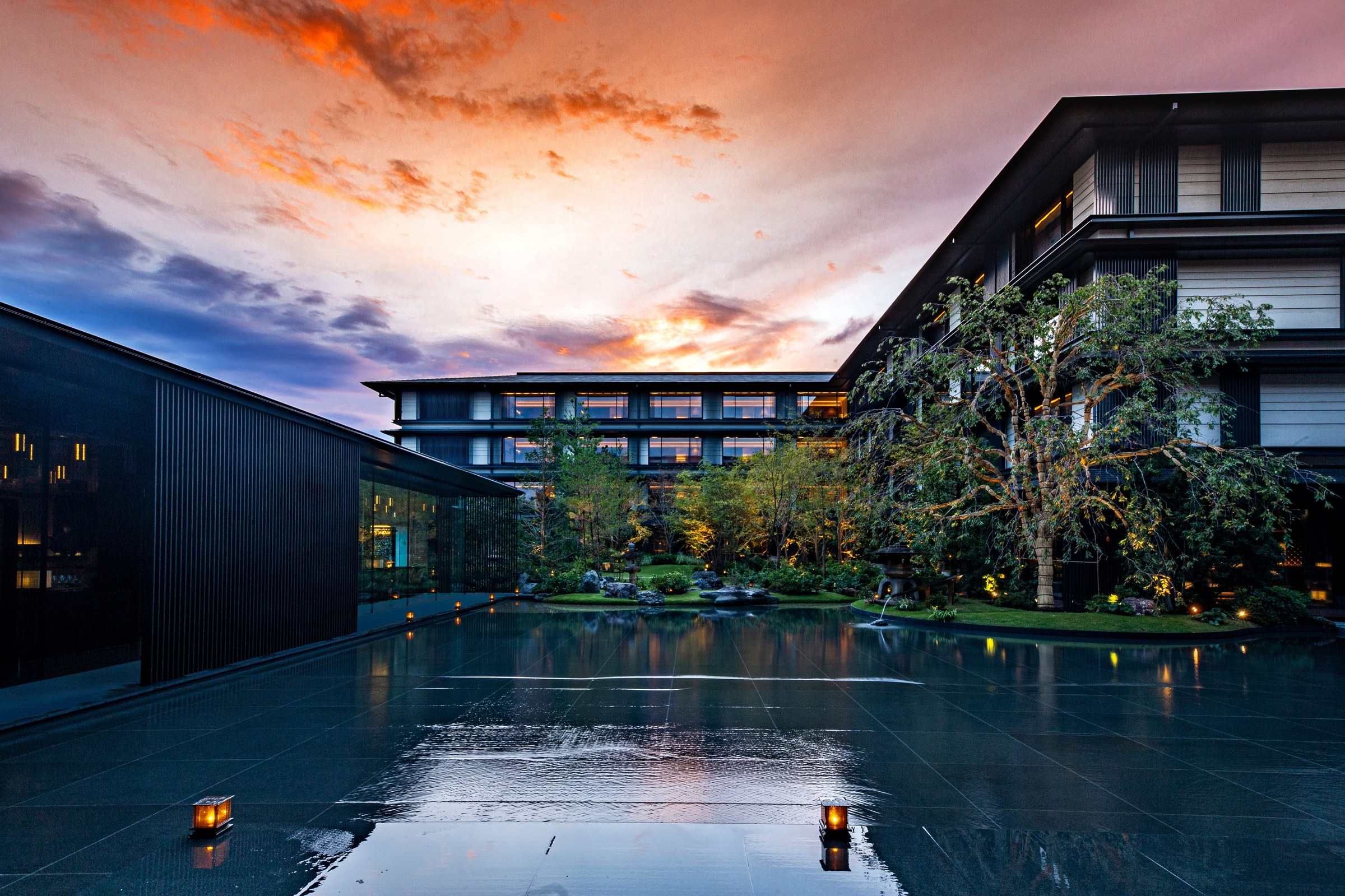
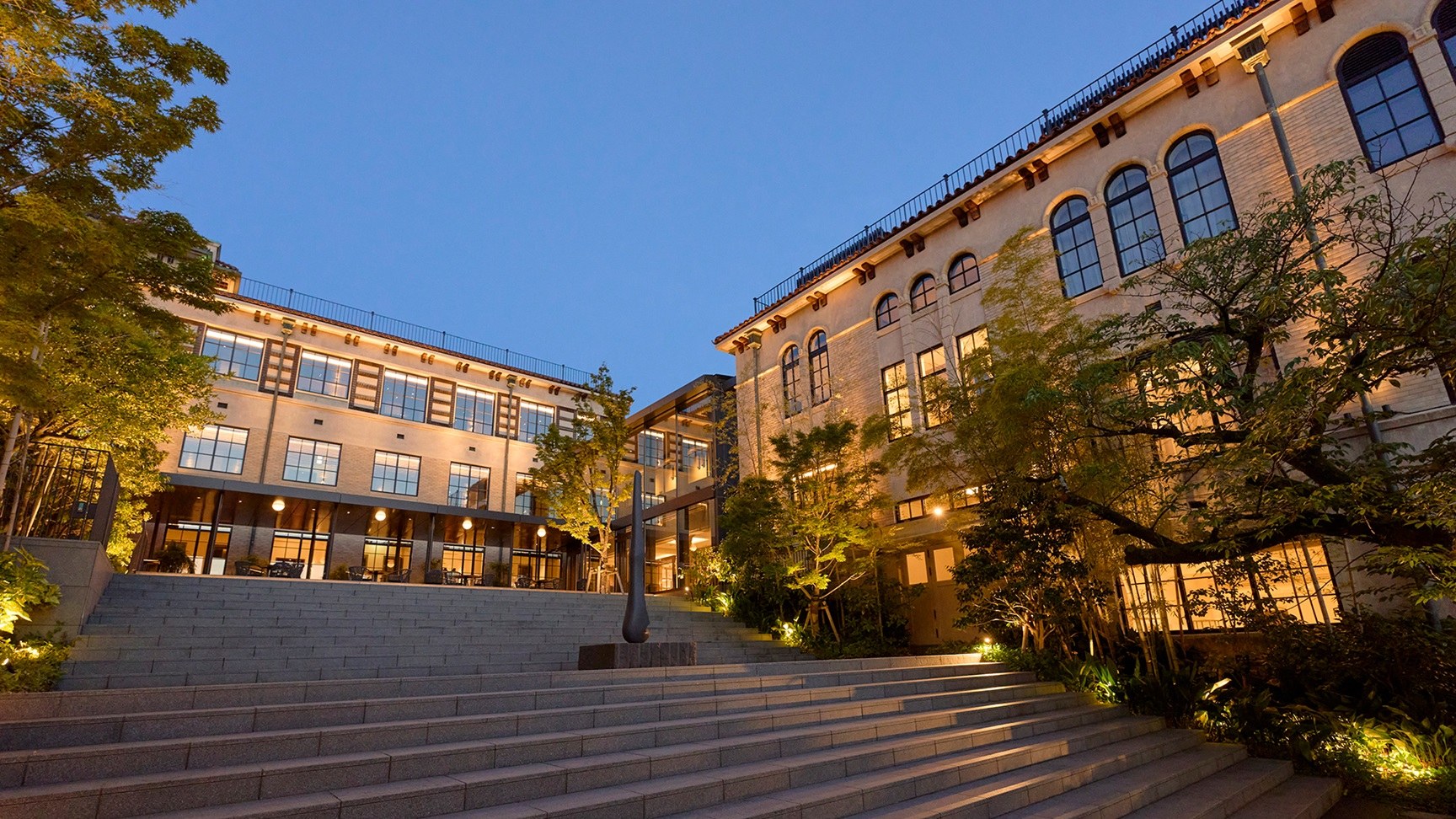
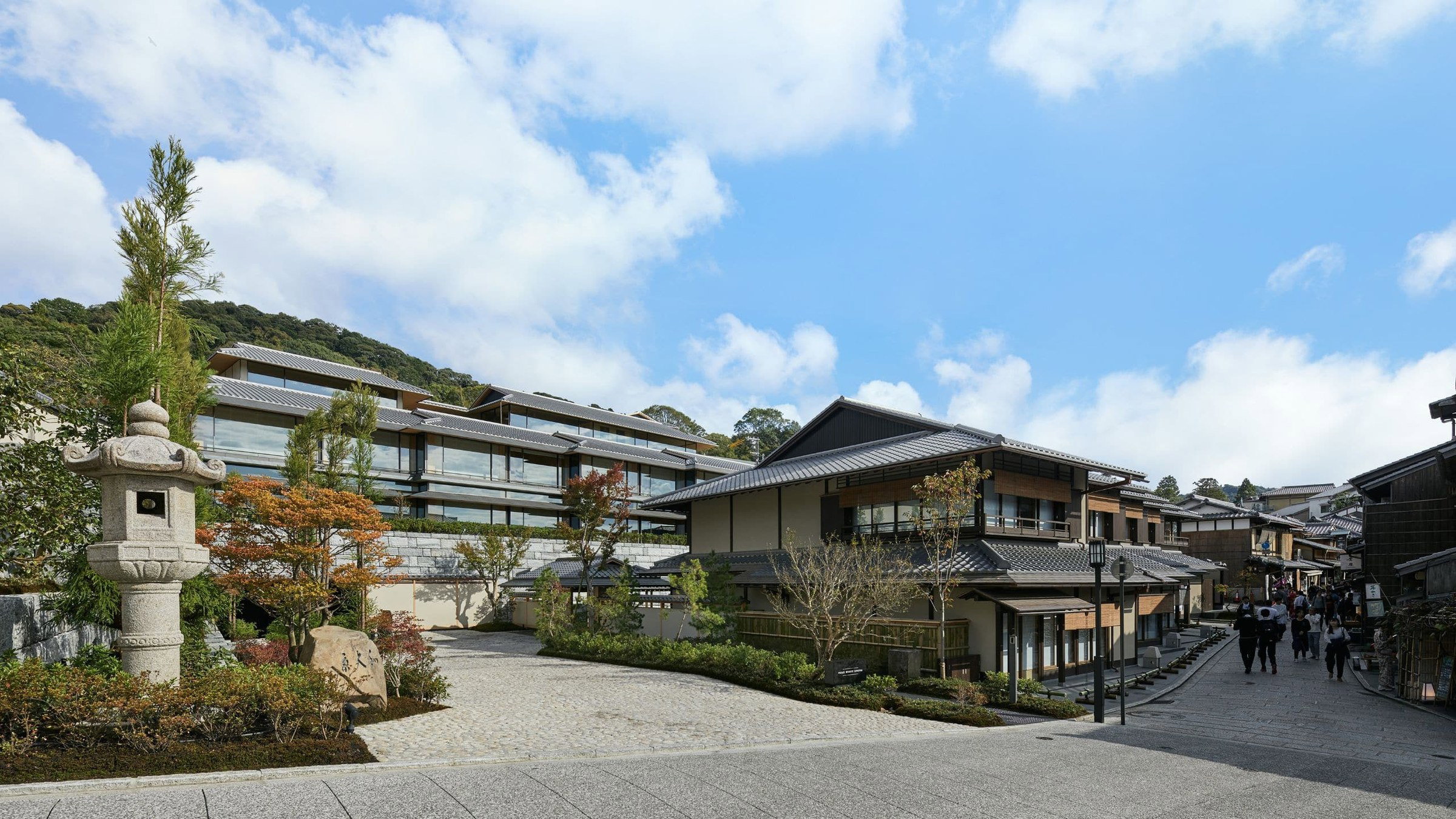
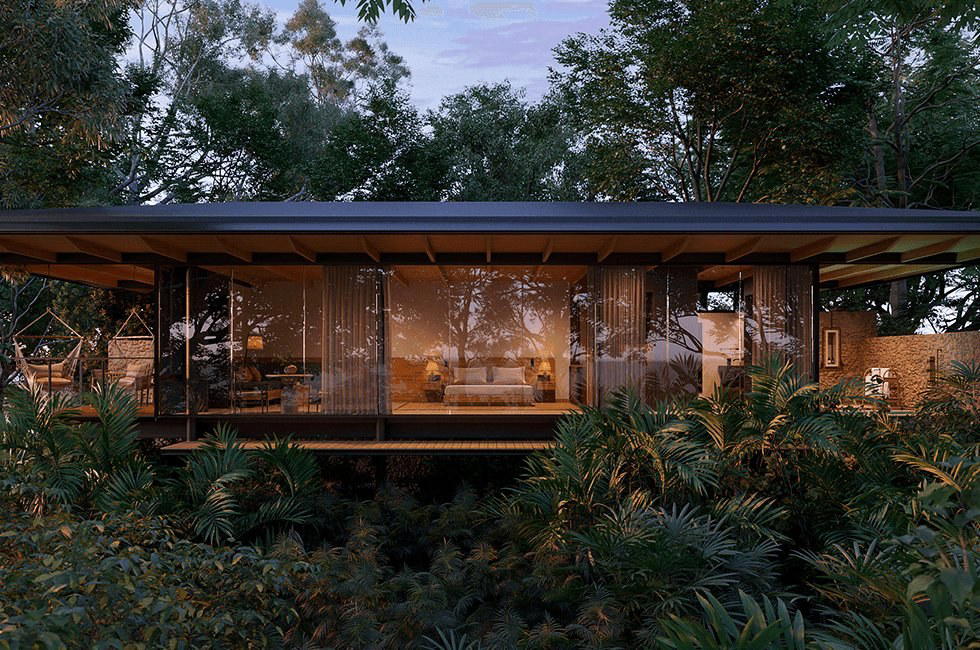
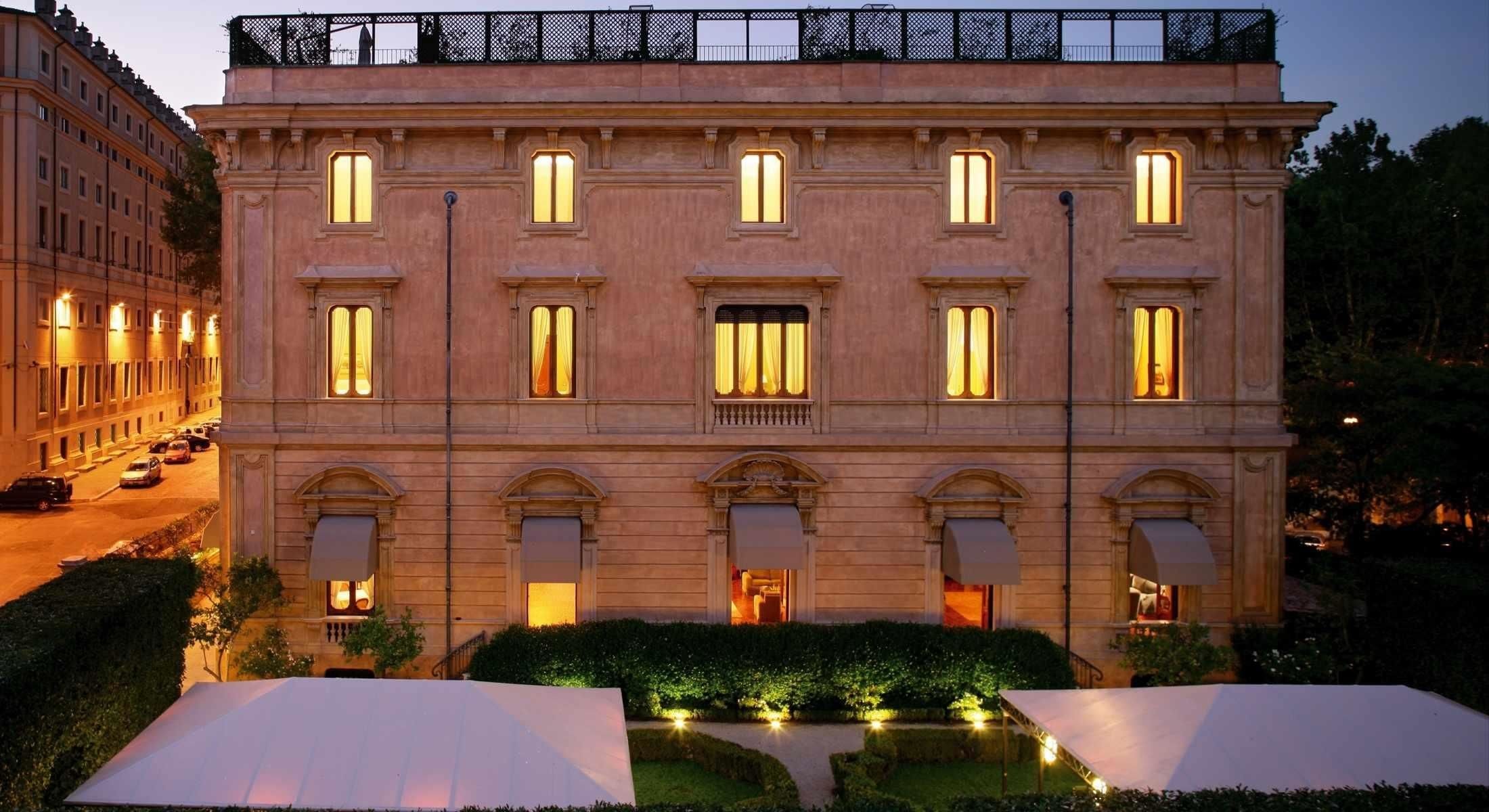
Hotel Chourakukan sits within Maruyama Park, and the grounds shape the hotel's mood: cherry trees, stone lanterns and wide lawn soften its European-style façade and create a measured, almost hushed edge to the surrounding temple district. The property’s Western-era architecture reads as an additional historical layer against Higashiyama’s wooden eaves and pagoda silhouettes, so the overall impression is at once quietly distinctive and restrained. Arrival is a gentle transition—foot traffic and tourist noise dissolve as park trees close in—leaving a calm, parkside atmosphere framed by mature greenery.
Best For
This hotel suits travelers who want to be based in the heart of Higashiyama without being in the thick of tourist bustle. Its location inside Maruyama Park places guests steps from the district’s defining sights—stone-paved lanes toward Kiyomizudera, the precincts of Chion-in and glimpses of Yasaka Pagoda—while providing a quieter, more measured setting for return from daytime exploring. Arrivals on foot are natural here: the approach down from temple gates or Shijo-dori feels gradual, making Chourakukan a tranquil launch point for seeing the historic neighborhood on foot.
Venue details
Ambiance
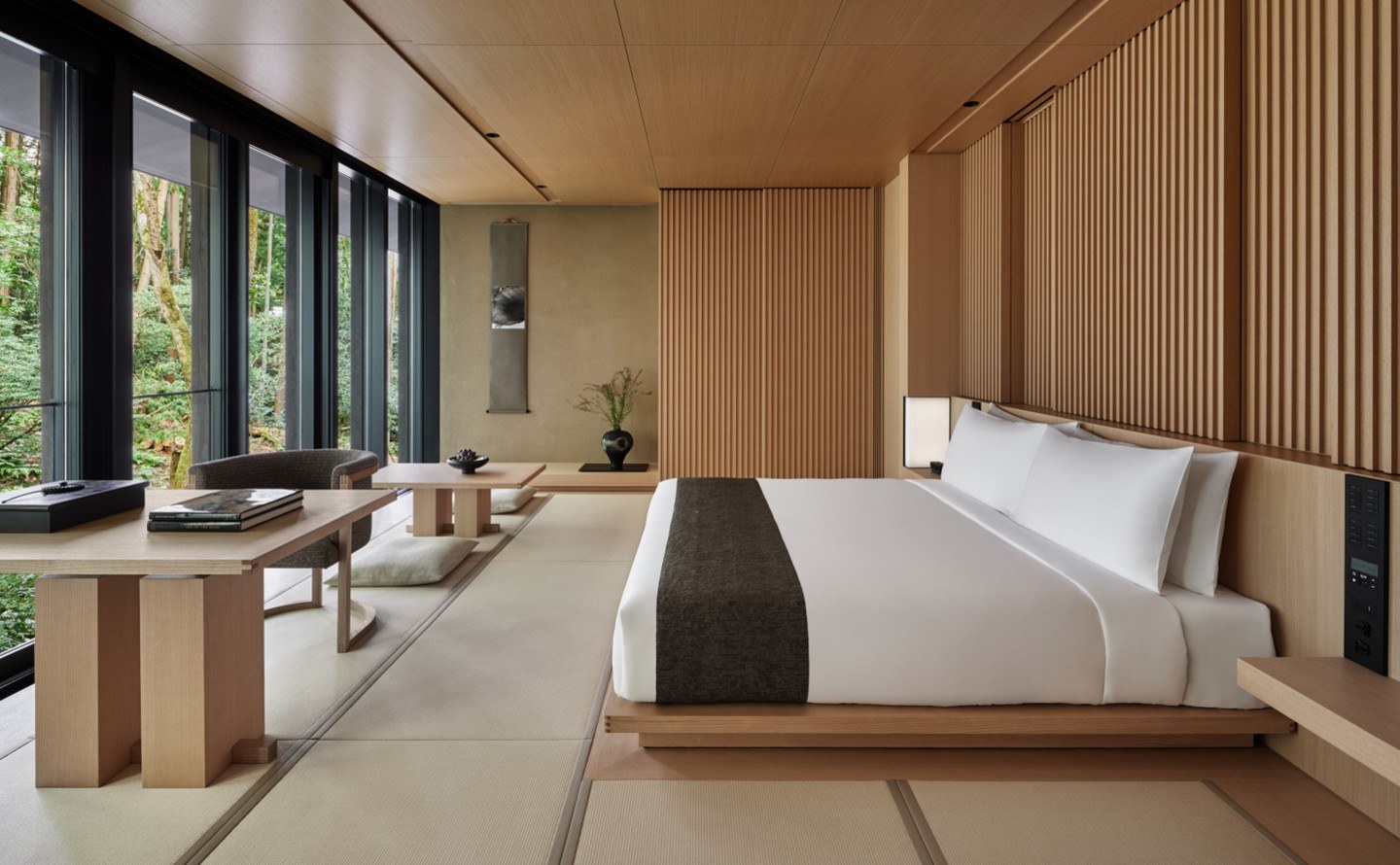
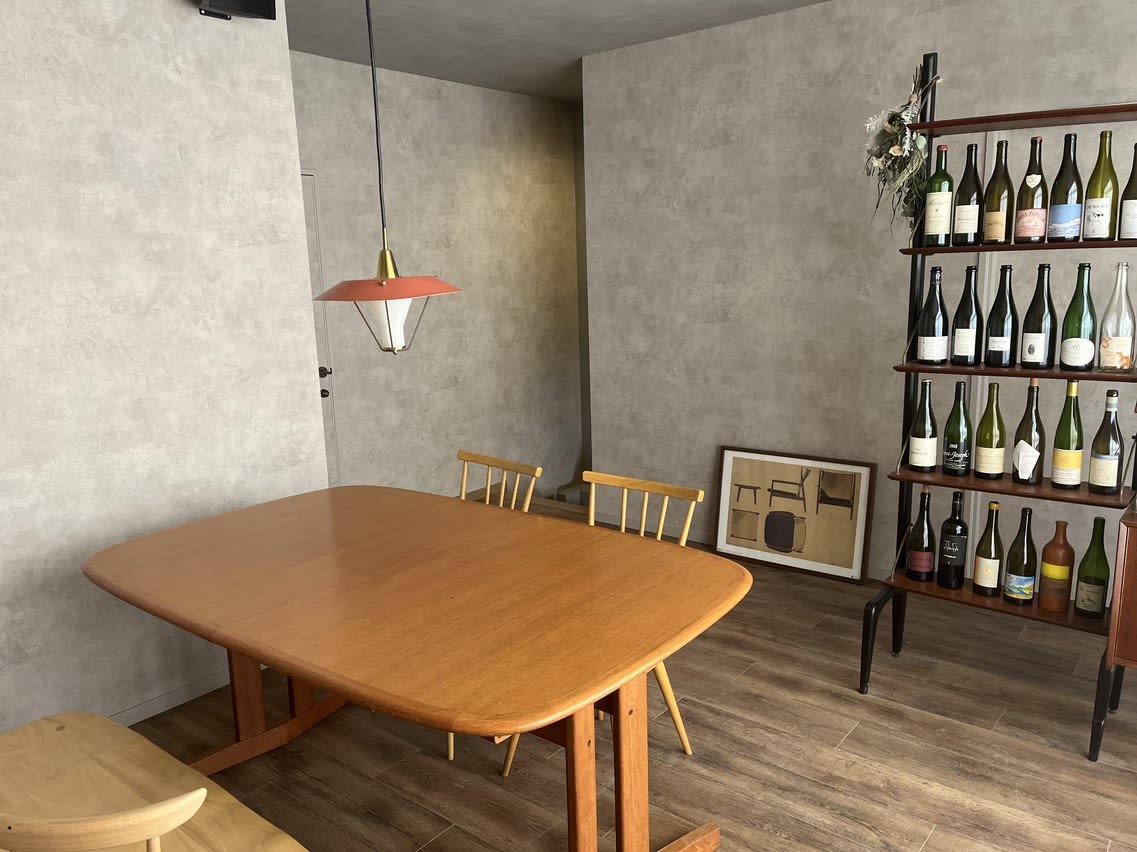
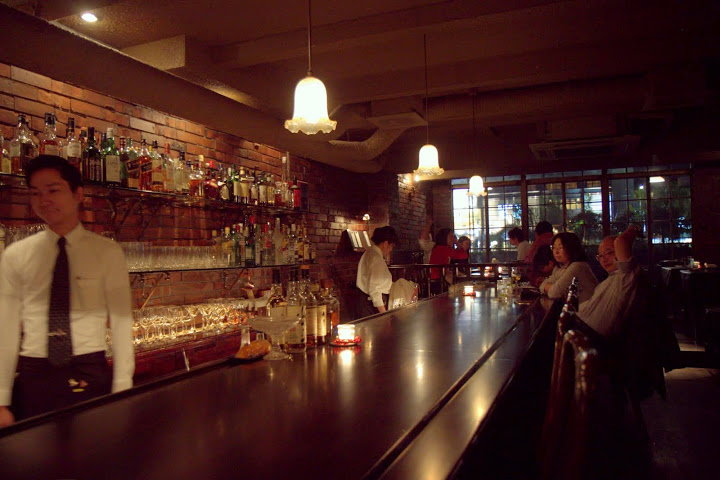
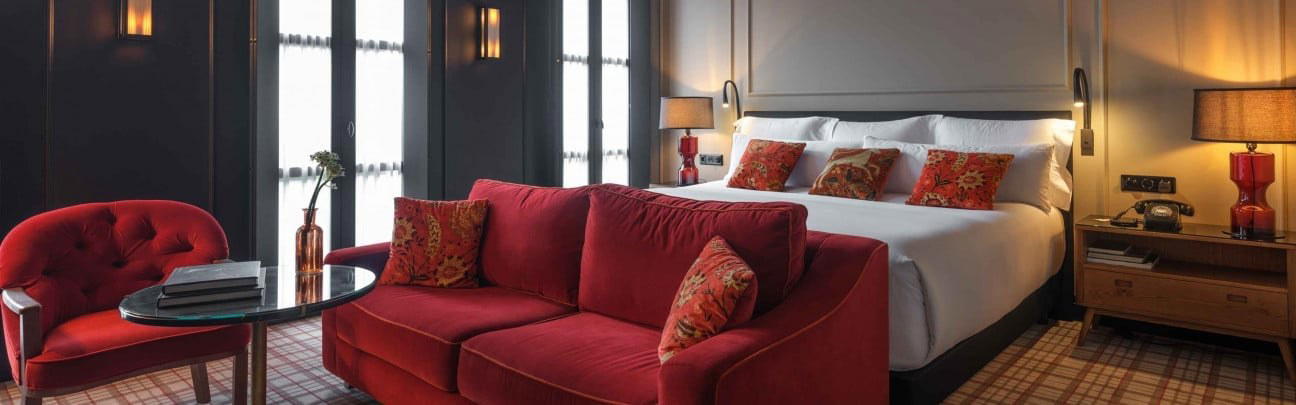
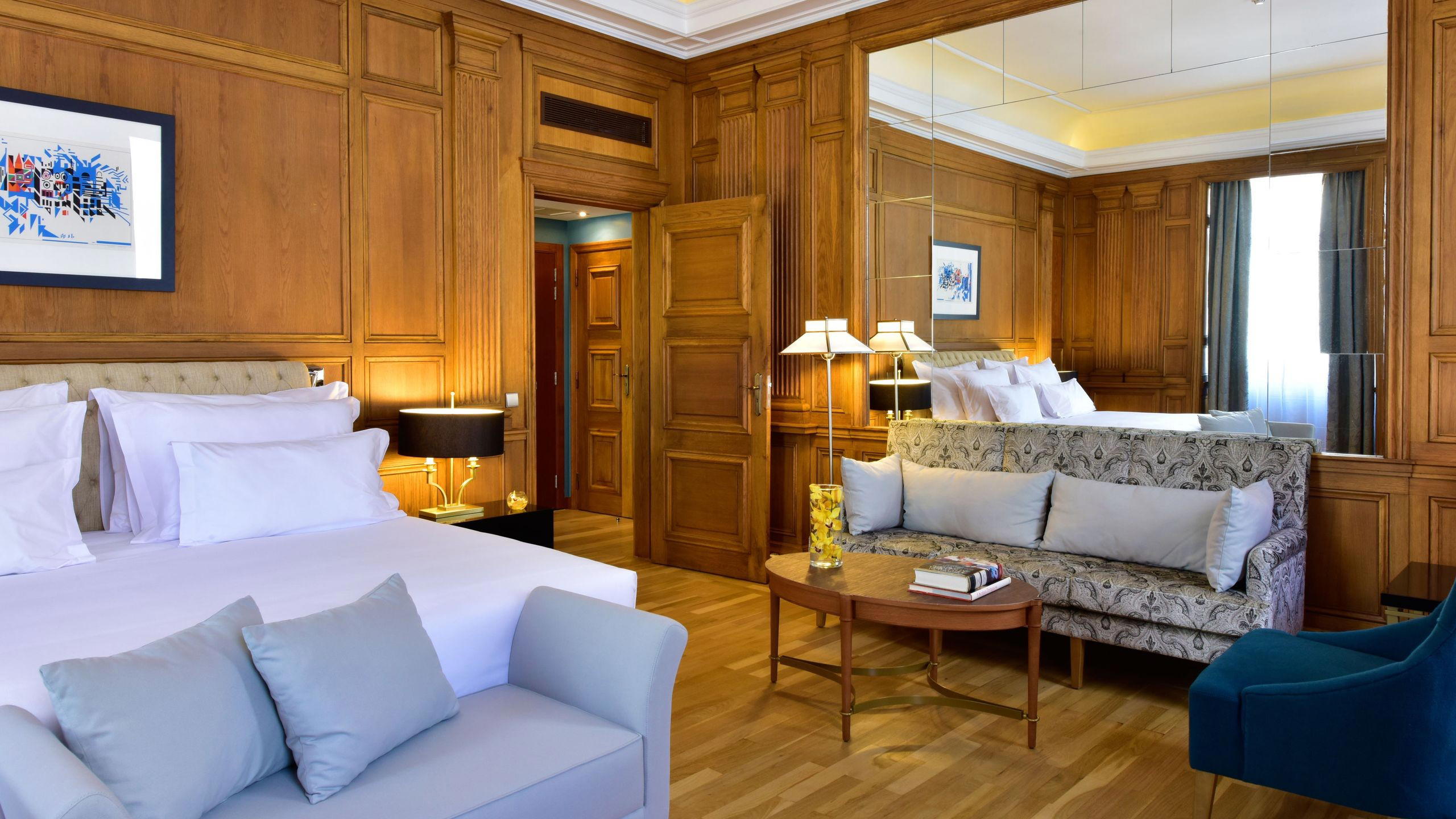
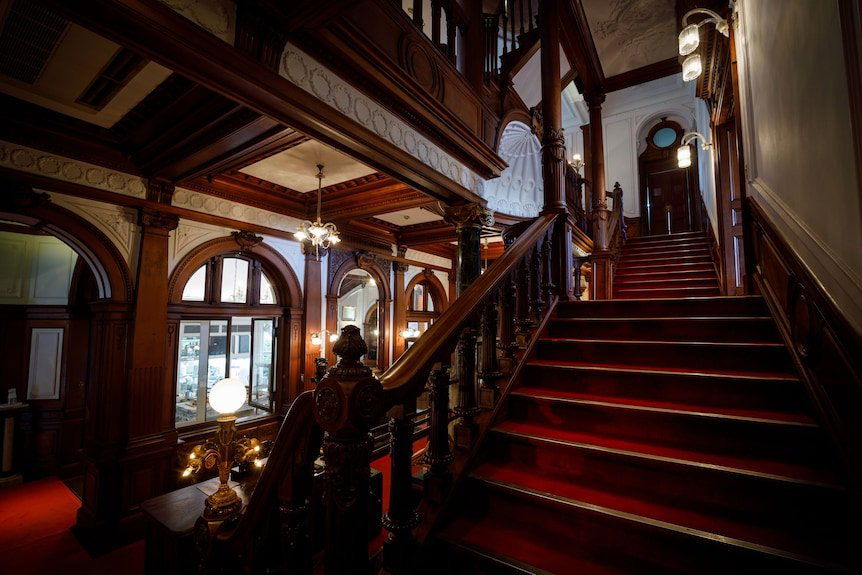
Warm and serene atmosphere with lobby fireplace, solid wood decor, and peaceful surroundings near Maruyama Park, evoking a European castle-like tranquility.
Tags
Vibe
Best For
Experience
Amenities
View
Accessibility
About the Stay
- Rooms
- 6
- Check-in
- 15:00
- Check-out
- 11:00
- Property Style
- Historic Western Style Mansion with Personalized Service
- Design Style
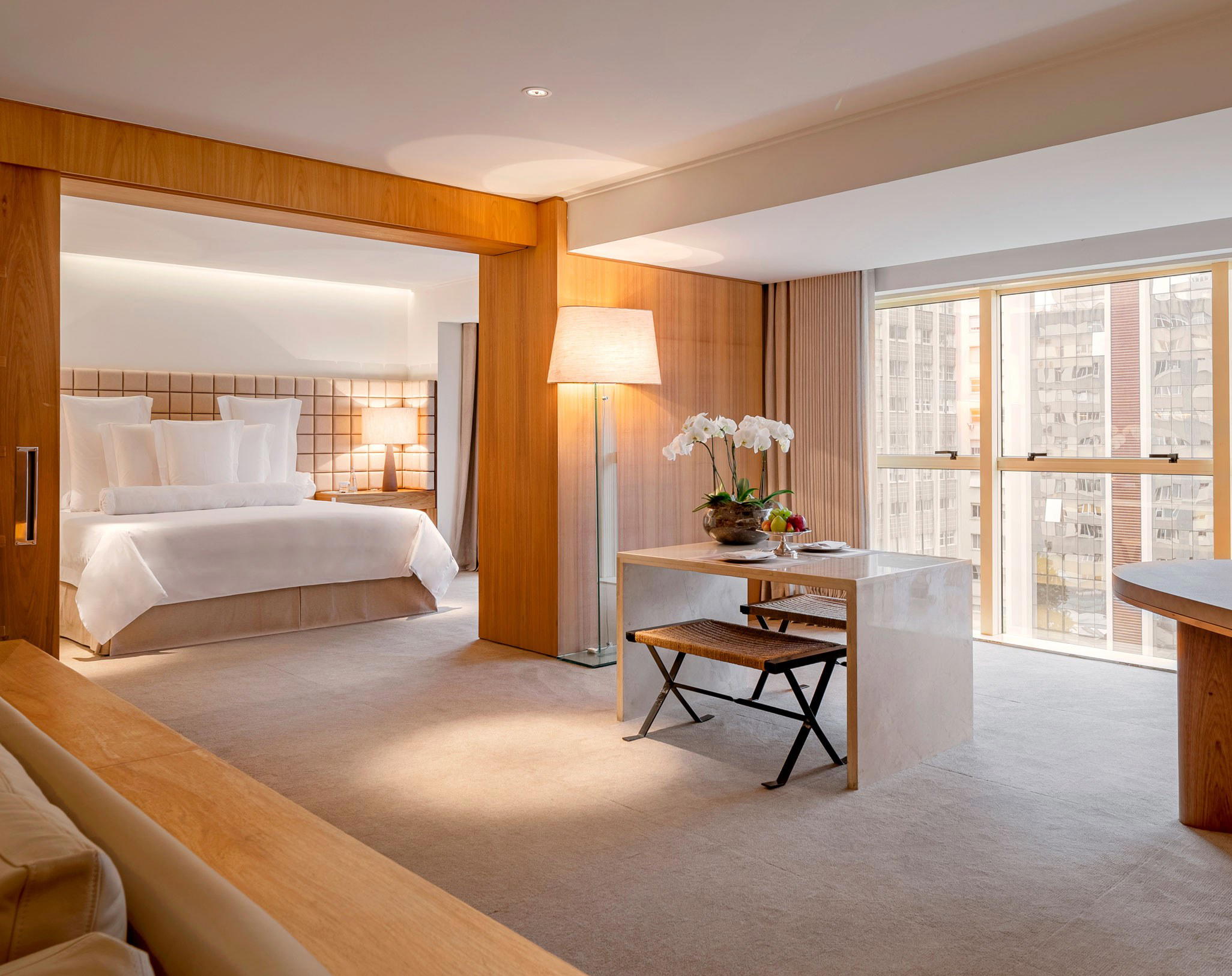
- Classic European Elegance with Solid Wood Furnishings and Artisanal Kyoto Crafts
Know before you go
Know Before You Go
- Getting there
- 604 Maruyamachō, Higashiyama Ward, Kyoto, 605-0071
Planning details
Location
Recognition and awards

Also consider
Also Consider
- SOWAKA, Notable alternative
- Japanese Inn YOSHIMIZU, Notable alternative
- Park Hyatt Kyoto, Notable alternative
- Imperial Hotel Kyoto, Notable alternative
- Banyan Tree Higashiyama Kyoto, Notable alternative
Hotel context
How Hotel Chourakukan compares in Kyoto
Against SOWAKA, Hotel Chourakukan is the easier recommendation for travelers who want Higashiyama atmosphere with less apparent booking pressure. SOWAKA is the closer cross-shop if the priority is a ryokan-influenced luxury feel; choose Hotel Chourakukan when a smaller heritage-hotel frame and simpler availability matter more than chasing a highly specific traditional-stay format.
Park Hyatt Kyoto, Imperial Hotel Kyoto, and Banyan Tree Higashiyama Kyoto are the better comparisons for travelers deciding how much hotel infrastructure they want. Pick Park Hyatt Kyoto or Banyan Tree Higashiyama Kyoto if brand depth, facilities, and a larger luxury-hotel experience are the point of the trip. Pick Hotel Chourakukan if the room is mainly a refined base for Higashiyama days and the rate is materially below those bigger-ticket options.
Japanese Inn YOSHIMIZU is the value-minded alternative in this set for travelers who care less about formal luxury signals. If Hotel Chourakukan prices climb during peak Kyoto seasons, Japanese Inn YOSHIMIZU becomes the practical fallback; if the price difference is modest, Hotel Chourakukan's Small Luxury Hotels of the World membership gives it the stronger confidence signal.
Explore Kyoto
Around this place
Discover more on Pearl
Unlock the full Hotel Chourakukan guide in Pearl, including awards, comparisons, FAQs, planning details, and nearby places.
Compare Hotel Chourakukan
| Venue | Location | Awards |
|---|---|---|
| Hotel Chourakukan | Kyoto | Small Luxury Hotels Member 2025 |
| SOWAKA | Kyoto | 2026 Forbes 4-Star2026 La Liste Top Hotels2025 Forbes 4-StarSmall Luxury Hotels Member 2025 |
| Japanese Inn YOSHIMIZU | Kyoto Shi | No published awards |
| Park Hyatt Kyoto | Kyoto | 2026 World’s 50 Best Hotels 1-50 · #372026 Forbes 4-Star2026 Virtuoso Luxury Hotel Collection2026 La Liste Top Hotels2026 Michelin 1 Key2025 World’s 50 Best Hotels · #592025 Michelin 1 Key2024 World's 50 Best Hotels · #272024 Michelin 1 Key |
| Imperial Hotel Kyoto | Kyoto | Leading Hotels of the World 20262026 Michelin 1 Key2025 Michelin Selected Hotels |
| Banyan Tree Higashiyama Kyoto | Kyoto | 2026 Mr & Mrs Smith Luxury Hotels2026 Michelin 1 Key2025 Michelin 1 Key |









How Hotel Chourakukan Kyoto compares with similar nearby venues.
FAQ
Frequently Asked Questions
How is the location of Hotel Chourakukan?
Hotel Chourakukan is in Kyoto. More specific location details should be confirmed directly through the hotel or your booking channel. If you are comparing other Kyoto options, Park Hyatt Kyoto is another hotel to consider.
How is the dining at Hotel Chourakukan?
Specific dining details are not provided, so confirm them directly before booking. Its appeal is that Hotel Chourakukan is in Kyoto and is a Small Luxury Hotels of the World Member in 2025. If dining is a major part of your decision, compare current information from Hotel Chourakukan with other Kyoto options such as SOWAKA or Park Hyatt Kyoto.
Is Hotel Chourakukan good for business travel?
Hotel Chourakukan may be considered for a Kyoto stay, but specific business-travel facilities are not detailed. Its Small Luxury Hotels of the World Member recognition in 2025 is a hospitality signal, while meeting infrastructure and other work-focused services should be confirmed before booking. Imperial Hotel Kyoto is another option to compare if your trip requires a more specific hotel setup.
What is check-in like at Hotel Chourakukan?
Specific check-in details are not provided. Confirm arrival times, luggage handling, and any special procedures directly with Hotel Chourakukan or your booking channel. If arrival experience matters to you, Park Hyatt Kyoto is another Kyoto hotel to benchmark against.
Do loyalty programs work at Hotel Chourakukan?
Hotel Chourakukan is a Small Luxury Hotels of the World Member in 2025. Specific loyalty benefits, earning rules, upgrades, or third-party perks are not listed, so confirm them before booking. Travelers comparing booking benefits may also want to review Imperial Hotel Kyoto or Park Hyatt Kyoto.
How does Hotel Chourakukan compare to other hotels?
Choose Hotel Chourakukan if you want a Kyoto hotel with a Small Luxury Hotels of the World affiliation and are comfortable confirming details directly. Other Kyoto options to compare include SOWAKA, Japanese Inn YOSHIMIZU, Banyan Tree Higashiyama Kyoto, Park Hyatt Kyoto, and Imperial Hotel Kyoto.