

Rio Perdido
Bagaces
Hotel in Bagaces, Costa Rica
 Book with Pearl
The Read
Dwarf-Forest Thermal Retreat
Why go
Go in the drier season if you want the easiest first stay: Rio Perdido is better read as a quiet inland Guanacaste retreat than a beach-resort alternative. The 2025 Michelin 2 Key recognition and Small Luxury Hotels of the World membership make it worth prioritizing if atmosphere and retreat value matter more than restaurant-hopping.
About Rio Perdido
Is Rio Perdido worth booking? Rio Perdido is in Bagaces and has two clear quality signals, Michelin 2 Keys in 2025 and Small Luxury Hotels of the World membership in 2025. Beyond those markers, travelers should be careful about assuming specific restaurant, activity, spa, room, or service details unless they confirm them directly before booking.
The strongest reason to shortlist it is that combination of recognition. Michelin awarded Rio Perdido 2 Keys in 2025, and it is also a Small Luxury Hotels of the World member. Those facts make it easier to separate the venue from more generic Bagaces options when the main decision is whether to prioritize a recognized stay in the area.
Choose it for the hotel signals
For dining, the dress code is casual. Details about cuisine, chef, menu format, pricing, lunch service, takeout, delivery, or a standalone restaurant reason to travel here are not specified. Meal planning should be confirmed with Rio Perdido directly.
First-timers should also keep the location simple: Rio Perdido is in Bagaces. When comparing the area, focus on the available information when deciding how much additional planning you need around the stay.
Timing matters more than overplanning the room
A best season, room category strategy, transfer plan, or activity schedule for Rio Perdido are not specified. The safer approach is to choose dates based on your broader itinerary, then confirm the practical details directly with the hotel before locking in plans.
If your dates are fixed, compare Rio Perdido with other options such as Andaz Costa Rica Resort at Peninsula Papagayo, El Mangroove, Autograph Collection, Origins Luxury Lodge, and Rio Celeste Hideaway Hotel. These comparisons are useful for deciding whether Rio Perdido in Bagaces is the right fit for your trip, or whether another hotel better matches what you need.
For a wider hotel scan, also compare 1968house - Two-Bedroom Apartment in Puntarenas and Rio Perdido itself against other unnamed options you are considering. Key details for comparison include: Rio Perdido is in Bagaces, has a casual dress code, received Michelin 2 Keys in 2025, and is a Small Luxury Hotels of the World member in 2025.
Planning details
- Location
- South from San Bernardo Catholic Church, 4 km, Provincia de Guanacaste, Fortuna, 50401
- Website
- rioperdido.com
- Phone
- +506 2673 3600
The take
The Take
The Vibe
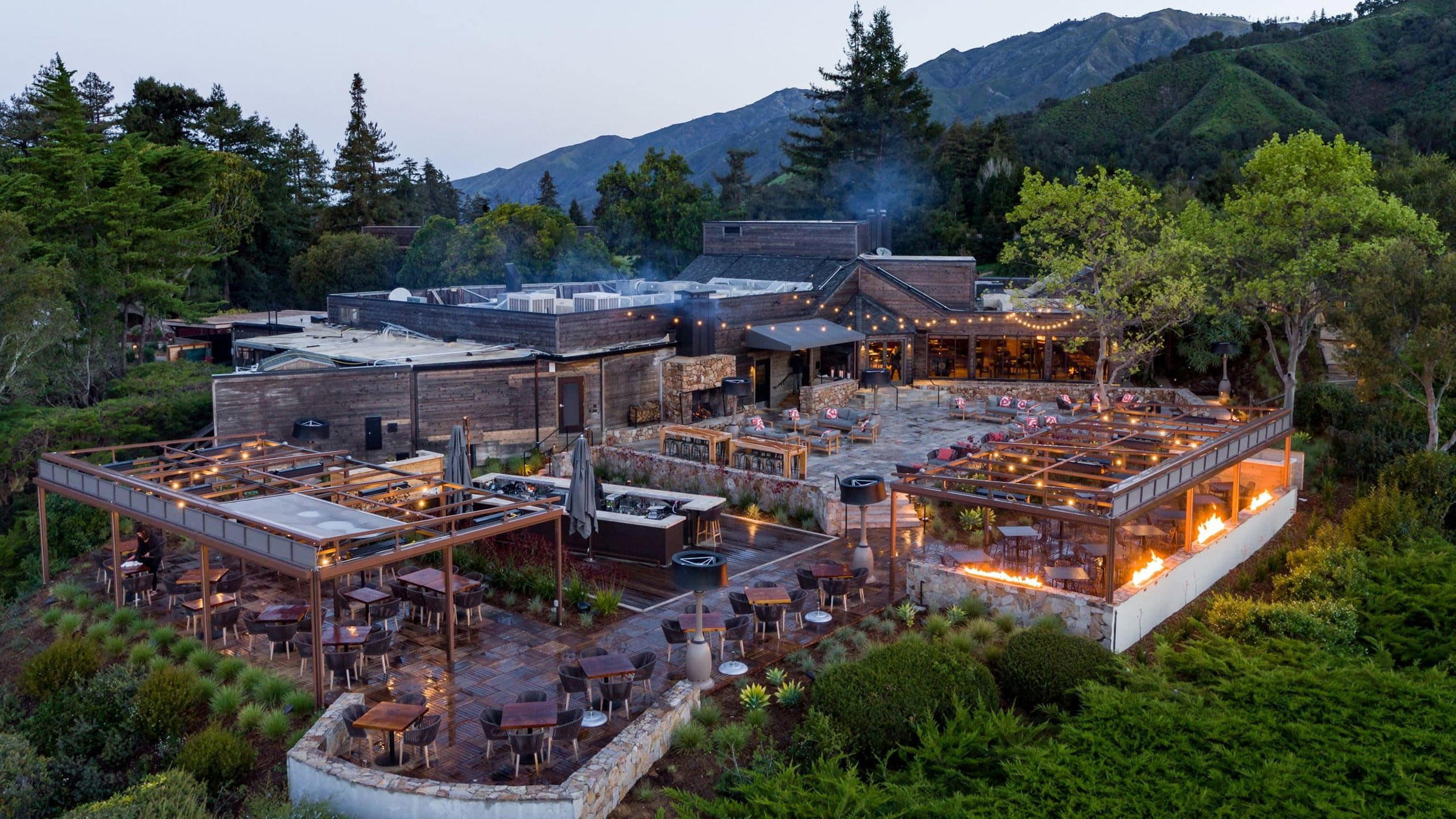
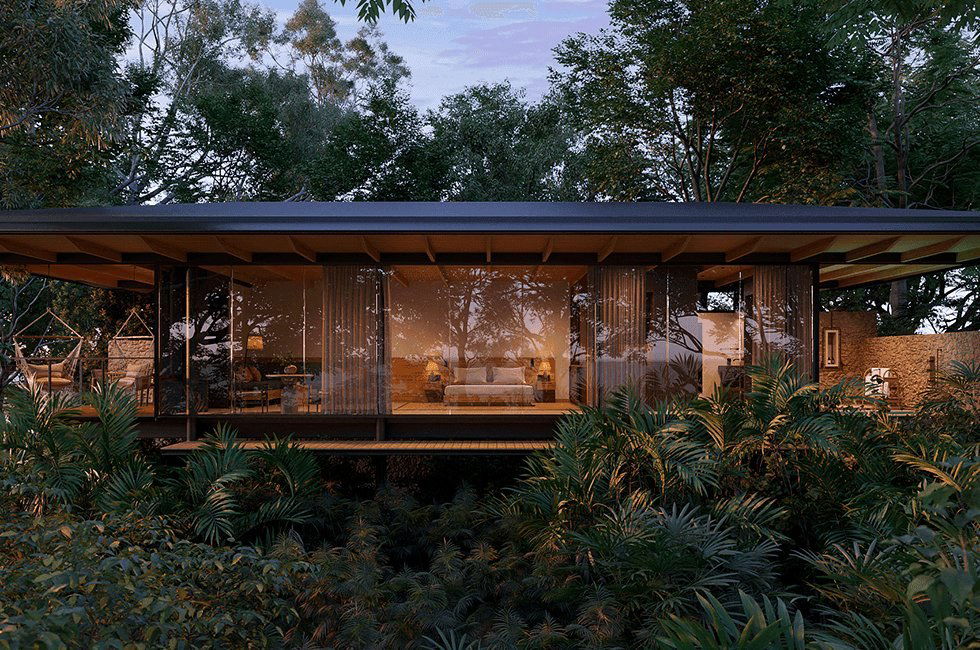
Rio Perdido reads like a design-led wilderness retreat that prioritizes the surrounding reserve over any architectural gesture. Stainless-steel bungalows perch on stilts along the edges of river gorges, linked by refined wooden walkways that minimize the visual and ecological footprint. The effect is deliberately restrained: the canopy, the rushing water and the 1,500-acre reserve dominate, and the built elements feel like temporary guests. At just twenty rooms the property cultivates a quietly modern, intimate atmosphere where natural sounds replace urban noise and thoughtful materials and placement — not ornament — define the aesthetic.
Best For
The property is best for travelers seeking an immersive nature experience framed by strong design: it works exceptionally well for wellness retreats and romantic getaways where privacy and quiet matter, and it also suits families who want a nature-first vacation. Because the hotel intentionally limits its footprint and room count, it is a deliberate choice for those looking to escape large-scale resort environments; the lodging’s scale and setting also make it a considered option for destination weddings that favor intimacy and landscape over spectacle.
Stay Tips
Book well in advance: the hotel deliberately caps inventory at twenty bungalows and lists nightly rates from $893, so availability can be limited. Expect a secluded approach — the property doesn’t announce itself from the road — and plan around the site’s nature-first design: the reserve and gorge sounds are integral to the experience. If you prefer to be close to the river, request a bungalow positioned at the edge of the gorge; otherwise be prepared for a stay where the landscape and auditory presence of moving water are the primary amenities.
Venue details
Ambiance
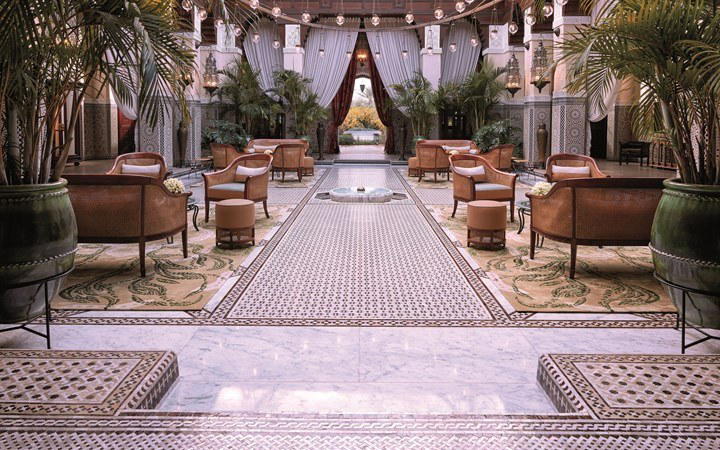
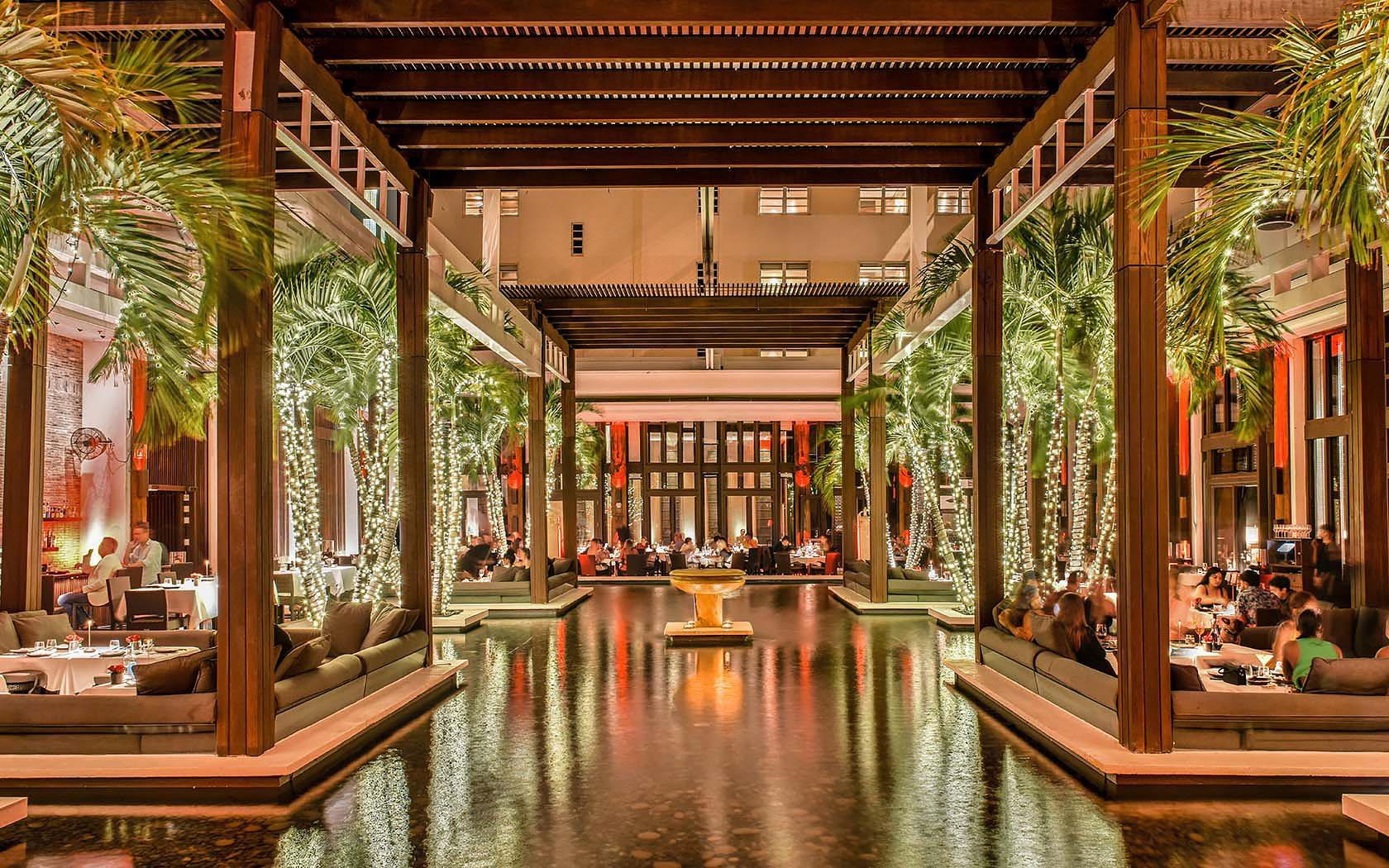
Open-air architecture with floor-to-ceiling windows framing forest canopy views, candlelit terraces overlooking canyons and volcanoes, and a serene atmosphere enhanced by natural thermal pools and meditation spaces.
Tags
Vibe
Best For
Experience
Amenities
View
About the Stay
- Rooms
- 38
- Check-in
- 15:00
- Check-out
- 12:00
- Property Style
- Eco Luxury Jungle Resort with Bungalows Nestled in Forest Canopy, Emphasizing Sustainable Design and Minimal Environmental Footprint.
- Design Style
- Contemporary Rustic with Singed Wood Walls, Open Air Architecture, and Natural Materials That Blend Seamlessly with the Surrounding Rainforest Landscape.
Know before you go
Know Before You Go
- Getting there
- South from San Bernardo Catholic Church, 4 km, Provincia de Guanacaste, Fortuna, 50401
Planning details
Location
South from San Bernardo Catholic Church, 4 km, Provincia de Guanacaste, Fortuna, 50401 · Directions
Recognition and awards

Also consider
Also Consider
- Origins Luxury Lodge, Notable alternative
- Rio Celeste Hideaway Hotel, Notable alternative
- El Mangroove, Autograph Collection, Notable alternative
- Andaz Costa Rica Resort at Peninsula Papagayo, Notable alternative
- 1968house - Two-Bedroom Apartment, Notable alternative
Hotel context
How it compares with nearby hotel choices
Against Origins Luxury Lodge and Rio Celeste Hideaway Hotel, Rio Perdido is the more credibility-backed pick for travelers who want a recognized small-luxury retreat in the Bagaces orbit. The 2025 Michelin 2 Key signal gives it a firmer quality case than a standard nature-hotel shortlist, though price details are not published here, so value should be judged by dates and inclusions rather than headline rate alone.
If the priority is resort infrastructure, compare it with El Mangroove, Autograph Collection and Andaz Costa Rica Resort at Peninsula Papagayo. Those are likely safer for travelers who want a larger resort feel, easier beach logistics, and more built-in dining variety. Rio Perdido is the better call for quieter ambiance and a stay that feels more removed from the coast.
1968house - Two-Bedroom Apartment is the cross-shop for travelers prioritizing space and independence over hotel service. Choose it if the trip is practical and self-directed. Choose Rio Perdido if the point is a polished retreat experience and the booking challenge is worth solving early.
Explore Bagaces
Around this place
Discover more on Pearl
Unlock the full Rio Perdido guide in Pearl, including awards, comparisons, FAQs, planning details, and nearby places.
Compare Rio Perdido
| Venue | Location | Awards |
|---|---|---|
| Rio Perdido | Bagaces | Michelin 2 Keys 20252025 Michelin 2 KeysSmall Luxury Hotels Member 2025 |
| Origins Luxury Lodge | Bijagua | 2025 Michelin 1 Key |
| Rio Celeste Hideaway Hotel | Bijagua | 2025 Michelin 1 Key |
| El Mangroove, Autograph Collection | Guanacaste | 2026 Forbes 4-Star2026 La Liste Top Hotels2025 Michelin Selected Hotels2025 Forbes 4-Star |
| Andaz Costa Rica Resort at Peninsula Papagayo | Guanacaste | 2026 Forbes 4-Star2026 Virtuoso Luxury Hotel Collection2025 Michelin 1 Key2025 Forbes 4-Star |
| 1968house - Two-Bedroom Apartment | Puntarenas | No published awards |





How Rio Perdido Bagaces compares with similar nearby venues.
FAQ
Frequently Asked Questions
Do loyalty programs work at Rio Perdido?
Rio Perdido is a Small Luxury Hotels of the World member in 2025, but specific points earning, redemption, elite-benefit, or loyalty-program details are not specified. If loyalty mechanics matter, confirm them directly before booking and compare the overall fit with Andaz Costa Rica Resort at Peninsula Papagayo or El Mangroove, Autograph Collection.
How does Rio Perdido compare to other hotels?
Choose Rio Perdido if you want a Bagaces venue with Michelin 2 Keys recognition in 2025 and Small Luxury Hotels of the World membership in 2025. For alternatives, compare it with Origins Luxury Lodge, Rio Celeste Hideaway Hotel, Andaz Costa Rica Resort at Peninsula Papagayo, and El Mangroove, Autograph Collection based on the specific stay details for your dates.
How is the pool and spa at Rio Perdido?
Pool or spa details are not specified. If those facilities are important, ask Rio Perdido directly before booking; if you do not need hotel-style facilities, 1968house - Two-Bedroom Apartment may be a useful comparison point.
What is check-in like at Rio Perdido?
The location is Bagaces, but a specific address, check-in time, arrival process, or transfer arrangement are not specified. Confirm check-in details directly with Rio Perdido before travel.
How is the dining at Rio Perdido?
The dining dress code is casual. Cuisine, menu format, chef, pricing, meal periods, takeout, delivery, or whether dining should be treated as a standalone reason to visit Bagaces are not specified.