
Banyan Tree Higashiyama Kyoto
Higashiyama, Kyoto
Hotel in Kyoto, Japan
 Book with Pearl
The Read
Noh-Stage Ryokan Immersion
Why go
Book Banyan Tree Higashiyama Kyoto if the value is being based in Kyoto's eastern temple district with a luxury-recognized hotel as the anchor. It is a stronger fit for couples and design-minded leisure stays than for travelers who only need a functional base. Compare rates closely against Park Hyatt Kyoto, The Hotel Seiryu Kyoto Kiyomizu, and SOWAKA before committing.
About Banyan Tree Higashiyama Kyoto
Against Kyoto's hotel options, Banyan Tree Higashiyama Kyoto is one to consider if the decision is less about a long checklist of details and more about choosing a Kyoto stay with recognized accolades behind it. The hotel has a Michelin 1 Key for 2025 and a Mr & Mrs Smith Seal of Approval for 2026. Park Hyatt Kyoto, The Hotel Seiryu Kyoto Kiyomizu, SOWAKA, Hotel Chourakukan, and Japanese Inn YOSHIMIZU are natural names to compare when deciding what kind of Kyoto stay best fits the trip.
The value case should stay simple. Consider Banyan Tree Higashiyama Kyoto as a Kyoto hotel with recognized accolades rather than as a stay defined by details about facilities, room count, service style, dining, pricing, or location within the city. The dress code is smart casual. If a specific amenity, room type, or service is essential, confirm it directly before booking.
Pick this for a recognized Kyoto stay, not for a bargain-hunt stay
The strongest case is for travelers who want a Kyoto hotel with recognized accolades and are comfortable making the final decision after checking current availability and the specific room or package on offer. This hotel may be a fit for a range of neighborhood plans, facility needs, or dining itineraries, but the final choice should rest on current details. Value-seekers should compare the available rate and category against other Kyoto options and avoid paying for assumptions.
Booking difficulty, seasonal demand, room categories, and rate patterns can vary. If Banyan Tree Higashiyama Kyoto is the preferred stay, check availability directly and compare it with other Kyoto hotels before committing. If only expensive categories remain, cross-shop rather than forcing the booking.
Who should cross-shop before committing
Choose Park Hyatt Kyoto if you want another Kyoto hotel to compare against Banyan Tree Higashiyama Kyoto. Consider The Hotel Seiryu Kyoto Kiyomizu, SOWAKA, Hotel Chourakukan, or Japanese Inn YOSHIMIZU if you are still deciding which Kyoto hotel style best fits the trip. The key is to compare current details rather than relying on assumptions about amenities, service format, or neighborhood-specific advantages.
For planning around the wider city, use Our full Kyoto hotels guide alongside Our full Kyoto restaurants guide, Our full Kyoto bars guide, Our full Kyoto wineries guide, and Our full Kyoto experiences guide. Quick reference: compare current availability, confirm any must-have hotel features directly, and cross-shop carefully if the available rate or category does not fit the trip.
Part of
Banyan Tree27 locations on PearlPlanning details
- Location
- 〒605-0861 Kyoto, Higashiyama Ward, Seikanji Ryōzanchō, 7番地
- Website
- banyantree.com/japan/kyoto
- Phone
- +81 75-531-0500
The take
The Take
The Vibe
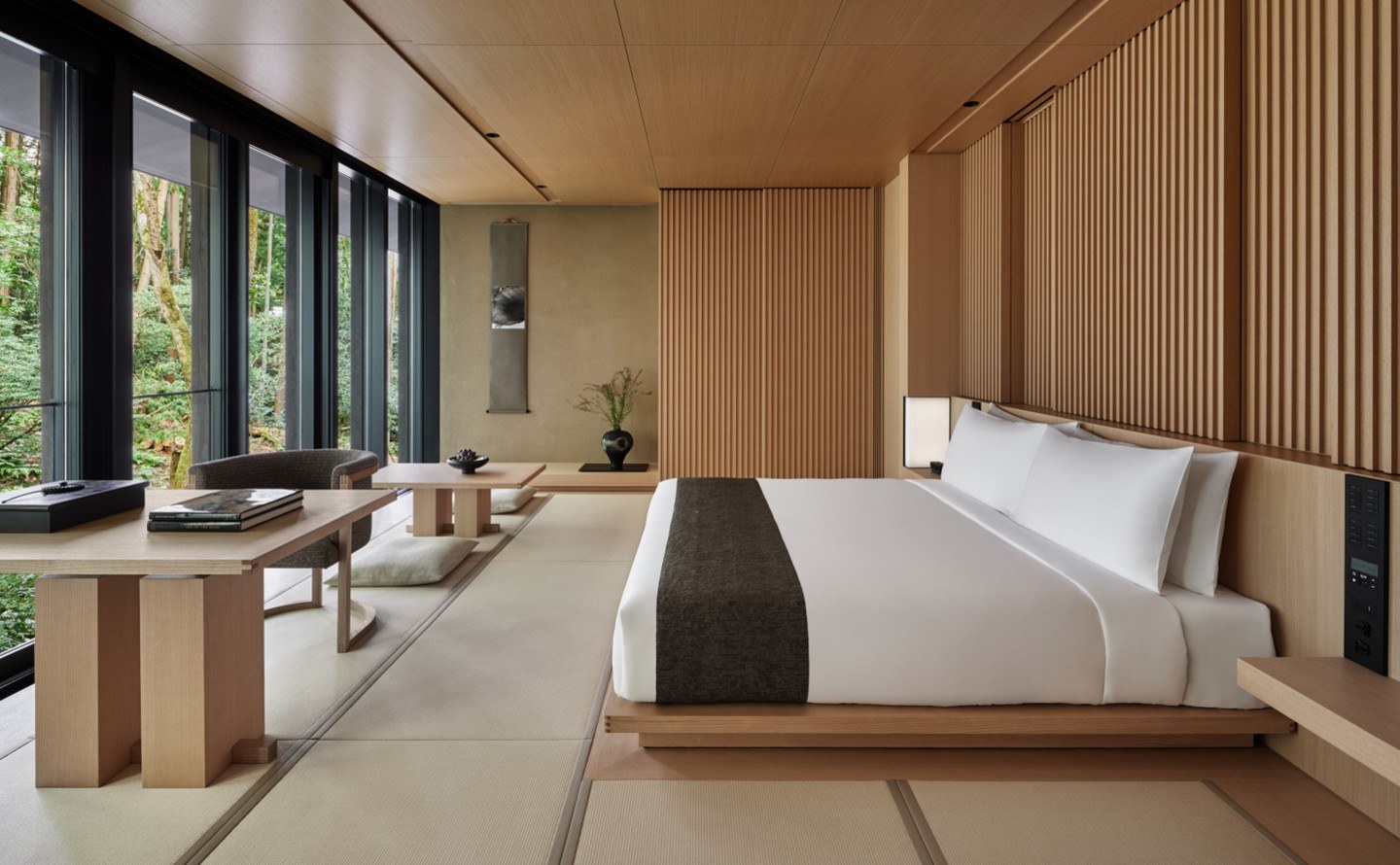
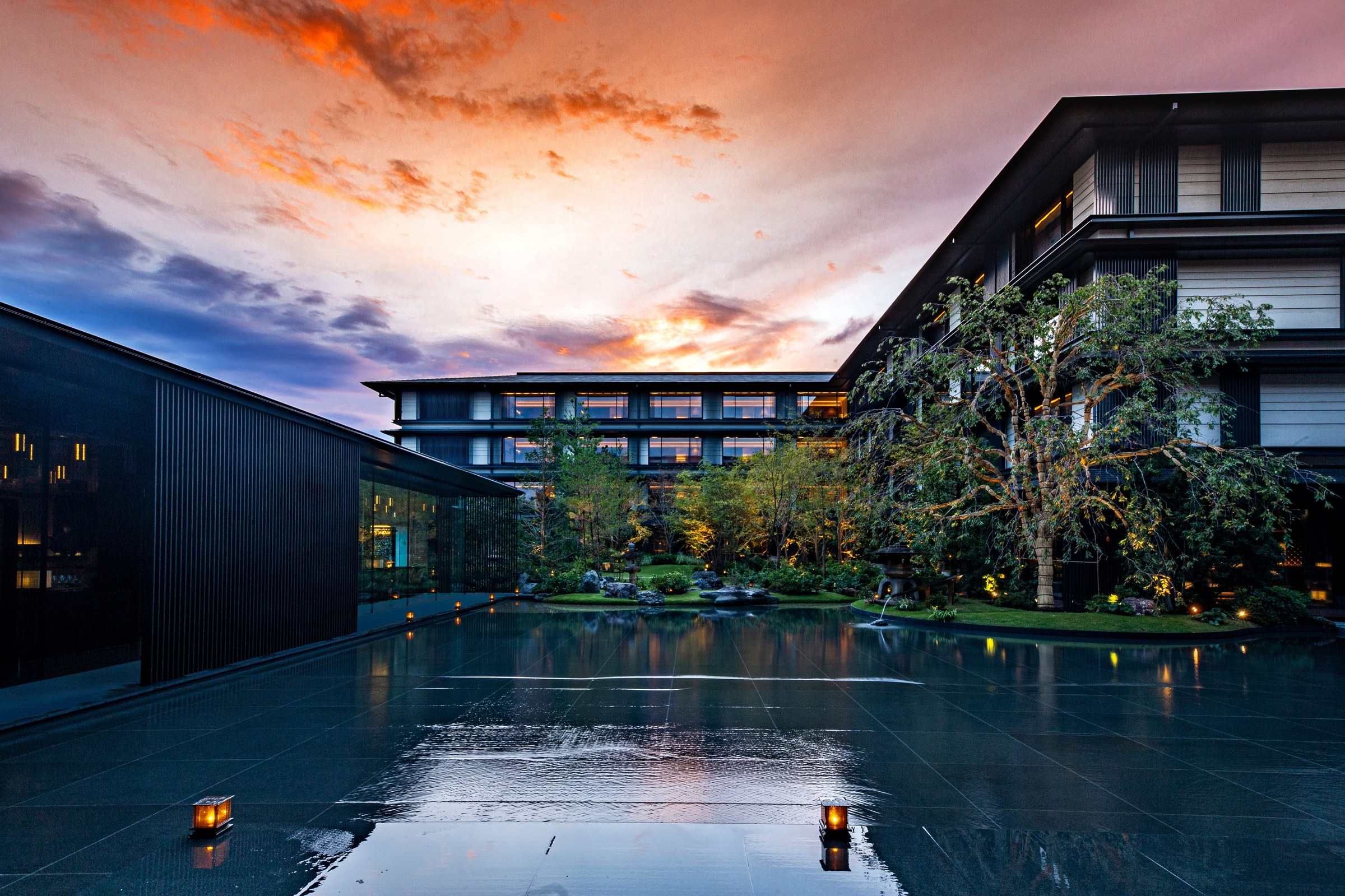
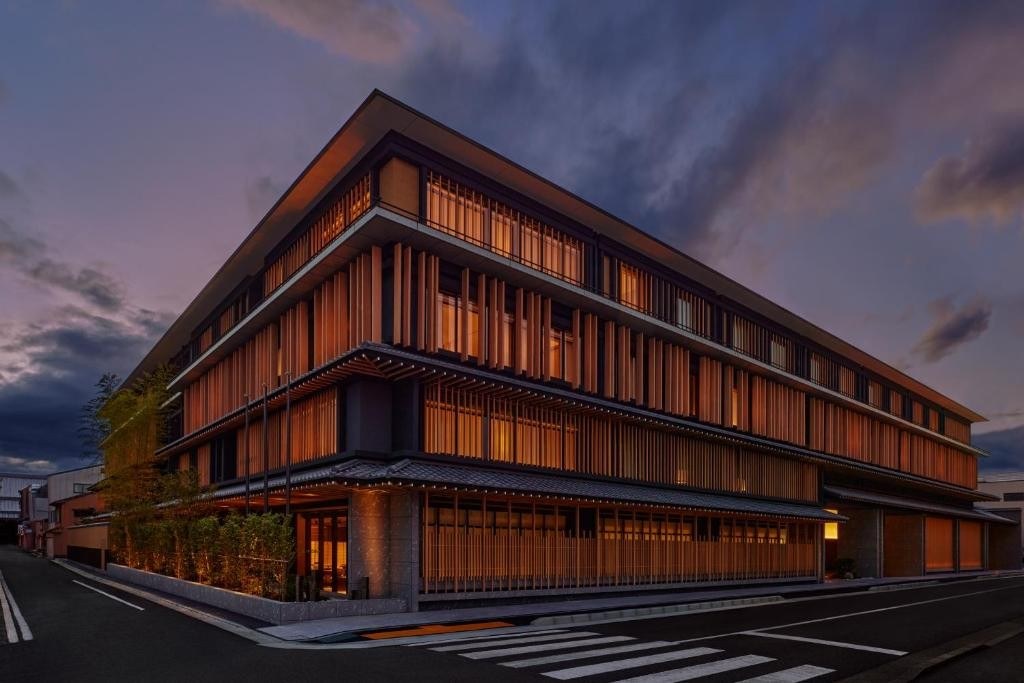
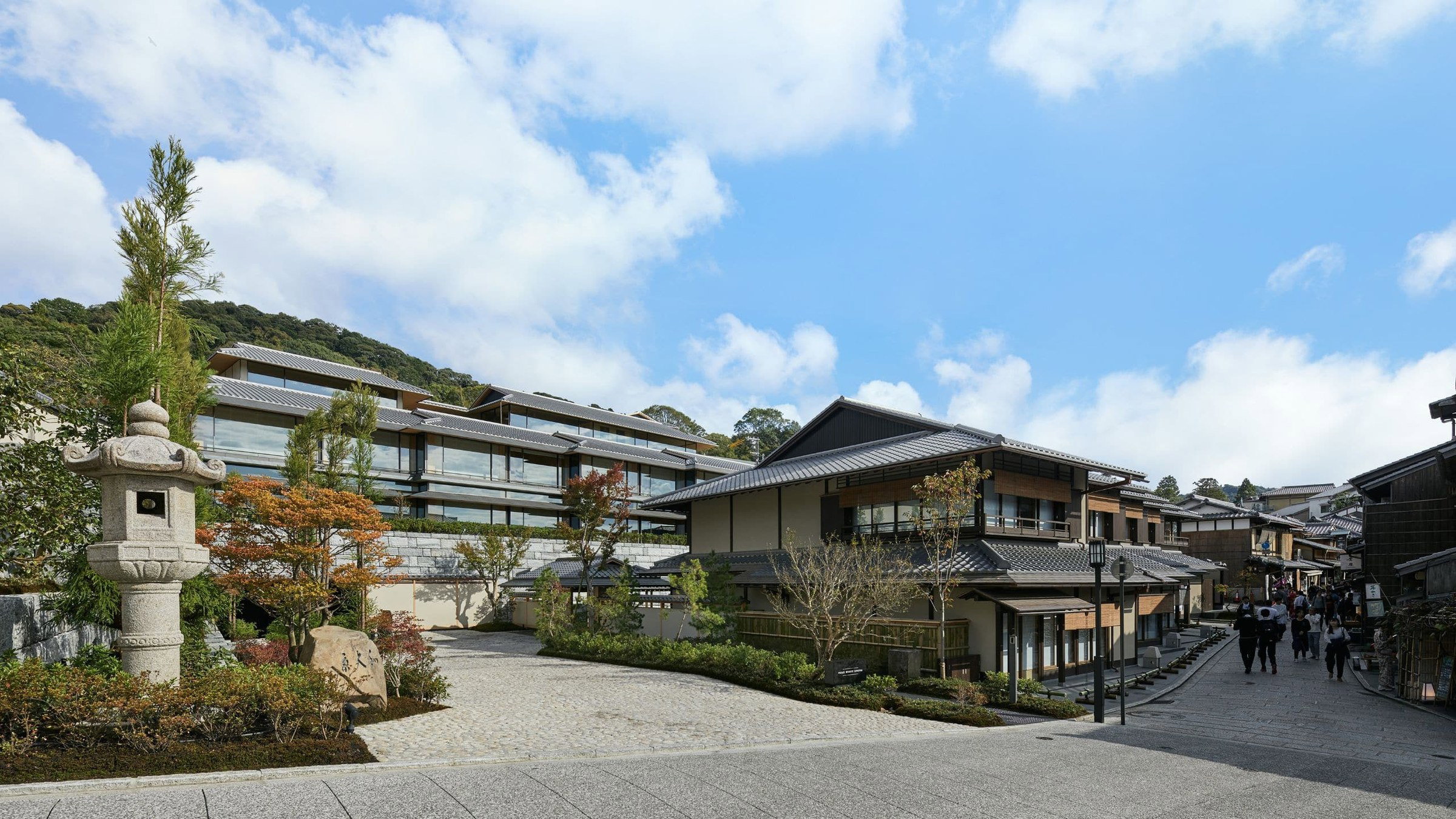
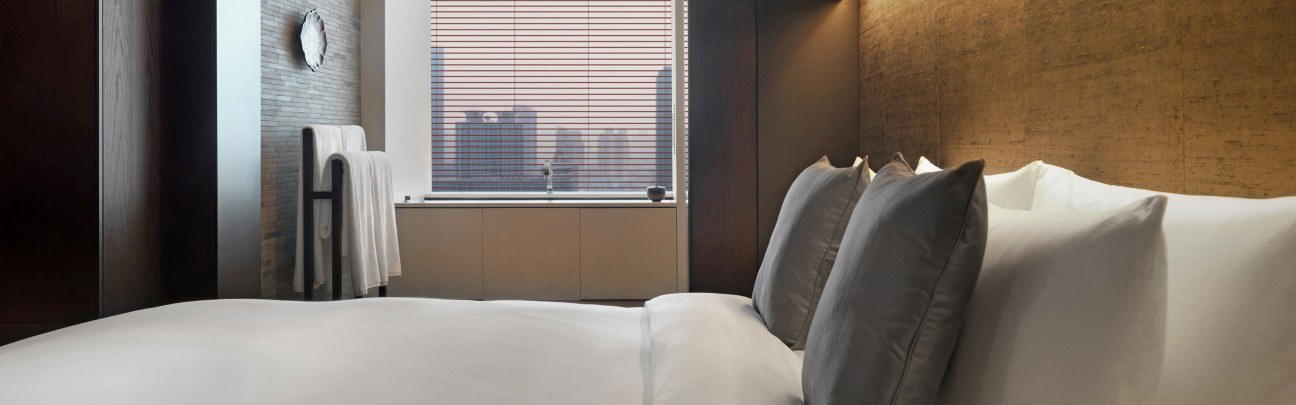
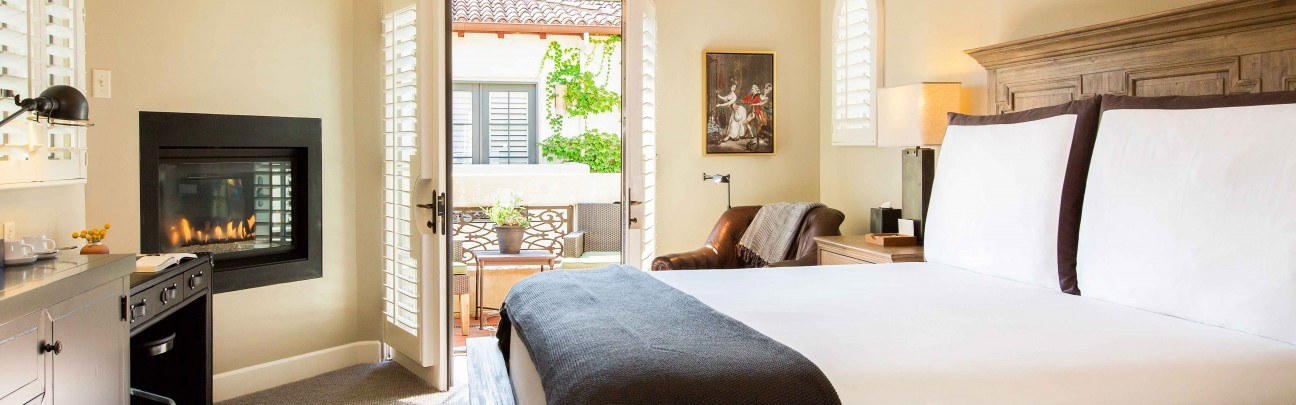
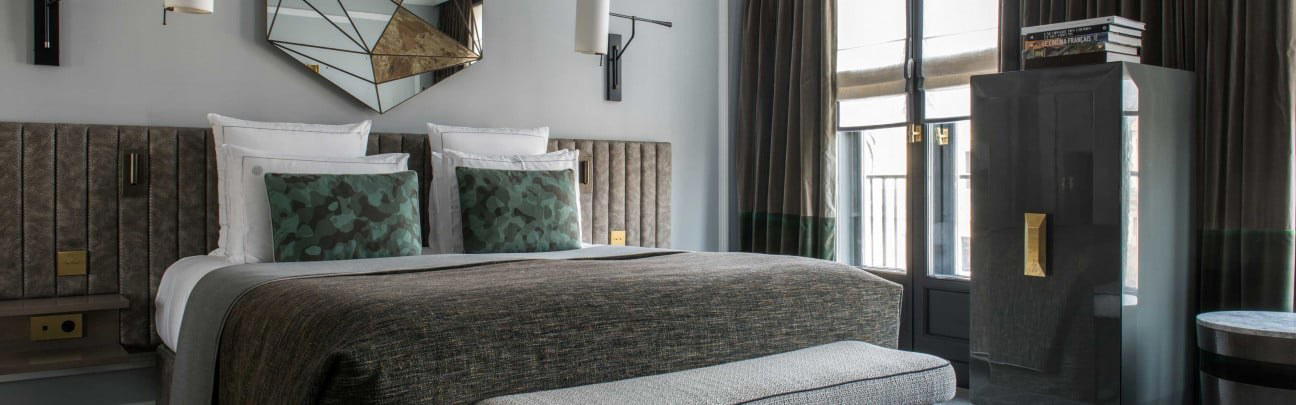
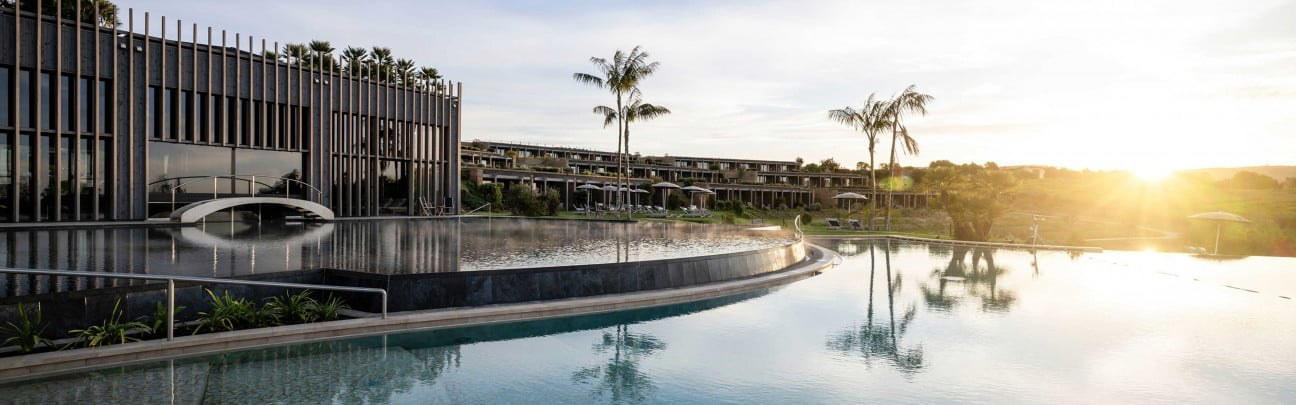
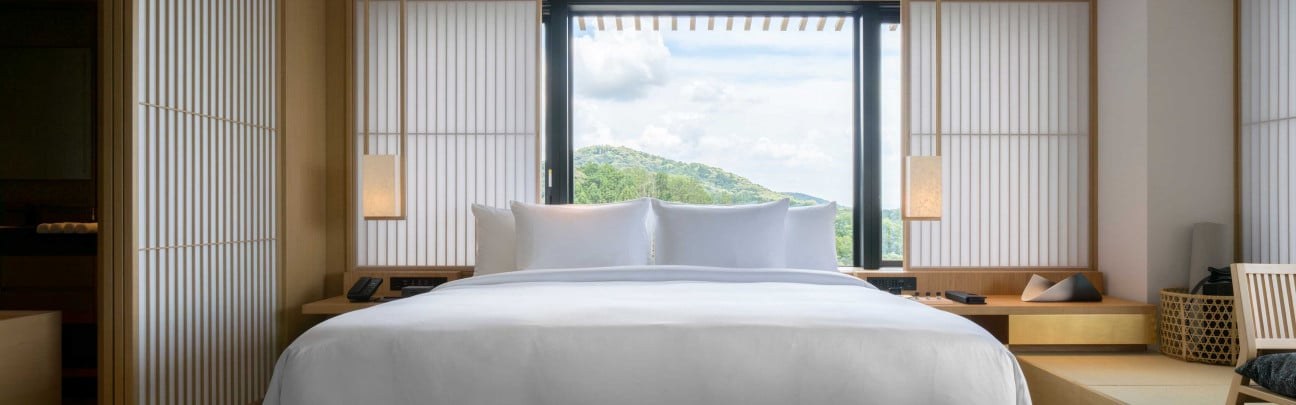
Banyan Tree Higashiyama Kyoto leans into Kyoto’s tradition of contemplative withdrawal, designing stillness into every touchpoint. Set across a wooded hillside, the 52-room property feels deliberately intimate, favoring quiet luxury over spectacle. Materials and scale reference the ryokan model—measured, minimal, and restorative—while the hillside setting frames nature as part of the stay. Expect serene common spaces and a restrained aesthetic that emphasizes pause and privacy, making the hotel feel like a small retreat rather than a conventional urban resort.
Best For
This hotel is best for travelers seeking a restorative, low-key luxury escape: couples on honeymoon or anniversaries, guests booking a romantic getaway, and anyone prioritizing wellness. The property’s ryokan-inspired approach and offering of private onsen baths in select rooms make it particularly suited to visitors who want ritualized bathing and quiet recovery. It also works for discerning travelers who prefer an intimate scale—luxury without the bustle of larger city hotels—especially those willing to pay a premium for privacy and place-specific design.
Stay Tips
When booking, prioritize room categories that explicitly list private onsen baths—the description notes that select rooms include onsen fed by natural hot springs, and those categories materially change the experience. Be prepared for a premium nightly rate (the property sits in the upper band of Kyoto luxury), and book well in advance to secure the more intimate room types. Given the small scale, availability for peak dates and special-occasion stays can be limited, so confirm any spa or special requests at the time of reservation.
Venue details
Ambiance
Serene and tranquil atmosphere with soundproofed rooms, lush gardens, and restorative spa lighting creating a sanctuary-like retreat.
Tags
Vibe
Best For
Experience
Amenities
View
Accessibility
About the Stay
- Rooms
- 52
- Property Style
- Contemporary Japanese Luxury Ryokan with Natural Hot Springs
- Design Style
- Traditional Japanese with Tatami, Hinoki Wood, Gold Leaf, and Modern Comforts
Know before you go
Know Before You Go
- Getting there
- 〒605-0861 Kyoto, Higashiyama Ward, Seikanji Ryōzanchō, 7番地
Planning details
Location
〒605-0861 Kyoto, Higashiyama Ward, Seikanji Ryōzanchō, 7番地 · Directions
Recognition and awards
Also consider
Also Consider
- Park Hyatt Kyoto, Notable alternative
- The Hotel Seiryu Kyoto Kiyomizu, Notable alternative
- SOWAKA, Notable alternative
- Japanese Inn YOSHIMIZU, Notable alternative
- Hotel Chourakukan, Notable alternative
Hotel context
How It Compares
Park Hyatt Kyoto is the clearest cross-shop if the priority is a polished luxury baseline in Higashiyama. Banyan Tree Higashiyama Kyoto is the more targeted choice for travelers who want a quieter destination-hotel feel, while Park Hyatt Kyoto is the lower-risk pick for guests who want a more established international-luxury template.
The Hotel Seiryu Kyoto Kiyomizu and SOWAKA are the better alternatives if atmosphere is the deciding factor. The Hotel Seiryu Kyoto Kiyomizu suits travelers who want a heritage-building stay near Kiyomizu, while SOWAKA is the sharper cross-shop for a smaller, more intimate Kyoto mood. If Banyan Tree rates climb into a category that feels hard to justify, these two are the first places to compare.
Japanese Inn YOSHIMIZU and Hotel Chourakukan serve different value cases. Japanese Inn YOSHIMIZU is for travelers who would trade full-service hotel polish for a simpler traditional stay, while Hotel Chourakukan is a sensible heritage-leaning alternative. For the easiest decision: book Banyan Tree Higashiyama Kyoto for luxury recognition and Higashiyama anchoring, Park Hyatt Kyoto for certainty, SOWAKA for intimacy, and The Hotel Seiryu Kyoto Kiyomizu for adaptive-reuse character.
Explore Kyoto
Around this place
Discover more on Pearl
Unlock the full Banyan Tree Higashiyama Kyoto guide in Pearl, including awards, comparisons, FAQs, planning details, and nearby places.
Compare Banyan Tree Higashiyama Kyoto
| Venue | Location | Awards |
|---|---|---|
| Banyan Tree Higashiyama Kyoto | Kyoto | 2026 Mr & Mrs Smith Luxury HotelsMichelin 1 Key 20252025 Michelin 1 Key |
| Park Hyatt Kyoto | Kyoto | 2026 World’s 50 Best Hotels 1-50 · #372026 Forbes 4-Star2026 Virtuoso Luxury Hotel Collection2026 La Liste Top Hotels2025 World’s 50 Best Hotels · #592025 Michelin 1 Key2024 World's 50 Best Hotels · #272024 Michelin 1 Key2023 World's 50 Best Hotels · #30 |
| The Hotel Seiryu Kyoto Kiyomizu | Kyoto | 2026 Forbes 4-Star2026 La Liste Top HotelsLeading Hotels of the World 20262025 Forbes 4-Star2025 Michelin 1 Key2024 Michelin 1 Key |
| SOWAKA | Kyoto | 2026 Forbes 4-Star2026 La Liste Top Hotels2025 Forbes 4-StarSmall Luxury Hotels Member 2025 |
| Japanese Inn YOSHIMIZU | Kyoto Shi | No published awards |
| Hotel Chourakukan | Kyoto | Small Luxury Hotels Member 2025 |







How Banyan Tree Higashiyama Kyoto compares with similar nearby venues.
FAQ
Frequently Asked Questions
When is the best time to book Banyan Tree Higashiyama Kyoto?
How is the pool and spa at Banyan Tree Higashiyama Kyoto?
The hotel has confirmed recognition, including a 2025 Michelin 1 Key and a 2026 Mr & Mrs Smith Seal of Approval, but travelers who need particular wellness facilities should confirm those details directly before booking. For a different Kyoto stay to compare, consider SOWAKA or Japanese Inn YOSHIMIZU.
What is Banyan Tree Higashiyama Kyoto known for?
Banyan Tree Higashiyama Kyoto is a Kyoto hotel with a 2025 Michelin 1 Key and a 2026 Mr & Mrs Smith Seal of Approval. The dress code is smart casual.
Where is Banyan Tree Higashiyama Kyoto located?
Banyan Tree Higashiyama Kyoto is located in Kyoto.