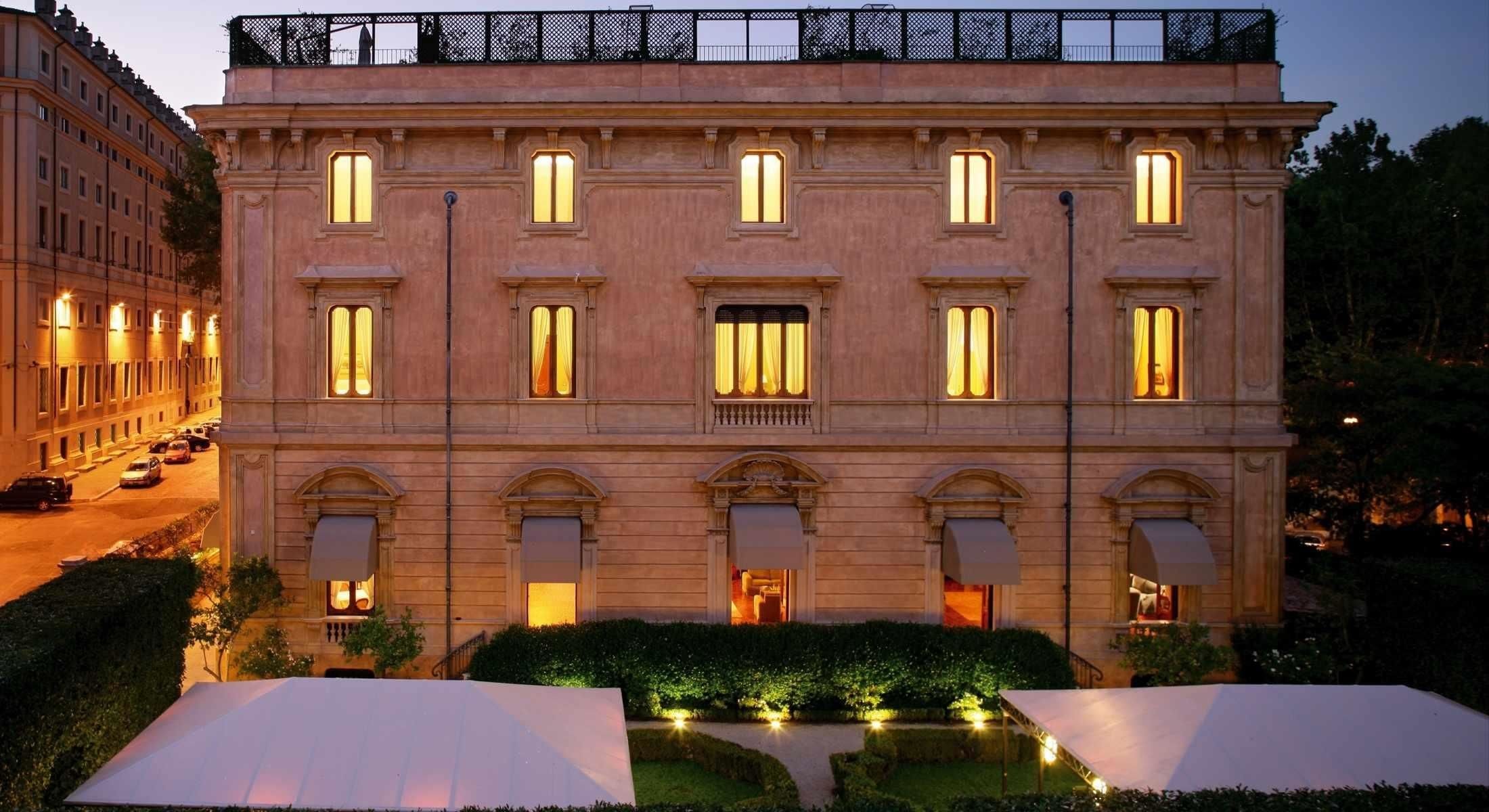




Villa Spalletti Trivelli
Monti, Rome
Hotel in Rome, Italy
 Book with Pearl
The Read
Patrician Residence Hospitality
Why go
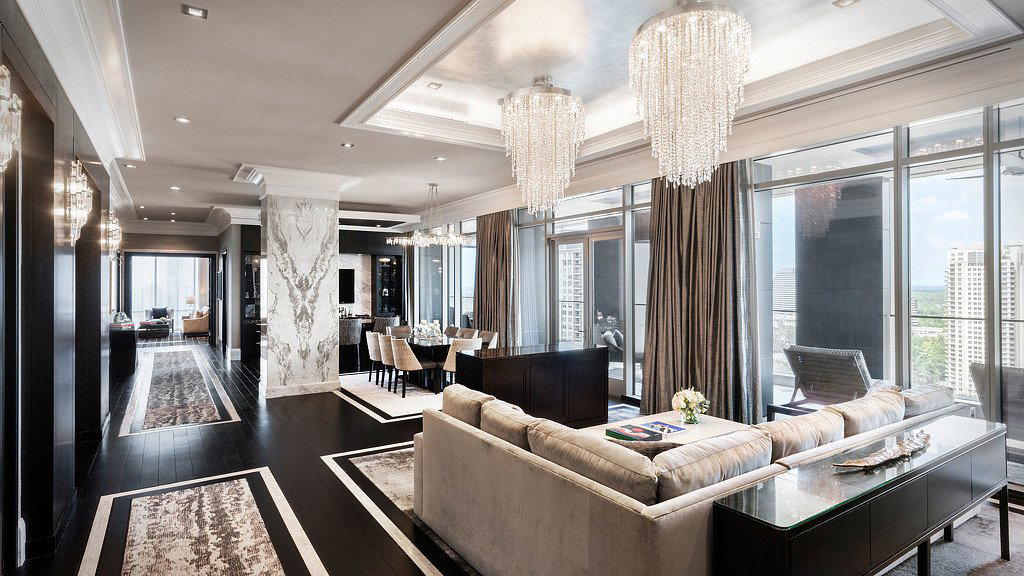
Book Villa Spalletti Trivelli if you want a quieter, residence-style Rome hotel with serious external recognition rather than a big-lobby luxury experience. The suite upgrade is worth considering for longer stays, work calls, or downtime-heavy trips; for a packed sightseeing schedule, a standard room may be the smarter value play.
About Villa Spalletti Trivelli
Villa Spalletti Trivelli in Rome has several hotel recognitions: Small Luxury Hotels of the World Member (2025), La Liste Top Hotels (2026) with 95 points, Forbes 4-Star (2026), and MICHELIN Guide, Hotels Selected (2025). Those signals make it a serious candidate for travelers comparing premium stays in Rome, and the hotel has a smart-casual dress code.
The clearest grounded takeaway is that Villa Spalletti Trivelli is a recognized luxury-hotel option in Rome. Specifics about room categories, facilities, dining, service style, pricing, and on-property amenities should be checked directly before booking.
Book for hotel recognition, not unconfirmed extras
The strongest reason to consider Villa Spalletti Trivelli is its recognition across several hotel-focused guides and organizations. Small Luxury Hotels of the World membership in 2025, Forbes 4-Star recognition in 2026, MICHELIN Guide hotel selection in 2025, and a 95-point La Liste Top Hotels listing for 2026 all support its credibility as a premium Rome stay.
Beyond those points, be careful about assuming specific features. Do not rely on claims about room size, dining formats, wellness facilities, or service details without checking the hotel directly. If those factors matter to the trip, confirm them before comparing rates or committing to a booking.
Who should choose this Rome base
Villa Spalletti Trivelli is best considered by travelers who value formal hotel recognition and want a premium Rome hotel with luxury credentials. The smart-casual dress code also points to a polished setting, though it does not confirm any particular restaurant, bar, or event format.
The main caution is that the information is narrower than a full hotel brief. Compare Villa Spalletti Trivelli with other Rome options such as 1880 Atypical Rooms, Casa Monti Roma, CasaCau, Condominio Monti, and H10 Palazzo Galla if room type, amenities, dining, or location details are central to the decision. For Villa Spalletti Trivelli specifically, use the confirmed awards as a starting point, then verify practical details directly with the property.
Planning details
- Location
- Via Piacenza, 4, 00184 Roma RM
- Website
- villaspalletti.it
- Phone
- +39 06 4890 7934
The take
The Take
The Vibe
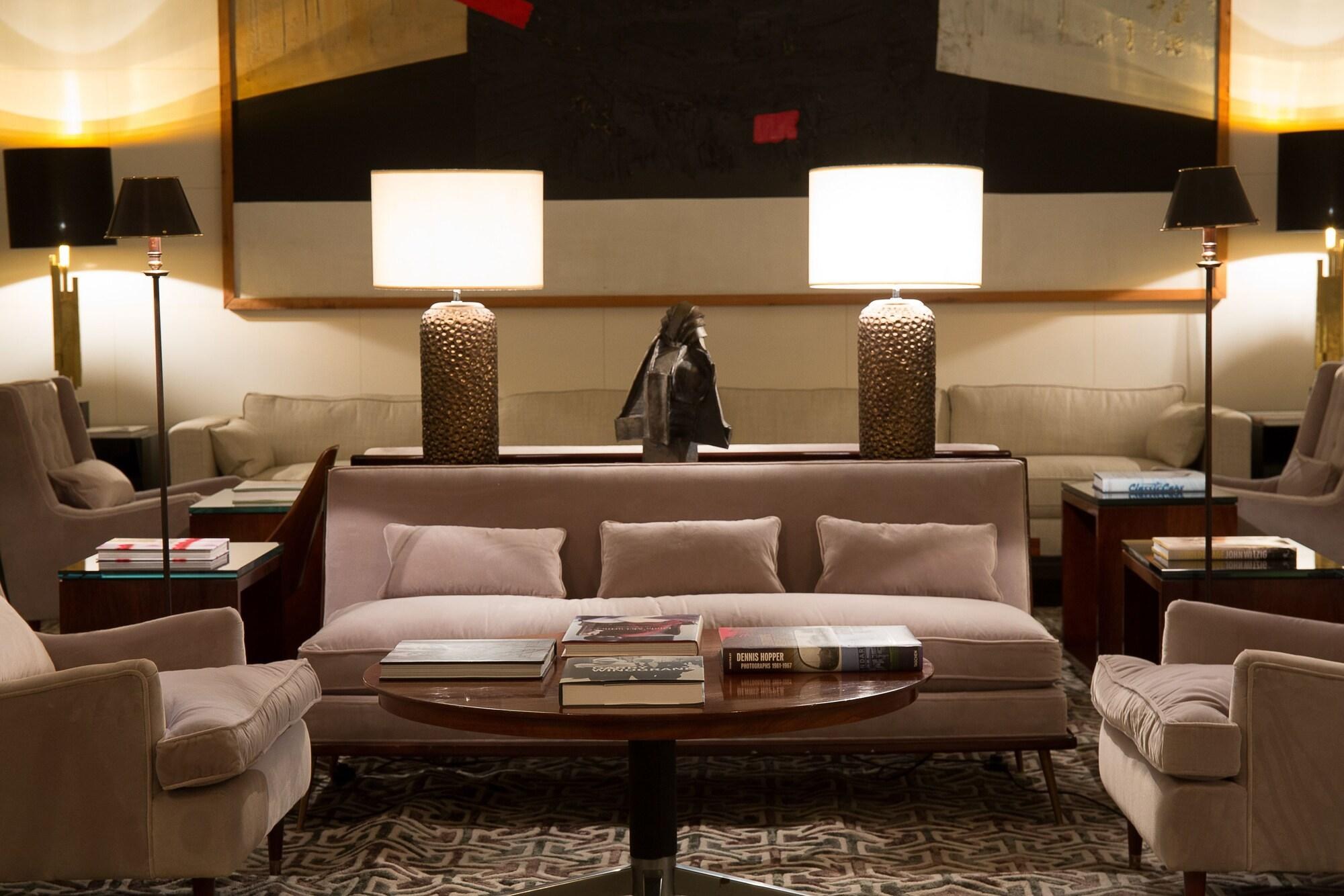
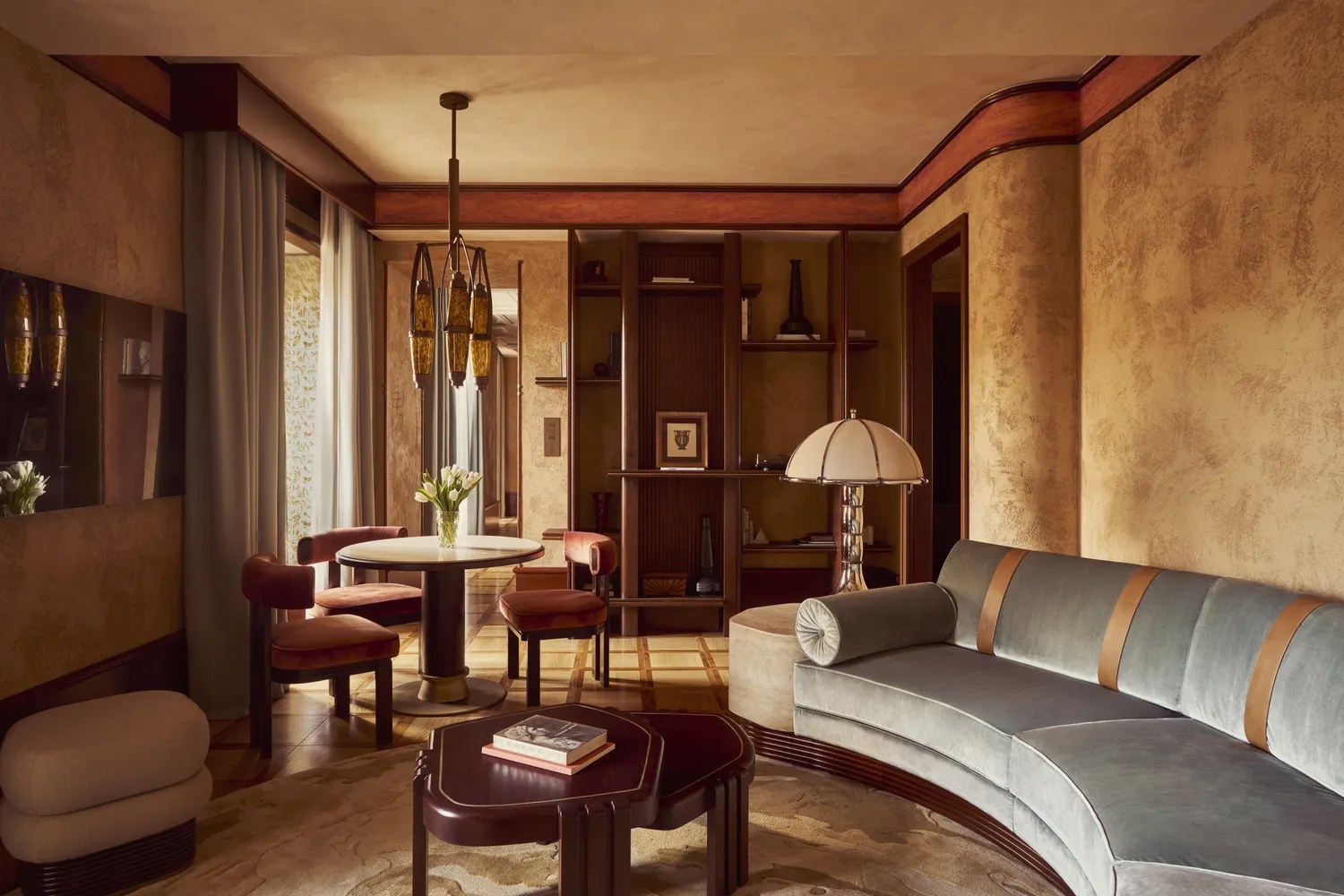
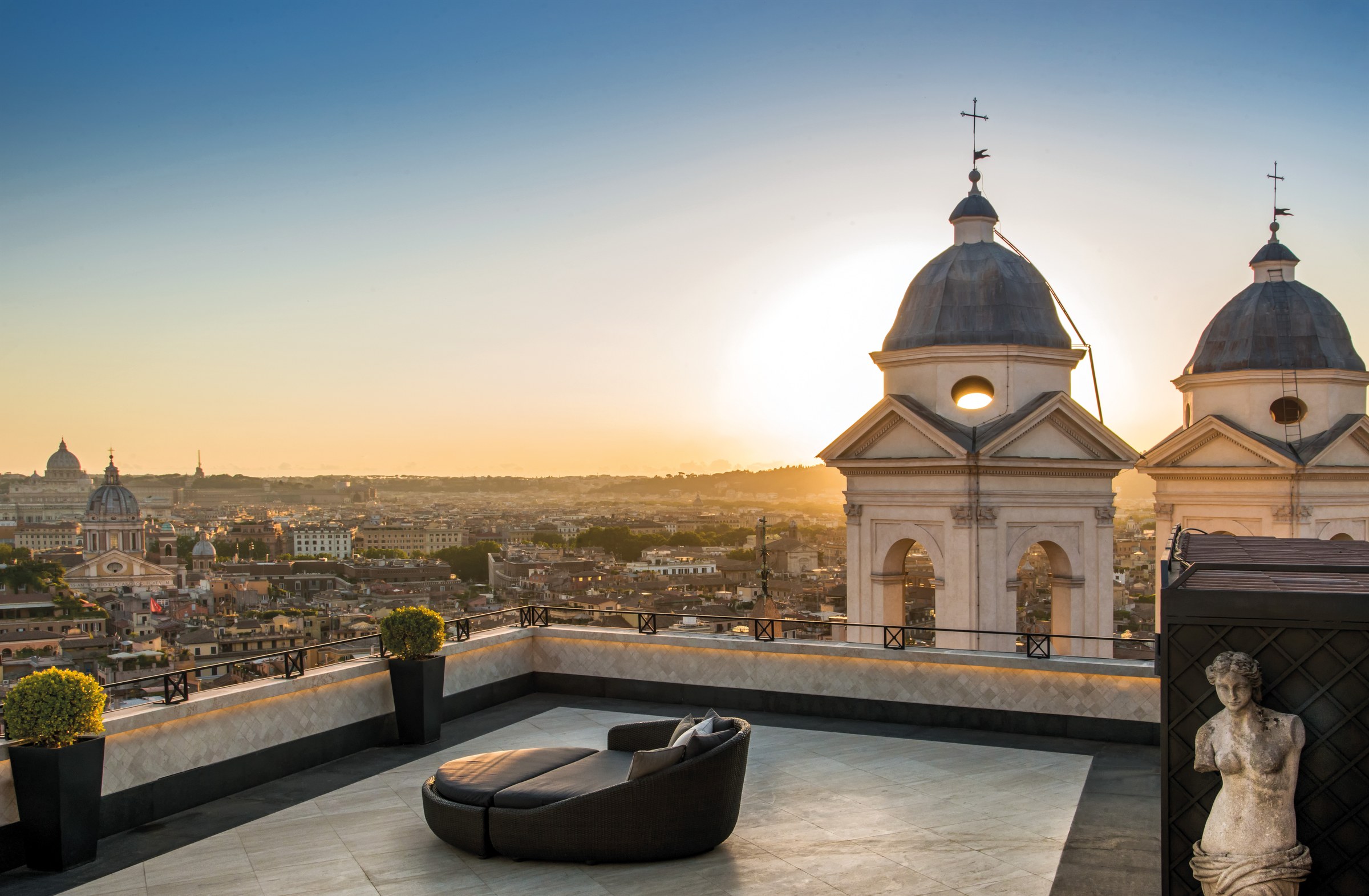
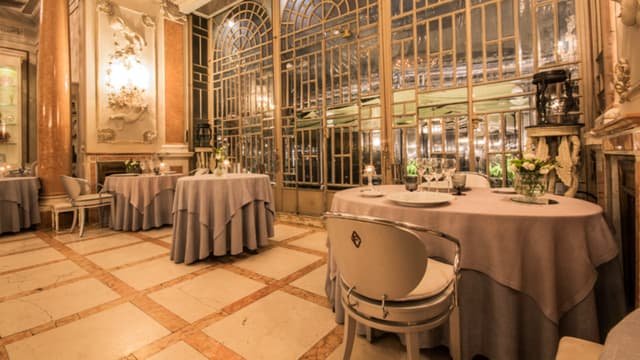
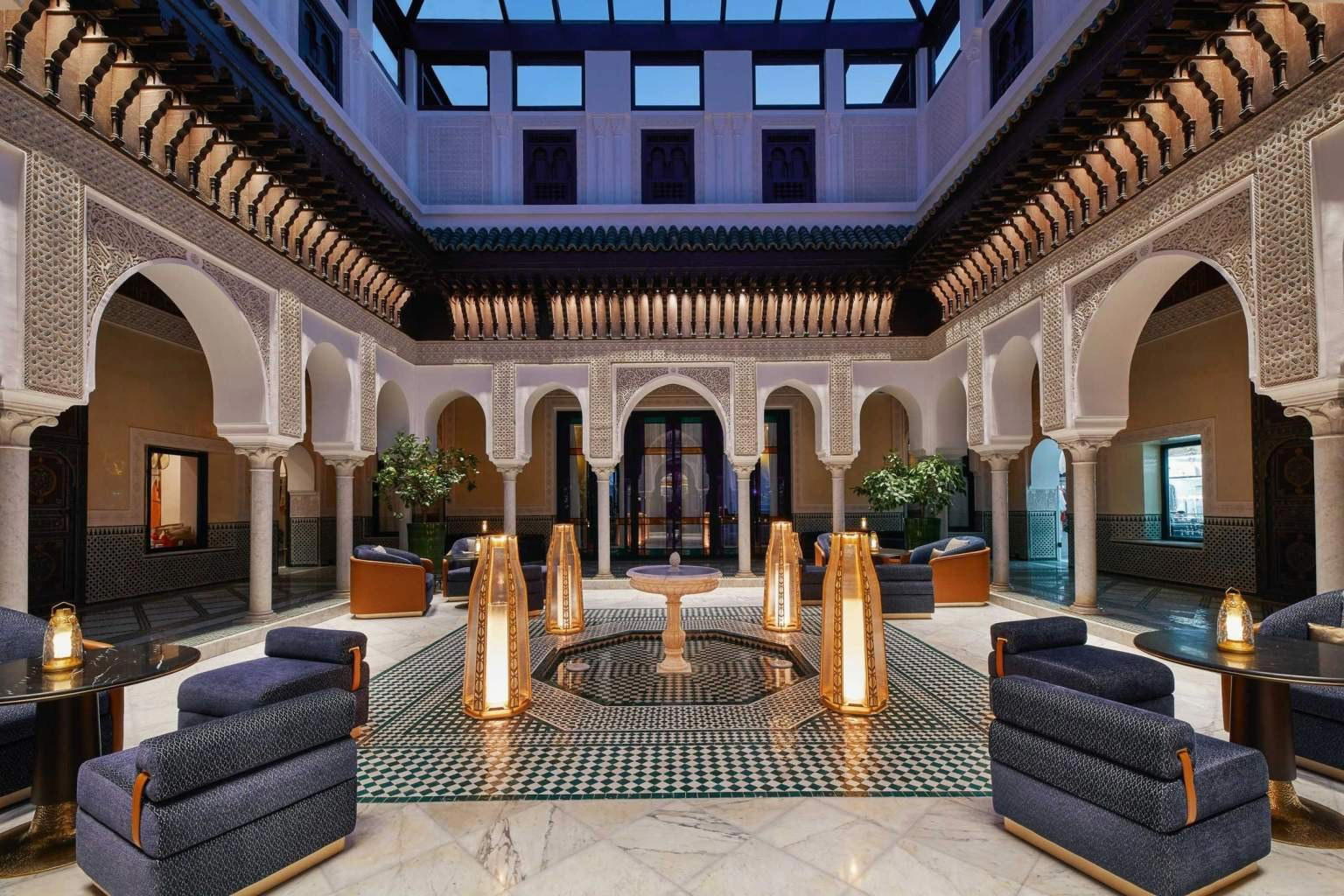
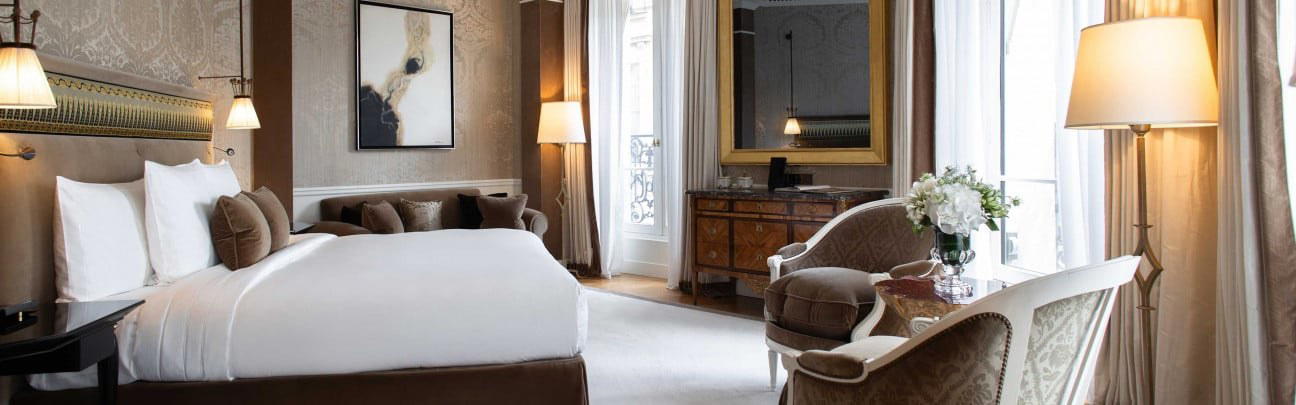
Villa Spalletti Trivelli reads like a preserved palazzo rather than a standardized boutique hotel. The house’s aristocratic origins remain intact: family portraits, heirloom furnishings and fine tapestries populate the public rooms and create a lived-in, characterful atmosphere. Scale is central to the experience — with just 15 rooms and suites the property feels discreet and private, the kind of place that cultivates quiet refinement instead of showy design gestures. Coverage frames it as a serious small property in Europe, and that reputation is one of measured sophistication rather than ostentation.
Best For
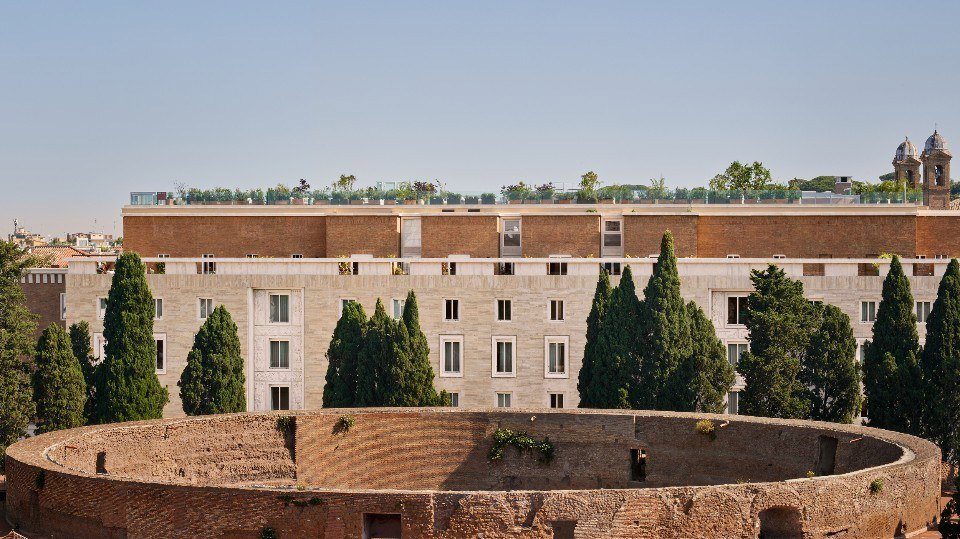
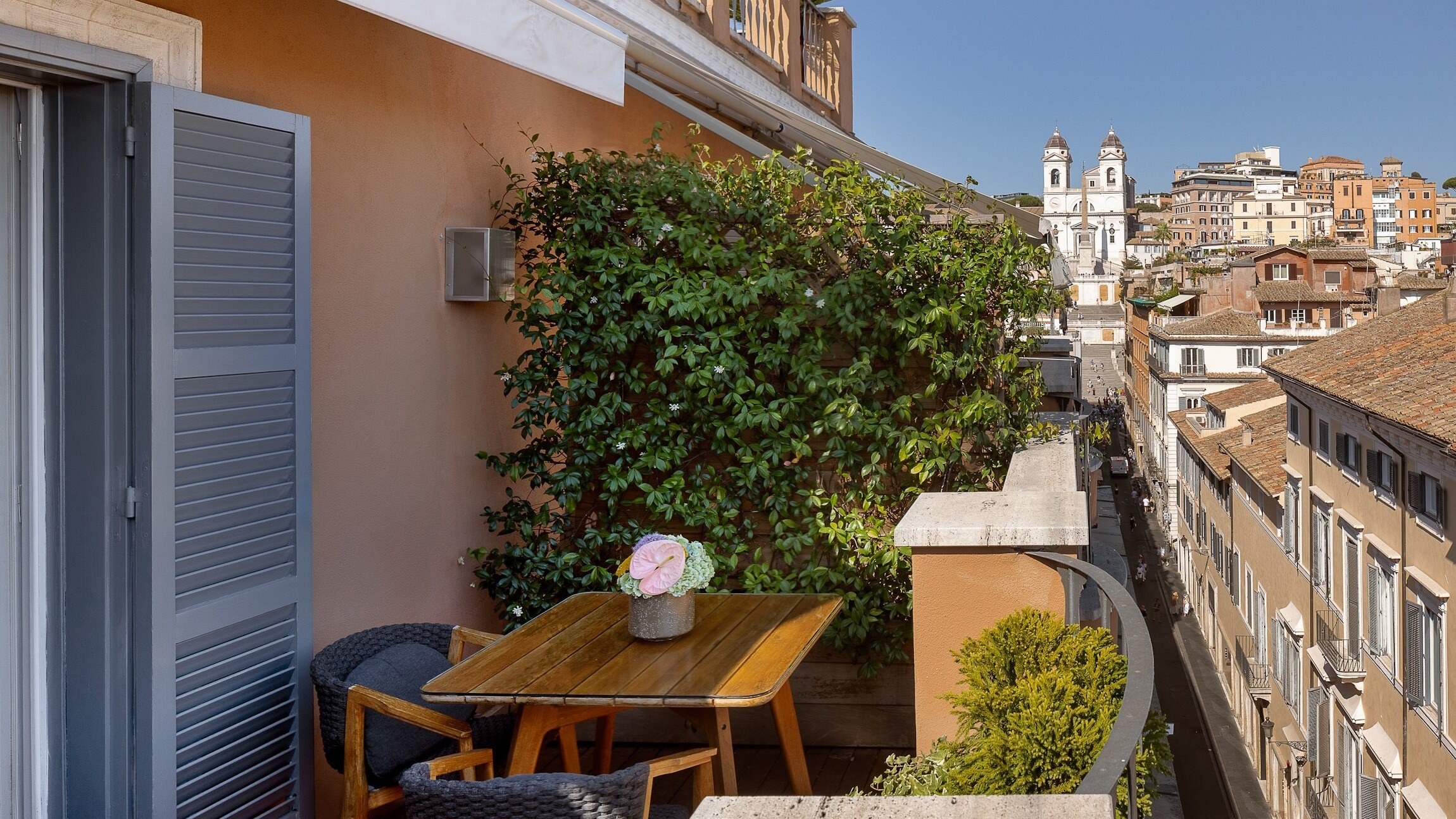
This is a hotel for low-key, intimate stays: think romantic getaways, honeymoons, anniversaries and slow weekend escapes. Its small size and preserved-palazzo character encourage privacy and focused service rather than bustling social programming, so couples and travelers seeking calm, historic surroundings near Rome’s central sights will find it particularly appropriate. The location — a short walk from the Quirinale — makes it convenient for quiet daytime exploration of nearby museums and monuments while offering a restful base at night.
Stay Tips
Inventory is limited: with only 15 rooms and suites, availability can be tight, so book well in advance, especially for weekends and holiday travel. Because the property trades on individuality and family stewardship, reach out to the hotel to specify preferences; personalized attention is likely and may help secure a room that matches your needs. Note the hotel’s central Quirinale location when planning arrivals and departures, and confirm any logistical details directly with the staff since the small scale means amenities and services are tailored rather than standardized.
Venue details
Ambiance
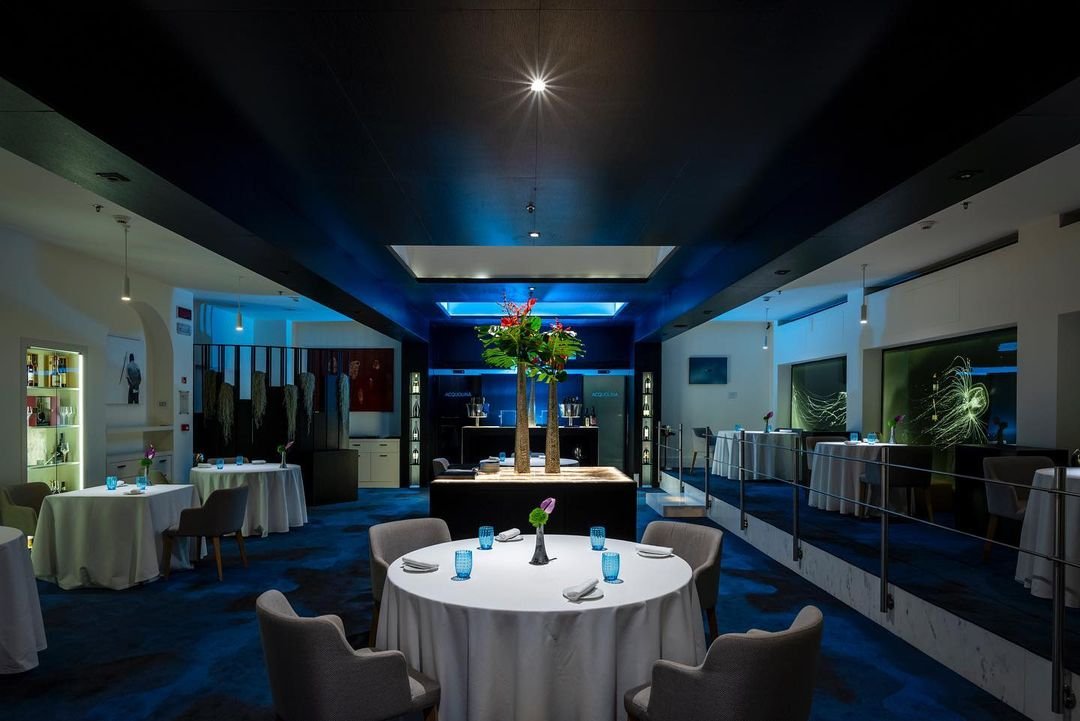
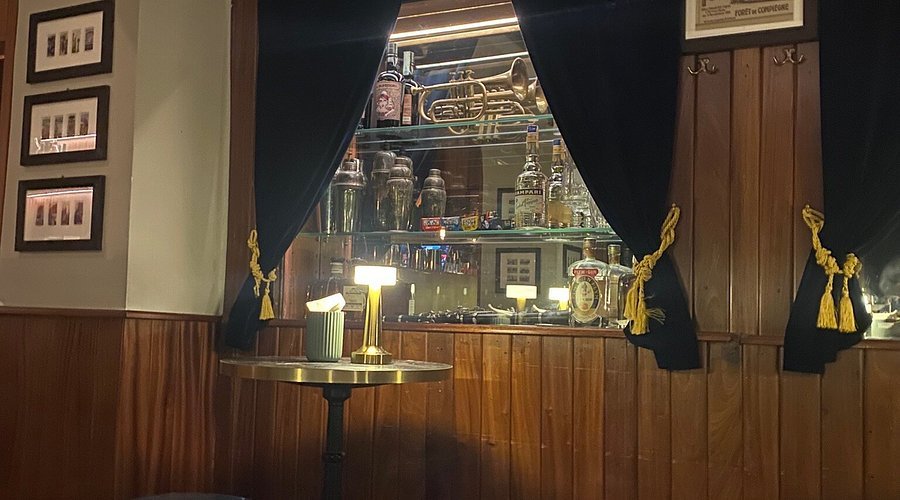
Refined and serene with period elegance, featuring original artwork, antique furnishings, and a tranquil Italian garden courtyard that creates an oasis of calm despite central Rome location.
Tags
Vibe
Best For
Experience
Amenities
View
Accessibility
About the Stay
- Rooms
- 14
- Check-in
- 15:00
- Check-out
- 11:00
- Property Style
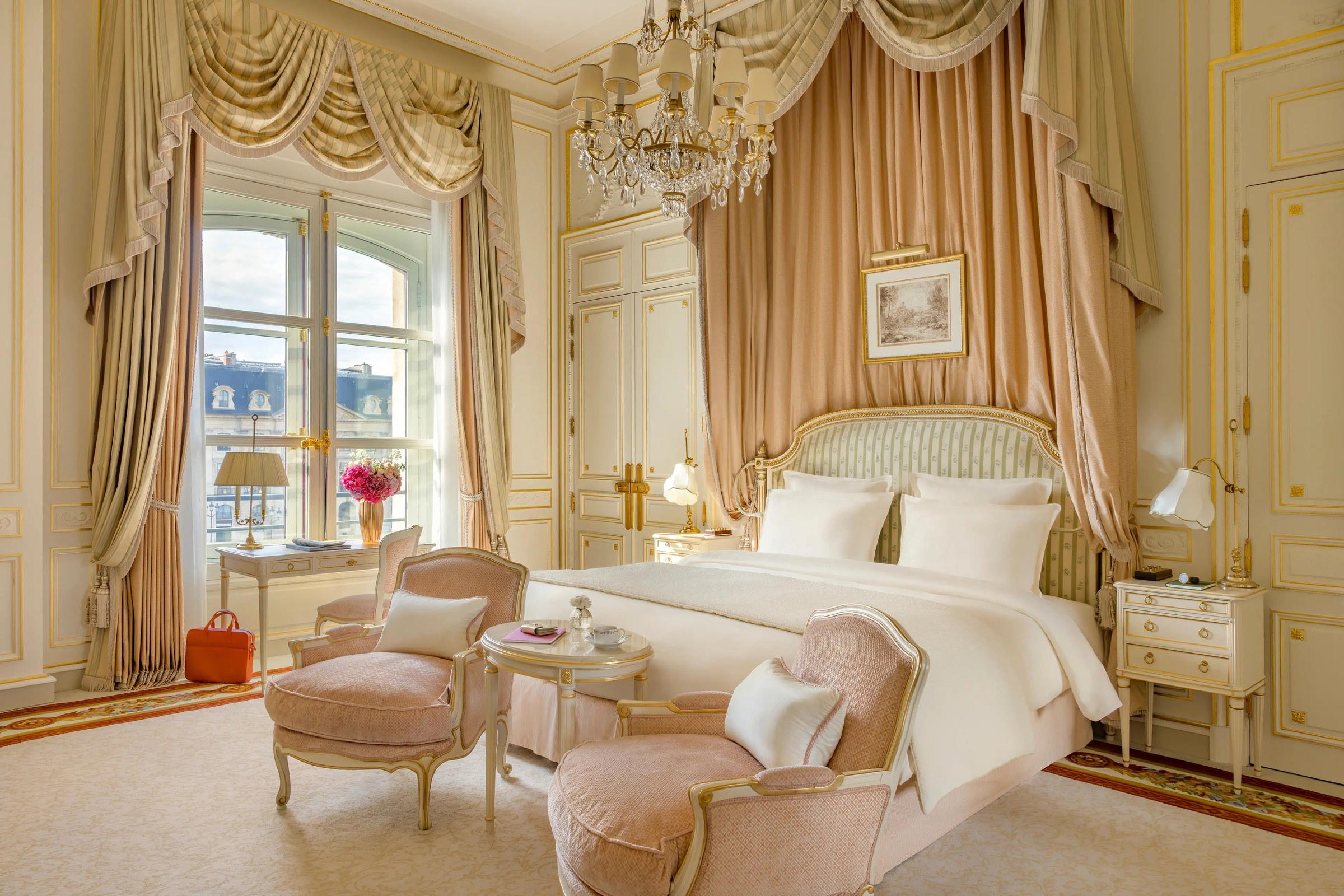
- Historic Aristocratic Villa Converted to Luxury Boutique Hotel, Maintaining Original 16th Century Architecture and Period Furnishings with Contemporary Comfort Upgrades.
- Design Style
- Classical Roman Elegance with Antique Furniture, Original Artwork Including Rubens Paintings, Flemish Tapestries, and Refined Period Interiors Balanced with Modern Amenities.
Know before you go
Know Before You Go
- Getting there
- Via Piacenza, 4, 00184 Roma RM
Planning details
Location
Recognition and awards



Also consider
Also Consider
- 1880 Atypical Rooms, Notable alternative
- Condominio Monti, Notable alternative
- H10 Palazzo Galla, Notable alternative
- CasaCau, Notable alternative
- Casa Monti Roma, Notable alternative
Hotel context
How it compares in Rome
Choose Villa Spalletti Trivelli over 1880 Atypical Rooms if formal hotel recognition and a quieter residential mood matter more than a smaller independent stay. 1880 Atypical Rooms is the sharper cross-shop for travelers who want a lighter boutique feel and are less focused on awards signals.
Condominio Monti and Casa Monti Roma make more sense for travelers who want a Monti neighborhood base with a more casual, design-led atmosphere. Villa Spalletti Trivelli is the better fit when calm, privacy, and a more formal hospitality profile are the reasons to spend more.
H10 Palazzo Galla is the practical comparison for travelers who want a central hotel experience without leaning as heavily into residence-style charm. CasaCau is the stronger alternative for apartment-minded guests who want independence over full hotel polish. If booking here proves difficult, start with CasaCau for space or H10 Palazzo Galla for a more conventional central stay.
Around this place
Discover more on Pearl
Unlock the full Villa Spalletti Trivelli guide in Pearl, including awards, comparisons, FAQs, planning details, and nearby places.
Compare Villa Spalletti Trivelli
| Venue | Location | Awards |
|---|---|---|
| Villa Spalletti Trivelli | Rome | 2026 Forbes 4-Star2026 La Liste Top Hotels2025 Michelin Selected HotelsSmall Luxury Hotels Member 20252025 Forbes 4-Star |
| 1880 Atypical Rooms | Rome | No published awards |
| Condominio Monti | Rome | No published awards |
| H10 Palazzo Galla | Rome | No published awards |
| CasaCau | Rome | No published awards |
| Casa Monti Roma | Rome | No published awards |
How Villa Spalletti Trivelli Rome Review: Worth Booking? compares with similar nearby venues.
FAQ
Frequently Asked Questions
Is Villa Spalletti Trivelli good for business travel?
It may be worth considering for business travel in Rome if formal hotel recognition matters to you. Credentials include Forbes 4-Star (2026), MICHELIN Guide, Hotels Selected (2025), Small Luxury Hotels of the World Member (2025), and La Liste Top Hotels (2026) with 95 points. Confirm practical business-travel needs directly with the hotel before booking.
Is Villa Spalletti Trivelli family-friendly?
If you are planning a family stay in Rome, compare the latest details for Villa Spalletti Trivelli with options such as H10 Palazzo Galla or CasaCau, and confirm the practical requirements directly before booking.