




Emiliano São Paulo
Jardim Paulista, São Paulo
Hotel in São Paulo, Brazil
 Book with Pearl
The Read
Glass Tower Precision
Why go
Emiliano São Paulo is worth shortlisting if Jardins access is central to the trip and a polished luxury stay matters more than resort-style scale. The strongest argument is location efficiency: fewer cross-city transfers for shopping, dining, meetings, and Paulista-area plans. Cross-shop Hotel Fasano São Paulo for a similar luxury lane, or Rosewood São Paulo and Hotel Unique if a larger hotel experience is the priority.
About Emiliano São Paulo
In São Paulo's luxury-hotel bracket, the value question is less about chasing the lowest rate and more about whether the hotel fits the trip. Emiliano São Paulo has recognition that includes Michelin 1 Key, Small Luxury Hotels of the World membership, La Liste Top Hotels recognition, Forbes 4-Star status, and Virtuoso Luxury Hotel Partner status.
Book it if those luxury-hotel signals matter for a São Paulo stay. Emiliano São Paulo is best understood as a recognized premium hotel in the city; travelers comparing it with other high-end options should focus on fit, benefits, and current availability.
Choose it for recognized luxury-hotel credentials
This is a fit for travelers who want a São Paulo hotel with third-party recognition. If the priority is a different style of high-end stay, compare it carefully with Rosewood São Paulo or Hotel Unique.
Where to cross-shop before committing
For another high-end São Paulo decision, Hotel Fasano São Paulo is a natural comparison. Tivoli Mofarrej and L'Hotel PortoBay São Paulo are also worth considering if you are comparing premium hotels in the city. Use our full São Paulo hotels guide if the main decision is which hotel best fits your trip.
Inside Emiliano São Paulo
Planning details
- Location
- R. Oscar Freire, 384 - Jardim Paulista, São Paulo - SP, 01426-000
- Website
- emiliano.com.br
- Phone
- +55 11 3728-2000
The take
The Take
The Vibe
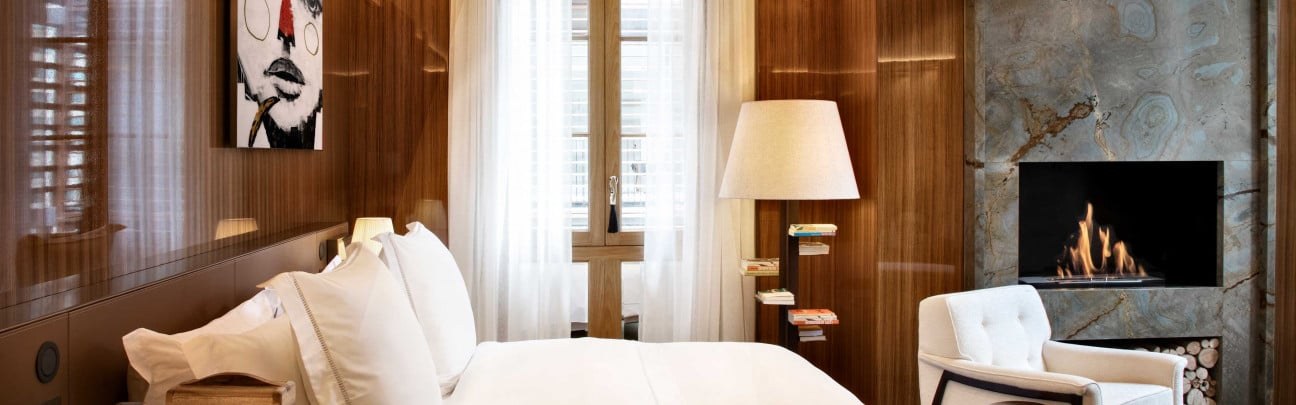
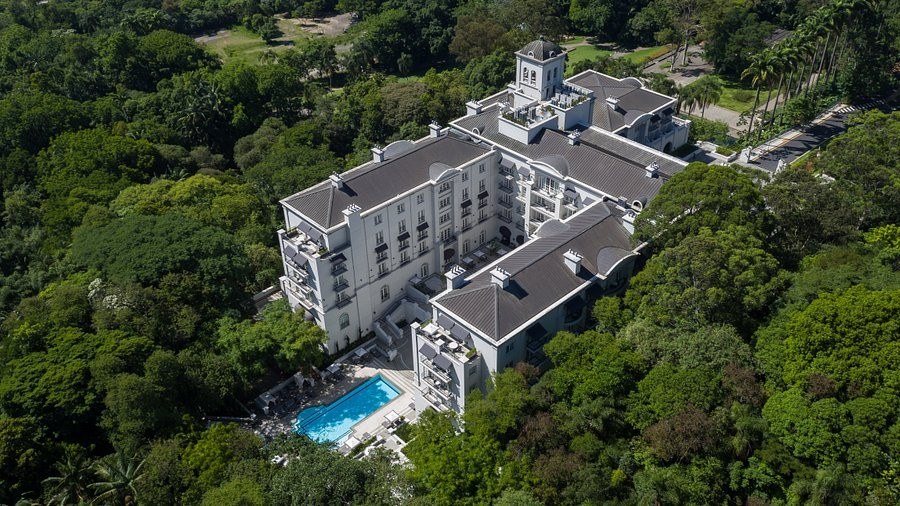
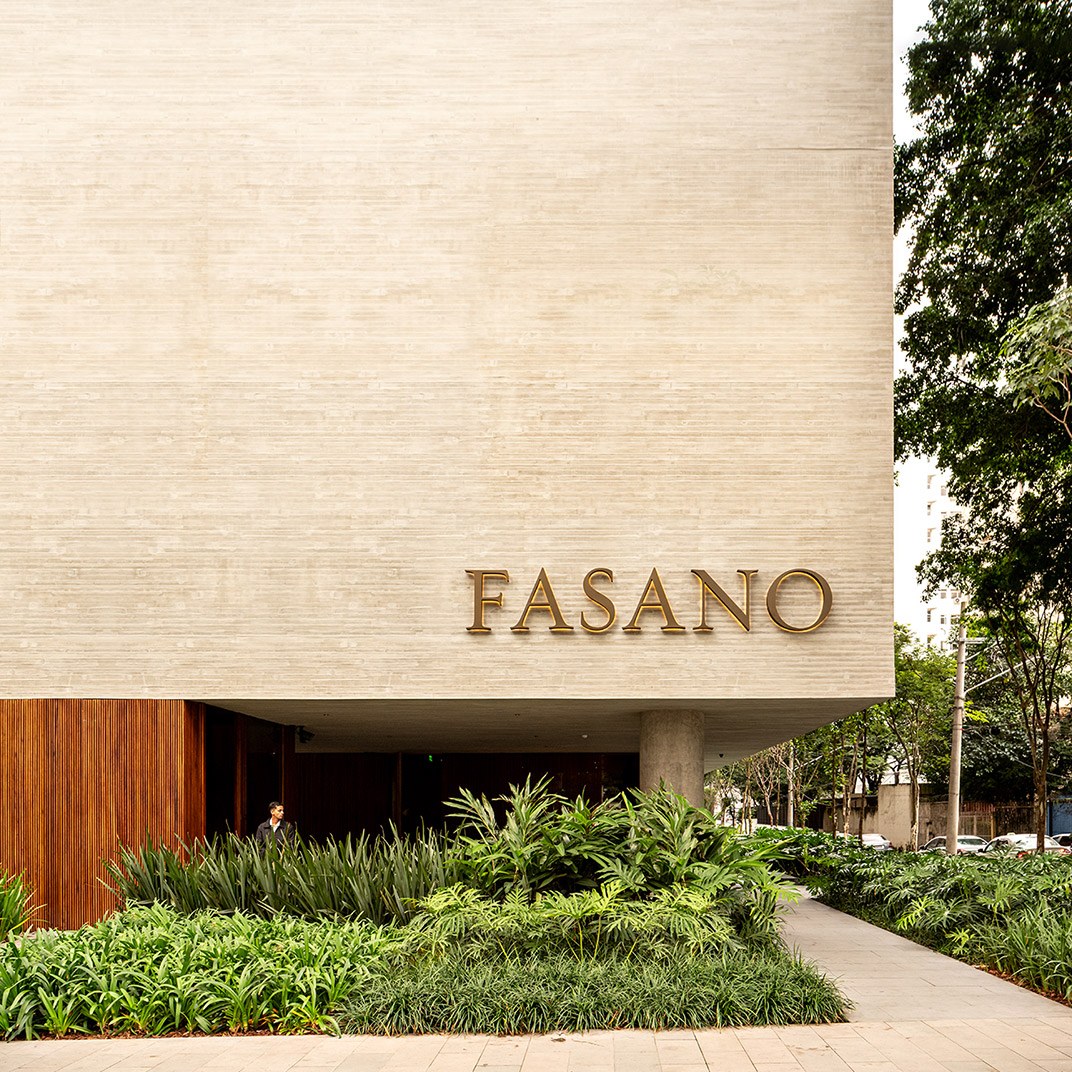
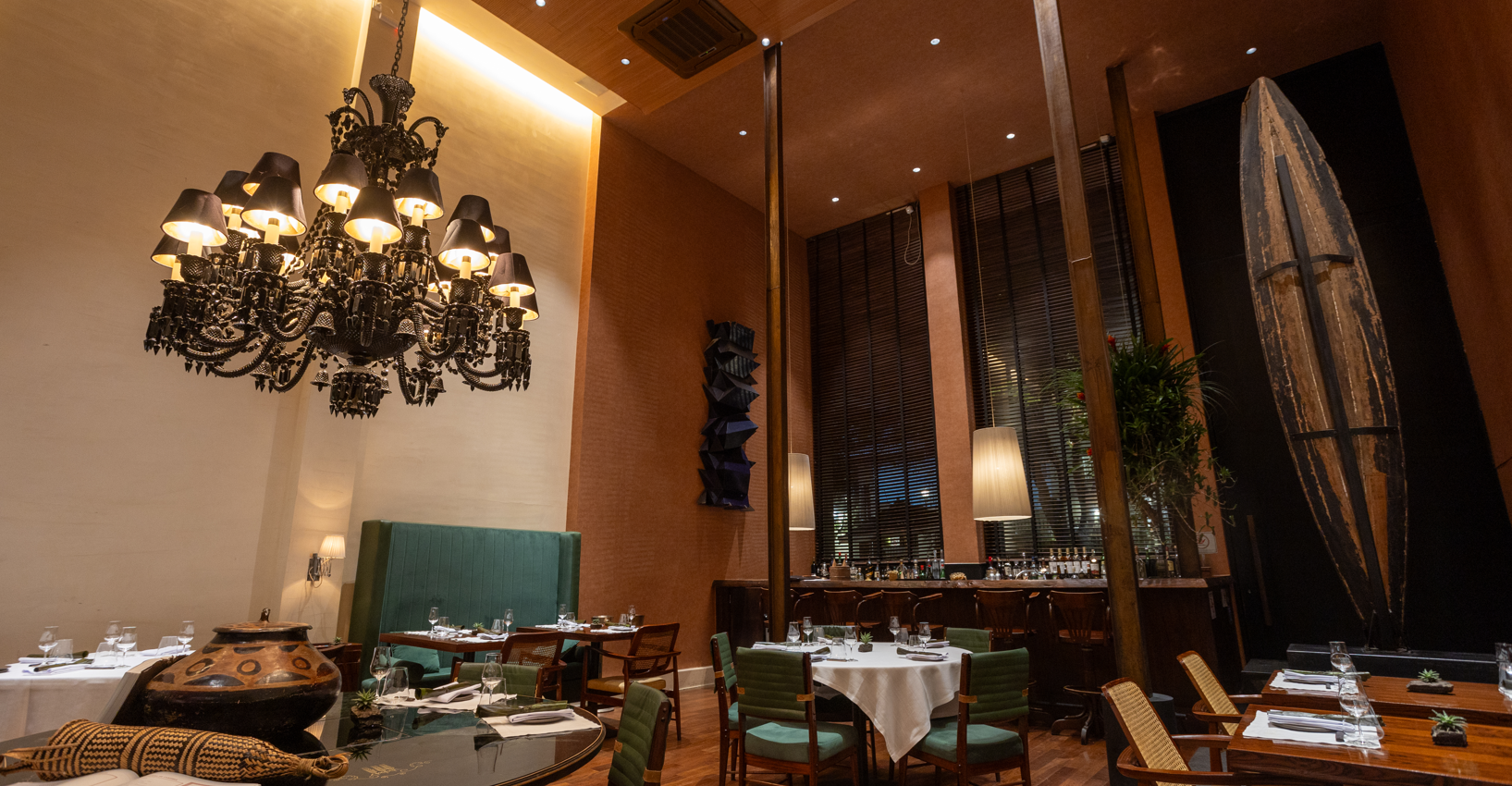
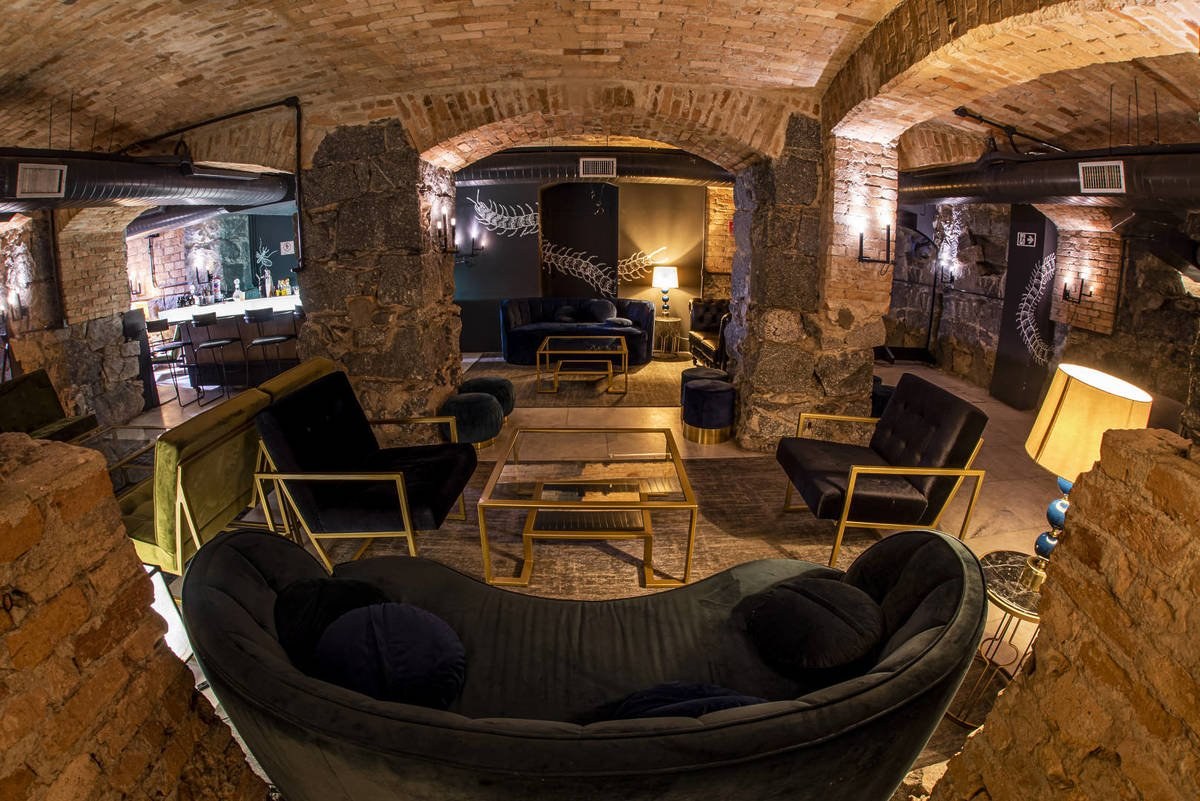
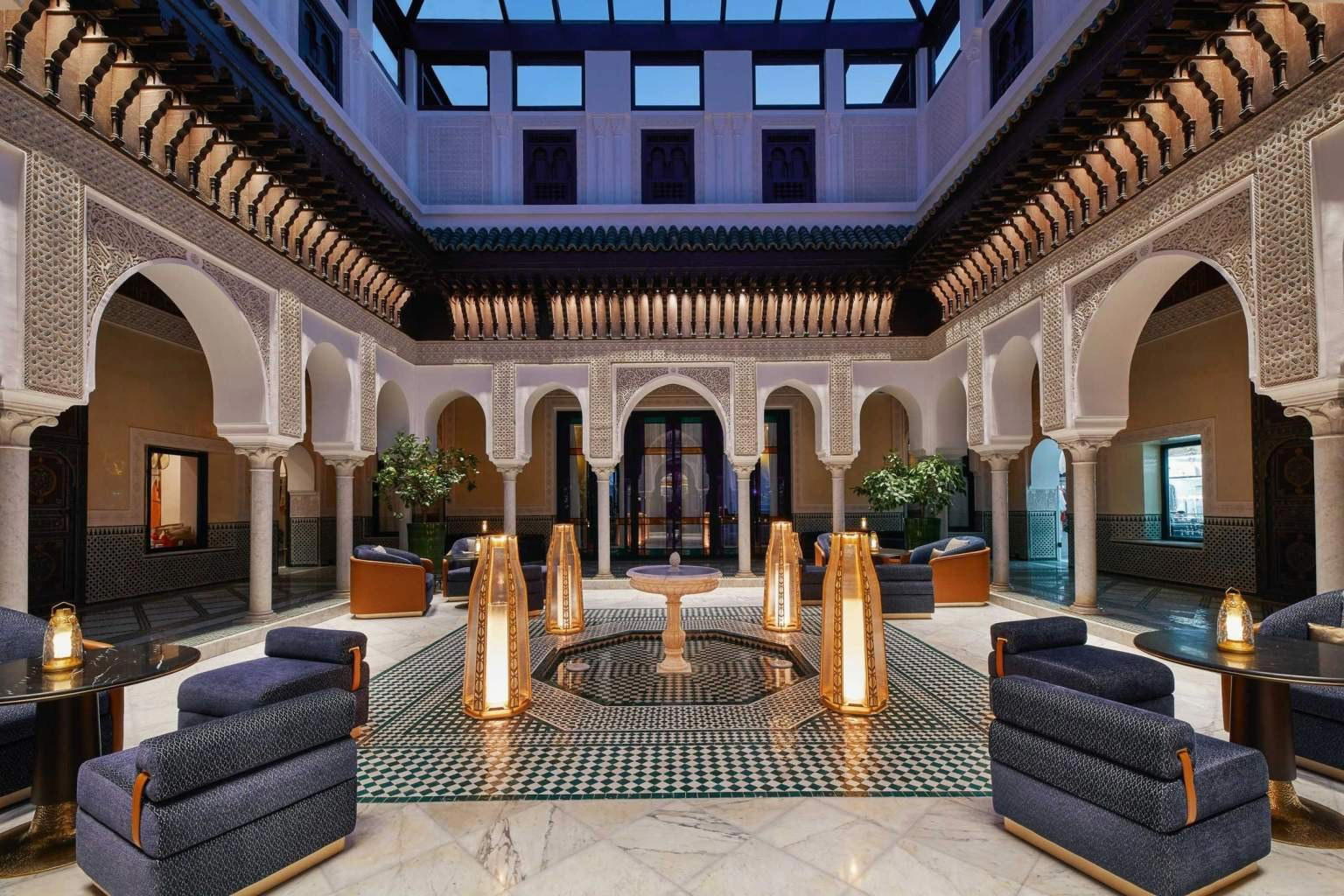
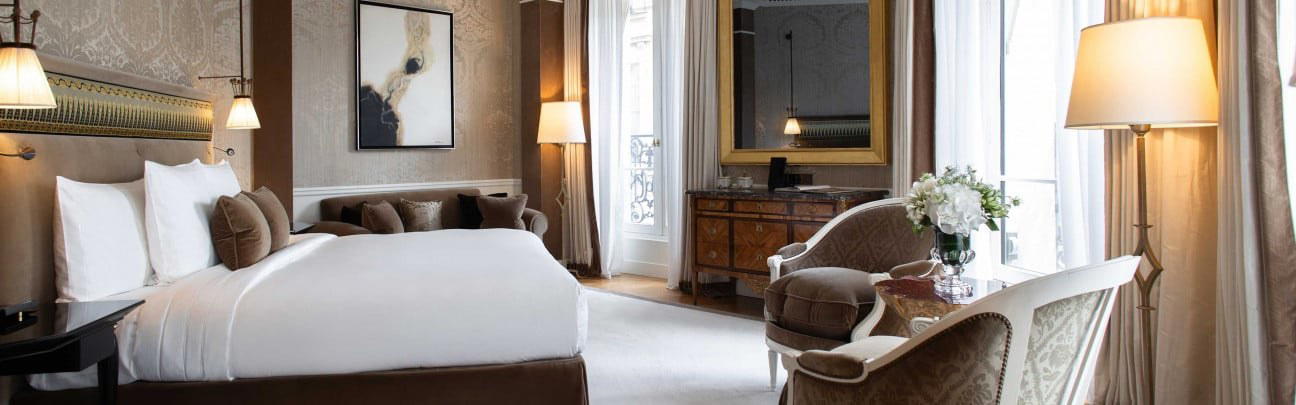
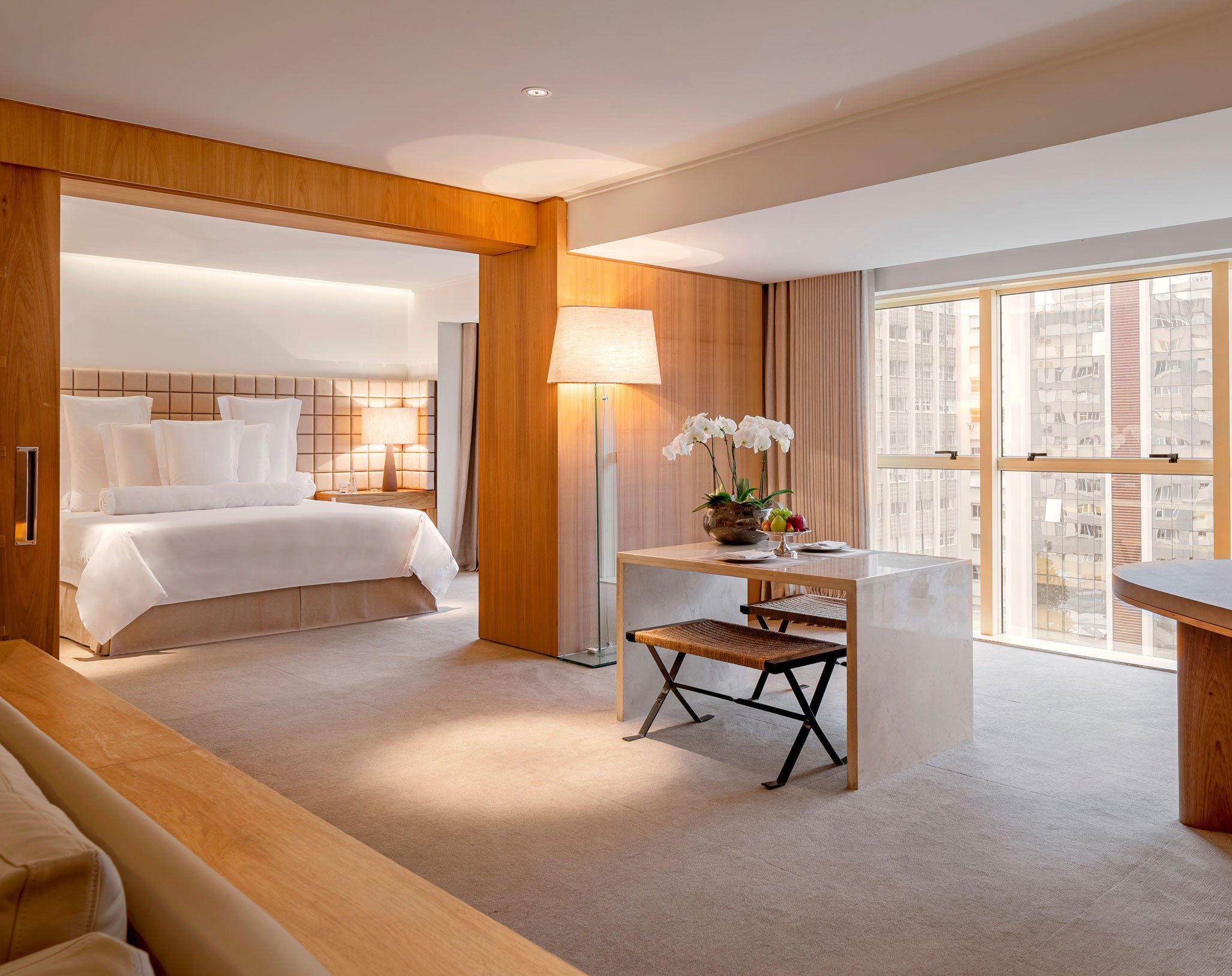
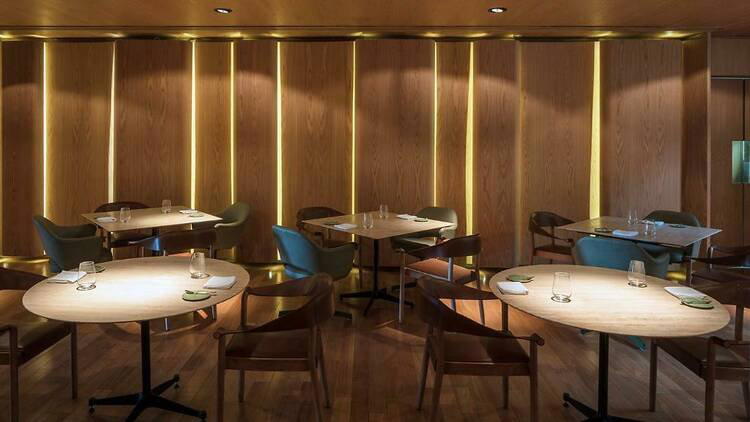
Emiliano São Paulo reads as a study in contemporary restraint: a narrow mirrored tower that foregrounds verticality and reflection rather than bulk. The hotel presents Brazilian modernism through meticulous detailing — crisp white marble floors, warm blonde woods and custom furnishings soften a ten‑metre-high lobby so the scale feels human. A suspended sculpture by Siron Franco provides a striking focal point, reinforcing the building’s editorial temperament. The overall effect is refined and design-forward: minimal gestures, high-quality materials and a confident architectural silhouette create a sophisticated, modern hotel that makes its presence felt on Rua Oscar Freire.
Best For
This hotel suits travelers who prize design, architecture and a polished luxury experience in São Paulo’s Jardins district. Its location on Rua Oscar Freire places guests steps from high-end shopping and destination dining, and its La Liste recognition signals a property operating at the upper tier of local hotels. Guests who enjoy quiet, considered interiors and hotels that function as an urban statement will appreciate Emiliano’s vertical lines, curated materials and prominent lobby art. It’s a strong pick for style‑minded visitors, design-focused leisure guests and those seeking a high-end base for exploring the city.
Stay Tips
Plan ahead for both your stay and dining: the write-up notes that the surrounding neighborhood supports restaurants that 'require some forward planning,' so arrange restaurant reservations and any special requests through the hotel’s concierge before arrival. Allow time to experience the public spaces—the ten‑metre lobby and the suspended artwork are central to the hotel’s character. Given the property’s boutique scale and luxury positioning, book accommodations early to secure preferred dates and room types, especially during peak shopping and cultural seasons in Jardins.
Venue details
Ambiance
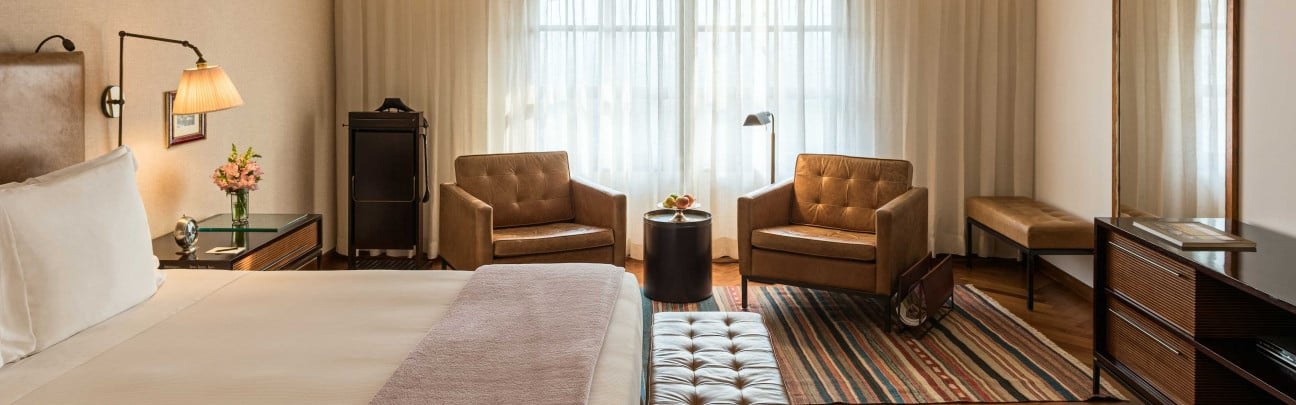
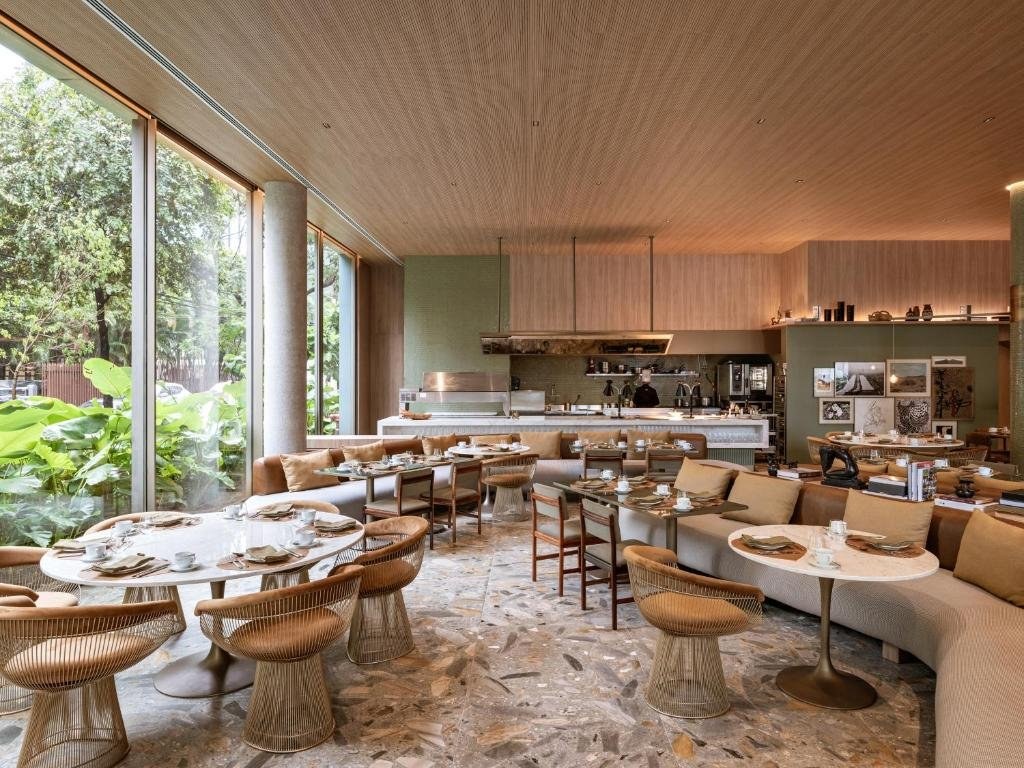
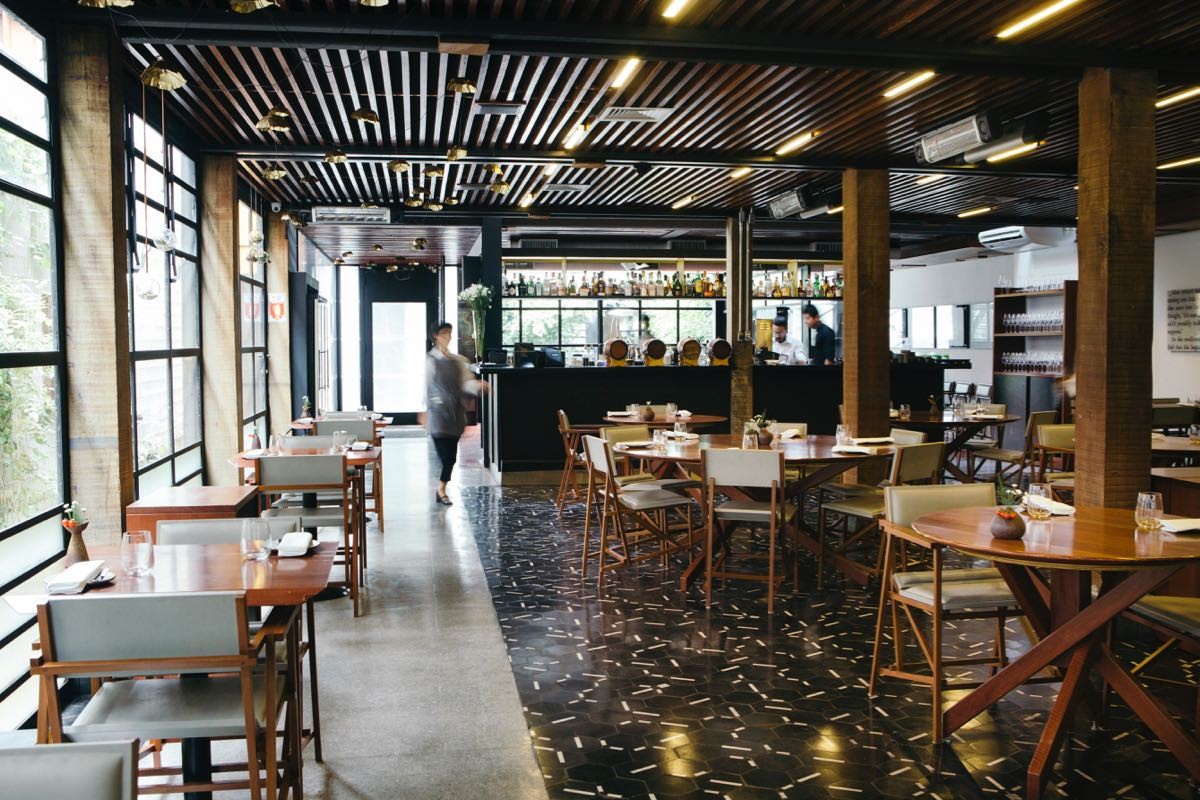
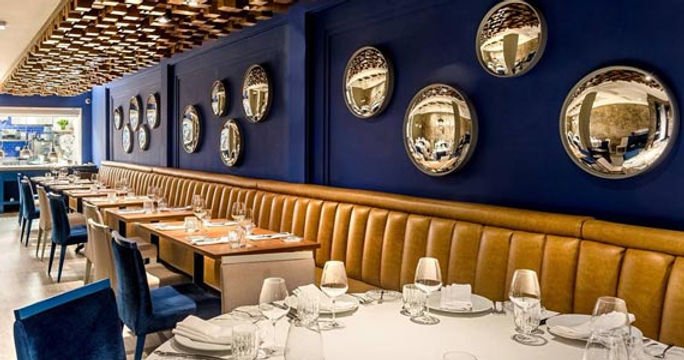
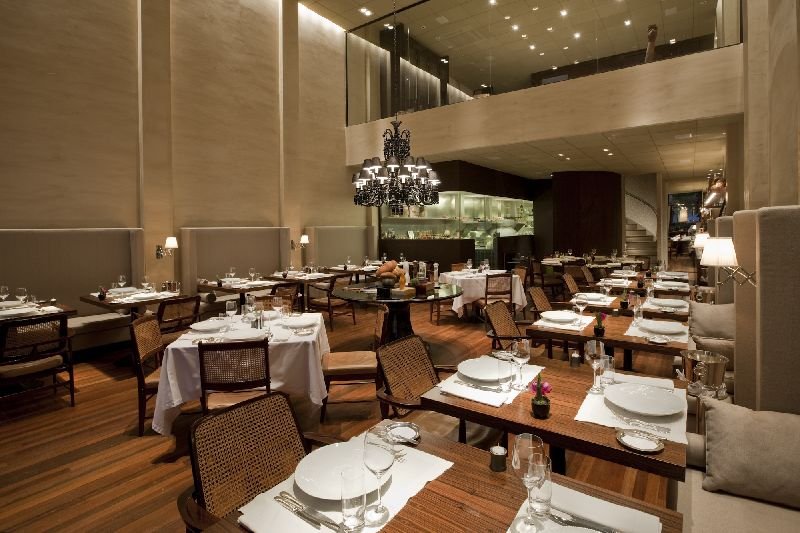
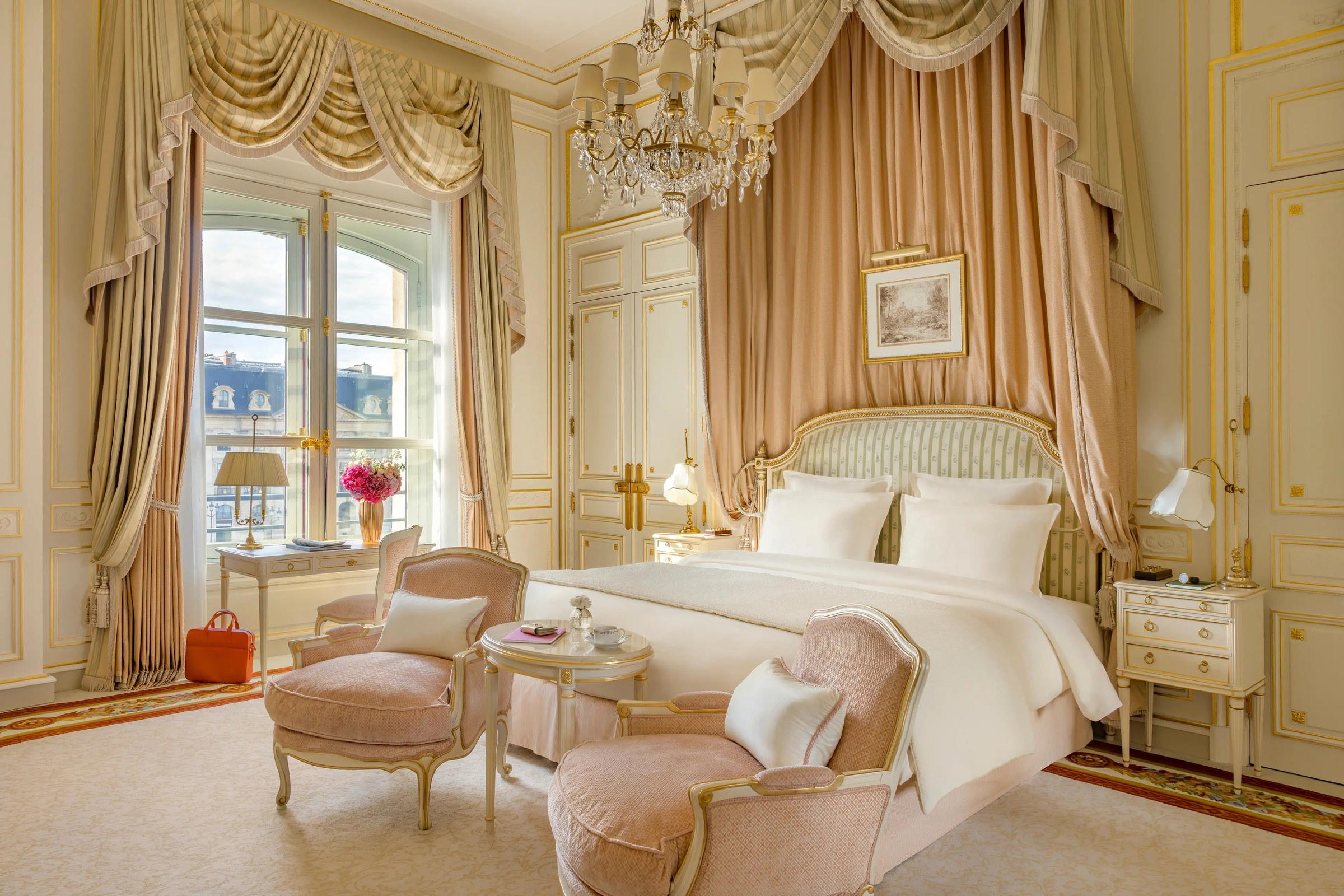
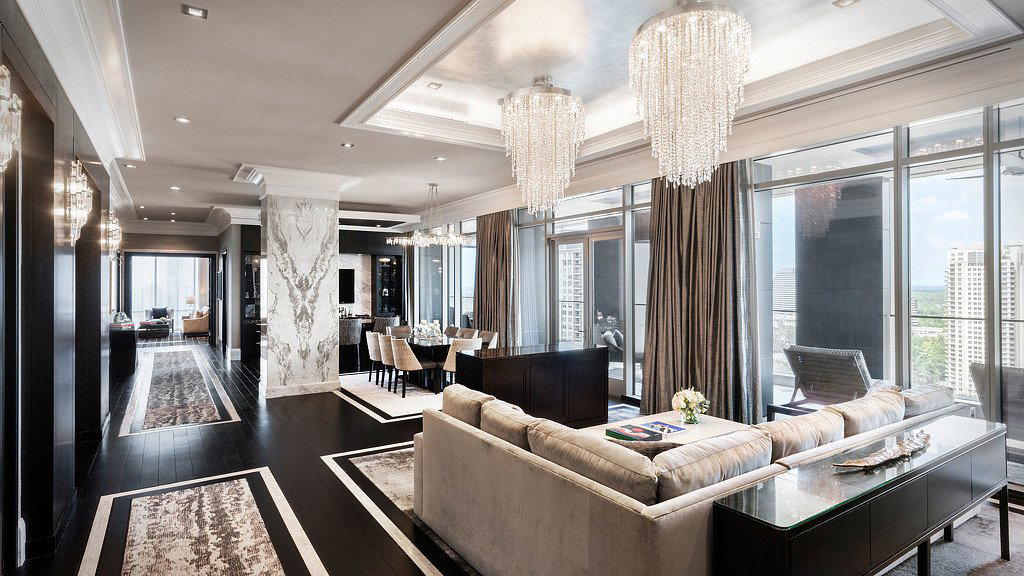
Bright, minimalist, and sophisticated, with a contemporary Brazilian design feel, art-led public spaces, and a calm, discreet atmosphere.
Tags
Vibe
Best For
Experience
Amenities
View
Accessibility
About the Stay
- Rooms
- 56
- Check-in
- 15:00
- Check-out
- 12:00
- Property Style
- Luxury Boutique Hotel with a Design Led, Understated Urban Luxury Positioning.
- Design Style
- Minimalist Brazilian Modernism with Iconic Design Pieces, Art Forward Interiors, and a Refined Contemporary Aesthetic.
Know before you go
Know Before You Go
- Getting there
- R. Oscar Freire, 384 - Jardim Paulista, São Paulo - SP, 01426-000
Planning details
Location
R. Oscar Freire, 384 - Jardim Paulista, São Paulo - SP, 01426-000 · Directions




Also consider
Also Consider
- Hotel Fasano São Paulo, Notable alternative
- Tivoli Mofarrej, Notable alternative
- L'Hotel PortoBay São Paulo, Notable alternative
- Rosewood São Paulo, Notable alternative
- Hotel Unique, Notable alternative
Hotel context
How Emiliano São Paulo compares in São Paulo
Hotel Fasano São Paulo is the closest luxury cross-shop: choose Fasano if you want a more established old-guard feel, and choose Emiliano São Paulo if the Oscar Freire address is the main value driver. Both are stronger for leisure travelers who want Jardins than for guests whose meetings sit farther south.
Tivoli Mofarrej and L'Hotel PortoBay São Paulo make more sense when Paulista access beats Jardins shopping and dining. They are the practical alternatives if availability is tight or the trip is built around offices, museums, or appointments closer to Avenida Paulista.
Rosewood São Paulo and Hotel Unique are better picks for travelers who want the hotel itself to be a bigger part of the trip. Emiliano São Paulo is the sharper choice for a quieter, address-led stay where the room is a base for moving around Jardins rather than the main event.
Explore São Paulo
Around this place
Discover more on Pearl
Unlock the full Emiliano São Paulo guide in Pearl, including awards, comparisons, FAQs, planning details, and nearby places.
Compare Emiliano São Paulo
| Venue | Location | Awards |
|---|---|---|
| Emiliano São Paulo | São Paulo | 2026 Virtuoso Luxury Hotel Collection2026 Forbes 4-Star2026 La Liste Top HotelsMichelin 1 Key 20252025 Forbes 4-Star2025 Michelin 1 KeySmall Luxury Hotels Member 2025 |
| Hotel Fasano São Paulo | São Paulo | 2026 Forbes 4-Star2026 Virtuoso Luxury Hotel Collection2026 Mr & Mrs Smith Luxury Hotels2026 La Liste Top Hotels2025 Michelin 1 Key2025 Forbes 4-Star |
| Tivoli Mofarrej | São Paulo | Leading Hotels of the World 20262025 Michelin Selected Hotels |
| L'Hotel PortoBay São Paulo | São Paulo | No published awards |
| Rosewood São Paulo | São Paulo | 2026 World’s 50 Best Hotels 1-50 · #62026 Virtuoso Luxury Hotel Collection2026 Forbes Recommended2026 Mr & Mrs Smith Luxury Hotels2025 World’s 50 Best Hotels · #242025 Michelin 3 Keys2025 Forbes Recommended2024 World's 50 Best Hotels · #242023 World's 50 Best Hotels · #27 |
| Hotel Unique | São Paulo | 2026 Forbes Recommended2026 Virtuoso Luxury Hotel Collection2025 Michelin Selected Hotels2025 Forbes Recommended |





How Emiliano São Paulo compares with similar nearby venues.
FAQ
Frequently Asked Questions
How is the dining at Emiliano São Paulo?
Dining specifics are not covered in this guide, so dining should not be the sole basis for choosing the hotel. The stronger case is Emiliano São Paulo's recognition profile, including Michelin 1 Key status; if your trip is built around hotel dining, compare current details with Hotel Fasano São Paulo and other São Paulo options.
How is the location of Emiliano São Paulo?
How does Emiliano São Paulo compare to other São Paulo hotels?
Emiliano São Paulo is a strong candidate if you want a recognized luxury hotel in São Paulo, with credentials including Michelin 1 Key, Forbes 4-Star status, Small Luxury Hotels of the World membership, La Liste Top Hotels recognition, and Virtuoso Luxury Hotel Partner status. Cross-shop Hotel Fasano São Paulo, Tivoli Mofarrej, L'Hotel PortoBay São Paulo, Rosewood São Paulo, and Hotel Unique depending on the style of stay you prefer.
Which room category is best at Emiliano São Paulo?
Choose based on the space, benefits, and rate details shown on the hotel's official channels at the time of booking.
Do loyalty or partner programs work at Emiliano São Paulo?
The confirmed signals are Small Luxury Hotels of the World membership and Virtuoso Luxury Hotel Partner status, so travelers who book through partner channels should confirm current eligibility and benefits before booking.