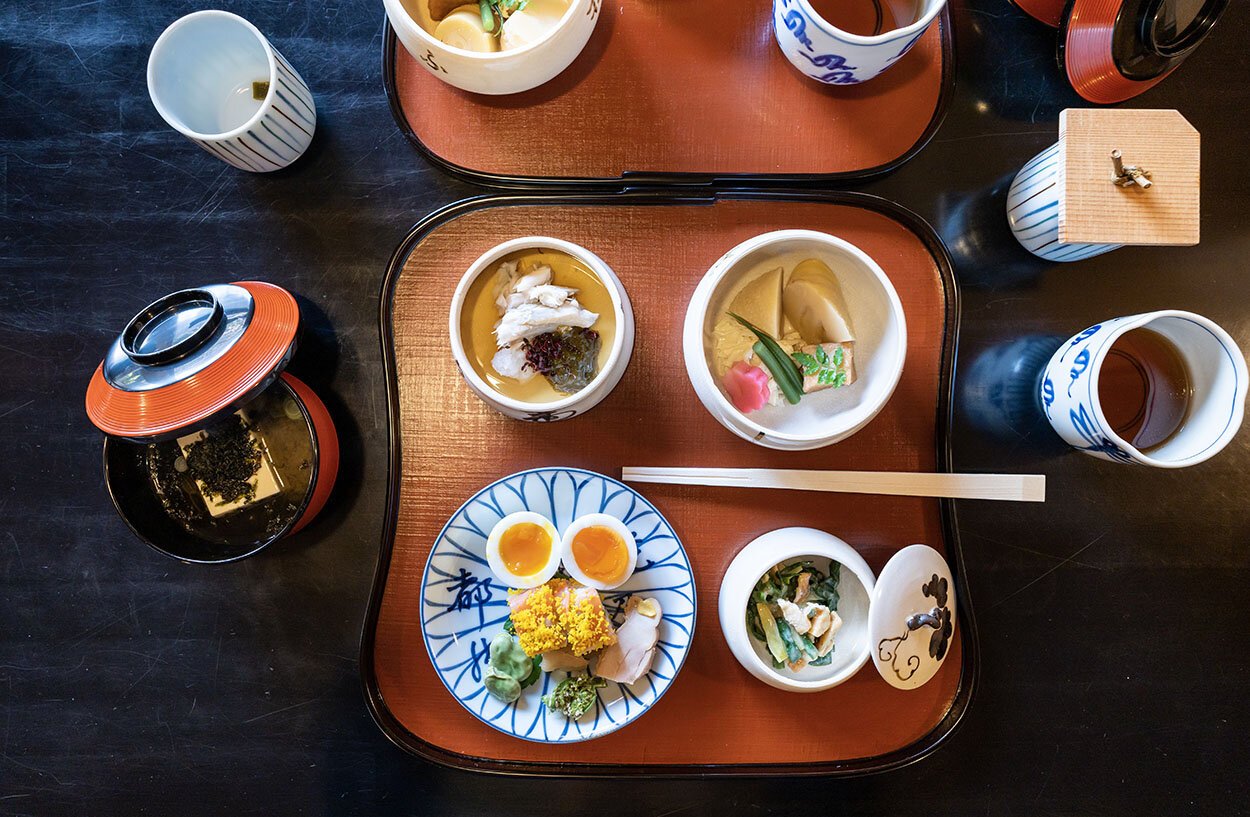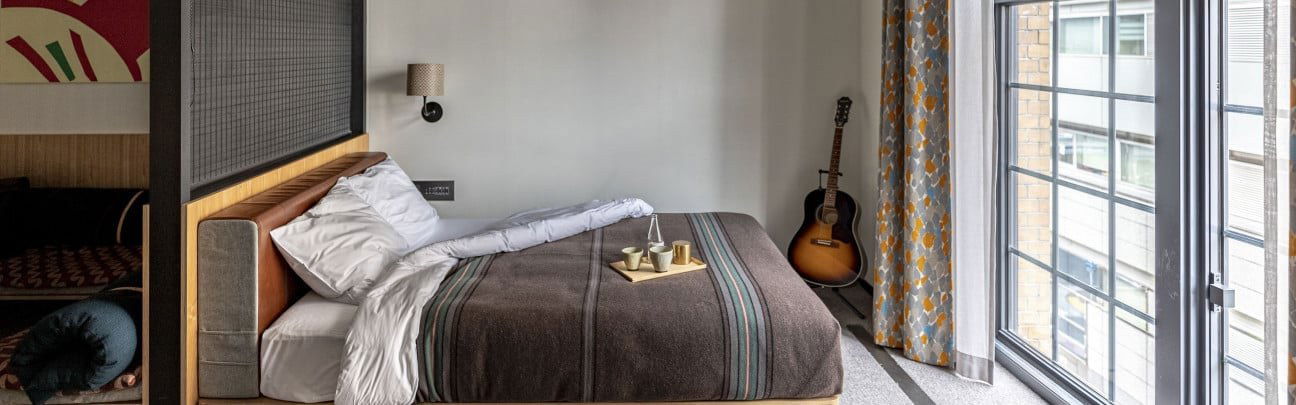


Ace Hotel Kyoto
Nakagyō, Kyoto
Hotel in Kyoto, Japan
 Book with Pearl
The Read
Bohemian Modernist Intervention
Price
$200–300per night
Why go
Ace Hotel Kyoto is a strong central Kyoto choice for first-timers who want design, energy, and credible recognition rather than a quiet resort stay. Book it for location and atmosphere; if dining is the main reason for the trip, use it as a base and plan restaurants separately.
About Ace Hotel Kyoto
Ace Hotel Kyoto is a Kyoto hotel with notable recognition: Michelin 1 Key in 2024, a Tatler 2025 Best Hotels Asia-Pacific listing, and a Mr & Mrs Smith Seal of Approval for 2026. The smart read is whether those hotel credentials fit your Kyoto trip rather than relying on extras that may not matter to your plans.
Book for the Kyoto hotel credentials, not a sealed-off retreat
The strongest case for Ace Hotel Kyoto is its recognition as a hotel in Kyoto. It is best shortlisted by travelers who value third-party acknowledgment, while comparing it with other Kyoto stays such as Hotel Monterey Kyoto, Malda Kyoto, Mimaru Suites Kyoto Central, Mitsui Garden Hotel Kyoto Sanjo Premier, and THE HIRAMATSU Kyoto.
Plan dining separately
Treat Ace Hotel Kyoto first as a hotel choice rather than a restaurant-led booking. If food is the trip's main reason, pair the stay with Our full Kyoto restaurants guide rather than making hotel dining the whole plan.
For a Kyoto visit, Ace Hotel Kyoto is a stronger fit when hotel recognition matters more than a decision built around dining, wellness, room categories, or exact location details. Quick reference: choose this for a Kyoto hotel with Michelin 1 Key, Tatler, and Mr & Mrs Smith recognition; compare other Kyoto hotels if your decision depends on specific amenities or restaurant details.
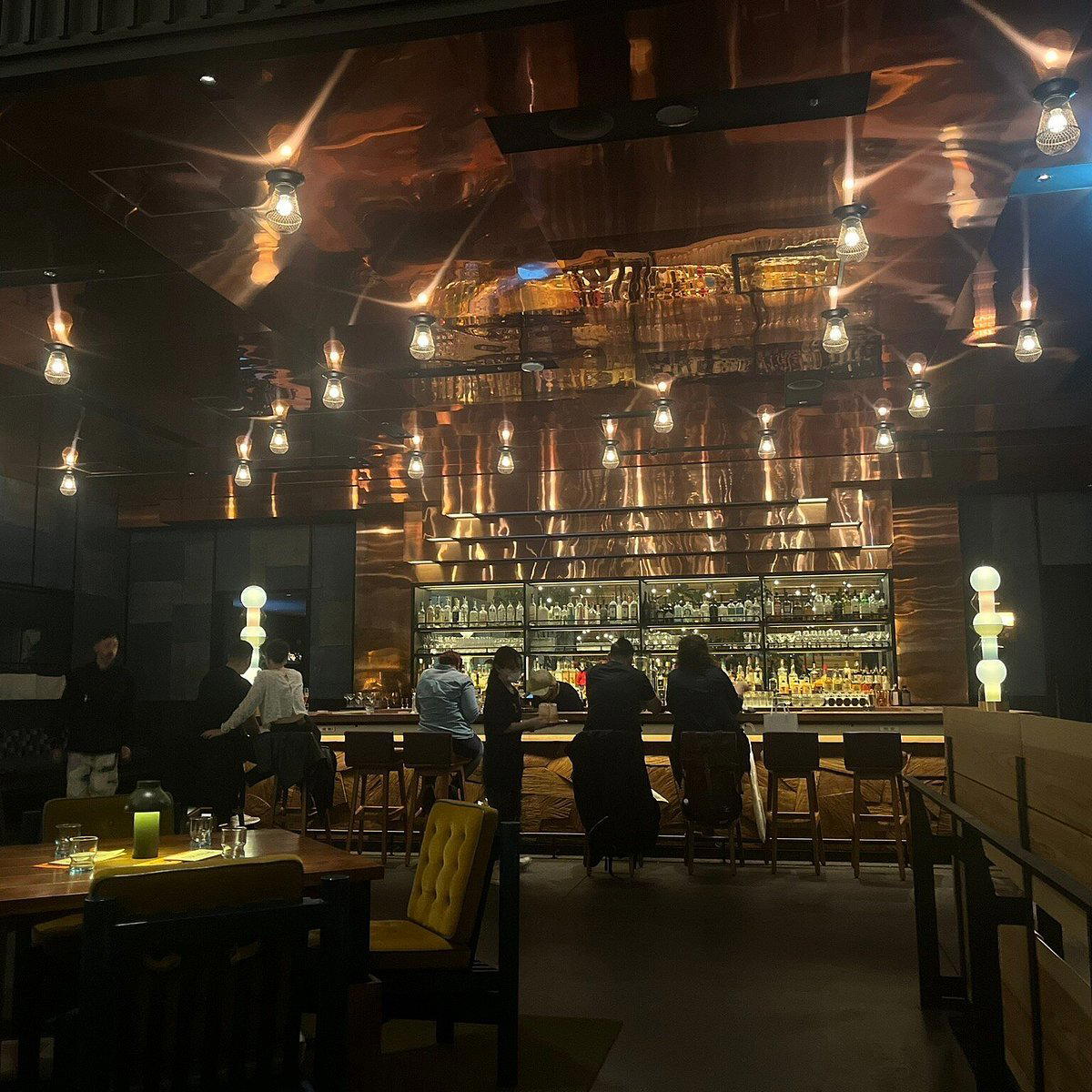
Inside Ace Hotel Kyoto
Planning details
- Location
- 245-2 Kurumayachō, Nakagyo Ward, Kyoto, 604-8185
- Website
- acehotel.com/kyoto
- Phone
- +81 75-229-9000
The take
The Take
The Vibe
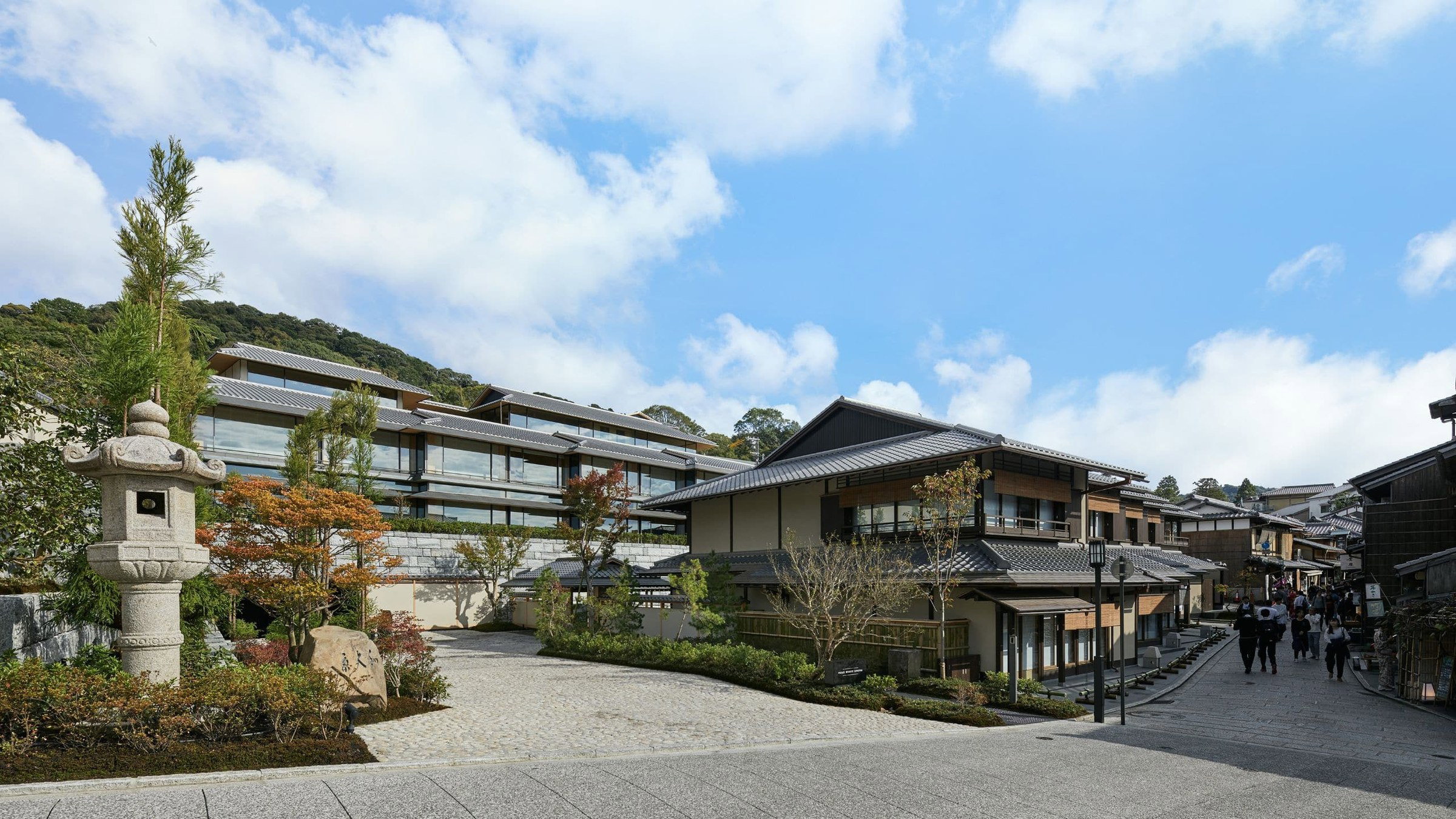
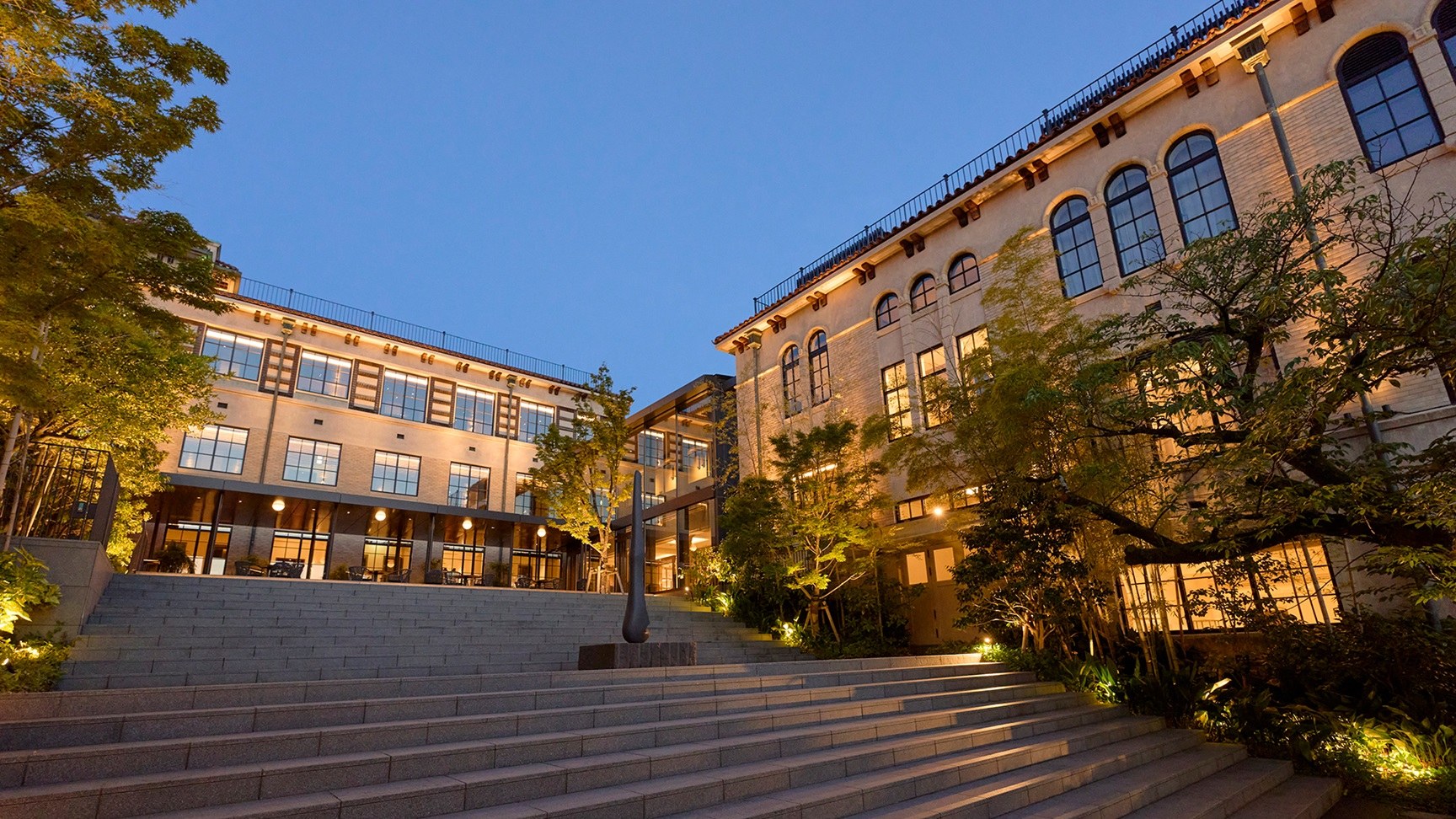
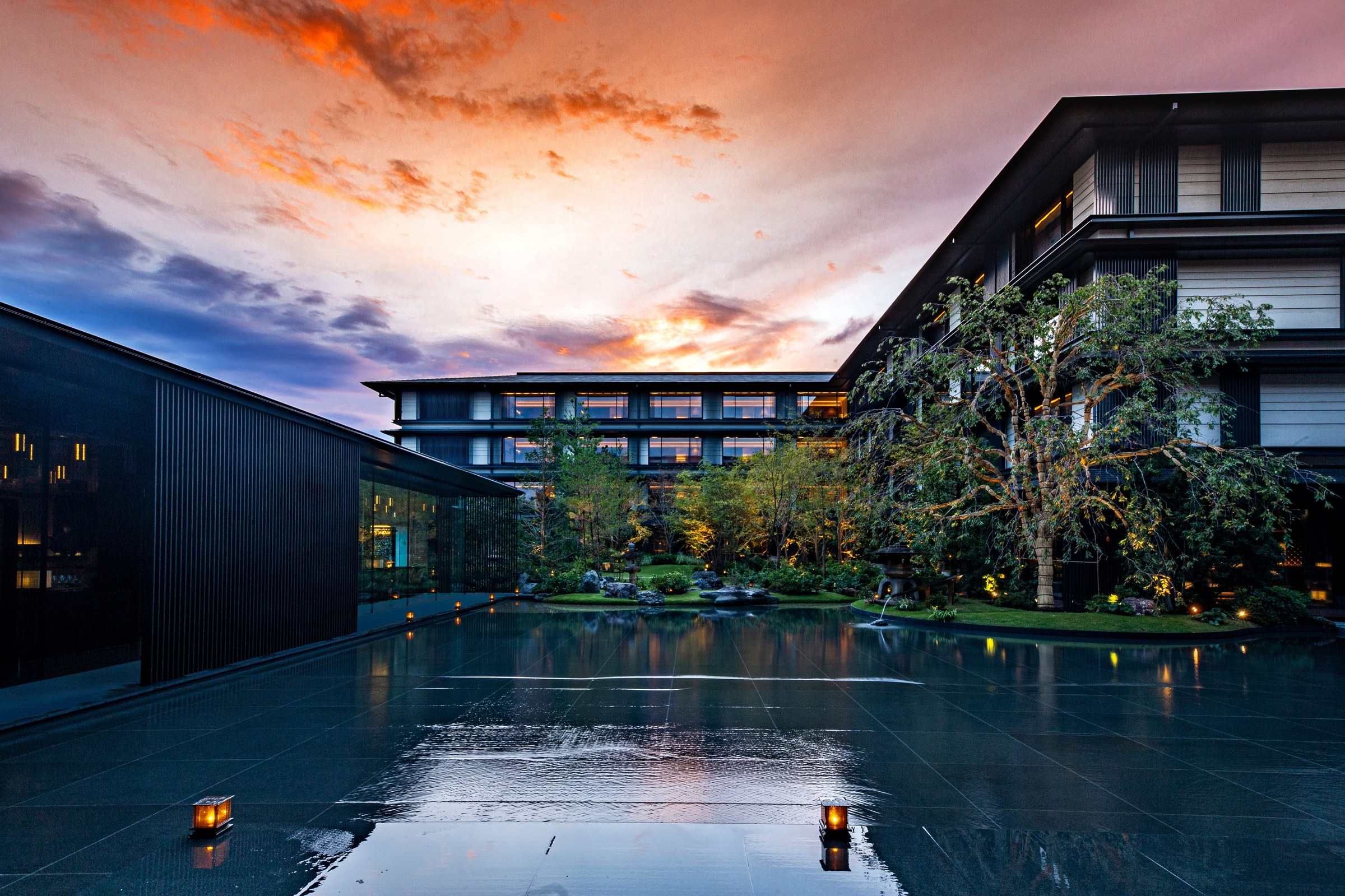
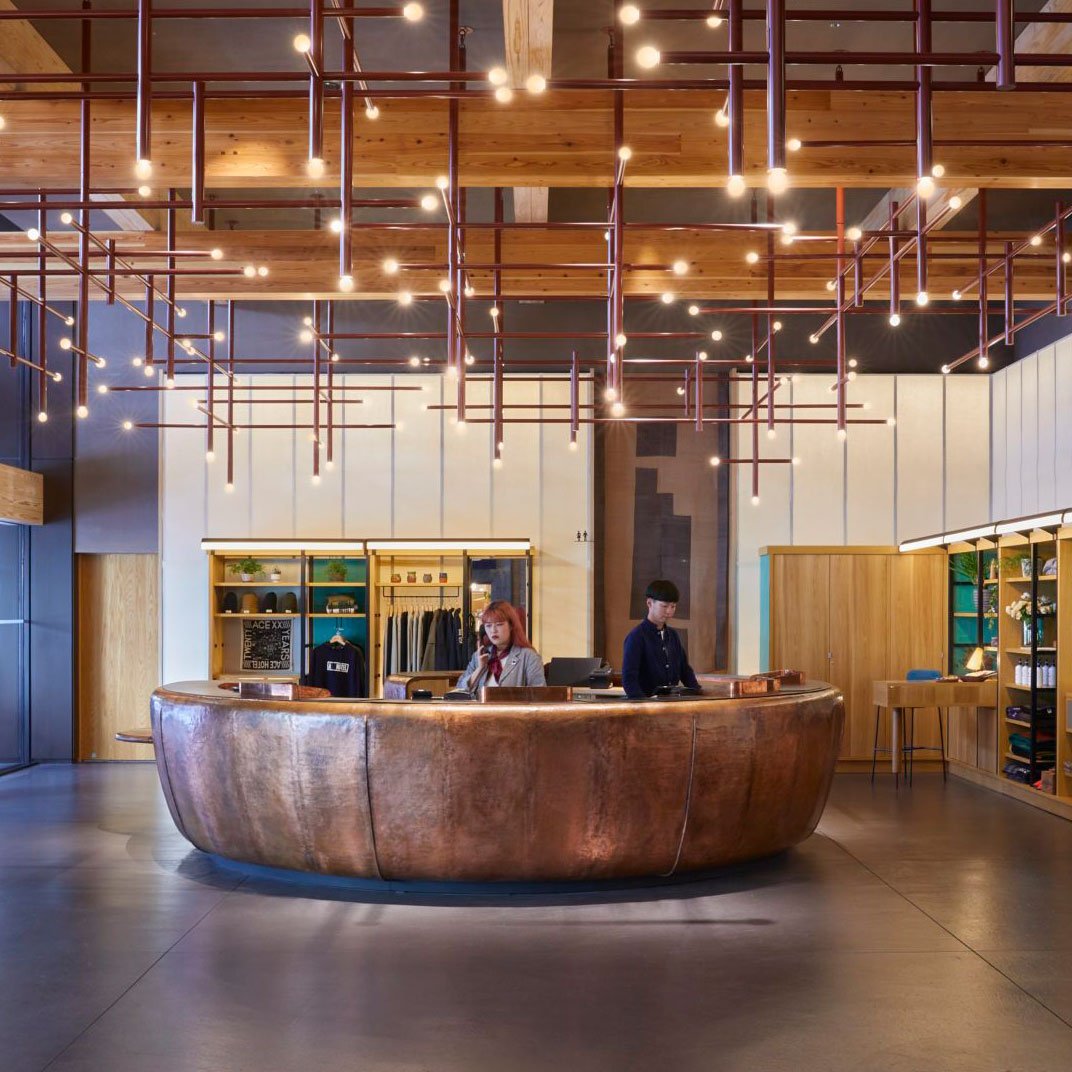
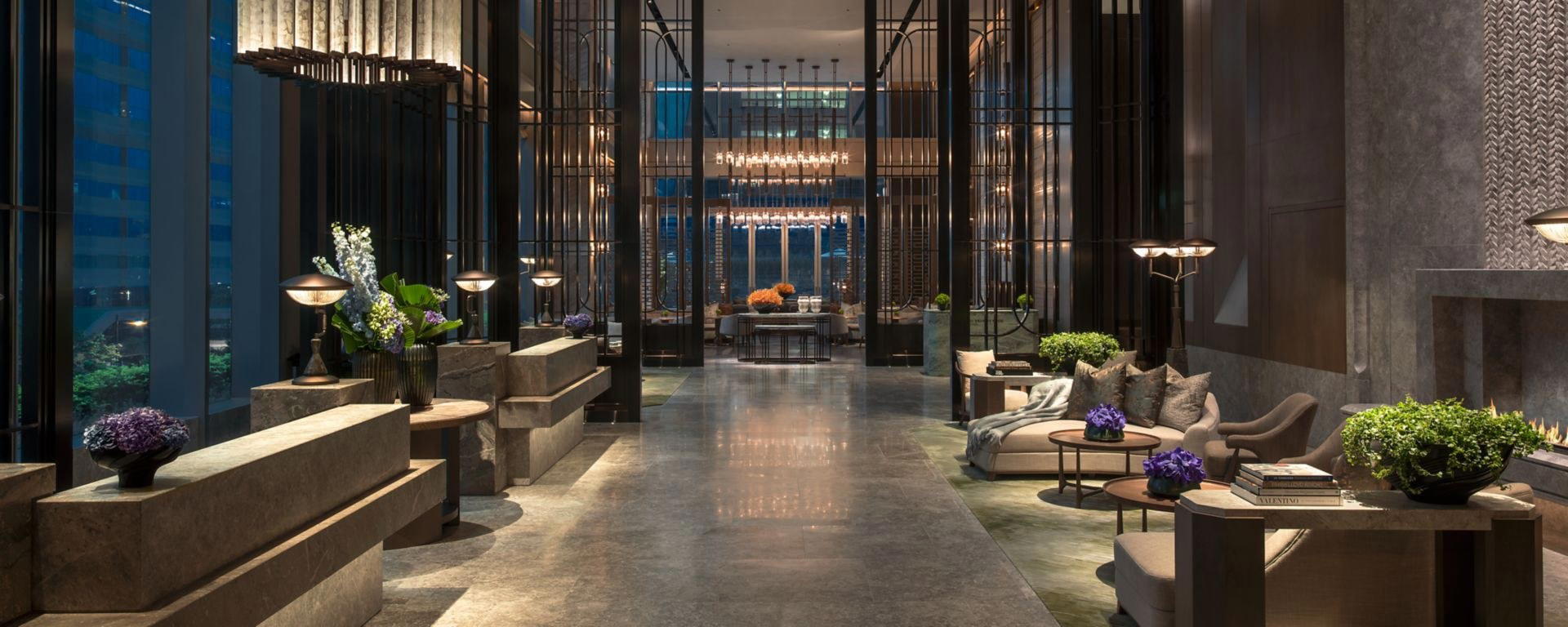
Ace Hotel Kyoto reads like a deliberate act of architectural storytelling. Housed in a 1926 telephone exchange and reworked by Kengo Kuma with interiors by Commune Design, the property foregrounds its early-modernist bones rather than masking them. The renovation preserves and reinterprets the building’s commercial past, so public spaces feel intentionally curated and quietly confident rather than merely trendy. For travelers who care about context and craft, the hotel delivers a composed, design-forward experience that privileges material detail and local narrative over generic gloss.
Best For
This hotel suits travelers who want to spend Kyoto time exploring rather than commuting. Its Nakagyo address puts guests within easy walking distance of Nishiki Market, Kawaramachi shopping and the covered arcades that knit the neighborhood together, which is ideal for short city getaways and time-sensitive business trips. Design-minded visitors who prioritize architecture and thoughtful interiors will also appreciate the Kuma renovation. In short: choose Ace Hotel Kyoto when your priority is centrality, walkable access to the city's commercial heart and a stay shaped by considered design.
Stay Tips
Prioritize the hotel’s centrality when planning your stay: book Ace Hotel Kyoto to minimize travel time between sights and to maximize walking access to Nishiki Market and Kawaramachi. Give yourself blocks of time for on-foot exploration of the covered arcades and nearby shopping and dining rather than relying on transit. If you’re traveling for a short weekend or a tight business schedule, use the hotel as a base for concentrated exploration—this property’s location is its principal practical advantage, so plan your itinerary around walking the neighbourhood.
Venue details
Ambiance
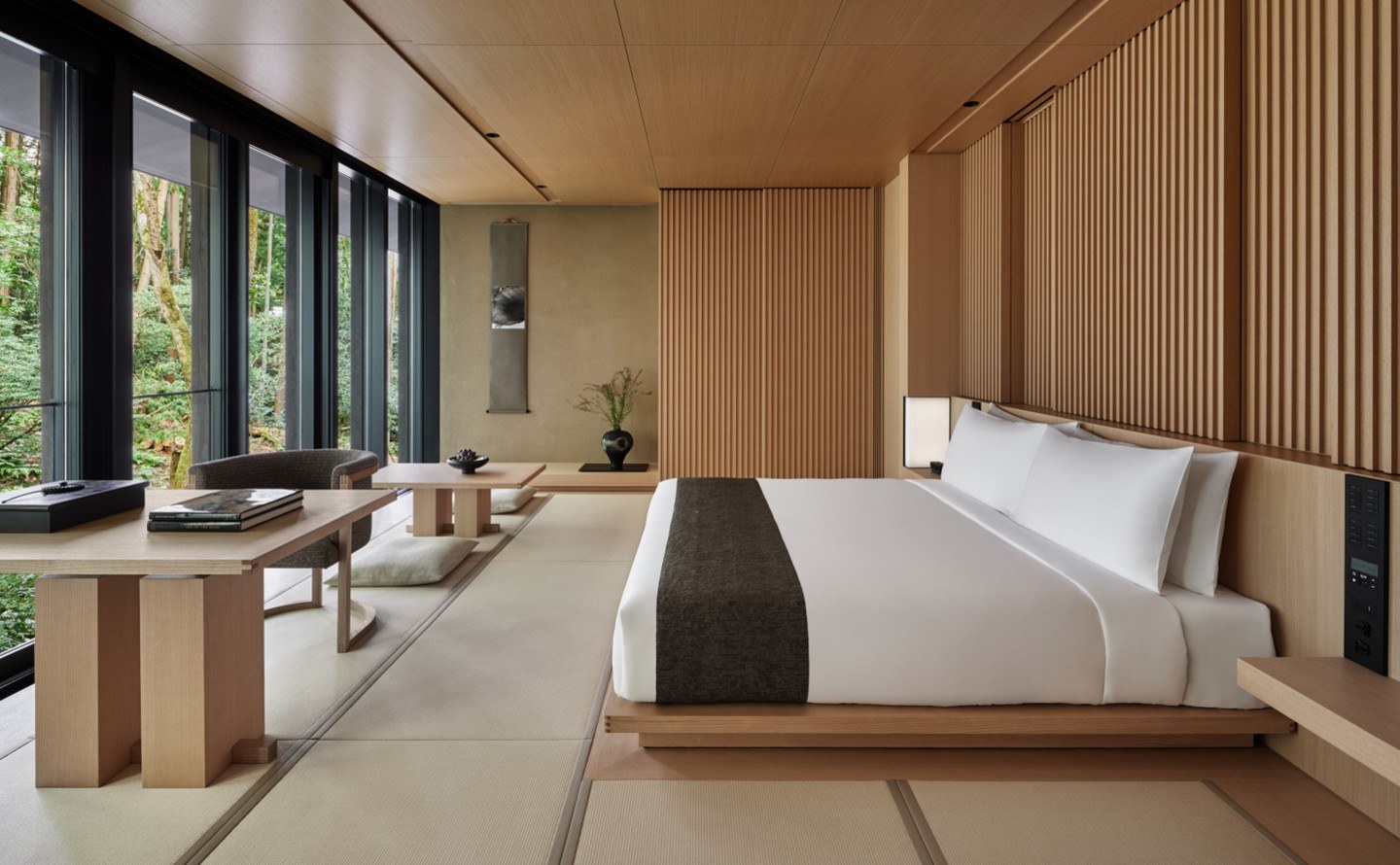
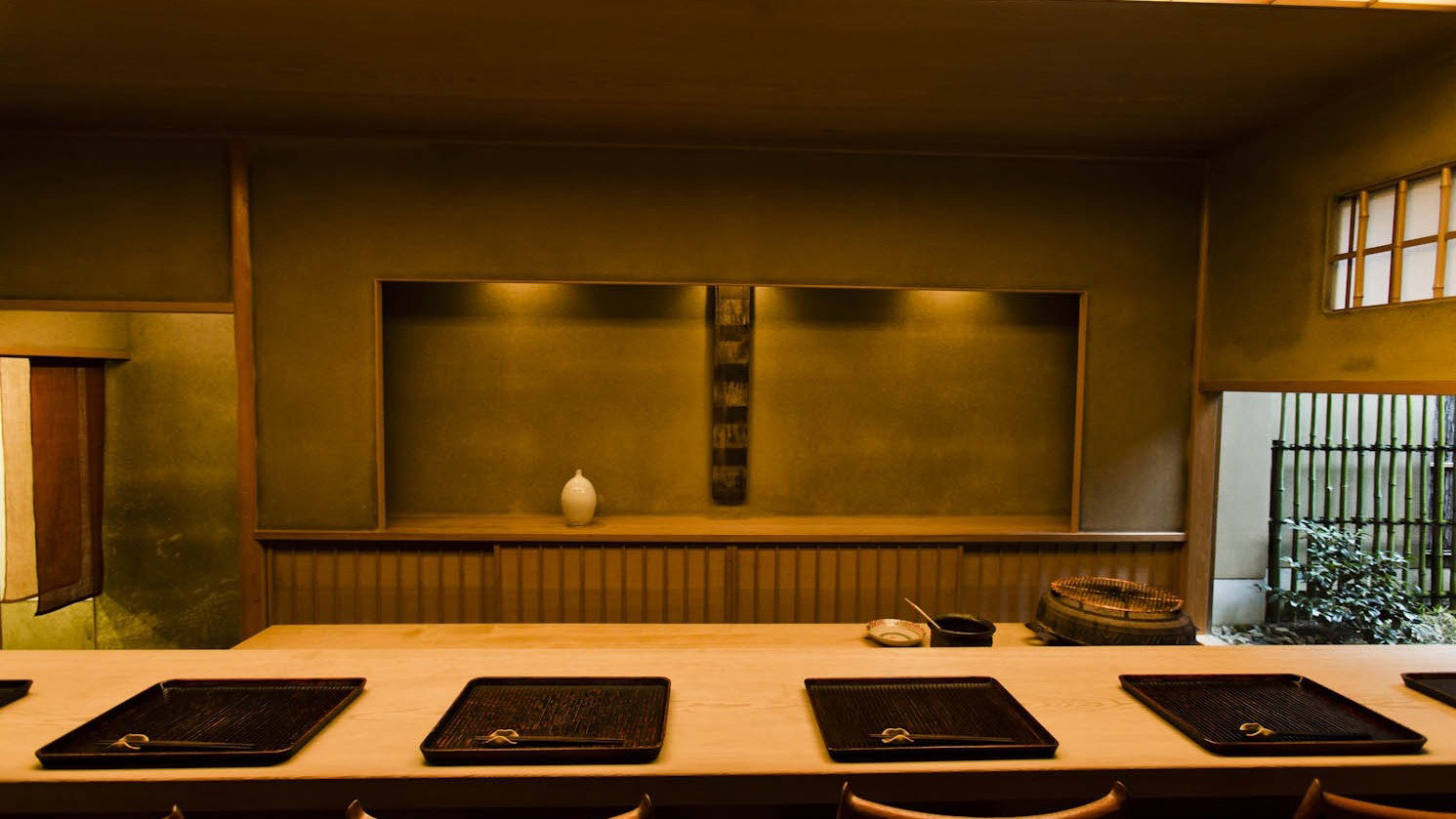
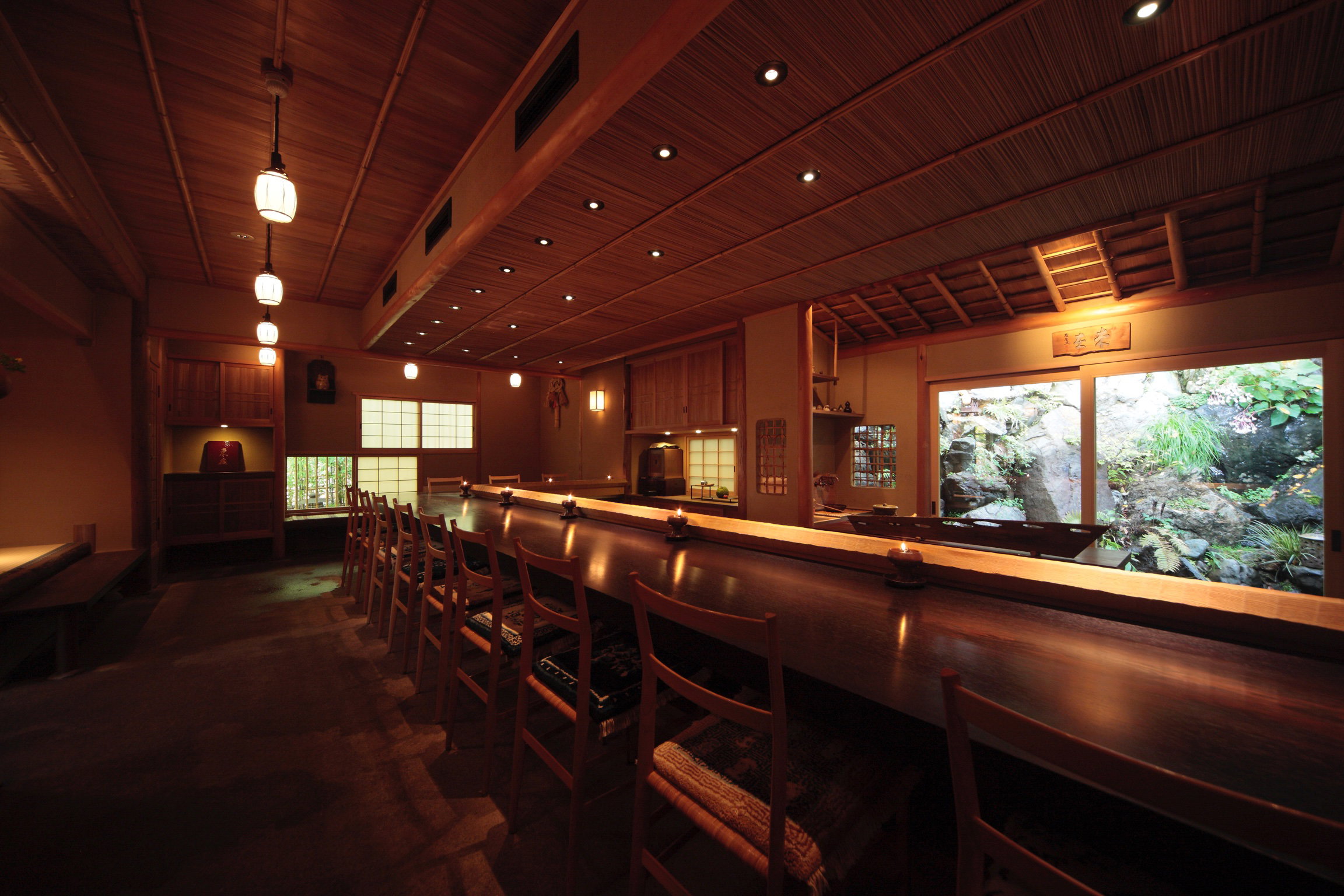
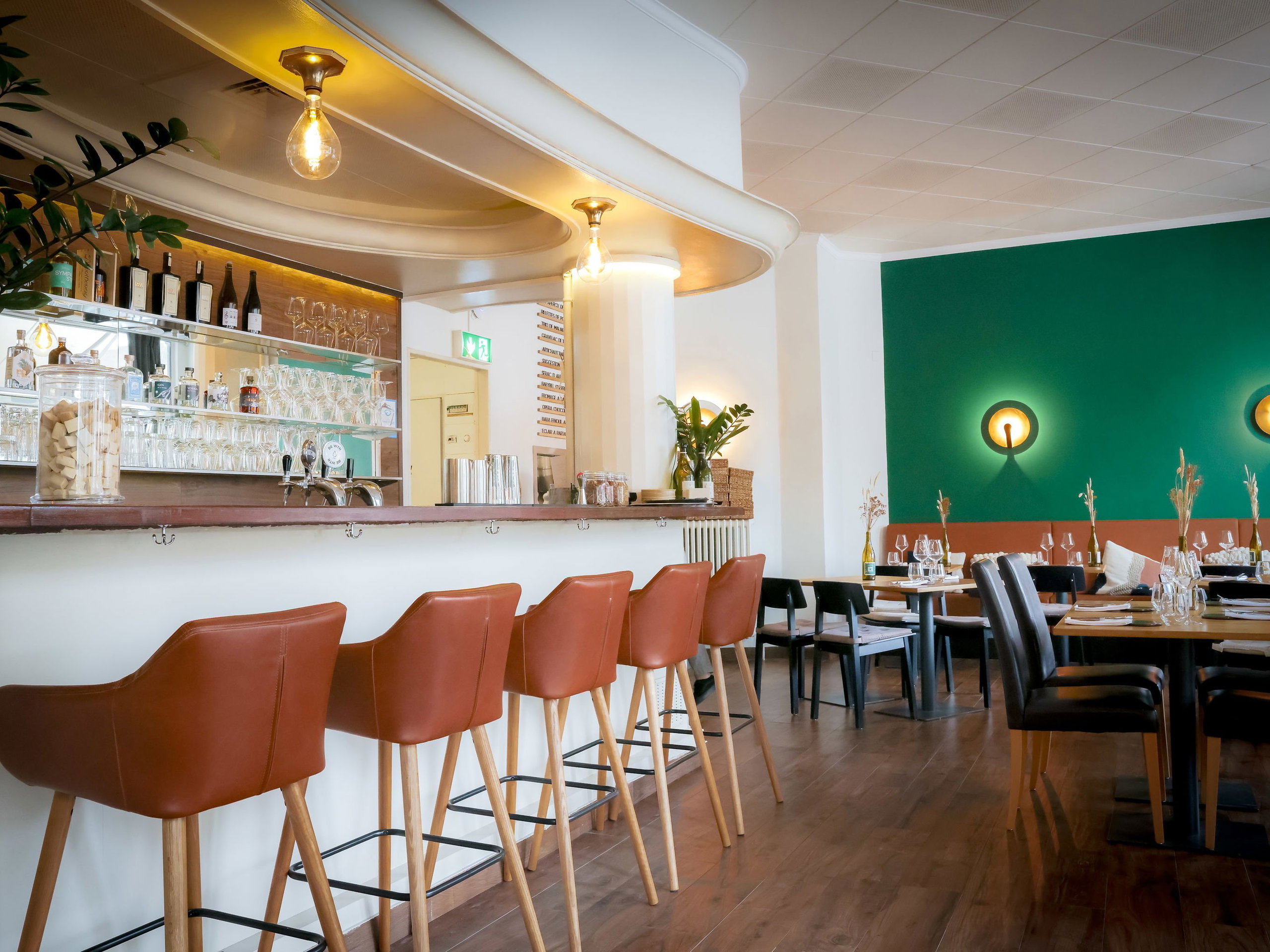
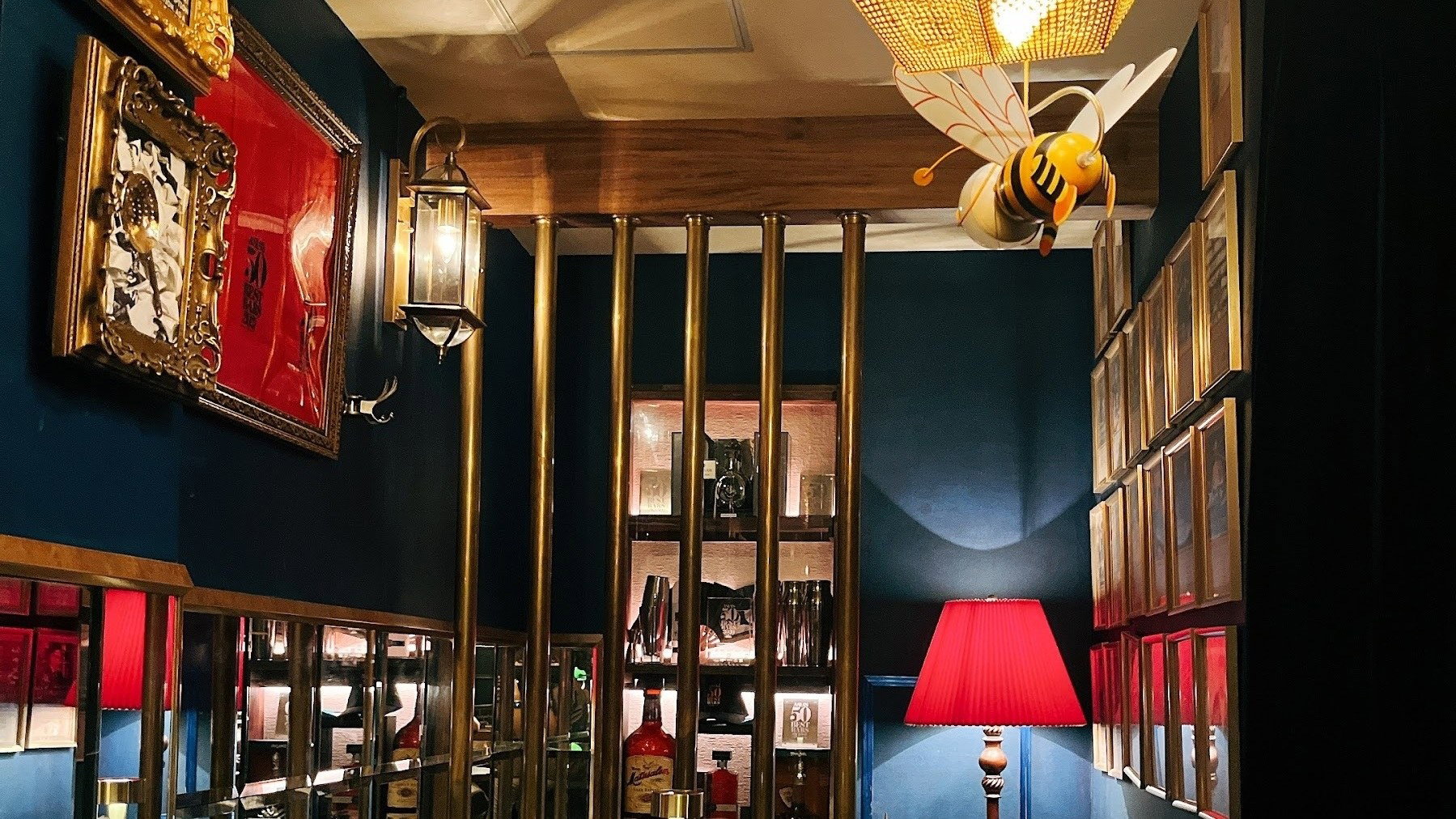
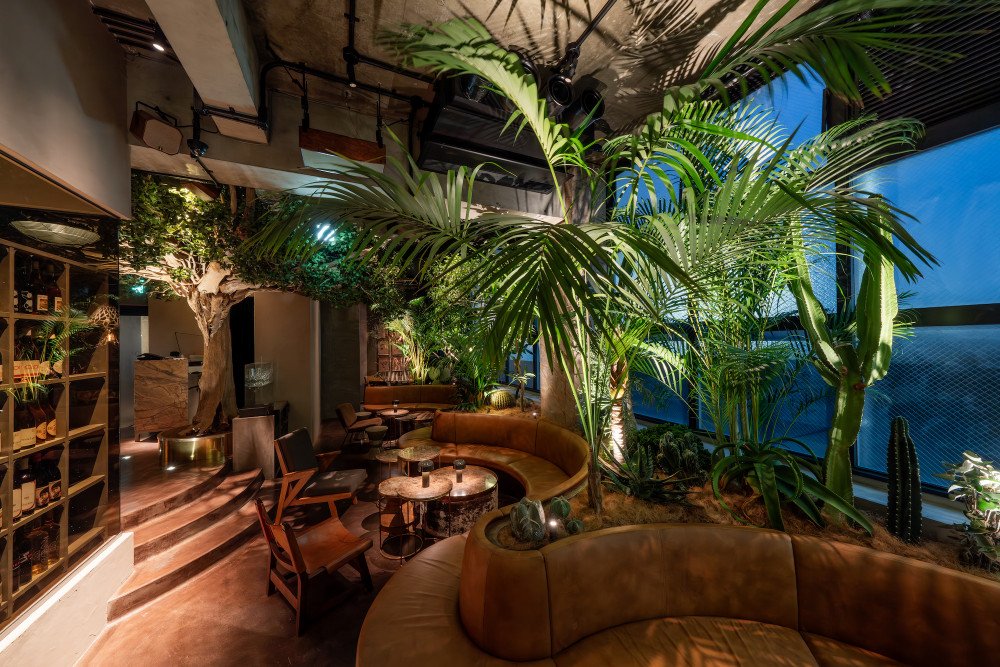
Stylish and relaxed fusion of Japanese and Western elements with natural materials, soft lighting, and a vibrant yet comfortable lobby atmosphere.
Tags
Vibe
Best For
Experience
Amenities
View
Accessibility
About the Stay
- Rooms
- 213
- Check-in
- 15:00
- Check-out
- 12:00
- Property Type
- Design hotel
- Property Style
- Contemporary Fusion of Kyoto Craft and Modern Design in Historic Structure
- Design Style
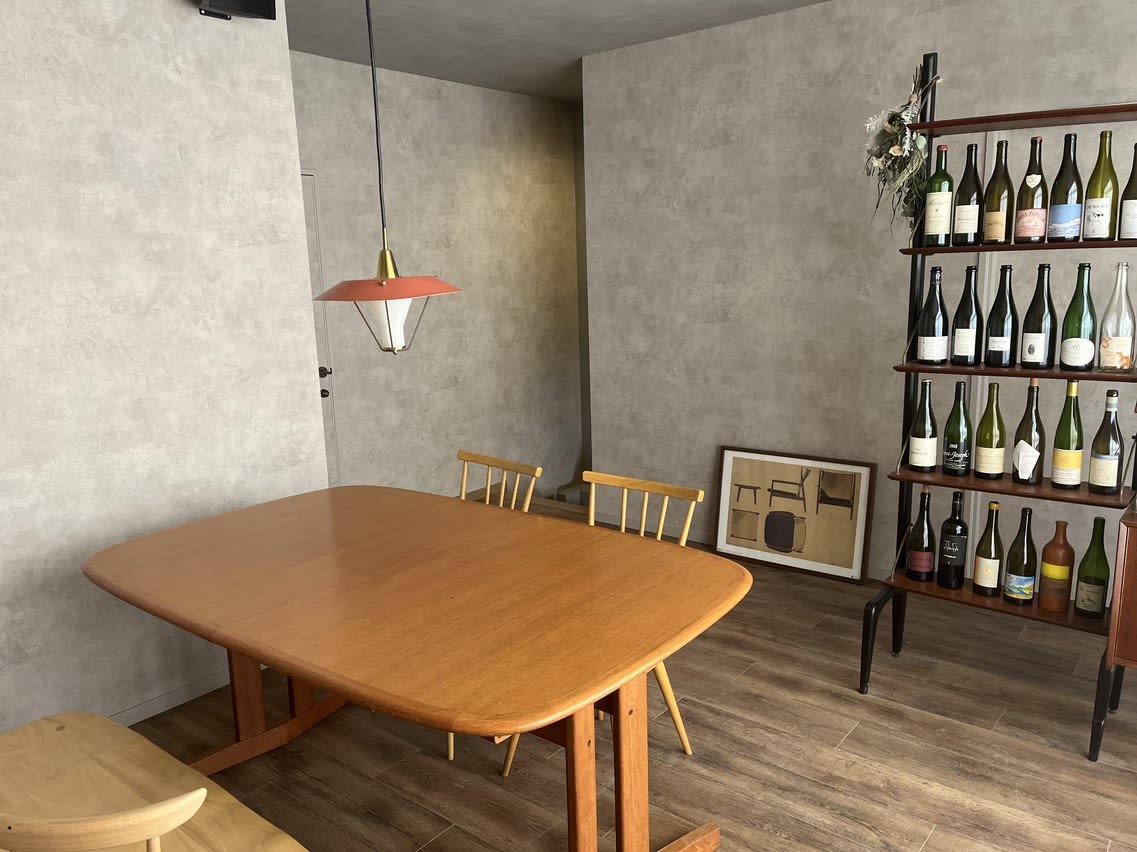
- Minimalist Japanese Western with Slate, Ash Wood, Original Art, and Functional Furnishings
- Pets
- Allowed
- Cancellation
- Moderate
Know before you go
Know Before You Go
- Getting there
- 245-2 Kurumayachō, Nakagyo Ward, Kyoto, 604-8185
Planning details
Location
Recognition and awards
Also consider
Also Consider
- THE HIRAMATSU Kyoto, Notable alternative
- Hotel Monterey Kyoto, Notable alternative
- Mitsui Garden Hotel Kyoto Sanjo Premier, Notable alternative
- Mimaru Suites Kyoto Central, Notable alternative
- Malda Kyoto, Notable alternative
Hotel context
How It Compares
THE HIRAMATSU Kyoto is the better fit if the trip needs a more polished, high-touch Kyoto stay and the budget allows for a quieter luxury profile. Ace Hotel Kyoto is the stronger choice for travelers who want a livelier central base and a less formal mood, especially on a first visit where daily access across the city matters.
Hotel Monterey Kyoto and Mitsui Garden Hotel Kyoto Sanjo Premier make more sense for value-led stays where the room is mainly a clean, practical base. Ace is harder to book and more design-forward, so pay the premium only if the hotel atmosphere is part of the trip rather than just a place to sleep.
Mimaru Suites Kyoto Central is the easier recommendation for families or longer stays that need suite-style space. Malda Kyoto is the cross-shop for a smaller, quieter mood. Ace sits between them: more social than Malda, less apartment-like than Mimaru, and more useful for travelers who want Kyoto with a city-hotel pulse.
Explore Kyoto
Around this place
Discover more on Pearl
Unlock the full Ace Hotel Kyoto guide in Pearl, including awards, comparisons, FAQs, planning details, and nearby places.
Compare Ace Hotel Kyoto
| Venue | Location | Awards |
|---|---|---|
| Ace Hotel Kyoto | Kyoto | 2026 Mr & Mrs Smith Luxury Hotels2026 Michelin 1 KeyTatler Best Hotels Asia-Pacific 2025Michelin 1 Key 20252025 Michelin 1 Key2024 Michelin 1 Key |
| THE HIRAMATSU Kyoto | Kyoto | No published awards |
| Hotel Monterey Kyoto | Kyoto Shi | No published awards |
| Mitsui Garden Hotel Kyoto Sanjo Premier | Kyoto | No published awards |
| Mimaru Suites Kyoto Central | Kyoto | No published awards |
| Malda Kyoto | Kyoto Shi | No published awards |

How Ace Hotel Kyoto compares with similar nearby venues.
FAQ
Frequently Asked Questions
How does Ace Hotel Kyoto compare to nearby hotels?
Pick Ace Hotel Kyoto if you want a Kyoto hotel with strong recognition, including Michelin 1 Key in 2024. THE HIRAMATSU Kyoto, Mitsui Garden Hotel Kyoto Sanjo Premier, Hotel Monterey Kyoto, Malda Kyoto, and Mimaru Suites Kyoto Central are useful comparison points depending on the style of stay you want.
Which room category is best at Ace Hotel Kyoto?
Choose based on the official room descriptions, current rates, and your own priorities for space, bedding, and quiet.
Do loyalty programs work at Ace Hotel Kyoto?
The main reasons to consider the hotel are its Kyoto setting and recognition, including Michelin 1 Key in 2024, Tatler 2025 Best Hotels Asia-Pacific listing status, and a 2026 Mr & Mrs Smith Seal of Approval.
When is the best time to book Ace Hotel Kyoto?
If your travel dates are fixed, compare current prices and cancellation terms directly before booking.
How is the pool and spa at Ace Hotel Kyoto?
How is the location of Ace Hotel Kyoto?
Ace Hotel Kyoto is in Kyoto. Use the hotel's current official map listing if exact positioning matters.