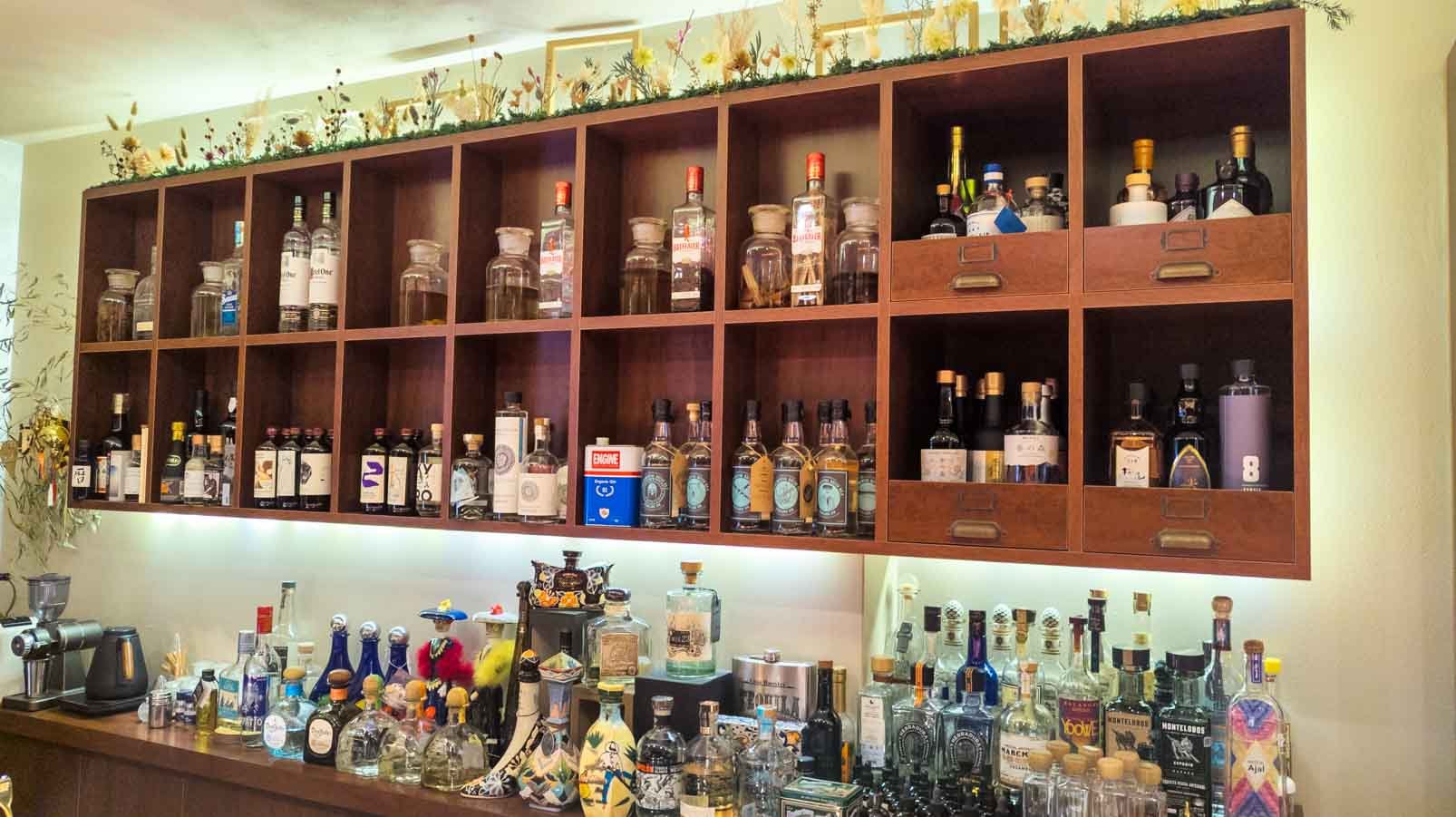
APOTHECA
Nakagyō, Kyoto
Bar in Kyoto, Japan
 Book with Pearl
The Read
Pharmaceutical Cocktail Precision
Why go
APOTHECA is worth considering for an easy central Kyoto drinks plan, especially for a date or low-key celebration where convenience matters. It is not the strongest choice for a food-led booking because confirmed cuisine, pricing, awards, and menu details are not listed, so treat it as a bar-first stop rather than the main event.
About APOTHECA
Is APOTHECA worth booking in Kyoto? Consider it as a Kyoto venue to shortlist after checking current details directly. The dress code is smart casual.
Before making APOTHECA the anchor of your night, confirm current cuisine, pricing, hours, seating, service format, and food or drinks offerings with the venue.
Use it as a Kyoto plan only after confirming current details
The grounded expectation is simple: APOTHECA is in Kyoto, and the dress code is smart casual. For broader planning around the city, you can also use Pearl's Kyoto restaurants guide if dinner matters.
The booking case depends on your current needs
APOTHECA may suit a Kyoto plan if smart casual dress works for the occasion, but check directly whether it fits dates, groups, walk-ins, special occasions, or a particular style of service. Before booking, confirm current hours, availability, menu details, and any other requirements that matter to your visit.
Planning details
- Location
- 〒604-8063 Kyoto, Nakagyo Ward, Aburayachō, 145 洋燈館 4F
- Website
- apotheca-kyoto.jp
- Phone
- +81 75-253-0770
The take
The Take
The Vibe
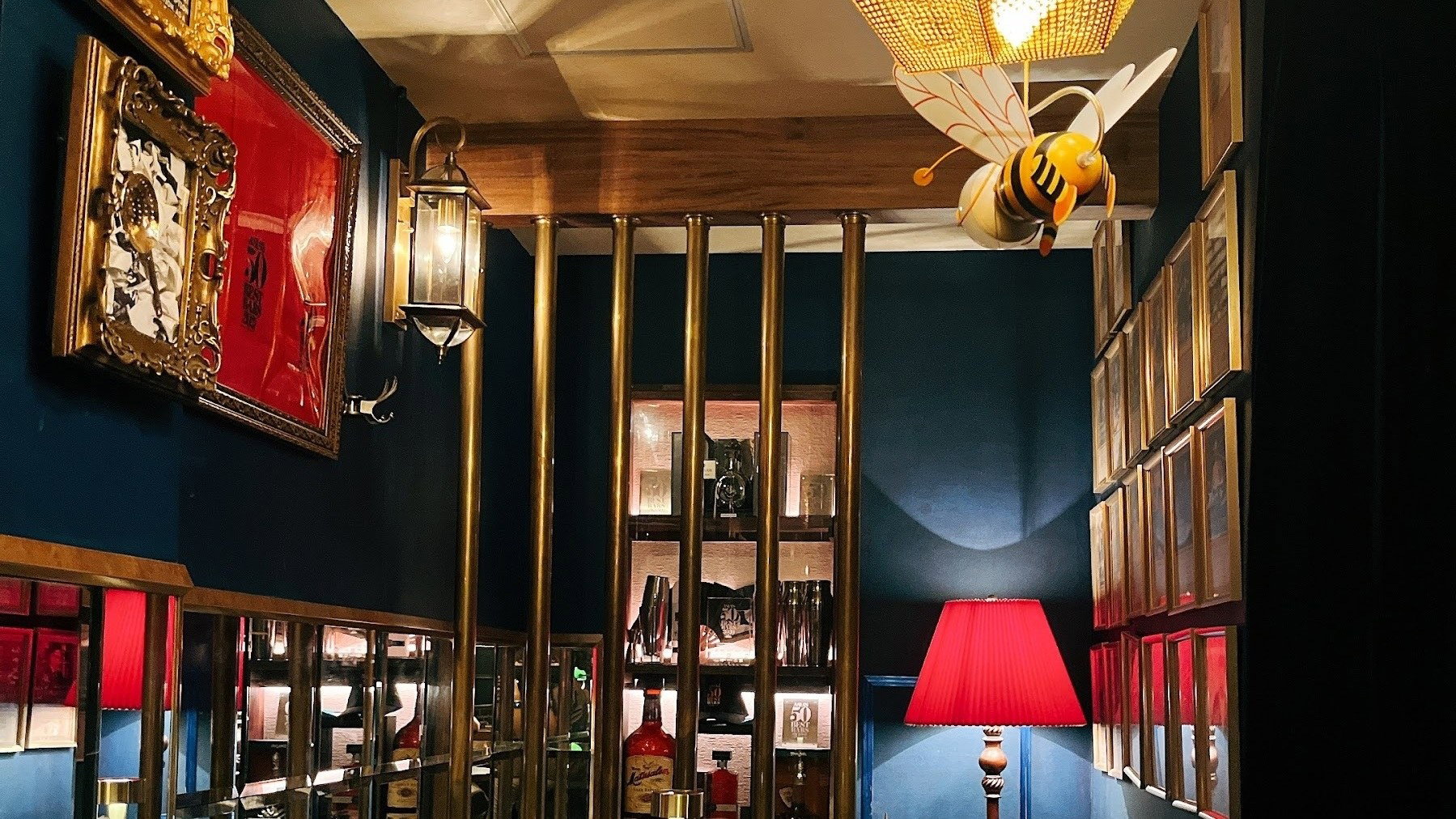
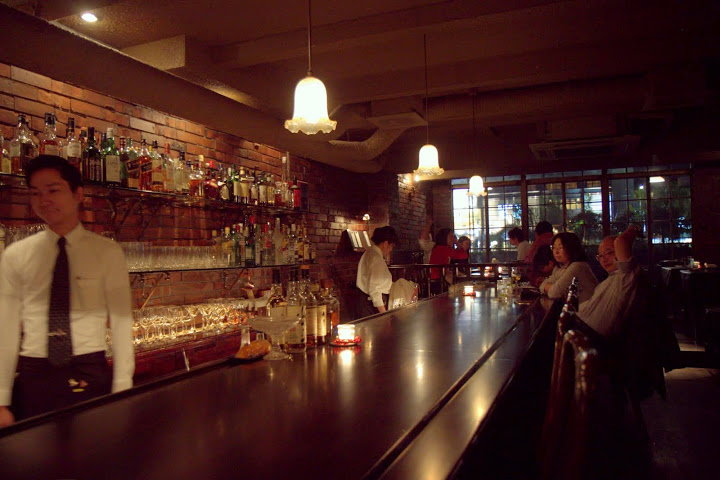
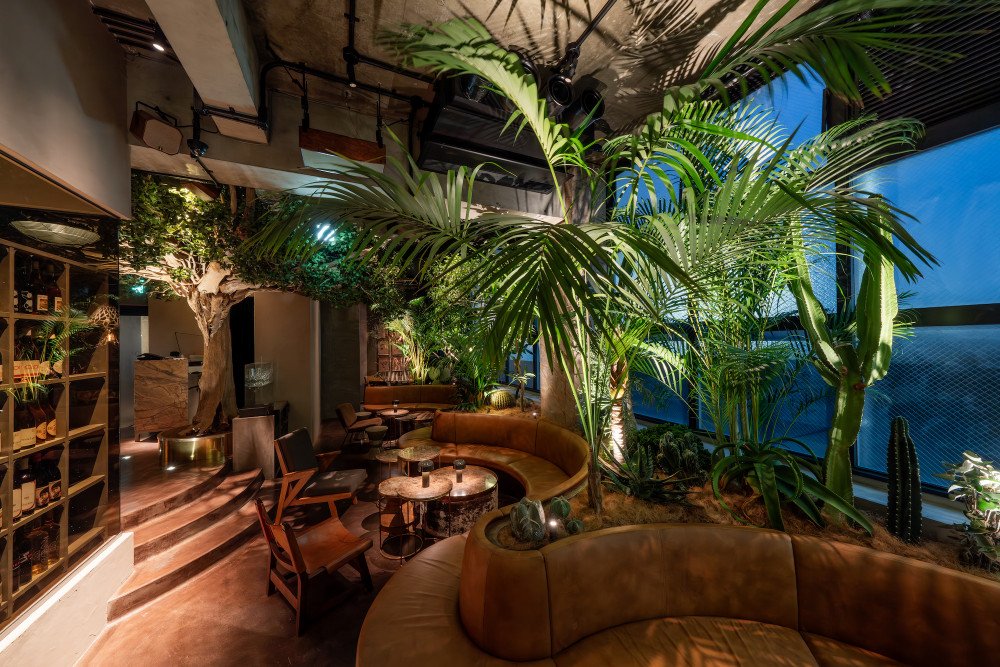
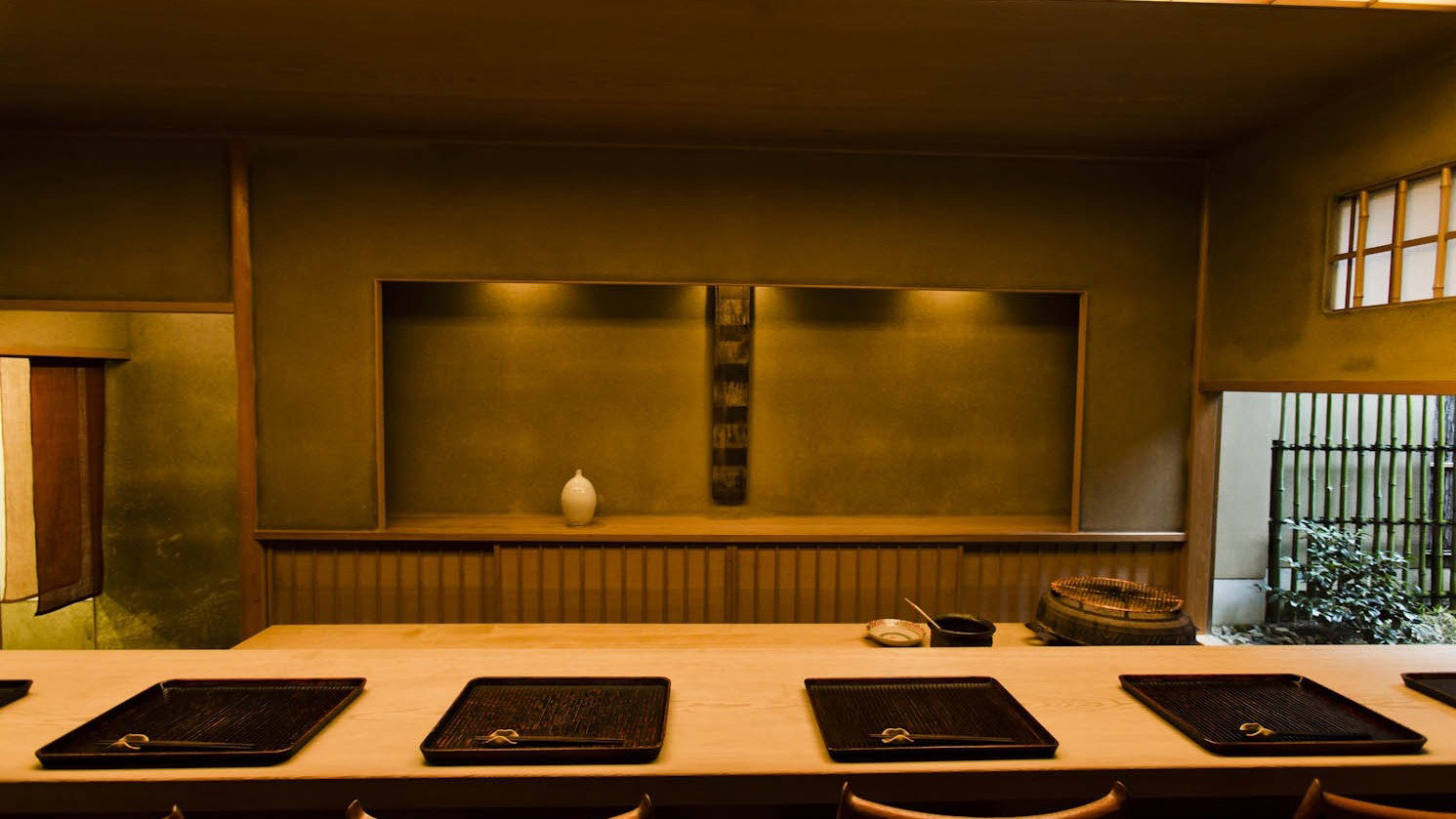
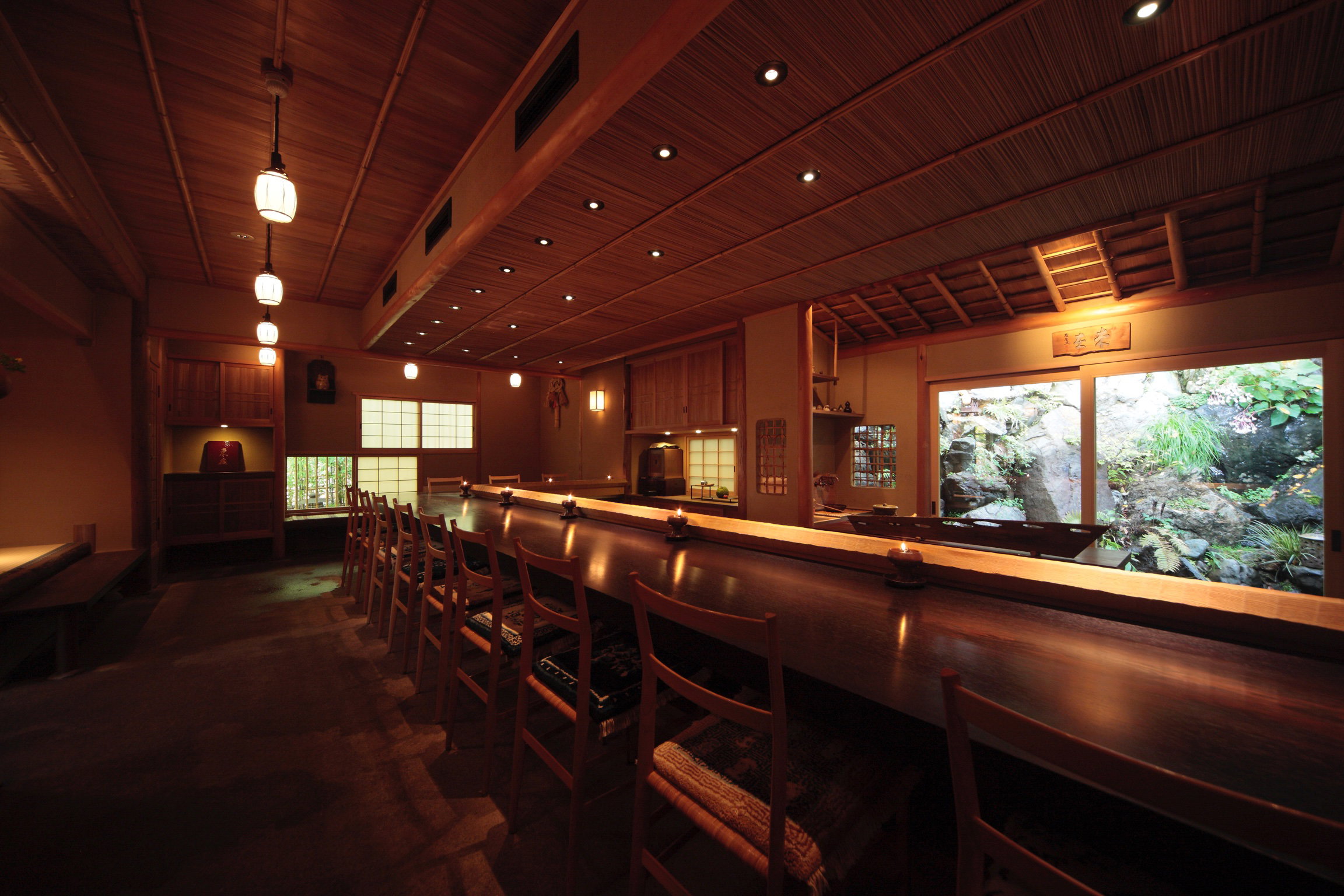
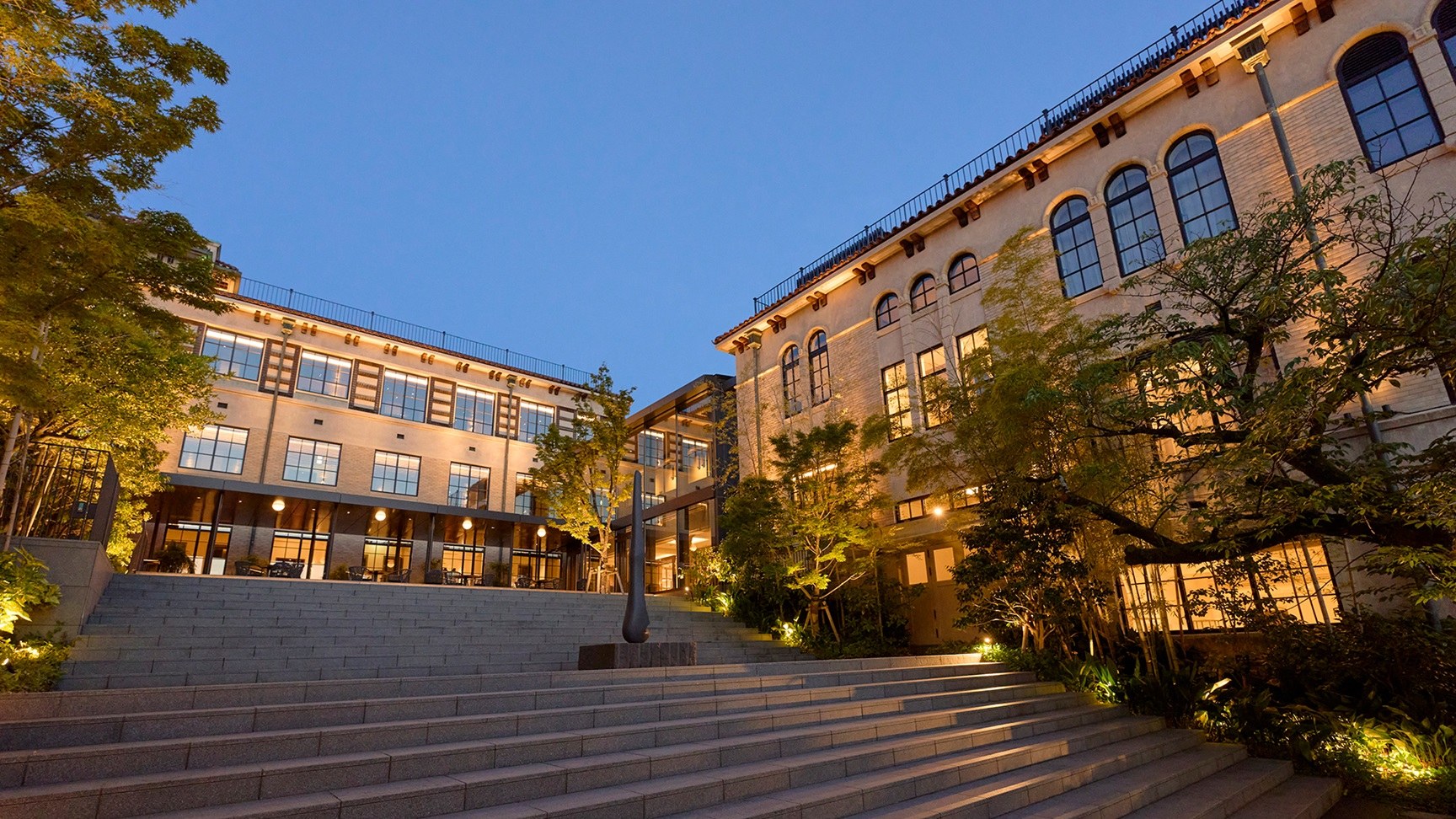
APOTHECA occupies an upper-floor room in a preserved Western-style building, and the setting frames a disciplined, low-key drinking experience. The bar follows Kyoto’s tradition of anonymity and craft, favoring classical technique and meticulous execution over showy trends. The result is a quiet, refined space where the material history of Yōtōkan — its prewar architecture and careful stewardship — informs the mood as much as the drinks. Service is deliberate and exacting: the staff’s apprenticeship and attention to detail create an atmosphere that feels both historic and sophisticated rather than theatrical.
Best For
This is a place for focused, considered drinking: date-night conversations, solo evenings at the bar, and small special occasions all sit naturally here. Because APOTHECA emphasizes craft and restraint, it suits anyone who prefers a calm, attentive environment over nightlife spectacle. The fourth-floor setting and the building’s architectural gravity make it a destination for guests who want something quietly memorable rather than loud or crowded. It’s well suited to those who appreciate technique and history in equal measure and who expect service to be professional and unobtrusive.
Ordering Tips
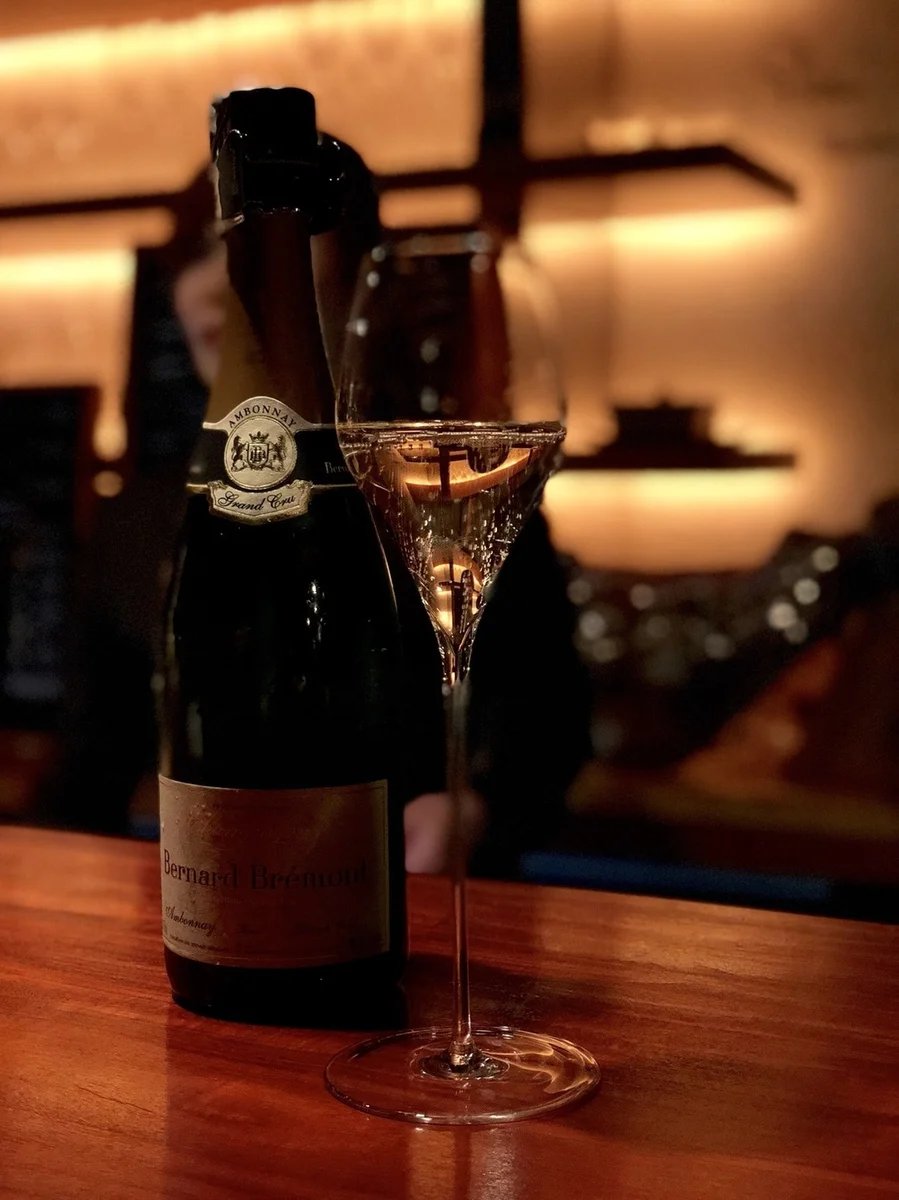
Let the bartender lead. The house aligns with Kyoto’s long apprenticeship model, so classical cocktails and precise technique are the priority — expect careful attention to ice, dilution, and balance. If you’re unsure, ask for a classic or a recommendation based on spirit preference and let the bartender tailor it; the programme favors discipline over novelty. Because the room is intended for concentrated drinking, order thoughtfully and allow time between drinks to appreciate the craft and the setting.
Venue details
Ambiance
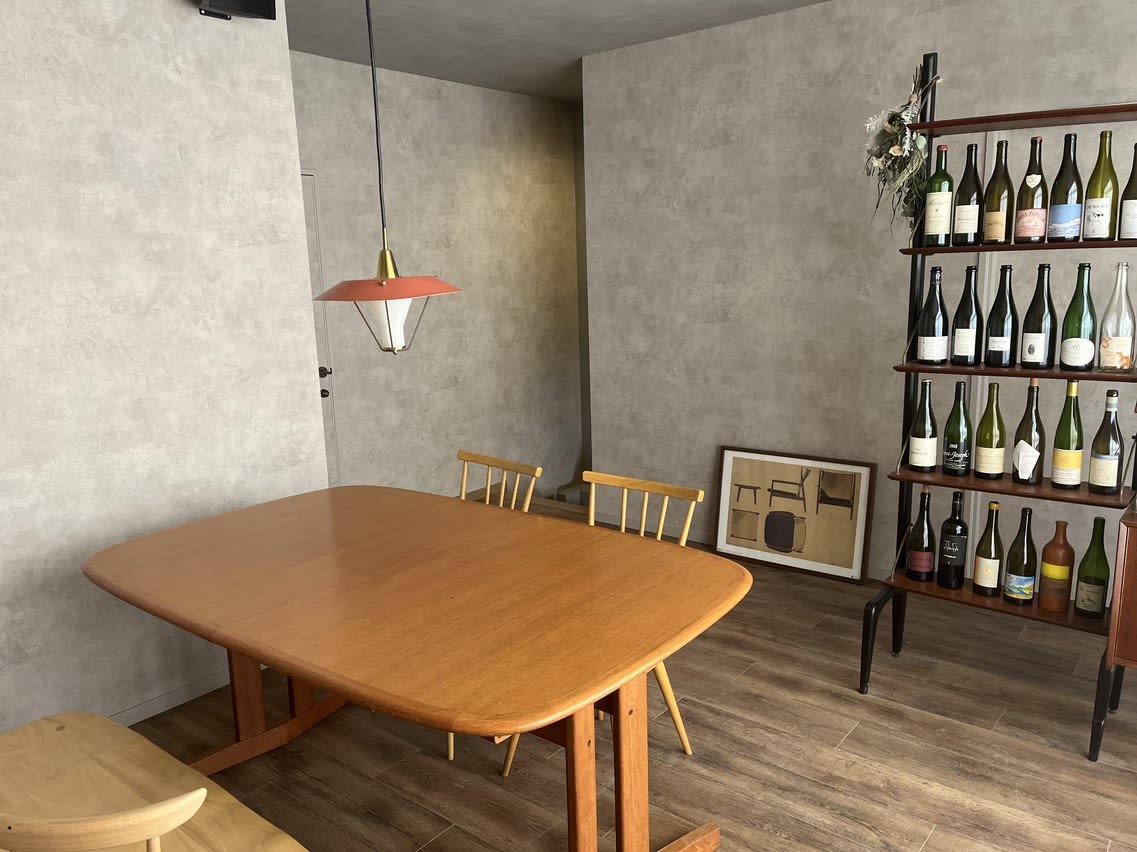
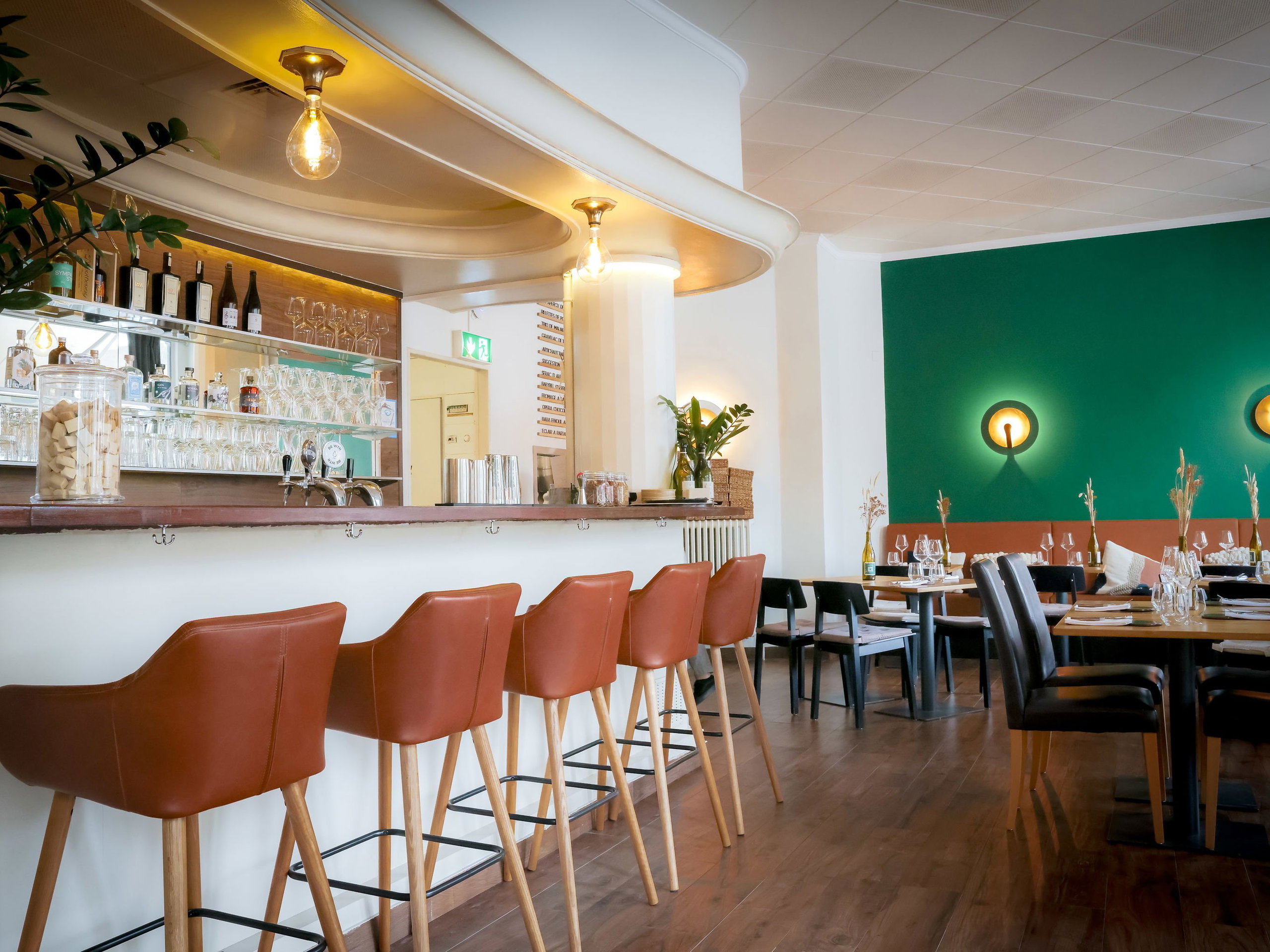
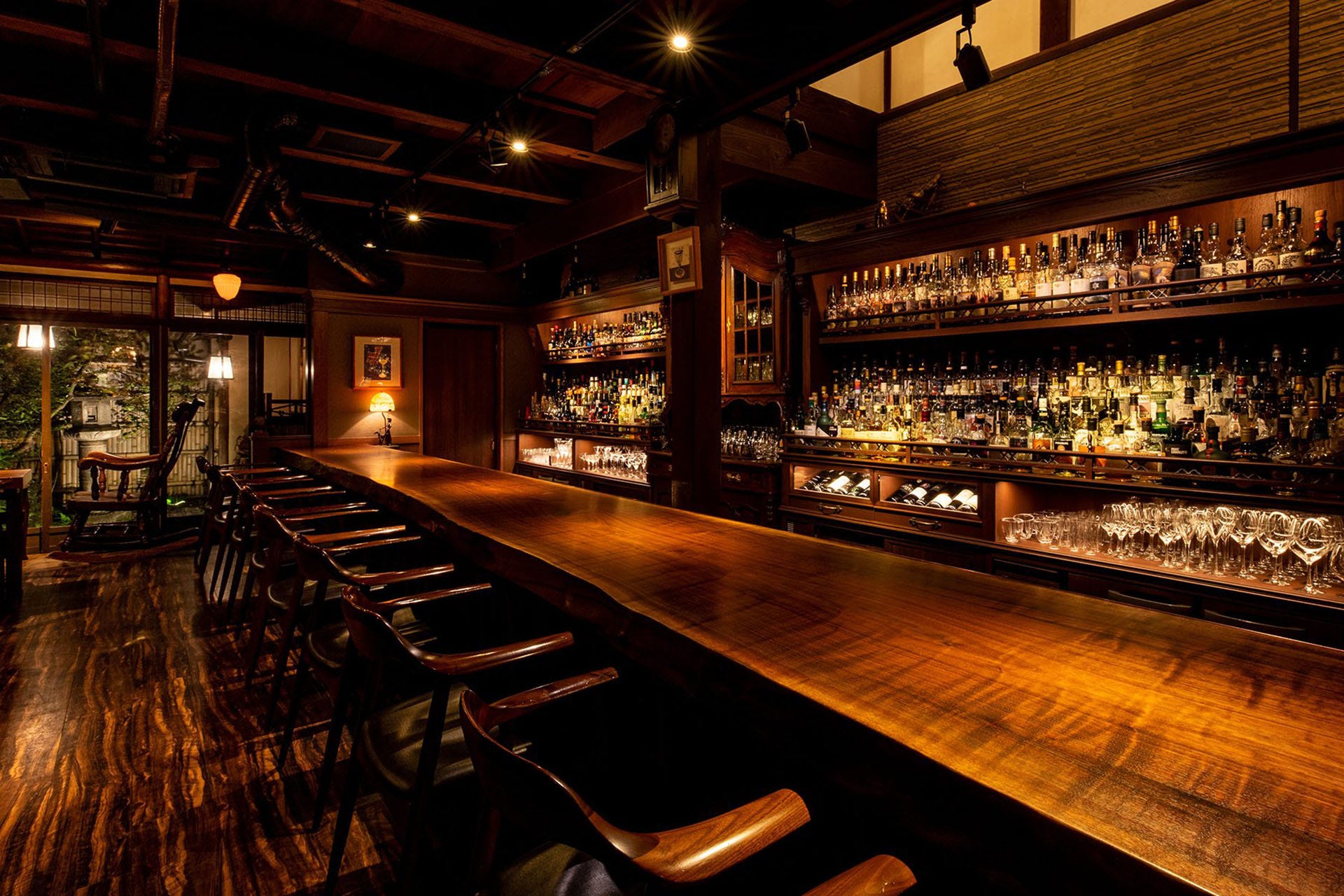
Low, precise lighting on wooden counters and exposed brick creates a warm, contemplative pharmacy-inspired atmosphere.
Tags
Vibe
Best For
Experience
Format
At the Bar
- Bar Category
- Cocktail Bar
- Late Night
- Closes by Midnight
Signature Pours
- Hilarius Neat
- Prescription Old-Fashioned
- Serenity Spritz
- Takoyakushi Elixir
Know before you go
Know Before You Go
- Getting there
- 〒604-8063 Kyoto, Nakagyo Ward, Aburayachō, 145 洋燈館 4F
Planning details
Location
Also consider
Also Consider
- SCOTCH & BRANCH, Notable alternative
- Rocking chair, Notable alternative
- Bee's Knees, Notable alternative
- Hello Dolly Bar, Notable alternative
- Bar Cordon Noir, Notable alternative
Bar context
Against SCOTCH & BRANCH, Rocking chair, and Bee's Knees, APOTHECA is the safer pick when the priority is an easy booking in central Kyoto. It is less compelling if the decision depends on published awards, price transparency, or a clearly defined food program, because those signals are not part of the available profile.
If the evening needs a stronger sense of occasion, cross-shop Hello Dolly Bar and Bar Cordon Noir before settling here. APOTHECA works better as a flexible drinks anchor than as a splurge-led destination; the peer choice should come down to room feel, availability, and how much certainty the group needs before going out.
Explore Kyoto
Around this place
Discover more on Pearl
Unlock the full APOTHECA guide in Pearl, including awards, comparisons, FAQs, planning details, and nearby places.
Compare APOTHECA
| Venue | Location | Awards |
|---|---|---|
| APOTHECA | Kyoto | No published awards |
| SCOTCH & BRANCH | Kyoto | No published awards |
| Rocking chair | Kyoto | No published awards |
| Bee's Knees | Kyoto | Top 500 Bars 2026 · #3832025 Asia's 50 Best Bars · #76Top 500 Bars 2025 · #2772024 Asia's 50 Best Bars · #752023 World's 50 Asia's Best Bars · #442022 Asia's Best Bars · #472021 World's 50 Asia's Best Bars · #182020 World's 50 Asia's Best Bars · #21 |
| Hello Dolly Bar | Kyoto | Pearl Recommended Bars |
| Bar Cordon Noir | Kyoto | Pearl Recommended Bars |



How APOTHECA Kyoto compares with similar nearby venues.
FAQ
Frequently Asked Questions
Is the food good at APOTHECA?
If food is important to your visit, review the current menu or food program directly with the venue.
Do I need a reservation at APOTHECA?
Is APOTHECA good for groups?
Does APOTHECA have happy hour deals?
Is APOTHECA good for a date?
APOTHECA may be considered for a Kyoto date plan if a smart casual dress code fits the occasion. Check current atmosphere, seating, and service style before booking.
Does APOTHECA have outdoor seating?
What's the crowd like at APOTHECA?
Ask about the typical crowd or atmosphere if that matters to your plans. The dress code is smart casual.