

Kanamean Nishitomiya
Nakagyō, Kyoto
Hotel in Kyoto, Japan
 Book with Pearl
The Read
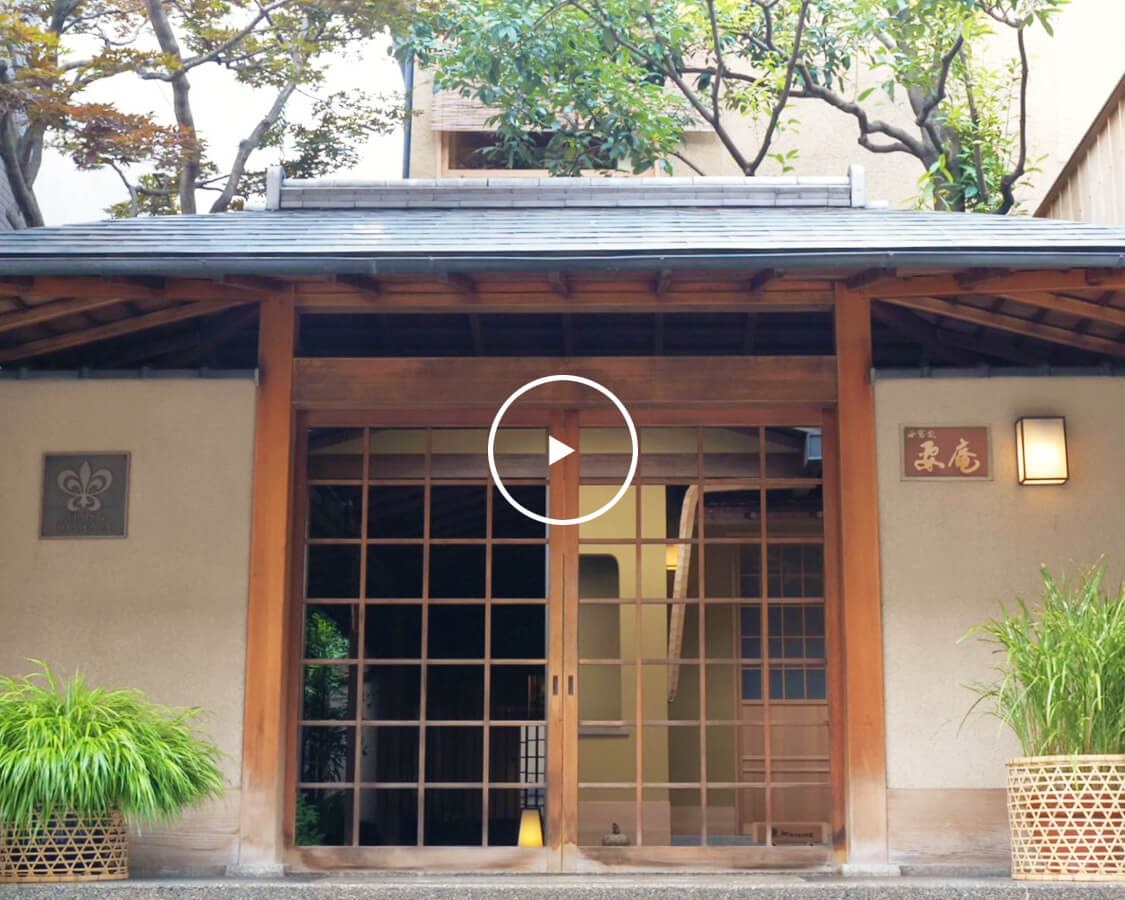
Five-Generation Townhouse Ryokan
Price
$500–750per night
Why go
Kanamean Nishitomiya is a strong Kyoto choice for repeat visitors who value a slower, more traditional stay over large-hotel facilities. Its Michelin 1 Key recognition and 2026 Relais & Châteaux Award make it easier to justify if atmosphere and intimacy matter more than spa breadth, business amenities, or flexible last-minute booking.
About Kanamean Nishitomiya
Kanamean Nishitomiya is a Kyoto venue with Michelin 1 Key (2024) and a Relais Chateaux Award (2026). For travelers comparing premium options in the city, those accolades make it a strong shortlist candidate. They give the venue a concrete point of reference in a market where many places can sound similar at first glance, especially when descriptions lean on atmosphere, tradition, or general ideas of luxury.
Beyond that recognition, check specific public-facing details directly with the venue before booking. In practical terms, let the confirmed honors frame your interest while making sure availability, arrival arrangements, facilities, policies, and other practical details fit your dates, party size, preferences, and expectations.
A Kyoto venue with confirmed recognition
The strongest grounded case for Kanamean Nishitomiya is simple: it is in Kyoto and has the Michelin 1 Key (2024) and Relais Chateaux Award (2026). If those forms of recognition matter to your trip planning, it is worth comparing against other Kyoto options. The Michelin Key can be useful as a quick signal when narrowing a long list, while the Relais Chateaux Award adds another recognized marker for travelers who pay attention to hospitality distinctions. Neither replaces your own due diligence, but together they make the venue more legible as a serious candidate.
You can also compare the broader market through Kyoto hotels, Kyoto restaurants, and Kyoto experiences. That broader comparison is especially helpful if you are balancing recognition against logistics, style, and the kind of trip you are building in Kyoto.
Inside Kanamean Nishitomiya
Planning details
- Location
- 562 Honeyanochō, Nakagyo Ward, Kyoto, 604-8064
- Website
- kanamean.co.jp
- Phone
- +81 75-211-2411
The take
The Take
The Vibe
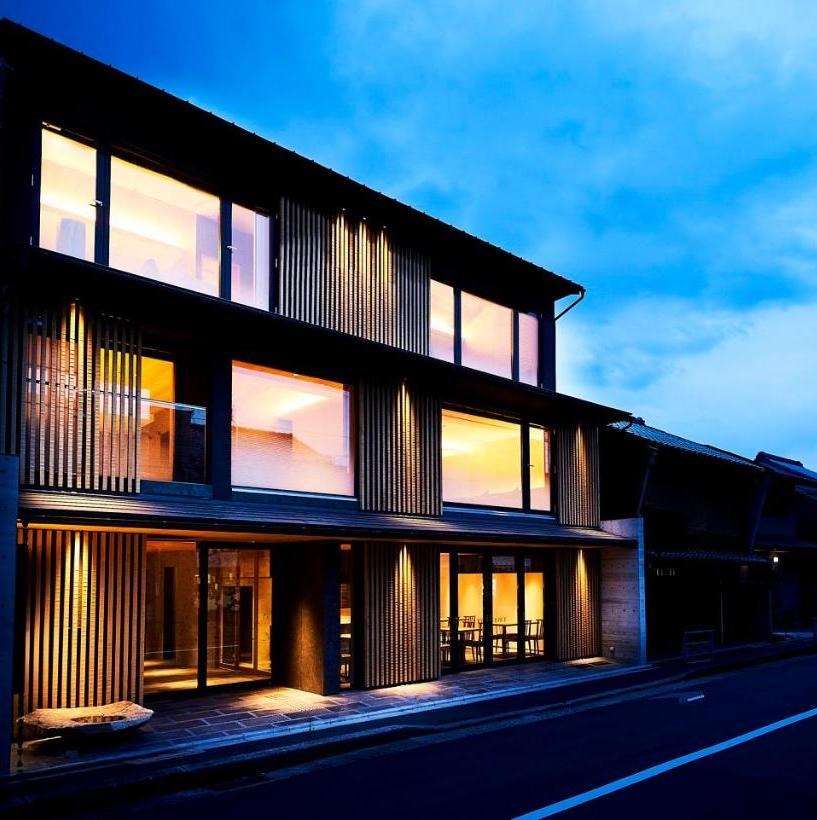
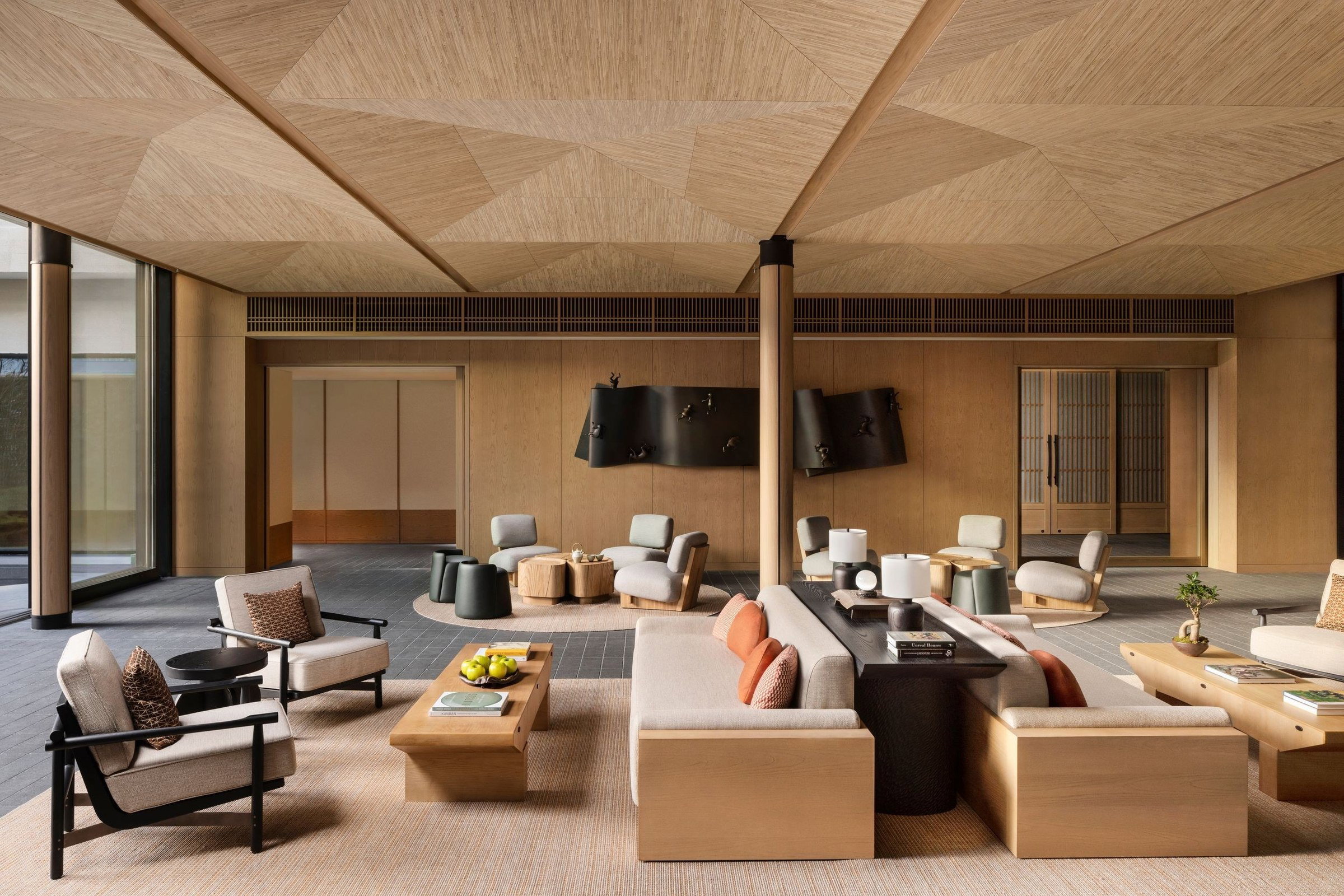
Kanamean Nishitomiya feels like a preserved corner of Kyoto city life. Housed in a 19th-century machiya townhouse that survived the fires and redevelopments that erased many contemporaries, the property foregrounds traditional urban architecture and quiet, considered hospitality. The machiya format and the small scale create an intimate, charming atmosphere: rooms are few, spaces are individually distinct, and the immediate street noise recedes the moment you pass the threshold. The result is a serene, historic stay that places you in the downtown grain of Nakagyo while still delivering the calm and refinement expected of a fine ryokan.
Best For
This property suits travelers who want authentic, downtown Kyoto immersion without sacrificing tranquility. With just seven rooms, Kanamean Nishitomiya caters to guests seeking an intimate, attentive ryokan experience in the heart of Nakagyo; it appeals especially to couples and those valuing heritage architecture and a quiet retreat steps from central streets. It’s also a good fit for visitors who prefer to stay within walking distance of downtown points of interest while remaining sheltered from the city’s bustle by a historic building that acts as its own measure of separation.
Stay Tips
Rooms are limited, the ryokan’s seven-room scale is a central feature, so book well in advance, particularly during peak travel seasons. Expect a traditional guest-to-host model of service rather than hotel-scale anonymity; plan for a paced, intentional stay rather than a quick turnaround. Because the property is embedded in central Nakagyo at the crossing of Tominokoji and Rokkaku, arrive with a sense that you’re staying within the city’s fabric: it’s convenient for walking and exploring, but the building itself is the primary buffer against urban noise.
Venue details
Ambiance
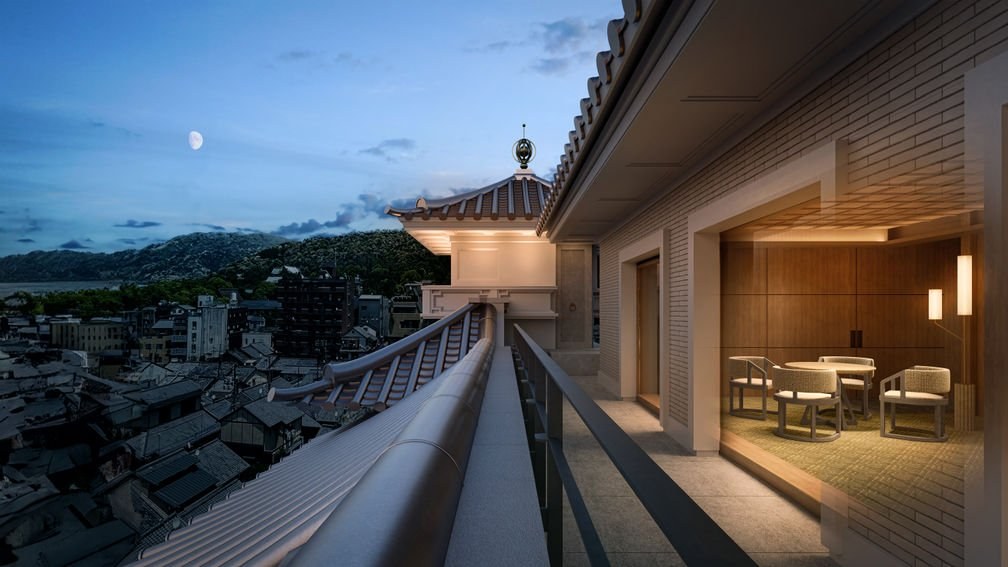
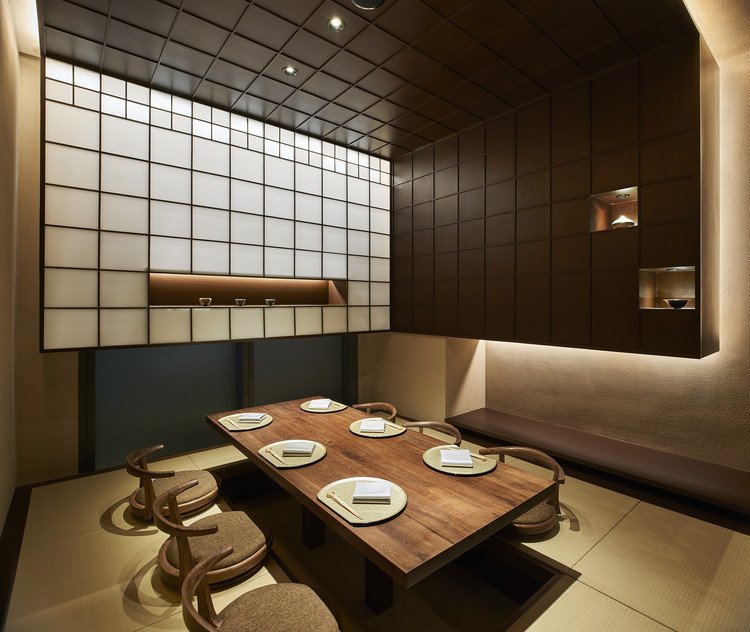
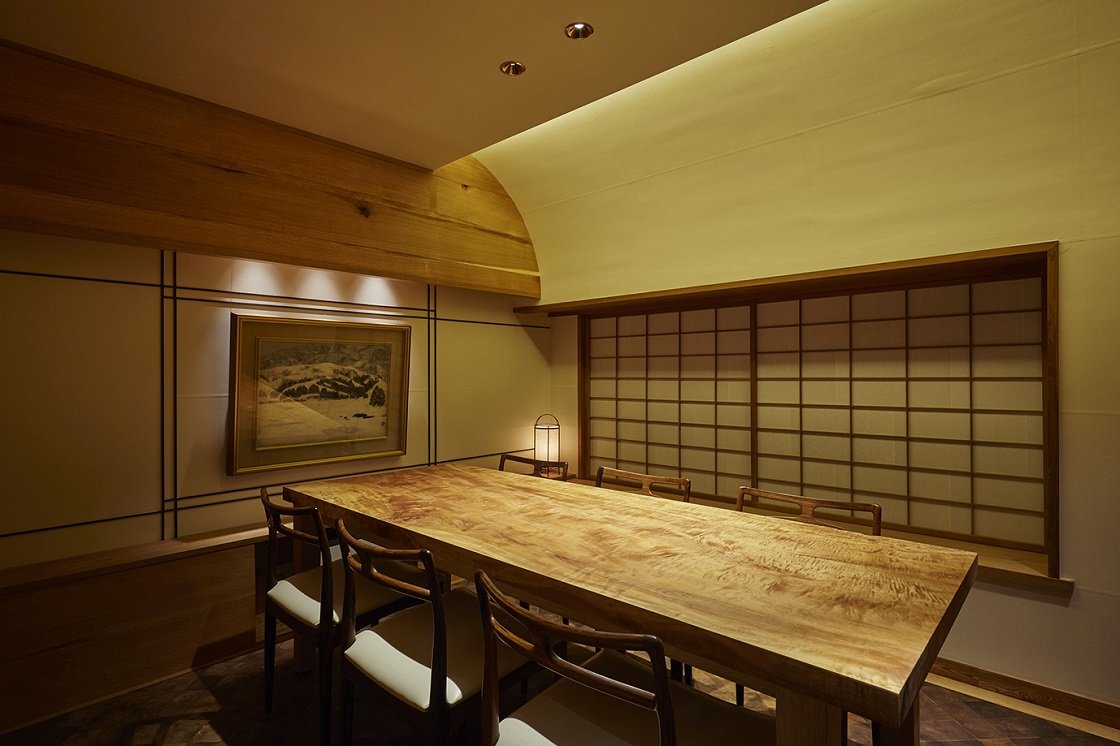
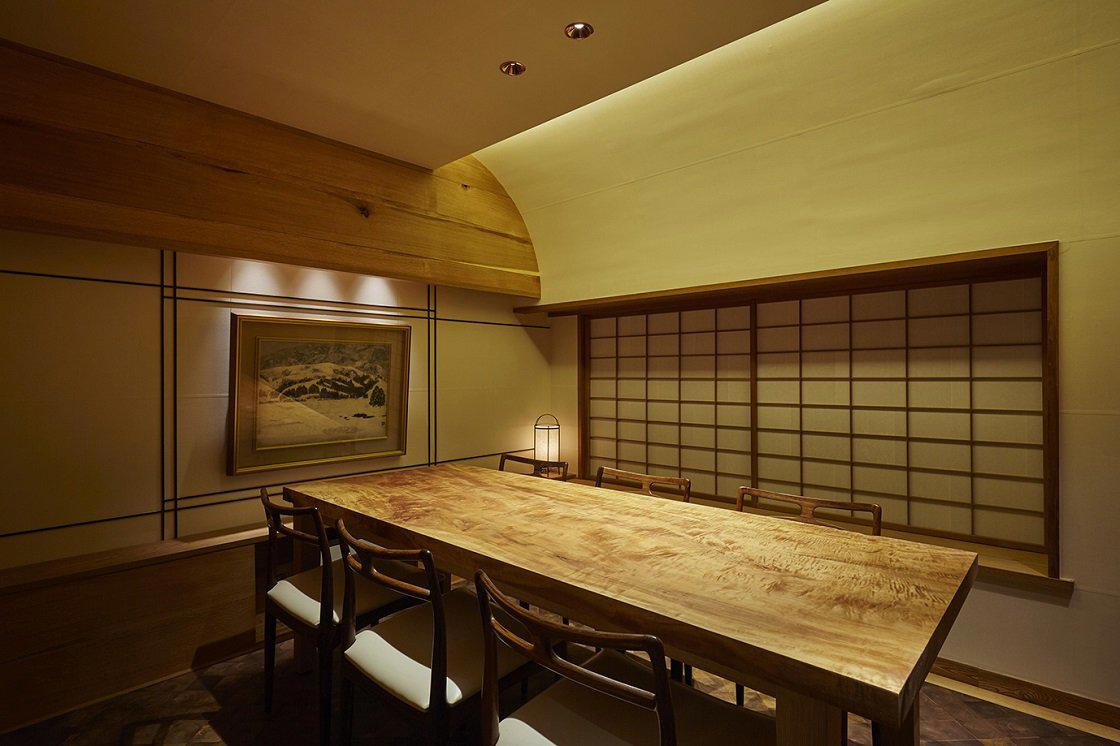
Serene and sophisticated with tatami mats, futons, cypress wood bathtubs, shoji screens, and a tranquil Japanese garden; guests describe quiet mornings with whispers on tatami and relaxing wooden baths.
Tags
Vibe
Best For
Experience
Amenities
View
About the Stay
- Rooms
- 8
- Check-in
- 14:00
- Check-out
- 11:00
- Property Type
- Boutique hotel
- Property Style
- Traditional Family Owned Ryokan Blending 19th Century Wooden Architecture with Contemporary Luxury.
- Design Style
- Japanese Minimalist with Tatami Flooring, Shoji Screens, Bamboo Furniture, and Aromatic Cypress Wood Elements.
Know before you go
Know Before You Go
- Getting there
- 562 Honeyanochō, Nakagyo Ward, Kyoto, 604-8064
Planning details
Location
Recognition and awards

Also consider
Also Consider
- Kinmata, Notable alternative
- Mitsui Garden Hotel Kyoto Sanjo Premier, Notable alternative
- Malda Kyoto, Notable alternative
- Hiiragiya, Notable alternative
- Hotel Monterey Kyoto, Notable alternative
Hotel context
How it compares with Kyoto peers
Choose Kanamean Nishitomiya over Mitsui Garden Hotel Kyoto Sanjo Premier if the stay itself is the point. Mitsui Garden is the more practical call for travelers who want a larger-hotel setup and easier logistics, while Kanamean is the stronger fit for a quieter, more traditional Kyoto stay where ambiance carries the value.
Hiiragiya is the closest comparison for travelers deciding between heritage-led ryokan experiences in Kyoto. If availability or pricing makes Kanamean difficult, Hiiragiya is the first alternative to check. For a more contemporary, design-forward stay, Malda Kyoto is better aligned with travelers who want a smaller property feel without committing as fully to the ryokan mood.
Kinmata and Hotel Monterey Kyoto work better as fallbacks for different reasons: Kinmata for another traditional-leaning option, Hotel Monterey for a more conventional hotel stay. Kanamean is the splurge-leaning choice when recognition, quiet, and a sense of place matter more than the easiest booking path.
Explore Kyoto
Around this place
Discover more on Pearl
Unlock the full Kanamean Nishitomiya guide in Pearl, including awards, comparisons, FAQs, planning details, and nearby places.
Compare Kanamean Nishitomiya
| Venue | Location | Awards |
|---|---|---|
| Kanamean Nishitomiya | Kyoto | 2026 Relais Chateaux Hotels2026 Michelin 2 KeysMichelin 1 Key 20252025 Relais Chateaux Award2025 Michelin 1 Key2024 Michelin 1 Key |
| Kinmata | Kyoto Shi | No published awards |
| Mitsui Garden Hotel Kyoto Sanjo Premier | Kyoto | No published awards |
| Malda Kyoto | Kyoto Shi | No published awards |
| Hiiragiya | Kyoto | 2026 Michelin 1 Key2025 Michelin 1 Key2024 Michelin 1 Key |
| Hotel Monterey Kyoto | Kyoto Shi | No published awards |

How Kanamean Nishitomiya Kyoto Review: Worth It? compares with similar nearby venues.
FAQ
Frequently Asked Questions
How is the location of Kanamean Nishitomiya?
Kanamean Nishitomiya is in Kyoto. For exact arrival details, use the venue's official channels before travel.