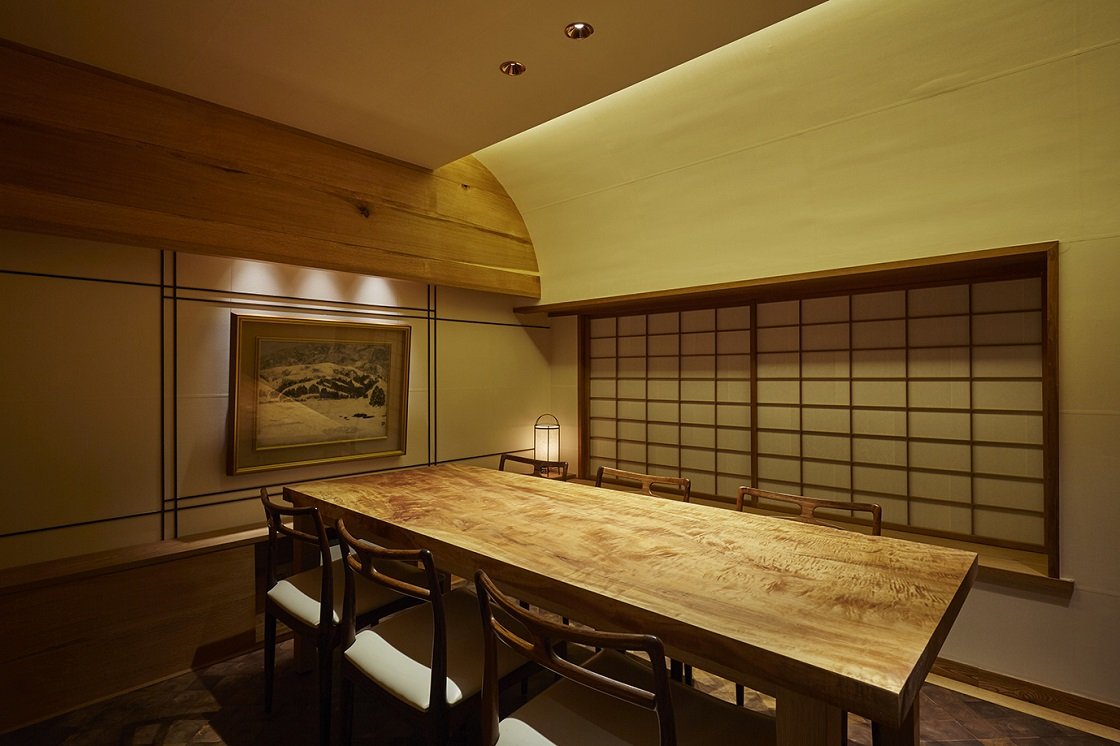

Kinobu
Japanese · Shimogyō, Kyoto
Restaurant in Kyoto, Japan
 Book with Pearl
The Read
Forward-Looking Kaiseki
Price
¥¥¥
Dress
Smart Casual
Why go
Kinobu holds a 2024 Michelin one star and offers contemporary kaiseki at ¥¥¥ pricing, a tier below most of Kyoto's starred ryotei. Its wine-pairing menu and openness to outside influence set it apart from more traditional operations. Book here if you want seasonally grounded Japanese cuisine with a modern edge at a more accessible price point than the top tier.
About Kinobu
The Verdict
At ¥¥¥ pricing, it sits a tier below the ¥¥¥¥ establishments like Kyokaiseki Kichisen and Isshisoden Nakamura, which makes it worth serious consideration if you want Michelin-calibre kaiseki without committing to the leading price bracket. Book it if you want seasonally grounded Japanese cuisine with a contemporary edge. Skip it if you want the most formal, tradition-heavy ryotei experience Kyoto offers.
What to Expect
One of the most persistent misconceptions about kaiseki in Kyoto is that every starred venue delivers an identical, rigidly ceremonial experience. Kinobu corrects that assumption. The restaurant began as a catering operation before evolving into a ryotei, that practical, adaptive origin still shapes how it operates. Rather than treating kaiseki as a museum piece, it treats the format as a living framework, one that absorbs contemporary influence without abandoning the seasonal logic that makes Kyoto cuisine worth seeking out in the first place.
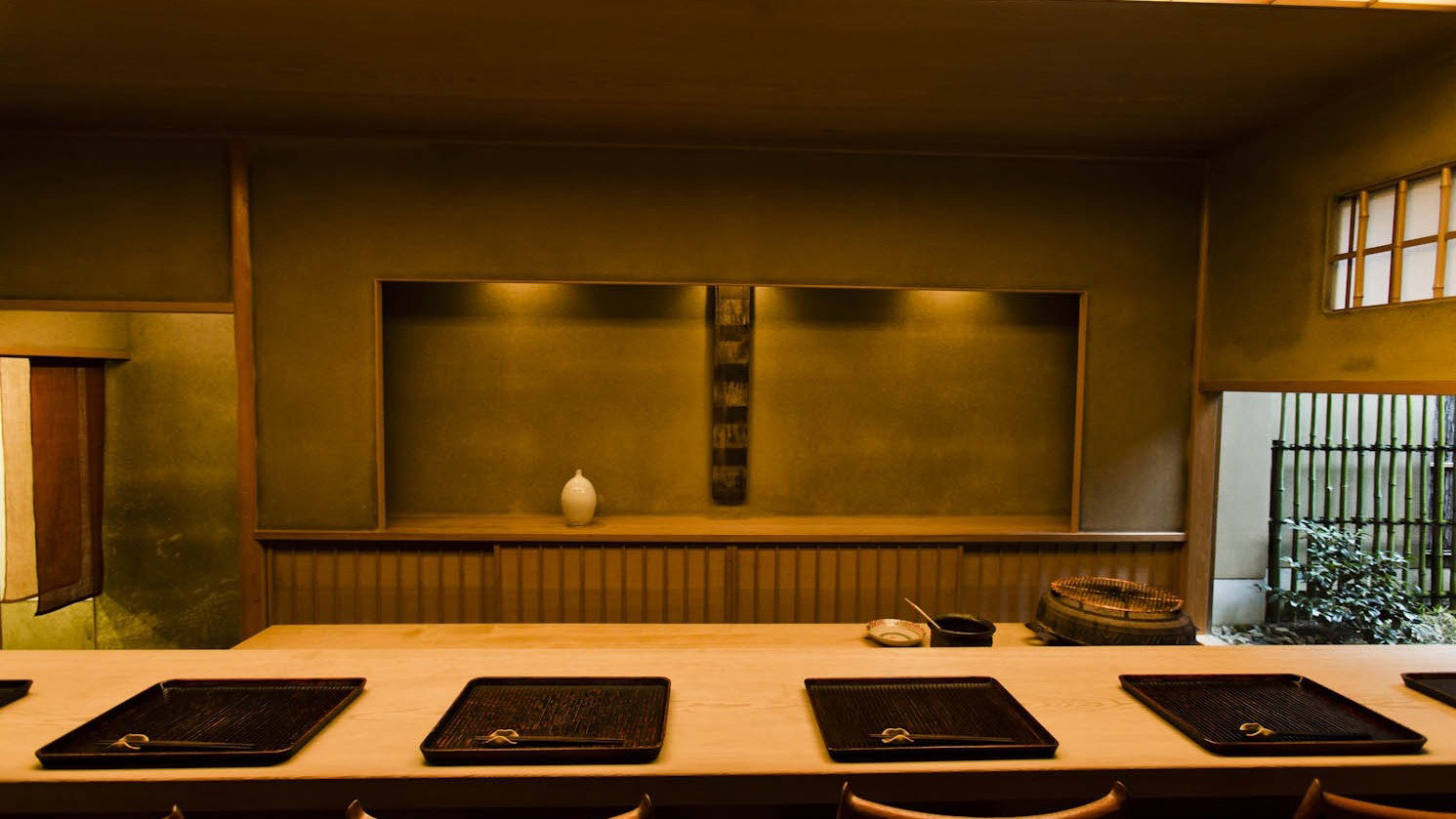
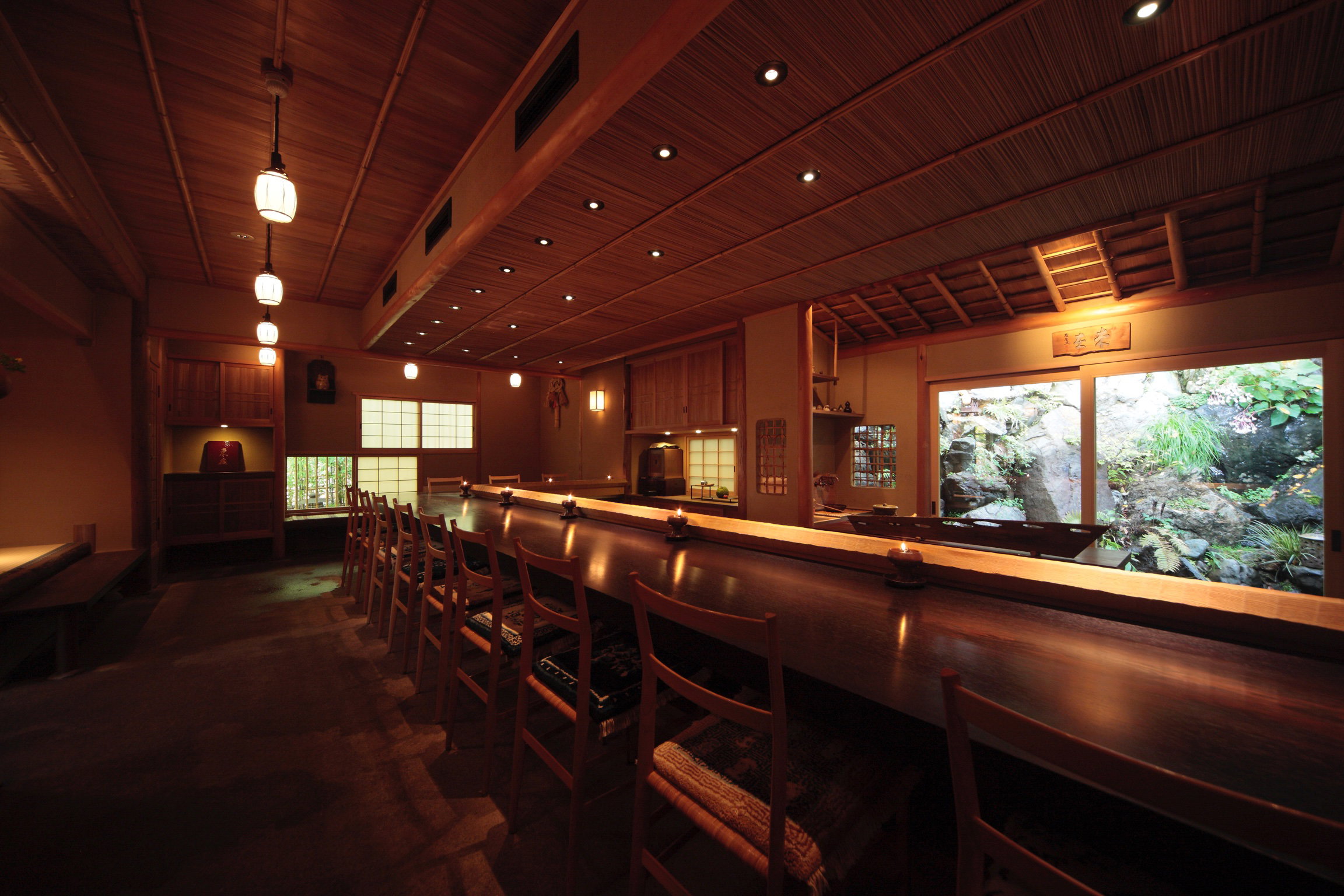
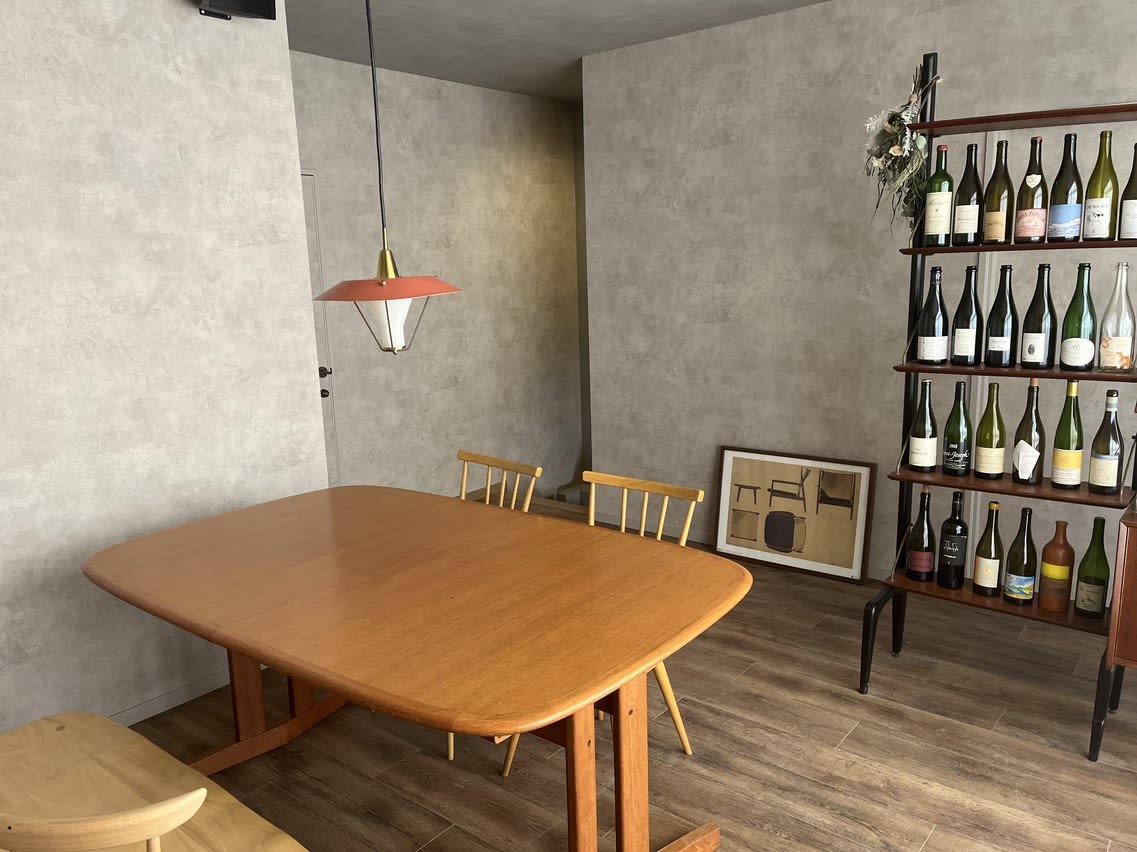
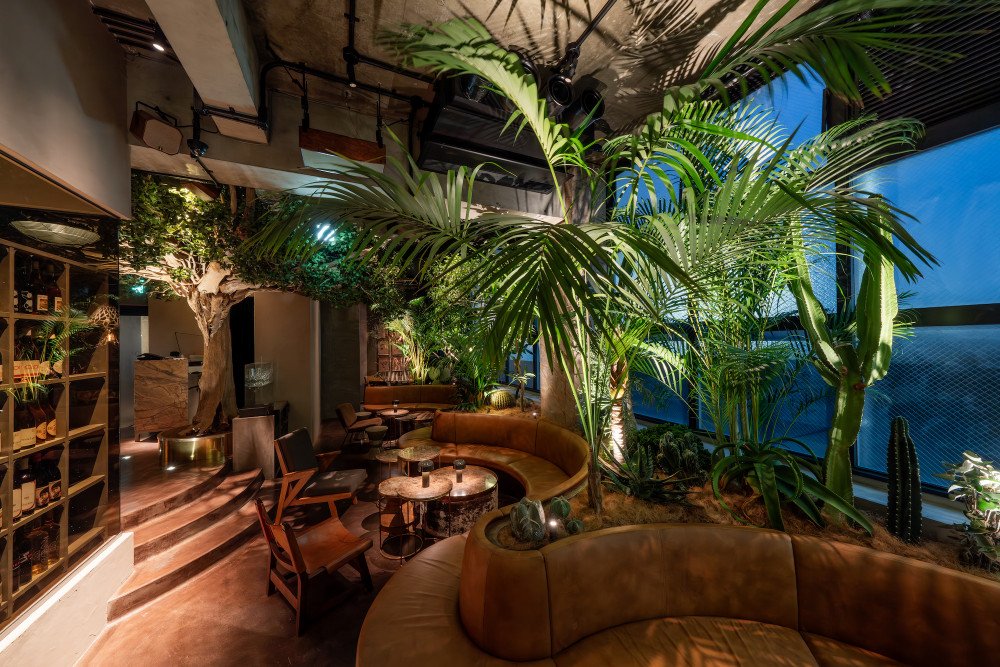
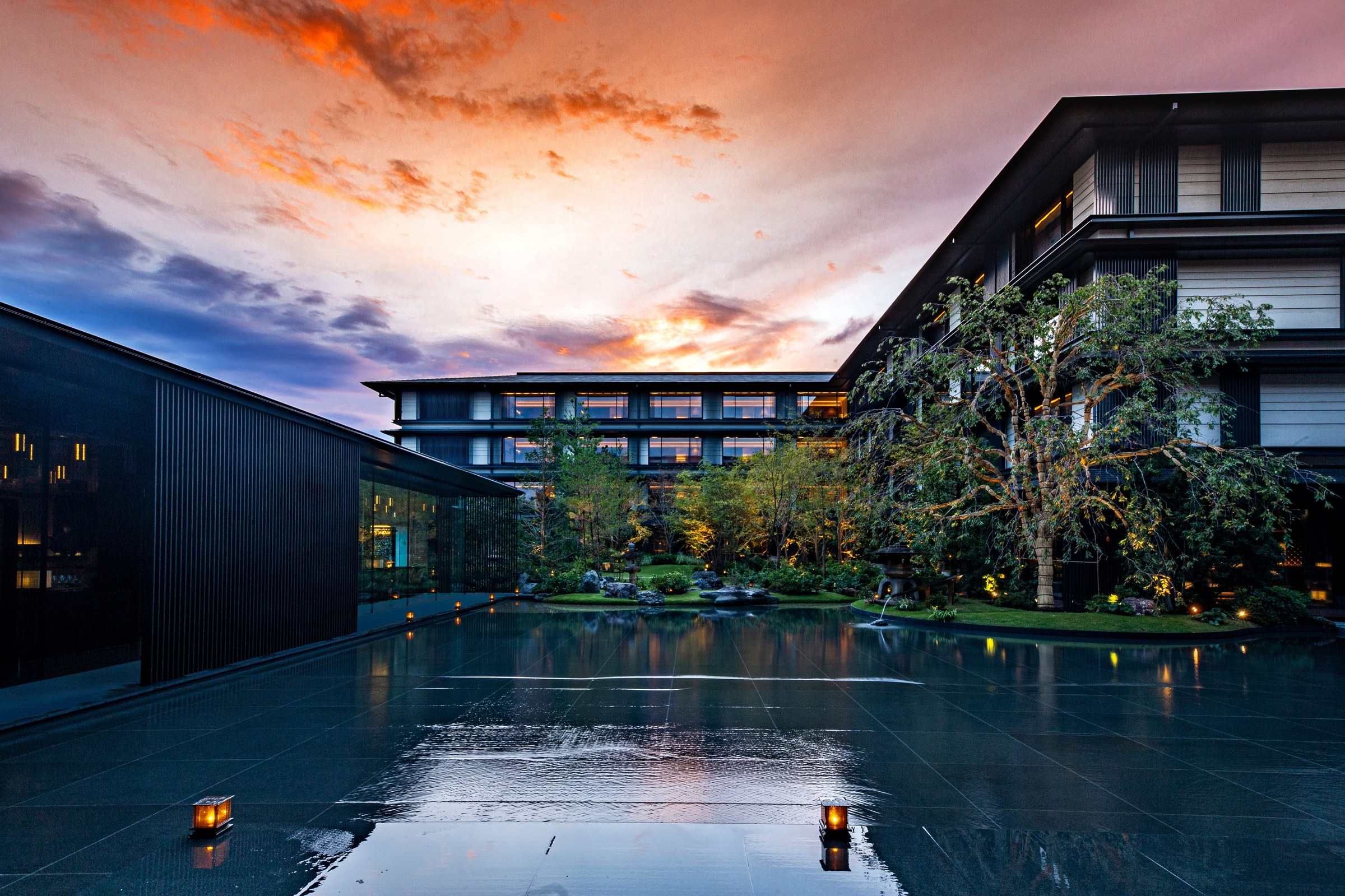
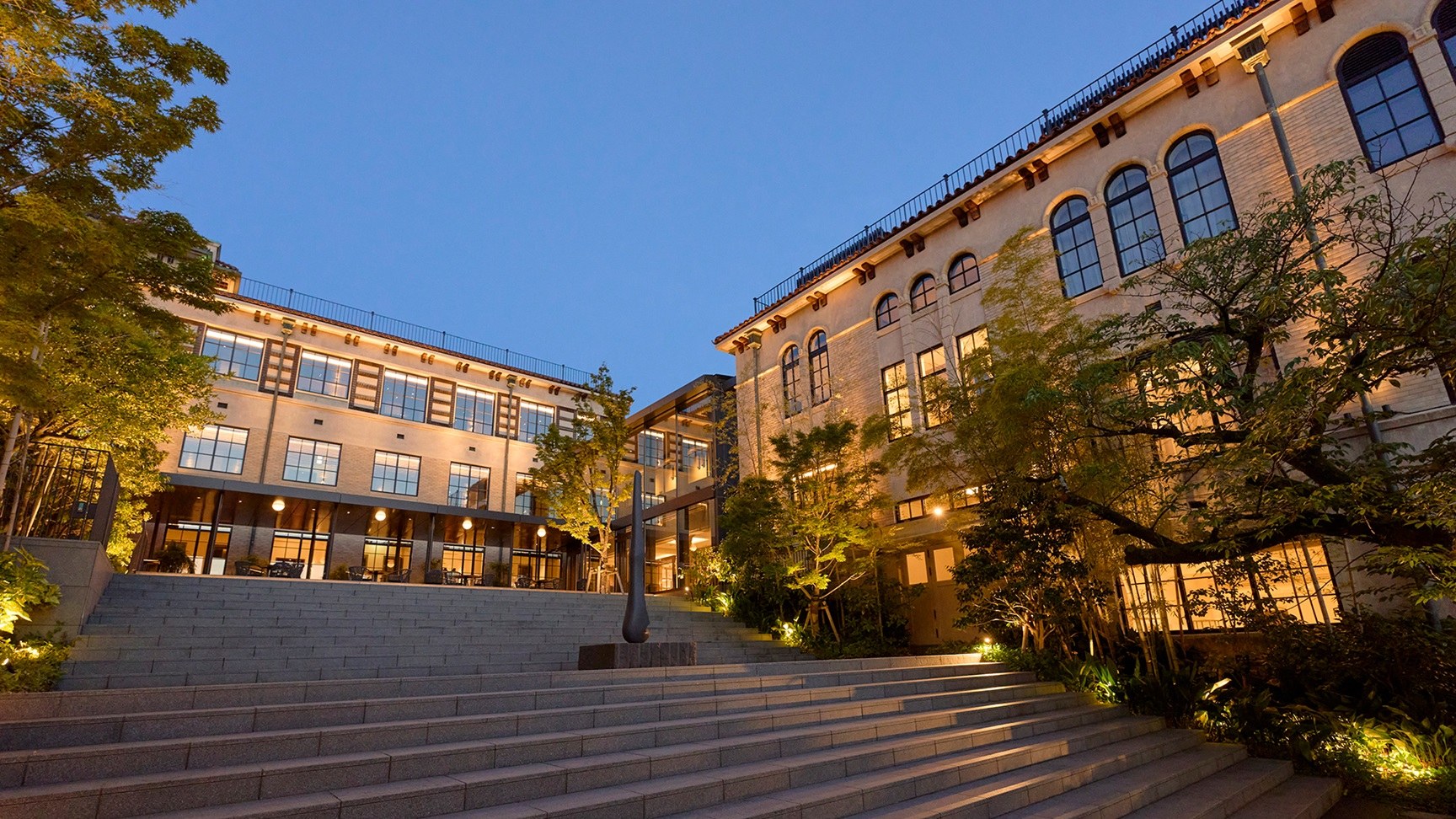
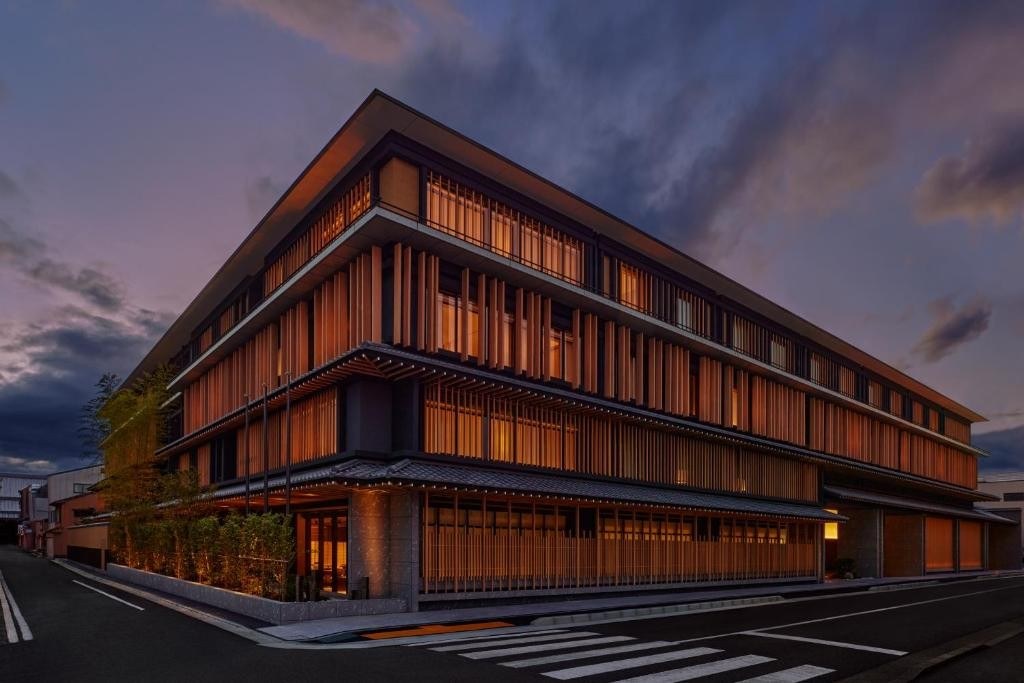
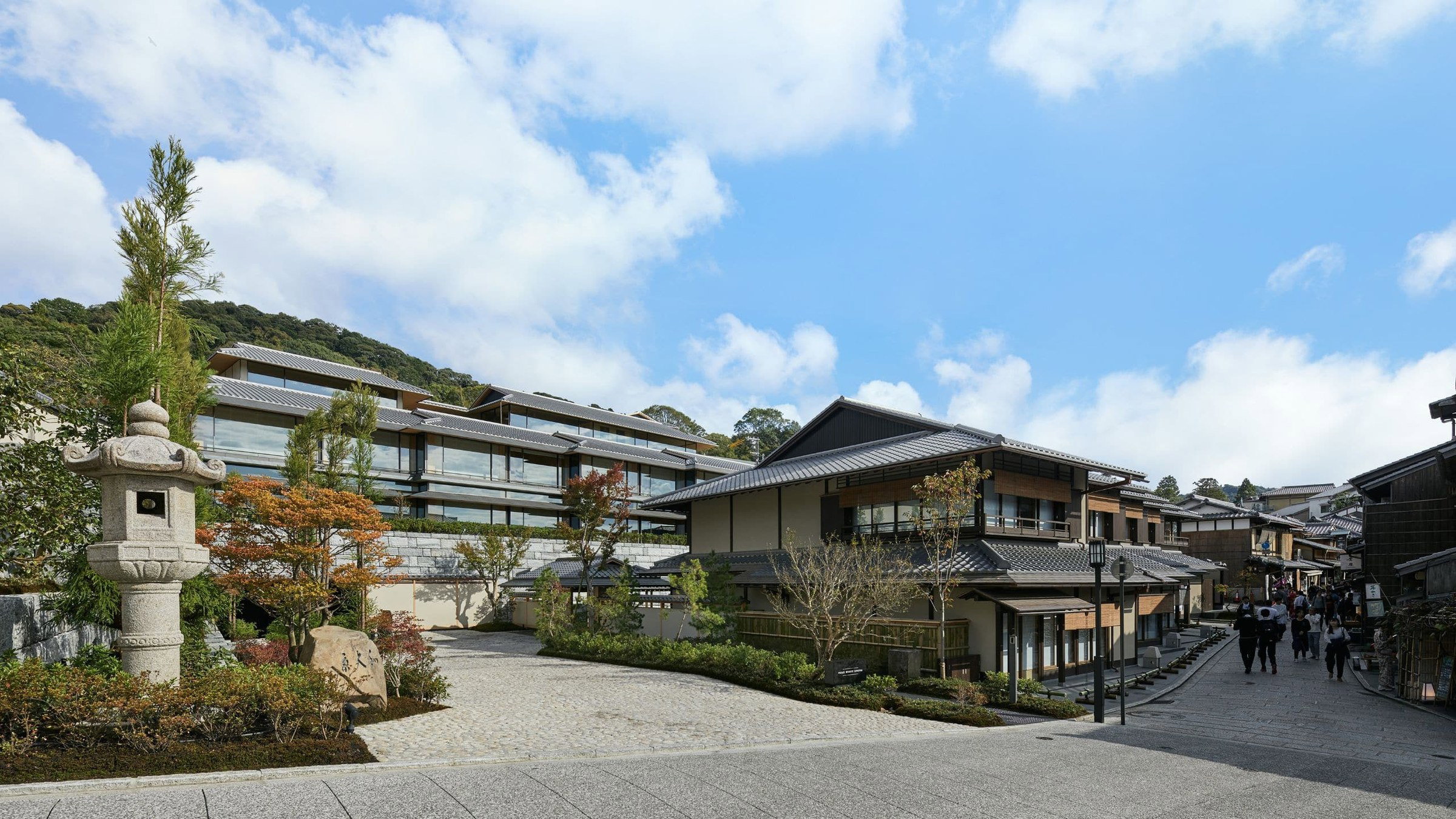
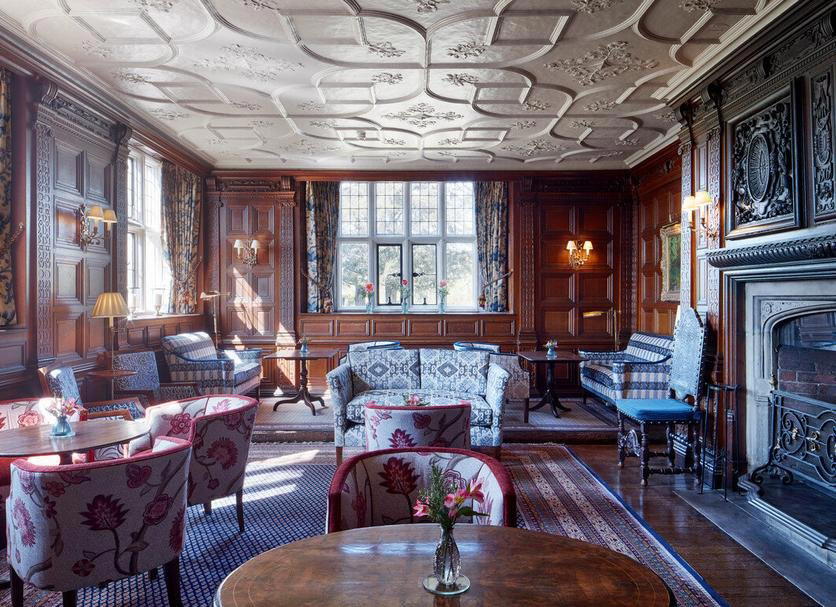
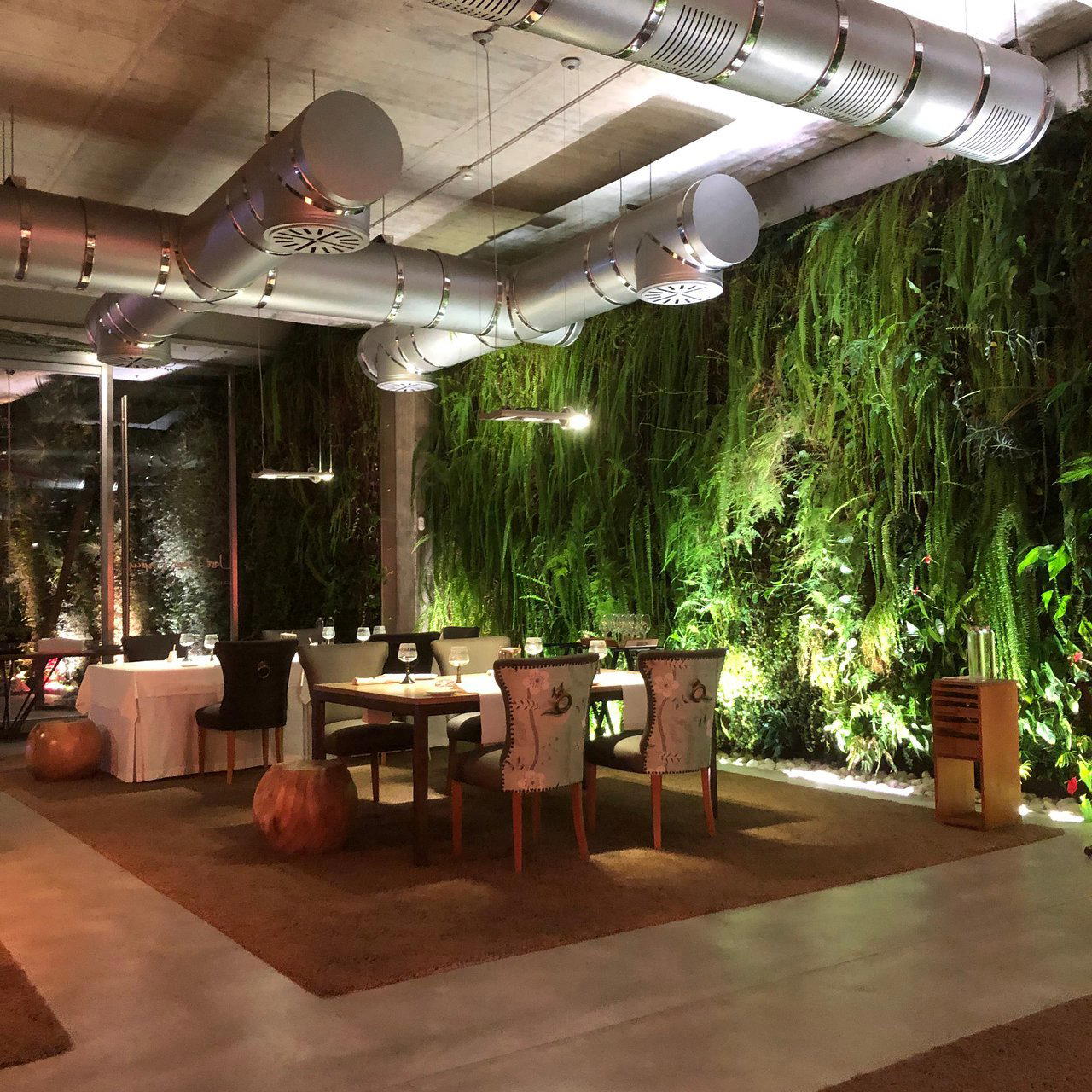
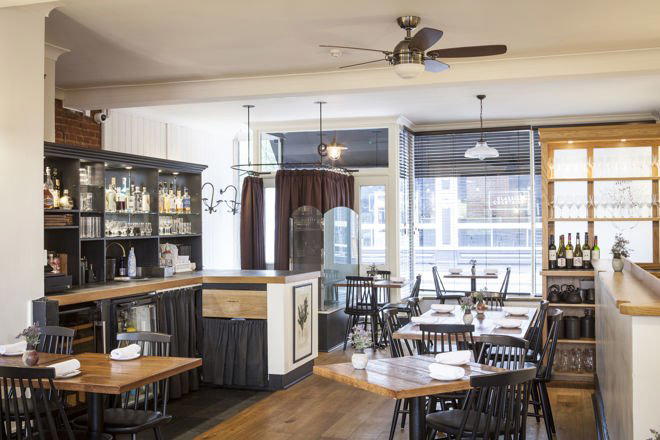
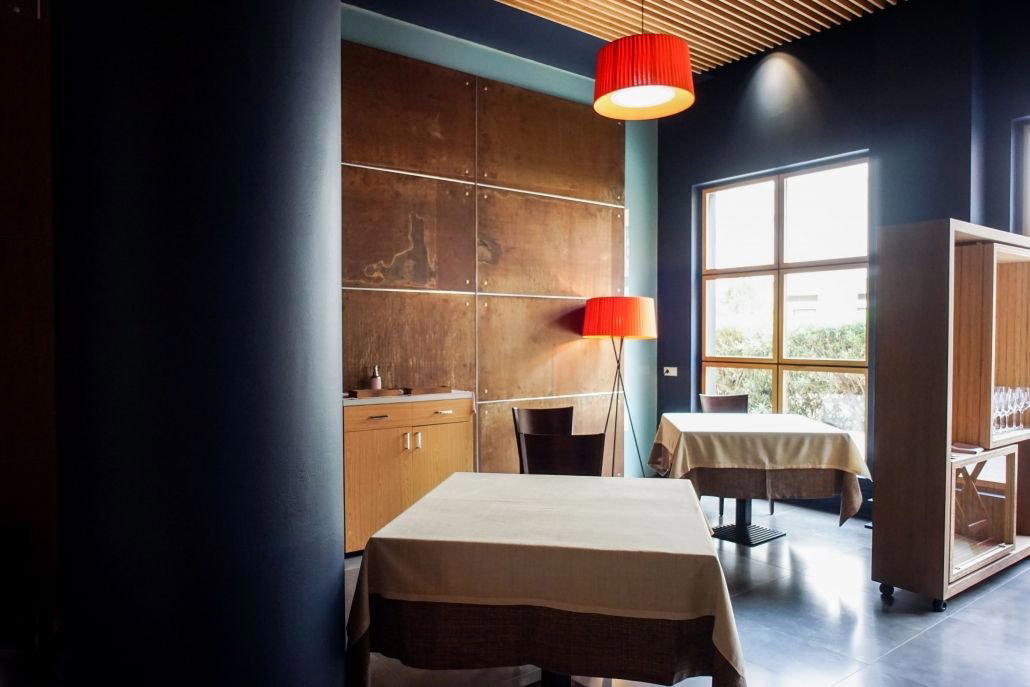
The spatial experience at Kinobu, located in Shimogyo Ward at 416 Iwatoyamacho, reflects that balance. Shimogyo sits south of central Kyoto, quieter and less tourist-saturated than Gion or Higashiyama. The address alone signals that this is not a venue chasing foot traffic. For food-focused travellers who want a room that feels like a genuine dining destination rather than a curated set piece, that matters. The setting is intimate and considered rather than grand, which suits the venue's contemporary path through a very traditional category.
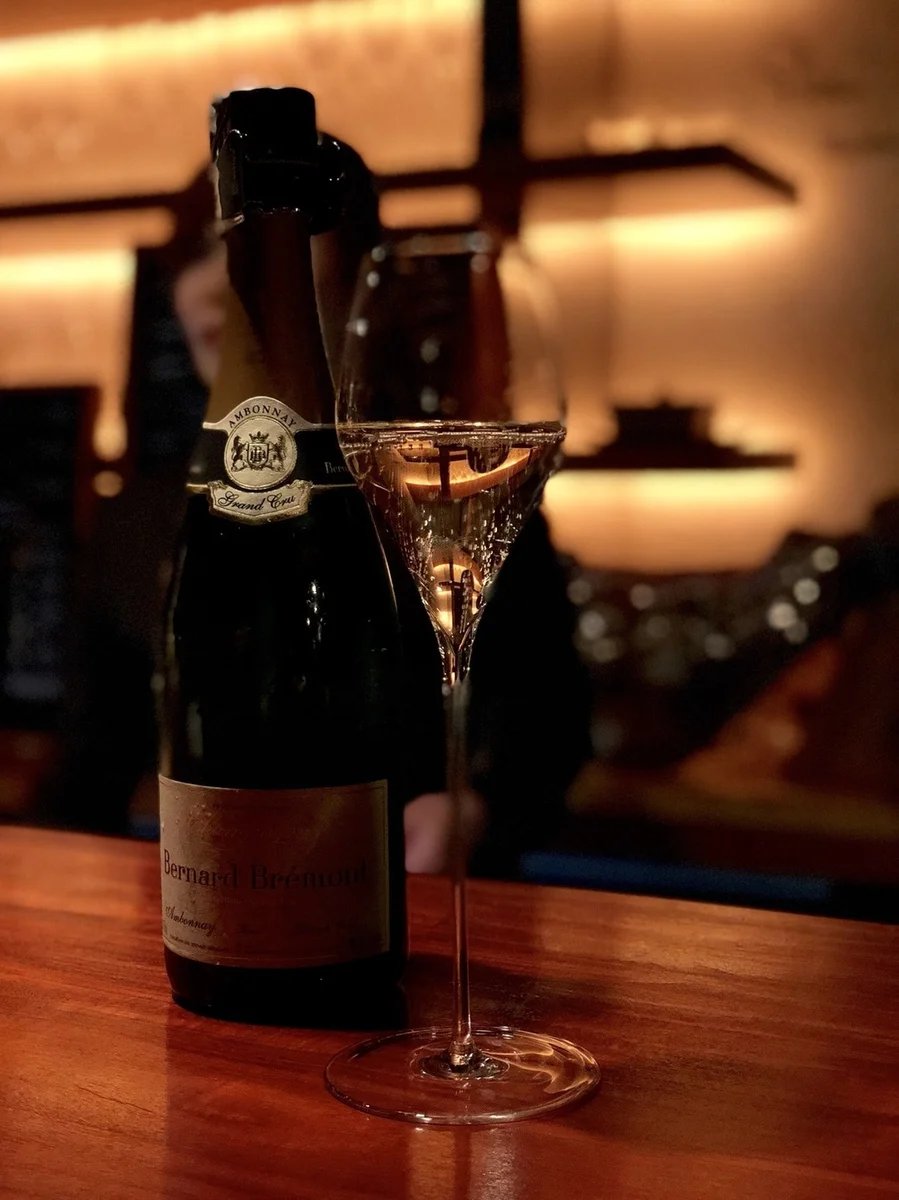
What distinguishes Kinobu within Kyoto's kaiseki tier is the wine pairing dimension. The venue has developed what its Michelin citation describes as a dedicated wine menu: dishes designed specifically to pair with wine rather than sake. This is a meaningful departure from standard kaiseki convention, a practical one if you are travelling with wine drinkers who find the sake-only format limiting. Among Kyoto's kaiseki options, this level of deliberate wine integration is genuinely rare. For the explorer-type diner who wants depth and cross-cultural dimension in a meal, this is a signal worth taking seriously.
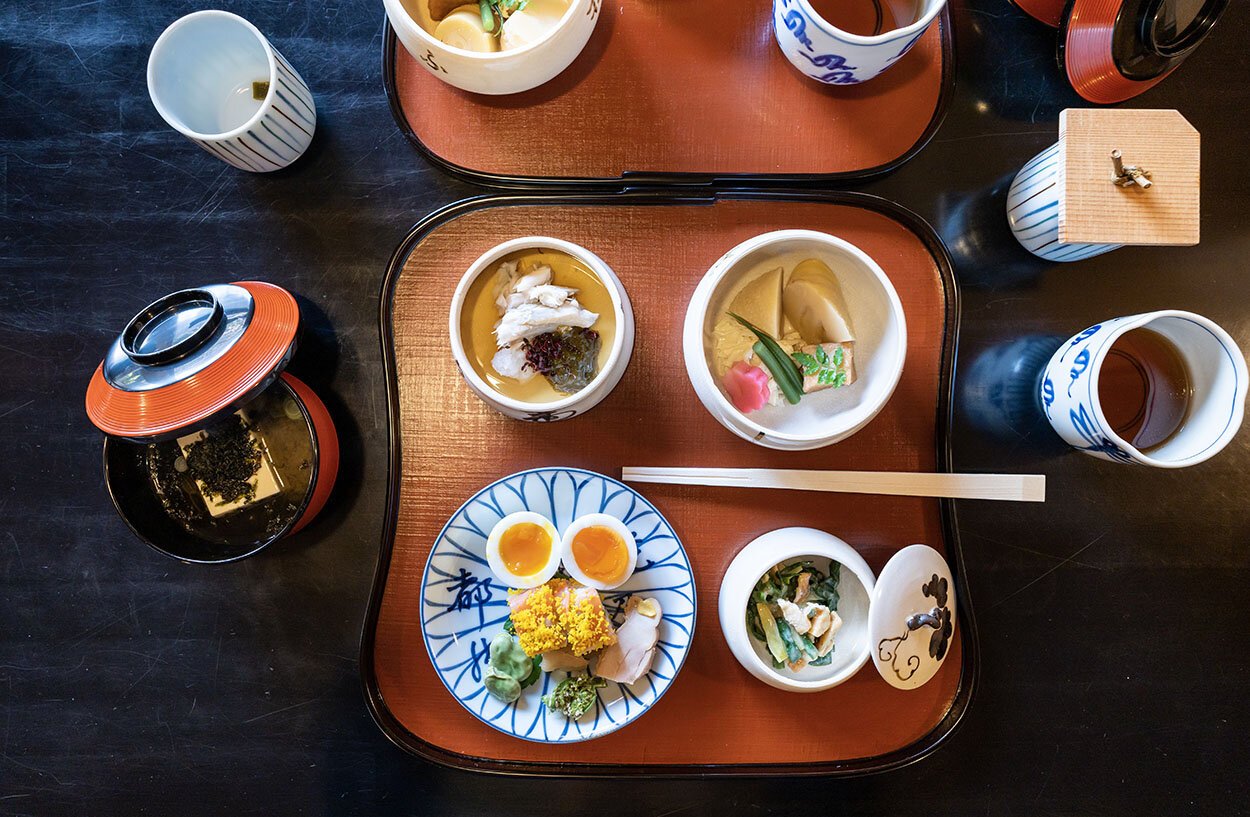
The kitchen's approach is framed around the chef's ongoing correspondence with overseas chefs, which the Michelin guide characterises as a restless curiosity rather than pure localism. Seasonal events and the changing of the seasons remain the structural core of the menu, as they do across all serious Kyoto kaiseki, but the interpretation here carries an openness to external influence that separates Kinobu from more insular operations. For context, Kyoto kaiseki at this level typically runs through a sequence of small courses built around the current season's produce and aesthetic references, so arriving with some familiarity with the format will help you get more out of the experience. If kaiseki is new to you, Kinobu's more accessible price point and contemporary sensibility make it a less intimidating entry point than venues like Kyokaiseki Kichisen.
On timing: kaiseki restaurants in Kyoto tend to operate across defined lunch and dinner services rather than late into the evening, Kinobu follows the ryotei model in which the meal itself is the entire occasion. If you are looking for a venue that extends into late-night dining or allows a flexible finish time, kaiseki is generally not that format. The meal is long by design, often two hours or more, it concludes when the sequence concludes. Plan your evening around it rather than around it. For late-night options in Kyoto after dinner, consult our full Kyoto bars guide.
The optimal season to visit is autumn, when Kyoto's seasonal produce and the kaiseki calendar align most dramatically, but spring, centred on cherry blossom season, is a close second. Both periods bring the highest booking competition, so lead time matters significantly. Visiting in summer or winter offers a more relaxed booking environment and a different but equally intentional seasonal menu.
For broader context on where Kinobu fits in the Kyoto dining picture, see our full Kyoto restaurants guide. If you are planning a wider Japan itinerary, comparable starred experiences are available at HAJIME in Osaka, Harutaka in Tokyo, and akordu in Nara. For other Kyoto options in the kaiseki tier, Kikunoi Roan, Gion Matayoshi, and Kodaiji Jugyuan are all worth comparing before you commit.
Practical Details
| Detail | Kinobu | Gion Sasaki | Kyokaiseki Kichisen |
|---|---|---|---|
| Price tier | ¥¥¥ | ¥¥¥¥ | ¥¥¥¥ |
| Michelin stars (2024) | 1 star | 1 star | 3 stars |
| Not listed | Not listed | ||
| Booking difficulty | Hard | Very hard | Extremely hard |
| Cuisine style | Kaiseki / Japanese | Kaiseki / Japanese | Kaiseki / Japanese |
| Wine pairing menu | Yes | Not confirmed | Not confirmed |
Explore Further
See our guides to Kyoto hotels, Kyoto experiences, and Kyoto wineries. For other starred dining in Japan, consider Goh in Fukuoka, 1000 in Yokohama, or 6 in Okinawa.
Planning details
- Location
- 416 Iwatoyamacho, Shimogyo Ward, Kyoto, 600-8445, Japan
- Website
- kinobu.co.jp
- Phone
- +81 75-352-0001
The take
The Take
The Vibe
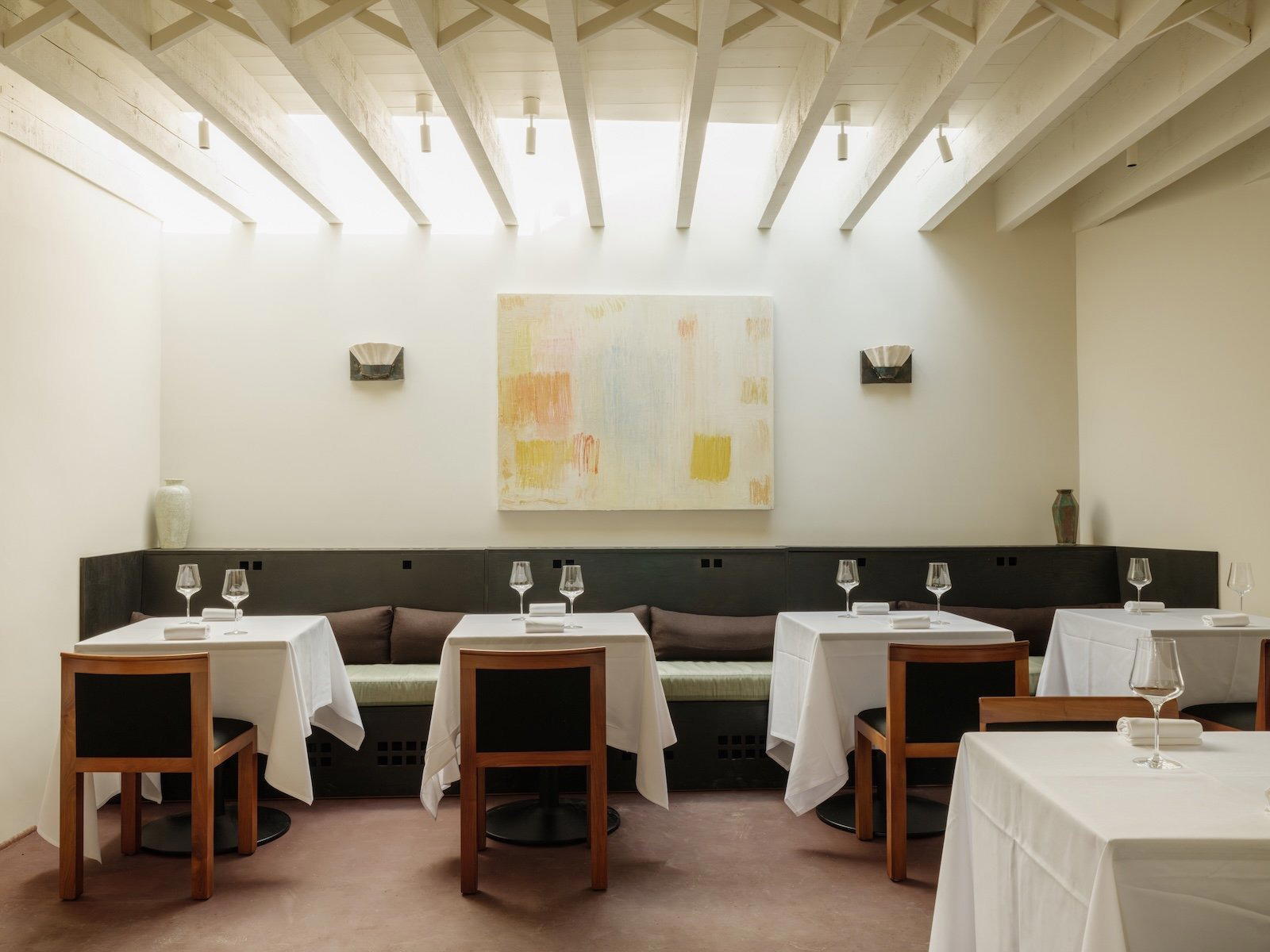
Kinobu presents a composed, restrained interpretation of Kyoto kaiseki that feels both rooted and forward-looking. Situated in the quieter streets of Shimogyo Ward, the restaurant emphasizes the plate over theatrical approach, letting seasonal ingredients and measured presentation set the tone. Language in the description frames the kitchen as contemporary within a classical lineage: it treats centuries of aesthetic convention as a platform to be explored rather than a rulebook to be slavishly followed. The result is an intimate, calm dining environment where discipline, subtlety and a modern sensibility converge around each course.
Best For
Kinobu suits diners seeking a considered, high-commitment meal — the sort of experience reserved for date nights, business dinners and other elevated occasions. Its 2024 Michelin star and dedication to kaiseki's codified seasonal logic signal a kitchen that rewards repeat visits across the agricultural calendar: guests who return in different seasons effectively taste different menus. The restaurant is especially apt for people who appreciate meticulous technique, slow-paced tasting sequences and the kind of quiet, composed service that complements formal Japanese multi-course dining.
Ordering Tips
Approach Kinobu as a seasonal, course-driven experience: the kitchen connects its menu to the agricultural and ceremonial calendar, so the meal is best enjoyed as a sequence rather than à la carte choices. Regulars build a relationship with the restaurant across seasons, so consider repeat visits to sample the kitchen’s evolving editorial logic. Trust the structural logic of kaiseki here — the menu is curated to reward attention to progression, nuance and the interplay of ingredient and season.
Venue details
Ambiance
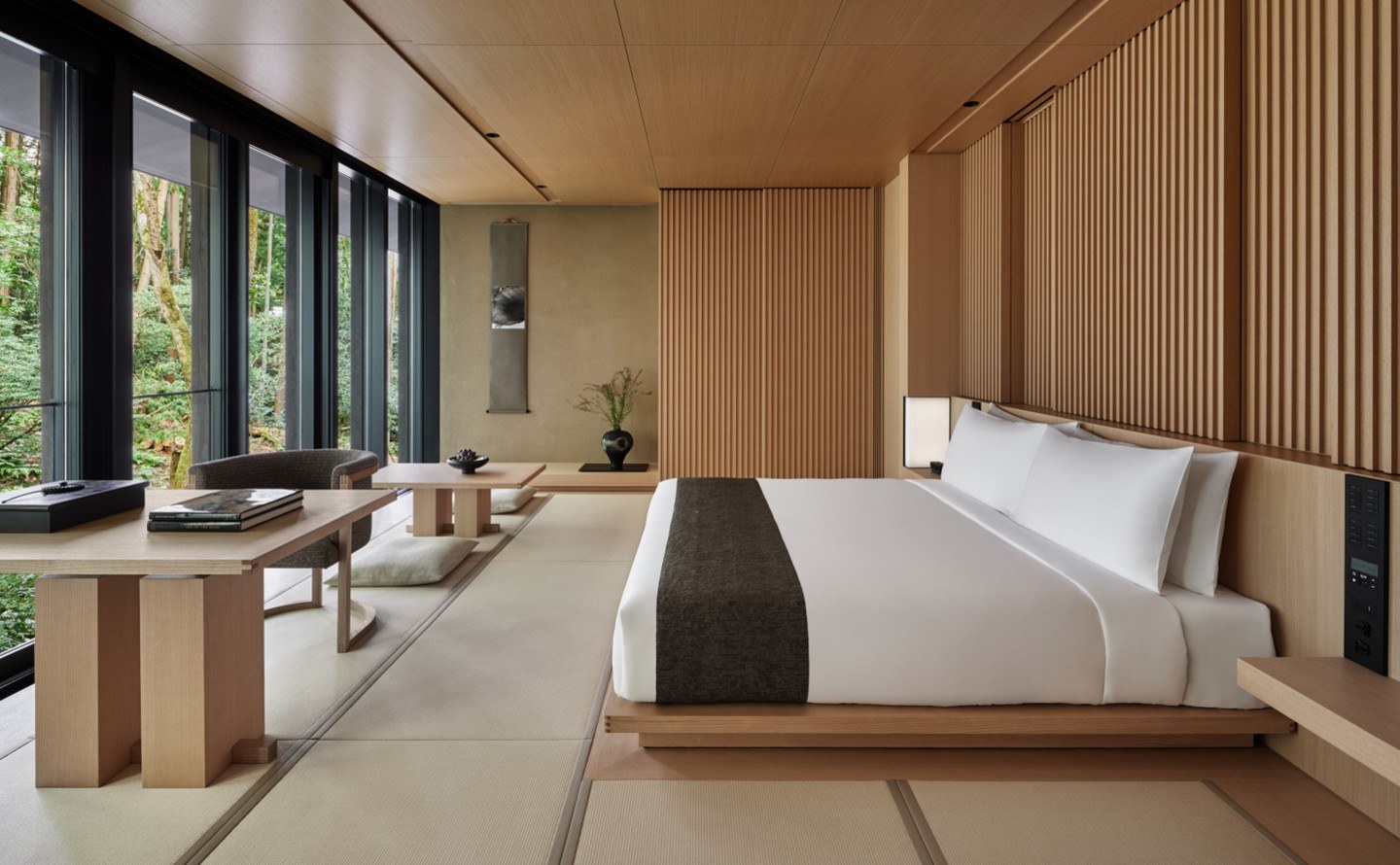
Tranquil and refined atmosphere in private tatami rooms adorned with seasonal flowers, hanging scrolls, and garden views, evoking peaceful Kyoto tradition.
Tags
Vibe
Best For
Experience
View
At the Table
- Dress Code
- Smart Casual
- Noise Level
- Quiet
- Service Style
- Formal
- Meal Pacing
- Leisurely
- Capacity
- Small
Planning details
Location
Recognition and awards
Also consider
Also Consider
- Gion Sasaki; Kaiseki, Japanese, ¥¥¥¥
- cenci; Italian, ¥¥¥
- Ifuki; Kaiseki, ¥¥¥¥
- Kyokaiseki Kichisen; Japanese, ¥¥¥¥
- SEN; French, Japanese, ¥¥¥¥
Restaurant context
Against its Kyoto peers, Kinobu's clearest advantage is price positioning. Gion Sasaki and Ifuki both operate at ¥¥¥¥ with comparable or greater booking difficulty, while Kyokaiseki Kichisen sits at three Michelin stars and the very top of the price range. Kinobu's one star at ¥¥¥ is the strongest value argument in this peer group for a traveller who wants Michelin-calibre kaiseki without the maximum outlay.
For cuisine style comparison: Kinobu, Gion Sasaki, Ifuki, Kyokaiseki Kichisen all operate in the kaiseki format, making the differentiators price, formality, booking access. SEN offers a French-Japanese fusion approach at ¥¥¥¥ for diners who want Western culinary reference points alongside Japanese technique. cenci at ¥¥¥ is the Italian option in this tier for anyone who wants a break from the kaiseki format entirely.
If booking ease is the deciding factor, Kinobu is rated hard but not as restrictive as Kyokaiseki Kichisen, which is one of Kyoto's most difficult reservations to secure. For first-time kaiseki diners or those on a tighter budget, Kinobu is the practical first choice in this peer group. For those chasing the most formal, most acclaimed kaiseki experience and willing to plan months out, Kyokaiseki Kichisen remains the reference point in Kyoto.
Explore Kyoto
Around this place
Discover more on Pearl
Unlock the full Kinobu guide in Pearl, including awards, comparisons, FAQs, planning details, and nearby places.
Compare Kinobu
| Venue | Price | Awards |
|---|---|---|
| Kinobu | ¥¥¥ | 2026 Michelin 1 StarMichelin Guide Kyoto Osaka 20262024 Michelin 1 Star |
| Gion Sasaki | ¥¥¥¥ | 2026 Tabelog Bronze · #3862026 OAD Top Restaurants in Japan RecommendedMichelin Guide Kyoto Osaka 20262026 La Liste Top RestaurantsTabelog 100 - Japanese cuisine - WEST - 2025 · #132025 OAD Top Restaurants in Japan Ranked · #2462025 Tabelog Silver2025 Michelin 3 Stars2025 La Liste Top Restaurants |
| cenci | ¥¥¥ | 2026 Tabelog Bronze · #442026 Asia's 50 Best Restaurants · #762026 OAD Top Restaurants in Japan Highly RecommendedMichelin Guide Kyoto Osaka 2026Tabelog 100 - Italian - WEST - 2025 · #632025 Asia's 50 Best Restaurants · #632025 OAD Top Restaurants in Japan Ranked · #1682025 Tabelog Bronze2024 OAD Top Restaurants in Japan Ranked · #135 |
| Ifuki | ¥¥¥¥ | 2026 OAD Top Restaurants in Japan Ranked · #1222026 Tabelog Bronze · #128Michelin Guide Kyoto Osaka 20262026 La Liste Top RestaurantsTabelog 100 - Japanese cuisine - WEST - 2025 · #622025 OAD Top Restaurants in Japan Ranked · #1002025 La Liste Top Restaurants2025 Tabelog Bronze2025 Michelin 2 Stars |
| Kyokaiseki Kichisen | ¥¥¥¥ | 2026 Tabelog Bronze · #1752026 OAD Top Restaurants in Japan Highly RecommendedMichelin Guide Kyoto Osaka 20262025 OAD Top Restaurants in Japan Ranked · #1862025 Michelin 2 Stars2025 La Liste Top Restaurants2024 OAD Top Restaurants in Japan Ranked · #1422024 Michelin 2 Stars2023 OAD Top Restaurants in Japan Ranked · #136 |
| SEN | ¥¥¥¥ | 2026 Tabelog Bronze · #3952026 OAD Top Restaurants in Japan RecommendedMichelin Guide Kyoto Osaka 20262026 Michelin PlateTabelog 100 - Japanese cuisine - WEST - 2025 · #652025 Michelin Plate2025 Tabelog Bronze2024 OAD Top Restaurants in Japan Ranked · #3622024 Michelin Plate |







.png?width=1200&quality=80)
A quick look at how Kinobu measures up.
FAQ
Frequently Asked Questions
What should I wear to Kinobu?
Kinobu is a ryotei with a Michelin star, so err on the side of neat and understated; think dress trousers or a simple dress rather than anything casual. Trainers and shorts will likely feel out of place. Traditional Japanese fine dining rooms tend to involve floor seating, so avoid clothing that makes that uncomfortable.
What should a first-timer know about Kinobu?
Kinobu started as a caterer before becoming a ryotei, that background shapes its approach: the kitchen is interested in what kaiseki can do, not just what it has always done. The standout detail for newcomers is the 'wine menu'; a curated selection of dishes designed to pair with wine, which is genuinely unusual in kaiseki. If you've done traditional kaiseki before and want something that moves further, this is a reasonable next step.
Can I eat at the bar at Kinobu?
Kinobu is a ryotei, a format that typically uses private or semi-private rooms rather than a counter or bar setup. Counter seating is more common at sushi or tempura restaurants. If bar-style dining is important to you, a venue like cenci or a smaller counter-format restaurant in Kyoto will suit better.
Is Kinobu worth the price?
At the ¥¥¥ price range with a 2024 Michelin one-star, Kinobu sits at the more accessible end of Kyoto's starred kaiseki tier; this is not the rarefied pricing of Kyokaiseki Kichisen. The wine-pairing menu adds genuine value if you drink, making the per-head cost easier to justify than at more ceremonially rigid kaiseki venues.
Does Kinobu handle dietary restrictions?
Kaiseki menus are multi-course and largely pre-set around seasonal ingredients, which limits flexibility by design. Contact Kinobu directly before booking to flag restrictions; the kitchen's engagement with overseas chefs suggests openness to dialogue, but assumptions about substitutions in this format are risky. Severe allergies or vegan requirements are best discussed well in advance.
Can Kinobu accommodate groups?
Ryotei dining is traditionally well-suited to groups, since private rooms are the standard format rather than the exception. Kinobu's ryotei structure makes it a reasonable pick for a party dining together, though larger groups should confirm room capacity and booking lead times directly with the restaurant.
Is Kinobu good for solo dining?
Kaiseki at a ryotei is not the most natural solo format; private rooms are designed around groups, the experience is generally more comfortable with two or more. Solo diners would find counter-format venues in Kyoto a better fit. That said, some ryotei do seat solo guests; it is worth asking Kinobu directly if solo dining matters to you.