
Kodaiji Jugyuan
Japanese · Higashiyama, Kyoto
Restaurant in Kyoto, Japan
 Book with Pearl
The Read
Zen-Structured Kaiseki
Price
$150–200per person
Dress
Smart Casual
Why go
Kodaiji Jugyuan gained its second Michelin star in 2025, making it one of Kyoto's most significant recent promotions. Set in a sukiya-style house near Kodaiji Temple, it combines seasonal Kyoto customs with French flame technique and a meat-forward menu that separates it from conventional kaiseki. Near-impossible to book, but worth pursuing if you plan two to three months ahead.
About Kodaiji Jugyuan
Verdict
Kodaiji Jugyuan earned a second Michelin star in 2025, jumping from one star in 2024, which makes this one of the most significant recent moves in Kyoto's high-end dining scene. If you are prepared to commit to a ¥¥¥¥ spend and can actually secure a booking, this is one of the most distinctive meals available in Higashiyama — not a conventional kaiseki house, but a Kyoto-rooted menu where French flame technique and seasonal festival customs sit alongside each other without apology. Book it, but understand what you are booking.
The Space
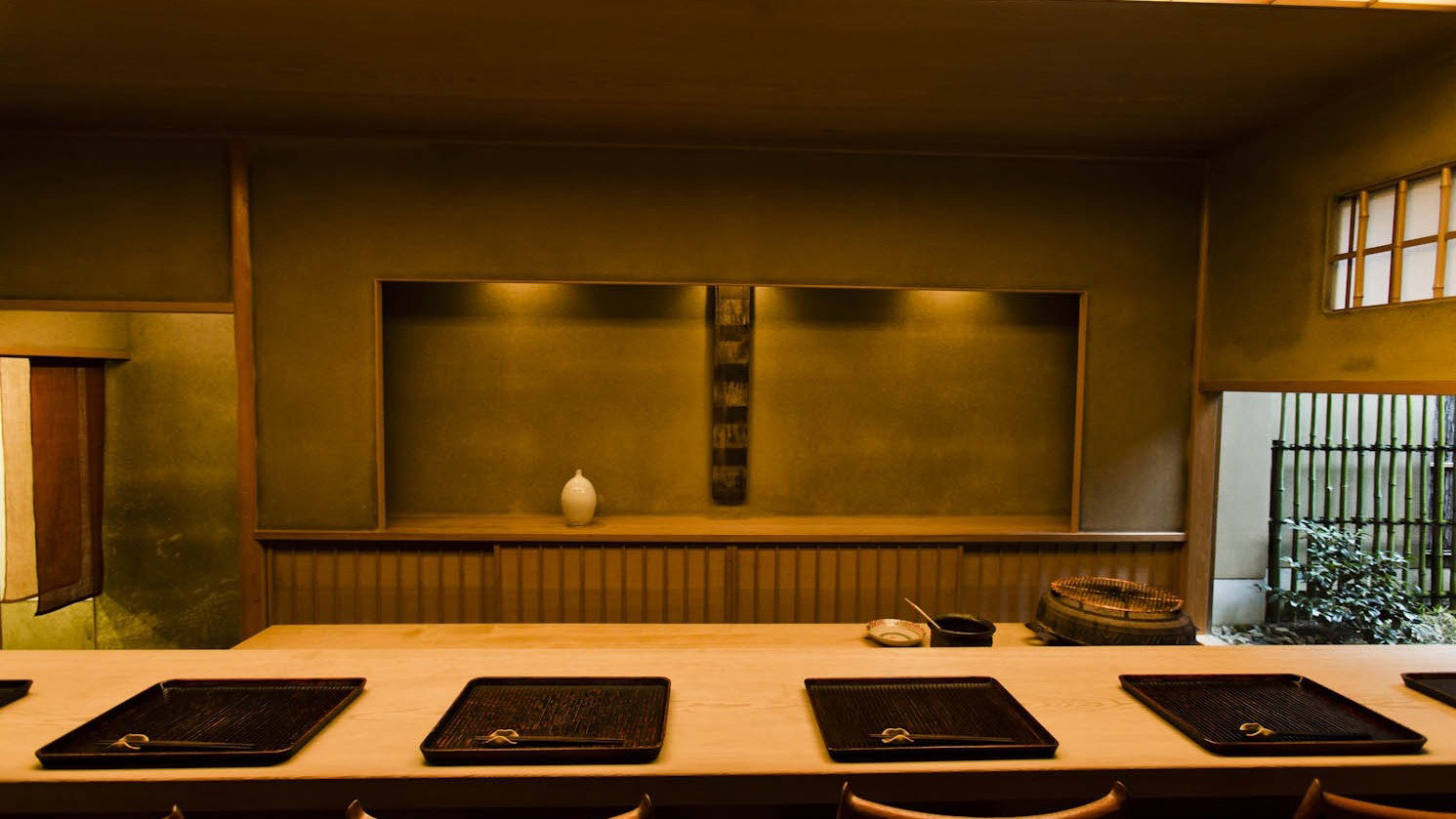
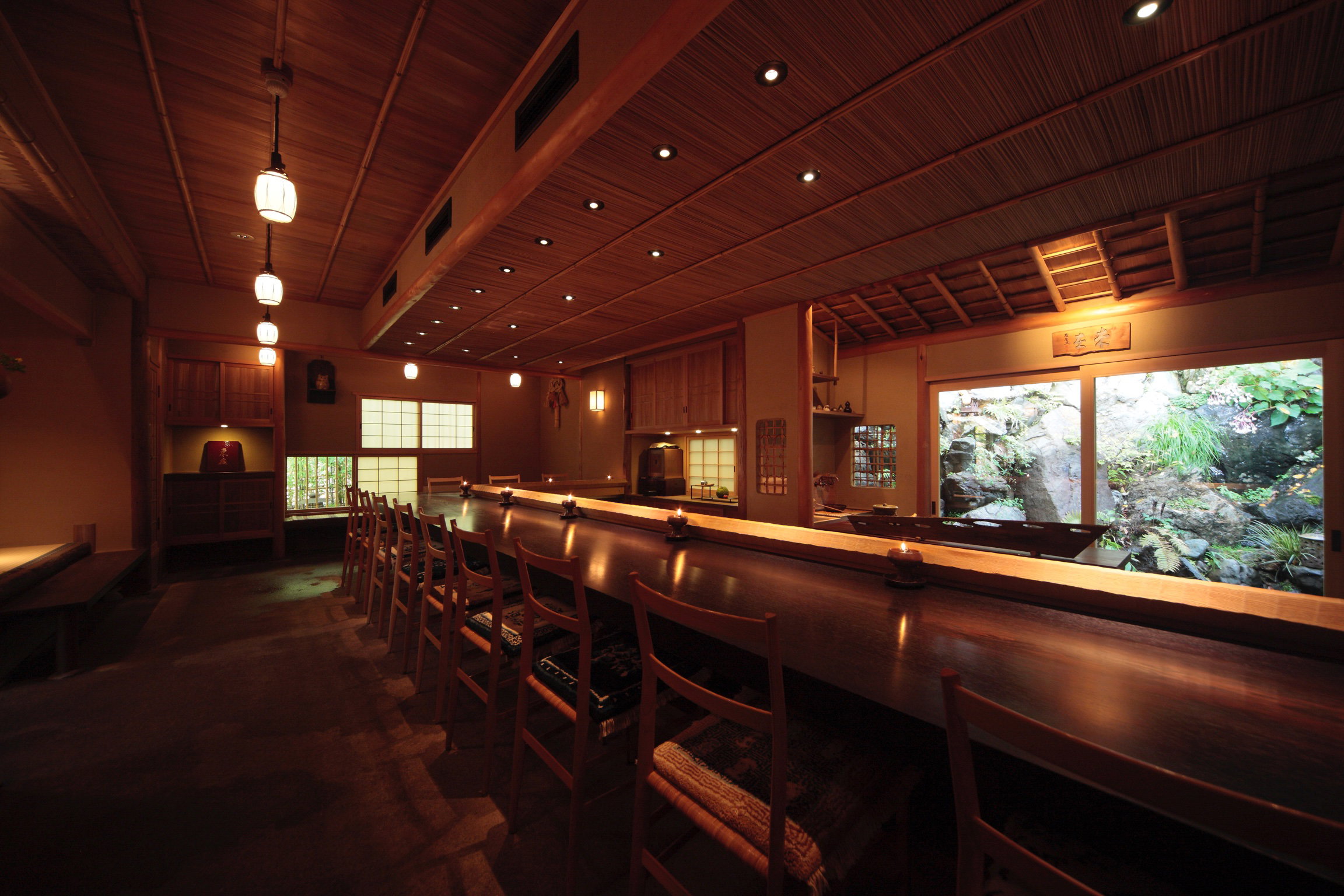
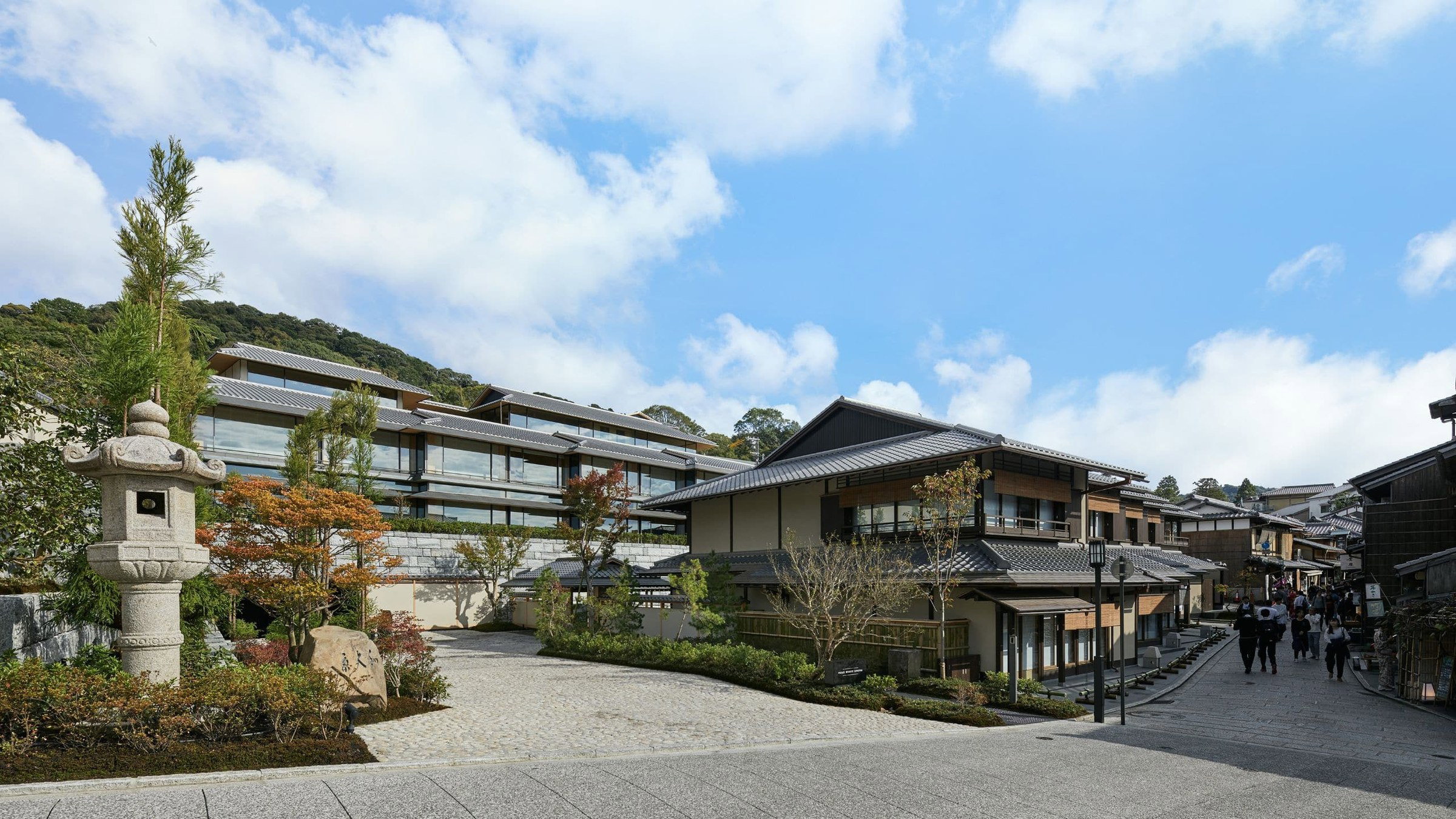
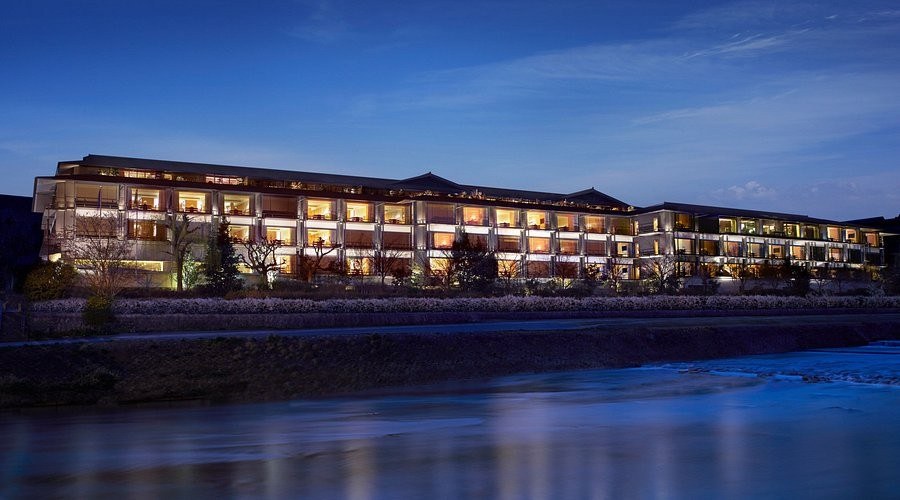
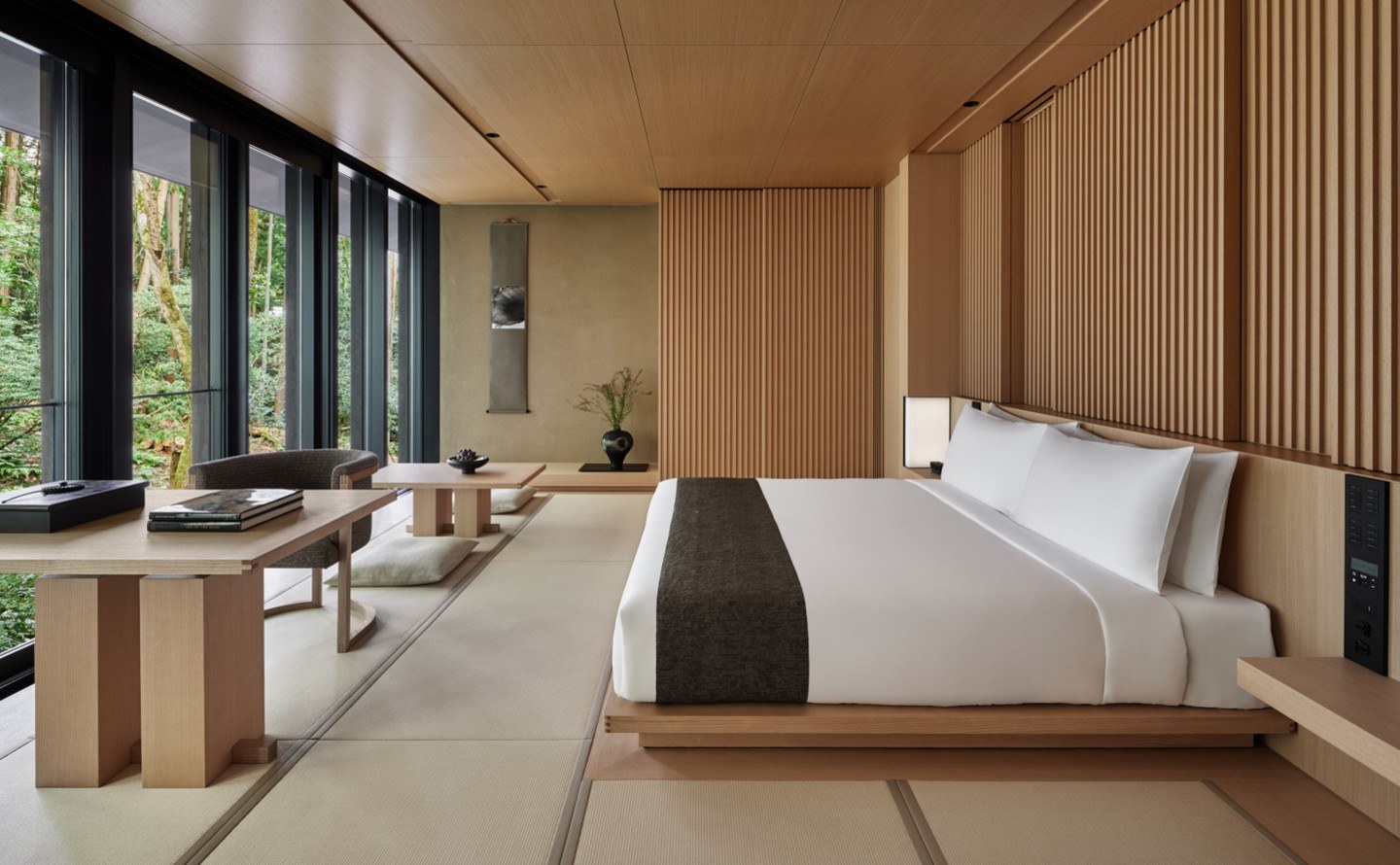
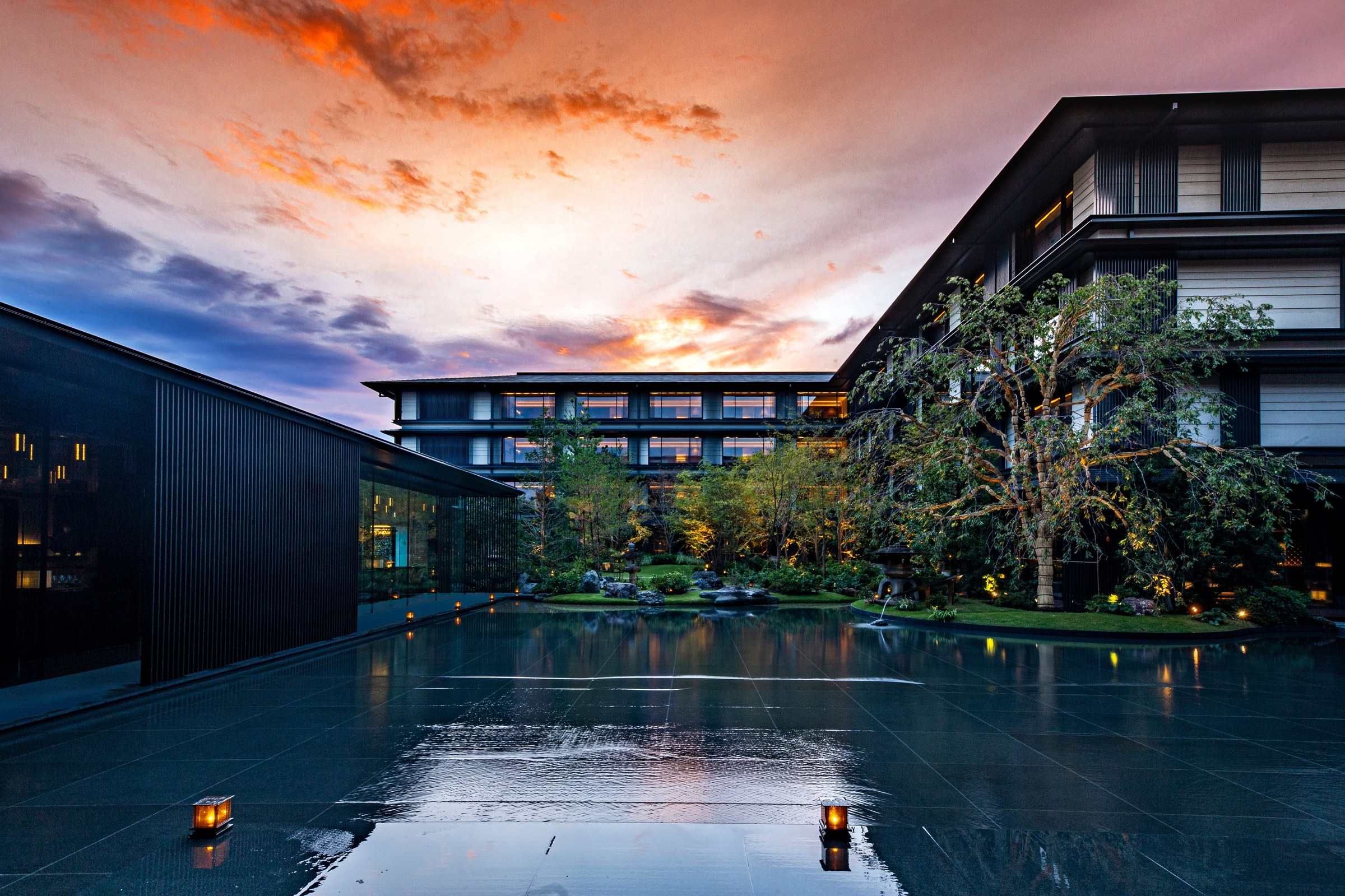
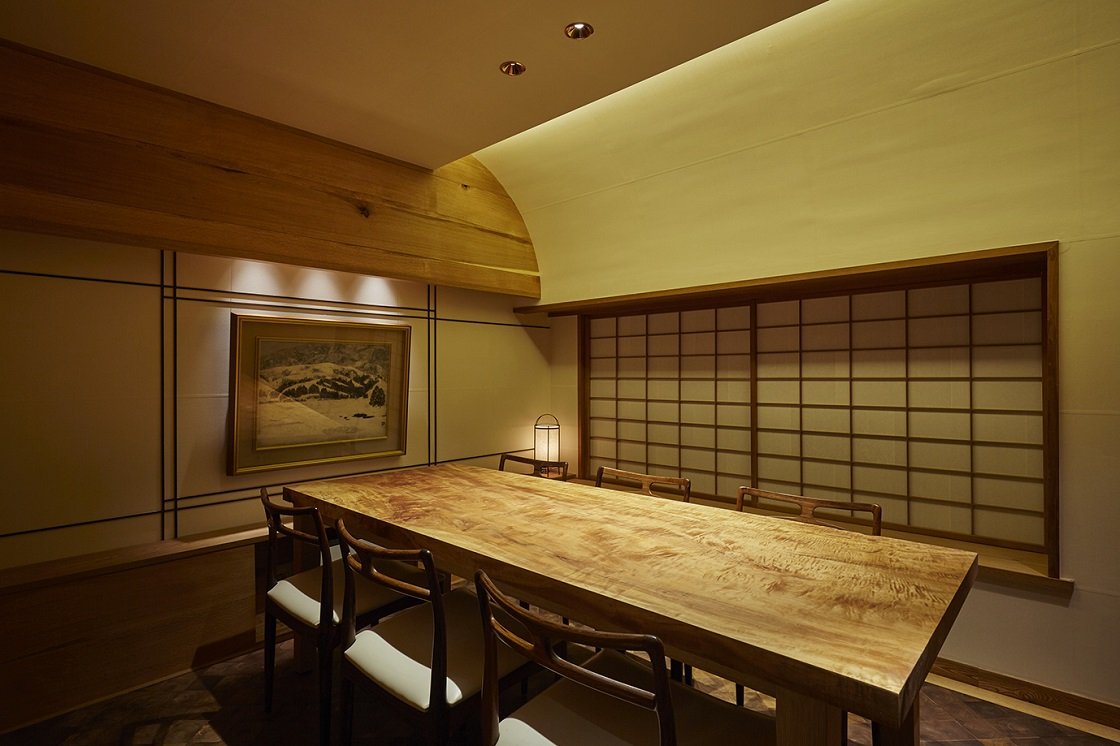
Jugyuan occupies a sukiya-style house in the Higashiyama district near Kodaiji Temple, with a garden that becomes part of the experience rather than mere backdrop. Sukiya architecture — the aesthetic tradition derived from the tea ceremony, prizes restraint, natural materials, and spatial flow. Here, that means low lines, timber, and a sense of enclosure that shifts the mood immediately on arrival. The room is intimate enough that the meal feels personal, not performative. For an explorer who wants immersion in Kyoto's physical and culinary environment at the same time, the spatial proposition is strong: the setting is doing real work, not decoration. The counter seating, where it is available, closes the distance between kitchen and diner considerably. At this price tier and with this level of kitchen ambition, Western fire technique applied within a Japanese seasonal framework, watching the chef work is not optional entertainment. It is context. You understand what is on the plate differently when you have seen how the flame was used. If the counter is an option when you book, request it.
The Food
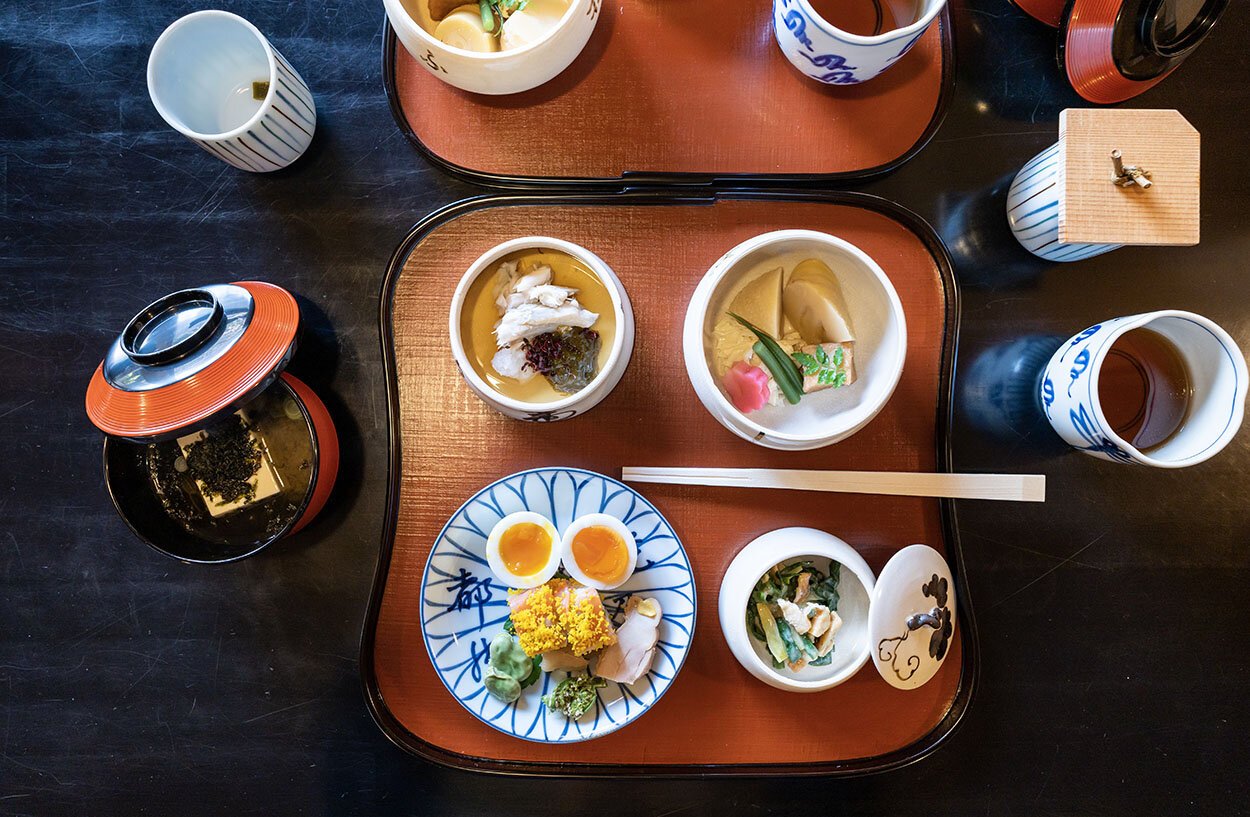
The venue's name references the Zen painting series Jugyuzu, the "Pictures of Ten Oxen", and meat is genuinely central to the menu rather than a token addition. That is a meaningful distinction from most Kyoto fine dining, where fish, tofu, and vegetable preparations tend to dominate. The involvement of Hiramatsu, the French-cuisine group, explains why the cooking uses Western techniques of flame control: this is not fusion for novelty's sake, but a deliberate method applied to Kyoto's ingredient vocabulary. The menu incorporates seasonal festivals and the customs of the ancient capital, which means the calendar shapes what appears on the table. Coming during one of Kyoto's major festival periods, such as Gion Matsuri in July or the autumn momiji season, will produce a menu inflected by those occasions. That temporal specificity is worth factoring into when you plan the trip, not just whether you visit at all. For diners who have worked through conventional kaiseki at venues like Isshisoden Nakamura, Gion Matayoshi, or Kikunoi Roan and want something that tests the boundaries of that tradition, Jugyuan is worth the effort. If you want a more classically structured kaiseki without the Western-method crossover, those three remain strong alternatives at comparable or slightly lower price points.
Booking and Logistics
Booking difficulty is rated near impossible. A two-Michelin-star restaurant in Higashiyama with a small, intimate room and international demand is not a venue you can approach casually. Plan a minimum of two to three months in advance, and strongly consider using a concierge service or hotel booking desk if you are staying at a property in Kyoto with that capability. The address is 高台寺 桝屋町353, Higashiyama Ward, close to Kodaiji Temple and accessible from central Kyoto by taxi in ten to fifteen minutes depending on traffic. No phone or website data is currently confirmed in Pearl's records, so pursue booking through a intermediary or check the current reservation platform directly once sourced. The ¥¥¥¥ pricing tier places this among Kyoto's top-spend restaurants; set an expectation of a multi-course omakase format at premium per-head pricing. For broader context on where to eat, drink, and stay while in the city, see our full Kyoto restaurants guide, our full Kyoto hotels guide, our full Kyoto bars guide, our full Kyoto wineries guide, and our full Kyoto experiences guide.
Japan Context
Jugyuan sits within a wider pattern of Michelin-recognised Japanese restaurants that combine classical local frameworks with non-Japanese technique. Comparable experiments elsewhere in the country include HAJIME in Osaka, where French culinary logic underpins a deeply Japanese ingredient focus, and akordu in Nara, which applies Spanish technique to the produce of the Yamato region. In Tokyo, Myojaku and Azabu Kadowaki represent high-commitment Japanese dining at the top of the capital's range. Harutaka in Tokyo and Goh in Fukuoka are also worth putting on the list if a wider Japan itinerary is in play. For something more off-centre, 1000 in Yokohama and 6 in Okinawa offer genuinely distinct regional perspectives. Jugyuan's 2025 promotion to two stars places it in select company in Kyoto specifically. Back in the city, Kyokaiseki Kichisen and Miyamaso represent the more conservatively structured end of high-end Kyoto dining for those who want contrast.
Planning details
- Location
- Japan, 〒605-0826 Kyoto, Higashiyama Ward, 高台寺 桝屋町353
- Reservations
- Book on Omakase
- Website
- jugyuan.jp
- Phone
- +81 75-533-6060
The take
The Take
The Vibe
Kodaiji Jugyuan presents a quietly refined Kyoto experience anchored in traditional architecture and a carefully composed garden. Housed in a sukiya-style building with restrained joinery and shoji screens, the restaurant feels like an extension of the surrounding Higashiyama streetscape — lantern-lit lanes and temple grounds frame the approach. The aesthetic coherence between building, light and planted space gives the place a serene, historic calm that reads as both deliberate and understated. Dining here feels contemplative rather than flashy: attention is on materiality, seasonal restraint and the calibrated beauty of the setting.
Best For
Jugyuan is best approached as an elevated kaiseki destination for evening dining where ceremony and seasonality matter. Positioned in Kyoto’s upper two-star tier, the restaurant operates within classical kaiseki traditions while staking a clear position through its meat-forward elements. That combination makes it especially suited to diners seeking a high-caliber, formal tasting experience — couples marking an important night, gastronomes comparing Kyoto’s top kaiseki houses, and anyone who values architectural and garden framing as part of a meal. The atmosphere favors composed, attentive dining rather than casual drop-ins.
Ordering Tips
Menus at Jugyuan intentionally diverge from Kyoto’s most archetypal kaiseki by centering meat dishes alongside the usual delicate, dashi-led plates. When dining here, be prepared to embrace those meat-forward preparations as a defining feature of the kitchen’s philosophy. Aim to book evening seating to experience the lantern-lit approach and the interplay of shoji light and garden views. Beyond that, let the service guide sequencing and portioning typical of formal kaiseki; the house places technique and seasonality first, so follow the prescribed progression to appreciate how the menu reconfigures traditional Kyoto restraint.
Venue details
Ambiance
Serene and oasis-like with soft natural light through large windows, historic wooden architecture, and breathtaking garden views creating a peaceful, refined atmosphere.
Tags
Vibe
Best For
Experience
Sourcing
View
At the Table
- Dress Code
- Smart Casual
- Noise Level
- Quiet
- Service Style
- Formal
- Meal Pacing
- Leisurely
- Capacity
- Intimate
- Kitchen
- Seasonal
- Menu Format
- Set menu
- Wine Program
- Curated
- Drinks Focus
- Sake program
- Dietary
- Allergy accommodating
- Private Dining
- Available
Know before you go
Know Before You Go
- Getting there
- Japan, 〒605-0826 Kyoto, Higashiyama Ward, 高台寺 桝屋町353
Planning details
Location
Japan, 〒605-0826 Kyoto, Higashiyama Ward, 高台寺 桝屋町353 · Directions
Recognition and awards
Also consider
Also Consider
- Gion Sasaki, Kaiseki, Japanese, ¥¥¥¥
- cenci, Italian, ¥¥¥
- Ifuki, Kaiseki, ¥¥¥¥
- Kyokaiseki Kichisen, Japanese, ¥¥¥¥
- Kyo Seika, Chinese, ¥¥¥
Restaurant context
At the ¥¥¥¥ tier in Kyoto, the comparison set is strong and the differences matter for how you decide. Gion Sasaki and Kyokaiseki Kichisen both represent more classically structured kaiseki, if you want the full traditional sequence without the French-technique crossover, either is a stronger fit than Jugyuan. Kichisen in particular carries deep institutional prestige in Kyoto and is the choice for guests who want the most orthodox high-end expression of the city's culinary traditions. Gion Sasaki skews slightly more approachable in register while remaining firmly at the top tier.
Ifuki is another ¥¥¥¥ kaiseki option worth knowing about, it tends to be a tighter, more focused experience and is worth considering if your priority is precision over breadth. For those willing to step outside Japanese cuisine entirely, cenci at ¥¥¥ offers an Italian-rooted menu with strong local ingredient sourcing and is meaningfully easier to book. It is the right call if your budget is a constraint or if you have already covered the kaiseki category on this trip. Kyo Seika at ¥¥¥ rounds out the mid-upper tier with a Chinese approach to Kyoto produce, and again books more easily than any of the ¥¥¥¥ Japanese options.
Jugyuan's specific case for booking rests on the combination of its 2025 two-star status, the meat-forward departure from kaiseki norms, and the spatial experience of the sukiya house and garden. If those three elements align with what you are looking for, it is the right choice in Kyoto right now. If you want a more conventional kaiseki framework or need an easier reservation, Gion Sasaki or Ifuki are the better starting points.
Explore Kyoto
Around this place
Discover more on Pearl
Unlock the full Kodaiji Jugyuan guide in Pearl, including awards, comparisons, FAQs, planning details, and nearby places.
Compare Kodaiji Jugyuan
| Venue | Awards | Price |
|---|---|---|
| Kodaiji Jugyuan | Michelin Guide Kyoto Osaka 20262026 Michelin 2 Stars2025 Michelin 2 Stars2024 Michelin 1 Star | ¥¥¥¥ |
| Gion Sasaki | 2026 Tabelog Bronze · #3862026 OAD Top Restaurants in Japan RecommendedMichelin Guide Kyoto Osaka 20262026 La Liste Top RestaurantsTabelog 100 - Japanese cuisine - WEST - 2025 · #132025 OAD Top Restaurants in Japan Ranked · #2462025 Tabelog Silver2025 Michelin 3 Stars2025 La Liste Top Restaurants | ¥¥¥¥ |
| cenci | 2026 Tabelog Bronze · #442026 Asia's 50 Best Restaurants · #762026 OAD Top Restaurants in Japan Highly RecommendedMichelin Guide Kyoto Osaka 2026Tabelog 100 - Italian - WEST - 2025 · #632025 Asia's 50 Best Restaurants · #632025 OAD Top Restaurants in Japan Ranked · #1682025 Tabelog Bronze2024 OAD Top Restaurants in Japan Ranked · #135 | ¥¥¥ |
| Ifuki | 2026 OAD Top Restaurants in Japan Ranked · #1222026 Tabelog Bronze · #128Michelin Guide Kyoto Osaka 20262026 La Liste Top RestaurantsTabelog 100 - Japanese cuisine - WEST - 2025 · #622025 OAD Top Restaurants in Japan Ranked · #1002025 La Liste Top Restaurants2025 Tabelog Bronze2025 Michelin 2 Stars | ¥¥¥¥ |
| Kyokaiseki Kichisen | 2026 Tabelog Bronze · #1752026 OAD Top Restaurants in Japan Highly RecommendedMichelin Guide Kyoto Osaka 20262025 OAD Top Restaurants in Japan Ranked · #1862025 Michelin 2 Stars2025 La Liste Top Restaurants2024 OAD Top Restaurants in Japan Ranked · #1422024 Michelin 2 Stars2023 OAD Top Restaurants in Japan Ranked · #136 | ¥¥¥¥ |
| Kyo Seika | Tabelog 100 - Chinese cuisine - WEST - 2026 · #762026 Tabelog Bronze · #2162026 OAD Top Restaurants in Japan Recommended2026 Michelin 1 Star2025 OAD Top Restaurants in Japan Ranked · #3262025 Tabelog Bronze2024 OAD Top Restaurants in Japan Ranked · #3042024 Michelin Plate2024 Michelin 1 Star | ¥¥¥ |








.png?width=1200&quality=80)
What to weigh when choosing between Kodaiji Jugyuan and alternatives.
FAQ
Frequently Asked Questions
Is Kodaiji Jugyuan good for solo dining?
Solo dining at a two-Michelin-star kaiseki venue in a sukiya-style house is a legitimate format here. The intimate room and counter-style progression of a tasting menu suit a single diner well. That said, securing a seat solo is no easier than for a pair — booking difficulty is near-impossible regardless of party size, so plan accordingly.
What should I order at Kodaiji Jugyuan?
There is no à la carte option — expect a set menu format. What distinguishes Jugyuan from other Kyoto kaiseki rooms is that meat dishes are a genuine pillar of the menu, not an afterthought, with Western flame-control techniques applied through the influence of Hiramatsu's French culinary tradition. The menu also tracks seasonal festivals of Kyoto, so what you eat shifts meaningfully by time of year.
How far ahead should I book Kodaiji Jugyuan?
Book as far out as possible — the jump to two Michelin stars in 2025 has significantly increased international demand for a room that was already difficult at one star. Three to six months ahead is a reasonable starting point for overseas visitors. If you cannot get a reservation, Gion Sasaki and Kyokaiseki Kichisen operate in a similar classical Kyoto register and are worth pursuing as alternatives.
What should I wear to Kodaiji Jugyuan?
The sukiya-style setting and two-Michelin-star positioning call for considered dress. Neat, understated clothing — a jacket for men, dressy separates or equivalent for women — fits the tone of a formal kaiseki progression in Higashiyama. The aesthetic of the space is traditional Japanese, so anything loud or overly casual would feel out of place.