




Azabu Kadowaki
Japanese · Minato, Tokyo
Restaurant in Tokyo, Japan
 Book with Pearl
The Read
Tea-Ceremony Counter Kaiseki
Price
$300–500per person
Chef
Toshiya Kadowaki
Dress
Smart Casual
Why go
Azabu Kadowaki is a restaurant in Azabujuban, Tokyo.
About Azabu Kadowaki
Verdict
Azabu Kadowaki is one of the hardest reservations in Tokyo and, based on its credentials, it earns that difficulty. Three Michelin stars, a La Liste score of 92.5 points (2025), and a Tabelog Bronze Award with a score of 3.85 place it firmly among Japan's most decorated restaurants. If you can get in, book it. If you're looking for the ideal way to spend a serious dinner budget in Azabu-Jūban, there is no stronger case to make.
About Azabu Kadowaki
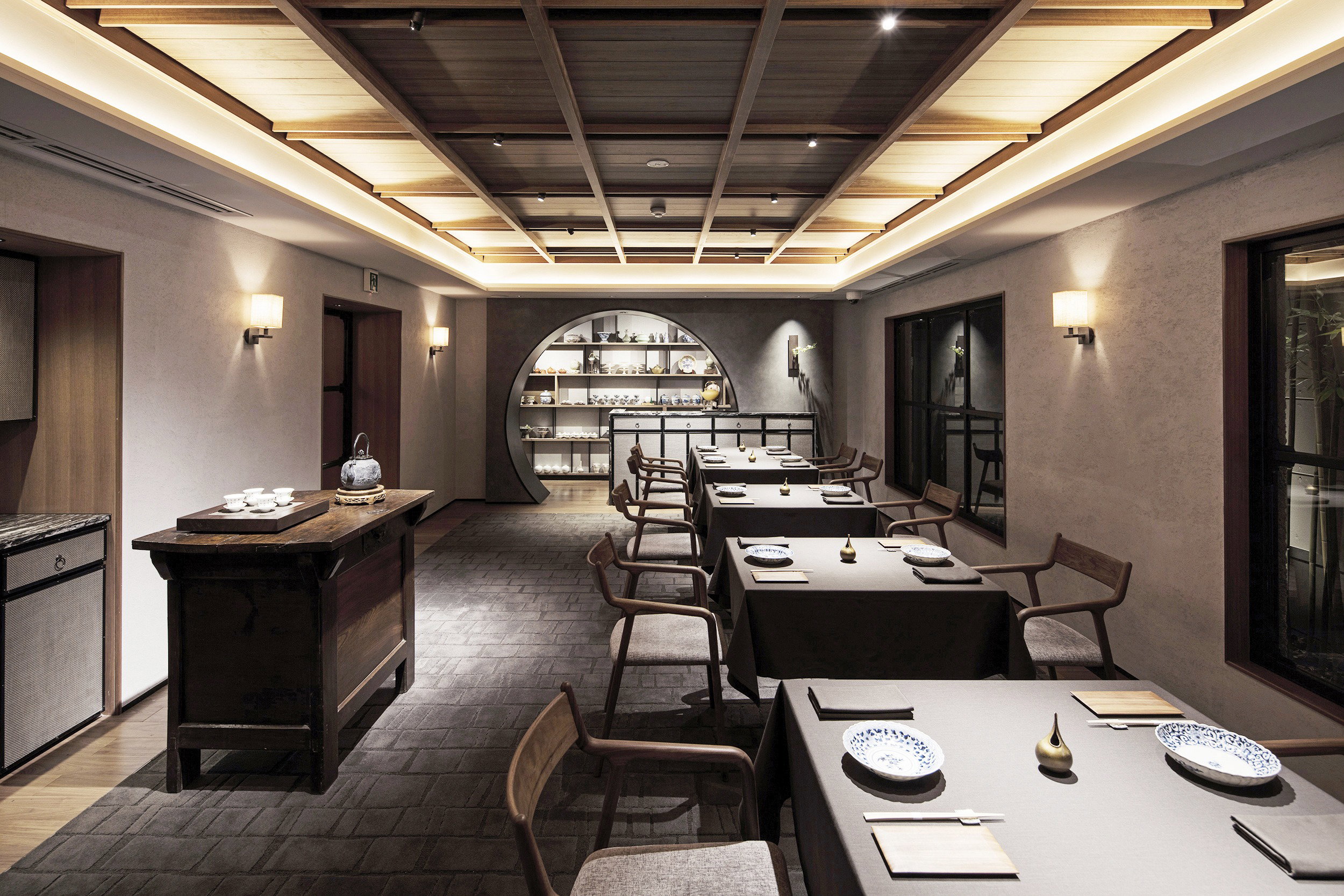
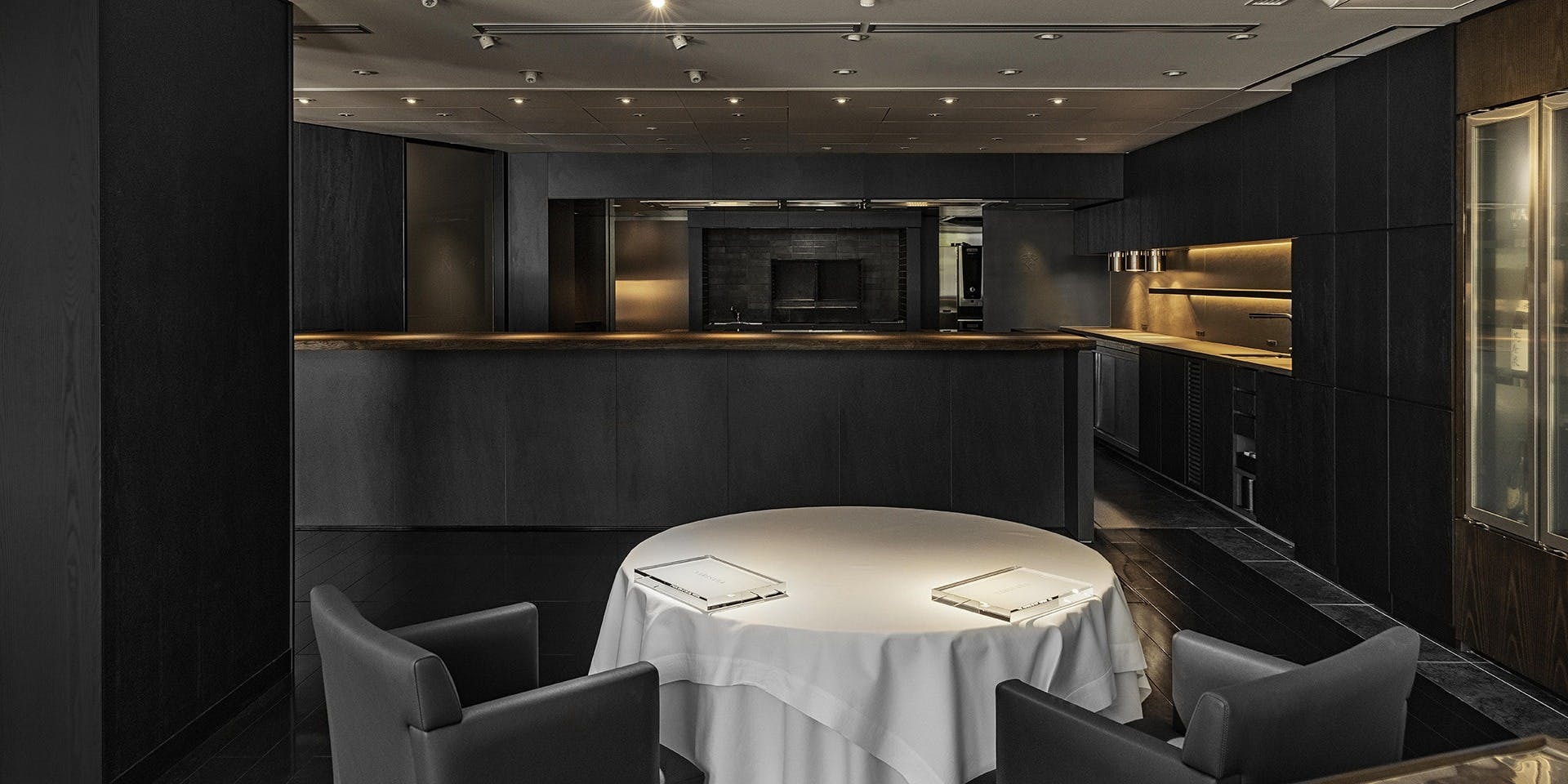
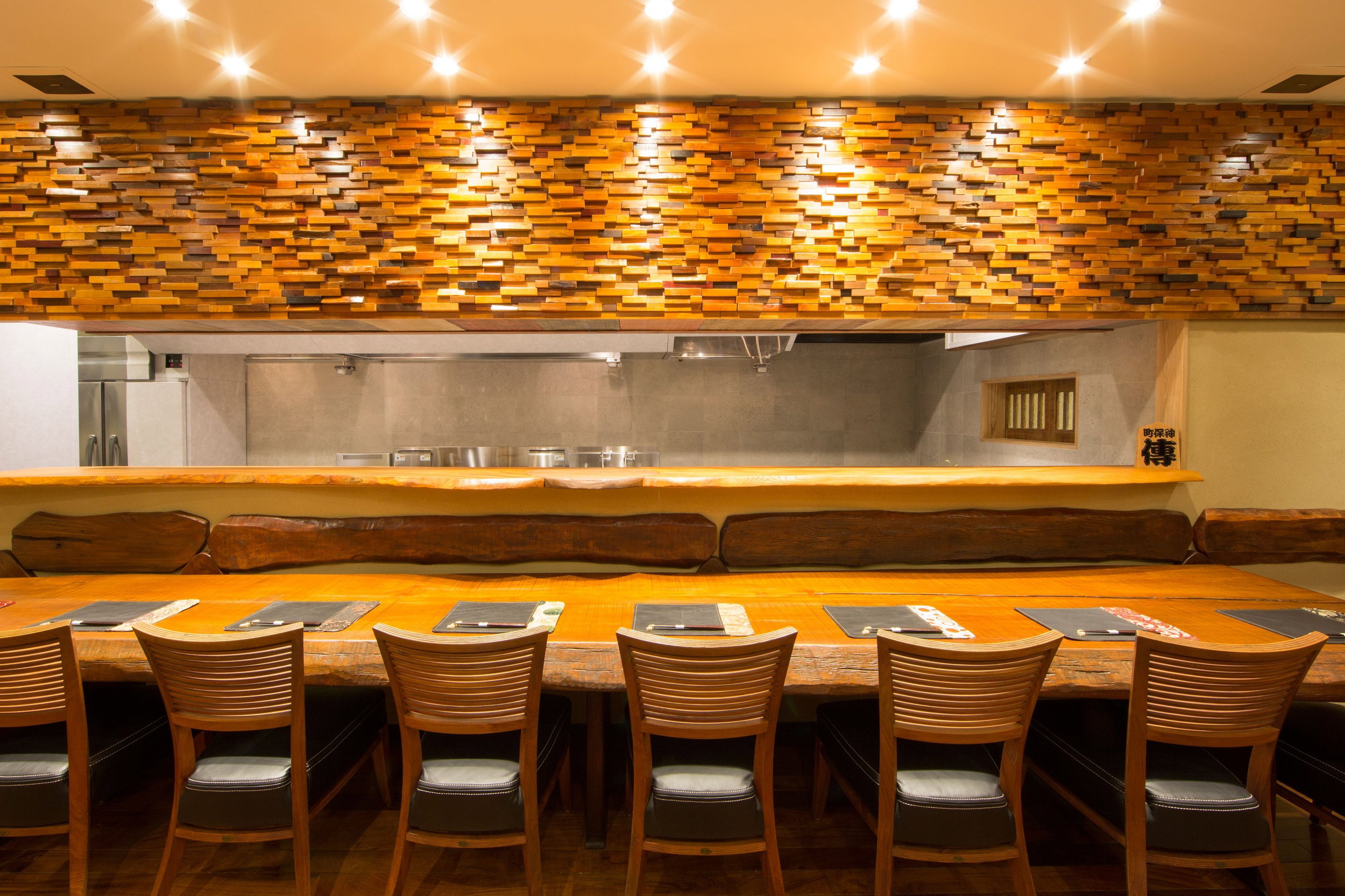
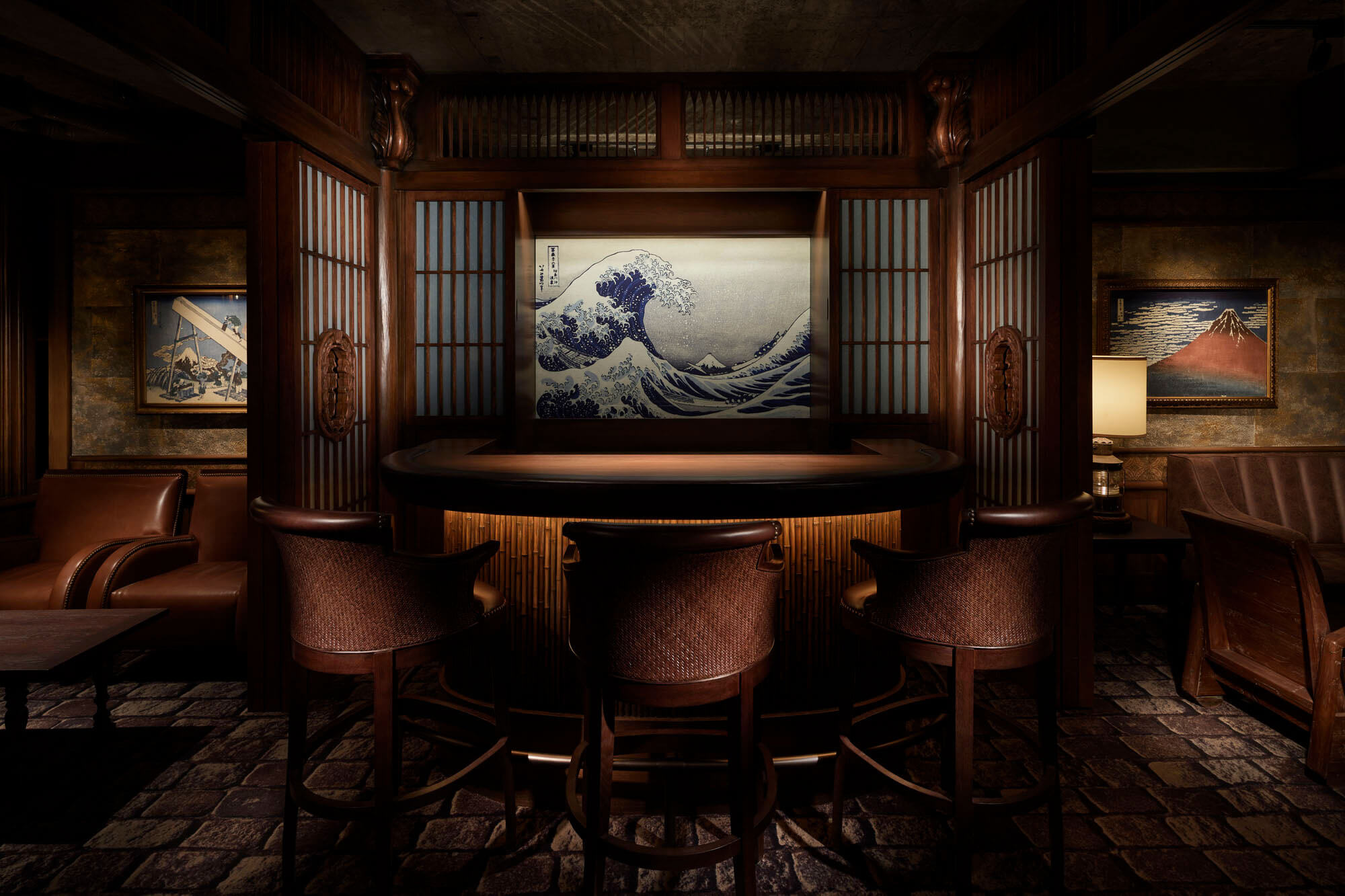
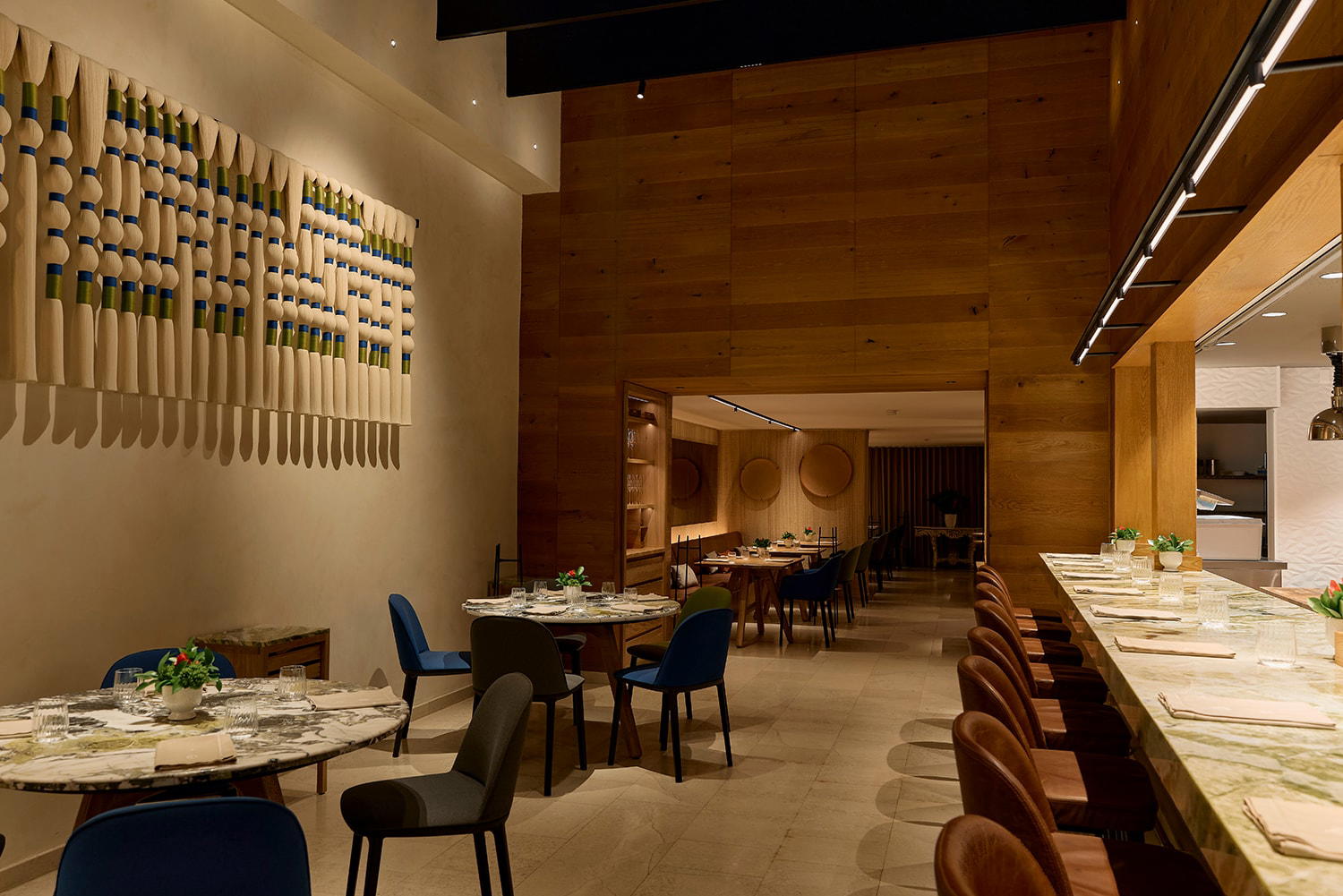
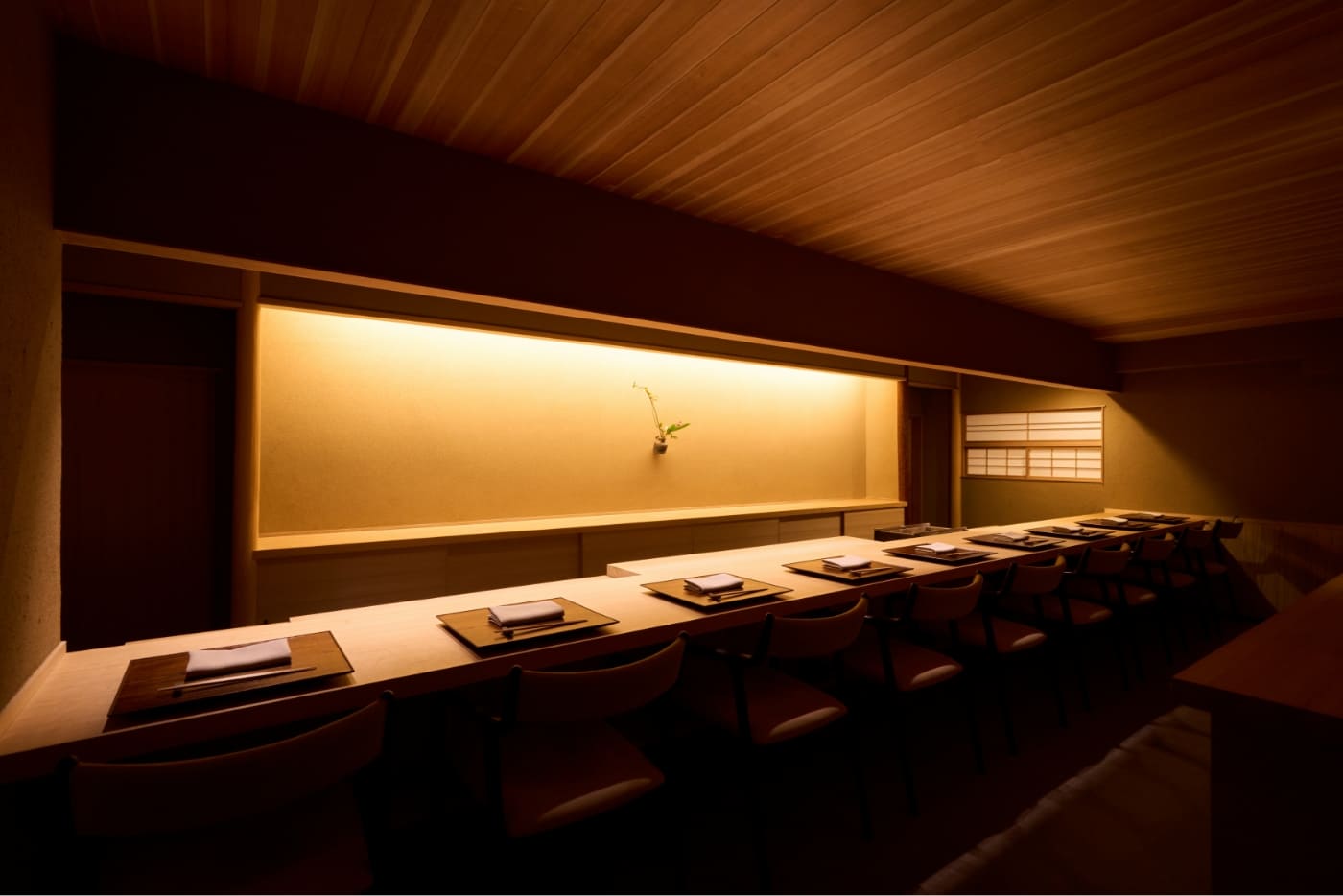
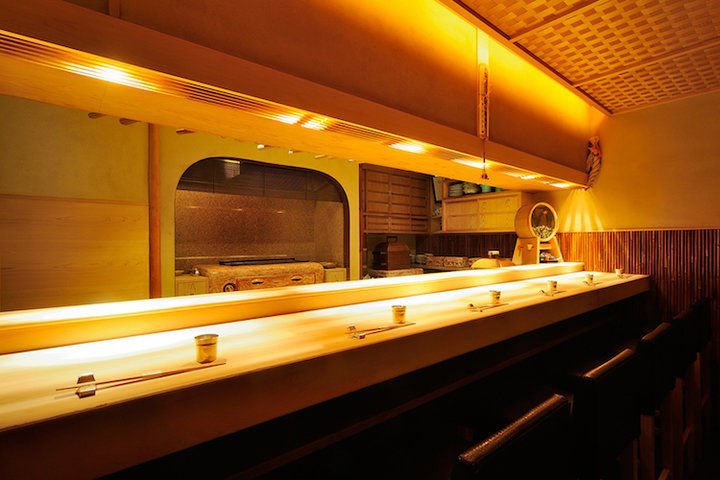
The common misconception about Azabu Kadowaki is that it's a kaiseki restaurant in the traditional mould — stately, formal, and somewhat interchangeable with the other three-star Japanese restaurants in Tokyo. It isn't. Chef Toshiya Kadowaki runs a deeply personal counter operation in Azabu-Jūban, one of the quieter, more residential pockets of Minato Ward, and the room itself signals this from the moment you walk in. The counter seats just six. The private room, with its deliberately low ceiling, is closer to a tearoom than a dining room. This is not a large-format spectacle.
The Azabu-Jūban neighbourhood matters here more than it might at a restaurant in Ginza or Shinjuku. This is a district that has maintained a local, almost village-like character despite sitting inside one of Tokyo's wealthiest wards. The streets around the restaurant are lined with old-fashioned shotengai shops and neighbourhood izakayas, and Kadowaki fits that grain: it doesn't announce itself with the kind of grand lobby presence you'd expect from a three-star restaurant in a more visible part of the city. The address is a quiet stretch of Azabujuban, and if you've eaten here once, you'll know to look for it rather than expect it to find you. For a second visit, that sense of knowing where you're going adds something to the experience that no amount of signage could replace.
La Liste's citation for the restaurant gives a clear sense of what to expect inside: the menu is built around seasonal ingredients, the counter places guests at close but considered distance from the chef, and the room is calibrated to make twelve people feel like the only people in the building. The truffle rice course — mentioned specifically in the La Liste commentary, is documented as a signature: aromatic, generous in the way that only a dish designed to anchor a meal can be. Beyond that specific dish, the menu follows a seasonal logic, so what you encounter on a given evening in late autumn will read differently from a visit in early spring. If you've been once and want to know whether a return visit justifies the effort of rebooking: yes, provided you go at a different point in the year.
The physical intimacy of the space is not incidental, it's the whole point. The six-seat counter format means Chef Kadowaki is cooking for a room the size of a small dinner party. The private room, which La Liste describes as so intimate that guests can feel each other's breathing, is well suited to two or three guests who already know each other well. It is not a room for a business dinner where you need conversational buffer. For groups wanting more space or a livelier atmosphere, other three-star options in the city will serve better. For a couple or a pair of serious food friends on a return trip to Tokyo, this is the format to request.
For broader context on serious Japanese dining, Kagurazaka Ishikawa and Myojaku offer comparable prestige in different Tokyo neighbourhoods, while Ginza Fukuju and Jingumae Higuchi represent the broader range of high-end Japanese cuisine the city currently supports. If you're planning a Japan trip and want to build a dining itinerary around comparable restaurants outside Tokyo, Gion Sasaki in Kyoto, HAJIME in Osaka, and Goh in Fukuoka are worth considering alongside akordu in Nara and Isshisoden Nakamura in Kyoto. For the full picture across Japan, Kashiwaya Osaka Senriyama and Kioicho Fukudaya round out the top tier of Japanese cuisine. And if your trip extends further, 1000 in Yokohama and 6 in Okinawa are worth the detour.
Pearl's full Tokyo restaurants guide covers the broader field, and if you're building a full trip, the Tokyo hotels guide, bars guide, wineries guide, and experiences guide are the next places to look.
Practical Details
Price range: ¥¥¥¥ (top-tier; expect multi-course tasting menu pricing at three-star level). Hours: Monday to Saturday, 17:30–23:00 (last order 22:00). Address: 2 Chome-7-2 Azabujuban, Minato City, Tokyo 106-0045. Reservations: Near impossible, book as far in advance as possible; waiting lists are standard at this level. Dress: Smart dress expected; the intimacy of the counter makes casual clothing feel out of place. Counter vs private room: The six-seat counter is the primary experience; the private room suits parties of two to three.
Awards and Recognition
- Michelin 3 Stars (2025)
- La Liste Leading Restaurants: 92.5 points (2025), 92 points (2026)
- Tabelog Bronze Award (2025), Score: 3.85
- Opinionated About Dining: Ranked #127 in Japan (2024), #142 (2025)
FAQ
How far ahead should I book Azabu Kadowaki?
- As far out as the reservation system allows, months rather than weeks.
- At three-Michelin-star level with a six-seat counter, availability is genuinely scarce.
- If you cannot secure a booking directly, specialist concierge services that focus on Tokyo dining reservations are your most practical option.
- Do not plan a Tokyo trip around Kadowaki without confirming a reservation first.
Is the tasting menu worth it at Azabu Kadowaki?
- Yes, if you are specifically looking for a small-counter, chef-driven Japanese experience at the top of the market.
- The three-Michelin-star rating and La Liste score of 92.5 points are consistent signals of quality at this price point.
- If your priority is value-per-course over atmosphere, there are strong alternatives, but for the intimacy of a six-seat counter with this level of recognition, the price is justified.
Is Azabu Kadowaki worth the price?
- For a second visit specifically: yes, provided you time it to a different season from your first trip.
- The menu is built around seasonal ingredients, so a return visit in a different part of the year is a genuinely different meal.
- First-time visitors to Tokyo's three-star tier should weigh it against Myojaku or Kagurazaka Ishikawa depending on format preference.
What should I order at Azabu Kadowaki?
- The menu is set, you don't order à la carte.
- The truffle rice course is the documented signature, cited specifically in La Liste's commentary on the restaurant.
- Beyond that, expect the menu to reflect whatever is in season at the time of your visit.
Can I eat at the bar at Azabu Kadowaki?
- The six-seat counter IS the primary dining format here, it is not a bar in the casual drop-in sense.
- Counter seats require a reservation and are part of the standard tasting menu experience.
- Walk-in counter access is not a realistic option given the booking difficulty.
Can Azabu Kadowaki accommodate groups?
- In practice, the counter seats six, so a group of six is the natural maximum for the main room.
- Larger groups or parties wanting more privacy should request the private room, which suits two to three guests most comfortably.
- For groups of four or more who want a livelier, less intimate format, other Tokyo restaurants in the ¥¥¥¥ tier will be a better fit.
Does Azabu Kadowaki handle dietary restrictions?
- Contact the restaurant directly to discuss restrictions before booking, this is standard practice at this level.
- Given the set-menu format and very small party sizes, the kitchen has more flexibility than a large-format restaurant, but advance notice is essential.
- The phone number listed on Tabelog is 03-5772-2553.
What should I wear to Azabu Kadowaki?
- Smart dress is expected. The six-seat counter format means there is nowhere to hide a casual outfit.
- Business casual at minimum; many guests wear smart-casual evening dress.
- The atmosphere is intimate rather than stuffy, but the setting and price point make jeans and trainers a poor choice.
Planning details
- Location
- 2 Chome-7-2 Azabujuban, Minato City, Tokyo 106-0045, Japan
- Reservations
- Book on Omakase
- Website
- azabukadowaki.com
- Phone
- +81 3-5772-2553
The take
The Take
The Vibe
Azabu Kadowaki presents a restrained, ritual-driven atmosphere that reads more like a tearoom than a conventional restaurant. The dining room is deliberately compact: a six-seat counter and a low‑ceiling private room set the scale. That compactness is not a stylistic affectation but the operational logic — the team treats seasonality, vessels and guest presence with the same disciplined attention as a tea ceremony. The result feels classic and minimalist, with a hushed, contemplative energy where proximity to the chef and the choreography of service become the primary aesthetic.
Best For
This is a place for focused, ceremonial dining: ideal for intimate date nights, formal business dinners and solo diners who want direct interaction with the chef. The six-seat counter creates an environment built for concentrated attention, while the low-ceiling private room offers a tearoom-like alternative for those seeking more privacy. Guests who value ritual, seasonality and the precise pacing of kaiseki-style service will find the format particularly well matched to special occasions and deliberate, chef-led meals.
Ordering Tips
The menu is organized around seasonal, fleeting combinations, so approach the meal expecting a chef-directed progression rather than à la carte flexibility. Signature moments — like truffle rice and somen with sea urchin and caviar — underscore the kitchen’s focus on fleeting ingredient pairings. Sit at the counter if you want calibrated, one-to-one attention and to watch the sequence unfold; request the private room if you prefer a more secluded, tearoom-like setting. Above all, treat the service as a single, seasonal composition and let the kitchen set the rhythm.
Venue details
Ambiance
Refined and intimate with a counter seating 6 and private rooms featuring low ceilings evoking a traditional tearoom atmosphere, offering an elegant hideaway setting.
Tags
Vibe
Best For
Experience
At the Table
- Dress Code
- Smart Casual
- Noise Level
- Quiet
- Service Style
- Formal
- Meal Pacing
- Leisurely
- Capacity
- Intimate
- Kitchen
- Modern
- Menu Format
- Tasting menu, Omakase, Counter dining
- Wine Program
- Curated
- Drinks Focus
- Sake program
- Dietary
- Vegetarian friendly
- Private Dining
- Available
Signature Dishes
- Truffle Rice
- Fried Shark Fin
- Somen Noodles with Sea Urchin and Caviar
Know before you go
Know Before You Go
- Getting there
- 2 Chome-7-2 Azabujuban, Minato City, Tokyo 106-0045, Japan
Planning details
Location
2 Chome-7-2 Azabujuban, Minato City, Tokyo 106-0045, Japan · Directions
Recognition and awards



Also consider
Also Consider
- Harutaka, Sushi, ¥¥¥¥
- L'Effervescence, French, ¥¥¥¥
- RyuGin, Kaiseki, Japanese, ¥¥¥¥
- HOMMAGE, Innovtive French, French, ¥¥¥¥
- Crony, Innovative, French, ¥¥¥¥
Restaurant context
At the ¥¥¥¥ tier in Tokyo, Azabu Kadowaki competes with a strong field, but its six-seat counter format makes it a different kind of decision from most of its peers. RyuGin is the clearest structural comparison: both are three-star kaiseki-adjacent operations with a serious seasonal philosophy, but RyuGin operates on a larger scale and carries a slightly higher international profile. If you want the more theatrical, designed-for-the-room experience, RyuGin delivers it. If you want the counter-facing intimacy of a chef cooking for six, Kadowaki is the stronger choice.
Harutaka is worth considering for anyone whose primary interest is raw fish over cooked courses, it operates at the same price tier with comparable booking difficulty, and for sushi-focused diners it will land better than a seasonal Japanese menu. For the French-trained palate that still wants to eat in Tokyo, L'Effervescence and HOMMAGE offer serious French technique at equivalent prices, and Crony skews more innovative and slightly more accessible in booking terms. None of them give you what Kadowaki gives you: a Japanese chef, a Japanese seasonal philosophy, and a room that fits in a private apartment.
On booking difficulty, Kadowaki and Harutaka are the hardest of this peer group to secure. If your trip to Tokyo is fixed and you need a confirmed reservation before you fly, L'Effervescence and Crony are more realistic targets. But if you can plan far enough ahead and your priority is the counter experience specifically, Kadowaki is the right call over every other name on this list.
Explore Tokyo
Around this place
Discover more on Pearl
Unlock the full Azabu Kadowaki guide in Pearl, including awards, comparisons, FAQs, planning details, and nearby places.
Compare Azabu Kadowaki
| Venue | Awards | Price |
|---|---|---|
| Azabu Kadowaki | 2026 OAD Top Restaurants in Japan Highly Recommended2026 Michelin 3 Stars2026 La Liste Top RestaurantsTabelog 100 - Japanese cuisine - TOKYO - 2025 · #602025 OAD Top Restaurants in Japan Ranked · #1422025 Tabelog Bronze2025 The Best Chef Two Knives2025 La Liste Top Restaurants2025 Michelin 3 Stars | ¥¥¥¥ |
| Harutaka | 2026 Tabelog Silver · #312026 OAD Top Restaurants in Japan Ranked · #1282026 Michelin 3 Stars2026 La Liste Top RestaurantsTabelog 100 - Sushi - TOKYO - 2025 · #372025 Asia's 50 Best Restaurants · #762025 OAD Top Restaurants in Japan Ranked · #1172025 La Liste Top Restaurants2025 Tabelog Bronze | ¥¥¥¥ |
| L'Effervescence | 2026 Tabelog Silver · #682026 OAD Top Restaurants in Japan Ranked · #103Star Wine Lists 20262026 Black Pearl 2 Diamond2026 Relais Chateaux Restaurants2026 La Liste Top Restaurants2026 Michelin 3 Stars2025 Asia's 50 Best Restaurants · #692025 OAD Top Restaurants in Japan Ranked · #92 | ¥¥¥¥ |
| RyuGin | 2026 OAD Top Restaurants in Japan Ranked · #802026 Tabelog Bronze · #3772026 Michelin 3 Stars2026 La Liste Top RestaurantsTabelog 100 - Japanese cuisine - TOKYO - 2025 · #212025 OAD Top Restaurants in Japan Ranked · #542025 Michelin 3 Stars2025 La Liste Top Restaurants2025 The Best Chef Three Knives | ¥¥¥¥ |
| HOMMAGE | 2026 Tabelog Bronze · #1232026 OAD Top Restaurants in Japan Highly Recommended2026 Michelin 2 StarsTabelog 100 - French - TOKYO - 2025 · #762025 Asia's 50 Best Restaurants · #782025 OAD Top Restaurants in Japan Ranked · #1752025 Michelin 2 Stars2025 The Best Chef One Knife2025 La Liste Top Restaurants | ¥¥¥¥ |
| Crony | 2026 Asia's 50 Best Restaurants · #34Star Wine Lists 20262026 OAD Top Restaurants in Japan Recommended2026 Michelin 2 Stars2025 Asia's 50 Best Restaurants · #30Tabelog 100 - French - TOKYO - 2025 · #782025 OAD Top Restaurants in Japan Ranked · #227We're Smart World Top Restaurants 20252025 Michelin 2 Stars | ¥¥¥¥ |










How Azabu Kadowaki stacks up against the competition.
FAQ
Frequently Asked Questions
What should I wear to Azabu Kadowaki?
No dress code is specified in the venue data, but the combination of Michelin three-star status and a tearoom-influenced private room signals that understated, neat clothing is the appropriate baseline. Avoid casual sportswear. When in doubt, dress as you would for a serious fine dining reservation in any major city.
Is the tasting menu worth it at Azabu Kadowaki?
Yes, if seasonal Japanese cuisine at a counter format is your preference. La Liste has scored it at 92–92.5 points across consecutive years, and the Michelin three-star designation has held through 2025. The format is built around fleeting, ingredient-led dishes rather than theatrical production — worth it for guests who prioritise subtlety over spectacle.
Can Azabu Kadowaki accommodate groups?
Groups larger than six should request the private room, which has a low-ceiling tearoom aesthetic and is more intimate than the counter. The counter seats exactly six, so parties above that size won't fit at the bar together. Confirm room availability when booking.
Is Azabu Kadowaki worth the price?
At ¥¥¥¥ pricing with three Michelin stars and consistent La Liste scores of 92+ points, the credentials support the cost. Compared to peers like RyuGin or L'Effervescence at a similar tier, Kadowaki's extreme intimacy — six counter seats, chef in direct proximity — makes it more personal than most Tokyo three-star experiences. Worth it if you want craft over scale.
What should I order at Azabu Kadowaki?
The menu is set — there is no à la carte selection at this level. La Liste specifically calls out the truffle rice as a signature moment within the meal, noted for both aroma and flavour. Arrive focused on the seasonal sequence rather than specific dishes.
How far ahead should I book Azabu Kadowaki?
Plan on booking two to three months in advance at minimum. The six-seat counter and one private room fill extremely fast for a Michelin three-star with La Liste recognition. If you're visiting Tokyo on a fixed itinerary, secure a reservation before you book your flights.