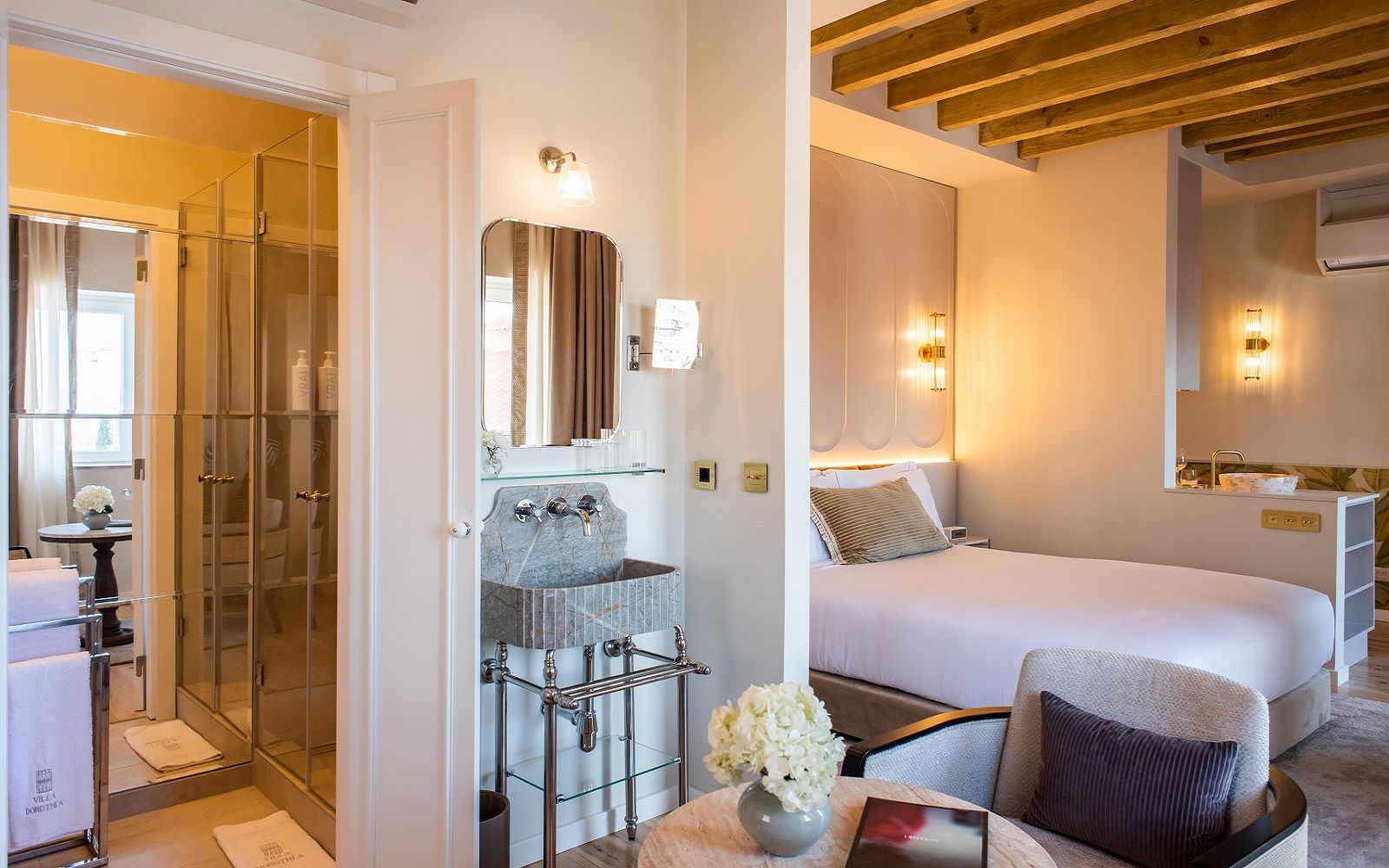
Club Metrópolis Madrid has opened inside the 1911 Metrópolis building at Gran Vía and Calle de Alcalá, with 19 hotel rooms, a private members’ club, seven dining rooms and wellness facilities across all seven floors. Book it if you want access to Madrid’s most recognisable corner from inside the building itself; skip, for now, if you need published rates, open public access or a conventional hotel stay with predictable availability.
The appeal is scarcity, not simplicity. According to the opening announcement, the project spans more than 6,000 square metres, but the hotel has just 19 rooms, so this is not a normal Madrid luxury booking where inventory does half the work for you. Treat Club Metrópolis Madrid as a private-club play with bedrooms attached: high upside for design-led travelers, higher friction for anyone who wants a quick weekend reservation.
Why Club Metrópolis Madrid matters now
The Metrópolis building has been a Madrid landmark since 1911, according to the source announcement, and its position at the intersection of Gran Vía and Calle de Alcalá gives the reopening more weight than another boutique hotel launch. This is the postcard dome crowned by Winged Victory, not a side-street conversion. The decision point is simple: if the address itself changes the value of your stay, Club Metrópolis belongs on your Madrid shortlist.
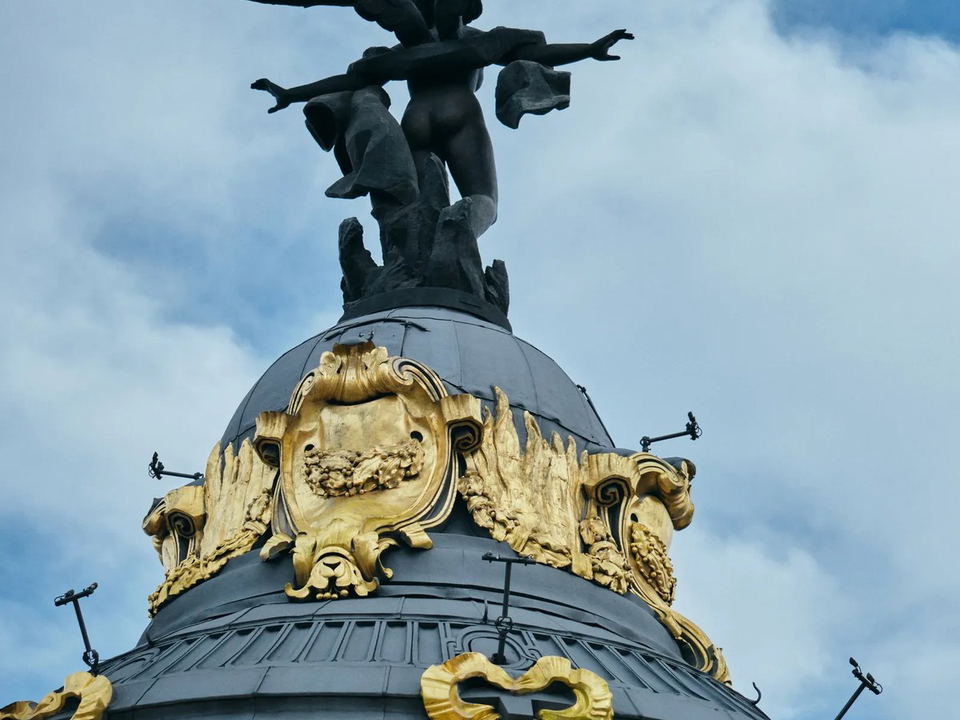
The building had stood largely empty before this project, which is why the opening matters for travelers who already know Madrid’s luxury hotel circuit. Club Metrópolis Madrid does not compete first on room count or resort-style sprawl. It competes on access to a building most visitors have only photographed from the pavement. A 19-room hotel inside that structure is a different proposition from choosing a larger city hotel with more inventory, broader public areas and a more familiar booking path.
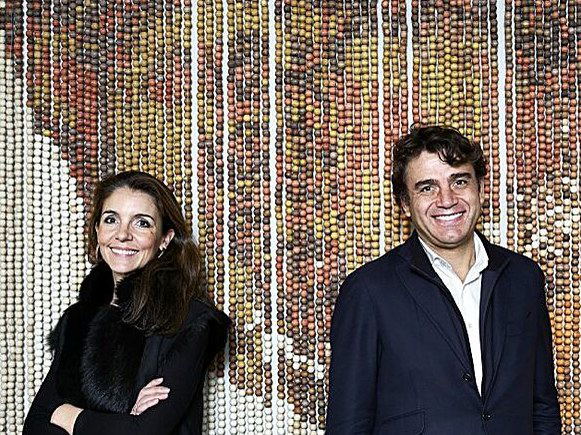
Marta Seco and Sandro Silva of Grupo Paraguas conceived the project, according to the source. That matters because the opening is not framed as a pure real-estate refresh. It comes from restaurateurs taking over an entire heritage building after an initial invitation to open a stand-alone restaurant on the ground floor. The pivot from one restaurant to all seven floors tells you the intended use: members, dining rooms, hotel rooms and wellness facilities operating as one private address.
The restoration is the reason to care
Restoration began in 2019, according to the opening announcement, and Rubio Arquitectura led the work under strict heritage protection. That phrase should matter to anyone booking for architecture rather than thread count. Heritage protection usually means slower work, tighter constraints and fewer shortcuts. Here, it also means the project could not simply erase the 1911 building and install a generic club interior behind a famous façade.
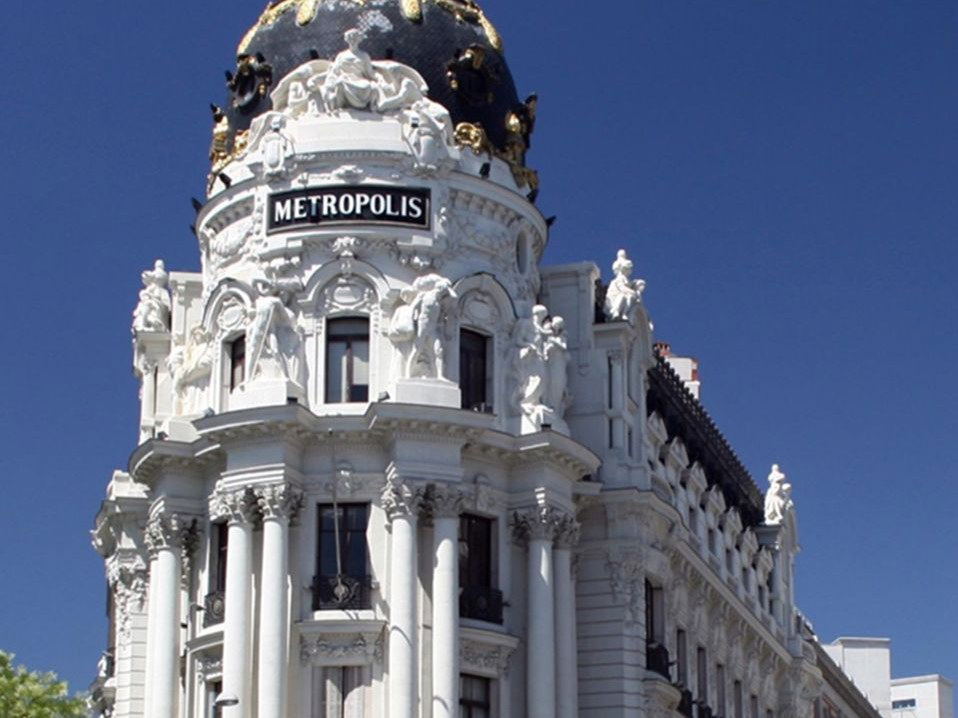
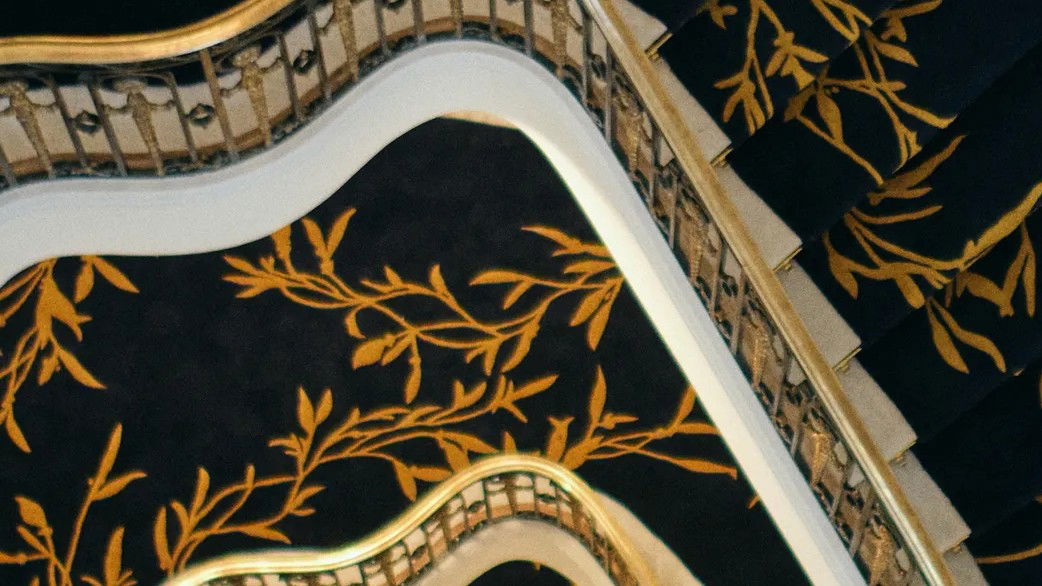
The preserved details are the selling point. Original Beaux-Arts features remain, including the grand staircase, ornate cornicing and parquet floors. Those specifics are more useful than any design adjective. If you book Club Metrópolis Madrid, the value sits in moving through the stair, cornice and parquet of a building long seen from the outside, then using it as a club and hotel rather than a static landmark.
Lázaro Rosa-Violán designed the interiors, according to the announcement. His role is another reason to track the property if you care about Spanish design. The brief, as described in the source material, treats the building less as a standard hospitality space and more like a Madrid house. That is the right direction for a 6,000-square-metre, seven-floor club hotel: the risk with a building this famous is that it feels like a monument first and a place to sit, eat, work and sleep second.
For guests, the practical question is whether the restoration will translate into comfort, not just photographs. The available details point to a layered interior scheme with preserved architectural features, artworks, furnishings, carpets and textiles. That suggests the club is trying to soften the building’s scale rather than leave guests rattling around inside a civic symbol. Until rooms are widely bookable and rates are visible, the restoration itself is the clearest reason to make the effort.
The 19-room hotel changes the booking equation
Nineteen rooms is the number to remember. It creates the scarcity, and it also creates the likely frustration. Even without published booking windows in the source material, a 19-key hotel inside a private members’ club will not behave like a broad-inventory property. If you want to stay here during a busy Madrid week, assume you will need advance planning and direct contact rather than waiting for last-minute availability.
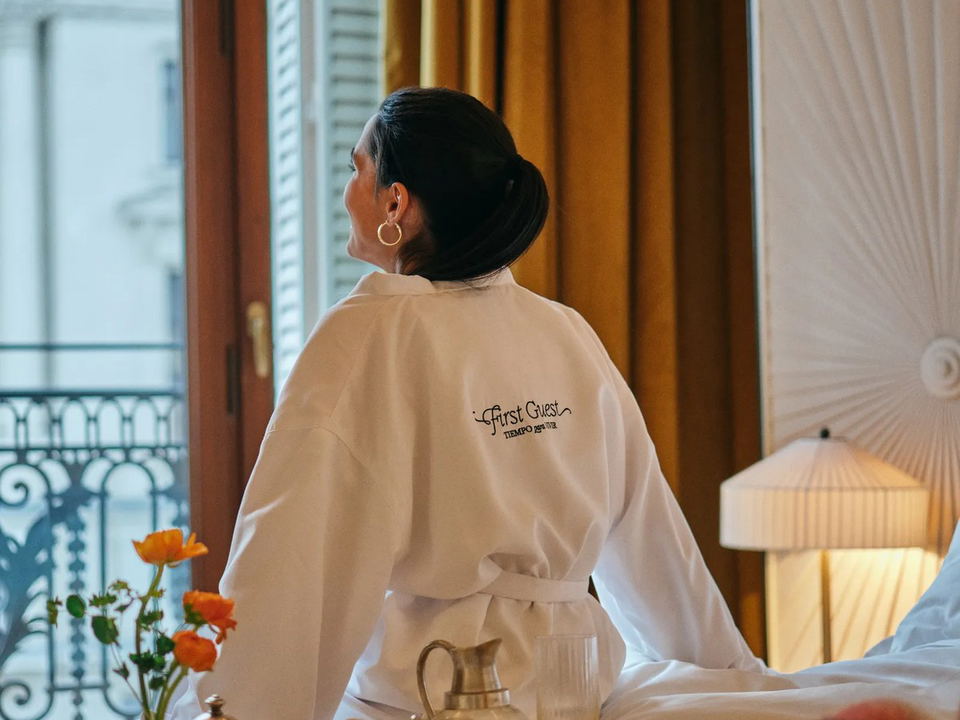
That small room count also clarifies who should book. Club Metrópolis Madrid makes sense for couples, solo travelers, design collectors and Madrid regulars who want a building-specific stay. It is less obvious for families needing multiple connecting rooms, groups that want easy room blocks, or travelers who prefer a hotel where every service is visible before booking. The club format adds appeal, but it also adds opacity.
The stronger comparison is by format, not by brand. A larger luxury hotel is usually better if you need choice: more rooms, clearer categories, wider public access and a reservations process your assistant can complete quickly. Club Metrópolis is better if you want a 19-room stay tied to a private members’ club, seven dining rooms and a 1911 Beaux-Arts building at Madrid’s most visible intersection. Choose based on friction tolerance.
The absence of published rates in the supplied source is not a small detail. Price decides whether the 19-room hotel is a clever Madrid play or a vanity booking for architecture completists. Until rates, membership access and room categories are made clear, the sensible move is to track availability early, ask direct questions and avoid assuming the hotel side will operate like a standard public booking engine.
Dining and club access are the real swing factors
The project includes seven dining rooms, according to the opening announcement, and that may become the deciding feature for many Pearl readers. Seco and Silva are restaurateurs, so the building’s hospitality center of gravity is unlikely to be just the bedrooms. If those dining rooms are accessible only through membership, hotel stays or guest privileges, the room booking becomes a way into the wider club.
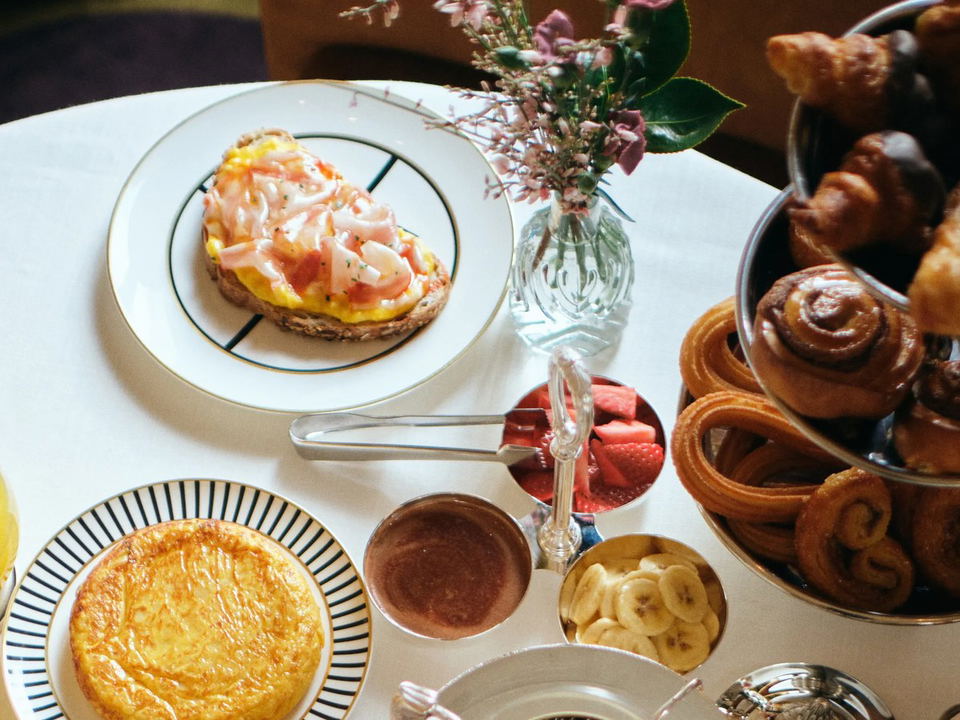
The source material does not publish menus, chefs, prices or reservation rules for the dining rooms. That limits how firm the recommendation can be today. Do not book assuming a specific tasting menu, wine program or chef counter unless the club confirms it directly. What is supported is the format: seven dining rooms under one heritage roof, attached to a private members’ club and a 19-room hotel.
That format is useful for a certain Madrid itinerary. If you are already planning around restaurants, private meetings or late-evening drinks, staying in the same building as multiple dining rooms has obvious appeal. If your Madrid plan is museum-heavy and you only need a quiet base, the club layer may be more infrastructure than you need. Club Metrópolis Madrid is not just selling sleep; it is selling access to a daily rhythm inside the building.
Wellness facilities are also part of the project, according to the source, but the available material does not give treatment rooms, gym details, opening hours or public access rules. Treat that as a secondary benefit until the club publishes specifics. The confirmed draw remains the combination of private club, hotel, dining rooms and restored Beaux-Arts architecture across all seven floors.
How to approach access before you commit
Start with the questions the announcement does not answer. Are hotel guests treated as temporary club members during the stay? Which dining rooms are open to non-members? Are wellness facilities included with a room, reserved for members, or available by appointment? Are there blackout dates tied to private events? Those answers decide whether Club Metrópolis is worth the likely effort.
For now, the booking strategy is patience plus precision. Ask for room categories, rates, guest privileges, dining access and cancellation terms before you lock flights around the stay. With only 19 rooms, the right room will matter more than usual, especially if views, floor position or proximity to club spaces vary. The scale and the address, but not the operating rules.
Dress expectations are also worth confirming directly. A private members’ club in a restored 1911 landmark is not the place to assume resort casual will cover every room and every hour. The announcement does not state a dress code, so do not invent one. Just ask before arrival, especially if you plan to use the dining rooms or attend events.
For groups, be cautious. The more rooms you need, the less this property makes sense unless you have a direct relationship with the club. Nineteen rooms can disappear quickly once members, invited guests and event demand enter the picture. For a two-night design-focused Madrid stay, Club Metrópolis Madrid is worth tracking now. For a multi-room family trip, wait until the hotel publishes clearer inventory and access rules.
The verdict: track it now, book once access is clear
Club Metrópolis is worth tracking immediately because the facts line up: a 1911 Madrid landmark, the Gran Vía and Calle de Alcalá address, all seven floors restored under heritage protection, interiors by Lázaro Rosa-Violán, more than 6,000 square metres of club space and only 19 hotel rooms. That is enough to put it on a serious Madrid shortlist.
It is not yet an automatic booking for every luxury traveler. The missing pieces are practical ones: rates, membership rules, public dining access, wellness details and reservation mechanics. Those are not footnotes. They decide whether you are buying a rare stay inside the Metrópolis building or dealing with private-club friction for a room you cannot properly evaluate in advance.
The right move is to watch how Club Metrópolis Madrid handles access over its first season. If the hotel grants guests meaningful use of the dining rooms, wellness facilities and club spaces, this becomes one of Madrid’s most interesting small-format stays. If access stays narrow or opaque, the building will still matter, but the smartest booking may be dinner, an event or a member invitation rather than a room.