

Nakashima
Kaiseki · Naka, Hiroshima
Restaurant in Hiroshima, Japan
 Book with Pearl
The Read
Seto Inland Sea Kaiseki
Price
$50–100per person
Chef
Tetsuo Nakashima
Dress
Smart Casual
Why go
Chef Tetsuo Nakashima's 14-seat kaiseki counter specializes in Seto Inland Sea fish and seasonal Hiroshima produce, with a tasting menu that rotates every few weeks. Seven consecutive Tabelog Bronze Awards and three Hyakumeiten appearances back the kitchen's reputation for clean technique and ingredient-focused cooking. Reservations required; dinner only, Monday through Saturday.
About Nakashima
Nakashima is a kaiseki restaurant in Hiroshima led by chef-owner Tetsuo Nakashima. It serves dinner Monday through Saturday from 6 p.m. to 10 p.m., closes on Sunday, and lists a smart casual dress code.
Why Seasonal Timing Matters
Kaiseki is typically associated with seasonality, but specific dishes, ingredients, menu structure, and pricing for Nakashima. If your visit depends on a particular ingredient, course style, budget, or dietary requirement, confirm directly with the restaurant before making plans.
Comparing Nakashima With Other Pearl-Listed Venues
Nakashima is best understood simply as a kaiseki restaurant in Hiroshima led by chef-owner Tetsuo Nakashima. For diners comparing it with other Pearl-listed venues, Sato, Imoto, Uemura, Nawaya, and Momen may be useful reference points, though their locations, formats, and offerings should be checked individually rather than assumed to match Nakashima.
Confirm current arrangements for drinks, seating layout, service style, and menu format directly if those factors are important to your visit.
First-timers should note the hours: dinner is listed Monday through Saturday from 6 p.m. to 10 p.m. with Sunday closed. The dress code is smart casual.
For more dining, lodging, and drinking options across Hiroshima, consult broader city guides and current local listings.
Planning details
- Hours
- Monday: 6–10 pm · Tuesday: 6–10 pm
- Location
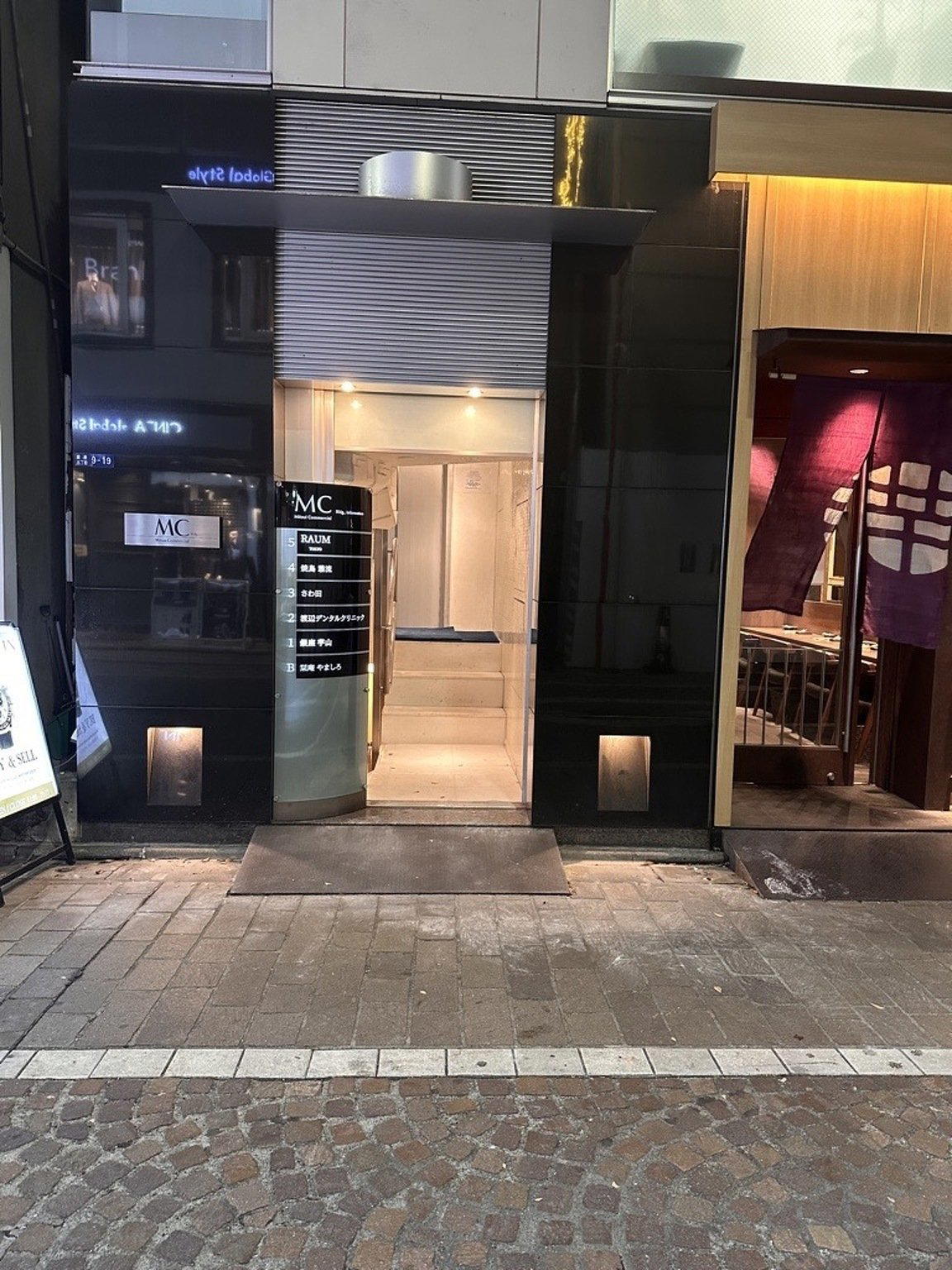
- Japan, 〒730-0004 Hiroshima, Naka Ward, Higashihakushimacho, 10−4 TOHAKUビル
- Website
- nakashima-ryori.com
- Phone
- +81 82-225-3977
The take
The Take
The Vibe
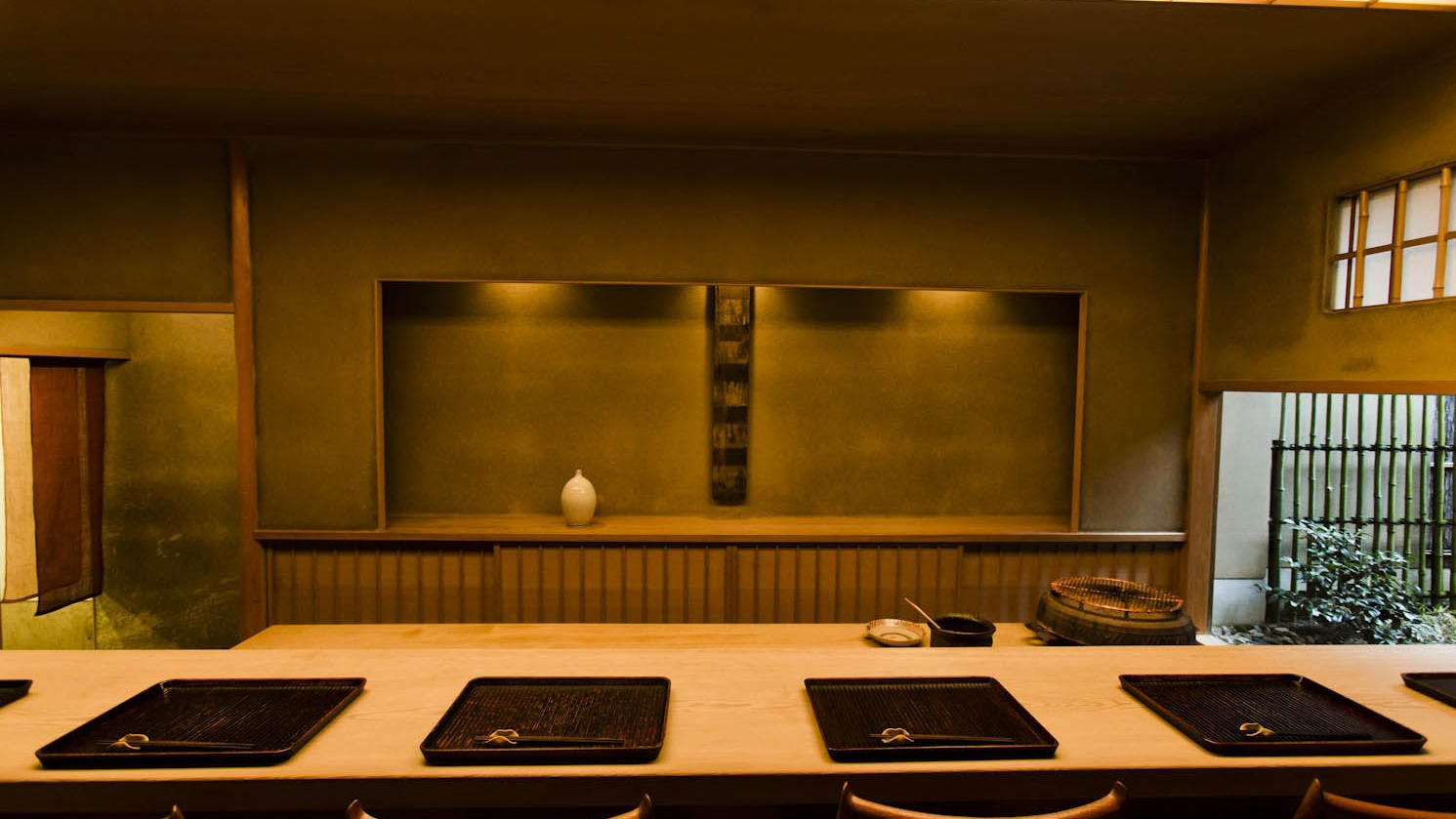
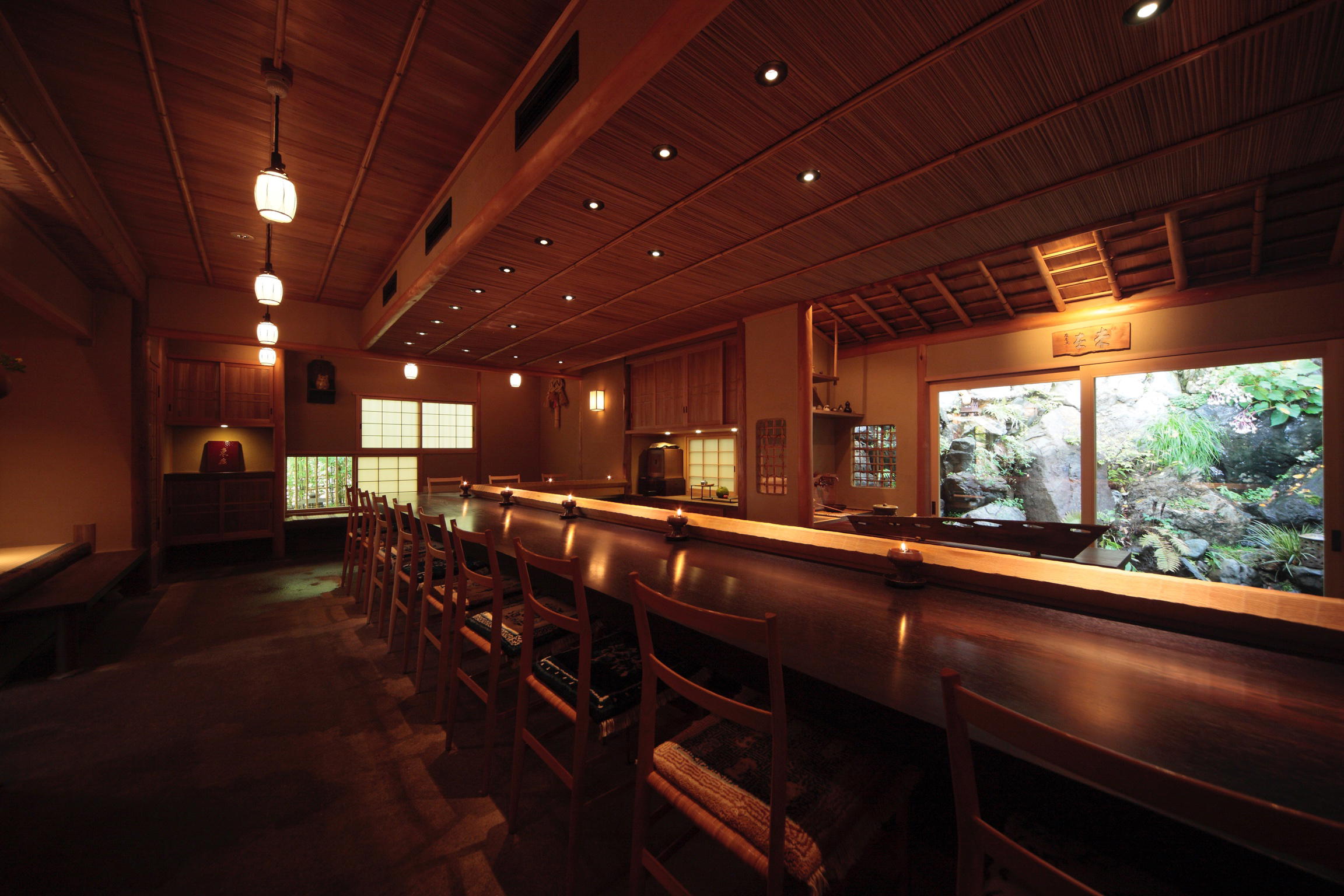
Nakashima presents a restrained, classic kaiseki experience that emphasizes seasonality and careful technique. The room is deliberately small and quiet, with a fourteen-seat layout that keeps service focused and unobtrusive. The counter plays a central role in the meal’s architecture, bringing guests close to the kitchen rhythm so courses read as deliberate gestures rather than logistics. The kitchen’s discipline and the city’s understated culinary culture give the place an unflashy, highly refined temperament — ideal for diners who prefer measured, traditional Japanese hospitality over brash presentation.
Best For
This is primarily a destination for an attentive, formal dinner rooted in seasonal Japanese cuisine. The fourteen-seat configuration — eight counter seats and a single table for four to six — makes it well suited to intimate groups and couples seeking a concentrated multi-course experience. Its recognition on national lists and steady Tabelog performance underline a consistent fine-dining standard: bring an appetite for a composed, seasonal progression rather than casual grazing. The small size means the room feels focused and quietly ceremonial rather than bustling.
Ordering Tips
Expect a multi-course kaiseki sequence that highlights Hiroshima’s coastal and mountain ingredients; the kitchen frames tasting as a seasonal narrative. The write-up singles out boiled lotus root, anago and matsutake broth as signature components worth seeking out. Given the restaurant’s compact seating and its reputation on regional and national rankings, plan around the fixed-course format typical of kaiseki and allow the kitchen to set the sequence. Reservations are advised in light of the limited fourteen-seat capacity.
Venue details
Ambiance
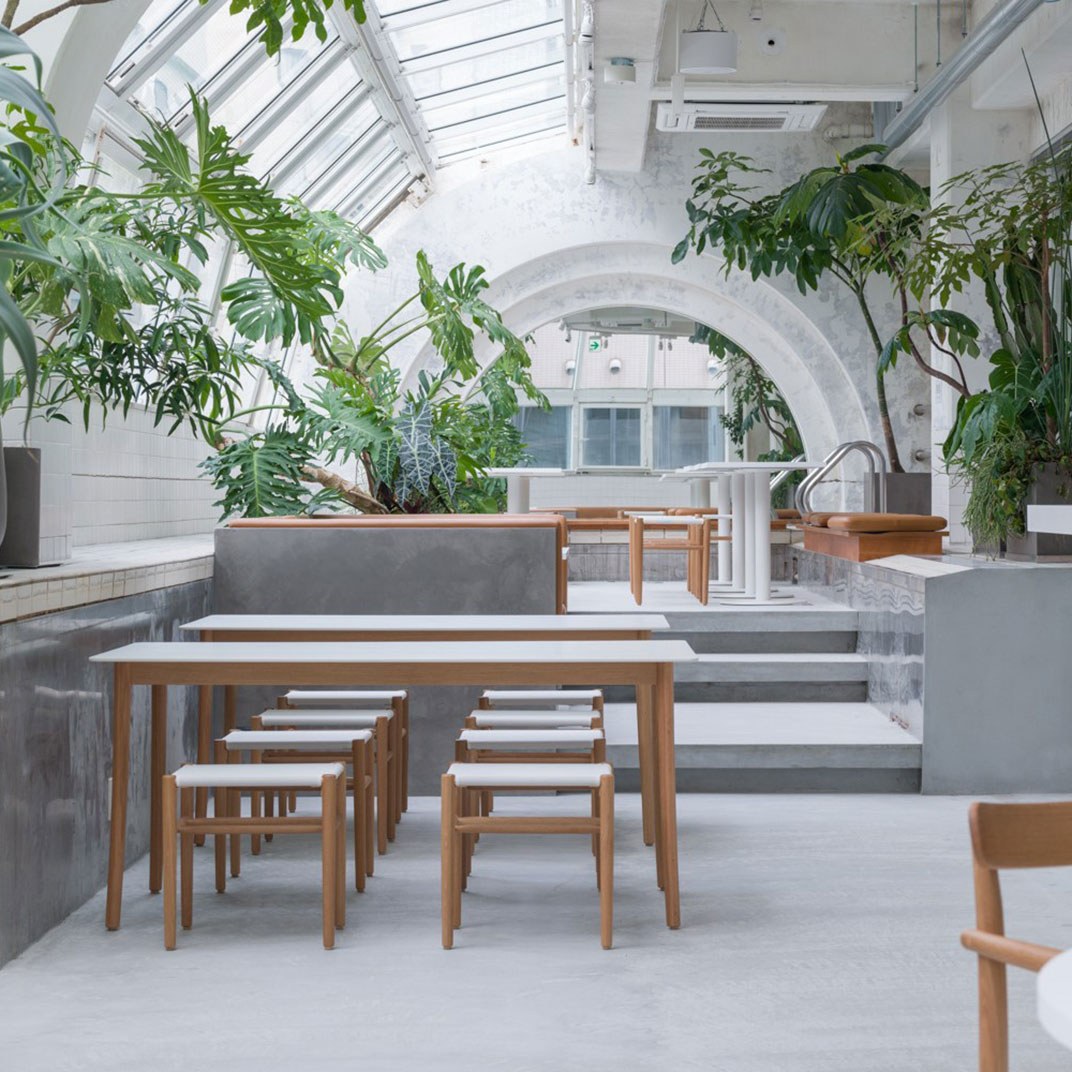
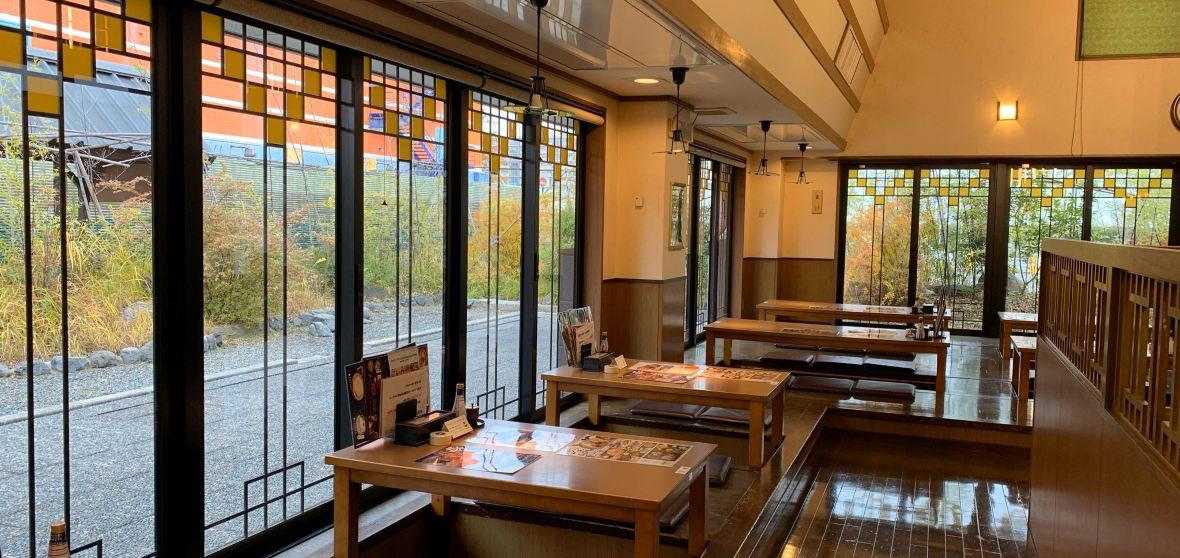
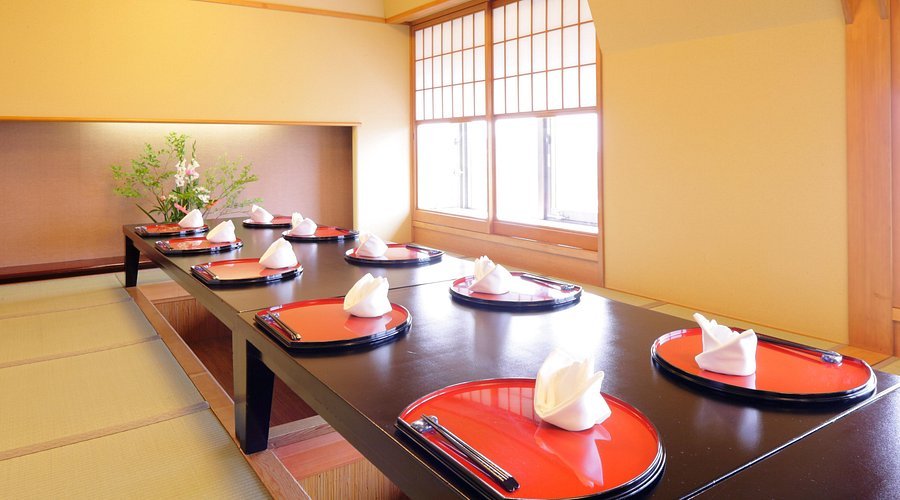
Light wood decor with abundant light, warm and welcoming atmosphere from attentive service by chef's wife.
Tags
Vibe
Best For
Experience
Sourcing
At the Table
- Dress Code
- Smart Casual
- Noise Level
- Quiet
- Service Style
- Formal
- Meal Pacing
- Leisurely
- Capacity
- Intimate
- Kitchen
- Traditional
- Menu Format
- Tasting menu
- Dietary
- Allergy accommodating
- Private Dining
- Available
Signature Dishes
- boiled lotus root
- anago
- matsutake broth
Know before you go
Know Before You Go
- Getting there
- Japan, 〒730-0004 Hiroshima, Naka Ward, Higashihakushimacho, 10−4 TOHAKUビル
Planning details
Hours
- Monday
- 6–10 pm
- Tuesday
- 6–10 pm
- Wednesday
- 6–10 pm
- Thursday
- 6–10 pm
- Friday
- 6–10 pm
- Saturday
- 6–10 pm
- Sunday
- Closed
Location
Japan, 〒730-0004 Hiroshima, Naka Ward, Higashihakushimacho, 10−4 TOHAKUビル · Directions
Recognition and awards

Restaurant context
At JPY 15,000–19,999 per person, this kitchen occupies the middle-to-upper band of Hiroshima's kaiseki landscape. Sato and Imoto match the ambition and price tier but skew slightly more formal in progression and plating. Uemura offers a quieter, more minimalist experience at comparable cost, while Nawaya leans traditional with Kyoto-inflected pacing. Momen sits at the approachable end of the spectrum, with lower prices and a more relaxed counter atmosphere. For diners prioritizing local seafood and seasonal vegetables over strict adherence to kaiseki orthodoxy, this spot delivers better balance than most in the city.
Booking difficulty remains moderate, easier than Tokyo's top-tier counters but still requiring advance planning, especially during peak seasonal windows in spring and autumn. Solo diners and couples benefit most from the eight-seat counter layout, which offers direct sightlines to the prep station. Groups of four to six should request the single table, though conversation space comes at the cost of proximity to the chef's work. If you're comparing Hiroshima kaiseki options and want strong fish-forward cooking without the formality premium, this kitchen makes the short list. For a broader view of the city's dining scene, explore our full Hiroshima restaurants guide.
Explore Hiroshima
Around this place
Discover more on Pearl
Unlock the full Nakashima guide in Pearl, including awards, comparisons, FAQs, planning details, and nearby places.
FAQ
Frequently Asked Questions
Is lunch or dinner better at Nakashima?
Dinner is the service window: Nakashima is listed as open Monday through Saturday from 6 p.m. to 10 p.m. and closed on Sunday. Lunch service is not available.
How far ahead should I book Nakashima?
What should a first-timer know about Nakashima?
Nakashima is a kaiseki restaurant in Hiroshima led by chef-owner Tetsuo Nakashima. Details beyond cuisine, hours, chef-owner, and dress code are limited, so confirm menu, pricing, seating, and dietary needs directly.
What are alternatives to compare with Nakashima?
For comparison, consider other Pearl-listed venues such as Sato, Imoto, Uemura, Nawaya, and Momen, while checking each venue's location, cuisine, hours, and format individually.
Is Nakashima good for a special occasion?
Nakashima may suit diners looking for kaiseki in Hiroshima, but confirm specific details about seating, menu format, pricing, and occasion amenities directly before booking for a special occasion.
Can Nakashima accommodate groups?
Contact Nakashima directly to confirm group capacity, seating layout, and whether your party size can be accommodated.