


Gion Owatari
Kaiseki, Japanese · Higashiyama, Kyoto
Restaurant in Kyoto, Japan
 Book with Pearl
The Read
Counter Kappo Kaiseki
Price
$300–500per person
Chef
Mahito Owatari
Dress
Smart Casual
Why go
A Michelin-starred, eight-seat counter in the heart of Gion, where chef Mahito Owatari serves kappo-inflected kaiseki at JPY 40,000–49,999 per head. Consistent Tabelog awards since 2017 and Tabelog Japanese Cuisine WEST Top 100 recognition back the price. Book well in advance; walk-ins are not realistic with only eight counter seats available.
About Gion Owatari
Pearl Verdict
Eight counter seats, a Michelin star, and dinner prices running JPY 40,000–49,999 per head before the 10% service charge: Gion Owatari earns its place as one of Gion's most committed counter kaiseki rooms. Chef Mahito Owatari runs the space as something closer to kappo than formal kaiseki, which means you watch the cooking unfold in front of you and the atmosphere carries warmth rather than ceremony. If you want a Kyoto counter meal that puts seasonal luxury ingredients and direct chef interaction ahead of elaborate tableside ritual, book here. If you want multi-room tatami formality, look at Kyokaiseki Kichisen instead.
About Gion Owatari
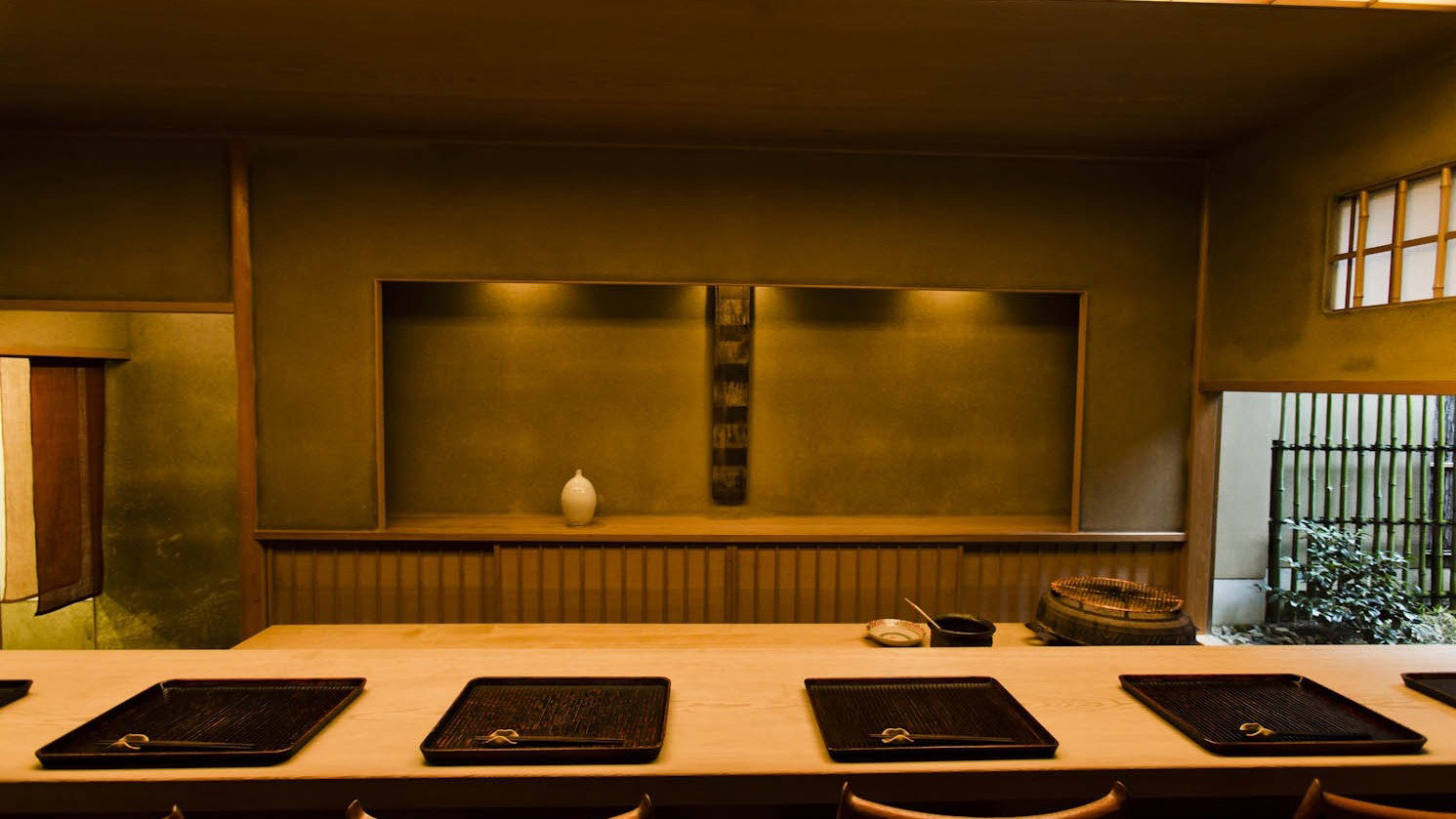
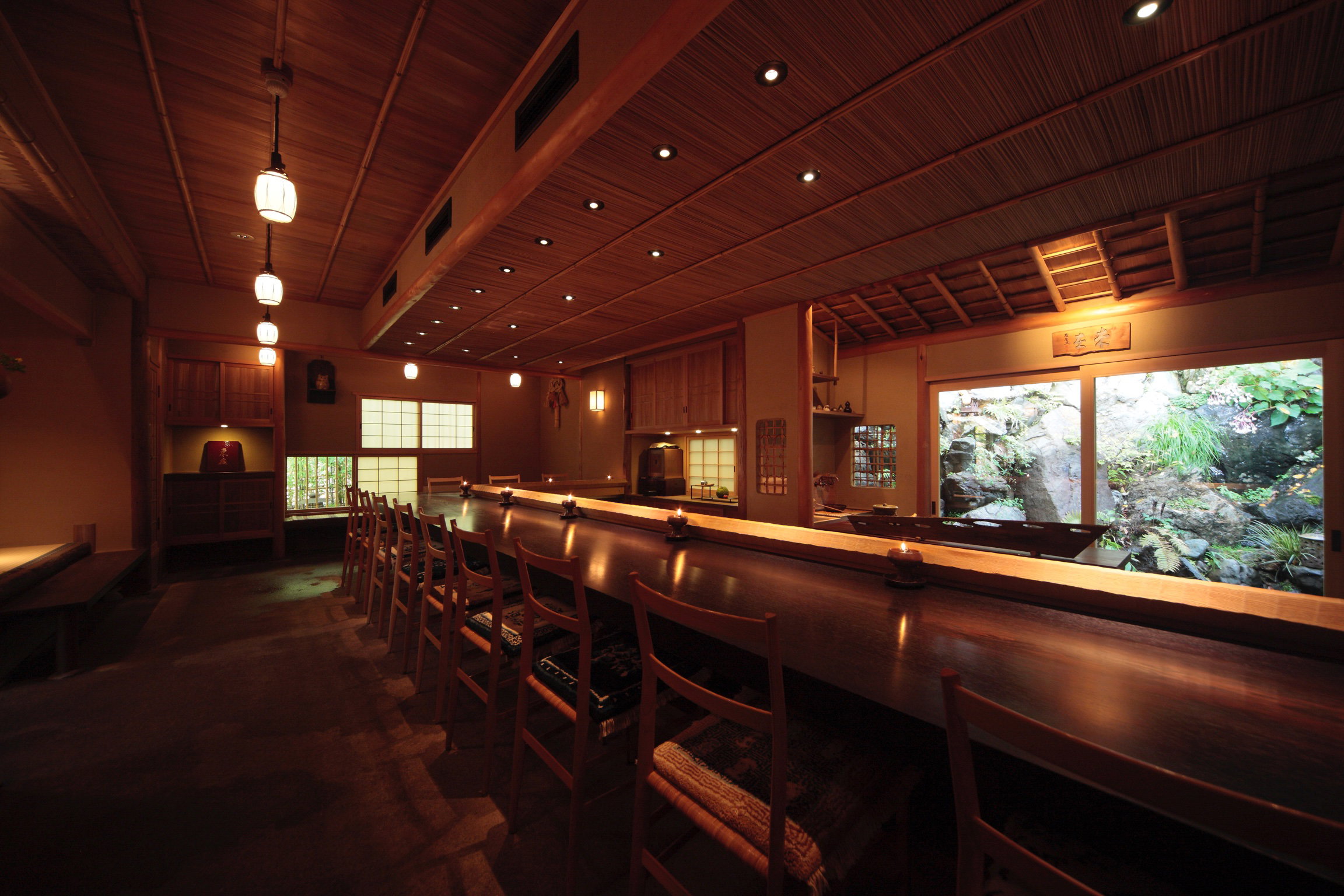
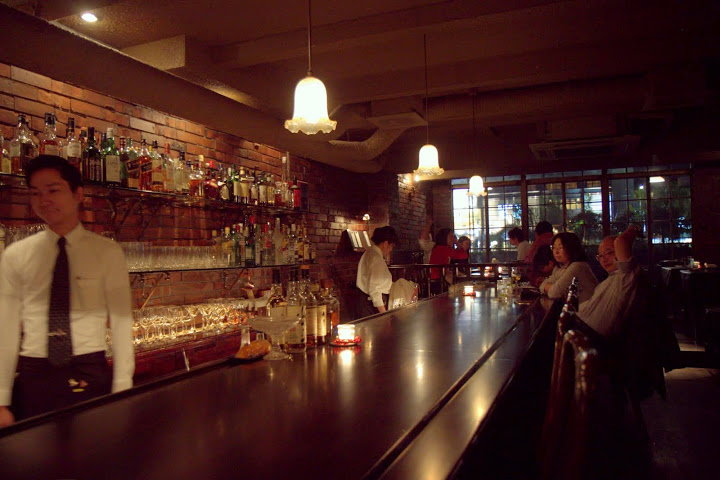
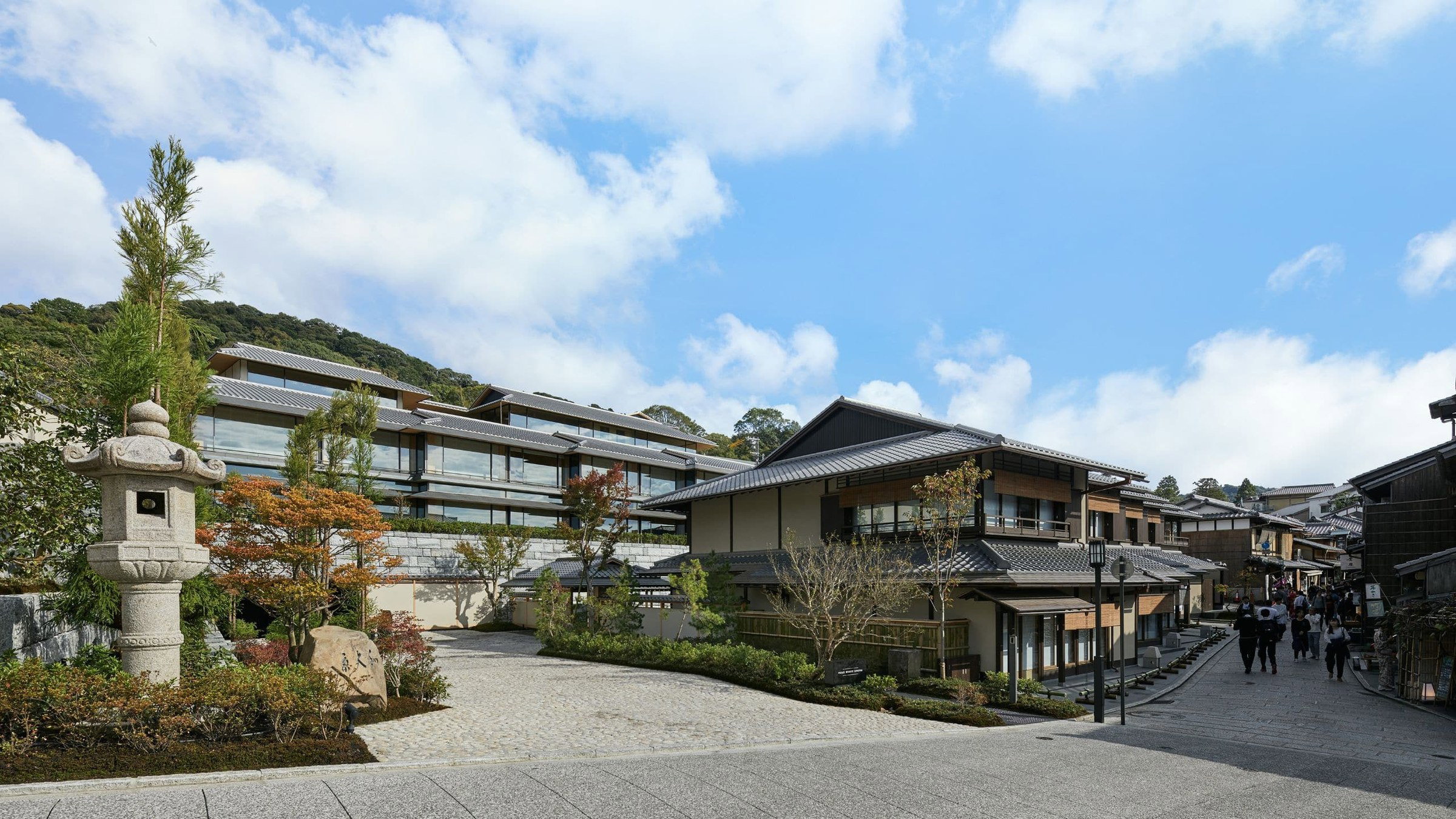
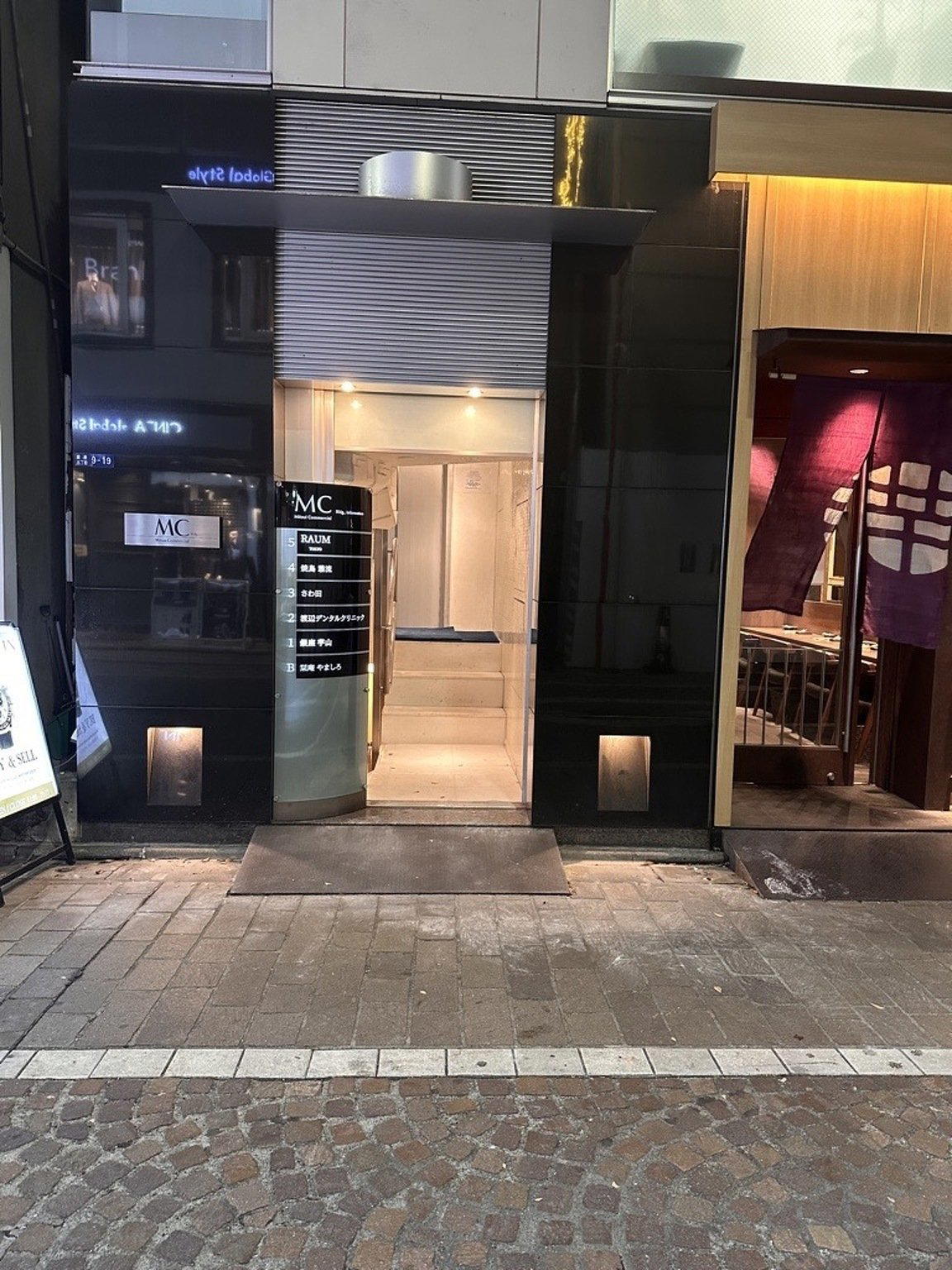
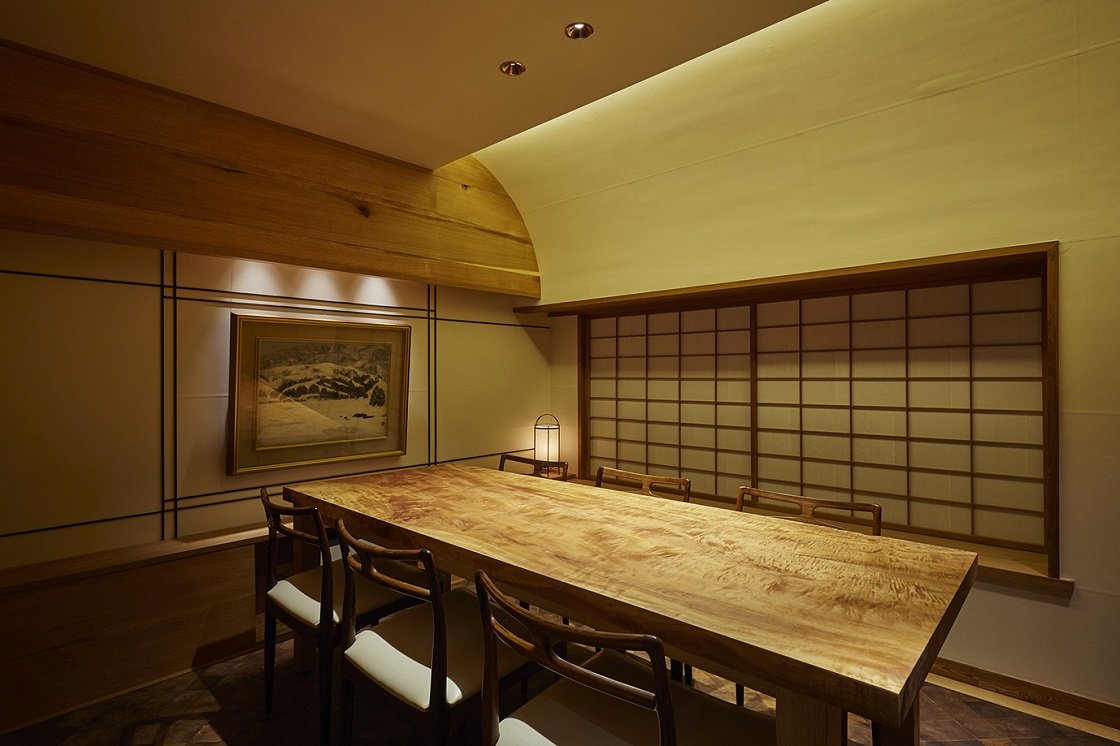
Gion Owatari sits on Gionmachi Minamigawa, the preserved machiya streetscape that runs south of Shijo-dori through Higashiyama Ward. The address matters: this block is among Kyoto's most historically intact, and the restaurant's position within it is part of what makes the experience feel rooted in the neighbourhood rather than exported from it. The room holds just eight seats, all at the counter, with full sightlines into the kitchen. That spatial arrangement is the defining feature of the meal: you are not in a dining room watching a performance from a distance; you are close enough to the cooking to follow each course from raw ingredient to finished plate.
The counter format is intentional and worth understanding before you book. Kappo-style service means the chef cooks in front of guests and conversation is expected, even welcomed. Tabelog reviewers consistently cite Owatari's open-hearted banter as part of the draw, and the venue's own description flags entertainment as the primary aim alongside the food. For a first-timer accustomed to silent, solemn kaiseki rooms, this is a meaningful shift in register. If you find formal ceremony more comfortable than direct interaction, factor that into your decision.
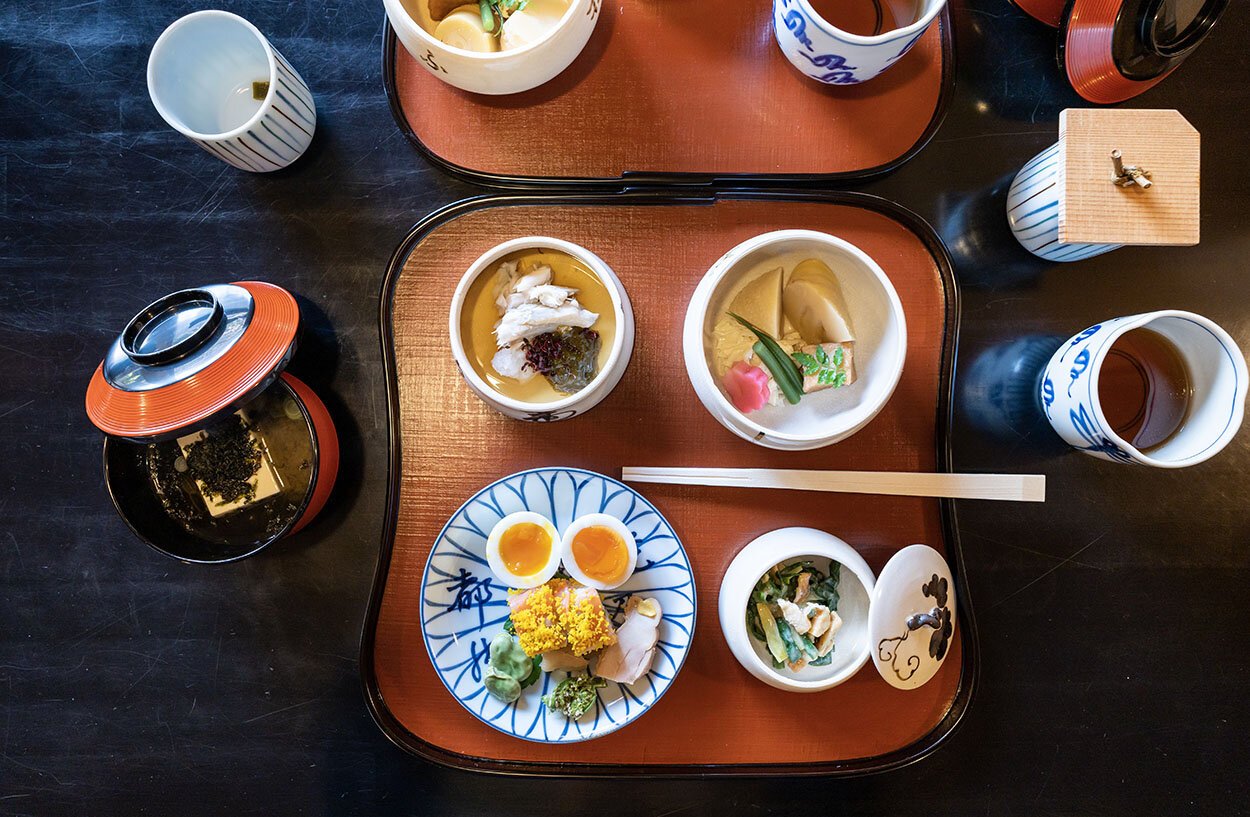
On the plate, the kitchen emphasises luxury seasonal produce: lobster, matsutake mushrooms, crab, and fugu (blowfish) appear when in season, in what Tabelog describes as generous portions rather than studied micro-compositions. The kitchen uses dashi made with maguro-bushi (tuna flakes) in Kyoto's soft water, which gives the stock a profile distinct from the kombu-forward dashi found at more orthodox kaiseki addresses. White rice is cooked over an okudo-san, a traditional clay hearth, and arrives with richly flavoured side dishes. A second serving of tamago-kake gohan (rice topped with raw egg) is on offer for those who want it. These are details that signal a kitchen with preferences, not one following a neutral template.
For the current season, that ingredient emphasis shifts toward what is available now. Autumn and early winter in Kyoto bring matsutake and crab to their peak, which is when the menu at a kitchen like this becomes notably different from spring or summer. Timing your visit to a period of high seasonal intensity is worth considering if the luxury produce angle is your main reason to book.
The Tabelog award track record is consistent and spans years: Bronze from 2017 to 2019, Silver in 2020 and 2021, Bronze from 2022 to 2026, with a current score of 4.08 and a separate Tabelog score of 4.15 cited alongside the Michelin one-star award held since at least 2024. Being named to the Tabelog Japanese Cuisine WEST Top 100 in 2021, 2023, and 2025 positions Owatari within the top tier of Japanese restaurants in western Japan, not just in Kyoto. That is a verifiable peer-reviewed credential and it is relevant when you are spending JPY 40,000–49,999 per head: the evidence base for that price is substantial.
For broader Kyoto context, our full Kyoto restaurants guide covers the range of kaiseki and counter dining options available. Owatari occupies a specific niche within that field: not the most expensive option, not the easiest to book, but arguably the most personality-driven counter at its price point. Comparable counter experiences in other Japanese cities include Harutaka in Tokyo and RyuGin in Tokyo, though both operate in different formats and at different price tiers.
The room takes sake (nihonshu) and wine, with a sommelier available, and accepts Amex. There are no private rooms, no parking, and the venue is non-smoking throughout. Private hire is available for groups up to 20 people, which makes it usable for corporate or celebration dinners if you can secure the buyout. For individual diners or pairs, the eight-seat counter means every seat has an equivalent relationship to the kitchen: there is no bad position in the room.
Gion as a neighbourhood rewards early exploration before dinner. The streets around Gionmachi Minamigawa are walkable from Gion-Shijo Station (approximately 500 metres), and the surrounding area includes some of Kyoto's leading bars for post-dinner drinks. Our full Kyoto bars guide covers options worth considering after a meal here. For those building a longer Kyoto itinerary, our full Kyoto hotels guide and our full Kyoto experiences guide cover the broader planning picture.
Other Kyoto kaiseki addresses worth knowing include Gion Sasaki, Hyotei, Kikunoi Honten, Mizai, and Gion Maruyama. Each serves a different diner profile: Owatari is the leading choice among them if counter interaction and seasonal luxury volume matter more to you than formal multi-room service.
Booking and Practical Details
Gion Owatari is hard to book. Eight seats, consistent Michelin and Tabelog recognition, and a loyal repeat clientele mean availability is genuinely limited. Reservations are accepted by phone (+81-75-551-5252), and the venue is listed on Tabelog. There is no indication of an online booking portal. If you are travelling from outside Japan, booking through a hotel concierge or specialist reservation service significantly improves your chances. Do not arrive without a reservation expecting a walk-in option: with eight seats and no overflow capacity, the room fills completely on most nights.
Opening hours run 4:30 pm to 9 pm Monday through Thursday and Saturday, and 5 pm to 9 pm on Friday, with Sunday also 4:30 pm. Closing days are not fixed. Verify before travelling. The dinner budget runs JPY 40,000–49,999 per person, with a 10% service charge added. Amex is accepted; electronic money and QR code payments are not. Plan for cash or card backup.
Quick ref: 8-seat counter, dinner only, JPY 40,000–49,999 + 10% service, Michelin 1 star, Tabelog 4.08, Amex accepted, no walk-ins.
Planning details
- Hours
- Monday: 4:30–9 pm · Tuesday: 4:30–9 pm
- Location
- 570-264 Gionmachi Minamigawa, Higashiyama Ward, Kyoto, 605-0074, Japan
- Website
- instagram.com/gionowatari
- Phone
- +81 75-551-5252
The take
The Take
The Vibe
Gion Owatari presents a refined, subdued atmosphere centered on an eight-seat kaiseki counter. The layout collapses distance between chef and diner so the act of cooking reads as both performance and ritual. Set on a preserved lane of machiya townhouses in Gion, the room carries a historic charm while operating in the upper register of Kyoto’s one-star world. Service and plating are deliberate rather than flashy, creating a sophisticated, quietly charming dining experience where attention to seasonality and technique is the point of focus.
Best For
This is a place for diners who prize the craft of kaiseki and the focused intimacy of a chef’s counter. The eight-seat configuration suits solo diners and small parties who want close interaction with the cook and a tightly curated sequence of dishes. It also fits special evenings when the ritual of service and the lineage of kappo-style preparation are central to the meal. The restaurant’s sustained recognition—including a Michelin star and repeated Tabelog honors—marks it as a serious choice for those seeking Kyoto’s disciplined seasonal dining.
Ordering Tips
The counter format makes the chef’s choices central, so expect a sequence driven by seasonality and technique rather than à la carte service. Look for the standout courses called out by the house—such as the gomadofu with uni and abalone with junsai—when they appear in the sequence. Given the emphasis on kappo lineage and plated ceremony, allow the meal to unfold in its intended order to appreciate the juxtaposition of textures and seasonal ingredients that define the restaurant’s approach.
Venue details
Ambiance
Cozy, homely atmosphere in a beautifully renovated traditional machiya house with relaxing Japanese decor and warm hospitality.
Tags
Vibe
Best For
Experience
At the Table
- Dress Code
- Smart Casual
- Noise Level
- Quiet
- Service Style
- Formal
- Meal Pacing
- Leisurely
- Capacity
- Intimate
- Kitchen
- Traditional
- Menu Format
- Tasting menu, Counter dining
- Drinks Focus
- Sake
Signature Dishes
- gomadofu with uni
- abalone with junsai
Know before you go
Know Before You Go
- Getting there
- 570-264 Gionmachi Minamigawa, Higashiyama Ward, Kyoto, 605-0074, Japan
Planning details
Hours
- Monday
- 4:30–9 pm
- Tuesday
- 4:30–9 pm
- Wednesday
- 4:30–9 pm
- Thursday
- 4:30–9 pm
- Friday
- 5–9 pm
- Saturday
- 4:30–9 pm
- Sunday
- 4:30–9 pm
Location
570-264 Gionmachi Minamigawa, Higashiyama Ward, Kyoto, 605-0074, Japan · Directions

Also consider
Also Consider
- Gion Sasaki, Kaiseki, Japanese, ¥¥¥¥
- cenci, Italian, ¥¥¥
- Ifuki, Kaiseki, ¥¥¥¥
- Kyokaiseki Kichisen, Japanese, ¥¥¥¥
- Kyo Seika, Chinese, ¥¥¥
Restaurant context
Among Gion's top-tier kaiseki options, Owatari occupies a specific position: it is the most personality-driven counter at its price point, and deliberately so. Gion Sasaki is the closest direct competitor in format and price (¥¥¥¥), offering counter kaiseki with a strong seasonal focus and comparable Tabelog recognition. The choice between them comes down to register: Owatari leans into warmth and chef interaction; Gion Sasaki tends toward a more composed, less conversational experience. For a first-timer who wants to feel the room rather than observe it, Owatari wins. For those who prefer to let the food do all the talking, Gion Sasaki may suit better.
Ifuki sits at the same ¥¥¥¥ tier and offers kaiseki in a Kyoto setting, but with a different emphasis on the formality of service. Kyokaiseki Kichisen is the option to consider if multi-room tatami formality and architectural presentation matter more than counter proximity: it is a fuller-ceremony kaiseki experience, and the price reflects that positioning. If your priority is the most elaborate ritual version of kaiseki, Kichisen is the stronger choice. If your priority is seasonal luxury volume with direct access to the cooking, Owatari is more appropriate.
For diners who want a premium Kyoto meal at a lower price point, cenci (¥¥¥, Italian) and Kyo Seika (¥¥¥, Chinese) offer strong alternatives in different cuisines. Neither is a substitute for counter kaiseki, but both are worth knowing if you are building a multi-night dining itinerary in Kyoto and want variety across price tiers. For the specific combination of Michelin credentialling, Gion address, counter format, and chef-driven warmth, Owatari has no direct substitute in this peer group.
Explore Kyoto
Around this place
Discover more on Pearl
Unlock the full Gion Owatari guide in Pearl, including awards, comparisons, FAQs, planning details, and nearby places.
FAQ
Frequently Asked Questions
What should I order at Gion Owatari?
Gion Owatari runs a set kaiseki menu, so ordering à la carte is not the format here. The kitchen is noted for seasonal luxury ingredients, lobster, matsutake mushrooms, crab, and blowfish when in season, and the meal closes with white rice cooked on a traditional clay hearth. If a second serving is on offer, the tamago-kake gohan (rice with raw egg) is worth accepting.
Is lunch or dinner better at Gion Owatari?
Dinner only. Gion Owatari does not serve lunch, operating hours are 18:00–21:00 every day of the week. Budget JPY 40,000–49,999 per head for dinner, plus a 10% service charge, and note that only AMEX credit cards are accepted.
What are alternatives to Gion Owatari in Kyoto?
For kaiseki at a comparable level with more name recognition, Kyokaiseki Kichisen carries three Michelin stars and sets the formal end of the spectrum. Gion Sasaki is a closer peer in terms of counter format and seasonal focus. If you want a more contemporary take on Kyoto cooking at a lower price point, cenci or Kyo Seika are worth considering. Ifuki is a strong option if the focus on seasonal fish specifically appeals.
Is Gion Owatari worth the price?
At JPY 40,000–49,999 per head, plus 10% service charge, Gion Owatari is a significant spend, but the Michelin star (held since at least 2024), consecutive Tabelog Bronze and Silver awards since 2017, and repeated inclusion in the Tabelog Japanese Cuisine WEST Top 100 confirm it delivers at that level. The counter format and the chef's open banter make it a more engaging experience than formal dining rooms at a similar price. If you are spending this much in Kyoto, this is a credible choice.
What should a first-timer know about Gion Owatari?
Book as far in advance as possible, eight seats, a Michelin star, and strong Tabelog recognition (score 4.08, Bronze 2026) mean this fills well ahead of popular travel dates. The restaurant is a counter kappo format: you sit at the bar and watch the chef cook, which suits solo diners and couples more than groups. Bring AMEX or cash, as electronic money and QR payments are not accepted, and the 10% service charge is added to the bill. The address is on Gionmachi Minamigawa in Higashiyama Ward, about 12 minutes on foot from Kawaramachi Station.