




The Ritz-Carlton, Kyoto
Nakagyō, Kyoto
Hotel in Kyoto, Japan
 Book with Pearl
The Read
Ryokan-Register Full Service
Why go
Book The Ritz-Carlton, Kyoto if the trip needs luxury-hotel reliability, a composed riverside setting and enough service infrastructure for business travel or a special occasion. It is a stronger choice than smaller Kyoto stays for operational confidence, but travellers who want ryokan intimacy or boutique design should cross-shop Hiiragiya, The Shinmonzen or Malda Kyoto.
About The Ritz-Carlton, Kyoto
The Ritz-Carlton, Kyoto is a hotel in Kyoto with several recognition signals and a smart-casual dress code.
The clearest case for considering The Ritz-Carlton, Kyoto is its recognition record: Michelin 1 Key recognition for 2024, Forbes 5-Star recognition for 2026, Condé Nast Gold List recognition for 2026, La Liste Top Hotels recognition for 2026 with 96.5 points, and Virtuoso Luxury Hotel Partner status for 2026.
A recognised Kyoto hotel to shortlist
The Ritz-Carlton, Kyoto is best evaluated as a Kyoto hotel with a smart-casual dress code and a strong luxury-hotel recognition record. If you are comparing it with other Kyoto stays, cross-shop Malda Kyoto, Hiiragiya, Higashiyama Shikikaboku, The Shinmonzen and Hotel Okura Kyoto according to the kind of stay you want.
Book for recognition and Kyoto location
The booking case is strongest for travellers who value third-party recognition and a hotel in Kyoto with a smart-casual dress code. Before booking, confirm room categories, facilities, dining venues, prices, family services and loyalty-program details through your preferred channel.
For special occasions or work travel, The Ritz-Carlton, Kyoto belongs on a Kyoto shortlist if those recognition signals matter to you. Compare it with Higashiyama Shikikaboku, Hiiragiya, Hotel Okura Kyoto, Malda Kyoto and The Shinmonzen before committing, especially if the character of the stay is as important as the accolades.
Know Before You Go
- Good for: travellers shortlisting a recognised hotel in Kyoto.
- Booking reality: confirm current availability, rates and booking terms directly through your preferred channel.
- Atmosphere: plan for a smart-casual setting.
- Dress code: smart casual.
- Recognition: Michelin 1 Key (2024), La Liste Top Hotels 96.5pts (2026), Forbes 5-Star (2026), Condé Nast Gold List (2026) and Virtuoso Luxury Hotel Partner (2026).
- Useful next reads: see our full Kyoto hotels guide, our full Kyoto restaurants guide, our full Kyoto bars guide, our full Kyoto experiences guide and our full Kyoto wineries guide.
Part of
The Ritz-Carlton187 locations on PearlInside The Ritz-Carlton, Kyoto
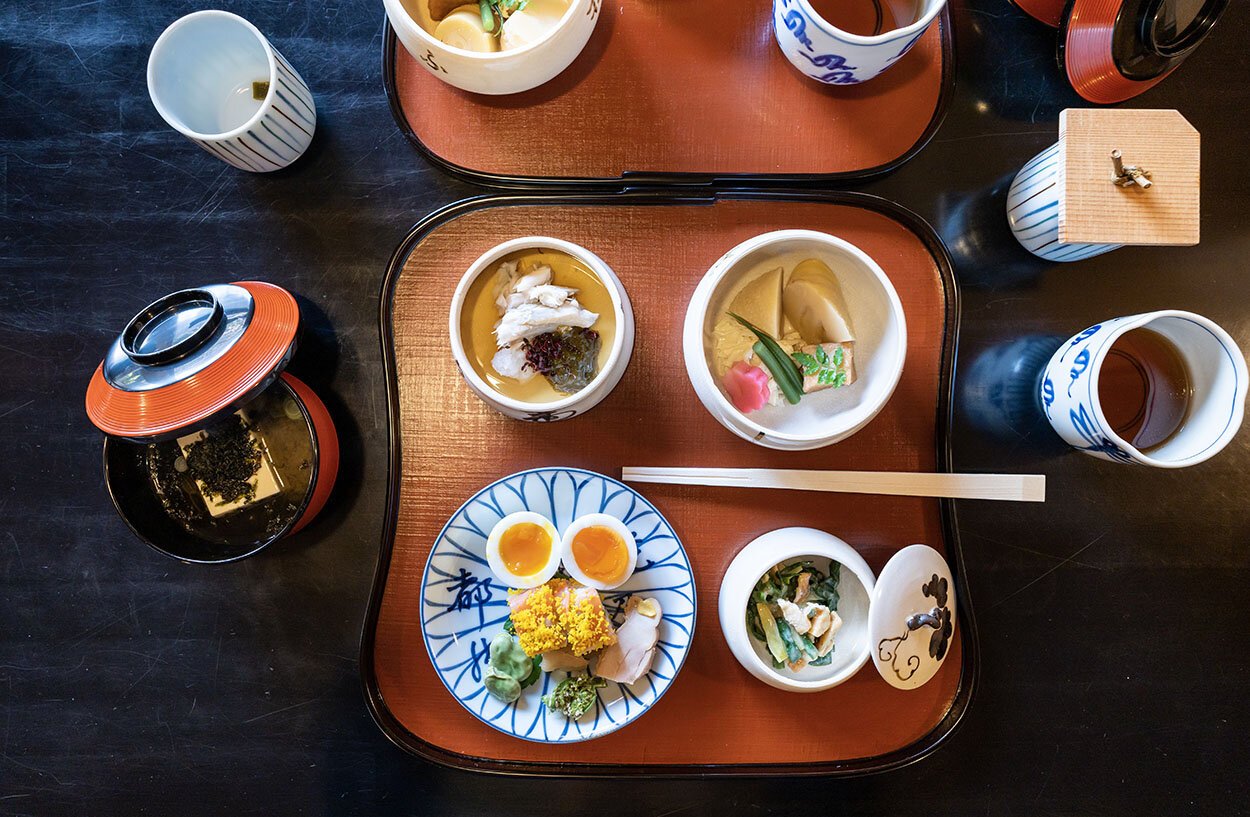
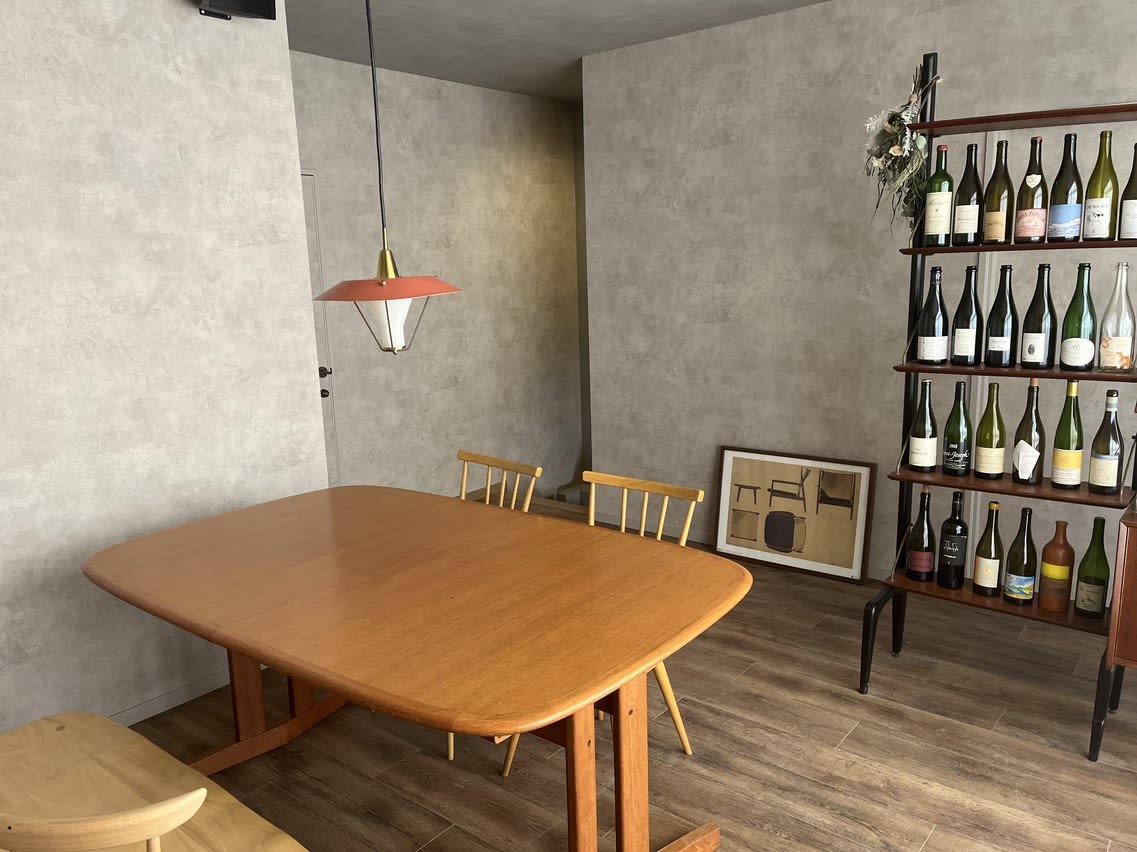
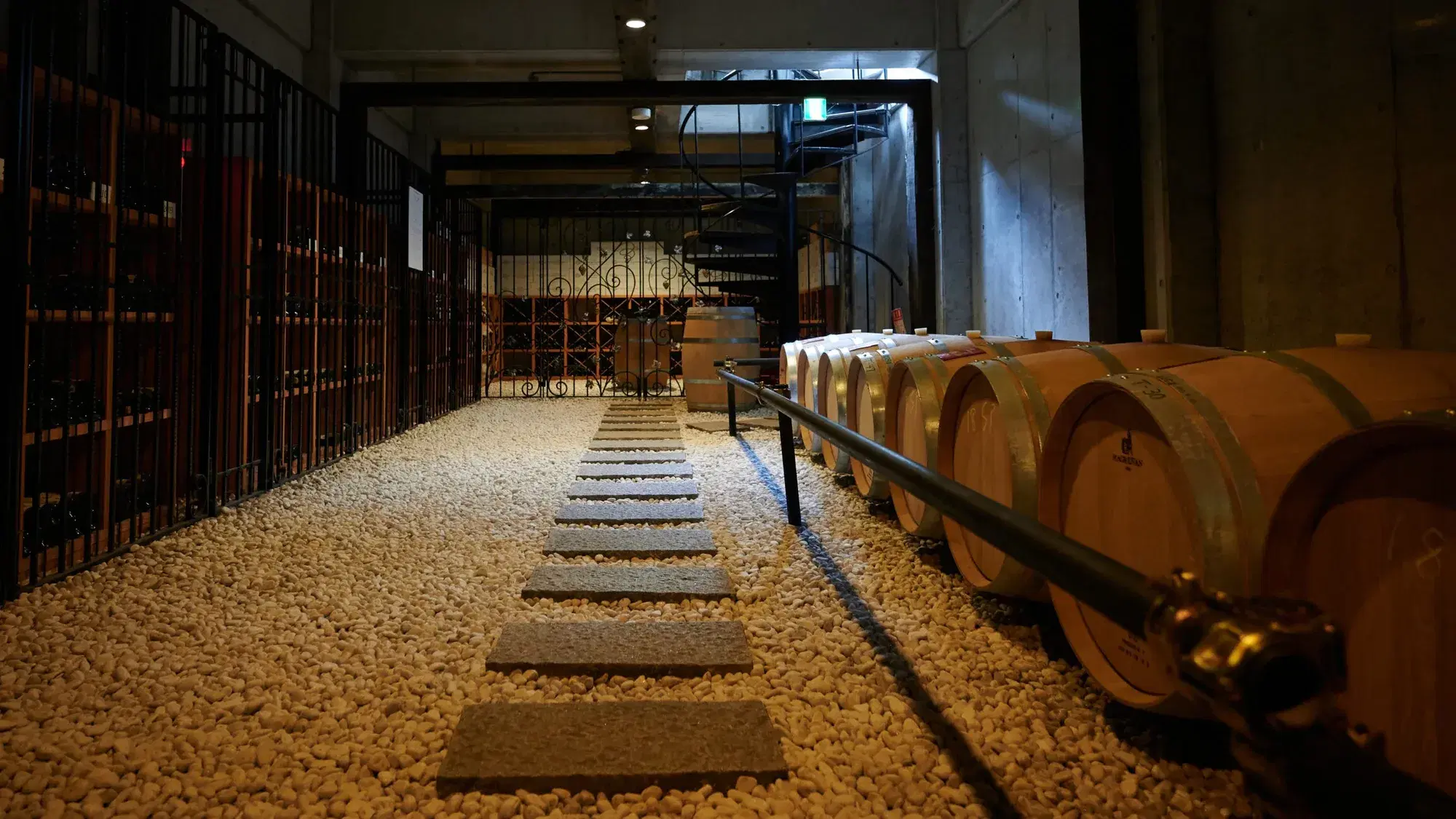
 restaurantLa LocandaAn Italian restaurant beside the Kamo River at Nijō Bridge, La Locanda operates within the Sekisui House hospitality group and holds a place on Opinionated About Dining's 2025 ranking of Japan's top restaurants. With a 1,500-bottle cellar weighted toward Burgundy and Italy, and a corkage policy that rewards guests who plan ahead, it occupies a specific niche among Kyoto's foreign-cuisine addresses.
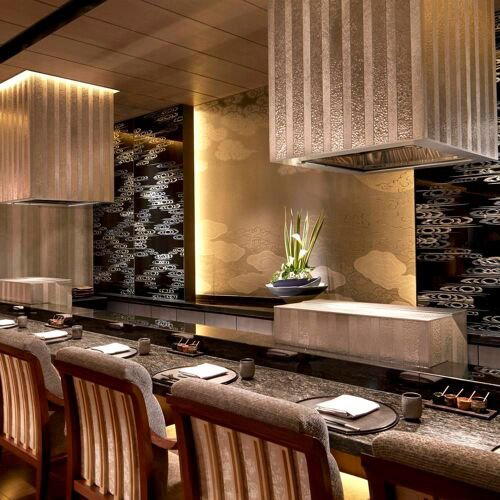 restaurantTempura MizukiTempura Mizuki sits on the Kamogawa at Nijo Bridge in Kyoto's Nakagyo Ward, where a Michelin Plate-recognised counter fries seasonal produce from Takagamine and seafood from Awaji Island in safflower oil. The result is a lighter coating than most tempura houses, and pairings like wagyu with perilla or egg yolk with caviar signal a kitchen working well beyond standard technique. Price range lands at ¥¥¥.
Planning details
- Location
- 〒604-0902 Kyoto, Nakagyo Ward, Hokodenchō, 543 鴨川二条大橋畔
- Website
- ritzcarlton.com/en/hotels/ukyrz-the-ritz-carlton-kyoto/overview/?scid=f2ae0541-1279-4f24-b197-a979c79310b0
- Phone
- +81 75-746-5555
The take
The Take
The Vibe
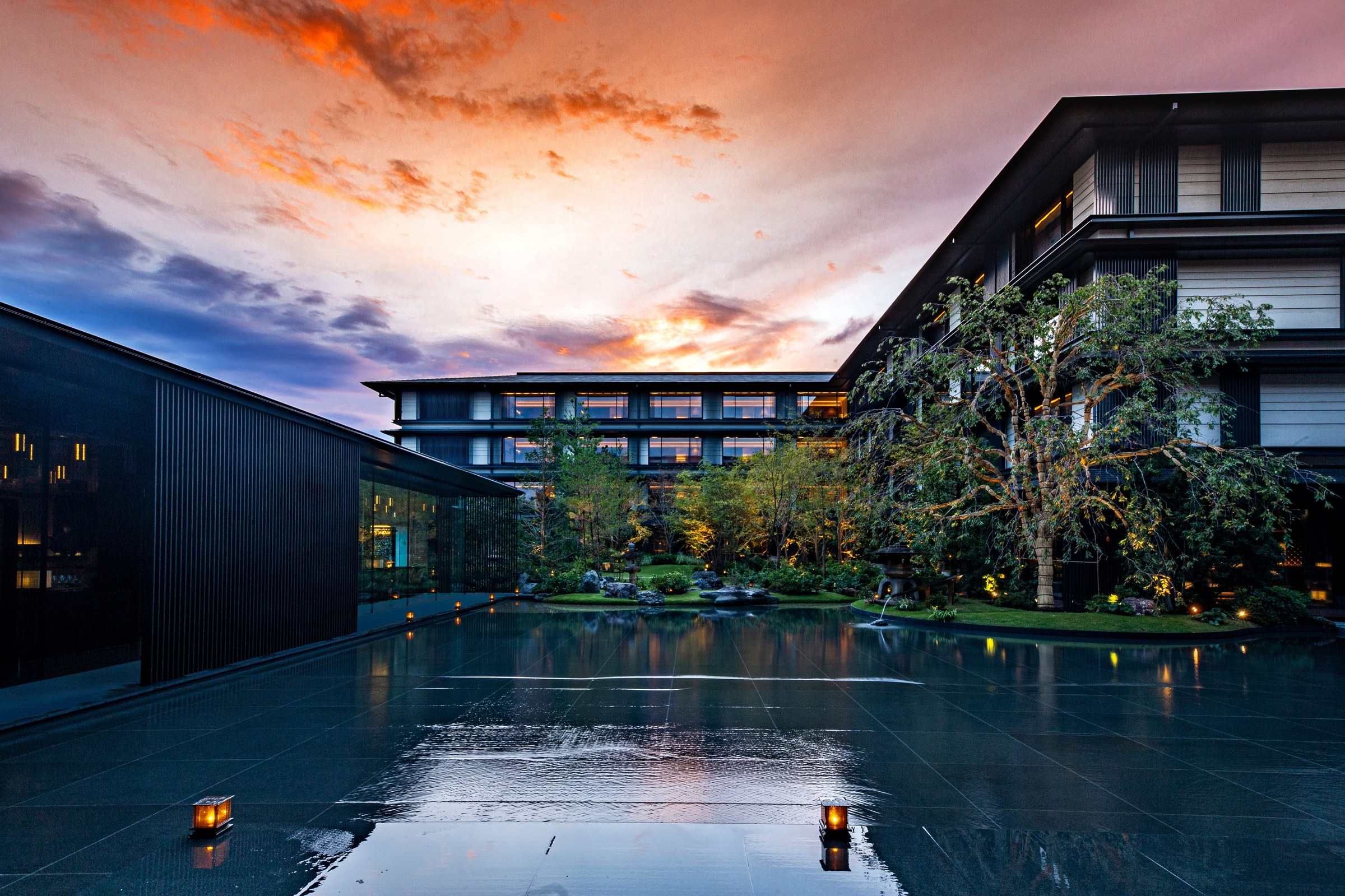
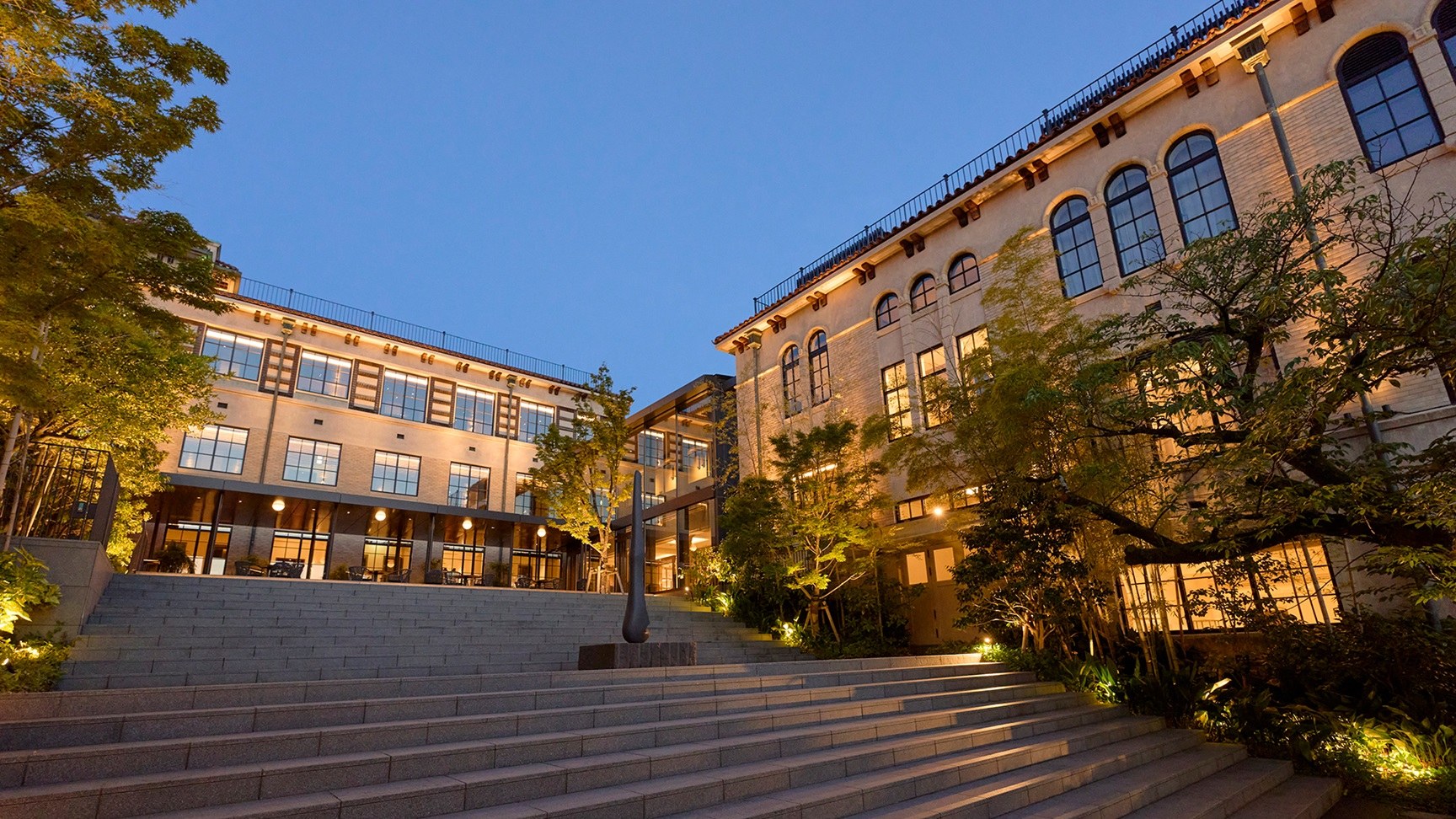
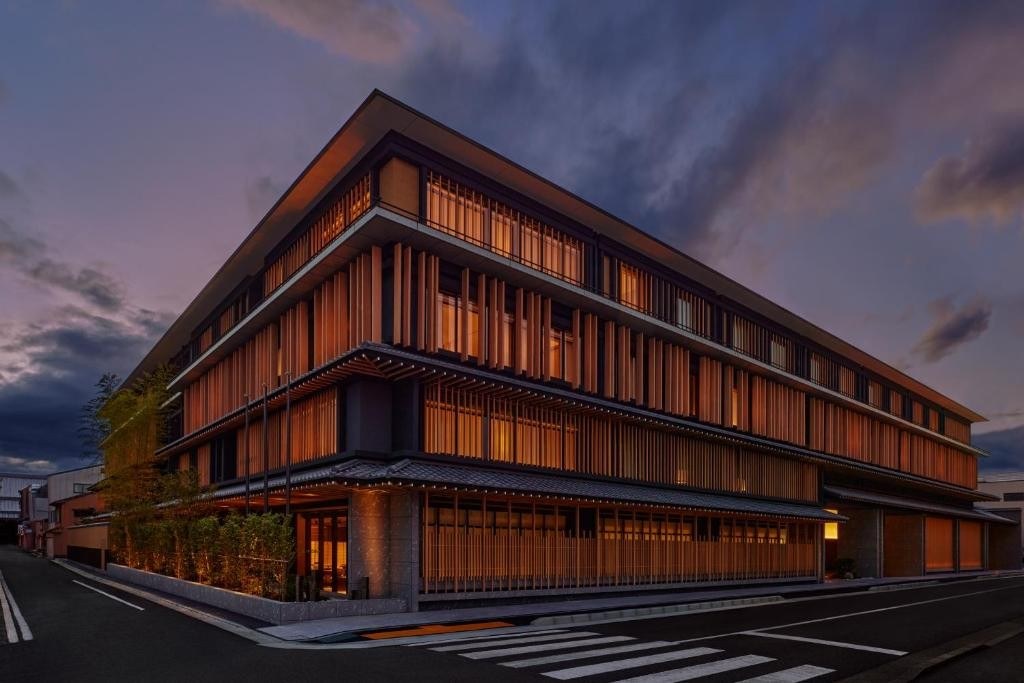
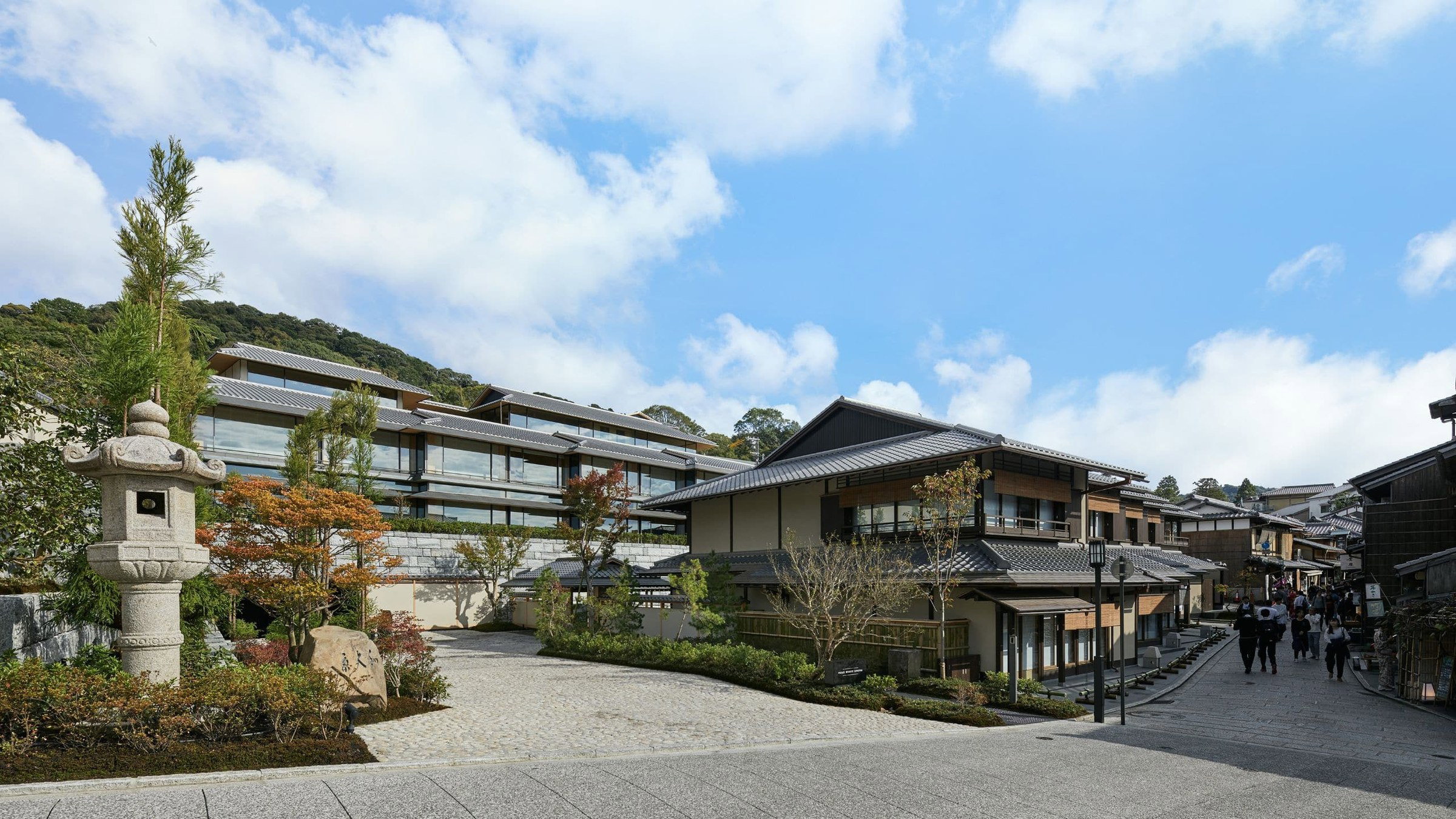
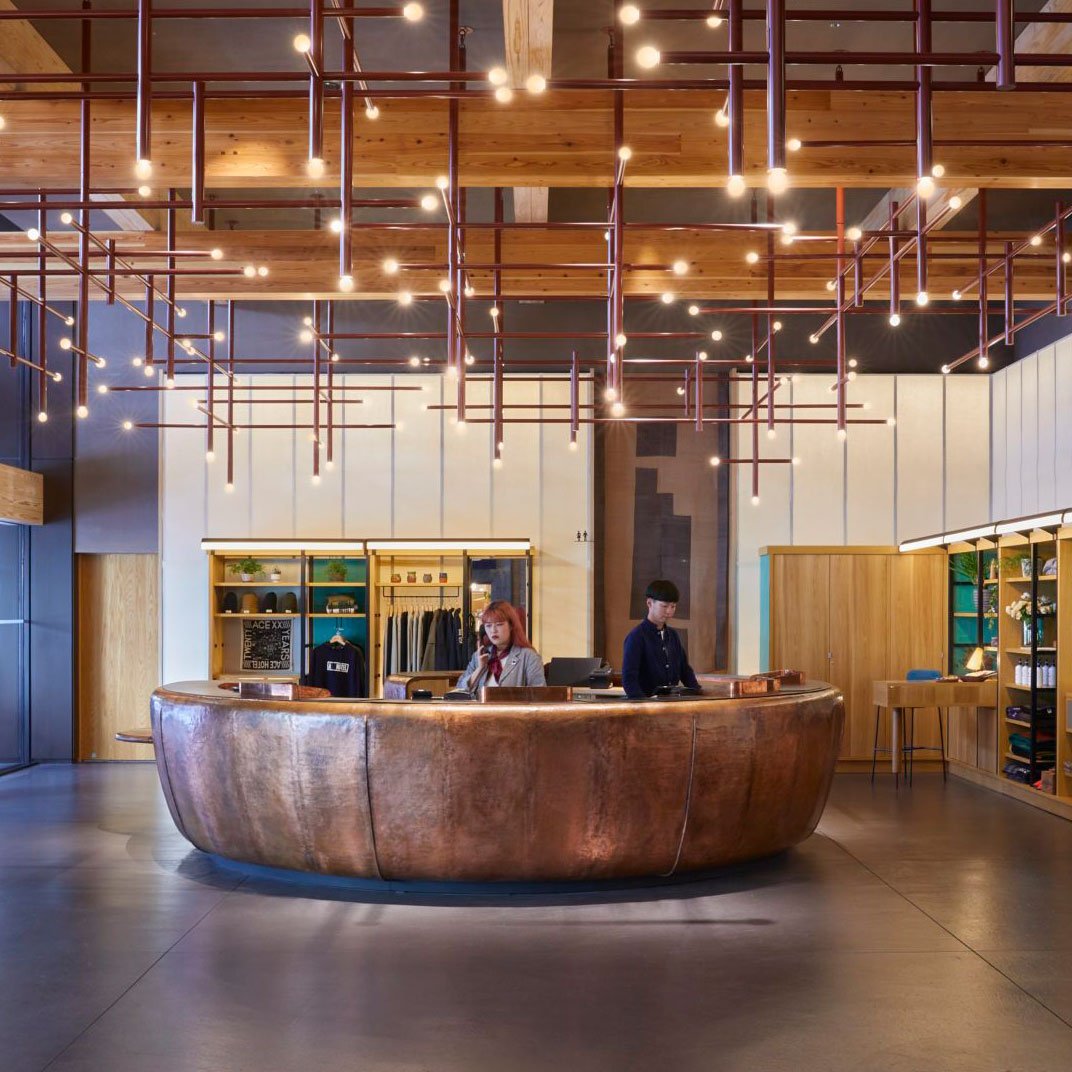
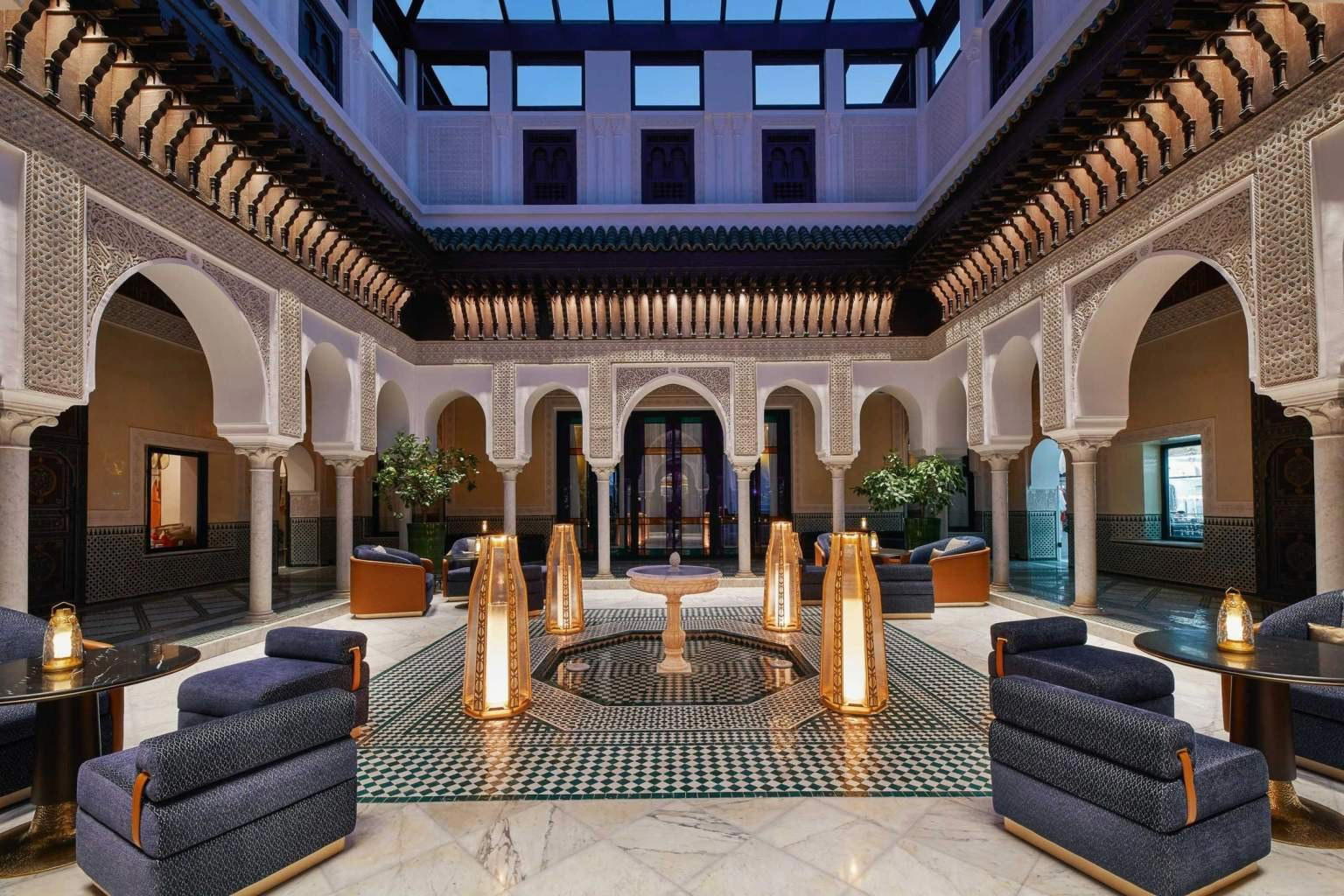
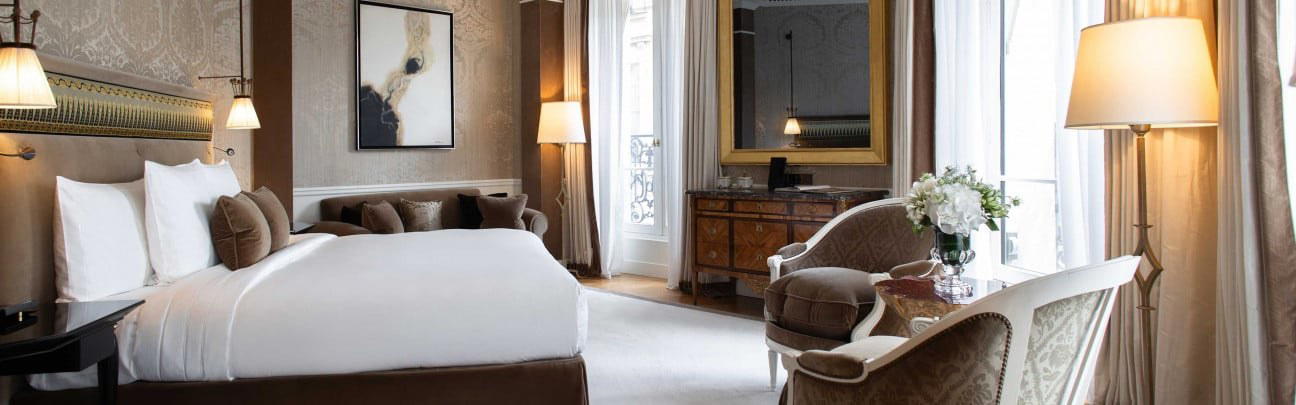
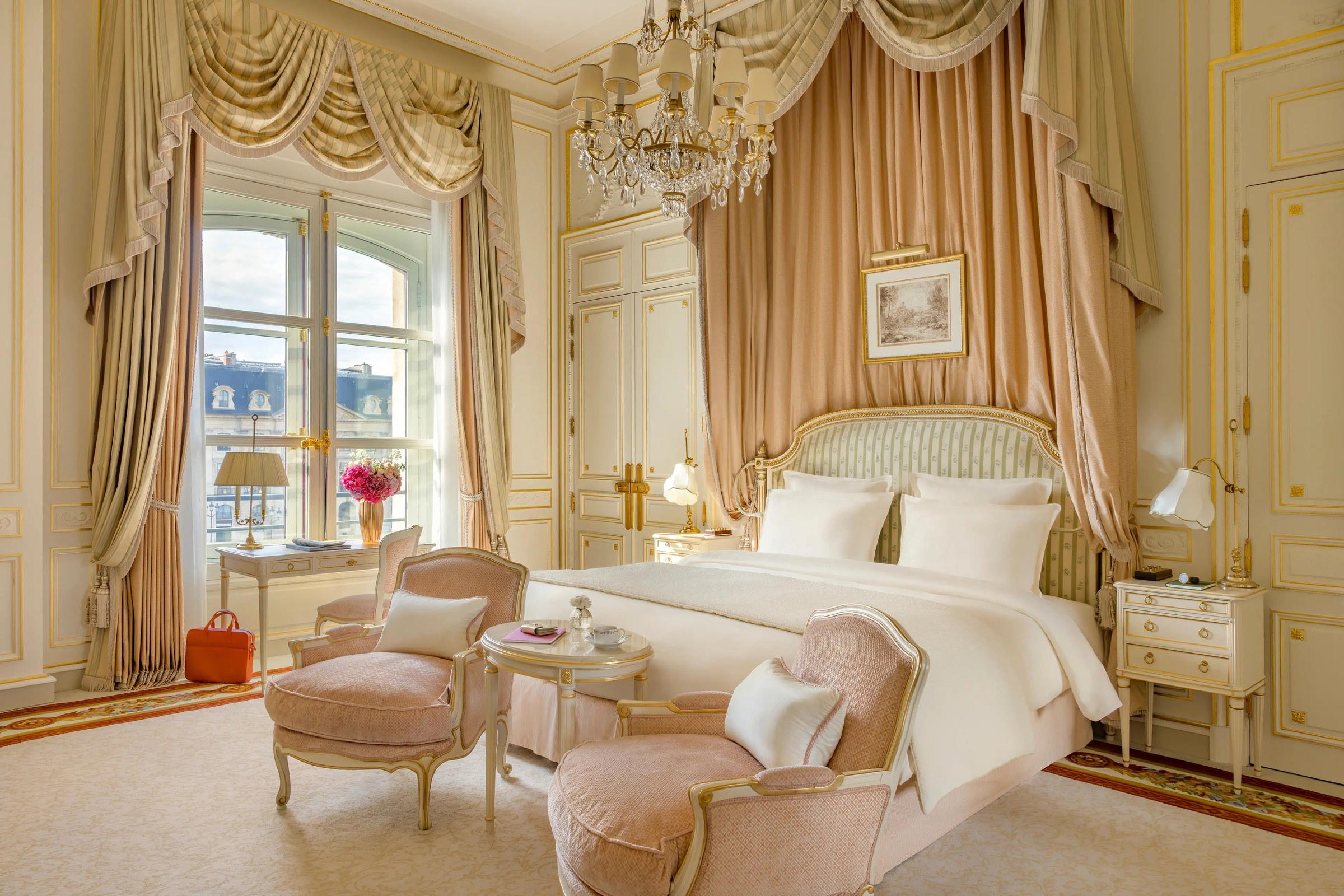
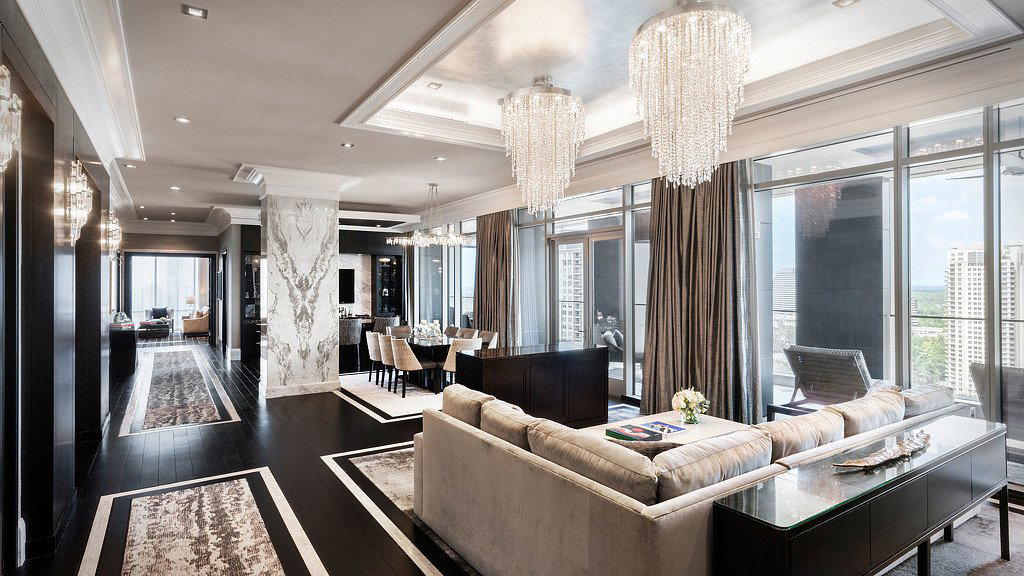
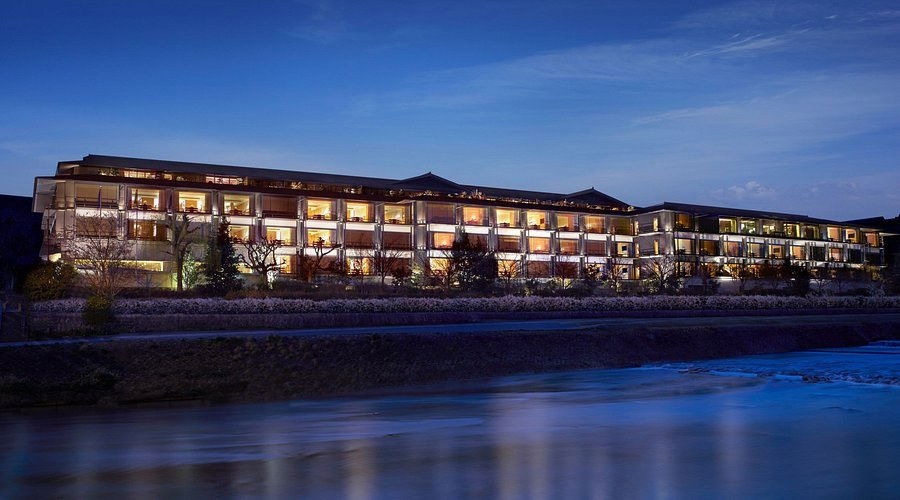
The Ritz‑Carlton, Kyoto presents a measured, site-sensitive luxury that leans into the city's history rather than imposing on it. Sitting low along the Kamogawa, the hotel uses Meiji‑era detailing and natural materials to read as an extension of the riverbank fabric. The setting—between Sanjo and Nijo bridges—offers commanding mountain views and a strong sense of place rooted in centuries of local precedent. The overall effect is refined and intentionally restrained: a modern international hotel that privileges continuity with Kyoto's rooflines and urban rhythm over ostentation.
Best For
This property suits travelers who want full‑service luxury framed by Kyoto's riverside calm. It is built to accommodate international business guests as well as multi‑generational families, offering the infrastructure a global clientele expects while remaining contextually respectful of Kyoto. Guests seeking spa and fitness facilities and a quiet base for exploring the Higashiyama outlooks and river walks find it especially appropriate. The hotel also works for couples and celebratory stays that value both provenance and high‑touch service.
Stay Tips
Prioritize rooms that face the Kamogawa if views of the Higashiyama mountains matter to your stay—the description highlights the hotel's riverbank position and its "commanding views." Because the property is designed to integrate with the low cityscape, request a room on the river side to maximize the outlook. Plan time for riverside walks between Sanjo and Nijo bridges to appreciate the historical setting that the hotel deliberately inhabits. The hotel is described as full‑service with spa and fitness facilities, so reserve treatments or fitness times in advance during busy travel periods.
Venue details
Ambiance
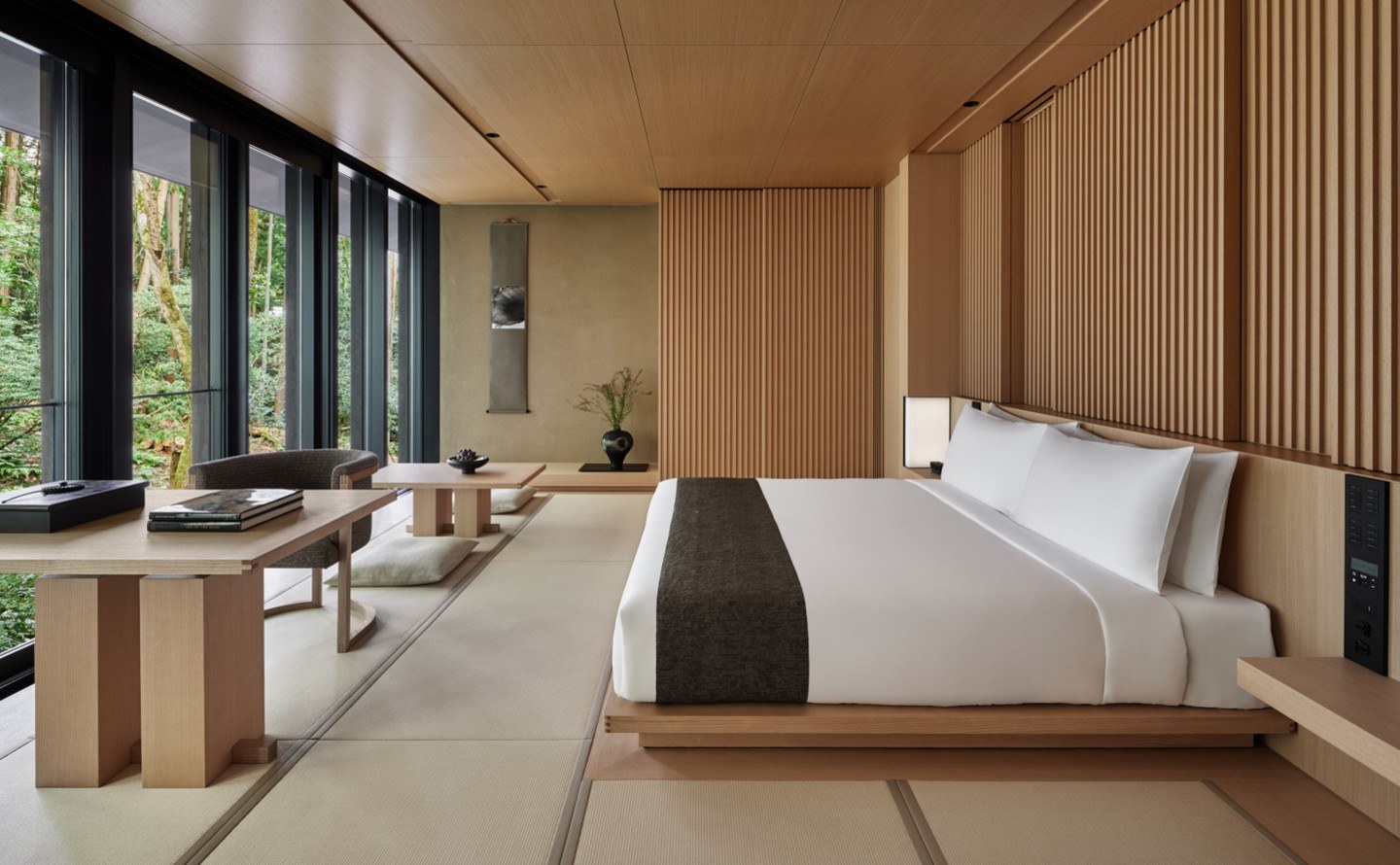
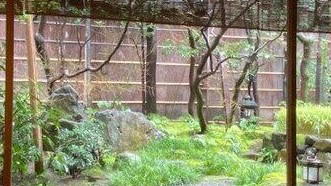
Calm and refined with soft lighting, water features, tatami scents, and serene river and mountain views fostering deep relaxation.
Tags
Vibe
Best For
Experience
Amenities
View
Accessibility
About the Stay
- Rooms
- 134
- Check-in
- 15:00
- Check-out
- 12:00
- Property Style
- Japanese Inspired Urban Resort
- Design Style
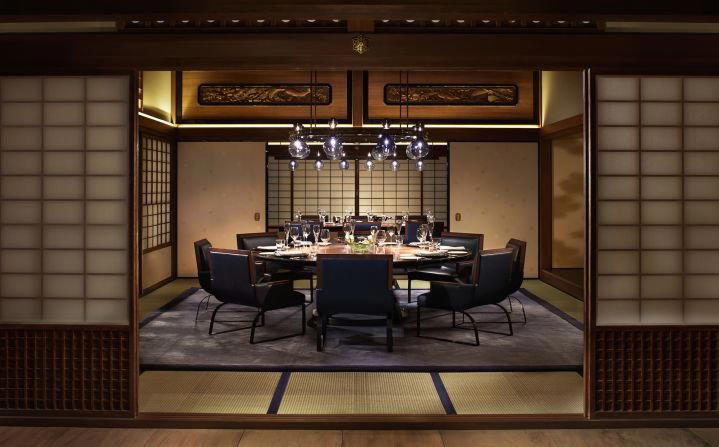
- Traditional Japanese Motifs with Modern Luxury
Know before you go
Know Before You Go
- Getting there
- 〒604-0902 Kyoto, Nakagyo Ward, Hokodenchō, 543 鴨川二条大橋畔
Planning details
Location
〒604-0902 Kyoto, Nakagyo Ward, Hokodenchō, 543 鴨川二条大橋畔 · Directions
Recognition and awards



Also consider
Where to Look If This Is Full
If this is unavailable, try Hotel Okura Kyoto for a larger established city-hotel alternative. For a more intimate Kyoto stay, check Hiiragiya or The Shinmonzen instead.
Hotel context
How It Compares
The Ritz-Carlton, Kyoto is the safer luxury-hotel choice for travellers who want international polish, loyalty-program relevance and a calm base in central Kyoto. Hotel Okura Kyoto is the more conventional city-hotel cross-shop, likely better for travellers who want established scale over a resort-like luxury feel.
Hiiragiya is the sharper pick for guests who want Kyoto tradition and a more intimate stay. The Shinmonzen and Higashiyama Shikikaboku are better cross-shops when design, privacy and smaller-scale atmosphere matter more than global-brand consistency.
Malda Kyoto is the one to compare if the trip leans boutique and design-forward rather than formal luxury. For business travel or a celebration where service reliability is the main requirement, The Ritz-Carlton, Kyoto is the more dependable booking; for a more personal Kyoto mood, choose one of the smaller peers.
Explore Kyoto
Around this place
Discover more on Pearl
Unlock the full The Ritz-Carlton, Kyoto guide in Pearl, including awards, comparisons, FAQs, planning details, and nearby places.
Compare The Ritz-Carlton, Kyoto
| Venue | Location | Awards |
|---|---|---|
| The Ritz-Carlton, Kyoto | Kyoto | 2026 Virtuoso Luxury Hotel Collection2026 Forbes 5-Star2026 La Liste Top HotelsConde Nast Gold List 2026Michelin 1 Key 20252025 Michelin 1 Key2024 Michelin 1 Key |
| Hotel Okura Kyoto | Kyoto | No published awards |
| Hiiragiya | Kyoto | 2025 Michelin 1 Key2024 Michelin 1 Key |
| Malda Kyoto | Kyoto Shi | No published awards |
| The Shinmonzen | Kyoto | 2026 Mr & Mrs Smith Luxury HotelsTatler Best Hotels Asia-Pacific 20252025 Michelin 2 Keys2024 Michelin 2 Keys |
| Higashiyama Shikikaboku | Kyoto | No published awards |


How The Ritz-Carlton, Kyoto compares with similar nearby venues.
FAQ
Frequently Asked Questions
How is the location of The Ritz-Carlton, Kyoto?
Is The Ritz-Carlton, Kyoto family-friendly?
For family travel, compare The Ritz-Carlton, Kyoto with Hiiragiya, Malda Kyoto and The Shinmonzen depending on your preferences, and confirm any family-specific services directly before booking.
How is the dining at The Ritz-Carlton, Kyoto?
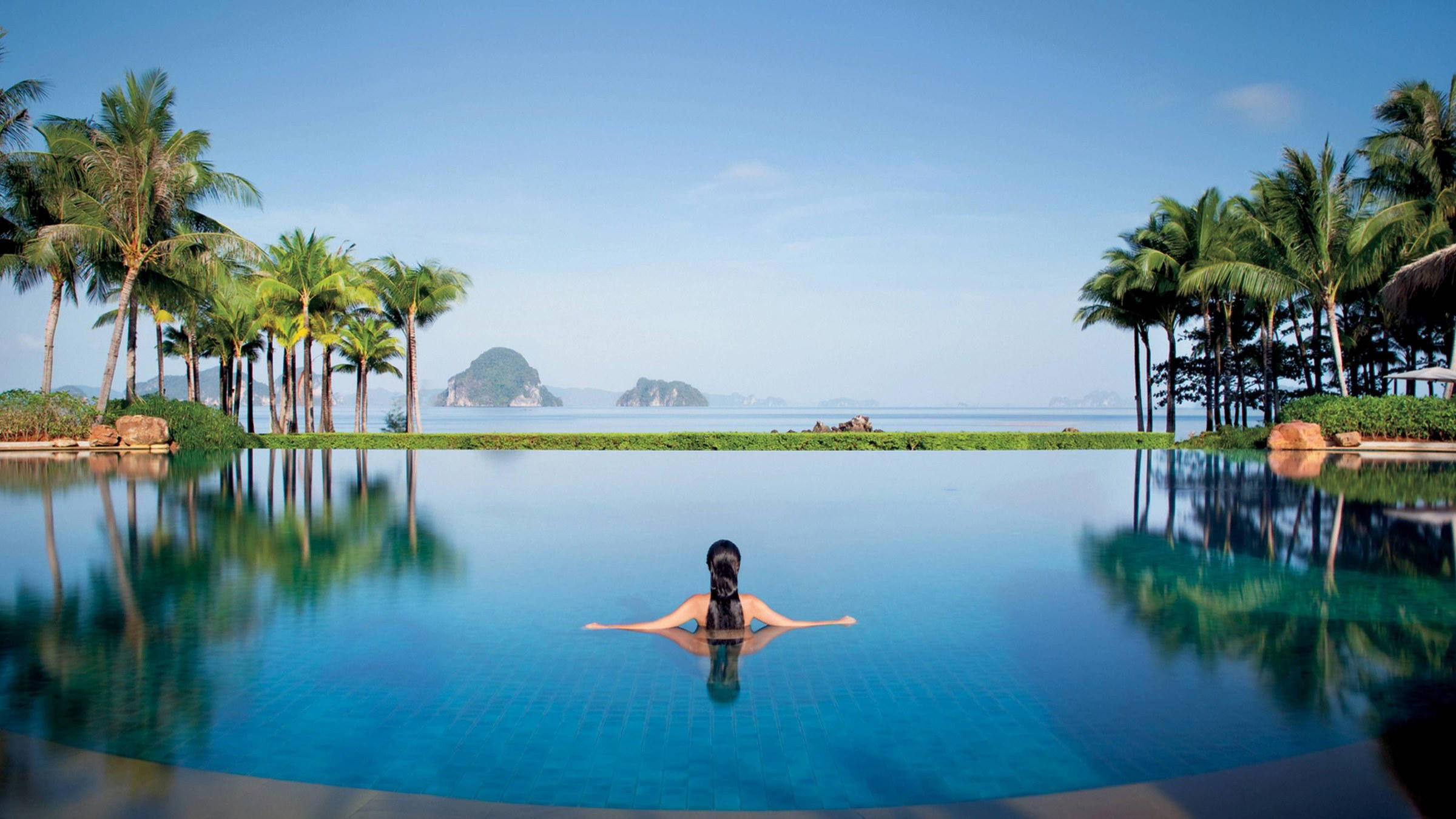
How is the pool and spa at The Ritz-Carlton, Kyoto?
The hotel has broader recognition, including Forbes 5-Star (2026) and Michelin 1 Key (2024), but confirm the exact wellness facilities before you decide.
Do loyalty programs work at The Ritz-Carlton, Kyoto?
The Ritz-Carlton, Kyoto is a Virtuoso Luxury Hotel Partner for 2026. Any points, elite-benefit or package details should be confirmed through the booking channel you plan to use.
How does The Ritz-Carlton, Kyoto compare to other Kyoto hotels?
Choose The Ritz-Carlton, Kyoto if you want a Kyoto hotel with recognition including Michelin 1 Key (2024), La Liste Top Hotels 96.5pts (2026), Forbes 5-Star (2026), Condé Nast Gold List (2026) and Virtuoso Luxury Hotel Partner status (2026). Also compare Hiiragiya, Hotel Okura Kyoto, The Shinmonzen and Higashiyama Shikikaboku based on your own stay priorities.
When is the best time to book The Ritz-Carlton, Kyoto?
If your Kyoto dates are fixed, confirm availability, rates and cancellation terms through your preferred booking channel.