

Hassun
Kaiseki · Higashiyama, Kyoto
Restaurant in Kyoto, Japan
 Book with Pearl
The Read
Inherited Kappo Tradition
Price
$200–300per person
Chef
Kanji Kubota
Dress
Smart Casual
Why go
A second-generation kappo in Higashiyama serving traditional Kyoto kaiseki with suppon (soft-shell turtle) at ¥20,000–¥29,999 for dinner. Tabelog Bronze Award holder (2019–2026) with a Showa-era counter atmosphere, inherited recipes, and easier booking than higher-tier kaiseki rooms. Lunch (¥10,000–¥14,999) is the entry point; dinner offers deeper seasonal progression.
About Hassun
Dinner at Hassun runs ¥20,000–¥29,999, lunch ¥10,000–¥14,999, pricing that puts it squarely below Kyoto's kaiseki heavyweights yet high enough to signal serious cooking. The split tells you most of what you need to know: lunch is the entry point, dinner the deeper commitment, and the Tabelog Bronze Award (plus a 2025 Tabelog 100 selection and a 2020 Silver upgrade) anchors both as more than casual neighborhood kappo.
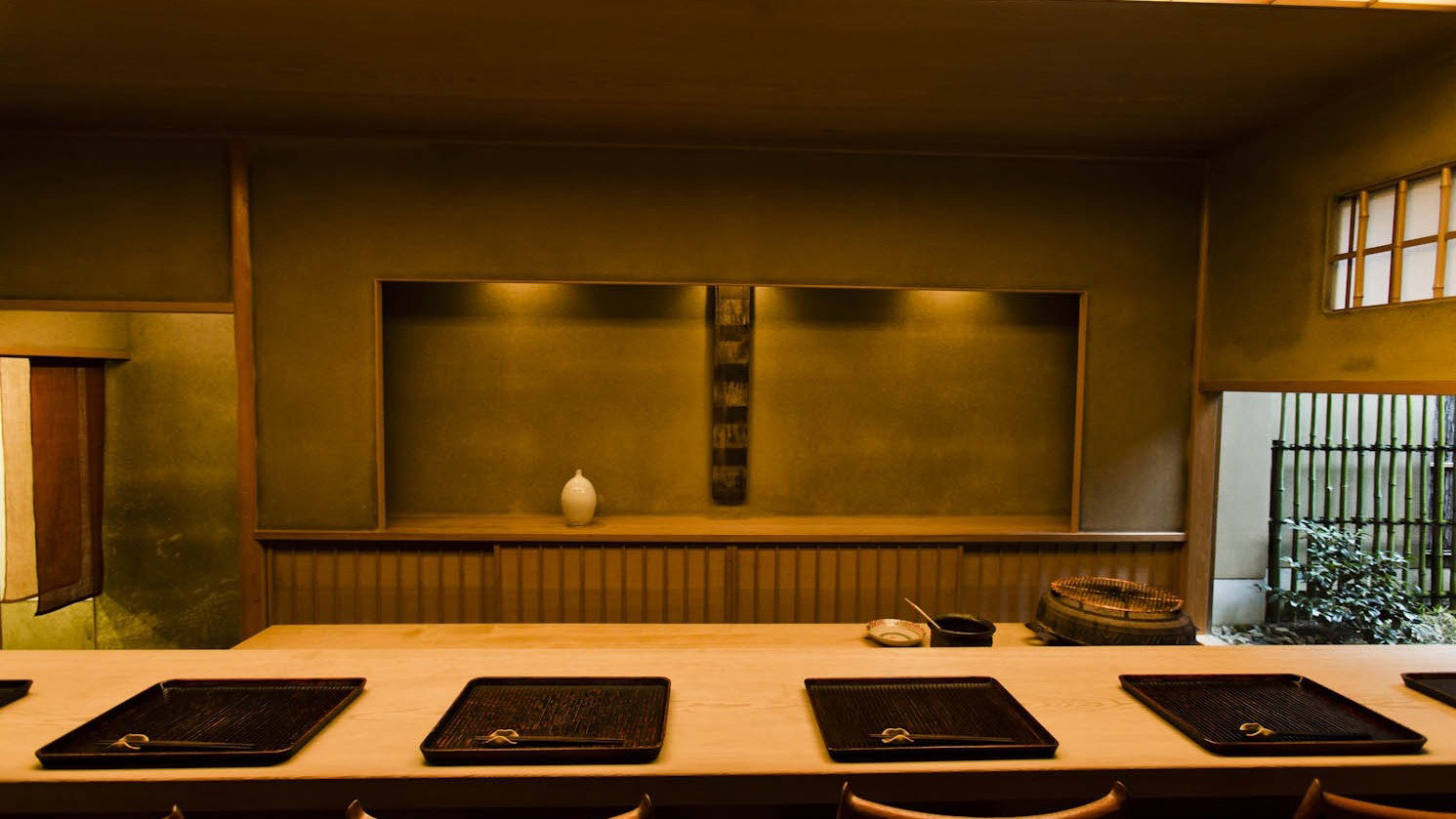
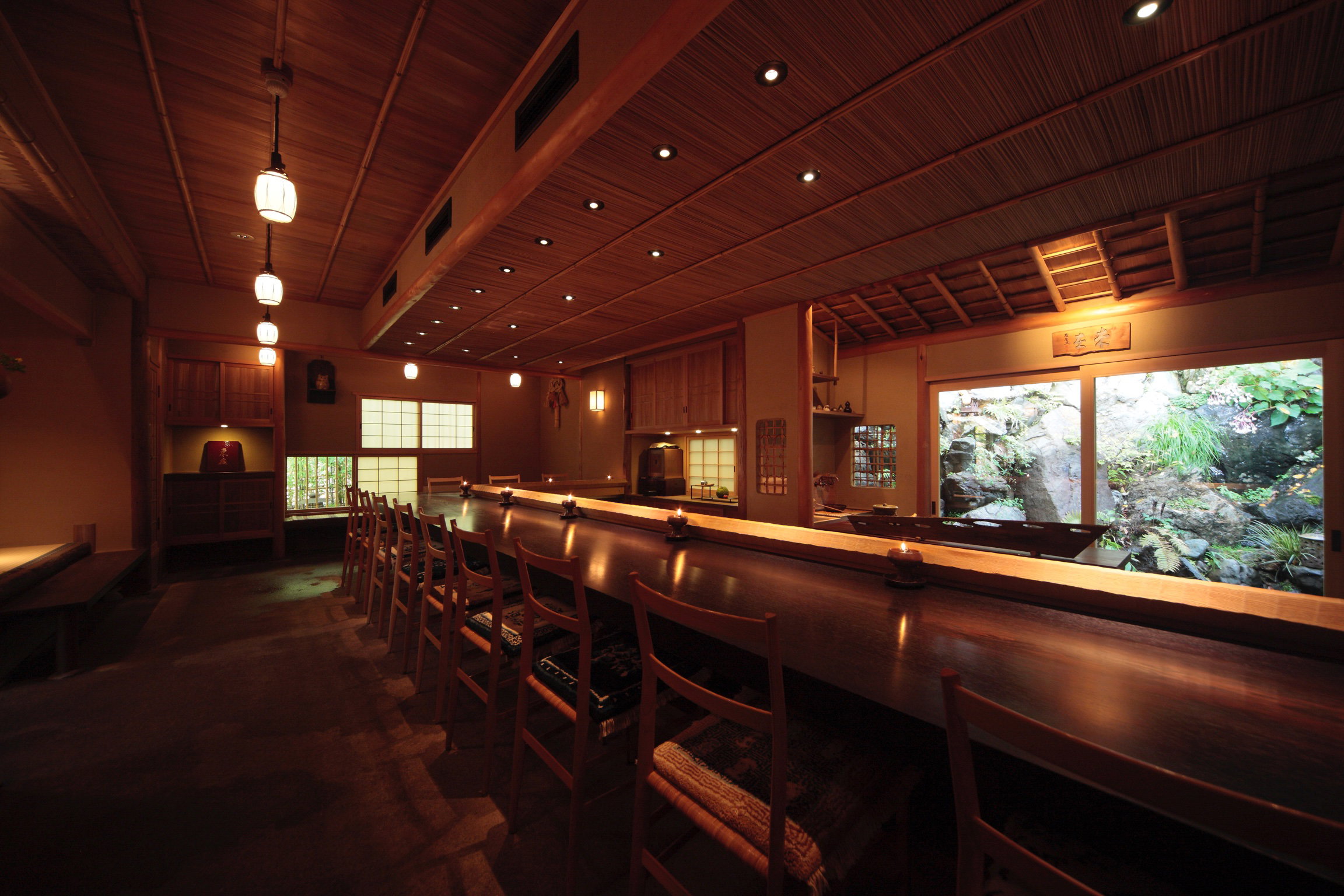
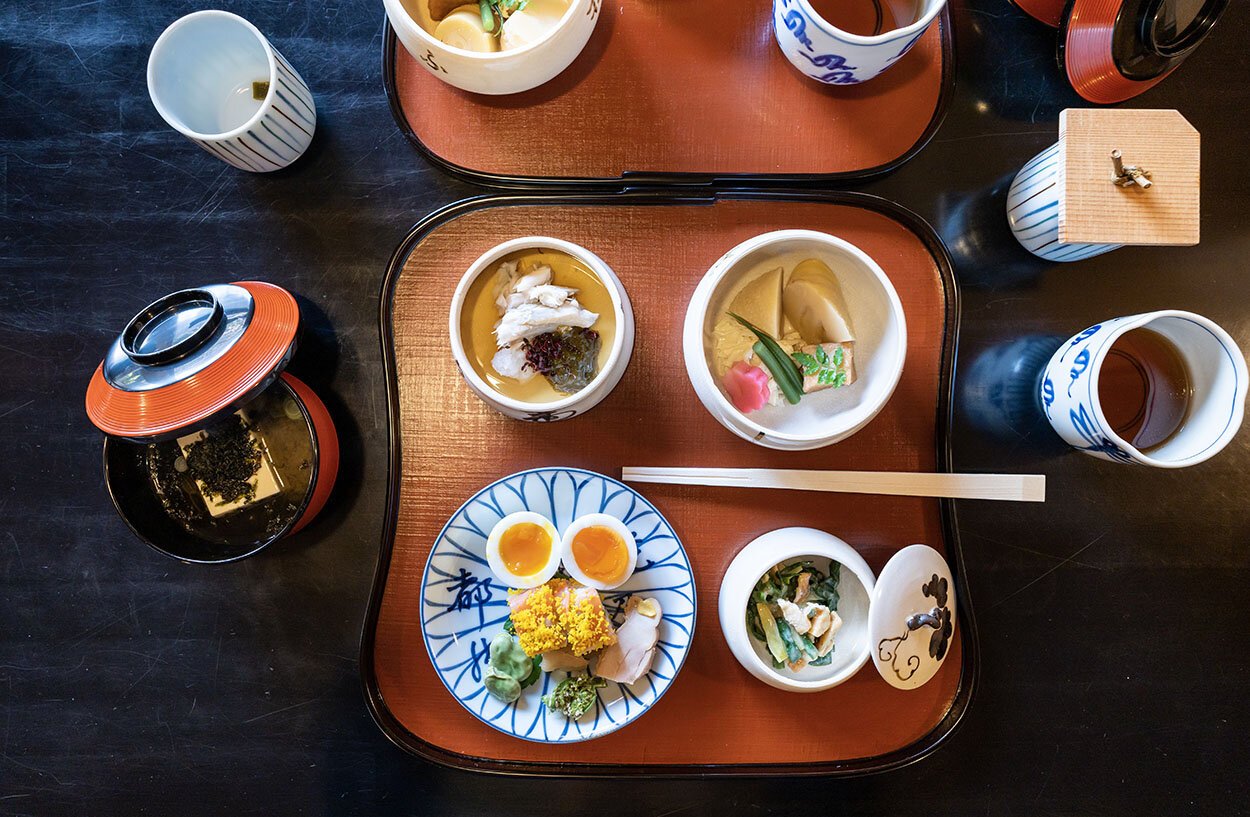
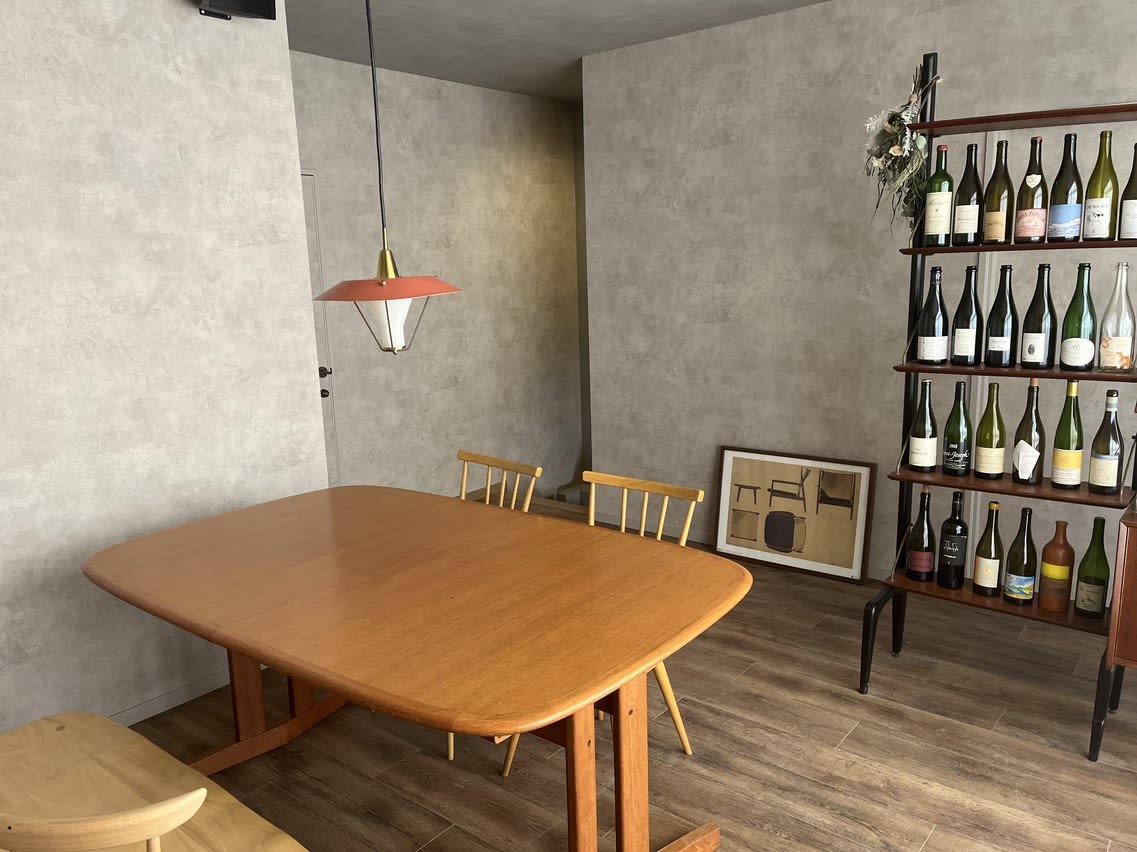
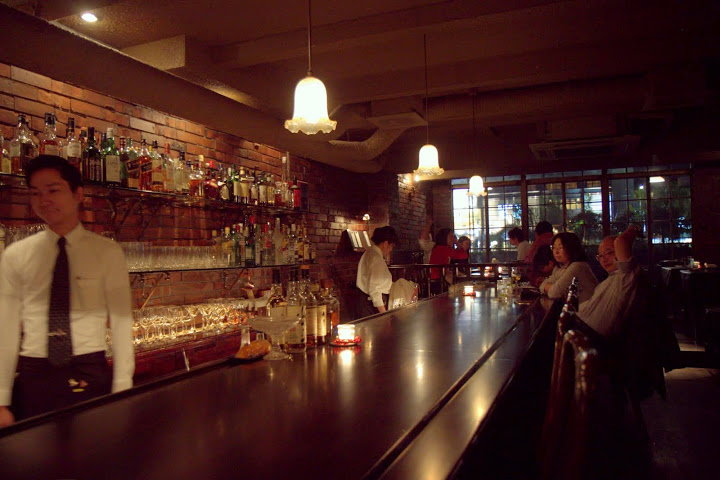
Chef Kanji Kubota, second-generation at what was originally Kappo Hassun, operates behind an 18-seat counter and six-person private tatami room. The setting feels deliberately retro, Showa-era atmosphere, the chef in white smock and wooden clogs, no website, phone reservations only (075-561-3984). The menu leans heavily on inherited recipes: steamed and layered egg cakes, burdock-root rolls, hamo-stuffed tofu, seasoned grilled fish, and suppon (soft-shell turtle), the latter uncommon enough to make Tabelog list it as a co-category alongside Japanese cuisine. Kubota mines old Kyoto literature for dish ideas, translating historical technique into contemporary kaiseki pacing without abandoning the foundations his father laid.
What You Get for the Price
Hassun delivers format clarity at a price tier where many Kyoto kaiseki rooms blur into vagueness. The ¥20,000–¥29,999 dinner range (reviewers report ¥30,000–¥39,999 in practice) buys a composed seasonal progression, not a tasting menu stretched thin with modernist plating. The cooking prioritizes technique over novelty, egg cakes steamed in traditional layered molds, hamo (pike conger) used as binder rather than centerpiece, grilled fish treated with restraint. The suppon option adds weight: turtle is a traditional Kyoto specialty, labor-intensive to prep, and rarely seen outside ryotei-tier venues. That Hassun offers it at this price signals confidence in sourcing and execution.
Compare that to Ifuki at ¥¥¥¥, where the bill climbs past ¥40,000 and you're paying for ingredient rarity and chef pedigree as much as skill. Hassun's advantage is consistency: the Tabelog Bronze designation (2019–2026, with a 2020 Silver spike) and the Tabelog 100 placements (2021, 2023, 2025) reflect sustained domestic recognition, not one-off hype. The 4.1 Tabelog score (3.95 in 2025 data) sits high enough to deter casual walk-ins but accessible enough that serious eaters book it without multi-month lead times. OAD's Japan rankings (#408 in 2025, #345 in 2024) place it in the upper middle tier, worth the trip if you're already in Gion, not a destination meal from Tokyo.
Booking, Seating, and Timing
Reservations open one day before via phone (no online system listed). The 18-seat counter is the main stage; the six-person private room requires direct negotiation and costs more. Hours are Monday dinner (6:00–9:00 PM), Tuesday–Saturday lunch (noon–1:00 PM) and dinner (6:00–9:00 PM), closed Sunday. The lunch slot is tighter, one seating, LO at 1:00 PM, book two weeks ahead minimum if you want counter access. Dinner fills slower but the Monday-only dinner service is easier to land than Saturday.
Walk-ins are theoretically possible at lunch if you show up at noon Tuesday–Thursday, but the 18-seat capacity and Tabelog cachet make that a gamble. Children are welcome (call to confirm seating arrangements); the tatami room is the better option for families. Dress code is unstated but the neighborhood (Higashiyama, five minutes from Gion-Shijo Station on the Keihan Main Line, eight from Kawaramachi on Hankyu) and the award pedigree suggest business-casual minimum. Credit cards accepted (Visa, Master, JCB, Amex, Diners), no electronic or QR payments. No parking; use station-adjacent lots or taxi in.
For context: Ten-Yu (¥¥¥) books easier and costs less but lacks the suppon option and the second-generation continuity story. Yamagishi (¥¥¥) operates in similar price territory but with a younger chef and less Tabelog momentum. Hassun's edge is the combination of accessible pricing, historical depth, and consistent awards recognition, you're not paying for a rising star, you're paying for a mature room that knows its lane and executes without deviation.
For more Kyoto kaiseki options, see our full Kyoto restaurants guide. If you're staying in the neighborhood, Gion Suetomo, Chihana, and Doujin offer different kaiseki approaches within walking distance; pair with our Kyoto hotels guide and our Kyoto bars guide for post-dinner planning.
Planning details
- Hours
- Monday: 6–9 pm · Tuesday: 12–2 pm, 6–9 pm
- Location
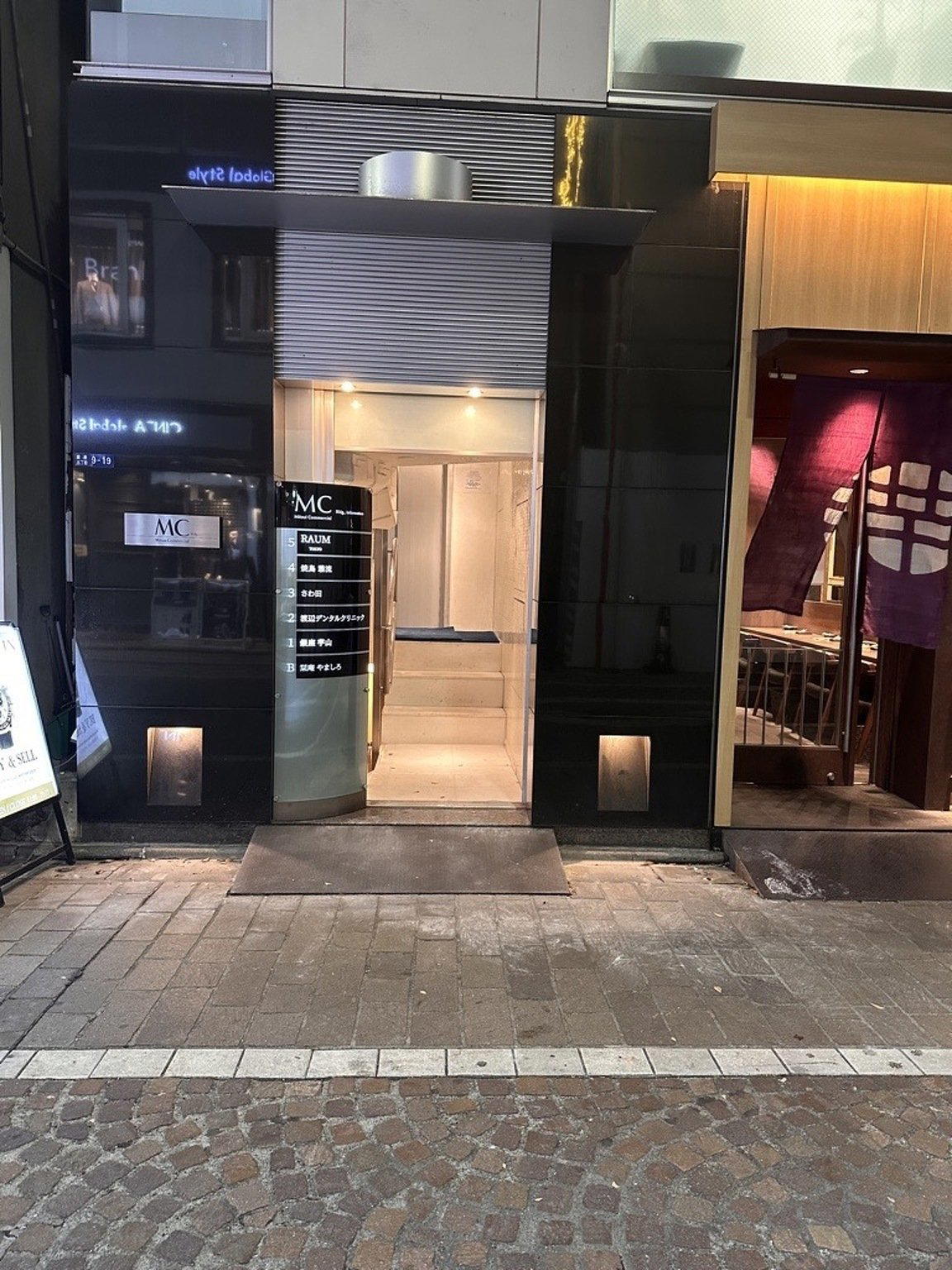
- 4, 95-95 Sueyoshicho, Higashiyama Ward, Kyoto, 605-0085, Japan
- Reservations
- Book on the venue's website
- Website
- kcc1800.gorp.jp
- Phone
- +81 75-561-3984
The take
The Take
The Vibe
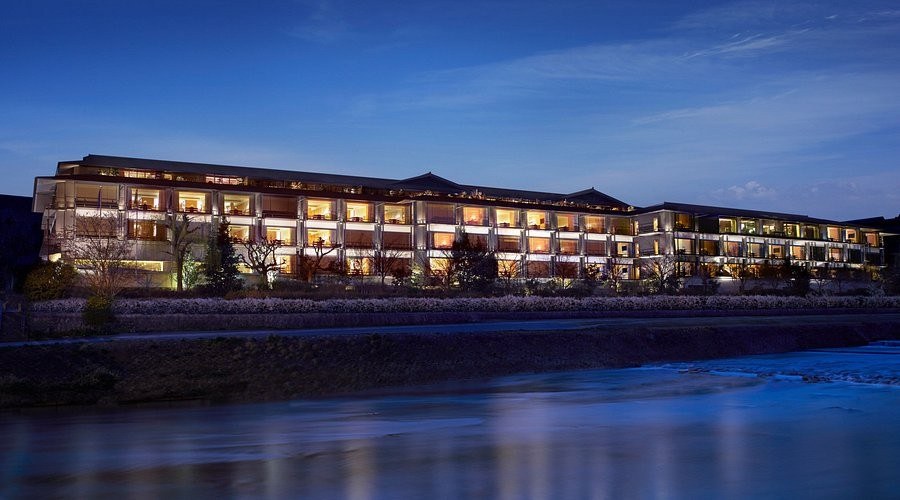
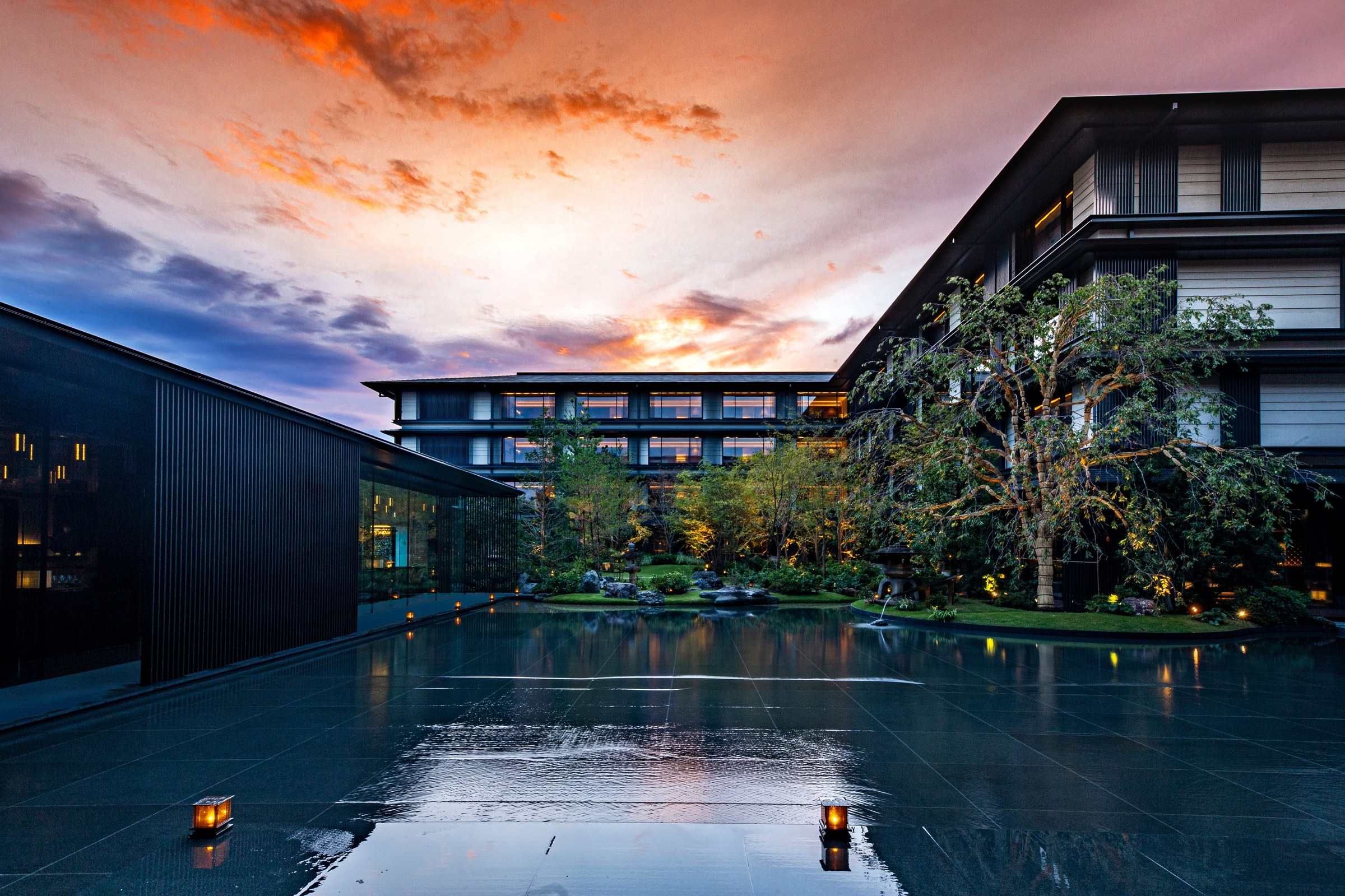
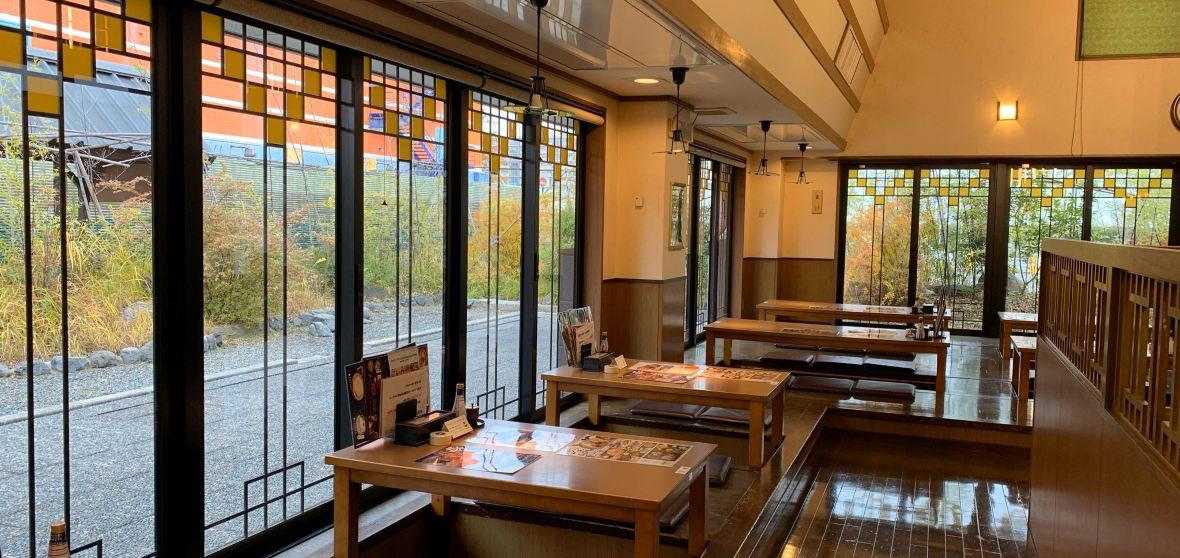
Hassun presents a restrained, historic counter experience rooted in Gion tradition. The 18-seat room channels Showa-era ambience: a low-lit, unhurried pace, a chef in white smock and wooden clogs, and recipes passed down from the previous generation. It does not chase trends; instead the small counter and tatami alcove emphasize continuity and careful service. The result is a quietly formal, intimate atmosphere where attention to inherited technique and seasonal detail matters more than theatricality. The neighbourhood’s stone-paved lanes and machiya context frame the visit without performance, keeping the focus squarely on the ritual of dining at the counter.
Best For
Hassun is best for deliberate, occasion-driven dinners that value tradition and close engagement with the chef. The counter is ideal for diners who want direct interaction with the kitchen and a focused, single-seat experience; the tatami room and private space accommodate small groups seeking privacy for celebrations or important conversations. Given the restaurant’s placement among serious Kyoto kaiseki counters and its eight-year run of Tabelog recognition, reservations and a patient pace are expected. Parties requiring a private setting are advised to contact the restaurant directly to secure the tatami room for up to six guests.
Ordering Tips
Expect an unhurried service rhythm and plan your time accordingly; Hassun prioritizes continuity and careful pacing over hurried courses. For the most direct engagement, request counter seating where you can watch and converse with the chef. If you need a private space, reserve the tatami room or private area (up to six) and contact the restaurant directly rather than relying solely on online booking. Because the menu is described as inherited and traditional, arrive prepared to experience the chef’s established repertoire rather than à la carte flexibility.
Venue details
Ambiance
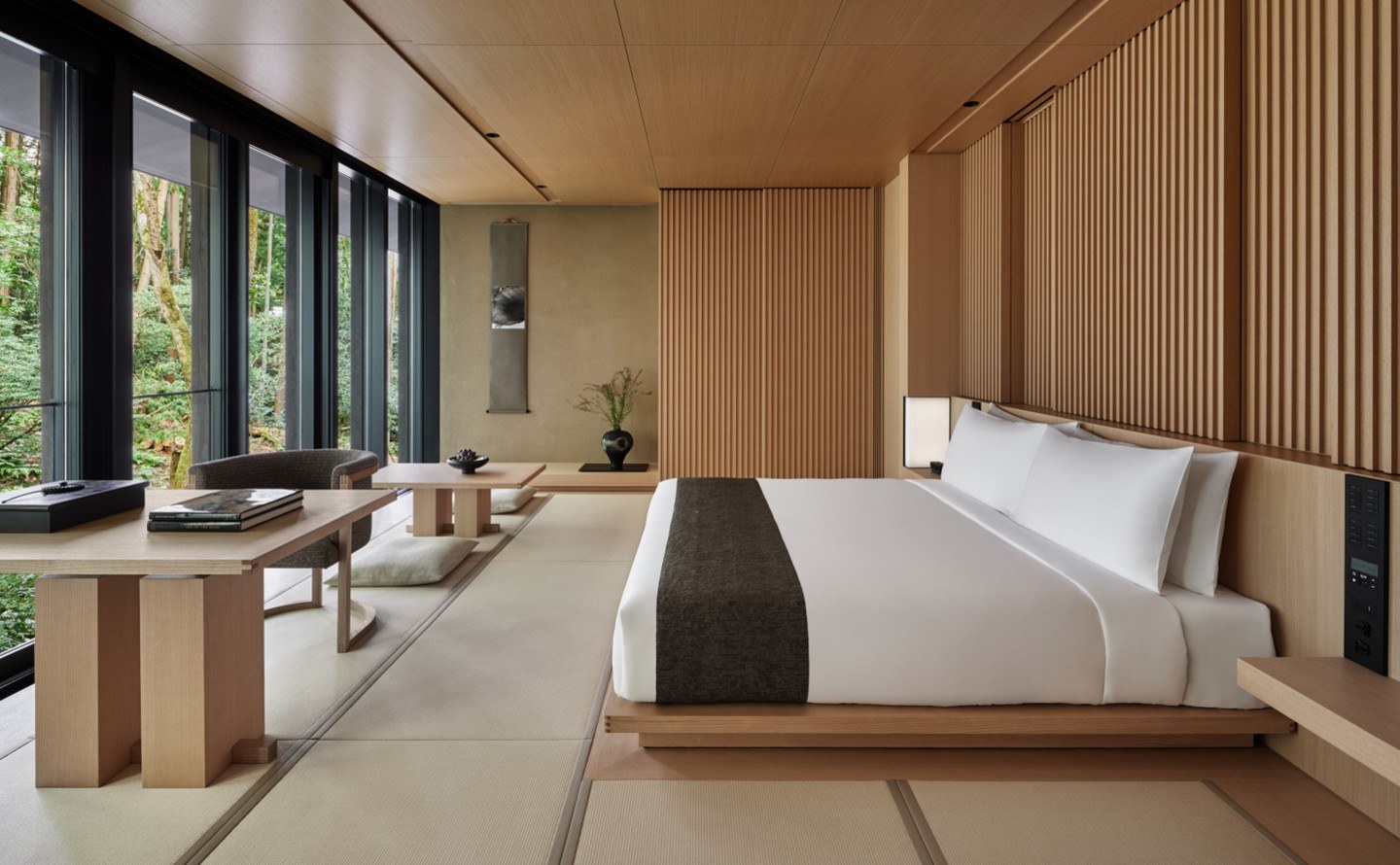
Intimate counter seating in a small Showa-era inspired space with a polished counter, creating a refined, relaxing, and traditional atmosphere.
Tags
Vibe
Best For
Experience
Sourcing
At the Table
- Dress Code
- Smart Casual
- Noise Level
- Quiet
- Service Style
- Formal
- Meal Pacing
- Leisurely
- Capacity
- Intimate
- Kitchen
- Traditional
- Menu Format
- Counter dining
- Private Dining
- Available
Know before you go
Know Before You Go
- Getting there
- 4, 95-95 Sueyoshicho, Higashiyama Ward, Kyoto, 605-0085, Japan
Planning details
Hours
- Monday
- 6–9 pm
- Tuesday
- 12–2 pm, 6–9 pm
- Wednesday
- 12–2 pm, 6–9 pm
- Thursday
- 12–2 pm, 6–9 pm
- Friday
- 12–2 pm, 6–9 pm
- Saturday
- 12–2 pm, 6–9 pm
- Sunday
- Closed
Location
4, 95-95 Sueyoshicho, Higashiyama Ward, Kyoto, 605-0085, Japan · Directions
Recognition and awards

Restaurant context
Hassun sits in the middle tier of Kyoto's kaiseki hierarchy, below Ifuki (¥¥¥¥) in price and polish, but above Ten-Yu and Yamagishi (both ¥¥¥) in awards momentum and historical continuity. Ifuki demands ¥40,000+ and books months ahead; Hassun asks ¥20,000–¥29,999 and fills one day before. The trade-off is ingredient rarity: Ifuki sources premium seasonal luxuries, Hassun leans on technique and tradition (suppon, hamo, steamed egg cakes) to justify the check. For pure value, Ten-Yu undercuts Hassun by ¥5,000–¥10,000 and books easier, but it lacks the Tabelog Bronze pedigree and the second-generation story. Yamagishi operates in similar price territory with a younger chef; Hassun's edge is consistency, eight consecutive years of Tabelog recognition (2019–2026) and three Tabelog 100 placements (2021, 2023, 2025).
If you want the full kaiseki experience without ryotei pricing, Hassun is the safer bet than Ten-Yu or Yamagishi, the awards track record reduces execution risk, and the suppon option adds weight most ¥¥¥ rooms can't match. If you're chasing ingredient fireworks or chef innovation, Ifuki is the splurge; if you're optimizing for value and booking ease, Ten-Yu makes sense. Hassun occupies the middle: not the cheapest, not the hardest to book, not the flashiest, but the most reliable intersection of price, quality, and tradition in this tier.
Booking difficulty: Hassun is easier than Ifuki (which requires 4–6 weeks minimum), harder than Ten-Yu (walk-ins possible at off-peak lunch). Ambiance: Hassun skews retro (Showa counter, wooden clogs, no website), Ifuki leans contemporary ryotei, Ten-Yu and Yamagishi split the difference. For special occasions, Hassun's private tatami room (six people, call ahead) is more intimate than Ifuki's larger party spaces and quieter than counter-only setups at Ten-Yu. Dress code: Hassun is unstated but location and awards suggest business-casual minimum; Ifuki expects jacket-level formality.
Explore Kyoto
Around this place
Discover more on Pearl
Unlock the full Hassun guide in Pearl, including awards, comparisons, FAQs, planning details, and nearby places.
FAQ
Frequently Asked Questions
What should I wear to Hassun?
Business casual or smart casual fits the Showa-era counter setting at Hassun. The 18-seat room and tatami private space expect understated formality, avoid jeans or trainers. At ¥20,000+ per head, most diners dress for the occasion without needing explicit direction.
How far ahead should I book Hassun?
Phone reservations open one day before, but the 18-seat counter fills quickly during peak seasons. Two to three weeks out gives you better seating choice for dinner; lunch on weekdays (Tuesday–Saturday) moves faster. No online booking system is listed, so call +81 75-561-3984 directly.
Does Hassun handle dietary restrictions?
Hassun's menu follows seasonal kaiseki traditions and includes soft-shell turtle (suppon), making substitutions difficult. The counter format and inherited recipes leave little room for large-scale changes. If you have serious allergies, call ahead, but expect limited flexibility compared to more modern kaiseki rooms.
Is Hassun worth the price?
At ¥20,000–¥29,999 for dinner, Hassun delivers clear format and Showa-era atmosphere that justify the tier if you value traditional execution over novelty. Tabelog Bronze and inclusion in the Japanese cuisine Tabelog 100 confirm consistency. For bigger format innovation at similar cost, Ten-Yu offers more contemporary technique.
Is lunch or dinner better at Hassun?
Lunch (¥10,000–¥14,999) offers half the spend for a shorter kaiseki, making it the smarter entry point if you're testing fit. Dinner expands the menu with more courses and seasonal celebration dishes, but the Showa-era counter and second-generation chef's approach remain constant across services.
Can I eat at the bar at Hassun?
The 18-seat counter is the main seating option at Hassun, giving you direct sight lines to chef Kanji Kubota in his white smock and wooden clogs. A six-person private tatami room is available if you prefer seclusion, call ahead to request it, but the counter is where the format shines.
What should a first-timer know about Hassun?
Hassun is a second-generation kaiseki counter in Gion focused on dishes inherited from the founder and Kyoto seasonal traditions. Expect soft-shell turtle, layered egg cakes, and grilled fish rather than molecular flourishes. The Showa-era ambience and chef's wooden clogs signal a preservation mindset, if you want kaiseki with more modern technique, Ifuki offers a different lens at a comparable price.