
Gion Suetomo
Kaiseki · Higashiyama, Kyoto
Restaurant in Kyoto, Japan
 Book with Pearl
The Read
Neighbourhood Kaiseki Discipline
Chef
Hisashi Suetomo
Dress
Smart Casual
Why go
A three-consecutive-year OAD-listed kaiseki room in Kyoto's Higashiyama Ward, Gion Suetomo offers serious set-course kaiseki near Kenninji Temple with a booking process that's easier than most rooms at this recognition level. Book lunch on a weekday for the best value introduction to the format. Chef Hisashi Suetomo controls the sequence; your job is to show up and eat.
About Gion Suetomo
A Gion kaiseki room that's earned three consecutive years of OAD recognition — and still takes bookings without a six-month wait
For a first-time visitor to Kyoto looking for a serious kaiseki meal in the Gion district, Suetomo is worth serious consideration. Booking difficulty is low relative to the venue's credentials, which makes it a practical entry point into the kaiseki format.
The Room and What to Expect
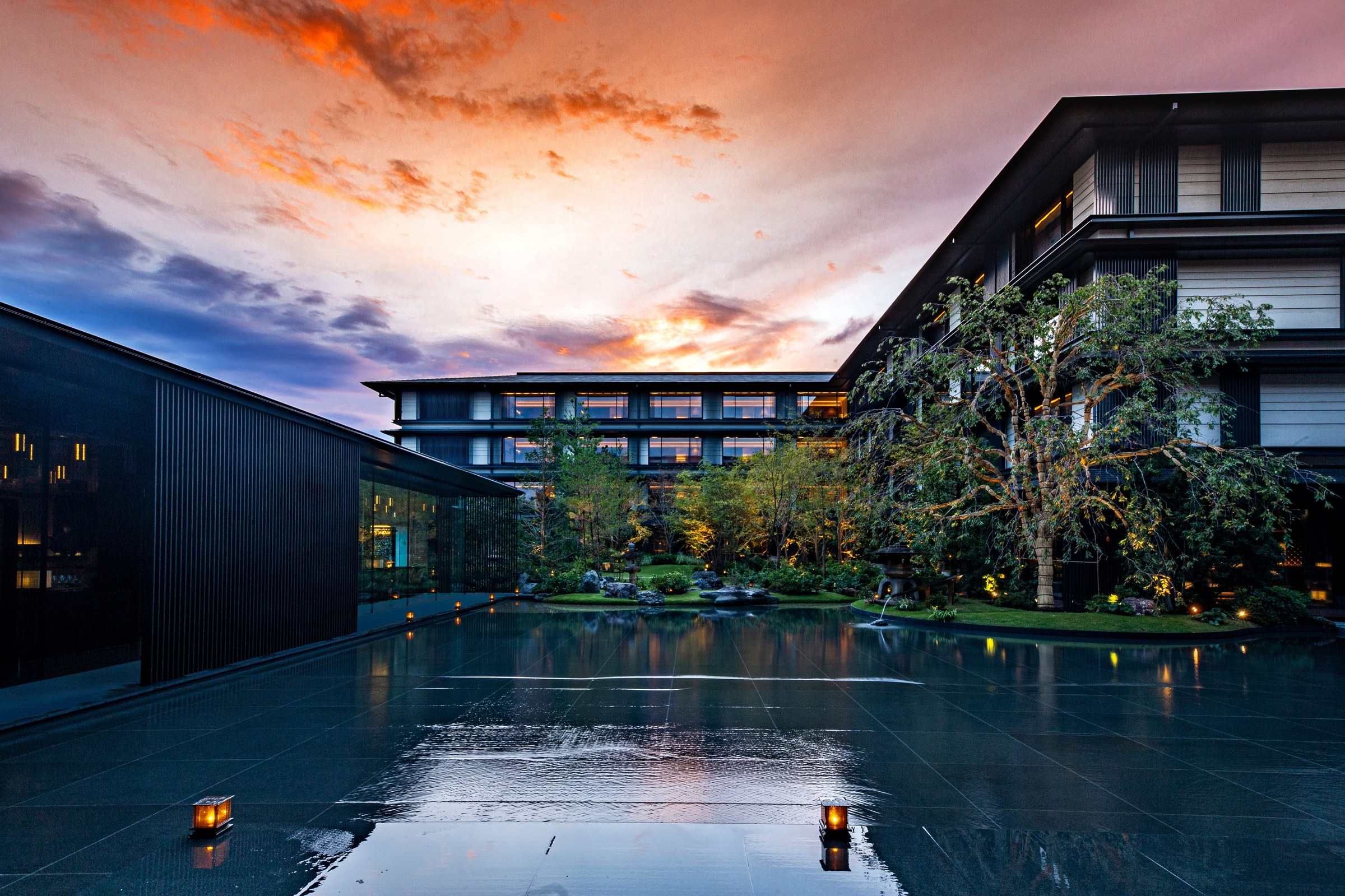
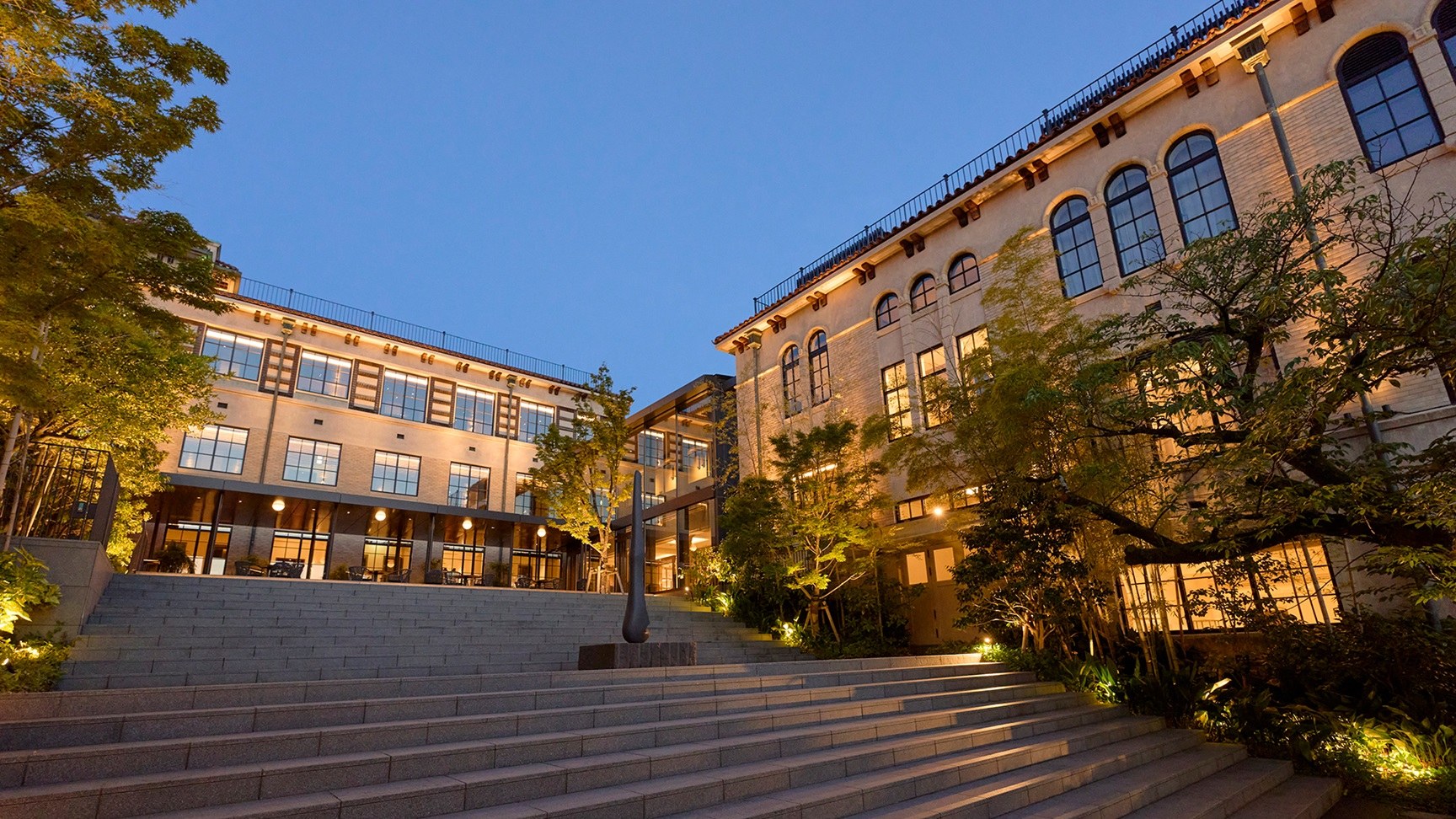
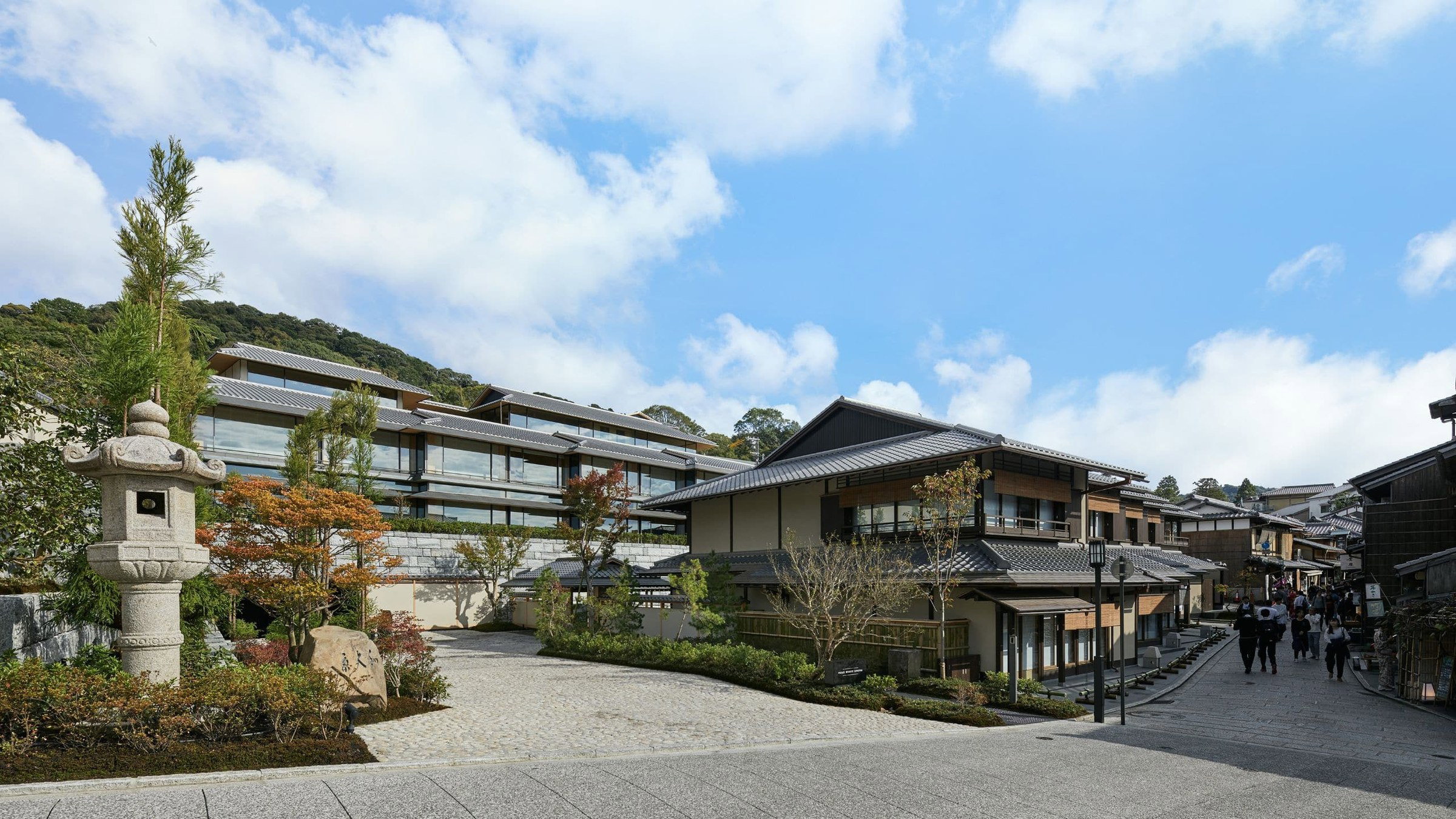
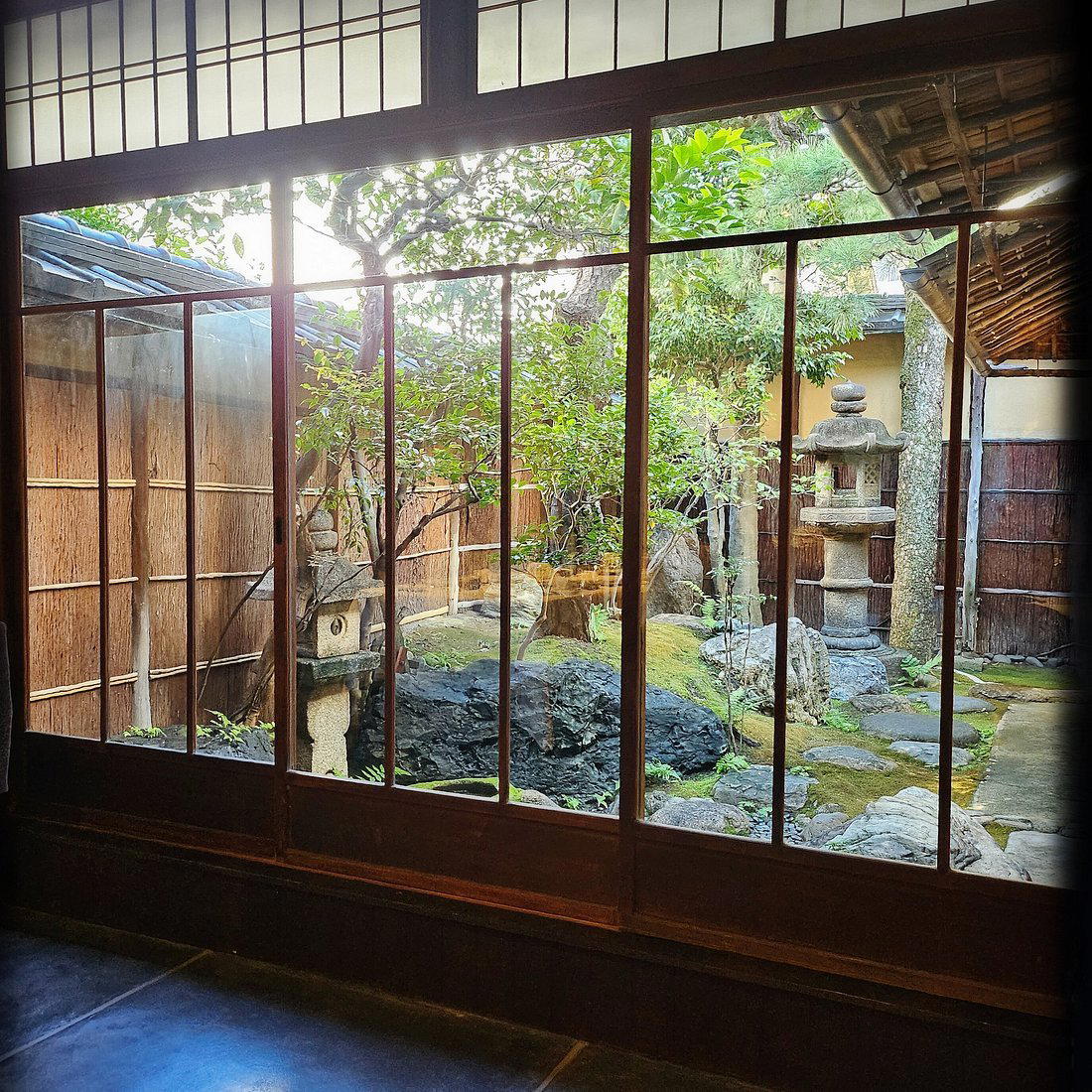
Gion Suetomo sits in Higashiyama Ward, steps from the south gate of Kenninji Temple, one of Kyoto's oldest Zen temples. That address is not incidental. Higashiyama is the neighbourhood where Kyoto's kaiseki tradition is most densely concentrated, and eating here puts you inside the geography that shaped the cuisine. The area is quieter than central Kyoto after lunch service ends, and the surrounding streets, stone-paved lanes, old machiya townhouses, establish the mood before you've sat down.
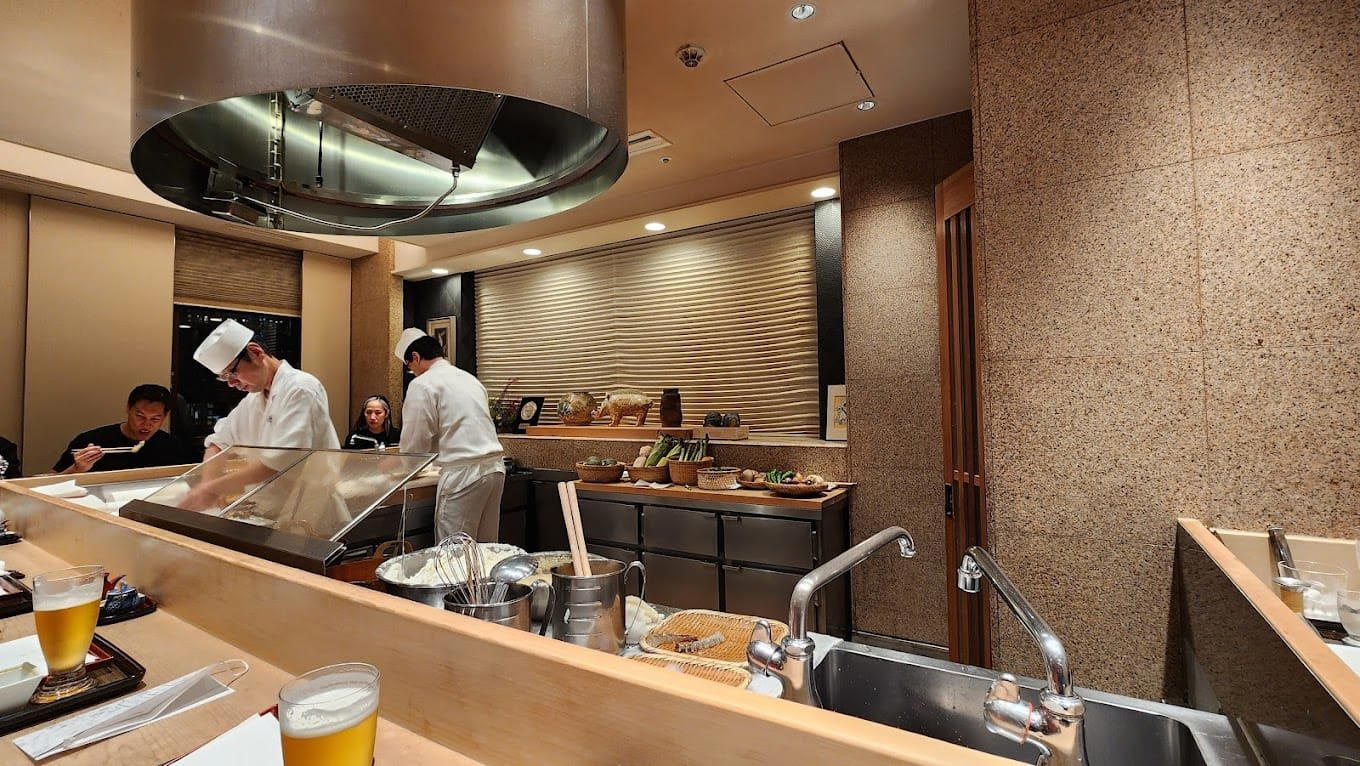
Expect a composed, unhurried atmosphere inside. Kaiseki by format is a slow progression of courses built around seasonal ingredients, and Suetomo operates within that rhythm. The room is not the place to go if you want energy or noise; it is the place to go if you want a meal that holds your attention across two to three hours. First-timers should know that kaiseki is a set-course format, you are not ordering from a menu. Chef Hisashi Suetomo controls the sequence. Your role is to eat in order, engage with what arrives, and trust the progression.
Lunch service runs from noon to 3 pm most days (closed for lunch on Thursdays), and dinner from 5 to 10 pm (closed Monday dinner and all day Wednesday dinner). Tuesday is the only full open day, running noon through to 10 pm. Check hours before booking, the schedule has enough variation that it's worth confirming your preferred session is available.
Lunch vs. Dinner
Lunch is the practical recommendation for first-timers. Kaiseki lunch menus across Kyoto typically offer the same craft and seasonal thinking as dinner at a lower price point, and they leave the afternoon free to walk the Higashiyama lanes while the neighbourhood is still accessible. Dinner at Suetomo extends to 10 pm and suits diners who want the full evening arc, aperitif, courses, sake pairings, without a following commitment. If budget is a factor, lead with lunch.
Booking and Timing
Suetomo is classified as easy to book by Pearl's standards, which is meaningful in this category. Comparable kaiseki rooms in Kyoto at similar OAD ranking levels can require weeks of advance planning, requests through hotel concierges, or Japanese-language reservations. Here, the process is more direct. Book a few days to a week ahead for weekday lunch and aim for a week or two out for weekend sessions. Thursday dinner and Monday lunch are unavailable by the posted schedule, don't plan around those slots.
If Suetomo is full on your dates, Ifuki and Hassun are nearby kaiseki alternatives worth checking. For a broader Kyoto dining view, see our full Kyoto restaurants guide.
What to Wear
No dress code is listed in Suetomo's venue data, but kaiseki in the Gion district carries an implicit register. Smart casual is the floor, clean, considered clothing that matches the care of the meal. You do not need formal attire, but the neighbourhood and format both reward dressing with some intention. Trainers and casual streetwear read as underdressed against the setting.
Dietary Restrictions and Groups
No specific dietary accommodation policy is listed in the venue record. As a set-course kaiseki kitchen, Suetomo's menu is built in advance around seasonal produce and traditional Japanese ingredients, substitutions mid-course are harder to manage than at à la carte restaurants. If you have serious dietary restrictions, contact the restaurant directly before booking to confirm what can be accommodated. For groups, kaiseki formats generally seat parties at a shared table or private room; confirm capacity and group options directly when booking.
Pearl's Take
Suetomo is the right call if you want a grounded kaiseki meal in one of Kyoto's most historically coherent neighbourhoods, with a reservation process that doesn't require concierge intervention. For a first-timer to Kyoto kaiseki, that reliability matters more than peak prestige. Book lunch on a weekday, walk to Kenninji before or after, and treat this as a sound introduction to the format rather than a once-in-a-decade meal.
For kaiseki in Tokyo, Kikunoi Tokyo and Hirosaku are reference points worth comparing. Elsewhere in Japan, HAJIME in Osaka and akordu in Nara offer strong alternatives for the same trip. See also our full Kyoto hotels guide, our full Kyoto bars guide, and our full Kyoto experiences guide for the rest of your stay.
Quick reference: Kaiseki set-course format; lunch noon–3 pm most days, dinner 5–10 pm; closed lunch Thursday, closed dinner Monday and Wednesday; OAD Leading Restaurants in Japan 2024 (#332) and 2025 (#347); easy to book; smart casual dress recommended.
Does Gion Suetomo handle dietary restrictions?
No dietary accommodation policy is listed in the venue data. Kaiseki is a set-course format built around seasonal Japanese ingredients, which means the kitchen plans the menu in advance, mid-meal substitutions are harder to arrange than at à la carte restaurants. If you have significant dietary restrictions, contact Suetomo directly before booking to establish what is possible. Don't assume flexibility; confirm it.
Can Gion Suetomo accommodate groups?
Group capacity is not listed in the venue record. Kaiseki restaurants in the Gion district typically seat small parties, often four to eight covers per table, sometimes with a private room option for larger groups. Contact the restaurant directly to confirm what group sizes they can handle and whether a private space is available. For larger Kyoto group dining, Chihana and Doujin are worth checking as alternatives.
How far ahead should I book Gion Suetomo?
A few days to a week ahead is generally enough for weekday lunch. For weekend sessions, aim for one to two weeks out. Suetomo is classified as easy to book by Pearl's standards, notably accessible for a three-consecutive-year OAD-listed kaiseki room in Gion. If your travel dates are fixed, book as soon as they are confirmed rather than waiting. Thursday dinner and Monday lunch are not available per the posted hours, so don't plan around those slots.
Is lunch or dinner better at Gion Suetomo?
Lunch is the practical recommendation for first-timers. Kaiseki lunch across Kyoto tends to offer the same seasonal approach as dinner at a lower price point, and finishing by 3 pm leaves the Higashiyama afternoon free. Dinner suits diners who want the full evening format and have no following commitment. If you're deciding purely on value, lunch wins. If you want a slower, more ceremonial evening, book dinner, service runs to 10 pm and the neighbourhood quiets down considerably after dark.
What should a first-timer know about Gion Suetomo?
Kaiseki is a set-course format, you are not choosing from a menu. Chef Hisashi Suetomo sets the sequence; you eat in the order it arrives. Meals run two to three hours, so don't book with a tight schedule. The restaurant is in Higashiyama Ward near the south gate of Kenninji Temple, one of Kyoto's oldest Zen temples, the neighbourhood itself is worth arriving early to walk. Three consecutive years on the OAD Japan list (2023–2025) gives you a reasonable confidence floor, though this is not the most decorated kaiseki table in Gion. Ankyu and Ifuki are nearby alternatives if you want to compare options before committing.
What should I wear to Gion Suetomo?
No dress code is formally listed, but Gion kaiseki carries an implicit standard. Smart casual is the minimum, clean, considered clothing. The neighbourhood, the format, and the OAD recognition all suggest an environment where dressing with some care is appropriate. Formal attire is not required, but casual streetwear or trainers will feel out of place against the setting and the pace of the meal.
What should I order at Gion Suetomo?
You don't order at Gion Suetomo, kaiseki is a set-course format, and Chef Hisashi Suetomo determines the sequence. The menu changes with the season, built around what Kyoto's traditional ingredient calendar offers. No signature dishes are listed in the venue record, so specific dish recommendations are not possible here. Trust the progression, eat in order, and ask the kitchen about pairings if sake or tea service is on offer. That's the format, and it works well when you commit to it rather than trying to skip around it.
Planning details
- Hours
- Monday: 12–3 pm, 5–10 pm · Tuesday: 12–10 pm
- Location
- Japan, 〒605-0811 Kyoto, Higashiyama Ward, Komatsucho, 151-73 建仁 寺南門前
- Website
- gionsuetomo.kyoto
- Phone
- +81 75-496-8799
The take
The Take
The Vibe
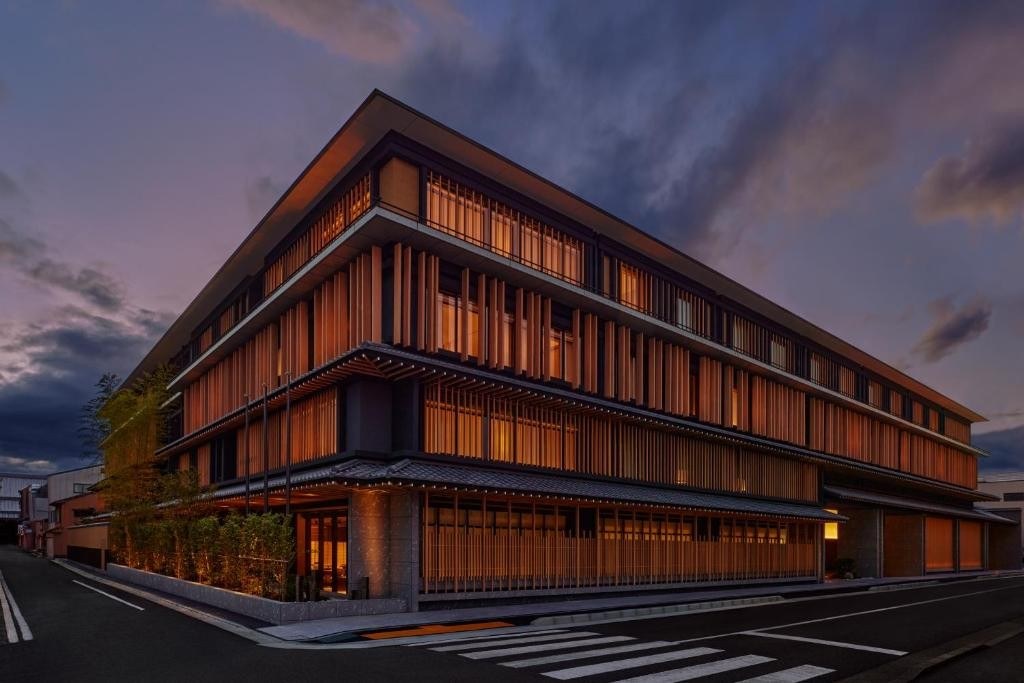
Gion Suetomo sits discreetly on the quiet, historic edge of Gion, approached via the south gate of Kenninji Temple and narrow, stone-flagged lanes. The setting’s low wooden facades and preserved machiya townhouses frame a restrained, classical kaiseki practice: seasonal, architectural and social restraint is as important as what arrives on the plate. The kitchen’s steady technical precision and the modest, refined presentation cultivate an intimate, elegant atmosphere that rewards diners who prefer sophistication without spectacle. Overall it reads as a quietly historic, thoughtfully composed dining room rooted in Kyoto tradition.
Best For
This is a destination for diners seeking a formal kaiseki experience suited to special occasions, celebrations and date nights. Positioned in the second tier of Kyoto’s kaiseki scene, Gion Suetomo delivers the classical course progression and seasonal sourcing associated with high-level kaiseki, but without the extremes of price or theatre found at the very top tier. The restrained, quiet rooms and disciplined technical focus make it ideal for attentive companions who appreciate seasonal detail and repeat visits rather than flashy presentation.
Ordering Tips
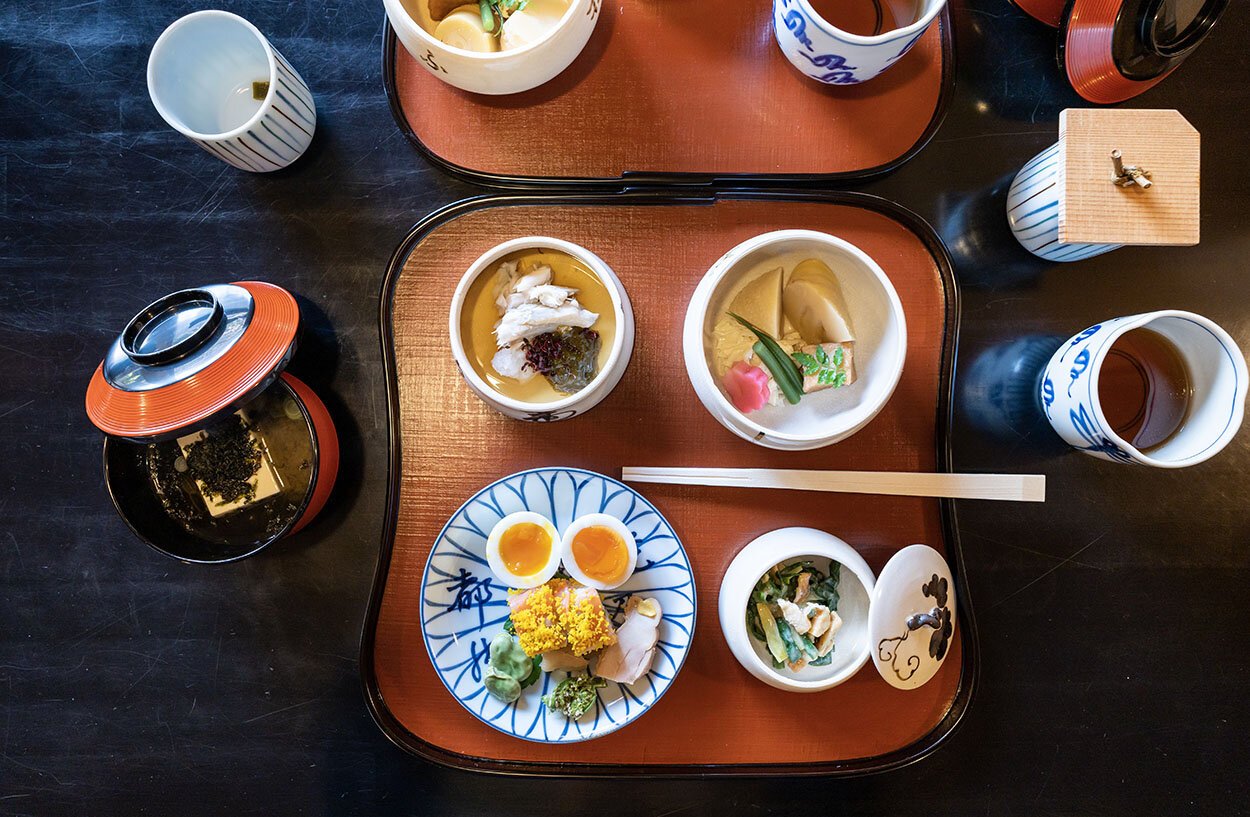
Expect a classical kaiseki progression (sakizuke through hassun to shokuji); letting the kitchen set the seasonal course is the clearest way to experience the restaurant’s strengths. The menu highlights — Spanish mackerel with spring vegetables, Matsuba crab course, firefly squid terrine and mochi rice with river shrimp — signal the kitchen’s season-forward approach. Reservations are advisable given the restaurant’s sustained critical attention, and arriving via the Kenninji Temple approach helps set the calm, focused mood before service begins.
Venue details
Ambiance
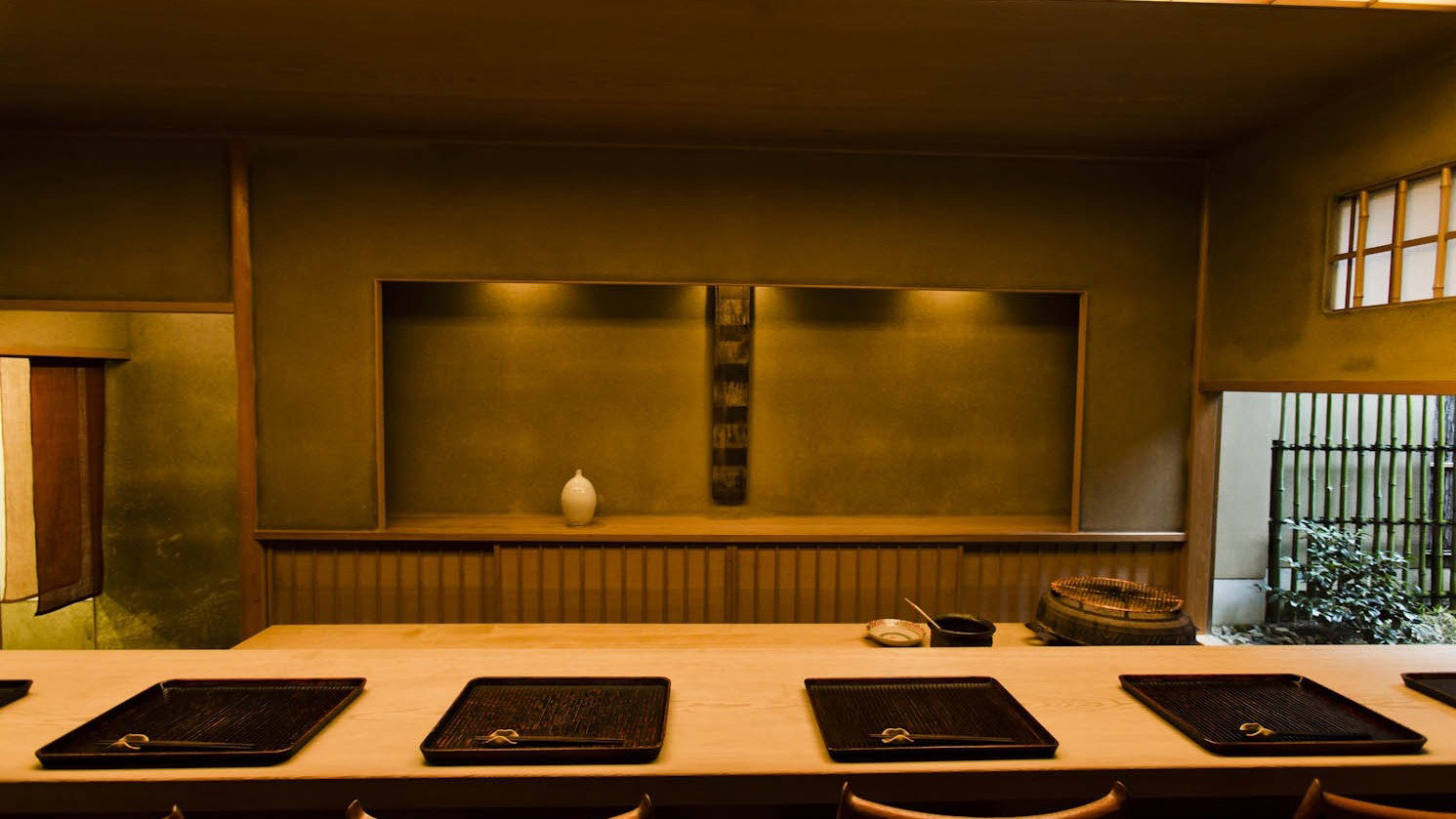
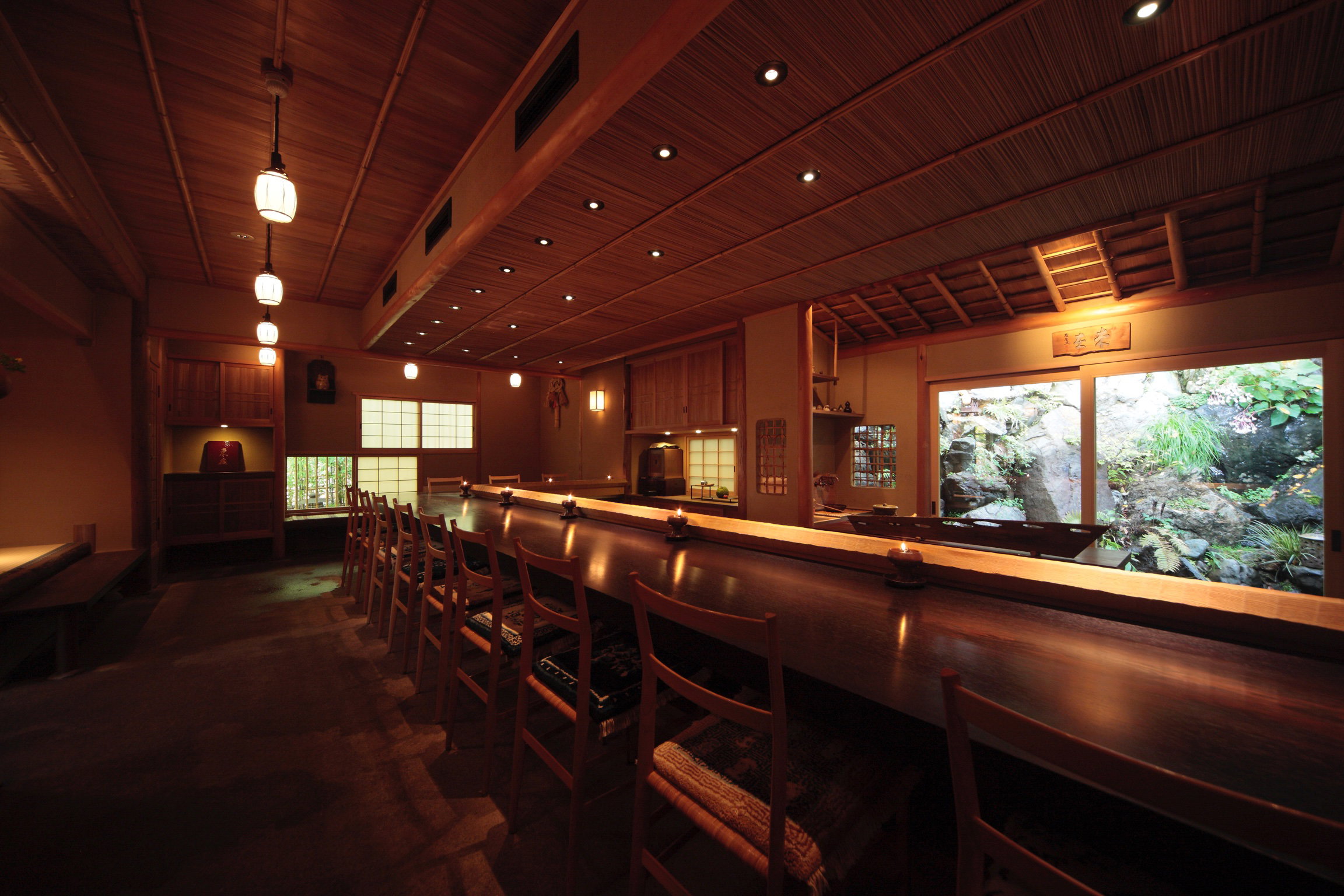
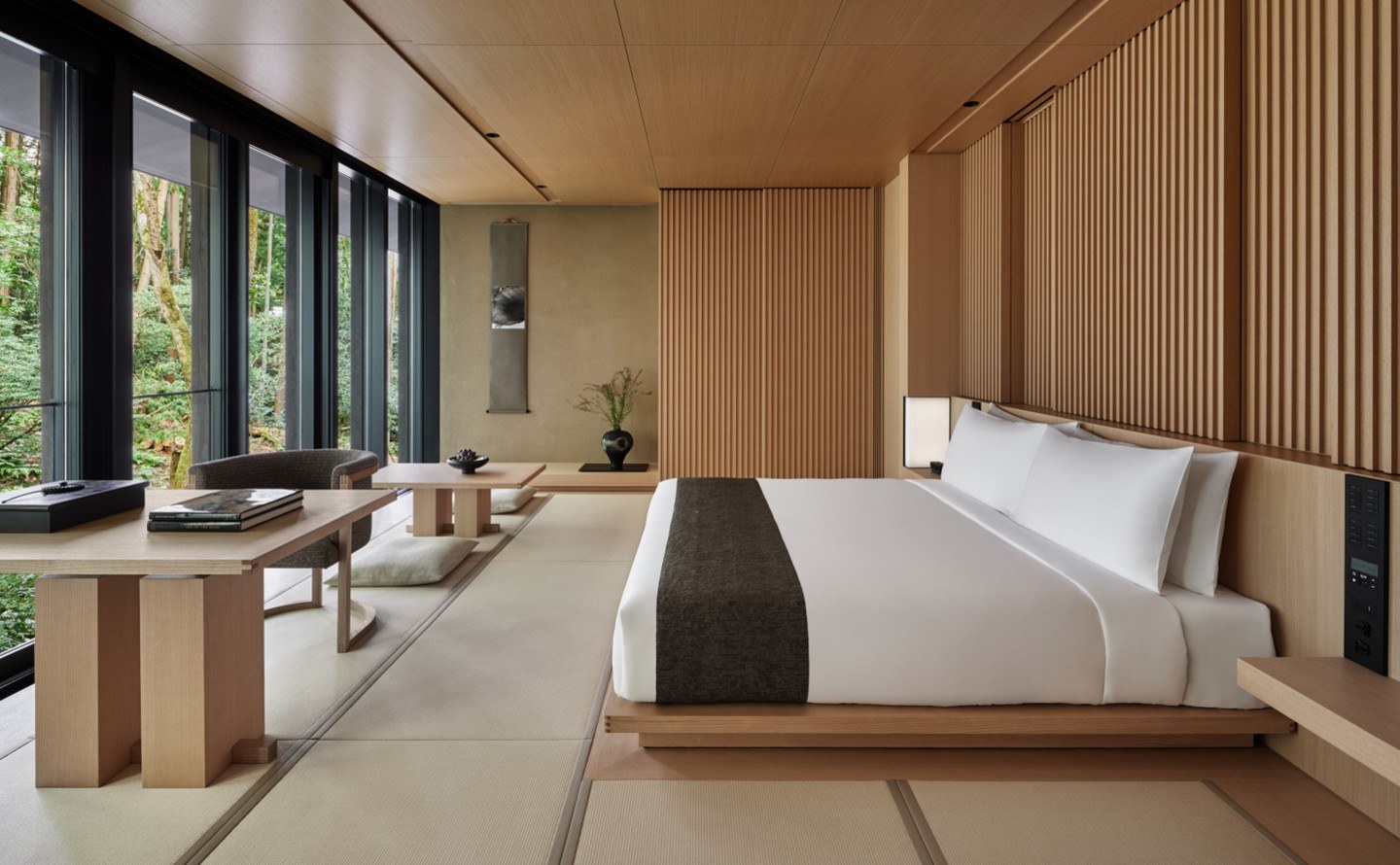
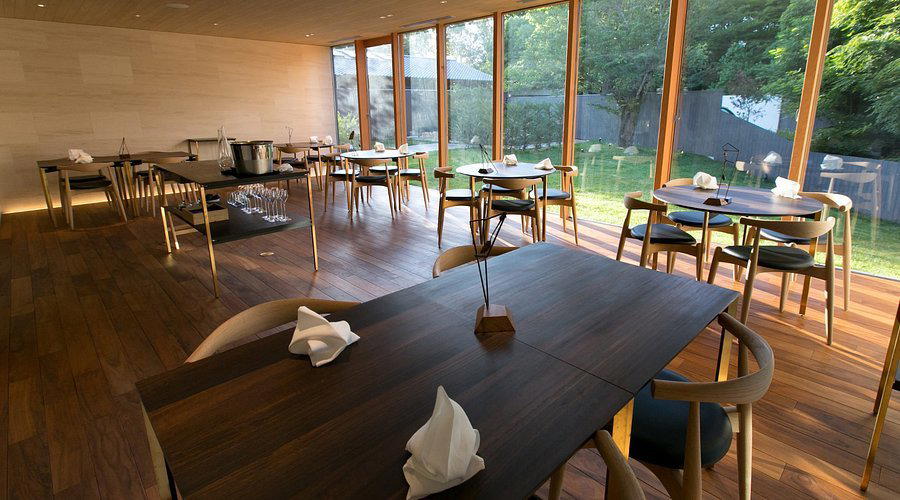
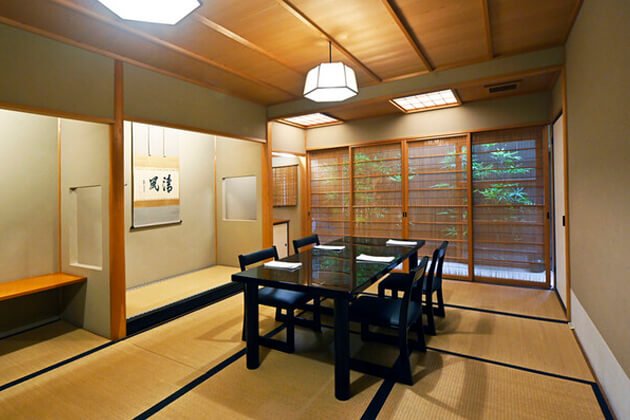
Warm wood-paneled interior with gentle lighting evoking traditional Kyoto atmosphere; Japanese architecture designed by owner creates sense of stepping back in time with zen calmness and refined simplicity.
Tags
Vibe
Best For
Experience
Sourcing
View
At the Table
- Dress Code
- Smart Casual
- Noise Level
- Quiet
- Service Style
- Formal
- Meal Pacing
- Extended Experience
- Capacity
- Intimate
Signature Dishes
- Spanish Mackerel with spring vegetables
- Matsuba Crab course
- Firefly squid terrine
- Mochi rice with river shrimp
Know before you go
Know Before You Go
- Getting there
- Japan, 〒605-0811 Kyoto, Higashiyama Ward, Komatsucho, 151-73 建仁 寺南門前
Planning details
Hours
- Monday
- 12–3 pm, 5–10 pm
- Tuesday
- 12–10 pm
- Wednesday
- 12–3 pm
- Thursday
- 5–10 pm
- Friday
- 12–3 pm, 5–10 pm
- Saturday
- 12–3 pm, 5–10 pm
- Sunday
- 12–3 pm, 5–10 pm
Location
Japan, 〒605-0811 Kyoto, Higashiyama Ward, Komatsucho, 151-73 建仁 寺南門前 · Directions

Also consider
Also Consider
- Gion Sasaki, Kaiseki, Japanese, ¥¥¥¥
- cenci, Italian, ¥¥¥
- Ifuki, Kaiseki, ¥¥¥¥
- Kyokaiseki Kichisen, Japanese, ¥¥¥¥
- SEN, French, Japanese, ¥¥¥¥
Restaurant context
Among Kyoto's kaiseki options, Gion Suetomo sits in a practical middle ground: more credentialed than a neighbourhood unknown, more accessible than the category's most competitive tables. Gion Sasaki operates at a higher prestige level and is the reference point if you want maximum critical recognition in the same district, but it is considerably harder to book and likely priced higher. Kyokaiseki Kichisen is another top-tier room that requires more planning and a larger budget; it suits experienced kaiseki diners who want the most decorated Kyoto version of the format rather than a reliable first encounter.
Ifuki is the closest direct comparison to Suetomo in format and price band, and worth checking if Suetomo's dates don't align. Both are kaiseki-focused rooms with OAD recognition in Kyoto; your decision between them should come down to availability. SEN takes a French-Japanese approach at the ¥¥¥¥ tier, which suits diners who want kaiseki's seasonal discipline expressed through a European culinary lens, a different experience, not a better or worse one. cenci is the outlier here: Italian at ¥¥¥, it's the option if someone in your group wants a strong meal without the kaiseki format commitment.
The honest recommendation: if you're a first-timer to Kyoto kaiseki and want a credentialed room that doesn't require weeks of advance planning or concierge assistance, Suetomo is the call. If you've done kaiseki before and want to push to the category's upper register, book Gion Sasaki or Kichisen and plan further ahead. If availability is the main constraint across all of the above, Ifuki is the natural fallback.
Explore Kyoto
Around this place
Discover more on Pearl
Unlock the full Gion Suetomo guide in Pearl, including awards, comparisons, FAQs, planning details, and nearby places.
Compare Gion Suetomo
| Venue | Location | Cuisine | Awards | Price |
|---|---|---|---|---|
| Gion Suetomo | Kyoto | Kaiseki | 2026 OAD Top Restaurants in Japan Recommended2025 OAD Top Restaurants in Japan Ranked · #3472024 OAD Top Restaurants in Japan Ranked · #3322023 OAD Top Restaurants in Japan Highly Recommended | , |
| Gion Sasaki | Kyoto | Kaiseki, Japanese | 2026 Tabelog Bronze · #3862026 OAD Top Restaurants in Japan RecommendedMichelin Guide Kyoto Osaka 20262026 La Liste Top RestaurantsTabelog 100 - Japanese cuisine - WEST - 2025 · #132025 OAD Top Restaurants in Japan Ranked · #2462025 Tabelog Silver2025 Michelin 3 Stars2025 La Liste Top Restaurants | ¥¥¥¥ |
| cenci | Kyoto | Italian | 2026 Tabelog Bronze · #442026 Asia's 50 Best Restaurants · #762026 OAD Top Restaurants in Japan Highly RecommendedMichelin Guide Kyoto Osaka 2026Tabelog 100 - Italian - WEST - 2025 · #632025 Asia's 50 Best Restaurants · #632025 OAD Top Restaurants in Japan Ranked · #1682025 Tabelog Bronze2024 OAD Top Restaurants in Japan Ranked · #135 | ¥¥¥ |
| Ifuki | Kyoto | Kaiseki | 2026 OAD Top Restaurants in Japan Ranked · #1222026 Tabelog Bronze · #128Michelin Guide Kyoto Osaka 20262026 La Liste Top RestaurantsTabelog 100 - Japanese cuisine - WEST - 2025 · #622025 OAD Top Restaurants in Japan Ranked · #1002025 La Liste Top Restaurants2025 Tabelog Bronze2025 Michelin 2 Stars | ¥¥¥¥ |
| Kyokaiseki Kichisen | Kyoto | Japanese | 2026 Tabelog Bronze · #1752026 OAD Top Restaurants in Japan Highly RecommendedMichelin Guide Kyoto Osaka 20262025 OAD Top Restaurants in Japan Ranked · #1862025 Michelin 2 Stars2025 La Liste Top Restaurants2024 OAD Top Restaurants in Japan Ranked · #1422024 Michelin 2 Stars2023 OAD Top Restaurants in Japan Ranked · #136 | ¥¥¥¥ |
| SEN | Kyoto | French, Japanese | 2026 Tabelog Bronze · #3952026 OAD Top Restaurants in Japan RecommendedMichelin Guide Kyoto Osaka 20262026 Michelin PlateTabelog 100 - Japanese cuisine - WEST - 2025 · #652025 Michelin Plate2025 Tabelog Bronze2024 OAD Top Restaurants in Japan Ranked · #3622024 Michelin Plate | ¥¥¥¥ |






.png?width=1200&quality=80)
How Gion Suetomo Kyoto compares with similar nearby venues.
FAQ
Frequently Asked Questions
Can Gion Suetomo accommodate groups?
No group-booking policy is documented in Gion Suetomo's venue record. For kaiseki rooms in Higashiyama Ward generally, parties larger than four should confirm seating configurations directly before booking. Smaller groups of two or three are the typical format for this style of meal and are unlikely to face constraints.
How far ahead should I book Gion Suetomo?
Pearl rates Suetomo as easy to book by kaiseki standards, which is a genuine differentiator: comparable OAD-ranked kaiseki rooms in Kyoto routinely require two to three months of lead time. A two to three week window is a reasonable target for most travel dates, though popular Saturday dinners may tighten. Book through your hotel concierge if you don't have a Japanese-language contact.
Is lunch or dinner better at Gion Suetomo?
Lunch is the practical starting point for first-timers. Kaiseki lunch menus across Kyoto typically reflect the same seasonal craft as dinner at a lower price point, and Suetomo's hours show lunch service on most days (Monday, Tuesday, Friday, Saturday, Sunday). If budget is not a constraint and you want the full evening format, dinner runs until 10 pm on all service days.
What should a first-timer know about Gion Suetomo?
Suetomo has earned three consecutive years of Opinionated About Dining recognition — Highly Recommended in 2023, ranked #332 in 2024, and #347 in 2025 — which gives it a verifiable track record without the booking difficulty of Kyoto's top-ten kaiseki rooms. It sits in Higashiyama Ward near the south gate of Kenninji Temple, so the neighbourhood itself is worth arriving early to walk. The set-course format means there are no ordering decisions: come with time and appetite.
What should I wear to Gion Suetomo?
No dress code is listed in Suetomo's venue record, but kaiseki in the Gion district carries an implicit register. Smart casual is a safe floor: clean, composed clothing with no athletic or beachwear. You will likely be removing shoes, so socks matter. Overdressing is not a problem; underdressing in a tatami-adjacent setting reads as inattentive.
What should I order at Gion Suetomo?
Kaiseki is a set-course format: there is nothing to order. Chef Hisashi Suetomo determines the progression of courses based on the season and market availability. Your only real decision is lunch versus dinner, and whether to add a sake or tea pairing if offered. Communicating any hard dietary limits before arrival is the one input that meaningfully shapes the meal.