



Ginza Shinohara
Kaiseki, Japanese · Chūō, Tokyo
Restaurant in Tokyo, Japan
 Book with Pearl
The Read
Satoyama Kaiseki Precision
Price
$150–200per person
Chef
Takemasa Shinohara
Dress
Smart Casual
Why go
Ginza Shinohara is a restaurant in Ginza, Tokyo.
About Ginza Shinohara
Ginza Shinohara is a ¥¥¥¥ kaiseki and Japanese restaurant in Tokyo from chef-owner Takemasa Shinohara. It serves in the premium price tier, follows a smart-casual dress code, and operates with evening hours on Monday, Wednesday, and Friday; lunch and dinner hours on Tuesday, Thursday, and Saturday; and closure on Sunday. If you are comparing it with other Tokyo dining choices such as Ginza Kojyu or GINZA OKUDA, treat Ginza Shinohara as a high-end kaiseki choice, and confirm details such as seat count, menu structure, booking rules, and specific dishes directly if they matter to your plans.
About Ginza Shinohara
Ginza Shinohara is a Tokyo kaiseki and Japanese restaurant led by chef-owner Takemasa Shinohara. Its fundamentals are straightforward: Tokyo location, kaiseki/Japanese cuisine, ¥¥¥¥ pricing, and smart-casual dress.
Recognition and Booking Details
Ginza Shinohara is included in Opinionated About Dining's 2026 restaurant coverage. Within Tokyo's upper-end dining landscape, it can reasonably be compared with comparable venues such as Kutan, Ginza Kojyu, GINZA OKUDA, and Seizan.
Lunch vs. Dinner, and Whether the Format Works for You
Hours are lunch service on Tuesday, Thursday, and Saturday from 12–3 pm, with dinner service on Monday through Saturday except Sunday closure: Monday 5–11:30 pm; Tuesday 12–3 pm and 5–11:30 pm; Wednesday 5–11:30 pm; Thursday 12–3 pm and 5–11:30 pm; Friday 5–11:30 pm; Saturday 12–3 pm and 5–11:30 pm; Sunday closed. The price level is ¥¥¥¥, and the dress code is smart casual. For specific lunch or dinner prices, menu names, course counts, seating times, and relative value, check with the restaurant before booking.
If cross-shopping Tokyo dining at this price level, consider Ginza Shinohara alongside Seizan, Kutan, Ginza Kojyu, and GINZA OKUDA. The case for Ginza Shinohara is straightforward: Takemasa Shinohara, kaiseki/Japanese cuisine, Tokyo, premium pricing, and lunch and dinner operating windows on select days.
Planning details
- Hours
- Monday: 5–11:30 pm · Tuesday: 12–3 pm, 5–11:30 pm
- Location
- 2 Chome-8-17 Ginza, Chuo City, Tokyo 104-0061, Japan
- Reservations
- Book on Omakase
- Website
- tabelog.com/en/tokyo/A1301/A130101/13200949
- Phone
- +81 3-6263-0345
The take
The Take
The Vibe
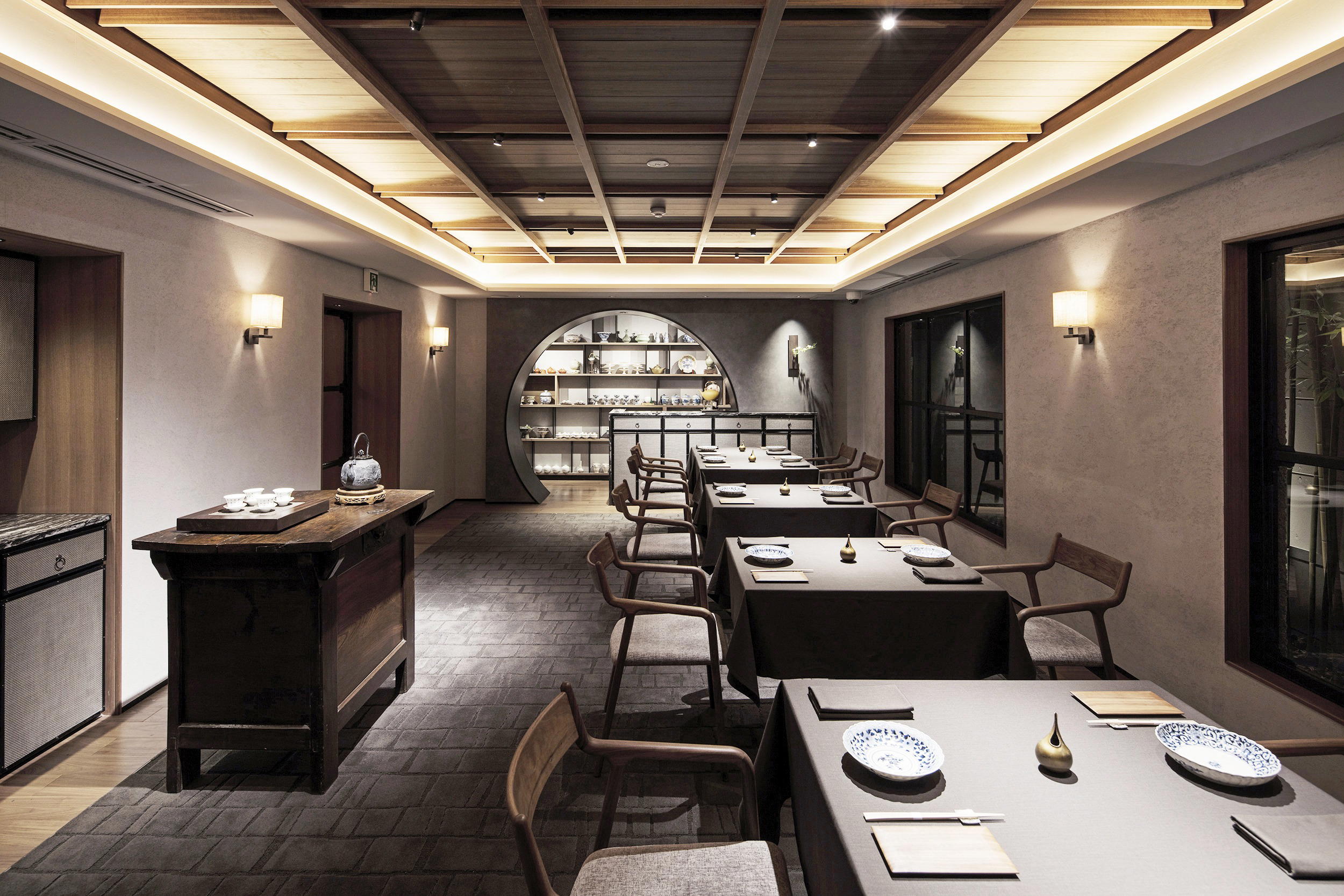
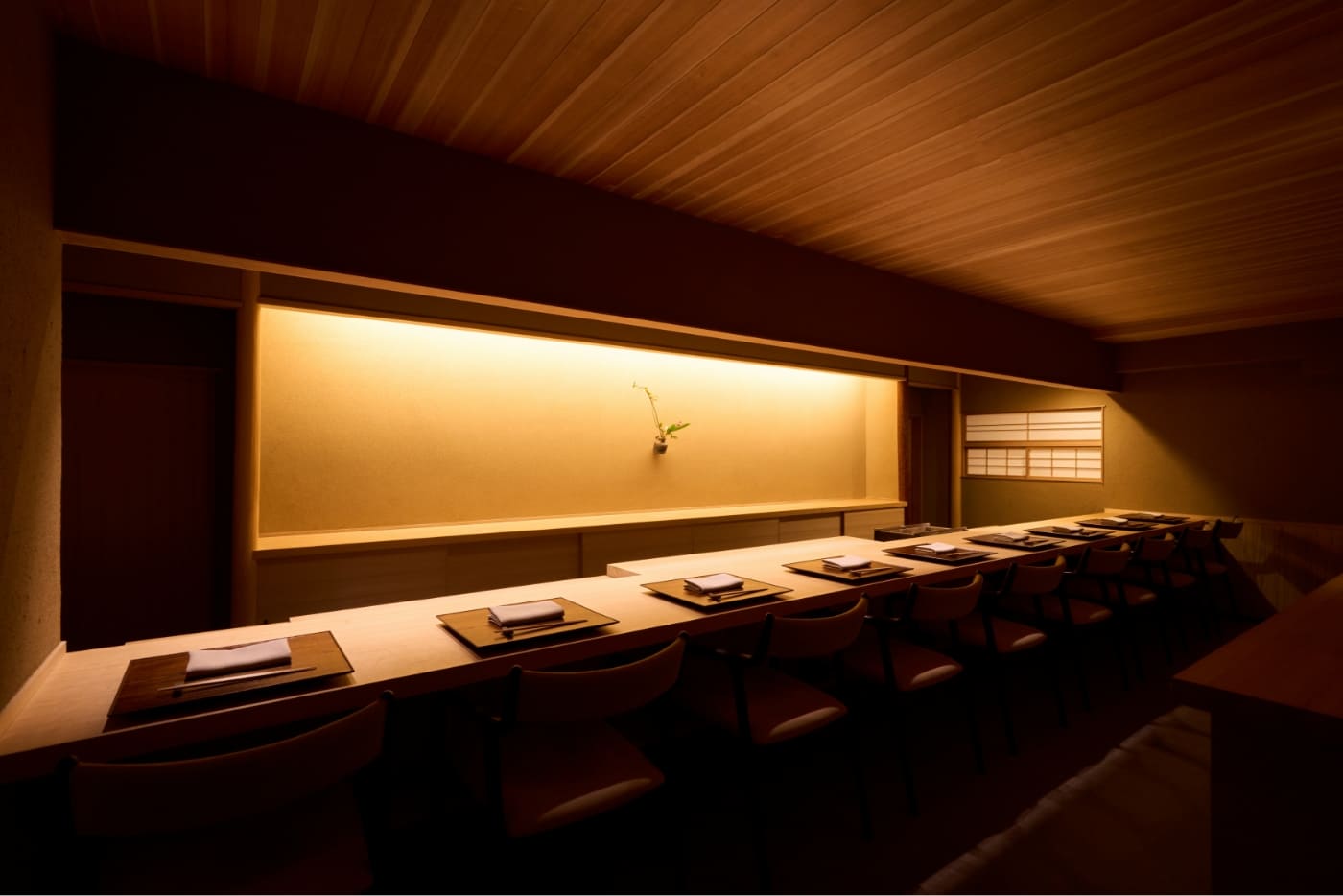
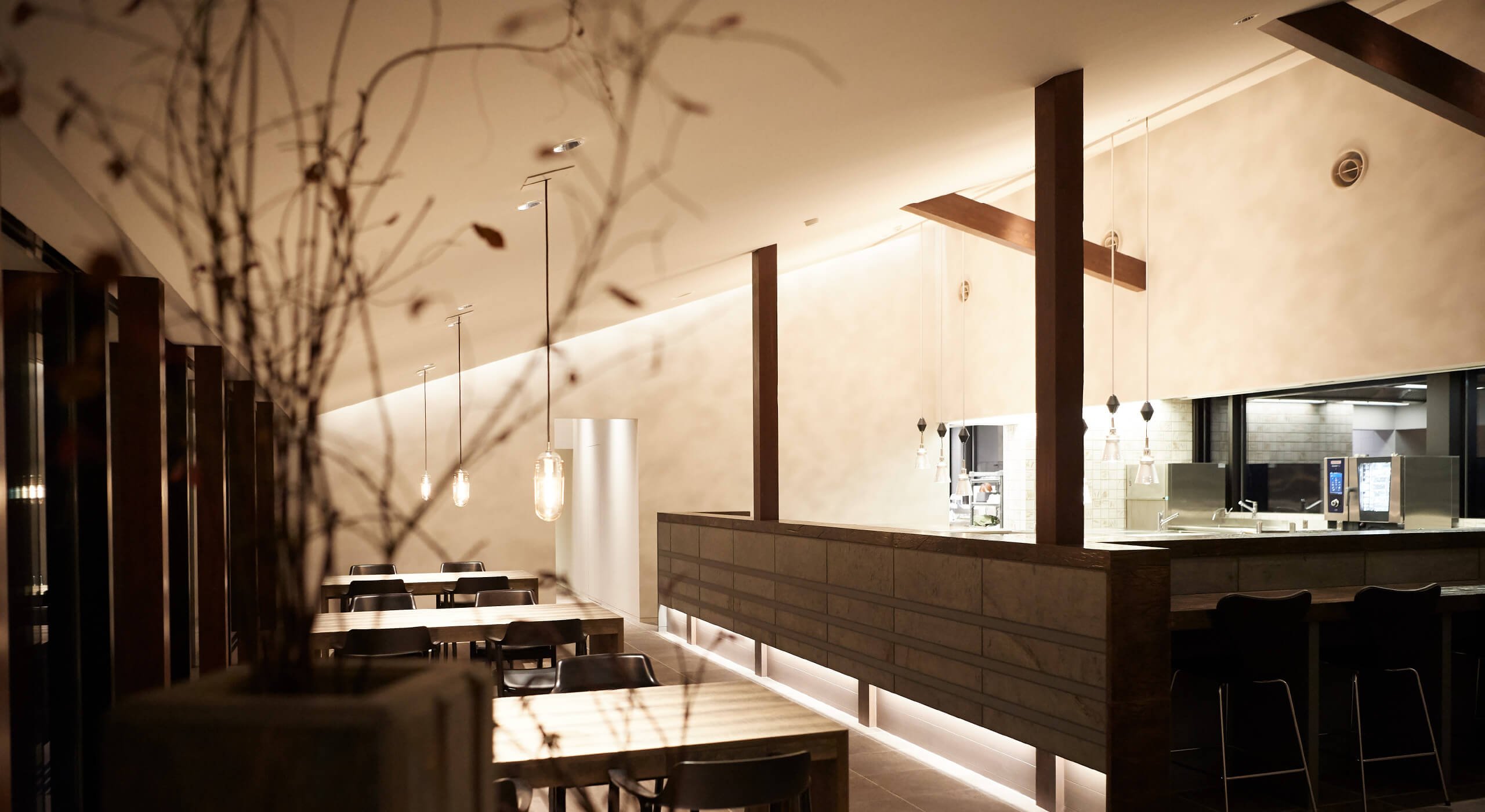
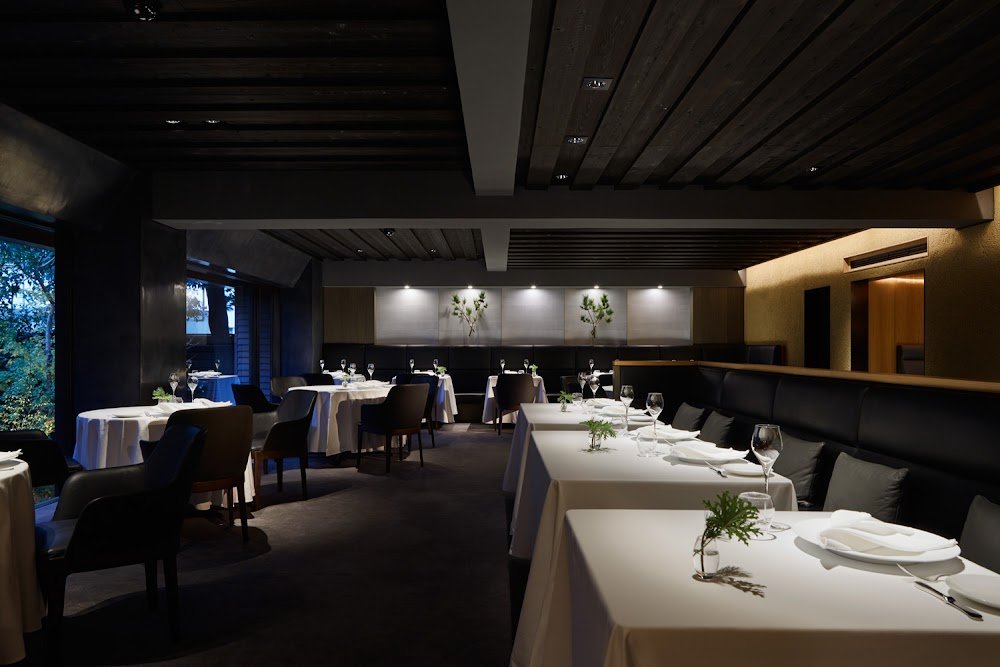
Ginza Shinohara reads like a quietly assured kaiseki room in the heart of Ginza. It holds two Michelin stars and offers serious, restrained dining. The house leans into a deliberate roughness, an emphasis on countryside ingredients and techniques, that keeps the room grounded and slightly rustic in temperament. That rural weight is balanced by the poise expected of Ginza: measured pacing, exacting technique and a classic Japanese sequence of courses. The net effect is a refined, understated space that rewards attention rather than theatrics.
Best For
This is a restaurant for evenings when the meal itself is the occasion. With two Michelin stars, high pricing and placement among Ginza’s elite kaiseki rooms, Shinohara suits special-occasion dinners, date nights where food is the focus and formal business meals that require a discreet, impressive setting. The tone is intentional and composed, so groups seeking lively nightlife or casual late-night bites should look elsewhere. Reservations are implied, and guests should expect a deliberate, multi-course progression that prioritises seasonal ingredients and technical clarity.
Ordering Tips
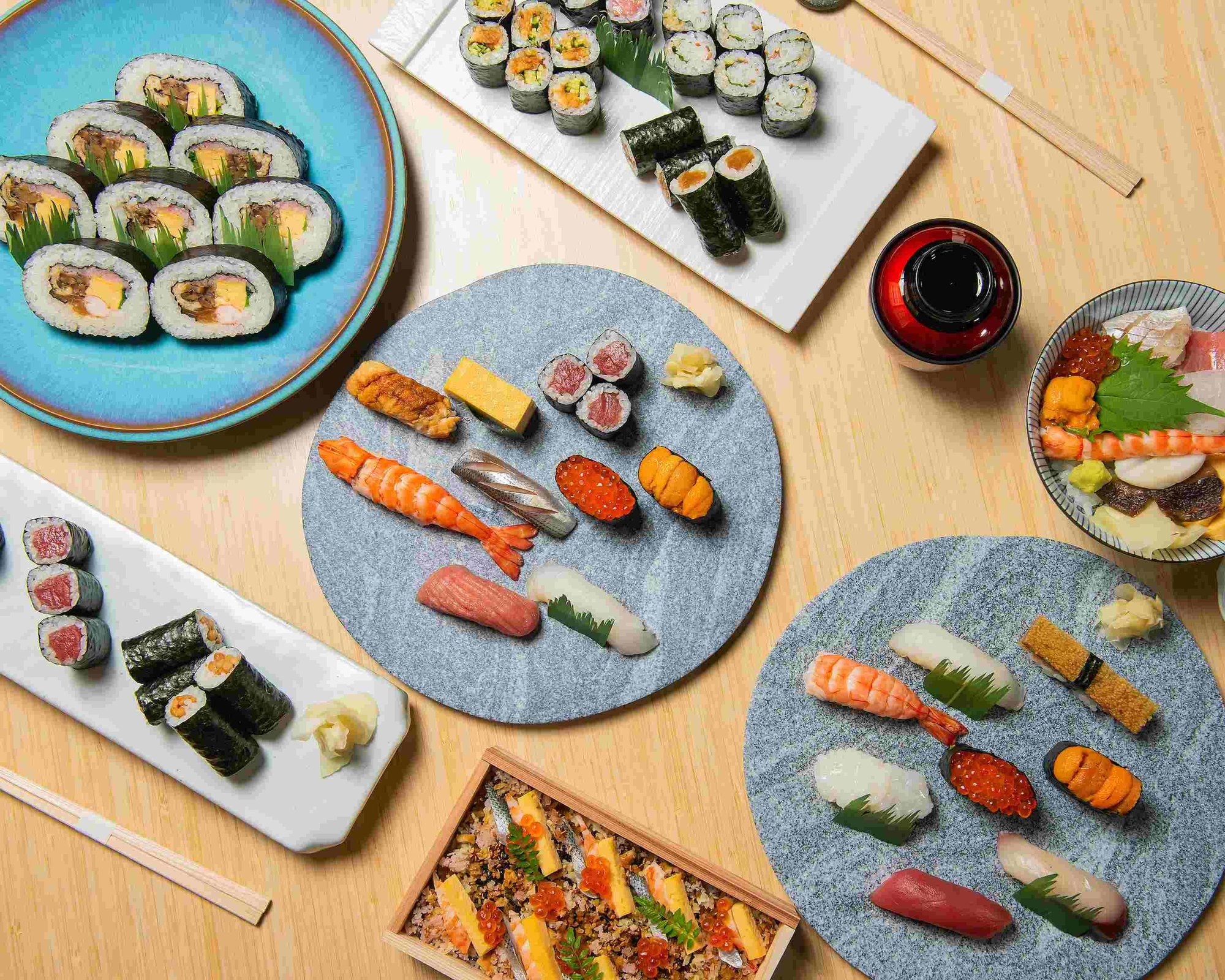
Menus centre on seasonality and carefully composed courses; the description highlights signature items that signal the kitchen’s priorities: Grilled Mochi with Karasumi, Deep Fried Chestnut with Dashi Sauce and a Maguro Handroll. Guests should lean into the chef-led sequence typical of kaiseki dining and allow the progression of small plates to reveal the kitchen’s balance of rustic ingredients and refined technique. Given the restaurant’s standing and pricing in Ginza, book ahead and accept the multi-course format rather than piecemeal ordering to experience what the room is acclaimed for.
Venue details
Ambiance
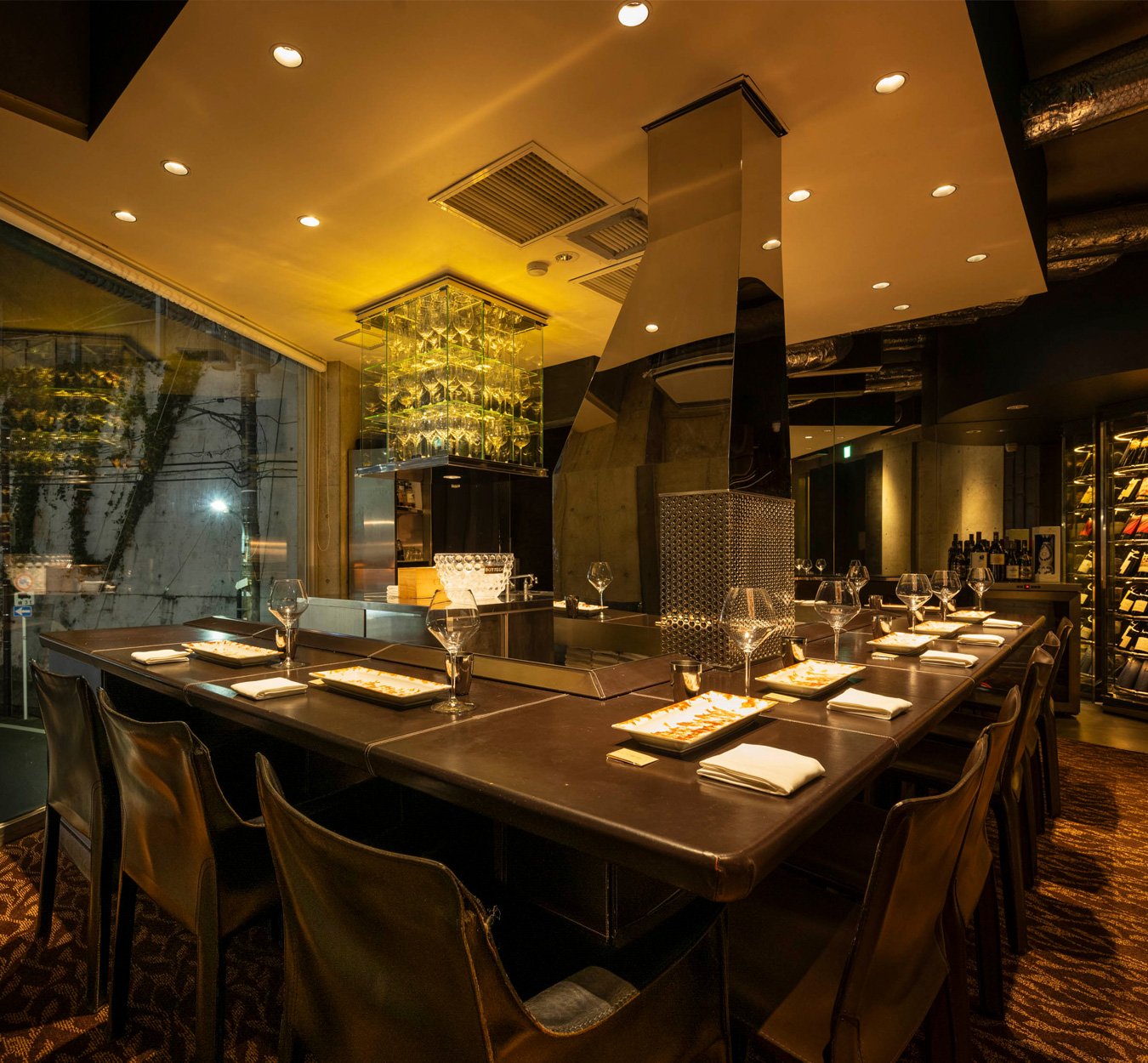
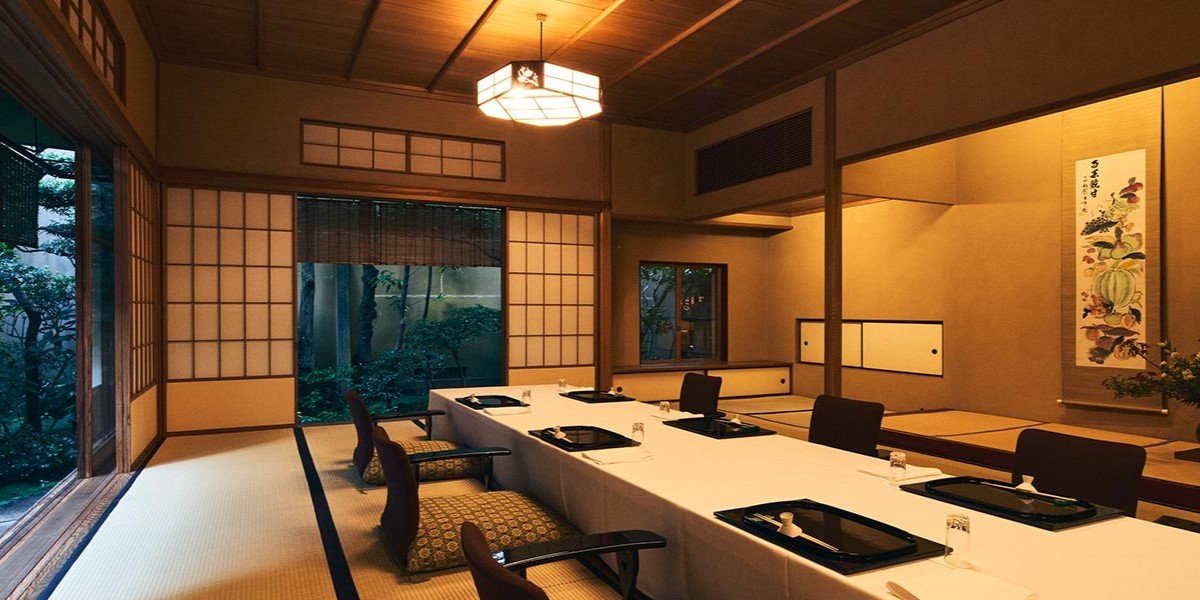
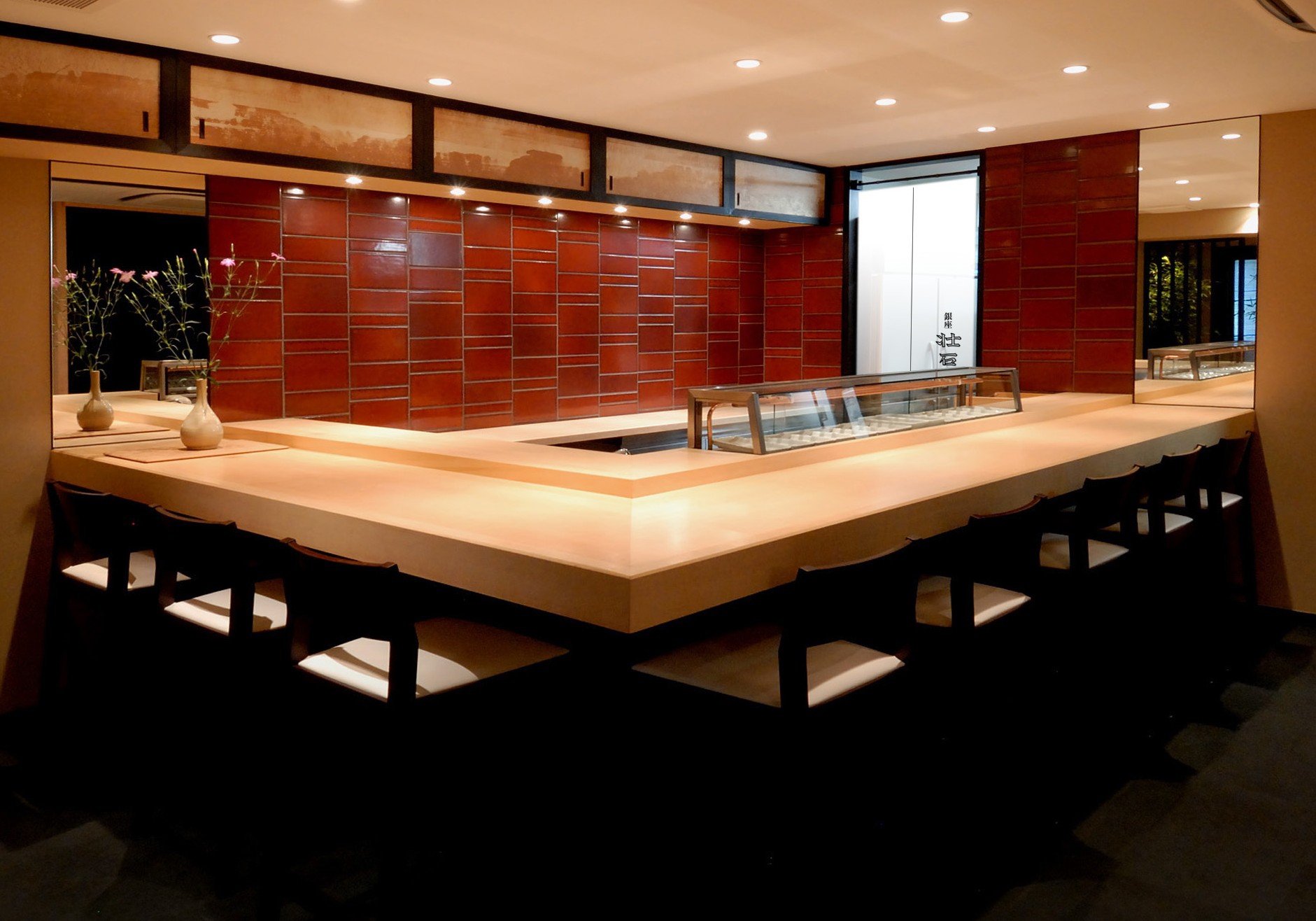
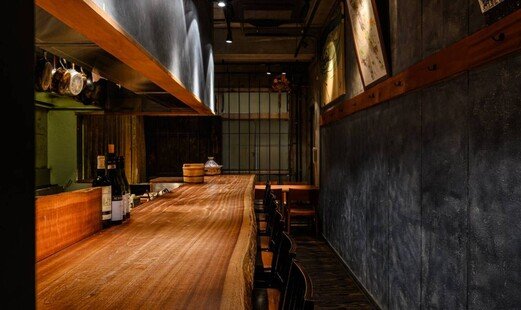
Intimate counter seating with a serene, warm atmosphere featuring beautiful lacquerware presentation and a joyful chef dynamic.
Tags
Vibe
Best For
Experience
At the Table
- Dress Code
- Smart Casual
- Noise Level
- Quiet
- Service Style
- Formal
- Meal Pacing
- Leisurely
- Capacity
- Intimate
- Kitchen
- Traditional
- Menu Format
- Omakase, Tasting menu, Counter dining
- Drinks Focus
- Sake
Signature Dishes
- Grilled Mochi with Karasumi
- Deep Fried Chestnut with Dashi Sauce
- Maguro Handroll
Know before you go
Know Before You Go
- Getting there
- 2 Chome-8-17 Ginza, Chuo City, Tokyo 104-0061, Japan
Planning details
Hours
- Monday
- 5–11:30 pm
- Tuesday
- 12–3 pm, 5–11:30 pm
- Wednesday
- 5–11:30 pm
- Thursday
- 12–3 pm, 5–11:30 pm
- Friday
- 5–11:30 pm
- Saturday
- 12–3 pm, 5–11:30 pm
- Sunday
- Closed
Location
2 Chome-8-17 Ginza, Chuo City, Tokyo 104-0061, Japan · Directions
Recognition and awards


Also consider
Also Consider
- Seizan, Kaiseki, Japanese, ¥¥¥¥
- Mutsukari, Kaiseki, Japanese, ¥¥¥
- Ginza Kojyu, Kaiseki, Japanese, ¥¥¥¥
- GINZA OKUDA, Kaiseki, Japanese, ¥¥¥¥
- Kutan, Kaiseki, Japanese, ¥¥¥¥
Restaurant context
Against Tokyo's ¥¥¥¥ kaiseki field, this counter sits between Ginza Kojyu and GINZA OKUDA in price but diverges sharply in style. Kojyu and Okuda lean urban-polished, with cleaner plating and ingredient restraint; here, you're getting countryside-inspired maximalism, wild game, preserved vegetables, and hassun platters that prioritize variety over negative space. Kutan, also ¥¥¥¥ and nearby, runs quieter and more ingredient-focused, making it the better pick if you want fewer courses with deeper technique per plate. For easier booking and a step down in formality, Mutsukari at ¥¥¥ delivers solid kaiseki without the three-month wait.
If Michelin stars matter to your decision, this venue hasn't earned them yet despite strong Tabelog and OAD recognition, so you're betting on a chef whose reputation lives primarily in the domestic awards sphere. Seizan matches the price and awards profile but offers a more refined room; choose it if ambiance matters as much as food. For readers who want kaiseki but prefer a lighter, less game-heavy menu, Kojyu or Okuda are safer bets. This counter wins if you're chasing ingredient variety, rural Japan cooking traditions, and a format that prioritizes abundance over restraint, just know you're committing to a style that reads less polished and more ingredient-forward than most Ginza kaiseki rooms at this tier.
Explore Tokyo
Around this place
Discover more on Pearl
Unlock the full Ginza Shinohara guide in Pearl, including awards, comparisons, FAQs, planning details, and nearby places.
FAQ
Frequently Asked Questions
What are alternatives to Ginza Shinohara in Tokyo?
Comparable options from the comparable venue set include Seizan, Mutsukari, Ginza Kojyu, GINZA OKUDA, and Kutan. Compare them on current availability and your preferred style of high-end Japanese dining.
Is lunch or dinner better at Ginza Shinohara?
Hours are lunch on Tuesday, Thursday, and Saturday from 12–3 pm, and dinner on Monday through Saturday except Sunday closure. For menu differences, pricing differences, seating times, and value judgments between lunch and dinner, check current details before booking.
Can Ginza Shinohara accommodate groups?
Ginza Shinohara is a ¥¥¥¥ kaiseki and Japanese restaurant in Tokyo.
Is Ginza Shinohara good for solo dining?
Solo diners should consider the restaurant's ¥¥¥¥ pricing, smart-casual dress code, and kaiseki/Japanese cuisine style when deciding whether it suits their plans. Ginza Shinohara is a Tokyo kaiseki and Japanese restaurant from chef-owner Takemasa Shinohara.
Is Ginza Shinohara good for a special occasion?
It may suit diners looking for a premium kaiseki or Japanese restaurant in Tokyo. The price tier is ¥¥¥¥ and the dress code is smart casual.