

2025 Tabelog Gold Award Winners: Complete List
A restaurant so exceptional that it is considered worth visiting for a lifetime, no matter where it is located.

Venues on this list
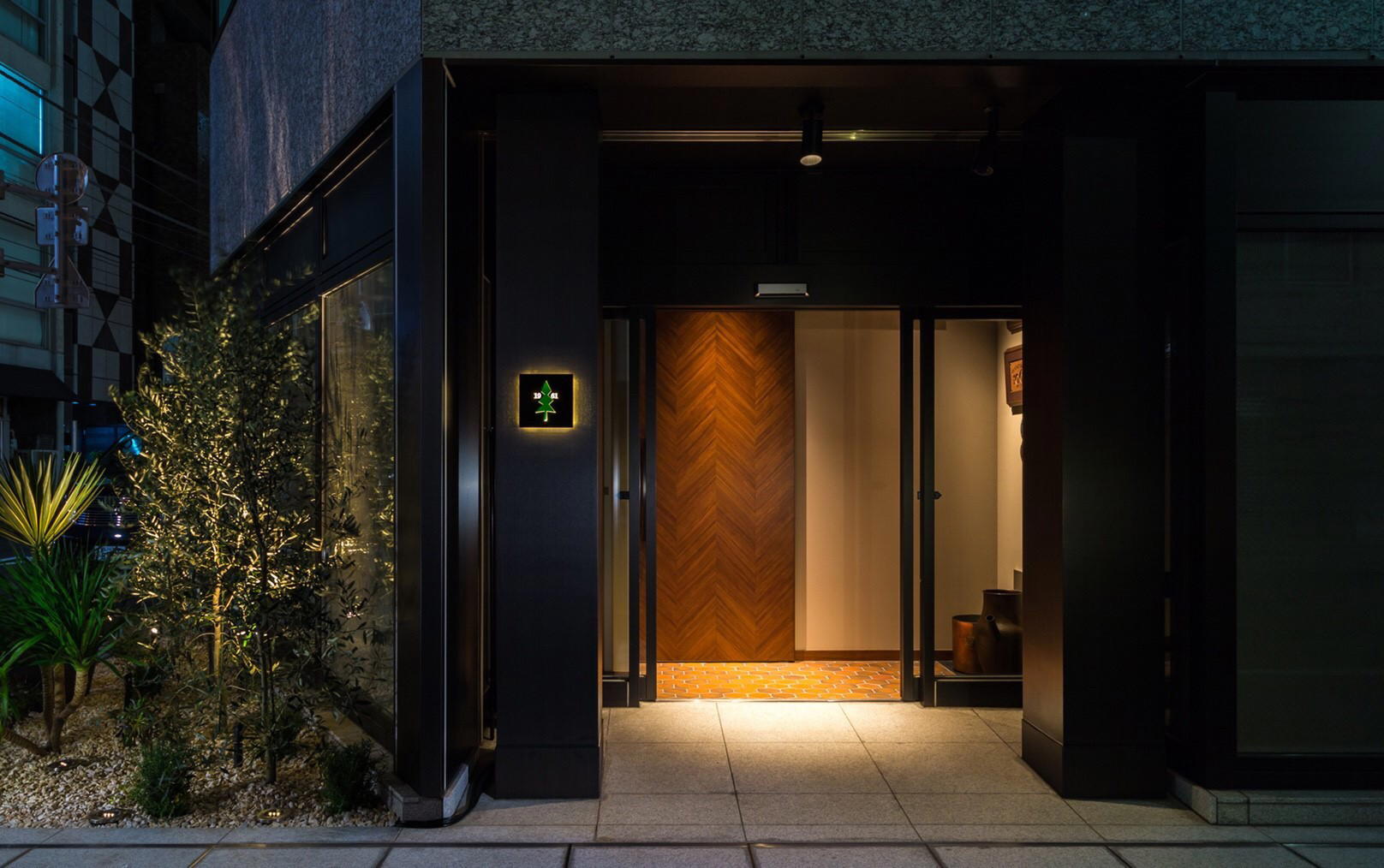
Sugita
Tokyo, Japan
Sugita is a restaurant listing in Tokyo.
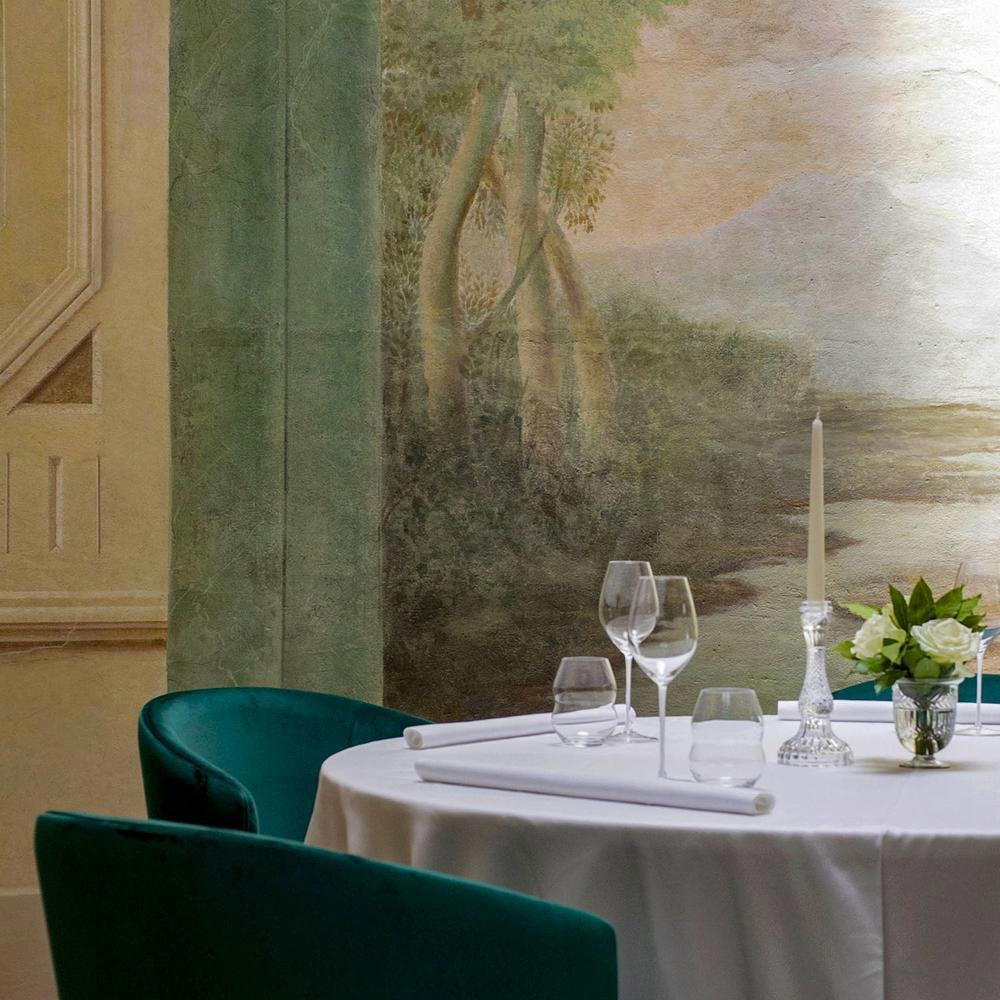
Kinoshita
Tokyo, Japan
A Yoyogi French bistro with à la carte and prix-fixe options, emphasising classical preparations (pâté, smoked salmon, roast lamb) and seasonal rotation. Mid-tier pricing (¥12,000 dinner, ¥2,500 lunch), 20 seats including a four-seat counter, and reservations that open two months out without the booking pressure of tasting-menu temples. Good for repeat visits if you value bistro consistency over cutting-edge technique.
Sottaku Tsukamoto
Kyoto, Japan
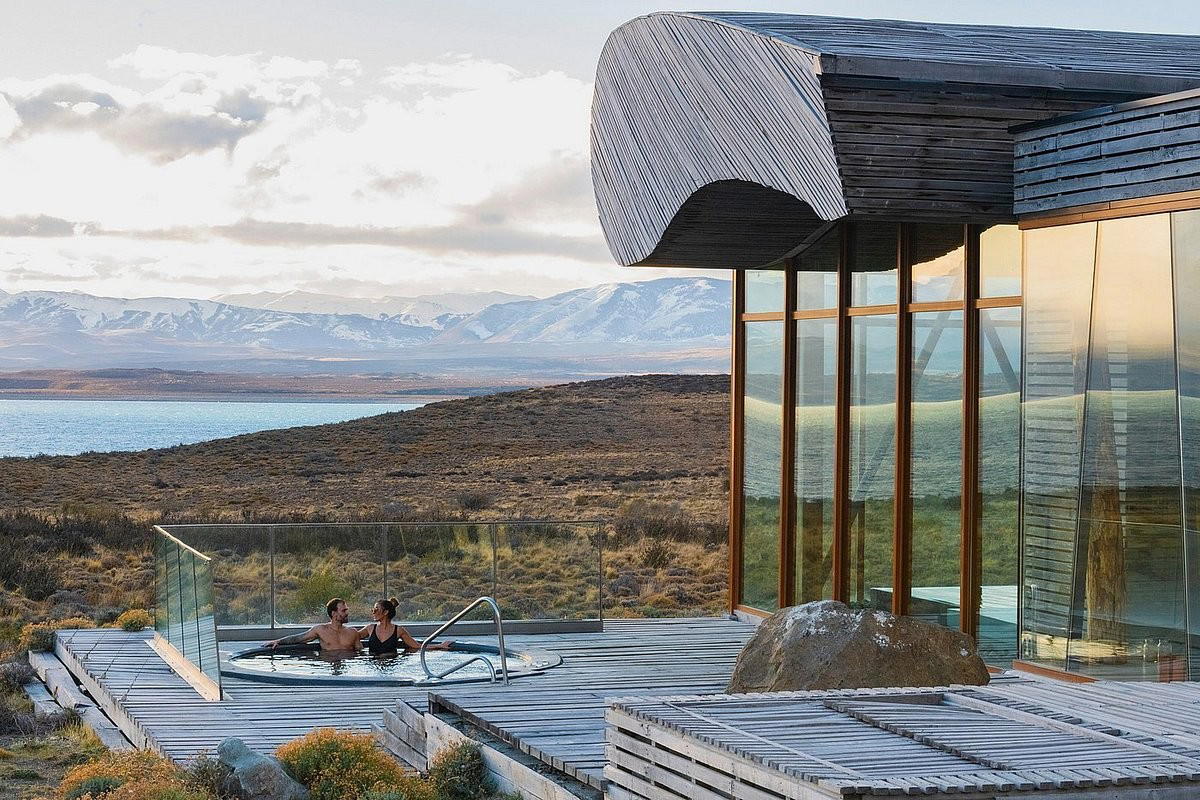
A Tabelog Gold kaiseki counter in Gion that accepts only referrals, offering precise seasonal cooking at JPY 30,000–39,999 per head. The eight-seat format rewards diners who value quiet formality over warm hospitality, but the no-new-reservations policy and strict service philosophy make it a poor fit for first-timers.
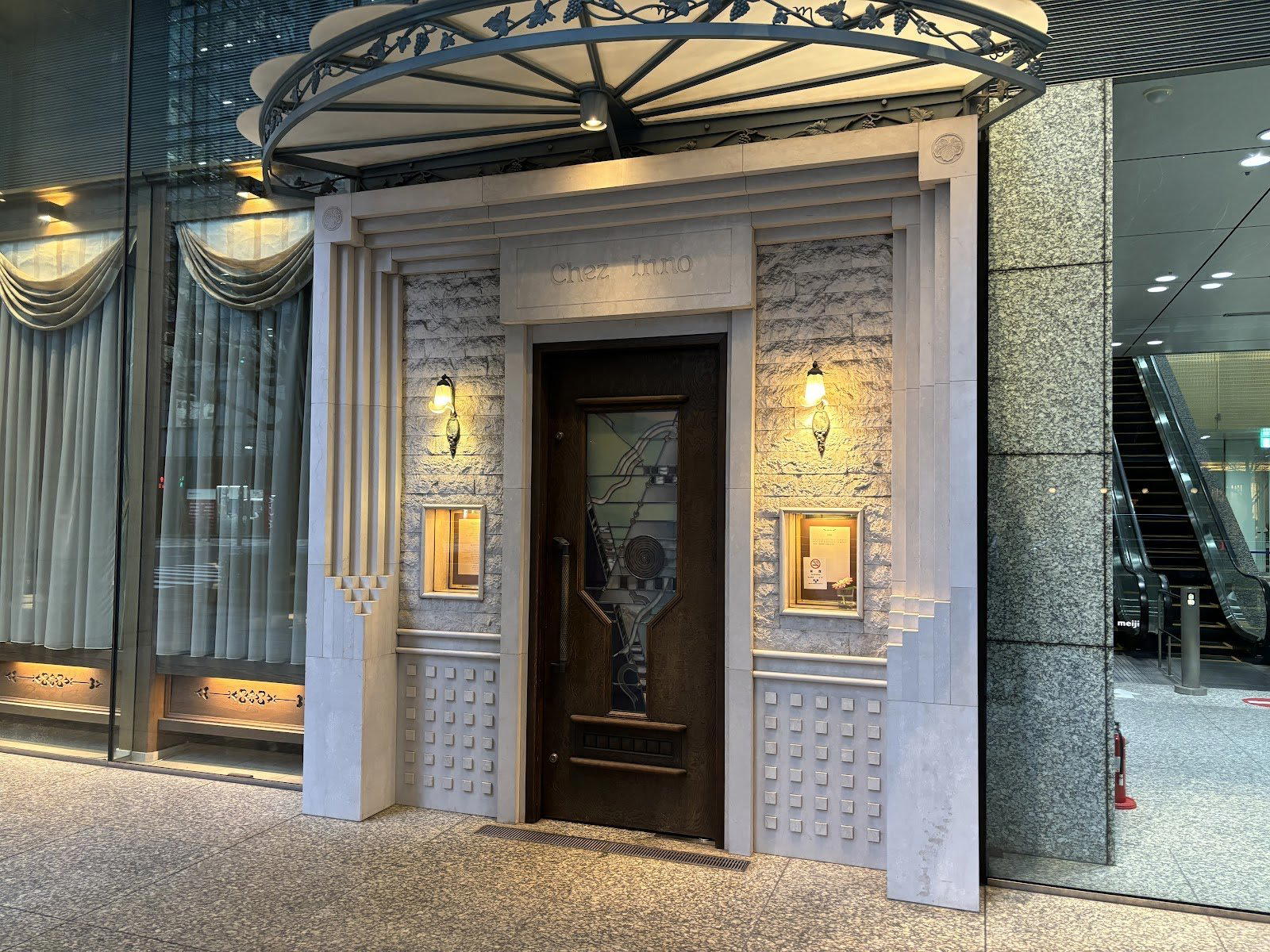
Chez Inno
Tokyo, Japan
Chez Inno is a restaurant in Kyobashi, Tokyo.
Matsukawa - 松川
Tokyo, Japan
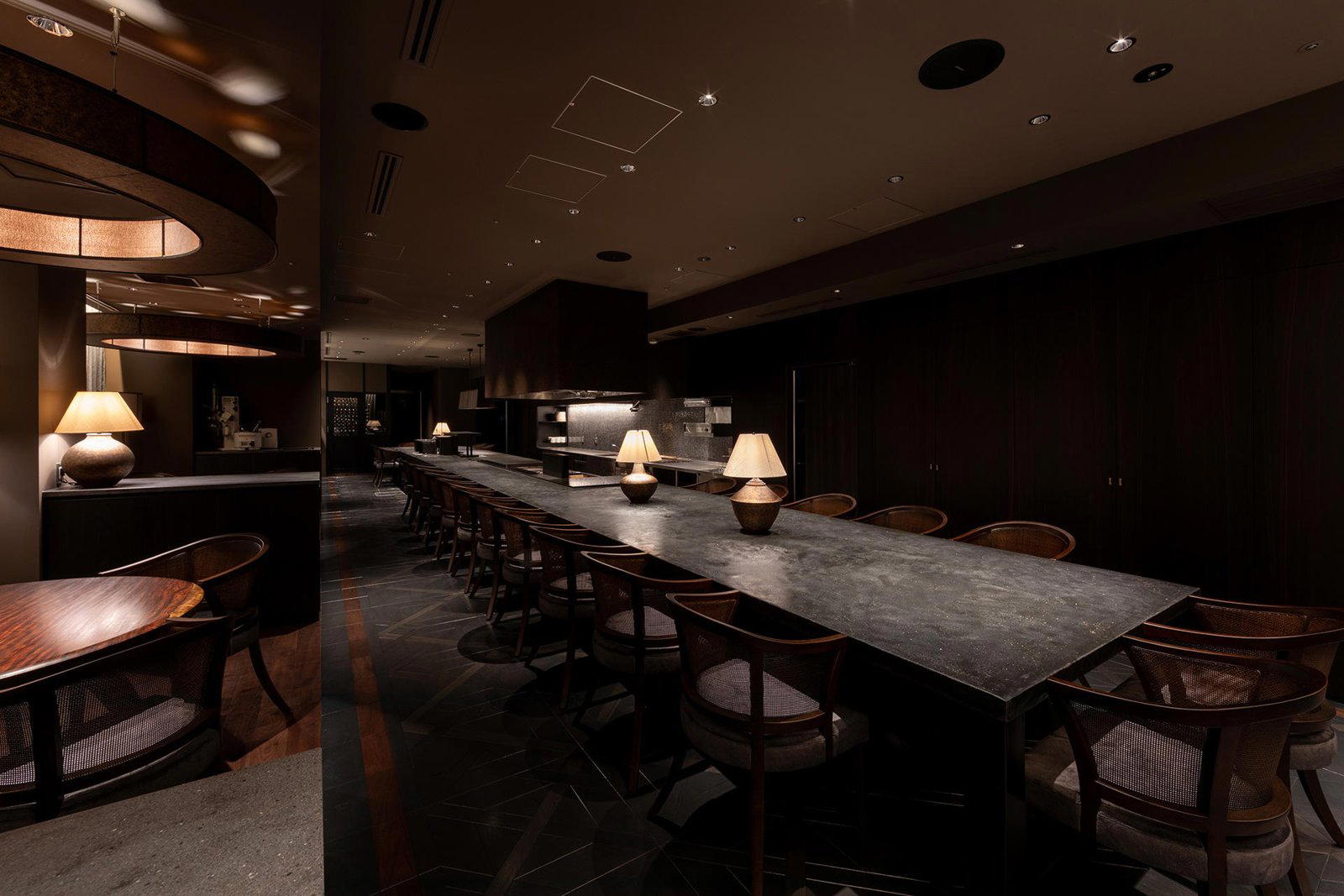
Matsukawa is one of Tokyo's most consistently decorated kaiseki restaurants; Tabelog Gold every year since 2017, a 4.63 score, and 99.5 points on La Liste 2025. Dinner runs JPY 80,000–99,999 per person, cash only, and access requires a referral. If you can arrange an introduction, book it; the critical case for doing so is unusually well-documented.
Sushi Sanshin
Osaka, Japan
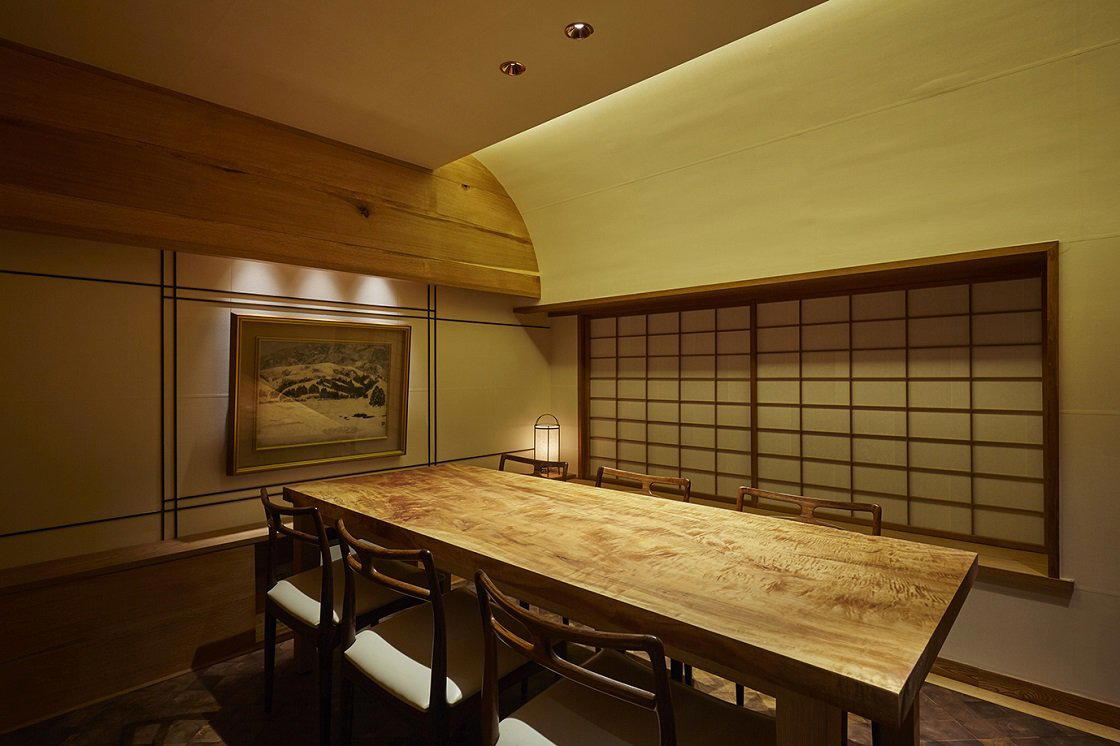
Sushi Sanshin is a restaurant in Chuo Ward, Osaka.
Ninshurou
Kyoto, Japan
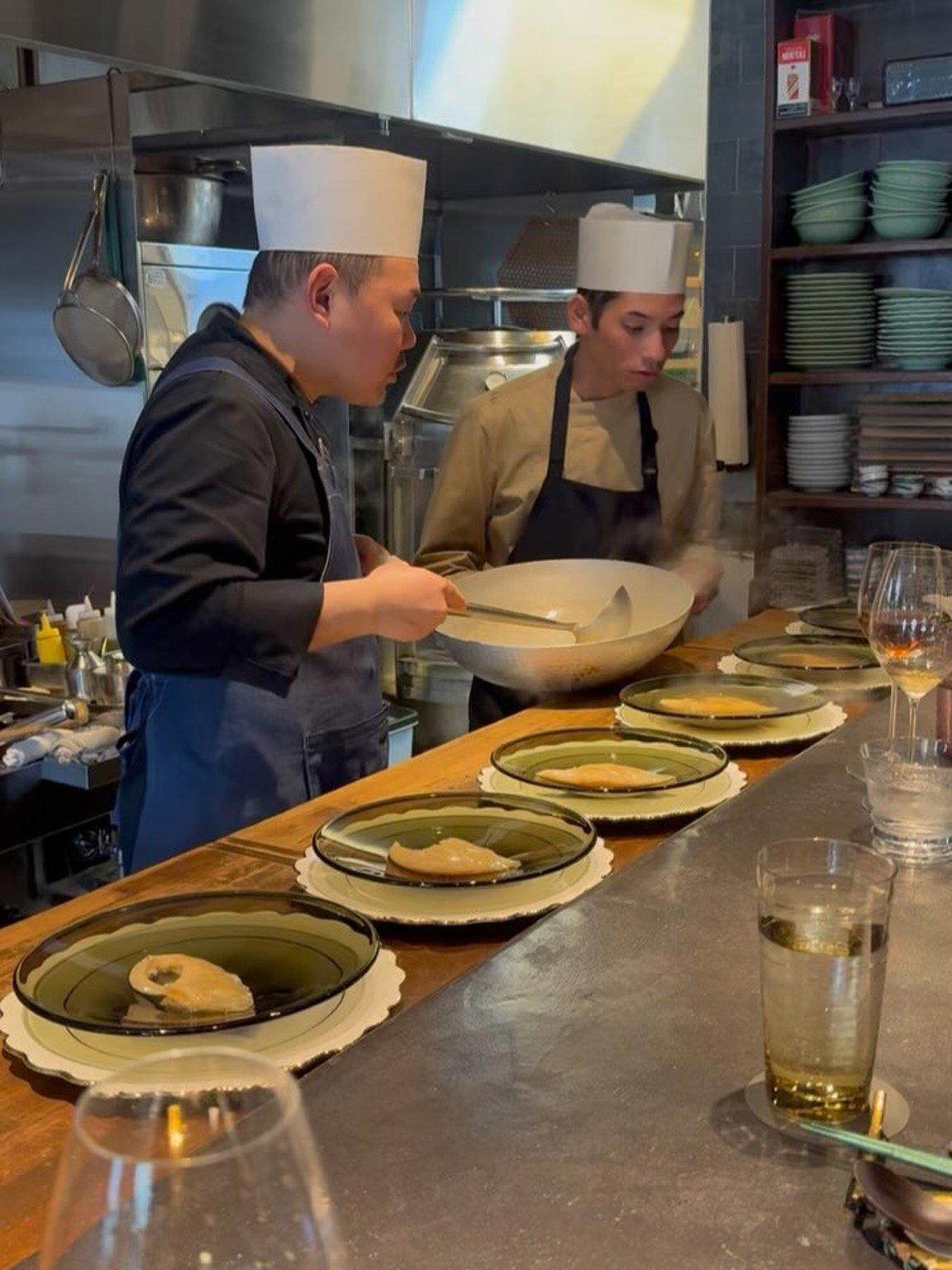
Ninshurou is an eight-seat Cantonese counter in Kyoto's Kita Ward, running a single omakase format (JPY 30,000–39,999) with traditional Guangdong preparations; braised abalone, roast suckling pig, double-boiled soups; using Japanese seasonal produce. Tabelog Gold 2024–2026 and La Liste 95pts signal consistent execution, but the reservation-only, dinner-only, counter-only setup suits diners seeking technique over flexibility.
Saito
Tokyo, Japan
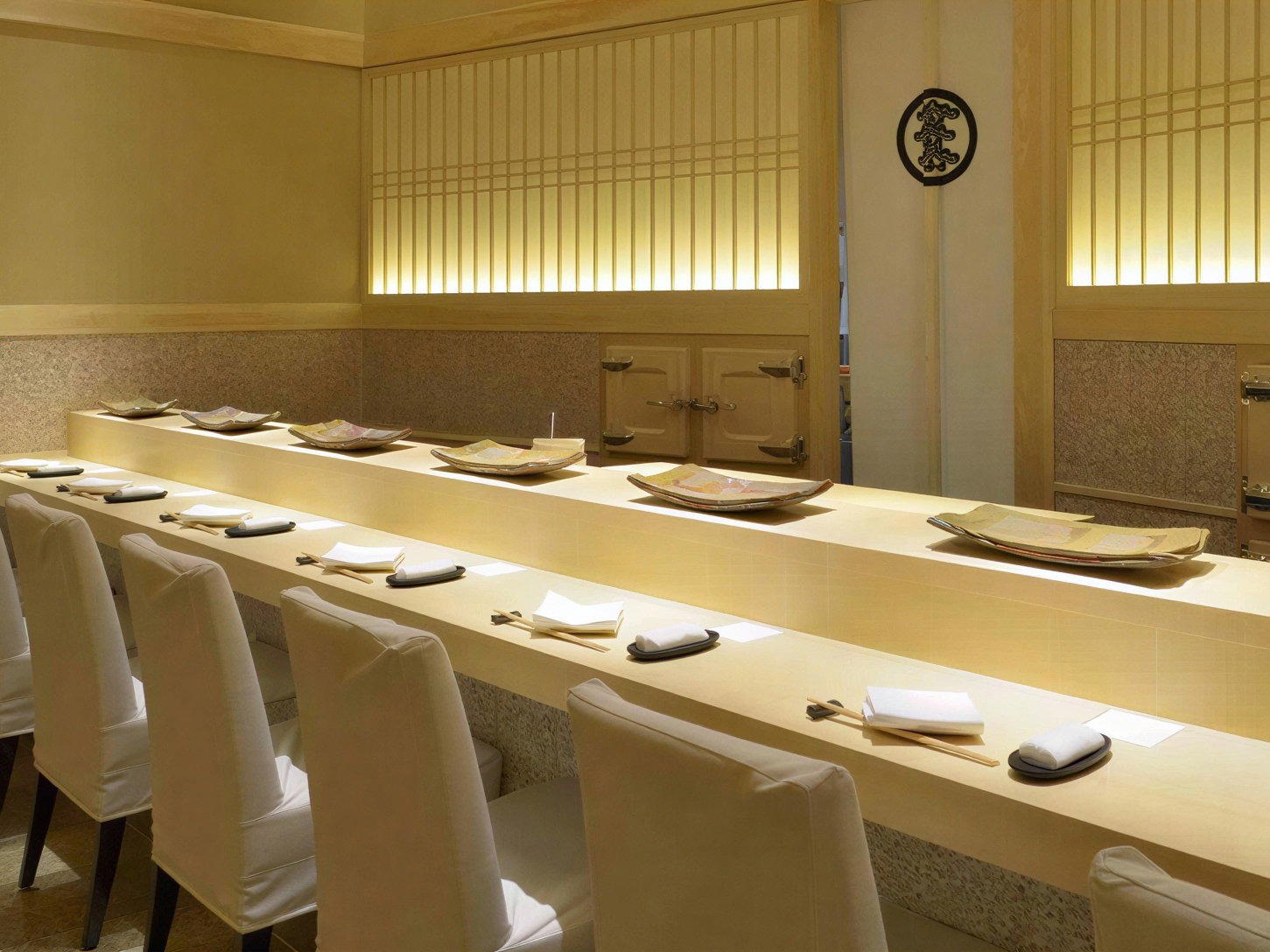
Saito is a restaurant in Roppongi, Tokyo.
Sushi Sakai
Fukuoka, Japan
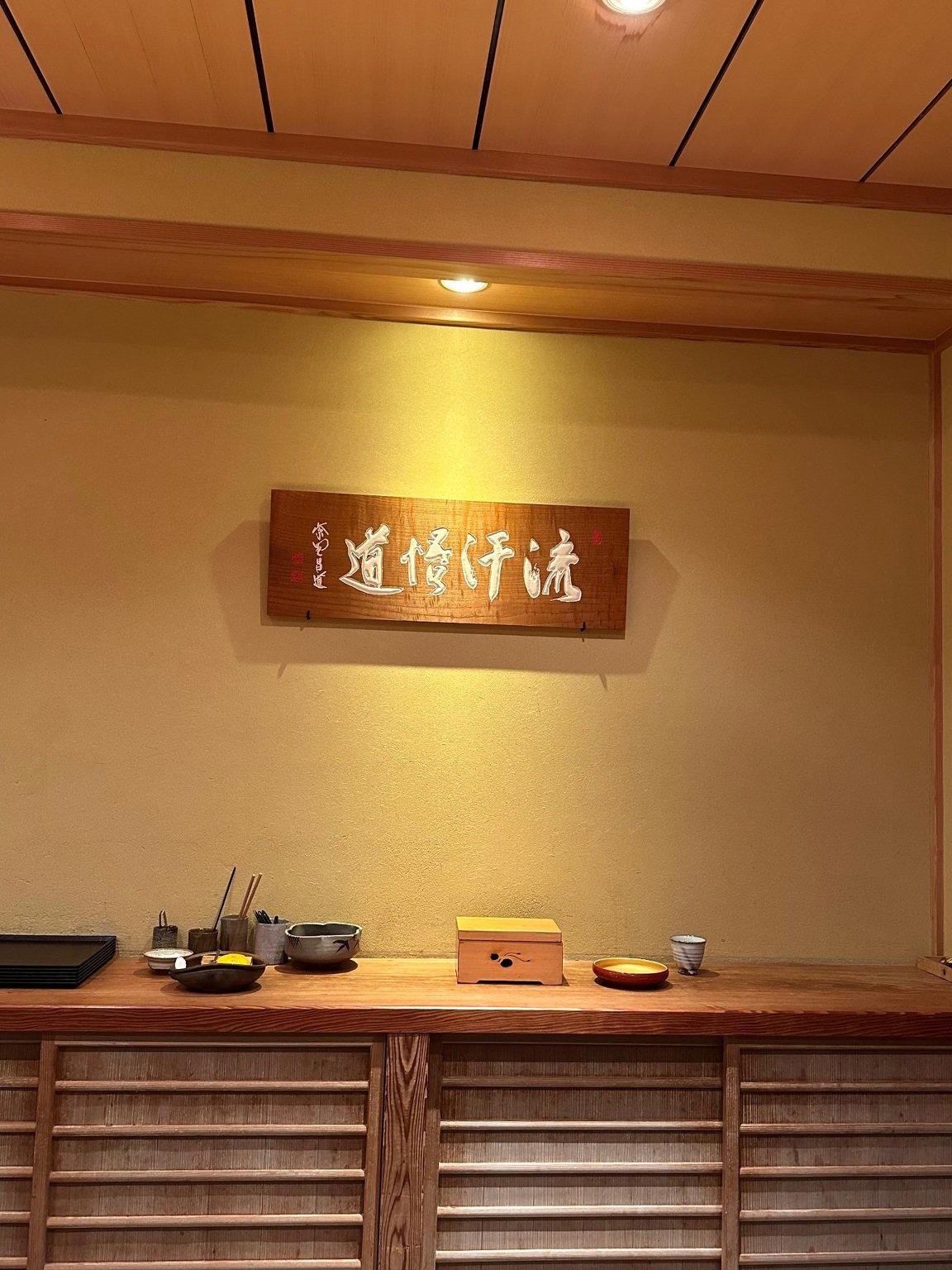
Sushi Sakai is Fukuoka's strongest argument for a dedicated sushi booking: Tabelog Gold across six of the past eight years, a La Liste score of 97 in 2026, and a 12-seat counter with multilingual reservations that makes high-level Japanese omakase accessible to international visitors. Budget JPY 50,000–79,999 per head at dinner and book well in advance.
AO
Tokyo, Japan
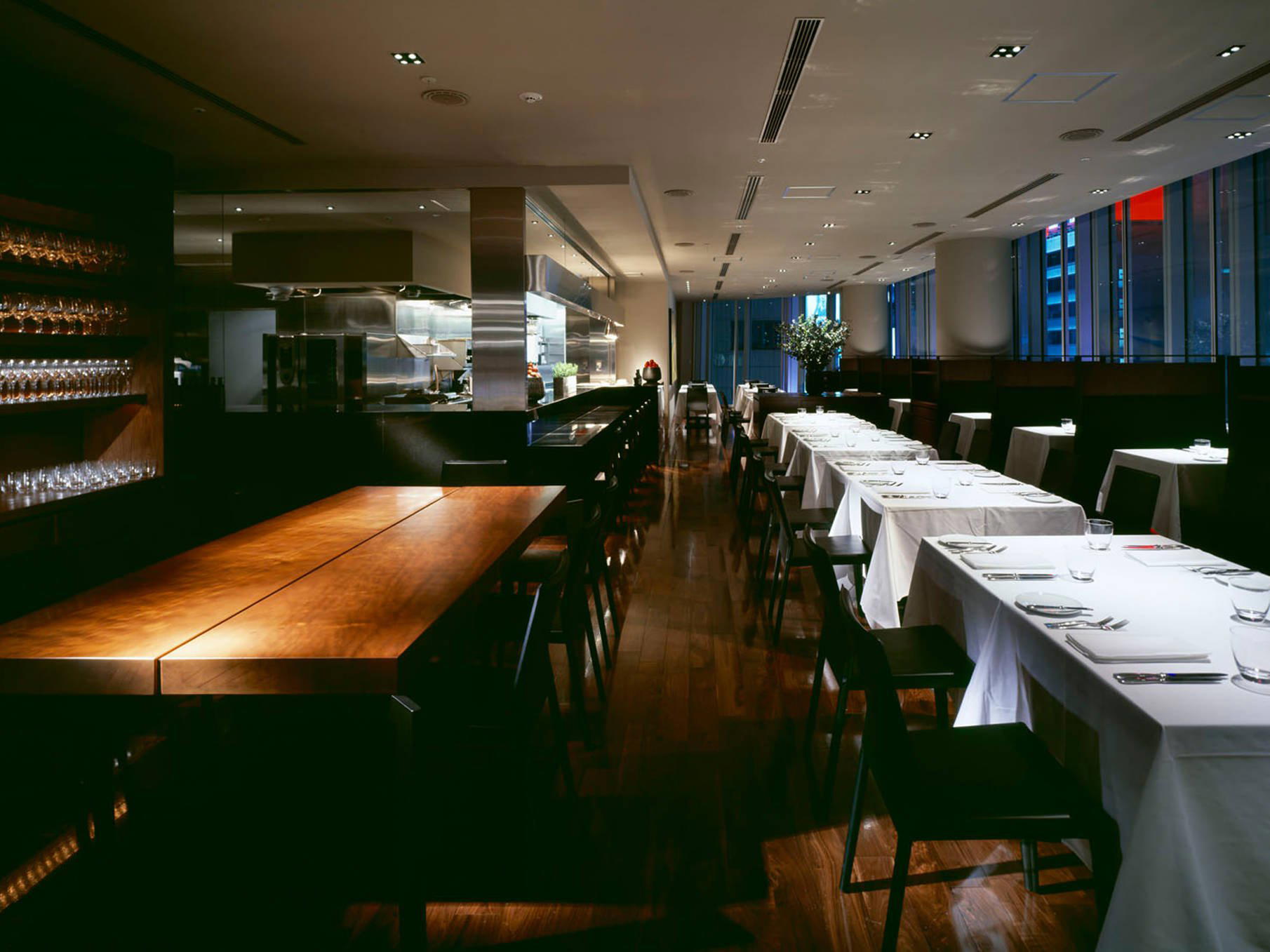
AO is a restaurant in Kita-Aoyama, Tokyo.
Doujin
Kyoto, Japan
Doujin is a five-seat counter kaiseki restaurant in Kyoto's Sakyo Ward, holding Tabelog Gold continuously since 2020 and ranked 19th in Japan by Opinionated About Dining in 2025. Dinner only, priced at JPY 50,000–59,999 per person before drinks, with an actual spend closer to JPY 100,000. Book by phone well in advance; the counter size makes availability tight without being impossible.
Chakaiseki Onjaku 茶懐石 温石
Yaizu, Japan
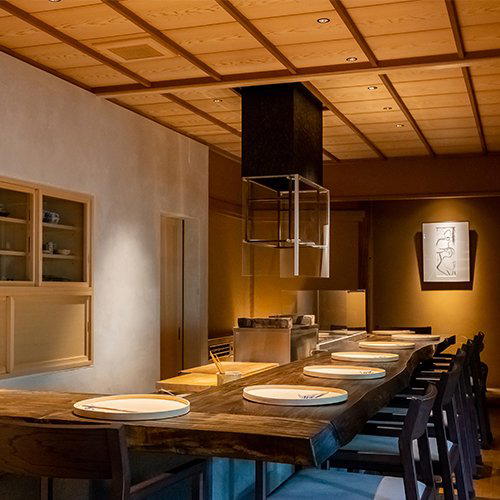
Onjaku holds a Tabelog Gold Award for four consecutive years (2023–2026) and a score of 4.57; placing it among Japan's most decorated kaiseki restaurants outside the major cities. The tea kaiseki format under chef Daigo Sugiyama runs JPY 20,000–29,999 per head, reservation-only, with private rooms for groups. Booking is easier than the credential stack suggests.
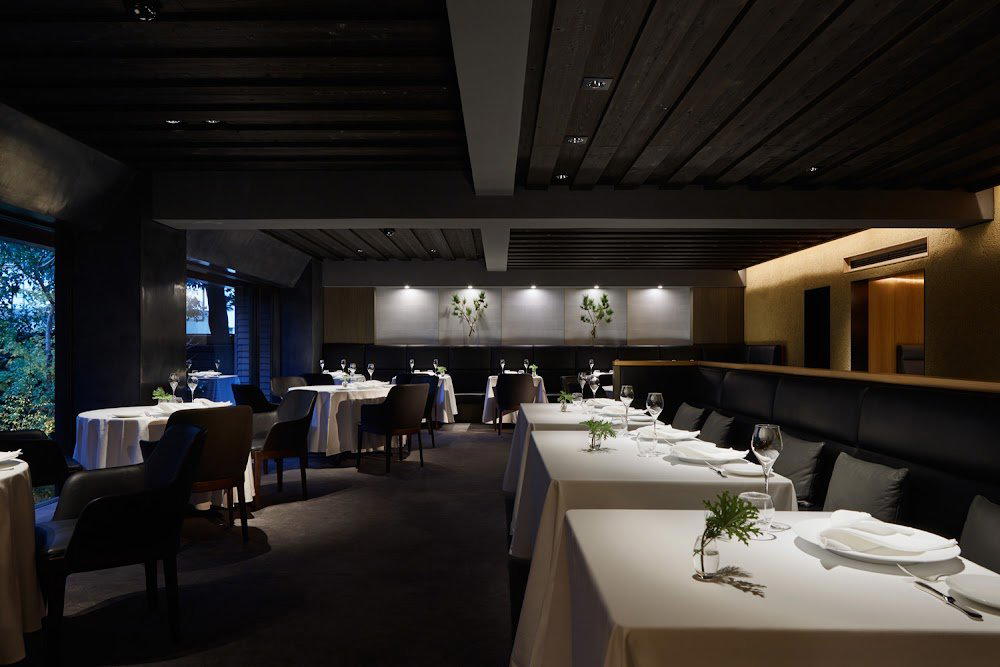
Ginza Shinohara
Tokyo, Japan
Ginza Shinohara is a restaurant in Ginza, Tokyo.
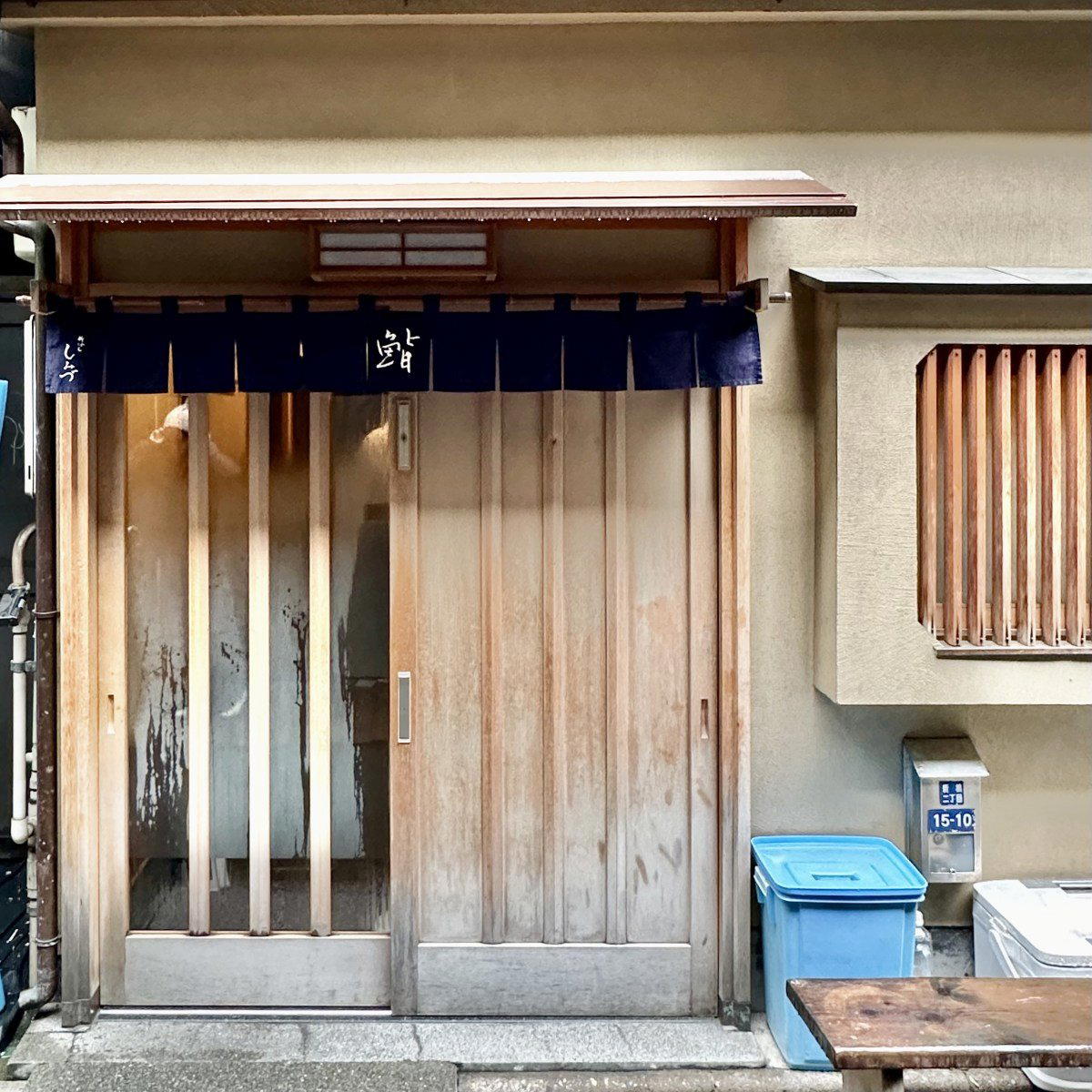
Shimizu
Nagoya, Japan
Shumoku Cho Shimizu holds a 4.59 Tabelog score and back-to-back Gold awards (2025, 2026); the strongest recognition trajectory of any Japanese cuisine restaurant in Nagoya in recent years. Dinner only, ¥50,000+ per person with service charge, online booking essential. The right call for a food-focused traveller who wants a serious kaiseki experience with a clear Gifu regional identity.
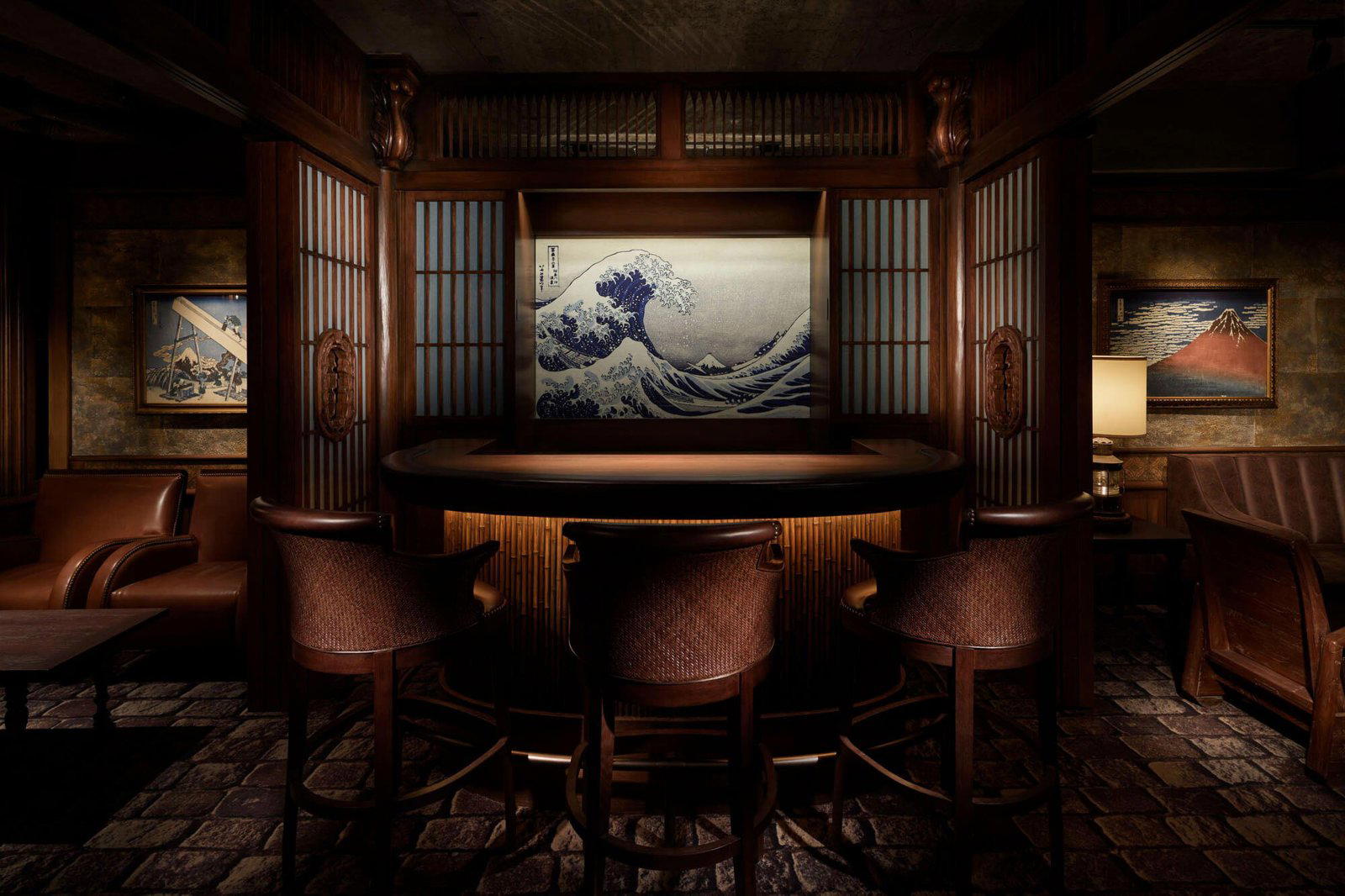
Yakitori Kasahara
Tokyo, Japan
Tabelog Gold three years running and ranked among Japan's top 63 restaurants, Kasahara is the most credentialed yakitori counter in Tokyo. Ten seats, two sessions nightly, and a JPY 30,000–39,999 course make this a serious commitment; but for food-focused travellers who treat yakitori as a destination eat, it is the booking to make first.
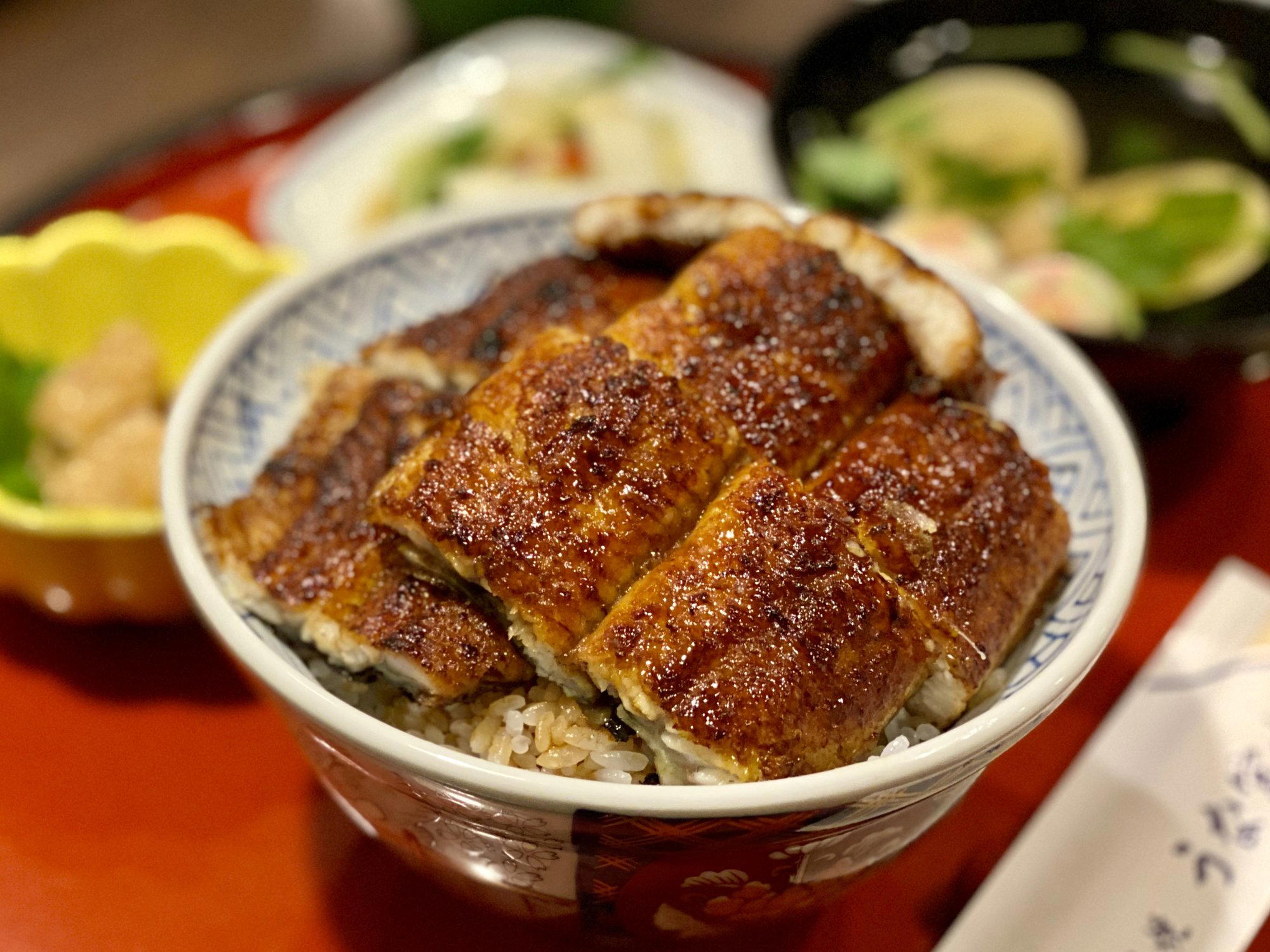
Uran
Otsu, Japan
Uran is the strongest case for unagi in the Kansai region outside Kyoto; a Tabelog Gold 2025 winner with a score of 4.54, operating out of an 18-seat tatami house restaurant in Hamaotsu. Reservations for new customers are currently suspended, cash only, and lunch hours close at 13:30. Worth the effort to get in, but plan well ahead.
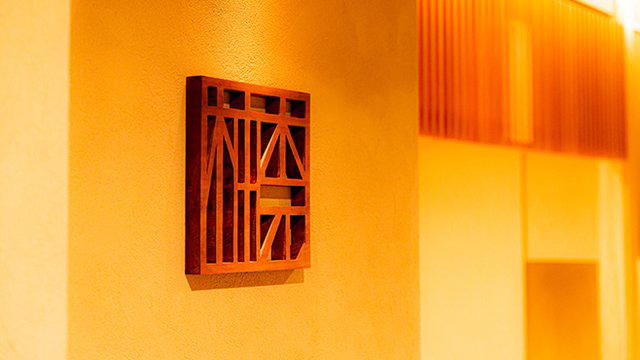
柚木元 - Yukimoto
Iida, Japan
Yukimoto is the strongest reason to route a Nagano itinerary through Iida. Chef Takayuki Hagiwara's kaiseki restaurant holds a Tabelog score of 4.61, three consecutive Gold Awards, and ranks #46 in Opinionated About Dining's Japan list for 2025. With 20 seats across four private rooms, it's a serious, seasonally-driven meal at JPY 30,000–39,999 per person; worth building a trip around.
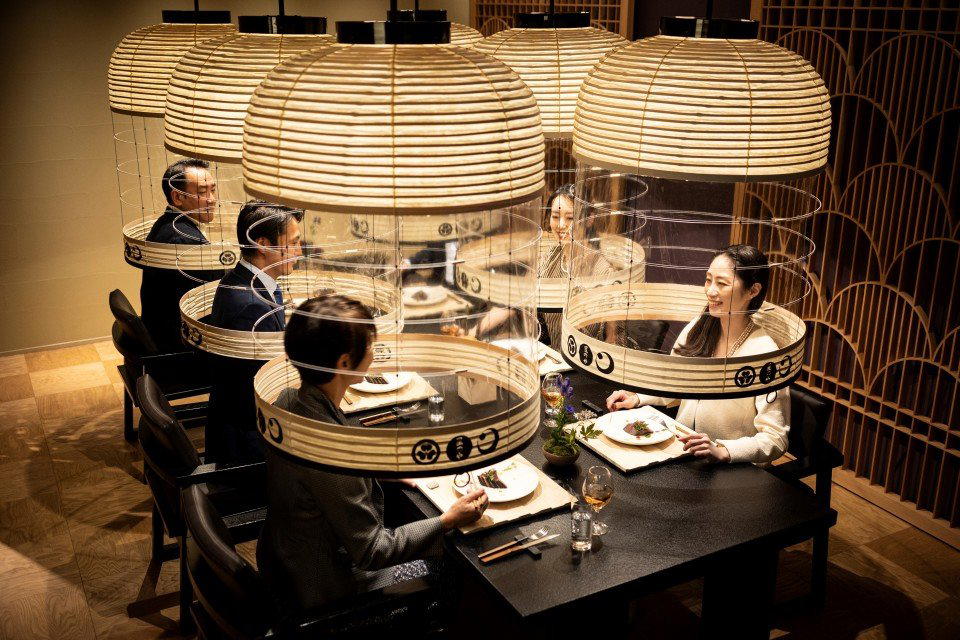
Hoshino
Tokyo, Japan
Shimbashi Hoshino is one of Tokyo's most consistently decorated kaiseki restaurants, holding Tabelog Gold every year since 2017 and ranked #7 in Japan by Opinionated About Dining (2025). Dinner runs JPY 60,000–79,999 per person. Reservations are by referral only, so secure access before you plan your trip.
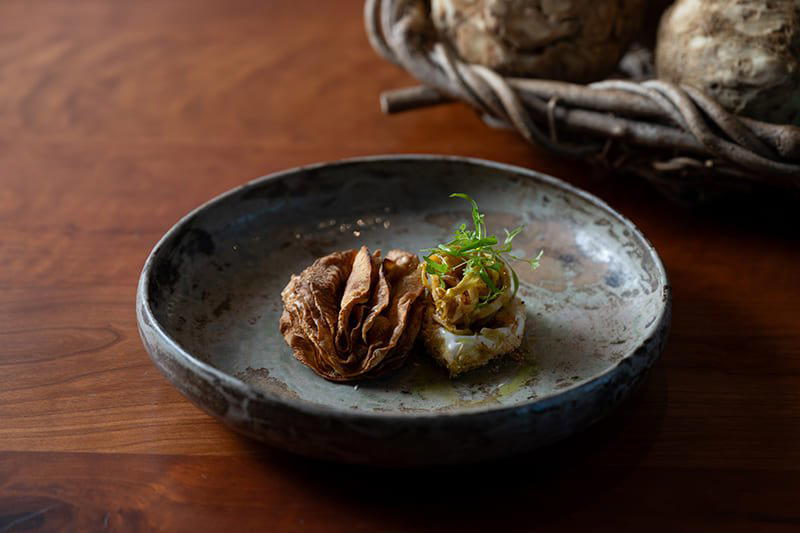
Restaurant Naz
Karuizawa, Japan
Restaurant Naz holds Tabelog Gold awards for both 2025 and 2026, a La Liste score of 95, and a rapid climb to #120 on Opinionated About Dining Japan; all within its first year of operation. Reservation-only, with dinner running JPY 60,000–79,999 per head, it is the most credentialed innovative tasting-menu destination in the Karuizawa area. Private rooms for four or eight make it a practical choice for group occasions.
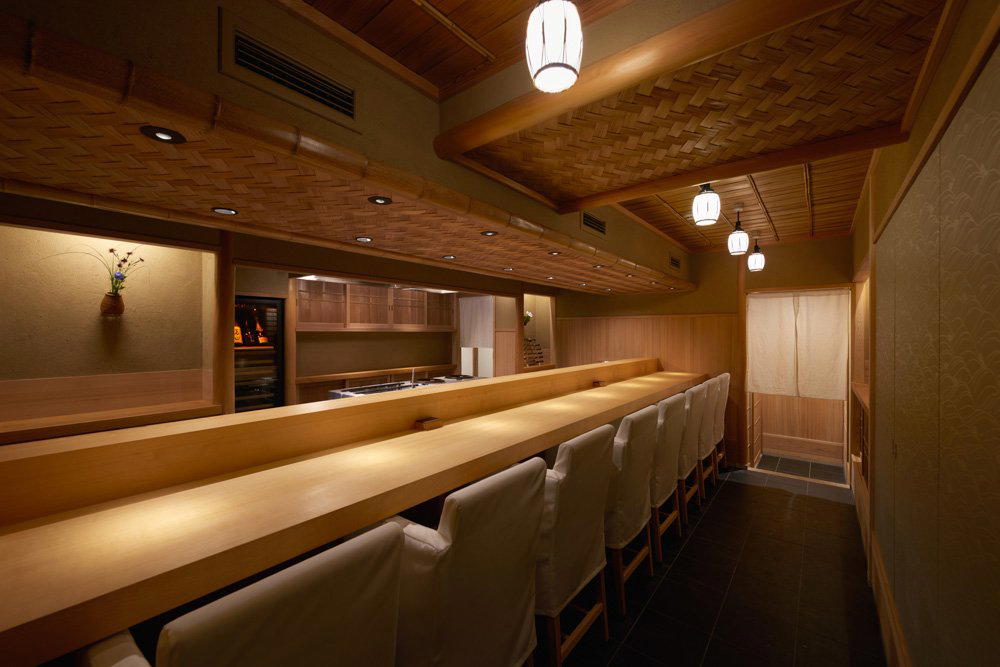
Higashiazabu Amamoto
Tokyo, Japan
Against Tokyo sushi peers, Higashiazabu Amamoto is the pick for a serious chef-led counter meal with a strong sake angle, not for a flexible group dinner. Book it for a date, client meal, or small celebration where sushi is the point of the night; compare Fujisushi if a visible ¥¥¥ price tier matters more upfront.
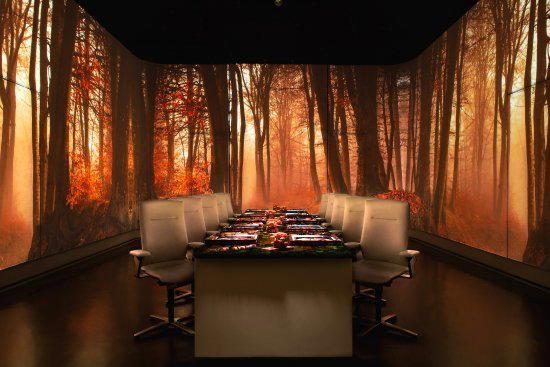
Tenzushi Kyomachi
Fukuoka, Japan
Tenzushi Kyomachi is a six-seat counter in Kitakyushu ranked #3 in all of Japan by Opinionated About Dining (2025) and a Tabelog Gold winner for eight consecutive years. Expect to spend JPY 50,000–59,999 per head for chef Isao Amano's Kyushu-mae sushi with kaiseki-influenced construction. Book well in advance; capacity is tiny and the national reputation fills seats fast.
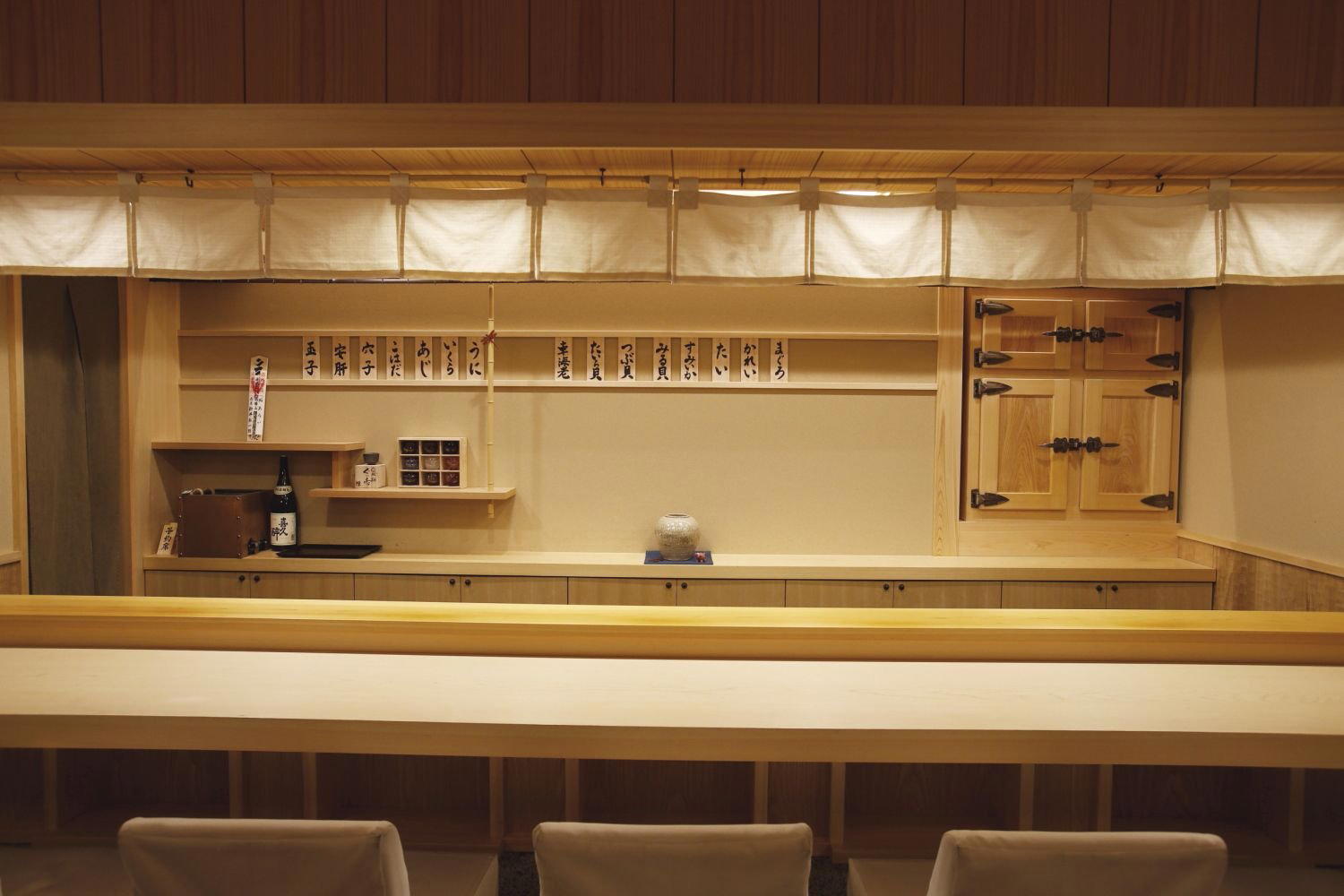
Arai
Tokyo, Japan
Arai is a restaurant in Ginza, Tokyo.
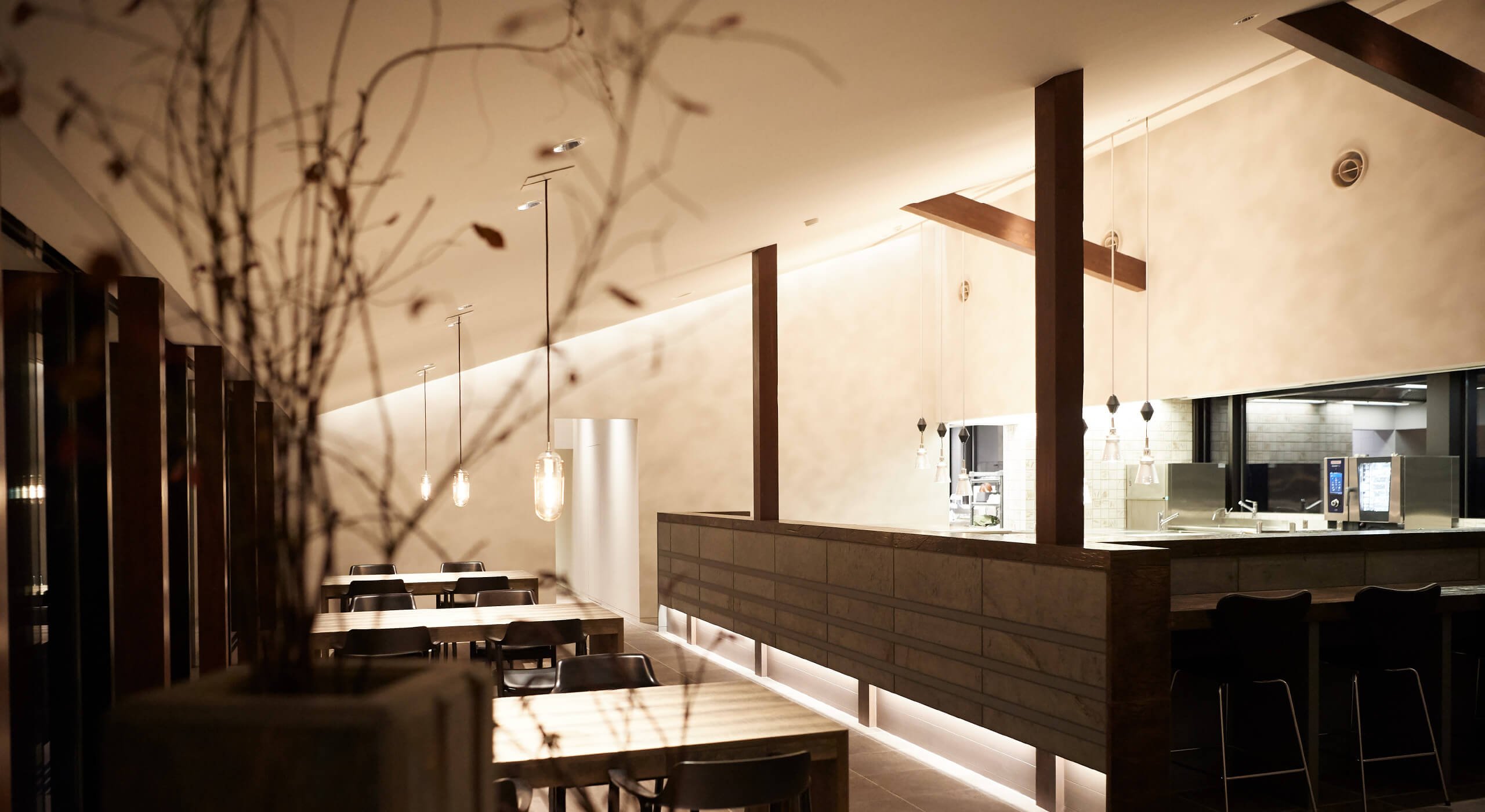
L'évo
Nanto, Japan
L'évo is an auberge with a restaurant and lodging in Togamura, Nanto, Toyama.
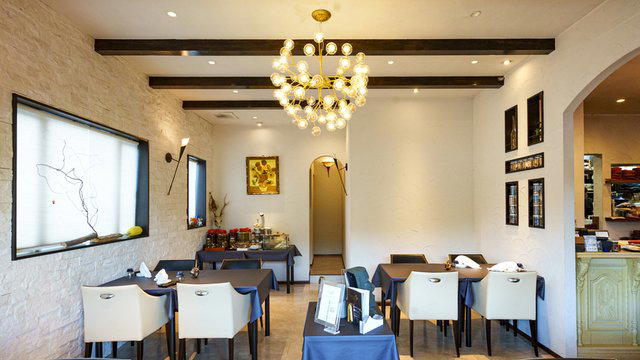
プレゼンテ スギ - Presente Sugi
Sakura, Japan
PRESENTE Sugi is a seven-seat Italian-Japanese counter in Sakura, Chiba, with Tabelog Gold awards in 2024 and 2025, a La Liste score of 94 points (2026), and a Tabelog score of 4.51. Dinner and lunch run JPY 40,000–49,999 per head. Booking is phone-only, and the 40-minute trip from Tokyo is worth making.
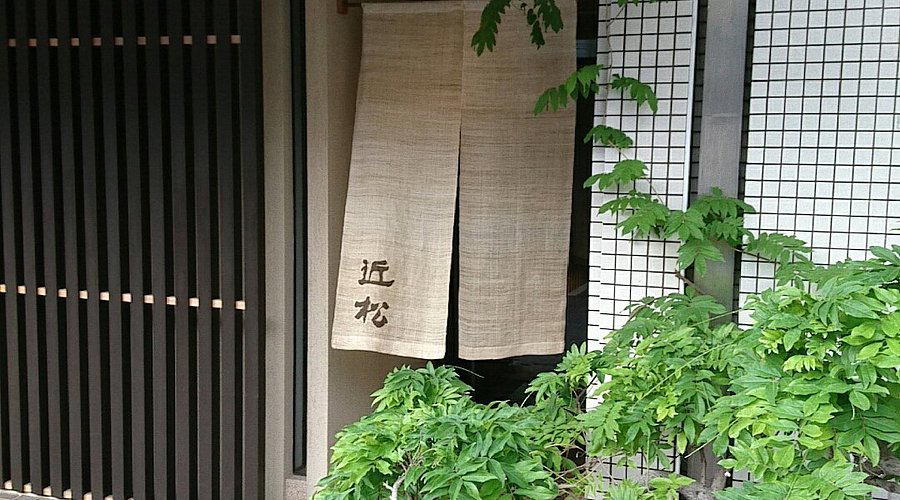
Chikamatsu
Fukuoka, Japan
Nine-seat counter sushi in Fukuoka's Yakuin district, accessible by introduction only. Chef Nobuhiro Sakanishi earned Tabelog Gold 2026 and OAD Japan #12 for omakase at JPY 30,000–39,999, delivering Tokyo-level precision without the capital's price premium. Serious format, no children, referral required.
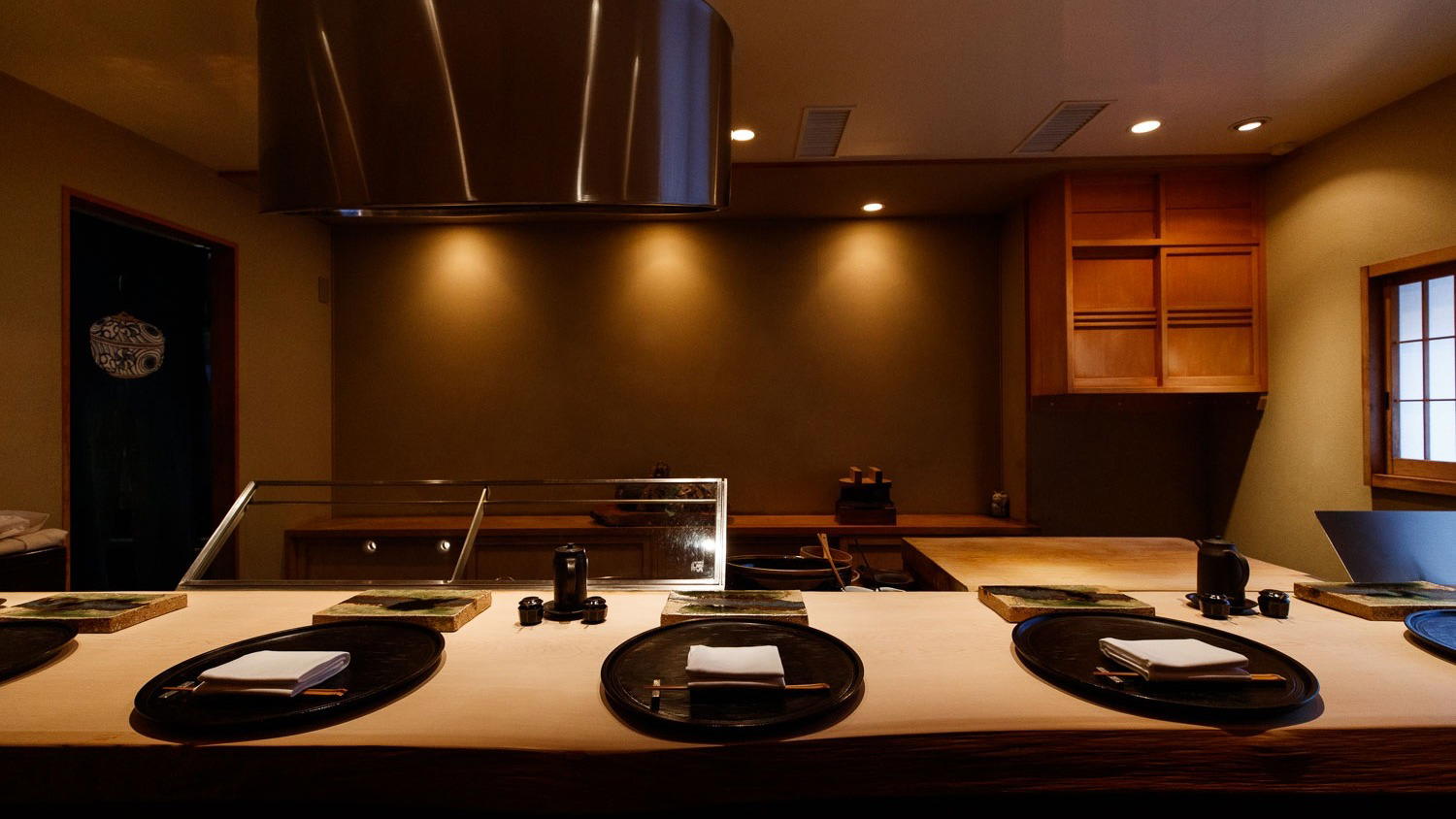
Tempura Naruse
Shizuoka, Japan
Tempura Naruse is a tempura restaurant in Aoi Ward, Shizuoka.
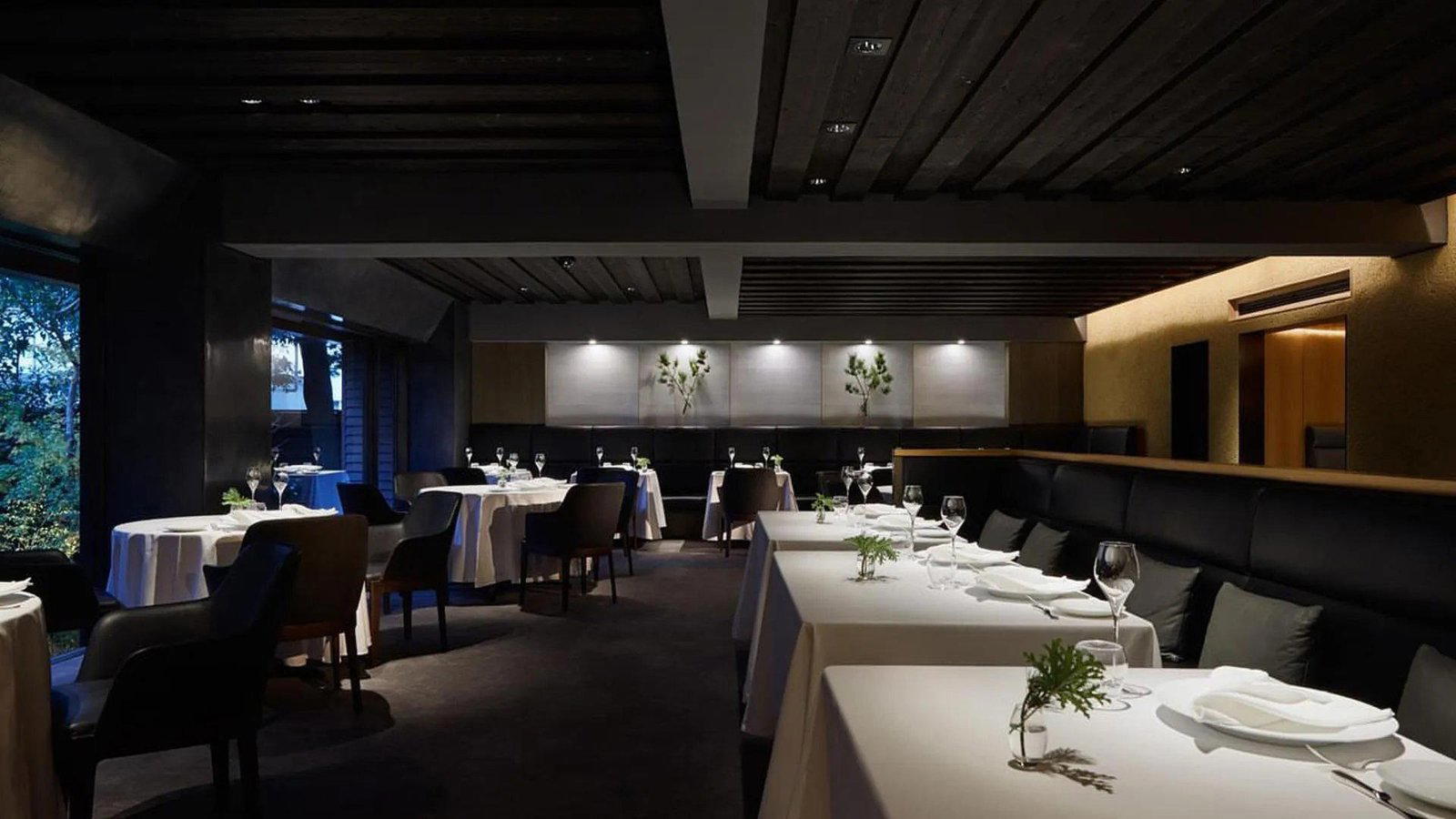
Pellegrino
Tokyo, Japan
Pellegrino is a six-seat Italian omakase in Ebisu with a fish-focused kitchen, Tabelog Gold awards in 2017–2019 and 2021–2025, and a price of JPY 100,000 per head. It is the right booking for a serious celebration dinner where intimacy and sourcing quality matter more than flexibility. Reserve through Omakase well in advance; availability is tight.
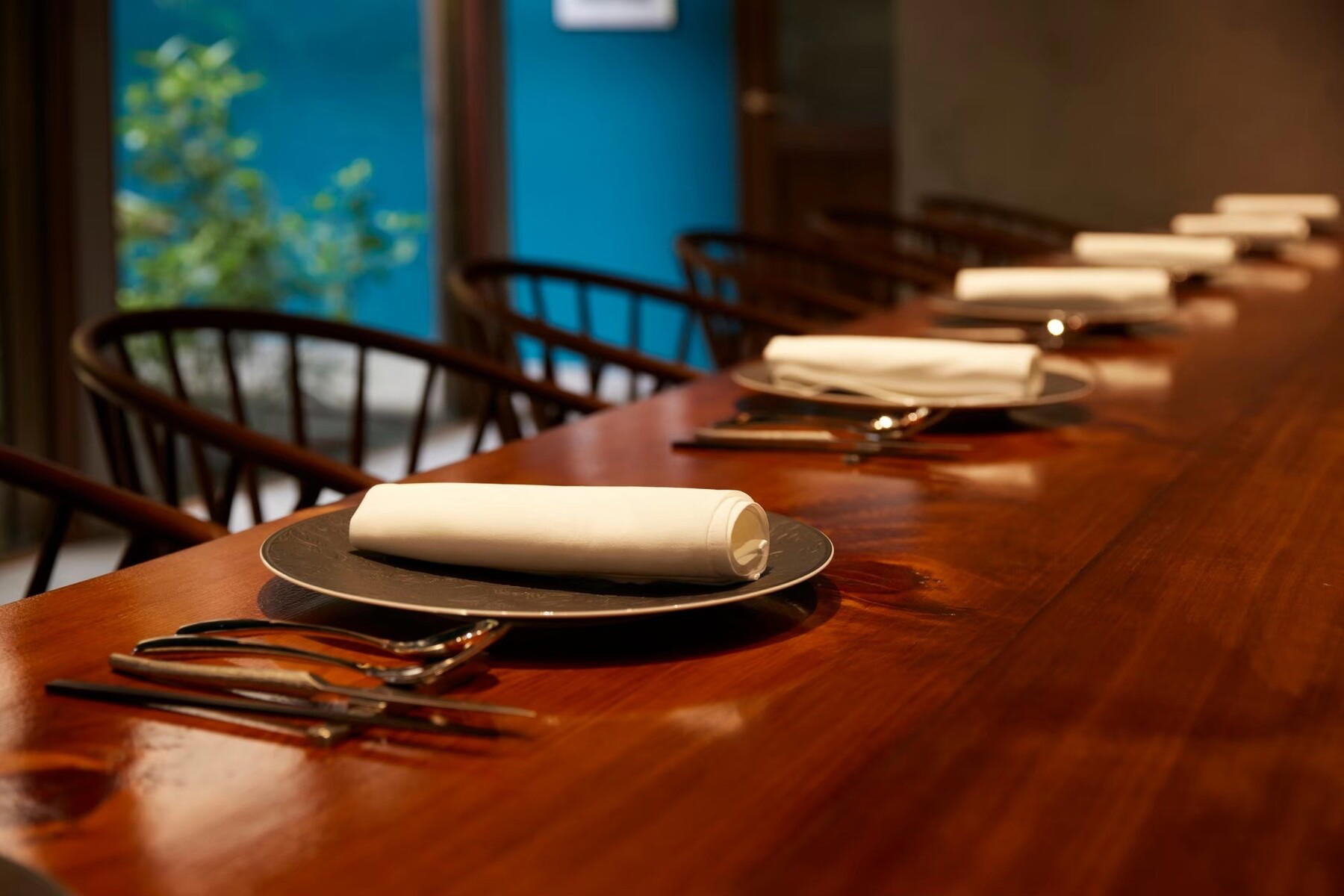
Chiso Nishikenichi
Yaizu, Japan
A Tabelog Gold-winning French counter in Yaizu, built around Suruga Bay seafood and running just eight seats. Two consecutive Gold awards (2025, 2026) and a score of 4.56 make this the strongest case for a deliberate stop in Shizuoka. At JPY 15,000–19,999 per head, it delivers award-level French cooking at a price well below comparable Tokyo venues.
Seizan
Tokyo, Japan
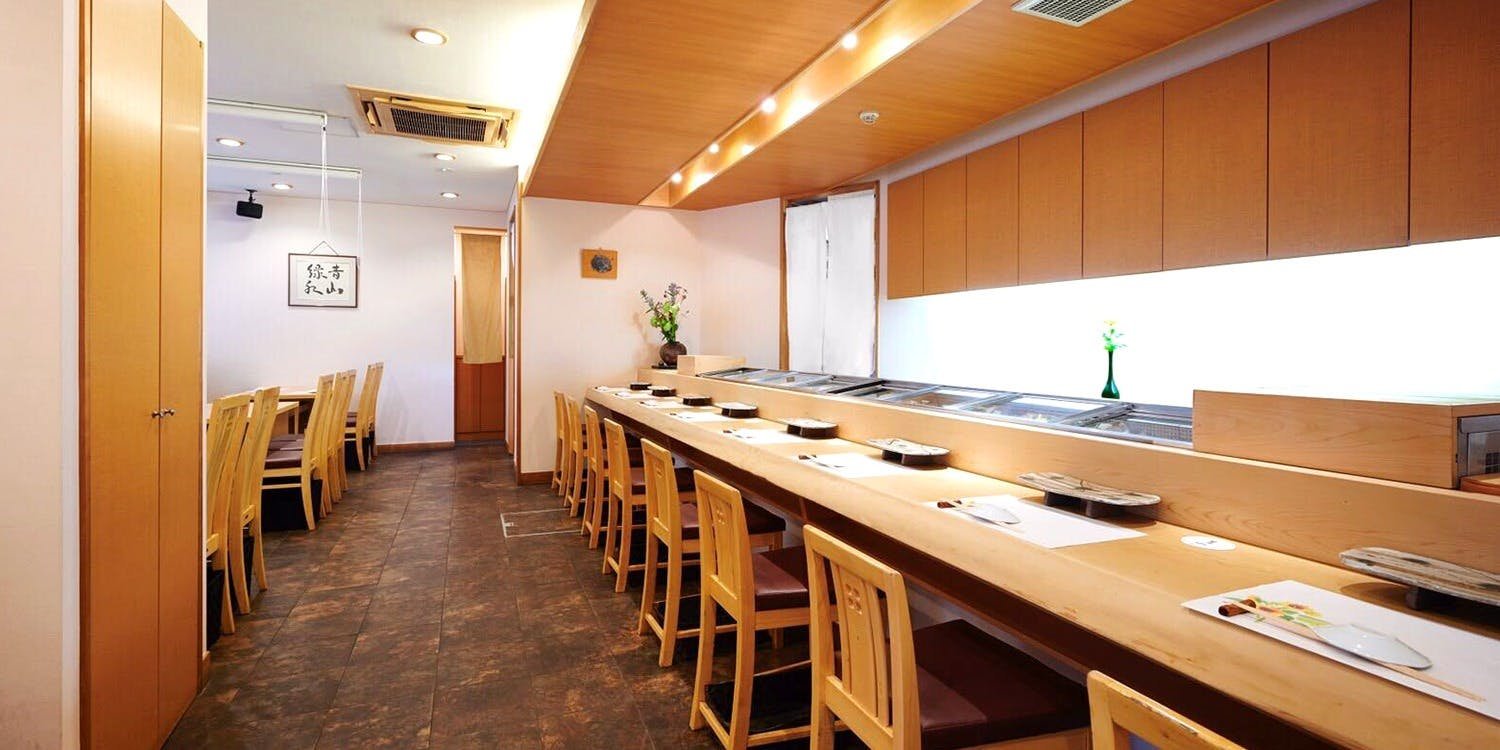
Seizan is a restaurant in Ginza, Tokyo.
Sazenka
Tokyo, Japan
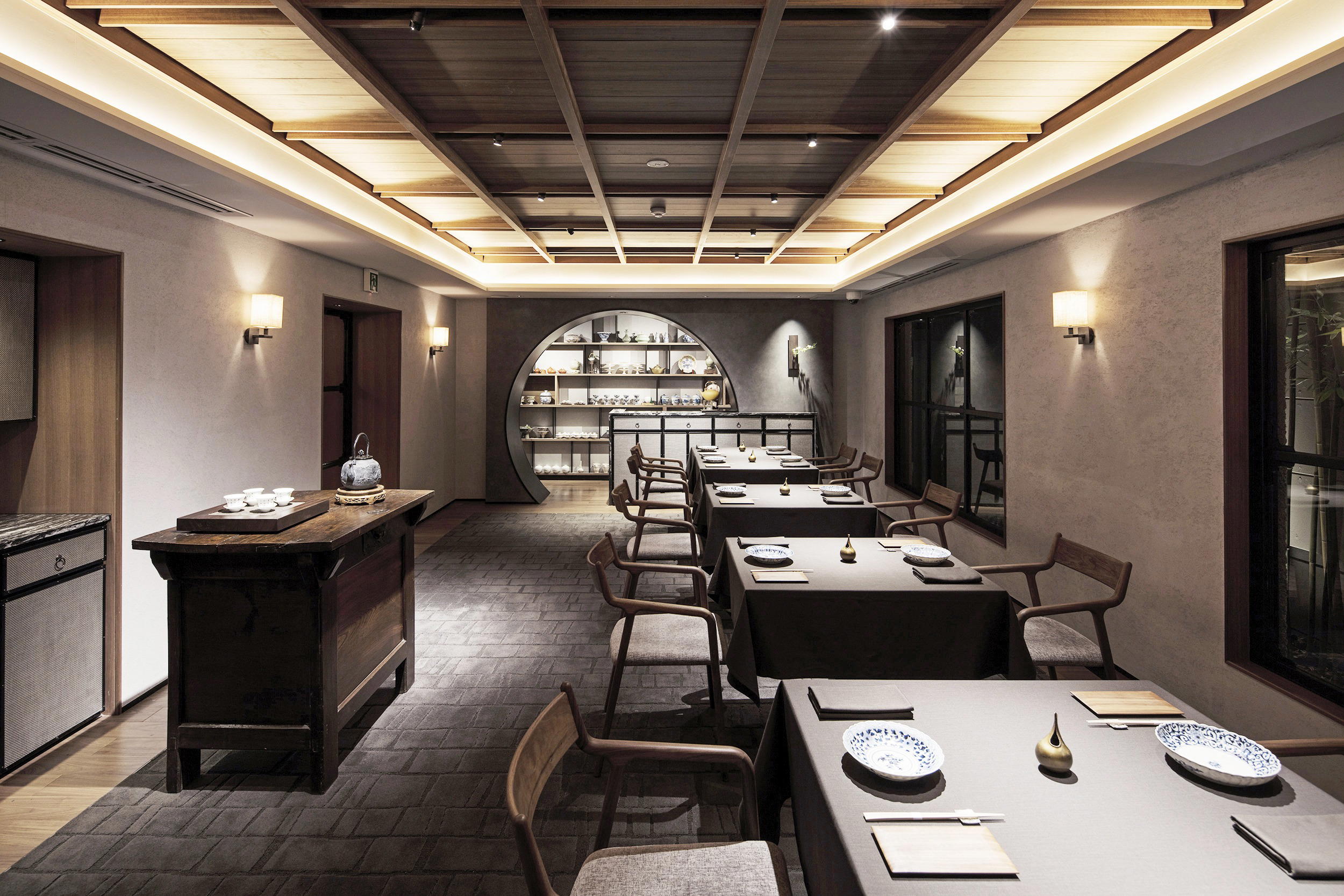
Sazenka is a Chinese restaurant in Minamiazabu, Tokyo.
Iida
Kyoto, Japan
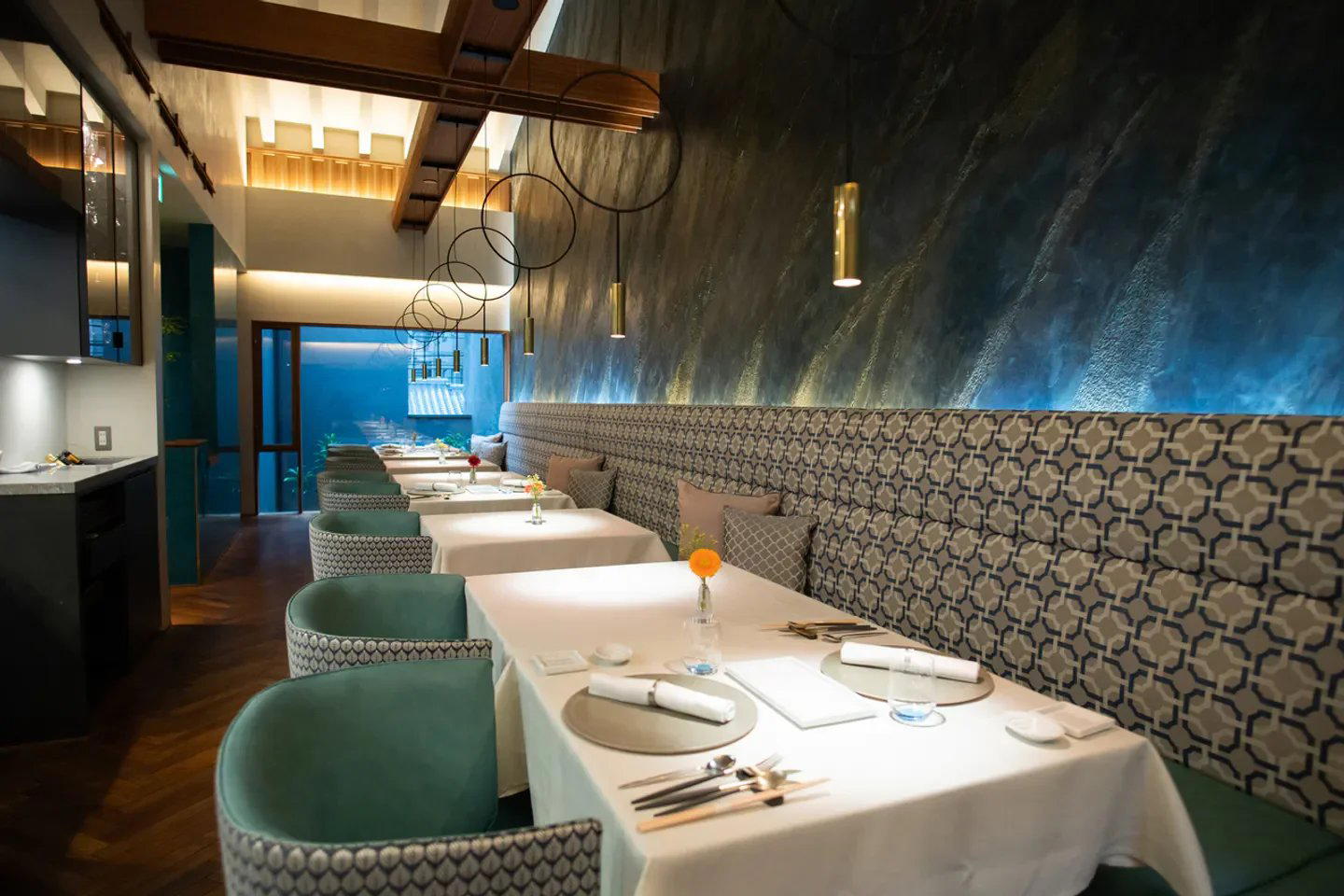
A ten-seat kaiseki counter in Nakagyo Ward with Tabelog Gold recognition every year from 2018 to 2026 and a 4.60 score. Dinner only, 6–8 pm, seven days a week. At JPY 50,000–59,999 per head, cash only, reservation required. One of Kyoto's most consistently awarded kaiseki rooms for the price tier.
Kataori
Kanazawa, Japan
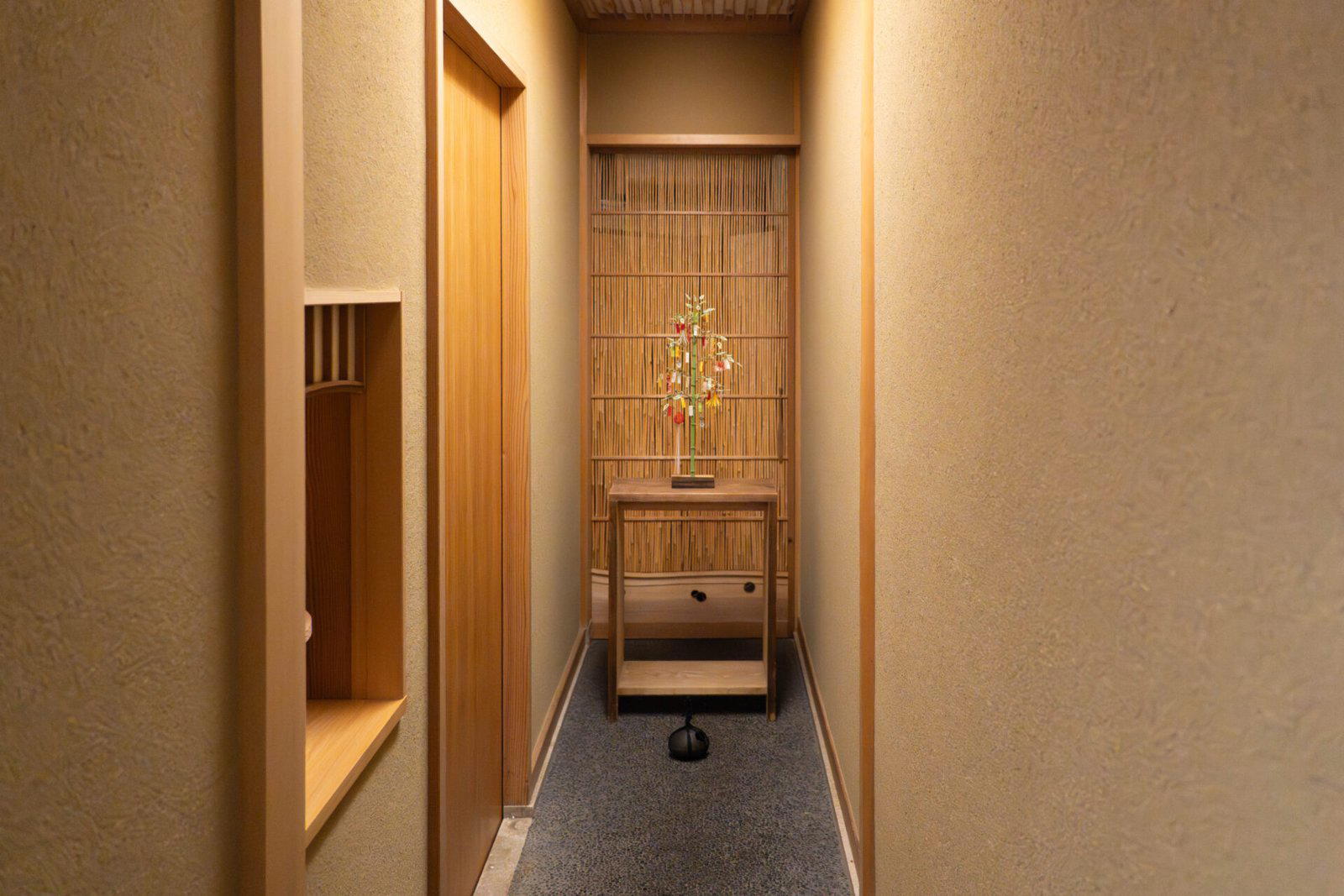
Kataori is a restaurant on Namikimachi in Kanazawa.
Overview
The 2025 Tabelog Gold recognizes 35 restaurants across 14 cities in Japan, selected by Tabelog's user review platform. This edition saw near-total turnover, with 34 new entrants and only one restaurant retained from the previous year. Tempura Naruse in Shizuoka takes the top position, replacing Sushi Akira.
This edition represents one of the most dramatic shifts in Tabelog Gold history, with 153 restaurants dropping out and only a single venue retained. The geographic spread covers 14 cities across Japan, from Hokkaido to Fukuoka. Tokyo claims four spots in the top ten (Arai, Shinohara, Amamoto, Kinoshita), while Kyoto follows with two (Ninshurou, Aca 1°). The list includes regional destinations like Shizuoka, Toyama, Karuizawa, and Fukuoka; cities not always represented in top-tier Japanese dining rankings. The complete replacement of 97% of previous winners suggests either methodology changes or significant shifts in user voting patterns on the platform.
The 2025 Tabelog Gold list underwent near-complete transformation, keeping just one restaurant from the previous edition while adding 34 new winners. Tempura Naruse in Shizuoka claims the top spot, displacing previous leader Sushi Akira, which dropped from the list entirely. Tokyo dominates the top ten with four entries, but the full 35-restaurant lineup spans 14 cities across Japan, including less-heralded dining destinations like Toyama and Karuizawa. The scale of turnover; 153 restaurants dropping out; marks this as one of the most volatile editions in the award's history.
Quick Facts
- Total Restaurants
- 35
- Cities Represented
- 14
- Top Restaurant
- Tempura Naruse (Shizuoka)
- New Entrants
- 34 restaurants
- Retained from Previous
- 1 restaurant
- Tokyo Restaurants in Top 10
- 4
- Kyoto Restaurants in Top 10
- 2
About This Edition
The 2025 Tabelog Gold selection represents an almost complete reset of Japan's user-driven restaurant ranking system. Only one restaurant survived from the previous edition, while 34 new entrants claimed Gold status. This 97% turnover rate far exceeds normal year-over-year changes and suggests fundamental shifts in how Tabelog users vote or how the platform calculates rankings. Geographically, the list spreads across 14 cities, with Tokyo securing four of the top ten positions through Arai, Shinohara, Amamoto, and Kinoshita. Kyoto follows with two top-ten restaurants: Ninshurou and Aca 1°. The inclusion of restaurants in Shizuoka (Tempura Naruse at #1), Toyama (L'évo at #2), Karuizawa (Restaurant Naz), and Fukuoka (Tenzushi Kyomachi) gives this edition stronger regional representation than lists dominated by Tokyo and Kyoto establishments. The dramatic reshuffling makes direct comparison with previous editions difficult. Notable casualties include Gion Sasaki and Jumbo Hanare, both previous winners now absent. The single retained restaurant and the mass exodus of 153 former winners raises questions about continuity in Tabelog's Gold criteria.
Frequently Asked Questions
Which restaurant topped the 2025 Tabelog Gold list?
How many restaurants are new to the 2025 Tabelog Gold list?
Which cities have the most restaurants in the top 10?
How many cities are represented in the 2025 Tabelog Gold awards?
How many of these have you visited?
Find out on Pearl and keep score across every place in 2025 Tabelog Gold.