


Doujin
Kaiseki · Sakyō, Kyoto
Restaurant in Kyoto, Japan
 Book with Pearl
The Read
Residential Kaiseki Precision
Price
$500+per person
Chef
Doujin Nakajima
Dress
Smart Casual
Why go
Doujin is a five-seat counter kaiseki restaurant in Kyoto's Sakyo Ward, holding Tabelog Gold continuously since 2020 and ranked 19th in Japan by Opinionated About Dining in 2025. Dinner only, priced at JPY 50,000–59,999 per person before drinks, with an actual spend closer to JPY 100,000. Book by phone well in advance — the counter size makes availability tight without being impossible.
About Doujin
Verdict
At JPY 50,000–60,000 per head on the menu price (with actual spend running closer to JPY 100,000 when drinks are included, based on reviewer averages), Doujin is one of Kyoto's most demanding commitments. Five counter seats, dinner-only hours, and a Tabelog Gold award held consecutively from 2020 through 2026 tell you exactly what kind of room this is: small, serious, and booked by people who plan ahead. If kaiseki at this level is your reason for visiting Kyoto, Doujin earns its price. If you want flexibility or a more social format, look at Ifuki or Chihana instead.
Portrait
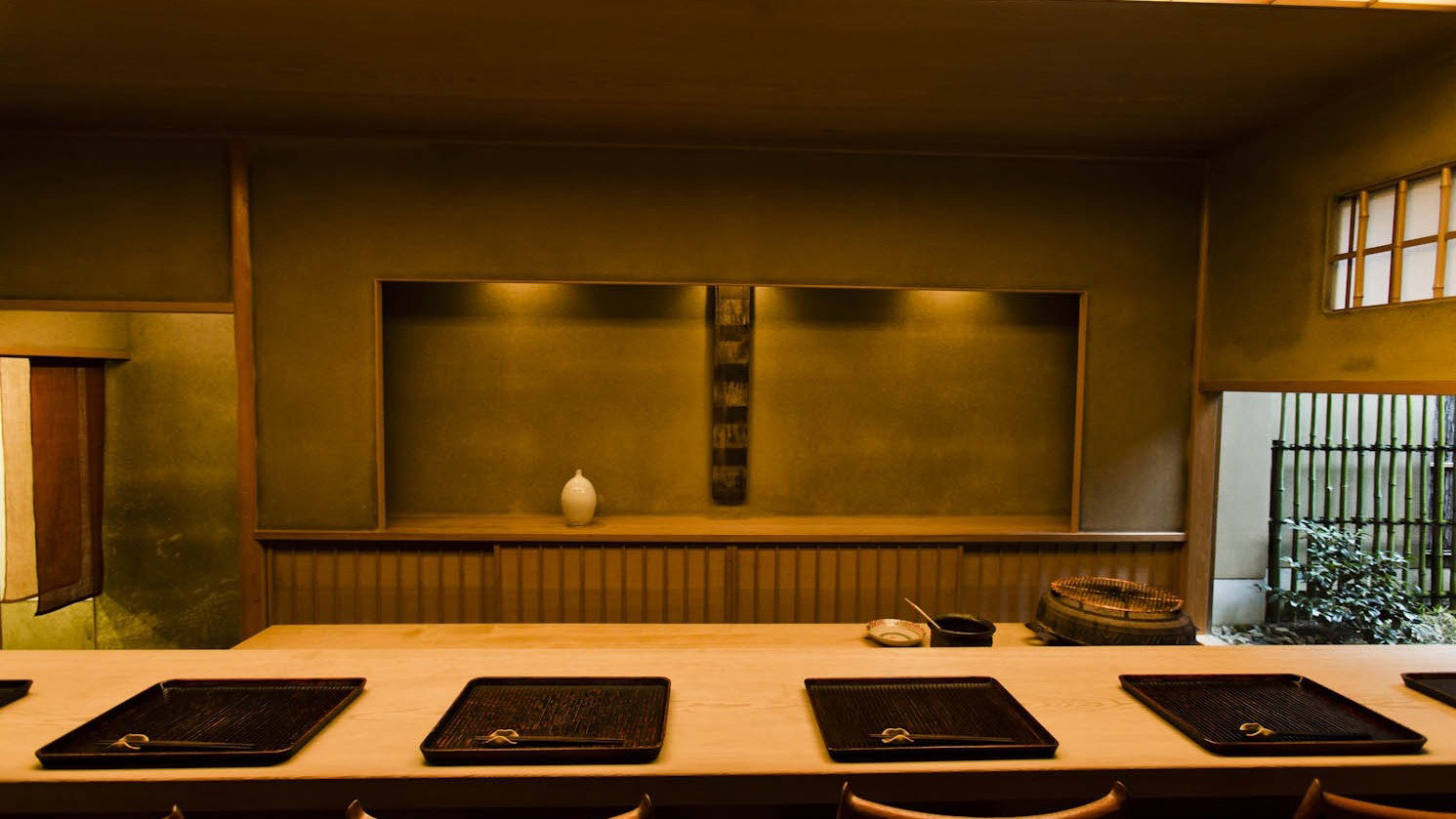
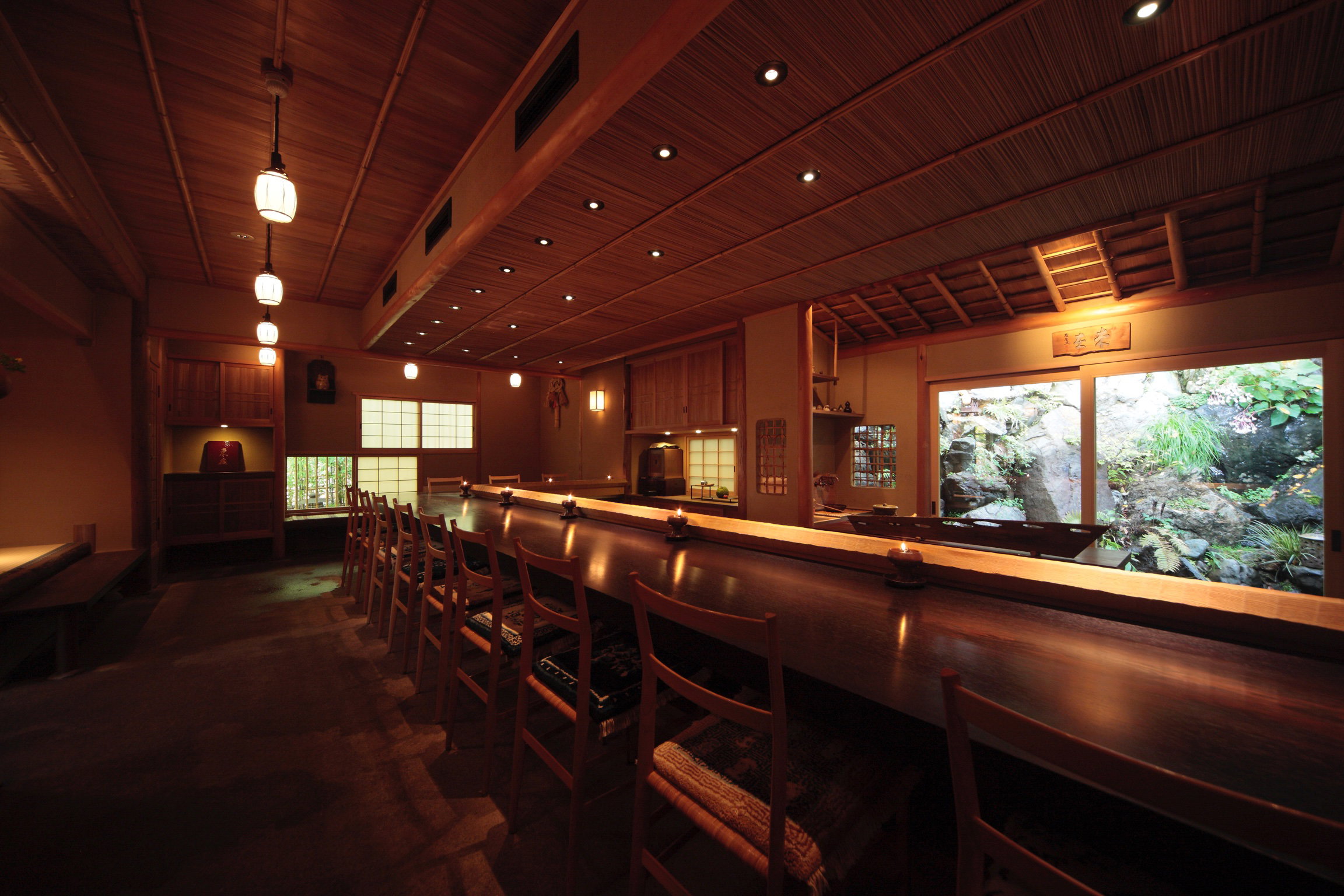
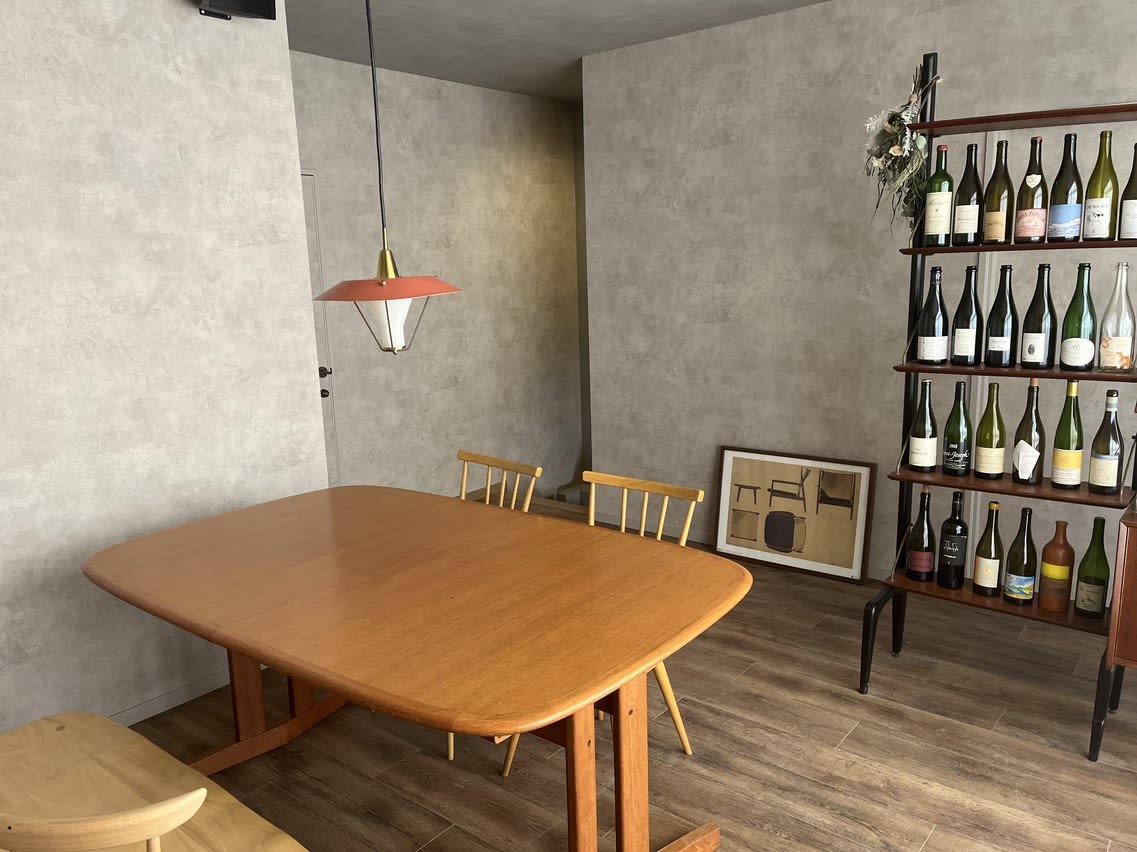
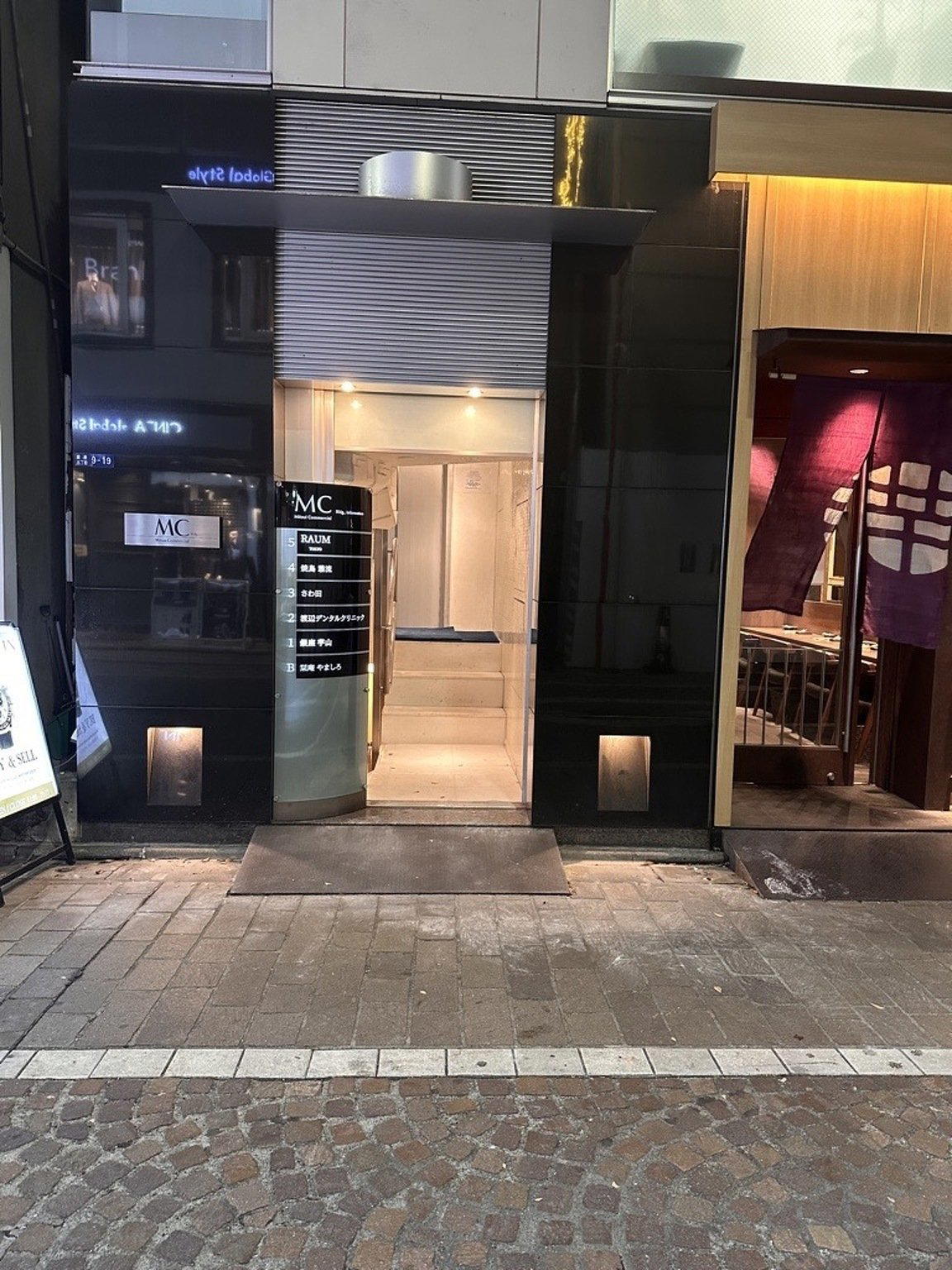
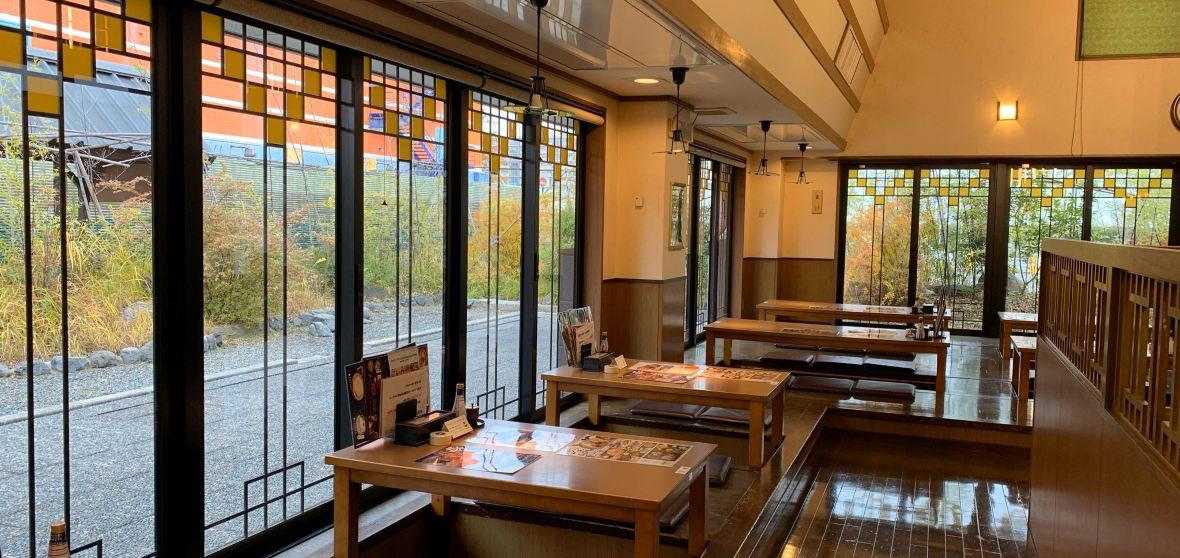
Doujin sits in Sakyo Ward, a five-minute walk from Sanjo Keihan Station, in a setting Tabelog classifies as a house restaurant and hideout. That framing is accurate: this is not a grand dining room with a formal entrance. The counter holds five people. The atmosphere is close and quiet, with the energy concentrated entirely on what is being prepared and served rather than on any ambient spectacle. For a food-focused traveller, that compression is the point. For anyone expecting the broader theatrical scale of a Kyoto ryotei, it may feel austere.
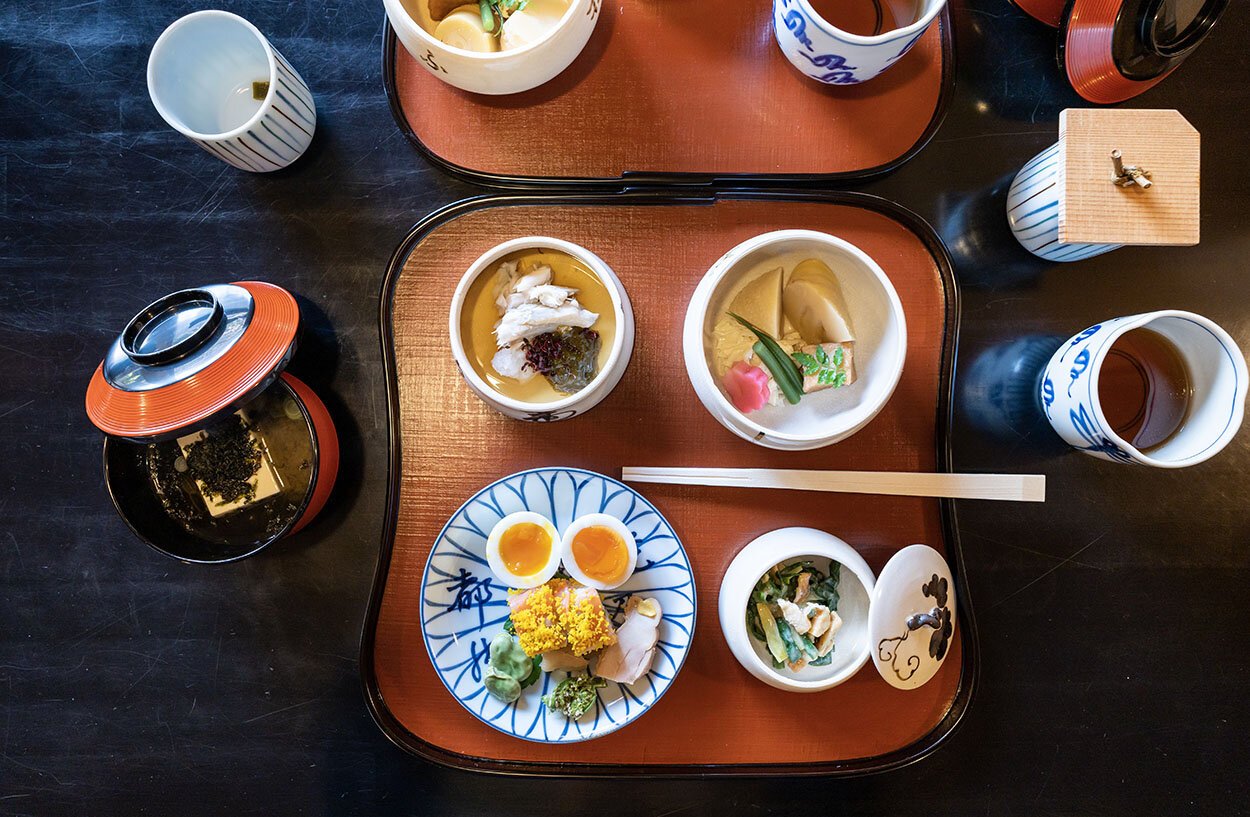
The seasonal structure of kaiseki is the engine here. Kaiseki menus are driven by what is available from Japanese producers at a specific moment in the calendar, and a kitchen this size with a chef described as particularly focused on fish makes those seasonal transitions legible in each course. Visiting in spring means a different experience from autumn, and the gap between a visit in early winter versus late winter is meaningful. The practical implication: if you are travelling to Japan during a specific window, Doujin rewards research into what is in season rather than a generic booking. The sake list is taken seriously, which pairs well with a fish-forward kaiseki progression.
The award trajectory is worth reading carefully. Doujin entered the Tabelog rankings at Bronze in 2019 and moved to Gold from 2020 onwards, holding that position through 2026. The Tabelog score sits at 4.66 as of 2026, ranking 7th in the Gold tier. Opinionated About Dining placed it 19th in Japan in 2025, up from 61st in 2024, a significant jump in a competitive field. La Liste scores it 83 points in 2026. For a five-seat counter with no official website, the consistency of that recognition across multiple independent ranking systems is the clearest indicator of quality available.
The venue has also been selected for the Tabelog Japanese Cuisine WEST Top 100 in 2021, 2023, and 2025, which is a peer-voted supplement to the main award system and adds a second layer of validation.
For context within the broader kaiseki world, Doujin fits alongside other precision-focused counter restaurants in Kyoto such as Hassun and Ankyu, and sits in the same tier as Kyoto kaiseki destinations that serious Japan travellers cross-reference against Hirosaku in Tokyo or Kikunoi Tokyo. If you are building a multi-city Japan itinerary, Pearl's guides for HAJIME in Osaka, akordu in Nara, and Goh in Fukuoka cover the comparable tier across those cities. The full Kyoto restaurants guide covers the wider picture if you are still deciding between venues.
Know Before You Go
- Price: JPY 50,000–59,999 per person (menu); average actual spend based on reviews closer to JPY 100,000 with drinks
- Hours: Monday–Sunday, 6:00 pm–10:00 pm (dinner only, no lunch service)
- Seats: 5 (counter only, no private rooms)
- Getting there: 5-minute walk from Sanjo Keihan Station; no parking available
- Payment: Credit cards accepted (VISA, Mastercard, JCB, AMEX, Diners); no electronic money or QR code payments
- Smoking: Non-smoking throughout
- Drinks: Sake (Nihonshu), shochu, wine; sake selection given particular attention
- Reservations: Required; bookable by phone (+81-75-203-0074); no official website
- Booking difficulty: Accessible — phone reservations are available and the venue does not have the multi-month waitlist of the hardest seats in Kyoto, though Gold-tier status means you should not leave this to the last week
- Dress code: Not formally stated; at this price point, smart casual at minimum is appropriate
- Closed: No fixed closing day — confirm when booking
For more on where to stay and what to do around your visit, see Pearl's Kyoto hotels guide, Kyoto bars guide, Kyoto experiences guide, and Kyoto wineries guide. If your Japan trip extends beyond Kyoto, Pearl also covers Harutaka in Tokyo, 1000 in Yokohama, and 6 in Okinawa for comparable depth in other cities.
Planning details
- Hours
- Monday: 6–10 pm · Tuesday: 6–10 pm
- Location
- 291-1 Kikuhokocho, Sakyo Ward, Kyoto, 606-8364, Japan
- Website
- tabelog.com/en/kyoto/A2601/A260301/26030764
- Phone
- +81 50-5595-8094
The take
The Take
The Vibe
Doujin presents as a quietly authoritative kaiseki house tucked into Sakyo Ward’s more restrained precincts. The writing emphasizes discipline and seasonality, framing the restaurant as part of a smaller, less touristed tier of serious Kyoto kitchens. The tone is classical rather than flashy: tradition and codified technique steer the experience, and a steady critical ascent positions Doujin alongside more famous names without the fanfare. Visitors encounter a measured, intimate rhythm that favors refined simplicity over spectacle—an understated, confidence-forward destination for diners who prize ritual, provenance and meticulous execution.
Best For
Doujin is best for diners seeking a formal, seasonally driven kaiseki experience—an outing that reads as a special occasion rather than casual dining. The description stresses the codified discipline of kaiseki and the restaurant’s critical momentum, making it suited to guests who appreciate thoughtful sequences and culinary restraint. It works for quiet, intimate celebrations or for serious food lovers tracing Kyoto’s culinary hierarchies. This is not a drop-in, buzzy spot; it rewards attentiveness to pacing, seasonal detail and the subtleties of classical Japanese service.
Ordering Tips
Expect a structured, seasonal kaiseki sequence and approach the meal with patience and openness to progression rather than à la carte choices. The editorial focus on the discipline behind kaiseki suggests that the chef’s sequence is the point of the visit: embrace the order of courses and the shifts in seasonal ingredients. Given Doujin’s portrayal as a measured, critically regarded house in a quieter ward, ease into the service and allow the kitchen’s rhythm to dictate tempo—this best preserves the formal simplicity and nuance the restaurant is aiming to deliver.
Venue details
Ambiance
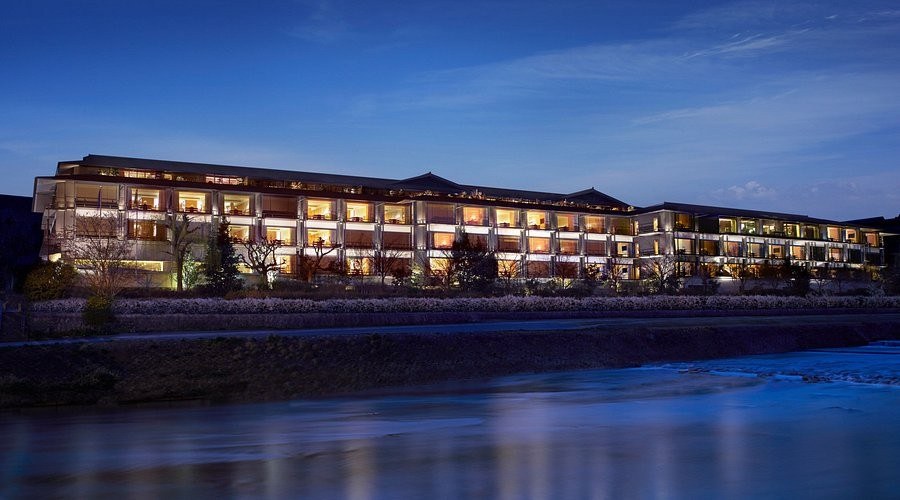
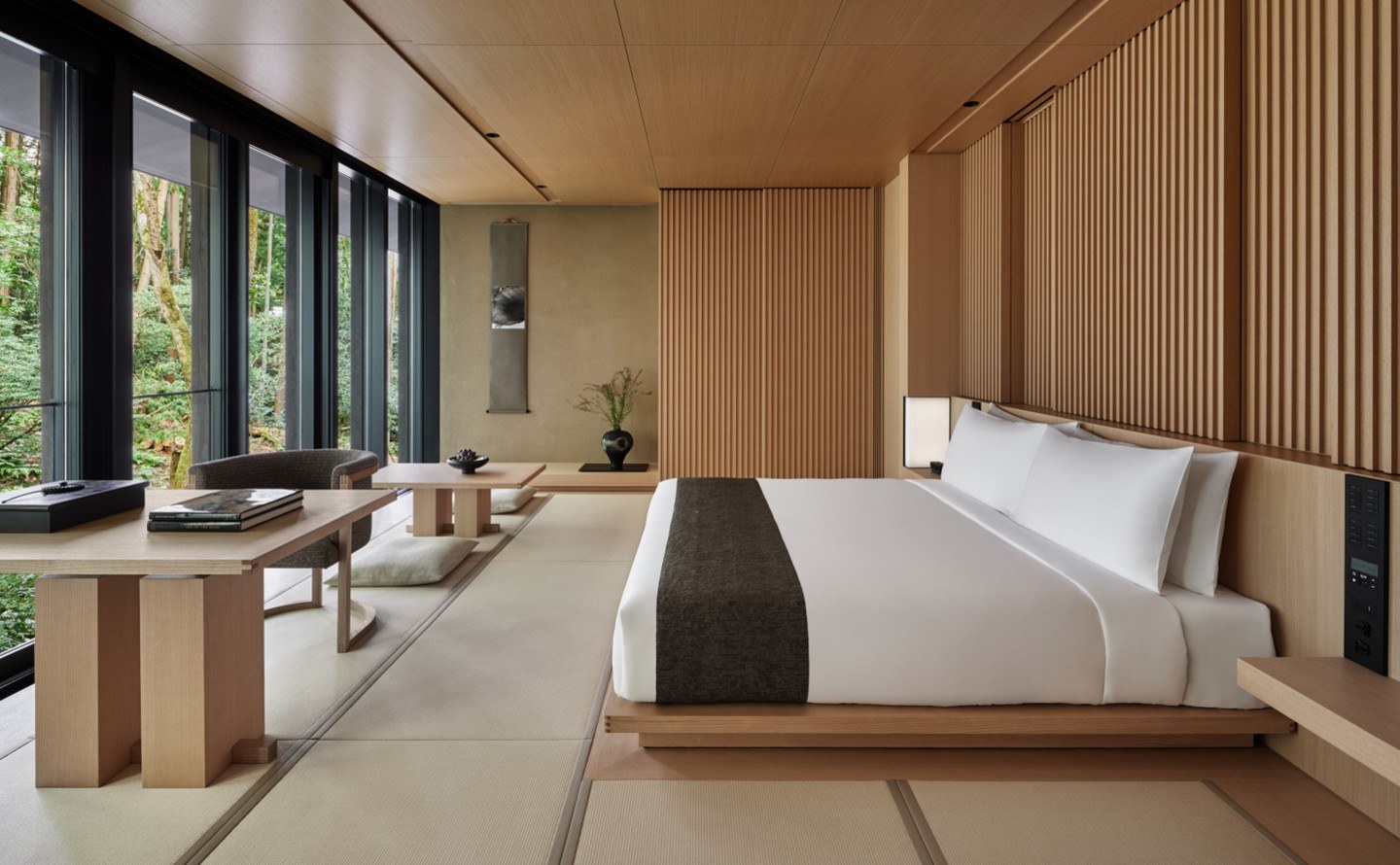
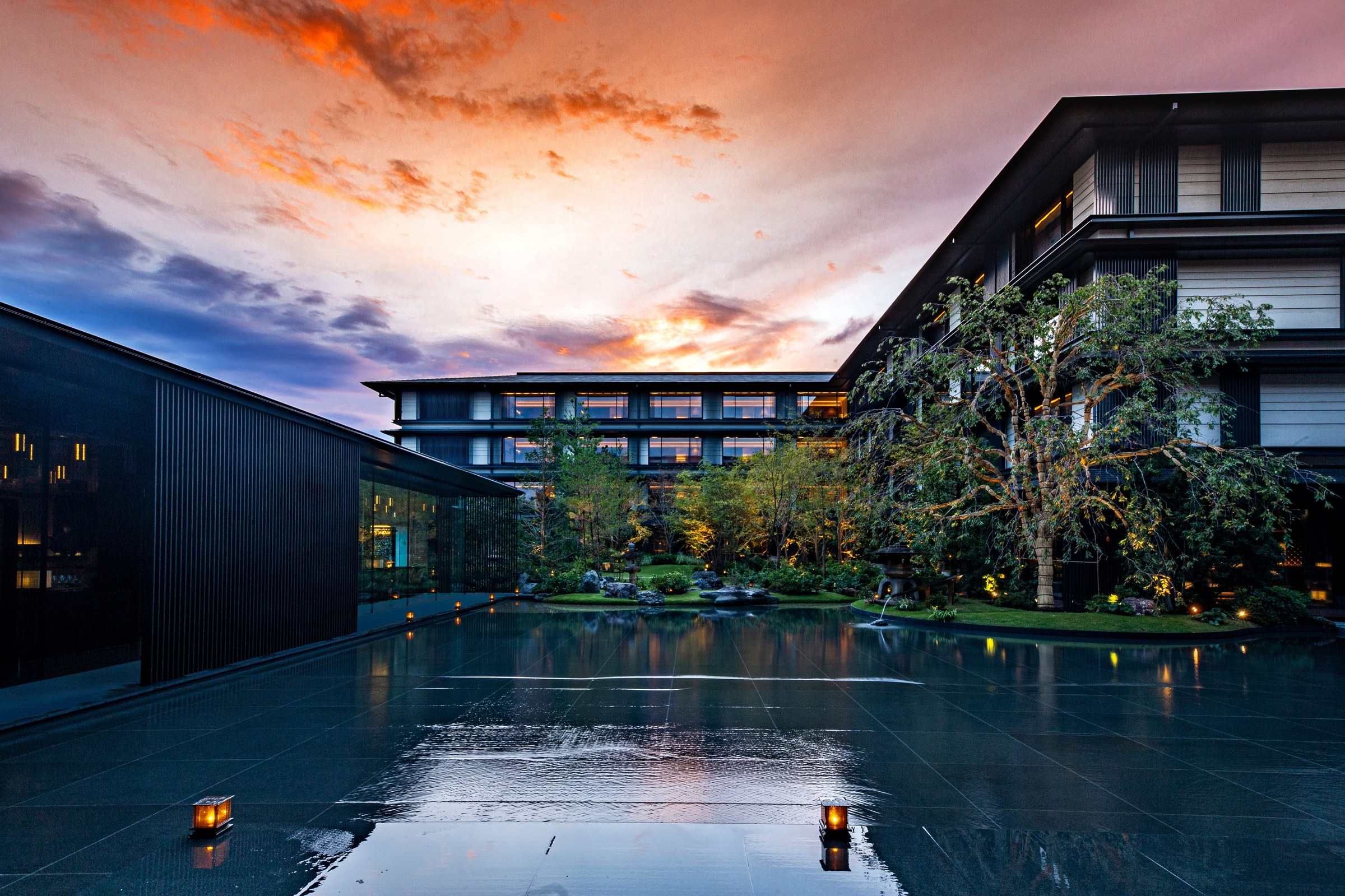
Refined tea-house style atmosphere with serene garden views, evening lights, and a dignified, welcoming presence from the proprietress.
Tags
Vibe
Best For
Experience
Sourcing
View
At the Table
- Dress Code
- Smart Casual
- Noise Level
- Quiet
- Service Style
- Formal
- Meal Pacing
- Leisurely
- Capacity
- Intimate
- Kitchen
- Seasonal
- Menu Format
- Omakase
- Wine Program
- Curated
Know before you go
Know Before You Go
- Getting there
- 291-1 Kikuhokocho, Sakyo Ward, Kyoto, 606-8364, Japan
Planning details
Hours
- Monday
- 6–10 pm
- Tuesday
- 6–10 pm
- Wednesday
- 6–10 pm
- Thursday
- 6–10 pm
- Friday
- 6–10 pm
- Saturday
- 6–10 pm
- Sunday
- 6–10 pm
Location
291-1 Kikuhokocho, Sakyo Ward, Kyoto, 606-8364, Japan · Directions
Recognition and awards


Also consider
Also Consider
- Gion Sasaki, Kaiseki, Japanese, ¥¥¥¥
- cenci, Italian, ¥¥¥
- Ifuki, Kaiseki, ¥¥¥¥
- Kyokaiseki Kichisen, Japanese, ¥¥¥¥
- Kyo Seika, Chinese, ¥¥¥
Restaurant context
Against Gion Sasaki in the kaiseki tier, Doujin is the more intimate and focused choice. Gion Sasaki has a broader reputation internationally and may be easier to reference for first-time visitors to Kyoto kaiseki, but Doujin's five-seat counter and fish-forward kitchen offer a more concentrated experience for a traveller who specifically wants that format. If you are choosing between the two, Gion Sasaki suits those who want a more established name and slightly more room; Doujin suits those who want proximity to the kitchen above everything else.
Ifuki and Kyokaiseki Kichisen are both kaiseki at the ¥¥¥¥ tier, and Kichisen in particular carries one of the most formal reputations in Kyoto traditional dining. For a traveller whose priority is prestige and ceremony, Kichisen may be the more appropriate booking. Doujin, by contrast, is better suited to someone who wants kaiseki at the highest technical level but in a low-ceremony, counter-only setting. Ifuki sits between the two in feel and is worth considering if counter seating feels too restrictive.
cenci and Kyo Seika are the non-kaiseki options in this comparison set. cenci (Italian, ¥¥¥) is the lower-spend alternative for a serious dinner in Kyoto, it will not replicate the kaiseki structure but offers strong value for the tier. Kyo Seika (Chinese, ¥¥¥) serves a different cuisine entirely and is relevant only if Japanese cuisine is not a fixed requirement. For a kaiseki-specific decision, the comparison stays between Doujin, Gion Sasaki, Ifuki, and Kichisen, and Doujin wins on counter intimacy and recent ranking momentum.
Explore Kyoto
Around this place
Discover more on Pearl
Unlock the full Doujin guide in Pearl, including awards, comparisons, FAQs, planning details, and nearby places.
FAQ
Frequently Asked Questions
What should a first-timer know about Doujin?
Doujin is a five-seat counter kaiseki in a house-restaurant setting in Sakyo Ward, a short walk from Sanjo Keihan Station. Budget JPY 100,000 per person once drinks are added to the listed JPY 50,000–59,999 menu price. Tabelog reviewers consistently report that spend figure, so treat it as the real cost. The restaurant has held Tabelog Gold continuously from 2020 through 2026 and ranked 19th in Opinionated About Dining Japan 2025, so the credentials are well-documented — but the format is intimate and unforgiving of late arrivals or mismatched expectations.
Is Doujin good for solo dining?
Yes, and it may be the format the room suits best. With only five counter seats and no private rooms, solo diners get the full experience without awkward table sizing. The counter-only setup means you are directly in the chef's sightline throughout the meal. If solo kaiseki in Kyoto is your goal, Doujin's configuration works in your favour — though the JPY 100,000 all-in spend is the same regardless of party size.
Is lunch or dinner better at Doujin?
Dinner only. Doujin operates exclusively from 6–10 pm, seven days a week — there is no lunch service. Clear your evening and plan to be there for the full four-hour window.
Can Doujin accommodate groups?
Not in any meaningful sense. The restaurant seats five people in total, private room use is listed as unavailable, and private buyout is also not available. Parties of more than four will not fit, and even four guests would fill the room. For groups of six or more wanting kaiseki in Kyoto, Kyokaiseki Kichisen or Gion Sasaki offer more capacity without sacrificing calibre.
How far ahead should I book Doujin?
Book as far out as the reservation window allows — for a five-seat room with Tabelog Gold status and consistent OAD Top 20 Japan ranking, demand far outpaces supply. Reservations are accepted, but with no official website listed, contact via phone (+81-75-203-0074) is the documented route. Treat this as a months-ahead commitment, not a week-of booking, especially for weekend dates.
What should I wear to Doujin?
No dress code is specified in the venue data. For context, the setting is classified as a house restaurant in a residential part of Sakyo Ward — the atmosphere skews intimate rather than formal. At JPY 100,000 per head, arriving in clean, presentable clothing is sensible; a full suit is unlikely to be required, but very casual attire would feel out of place given the price point and the calibre of the awards.